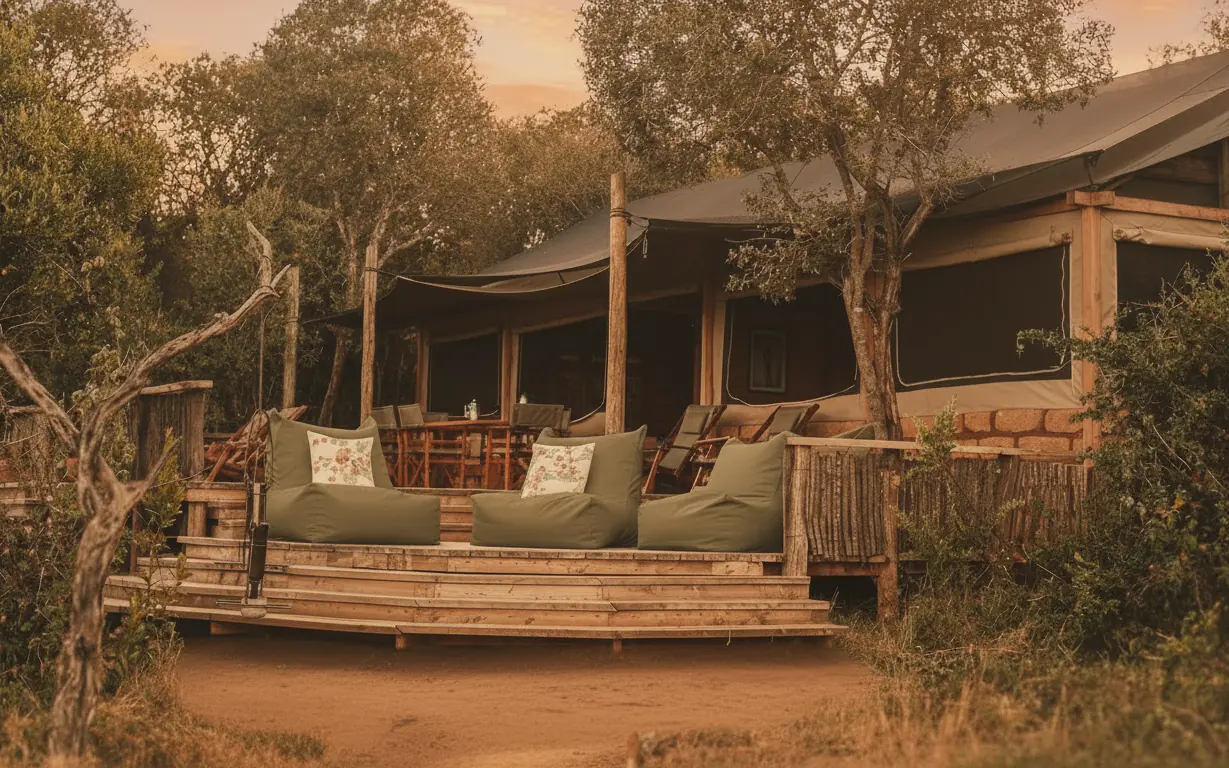
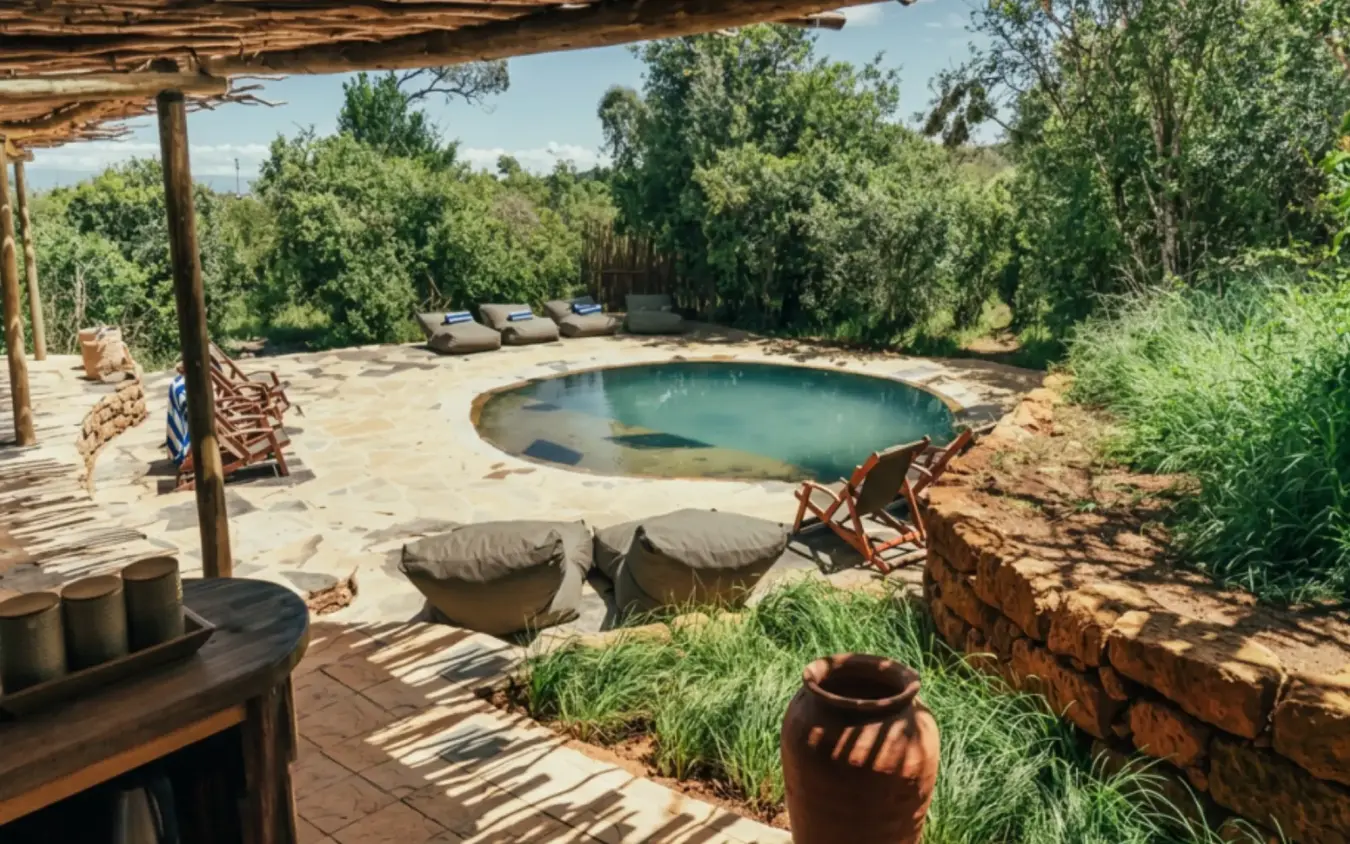
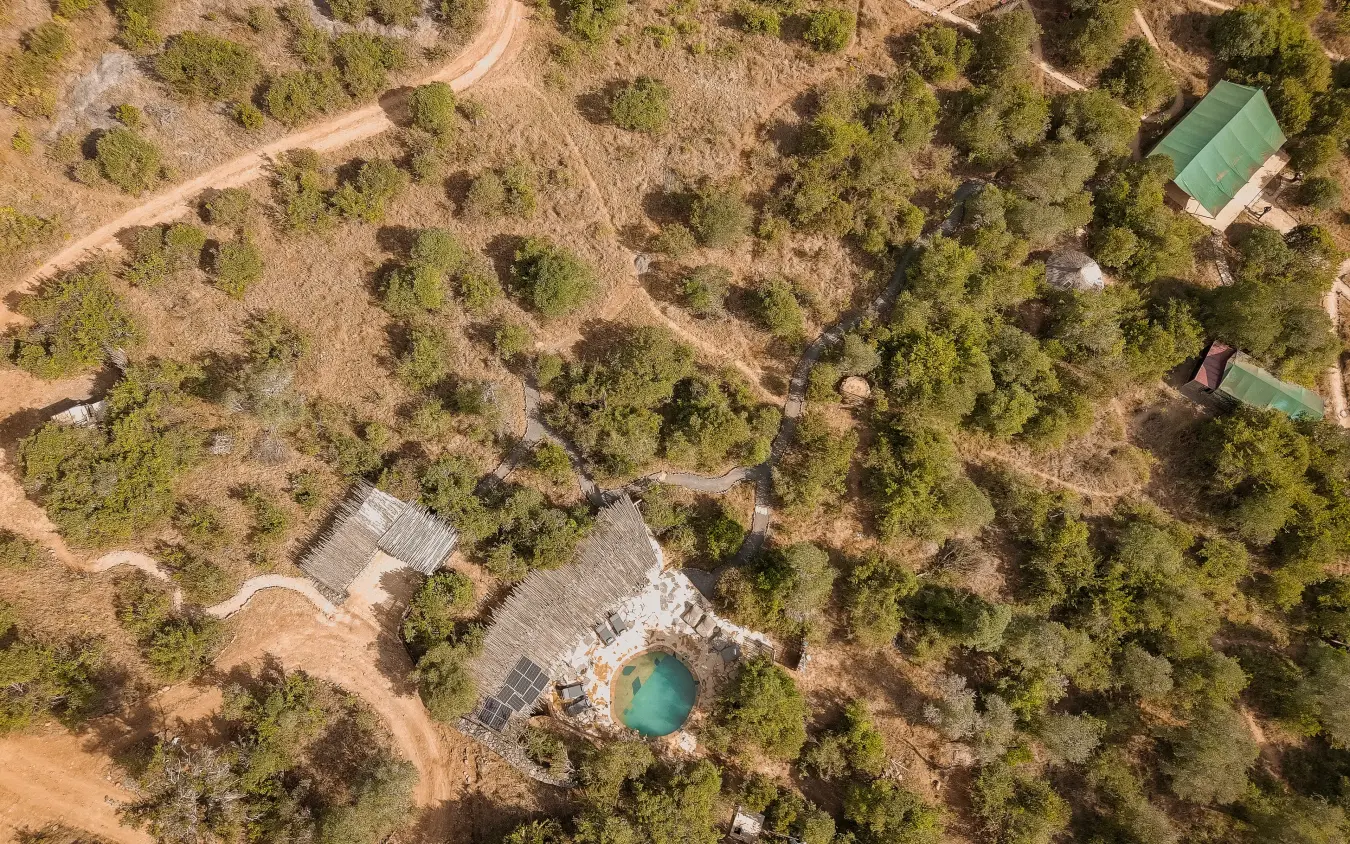
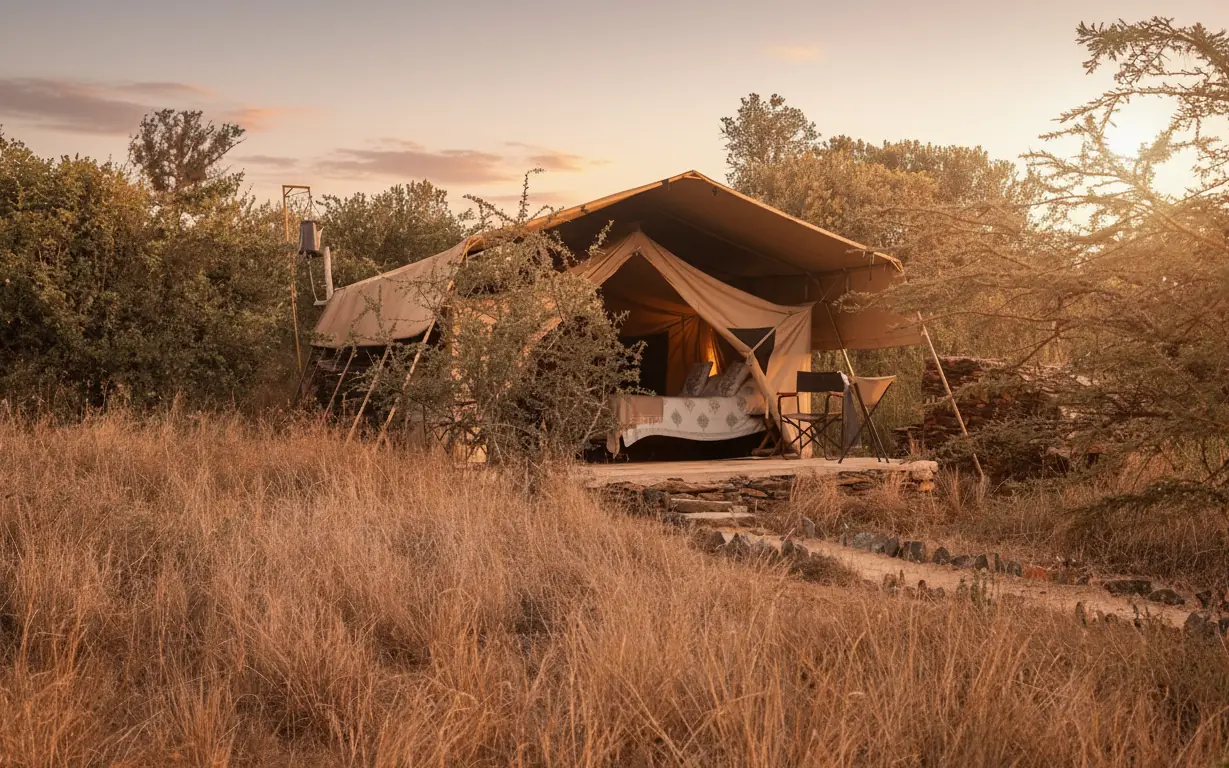
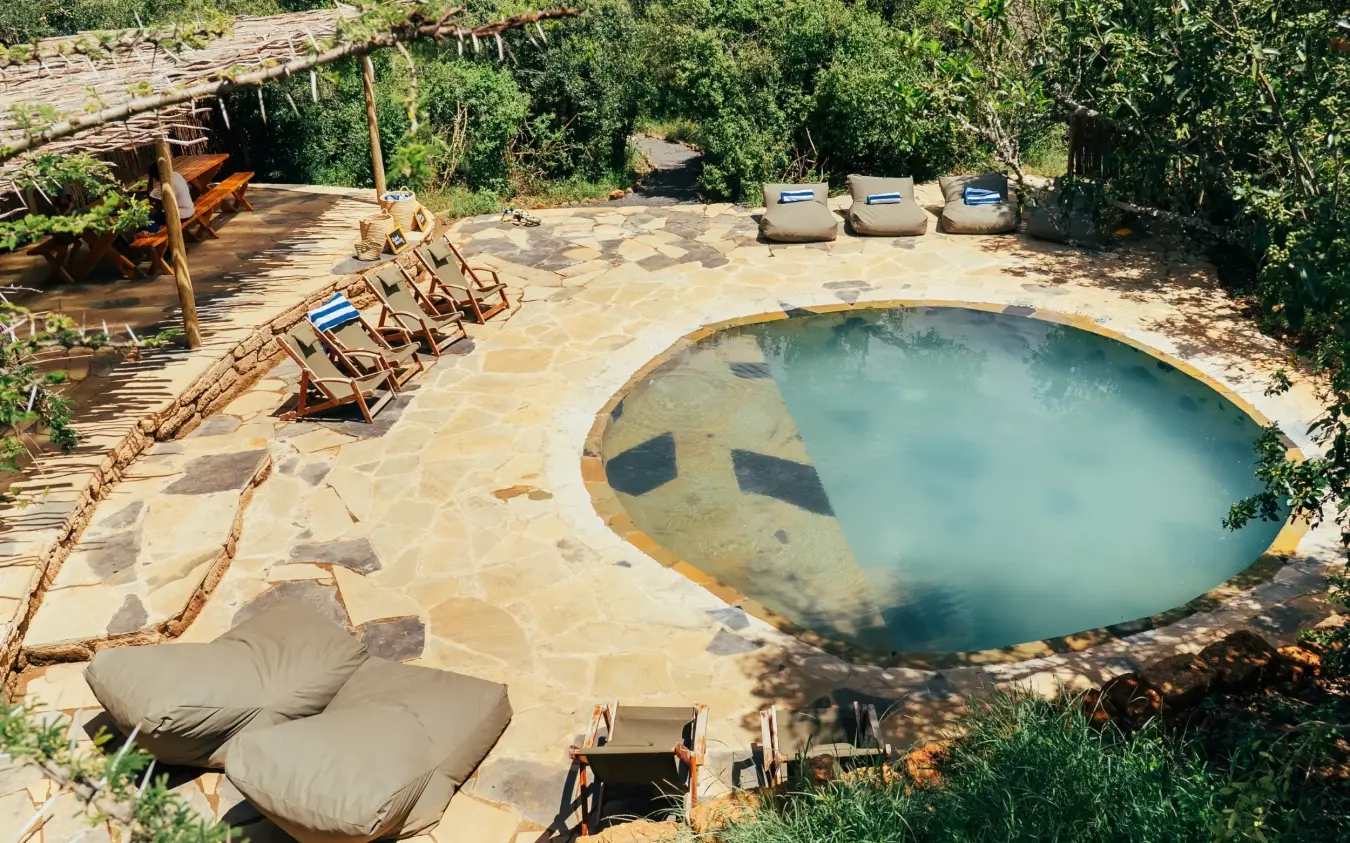
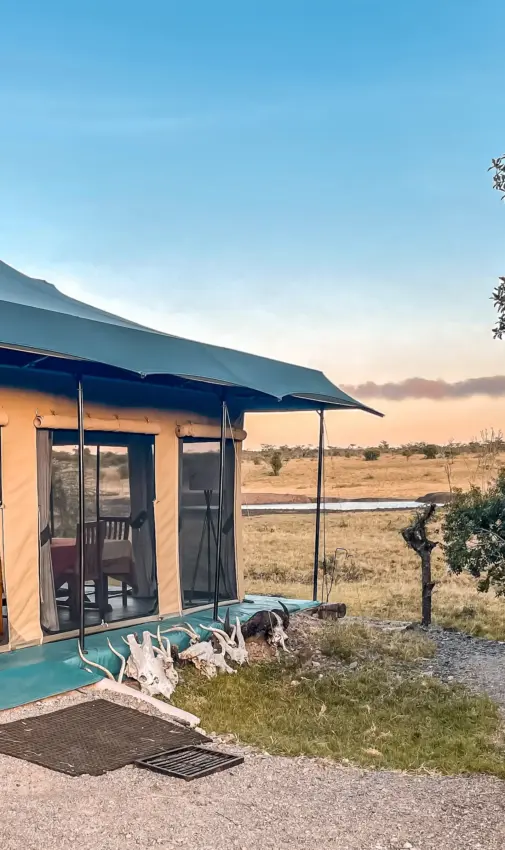
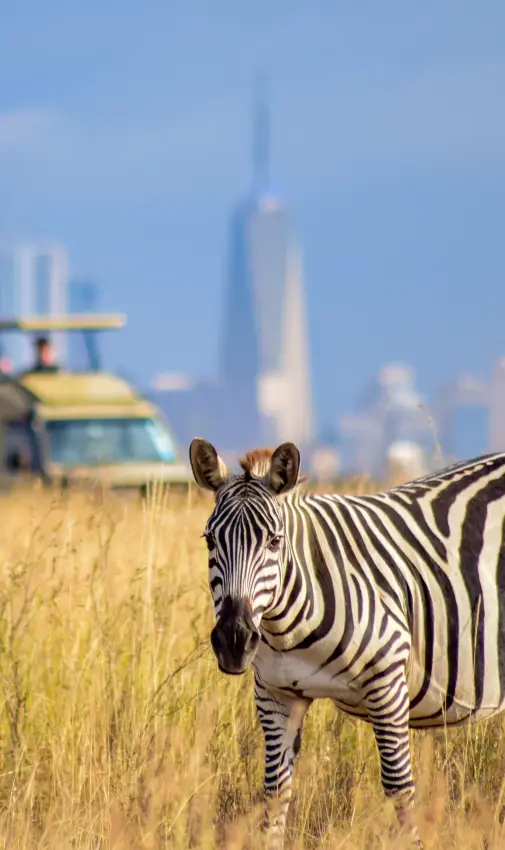
Kenya has seen a run of new lodges open in recent years, most of them large, highly polished and built by big groups. Moon’s Camp is the other kind. Moon spent a year learning traditional cob building so that nothing here needed cement, and the back-of-house buildings are clay, sand and straw. The guest tents stand on light wooden platforms that could be lifted away without leaving a mark. Inside, canvas walls give onto wrought-iron beds, hand-woven rugs and storage trunks made by Kenyan craftsmen, and the bathrooms hold carved wooden washbasins and brass bucket showers.
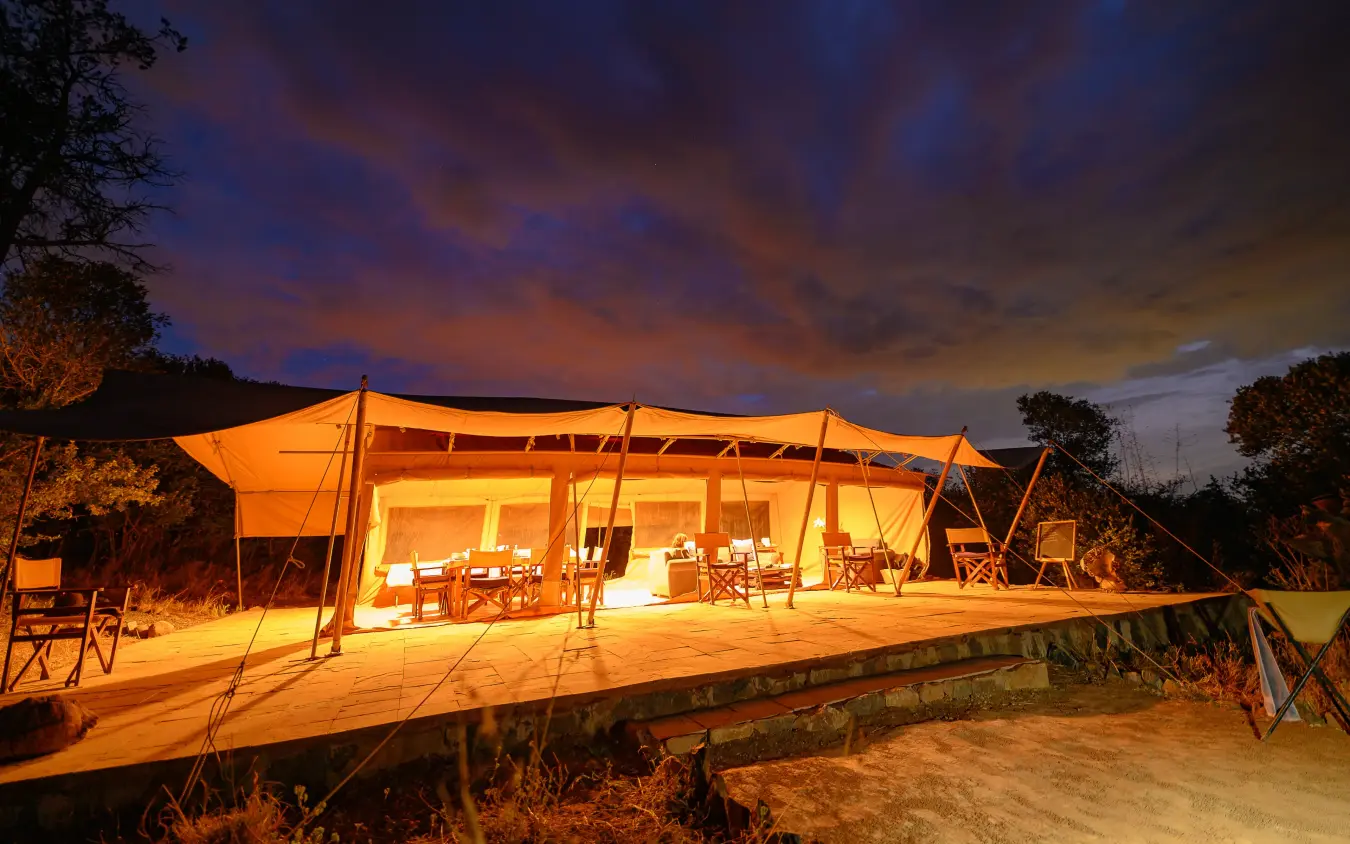
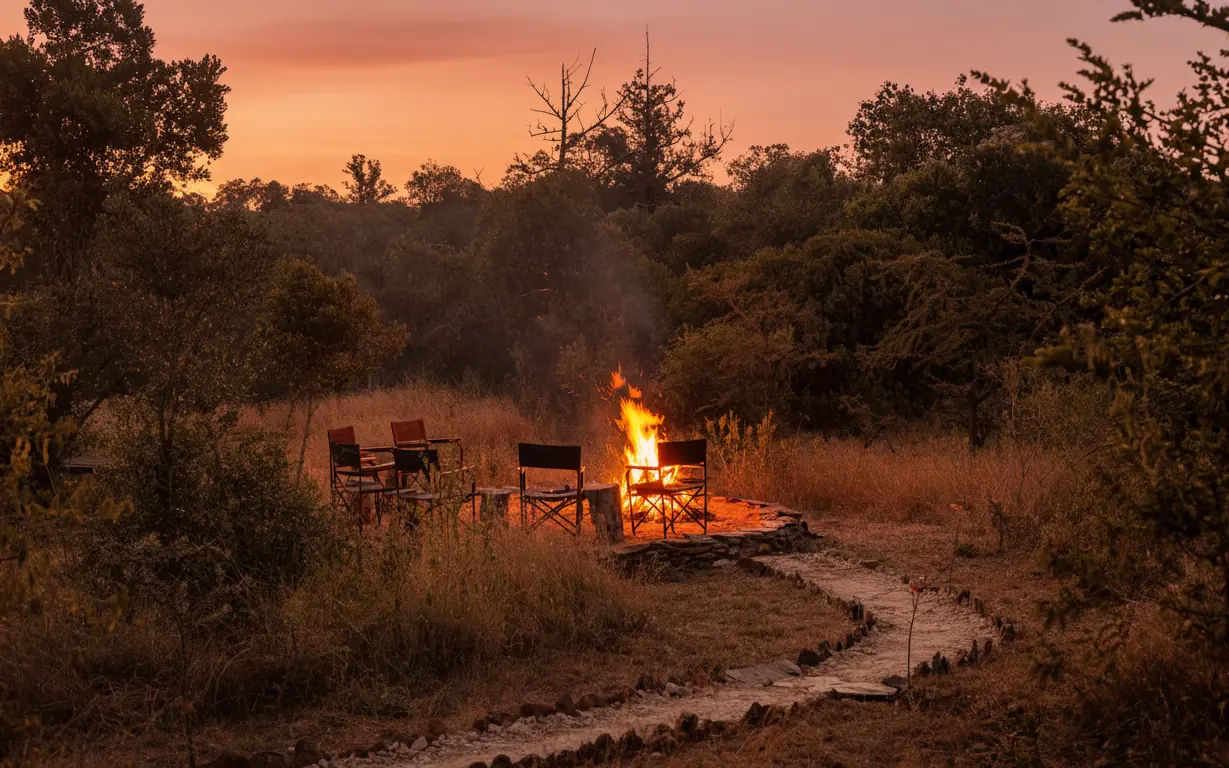
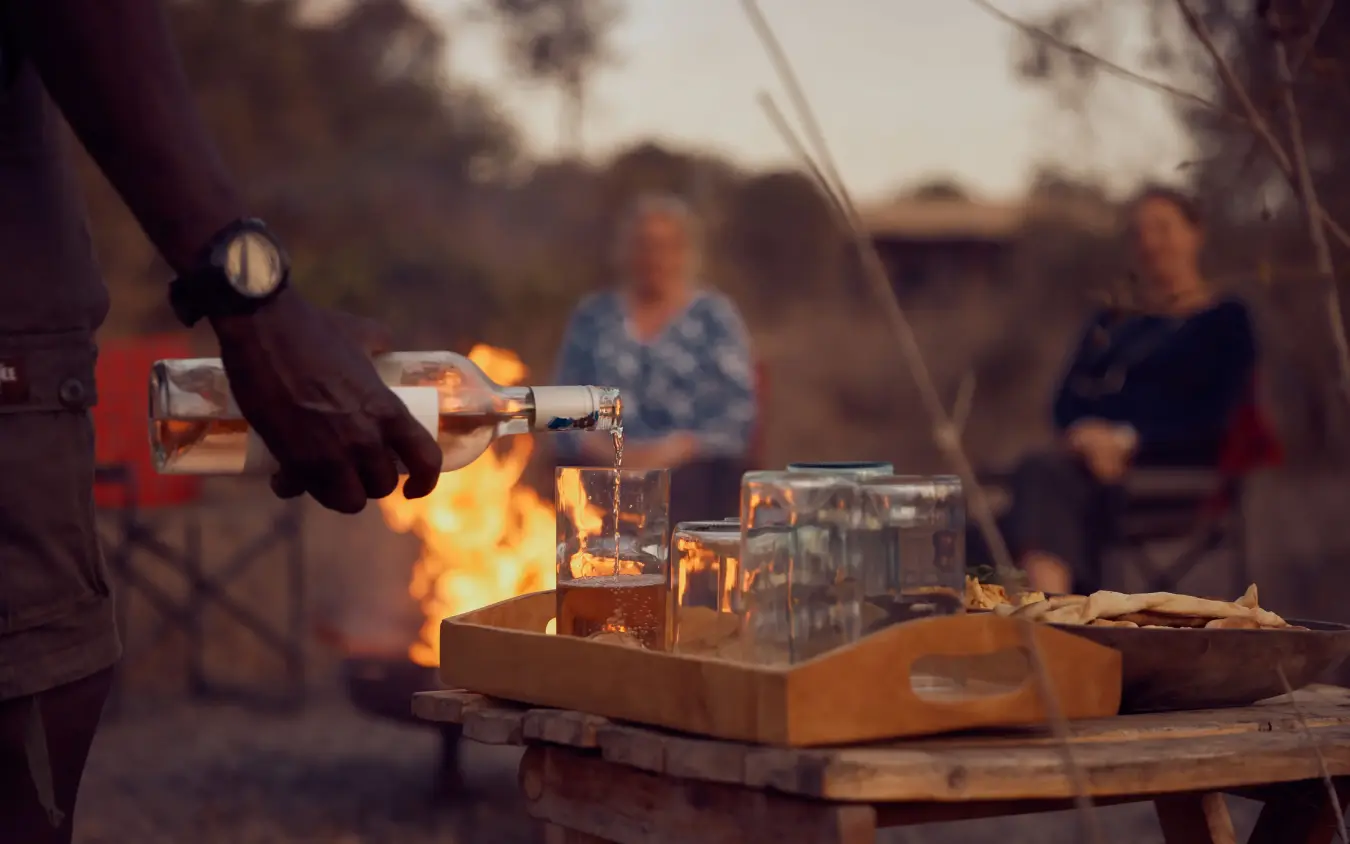
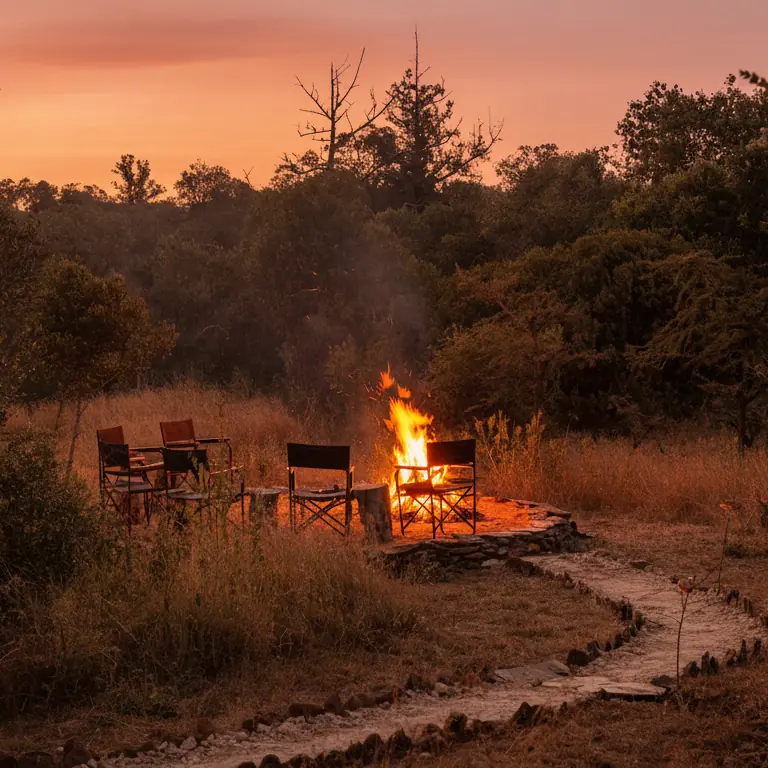
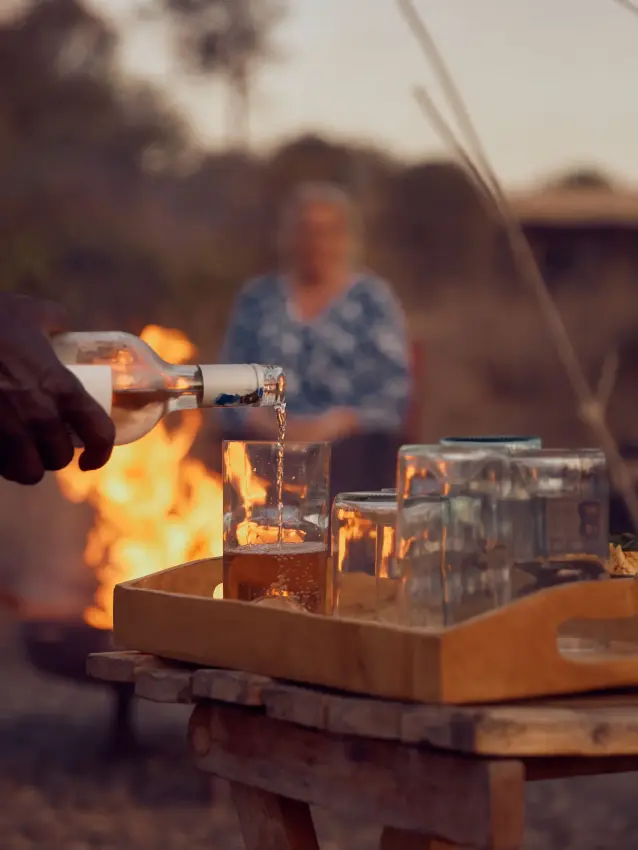
Bread comes out of the oven each morning and cakes in the afternoon, all of it cooked on charcoal stoves rather than in a formal kitchen, the vegetables brought in from local growers. Guests eat together at one long table in the mess tent, among mismatched sofas and warm rugs, or wherever the day suggests: breakfast out in the bush, lunch spread on the plains, dinner beside the fire under a sky with no light pollution in it. The highland nights turn cold, and hot water bottles are tucked into the beds before anyone reaches them.
Fly-camping puts a mosquito dome in the woodland, with nothing between the beds and the stars.
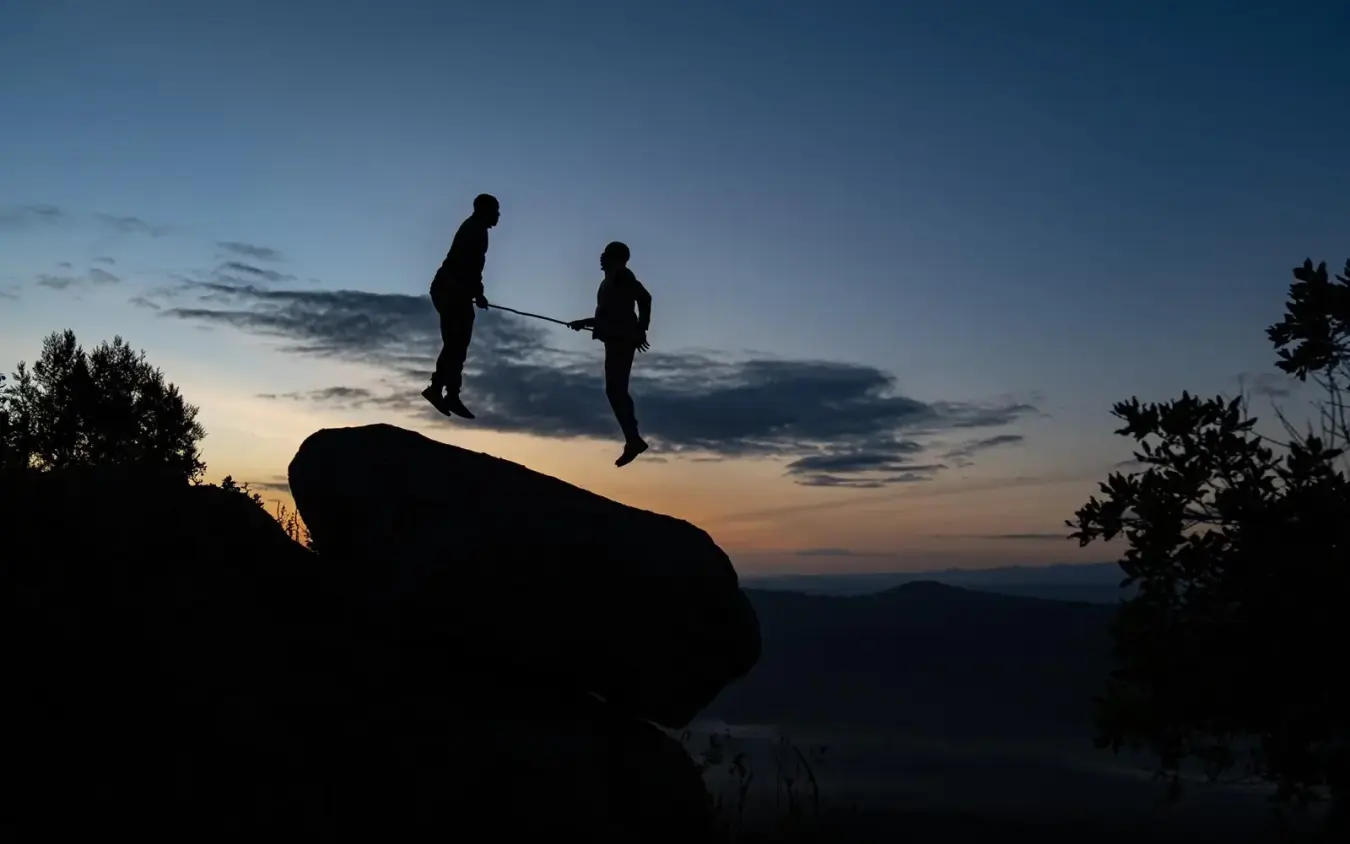
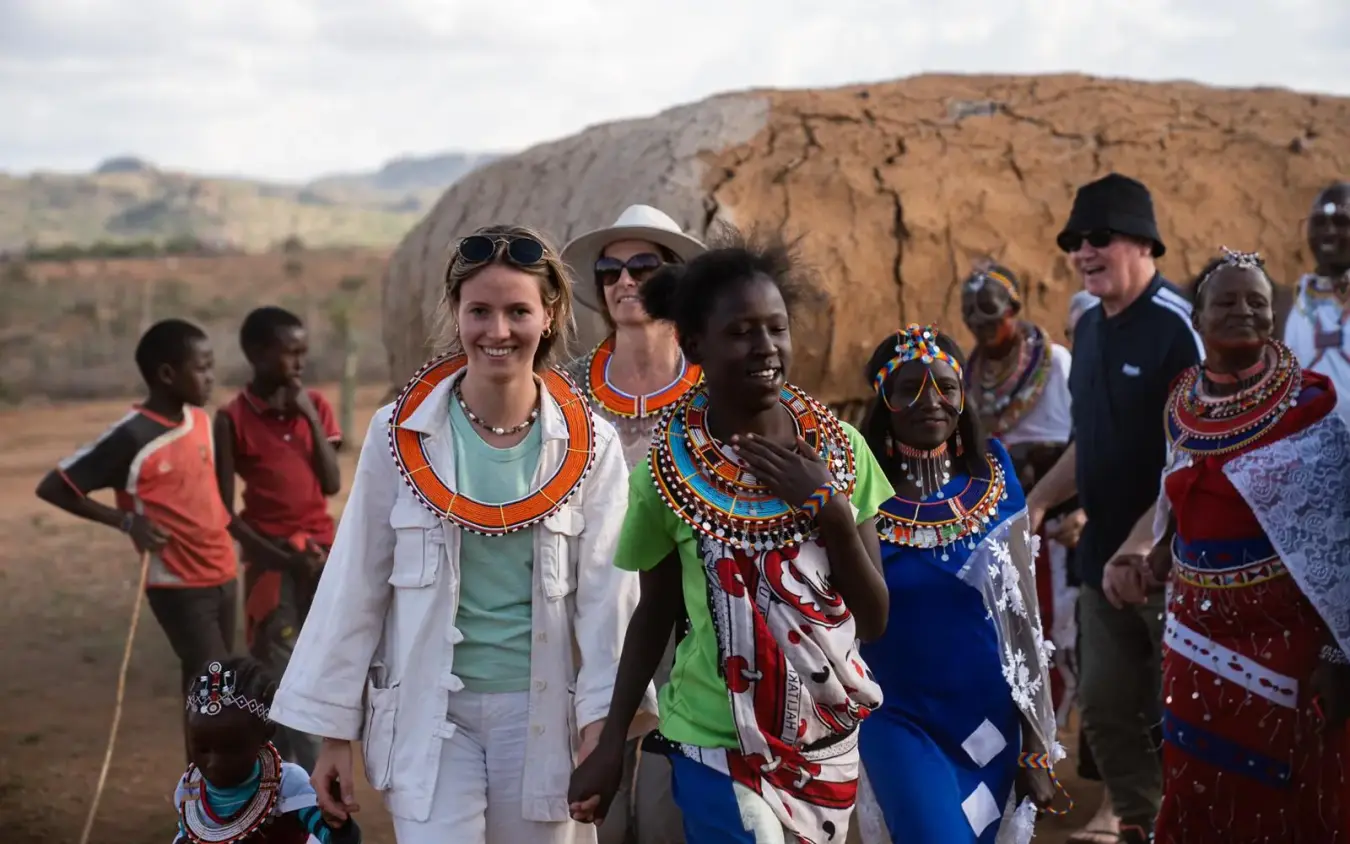
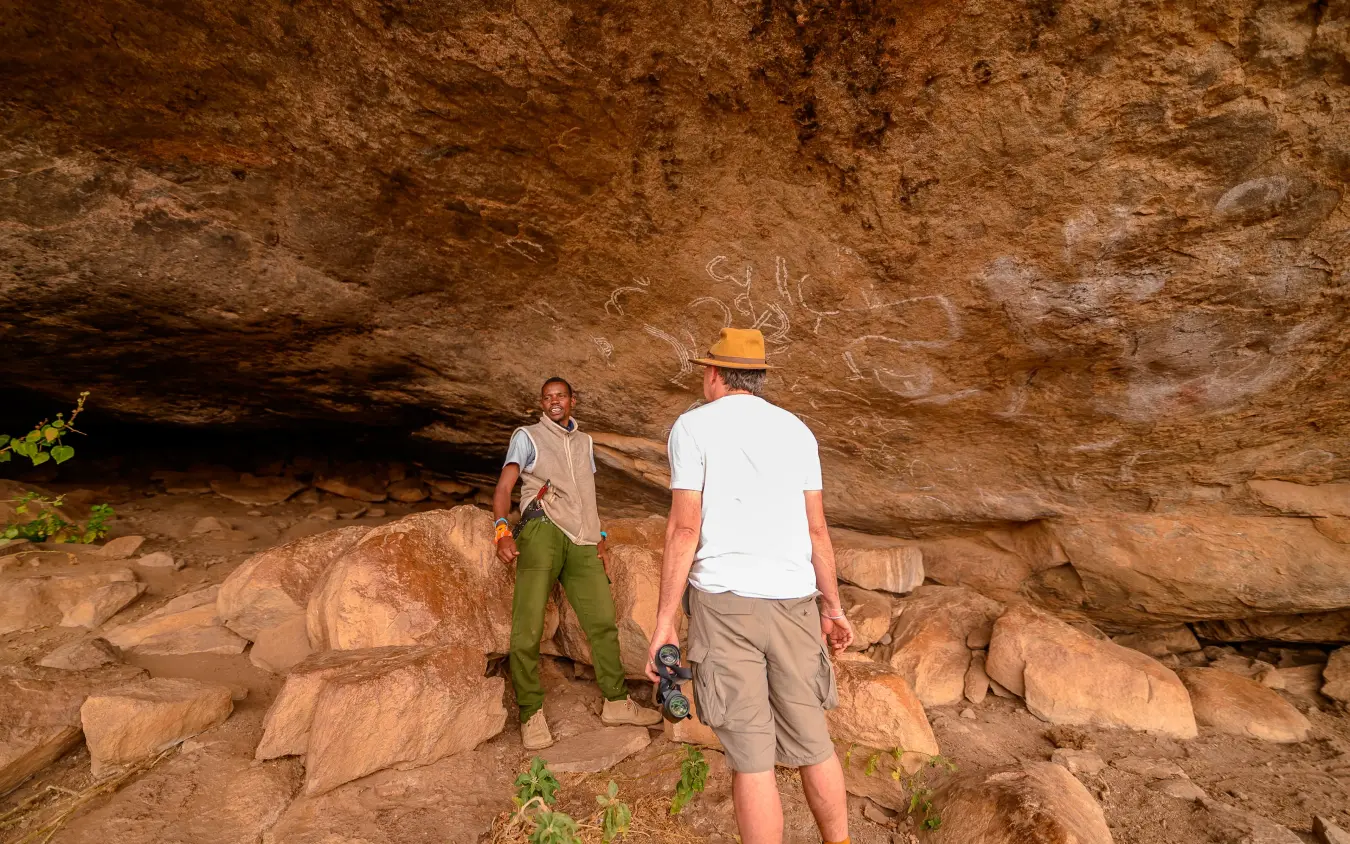
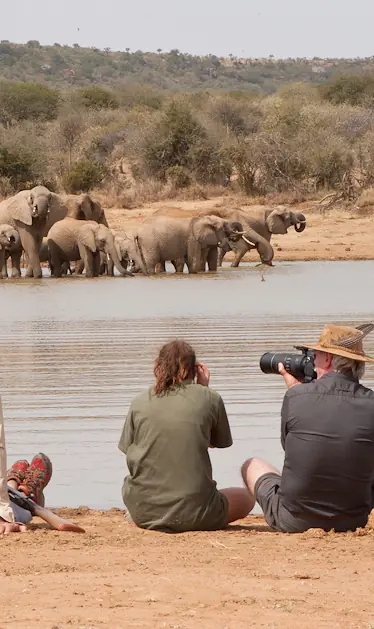
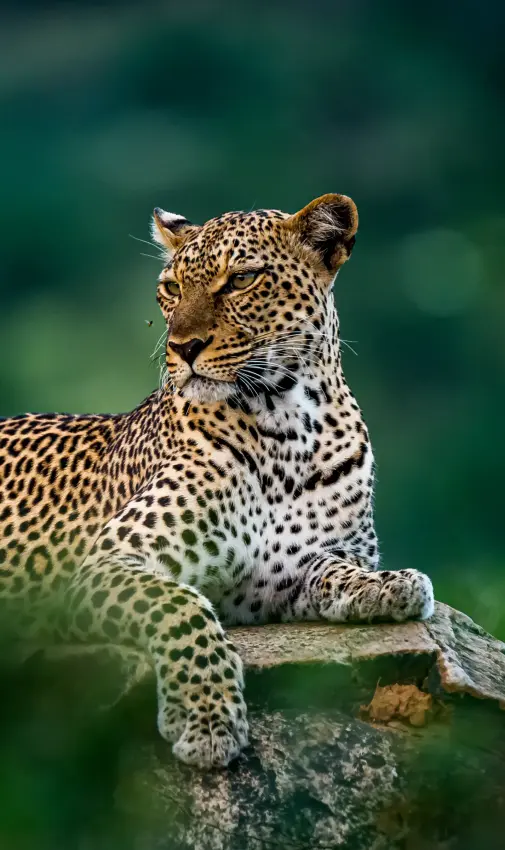
Days take whatever shape suits. An armed ranger leads the walks through the valleys, and night drives pick out hyena and the smaller nocturnal hunters. There are dams in the hills to kayak, horses to ride, and caves to reach on foot for the rock art. Cultural visits go to Maasai and Samburu elders and to the women’s groups in the villages. Fly-camping puts a mosquito dome in the woodland, with nothing between the beds and the stars. Helicopters can be arranged for flights around Mount Kenya and on into the north.
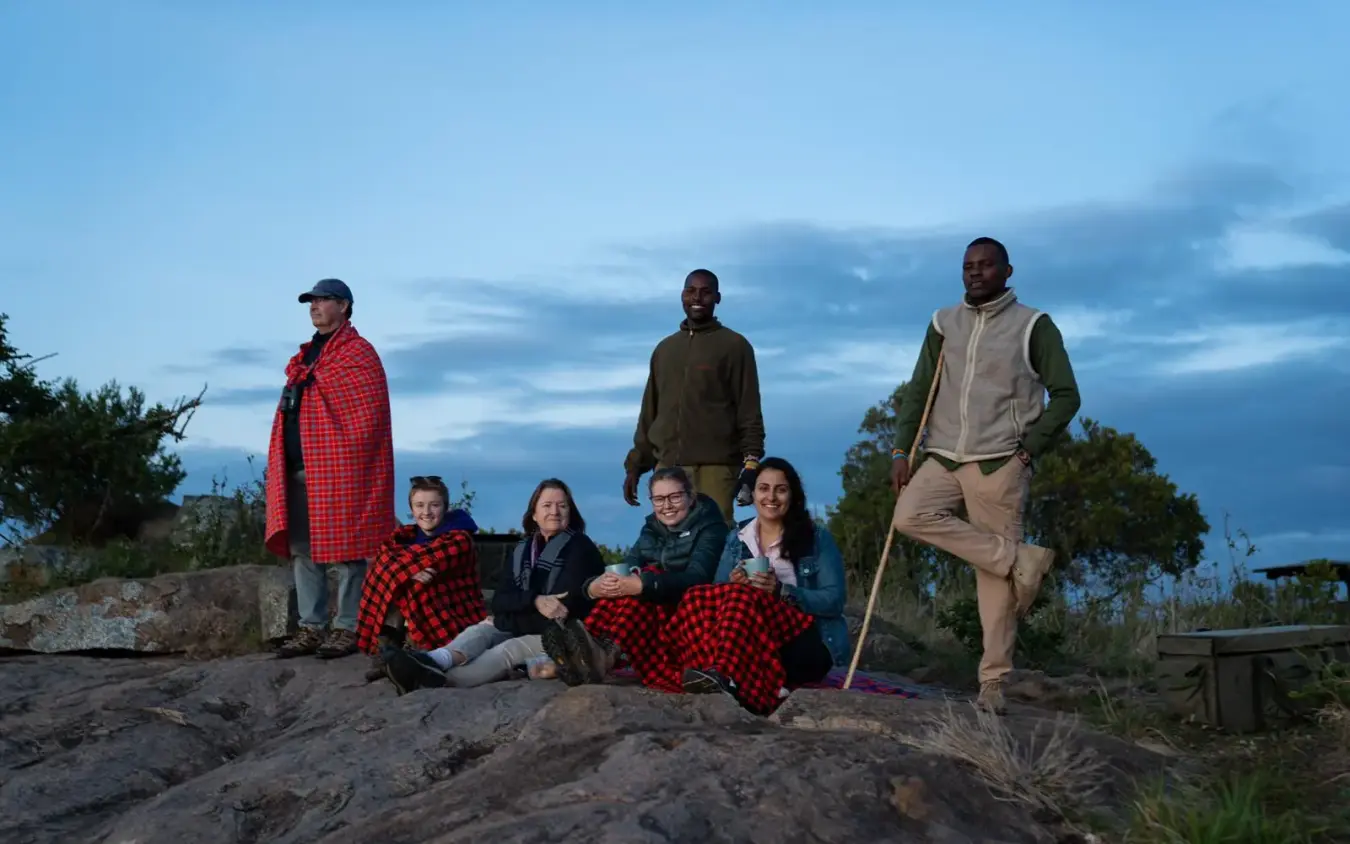
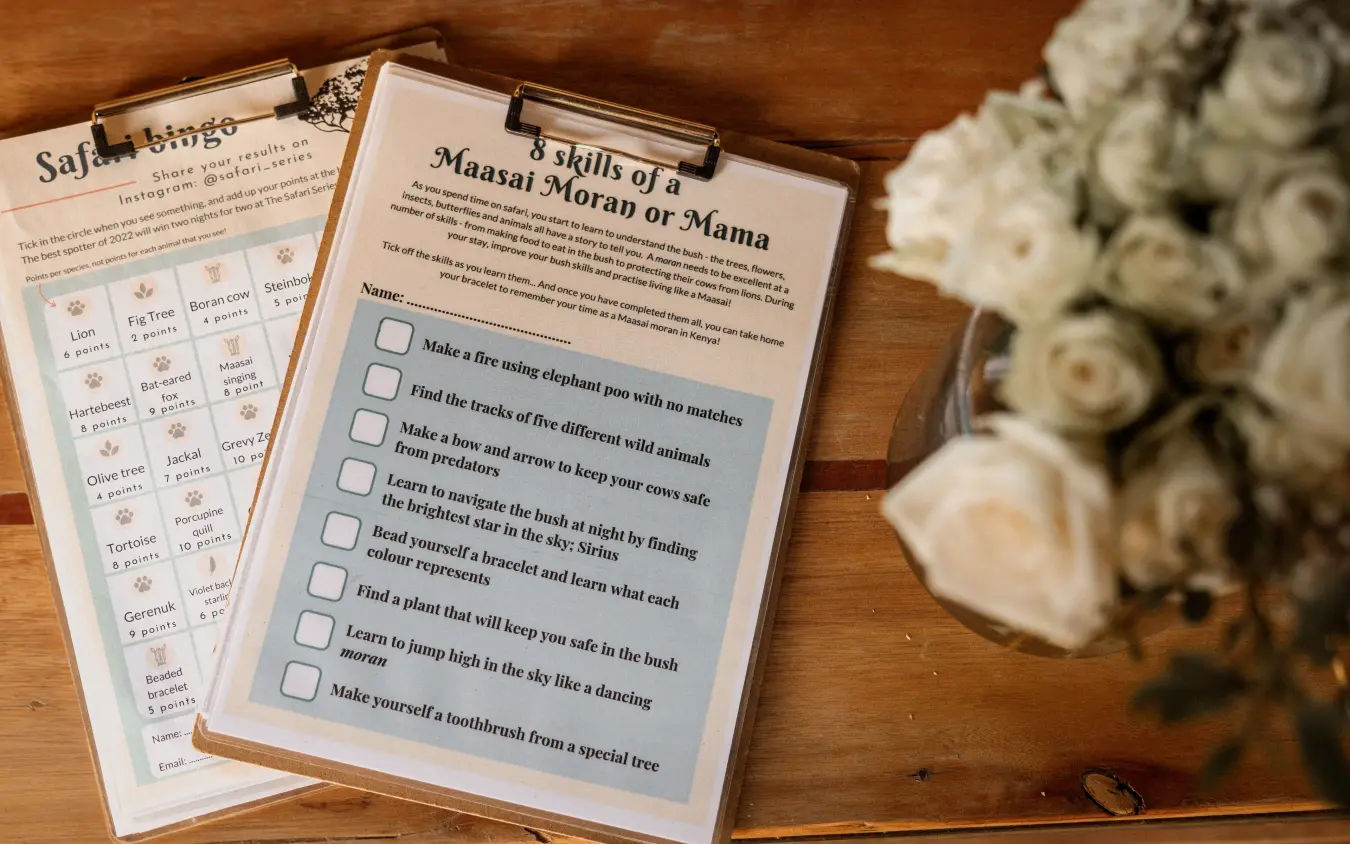
Children of any age are welcome, which follows from a camp where the owners’ own children are growing up: two family tents, meals for younger appetites, tracking lessons and nature walks. Ed and Moon pledge the camp’s net profits to community work, wildlife research and conservation, most of the staff come from within nine miles of the hills, and Kids On Safari brings local children into the bush. What a page cannot show is the warmth of the people running it, and for anyone who values that above polish, we would put Moon’s Camp among the finest choices in Kenya.