Camp

Enasoit Camp

A private reserve of roughly 1,800 hectares in Kenya’s Laikipia Highlands, given over to one party at a time.

Country: Kenya
Location: Foot of the Lolldaiga Hills, Laikipia Highlands
Number of rooms: 8

A salt lick beside the mess tent

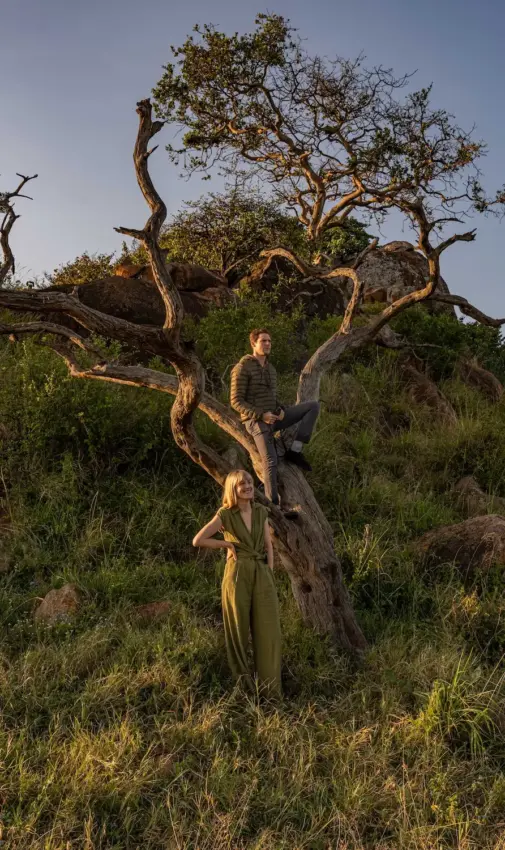
In the Laikipia Highlands of central Kenya, Enasoit takes one party at a time. The whole reserve belongs to a single group for the length of a stay, along with every guide, tent and vehicle in it. Beyond the six tented cottages and the open-sided mess tent, roughly 1,800 hectares run to the foot of the Lolldaiga Hills, with Mount Kenya behind.

Elephants push in at the salt lick through the afternoon.

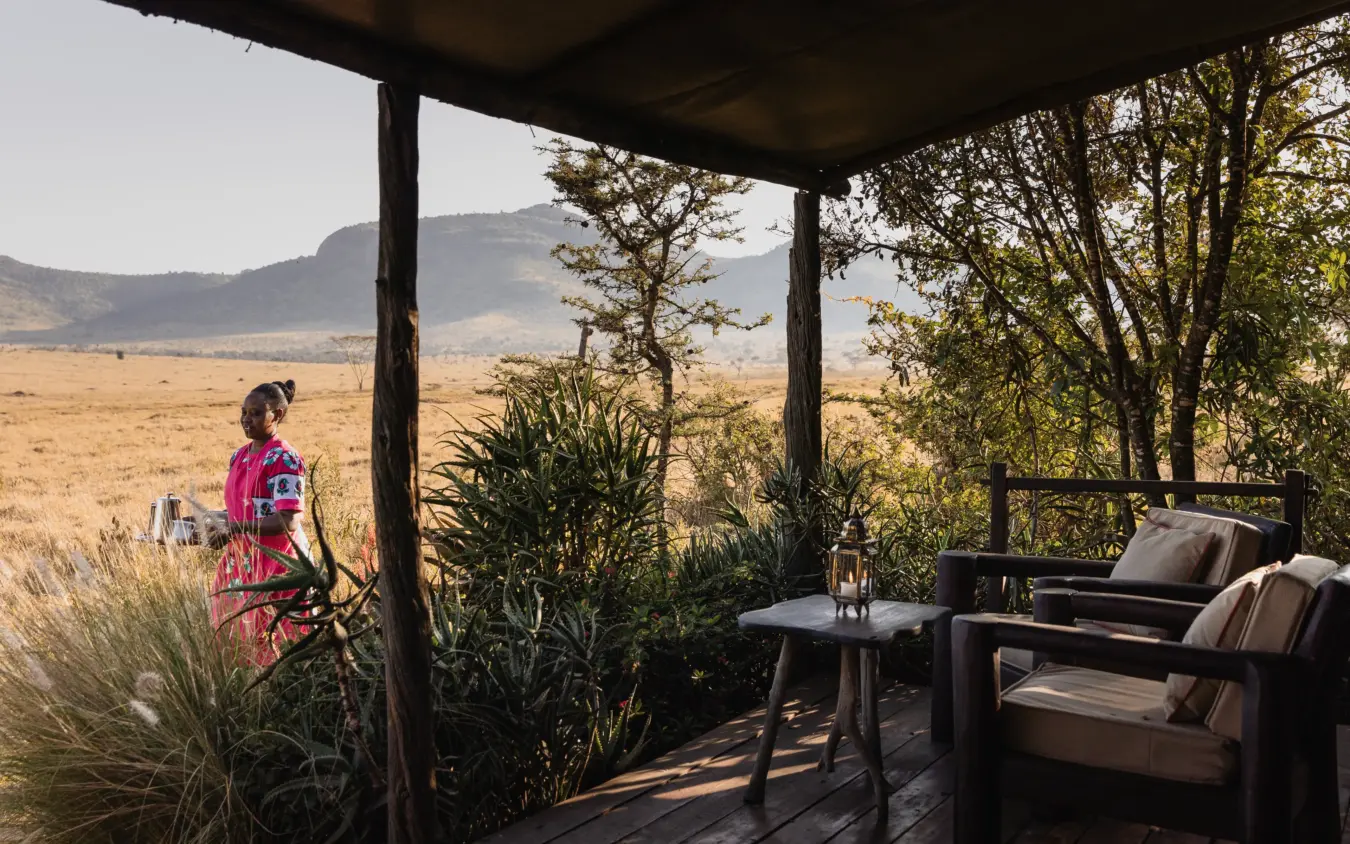
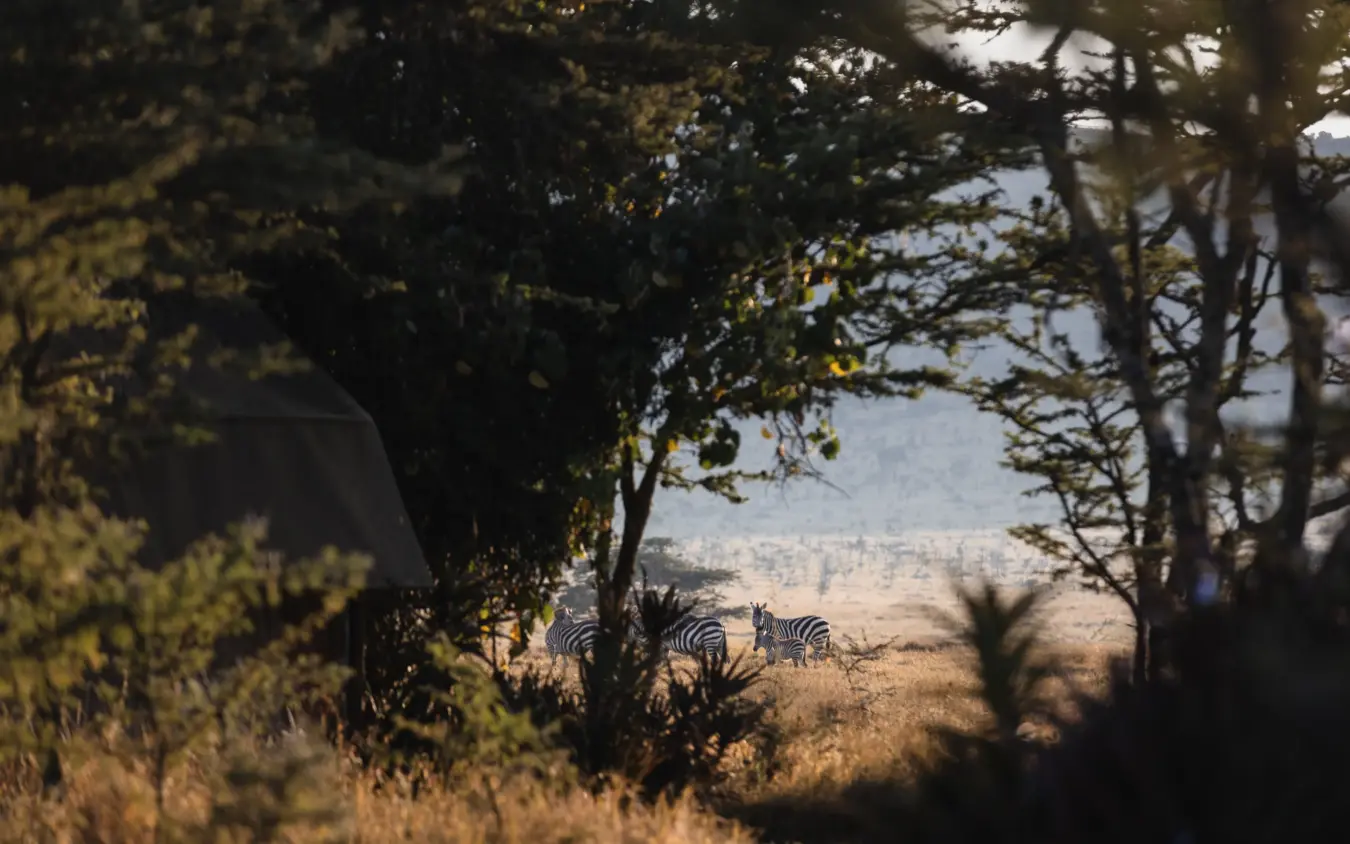
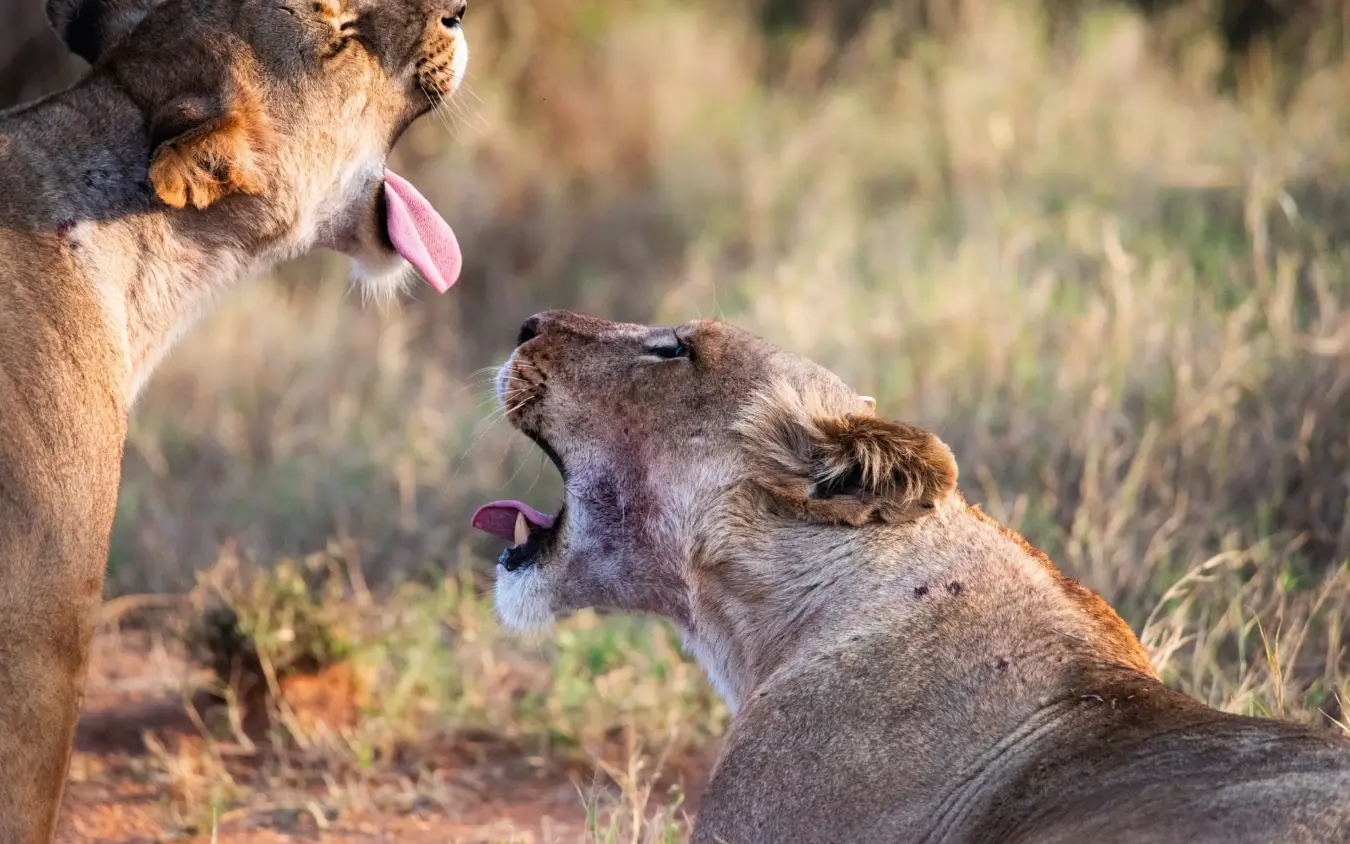
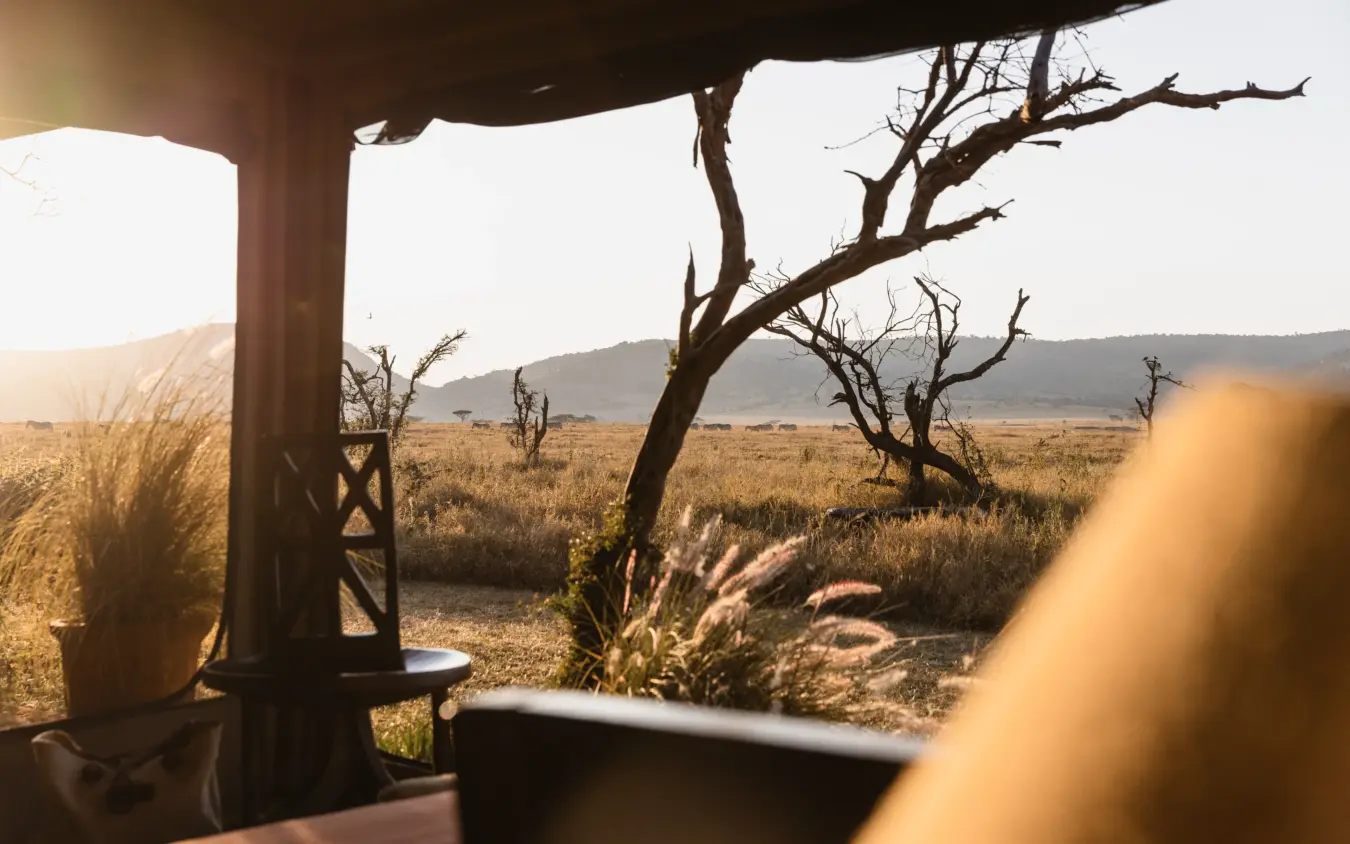
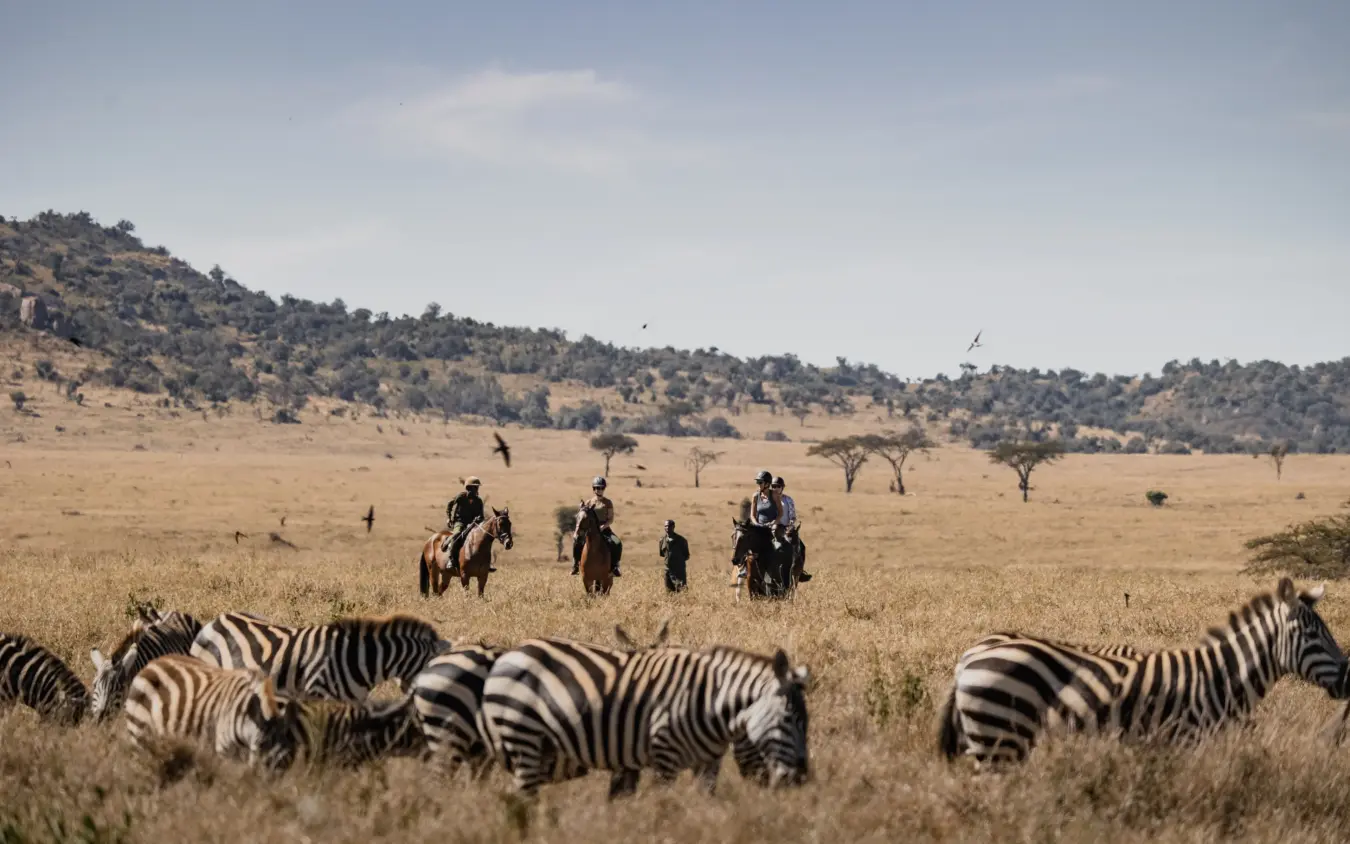
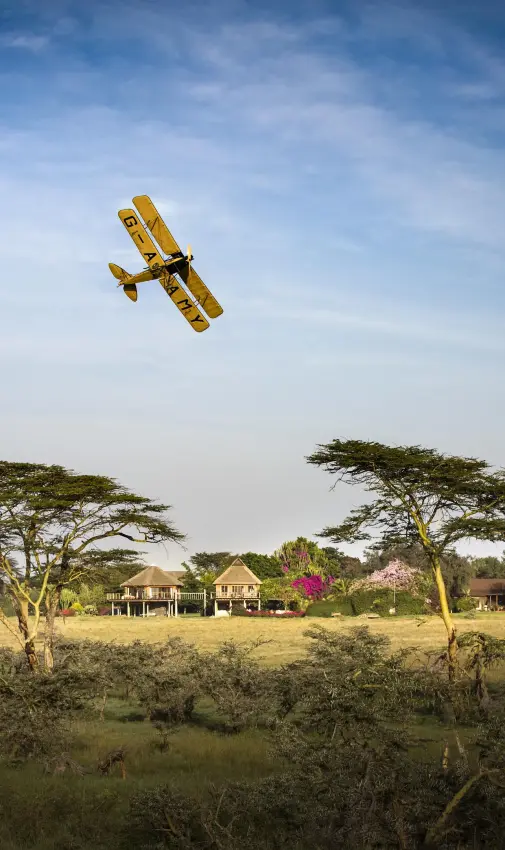
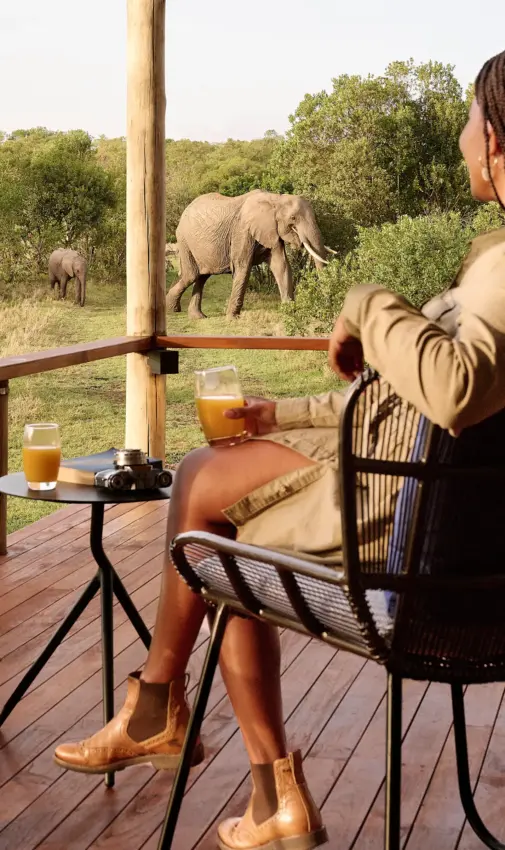
Charter aircraft land on the reserve’s own strip. Reticulated giraffe, eland, buffalo and Grevy’s zebra come and go from all directions at first light and again at dusk, close enough that a morning can pass in an armchair on the deck with coffee. Elephants push in at the salt lick through the afternoon. Lions, leopards and wild dogs move through on the same corridor.

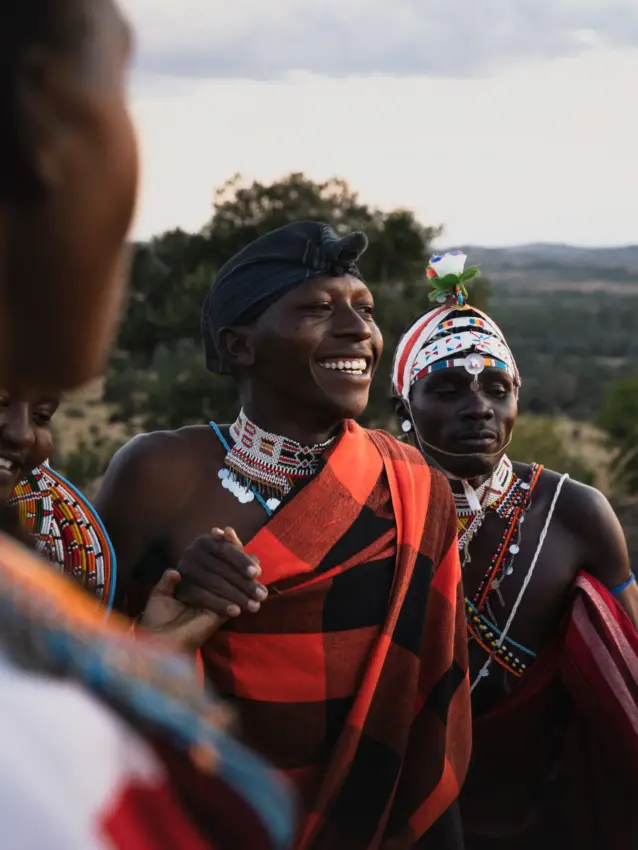
Pete and Karen Glover have lived at Enasoit for more than twenty years. They raised their own children here. Several of the rangers and staff have been part of the place for two decades. The reserve is still in the hands of the Norwegian family who created it as a private home before opening it to guests.

There is no schedule for the day beyond what the group wants from it.

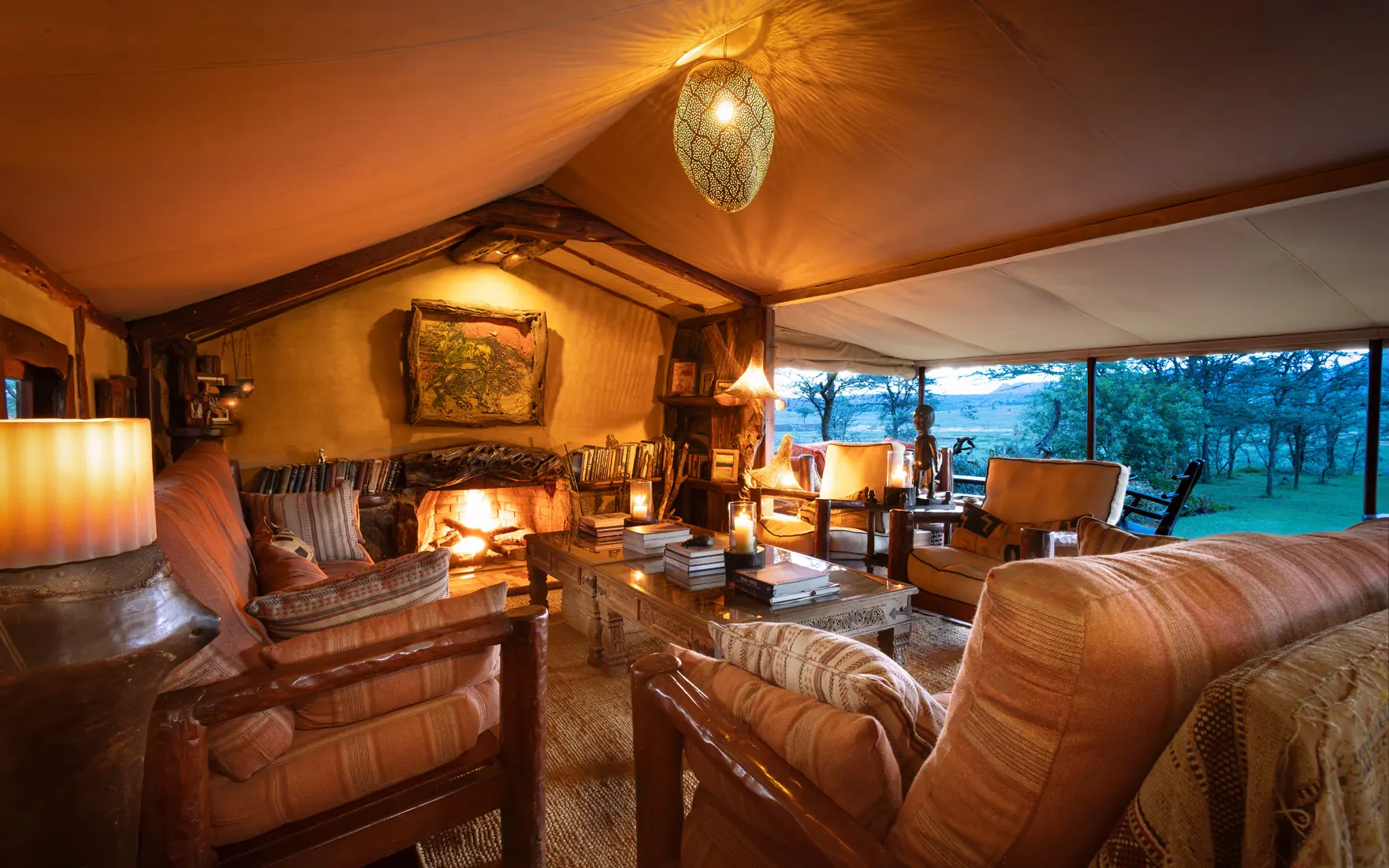
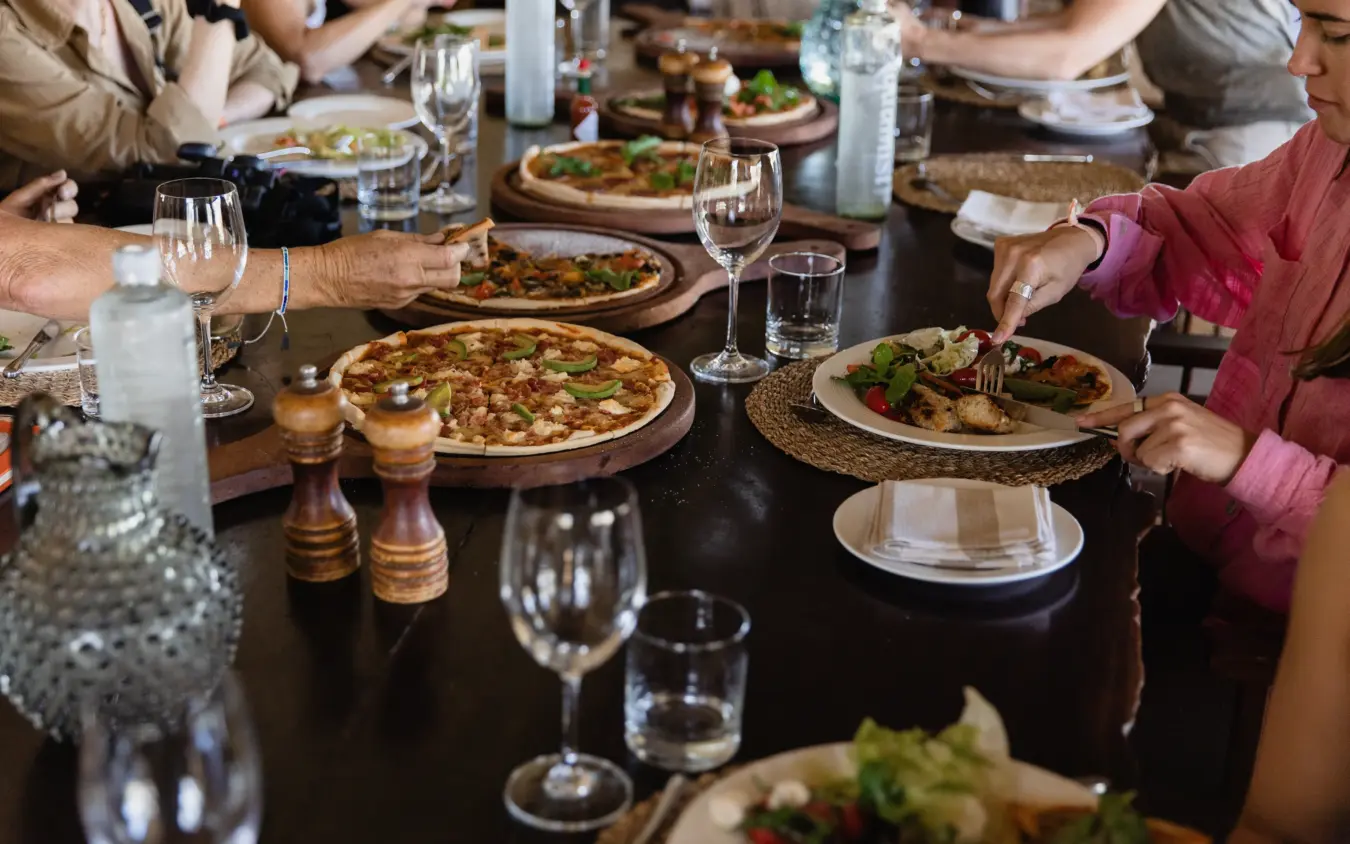
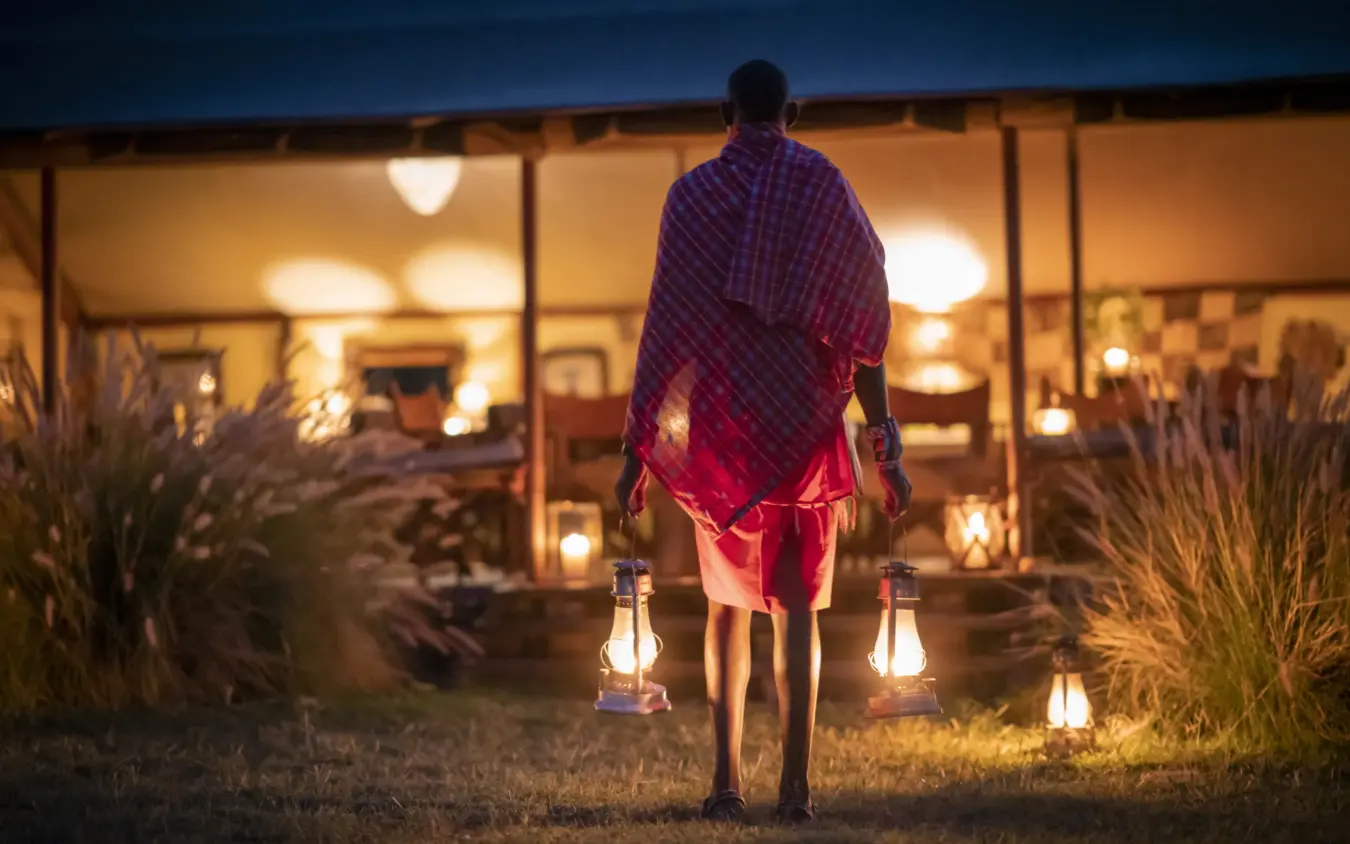
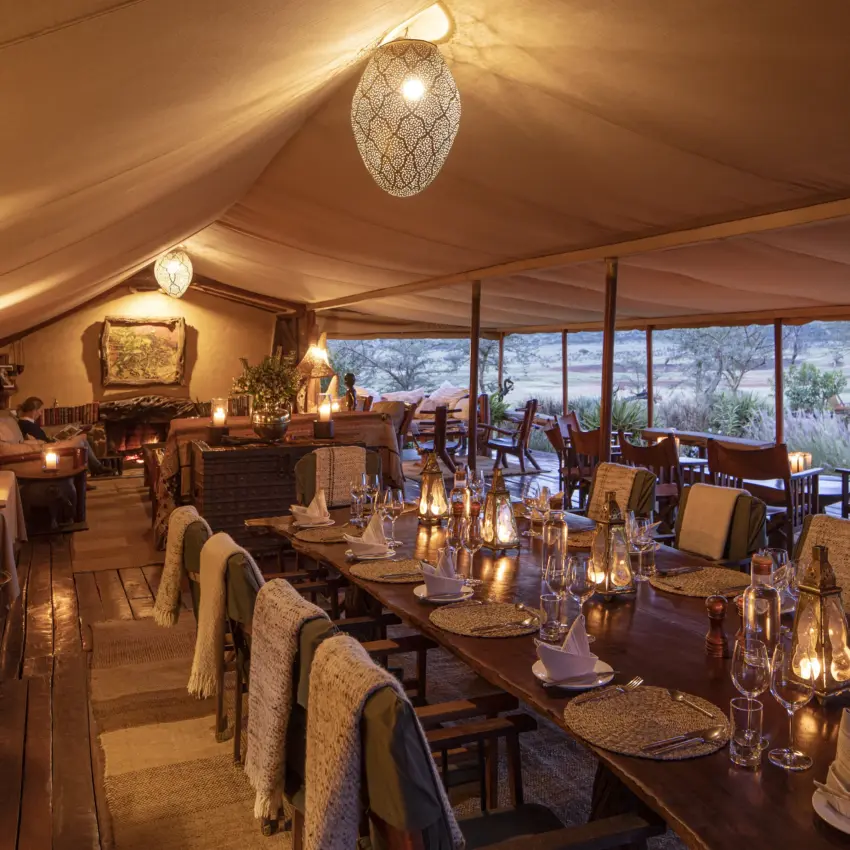
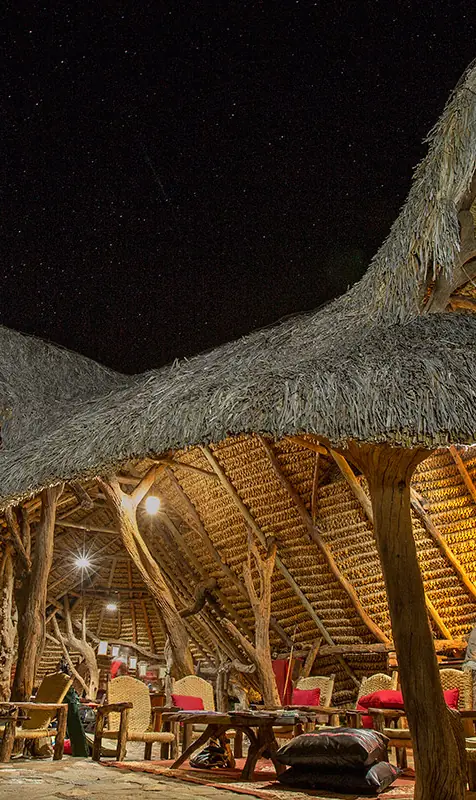
Meals arrive when the group is ready for them. There is no schedule for the day beyond what the group wants from it. The furniture is the family’s own, worn in instead of styled, and each cottage has its log fire laid and lit before dinner. Chairs are draped in leather and sheepskin, the shelves hold sun-faded books on Kenyan history and wildlife, and cedar floors run under canvas. The Wi-Fi stays in the study.

01

accommodation

Six Tented Cottages Face the Water

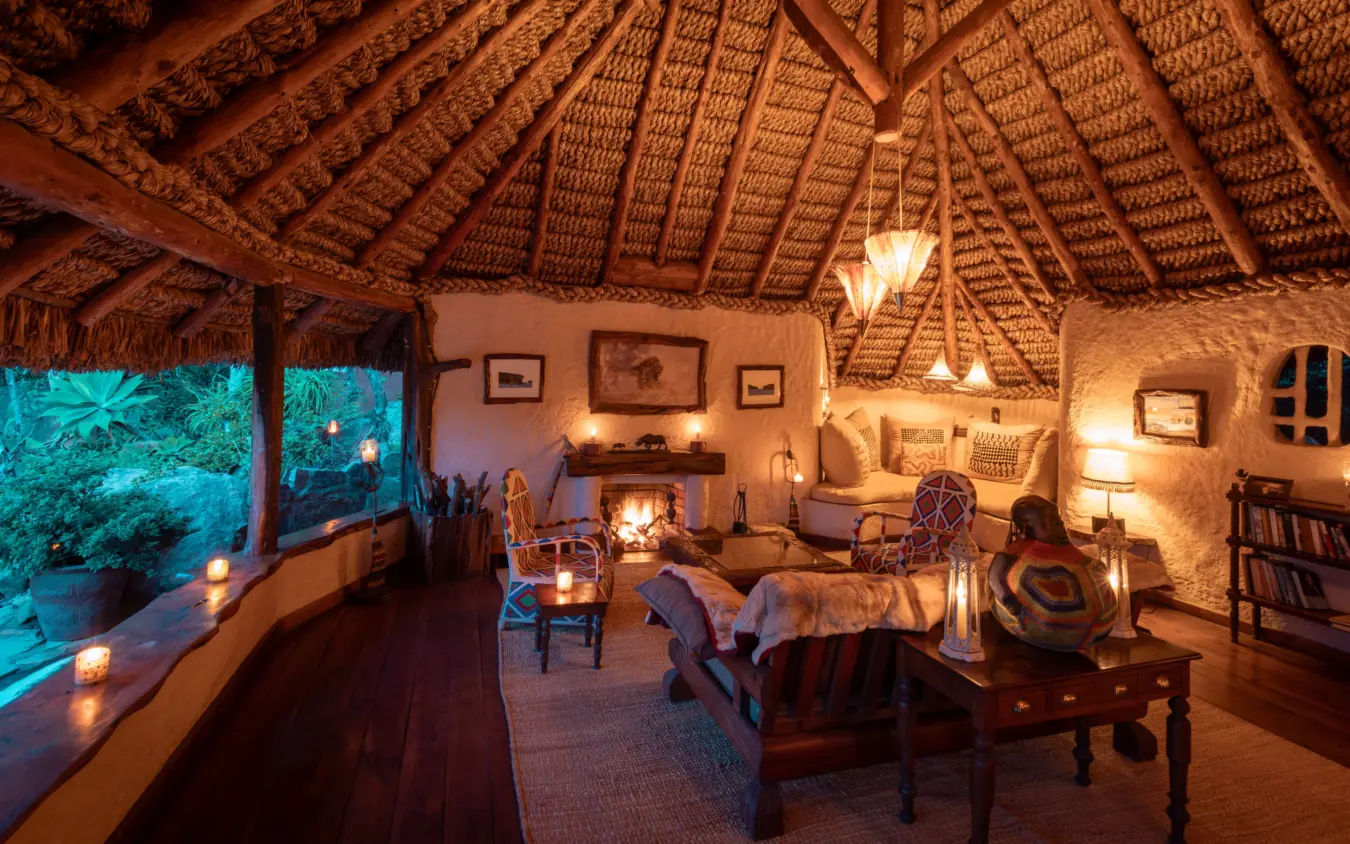
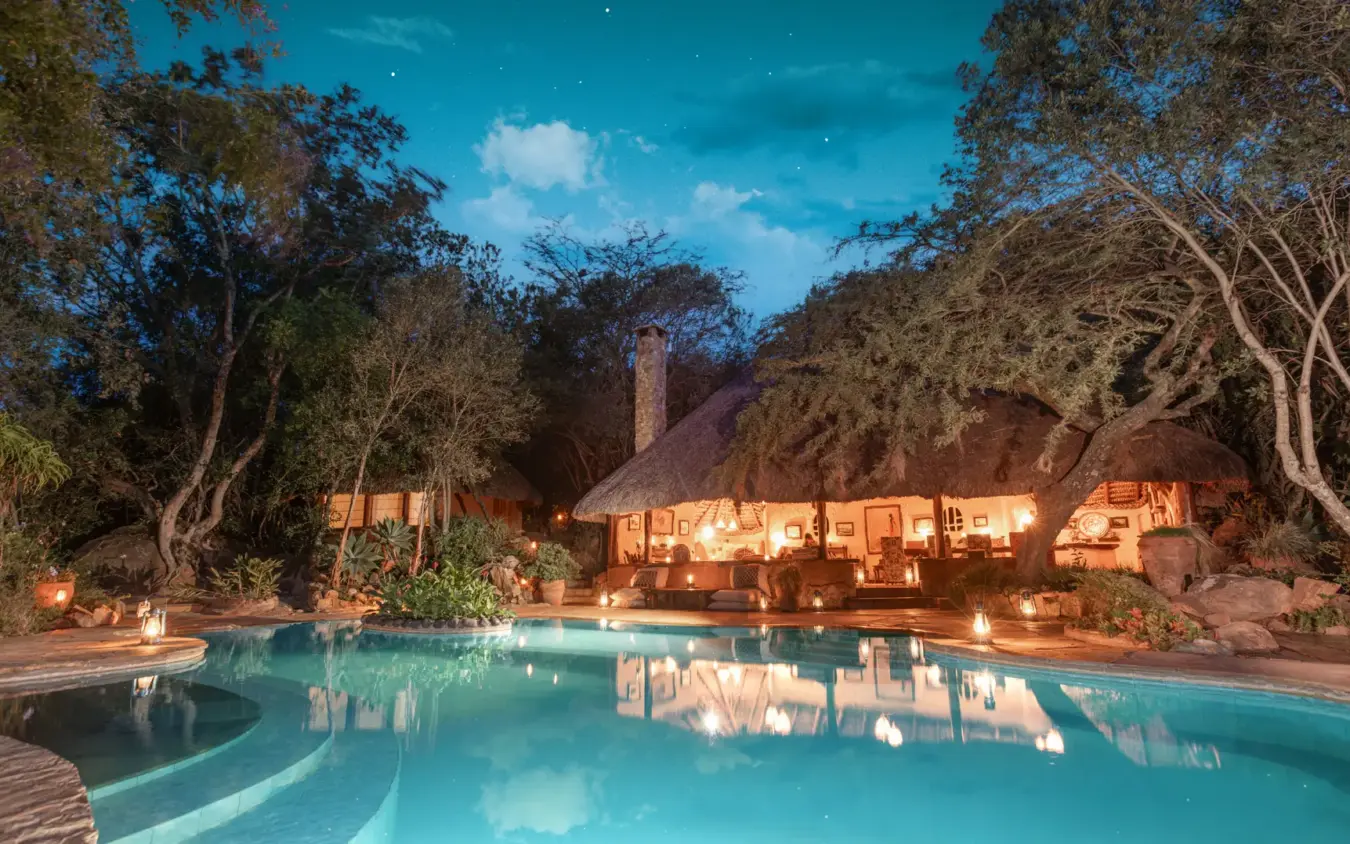
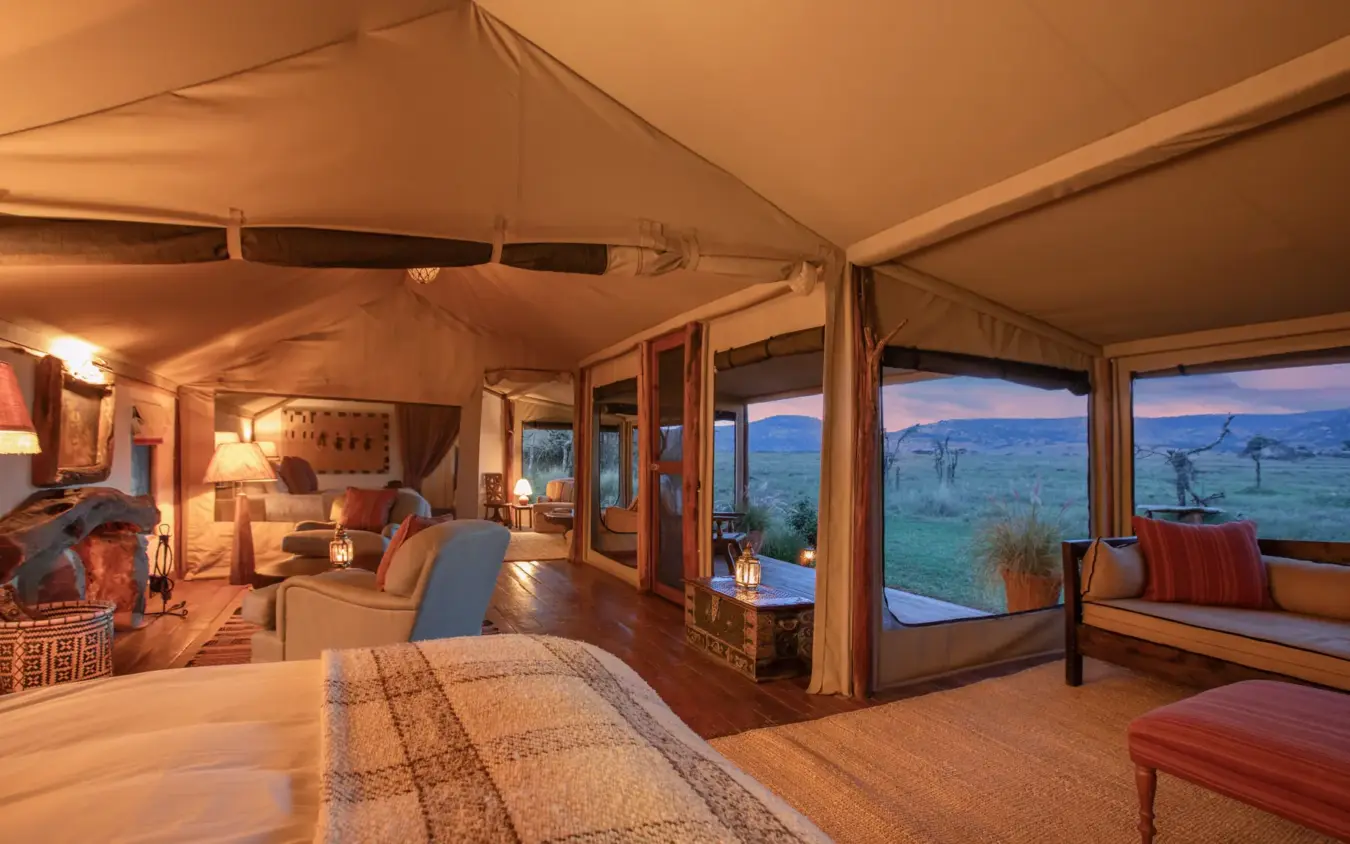
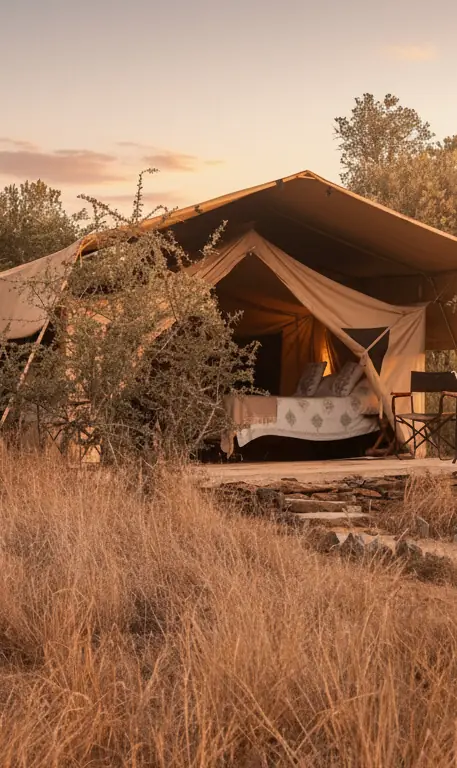
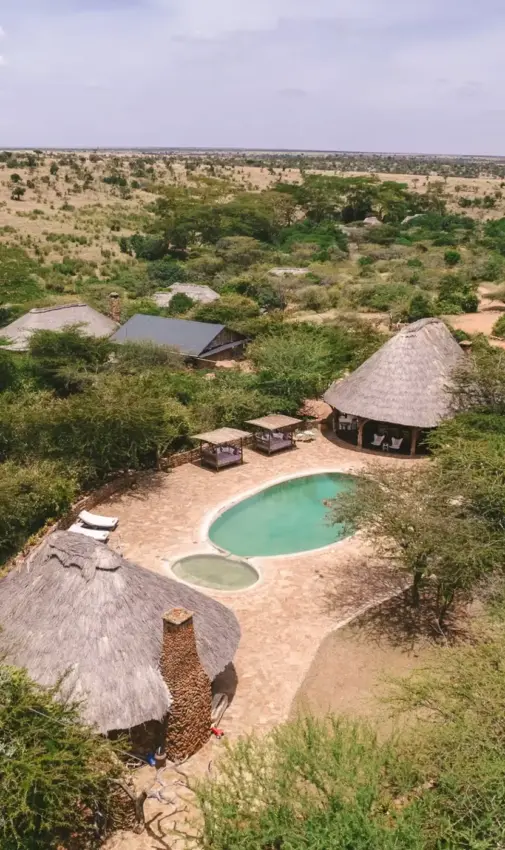
Six tented cottages face the water at the main camp, set on stone bases, with cedar floors, canvas walls and a verandah. Each has a sitting area with an open fireplace and an en-suite bathroom. One of the six is a family tent of two interconnecting rooms, so the main camp has eight rooms and sleeps around sixteen guests, and two thatched stone cottages at the Pool House take a larger party beyond that.

02

activities

Day and Night Game Drives Across Private Land

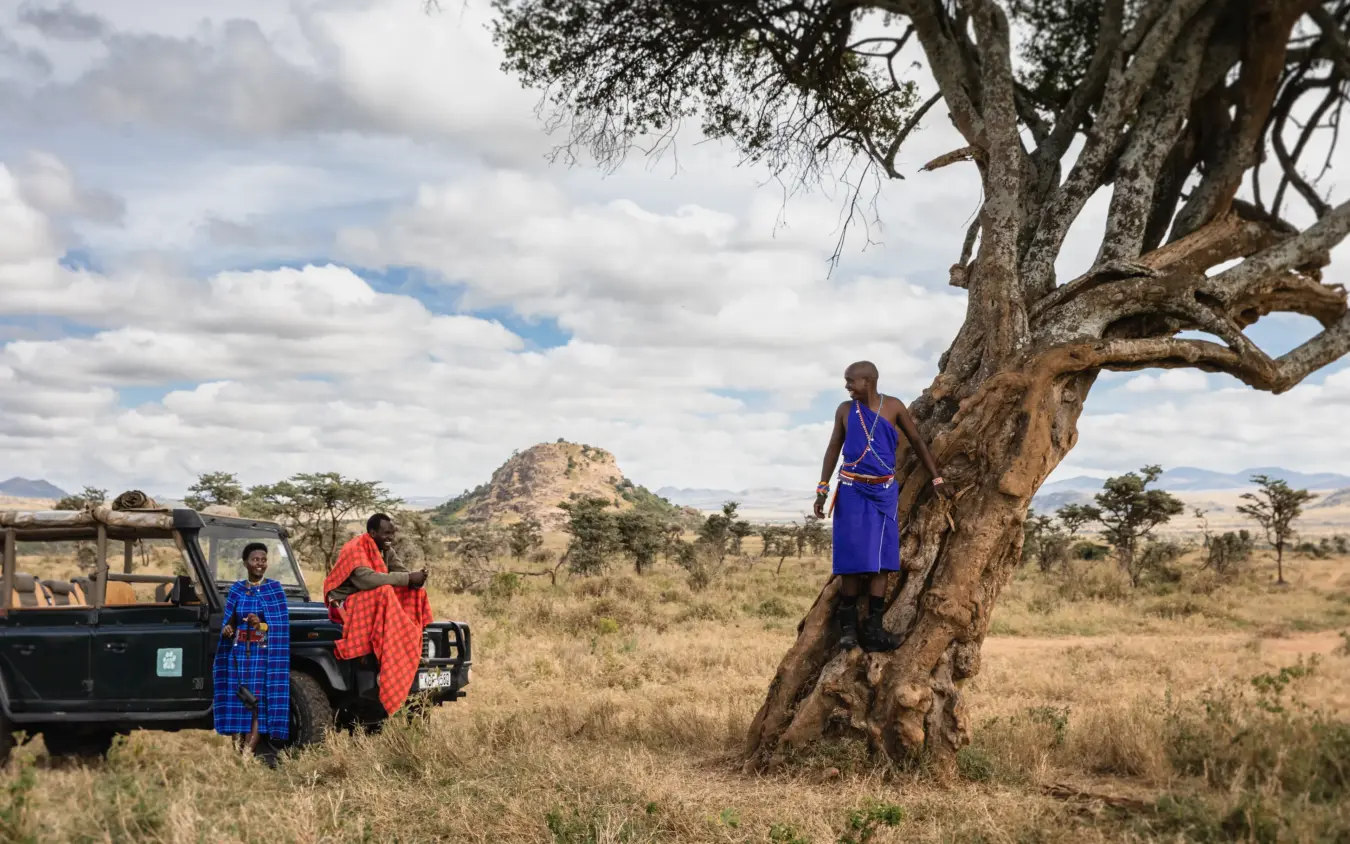
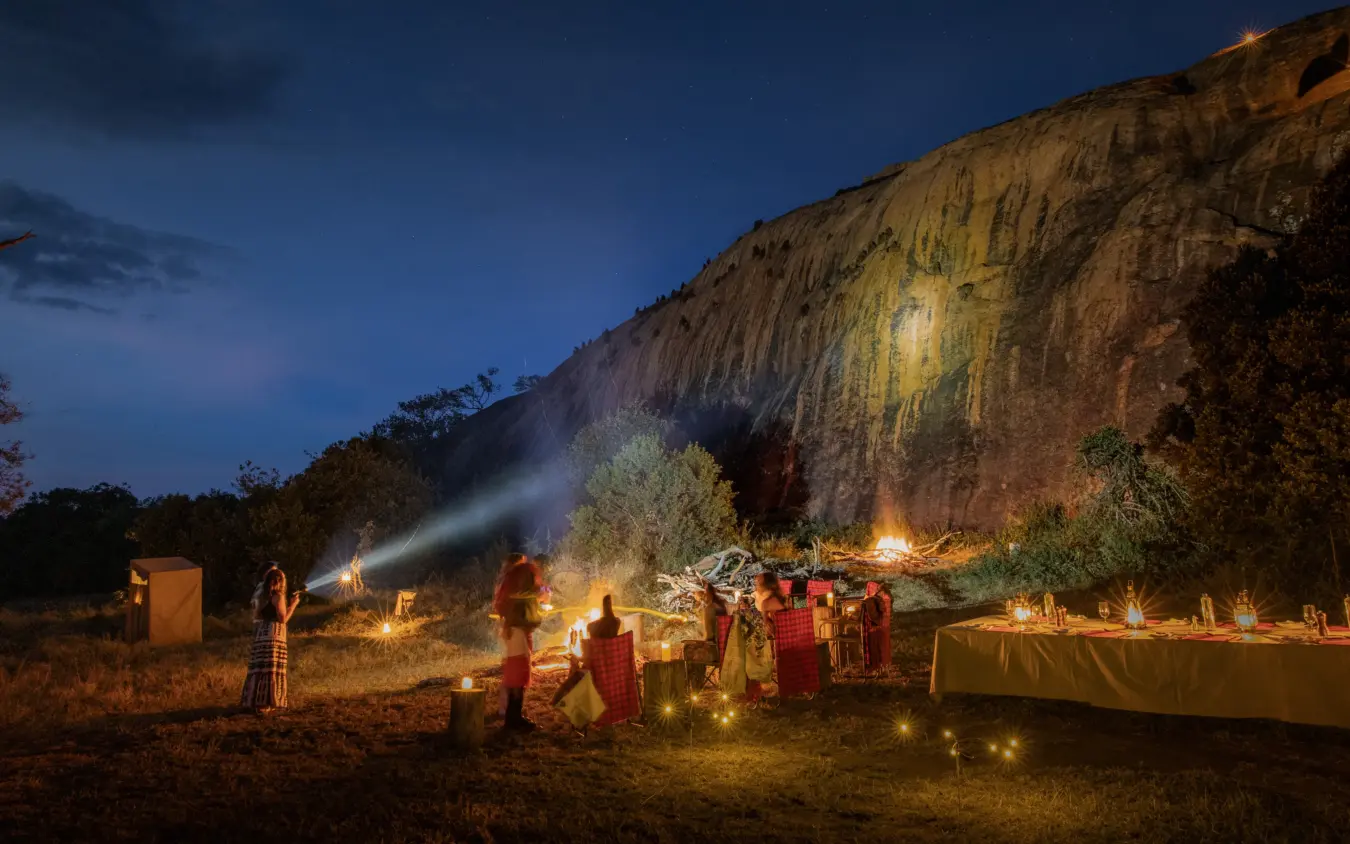
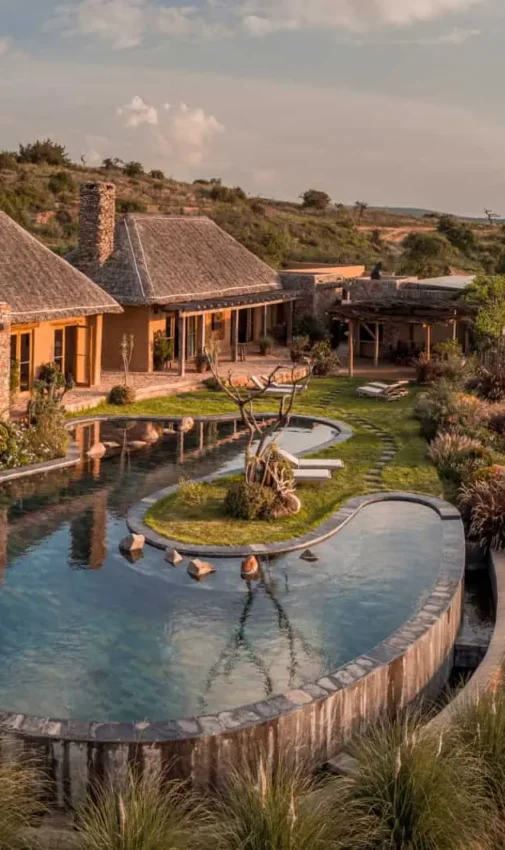
Private land means day and night game drives, off-road tracking and walking with armed guides, none of it constrained by park hours. Horse riding crosses the plains, and longer outings reach rock art sites in the hills and a nearby rhino sanctuary. Swimming and lunch at the Pool House, massage, lawn games and bush dinners fill the rest.

03

conservation

Indigenous Tree Initiative Protects Native Species

The Indigenous Tree Initiative sets aside exclusion zones and raises seedlings to protect indigenous trees under pressure from browsing elephants and drought, while a resident ranger team patrols the corridor daily. The Environmental Scholarship Programme funds secondary schooling for local children drawn to conservation work. Enasoit runs on solar power.

ready to get started?

Get in touch and let’s start the conversation. An initial consultation helps us understand what you’re looking for, whether that’s specific experiences, luxury touches, or marking a special occasion, and from there we’ll guide you through what’s possible so you can decide if we’re the right fit.

Alternative accommodation in laikipia highlands

Curved swimming pool with guests surrounded by savanna landscape, Lengishu House, Laikipia Highlands, Kenya 01

Lengishu House

Laikipia Highlands

Maasai guides leading camels through arid savanna landscape, Karisia Walking Safaris, Laikipia Highlands, Kenya 02

Karisia Walking Safaris

Laikipia Highlands

Elegant interior lounge with symmetrical seating and chandelier, Arijiju, Laikipia Highlands, Kenya 03

Arijiju

Laikipia Highlands

Safari vehicle with guests on hillside overlooking mountains, Borana Lodge, Laikipia Highlands, Kenya 04

Borana Lodge

Laikipia Highlands

Yellow biplane flying over safari lodge and acacia trees, Segera, Laikipia Highlands, Kenya 05

Segera

Laikipia Highlands

Circular stone lodge structures on rocky outcrop overlooking forested valley at sunset, Suyian Lodge, Laikipia Highlands, Kenya 06

Suyian Lodge

Laikipia Highlands

Infinity pool overlooking savanna landscape at dusk, Ol Malo Lodge, Laikipia Highlands, Kenya 07

Ol Malo Lodge

Laikipia Highlands

Wooden deck overlooking valley at dusk with warm lighting, Lewa Wilderness, Laikipia Highlands, Kenya 08

Lewa Wilderness

Laikipia Highlands

Curved modern lodge buildings perched on rocky hilltop overlooking valley, Ol Lentille, Laikipia Highlands, Kenya 09

Ol Lentille

Laikipia Highlands

Illuminated safari tent in woodland setting at dusk, Sirikoi, Laikipia Highlands, Kenya 10

Sirikoi

Laikipia Highlands

11

Tambarare Camp

Laikipia Highlands

12

Kicheche Laikipia

Laikipia Highlands

13

El Karama Lodge

Laikipia Highlands

Guests photographing elephant herd at waterhole from shoreline, Laikipia Wilderness, Laikipia Highlands, Kenya 14

Laikipia Wilderness

Laikipia Highlands

Thatched-roof lodge illuminated at dusk with savanna landscape, Lewa House, Laikipia Highlands, Kenya 15

Lewa House

Laikipia Highlands

16

Lewa Safari Camp

Laikipia Highlands

17

Nay Palad Bird Nest

Laikipia Highlands

18

Ol Malo Nomad

Laikipia Highlands

19

Governors’ Mugie House

Laikipia Highlands

20

Private Wilderness

Laikipia Highlands

frequently asked questions

Most guests fly from Nairobi's Wilson airport to Nanyuki on one of the daily scheduled light aircraft, about an hour in the air and a little longer when the aircraft calls at another strip on the way, with two or three departures a day across the two airlines that serve the route. From Nanyuki it is an hour by road to the camp, a transfer the camp charges separately and we build into the quote. The quicker way in is a private charter, typically a Cessna Caravan or a Pilatus PC-12, straight onto Enasoit's own airstrip five minutes' drive from the tents, and that last transfer is included in the stay. The charter can leave from Wilson, from the international airport on the day you land, or from your previous camp, and helicopters can put down at the camp itself.

The scheduled aircraft take soft bags only, fifteen kilograms a person including hand luggage, so pack a duffel rather than a hard case. By road from Nairobi it is around four hours, and we can arrange that as a private transfer if you would rather watch the country climb towards Mount Kenya on the way.

Treat it as a malaria area rather than a malaria-free one. The camp puts itself at about 6,000 feet, roughly 1,800 metres, and both TravelHealthPro, the UK's official travel health service, and the CDC set the height at which risk falls away at 2,500 metres. TravelHealthPro classes Kenya below that line as high risk and lists antimalarial tablets among its recommendations, keeping its very low risk rating for Nairobi and the highlands above 2,500 metres, and the CDC names every area under 2,500 metres, game parks included, as ground where it recommends them too. The camp's own advice points the same way: take professional medical advice before travelling. Low risk is not the same as no risk.

We do not make medical recommendations. That is a conversation between you and your own doctor or a travel clinic, who know your history and can weigh it properly. We are travel planners, not medical professionals, and we would rather say so than imply otherwise.

Yes, at any age, and the camp is set up for it rather than merely tolerant. Baby cots, high chairs and extra children's beds are kept on site, one of the tents is a family tent with two interconnecting rooms, and the camp charges children from five to fifteen at a reduced rate and lets under-fives stay free, so the youngest are expected. Children can join the camp's Junior Warrior programme, which runs to tree planting, nature walks, bow and arrow making, beading, cooking and making breakfast out in the bush, and ends with a beaded warrior stick made by the local community and a certificate to take home.

One thing to know before you book: the camp is unfenced and the animals come very close, so the camp asks that nobody, child or adult, walks anywhere unaccompanied. Tell us the ages when you enquire and we will confirm the cots and the rooming with the camp and settle who takes the family tent.

Wifi, yes, and it is included in the rate. It lives in the study, along with satellite television and a shelf of DVDs, rather than in the tents, which keeps the cottages quiet and gives anyone who has to check in with the office somewhere to do it. Power runs twenty-four hours a day from solar panels with a generator behind them, so phones and cameras charge in the tents as well as in the main areas.

Mobile signal is reported at the camp but is not something the camp itself promises, so if you need to be reachable at a set time, for work or for family, tell us before you travel and we will check the current position with the camp rather than leave you relying on a guess.

Warm days and cool ends to them, the whole year. The camp sits on the equator at about 6,000 feet, so afternoons run into the mid twenties under a strong sun while mornings and evenings drop far enough for the log fires in the cottages to earn their keep. January to March are the warmest months, June to September a little cooler, and the rains come at the end of April and through May and again in November, when the plain greens up and the showers tend to be short.

Pack in layers: a fleece or light down jacket and a warm hat for the dawn starts and the firepit, light neutral clothing and a wide-brimmed hat for the middle of the day, high-factor sun cream because the altitude sharpens the sun, long trousers and closed shoes with a heel if you mean to ride, shoes with grip for the walks and the rocks around the Pool House, swimwear for the pool, and binoculars for the waterhole. Keep it all in soft bags for the light aircraft.

The whole reserve goes to one party at a time, never by the tent, and the rate is set per night for the group rather than per person: a base rate covers the first six guests, each further adult or child is added on top, under-fives are free, and the figure moves with the season. A conservation fee is charged per adult and per child per night alongside it, and we build that and the Nanyuki road transfer into the quote from the start so nothing turns up later as an extra. The main camp sleeps sixteen in its eight rooms, the two Pool House cottages take a larger group, and the camp can discuss more on request. No minimum stay is published, and we would plan three nights at the least and four or five for a family, so the riding, the walks, a day in the neighbouring hills and an evening or two at the Pool House do not have to be hurried.

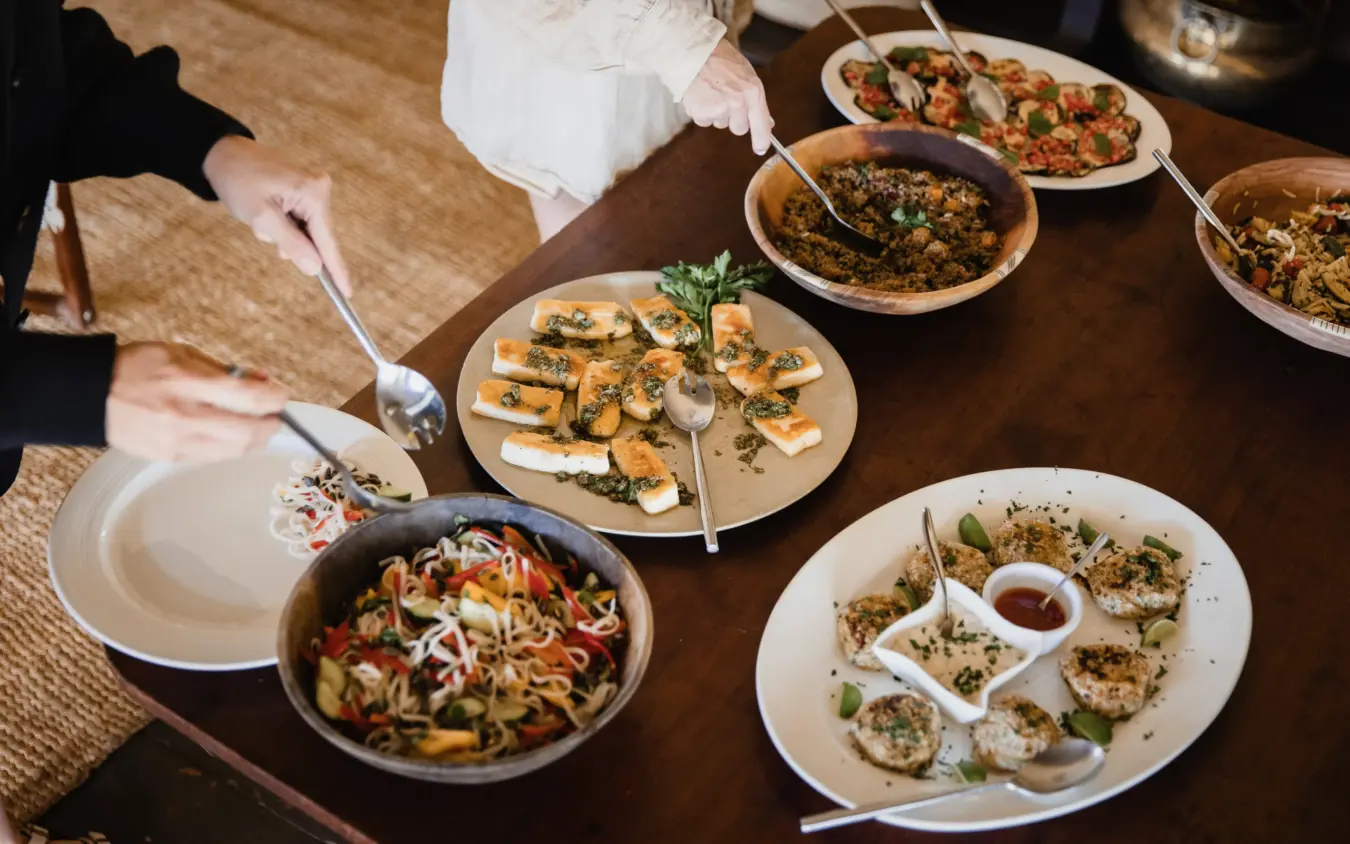
The rate covers full board, house and premium wines and spirits, beers and soft drinks, game drives by day and by night, guided walks, horse riding, bush picnics and dinners under the stars, massage treatments, wifi, laundry and the transfers to and from the camp's own airstrip. It also covers longer game drives into the neighbouring Lolldaiga Hills conservancy, roughly 20,000 hectares of hill country next door. Champagne, tips, insurance and any extra activities sit outside it.

rated five stars by our clients

other areas in kenya

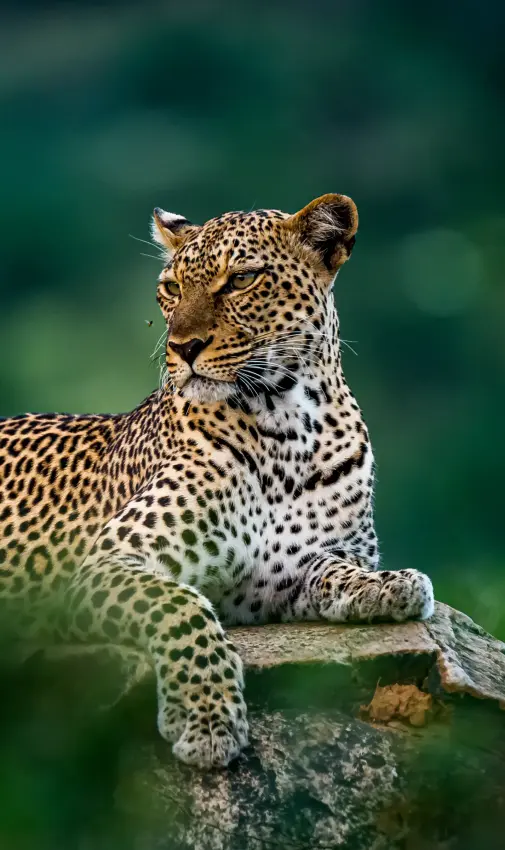
Leopard resting on fallen log in natural setting 01

Maasai Mara

Local guides with poles crossing shallow forest river, Northern Kenya, Kenya 02

Northern Kenya

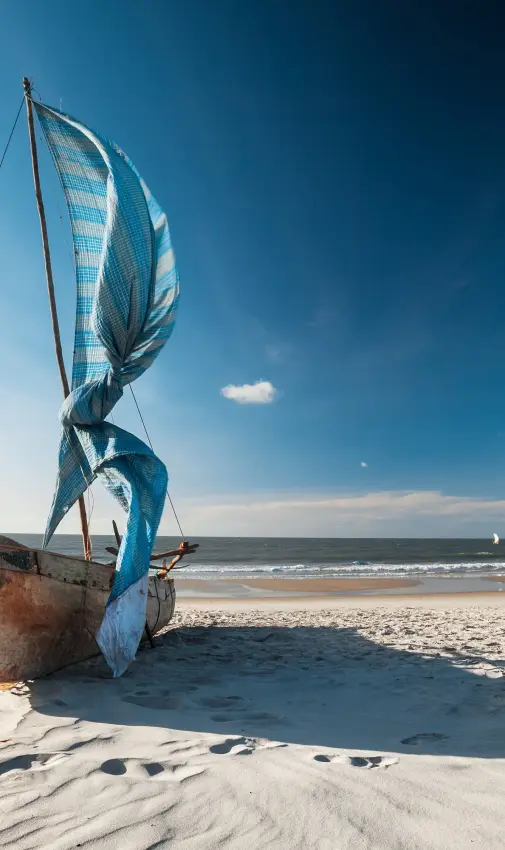
Traditional fishing boat with blue sail on sandy beach 03

Kilifi

Flock of flamingos wading in shallow pink-tinted water, Rift Valley Lakes, Kenya 04

Rift Valley Lakes

Snow-capped Mount Kilimanjaro rising above acacia trees and Tanzania savanna 05

Amboseli and Chyulu Hills

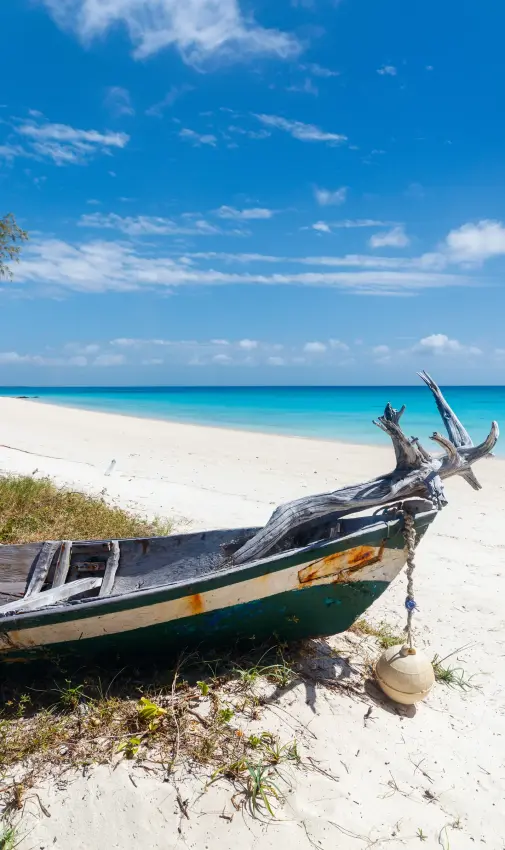
Wooden fishing boat beached on white sand tropical shore 06

Diani Beach

Man in traditional red garment driving open safari vehicle, Samburu Reserve, Kenya 07

Samburu Reserve

08

Lamu Archipelago

Zebras in savanna grassland with safari vehicle and city skyline 09

Nairobi

African elephants with calf walking through grassland at sunset 10

Tsavo

Planning a journey together

our approach

remote, exclusive
& personal

Every journey starts with a conversation. We take the time to understand your vision before we start planning.

Whether by phone or in person, we work with you directly to shape something that is considered, personal, and expertly delivered.

get in touch
destinations ideas & inspiration our process about us contact us