The Ancilotto family bought this land in the early 1970s and ran it as a low-impact cattle ranch that also took in visitors. Tom Silvester arrived in the early 1990s. In 1997 he set up Loisaba with his brother Peter and their friend Giles Davis. The American investors Jim and Lori DeNooyer came in alongside them. A 2014 handover, arranged with The Nature Conservancy and Space for Giants, passed the land to the community trust and out of private hands for good. Tom stayed on, and runs the conservancy as chief executive.
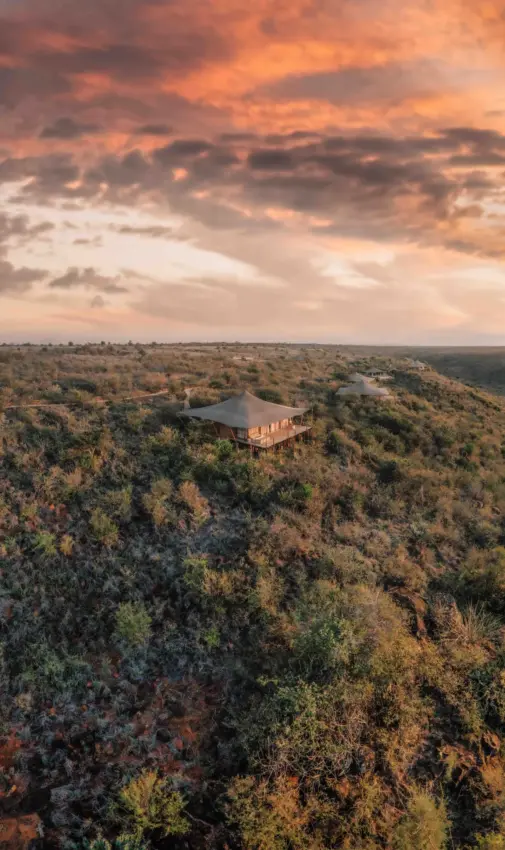
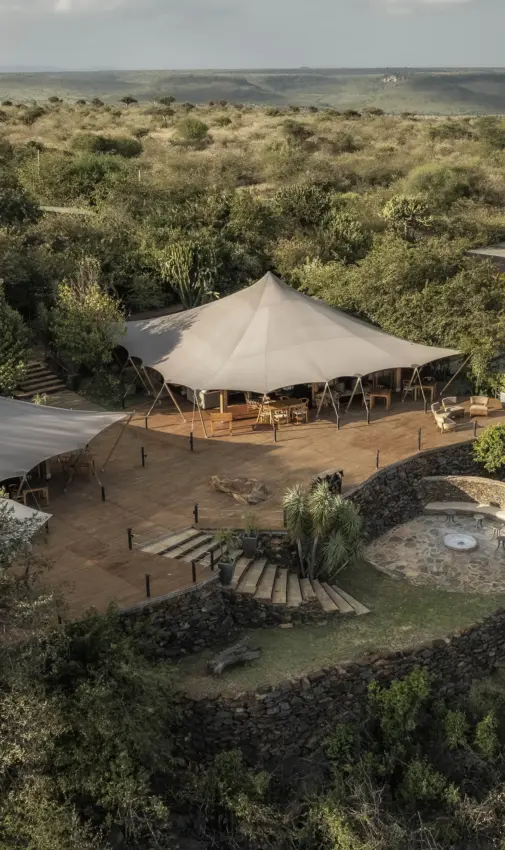
The whole camp, tents and kitchen included, travels in an expedition container. It is unpacked afresh for each booking. Once the party is in, solar power keeps the lights and the wifi on, and the laundry comes back daily. The chef cooks to the group’s tastes and times each meal around the day’s walks and drives, never to a set hour. When the party leaves, the camp goes back into its container, leaving nothing on the ground.
Mornings can start on foot with a guide, reading spoor along the game paths.
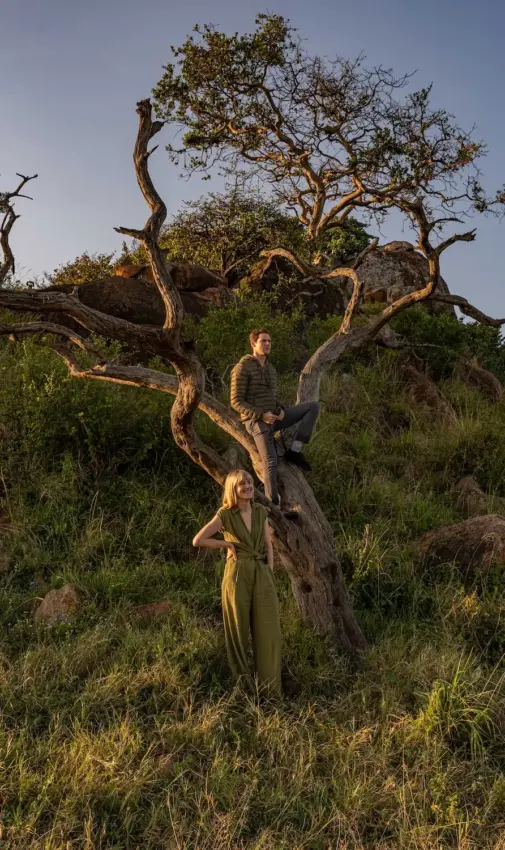
Loisaba is a private conservancy, not a national park. Mornings can start on foot with a guide, reading spoor along the game paths. Along the way the guide picks out birds such as the spotted palm-thrush. Game drives run on the group’s own clock. Lunch stretches out under canvas. Sundowners follow in the late afternoon, and dinner is often carried into the bush and served under the stars, with the evening ending by the fire. The pace suits families spanning several generations as easily as a group of friends.
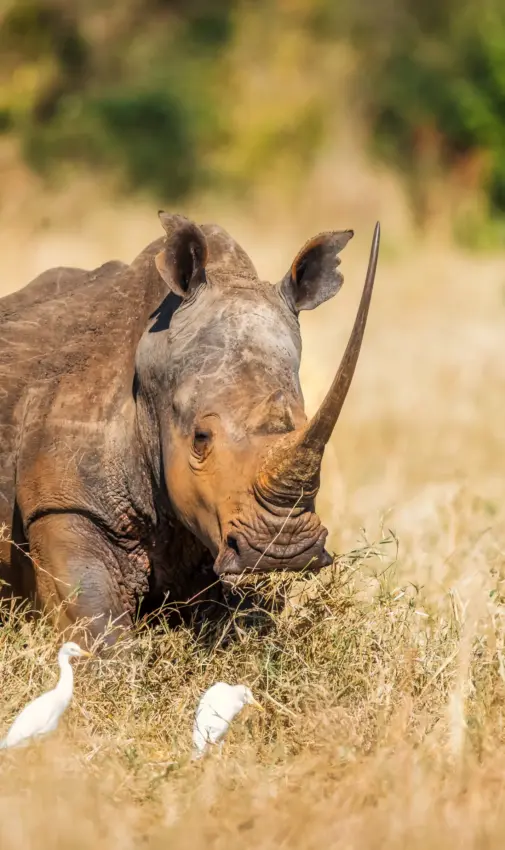
The flight from Nairobi to the Loisaba airstrip takes about an hour. Beside its dirt tracks is a plain building, home to the conservancy’s operations room, where rangers follow the rhinos through EarthRanger. Guests can spend time there with the trackers and conservation teams who keep that watch. It is unglamorous work, and tourism helps pay for it, covering nearly half the conservancy’s running costs. Along the boundary, the same money pays for school meals and health outreach in Laikipia Maasai and Samburu villages, and funds scholarships there too.