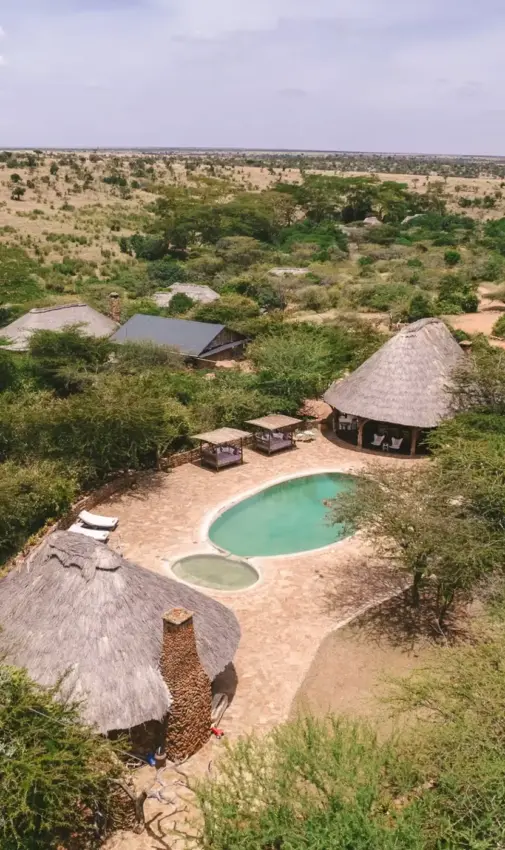
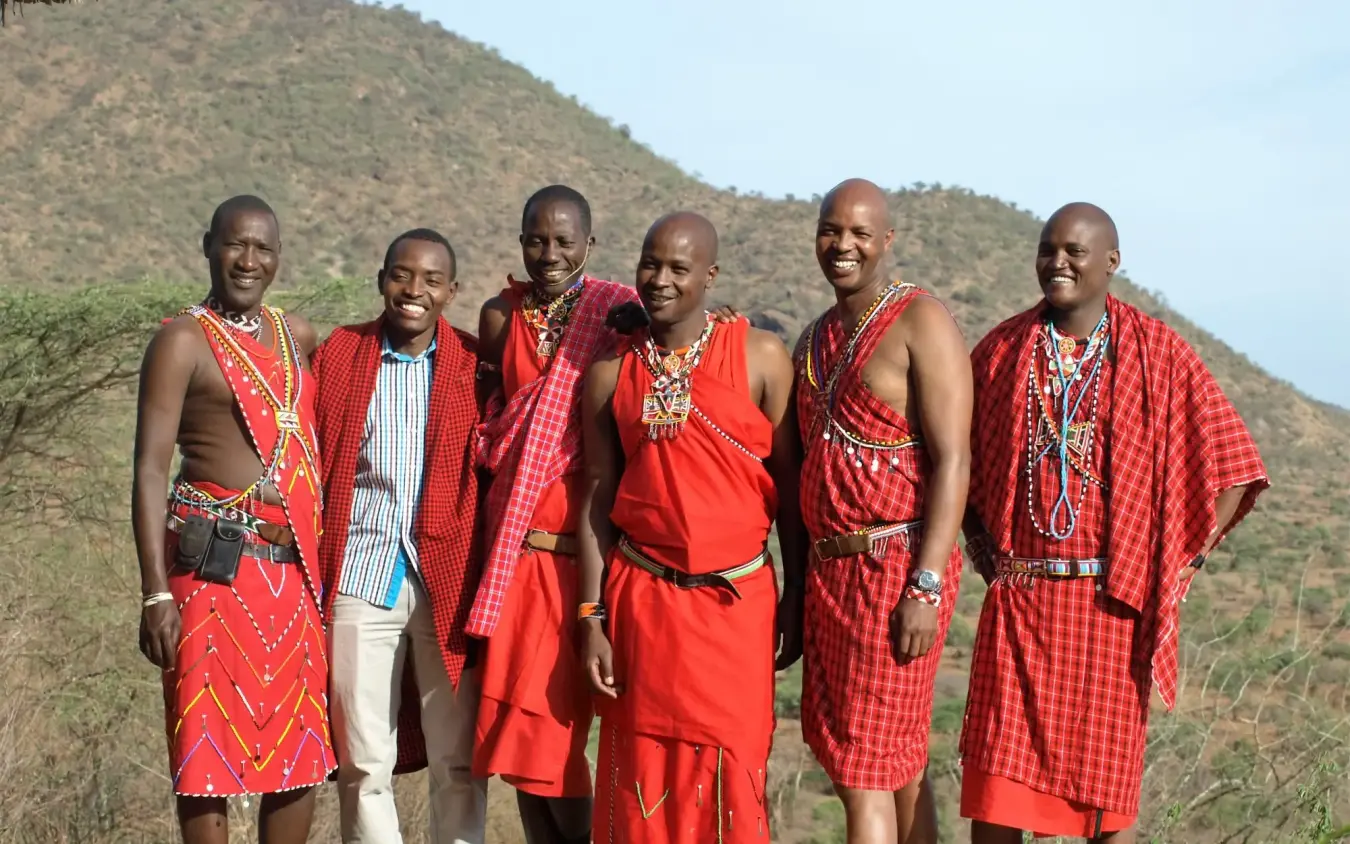
Prince William has stayed at Il Ngwesi, and one of the six bandas is named in his honour. The lodge’s profile owes something to that visit, but its identity was set well before it, in the decision by the elders to hand grazing land to wildlife and the lodge itself to their own people to run. The staff belong to the community that owns the place, and that ownership changes the register of a stay entirely. These are hosts, not employees, showing guests a landscape that is theirs.
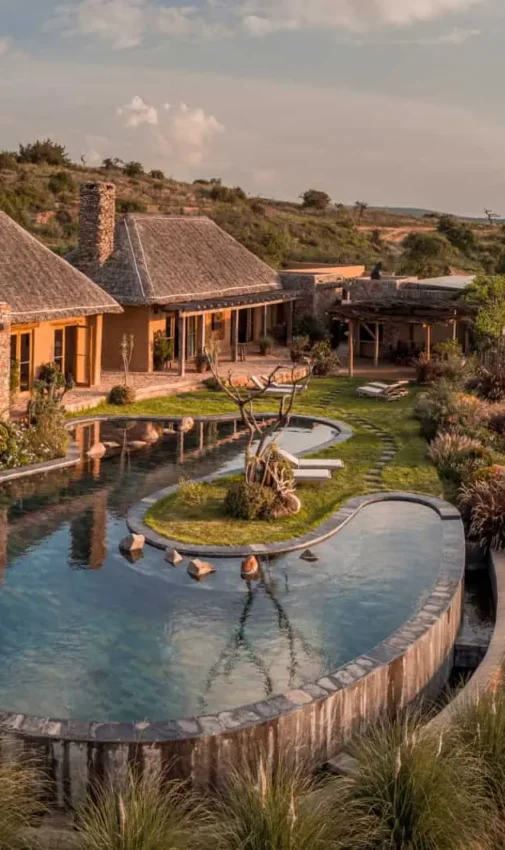
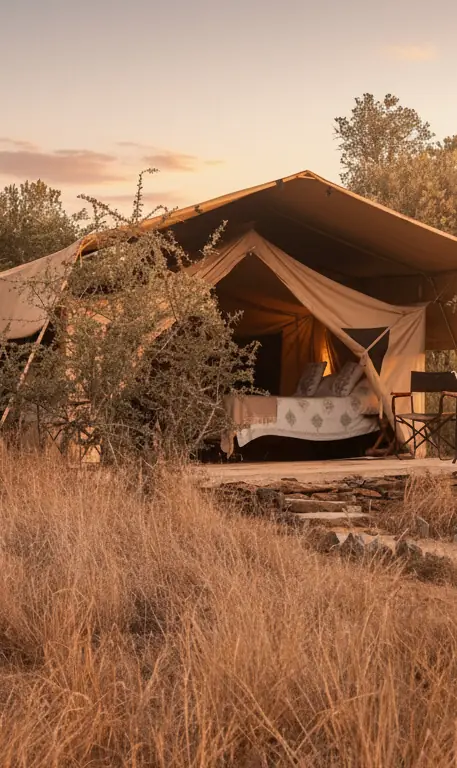
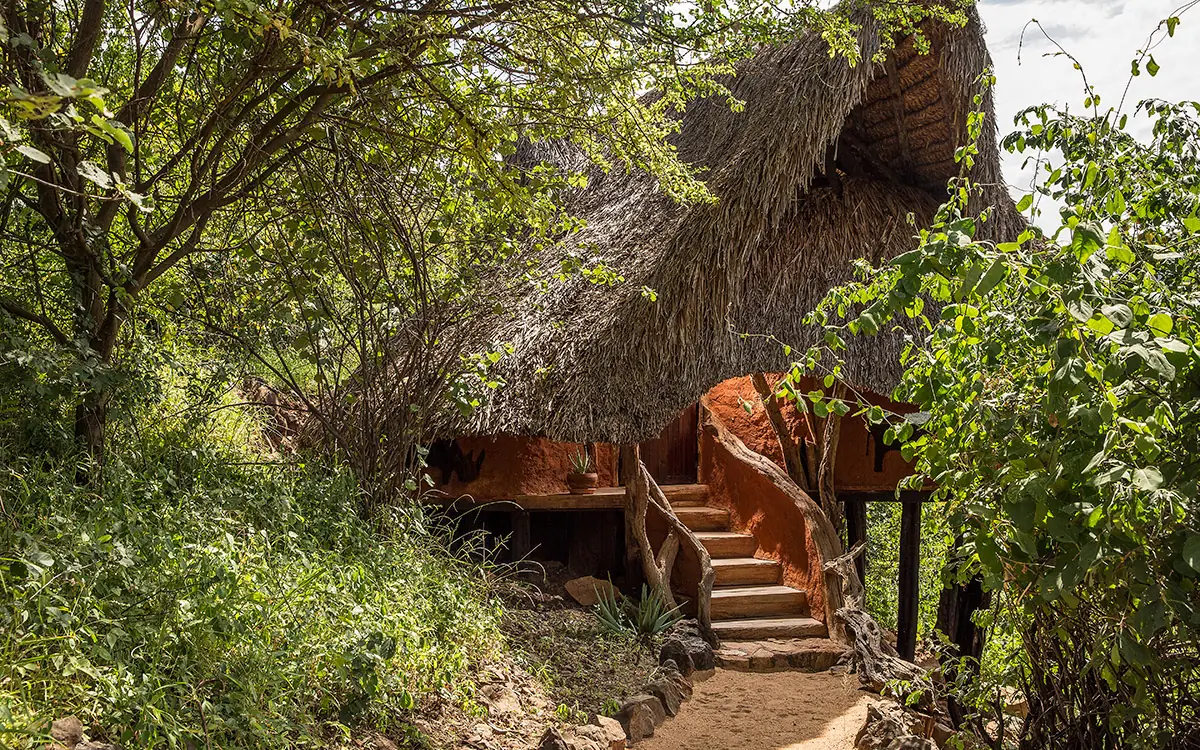
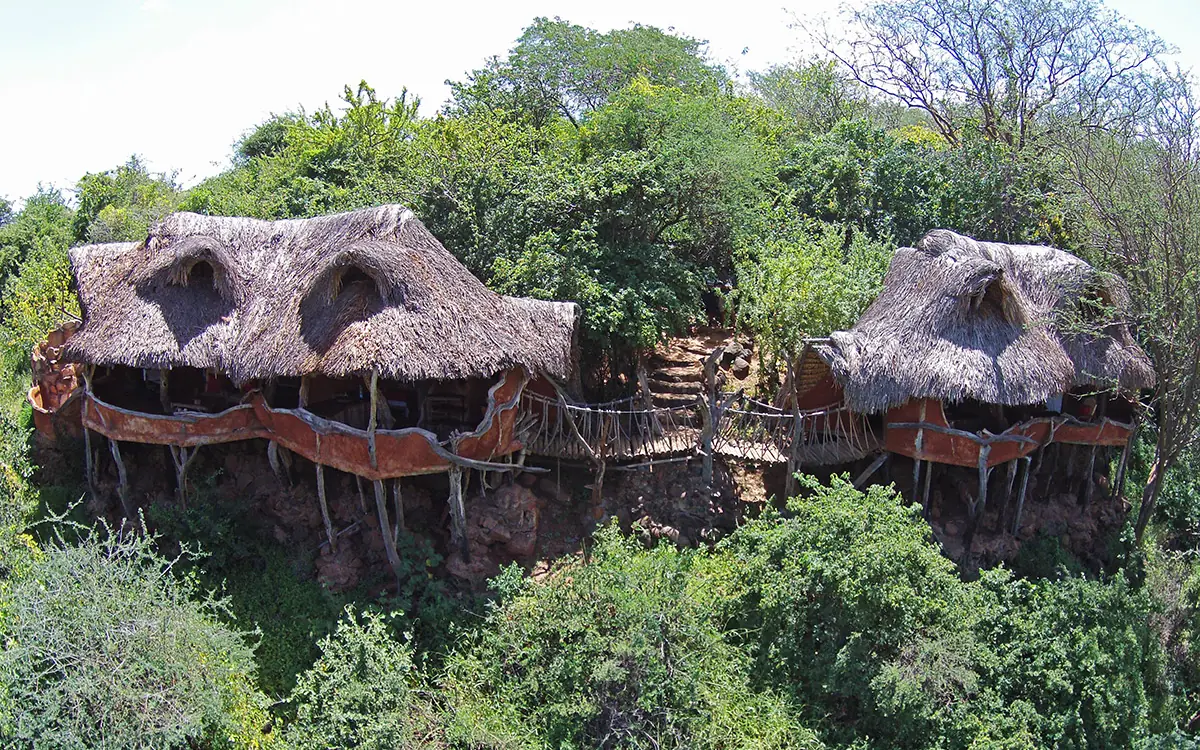
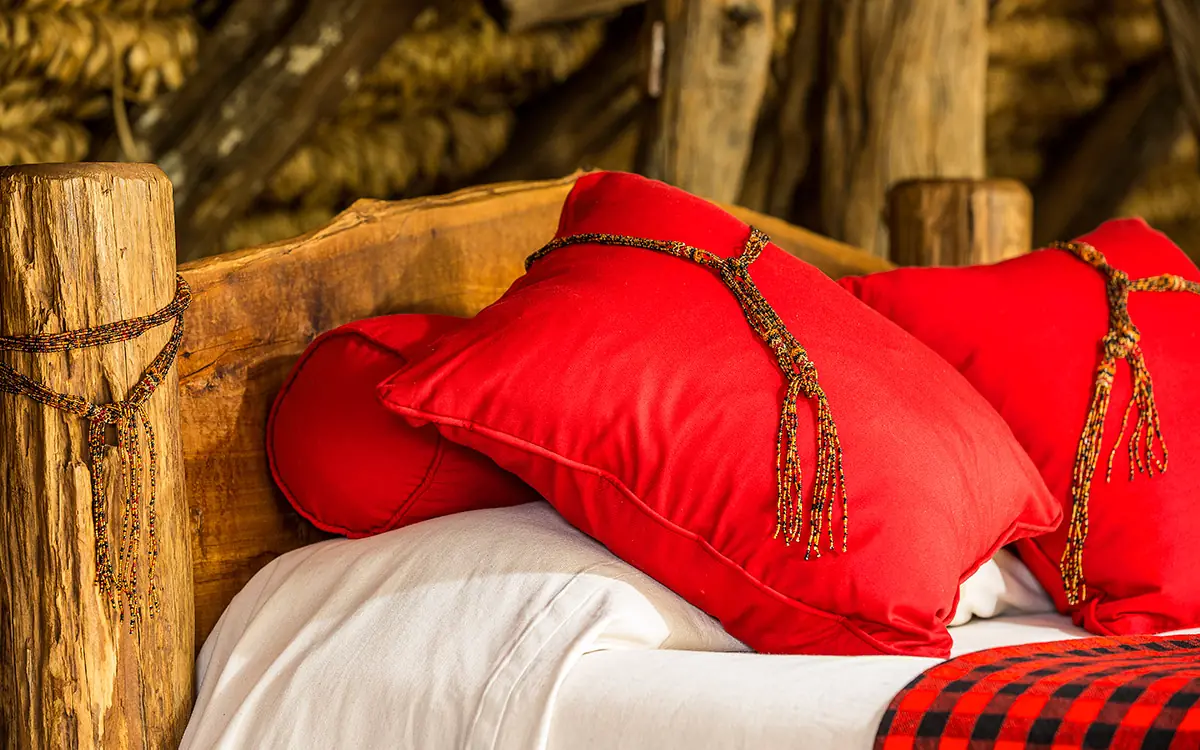
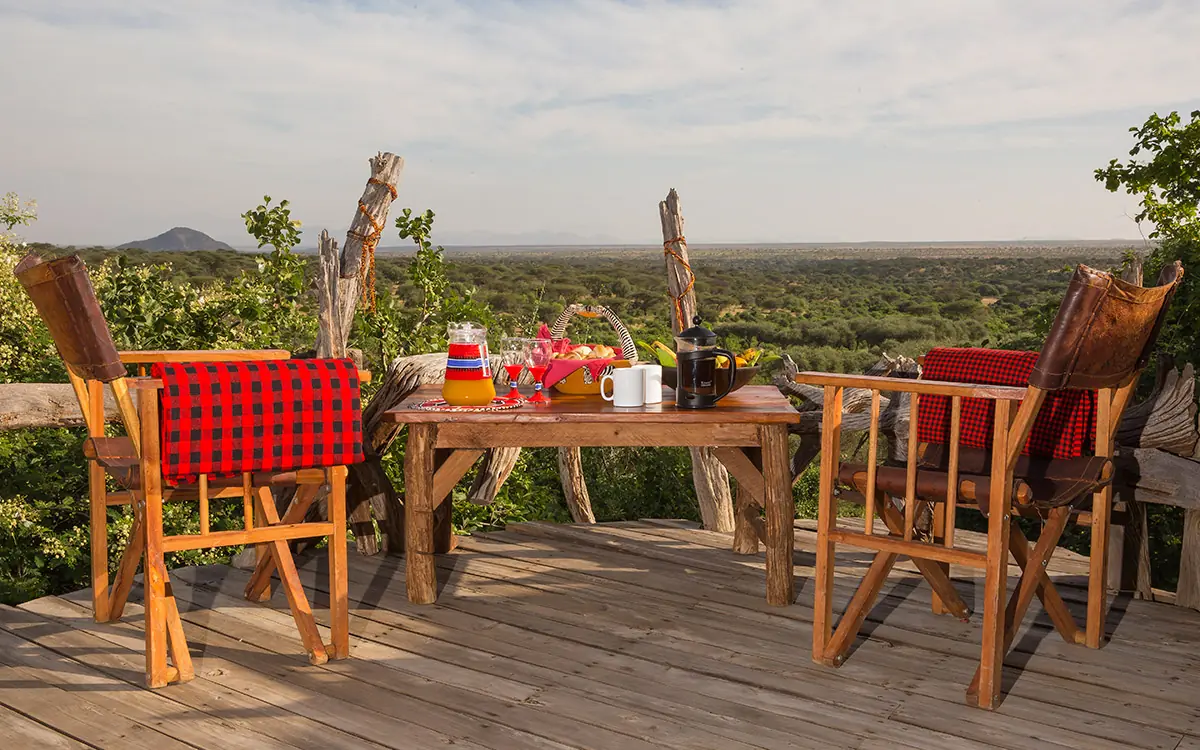
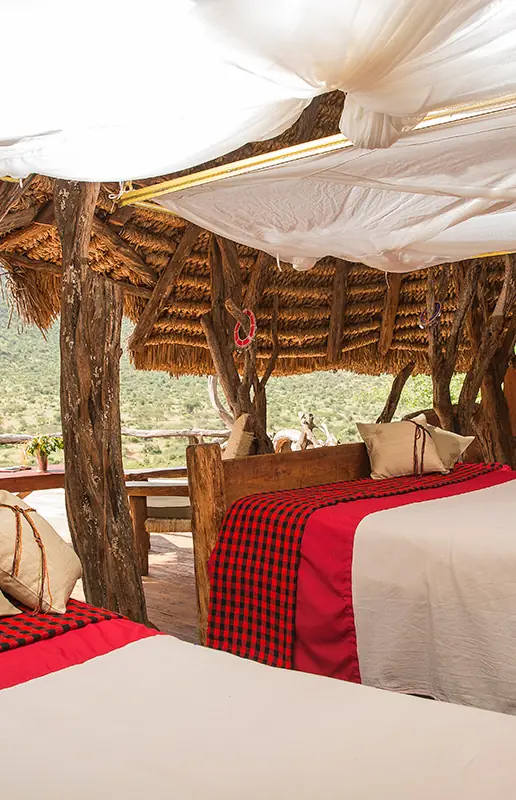
Il Ngwesi suits travellers drawn to something unpolished more than those in search of five-star refinement. The rooms open at the front onto the bush, with hand-carved beds dressed in Maasai fabrics and wooden floors underfoot. The en-suite showers stand open to the air, warmed on solar heat. You fall asleep to bush sound instead of air conditioning, wake to tea brought to the deck, and watch a waterhole close enough to see from bed. On clear nights the bed rolls out onto the deck, and the roof over you is the sky.
Camels carry guests through the bush, and nights can be spent camping out under the open sky.
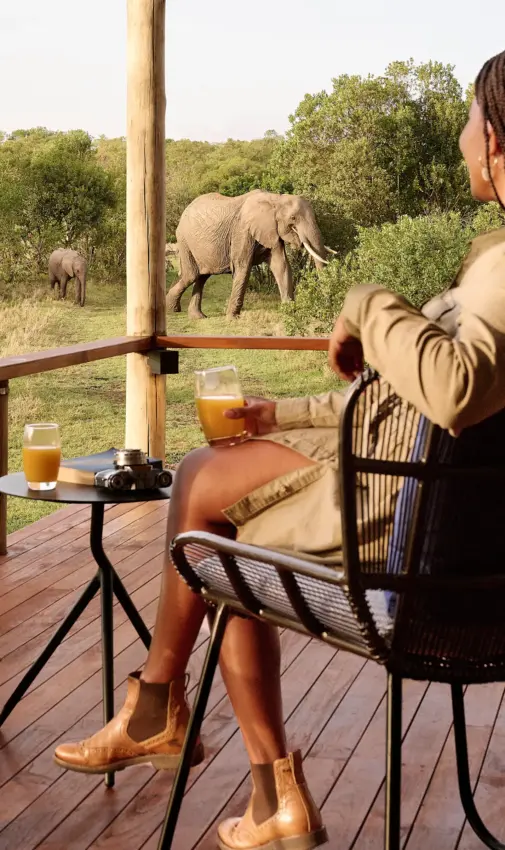
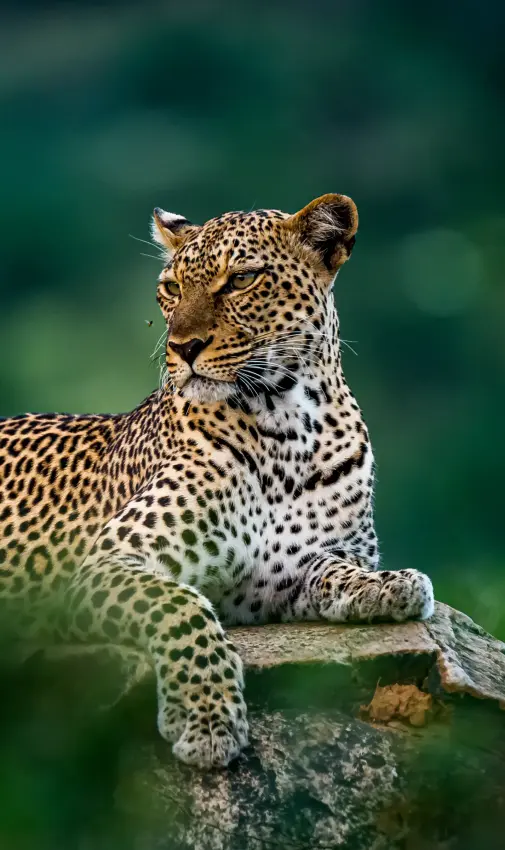
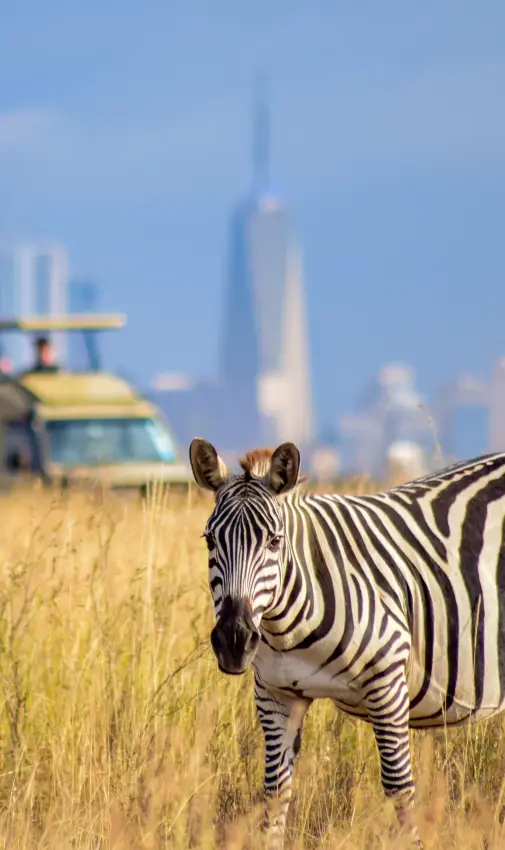
Wildlife moves freely across the community’s land, which holds a fenced black rhino sanctuary begun with a single rhino translocated from neighbouring Lewa in 2002, part of a longer plan to link into a wider connected landscape. Elephant and reticulated giraffe pass through, as do Grevy’s and plains zebra, and greater and lesser kudu. Lion and leopard hunt the same ground. Below the main deck the spring feeds the waterhole that draws animals through the heat of the day, in full view of the lounge, of a hide, and of several of the rooms.
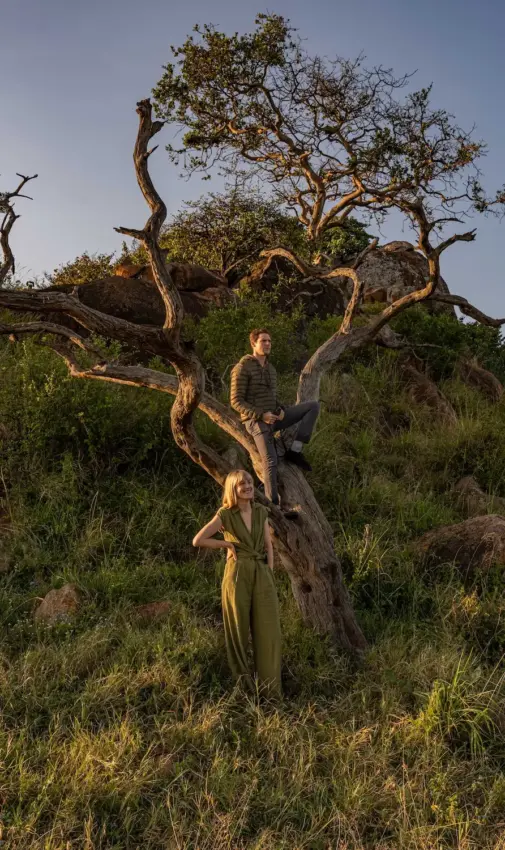
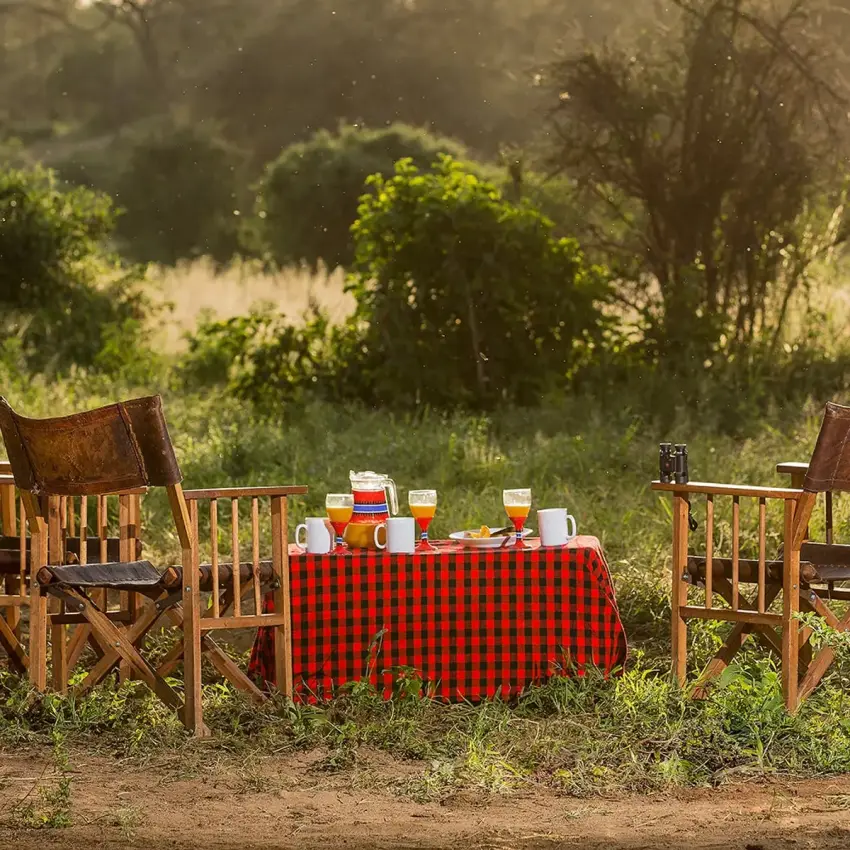
There is far more here than walking safaris and game drives. Camels carry guests through the bush, and nights can be spent camping out under the open sky. The days open onto excursions into Mukogodo Forest and visits to the community’s own boma. The profits return to the people who own the lodge, funding school scholarships, healthcare, water infrastructure and programmes for local women and girls. A stay here funds the same community that built Il Ngwesi by hand, warrior by warrior, and still runs it today.









 01
01