







kenya
giraffes, naivasha and the mara
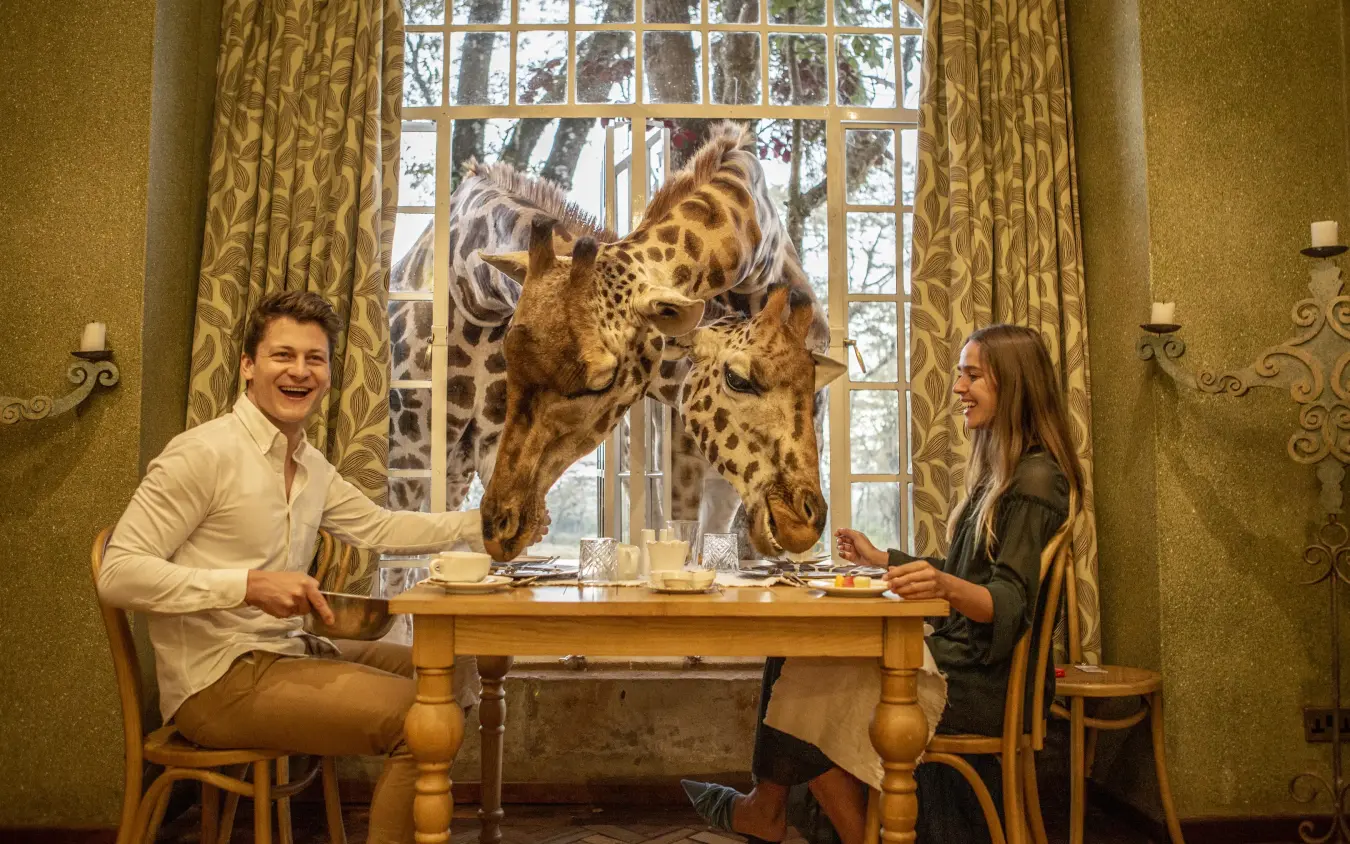
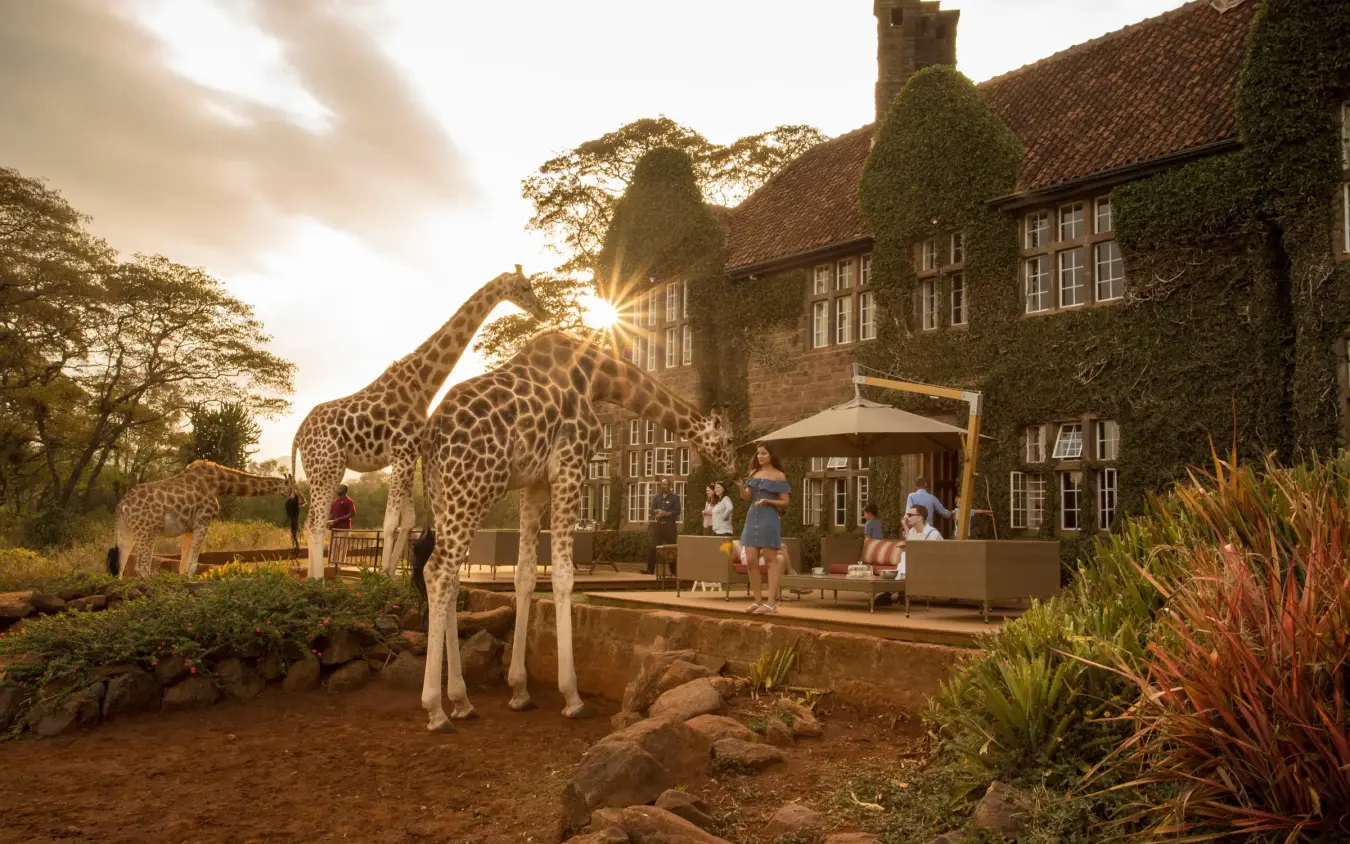
Nine nights in Kenya linking Giraffe Manor, Lake Naivasha's Loldia House and Governors' Camp on the Mara River.
- Private Safari
- From $7,900 pp
- 2 guests
- 9 nights
The route links four regions in order. It opens in the Rift Valley on the Soysambu Conservancy beside Lake Elmenteita, then crosses to the Maasai Mara and its wildebeest plains. From there it runs to the Lamu Archipelago on the Indian Ocean coast, and closes in Nairobi, where a national park of black rhino and lion meets the city’s southern suburbs.
You travel by a mix of light aircraft and vehicle, with game drives on the conservancy and in the Mara, boat trips off Manda Island, and slower days by the water and in the garden estates. The four stays run from tented camps to beachfront villas and garden cottages, each chosen for its ground and what the days there hold, over ten nights.
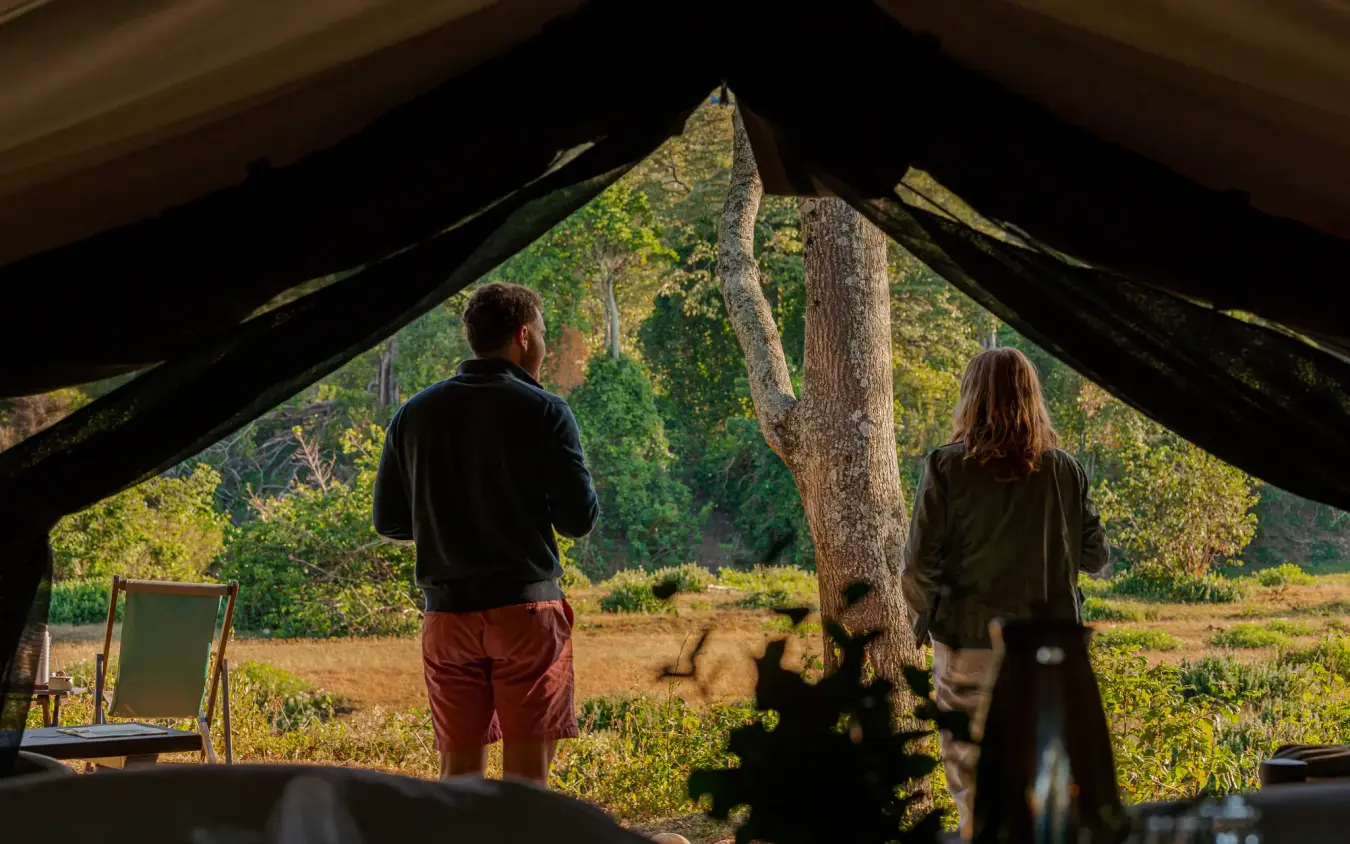
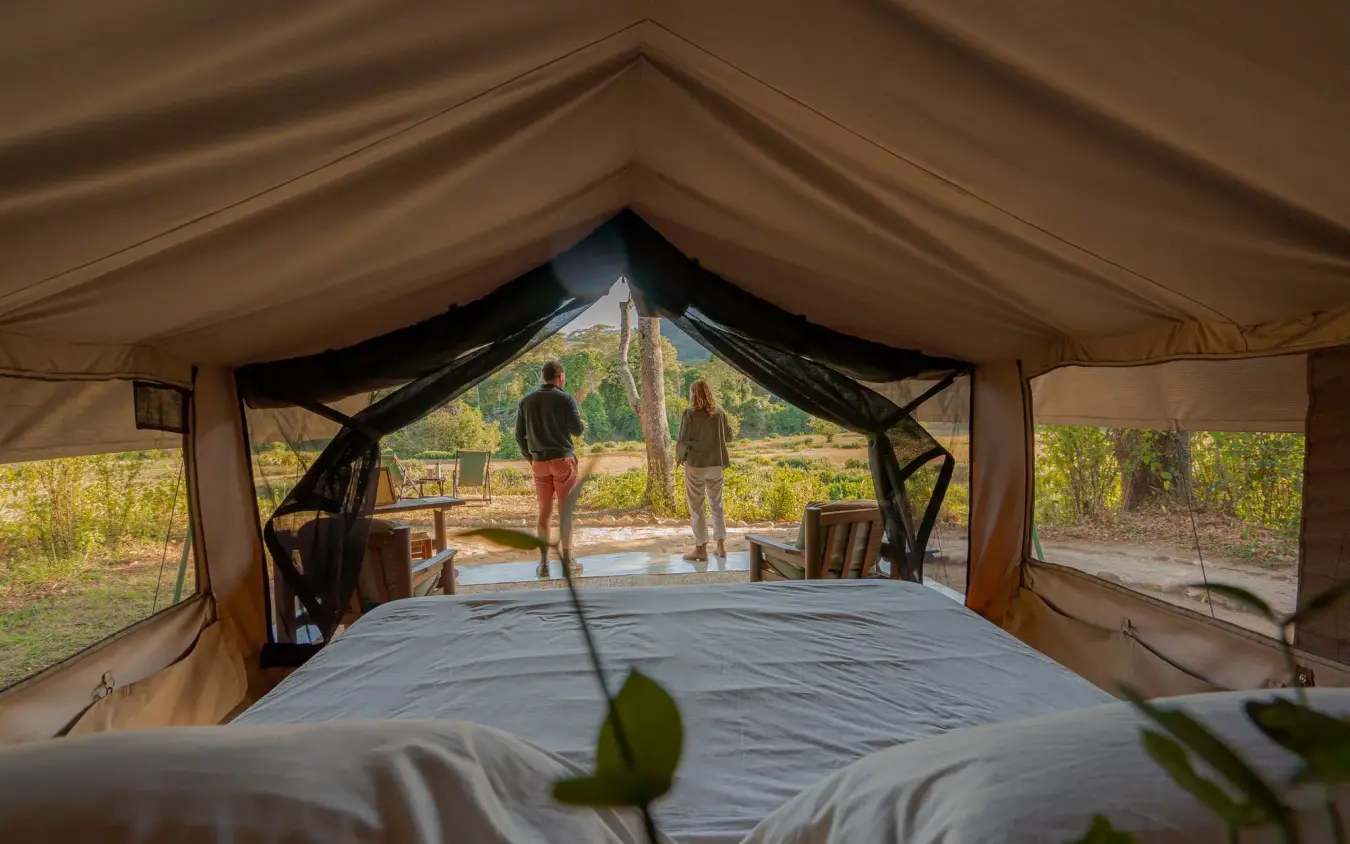
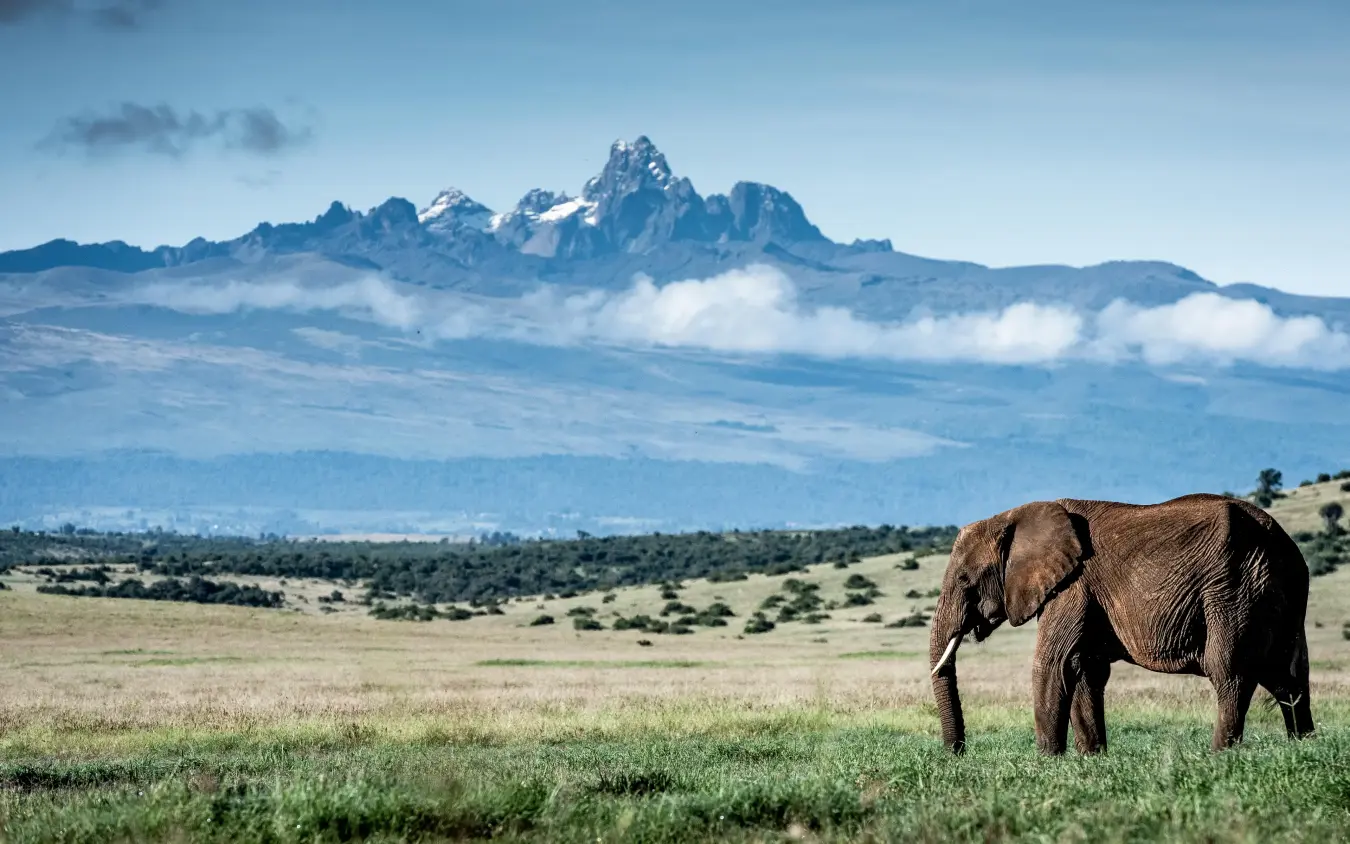
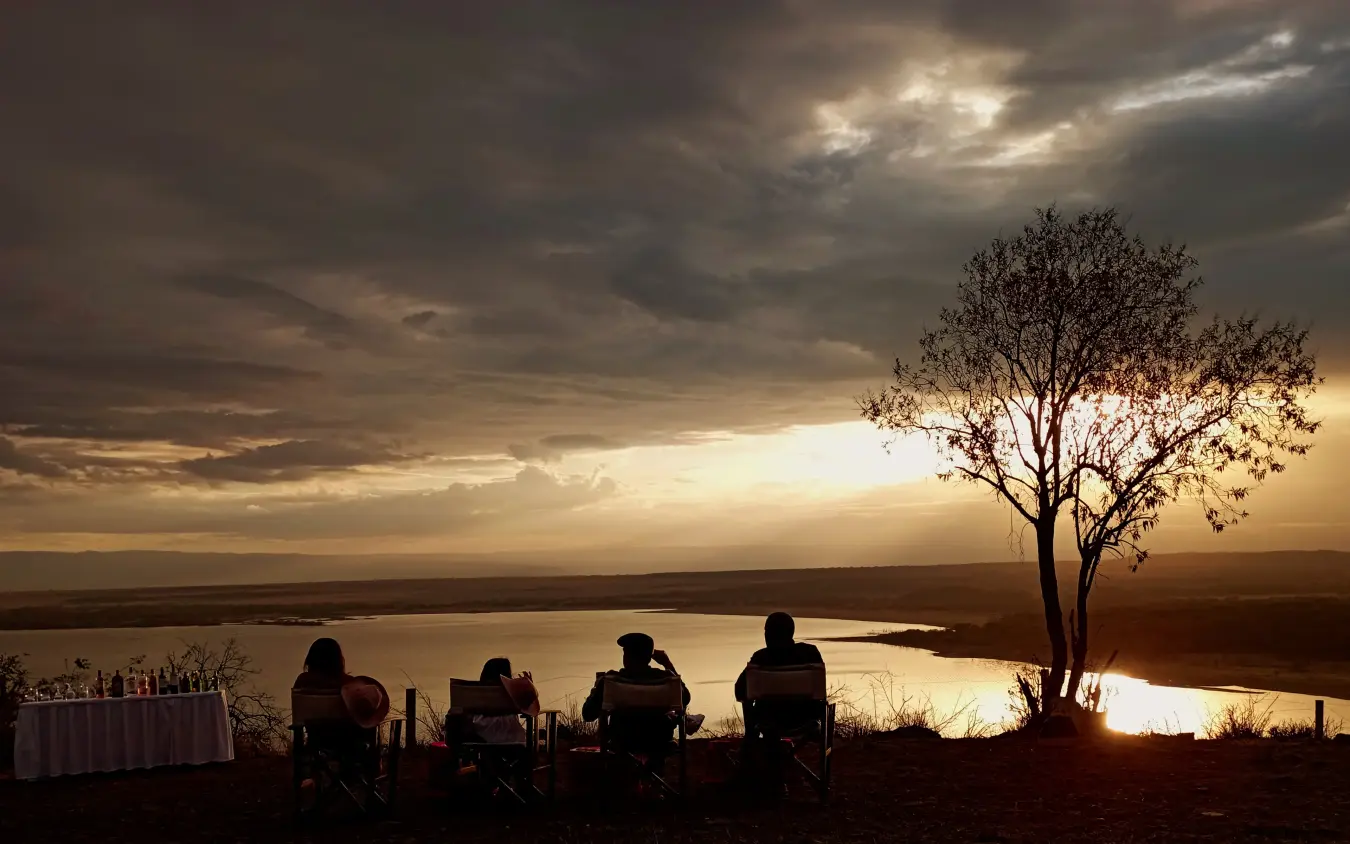
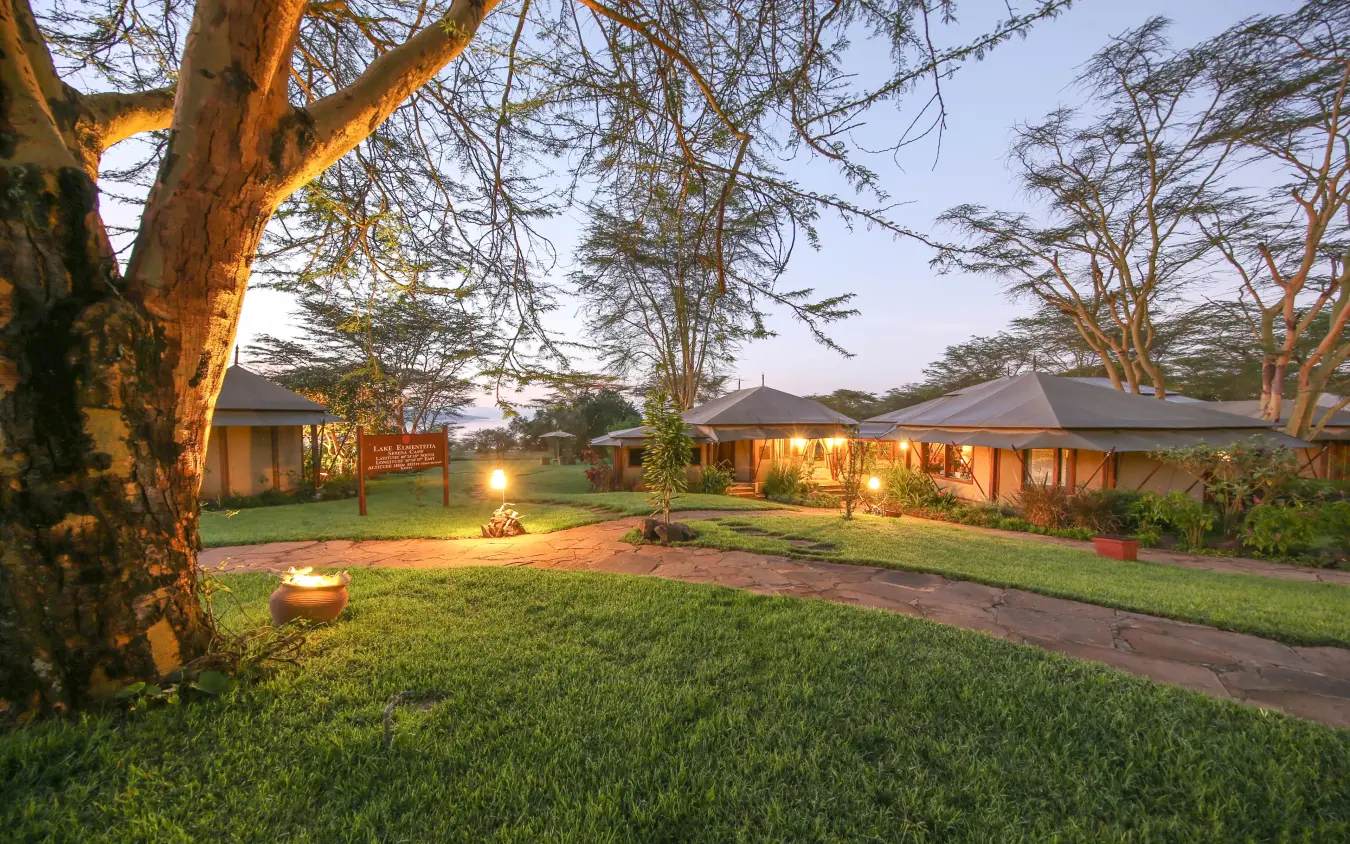
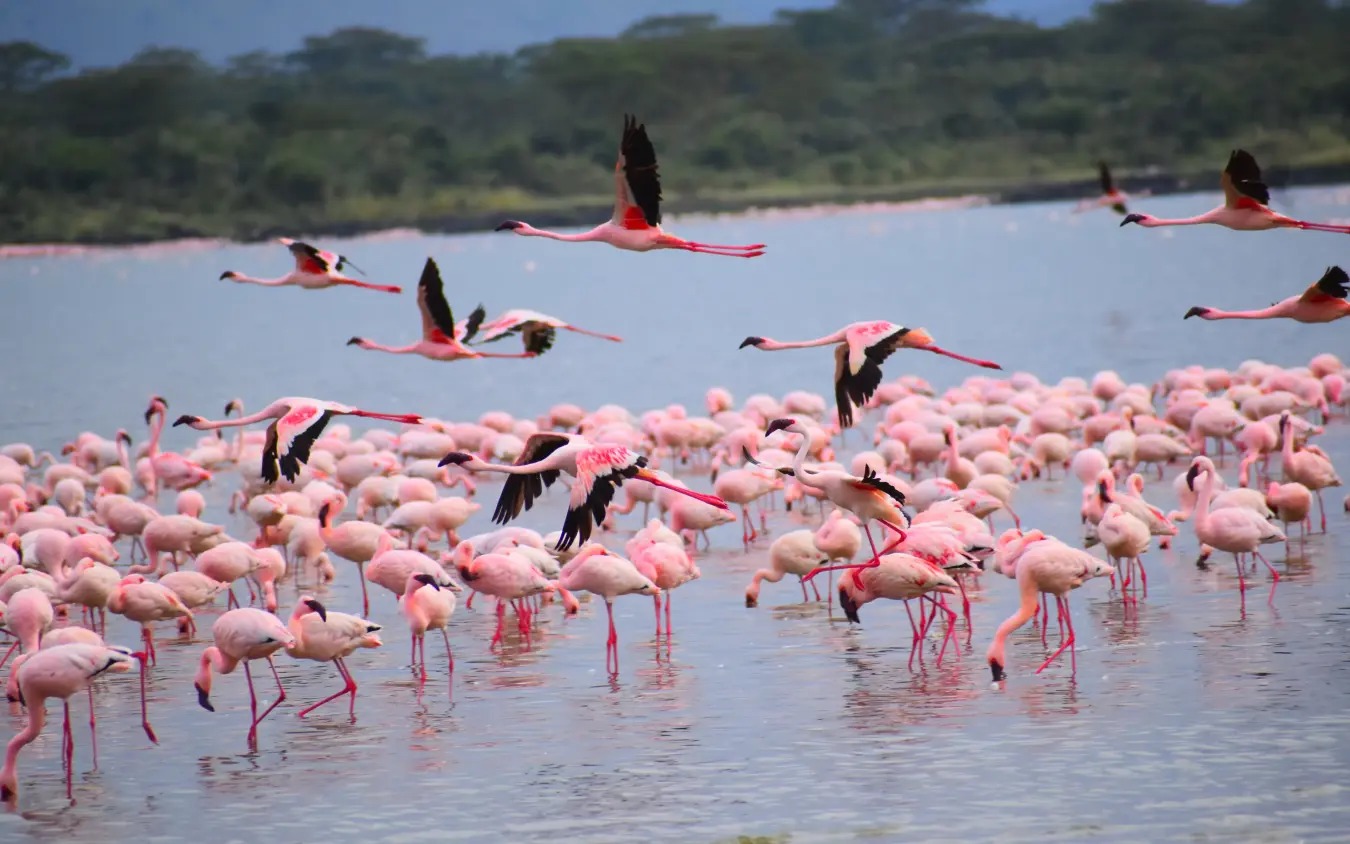
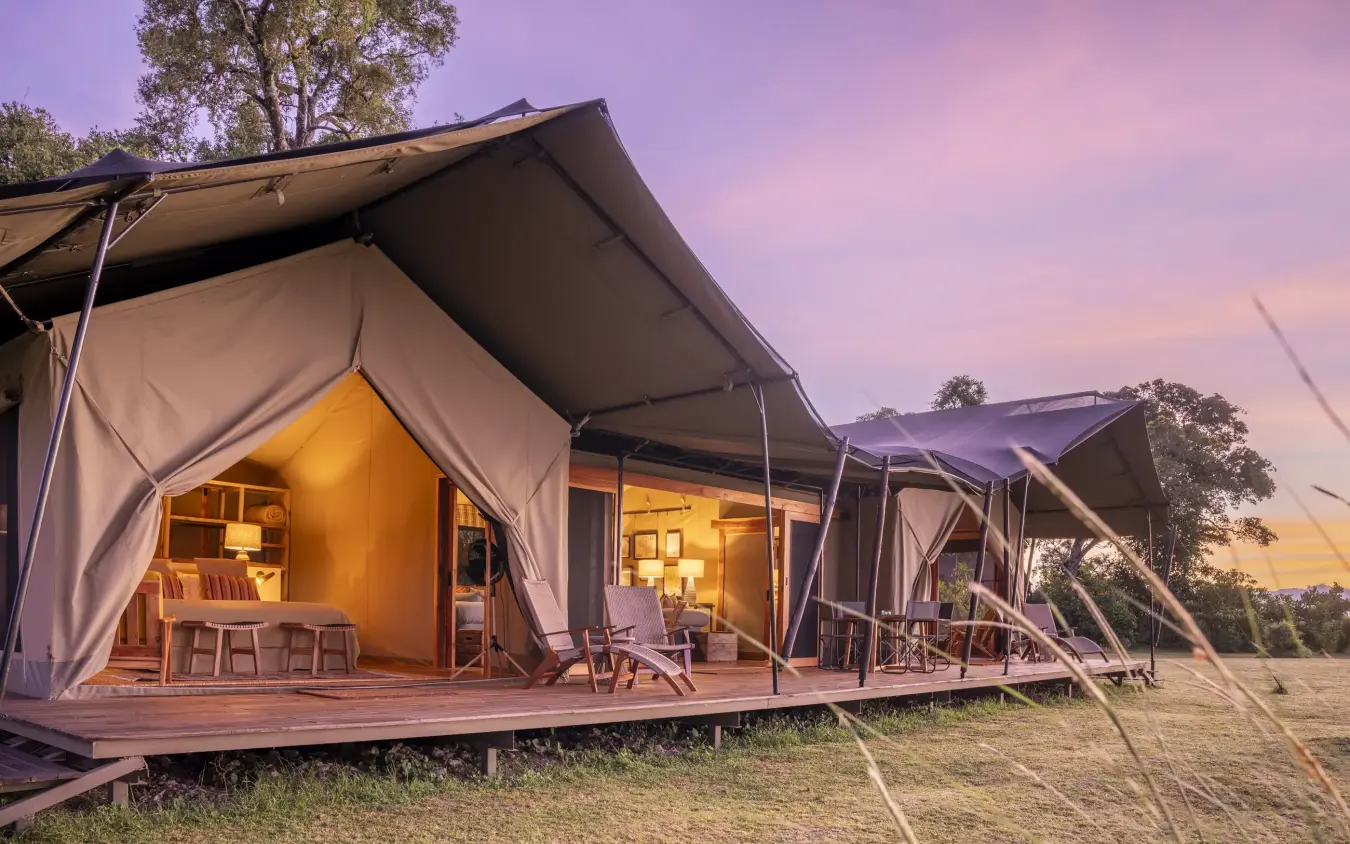
You start in the Rift Valley on the Soysambu Conservancy, private land where the rules allow what public parks do not: walking the lakeshore with a naturalist, driving after dark, and riding out on horseback. Lesser and greater flamingos crowd the shallows of Lake Elmenteita, and the grassland carries a breeding population of the Rothschild's giraffe, along with eland, dik-dik, buffalo and zebra. Lake Elmenteita Serena Camp lines the lakefront with twenty-four tents and a single suite, each veranda facing the water, and a waterhole draws game in front of the main lounge.
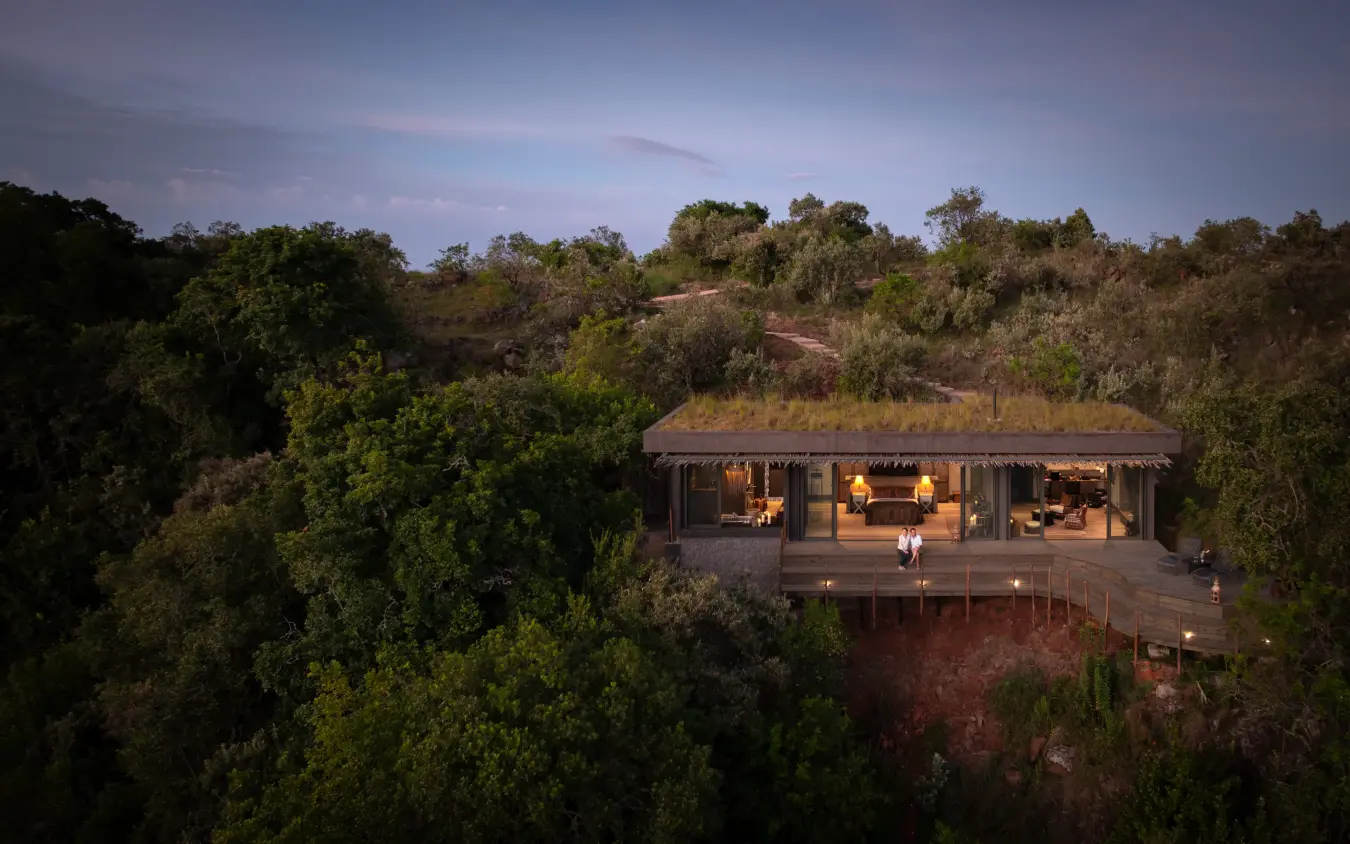
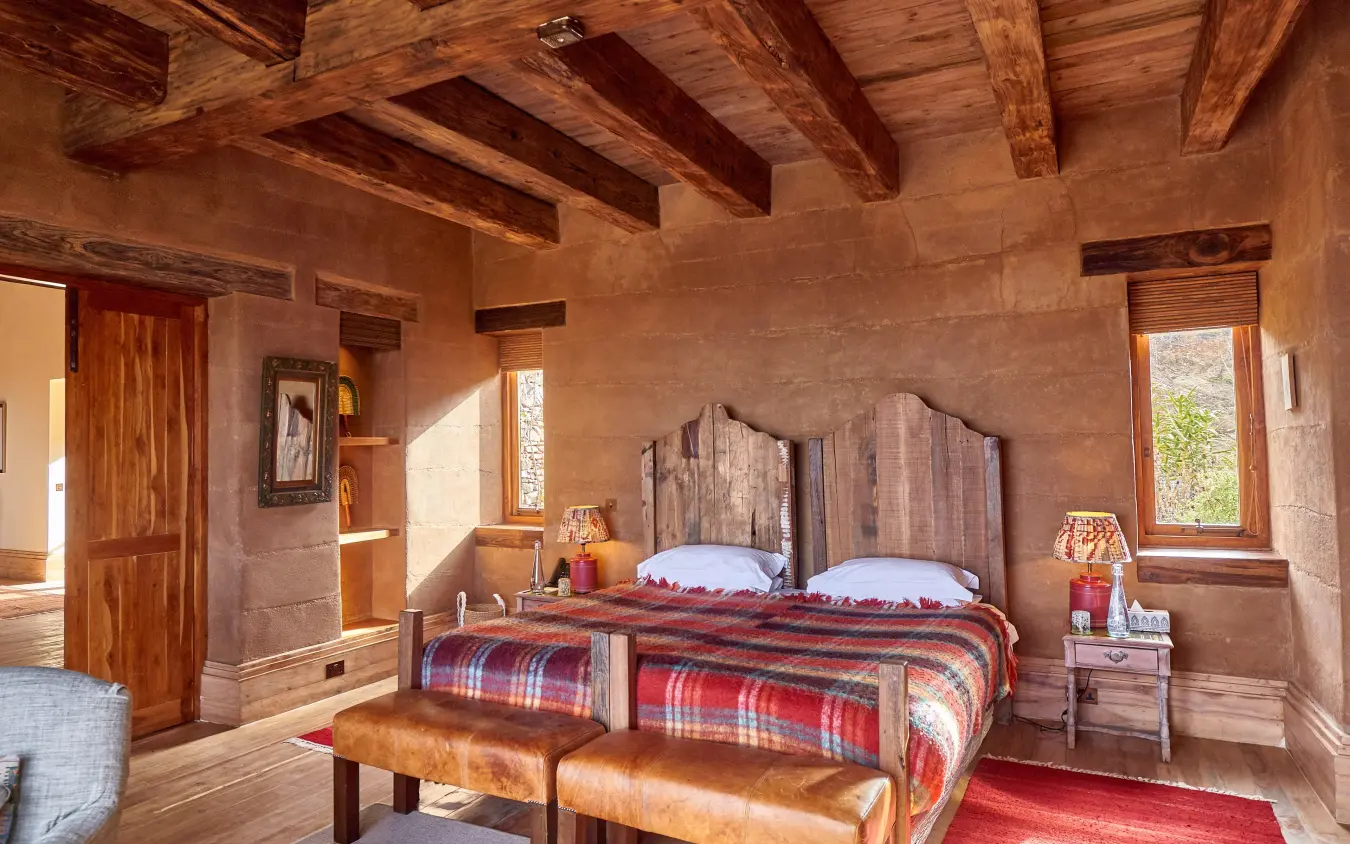
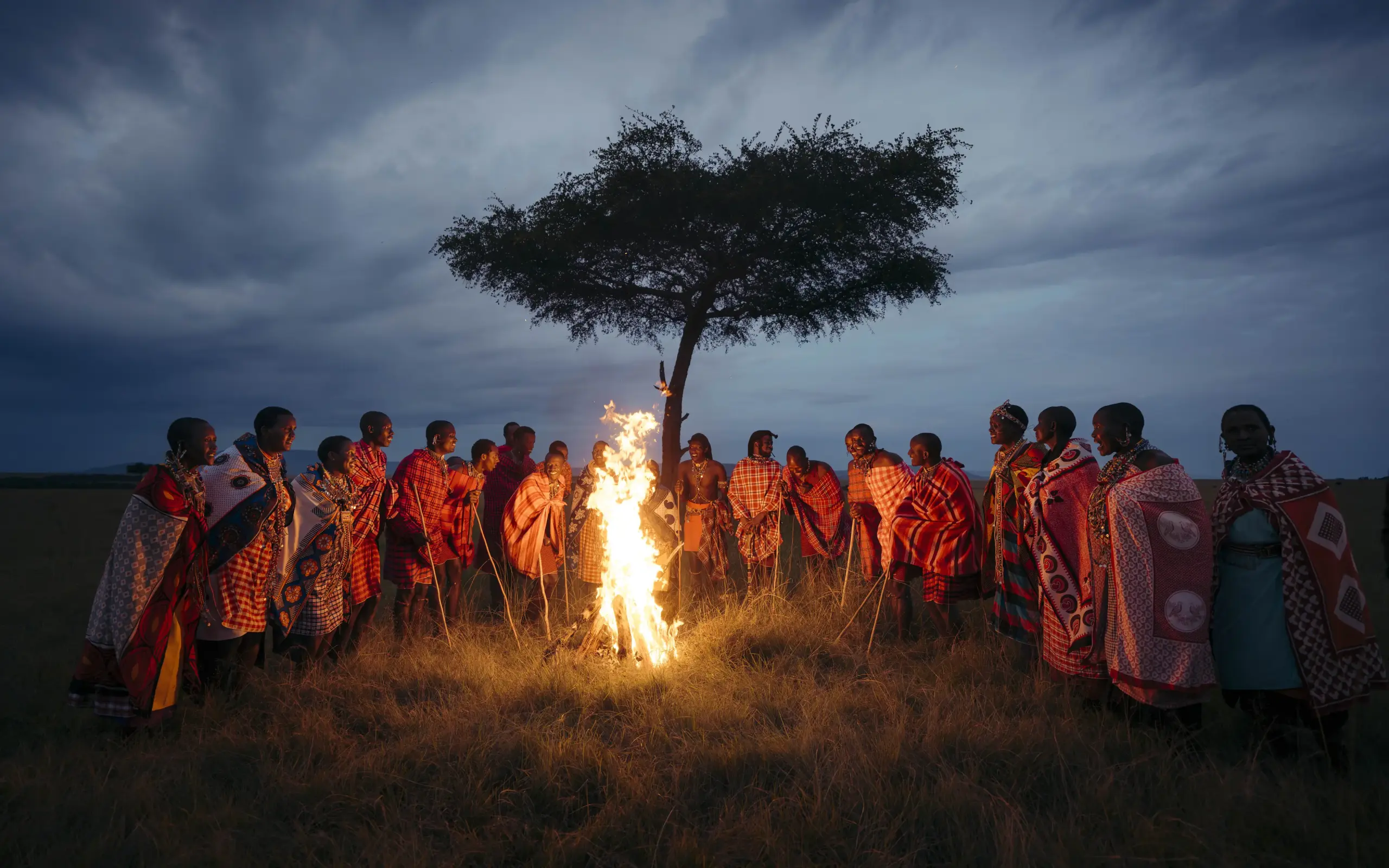
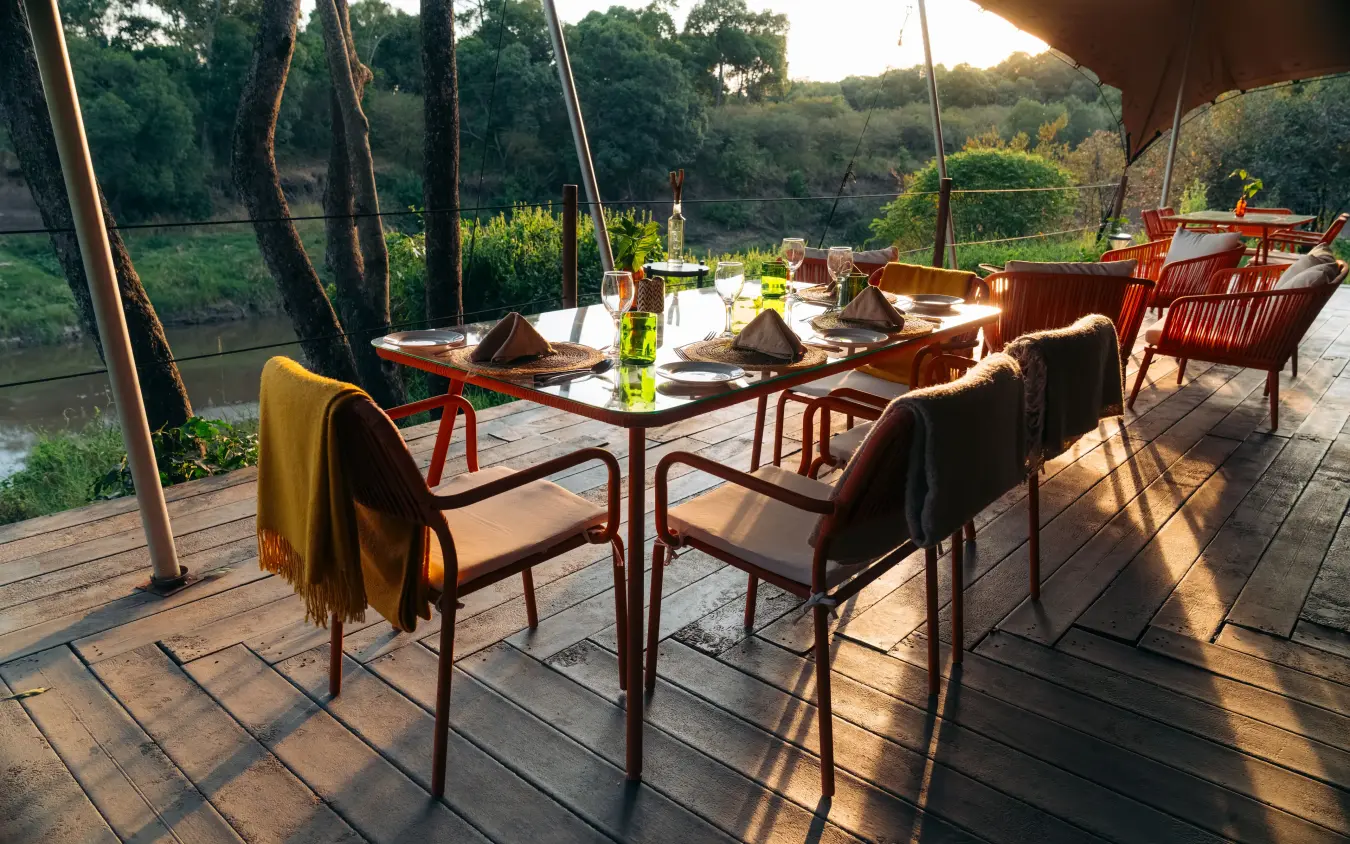
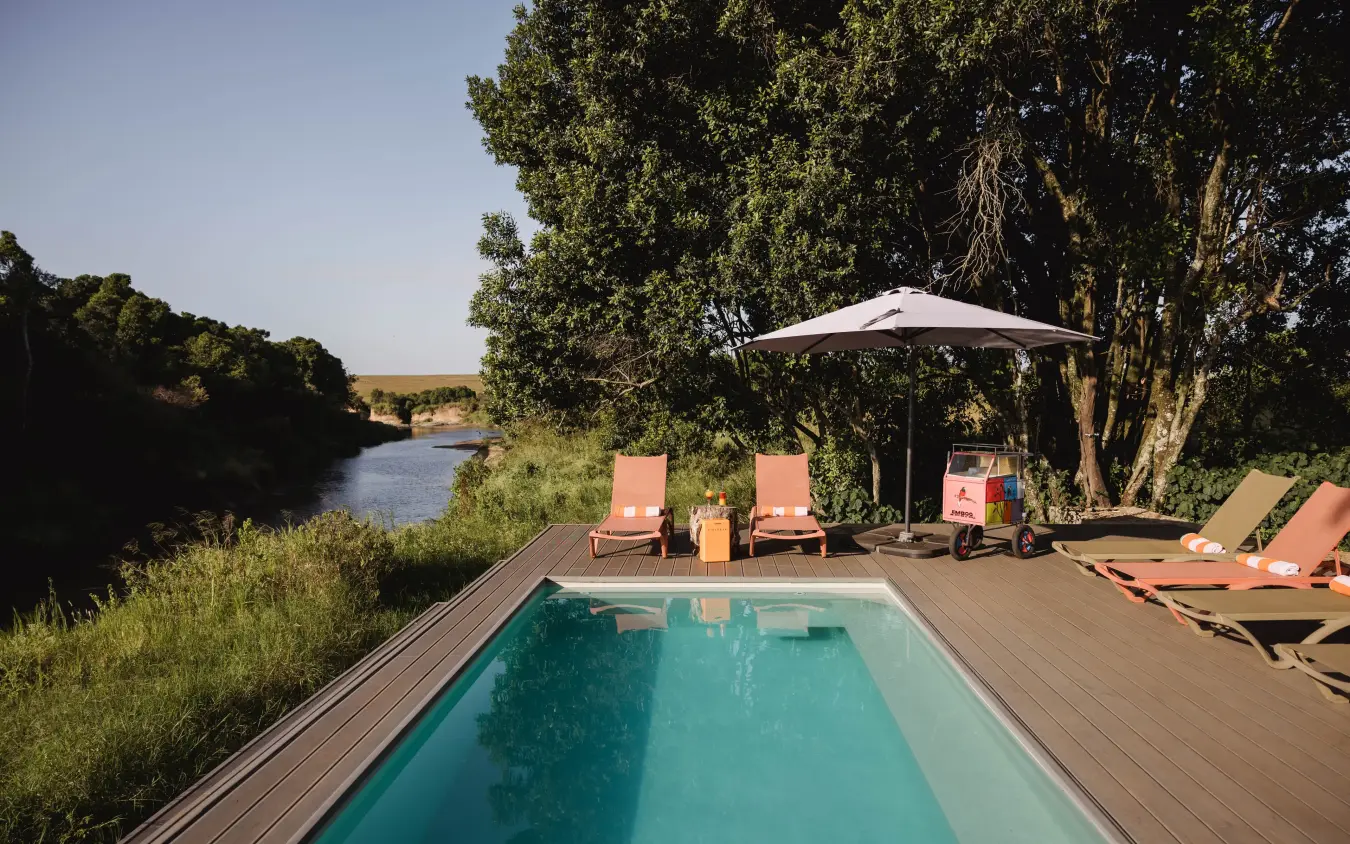
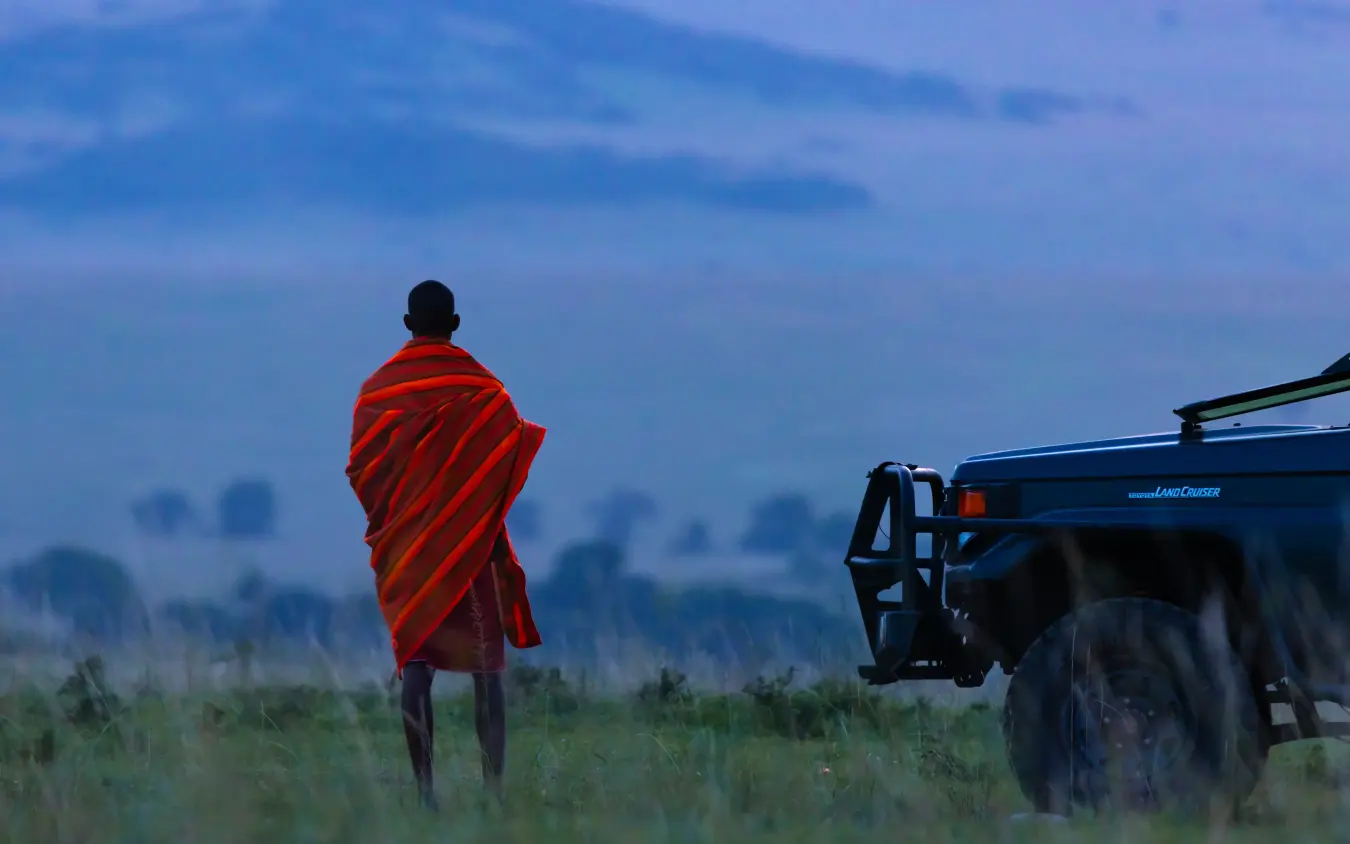
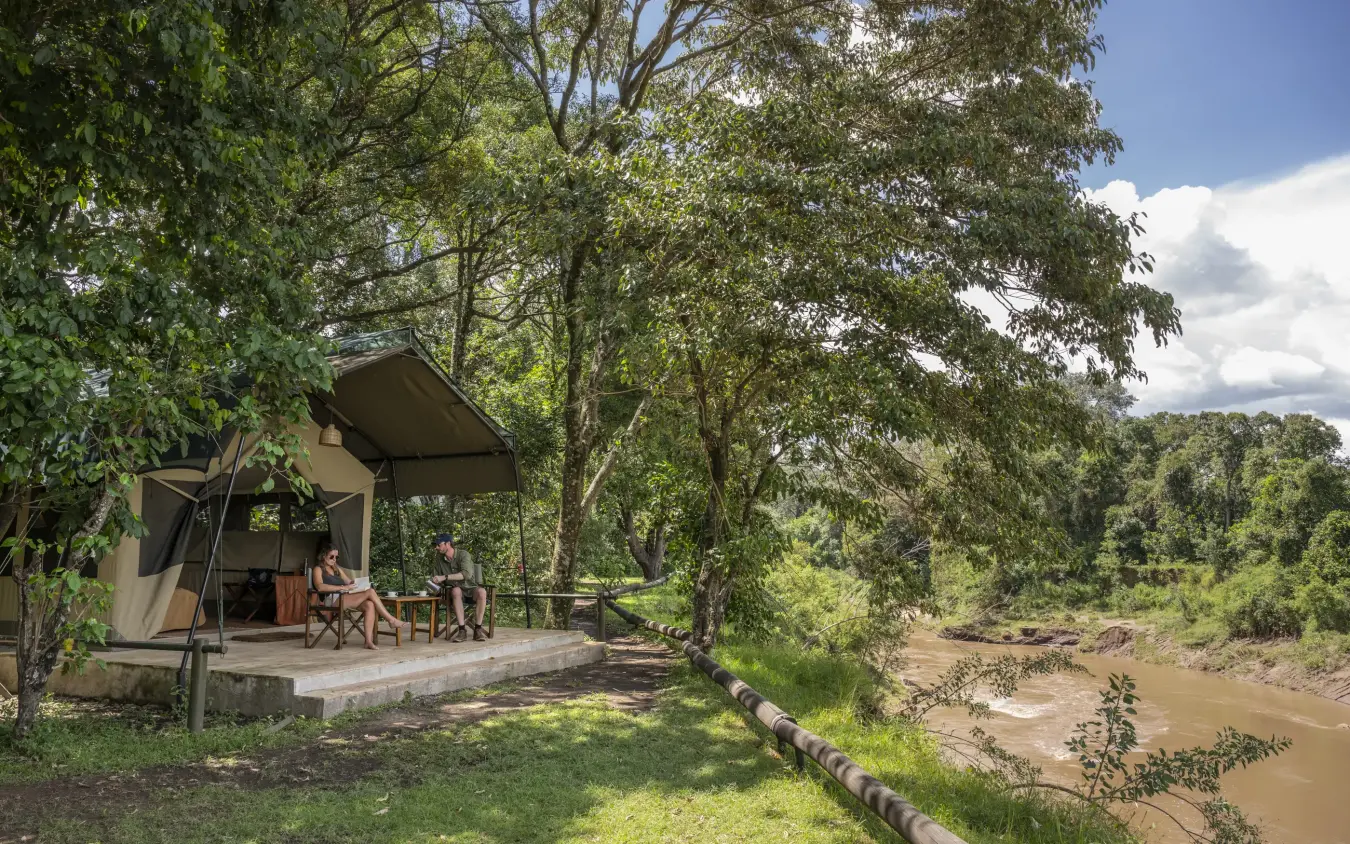
Next the Maasai Mara, the red oat grass plains of southwest Kenya that carry vast herds of wildebeest and zebra. Here every safari vehicle runs on solar power, so game drives move in silence and the animals behave differently, lions staying settled and elephants grazing close. A well-known wildebeest crossing point on the Talek River lies a short drive away, busy through the July to October migration, though the timing shifts each year with the rains. Emboo Camp sets its tents on timber decks along a forested bend of the Talek, each porch looking onto water where hippos surface through the day.
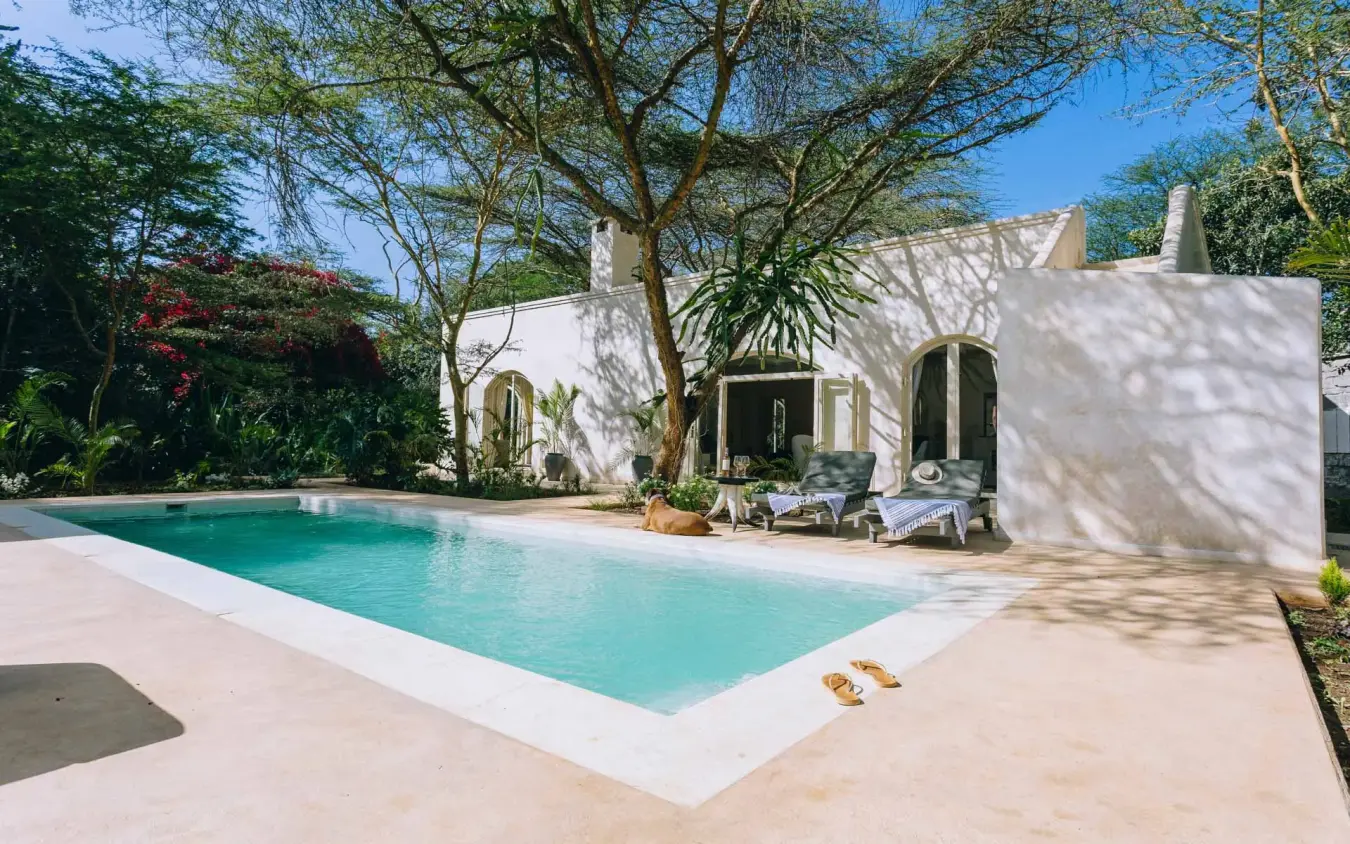
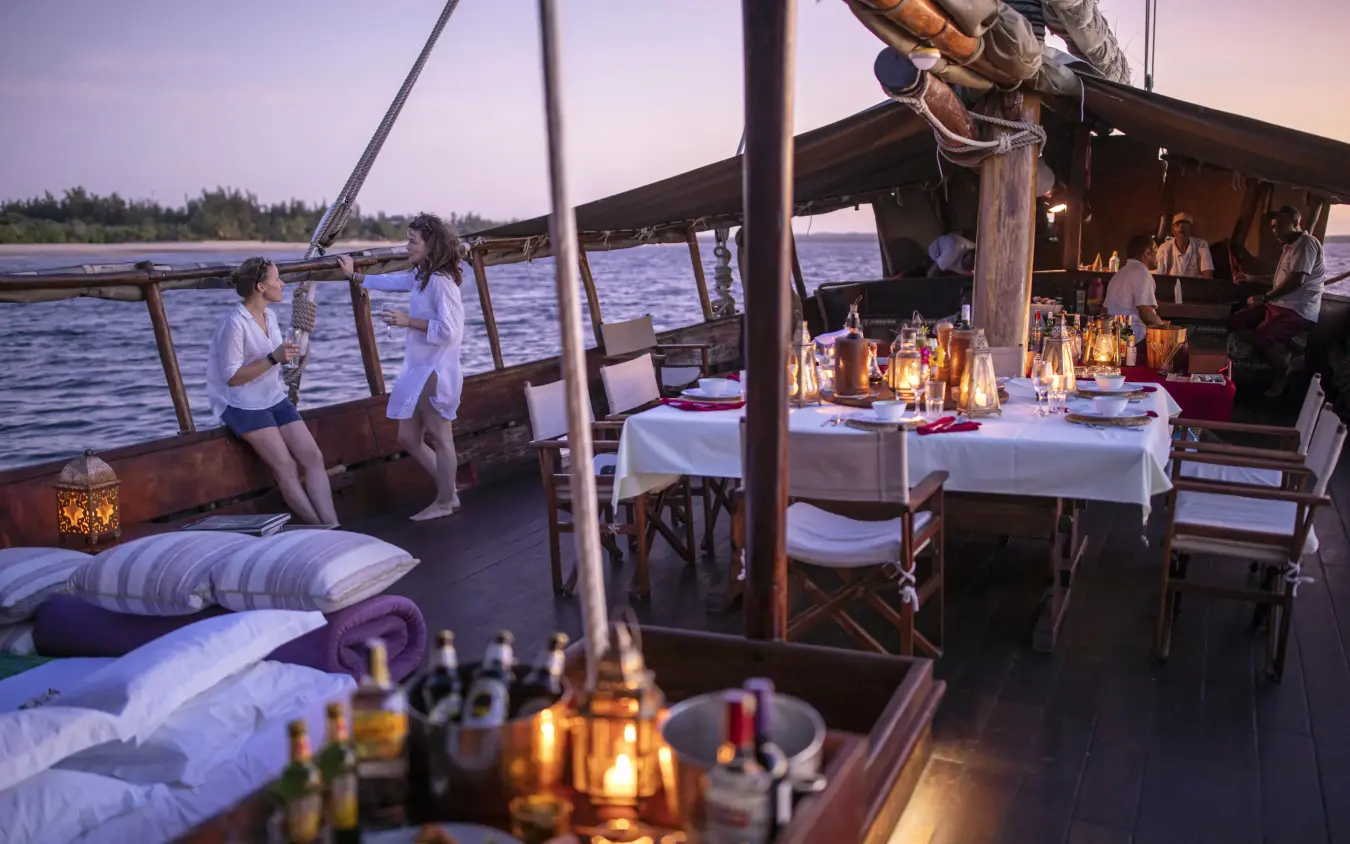
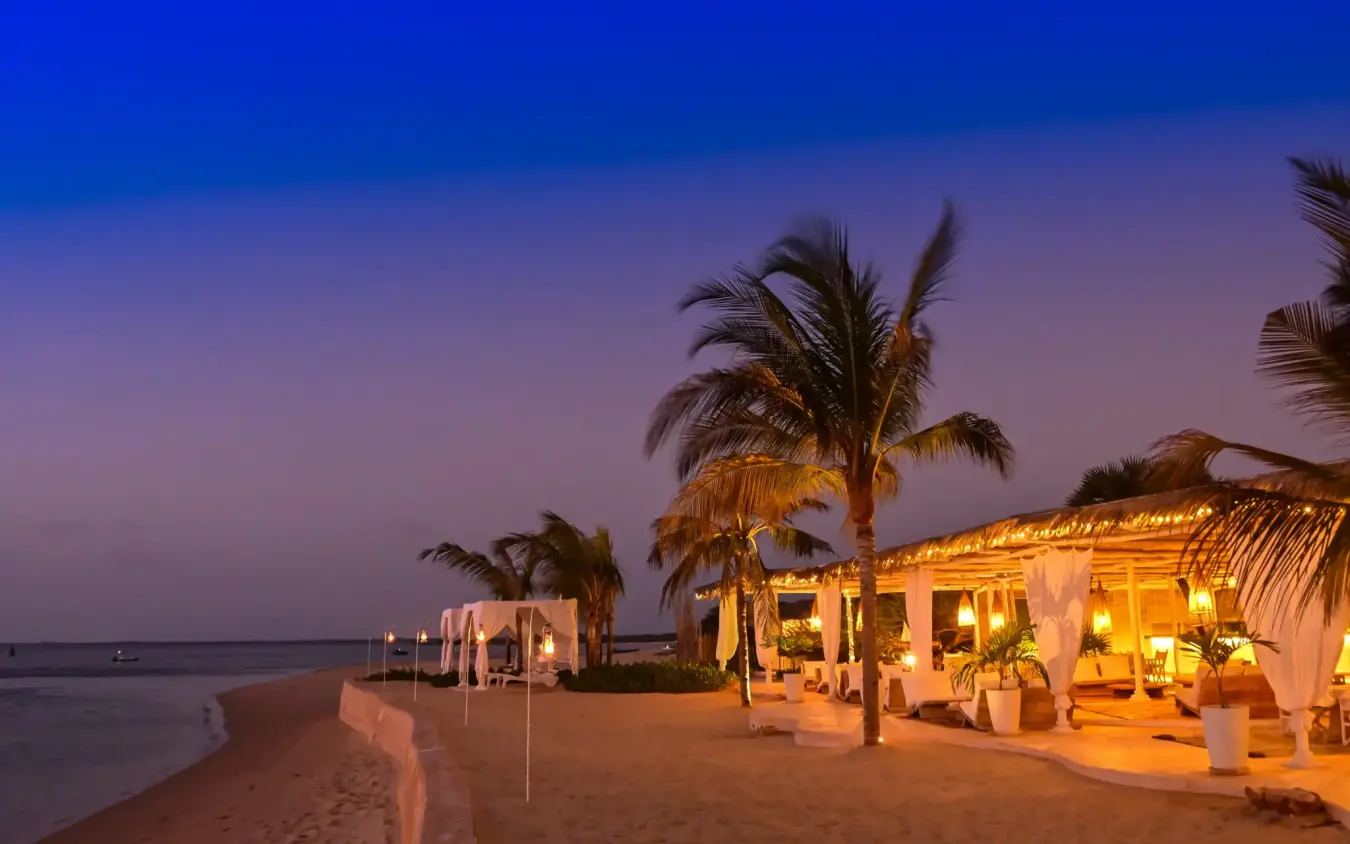
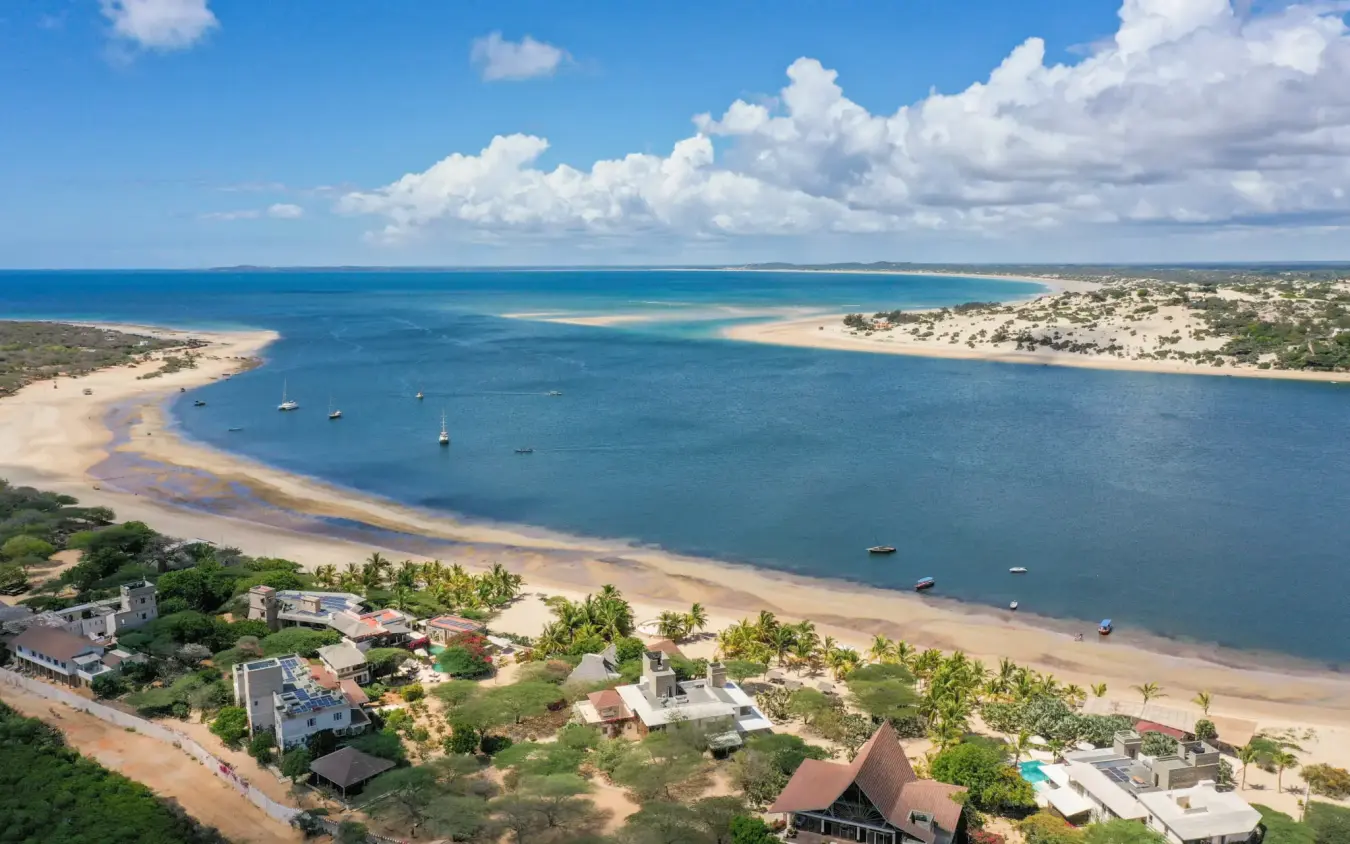
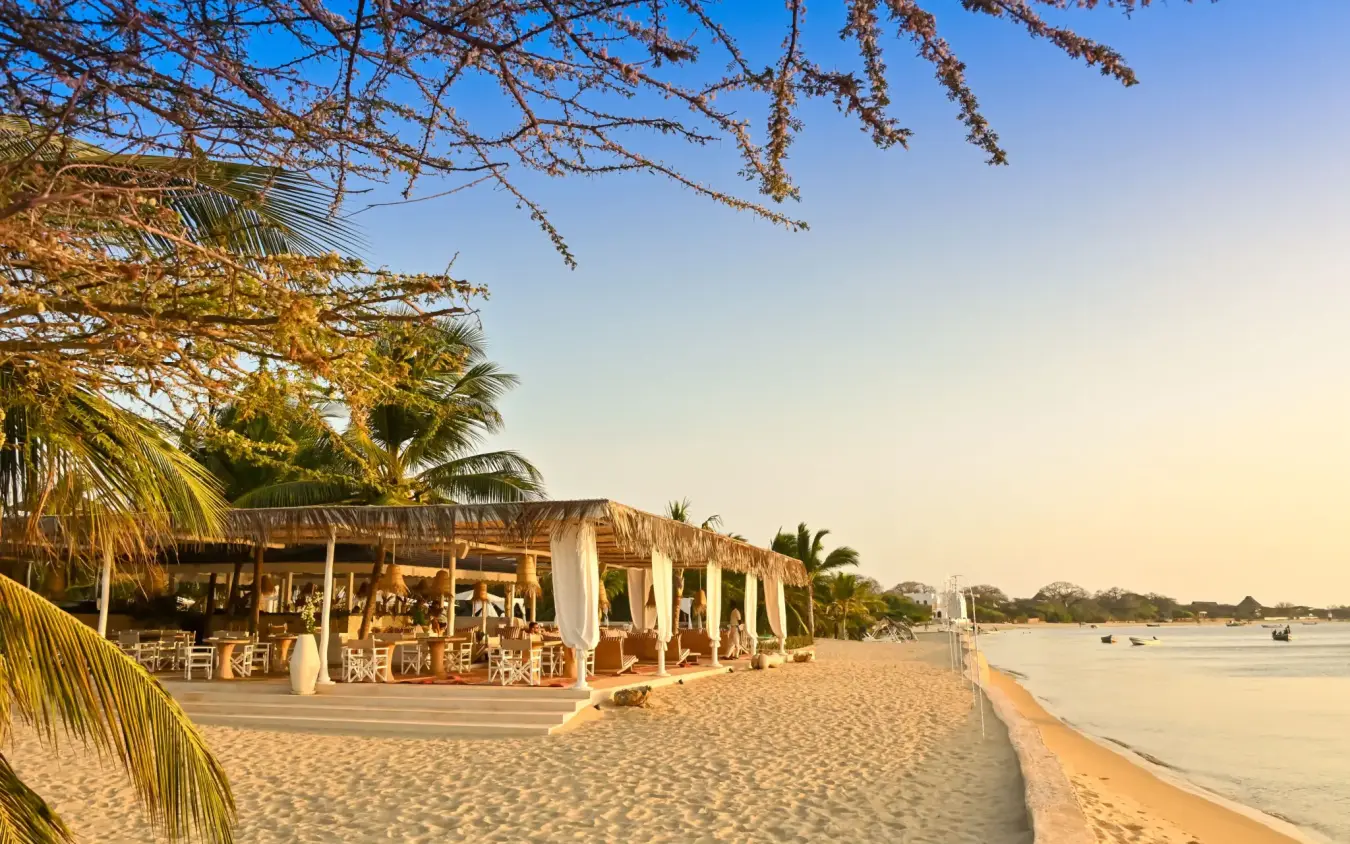
On the coast now, on Manda Island in the Lamu Archipelago, where days run to the water: crossing by the resort's own boat to Shela village for its cafes and boutiques, or drinks at Peponi Hotel, then back to a base quieter than the village. Waves and the distant call to prayer carry across the channel, and dhows cross all day. The Majlis Resort holds three beachfront villas above white sand on Ras Kitau Bay, built in lime-washed coral stone with high beamed ceilings and carved wooden doors. Three swimming pools lie among the gardens, alongside a spa, a gym and an activity centre.
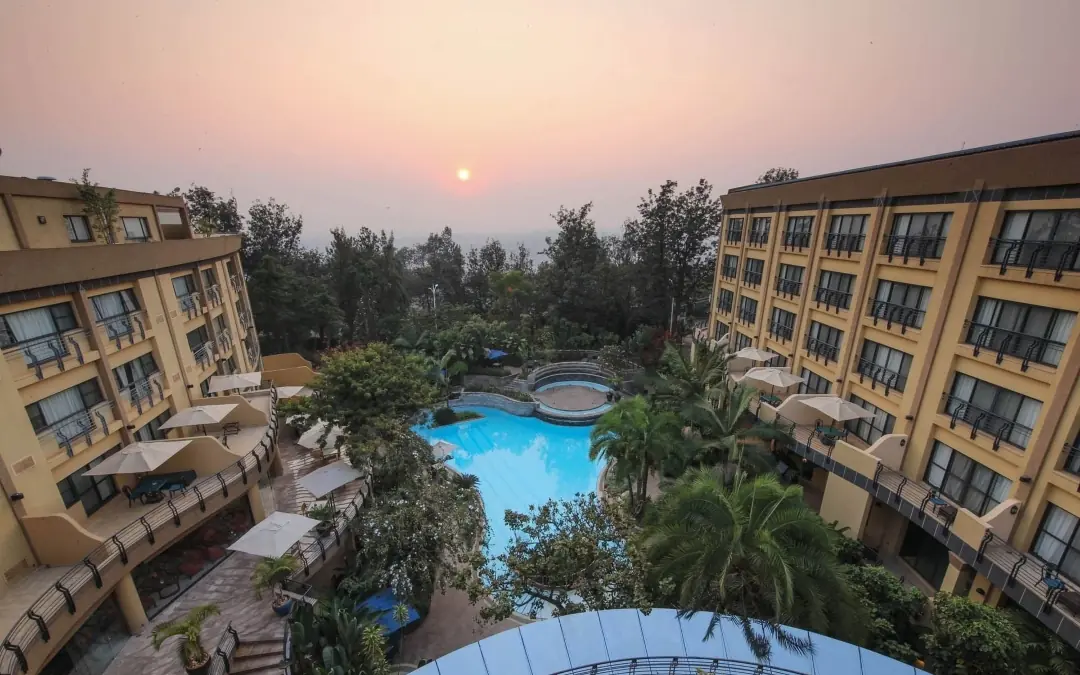
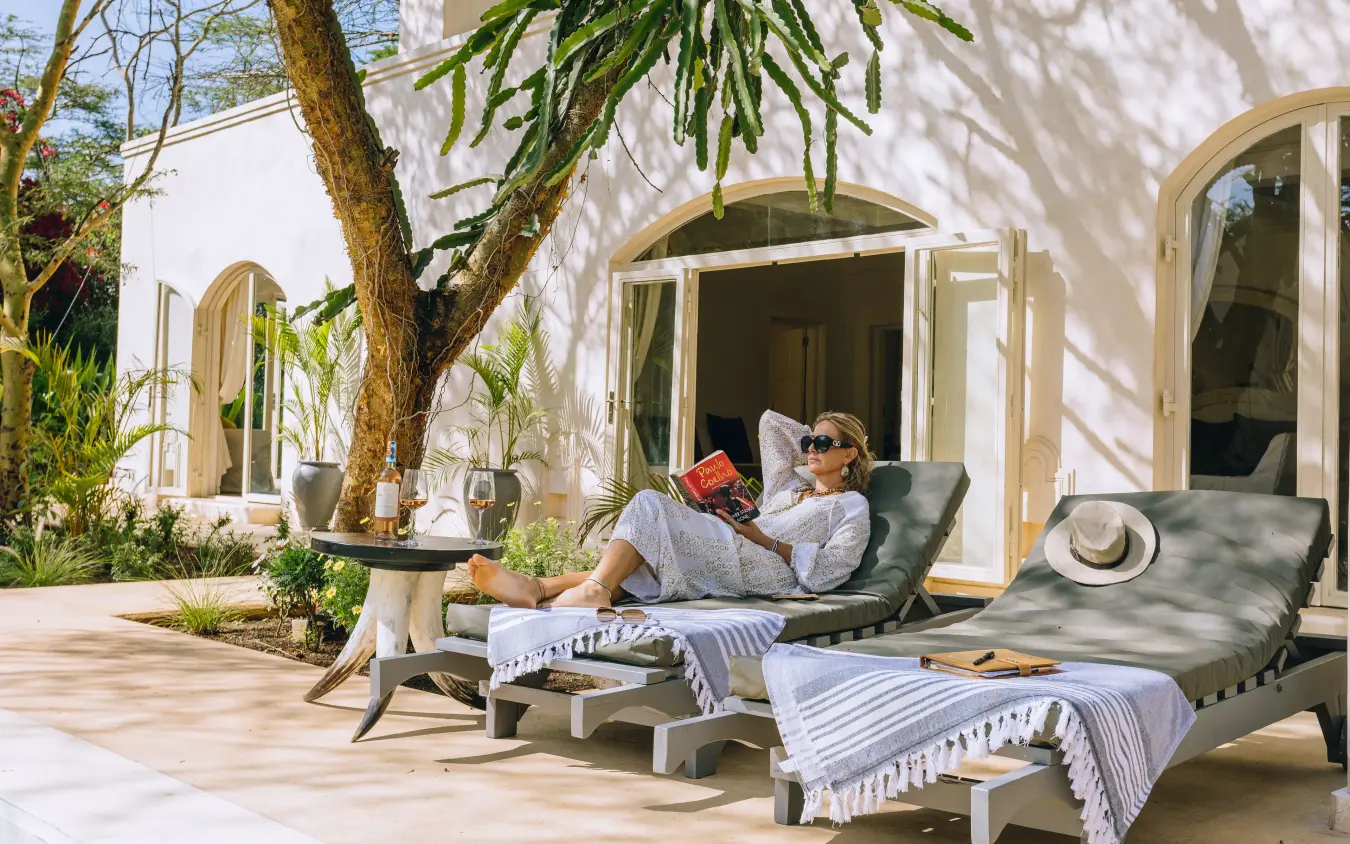
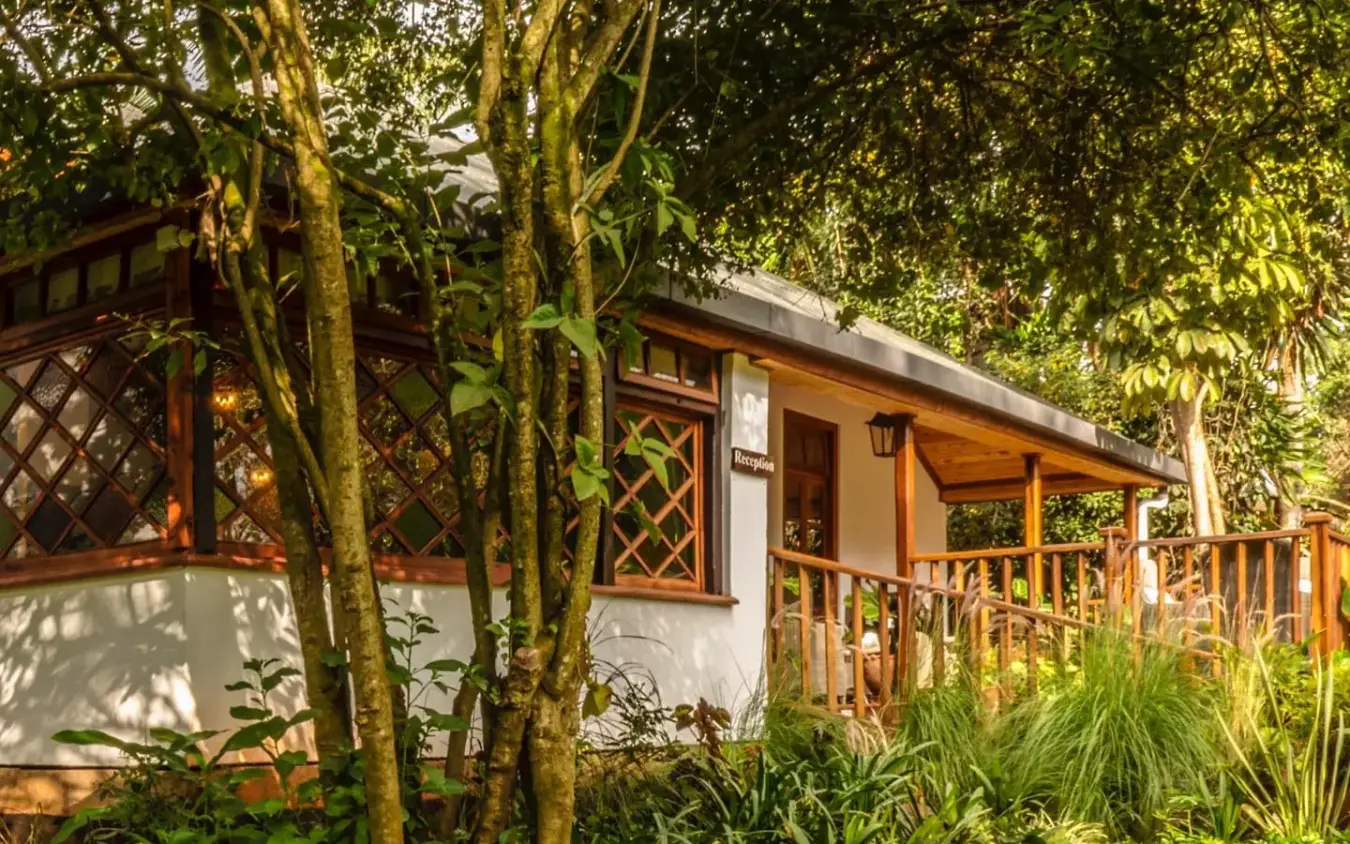
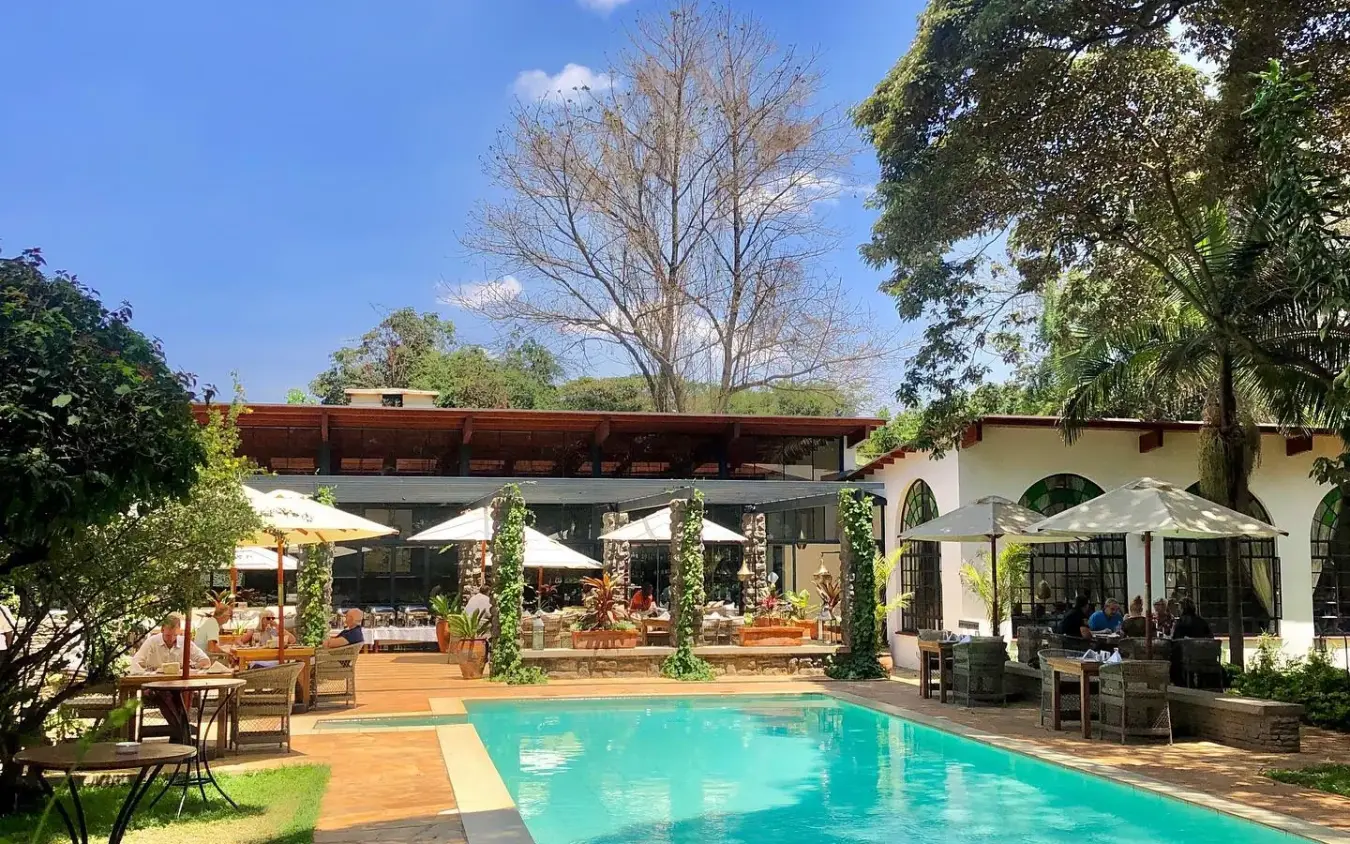
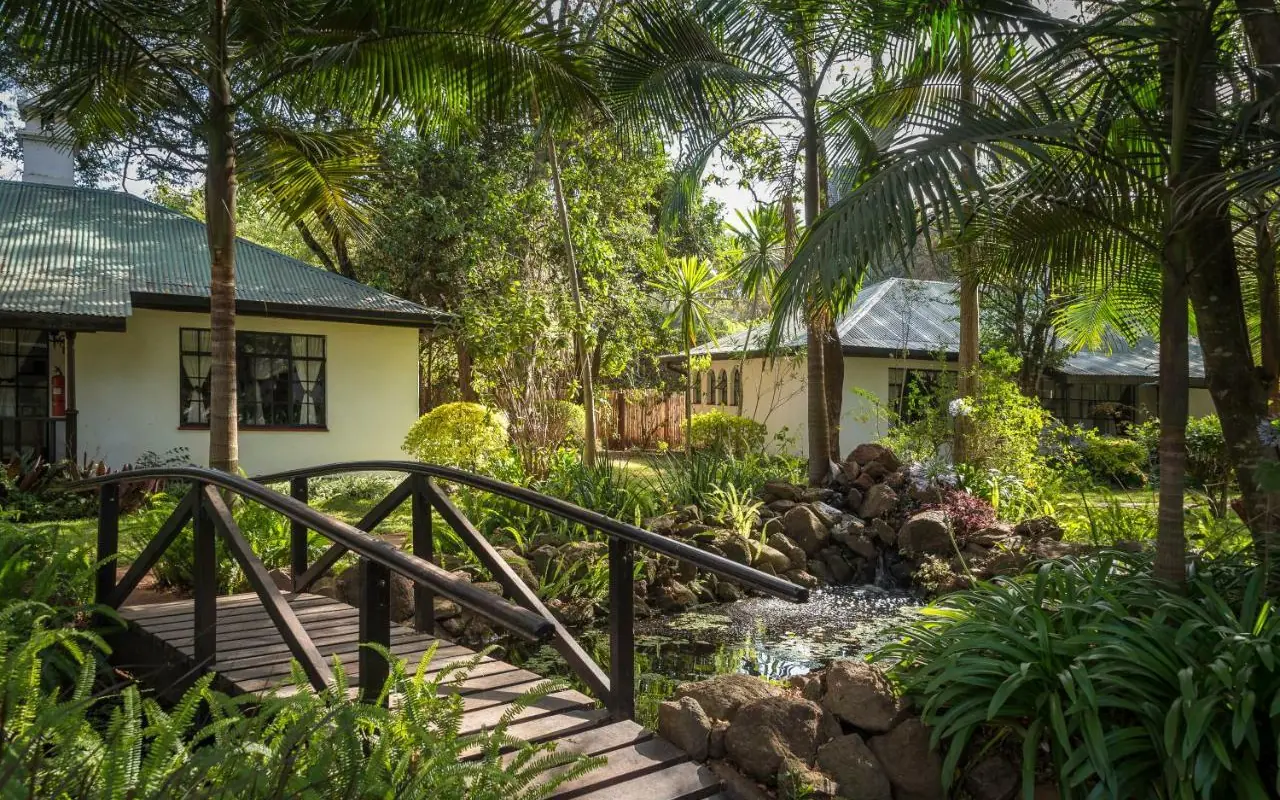
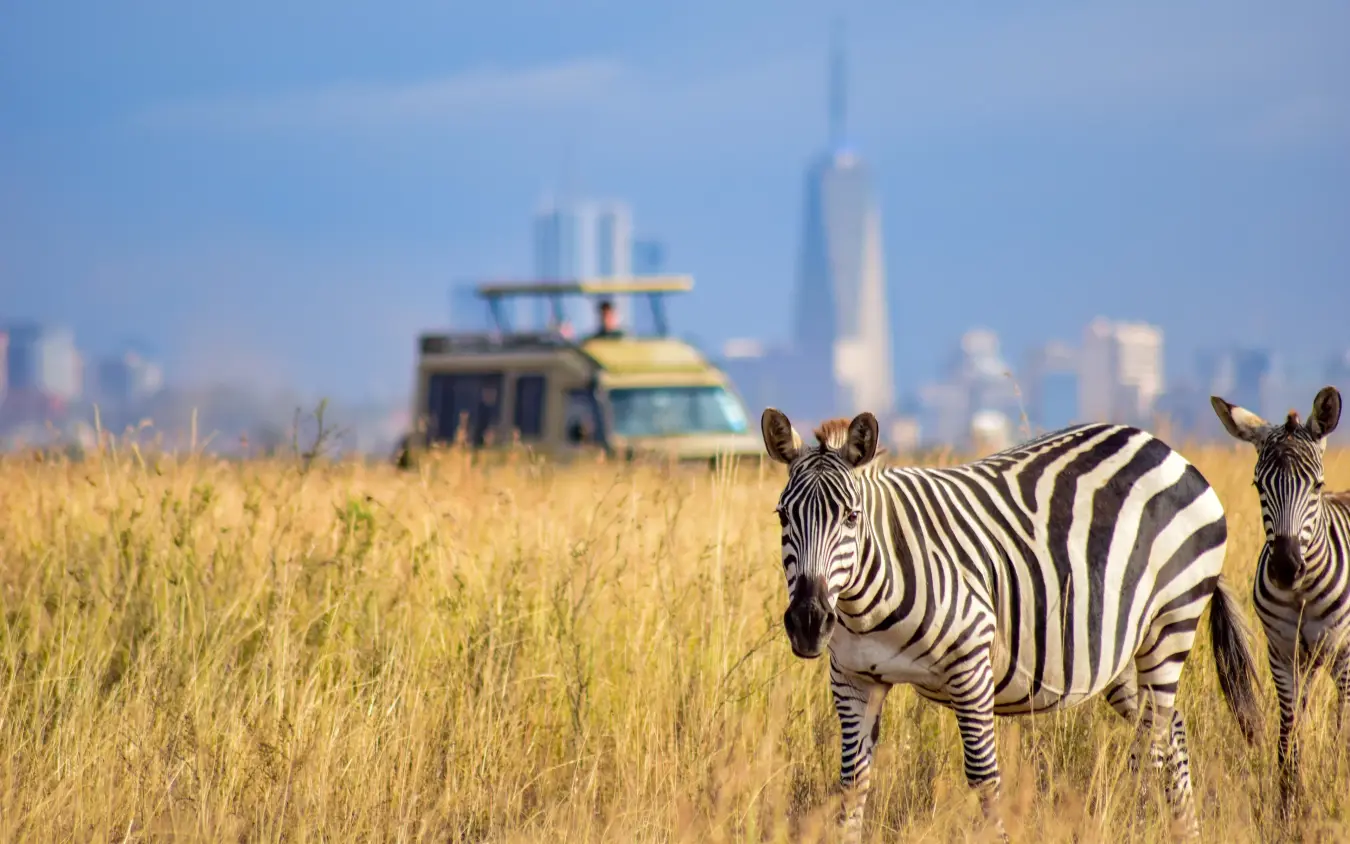
You end in Nairobi, on the southern edge where Nairobi National Park runs up against the suburbs and holds one of Kenya's key black rhino populations, with lion, zebra and giraffe on savannah grassland. The Langata Gate is about ten minutes' drive and the Karen Blixen Museum a short walk. Karen Blixen Cottages occupies a five-acre garden estate on Blixen's old coffee land, thirteen rooms across seven cottages under century-old jacaranda and croton trees. Guests check in at Swedo House, a wooden colonial residence built between 1906 and 1908.
More than you would expect, and it is the main reason to pick this camp over another on the same river.
The vehicles run on batteries charged from the camp's own solar power, which also runs the rest of the place, so there is no engine noise and no diesel smell.
Animals that would shift away from a running engine often stay where they are, and you can hear what you are watching, which on a lion at a kill or hyena at dusk is most of the experience.
The trade is the charging pattern: drives go out early and again in the late afternoon while the vehicles take on solar power through the middle of the day, which is how most people want a safari day arranged in any case. The camp has run them since 2019 and now works a full fleet.
Walk, ride and drive after dark.
Soysambu is 48,000 acres of private land around Lake Elmenteita, so it sets its own rules: guided walks along the lakeshore, horses for riders of most standards, and night drives, which are booked a day ahead, go out with a guide and use red filters so that animals are not dazzled.
The night list is the interesting part, because it is largely creatures a daytime drive never produces: aardvark, aardwolf, caracal, genet, striped hyena, bat-eared fox, honey badger, porcupine and spring hare.
The giraffe are the other reason to come. The conservancy counted 199 of them in October 2025, against roughly 650 in the whole of Kenya, and they breed here, which is rare enough to be worth the two nights on its own.
Usually, in thousands rather than the million-strong crowds the photographs suggest, and the numbers move about.
Flamingos follow food and water chemistry rather than the calendar: lesser flamingos feed on a blue-green alga that does well when a lake is shallow and salty, so a run of wet years dilutes one lake and the birds shift to another.
That is what has happened across the Rift, with rising water at Lake Nakuru pushing birds towards Elmenteita in recent years. The lake is part of a World Heritage site listed in 2011 for exactly this, three shallow lakes that between them hold up to four million birds.
Elmenteita has something the others do not, since its islands carry the region's main breeding colony of great white pelicans, put at 8,000 pairs, and the pelicans are there whatever the flamingos are doing.
The first leg is driven and everything after it is flown.
Lake Elmenteita is about two hours from Nairobi by road, roughly 135 kilometres, and there is an airstrip beside the camp if you would rather fly the leg. The Mara is flown.
The move to the coast is the one worth understanding: the late-morning flight out of the Mara reaches Nairobi's Wilson Airport around midday and the daily coast service leaves it in the early afternoon, landing on Manda Island about an hour and a half later, so the whole thing is one day rather than two.
Each of these aircraft takes 15 kilograms a person, soft bags only, with hand luggage inside that figure. Published times shift and an aircraft can call at another strip on the way, so we build that day with time in hand at Wilson.
This route pulls in two directions, and October is the month that squares it: our pages rate the Mara and the Lamu coast at their highest together then, which is rare, with wildebeest still on the plains and the clearest water of the year at the islands.
January and February are the other strong pairing, rated highest everywhere on the route.
July to September are the Mara's headline months and the windy ones at the coast, where sailing does better than snorkelling.
April and May are the long rains, hard going in the Mara and rough at sea, so not a pairing we would choose. March carries a challenging rating on our own Mara page.
The quieter weeks bring newborn animals, migrant birds from November to April, emptier tracks and gentler prices, and December is a good month at Lamu.
Three nights is two full days of drives and an arrival afternoon, which is enough for the resident lions, hippo on the Talek and a proper look at the plains, and thin if you have come for a river crossing.
If a crossing is the point, add a night or two, because the herds keep to no timetable and it is the extra morning that buys you the chance.
The rest of the route moves easily. The Rift Valley opening can stretch to take in a day at Lake Nakuru, the Nairobi ending can be traded for an earlier flight home, and the coast can run longer without upsetting anything, since the camp on the Talek is open all year and the islands stay warm.
Tell us which of the four stops you would lengthen, and the rest of the nights move to suit it.
Ed Charles, BBC Producer
Fitzroy are true specialists in accessing the wilderness. They know where to go and importantly, when to go there. Highly recommended.
kenya
Nine nights in Kenya linking Giraffe Manor, Lake Naivasha's Loldia House and Governors' Camp on the Mara River.
rwanda, uganda & kenya
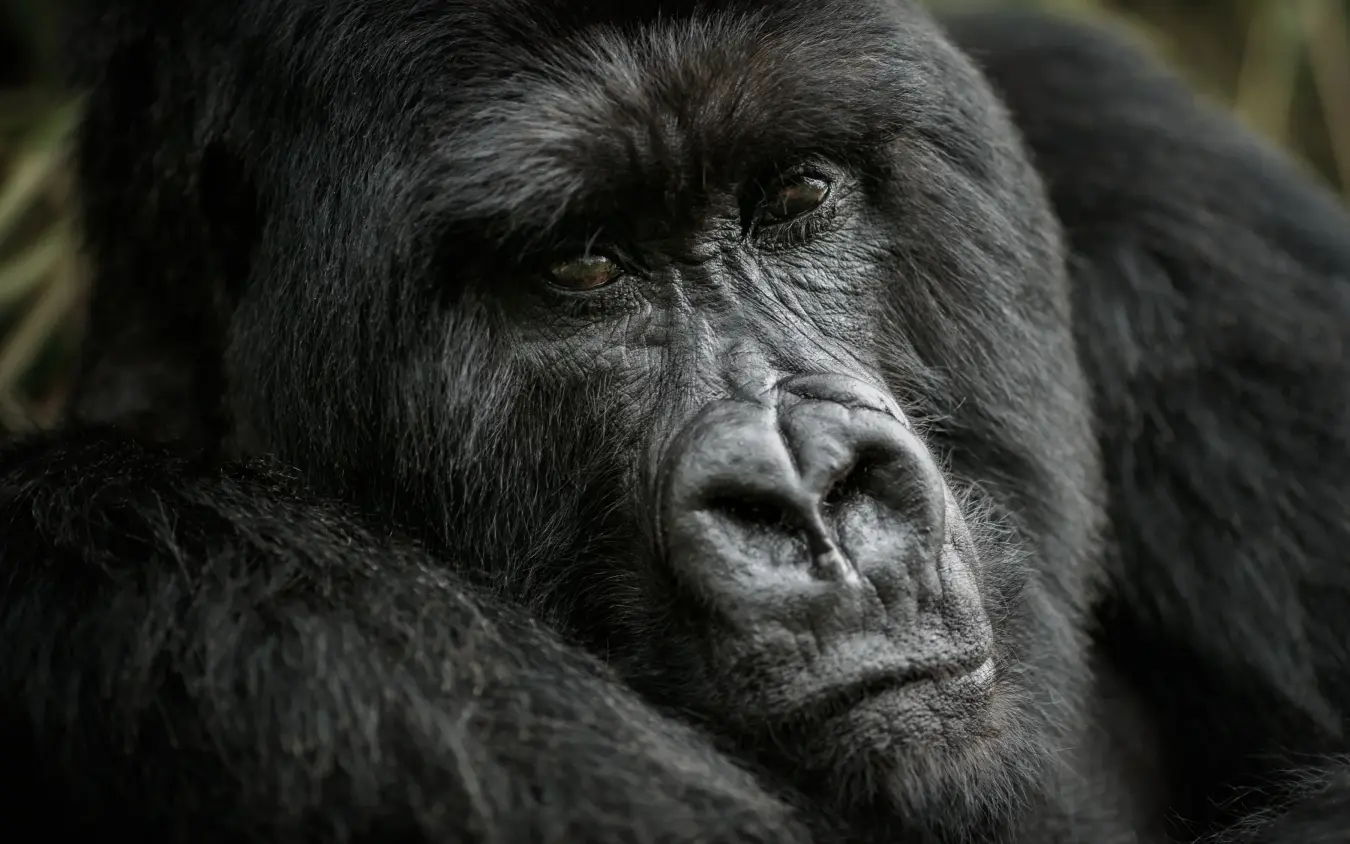
Twelve nights linking Rwanda's gorillas, the Maasai Mara conservancies and Kenya's Mathews Range forest walks.

kenya
Fifteen nights across Kenya, from the Maasai Mara and Laikipia to Samburu country and a dhow in the Lamu Archipelago.
rated five stars by our clients

our approach
Every journey starts with a conversation. We take the time to understand your vision before we start planning.
Whether by phone or in person, we work with you directly to shape something that is considered, personal, and expertly delivered.
Every journey starts with a conversation. We favour a direct, personal approach: understanding your vision before anything else.
Whether by phone or in person, we work with you directly to shape a journey that is both thoughtfully considered and expertly delivered.
Get in touch to start planning yours.