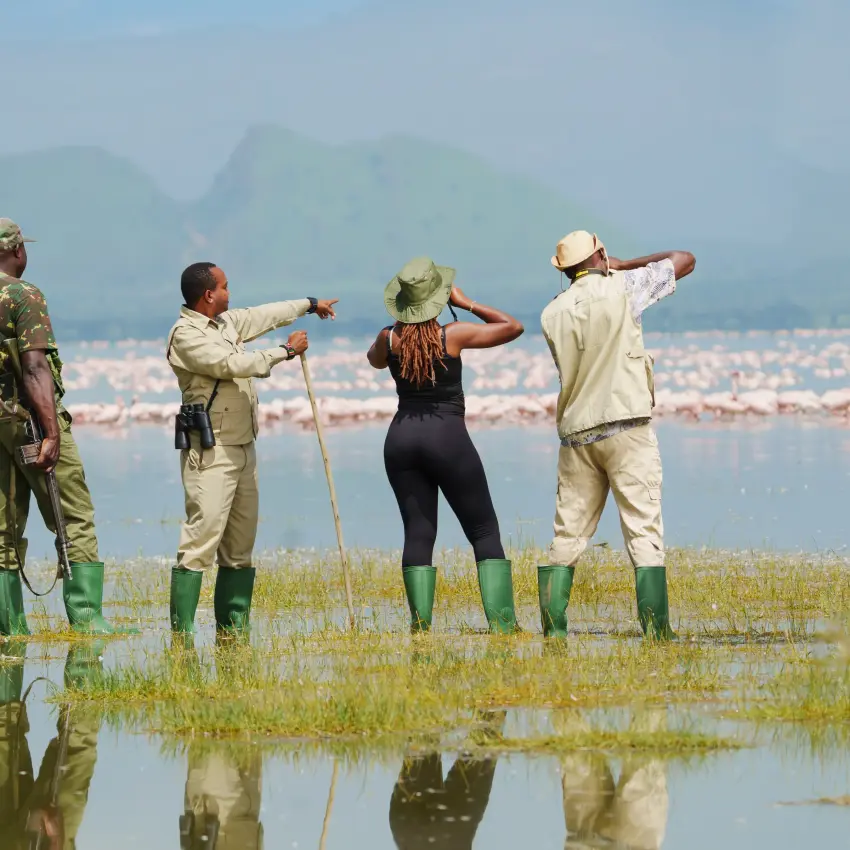
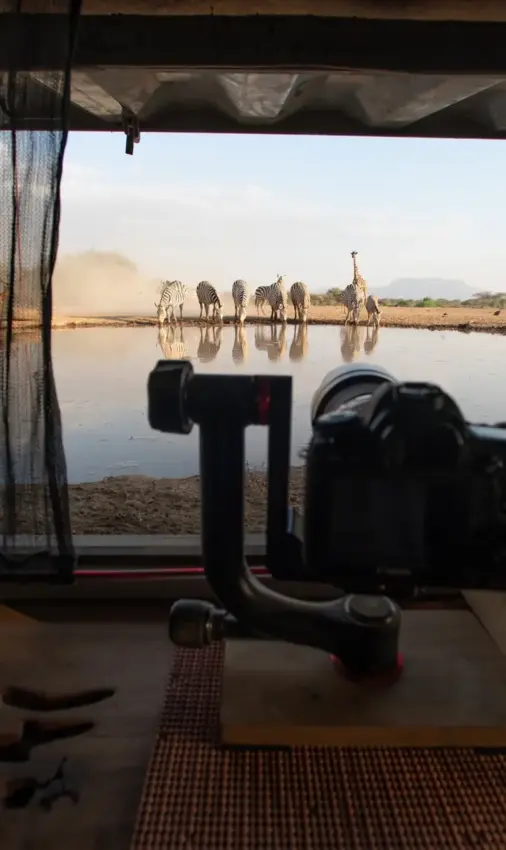
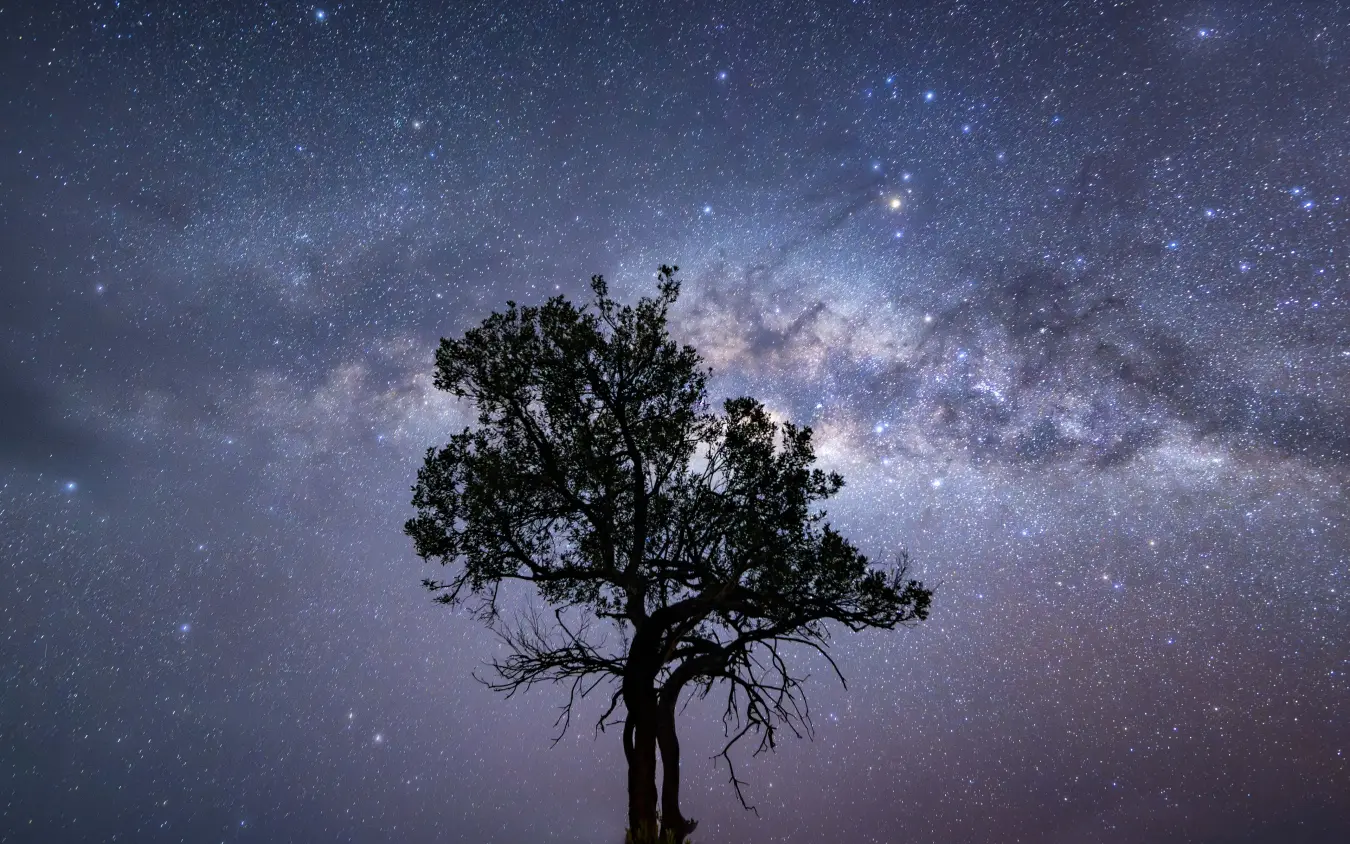
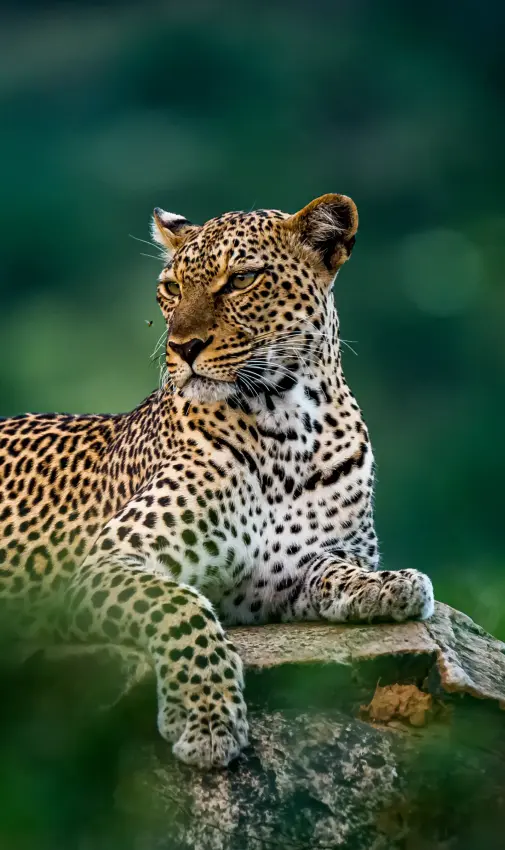
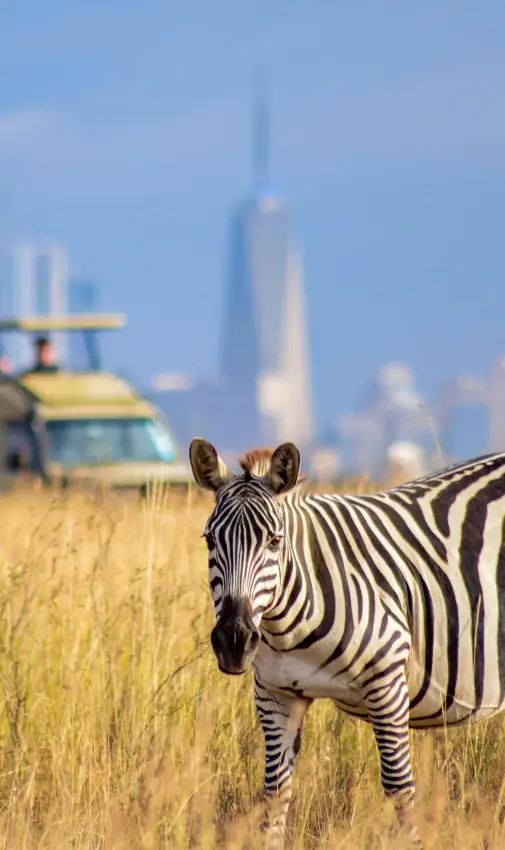
Morning and afternoon drives cross old ranch land where a breeding population of the endangered Rothschild’s giraffe now lives. Eland, dik-dik, klipspringer and buffalo share the ground with leopards and lions. The night drive is a different cast altogether. The spotlight picks out spring hares, porcupines, white-tailed mongooses and aardvarks. Hyenas and jackals call somewhere out in the dark. By day a naturalist leads walks along the lake edge and through acacia thicket, and horseback rides keep to the shoreline.
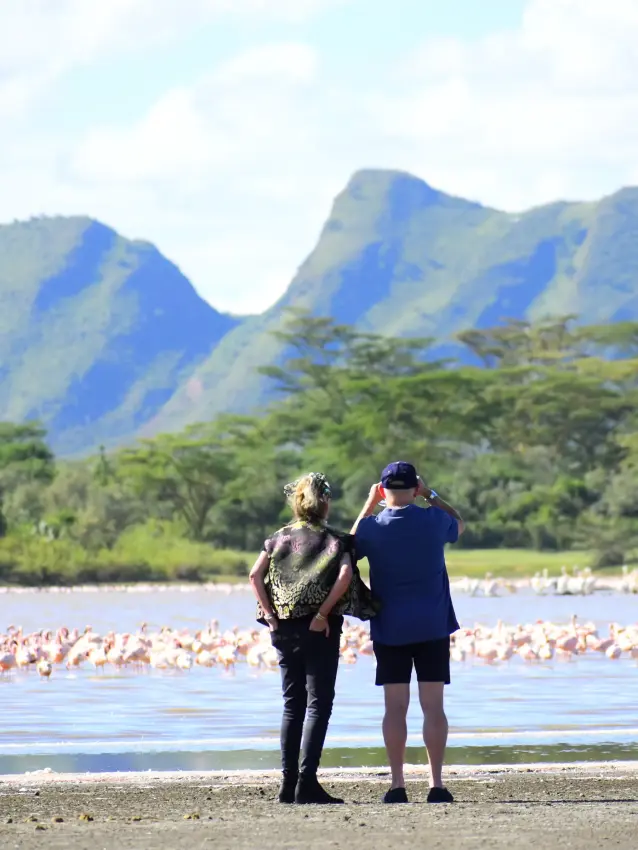
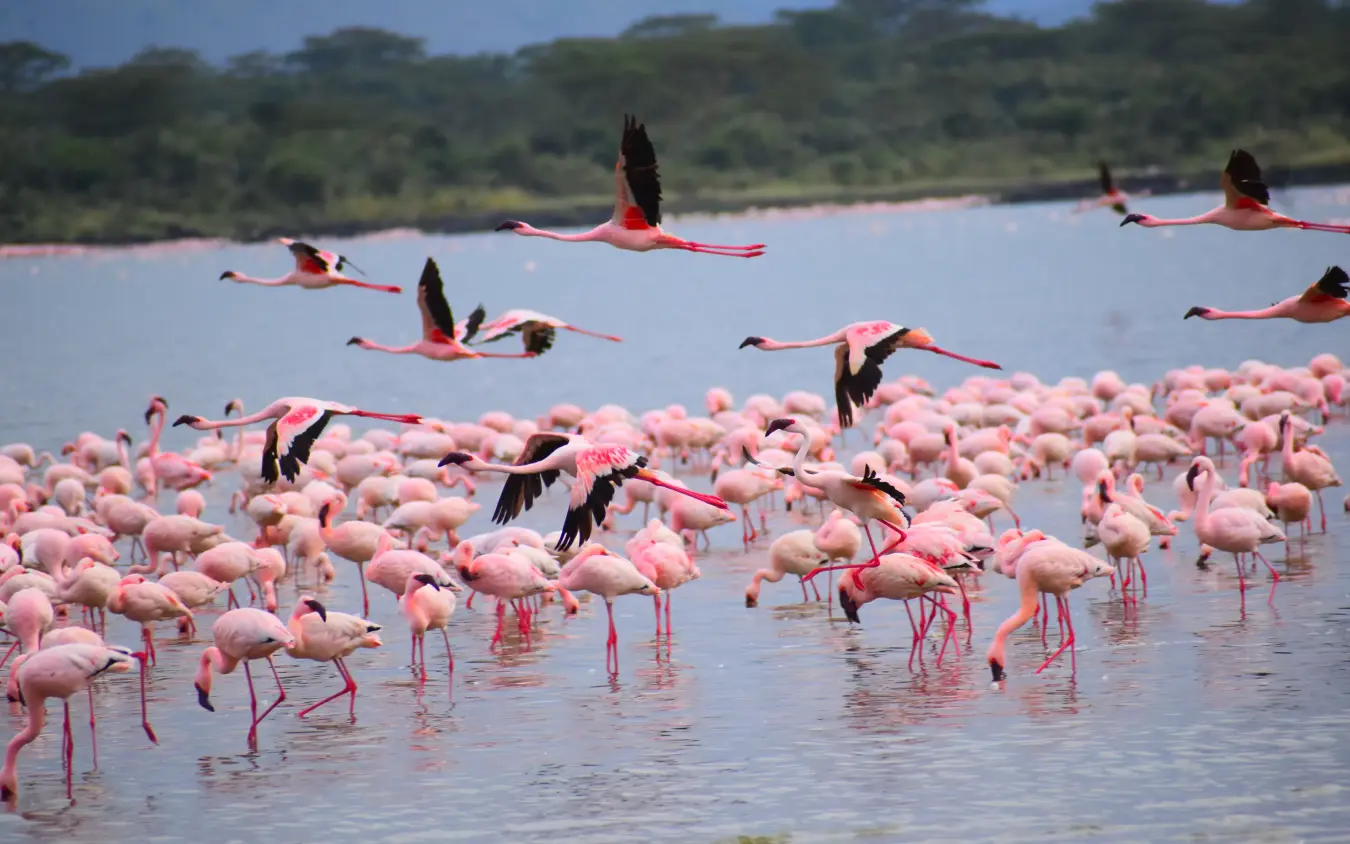
More than 450 bird species have been recorded in the conservancy, with fish eagles and weavers in the acacias and waders strung along the shallows. Lake Elmenteita belongs to the Kenya Lakes System, recognised by UNESCO and registered as a Ramsar wetland, which is part of why the pelican breeding islands matter well beyond the view from a veranda. Excursions reach further into the Rift Valley Lakes, to Lake Bogoria, where hot springs vent beside the flamingos, and to Lake Baringo for birding by boat.
The spotlight picks out spring hares, porcupines, white-tailed mongooses and aardvarks.
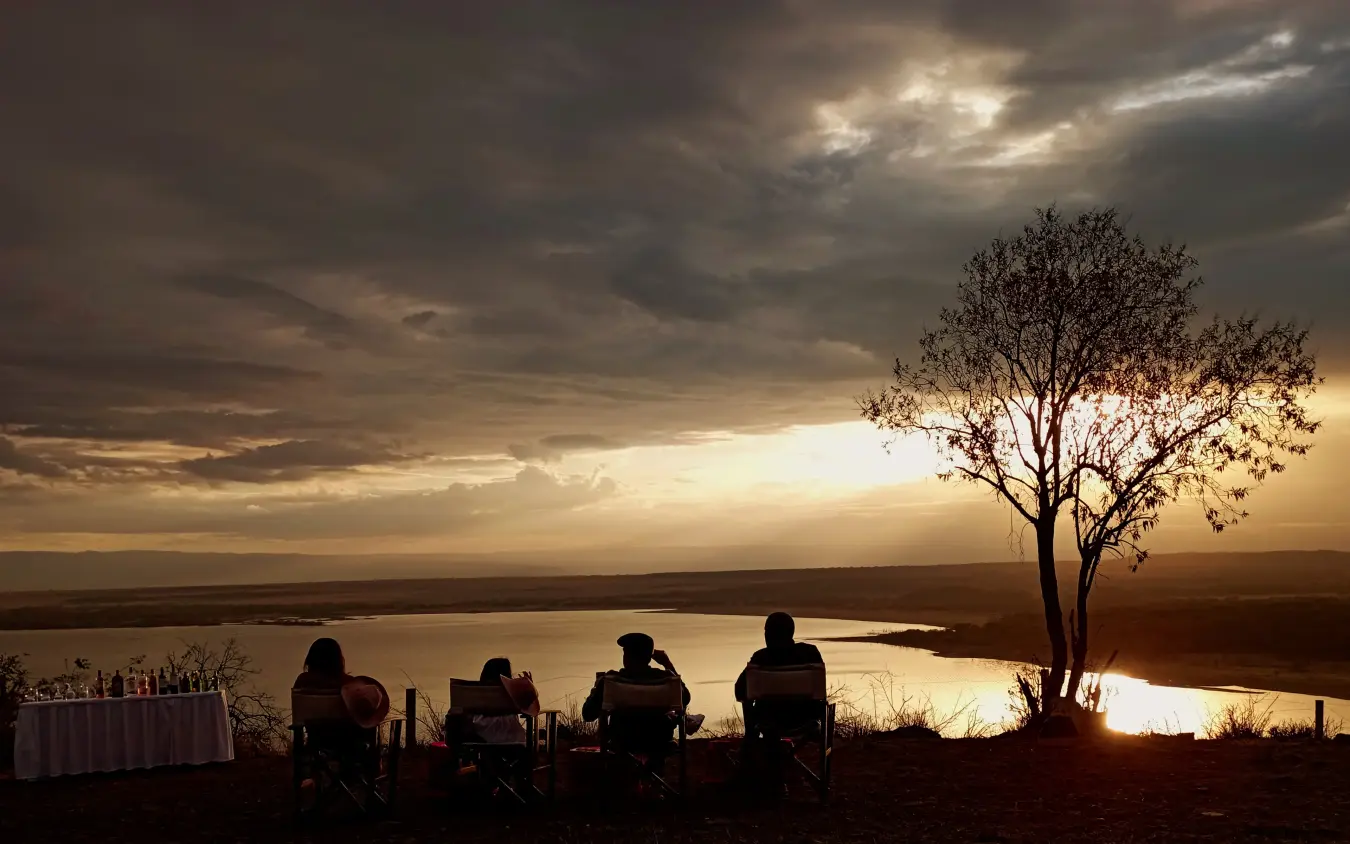
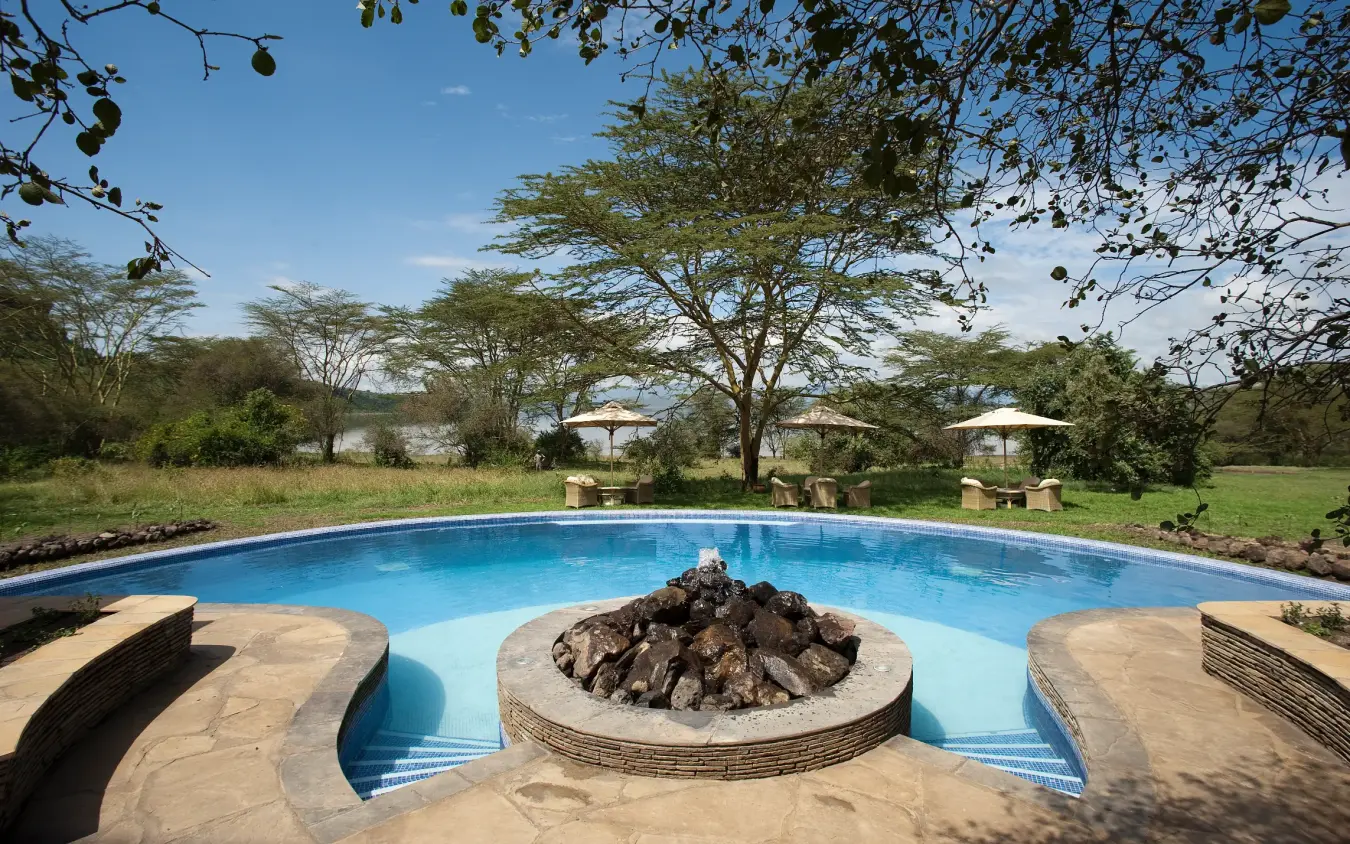
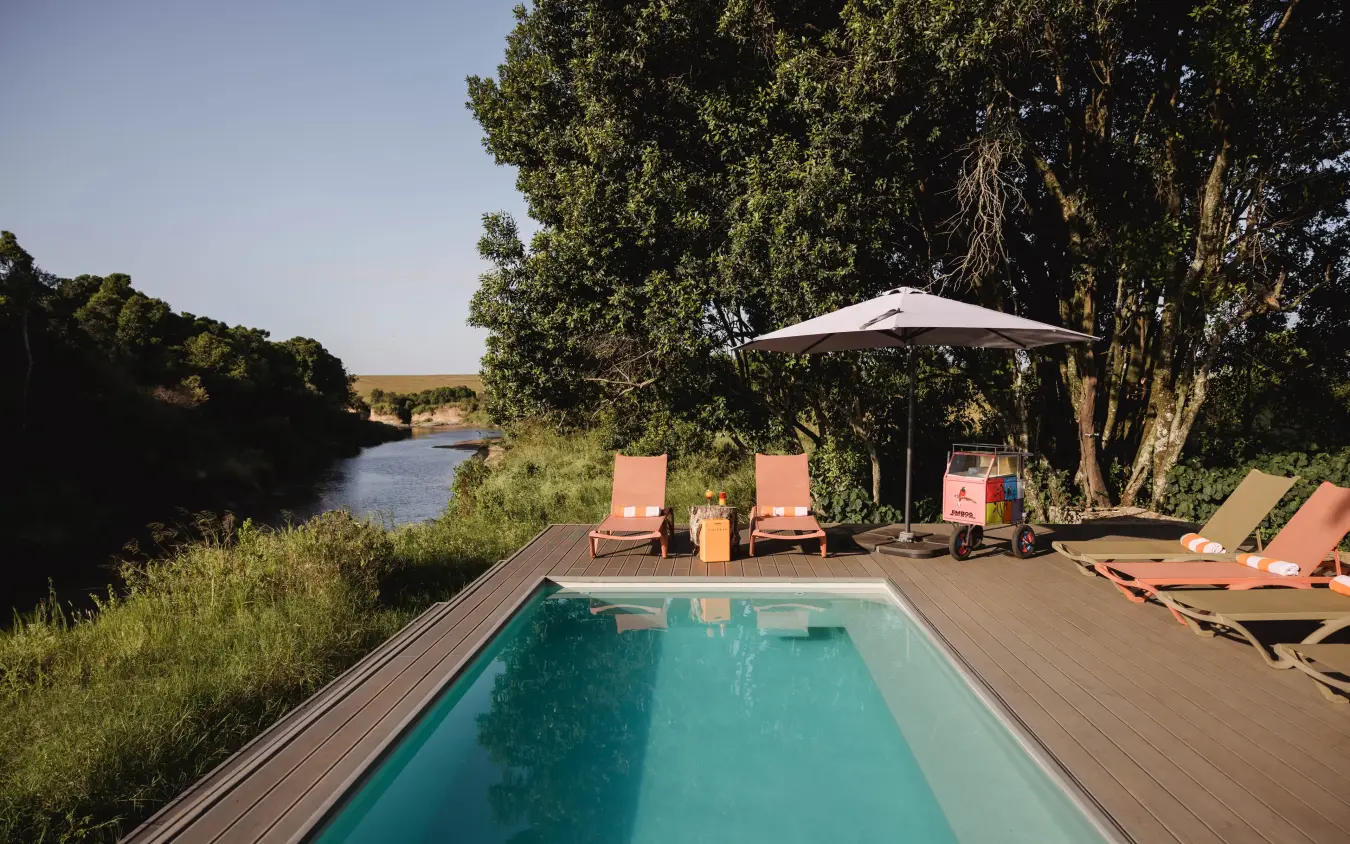
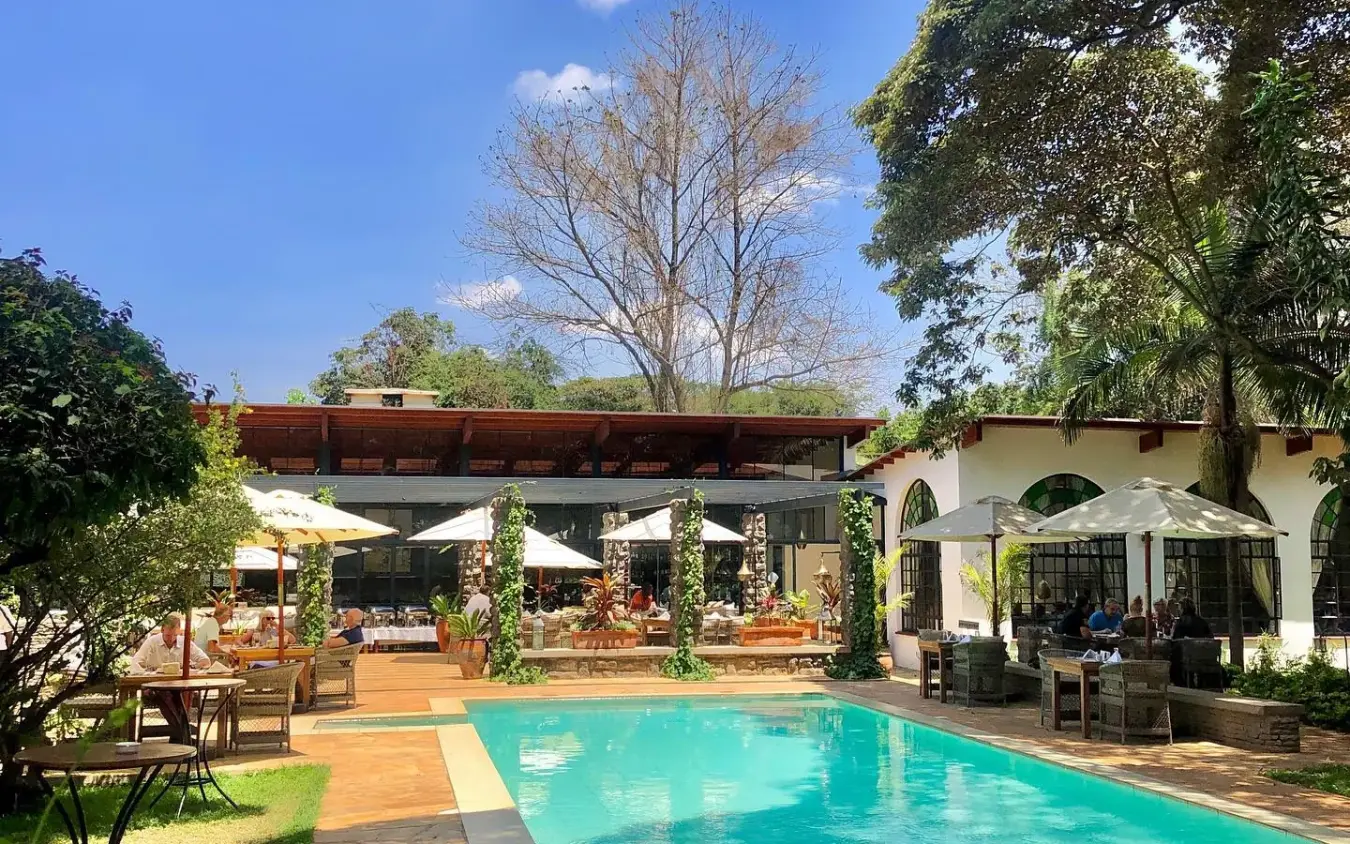
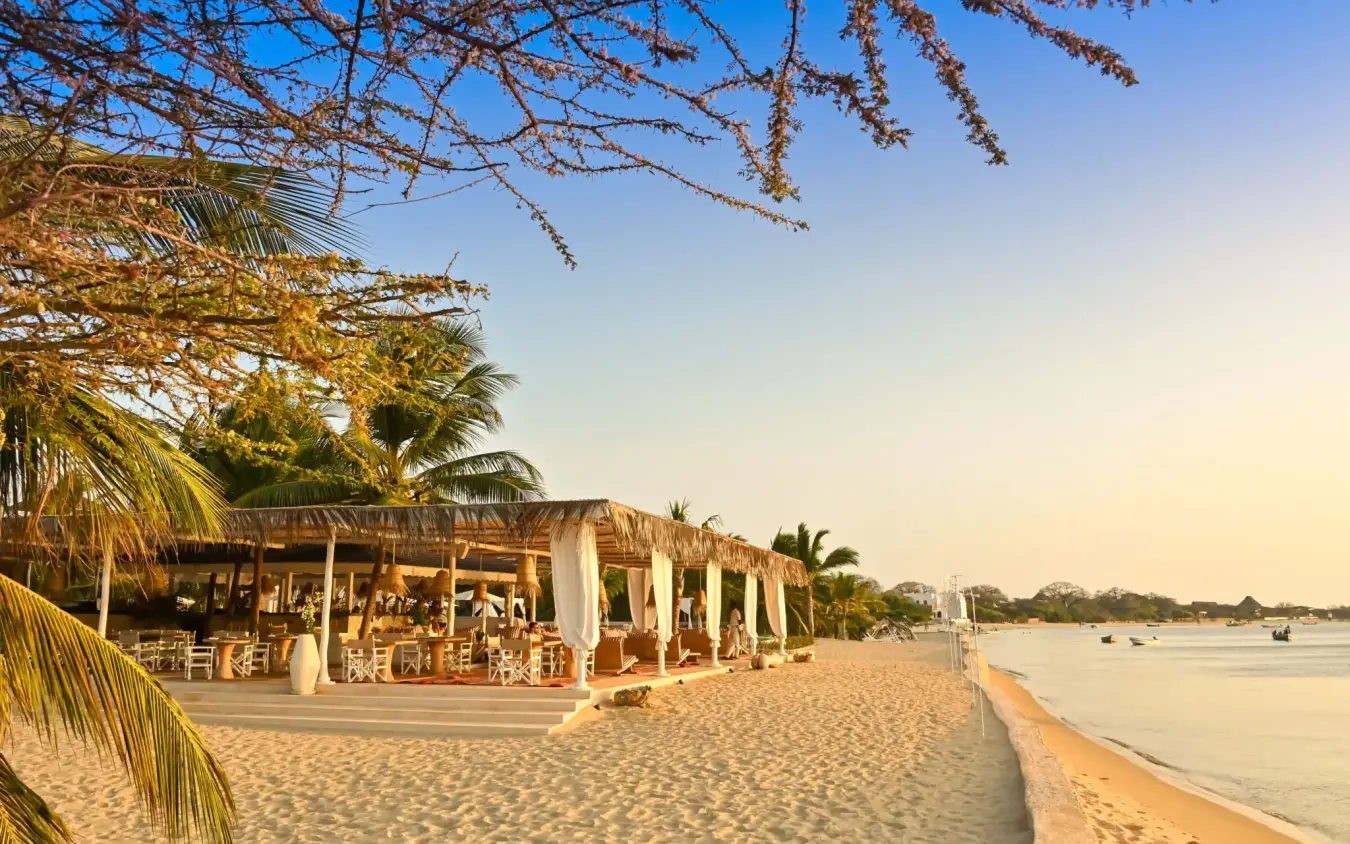
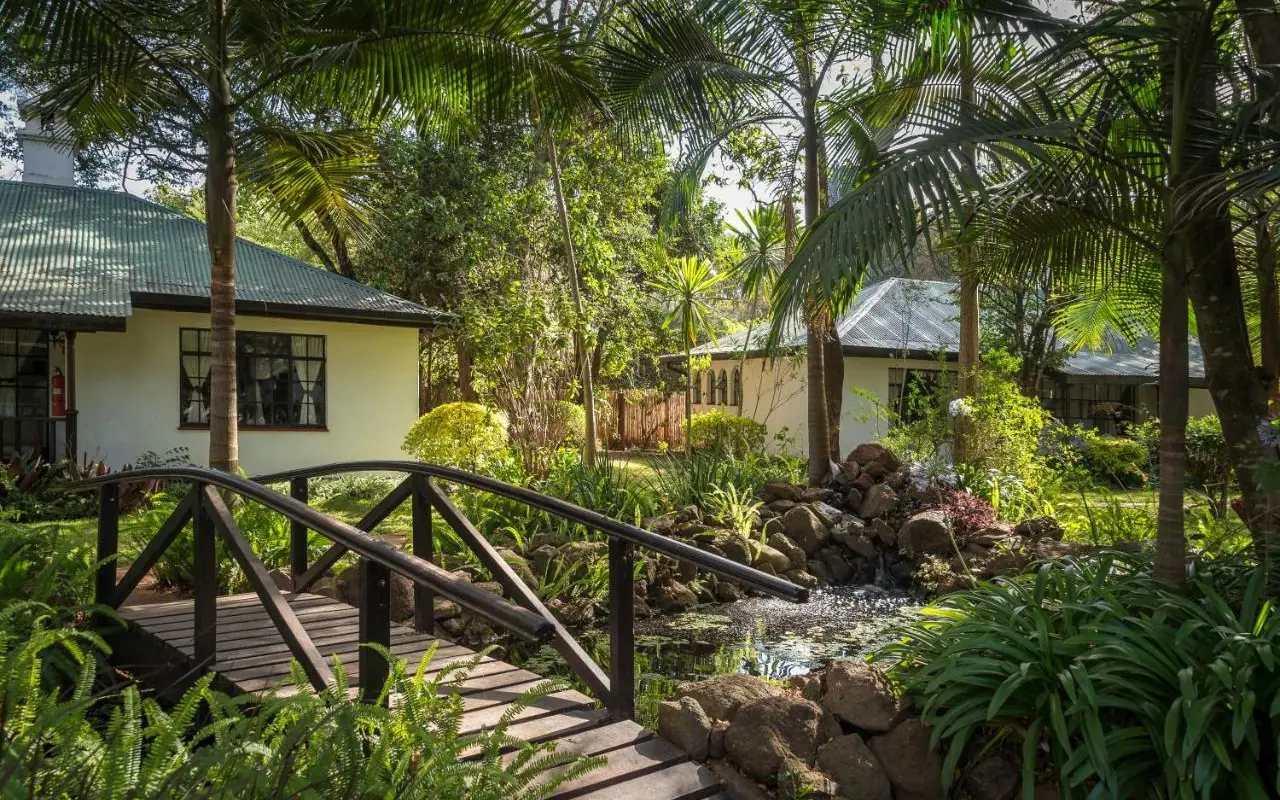
Between drives, mountain bikes go out on the conservancy trails and archery and yoga take over the lawns. The quiet middle hours fill with watercolour classes and lessons in Swahili and cooking, or with the pool on the lawn and a massage in the spa nearby. Children are welcome from three years old, and babysitting can be arranged. Evenings run to sundowners on high ground, then dinner by the fire and a talk from the guiding team. The rhythm suits anyone who wants game drives at first light and long, unhurried afternoons watching the water change colour.
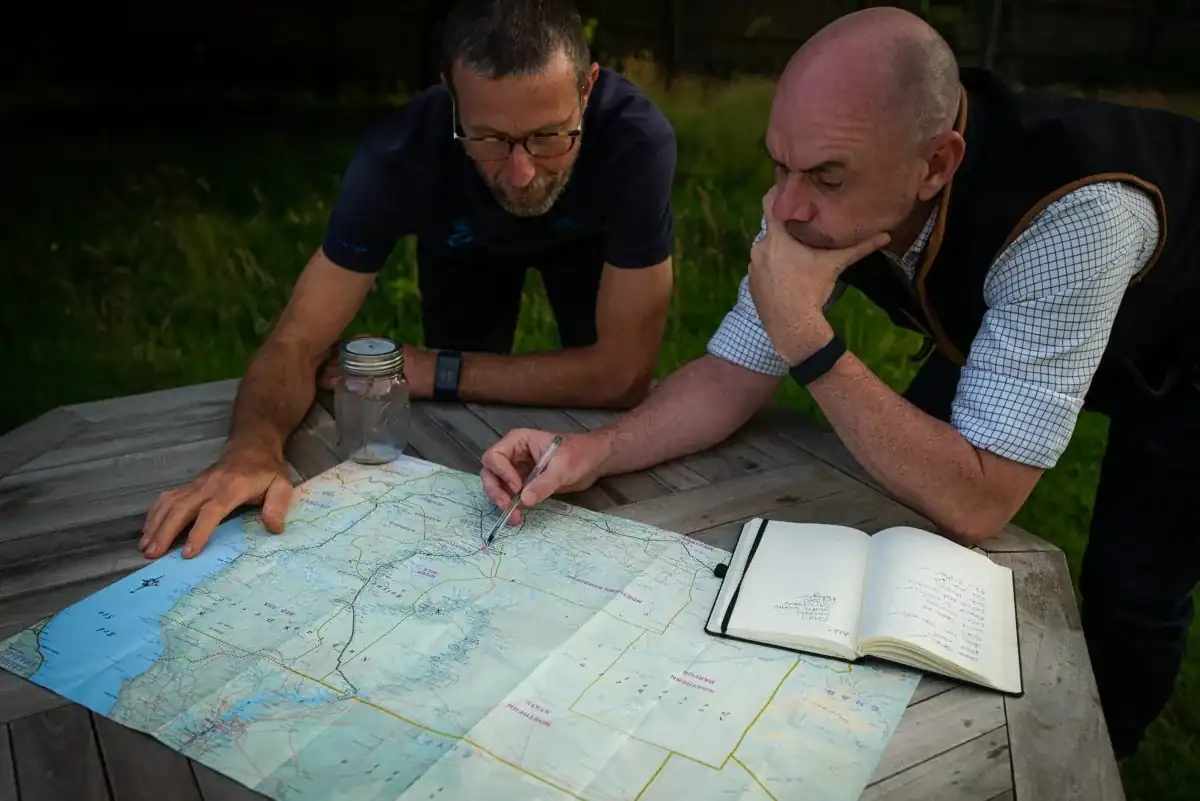
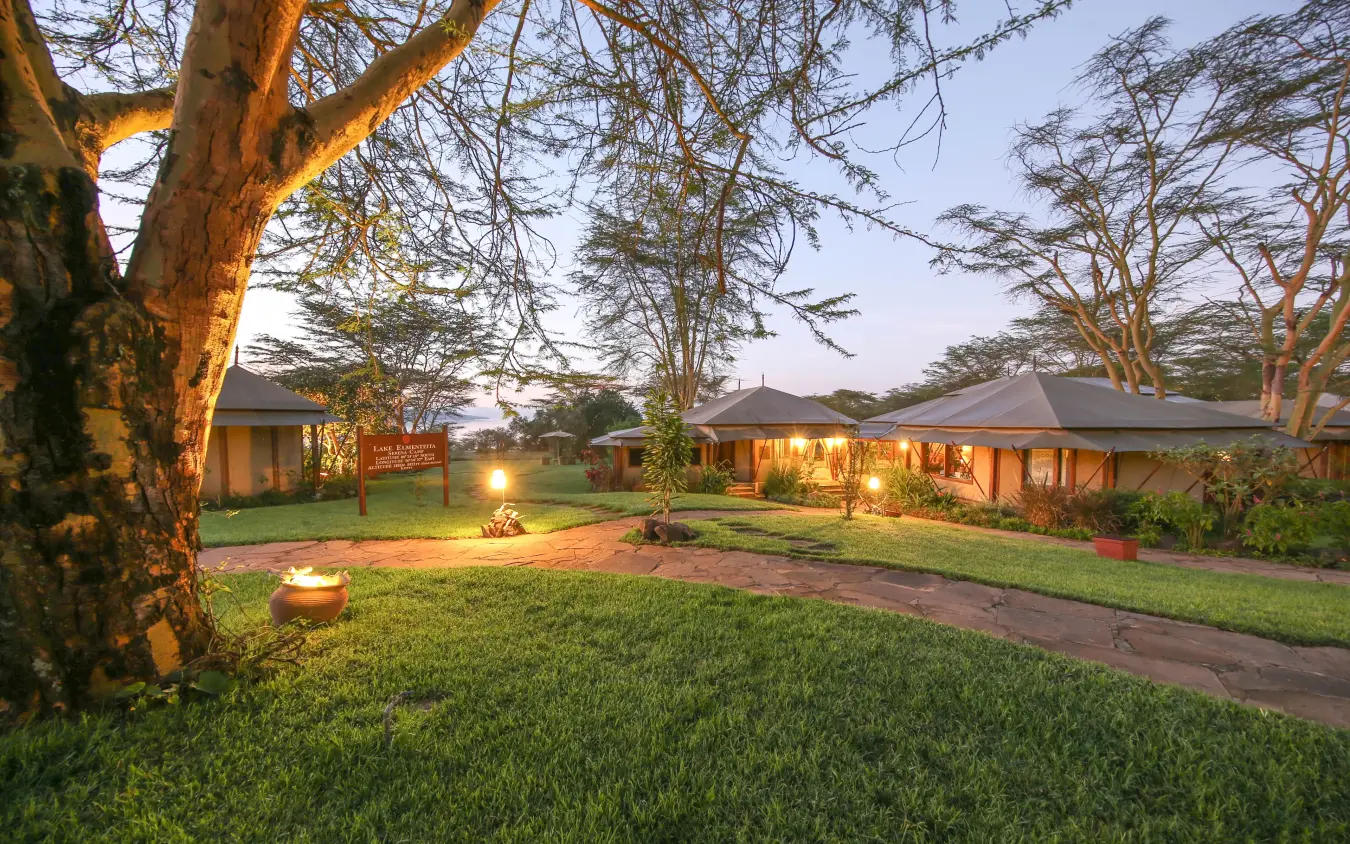
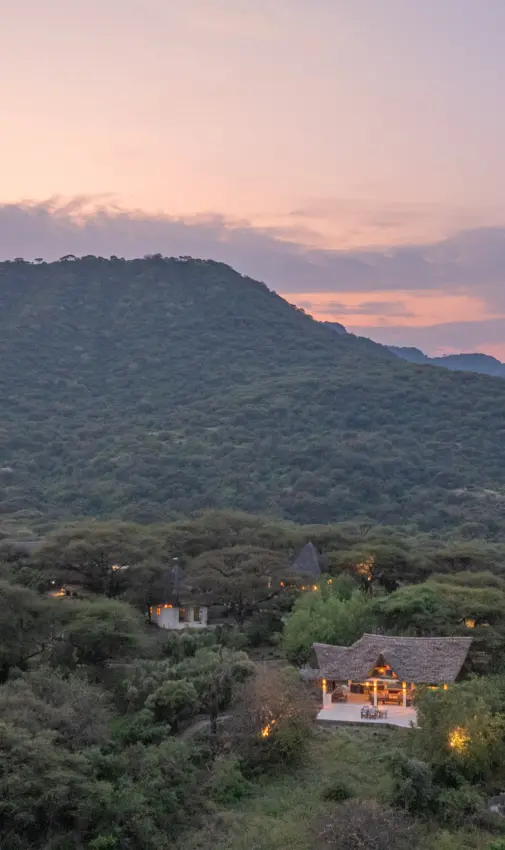
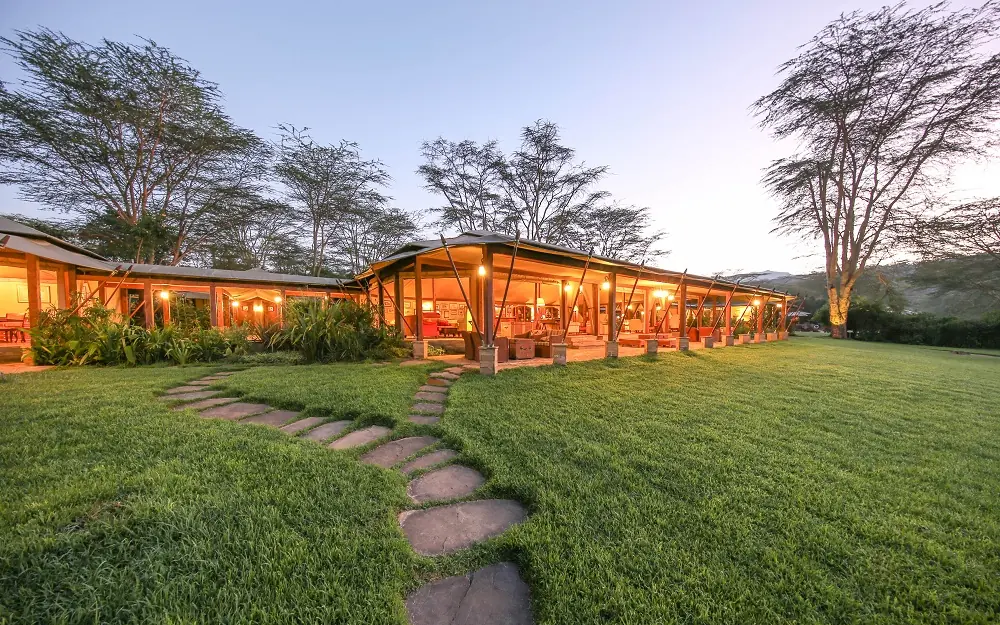
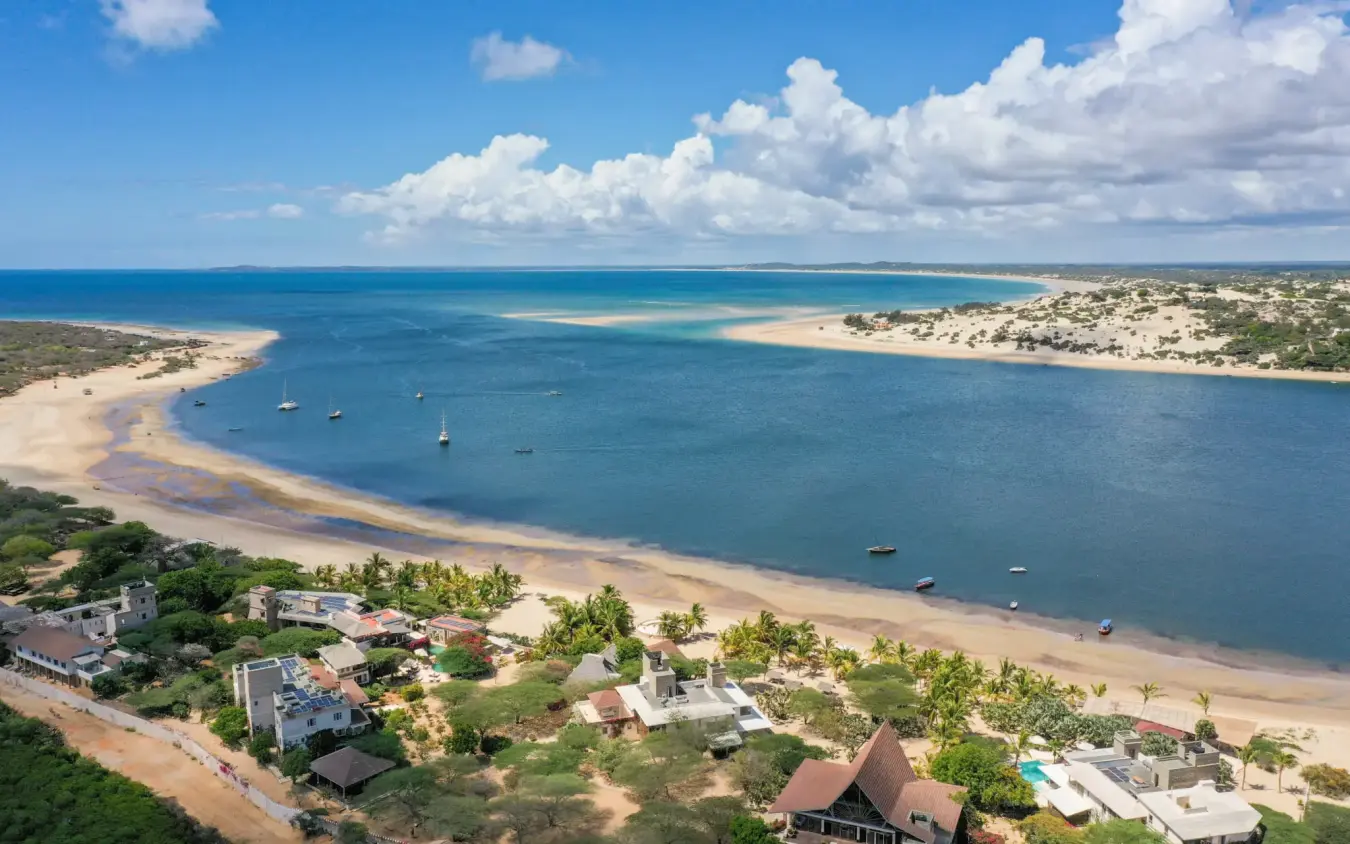
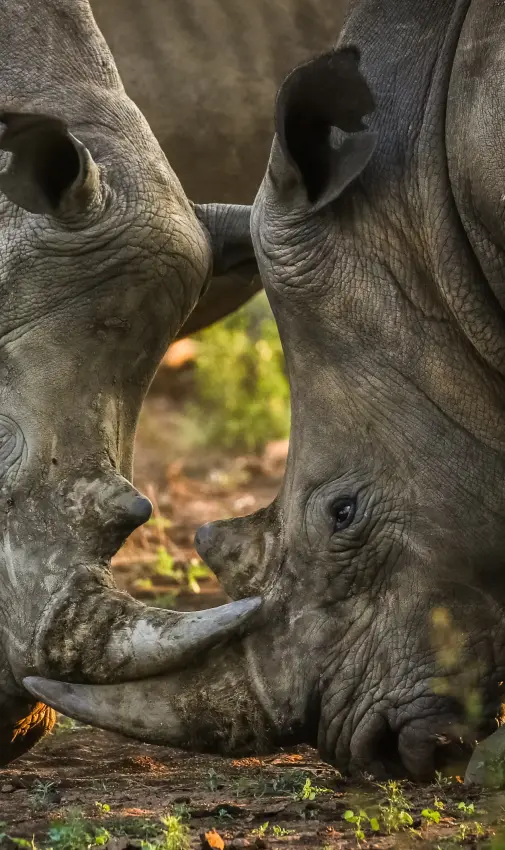
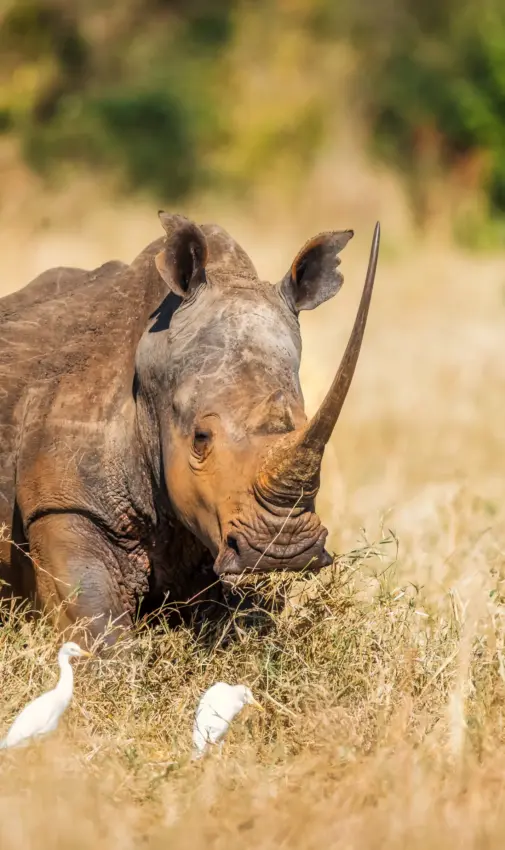
The camp stands in Soysambu Conservancy, in Kenya’s Rift Valley Lakes, around 135 kilometres from Nairobi. The drive takes roughly two hours on the Nakuru road, and charter flights land at an airstrip beside the camp. The Nderit Gate into Lake Nakuru National Park is close enough for a full day among the rhinos and a return in time for dinner. The old ranch now protects the grassland around the lake, and the camp holds a Gold Eco-Rating from Ecotourism Kenya. It runs on a hybrid solar system installed in 2018, and guests are invited to plant an indigenous tree.