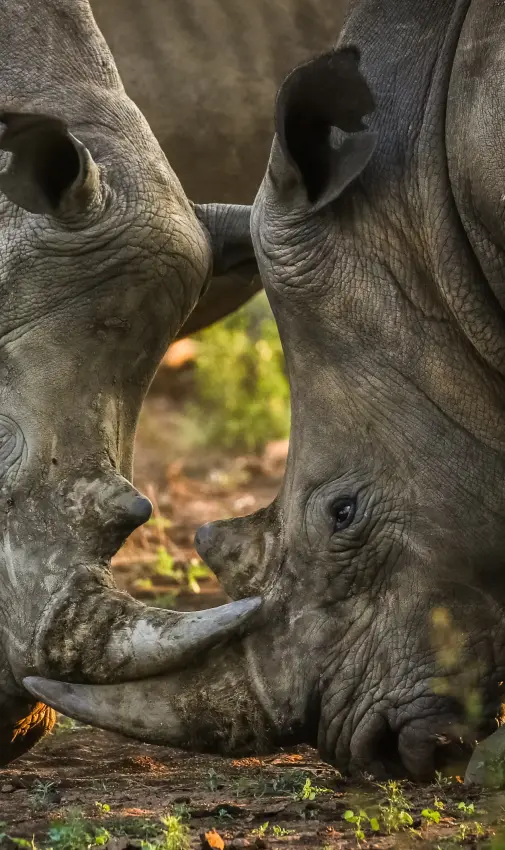
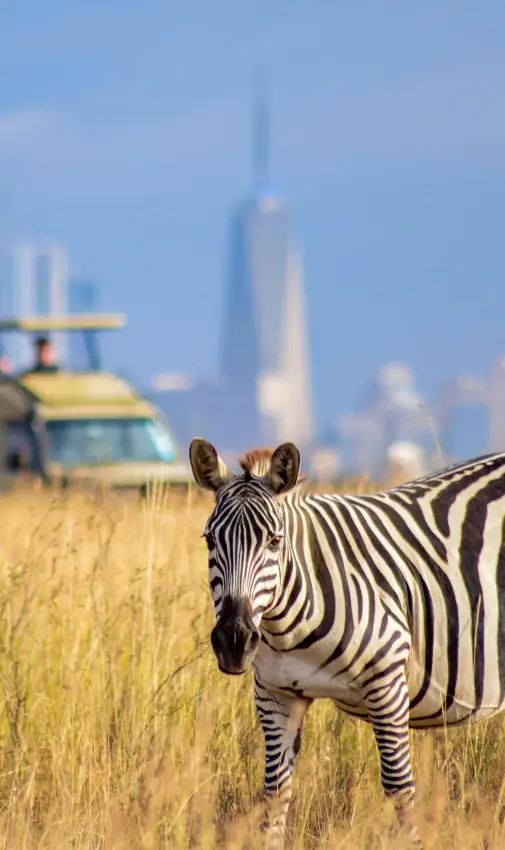
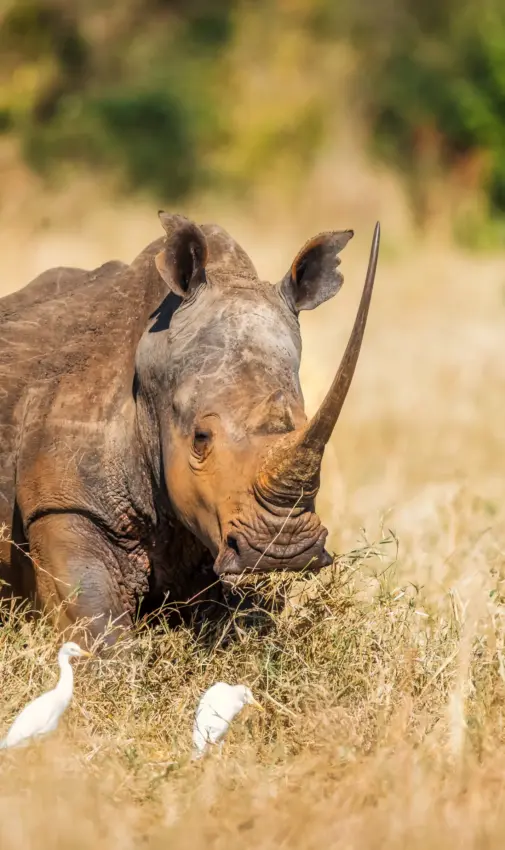
Around the turn of the century, predators were absent from this stretch of the South Rift. Lions have come back. Elephants still come to feed on the ripe tamarind beside the lodge. Both share land the Olkiramatian Maasai elders divided so that growth in their villages would not cost them their wildlife, holding a core conservancy apart from the community behind a buffer zone. Twice a year, with the rains, their cattle cross the Ewaso Ng’iro, and the grazing keeps the grass open and cuts the conflict between herders and lions.
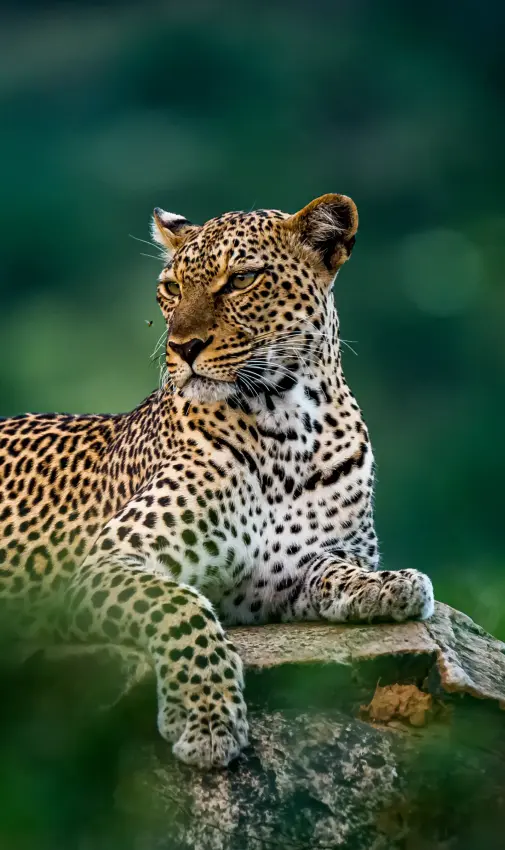
Maasai herds graze these plains by day, and after dark night drives pick out striped hyenas, aardwolves and the occasional leopard in the spotlight. Mornings suit walking, from short nature walks and sunrise hikes to longer climbs that follow the escarpment gorge up to waterfalls and rock pools. A local research centre habituated a group of baboons, and guests can walk among them. When the Ewaso Ng’iro runs high enough, the same river the cattle cross becomes a slow float on inner tubes.
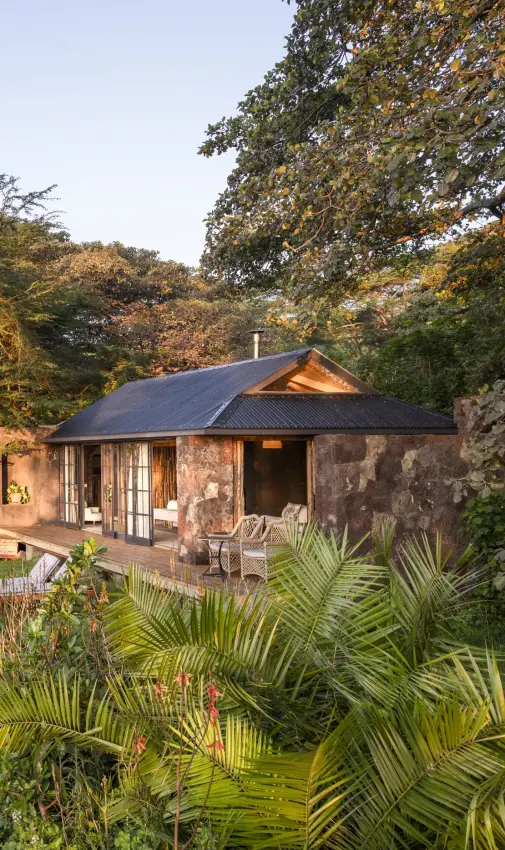
Elephants still come to feed on the ripe tamarind beside the lodge.
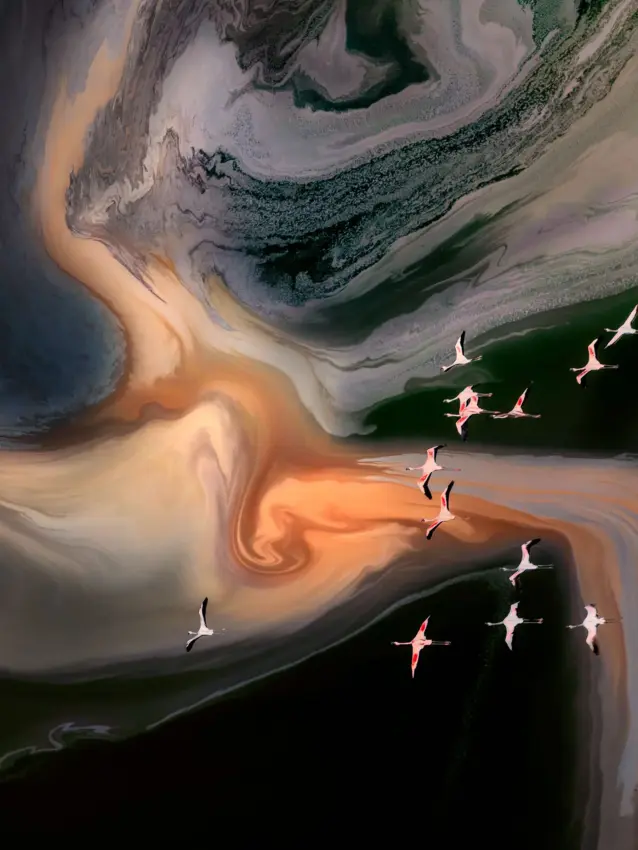
Guests fly in by light aircraft to Rangers Airstrip and drive about 40 minutes through the conservancy, or come by road from Nairobi in about three and a half hours. From the lodge, Lake Magadi lies to the east and Lake Natron to the south, two soda lakes that both hold flamingos. Either can be reached by road. A pre-arranged helicopter flight, though, crosses the soda flats low enough for aerial photography. Back at camp, small bird hides are tucked around the grounds, and the sky over the escarpment is dark enough for proper stargazing.
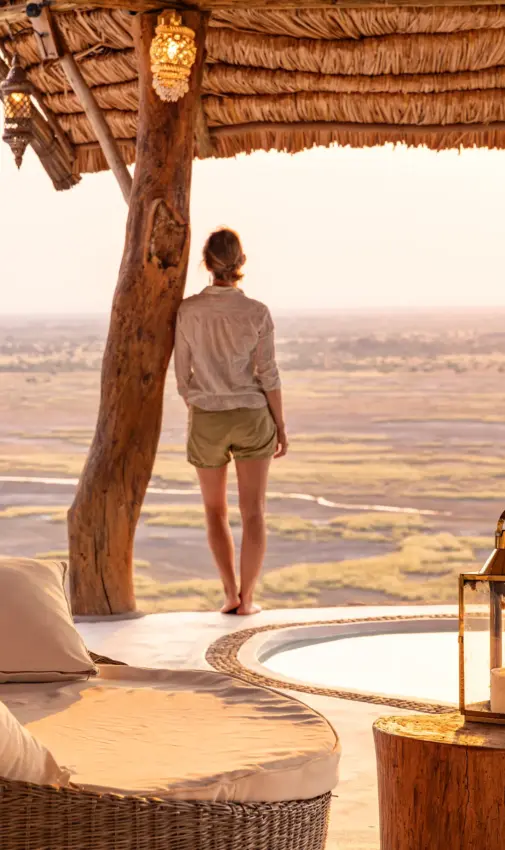
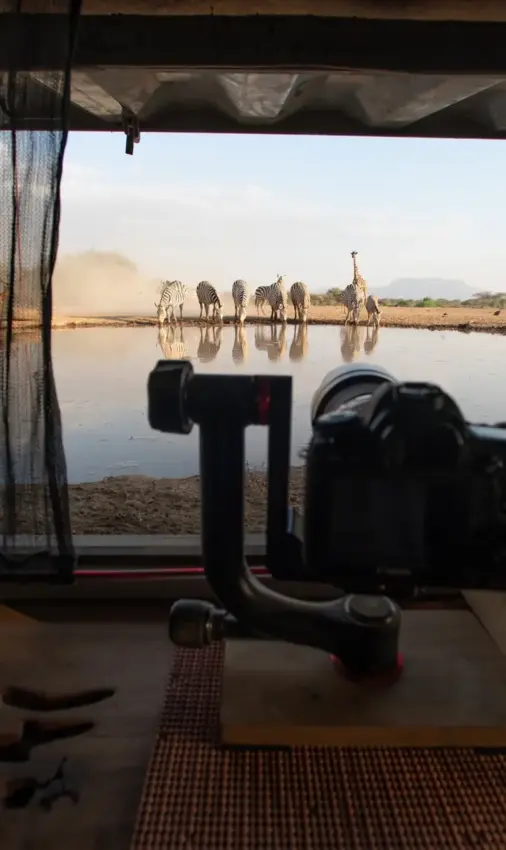
Village visits with the Olkiramatian Maasai fill in the rest of the story: the bomas and the cattle, and the families whose grazing decisions made the conservancy possible. Visiting families are welcome too, and the family accommodation, the pool and the tubing on the Ewaso Ng’iro all suit a multi-generation group. Photographers plan their trips around the hide instead. They come in the dry months, as the pools across the conservancy shrink, and spend at least one night below ground, watching a waterhole that stays busy until dawn.