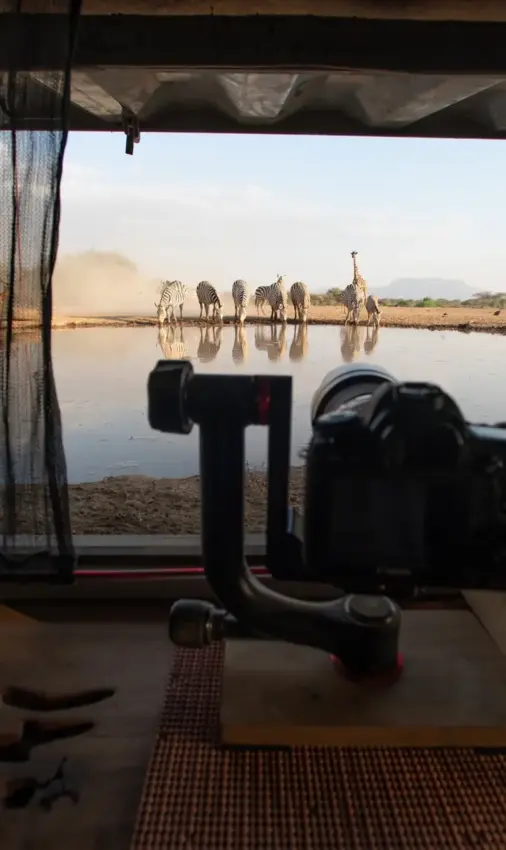
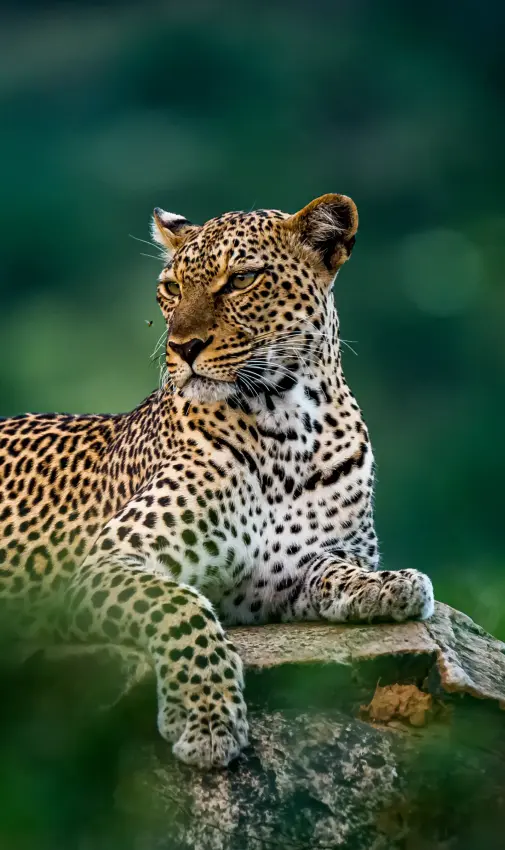
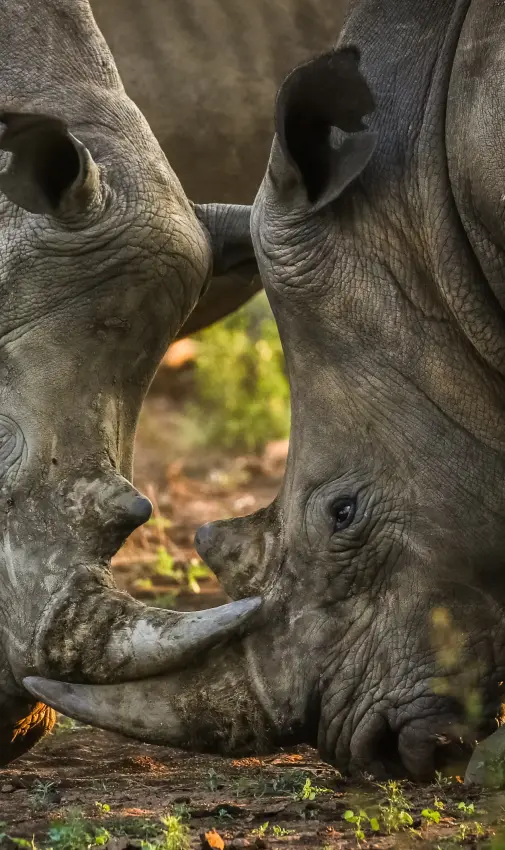
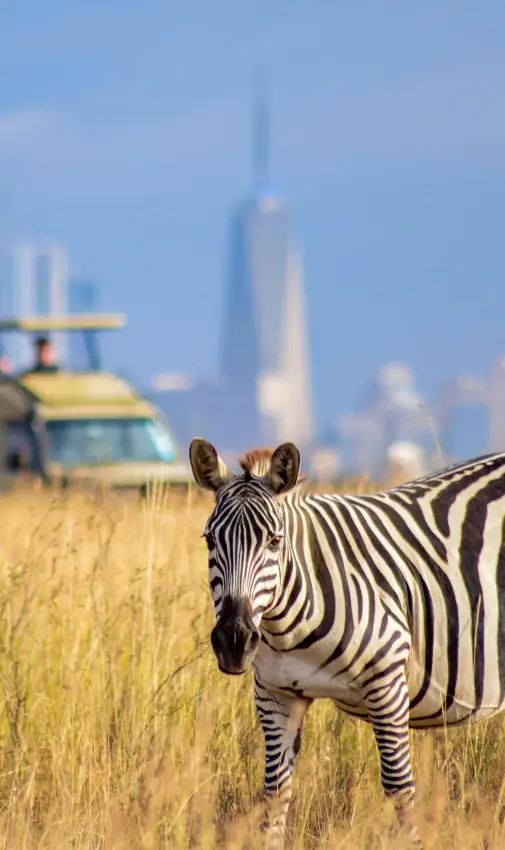
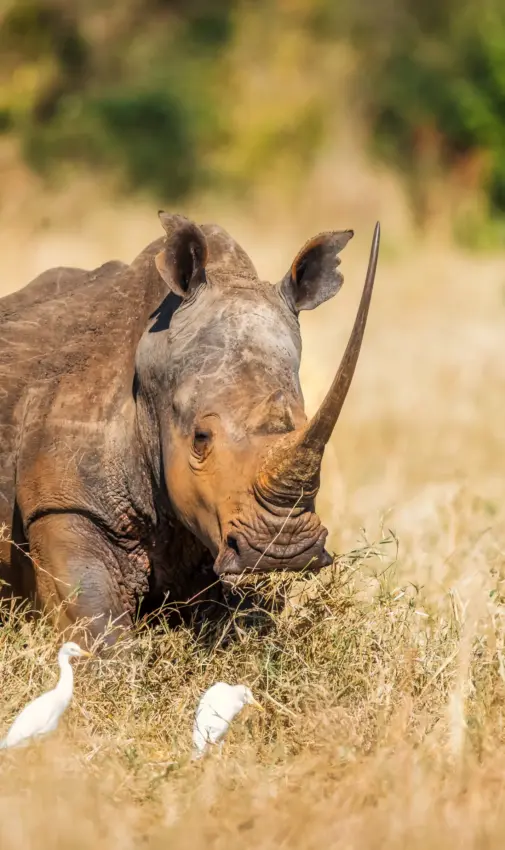
Lake Nakuru National Park became Kenya’s first government-managed rhino sanctuary in 1987, and its 188 square kilometres hold both black and white rhino. White rhino are seen with real regularity; black rhino take far more luck. Rothschild’s giraffe browse alongside buffalo, zebra, eland and waterbuck, with lion and leopard among the predators. There are no elephants. More than 400 bird species have been recorded, and in 2011 the lake was inscribed as a UNESCO World Heritage Site, part of the Kenya Lake System in the Great Rift Valley.
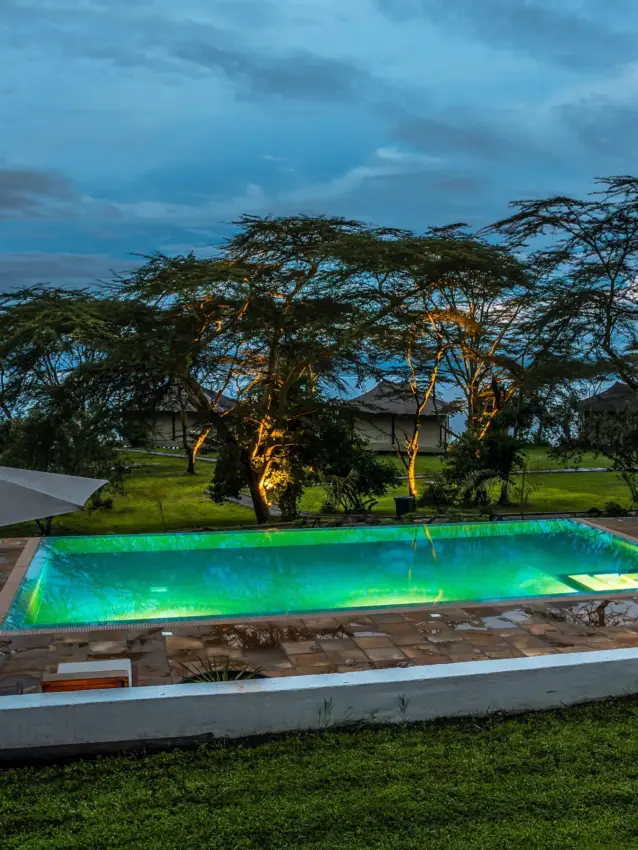
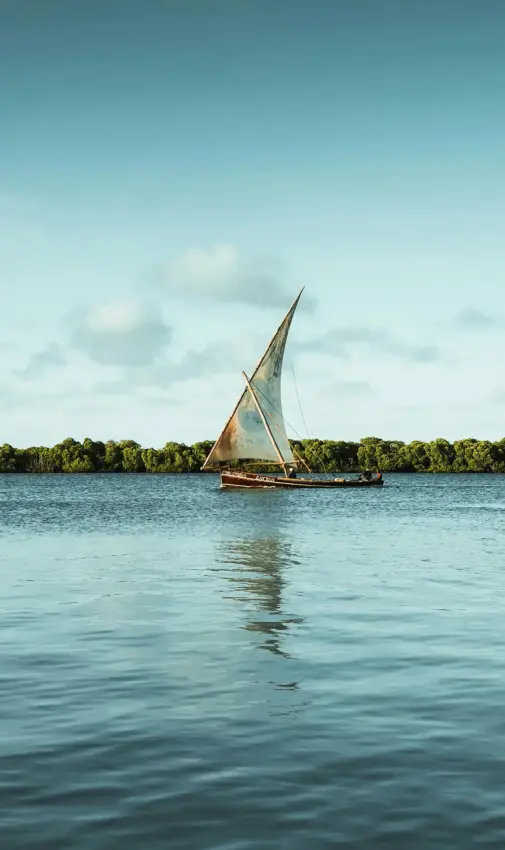
Game drives leave at dawn and again in the late afternoon, though with a private guide and vehicle the timings bend to suit: a long morning spent tracking rhino, perhaps, or an early return in time for the mid-morning boat. Birding outings take a slower line along the lake edge, where goliath heron and pied kingfisher fish the margins. The middle of the day slows right down, given over to a spa treatment or a swim in the pool and then a long lunch, before the vehicles head back out for the late-afternoon drive.
White rhino are seen with real regularity; black rhino take far more luck.
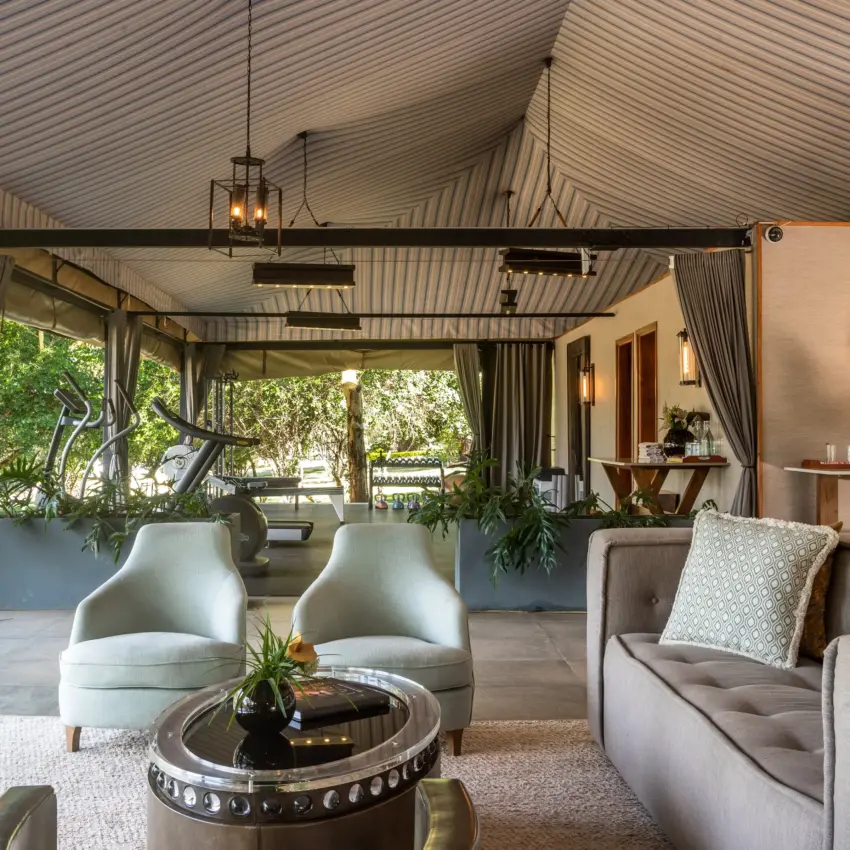
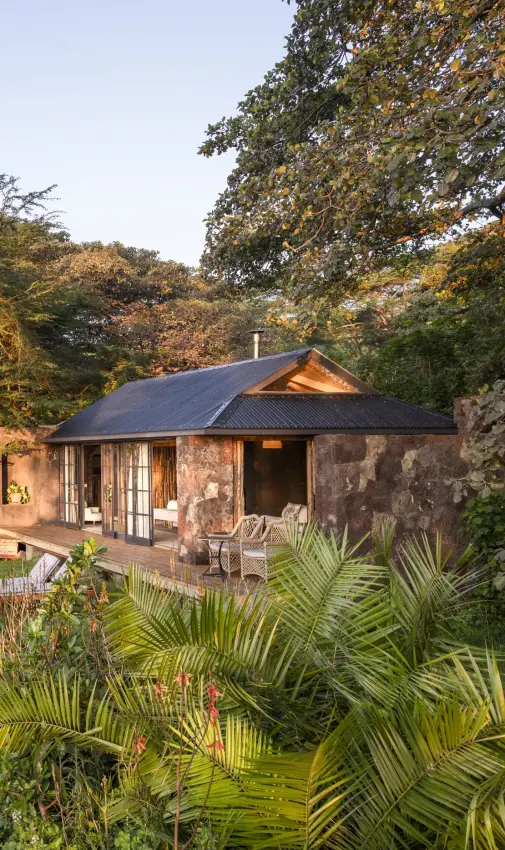
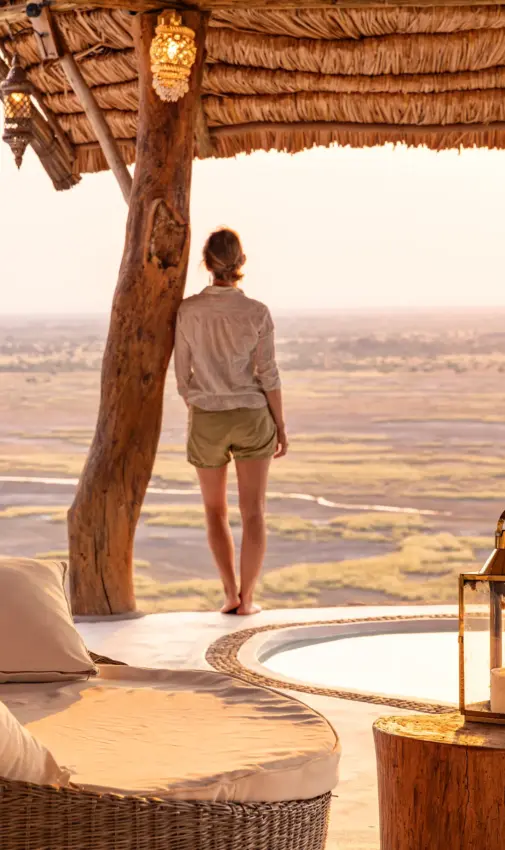
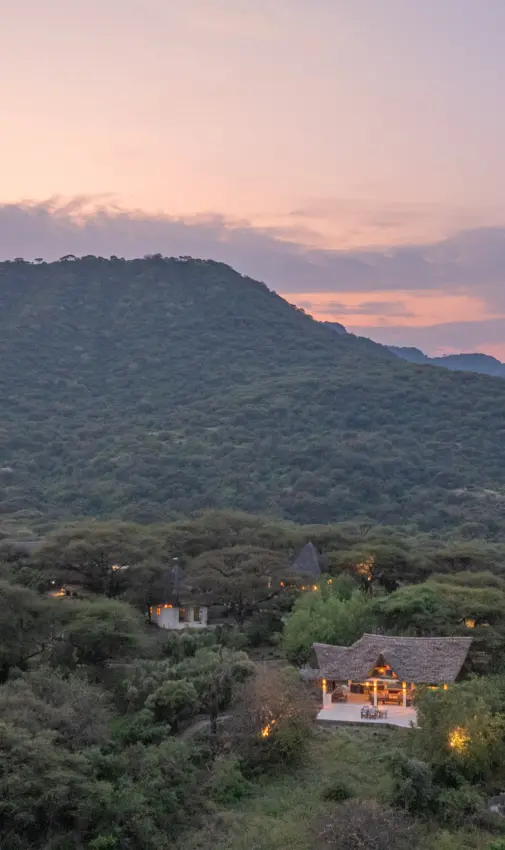
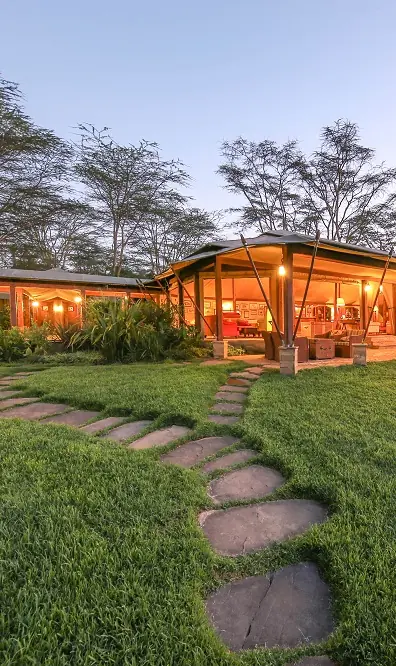
The Cliff opened in 2018. Its interiors fill the canvas of a safari tent with wooden floors and soft furnishings, and enough glass to keep the lake in view from almost anywhere. All meals are included, and dietary needs are catered for with notice. Anyone who would sooner eat on the deck can order room service, and after dark the bar lounge takes over.
A private charter from Nairobi lands at Naishi airstrip, inside the park, after just 30 to 40 minutes in the air, and helicopters can fly in too. By road the capital is 156 kilometres away, with entry through Lanet or Nderit gate before 6pm. That short hop makes The Cliff a practical first or last stop in the Rift Valley Lakes on a longer Kenya safari. Up on the escarpment, the camp is at over 1,800 metres. Children are welcome from twelve, though the camp runs no children’s programme and suits mature teenagers best.