Camp

Shompole Wilderness

A family-run tented camp on the Ewaso Ng’iro in Kenya’s Rift Valley Lakes, where lions drink a few metres from sunken night hides.

Country: Kenya
Location: Rift Valley Lakes
Number of rooms: 6

Sunken container hides on Maasai land

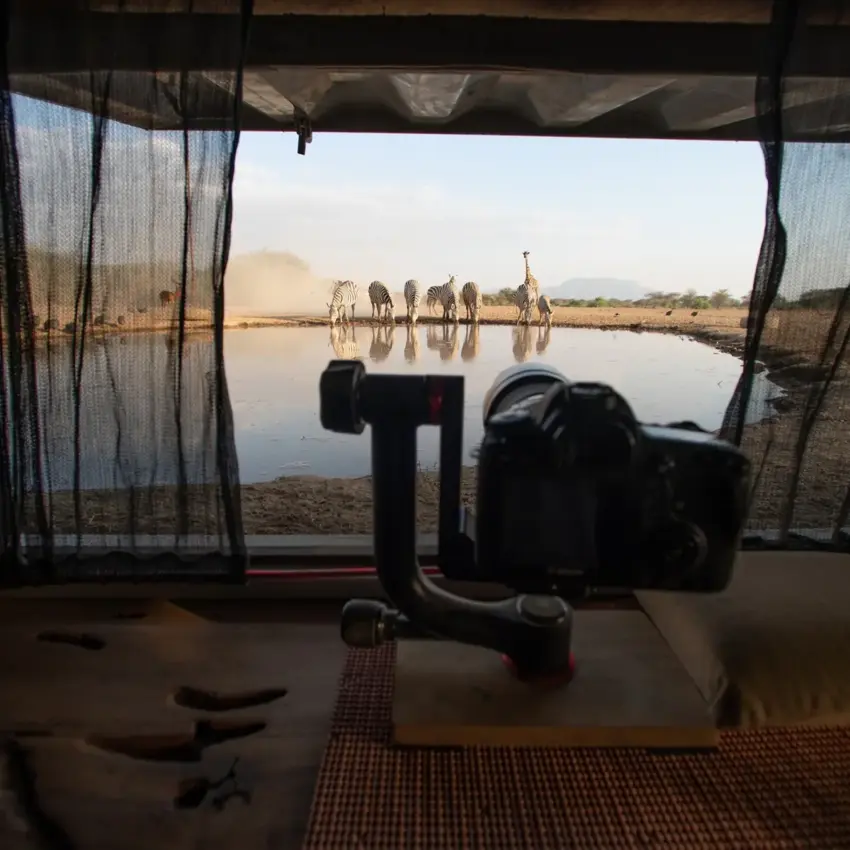
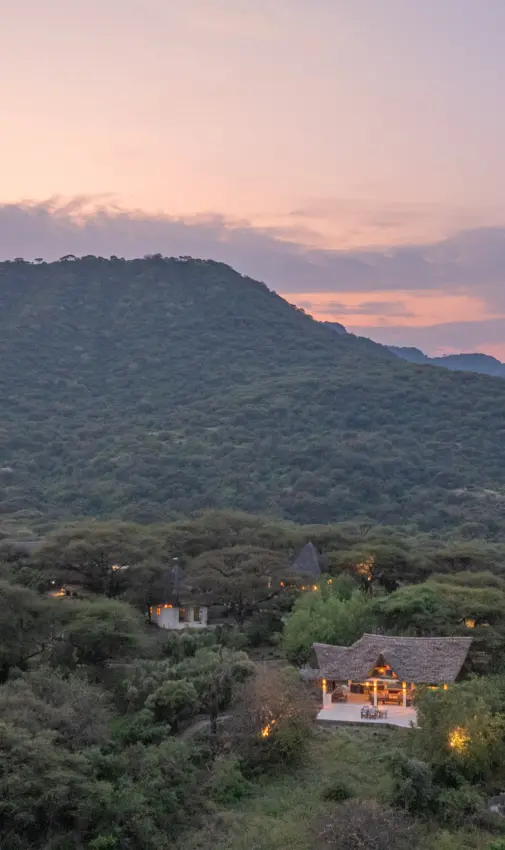
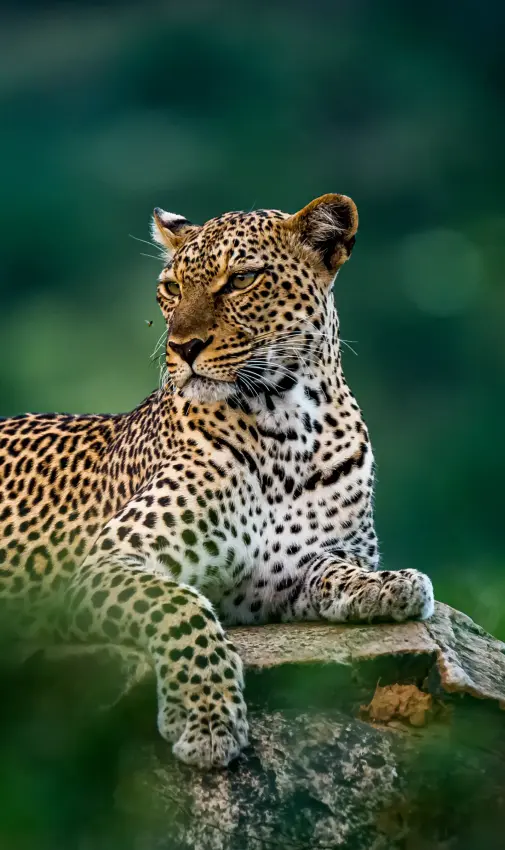
Shompole Wilderness keeps its best hours for after dark. Across the Ewaso Ng’iro, shipping containers sunk to ground level face waterholes. Lions and leopards drink a few metres from the people watching. Striped hyenas and caracals come down to the water too, and guests can stay out all night. The camp waits back across the river, six tents under fig trees on Maasai land.

Lions and leopards drink a few metres from the people watching.

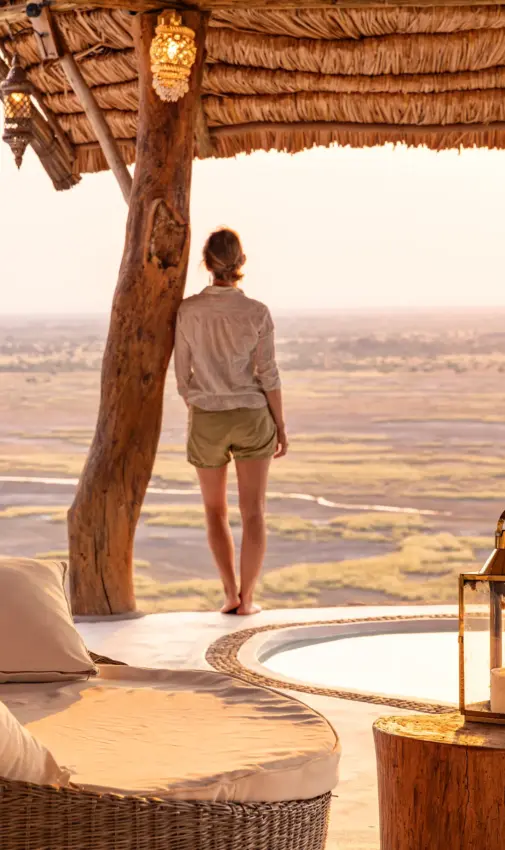
Wildlife photographer Will Burrard-Lucas began digging the first waterhole in late 2021 with the du Toits and the Shompole community, well away from other water. Thirty Maasai from the community helped lay a five-kilometre pipeline from the river, and a solar pump keeps the waterhole topped up. Nothing is baited; the animals come for the water alone. In camp, the pool has a ground-level bird hide.

Shompole Wilderness, Rift Valley Lakes, Kenya

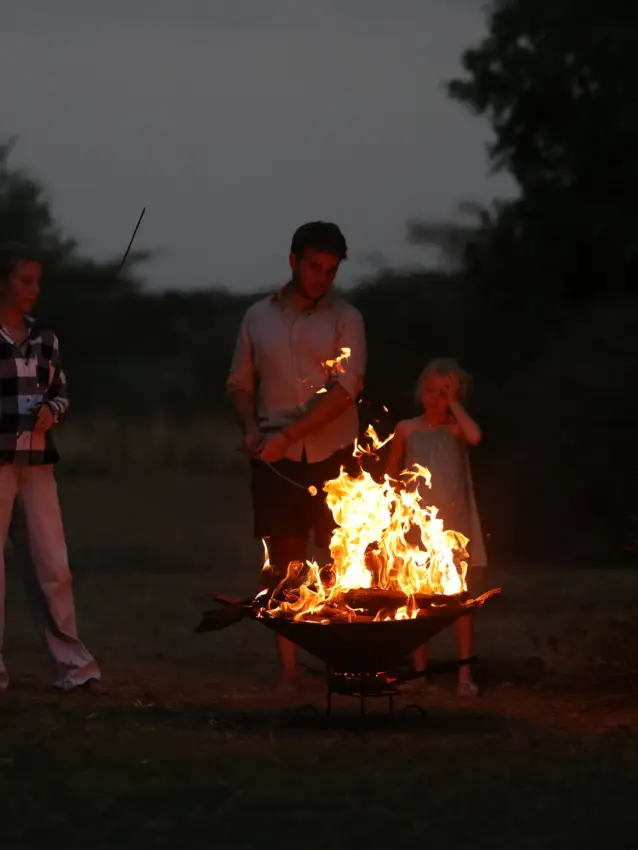
Johann and Samantha du Toit opened the camp in 2015 on land the Shompole Maasai own and lease to them, and they still run it with a Maasai team. Their children, Seyia and Taru, are growing up in camp. Johann studied hotel management in Switzerland before managing camps in remote corners of Kenya. Samantha has worked on community research and conservation here since 2005, and helped found the South Rift Association of Land Owners, known as SORALO.

Baboon troops cross the brown river below the tents.

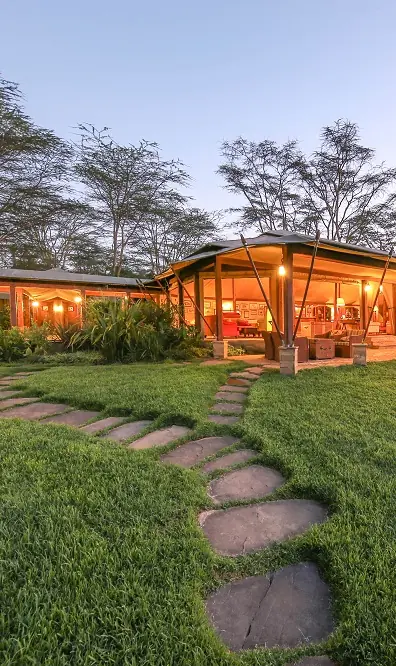
Mornings in camp begin with vervet monkeys in the giant fig canopy. Below the tents, baboon troops cross the brown river, ready to investigate any snack left unguarded on a veranda table. Meals are prepared fresh in camp and served in an airy dining room, and there is a riverside lounge, a shady bar and a pool.

Shompole Wilderness, Rift Valley Lakes, Kenya 01

accommodation

Six Tents Along the Riverbank

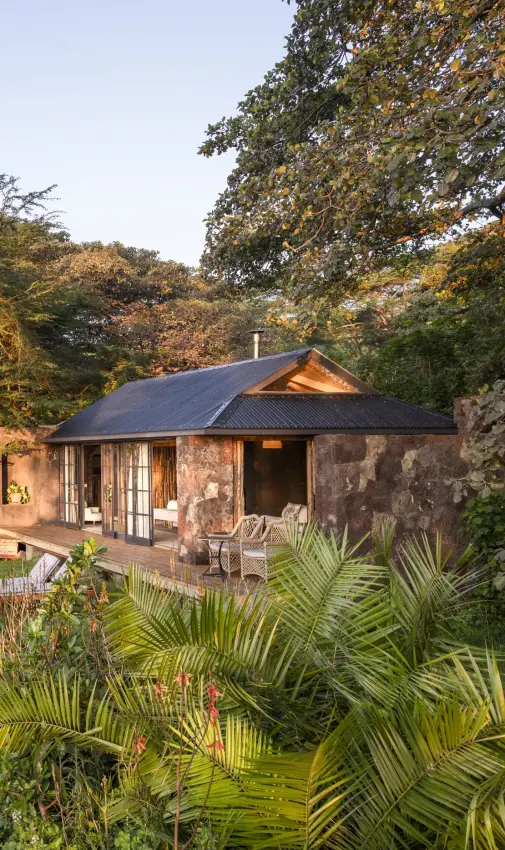
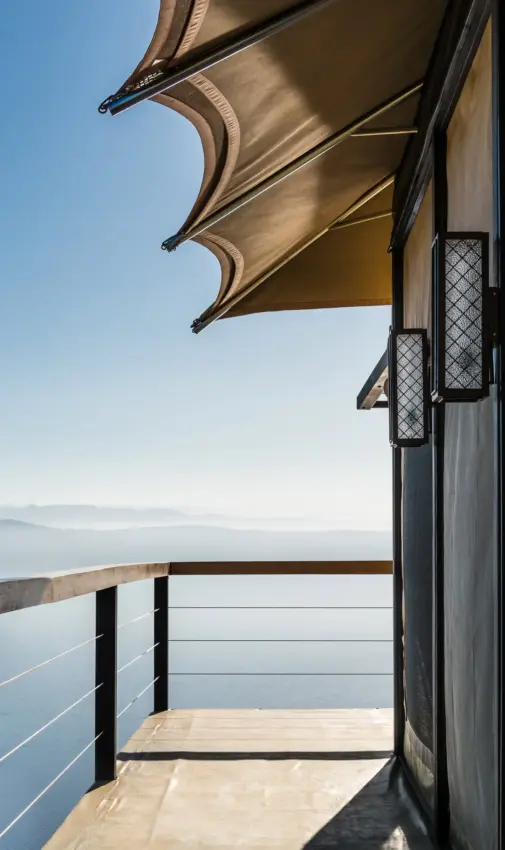
Six tents for twelve guests are spaced well apart along the bank. Each is a spacious double or twin on a raised wooden deck, its large veranda facing the river, the plains or the forest, and two of the verandas can take a children's tent. Bathrooms are ensuite, with shower and flush loo, and a generator powers a charging strip in each tent.

Shompole Wilderness, Rift Valley Lakes, Kenya 02

activities

Day and Night Drives on Maasai Land

On Maasai community land, the day is not bound to the vehicle. Drives run by day and by night with Maasai guides, and walks follow tracks on foot. At dawn, a walk at Lale'enok goes out with a baboon troop. Tubing, kayaking and swimming depend on the river levels. Ground-level hide sessions run by night or in the early morning, and birders have the pool hide. Trips also go out to the soda lakes.

Shompole Wilderness, Rift Valley Lakes, Kenya 03

conservation

Lions Tracked to Prevent Herder Conflict

Samantha du Toit helped found SORALO, whose monitors track lions and share their positions with herders, so that conflict is headed off before it starts. She also helped found the Lale'enok Resource Centre, base of the baboon research. Out at the hides, the waterhole gives wildlife water away from livestock, and the camp's conservation and community fees go to the Shompole Maasai.

ready to get started?

Get in touch and let’s start the conversation. An initial consultation helps us understand what you’re looking for, whether that’s specific experiences, luxury touches, or marking a special occasion, and from there we’ll guide you through what’s possible so you can decide if we’re the right fit.

Alternative accommodation in rift valley lakes

frequently asked questions

Most guests fly. There is no scheduled service, so we book a private charter from Nairobi's Wilson airport, typically a Cessna Caravan, to Rangers Airstrip, a dirt strip about ten kilometres north of the camp. The camp's own vehicle meets the aircraft, and that transfer is included in the stay.

The road is the alternative: down the Magadi road through Kiserian and Magadi town, then on to the Ewaso Ng'iro. Allow four hours or more, and a four-wheel drive is essential, especially after rain. It is a dramatic drive down into the Rift, but for a short stay the flight gives you back most of a day.

Yes. The camp sits on the floor of the Rift Valley at about 640 metres. TravelHealthPro, the UK's official travel health service, rates all of Kenya below 2,500 metres as high risk for malaria, with only Nairobi and the high country set apart, and the American CDC draws the same line.

We are travel planners, not doctors, so the decision about tablets sits with you and your own doctor or travel clinic, ideally with your dates to hand. Evenings on the Rift floor stay warm, so long sleeves, long trousers and closed shoes after dark are worth packing against bites of every kind.

They are ground-level photographic hides, built from shipping containers sunk into the earth beside waterholes across the river from camp. The first, the Plains Hide, began in 2021 when the wildlife photographer Will Burrard-Lucas dug its waterhole with the Shompole community, who then laid a solar-pumped pipeline from the river to keep it full. A second, in thicker bush, followed.

Yes, and most people do. You cross the river in a small boat pulled on a rope, drive the last few kilometres, and settle in during the afternoon. Each hide has beds, a flushing loo and dimmable lights over the water, and the windows open so nothing sits between your lens and the animals. Lion, leopard, striped hyena and caracal all come to drink, and nothing is baited.

Far more than in a national park, because this is Maasai community land and you can get out of the vehicle. Drives run by day and after dark with Maasai guides, and guided walks from camp read the tracks in the dust and the birds, of which the area holds more than 400 species. You never walk alone.

The early start worth making is the baboon walk at the Lale'enok Resource Centre, with a habituated troop studied for many years and a local guide who knows it well. When the water level allows, the Ewaso Ng'iro is good for swimming, tubing and kayaking. The camp can also arrange an afternoon in a Maasai home, beadwork brought in by women from the nearby villages, and a scenic helicopter flight over Lake Magadi at extra cost.

Yes. It is a family home as much as a camp: the du Toits raised their own children here, and the six tents are set well apart along the river. On two of them a separate children's tent can go up on the veranda, so younger children sleep close to their parents.

The pool, the river tubing and the in-camp bird hide fill the middle of the day. The camp is unfenced and animals walk through it, so small children stay with an adult at all times and everyone is walked to their tent after dark. A party of eight adults or more for two nights has the whole camp to itself, which suits a large family well.

January and February, then July to September, are the strongest months, when the ground is dry, the tracks are firm and game gathers at water. March, June and October to December sit either side and are good months too. April and May bring the long rains, and the camp closes for about a month from late April.

The quieter months have a real case. The hides' waterholes are piped from the river, so they hold water when the plains dry out, and the hides work in every open month. The green months bring fresh grass, migrant birds and soft light for photographers. Days on the Rift floor are hot all year, so pack light cotton, a hat and closed shoes for the evenings.

rated five stars by our clients

other areas in kenya

Leopard resting on fallen log in natural setting 01

Maasai Mara

Local guides with poles crossing shallow forest river, Northern Kenya, Kenya 02

Northern Kenya

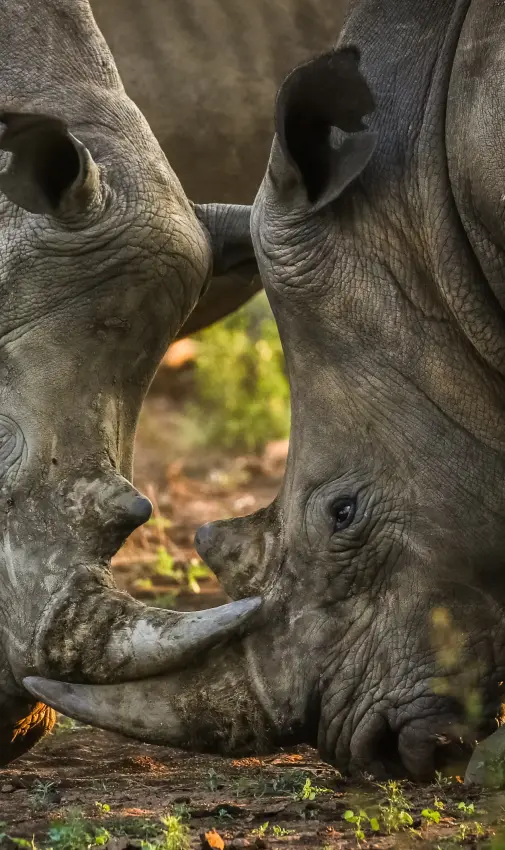
Two rhinos touching horns in natural habitat 03

Laikipia Highlands

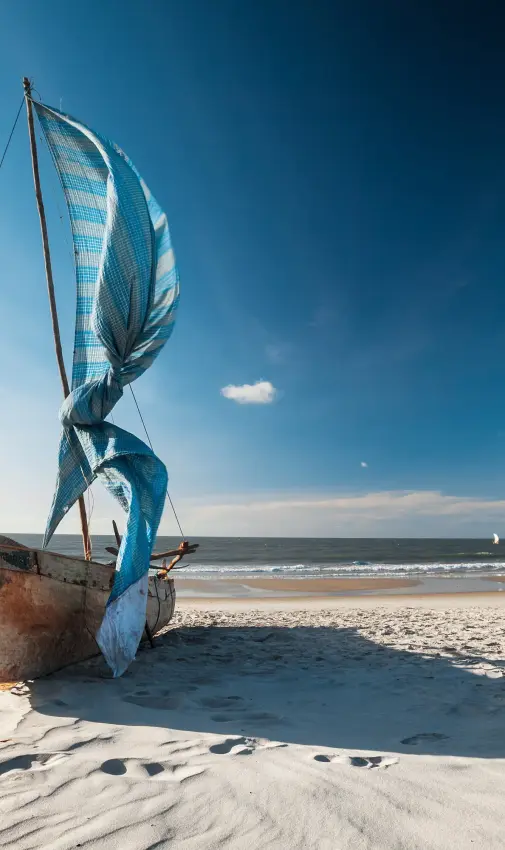
Traditional fishing boat with blue sail on sandy beach 04

Kilifi

Snow-capped Mount Kilimanjaro rising above acacia trees and Tanzania savanna 05

Amboseli and Chyulu Hills

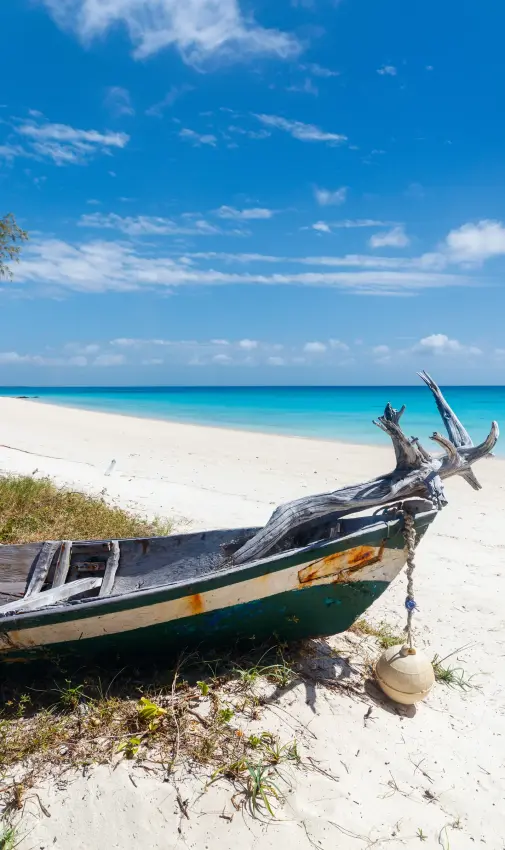
Wooden fishing boat beached on white sand tropical shore 06

Diani Beach

Man in traditional red garment driving open safari vehicle, Samburu Reserve, Kenya 07

Samburu Reserve

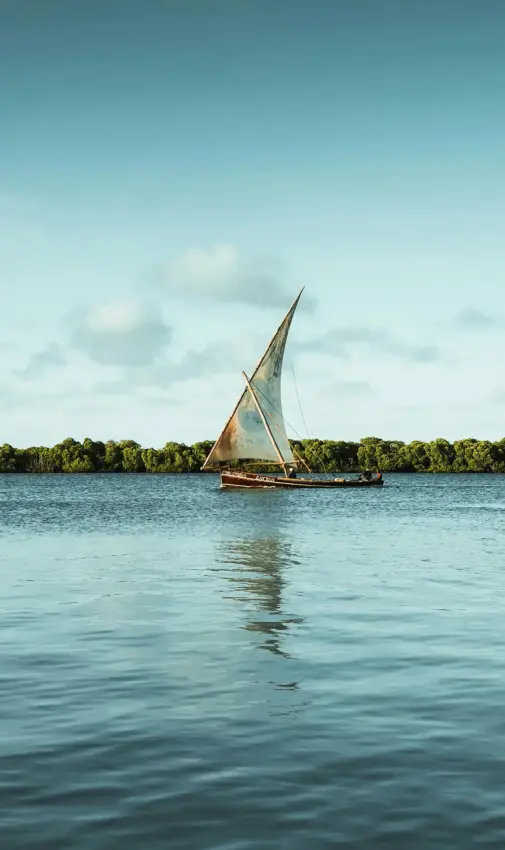
Traditional sailing dhow on calm turquoise water with forested shoreline, Lamu Archipelago, Kenya 08

Lamu Archipelago

Zebras in savanna grassland with safari vehicle and city skyline 09

Nairobi

African elephants with calf walking through grassland at sunset 10

Tsavo

Meru National Park, Kenya 11

Meru National Park

Planning a journey together

our approach

remote, exclusive
& personal

Every journey starts with a conversation. We take the time to understand your vision before we start planning.

Whether by phone or in person, we work with you directly to shape something that is considered, personal, and expertly delivered.

get in touch
destinations ideas & inspiration our process about us contact us