











kenya
helicopter safari
Twelve nights across Kenya by helicopter, from the Borana rhino conservancy over the Suguta Valley to Turkana, then Laikipia and the Kilifi coast.
- Private Safari
- From $37,100 pp
- 4 guests
- 12 nights
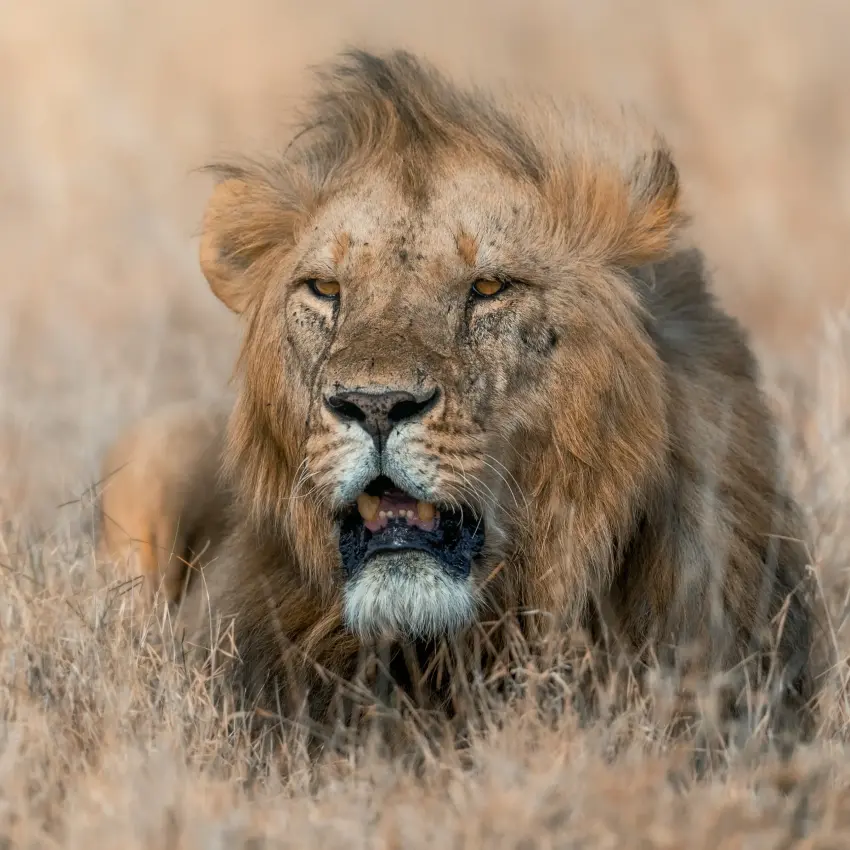
This fifteen-night route links five parts of Kenya in turn. It opens in Nairobi, a highland capital with black rhino and lion on its southern edge, then moves to the northern Maasai Mara and its capped conservancies, the Laikipia Highlands of Borana, the Samburu country of Namunyak, and finally the Lamu Archipelago on the Swahili coast.
You travel between them by air and boat, tracking rhino on foot, driving the conservancy grasslands and sailing between islands. Each stay is a private house or dhow, most taken by one group at a time, run with full staff and, inland, a private guide and vehicle.
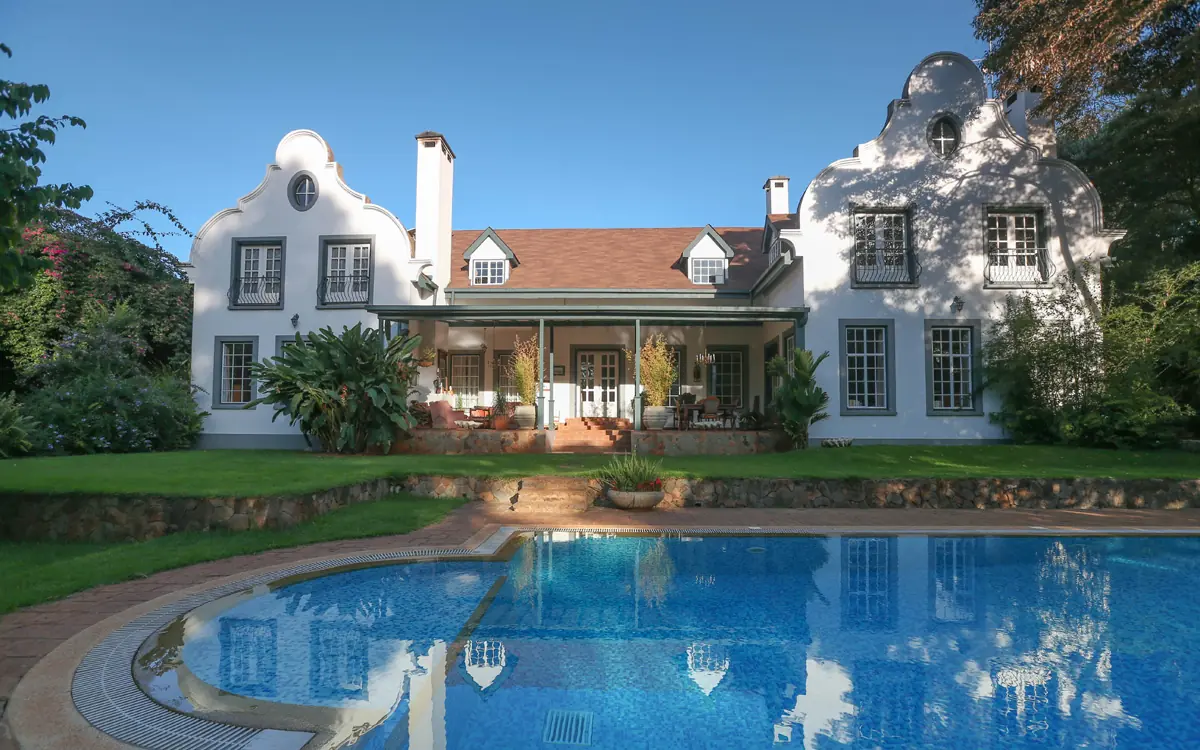
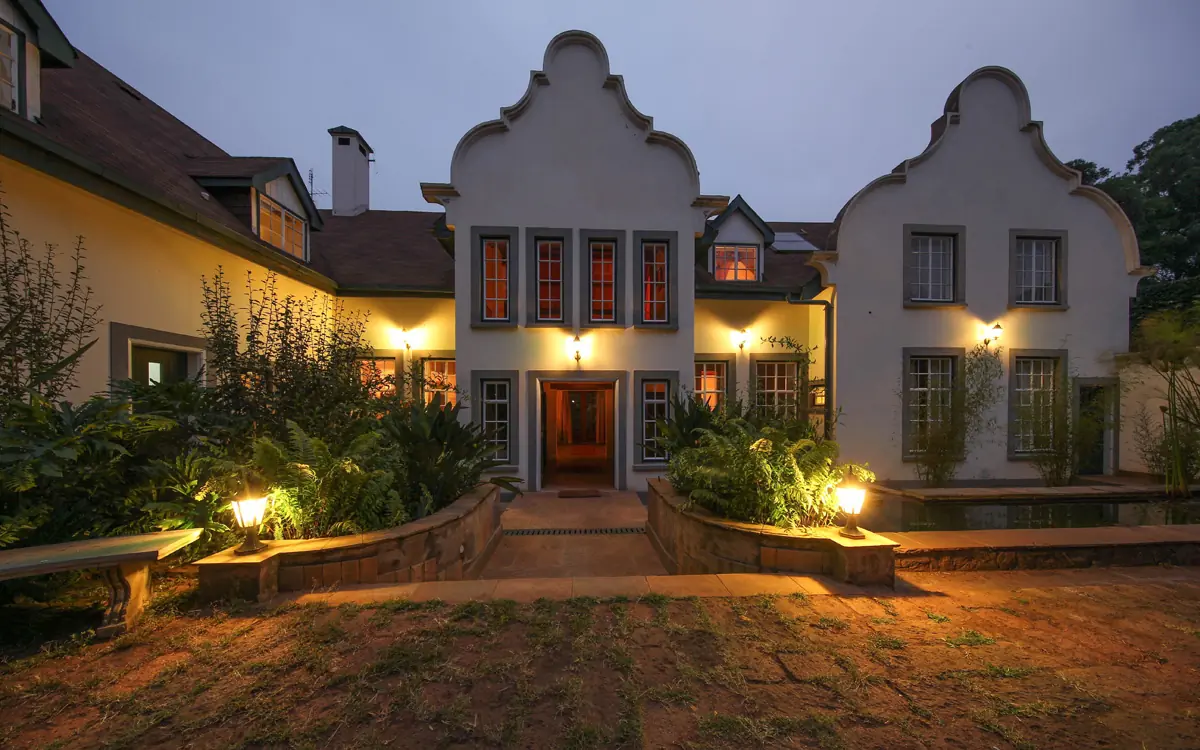
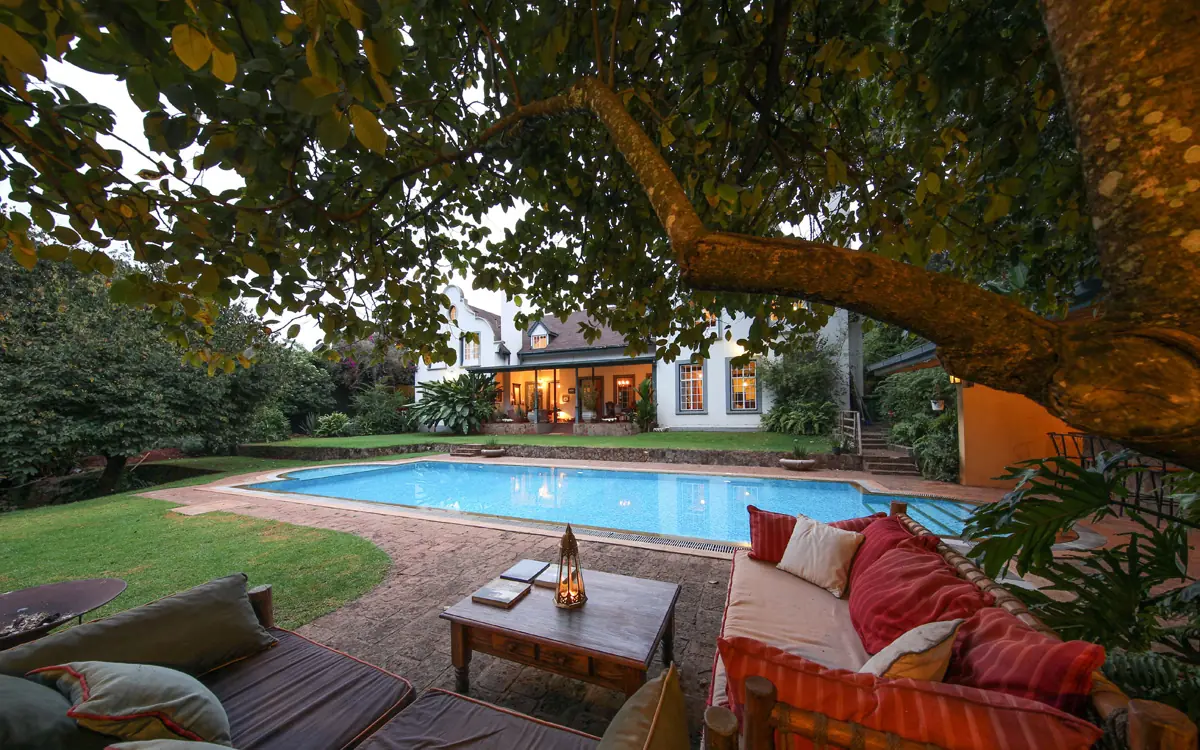
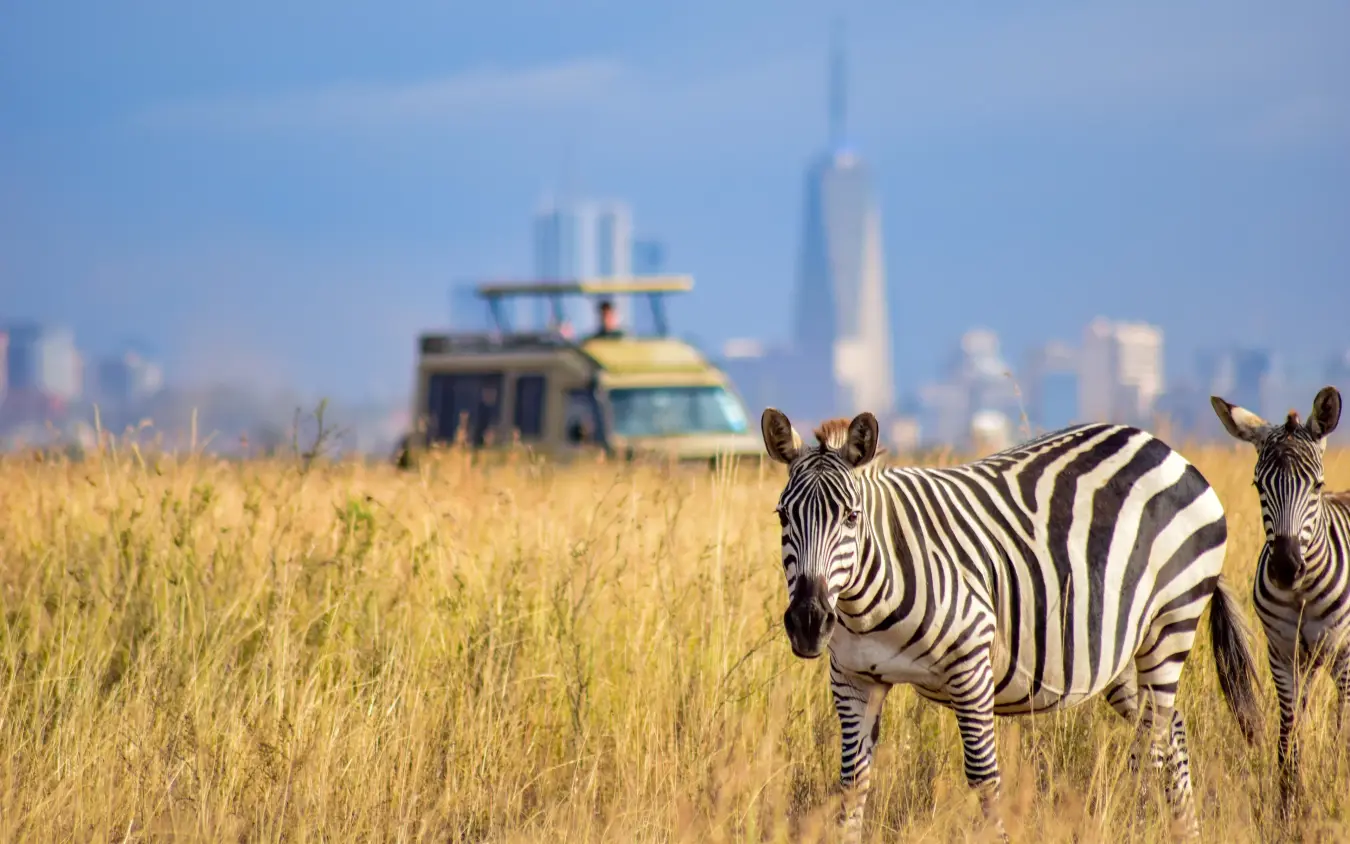
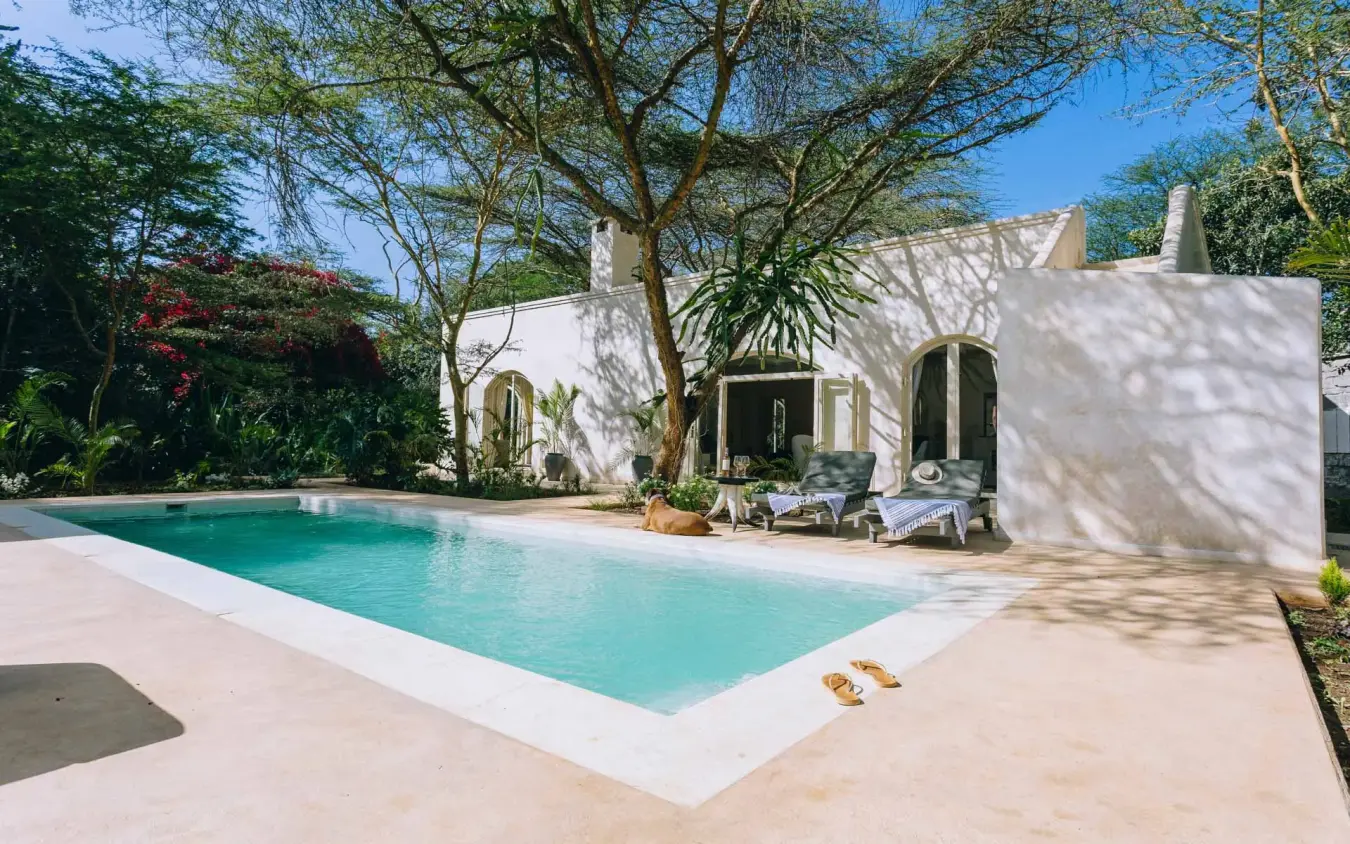
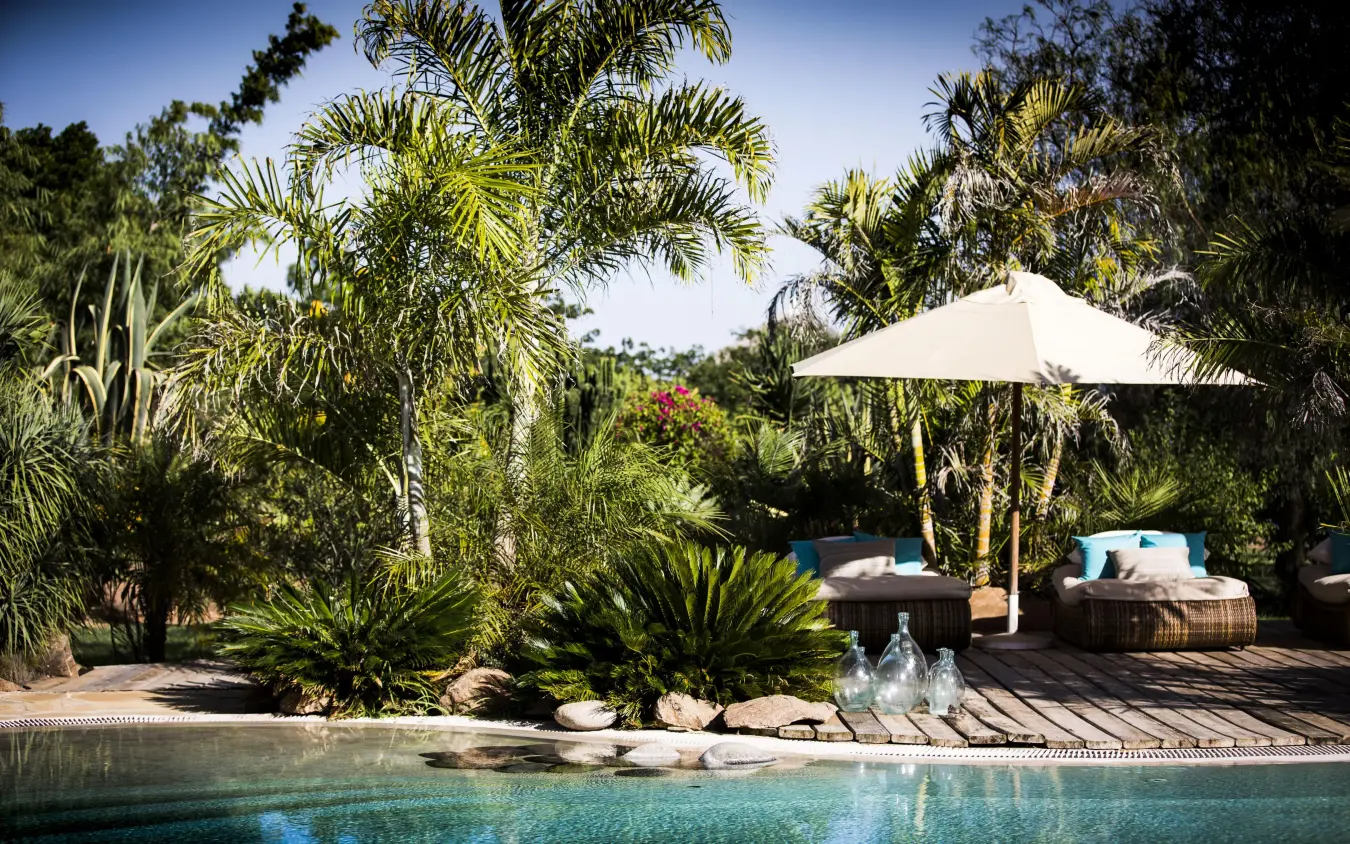
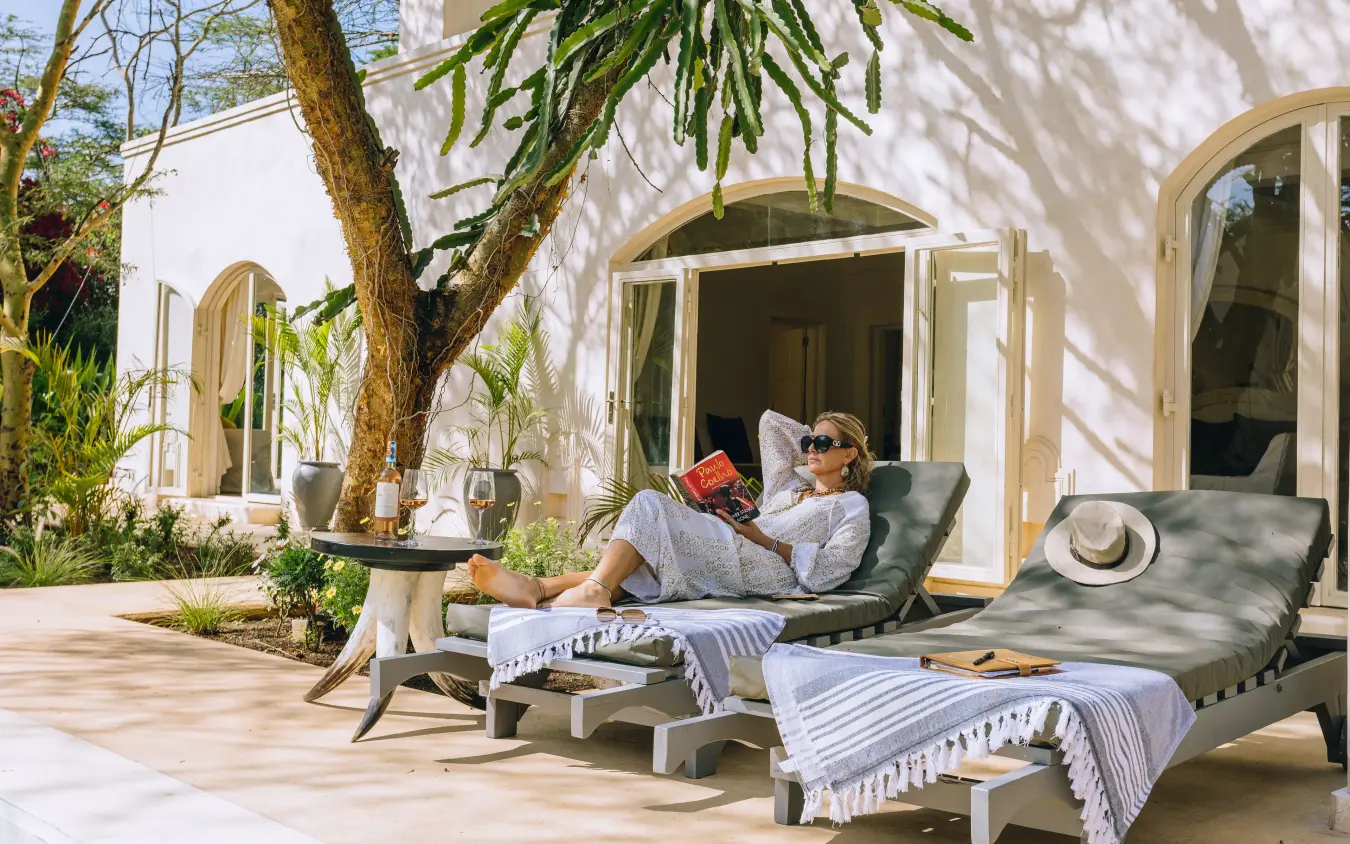
You begin in Nairobi, a highland capital at around 1,795 metres where lion and black rhino roam savannah on the city's southern edge in Nairobi National Park. The Giraffe Centre and the Sheldrick Wildlife Trust lie close by, and the cool altitude makes it a comfortable place to rest before hotter country. Built by the Roumeguere family on their own land in the Karen suburb below the Ngong Hills, Manzili House is a Lamu-inspired home whose white living spaces open onto a central courtyard and pool.
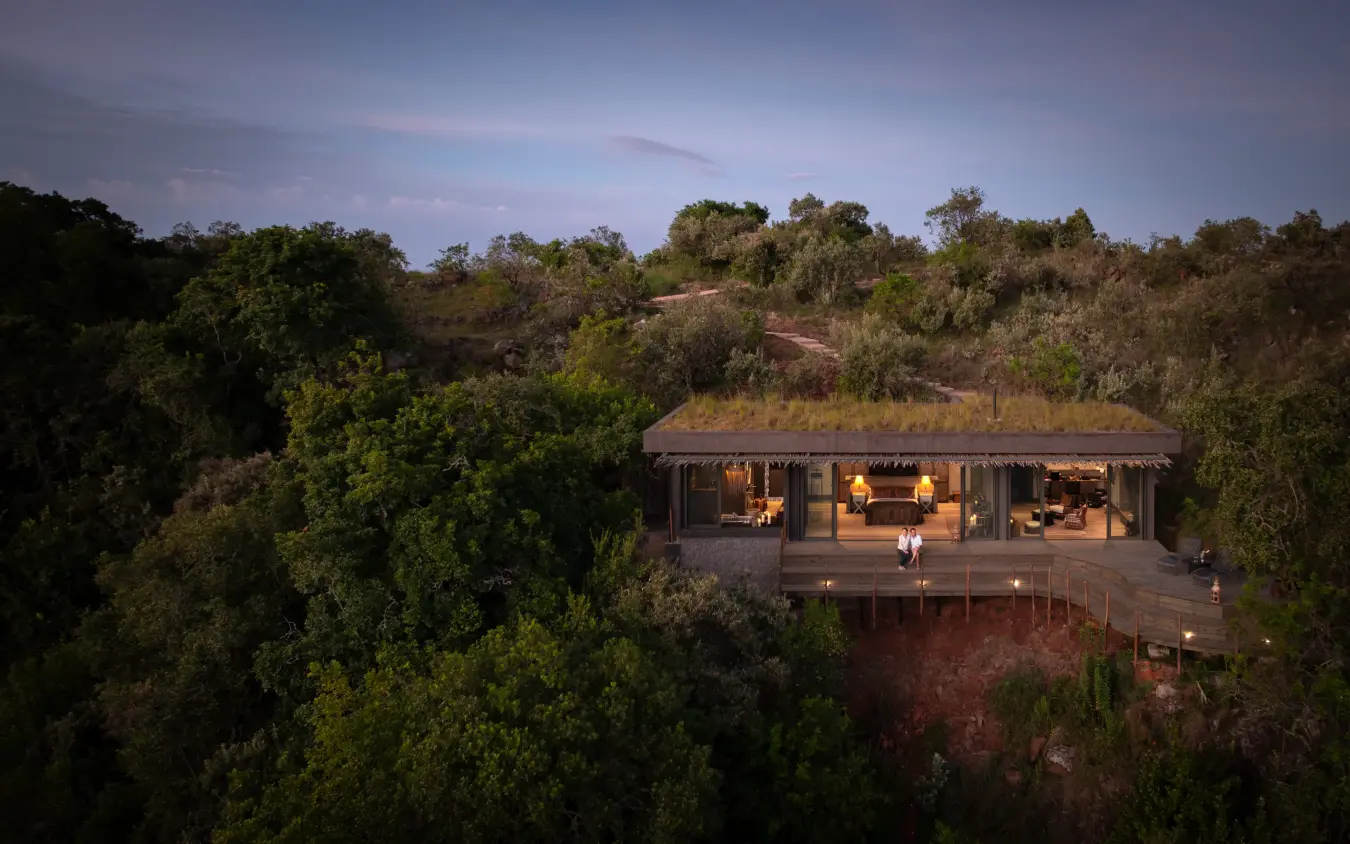
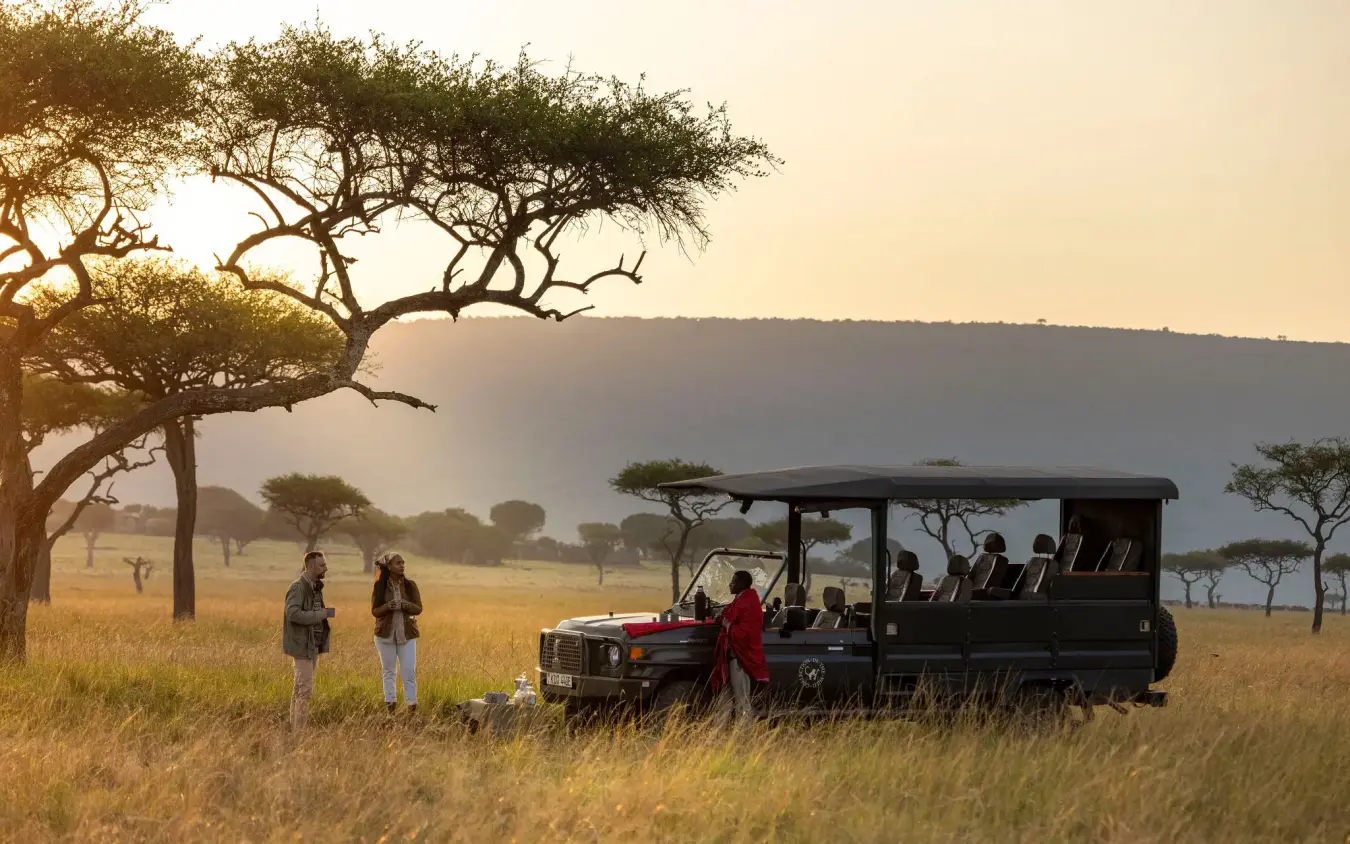
From Kileleoni Hill at the northern edge of the Maasai Mara you traverse the Enonkishu, Ol Chorro and Lemek conservancies, where vehicle numbers at sightings are capped, so a leopard or a pack of wild dogs is often watched by a single car. A sanctuary for orphaned rhinos sits at the foot of the hill, close enough to visit on foot. Taken by one group at a time, Wild Hill is built into the upper slope with stone quarried from the hillside and living grass roofs, its five suites facing the plains through floor-to-ceiling glass.
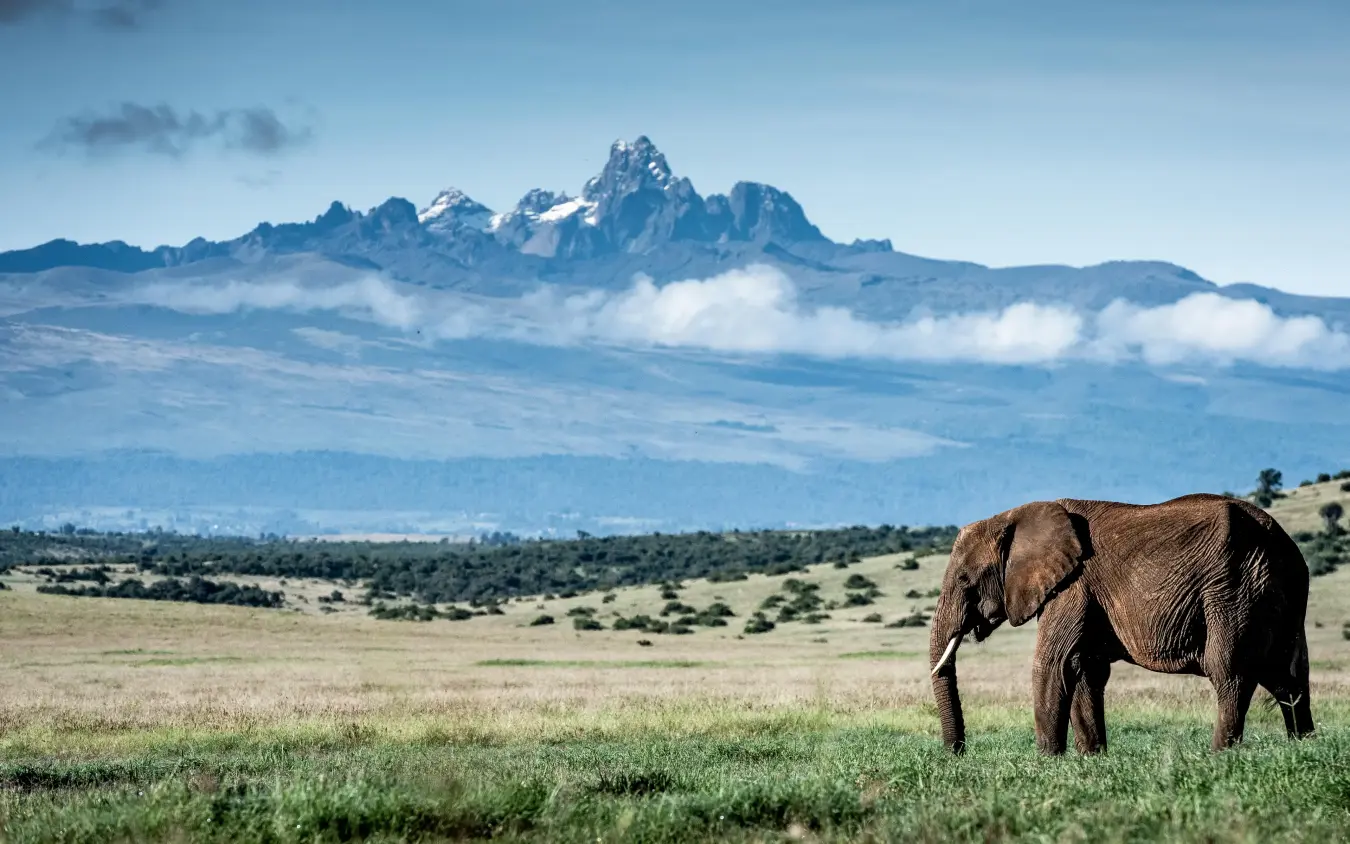
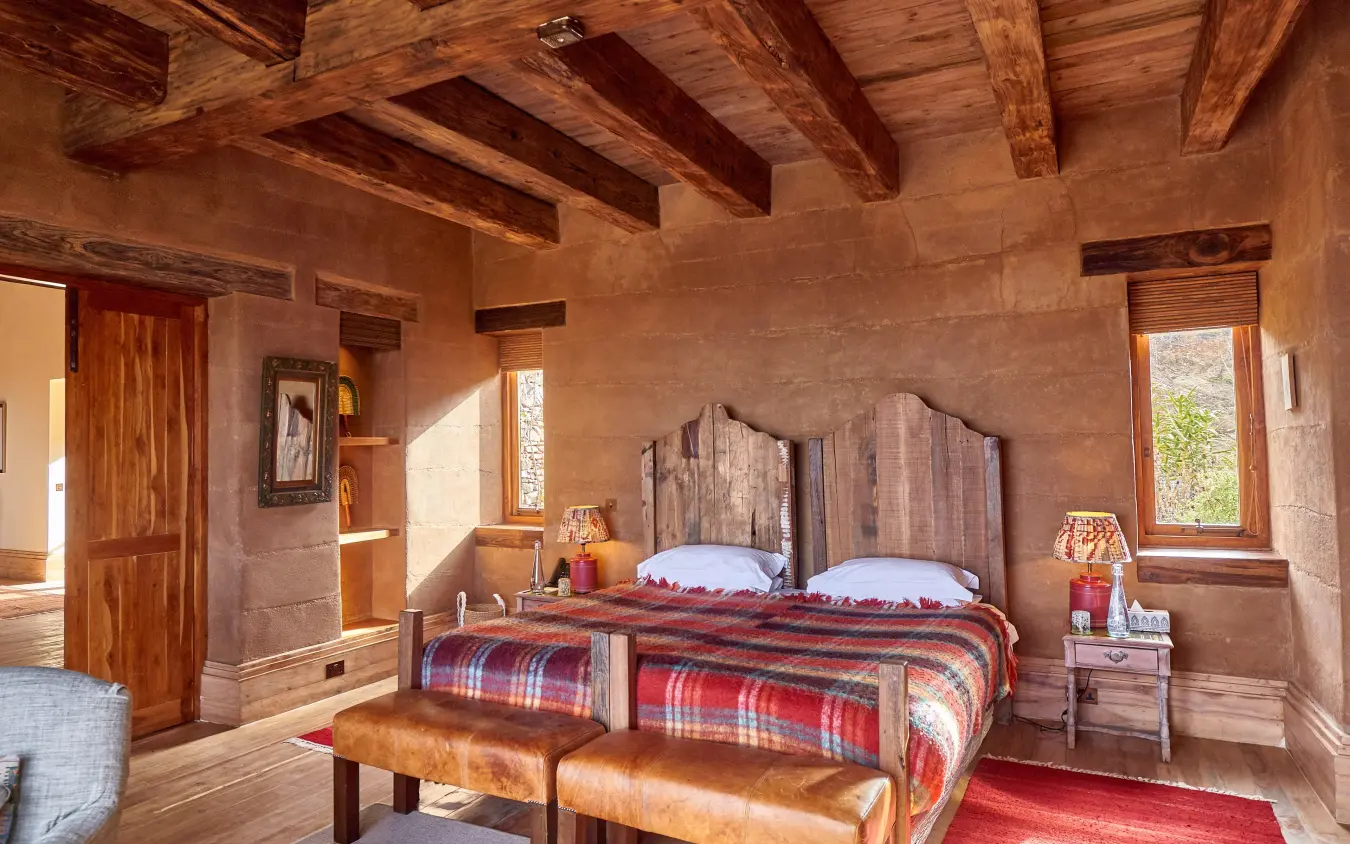
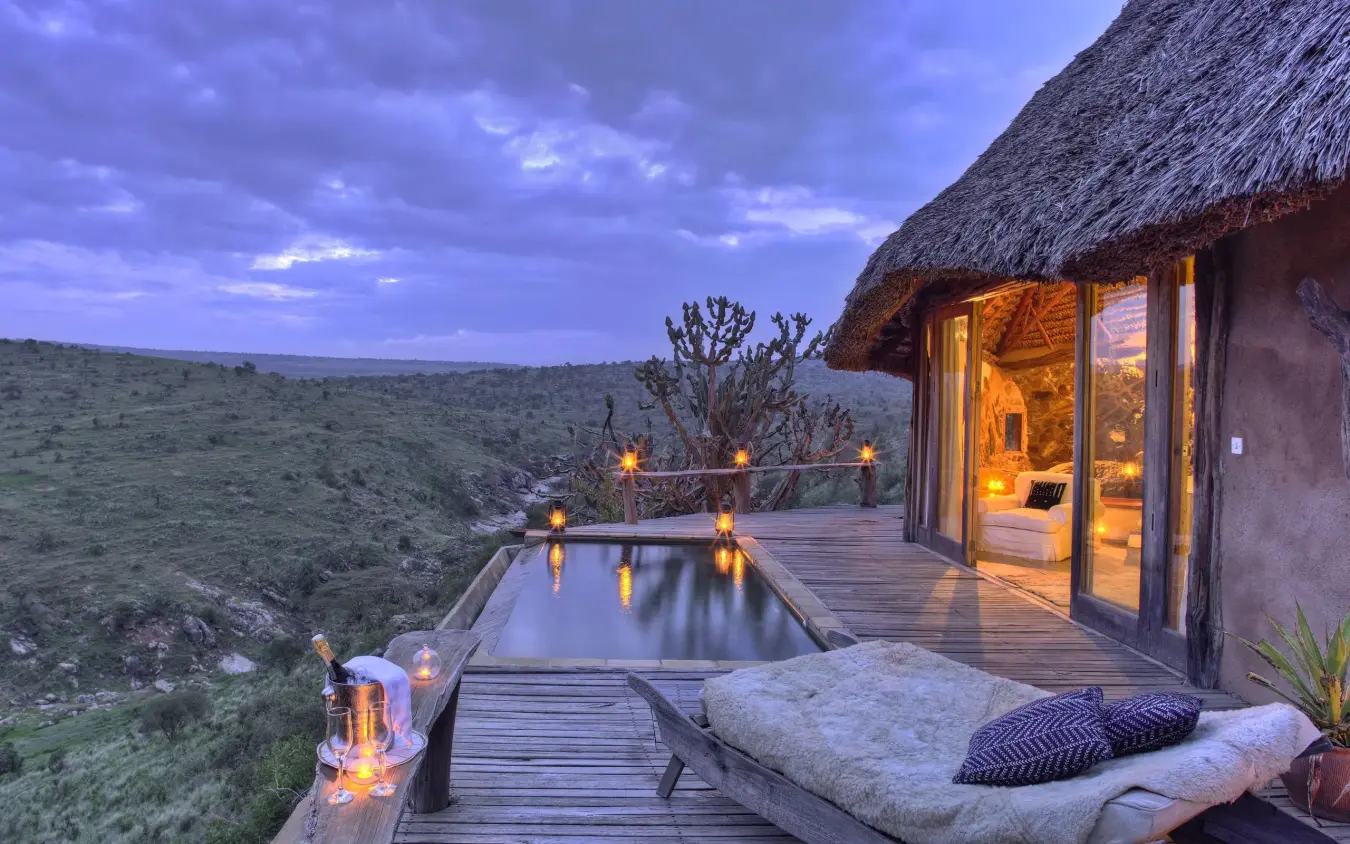
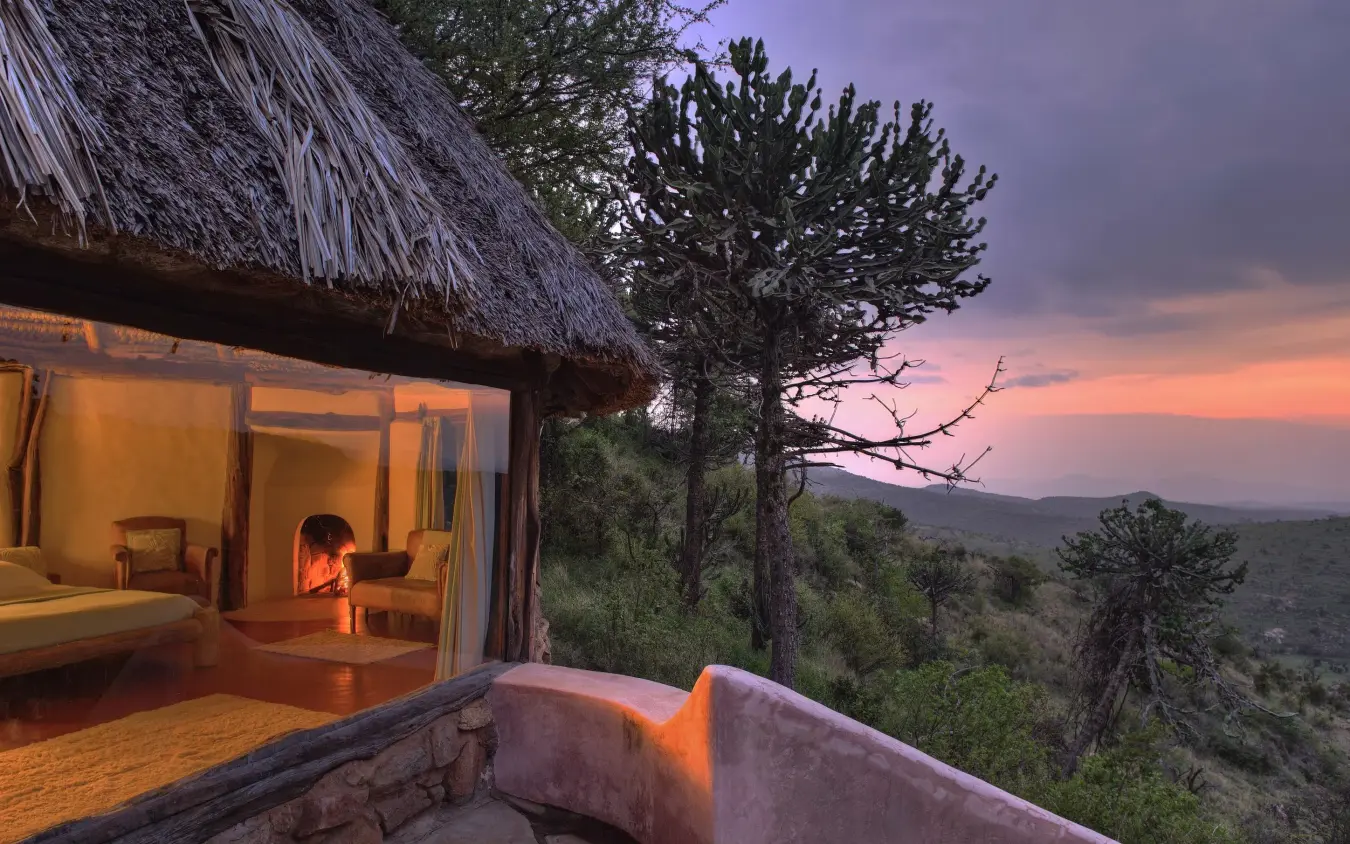
On Borana Conservancy in the Laikipia Highlands you track rhino on foot with the rangers who protect them. Borana is a working rhino sanctuary where black and white rhino roam alongside the rest of the Big Five, together with Grevy's zebra, reticulated giraffe and gerenuk. It shares an open boundary with the 62,000-acre Lewa Wildlife Conservancy, giving the wildlife more than 90,000 acres, and as a private conservancy it permits night drives and off-road tracking. Taken by one group at a time, Lengishu House stands on a ridge at around 2,000 metres facing Mount Kenya, with six bedrooms across four cottages.
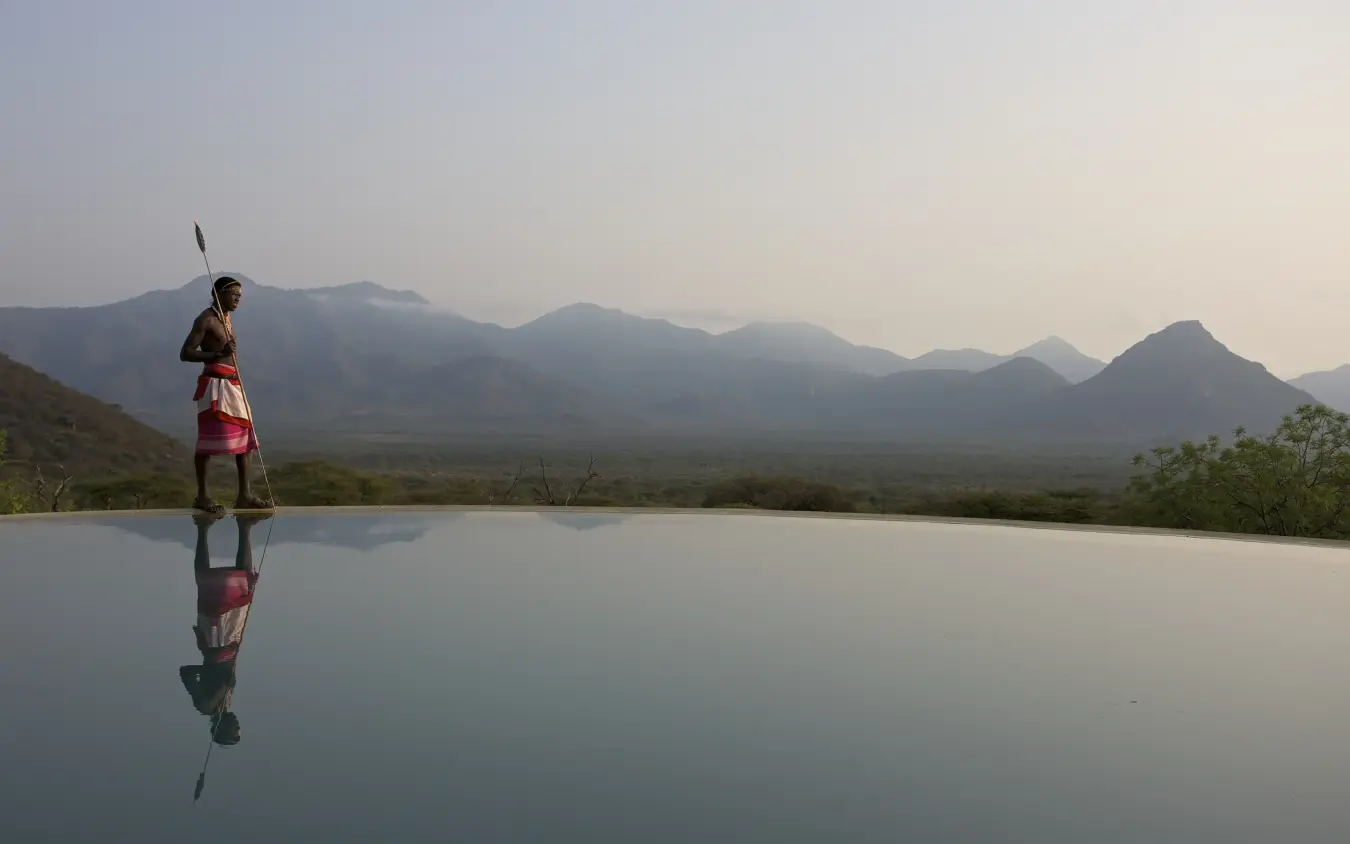
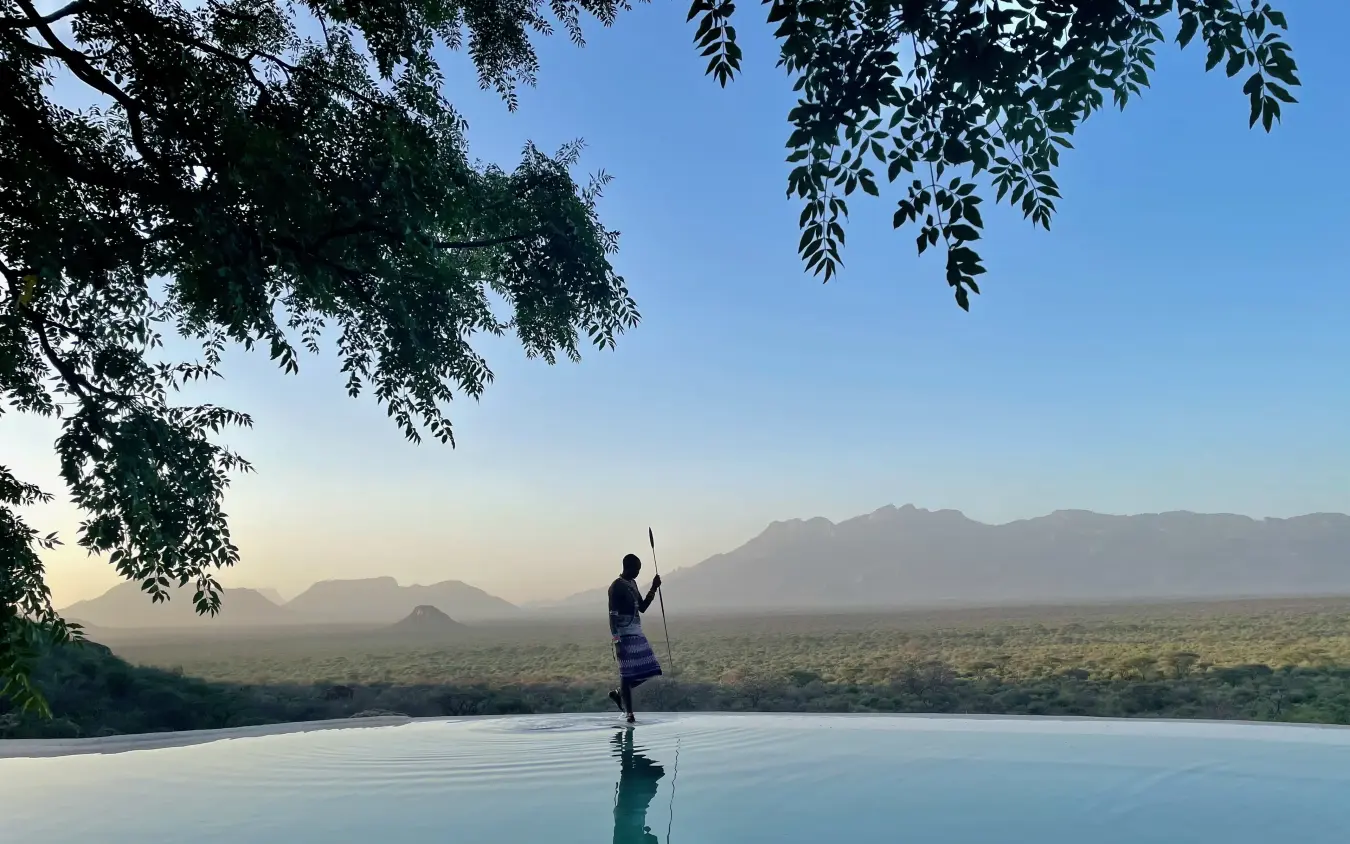
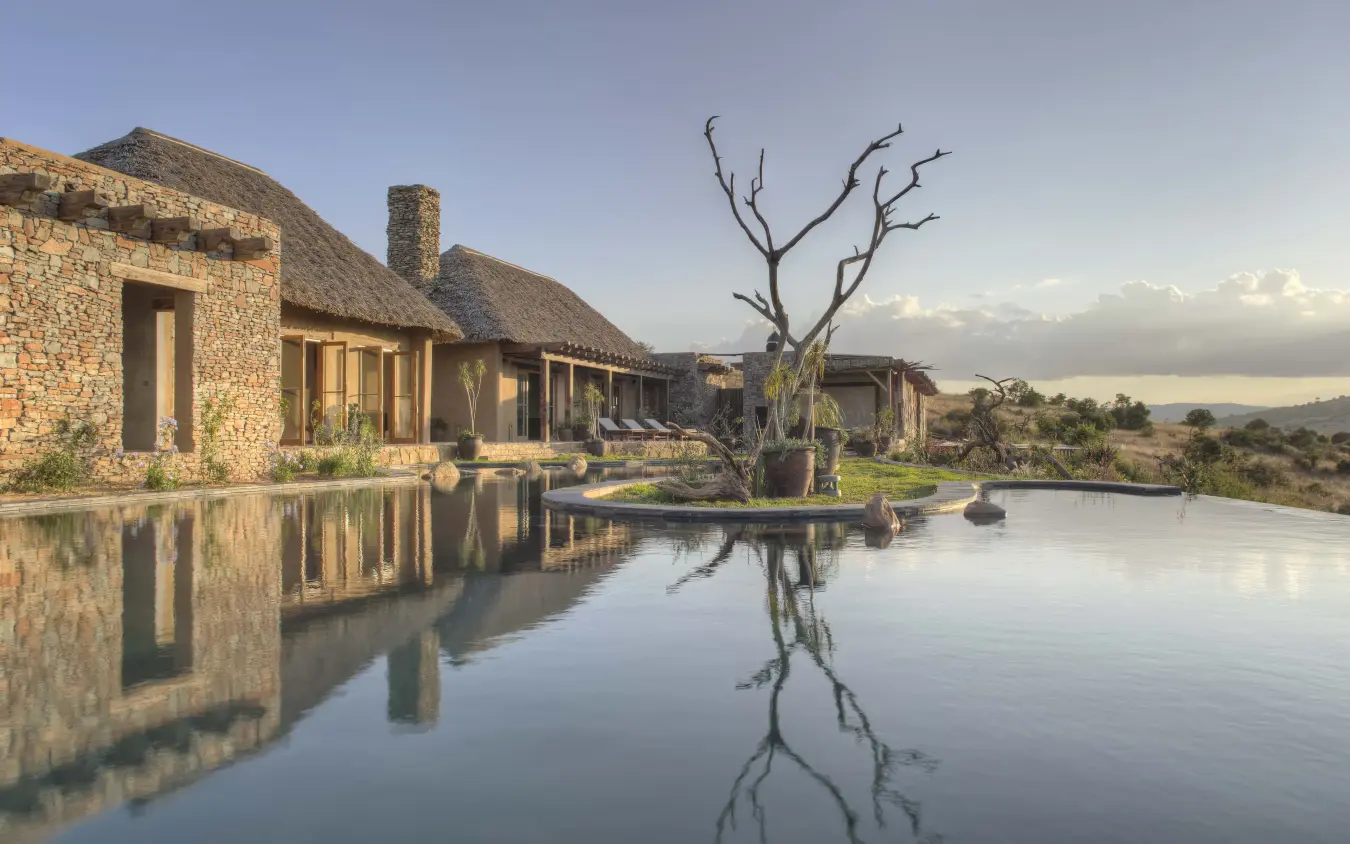
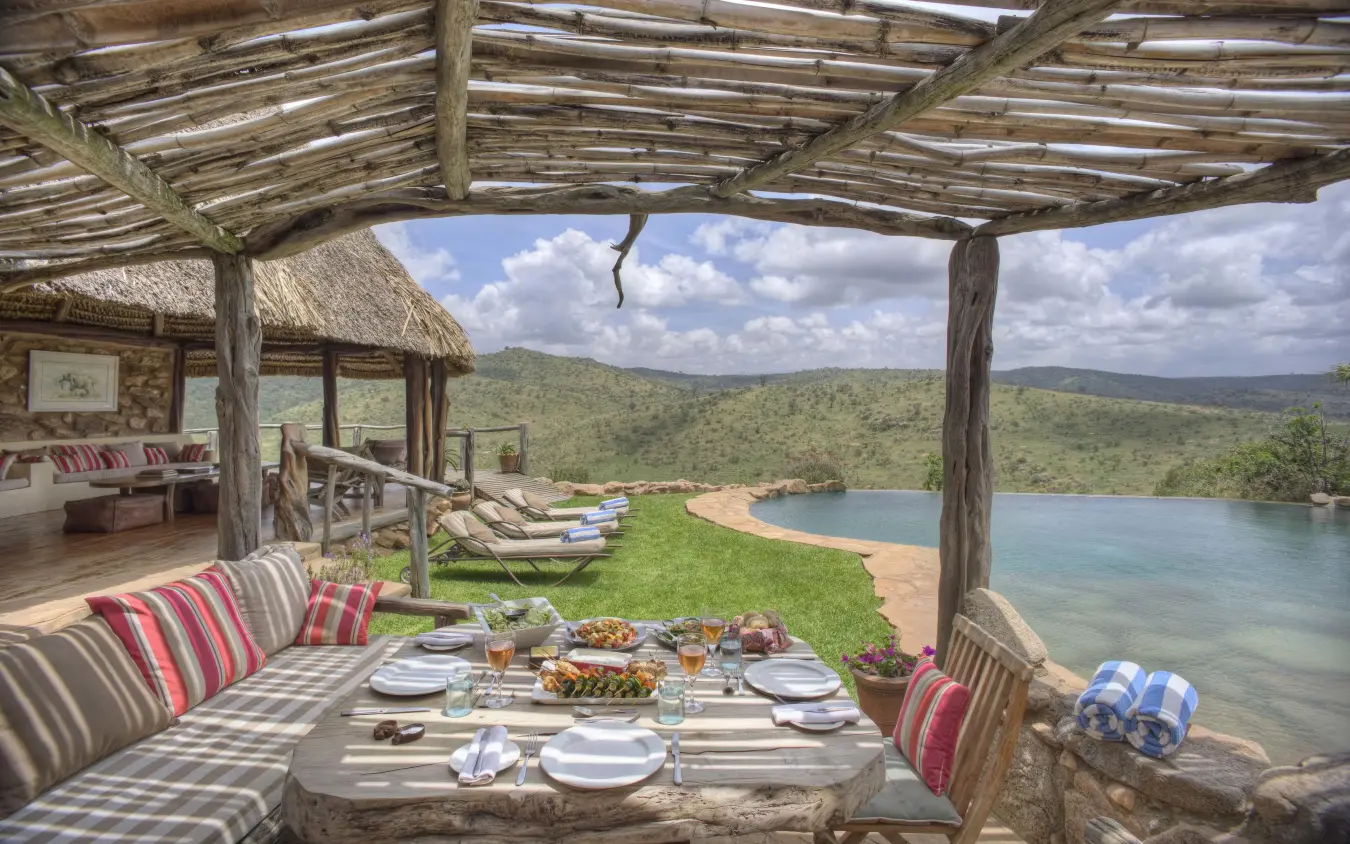
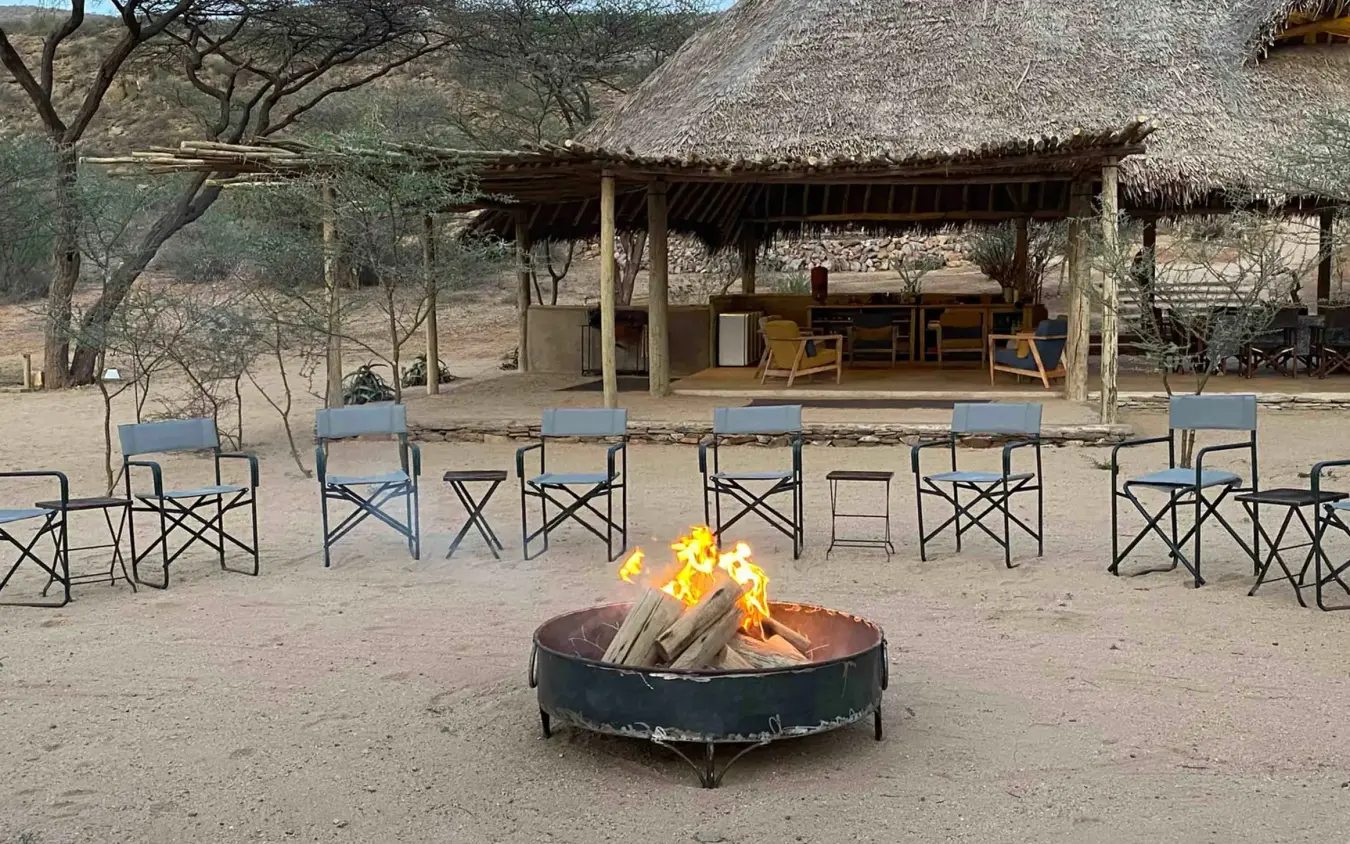
In the Namunyak Community Conservancy, spread across roughly 850,000 acres in the foothills of the Mathews Range, a large elephant population moves through redder, more open country. Below the lodge a waterhole draws wild herds, and most days the sanctuary's orphaned elephant calves are brought down to bathe and drink within sight of the pool. With patience you may find reticulated giraffe, Grevy's zebra and kudu. Held for one party at a time, Reteti House stands on a cliff edge a ten-minute walk from the elephant sanctuary, which is owned and run by the Samburu community.
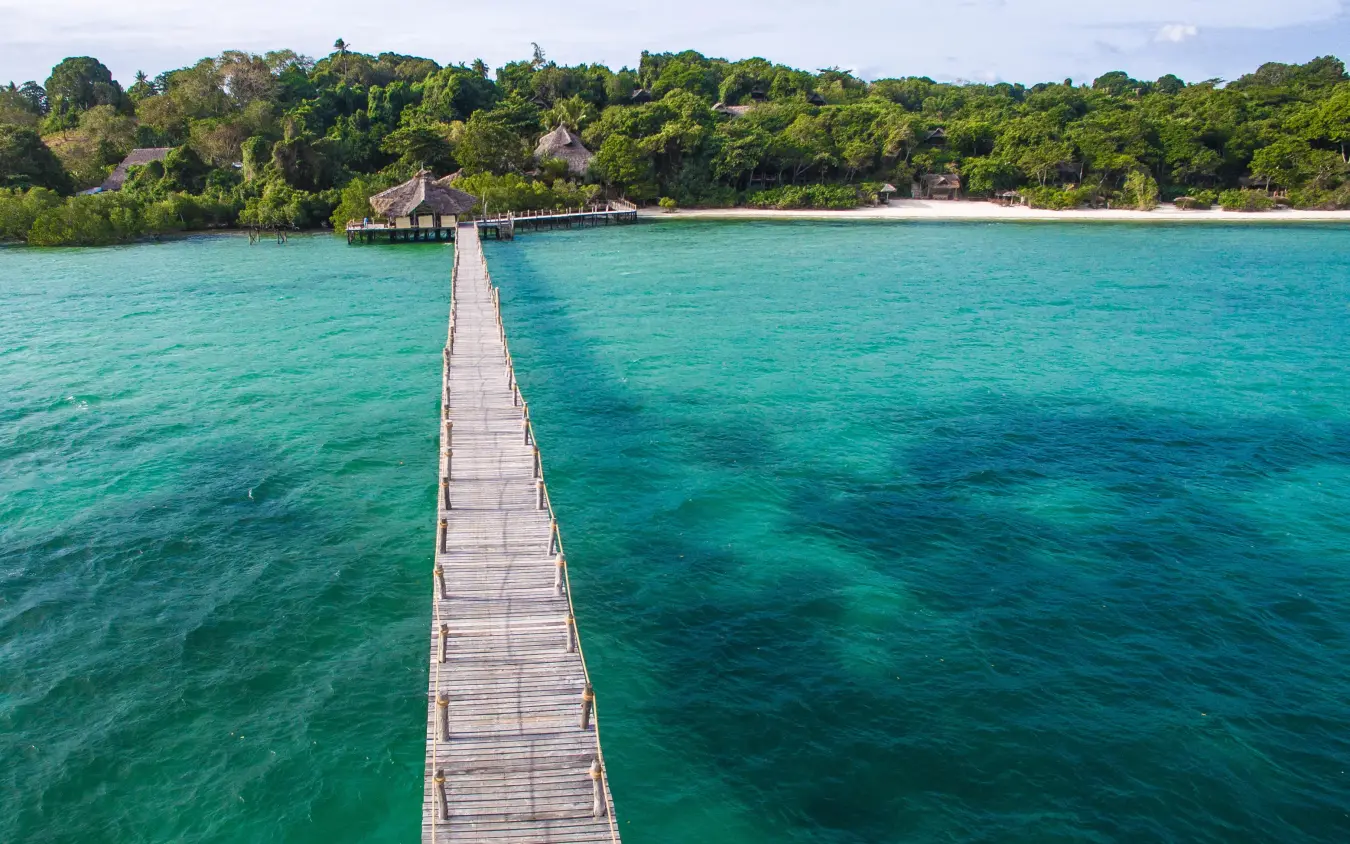
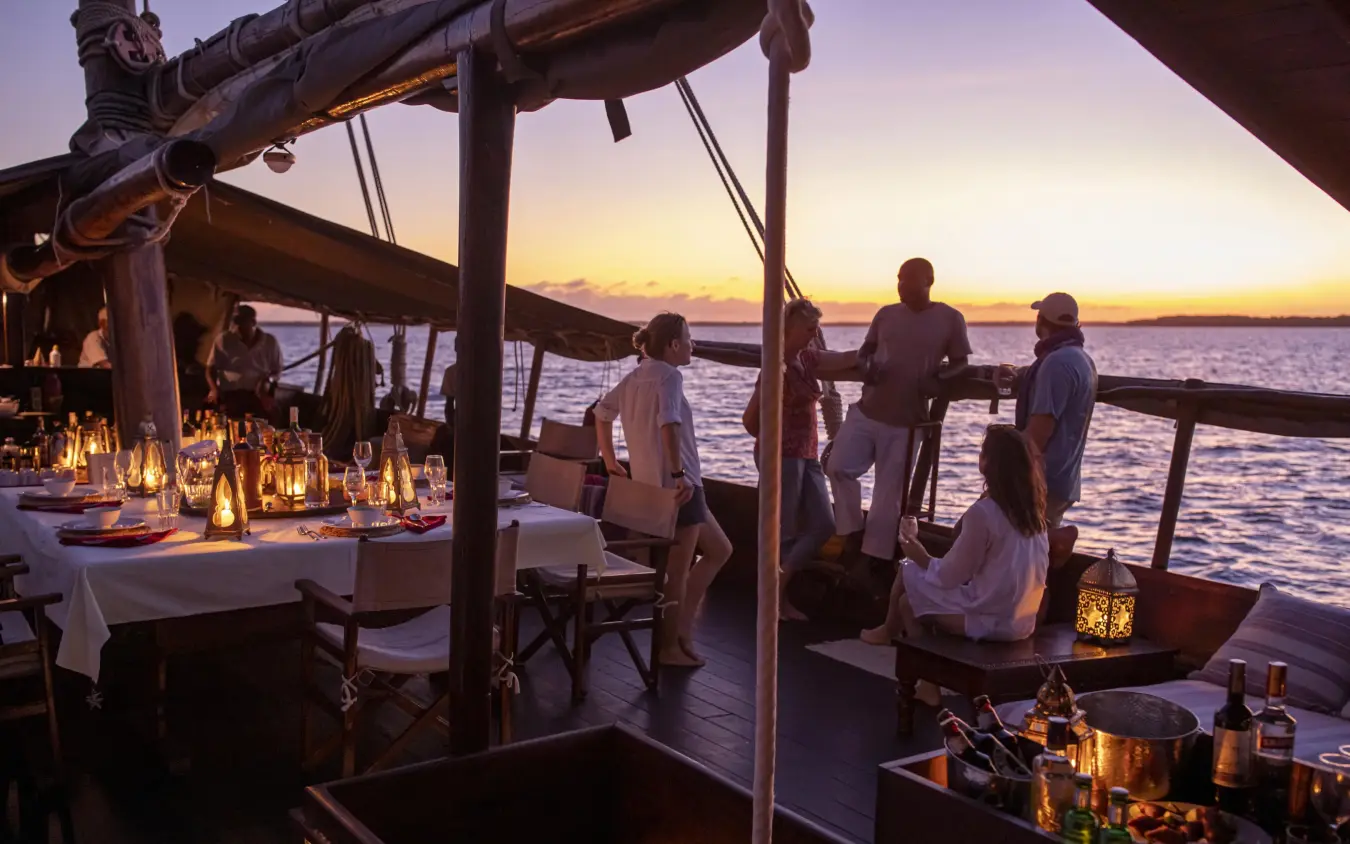
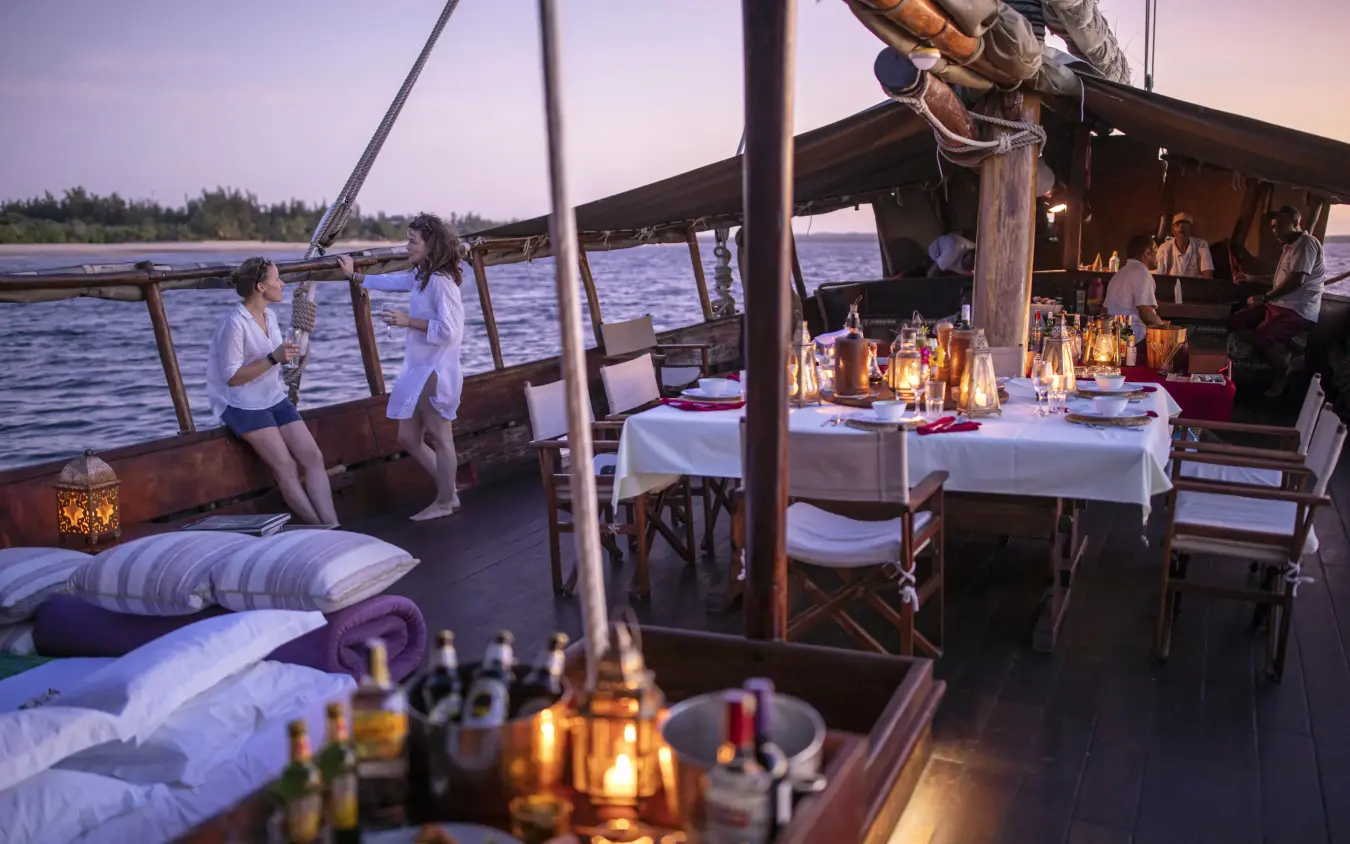
The Lamu Archipelago is a string of Indian Ocean islands off northern Kenya, and from Lamu, the oldest and best-preserved Swahili town in East Africa, the dhow sails to Manda, Pate and Kiwayu through turquoise water and mangrove creeks fringed by white-sand beaches. Days are shaped around the wind and the tide, giving way to snorkelling on coral reefs, deep-sea and creek fishing, water-skiing and paddle-boarding. You reach the boat by boat taxi. Tusitiri is a restored Swahili trading dhow more than fifty years old, taking up to ten guests on an exclusive-use basis, where every guest sleeps on a star-bed laid out on the open teak deck.
That the staff, the guide, the vehicle and the timetable are yours alone.
Four of the five stays on this route are let to one party at a time: Wild Hill, Lengishu, Reteti House and the dhow.
There are no set meal times, no strangers at the table or in the vehicle, and nobody else to be back for, which matters most to a family or a group of friends of mixed ages and energy. Some can track rhino at dawn while others sleep in.
At Wild Hill that team runs from a host and a chef to a wellness specialist and a private guide with vehicles. Lengishu sleeps up to twelve in six bedrooms, with a bunk room for under-twelves beside one of the cottages, and Reteti House can take sixteen.
Houses set minimum stays, and Lengishu's is three nights, which this route already exceeds. Each house can hold only one booking for any date, so the houses are what we secure first.
You go out with the people who do it every day.
Each day starts with Borana's rangers walking out to check on the conservancy's rhino one by one. Guests of Lengishu can go with them, learning how to follow a track, how one animal is known from another and how to move safely through the bush.
Finding rhino is likely but never certain. Borana and neighbouring Lewa hold them as one population, last counted at 273 in March 2025, 130 of them black and 143 white, across more than 90,000 acres.
White rhino feed on open grass and are usually the first you meet. Black rhino browse in denser cover, so expect a longer search.
With four nights at Lengishu there is time for more than one attempt, and the same animals can be looked for from the vehicle, night drives included. If children are travelling, tell us their ages and we will ask the rangers whether they may join the walk.
No, and that is deliberate.
Reteti exists to return orphaned calves to the wild, so it allows only the keepers to handle them and keeps contact with other people to a minimum. Visitors watch the bottle feeds from a viewing area.
What staying at Reteti House changes is access. The sanctuary's open session is at midday, while its sunrise and evening feeds are kept for guests of Reteti House and its sister lodges. The house is a ten-minute walk away, and the lodge also speaks of time behind the scenes with the keepers.
The orphans use the waterhole below the house too, alongside wild elephants. Every visit has to be booked at least a day ahead, which we arrange. The sanctuary opened in 2016 and is owned by the Namunyak community.
It is camping at sea, done comfortably, and it is worth being sure everyone in the party likes the idea.
There are no cabins to sleep in. After dinner the crew lay out bedrolls made up with white linen on the open deck, and everyone sleeps there under the stars.
Below deck are two dressing rooms, one with wash basins and one with hanging space for each guest and two day beds, and a flushing lavatory. On deck there is a traditional dhow lavatory and an open-air shower with warm water.
The crew is large for a boat that takes ten guests at most, with eight Bajuni sailors, a chef and a waiter, and the dhow carries snorkelling equipment, water-skis and a wakeboard. Power comes from solar panels with a generator in reserve.
The owners ask anyone thinking of bringing a child under five to speak to them first, so tell us early.
Only two months, January and February, carry our top rating for every stop on this route, with dry conservancies inland and calm, clear water for snorkelling from the dhow.
July to September are just as good for the four safari stops and bring the wildebeest to the Mara, but on the coast they are the months of the Kusi wind, which suits sailing more than snorkelling. October is the other month to look at, with clear water at Lamu and good game in the Mara, though showers are possible in Laikipia.
The long rains take April and May off the list. The dhow is also normally out of service for maintenance from May to July, so a trip then would need a different ending on the coast.
March, June, November and December are in-between months, quieter and lower in price with young animals about inland, but two carry a warning on our own pages: March is rated challenging in the Mara and November challenging in Laikipia.
Ed Charles, BBC Producer
Fitzroy are true specialists in accessing the wilderness. They know where to go and importantly, when to go there. Highly recommended.
kenya
Twelve nights across Kenya by helicopter, from the Borana rhino conservancy over the Suguta Valley to Turkana, then Laikipia and the Kilifi coast.

kenya, rwanda & tanzania
Eleven nights linking Rwanda's mountain gorillas, the Maasai Mara conservancies and the diving reefs of Pemba Island.

kenya & tanzania
Twelve nights linking Nairobi, the Samburu-owned Namunyak Conservancy, the Maasai Mara and Tanzania's Ndutu plains.
rated five stars by our clients

our approach
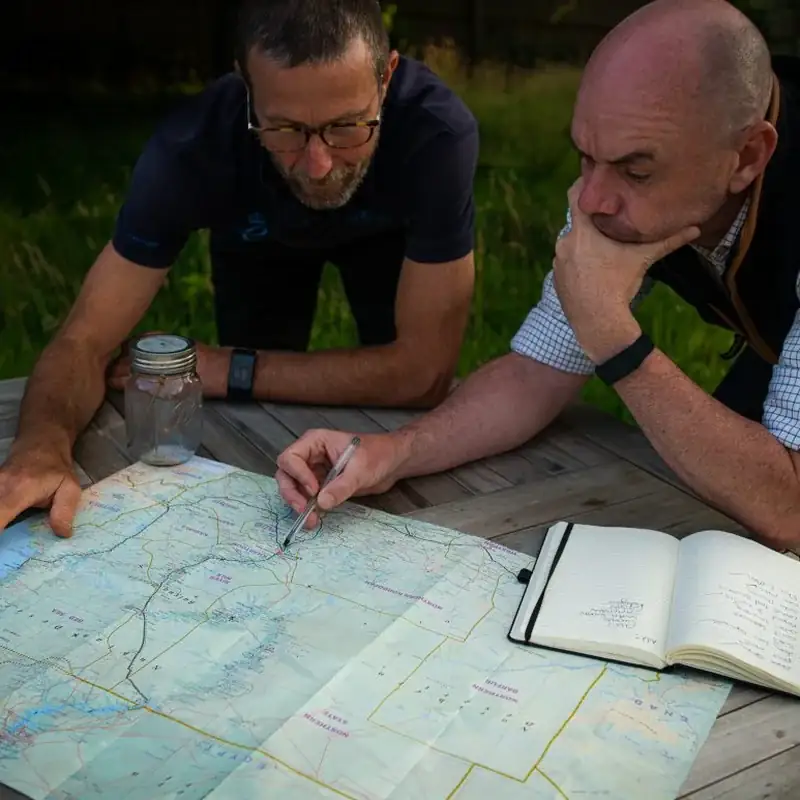
Every journey starts with a conversation. We take the time to understand your vision before we start planning.
Whether by phone or in person, we work with you directly to shape something that is considered, personal, and expertly delivered.
Every journey starts with a conversation. We favour a direct, personal approach: understanding your vision before anything else.
Whether by phone or in person, we work with you directly to shape a journey that is both thoughtfully considered and expertly delivered.
Get in touch to start planning yours.