Boat

Tusitiri Dhow

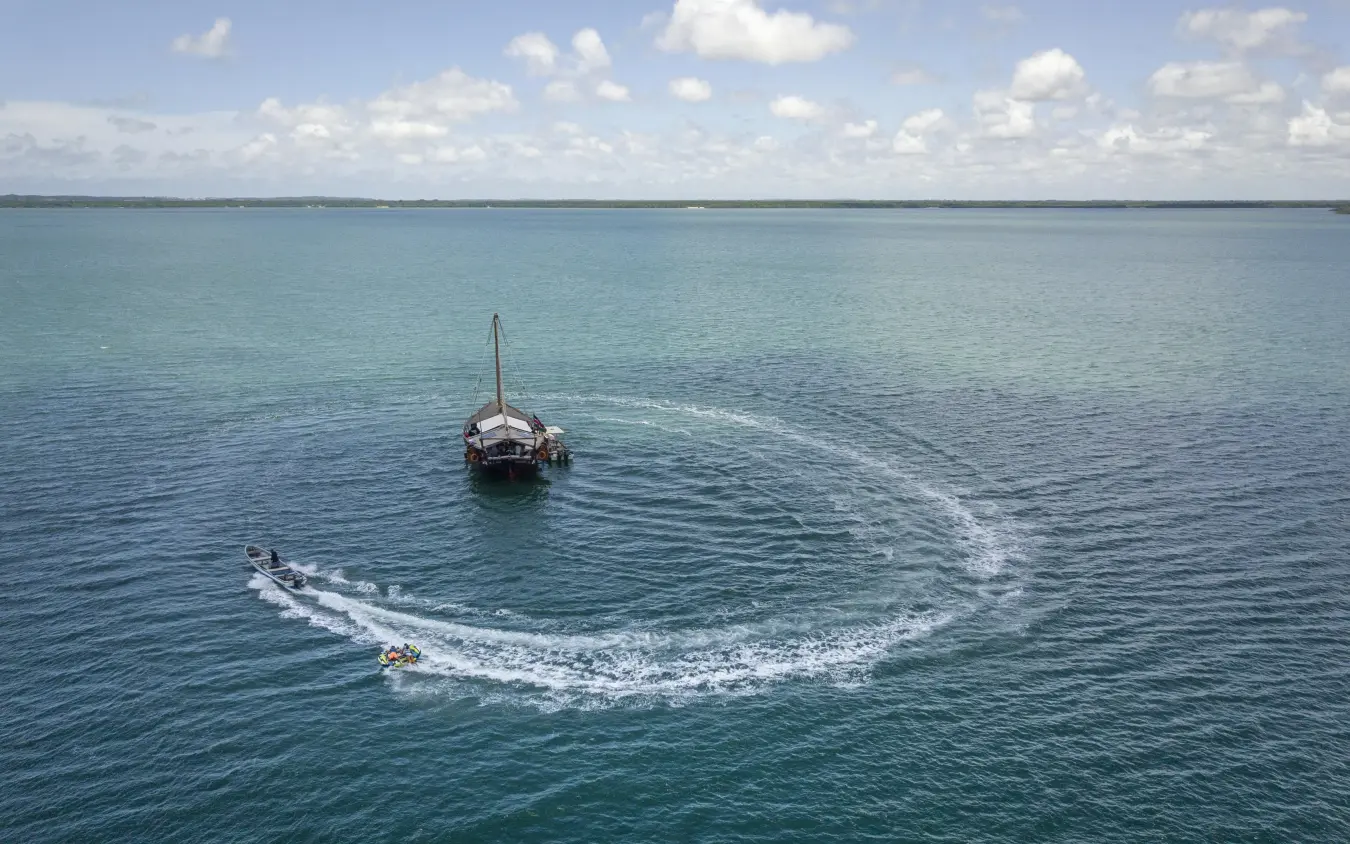
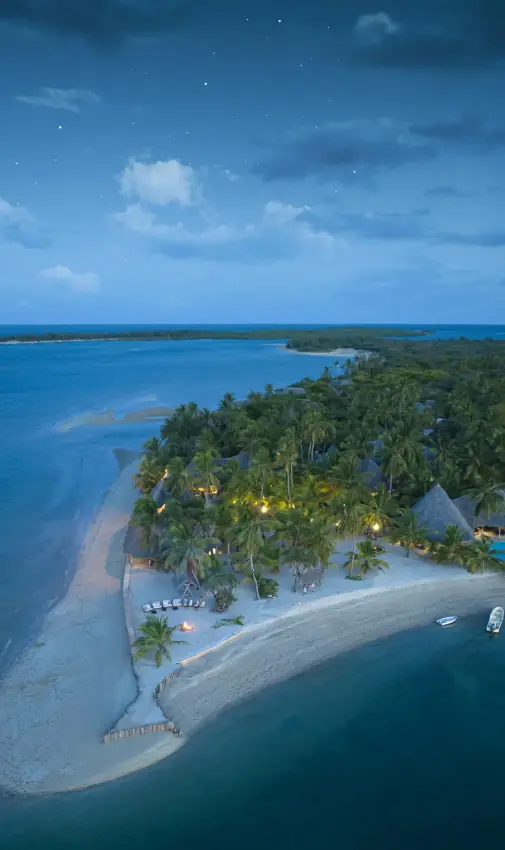
Tusitiri Dhow is a restored Swahili trading vessel in Kenya’s Lamu Archipelago, where every guest sleeps on deck beneath the stars.

Country: Kenya
Location: Lamu Archipelago
Sleeps ten aboard

A Live-Aboard on the Swahili Coast

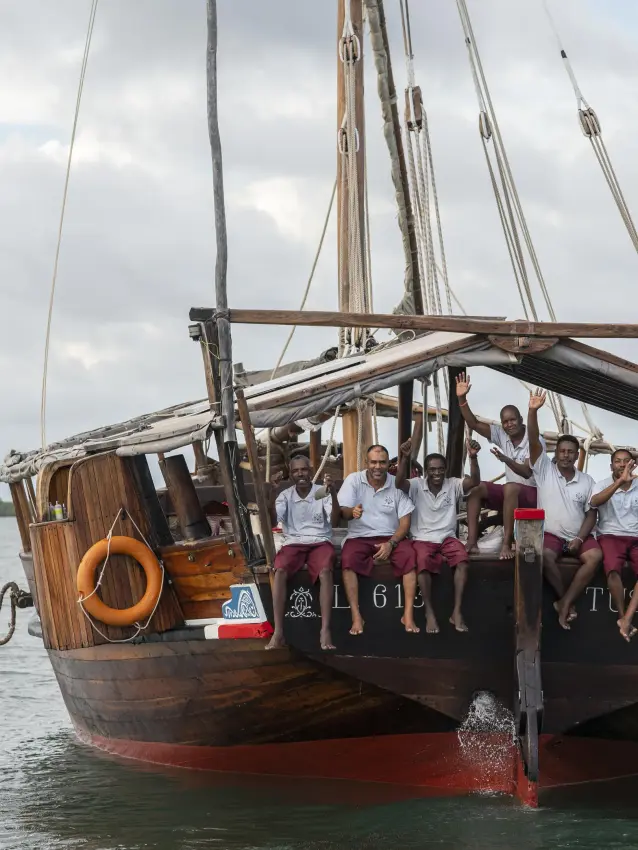
Tusitiri was hand-built in Lamu as a working trading dhow more than fifty years ago. By the late 1980s she lay as a forlorn skeleton on a beach, until a Norwegian family, the Astrups, recovered her and rebuilt the vessel with local craftsmen. Their connection to Kenya spans some thirty years, and the dhow has become the family’s coastal home.

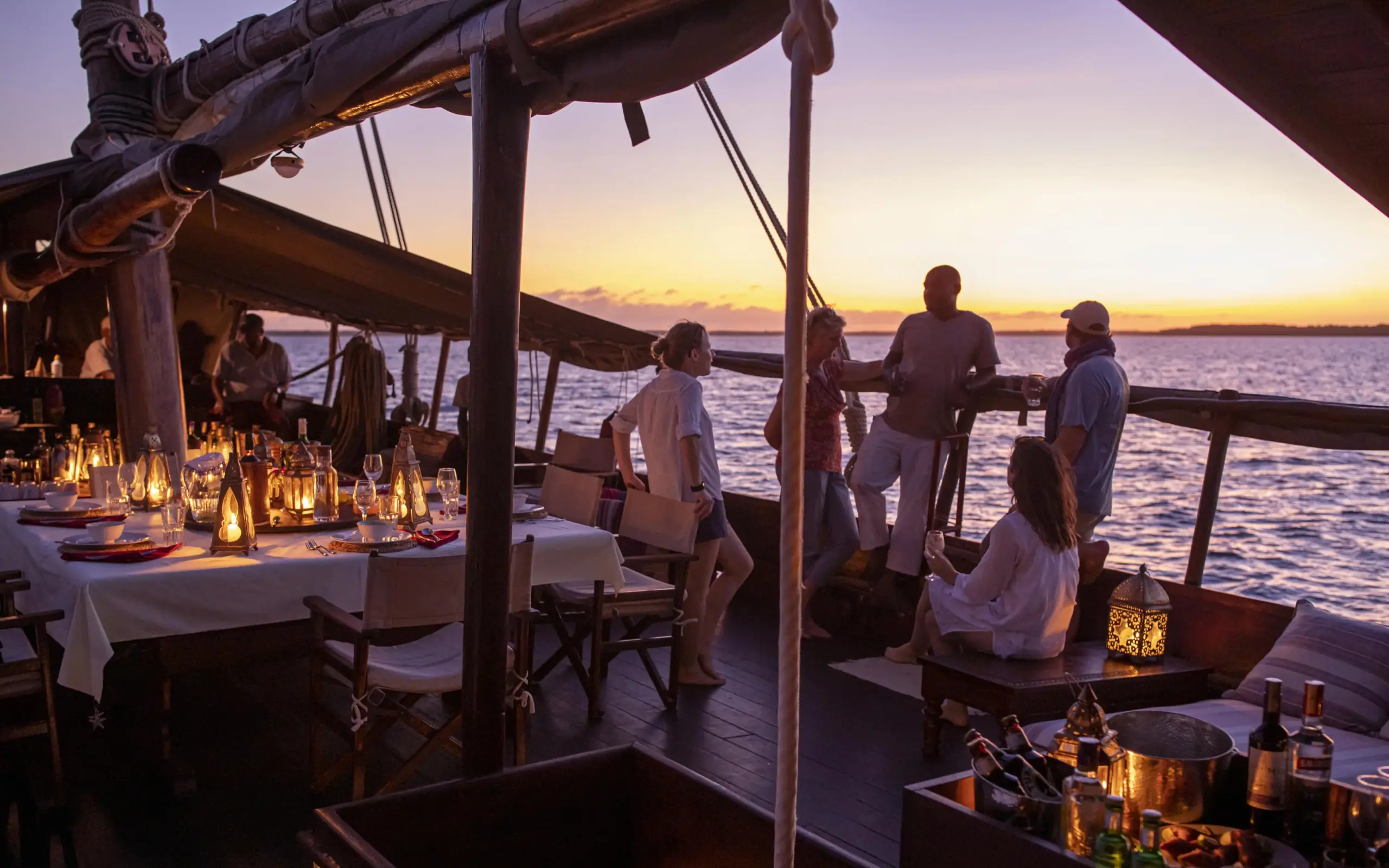
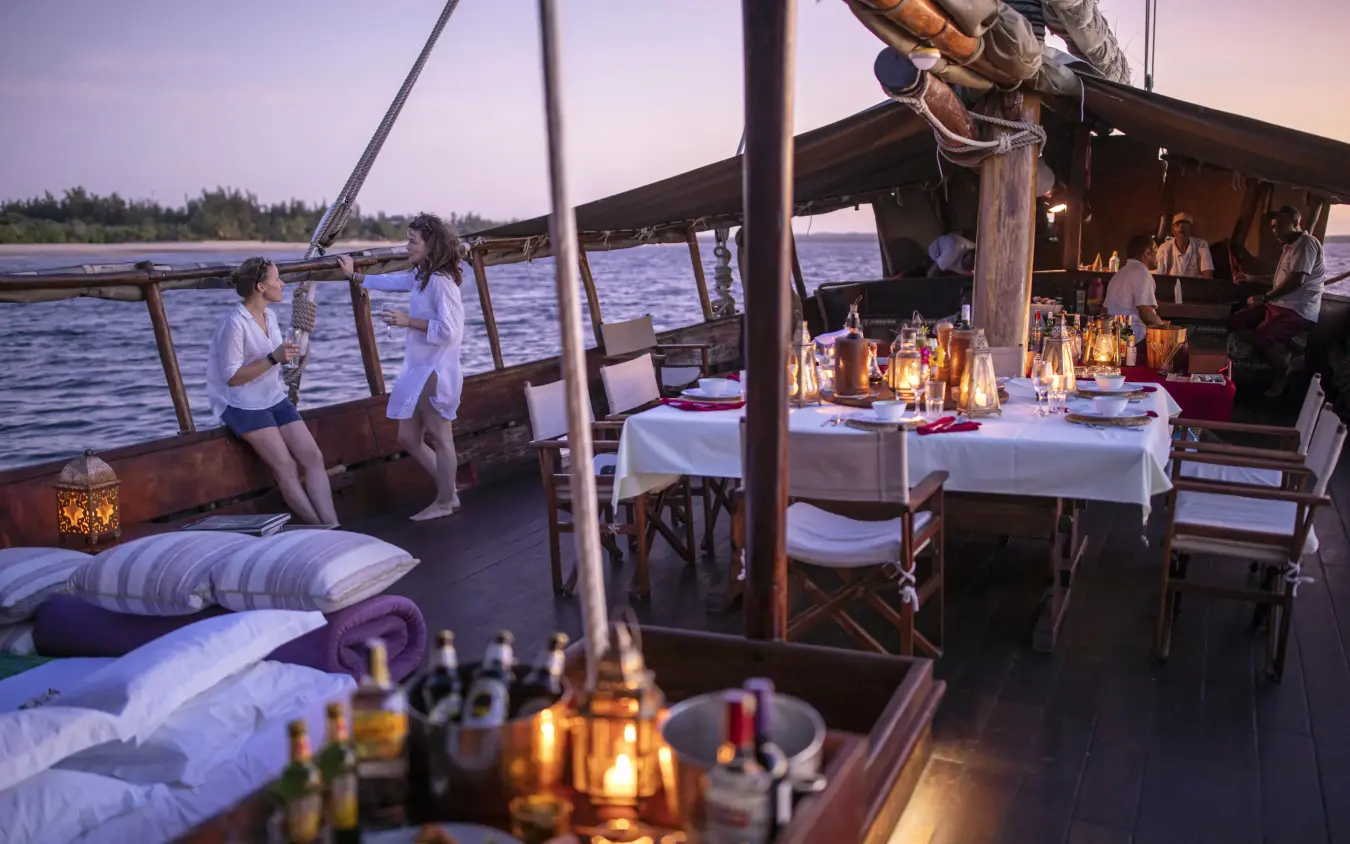
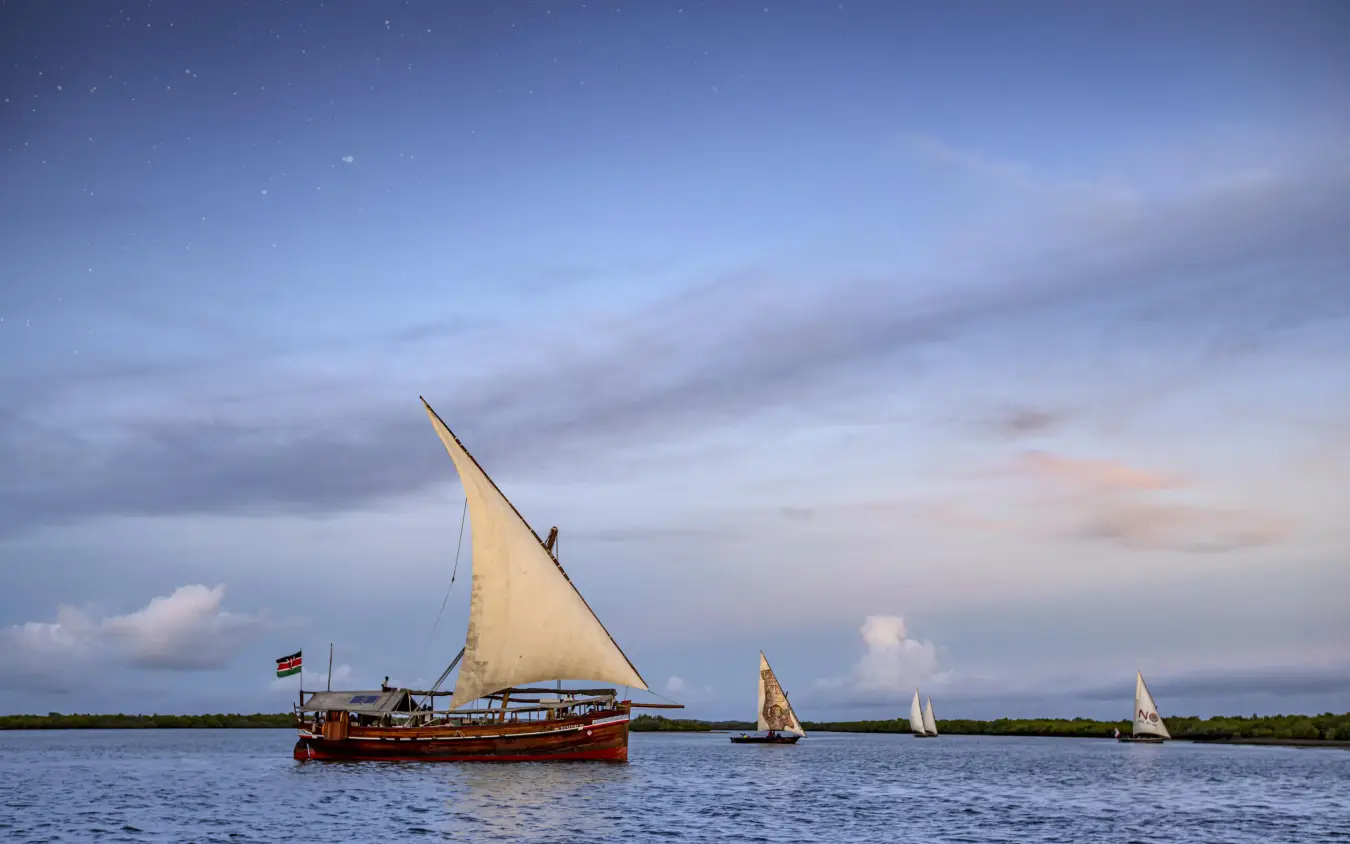
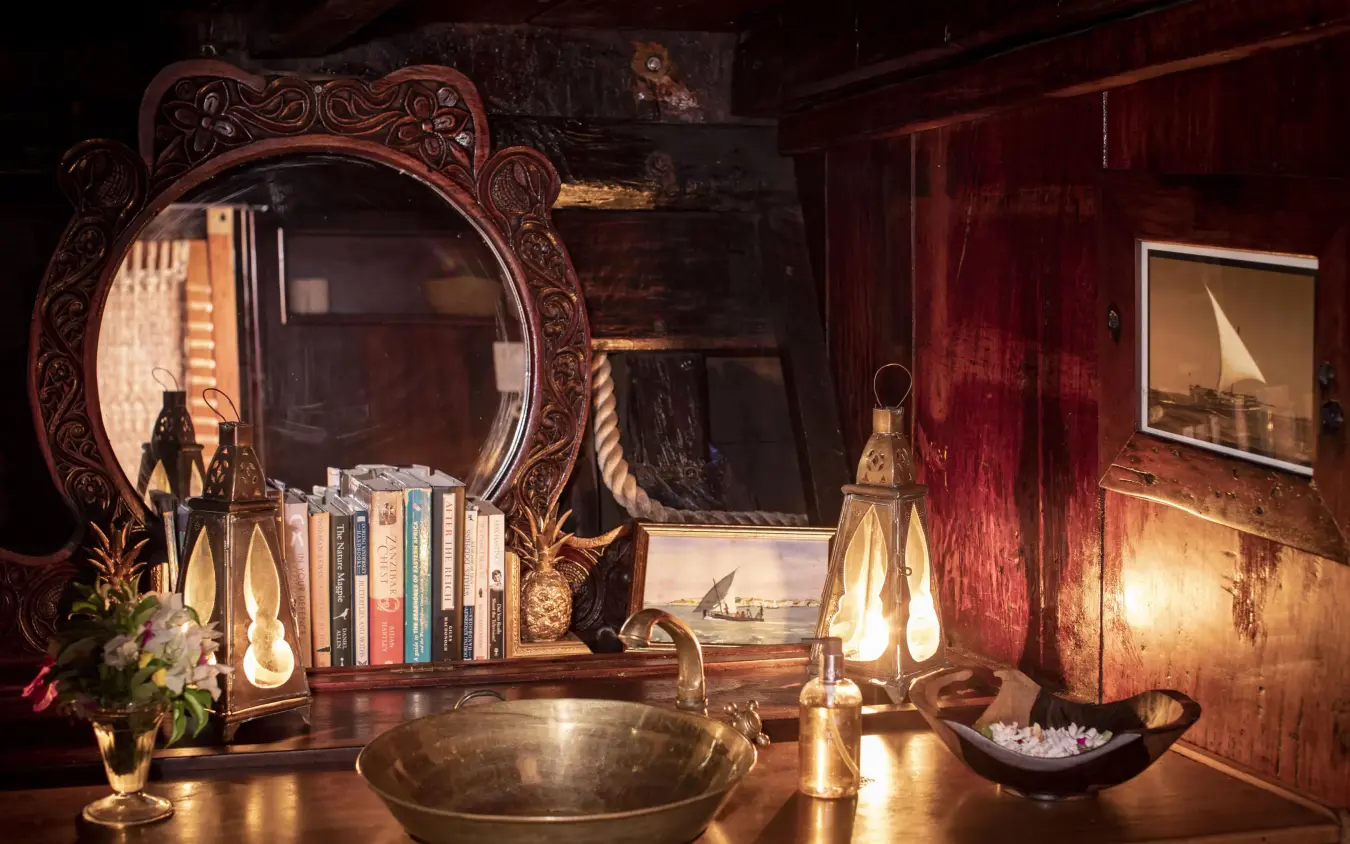
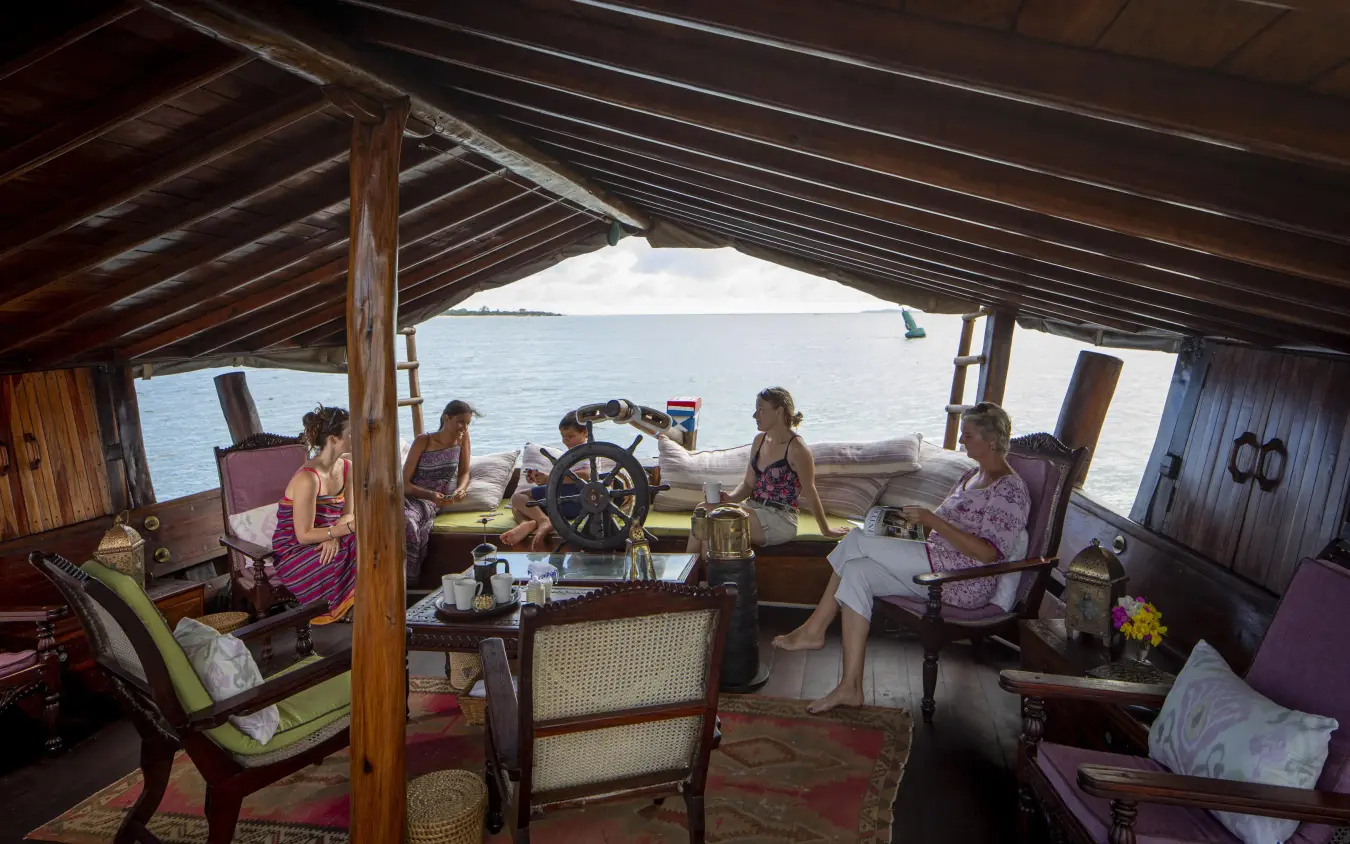
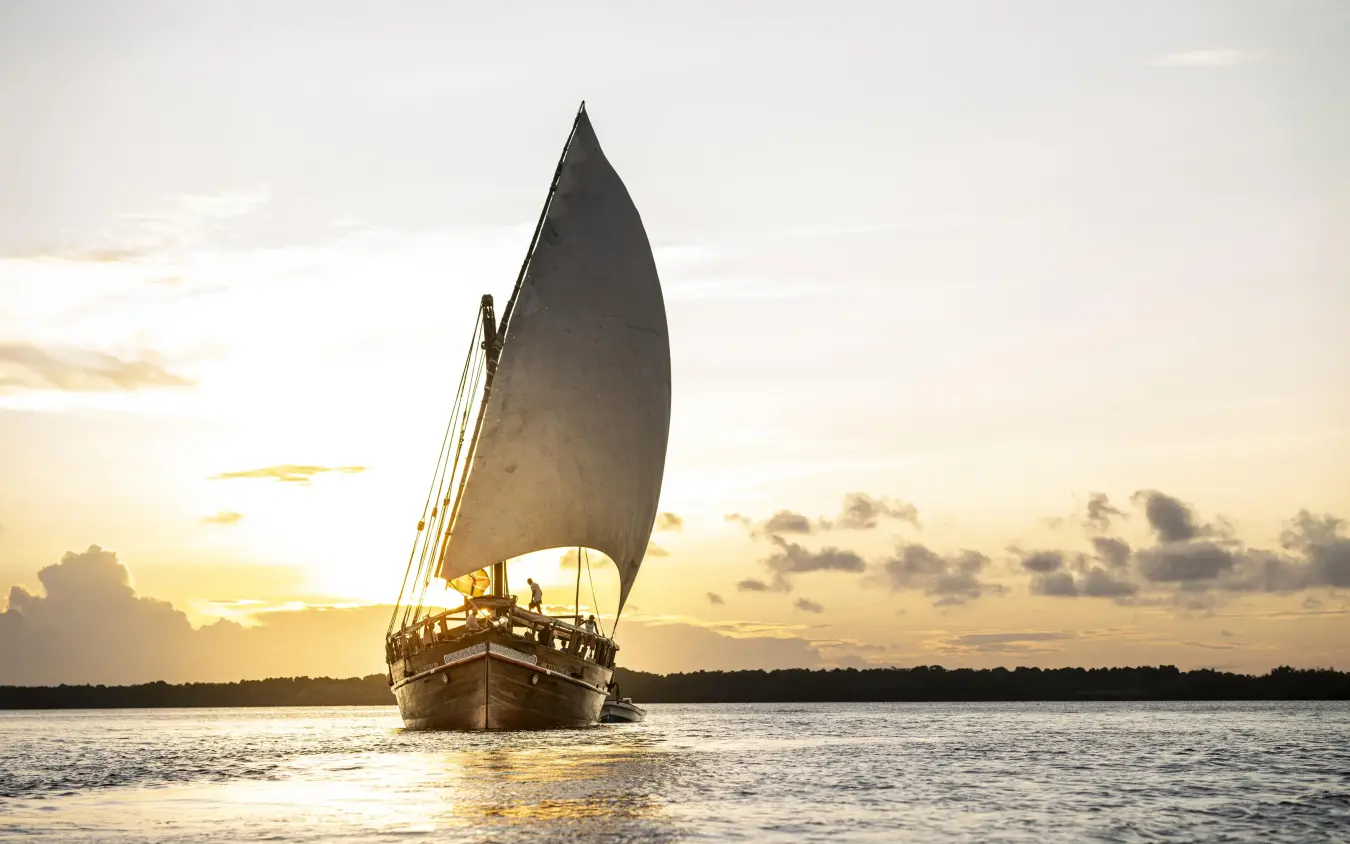
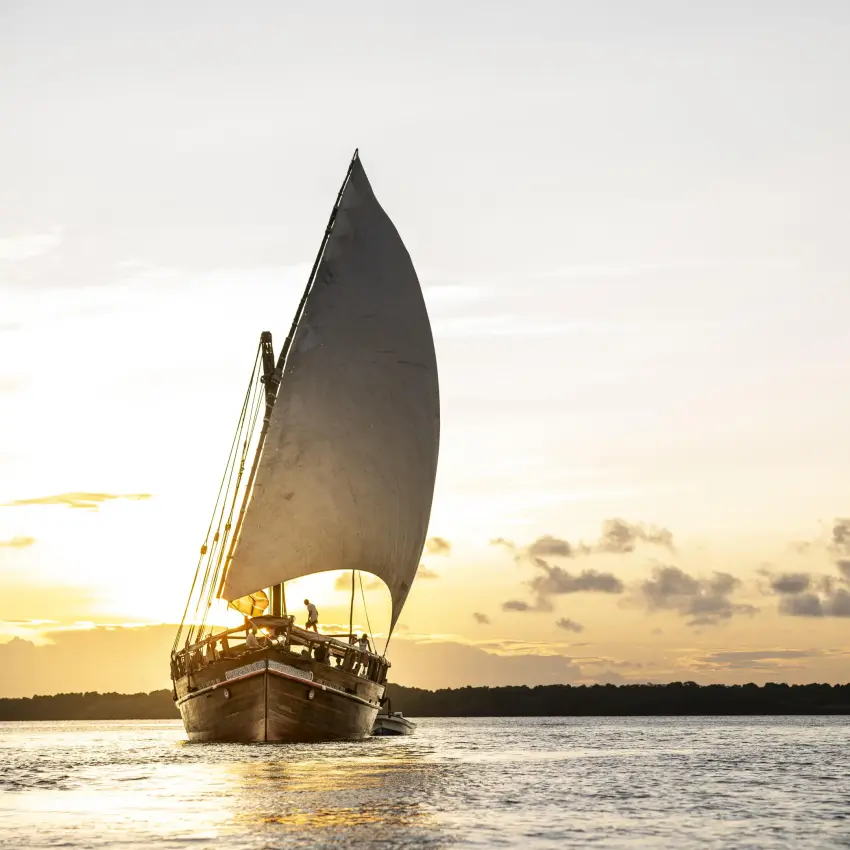
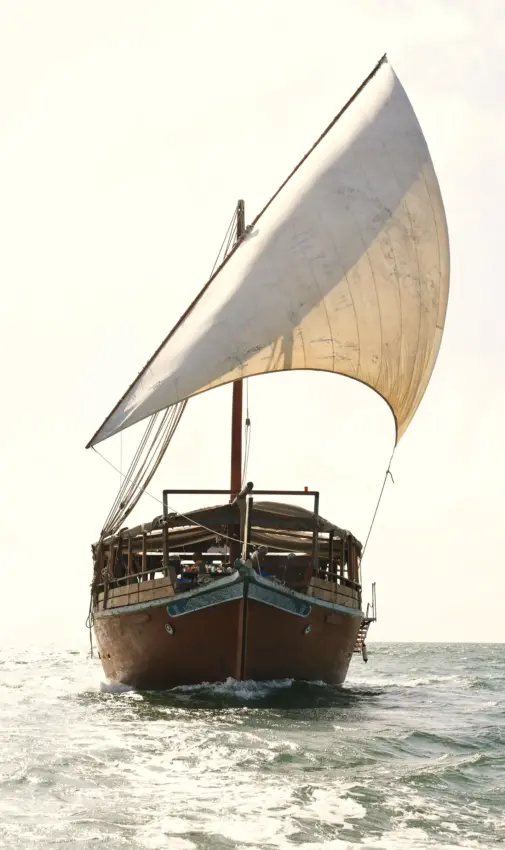
The restoration kept the boat true to its origins. This is one of East Africa’s last large trading dhows, a lateen-rigged vessel of polished teak rather than a craft built for tourism. Zanzibar chests, Persian rugs and brass lanterns furnish the deck, and the dining table is built around the solid wooden mast.
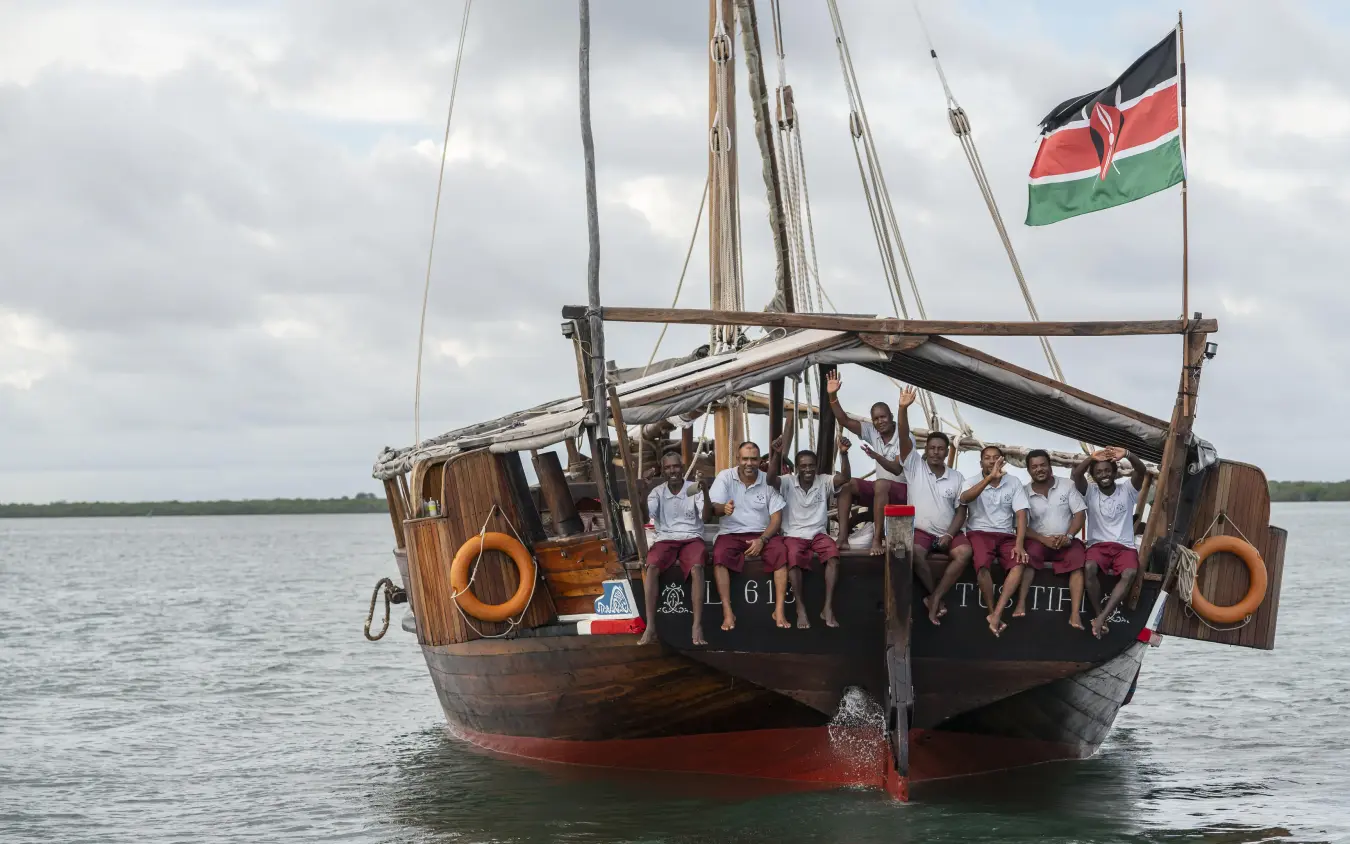
Continuity runs through the crew. Mia Miji and his wife Kirsty run the boat, overseeing eight experienced Bajuni sailors whose seamanship has passed down through generations, many of whom have sailed aboard for over twenty years.

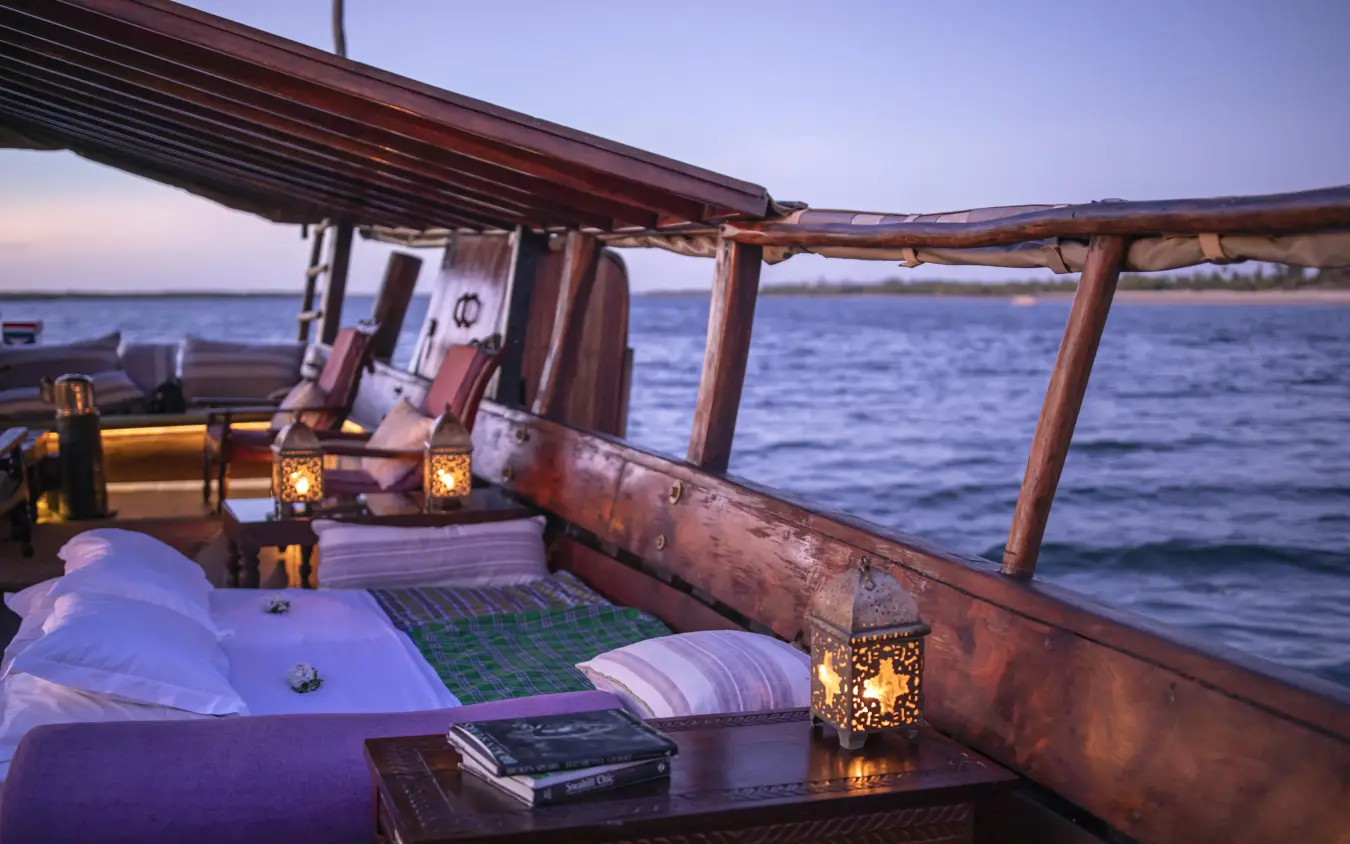
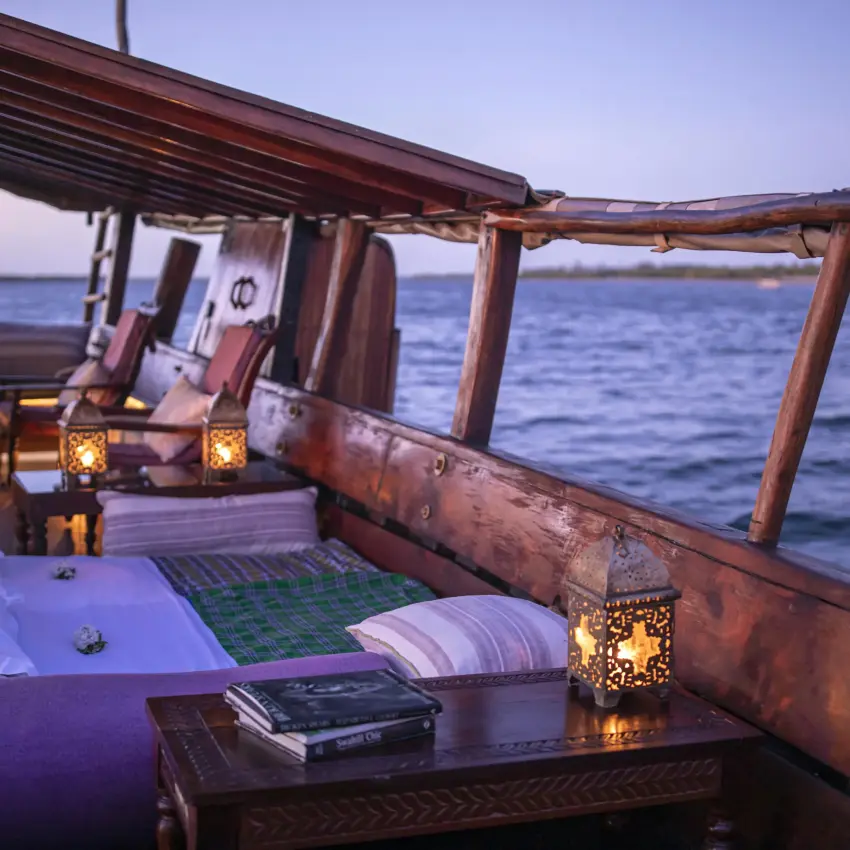
Wooden dhow deck at sunset overlooking calm ocean waters, Tusitiri Dhow, Lamu Archipelago, Kenya
Traditional wooden dhow with sail on calm water at sunset, Tusitiri Dhow, Lamu Archipelago, Kenya

There are no cabins for sleeping. After dinner the crew lay out star-beds across the open teak deck, luxury bedrolls with white linen, duvets and pillows, arranged as doubles or singles with large day-cushions set around them for privacy, and the crew make up each bed fresh after dinner and clear it away again at dawn.

Every bed is a star-bed, laid out on the open deck beneath the night sky.

Below deck, day-cabins store luggage and a dressing room holds drawers, mirrors and a washbasin. Bathing is done at an open-air warm shower, with a traditional dhow lavatory and one flushing lavatory below. Tusitiri Dhow takes up to ten guests overnight on an exclusive-use basis, and up to twenty-five for day and sundowner excursions. Life aboard is unhurried, the crew of eight Bajuni sailors working the lateen sail while meals appear at the table built around the mast and beach barbecues are set on empty sand.

Wooden dhow deck at sunset overlooking calm ocean waters, Tusitiri Dhow, Lamu Archipelago, Kenya 01

accommodation

No Cabins, Ten Guests on Deck Star-Beds

The dhow has no cabins. All guests sleep on deck in star-beds, luxury bedrolls dressed with white linen, duvets and pillows, laid out after dinner as doubles or singles and screened by large day-cushions. Below deck are day-cabins for luggage, a dressing room with washbasin, plus an open-air warm shower and a flushing lavatory.

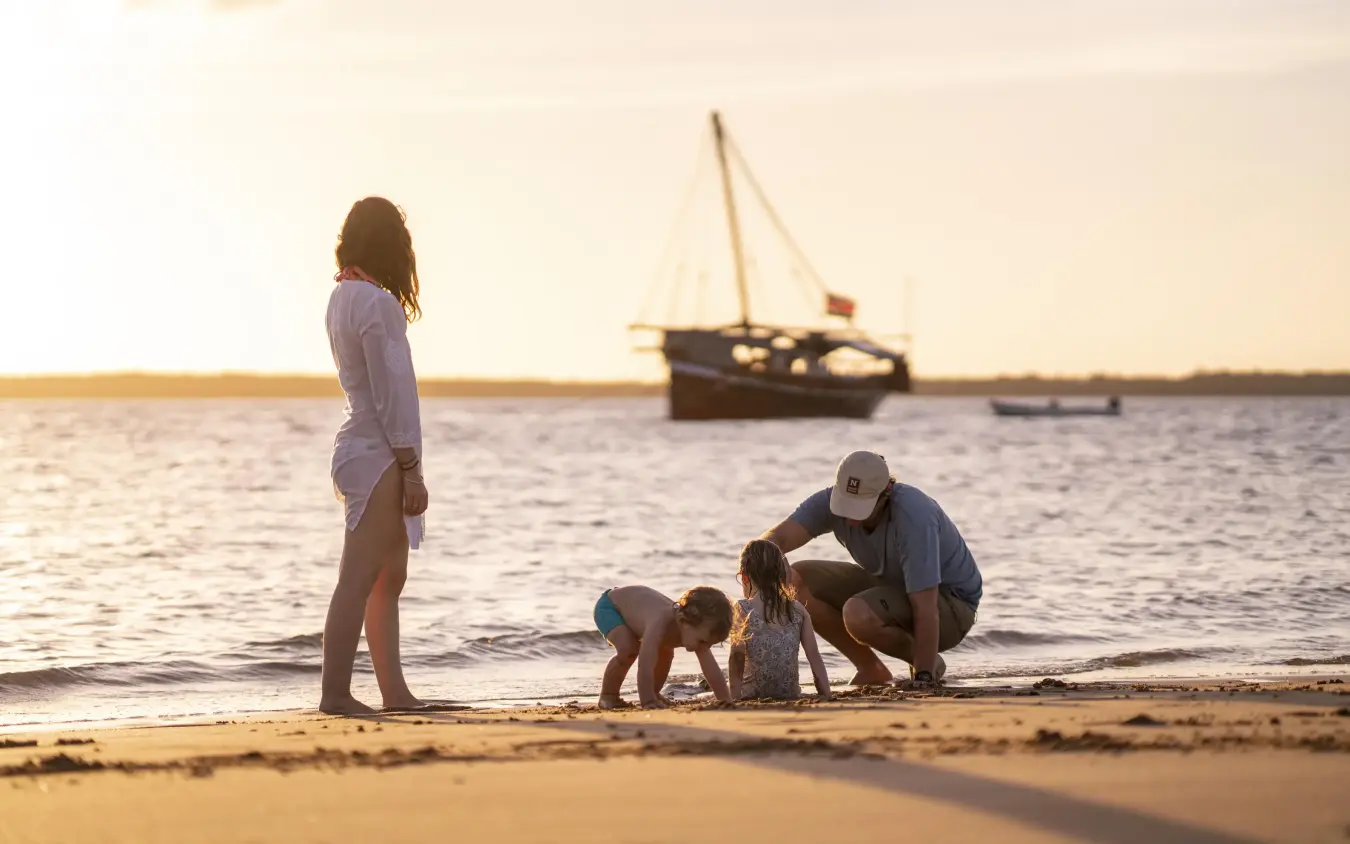
Family wading in shallow water at sunset beach, Tusitiri Dhow, Lamu Archipelago, Kenya 02

activities

Sailing, Snorkelling and Reef Fishing

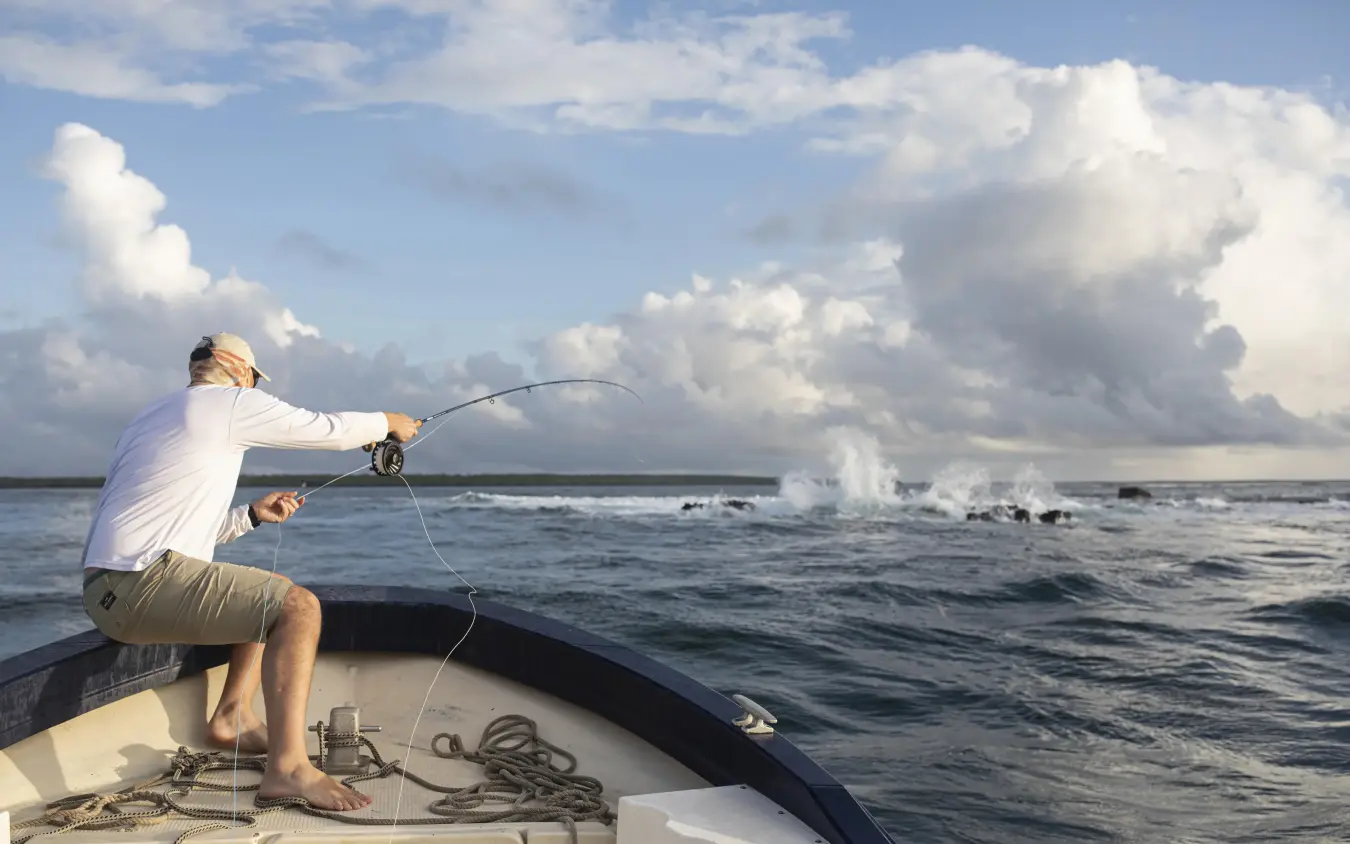
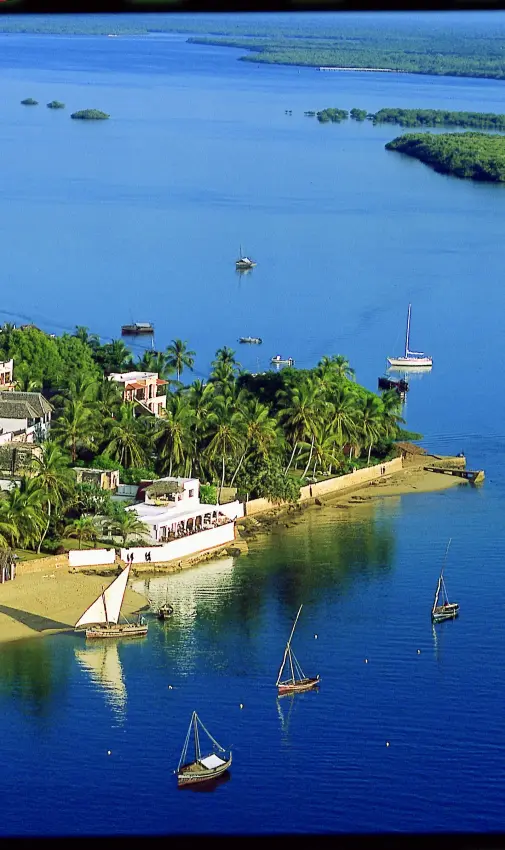
Sail between Lamu, Manda, Pate and Kiwayu, snorkel coral reefs and fish the deep sea and creeks for tuna. Water-ski, wakeboard, paddle-board through mangroves, kayak and walk the dunes. Visit Shela and the Takwa Ruins. Scuba diving runs seasonally by arrangement, and three Yamaha tenders reach reefs and sandbanks.

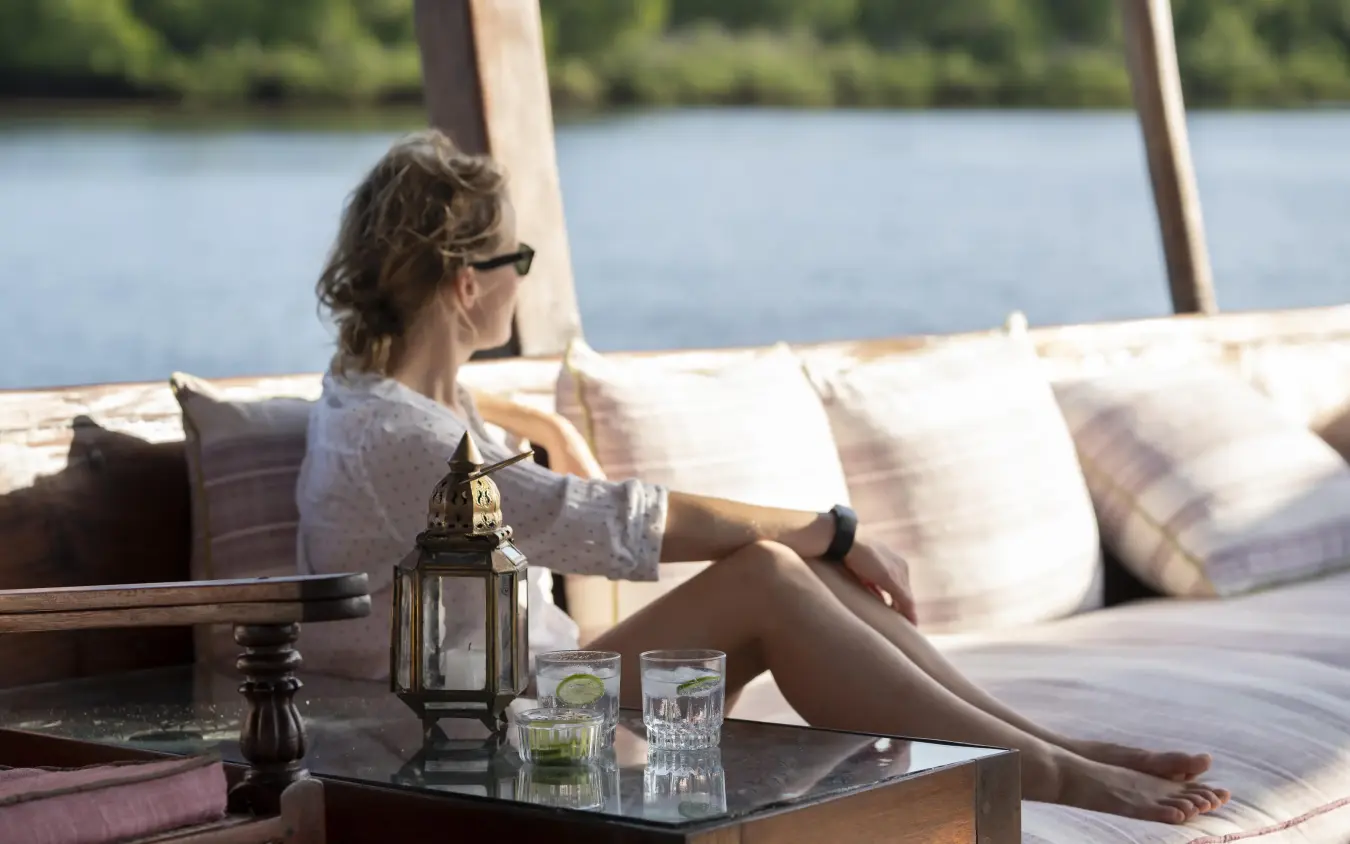
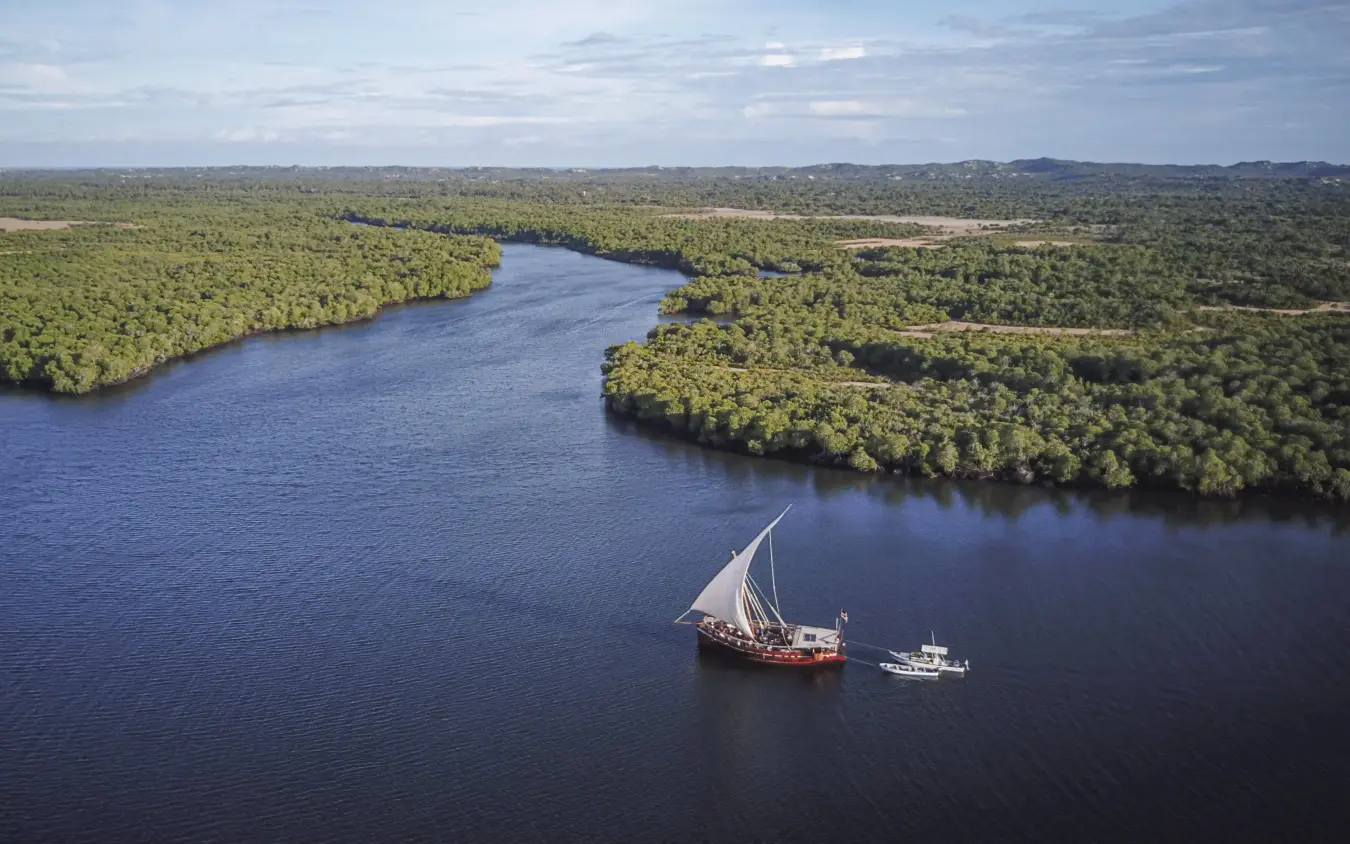
Traditional sailing dhow on river surrounded by green forest, Tusitiri Dhow, Lamu Archipelago, Kenya 03

conservation

Turtles, Trees and Schooling

The Lamu Marine Conservation Trust, founded in 1992 and backed by Tusk Trust for more than twenty years, protects turtle nests, runs beach clean-ups and educates local schools across these waters. The owning family also funds an Indigenous Tree Initiative and an Environmental Scholarship Programme through its sister reserve in Laikipia.

ready to get started?

Get in touch and let’s start the conversation. An initial consultation helps us understand what you’re looking for, whether that’s specific experiences, luxury touches, or marking a special occasion, and from there we’ll guide you through what’s possible so you can decide if we’re the right fit.

frequently asked questions

You fly from Nairobi's Wilson airport to Lamu's airport on Manda Island, about one hour and three-quarters by light aircraft, and the crew meets you by boat to join the dhow wherever she is anchored in the archipelago. We arrange the flights and the transfer together. A private charter is also an option for this leg, typically a Cessna Caravan or Pilatus PC-12, flown to Manda on your own schedule.

Coastal flights usually allow a slightly more generous soft-bag limit than the bush routes, and a soft bag is essential on a boat where a hard case has nowhere to go. Below deck there are day-cabins to stow your luggage once aboard.

Yes. The Lamu coast is one of the higher-risk malaria areas in Kenya, with year-round transmission in the hot, humid climate, so the CDC and TravelHealthPro both advise antimalarial tablets for the coast.

As this concerns your health, please confirm the current guidance with a travel clinic or your doctor before you sail, and take care against bites in the evenings. Sleeping on the open deck under the stars is part of the experience, so a good repellent and cover after dark matter here more than most.

The coast is hot and humid all year, with the sea breeze on the water making the sailing comfortable, and the heaviest rain and roughest seas in April and May. Life aboard is entirely in the open, so the weather shapes the day directly.

Pack light, breathable clothes, swimwear, sun protection and a hat, a light layer for the breezy nights on deck, and reef shoes for snorkelling. Keep it all to a soft bag, and bring something to cover up for visits ashore at Shela or Lamu town.

For calm seas and clear water, sail from December to February, with October a quiet spell of the year's clearest water. The June to September months are breezier and suit sailing well, while April and May bring heavy rain and rough seas and are best avoided on a boat.

Because everything happens on and in the water, the calm, clear months make the most of a dhow trip.

There are no cabins. Each night the crew make up beds on the open deck, with linen, duvets and pillows, set as doubles or singles and screened by cushions, then clear them at dawn, so you sleep under the stars every night. Below deck there are day-cabins to stow luggage and a dressing area.

Bathing is at an open-air warm shower, with a flushing lavatory below. This is a restored working trading dhow of teak, sailed by an experienced local crew, rather than a boat built for tourists, so the comfort is real but simple and life is lived entirely in the open. It suits those who are happy on and around the water.

The dhow is chartered as a private trip, so your party has the boat, the crew and the itinerary to yourselves, sailing between Lamu, Manda, Pate and Kiwayu. That exclusive use makes it a natural choice for a family or a group of friends who want to travel together.

Living in the open on deck and sleeping under the stars suits confident, water-happy children better than very small ones, so tell us your group's ages and we will advise honestly on whether the dhow is the right fit.

rated five stars by our clients

other areas in kenya

Snow-capped Mount Kilimanjaro rising above acacia trees and Tanzania savanna 01

Amboseli and Chyulu Hills

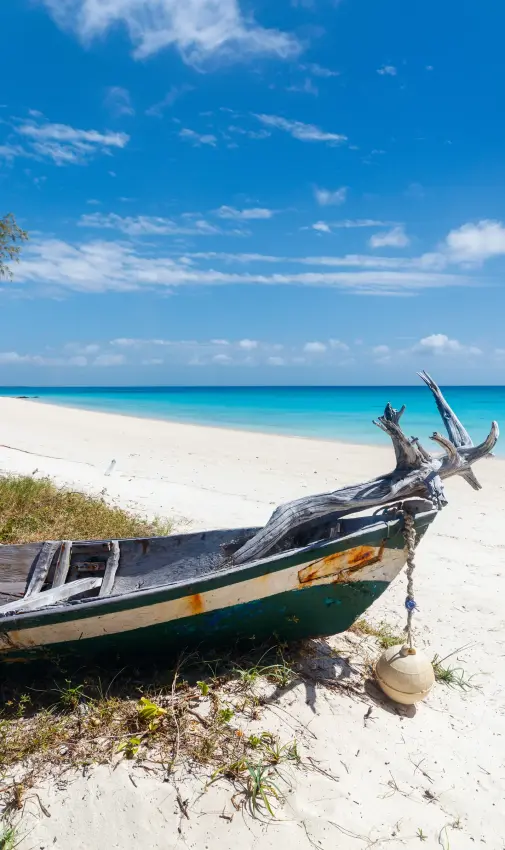
Wooden fishing boat beached on white sand tropical shore 02

Diani Beach

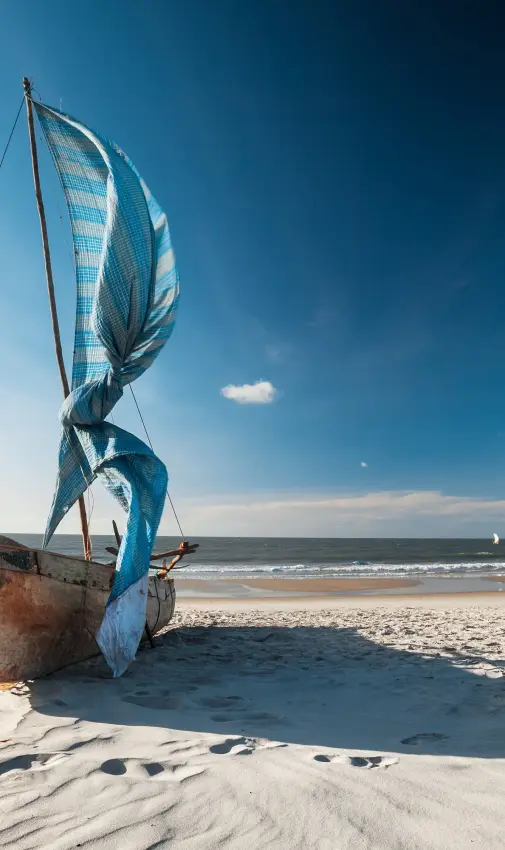
Traditional fishing boat with blue sail on sandy beach 03

Kilifi

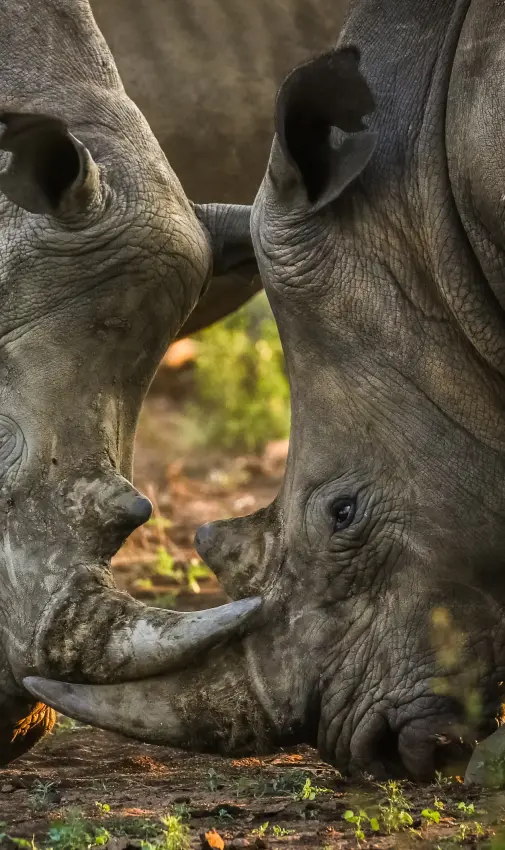
Two rhinos touching horns in natural habitat 04

Laikipia Highlands

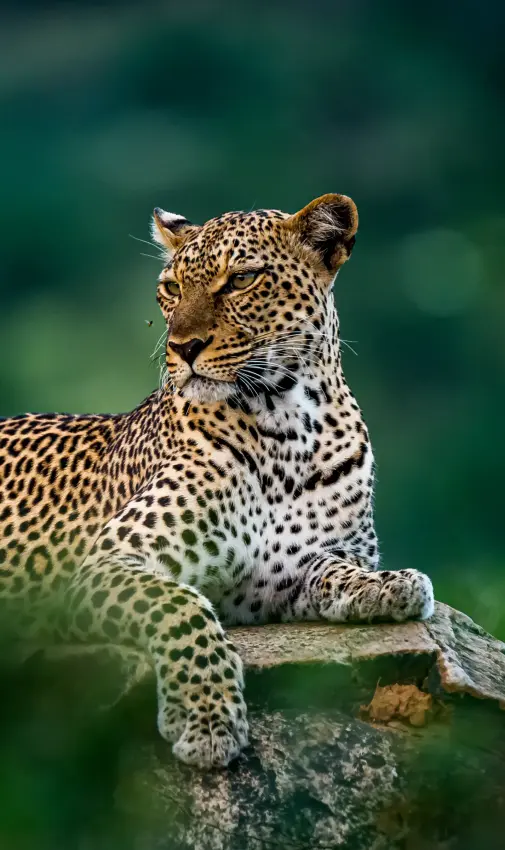
Leopard resting on fallen log in natural setting 05

Maasai Mara

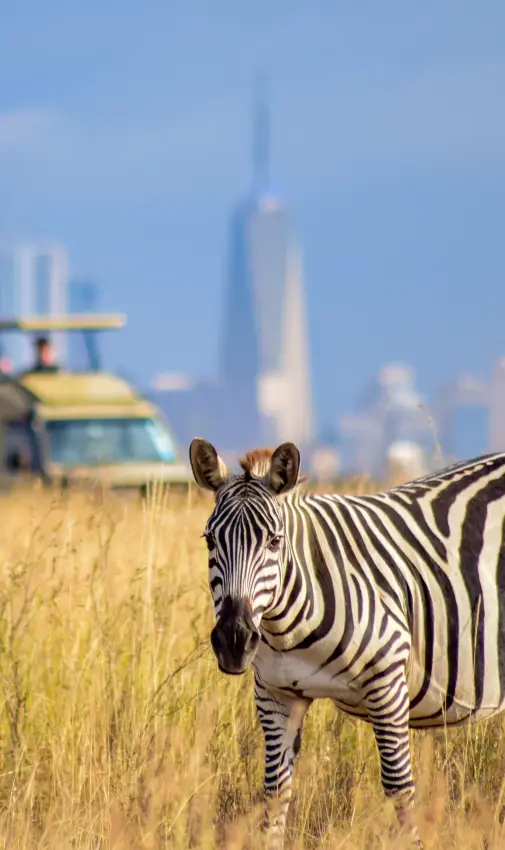
Zebras in savanna grassland with safari vehicle and city skyline 06

Nairobi

Local guides with poles crossing shallow forest river, Northern Kenya, Kenya 07

Northern Kenya

Flock of flamingos wading in shallow pink-tinted water, Rift Valley Lakes, Kenya 08

Rift Valley Lakes

Man in traditional red garment driving open safari vehicle, Samburu Reserve, Kenya 09

Samburu Reserve

African elephants with calf walking through grassland at sunset 10

Tsavo

Planning a journey together

our approach

remote, exclusive
& personal

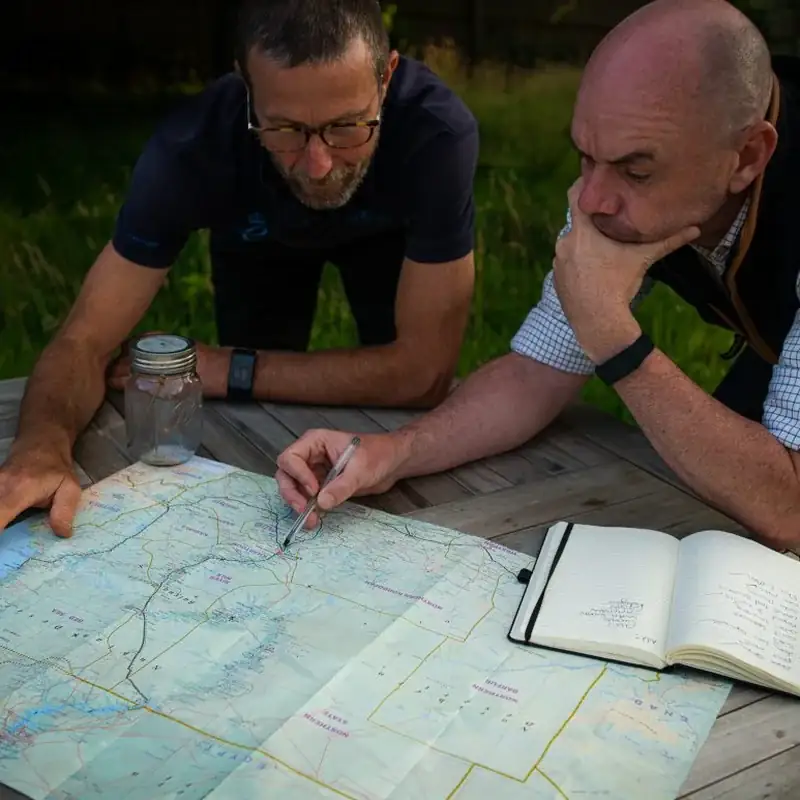
Every journey starts with a conversation. We take the time to understand your vision before we start planning.

Whether by phone or in person, we work with you directly to shape something that is considered, personal, and expertly delivered.

get in touch
destinations ideas & inspiration our process about us contact us