Conservation here began with a single turtle nest. Carol Korschen, who ran Peponi with her husband Lars, moved a threatened clutch to the hotel grounds and in 1992 founded the Lamu Marine Conservation Trust. From that start grew a programme covering coral protection, waste management and environmental education, and the trust now reaches across the archipelago, from turtle monitoring to community development, with Carol still at its head.
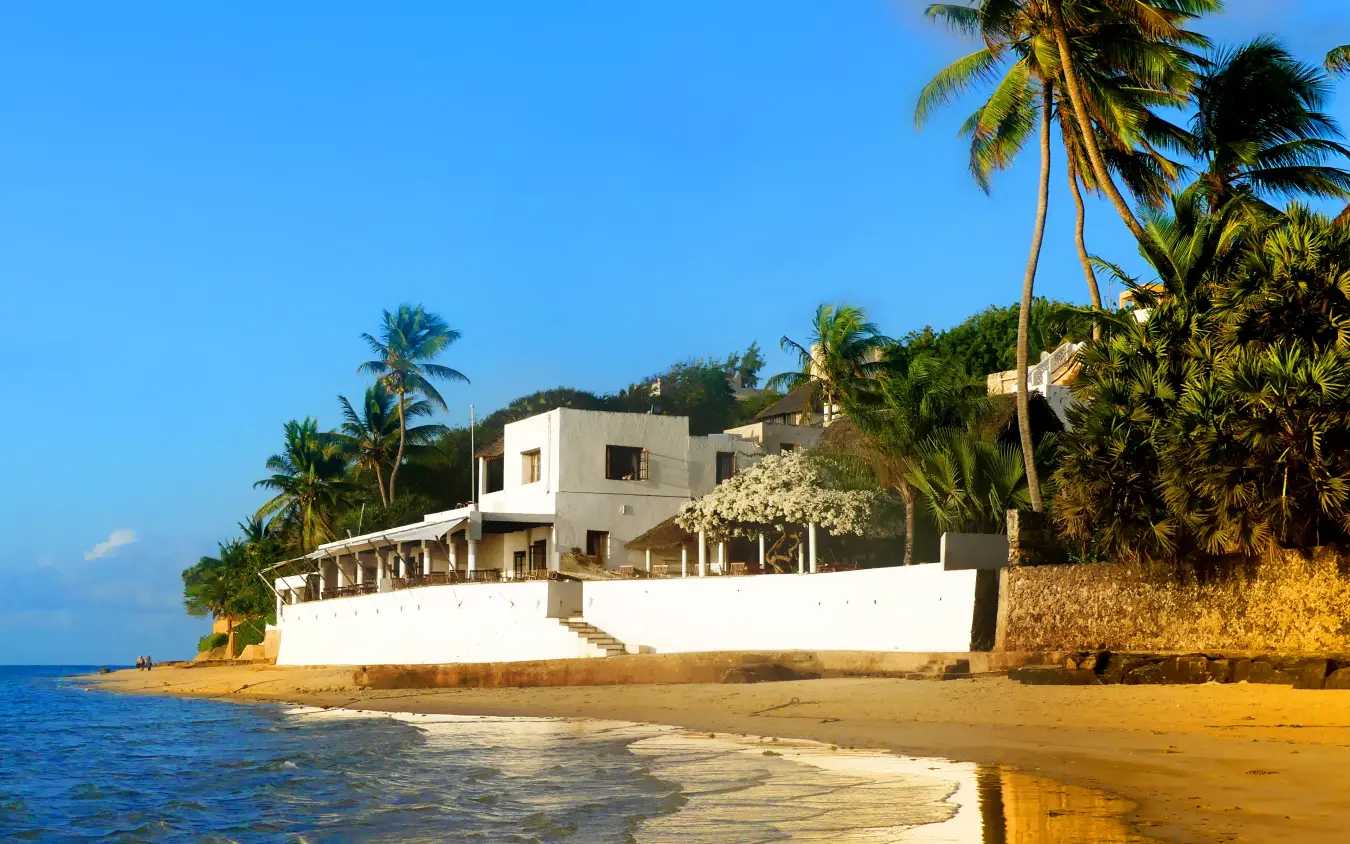
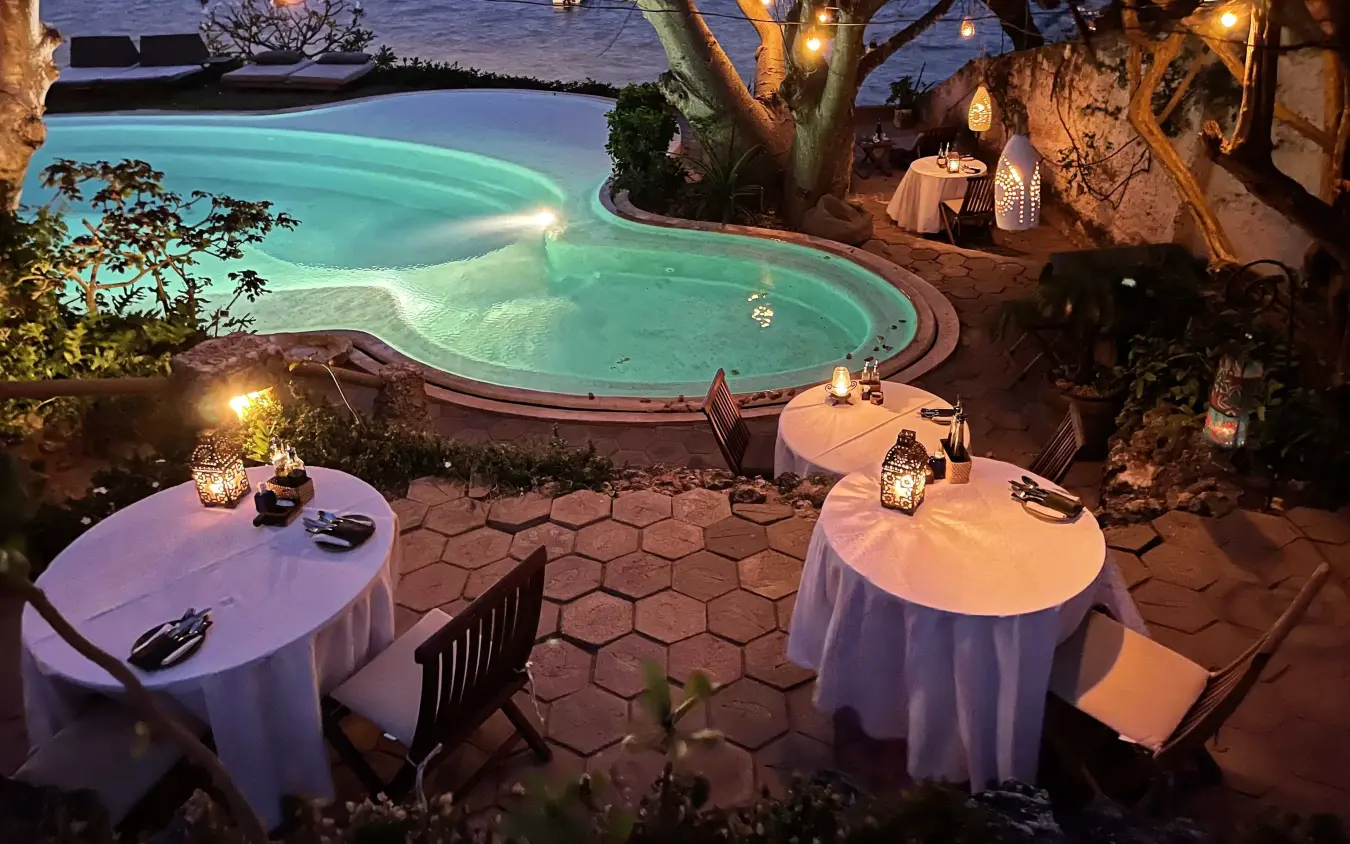
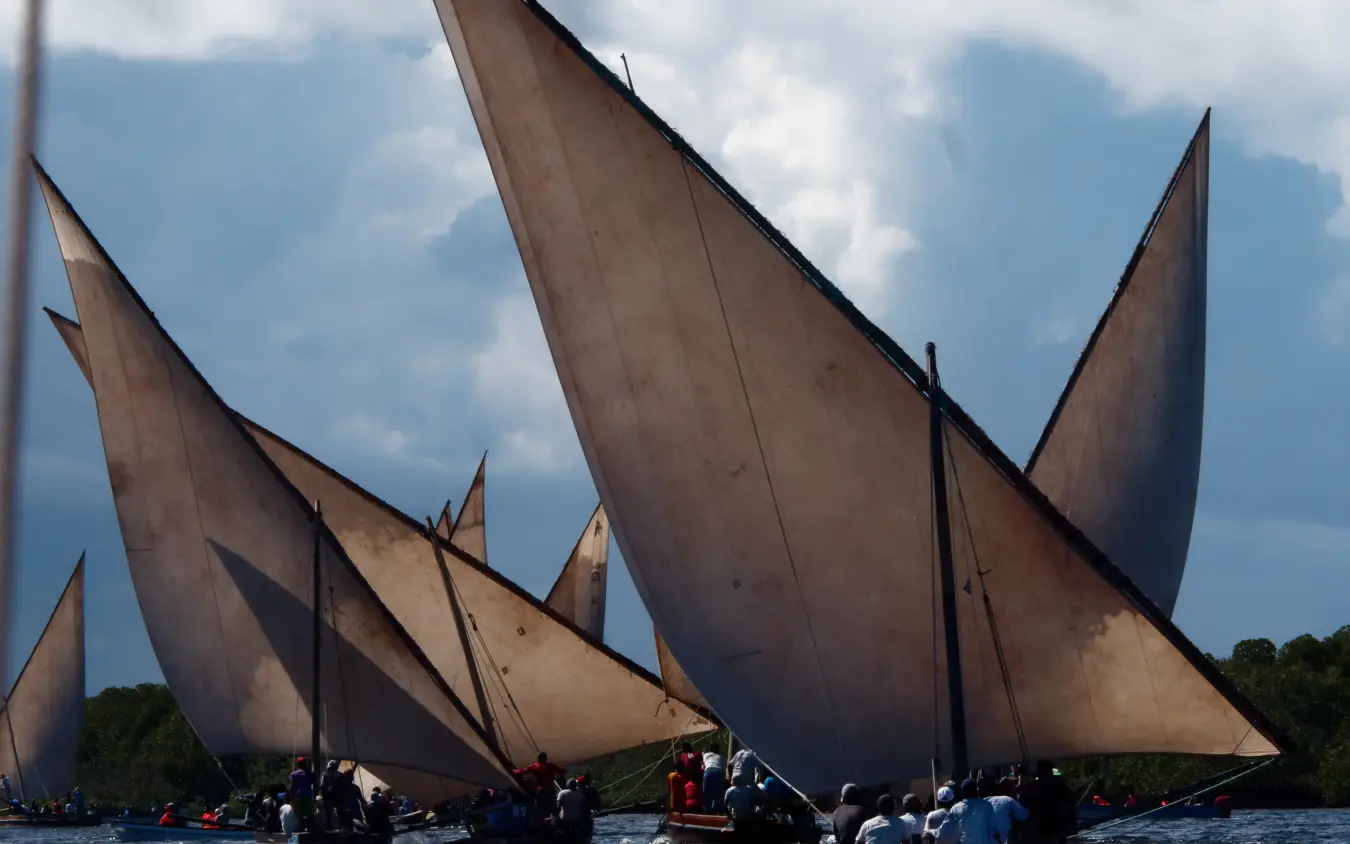
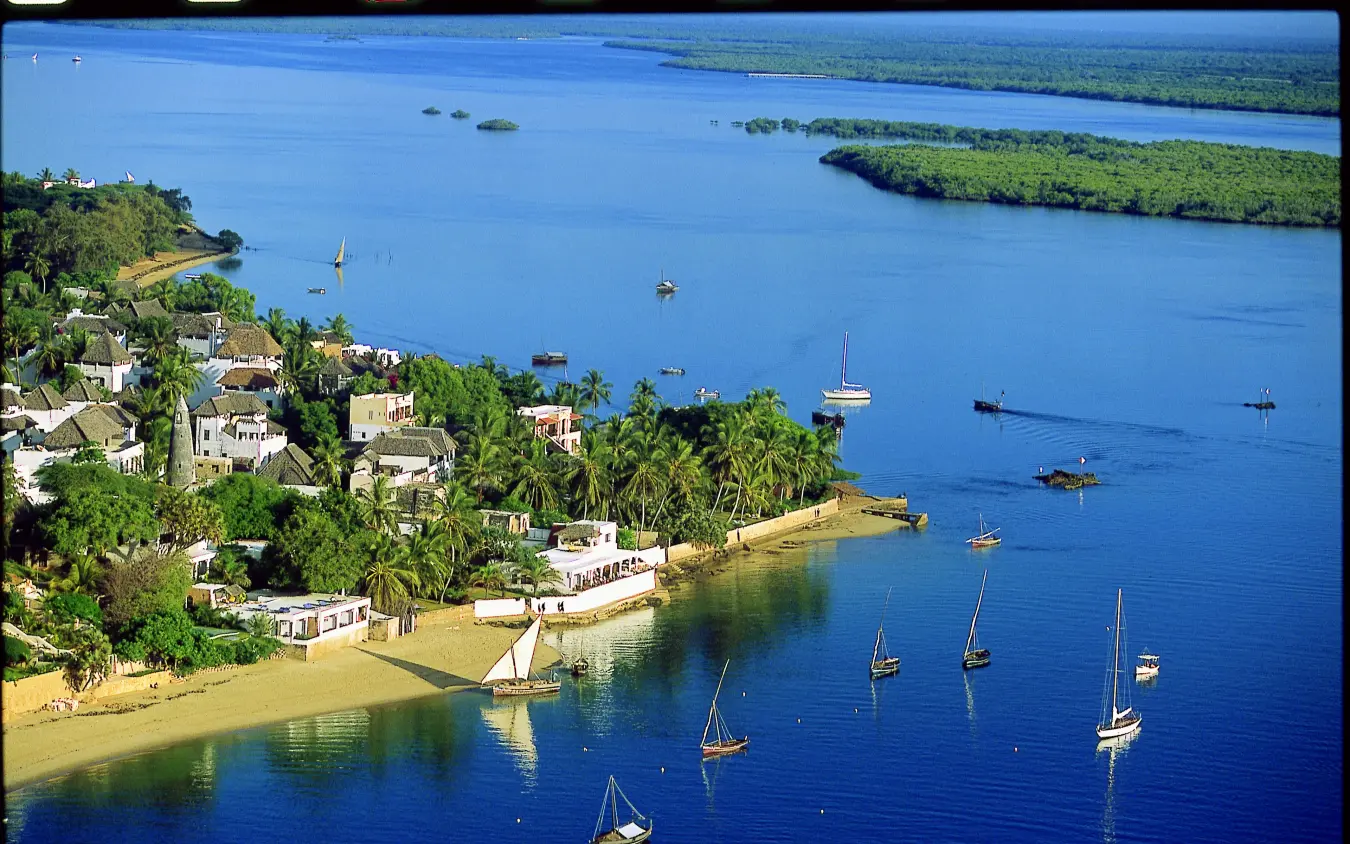
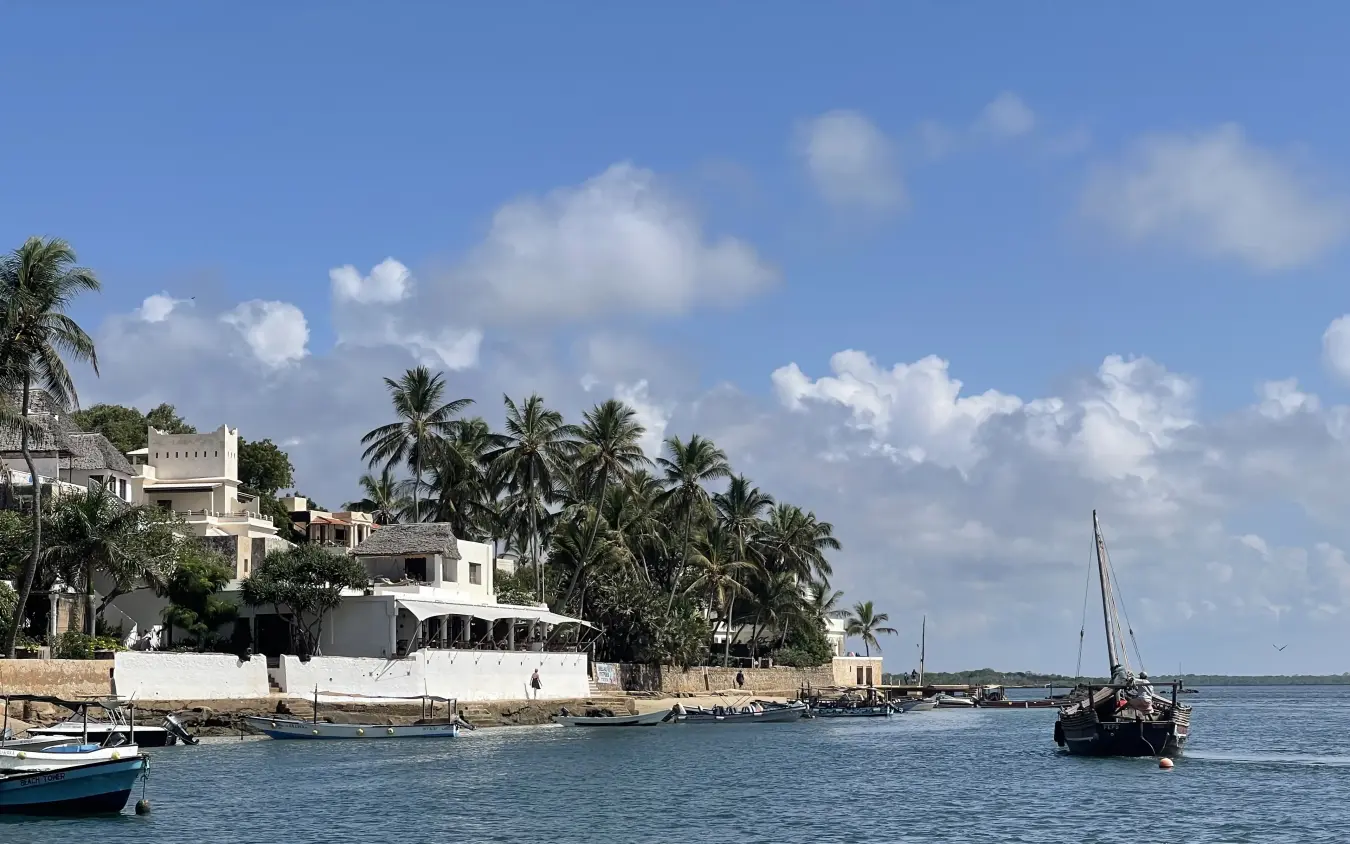
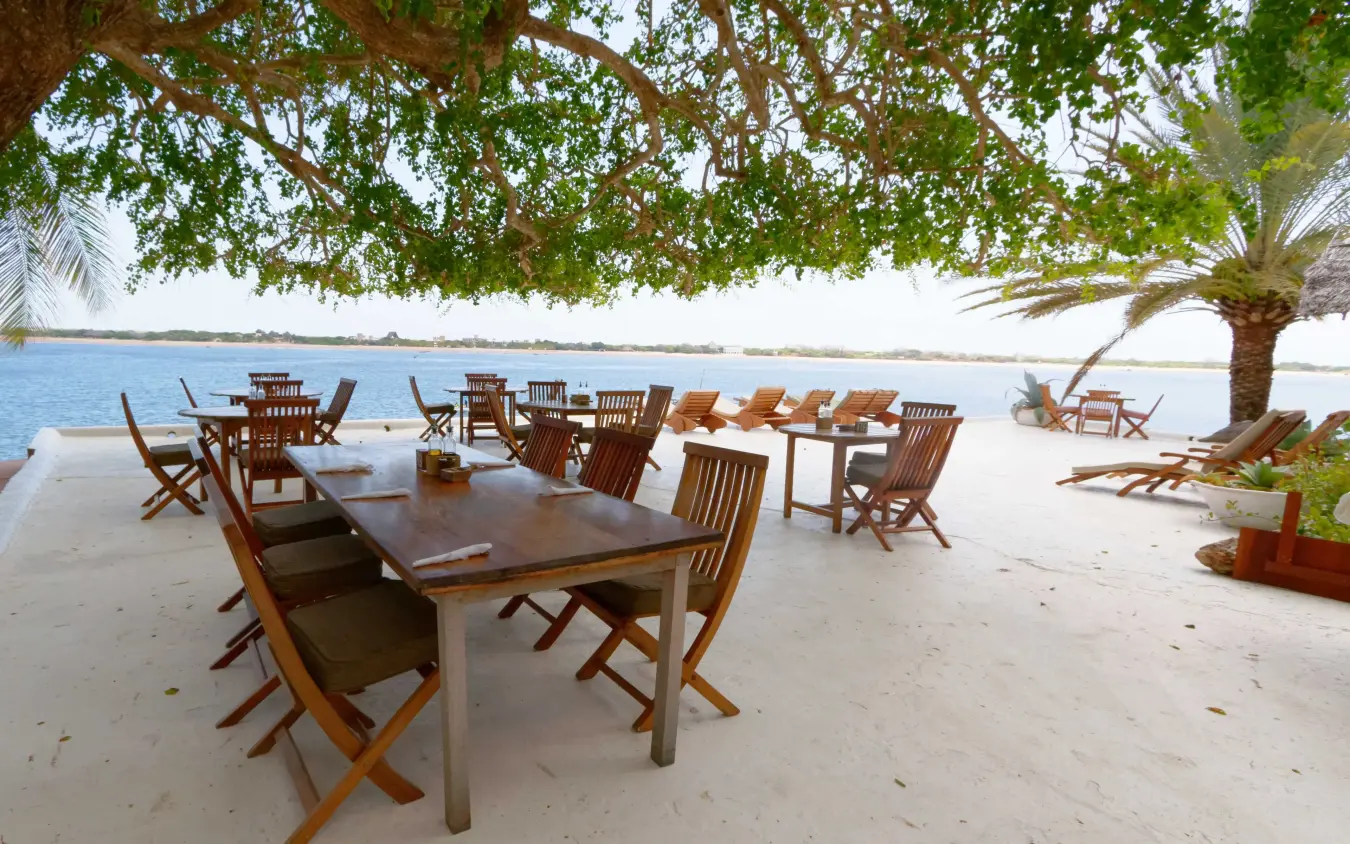
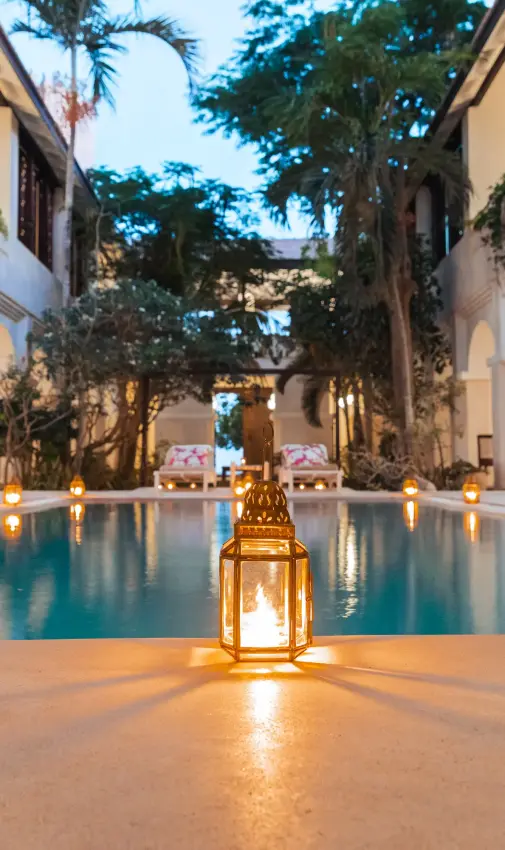
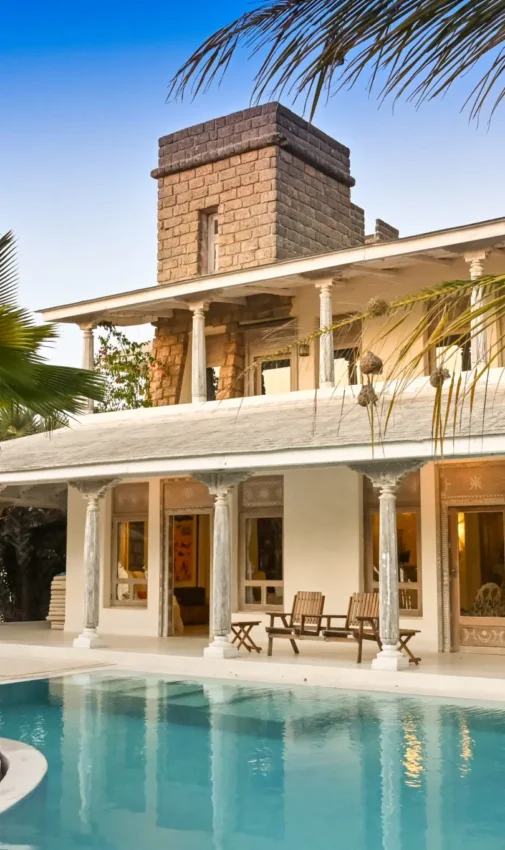
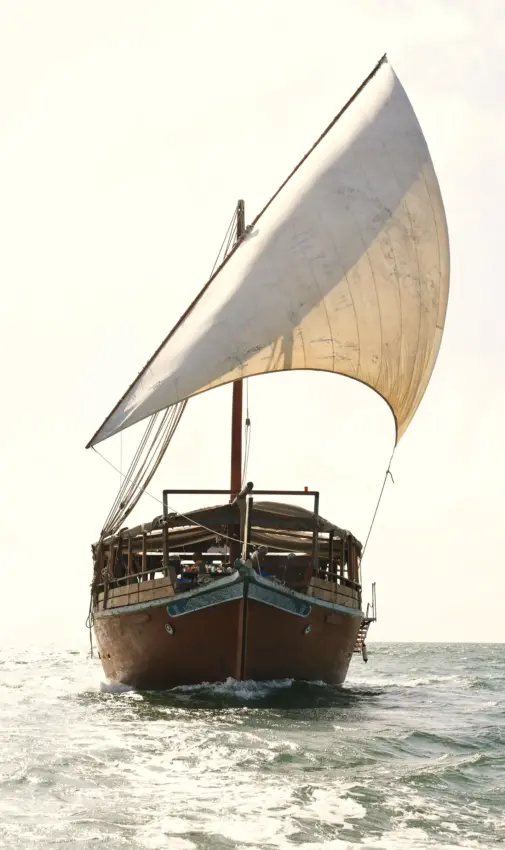
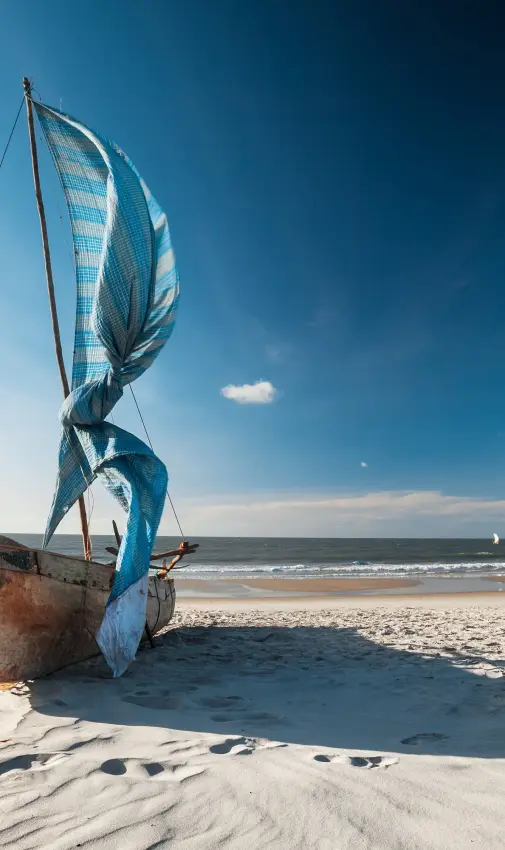
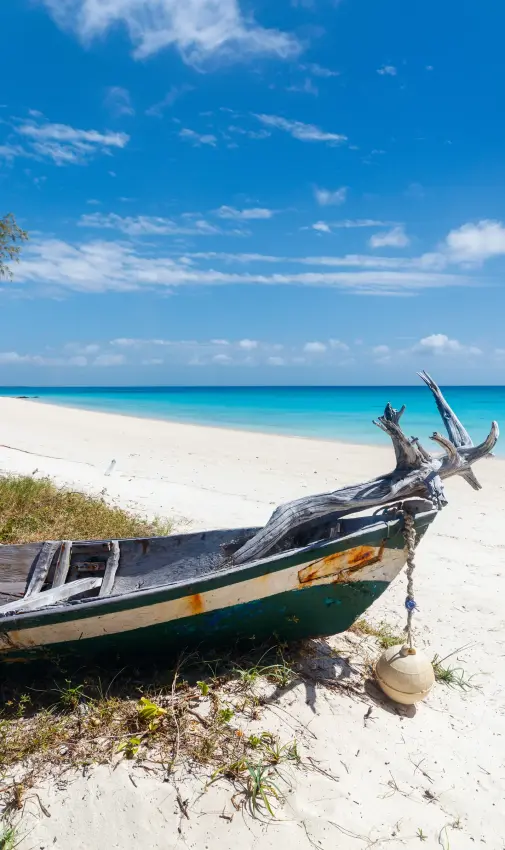
Shela itself is a working Swahili village of sand streets and dhows, two miles south of Lamu Town. The hotel’s own dhow makes the run north each day, and fourteen kilometres of open beach stretch away to the south. The swimming pool sits beneath two baobab trees, placed to catch both the shade and the sea breeze.
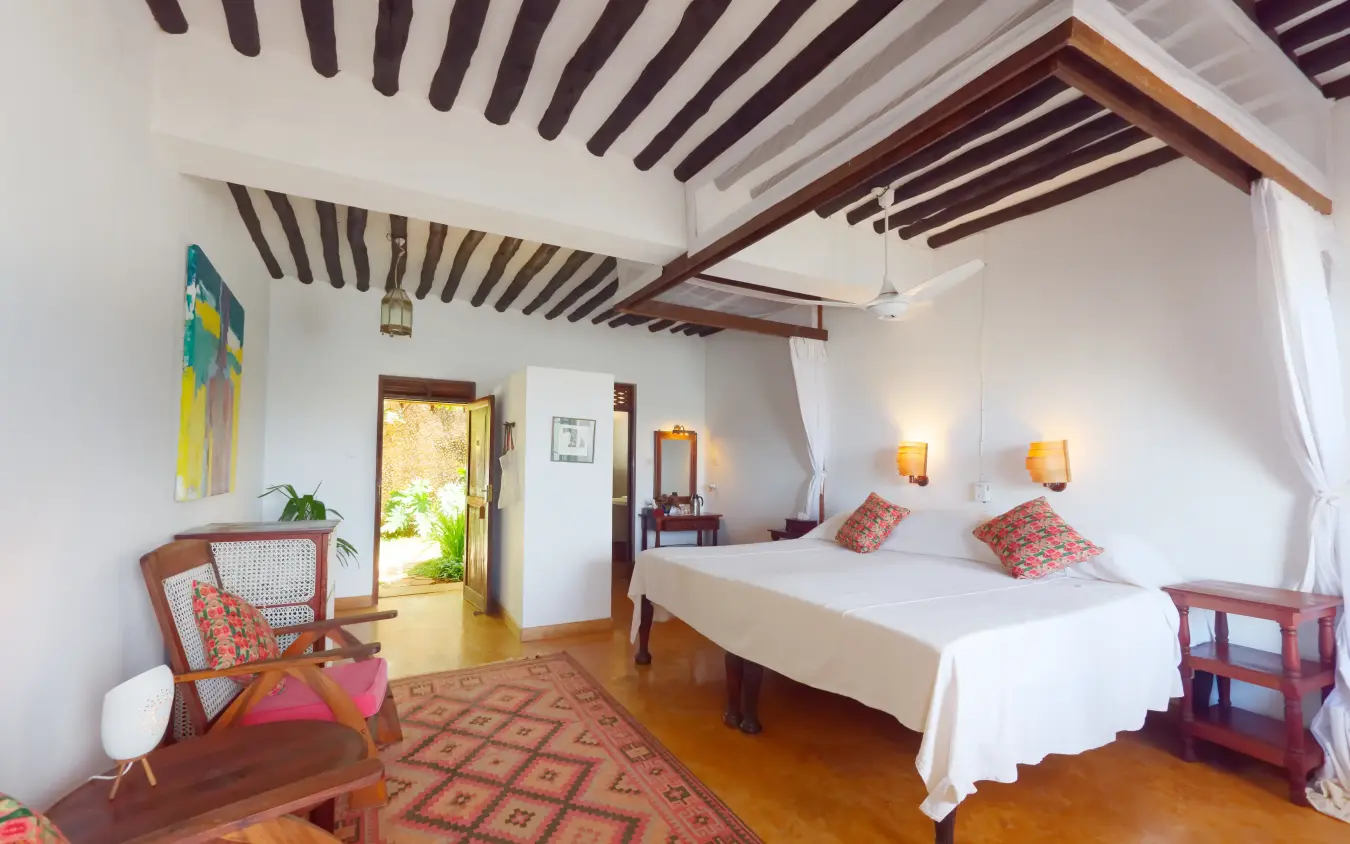
Lamu Town, a short sail north, is the oldest continuously inhabited Swahili settlement on the coast, its carved doorways and waterfront little changed in centuries. Peponi sits slightly apart from it in Shela, close enough for the markets and the museum yet far enough for quiet, and that balance is much of why guests come back. Rooms here are held by name from one year to the next, and many of the same families have returned for decades.
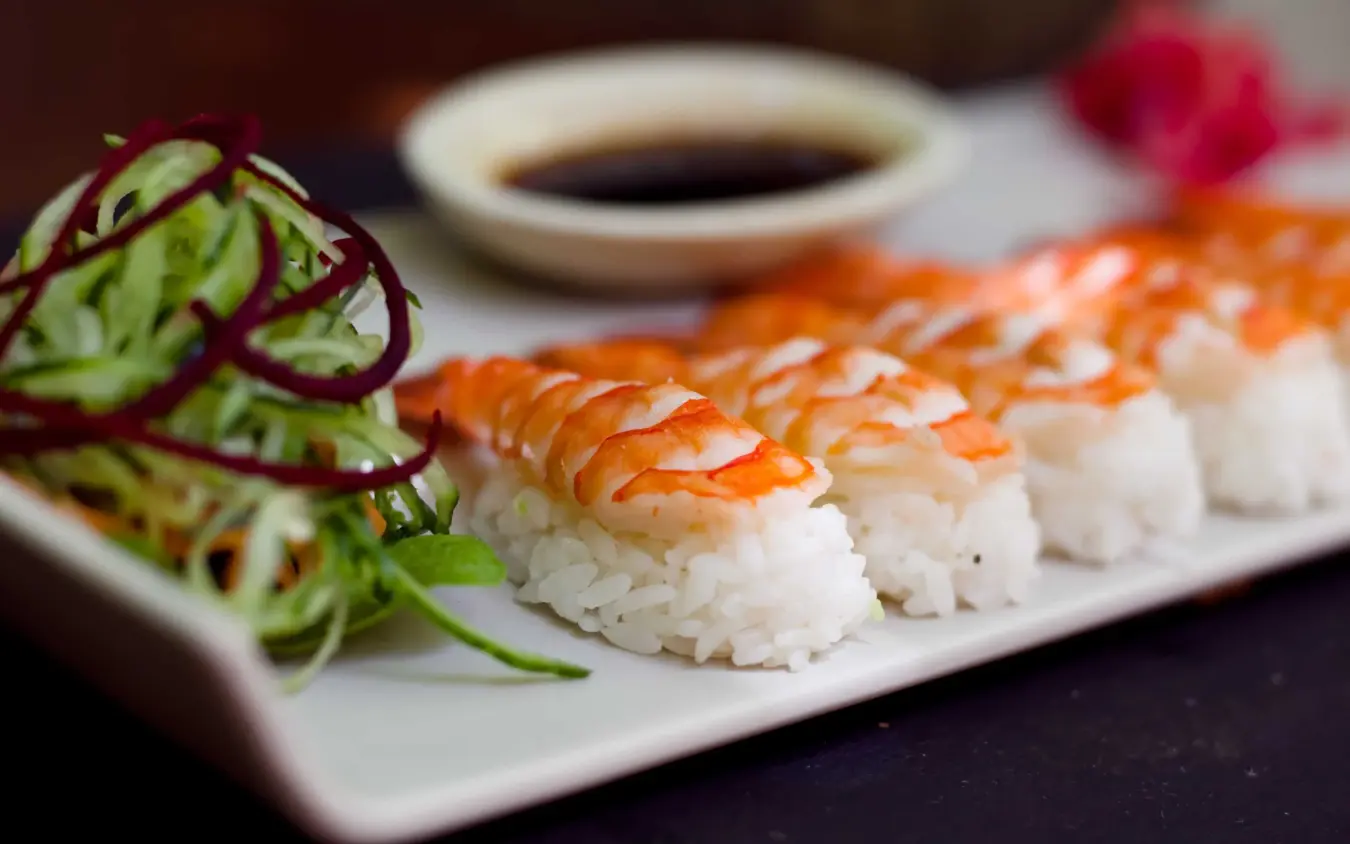
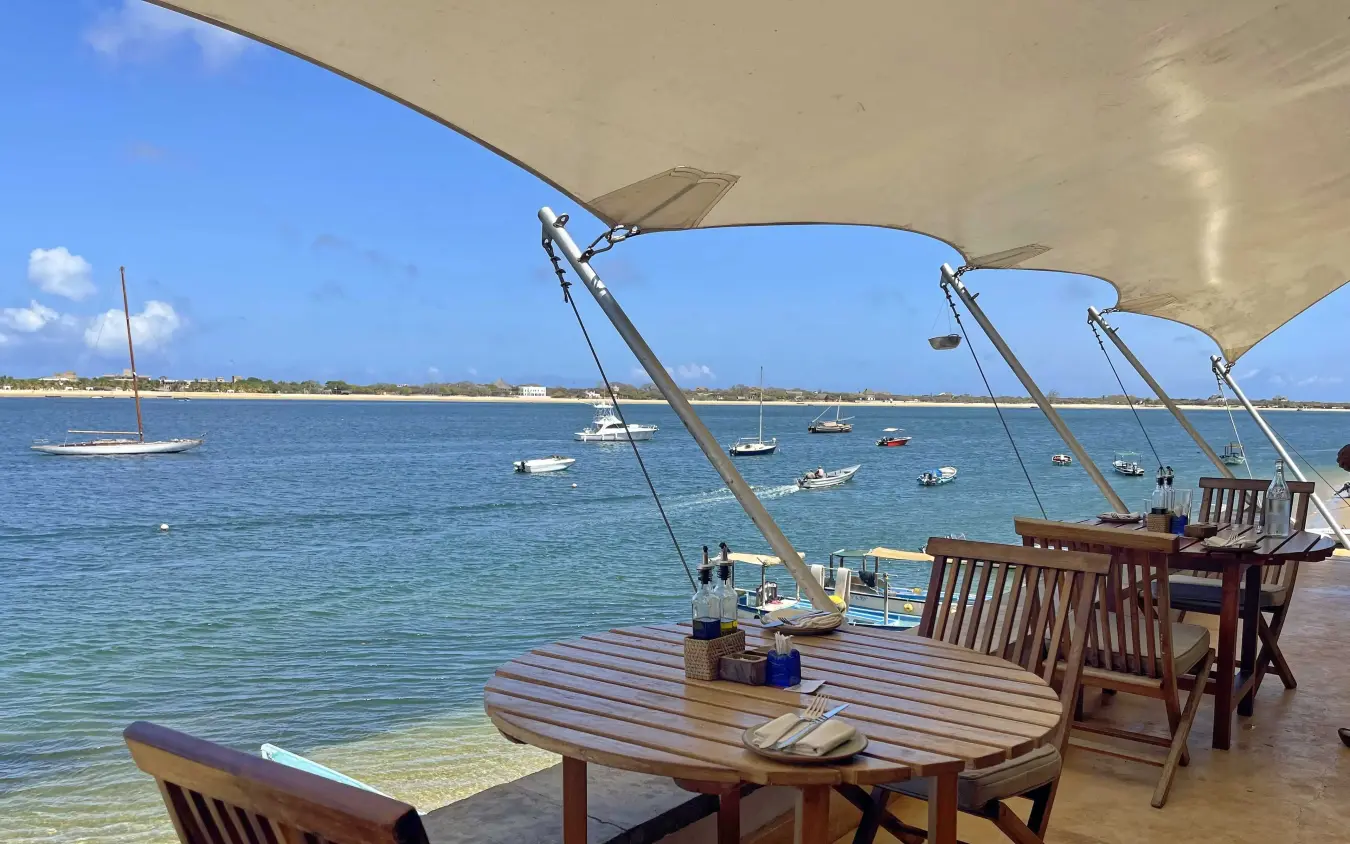
The day’s catch comes off the boats and onto the table within the hour.
The water sets the rhythm. Snorkelling over the reefs is best between October and April, deep-sea fishing aboard Little Toot goes after marlin and sailfish, and windsurfing, kitesurfing and wakeboarding fill the brighter afternoons. On land, the ruins at Takwa on neighbouring Manda Island hold centuries of coastal history.
Sunset sails have become a fixture, timed to bring guests back as the evening call to prayer begins. It is the kind of ending that has kept the same families returning to Peponi for half a century.