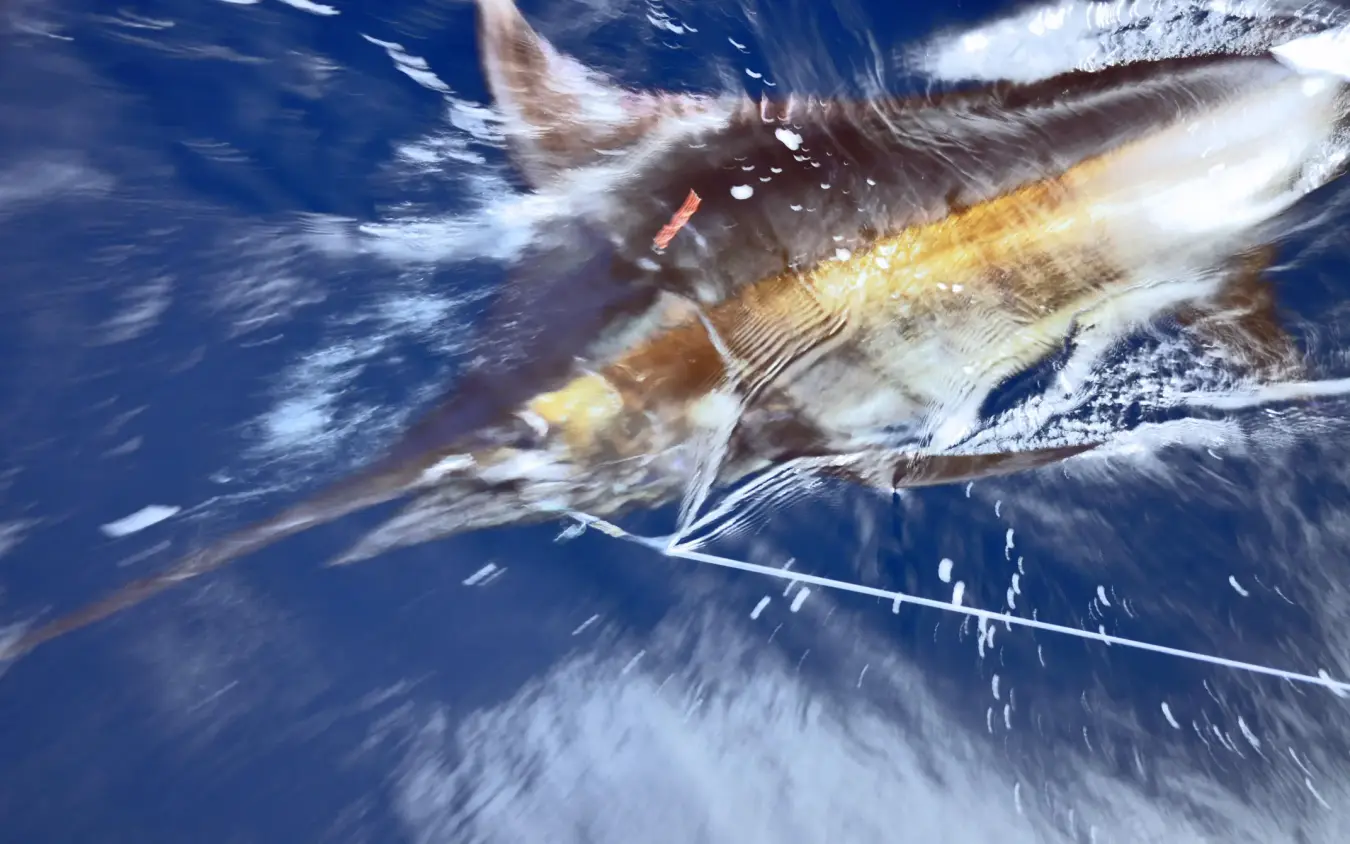
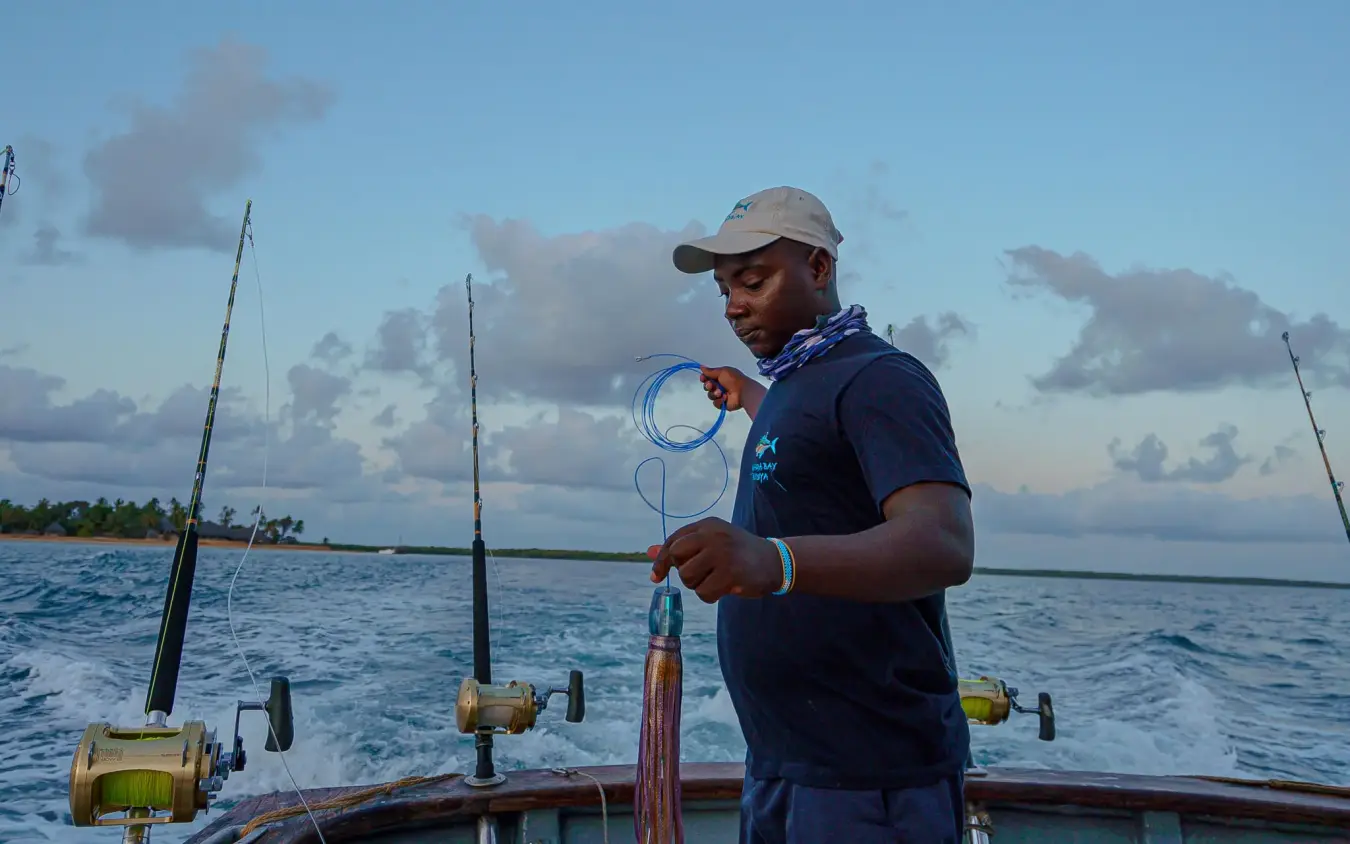
Fishing sits at the centre of what happens at Manda Bay. From September to May the lodge runs a 33-foot sportfisher, the Cheza, out on the deep water offshore for half and full days in pursuit of striped, black and blue marlin, sailfish, tuna, wahoo and giant trevally. Closer in, the sheltered creek and bay suit bottom fishing, trolling and fly-fishing at any level, and mornings often begin with an early outing before breakfast back at the lodge. Across skill and season, the water rarely sits empty of a rod for long.
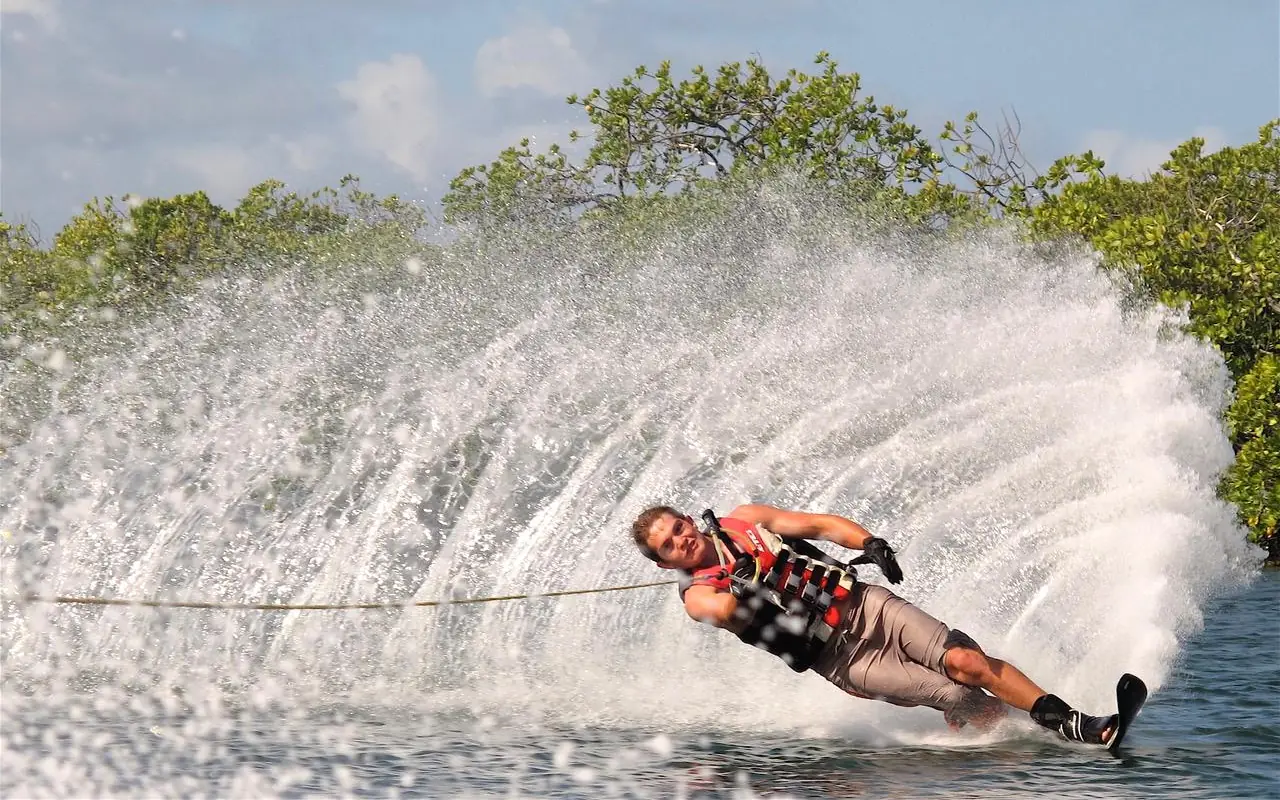
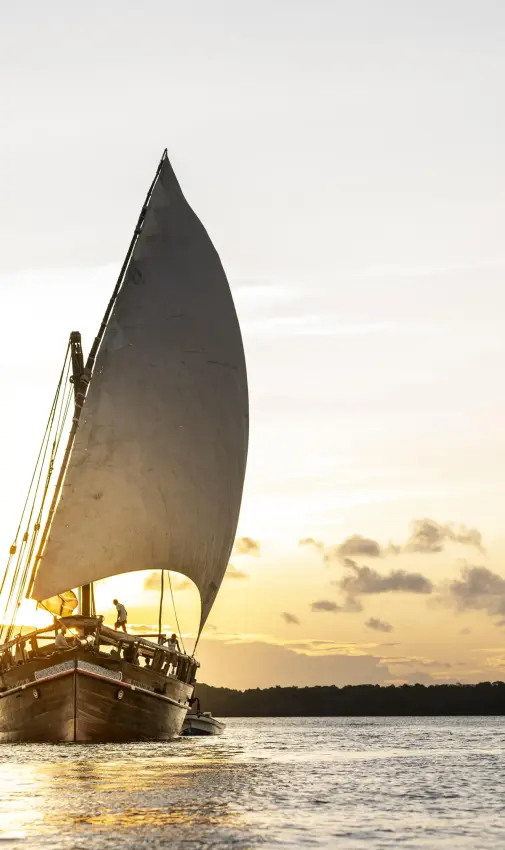
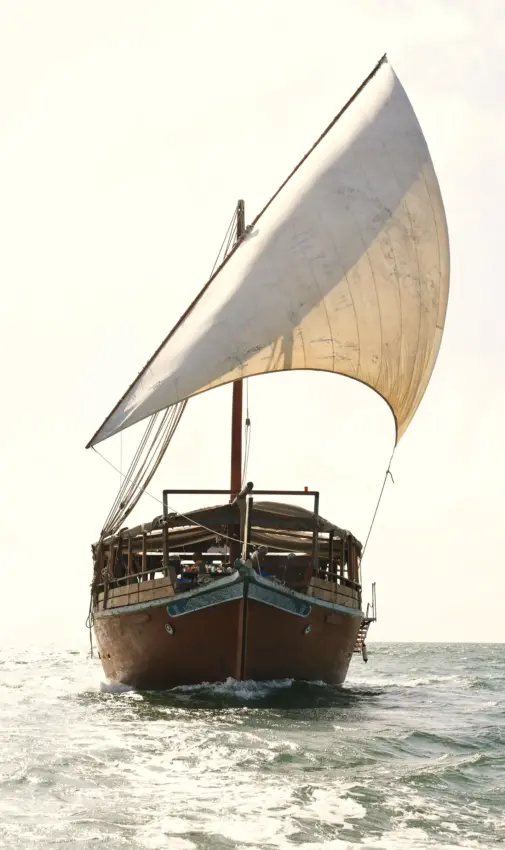
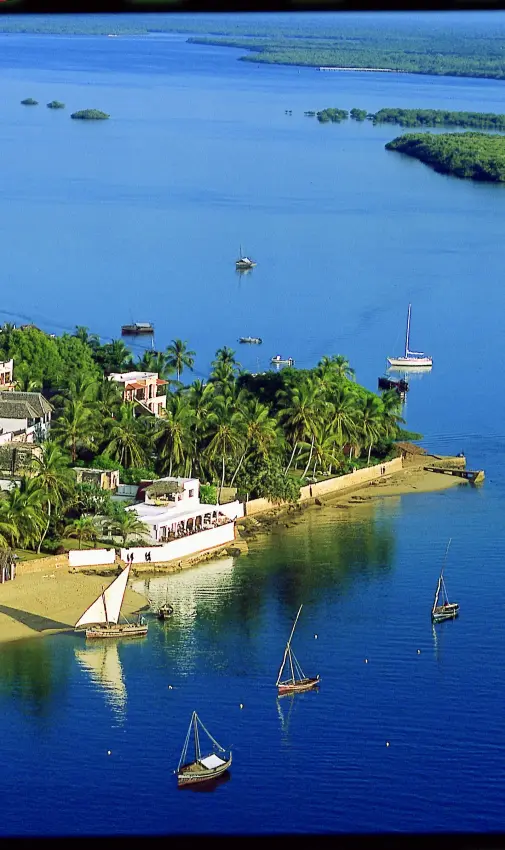
The water sports run just as long. Those with the energy take to waterskiing, wakeboarding, kneeboarding and tubing, while those without drift into kayaking, paddleboarding, sailing and windsurfing, with instruction on hand for anyone starting out. Guided snorkelling trips run ten to fifteen minutes by boat to nearby reefs, among them a coral restoration site where over 120 Reef Stars have been planted with The Ocean Trust. A traditional dhow carries guests to Manda Toto Island for a seafood lunch, or out for a sunset sail with samosas and cold beer as the light drops.
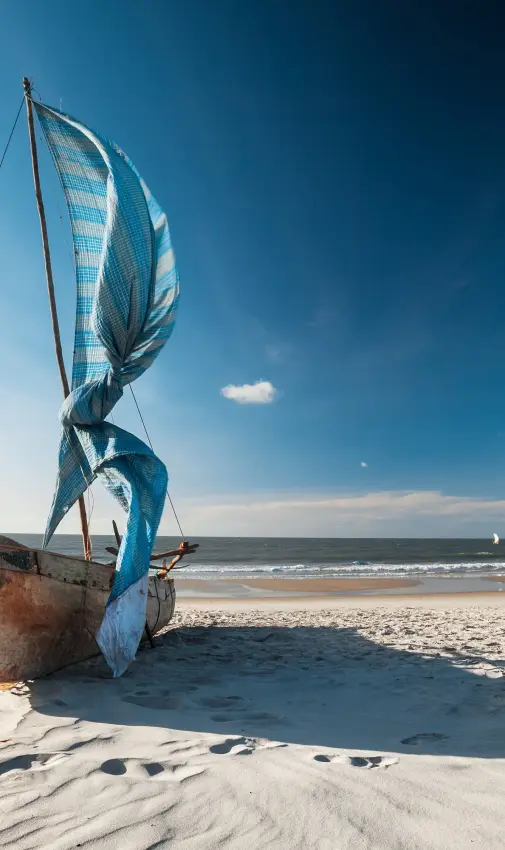
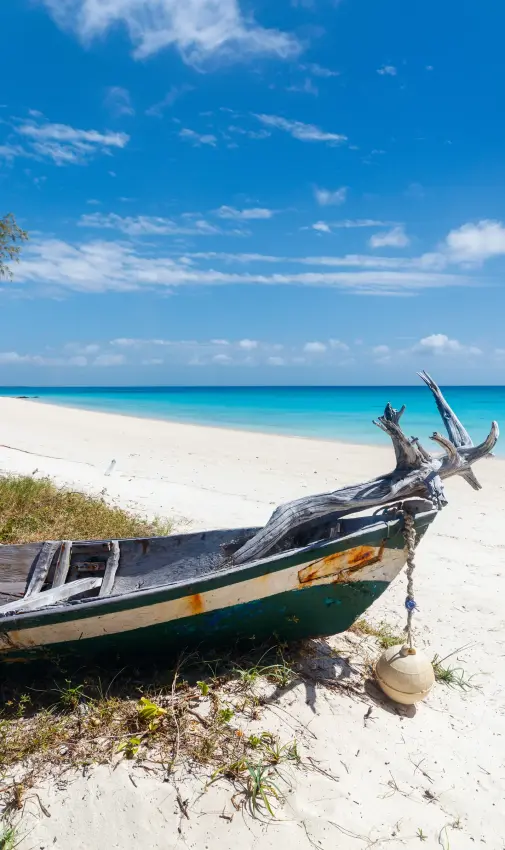
A traditional dhow carries guests to Manda Toto Island for a seafood lunch.
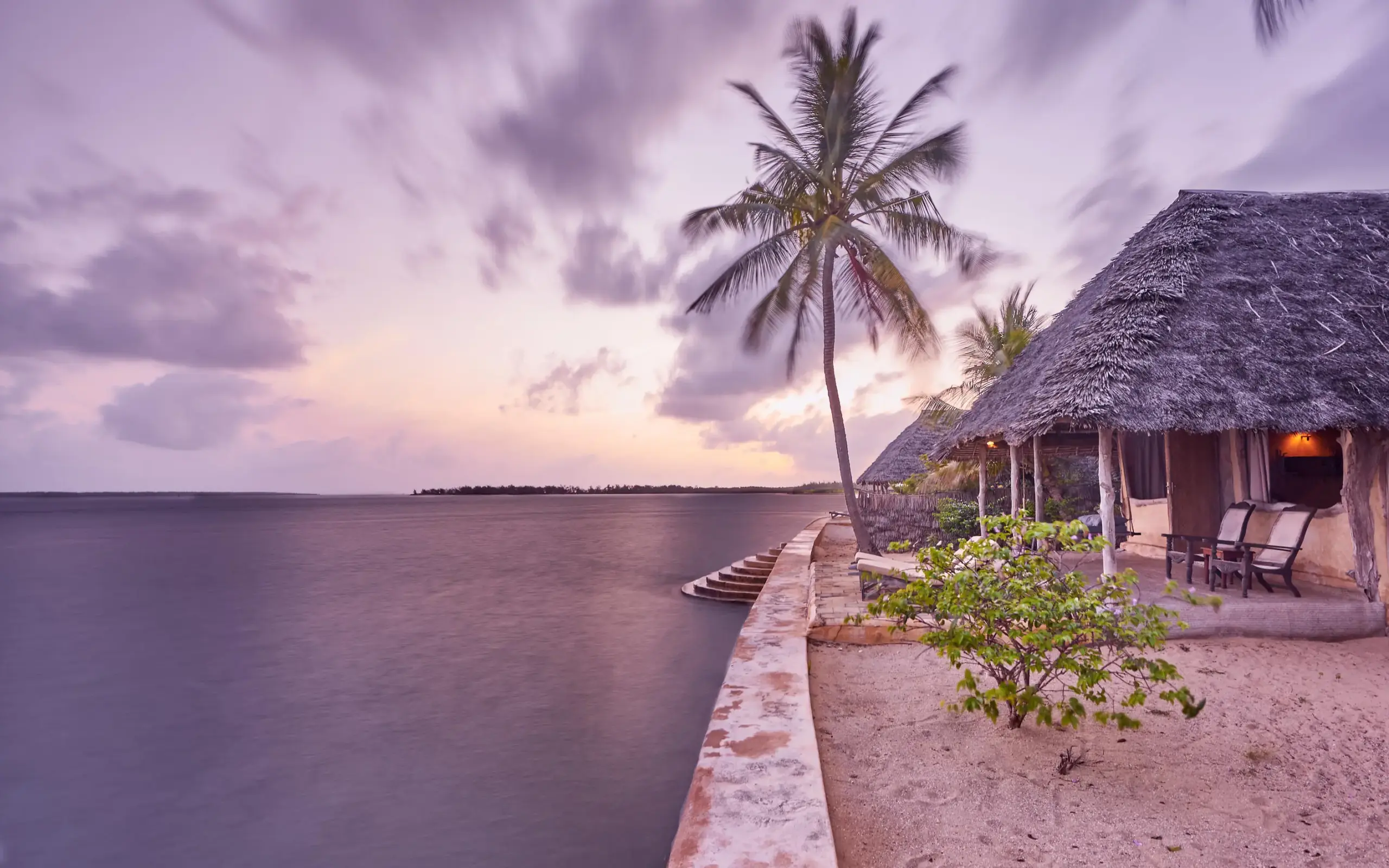
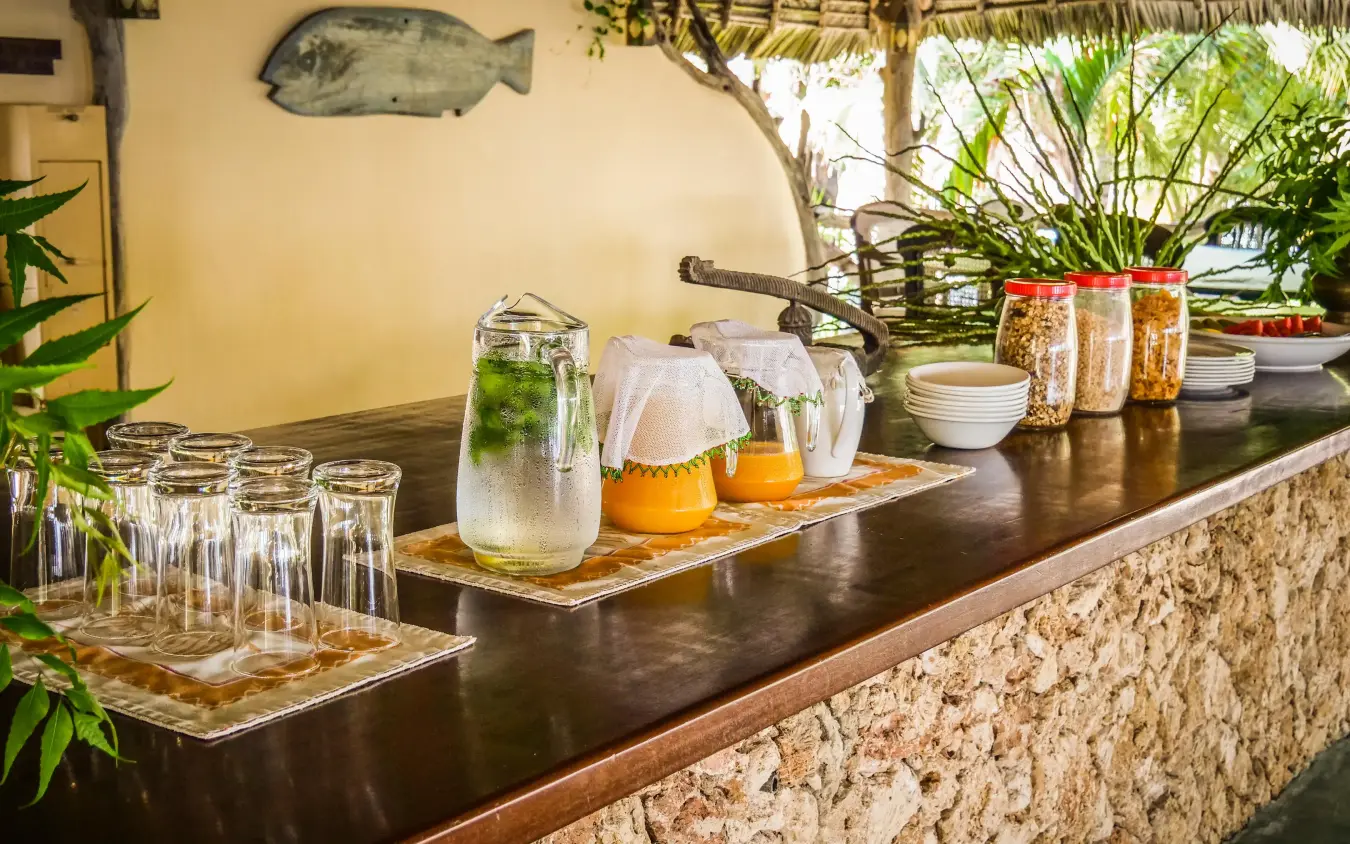
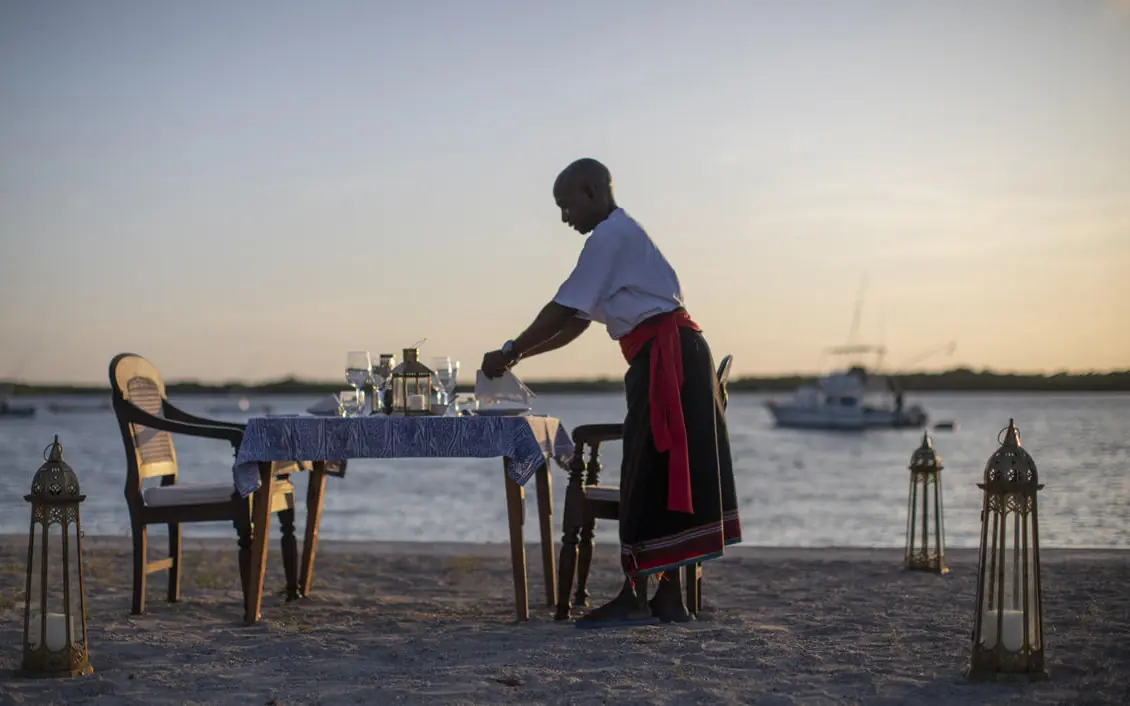
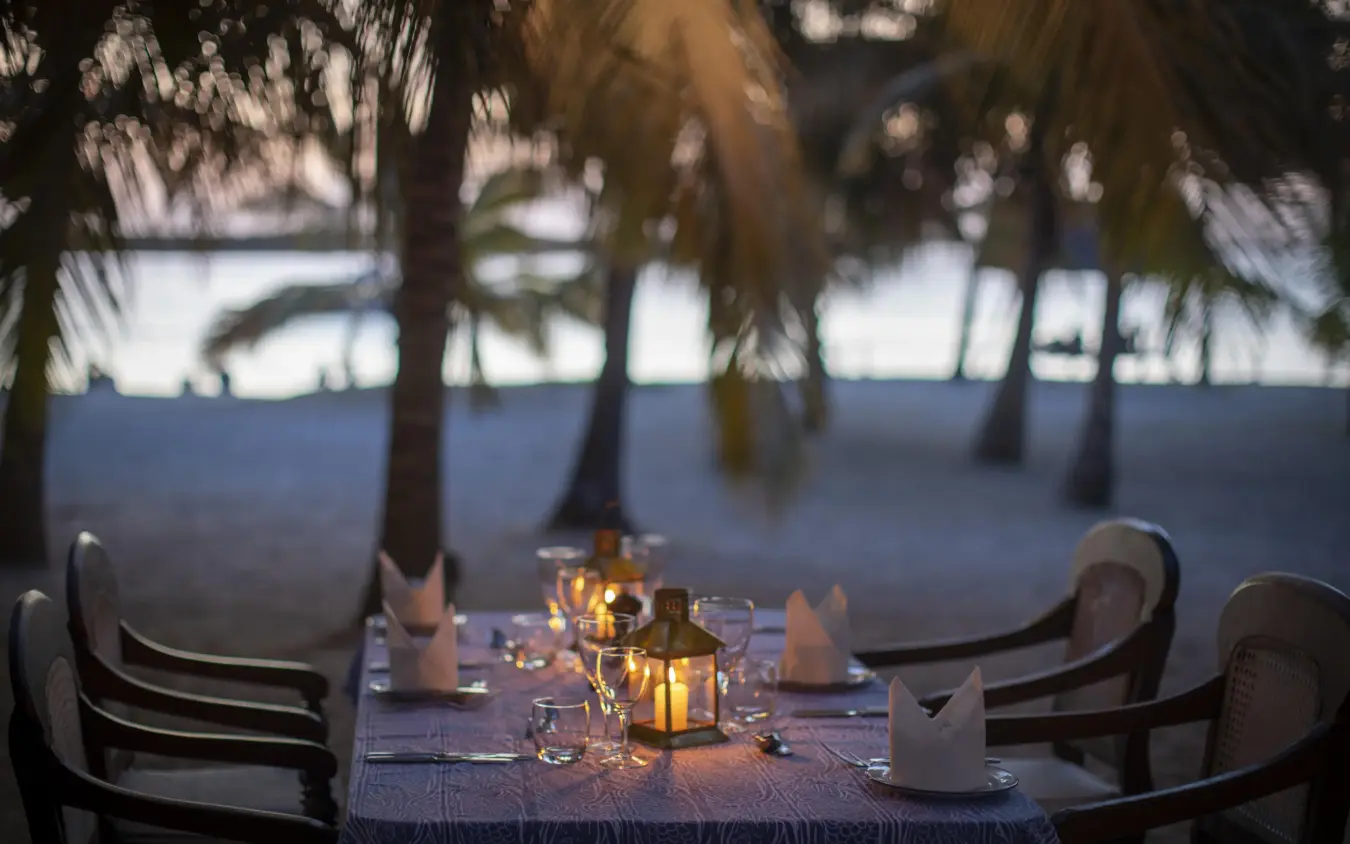
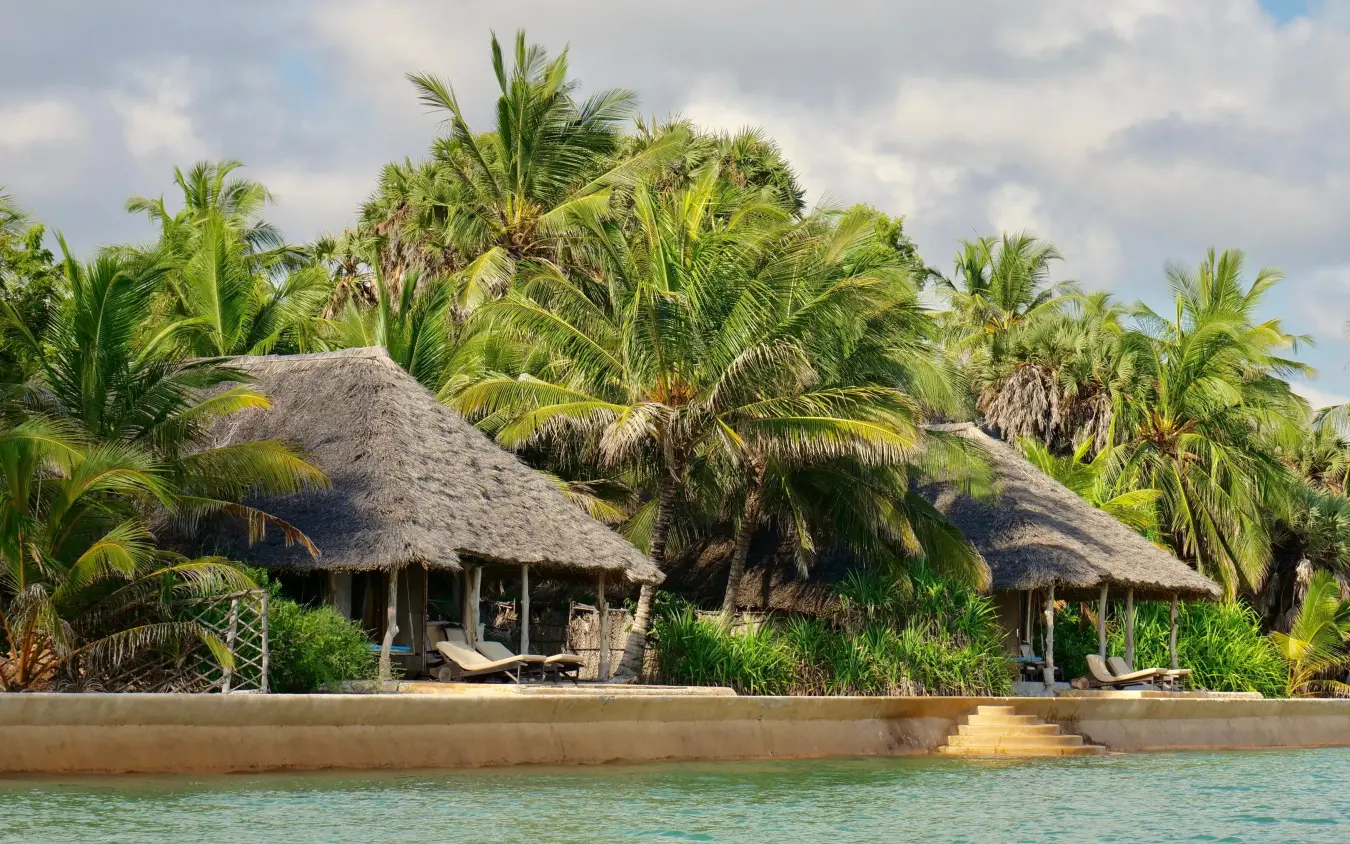
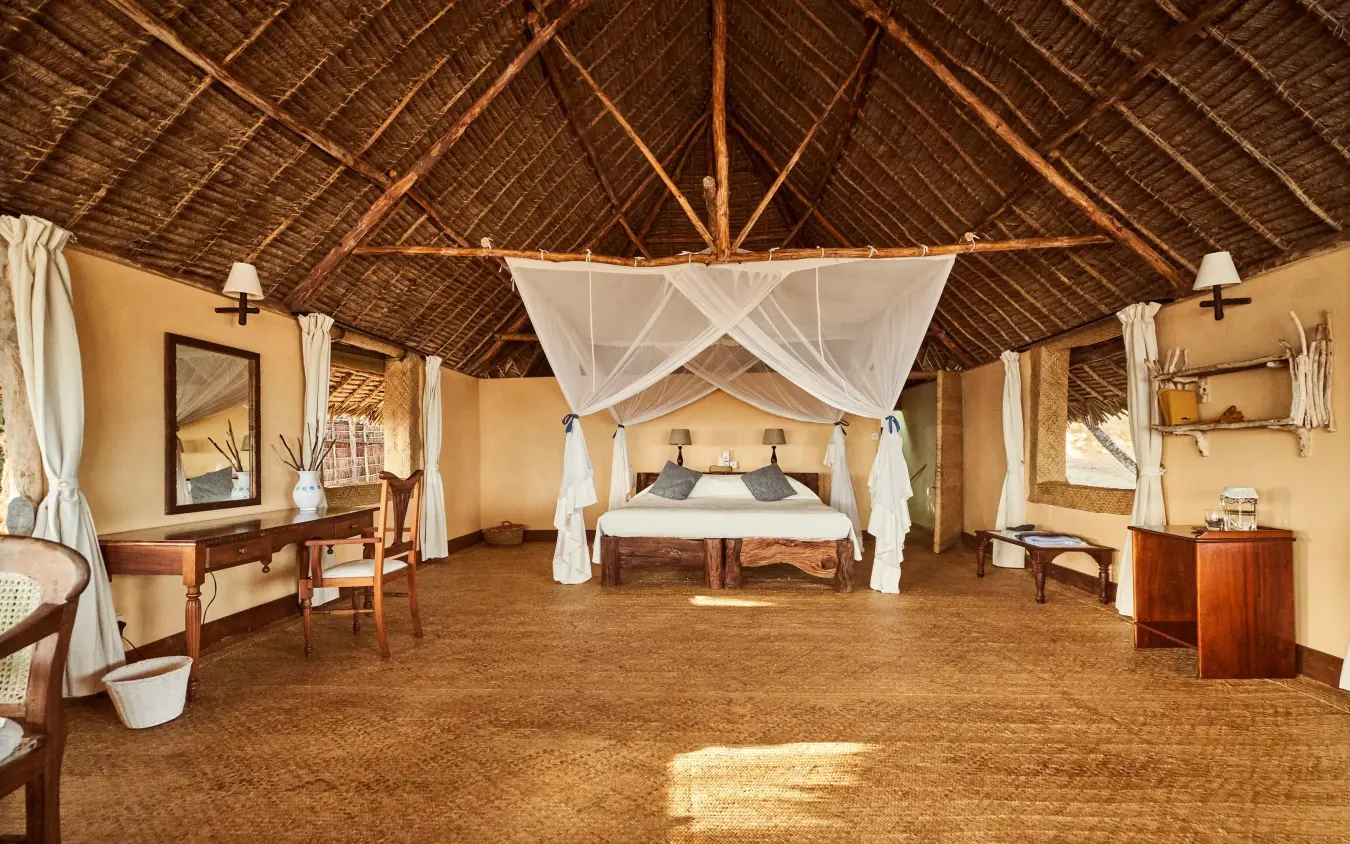
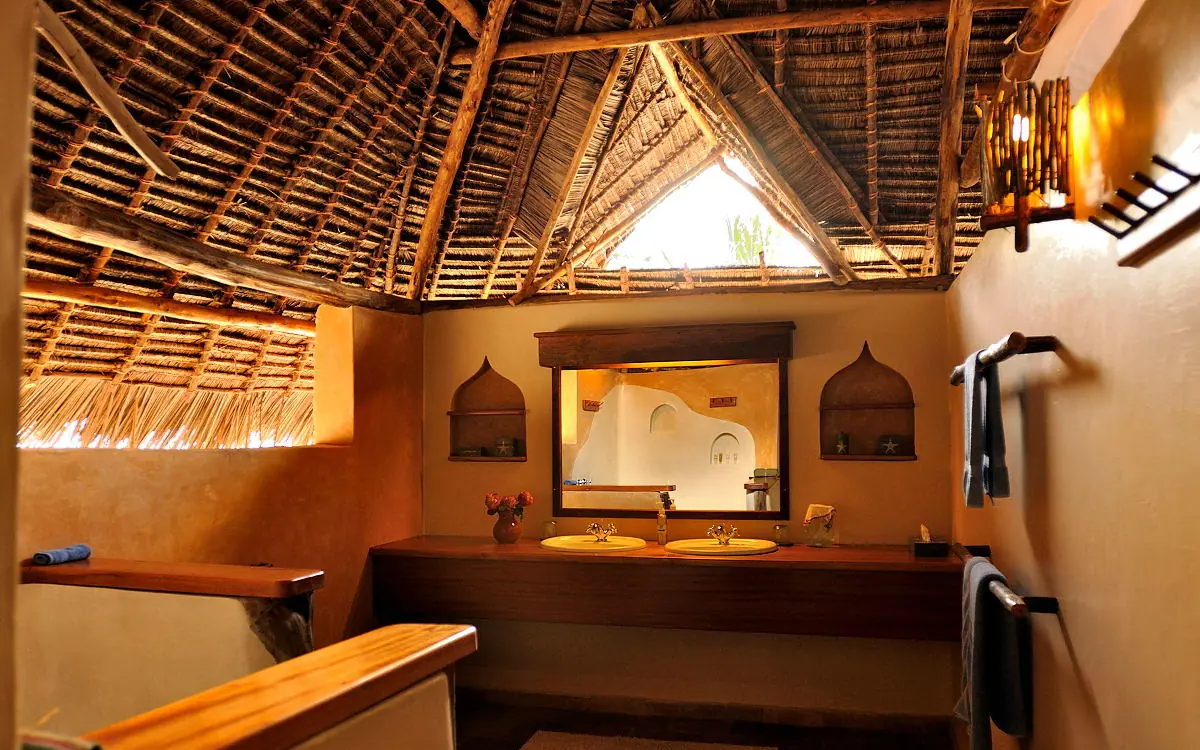
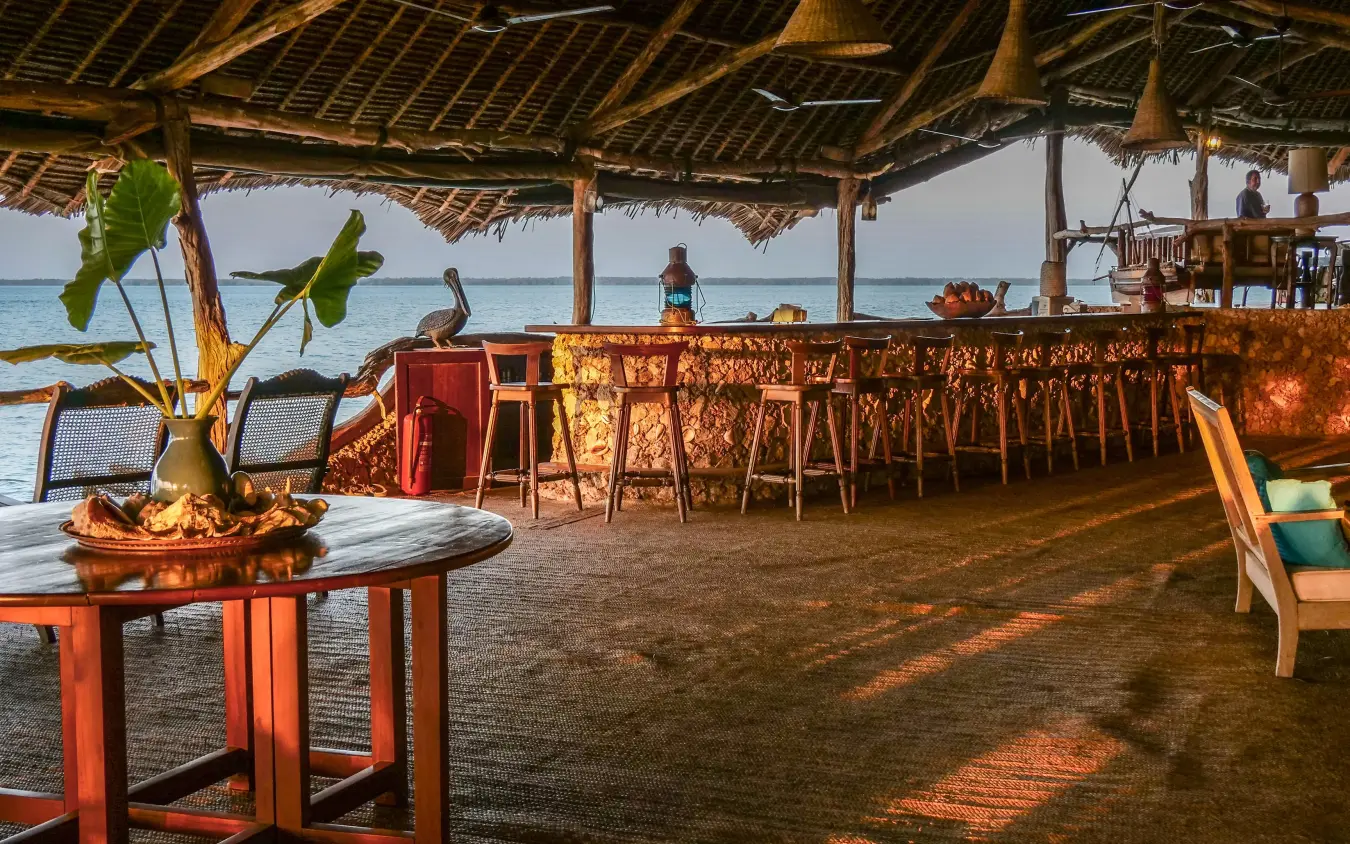
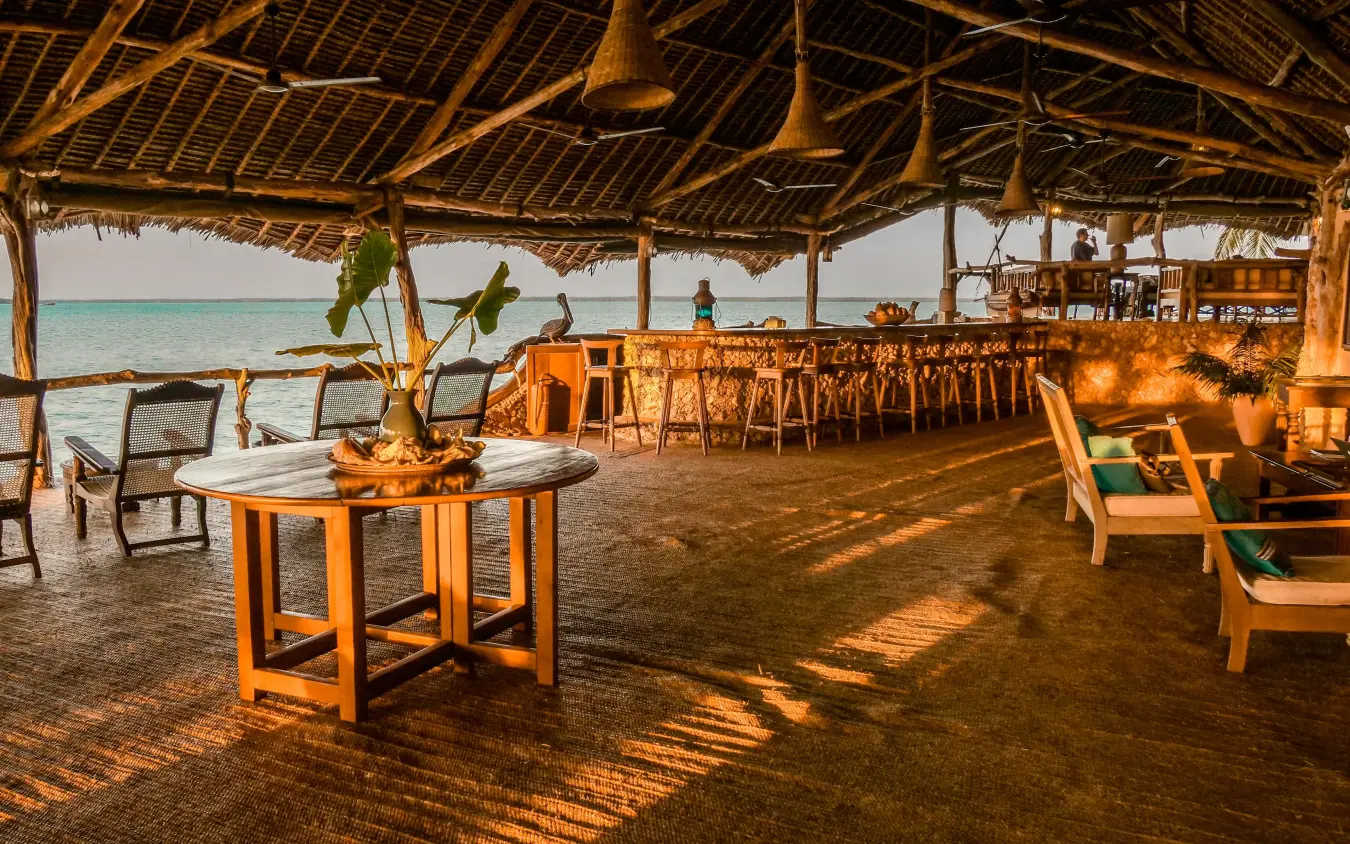
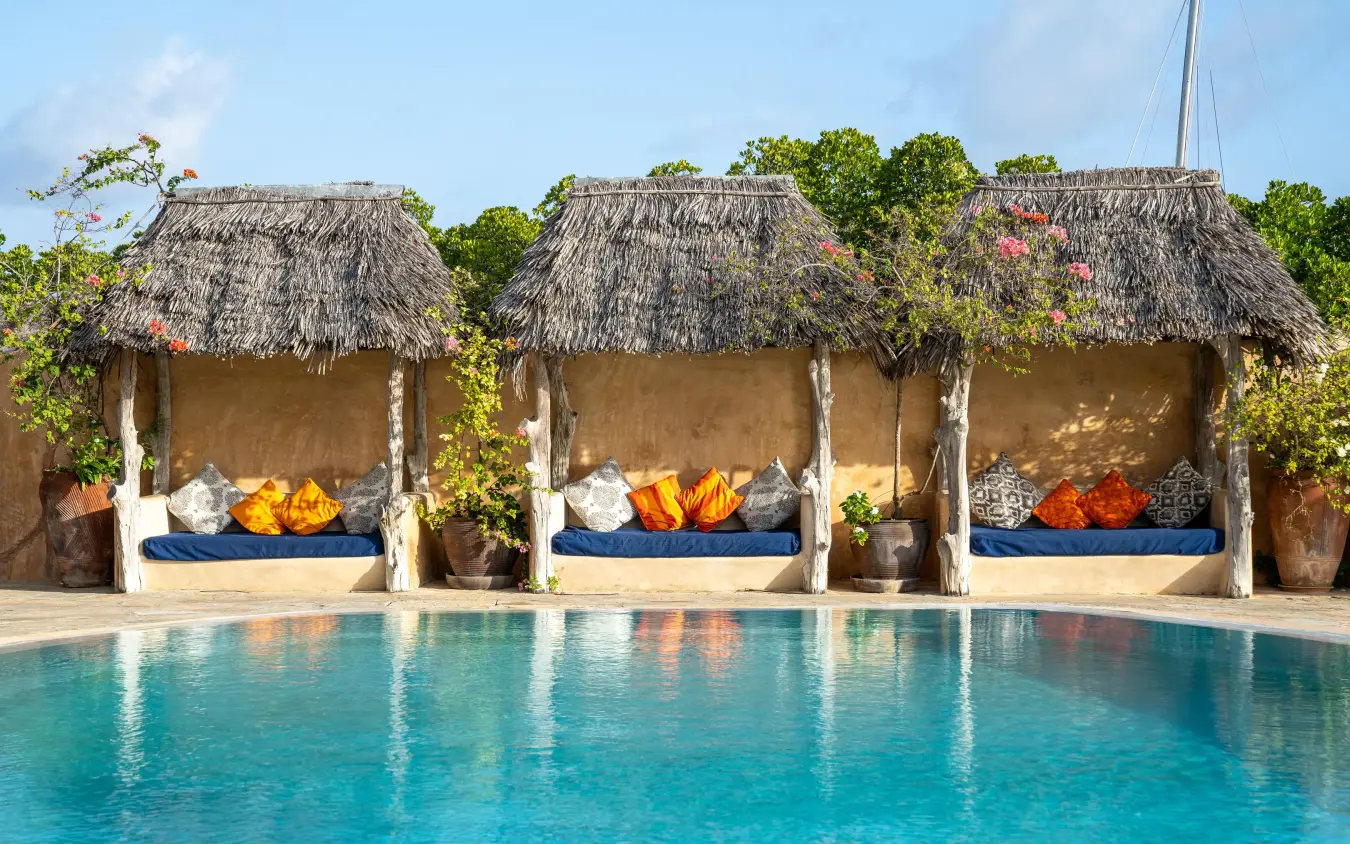
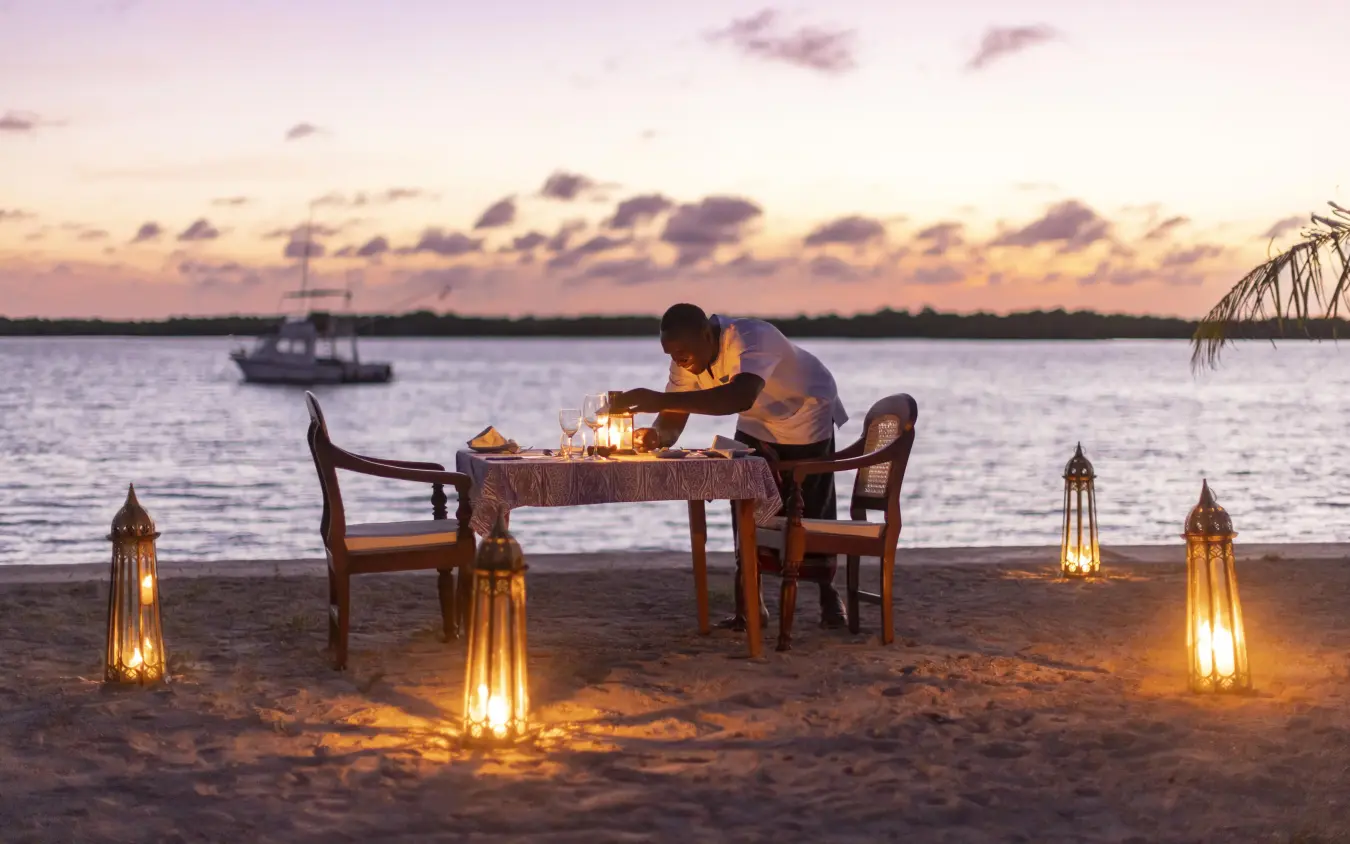
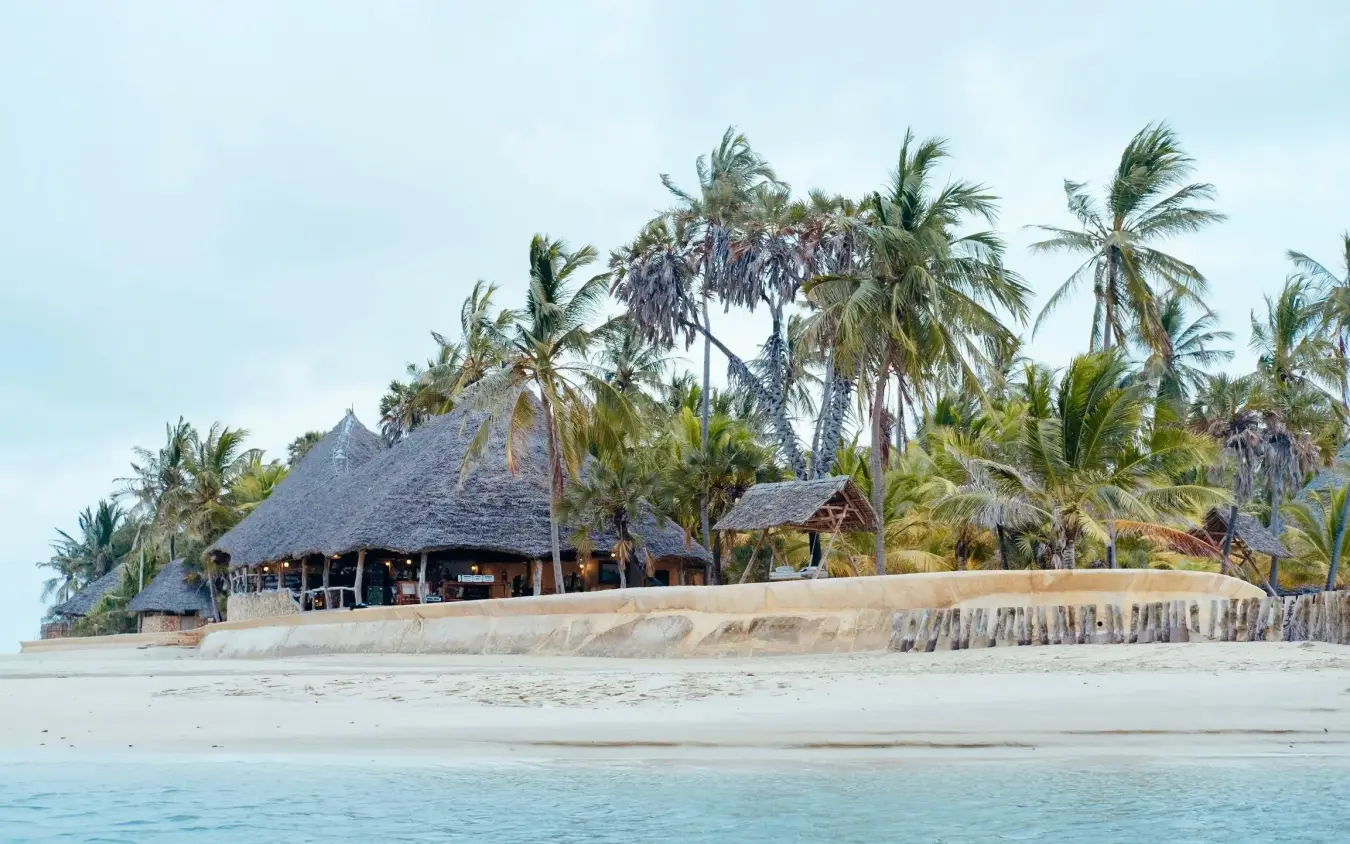
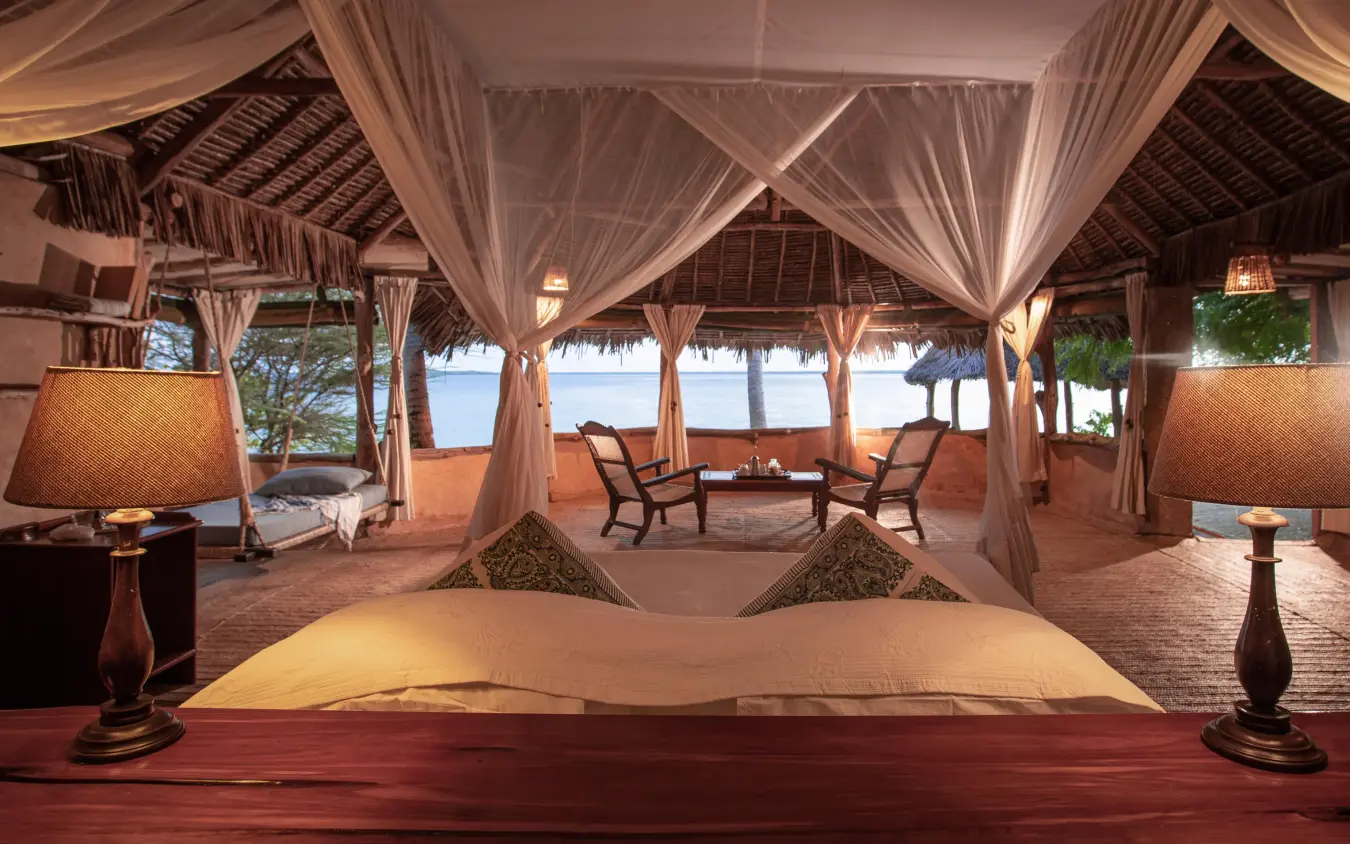
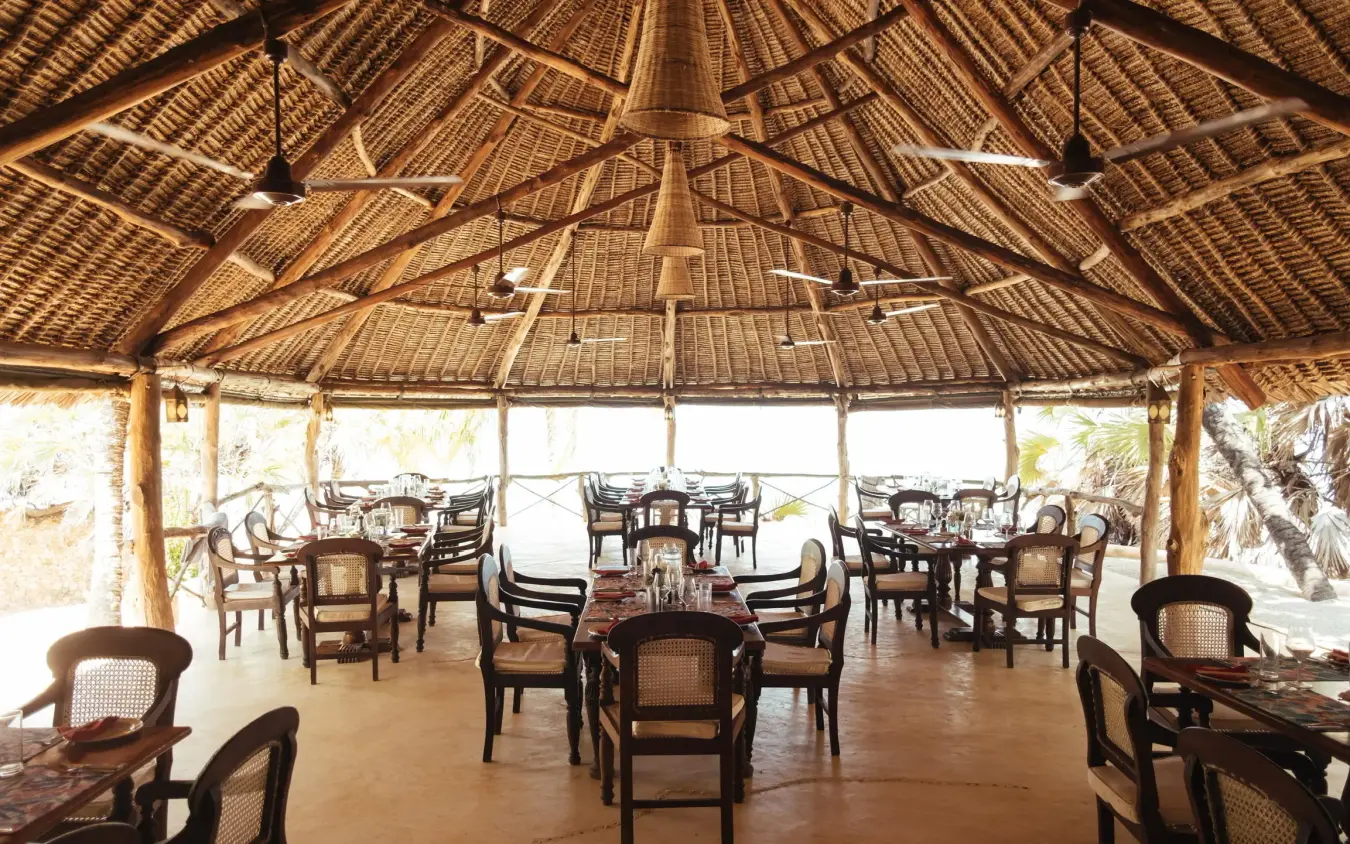
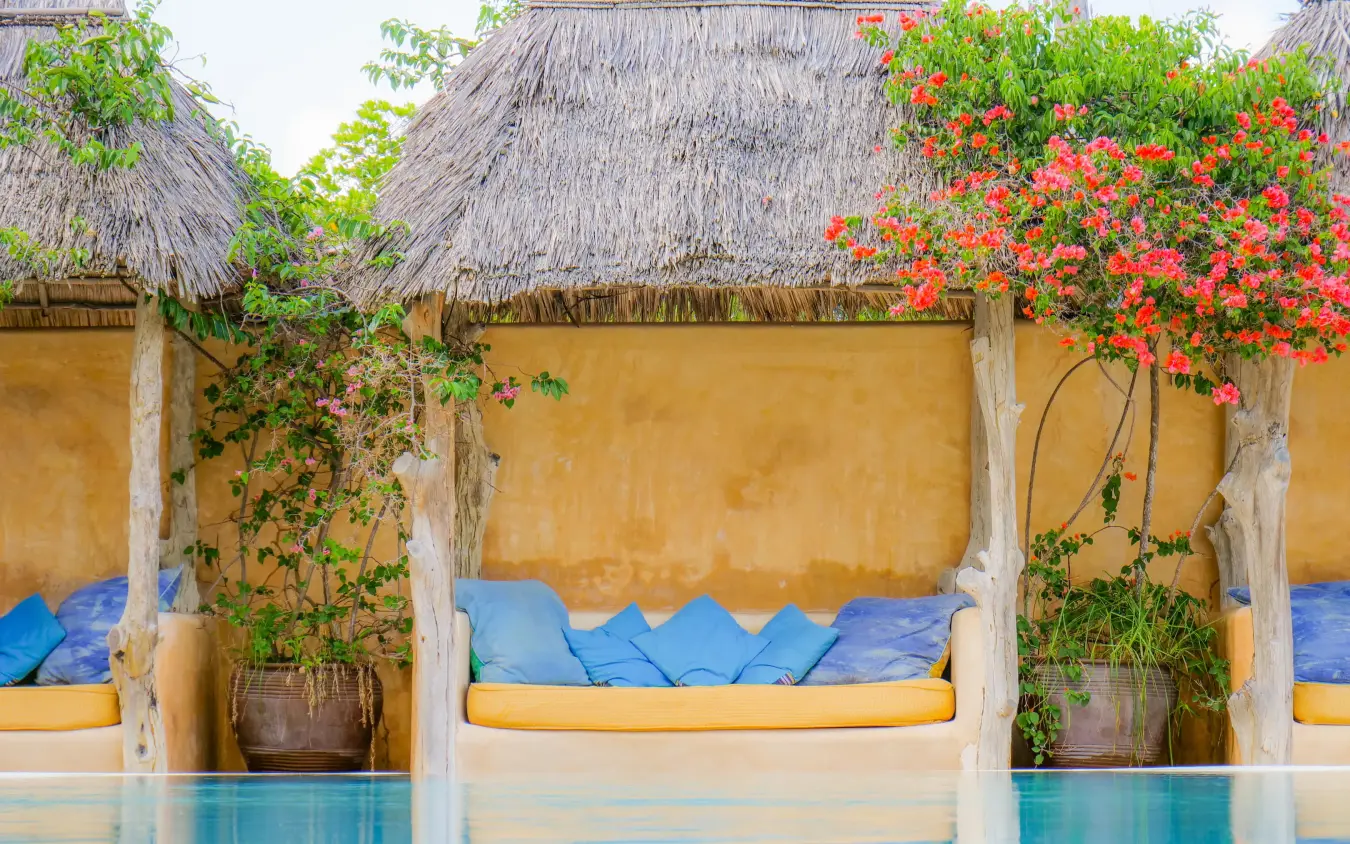
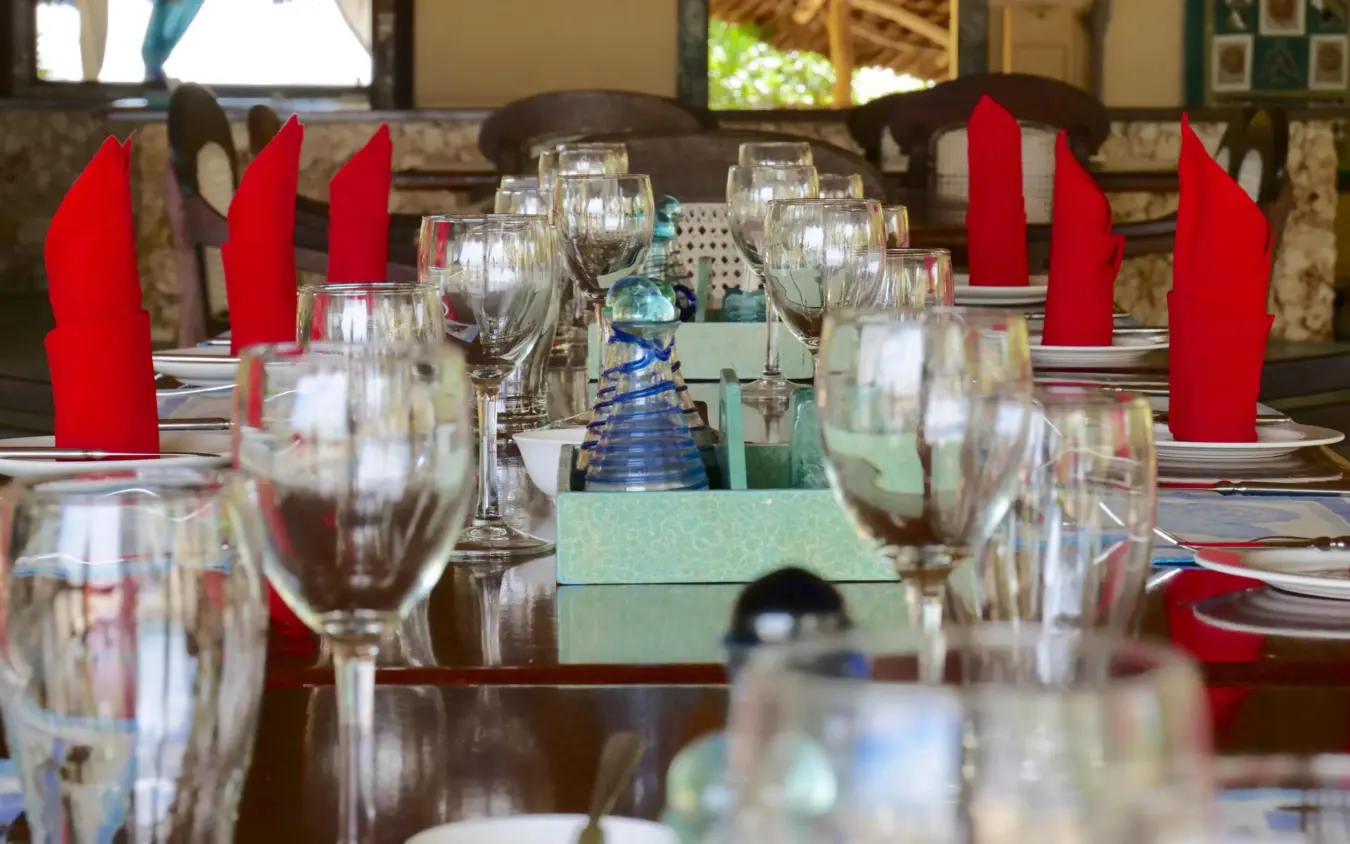
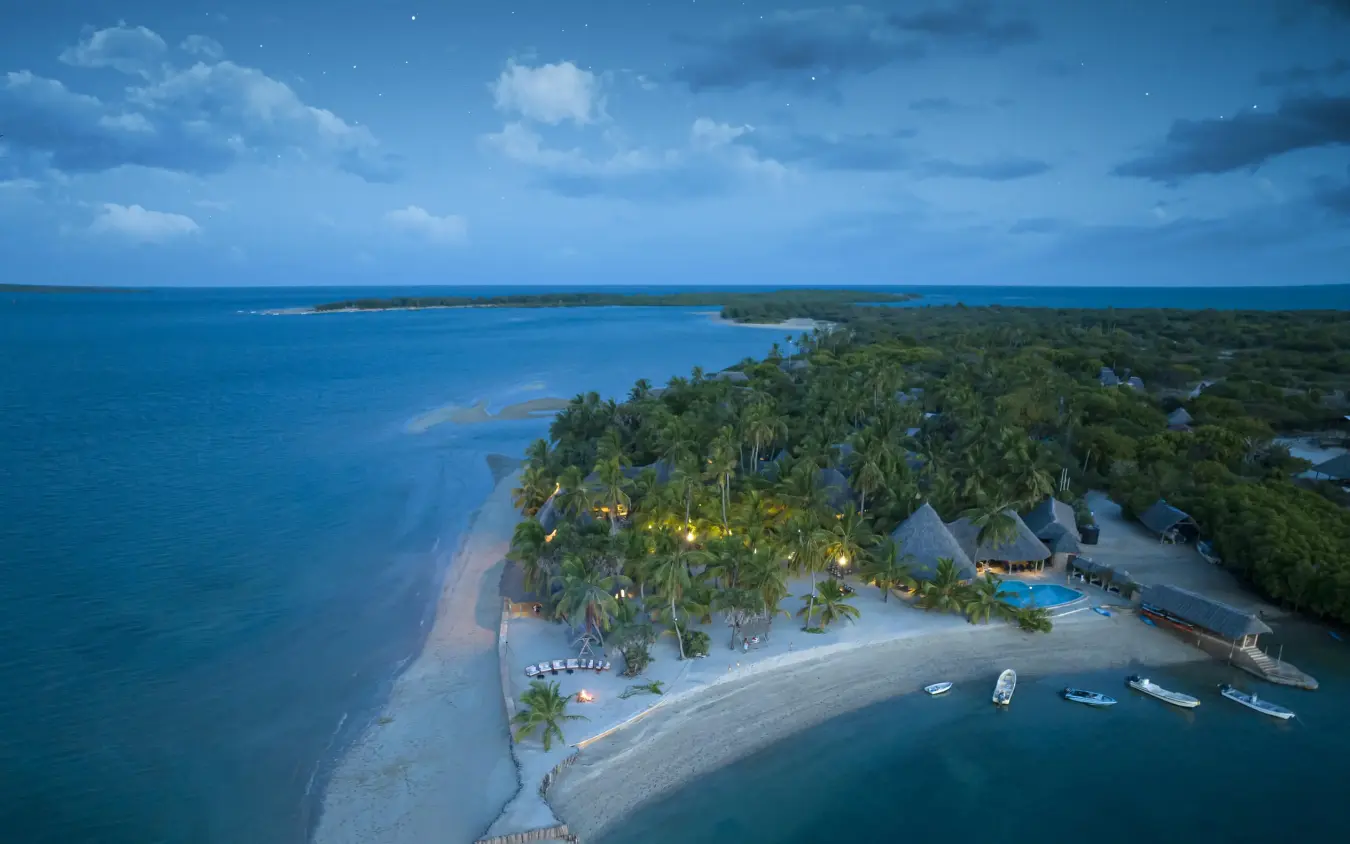
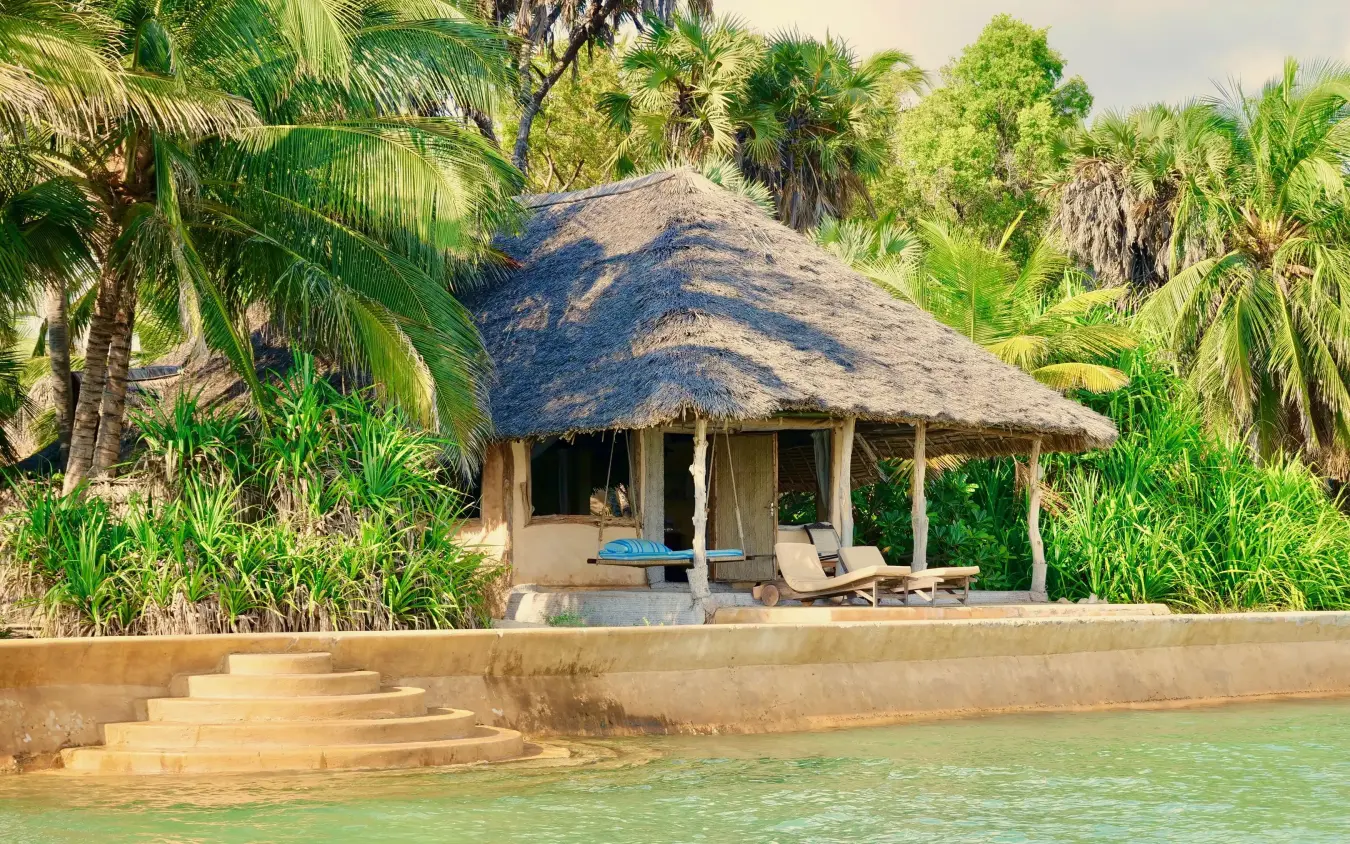
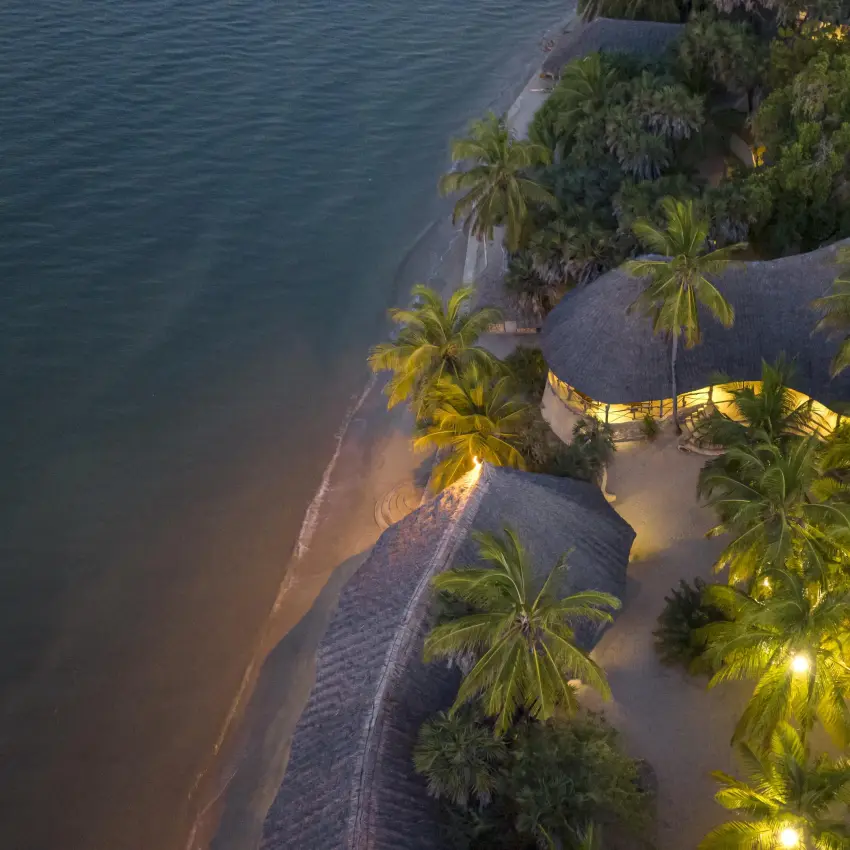
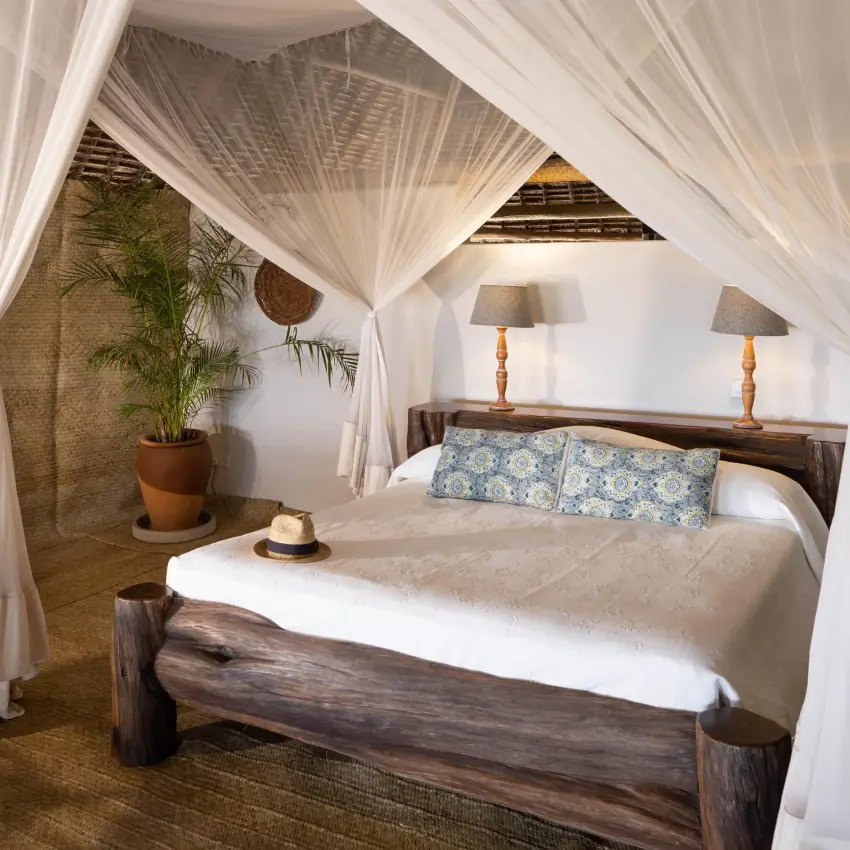
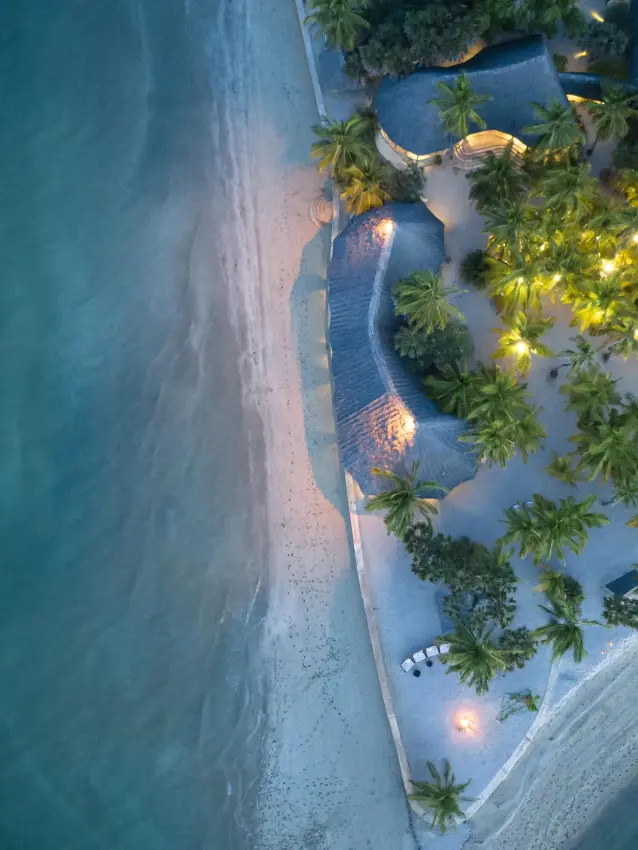
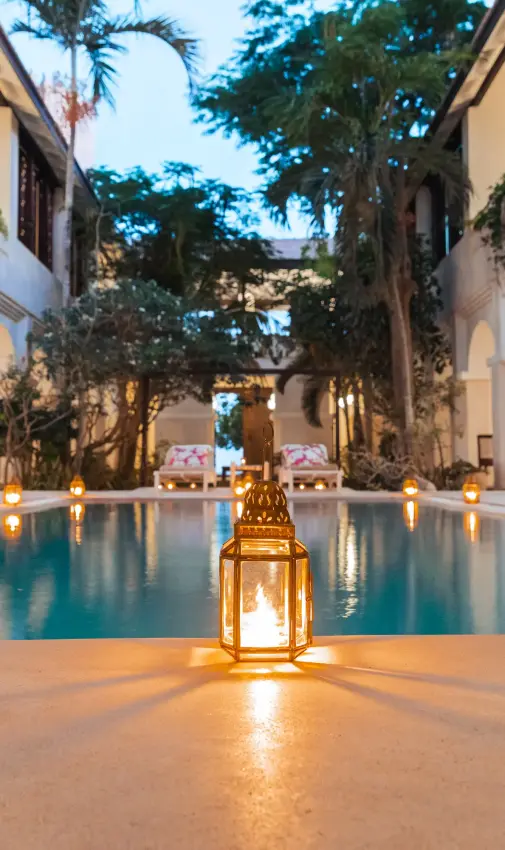
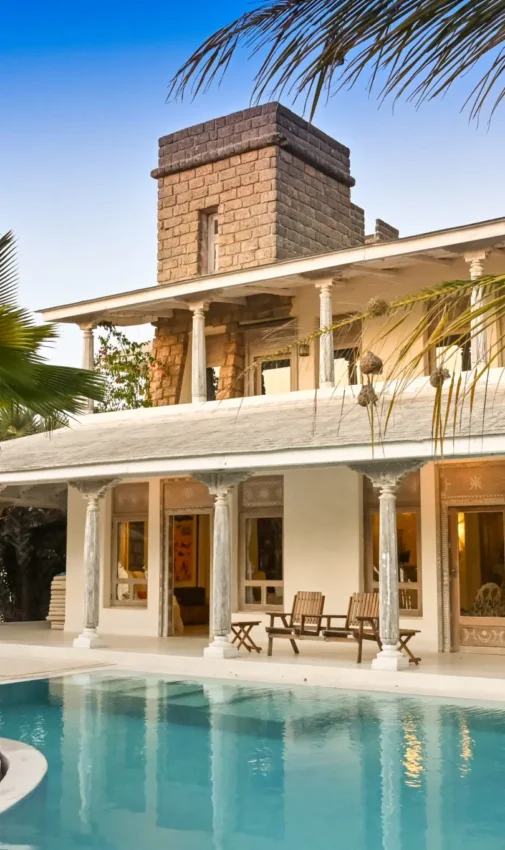
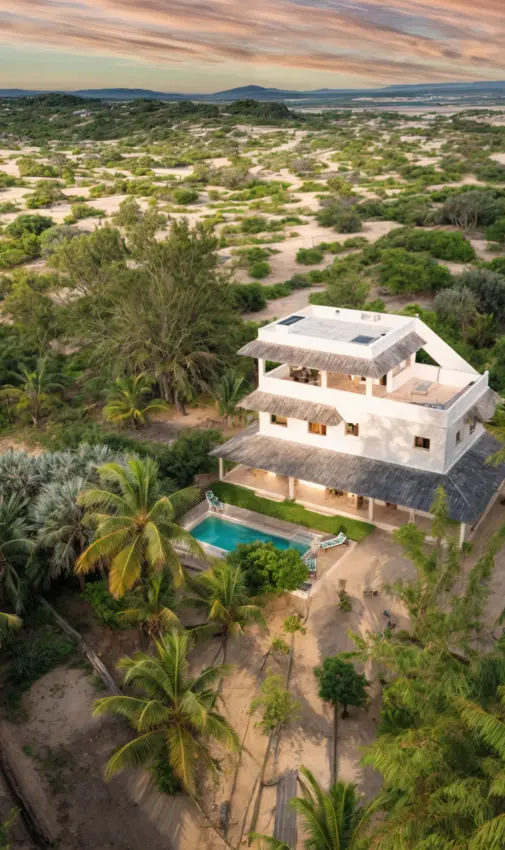
The rest of the day fills easily, whether with beach games, a game of pool or table tennis, or a long afternoon spent on the verandah swing beds. Dining runs on fresh seafood and Kenyan dishes, served in the open-sided room above the beach or privately on the sand under the stars. The cottages carry a coastal Swahili style through the whole lodge, their floors woven from palm, their windows open to the air without glass, their overhead fans turning above walk-in mosquito nets. Children under five stay free, and family rooms and extra beds make travelling as a group straightforward.
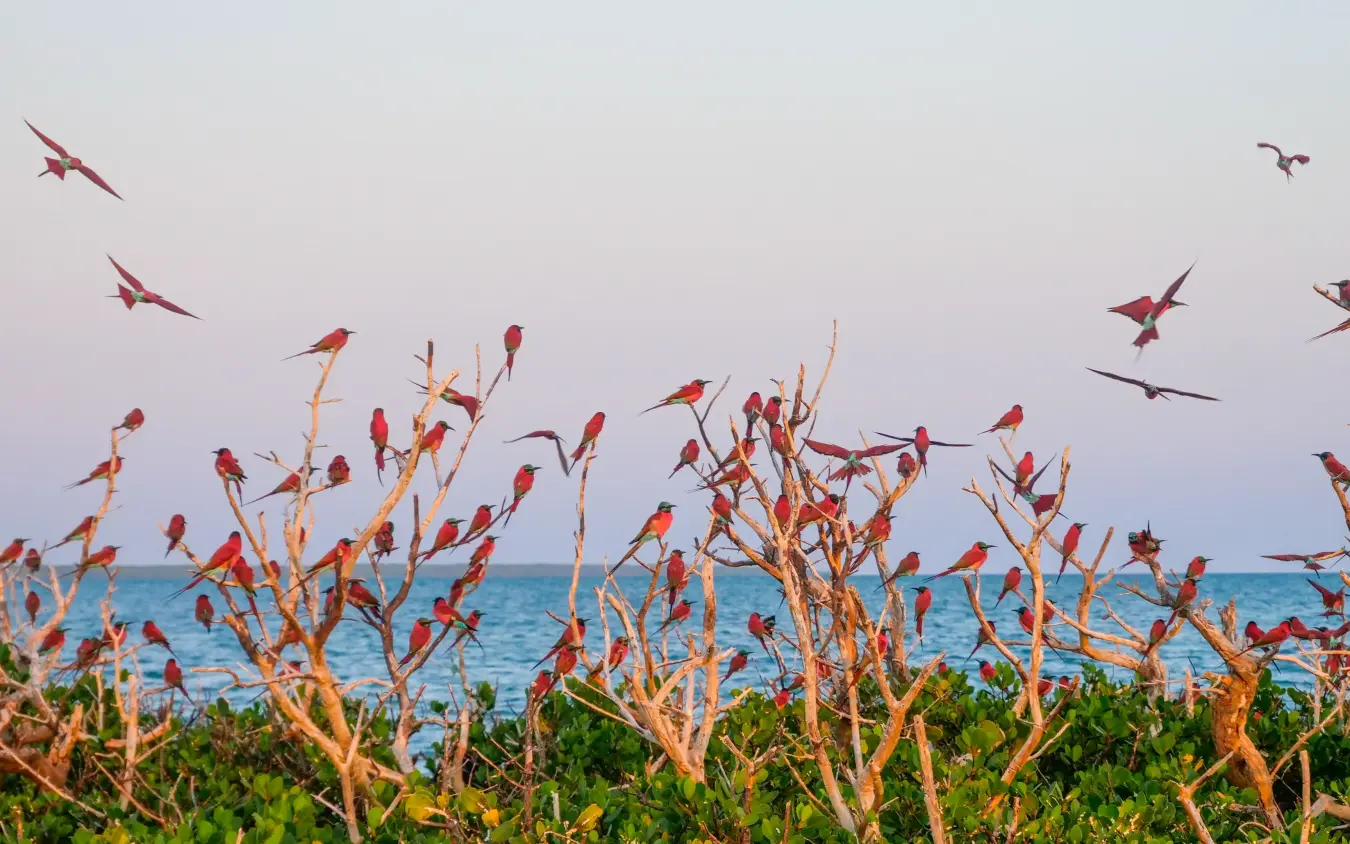
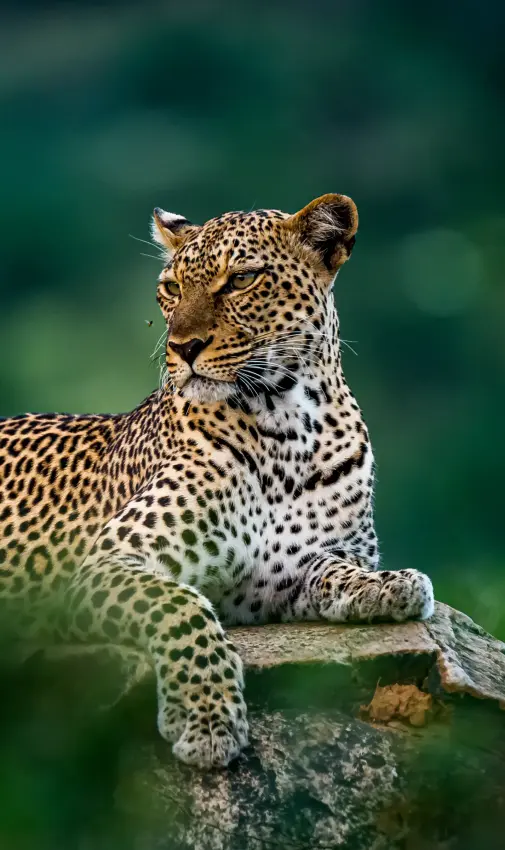
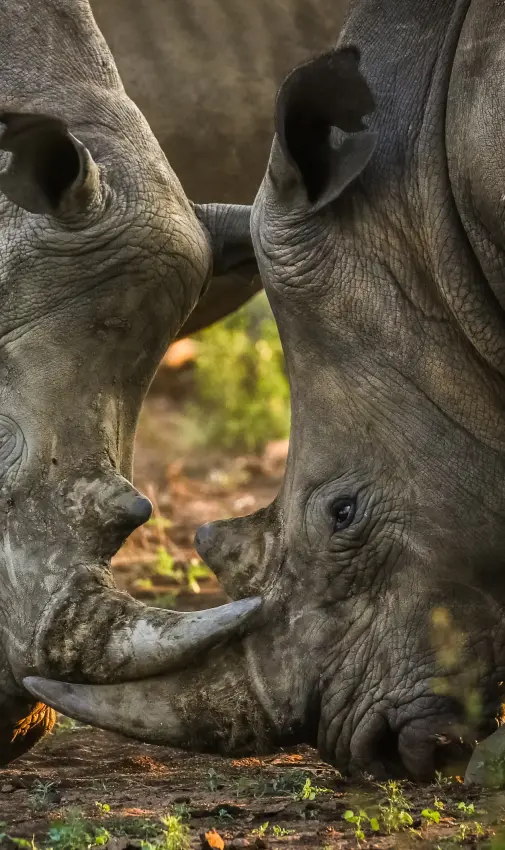
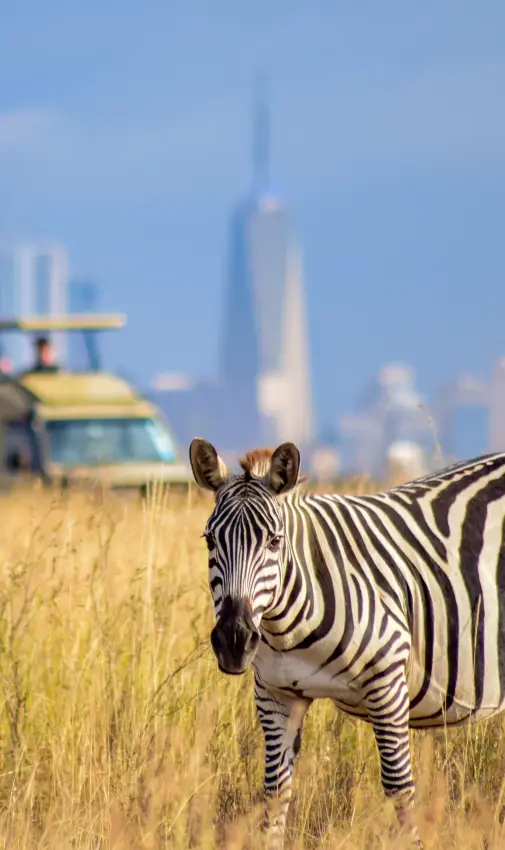
Away from the water, Manda Island holds more wildlife than most stretches of coast. A resident buffalo herd gathers at a waterhole near the airstrip that the lodge keeps filled through the dry months, and game drives and night drives run out across the island. Bushbuck, dik-dik, mongoose, civet and porcupine move through the coastal bush behind the beach, and after dark the slender-tailed nightjars and bushbabies emerge. The lodge runs on solar power, its own desalination plant supplying both guests and the resident wildlife.