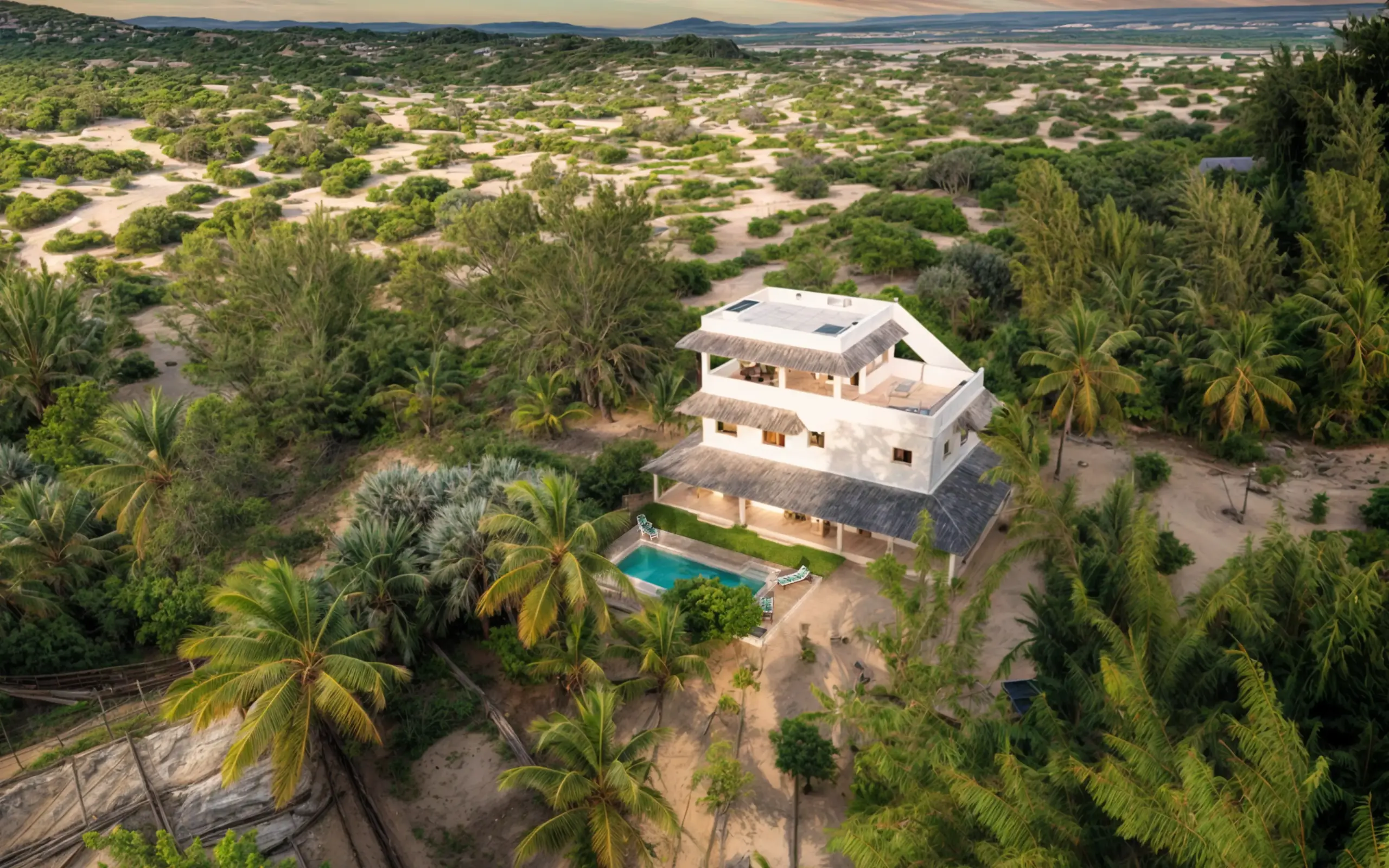
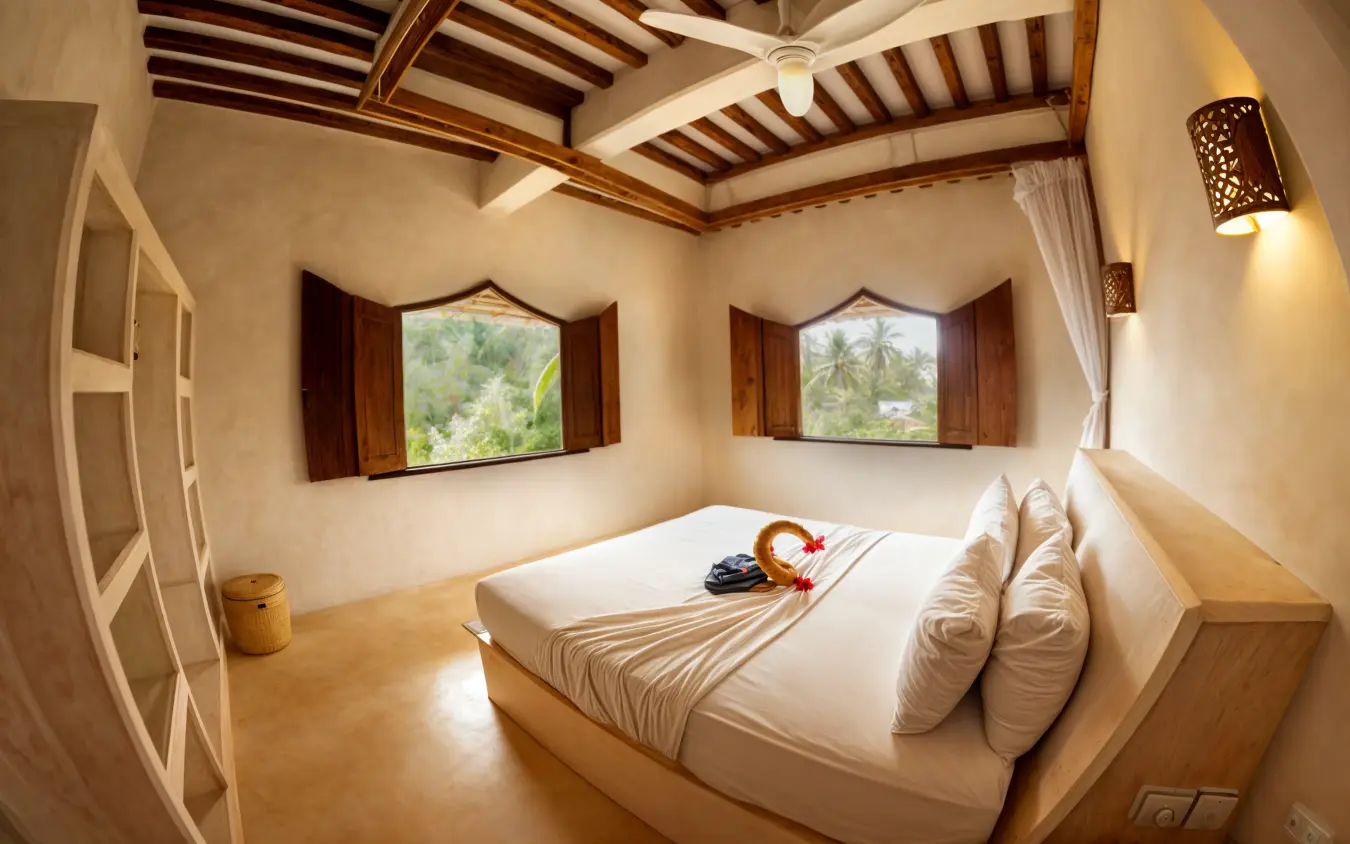
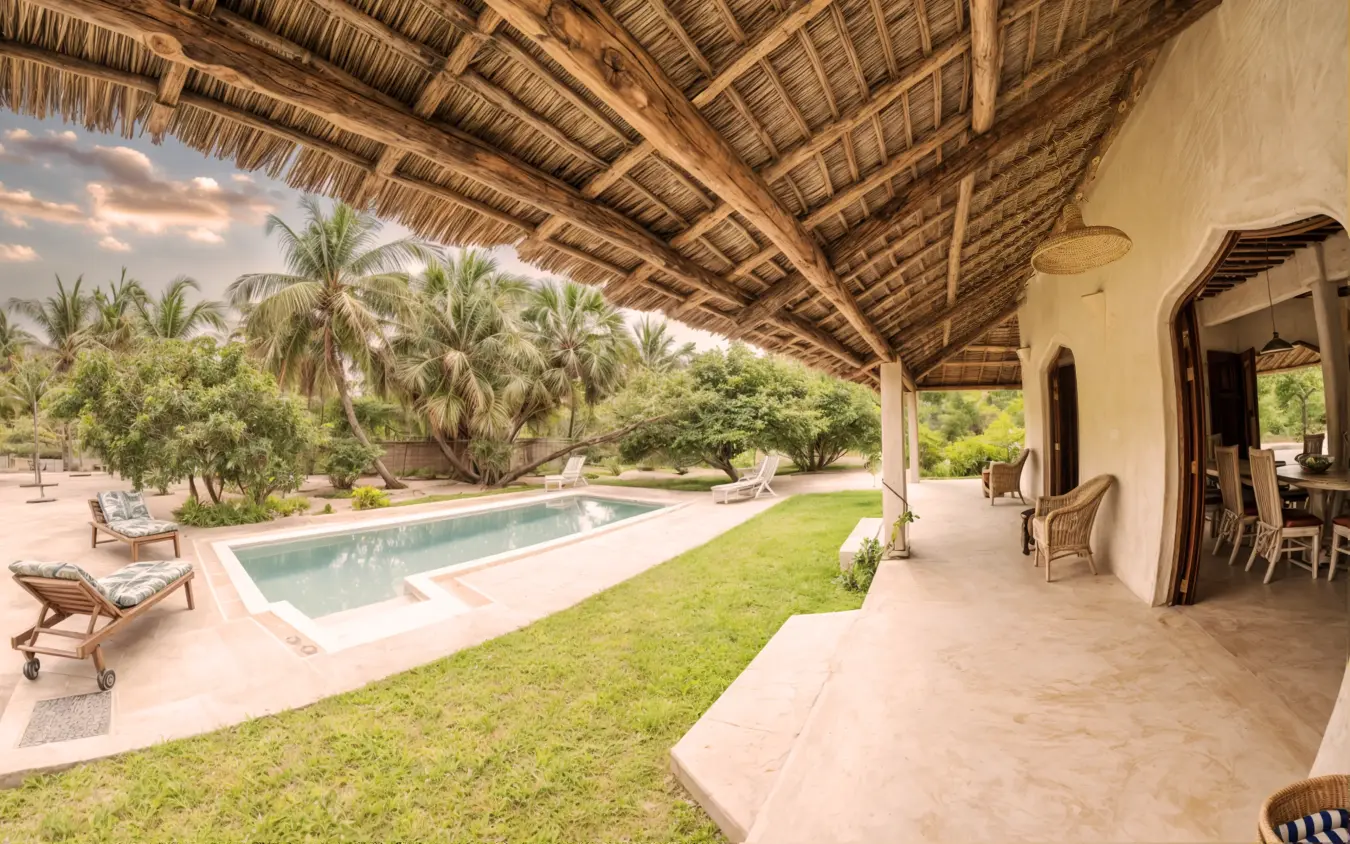
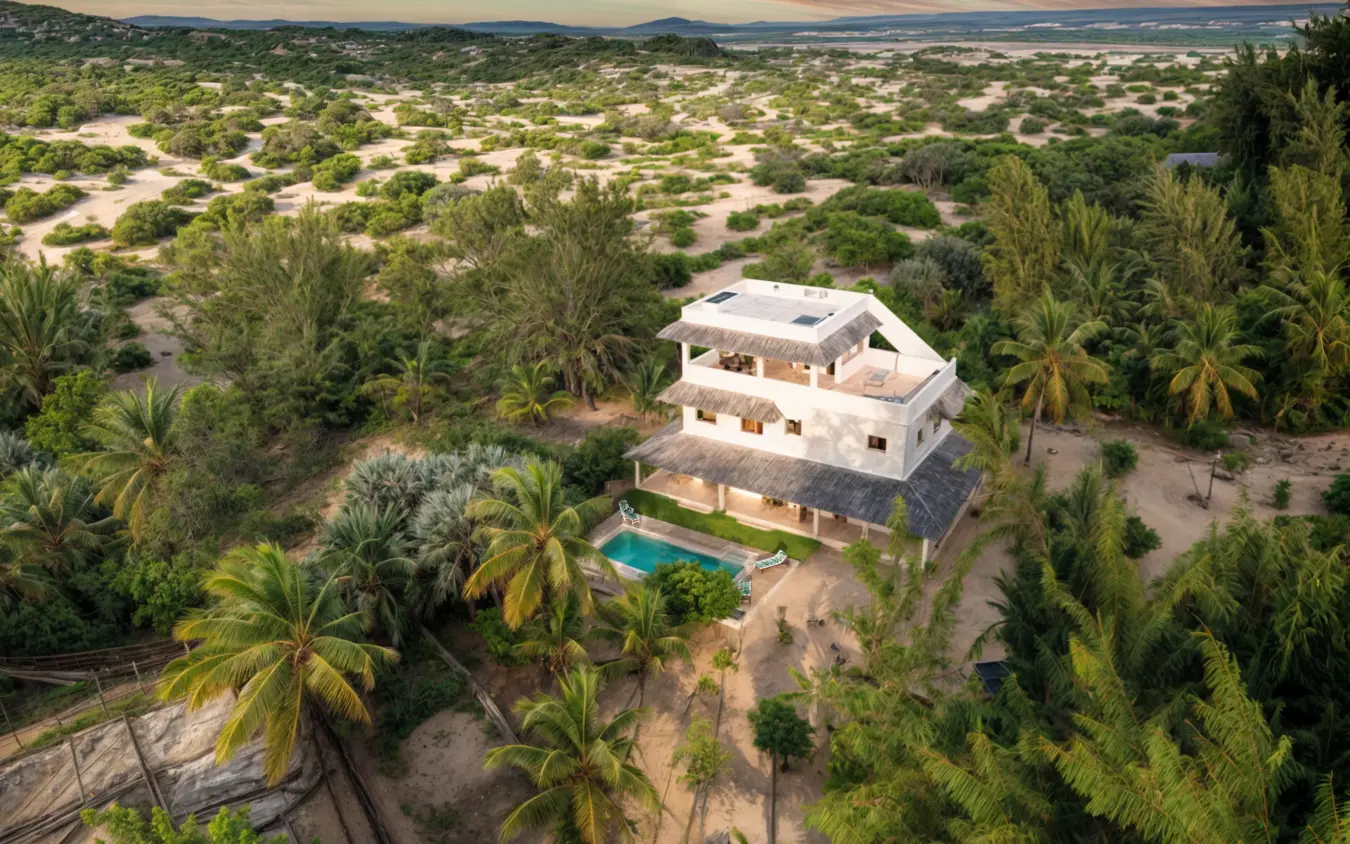
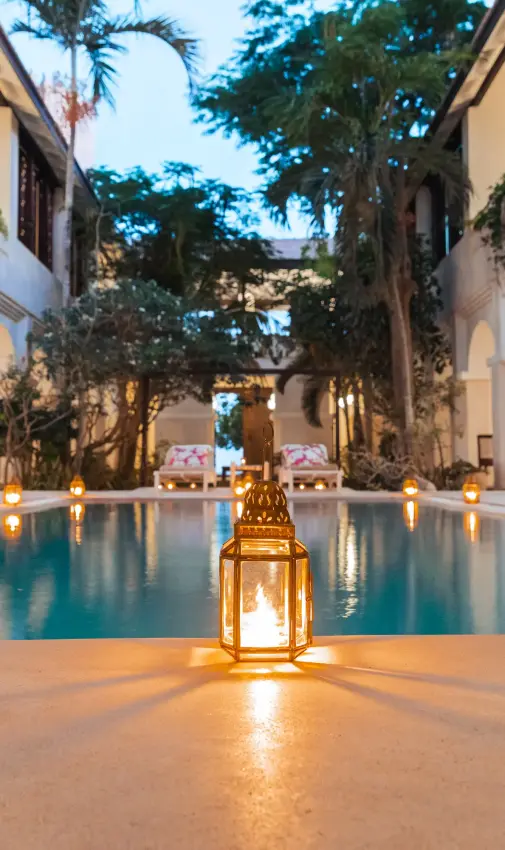
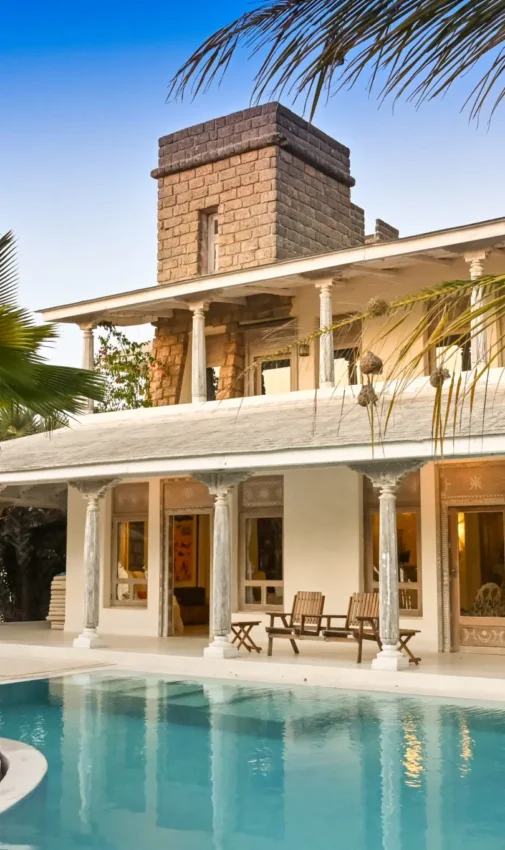
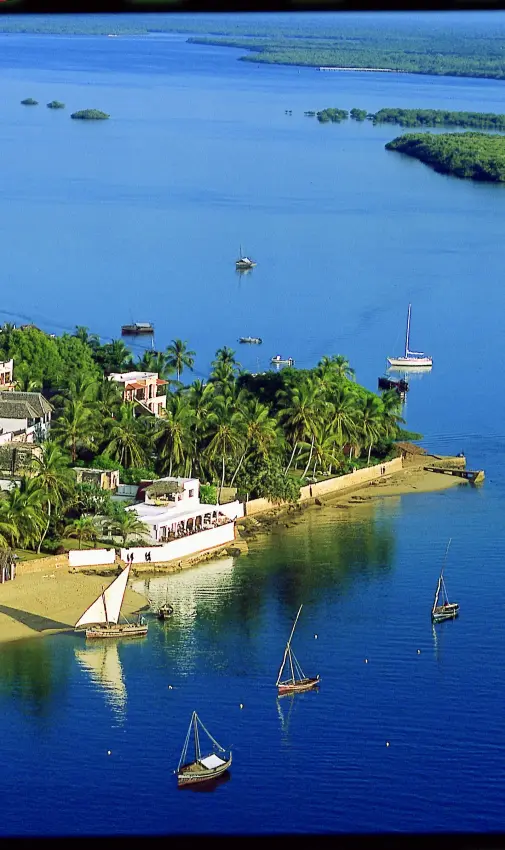
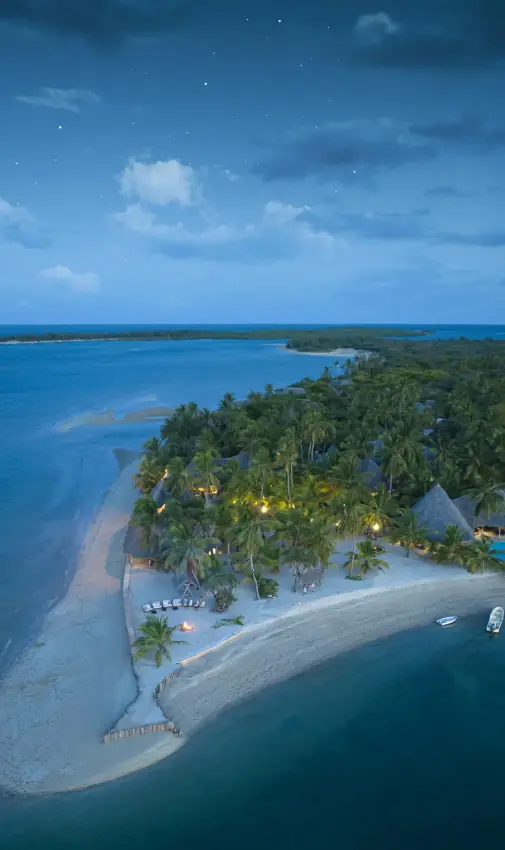
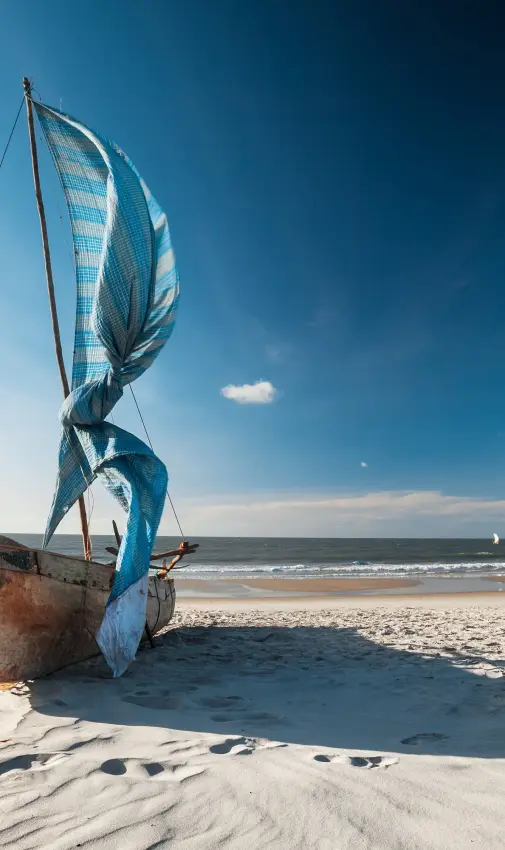
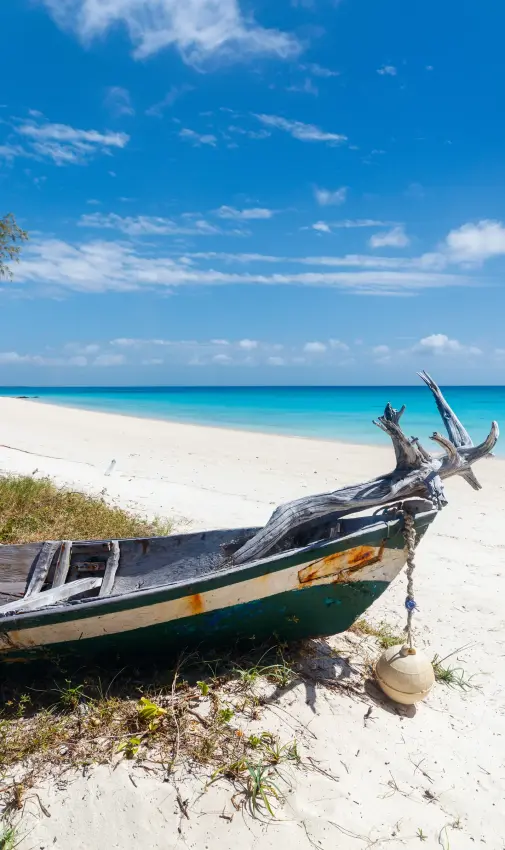
The run from Manda is thirty minutes of mangrove channel and salt spray, and the house shows itself only at the end, low behind the dunes on Kizingoni Beach on the southern shore of Lamu Island. Thick plastered walls and high ceilings keep the rooms dark and cool through the middle of the day, arched openings and carved wood mark the doorways, and makuti thatch shades the veranda where most of the living happens. The cement floors stay bare and cool underfoot, and the garden runs down to the sand.
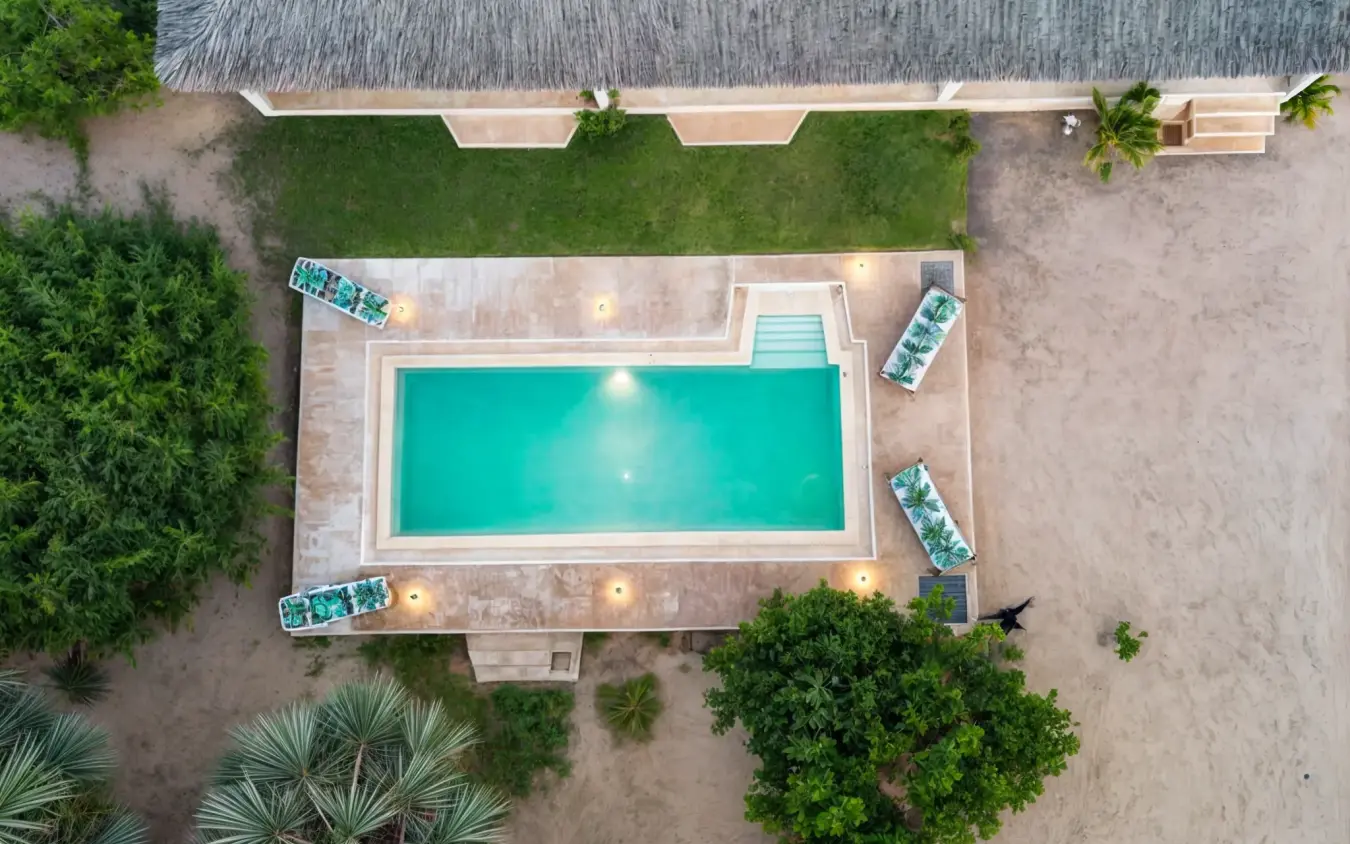
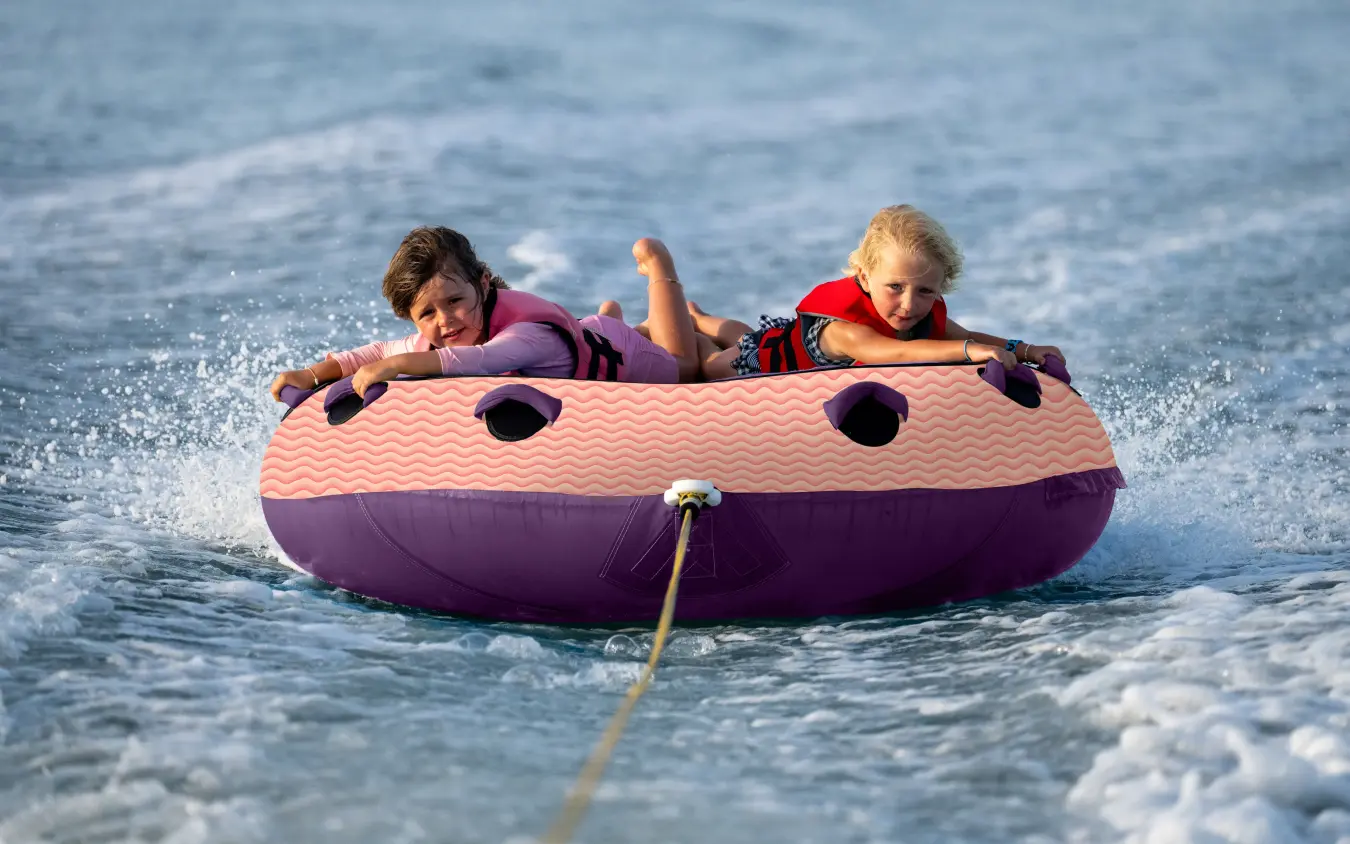
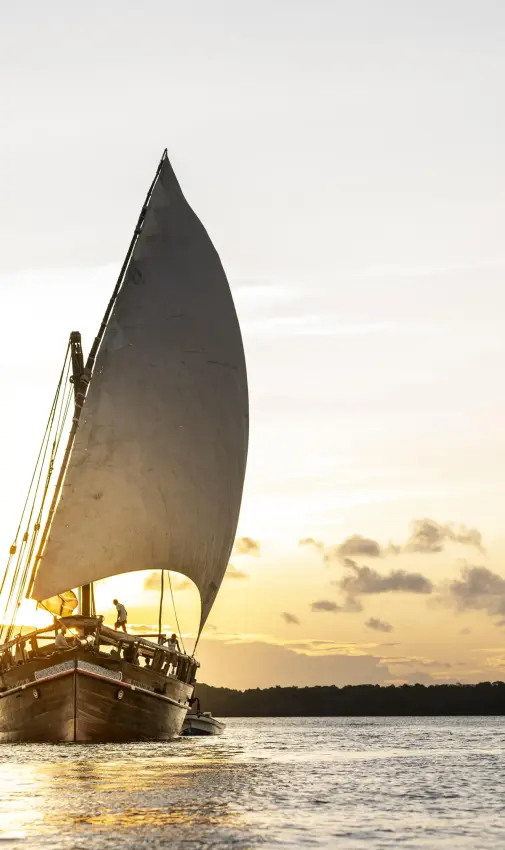
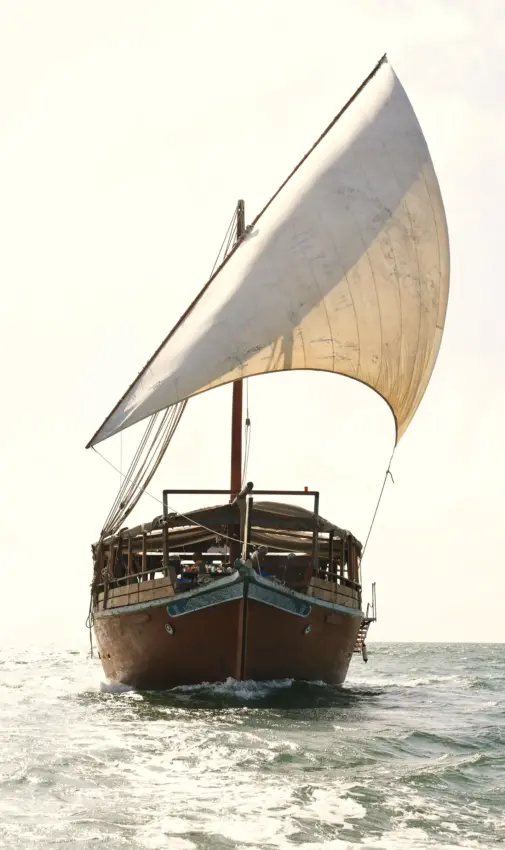
An outside stair climbs to the flat roof, which catches breeze from both the ocean and the creek side of the island, which is why yoga mats, sundowners and long lunches tend to end up there. There is no reception desk and no set mealtimes. Days are negotiated over fruit and eggs on the veranda: a sandbank for lunch, a swim, a dhow at six. Children are easily absorbed into this, with bedrooms that interconnect, safety gates at the pool, babysitting arranged in advance and homemade fish fingers from the kitchen. Older children tend to get more out of the boat days.
Dolphins work the channels and shorebirds pick over the tideline in front of the garden.
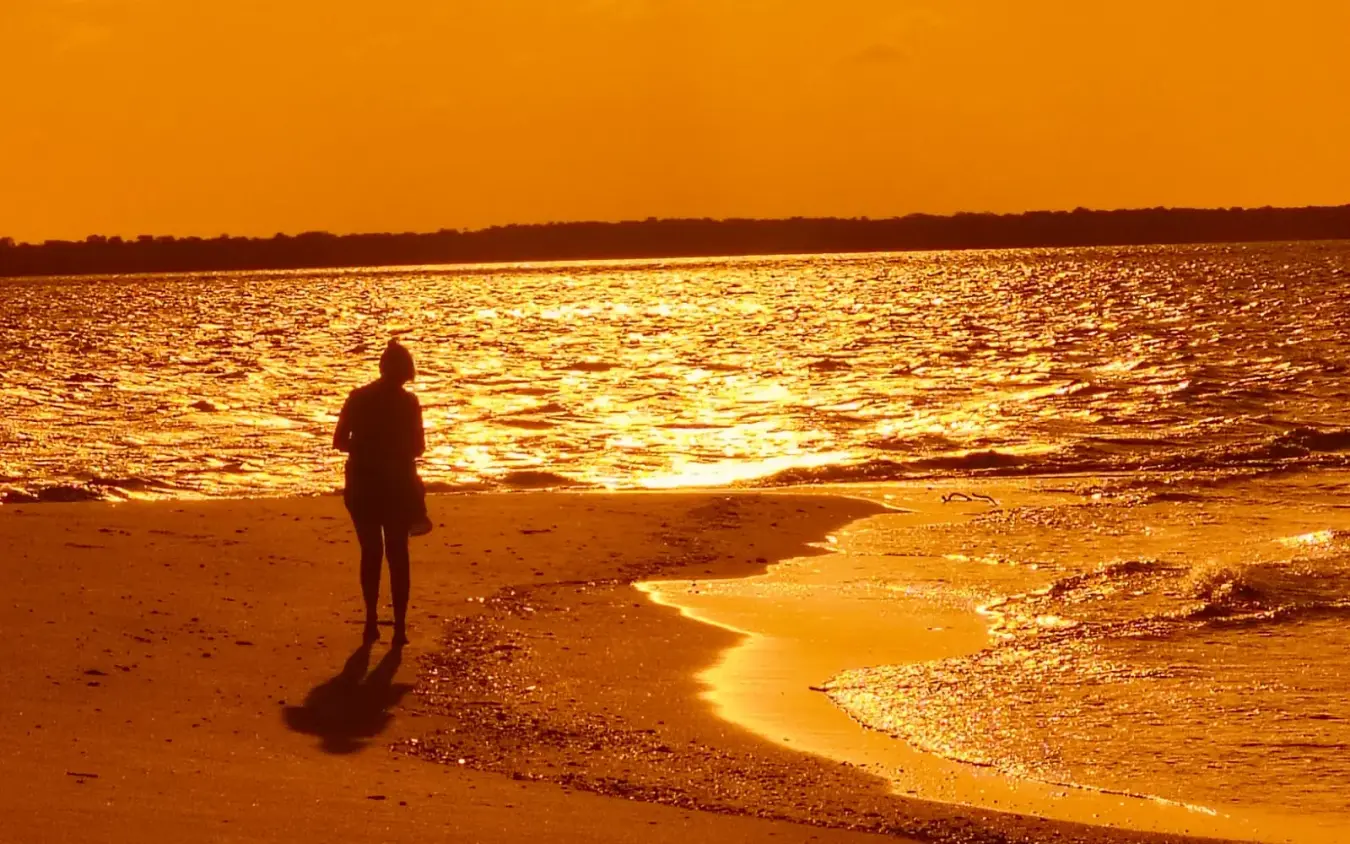
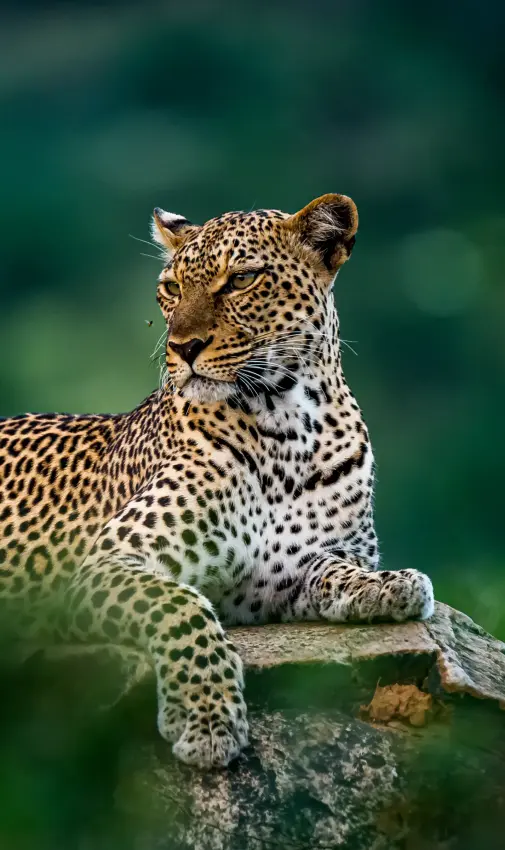
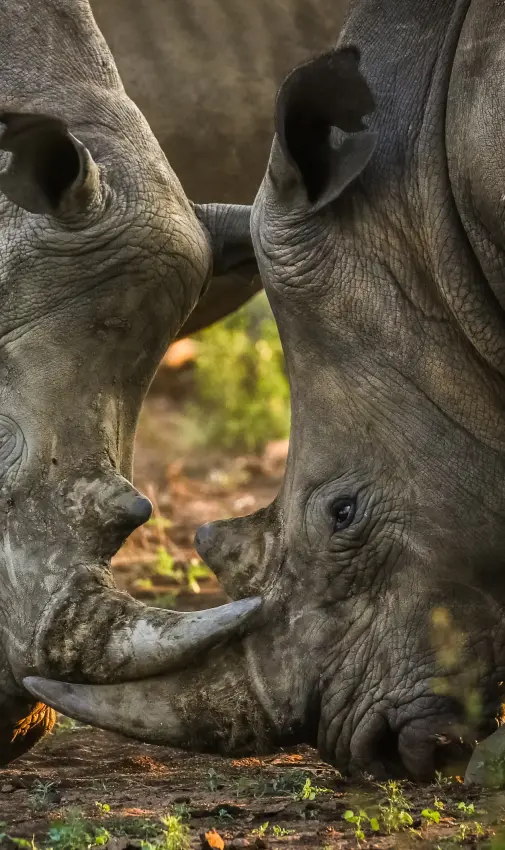
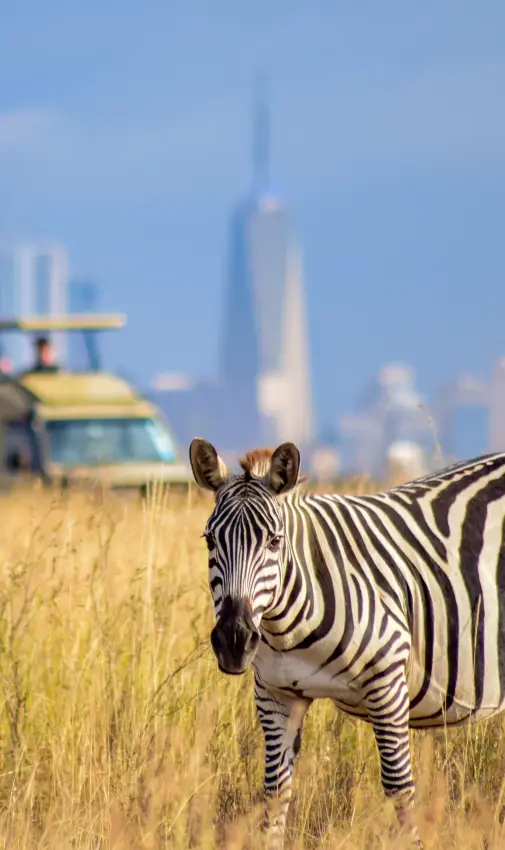
Kizingoni Beach runs empty in both directions, and ghost crabs skid across it ahead of you. Dolphins work the channels and shorebirds pick over the tideline in front of the garden. Sea turtles nest along the beach itself. Fishermen pull nets along the shore in the early morning. Game viewing belongs to the Laikipia half of the trip; Lamu supplies water, Swahili towns and the slow end of an itinerary. The staff come from the surrounding villages.
Guided village visits next door can be arranged. The rest of the coast comes by water: Lamu Old Town, a UNESCO World Heritage site, the cafés of Shela, and a yoga studio down the beach for anyone who would rather not climb to the roof.