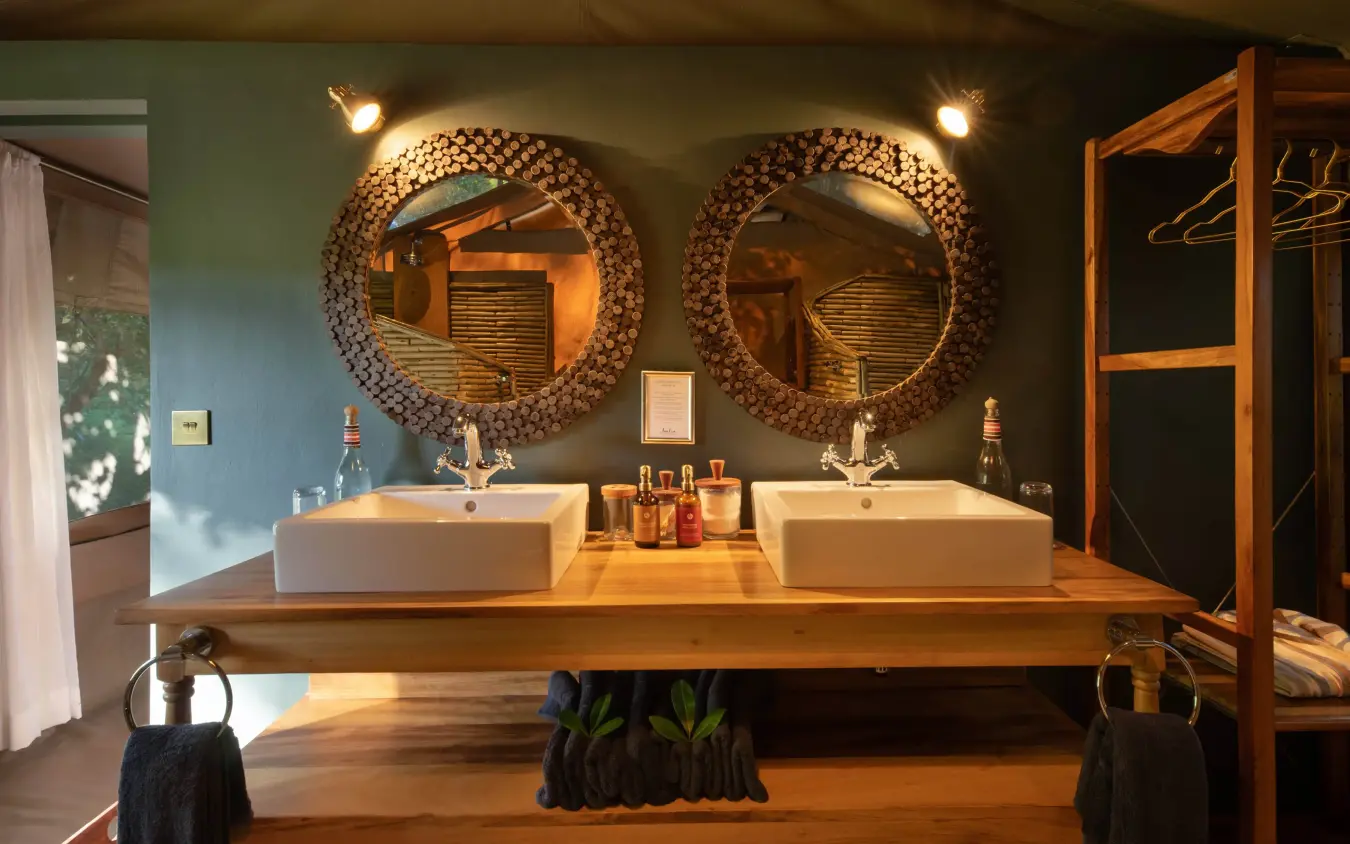
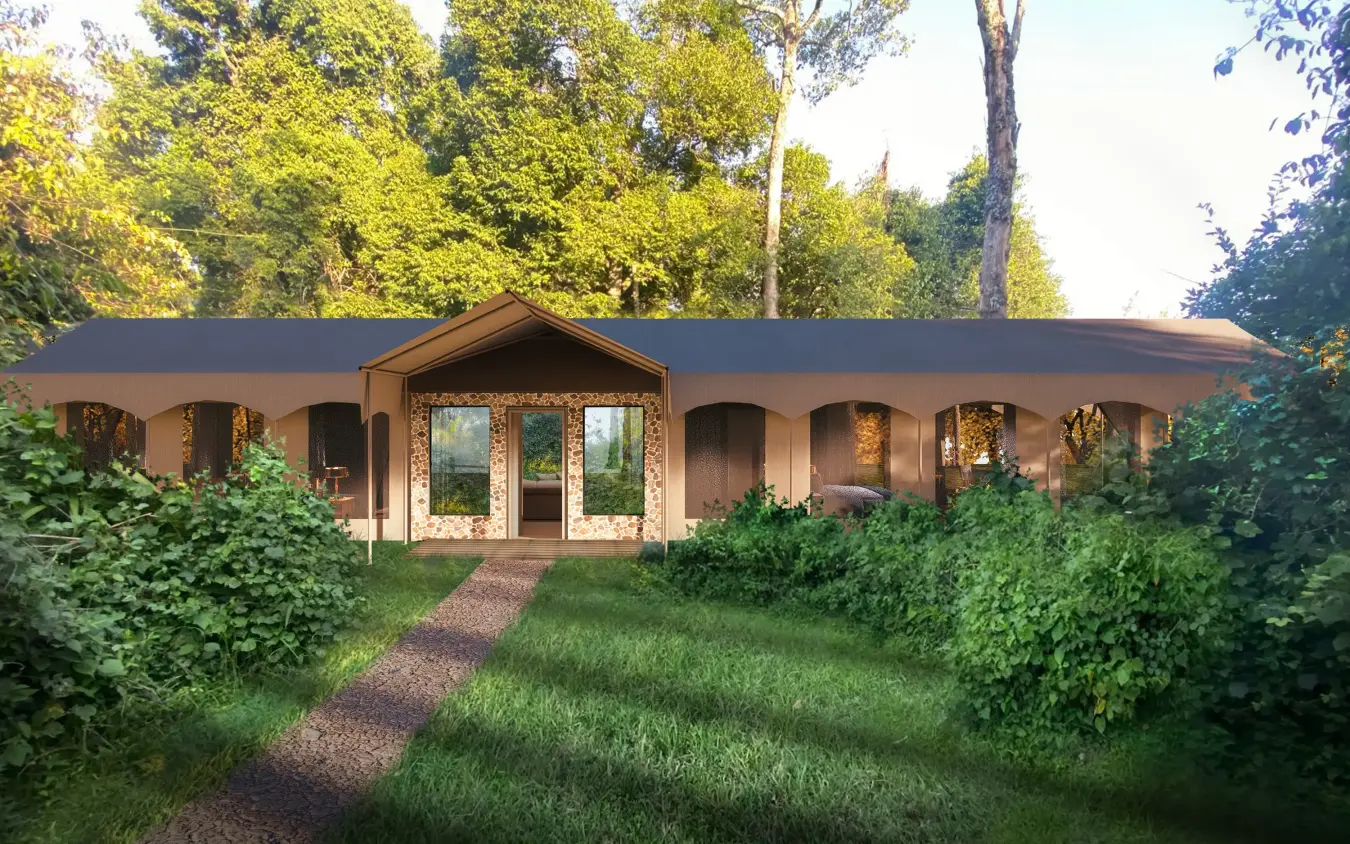
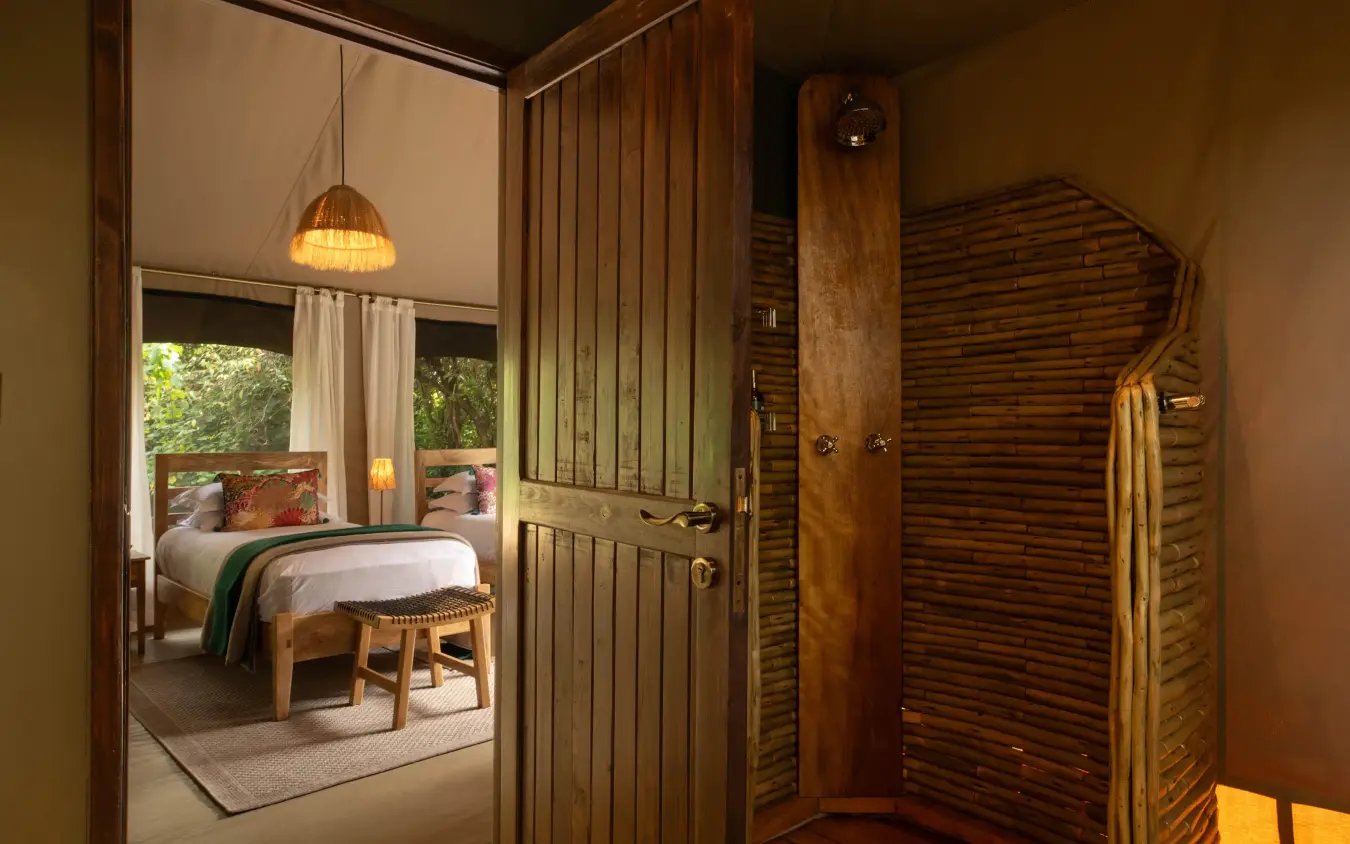
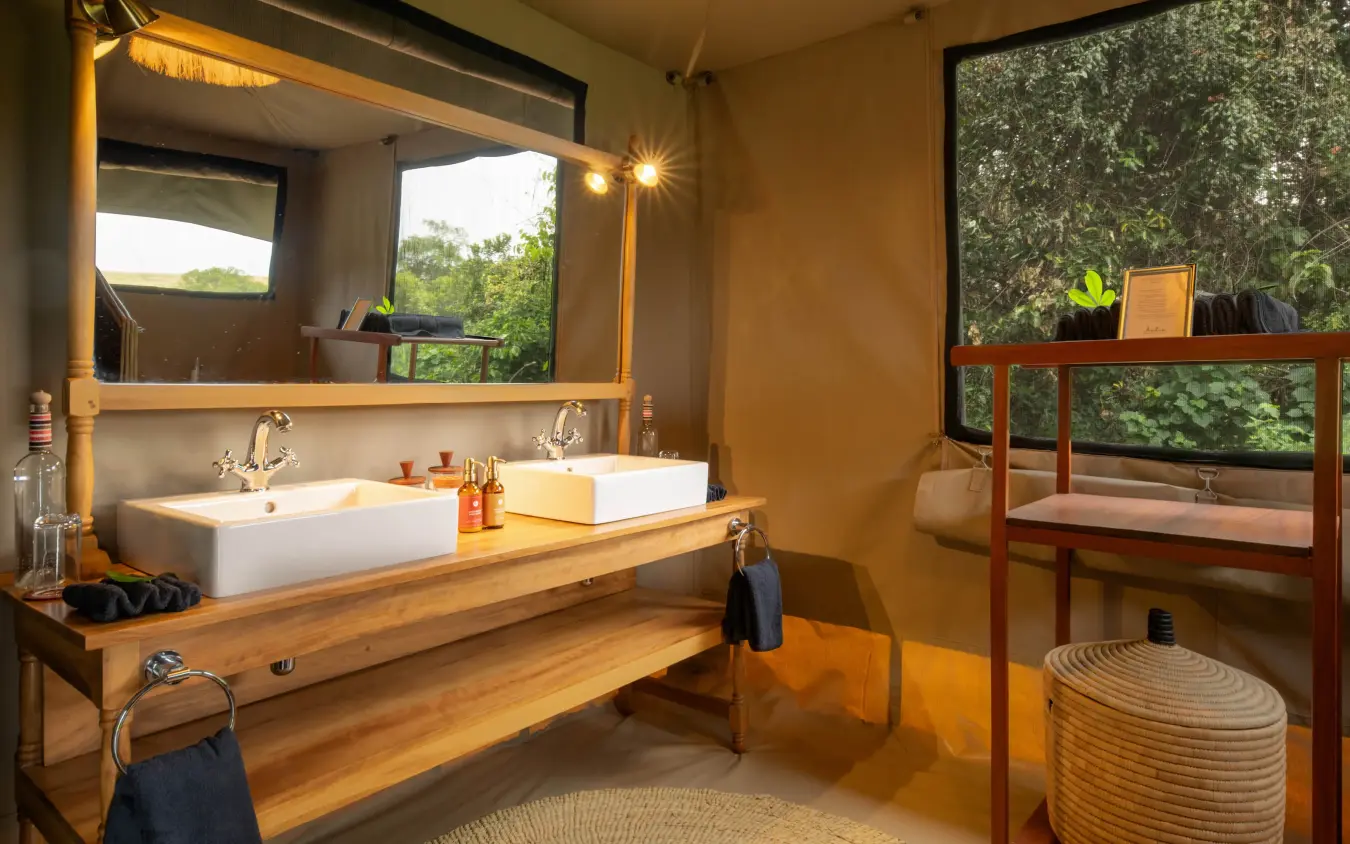
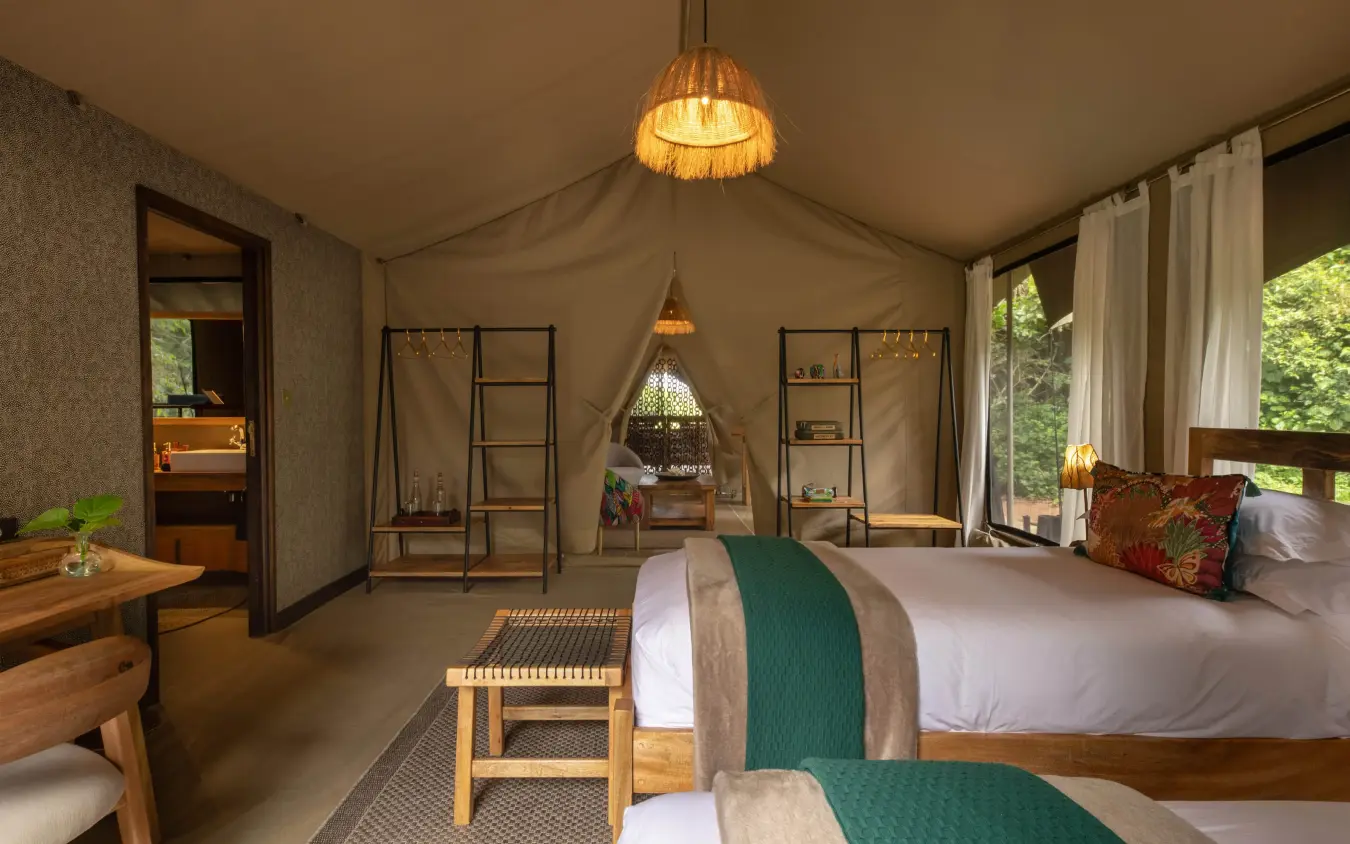
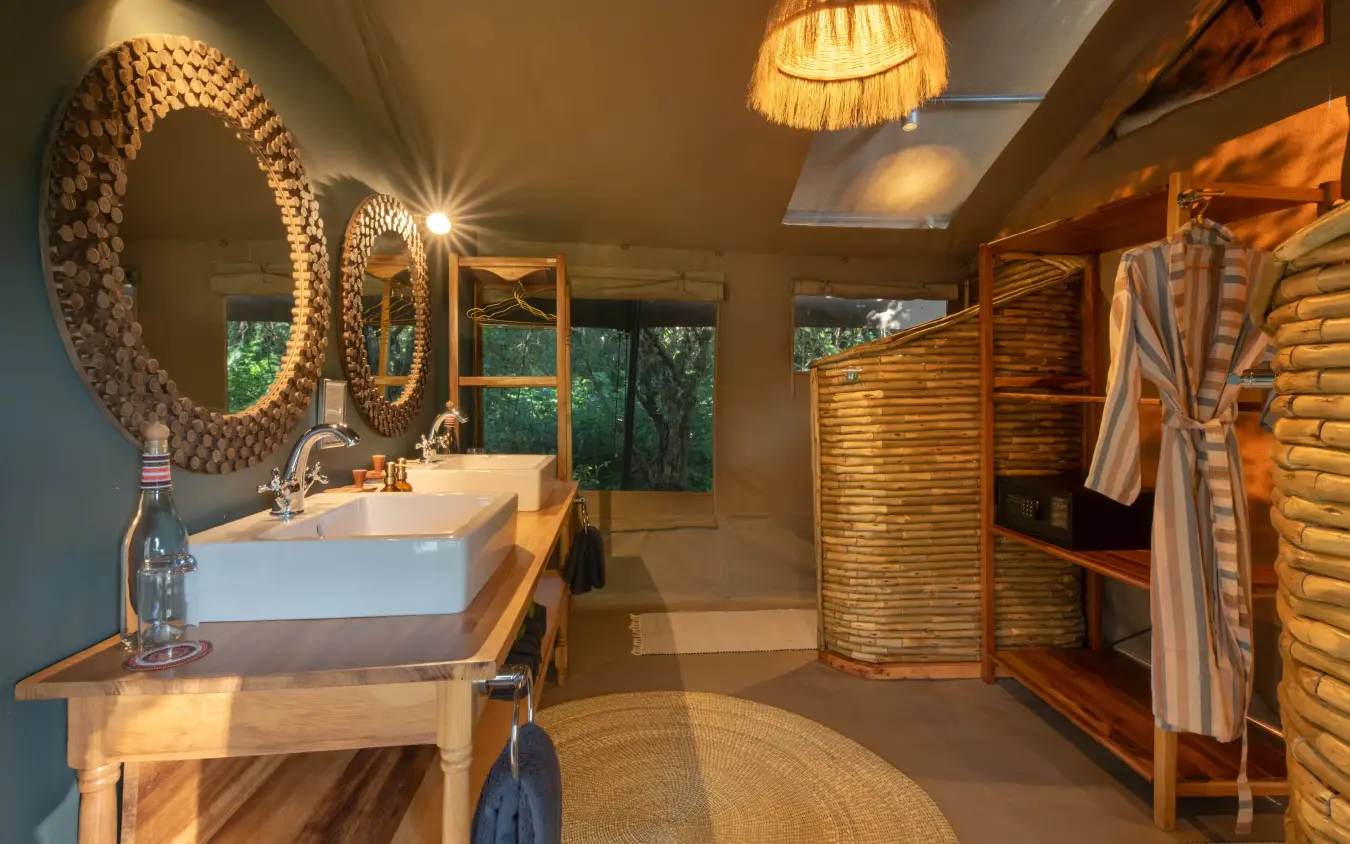
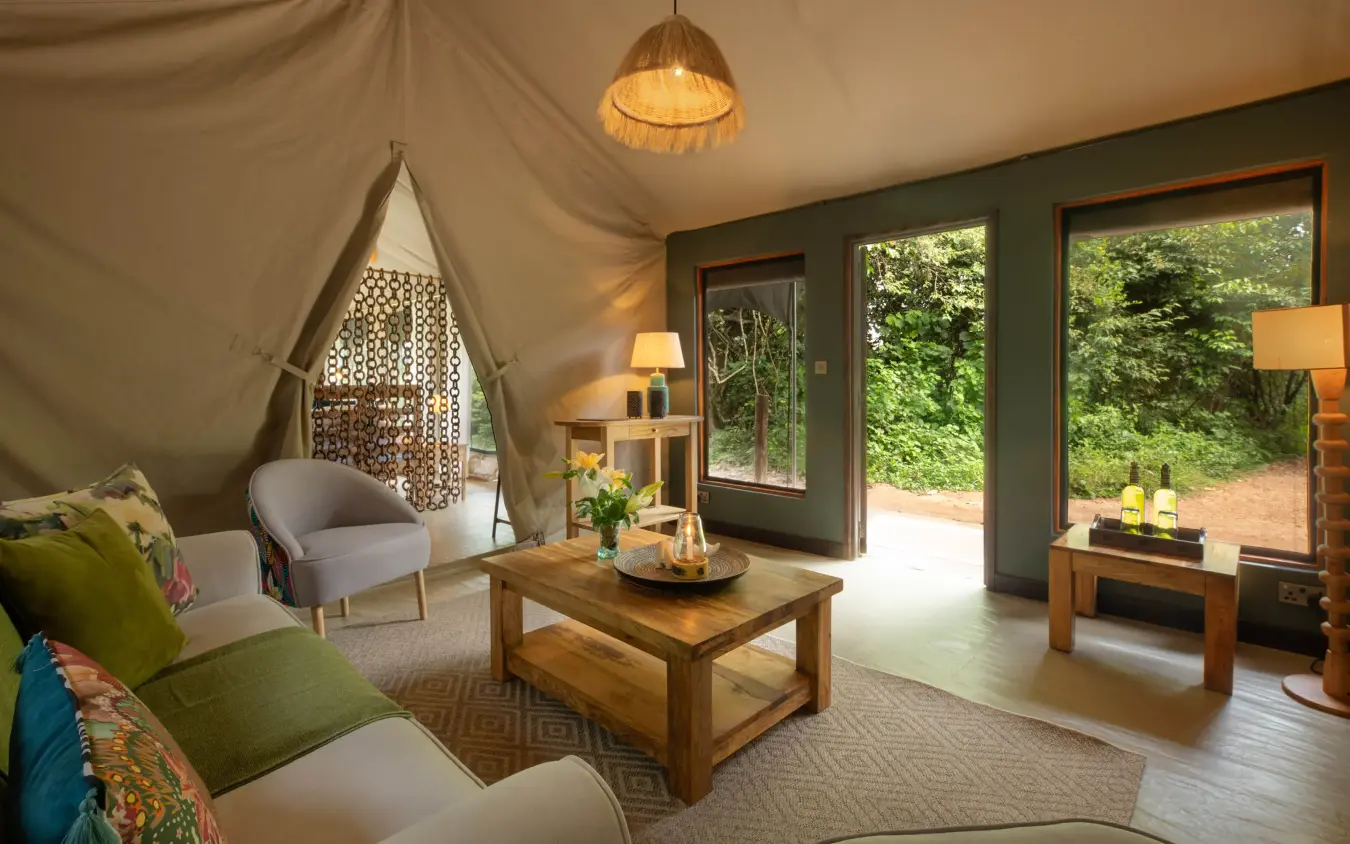
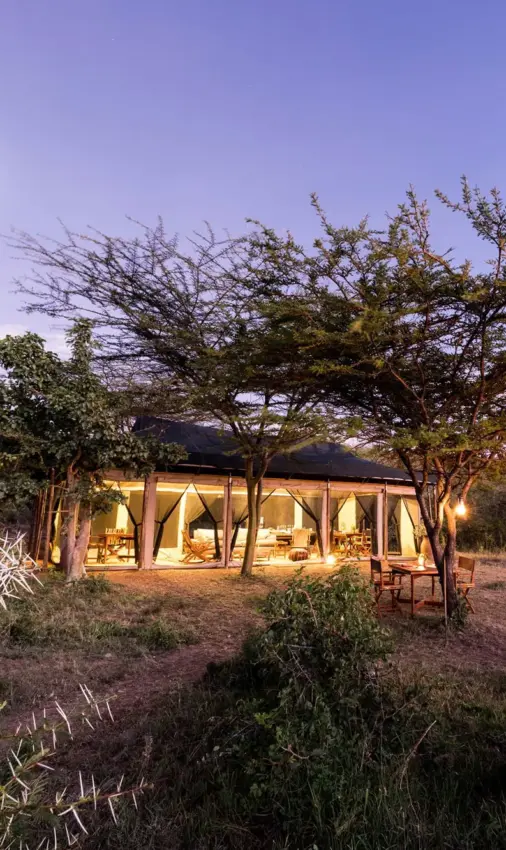
The tents are classic canvas, raised on wooden platforms among the riverine trees, each with a private veranda over the Talek. A 2024 refurbishment lightened the interiors, trading dark timber for softer, more natural tones, though the canvas sides still draw up to open the rooms to the river. Two of them are family units, set closest to the main areas and pairing two en-suite bedrooms around a shared living space, one sleeping up to five.
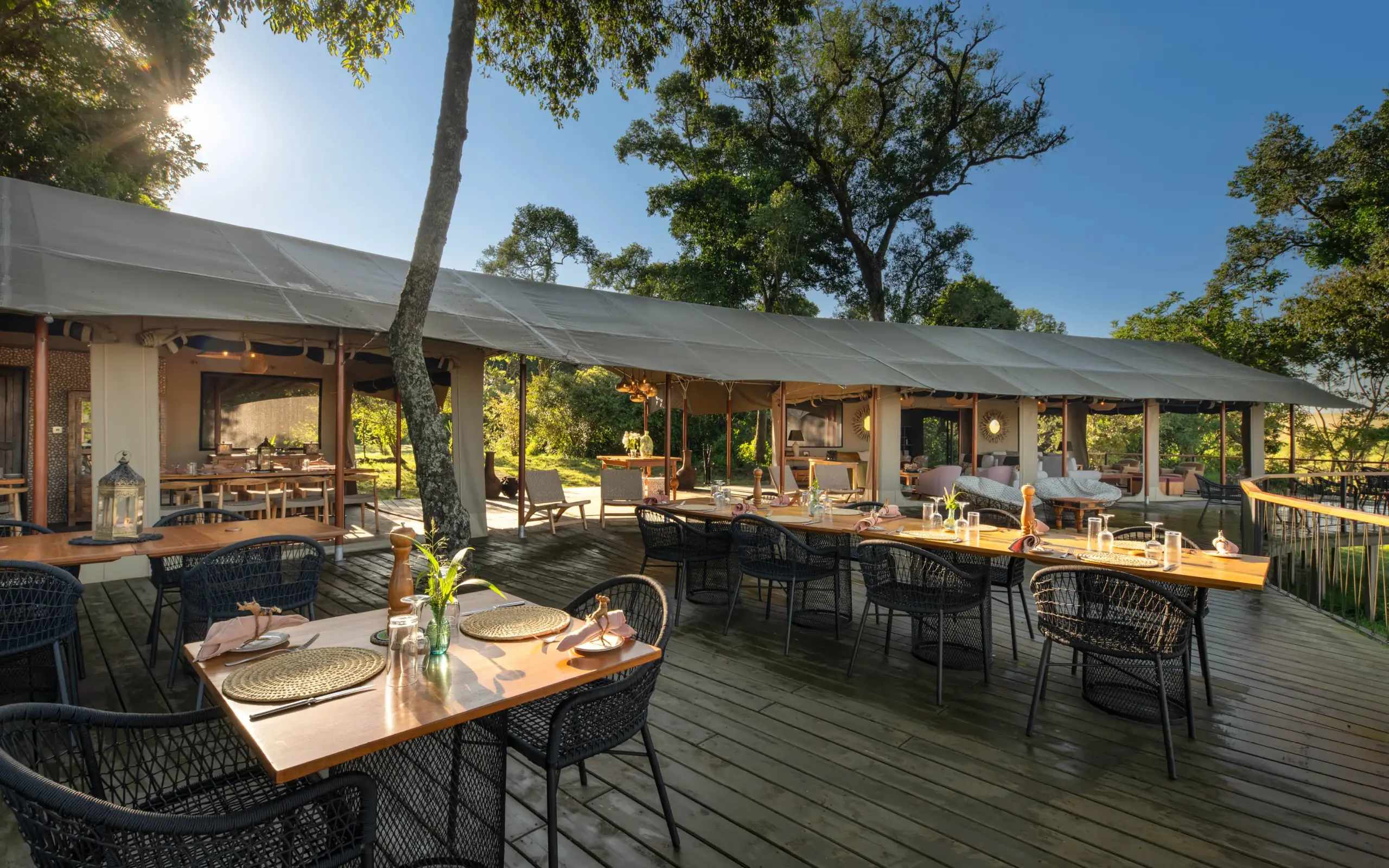
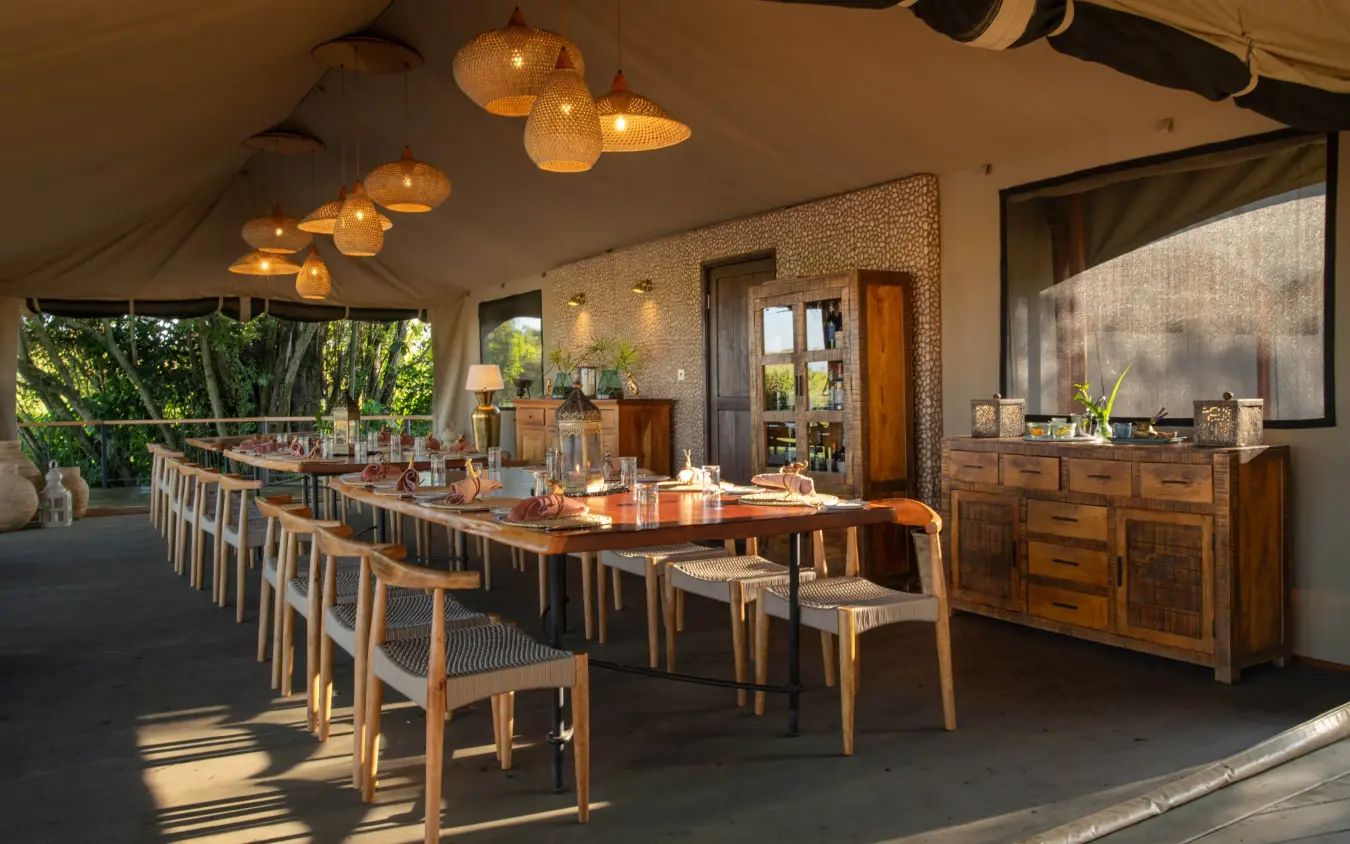
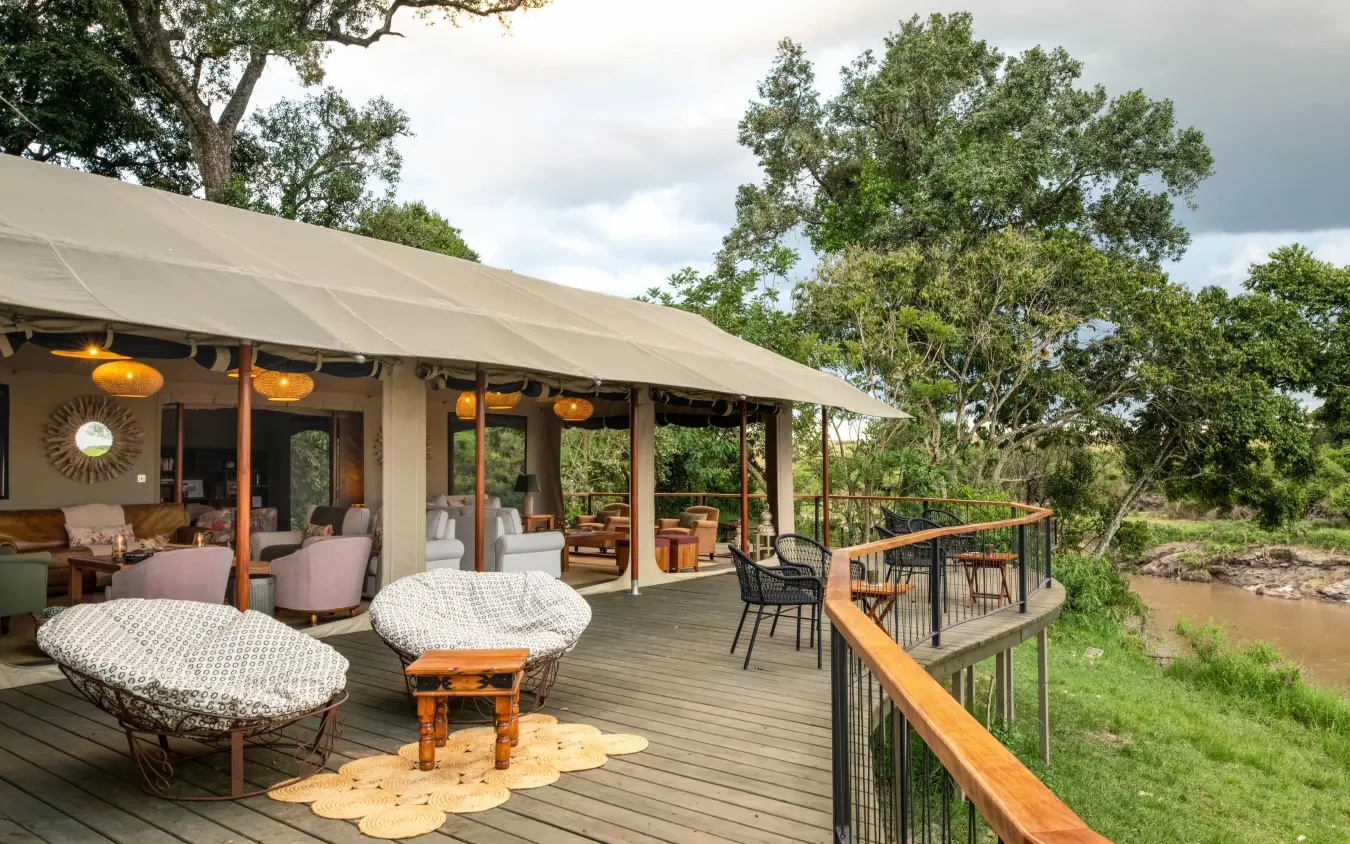
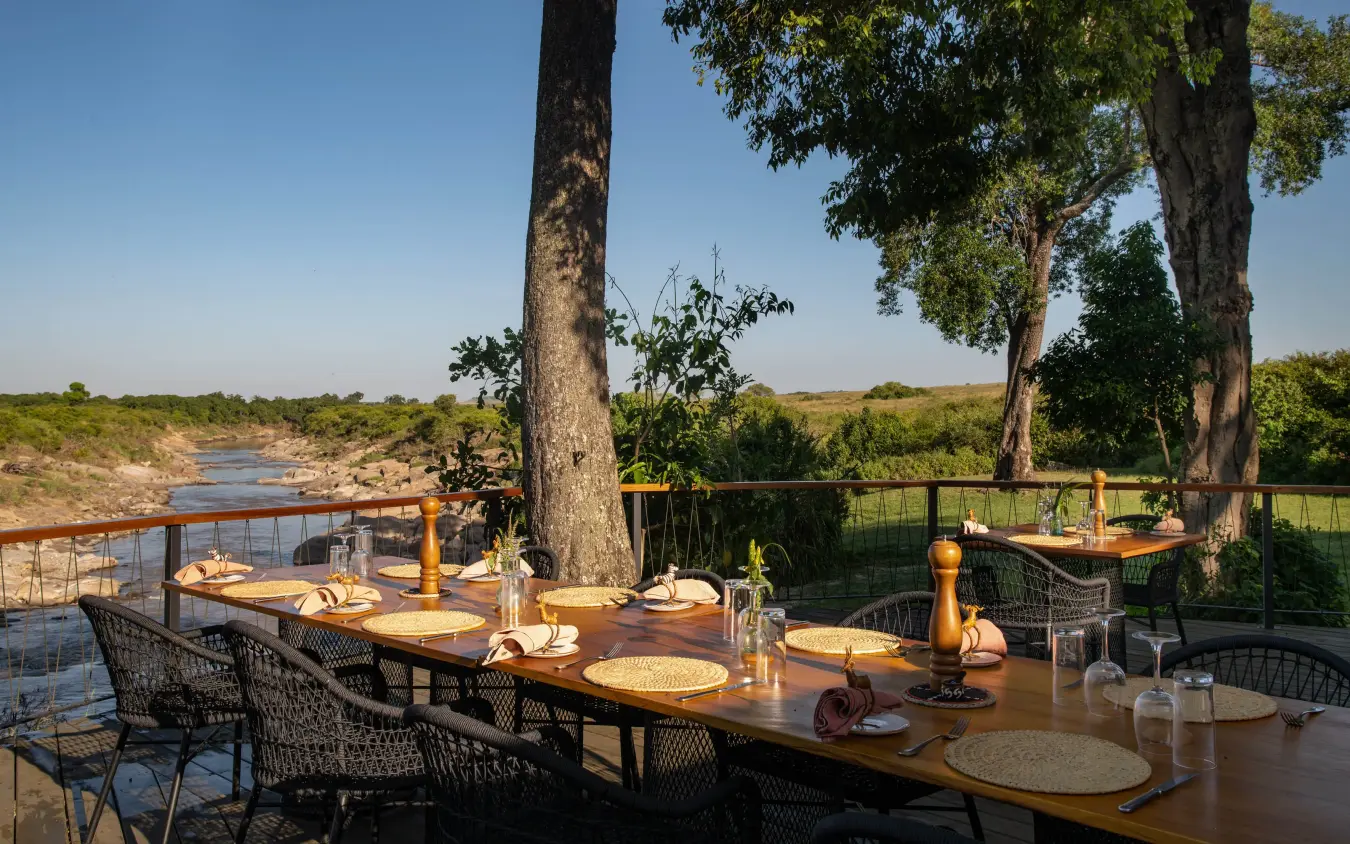
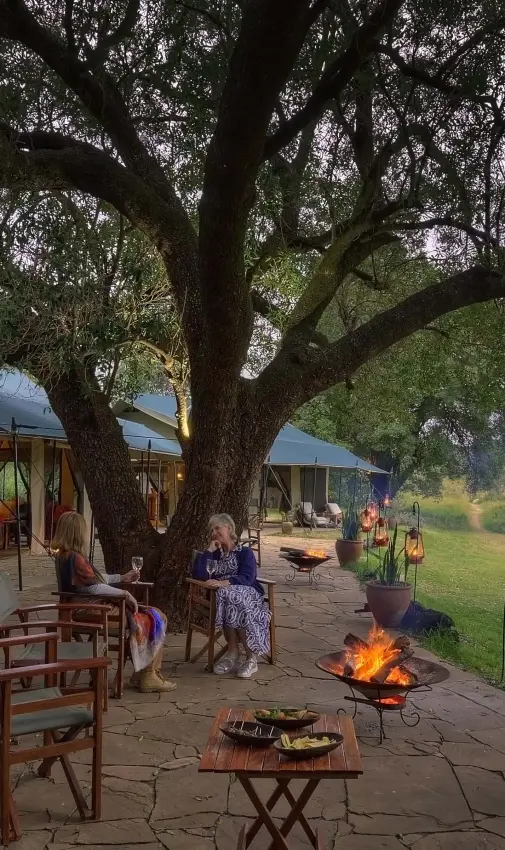
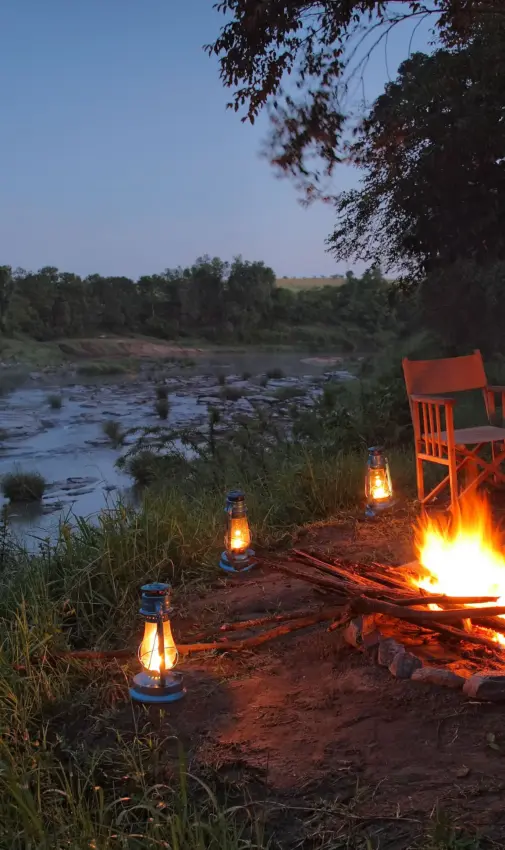
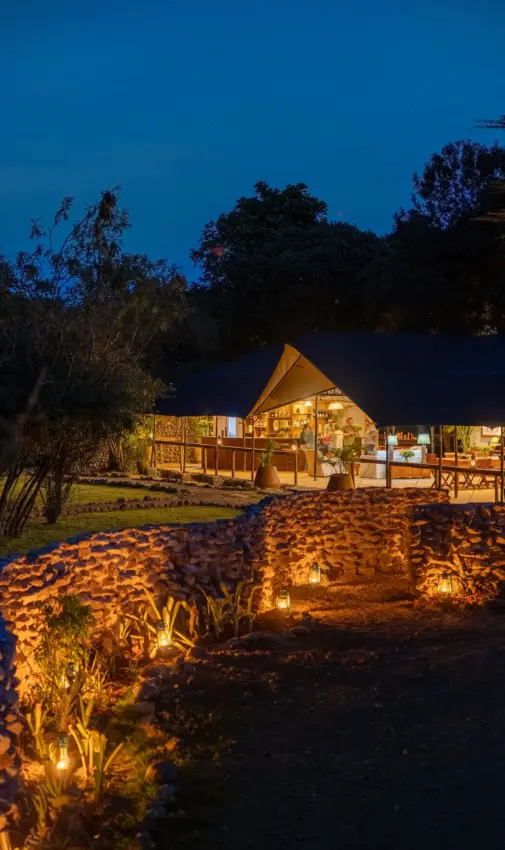
Life centres on the enlarged main deck and lounge, reoriented to hold a wide view down the river. Behind the lounge, a small library doubles as a private dining space and keeps a collection of historic photographs from the camp’s earlier years. The meals are wholesome and freshly prepared, with the bread, pastries and ice cream all made in-house. Breakfast and lunch are usually taken communally at long tables on the deck, dinner by the fire or in the dining tent.
The tents are classic canvas, raised on wooden platforms among the riverine trees
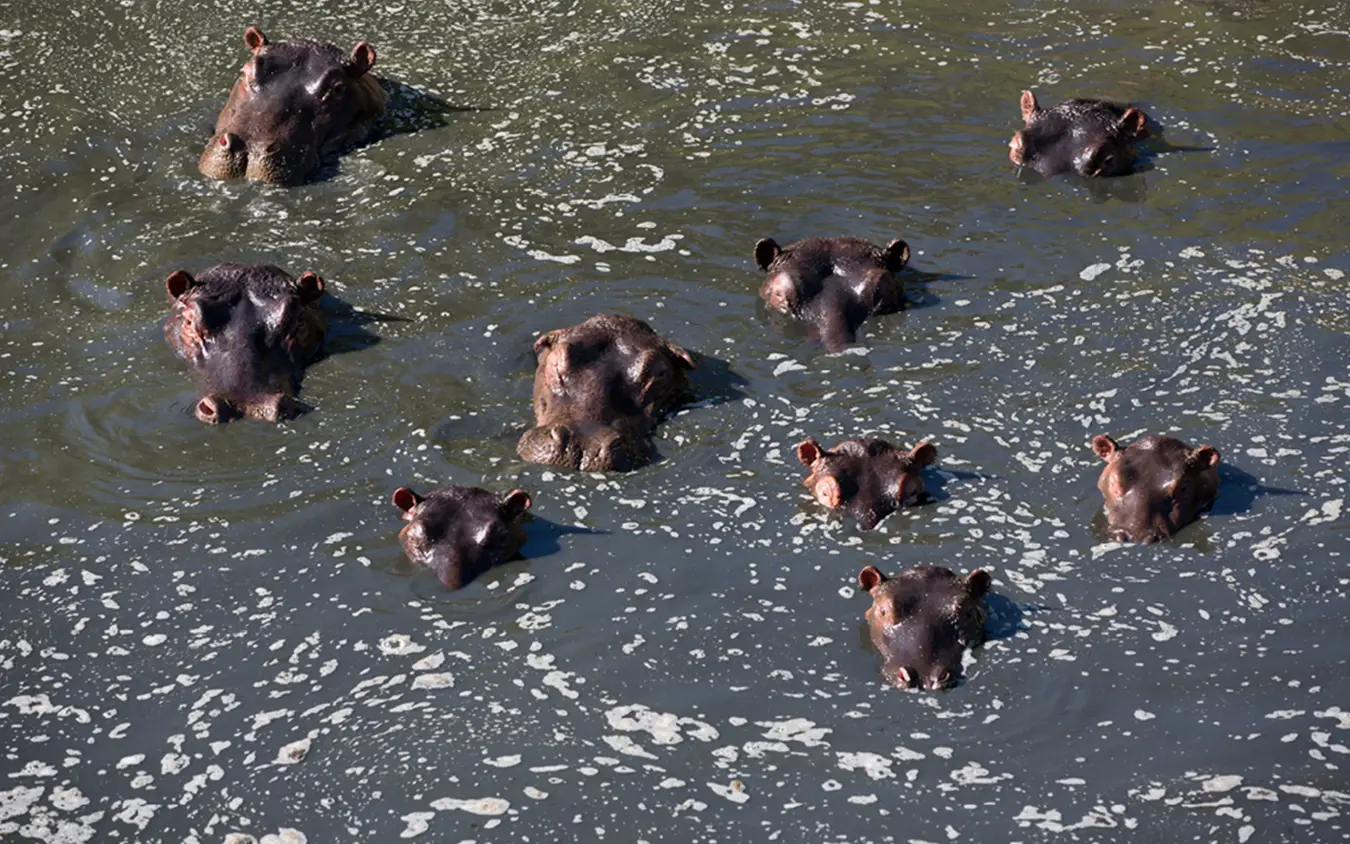
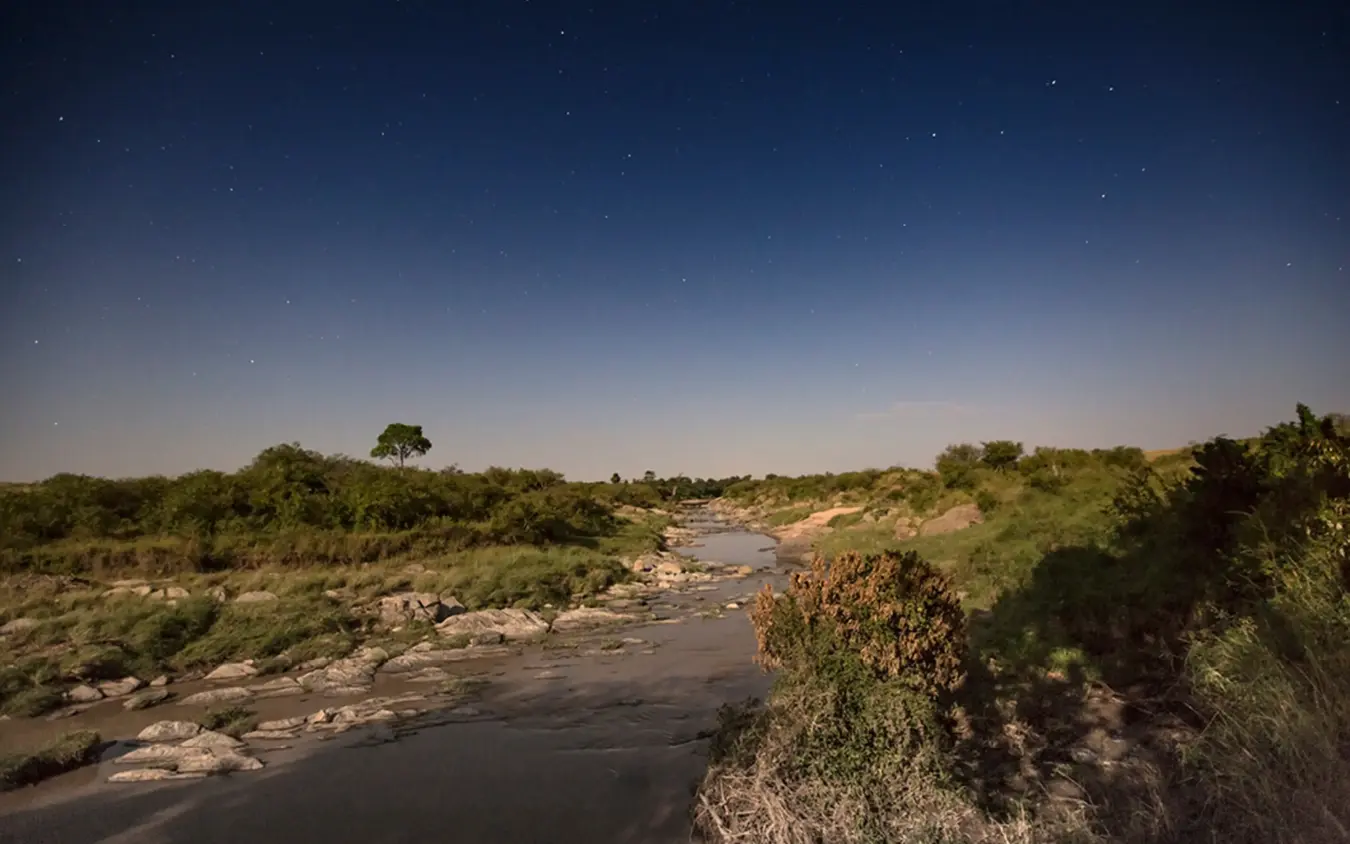
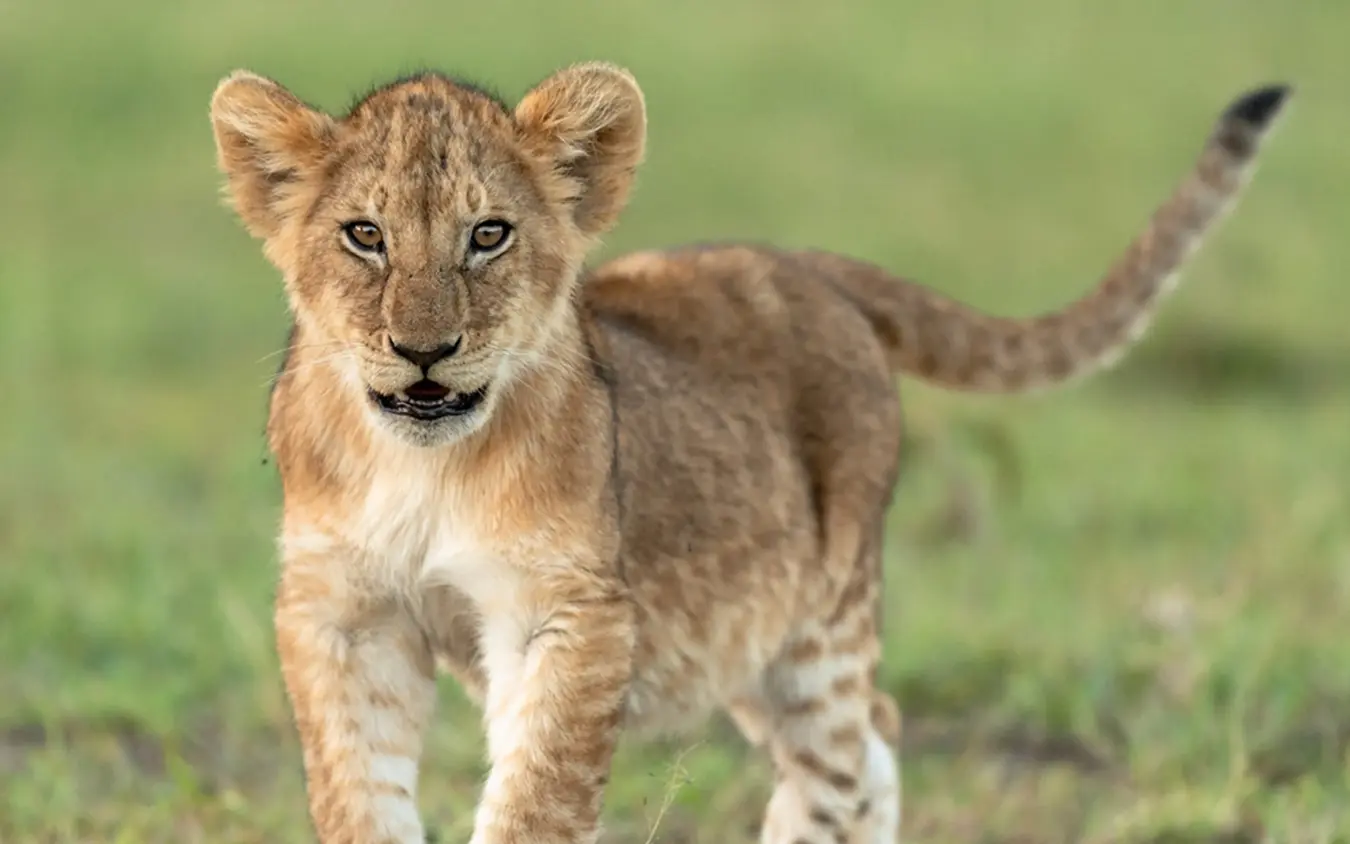
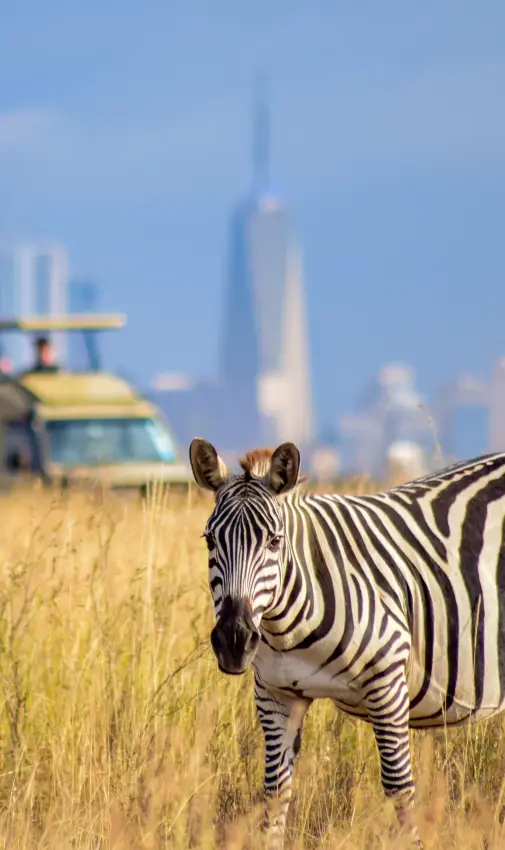
Through the night, hippos grunt and heave in the pools below. The resident lion pride can be heard roaring across the water, and the dawn chorus carries kingfishers, weavers and fish eagles. Because the camp lies inside the national reserve, game drives run twice daily in open vehicles, with full-day outings reaching the Mara River crossing points in migration season. Night drives and off-road driving are not permitted, as reserve rules require.
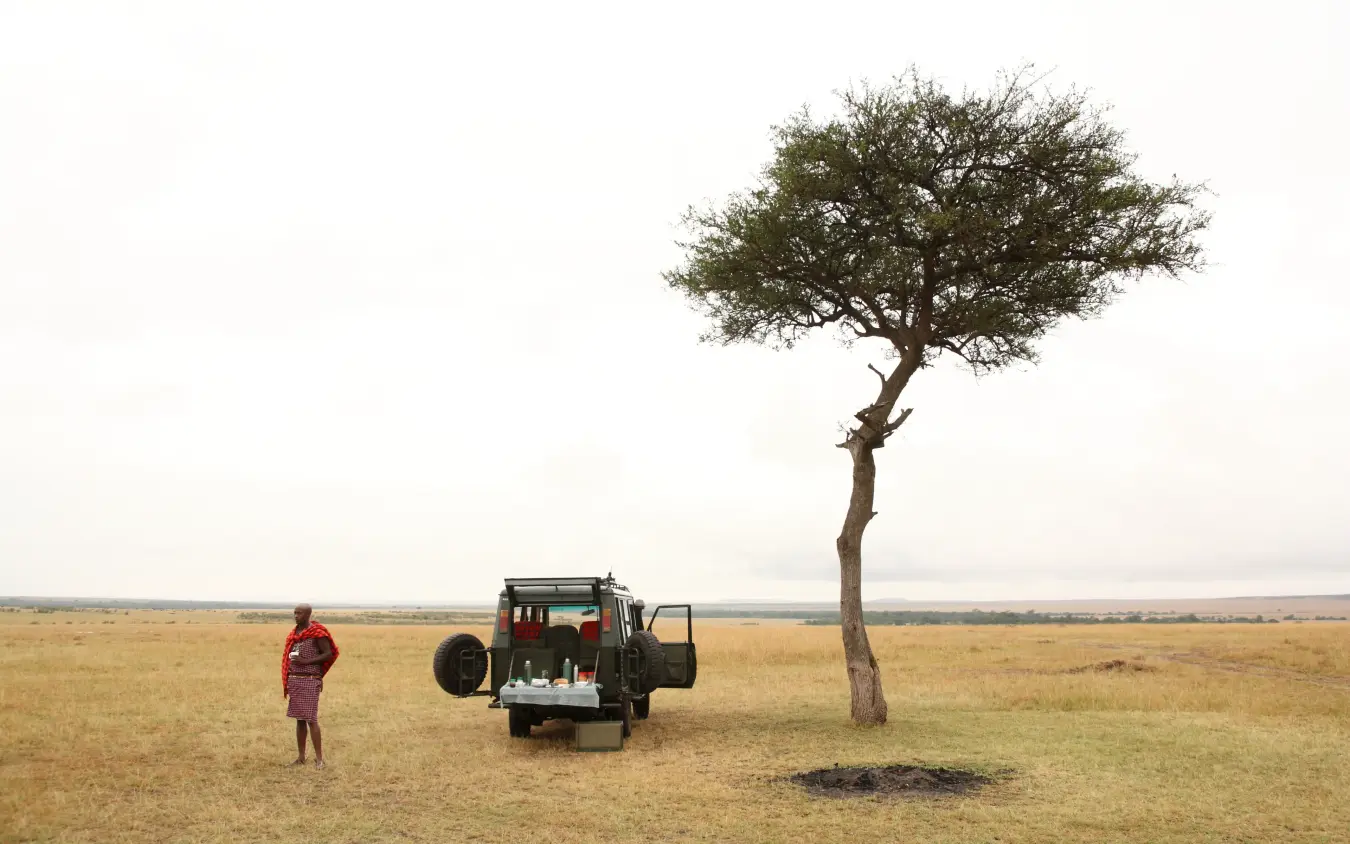
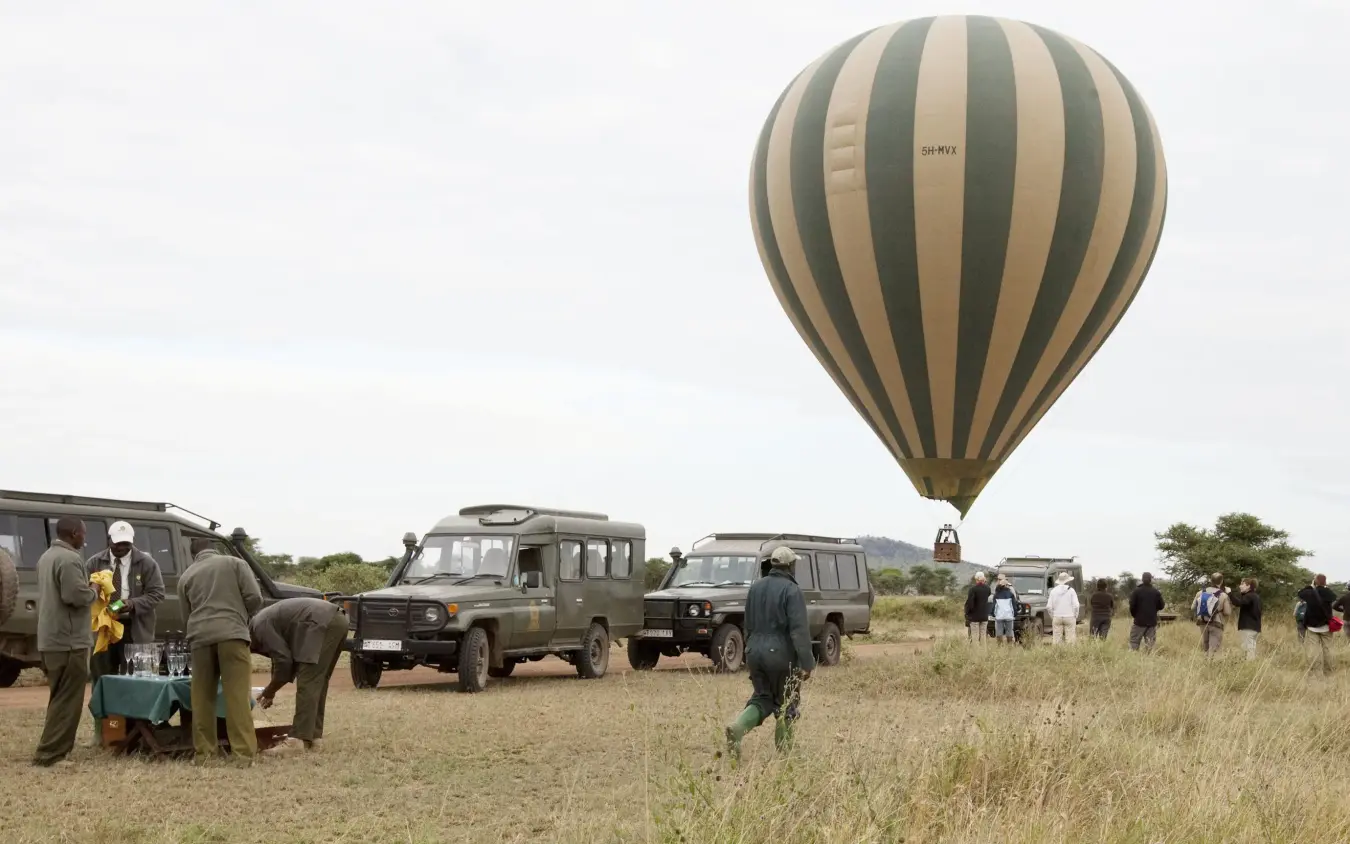
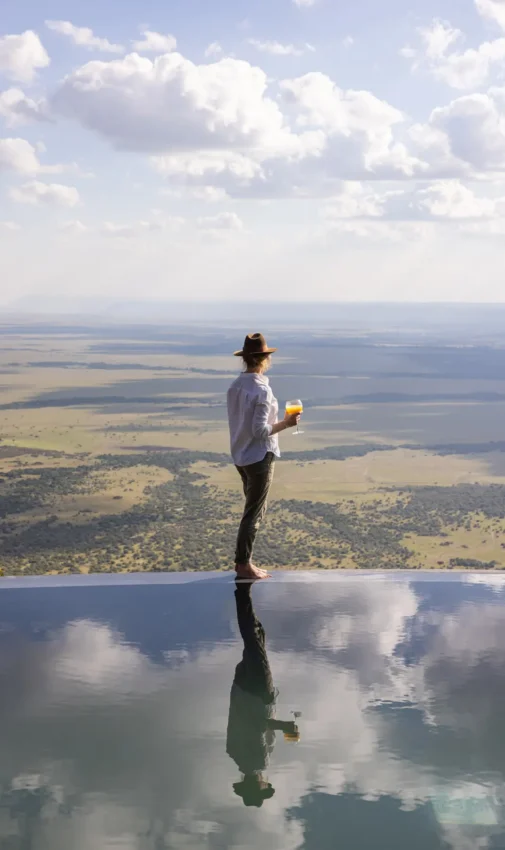
Musiara, the sector Rekero draws on, is long-studied lion and cheetah country, familiar terrain for its guides. Walking safaris can be arranged with notice, though they call for a drive to permitted ground beyond the reserve, and a dawn balloon flight offers the plains from above before a bush breakfast. Children aged five and over are welcome, and the camp holds on to its family-run character, warm and informal and unhurried, with dinners shared around the fire.