Camp

Offbeat Mara

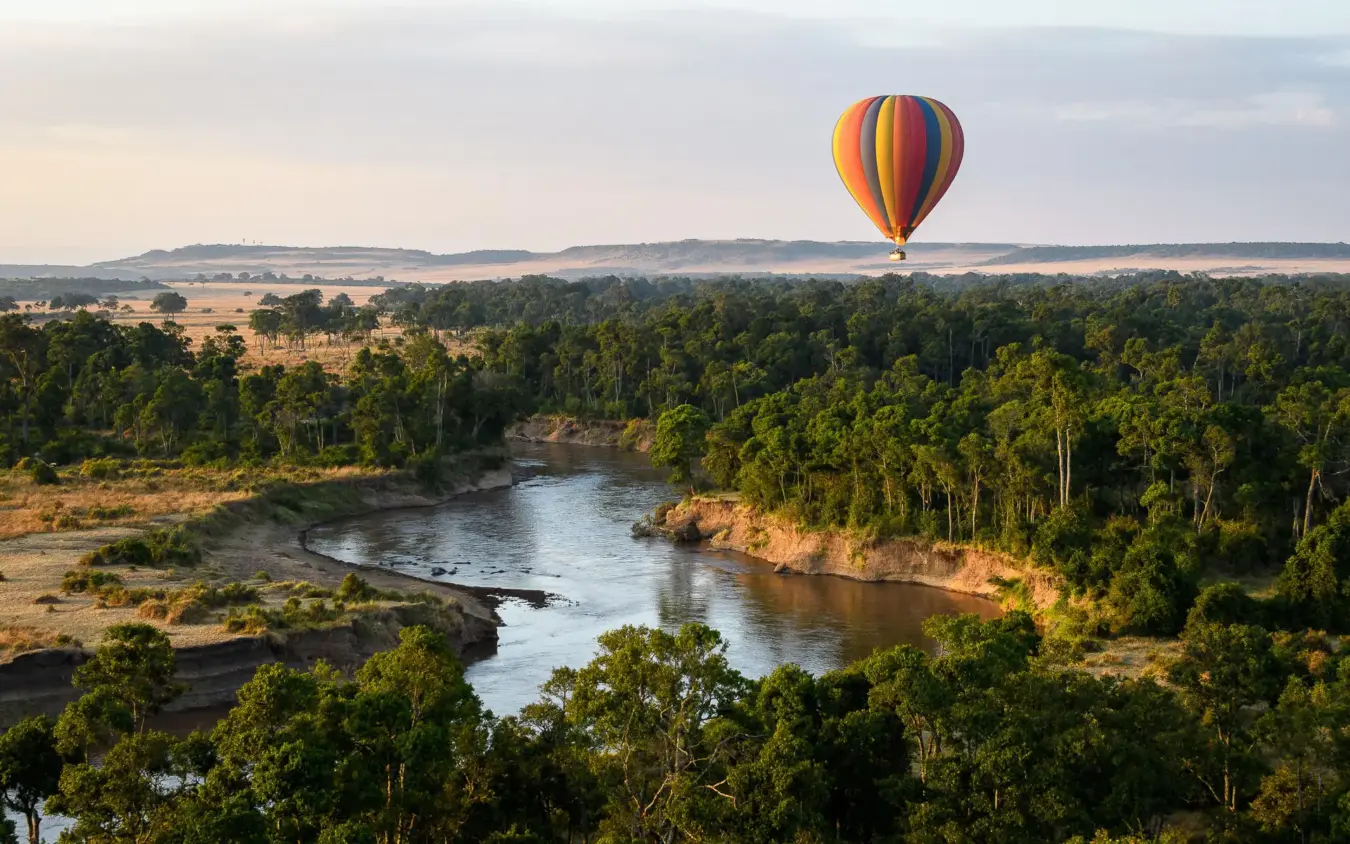
Seven canvas tents beside the Olare Orok River in Kenya’s Mara North Conservancy, run the old-fashioned way.

Country: Kenya
Location: Maasai Mara
Number of rooms: 7

A pride tracked for twenty years

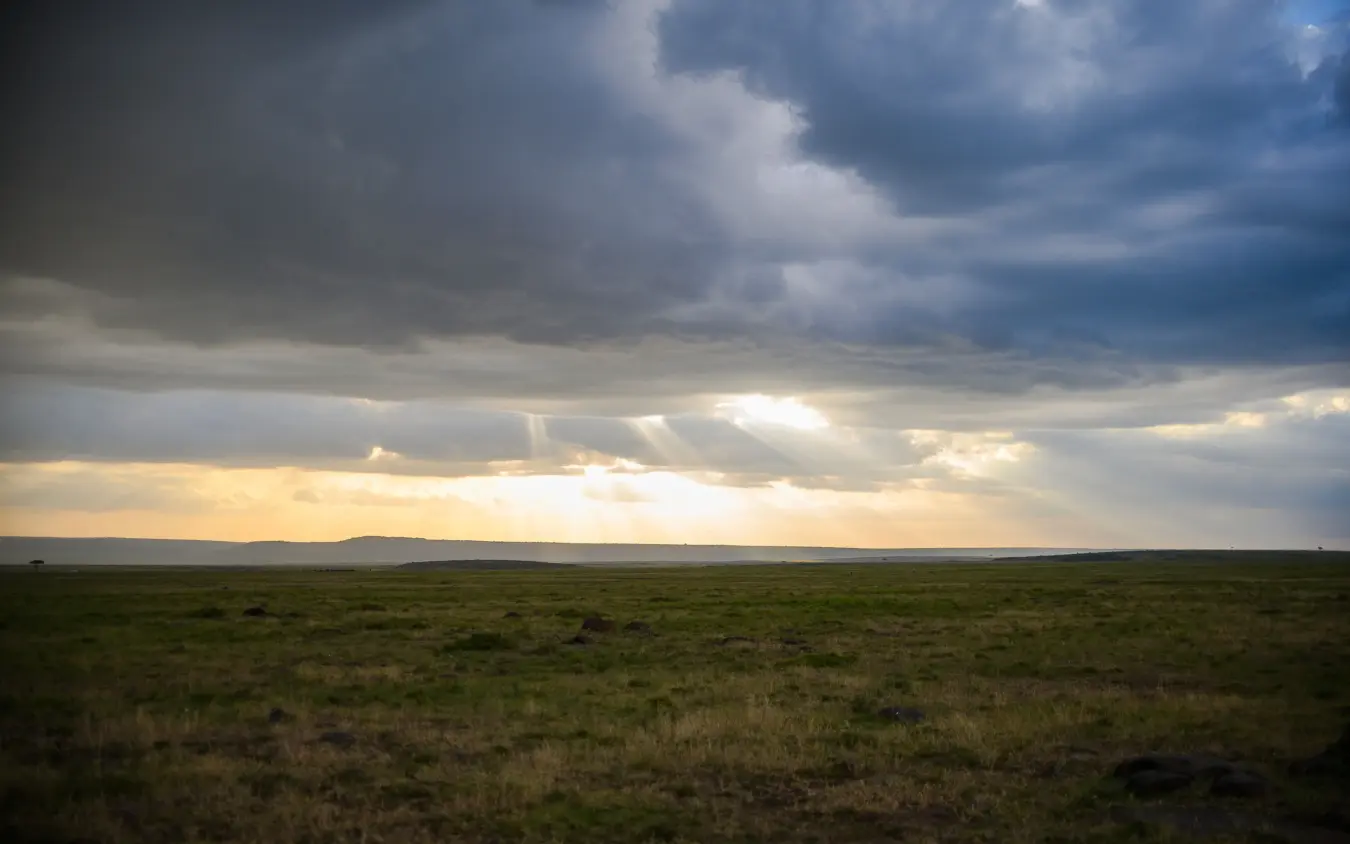
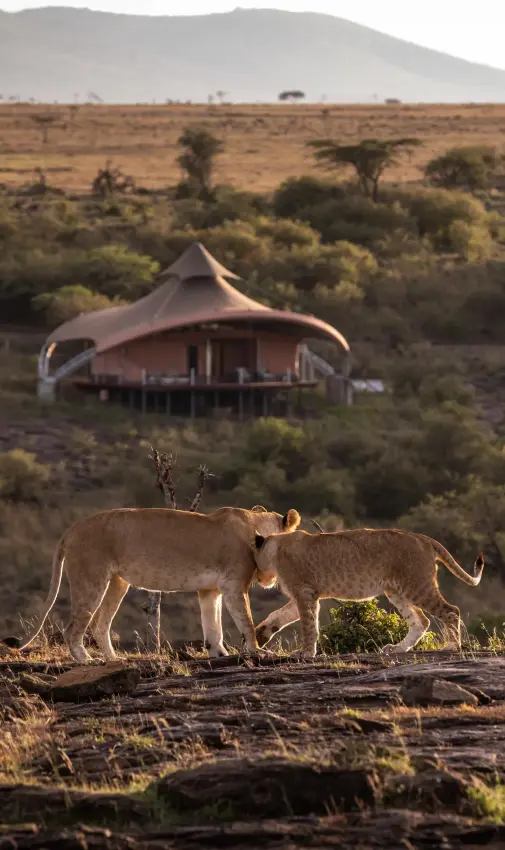
Guides at Offbeat Mara have followed the same lion pride for more than twenty years, individual by individual. They know the Offbeat Pride the way a neighbour knows a family down the road: who belongs to whom, which males have moved in, which cubs survived. The camp takes a bend of the Olare Orok River in Mara North Conservancy, the private Maasai land bordering the Maasai Mara National Reserve.
Elephants work the riverine trees within sight of a veranda.

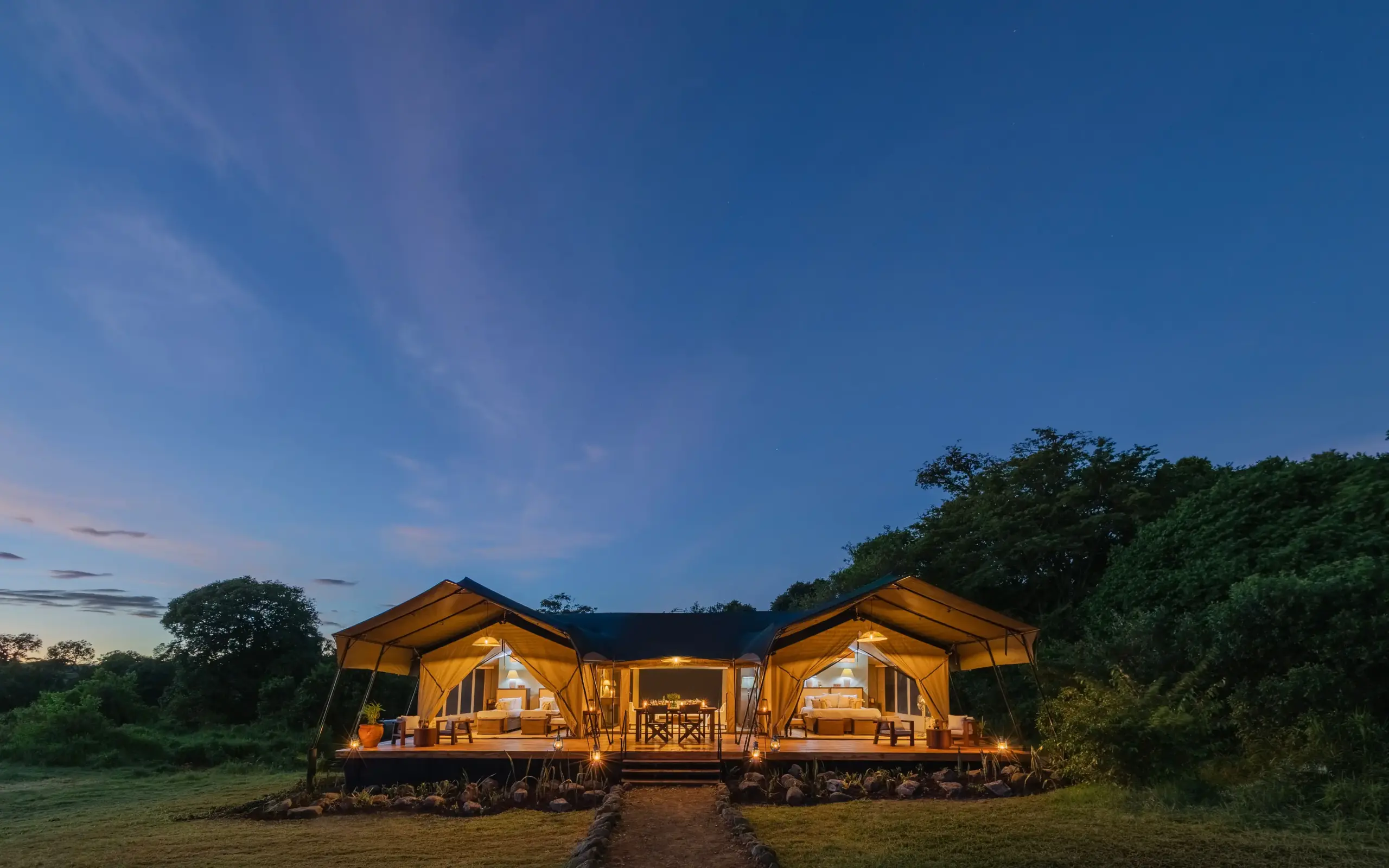
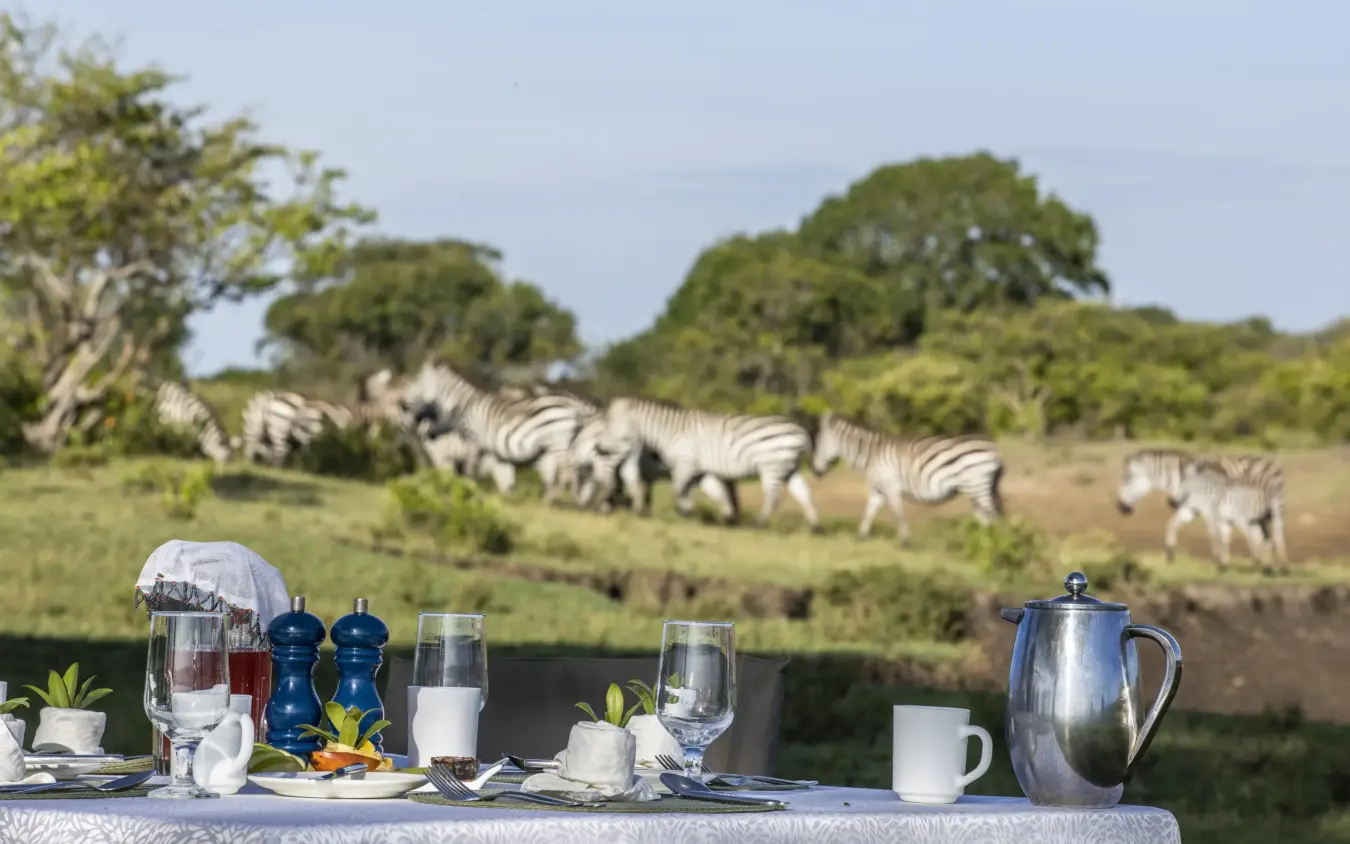
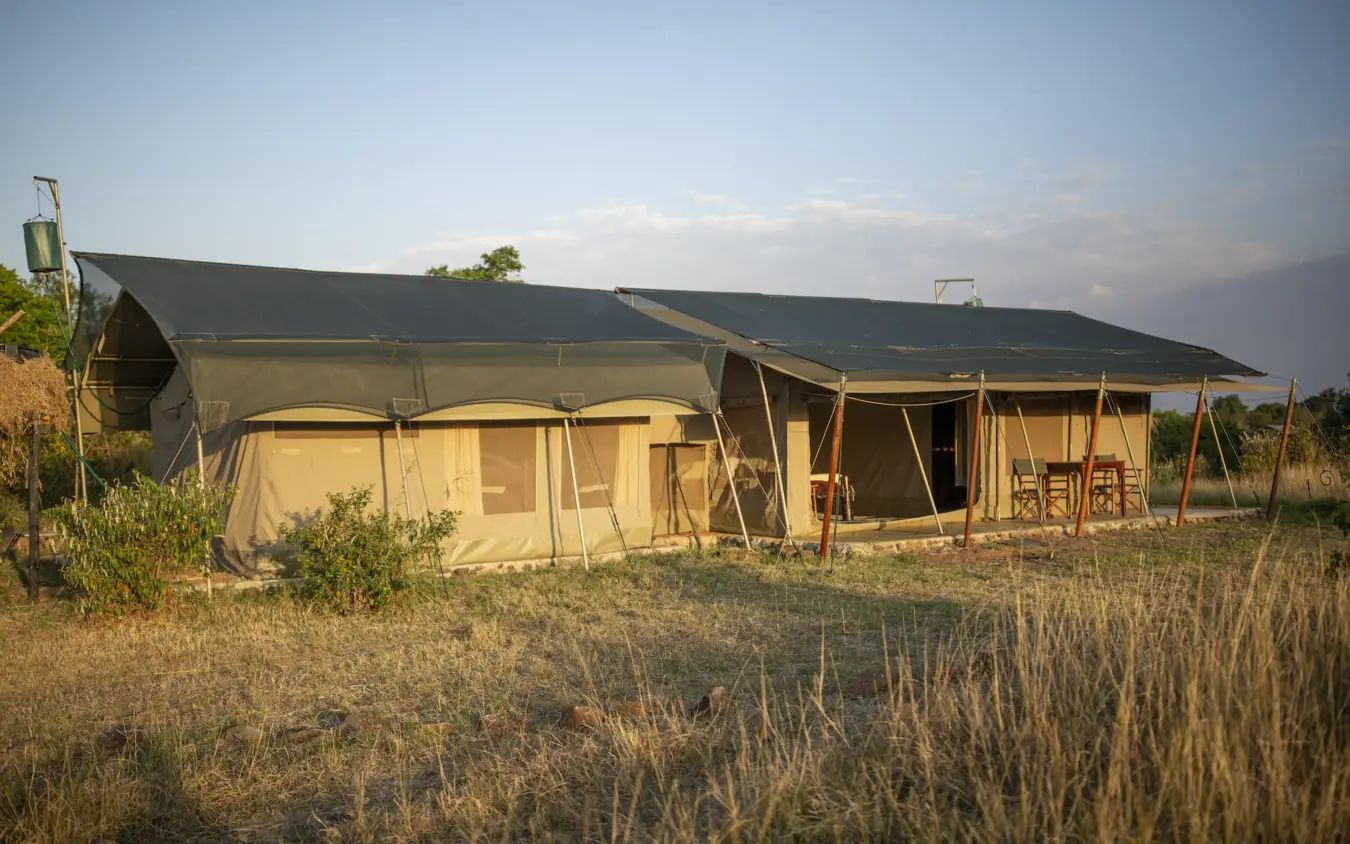
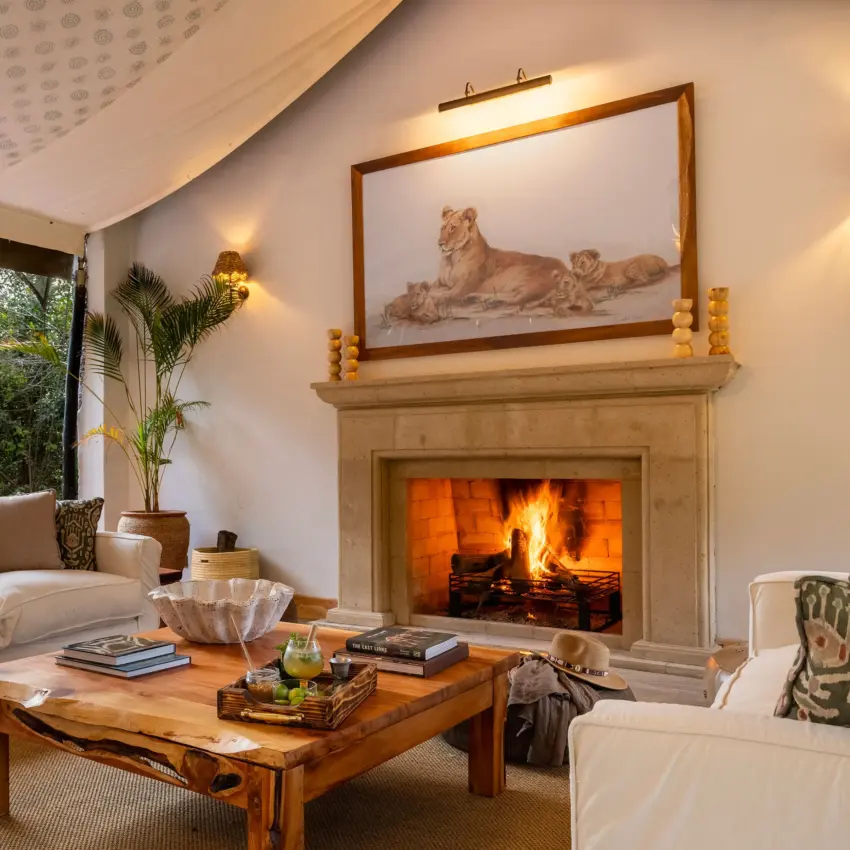
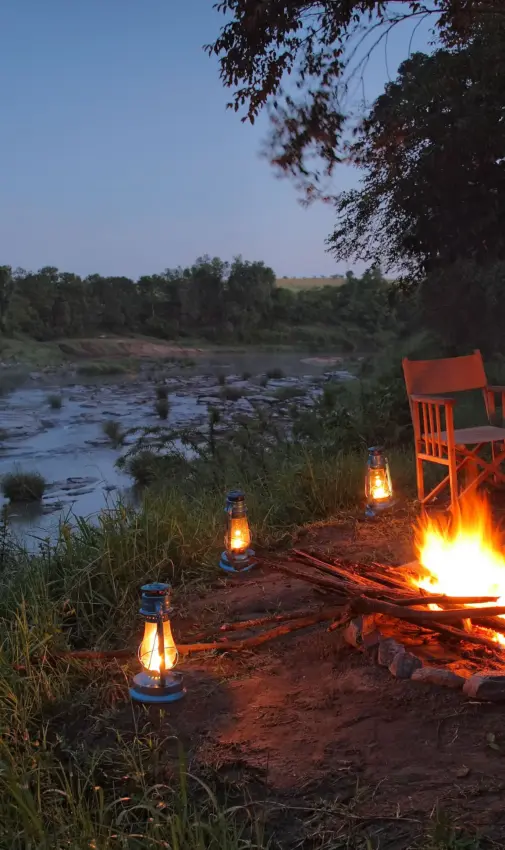
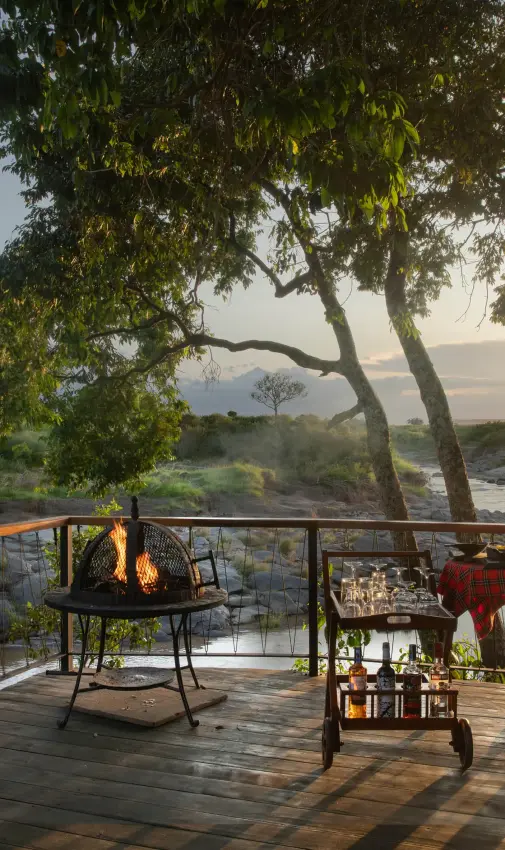
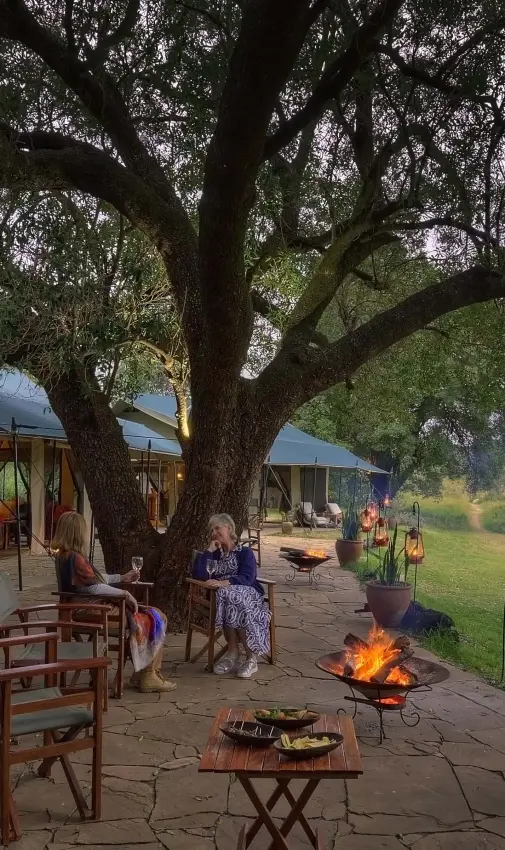
Piers Winkworth opened it in June 2005: seven canvas tents, cedar beds, no swimming pool. Meals are eaten at one table in the mess tent, and the fire is lit before the morning drive and again at dusk. Zebras and impalas graze the lawn. Elephants work the riverine trees within sight of a veranda. Maasai staff walk guests between tent and fire after dark.
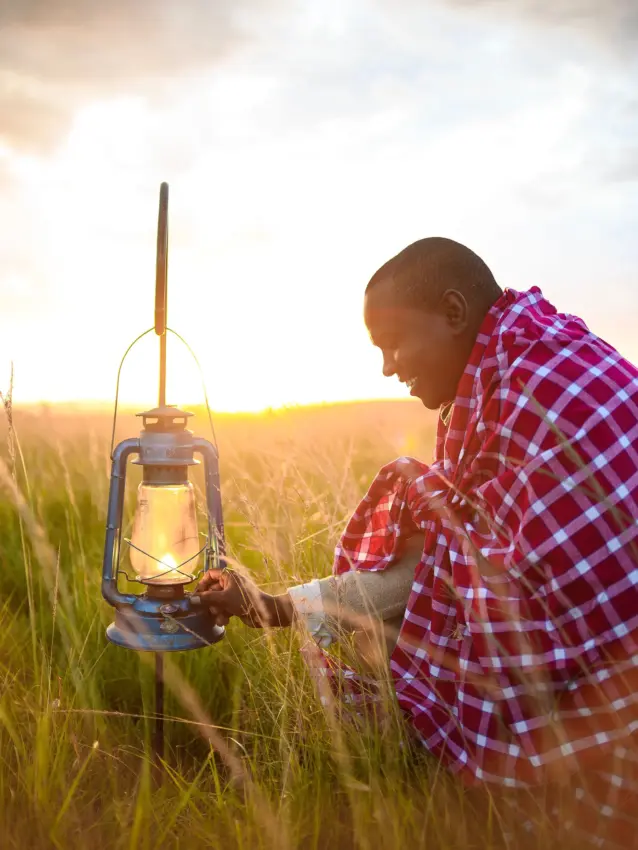
Mara North Conservancy is leased from Maasai landowners by a handful of member camps, and its rules permit what the National Reserve next door does not: off-road driving, night drives, walking with Maasai guides. The camps cap vehicle numbers at any one sighting by agreement. Excursions into the Reserve can be arranged, though there the stricter rules apply.

Tracks, chewed stems, the alarm call that gives a cat away.

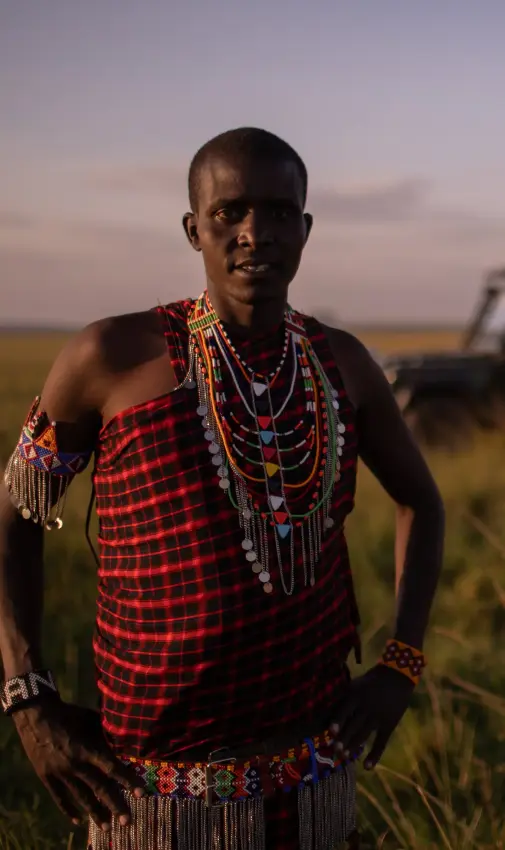
On foot the ground reads differently. Tracks, chewed stems, the alarm call that gives a cat away. Mornings can begin with a run instead, guided by Maasai staff across open country. Riding came first here: Tristan and Lucinda Voorspuy started Offbeat as a horseback safari operation in 1989, and those mobile riding safaris, now run separately by Simon and Rosy Kenyon with Jakob von Plessen and Daisy Soames, still cross this country.

01

accommodation

Seven Meru-Style Tents in Riverine Forest

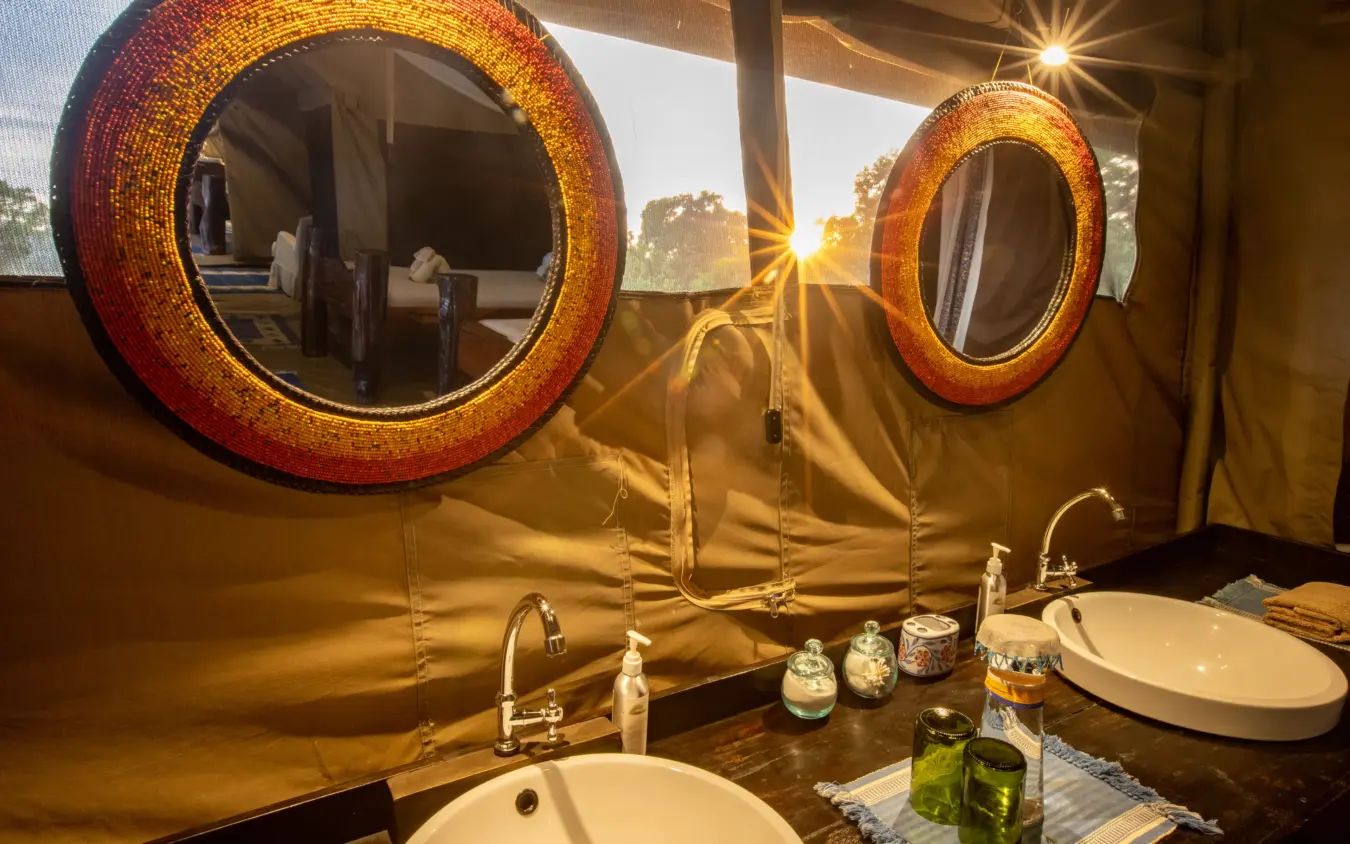
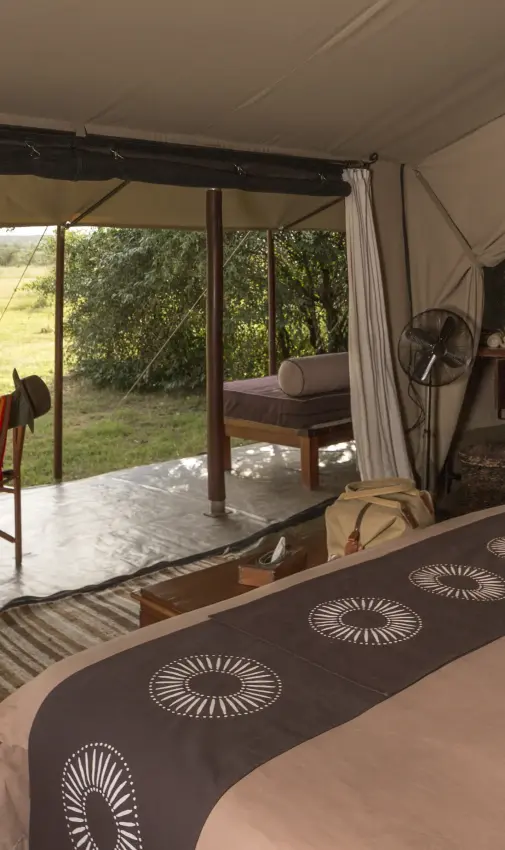
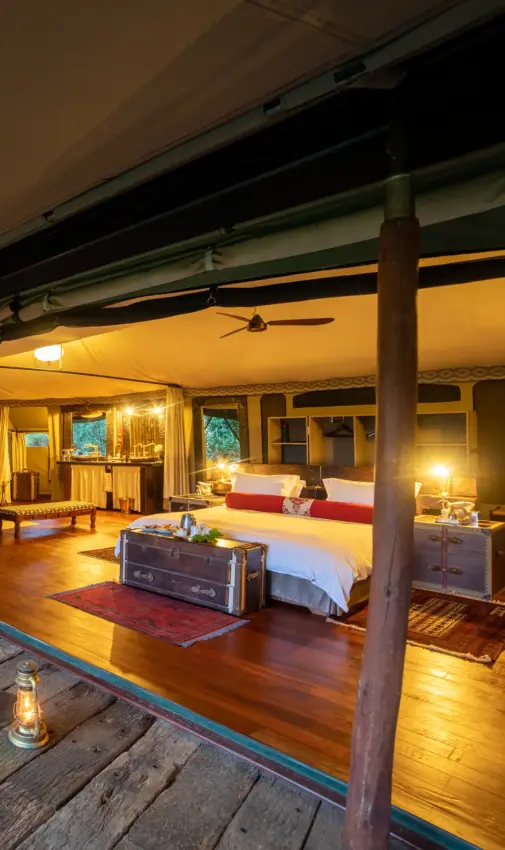
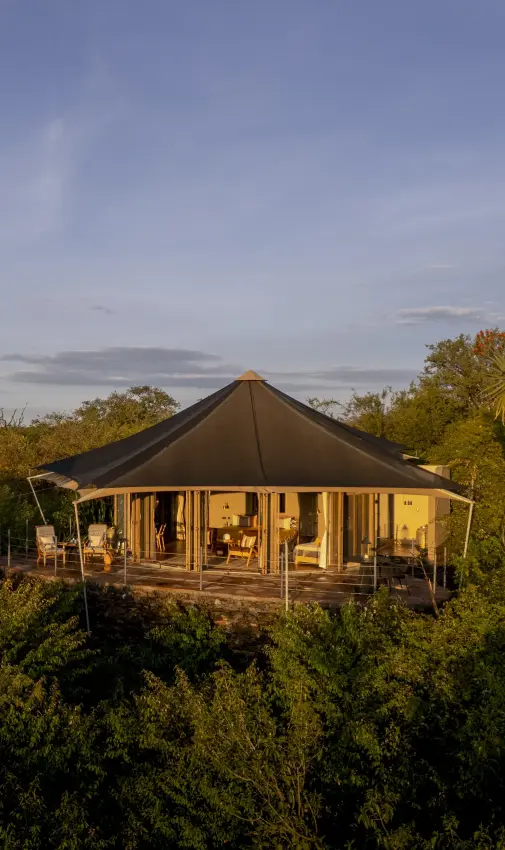
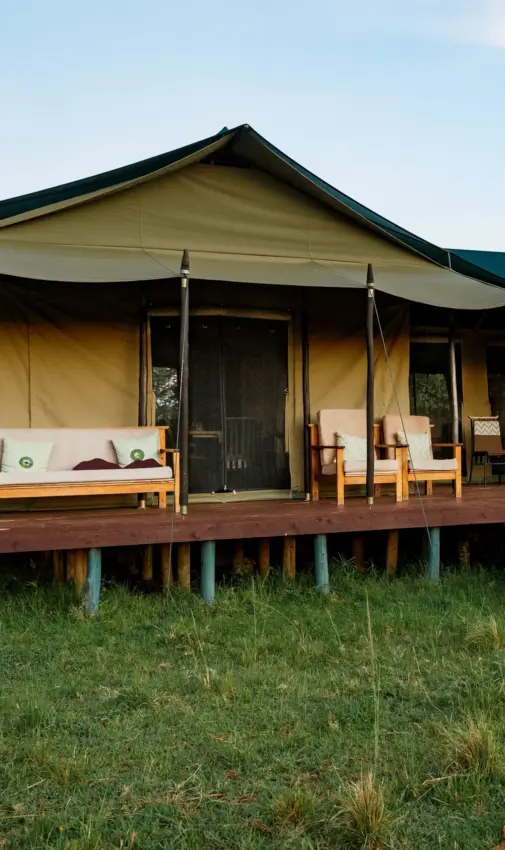
Seven tents, five doubles or twins and two family tents of two bedrooms each, spaced well apart in the riverine forest. The canvas is Meru-style, the beds cedar, the lighting solar, with a writing desk and canvas wardrobe. The bathroom is behind the sleeping area: twin basins, flush loo, hot shower. Each opens onto a shaded veranda.

02

activities

Off-Road Driving and Night Drives in Mara North

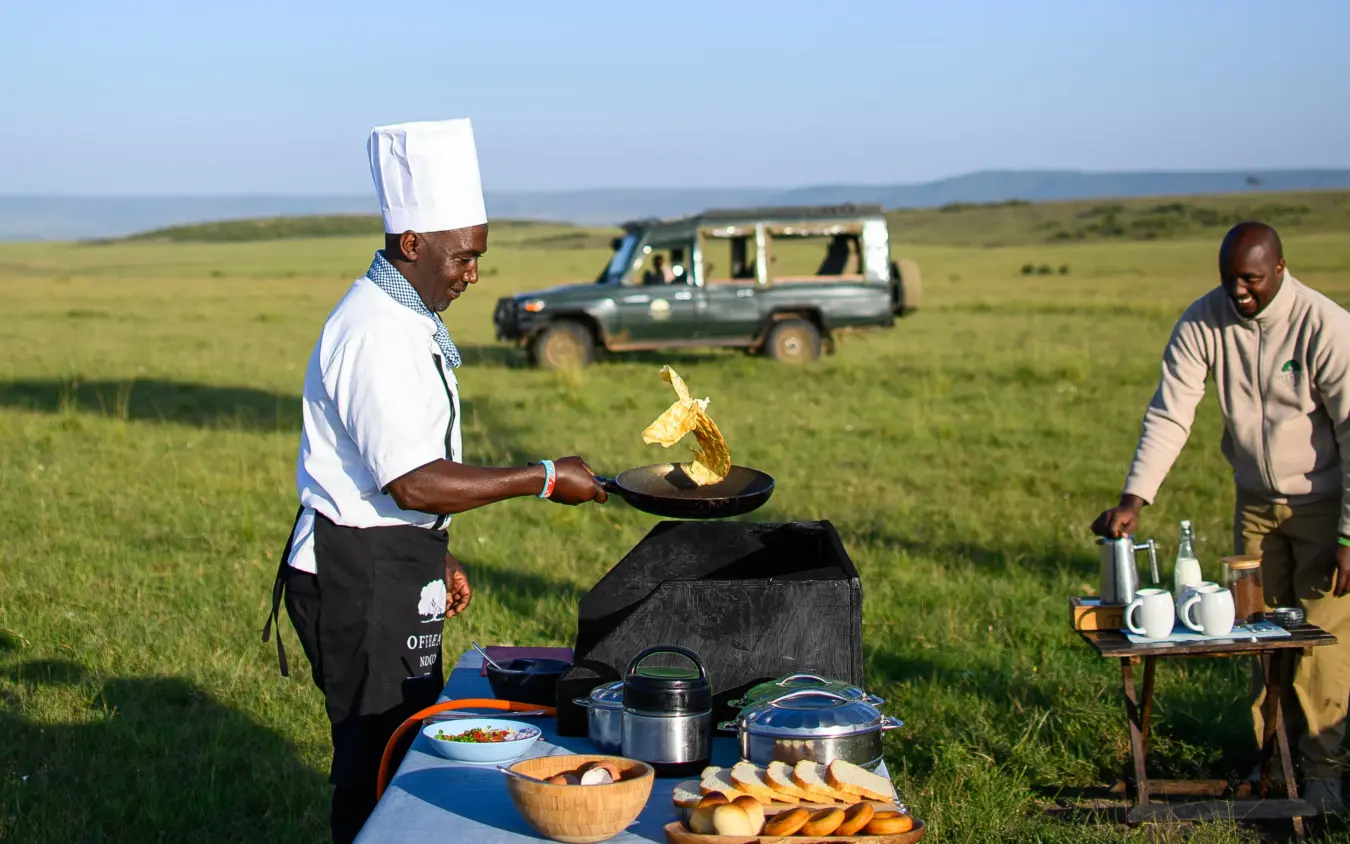
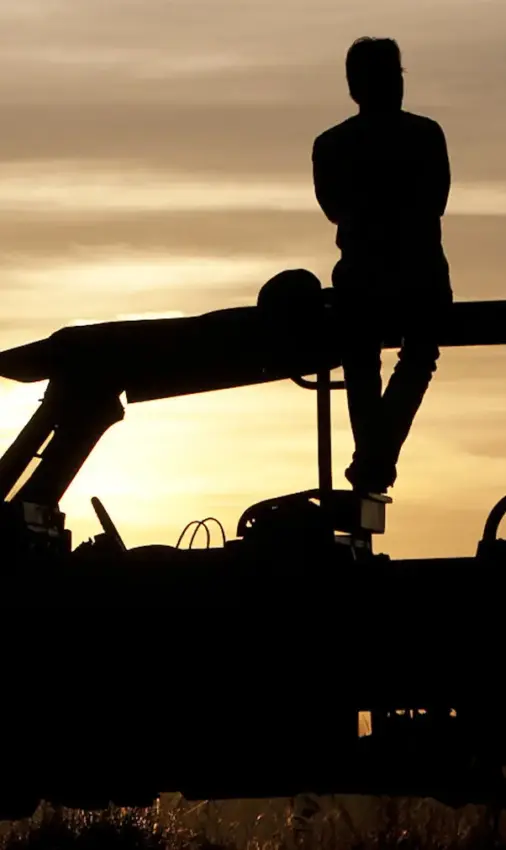
Day and night game drives in open 4x4s with camera mounts, and off-road driving where a sighting warrants it: the conservancy permits all three, the Maasai Mara National Reserve none of them. Walking safaris with Maasai guides, morning runs, line fishing, bush breakfasts and sundowners. Balloon flights and visits to Aitong market can be arranged.

03

conservation

Mara North Conservancy Funding Maasai Landowners

A founding partner of Mara North Conservancy in 2009, the camp helps fund the leases that pay Maasai landowners directly for keeping this land open to wildlife. Seed Balls Kenya and an on-site tree nursery work to replant degraded ground. Beadwork by women from the local community is sold in camp, and the school at Aitong receives ongoing support.

ready to get started?

Get in touch and let’s start the conversation. An initial consultation helps us understand what you’re looking for, whether that’s specific experiences, luxury touches, or marking a special occasion, and from there we’ll guide you through what’s possible so you can decide if we’re the right fit.

Alternative accommodation in maasai mara

Illuminated safari lodge at dusk under acacia trees, Kimya Kimya Camp, Maasai Mara, Kenya 01

Kimya Kimya Camp

Maasai Mara

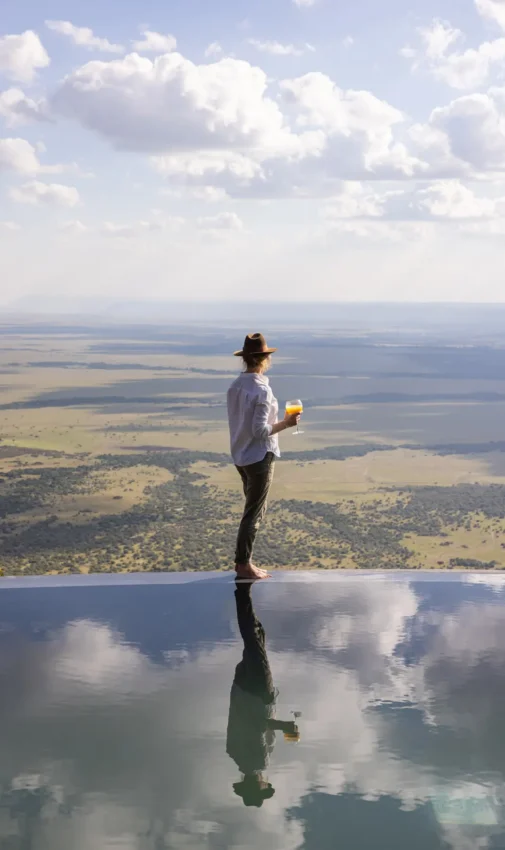
Man standing at infinity pool overlooking vast savanna landscape, Wild Hill, Maasai Mara, Kenya 02

Wild Hill

Maasai Mara

Canvas safari tent at sunset with acacia tree overhead, Mara Nyika Camp, Maasai Mara, Kenya 03

Mara Nyika Camp

Maasai Mara

Illuminated safari tent at dusk with tall trees nearby, Kicheche Mara North, Maasai Mara, Kenya 04

Kicheche Mara North

Maasai Mara

Open-air dining area with fire pit under large tree, Kicheche Bush Olare, Maasai Mara, Kenya 05

Kicheche Bush Olare

Maasai Mara

Two people silhouetted crossing suspension bridge at sunset, Ngare Serian, Maasai Mara, Kenya 06

Ngare Serian

Maasai Mara

Two children watching elephant grazing in natural habitat, House In The Wild, Maasai Mara, Kenya 07

House In The Wild

Maasai Mara

08

Tangulia Ndogo

Maasai Mara

09

Naibor Wilderness

Maasai Mara

Illuminated lodge structures nestled in savanna landscape at dusk, Eagle View Camp, Maasai Mara, Kenya 10

Eagle View Camp

Maasai Mara

Wooden deck overlooking river at sunset with trees, Rekero Camp, Maasai Mara, Kenya 11

Rekero Camp

Maasai Mara

12

Loirien Mara

Maasai Mara

13

Sambuk Suite at Mara Nyika

Maasai Mara

Maasai man in traditional red clothing on savanna, Speke’s Camp, Maasai Mara, Kenya 14

Speke’s Camp

Maasai Mara

Modern brick lodge illuminated at dusk beneath acacia tree, Angama Mara, Maasai Mara, Kenya 15

Angama Mara

Maasai Mara

16

Mara Siana Camp

Maasai Mara

17

Paradise Plains

Maasai Mara

18

Tangulia Mara

Maasai Mara

19

Offbeat Ndoto

Maasai Mara

Outdoor dinner tables with campfire under acacia trees at dusk, Leopard Hill, Maasai Mara, Kenya 20

Leopard Hill

Maasai Mara

frequently asked questions

By light aircraft. Scheduled services leave Nairobi's Wilson airport for Mara North airstrip, the strip that serves the conservancy, and the sector runs around forty five to fifty minutes, longer when the aircraft calls at another Mara strip first. From the strip it is a short drive to the camp on the Olare Orok. We can also put on a private charter, usually a Cessna Caravan or a Pilatus PC-12, which goes direct and leaves on your timing rather than the airline's.

The aircraft take soft bags only, fifteen kilograms a person including hand luggage and camera gear, so a duffel rather than a hard case. Driving from Nairobi is possible and takes the better part of a day.

Mara North is private land leased from its Maasai landowners, and the rules inside it are set by the conservancy rather than by the national reserve. In practice that means far fewer vehicles at a sighting, permission to drive off the track to follow something properly, night drives after dark, and walking with a guide. None of those are allowed inside the Maasai Mara National Reserve itself.

The reserve is still worth a day for its sheer density of animals and for the river crossings in season, and we build both into a stay rather than choosing between them.

Yes. The UK's official travel health service, TravelHealthPro, and the American CDC both treat the whole of Kenya below 2,500 metres as a malaria area, and both name the game reserves and conservancies specifically. Mara North sits at roughly 1,500 to 1,900 metres, well inside that. TravelHealthPro rates the country high risk and recommends antimalarial tablets for it, and the CDC records transmission across all areas below that altitude. The only parts of Kenya either sets apart are central Nairobi and the highlands above 2,500 metres.

We do not make medical recommendations. We are travel planners, not doctors. Which tablets are right for you, whether they suit your own health or anyone else's in the party, and what is appropriate for a child, is a conversation between you and your doctor or a travel clinic. The practical side we can speak to is not medical: cover arms and legs from late afternoon and keep repellent to hand.

The Mara is high ground, so it runs warmer and drier by day than people expect and considerably colder at dawn than they pack for. Afternoons settle in the middle twenties, nights fall to around eleven or twelve degrees, and an open vehicle at first light takes several degrees off that again. The long rains fall from about March into May, April the wettest, and the short rains come in November and December, usually as an afternoon storm rather than a lost day.

Layers do the work: a base layer, a fleece and a windproof jacket you can shed by mid morning, with long trousers, a hat and sunglasses for the strong high altitude light. Keep it inside the fifteen kilogram soft bag allowance on the flight in.

The herds usually cross into the Mara from July and stay into October, and the crossings people picture are concentrated in August and September. Mara North sits on the route north of the reserve, so the herds move through the conservancy as well as the reserve, and in a good year the camp has them on its doorstep.

Nobody can promise a crossing on a given day. The herds move on rain, grass and river levels rather than a calendar, so we plan your dates into the strongest part of the window and treat the crossing as something you have a good chance of seeing rather than a fixture. Out of season the conservancy holds its resident game year round, which is much of its appeal.

rated five stars by our clients

other areas in kenya

Local guides with poles crossing shallow forest river, Northern Kenya, Kenya 01

Northern Kenya

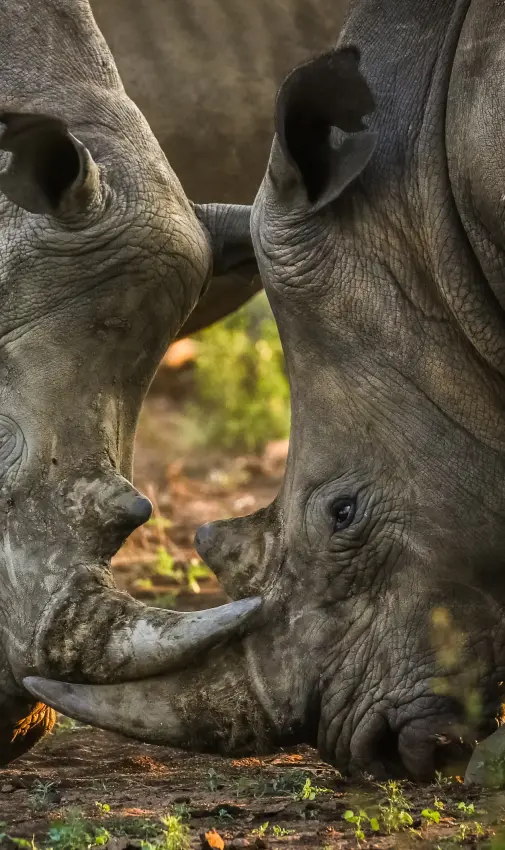
Two rhinos touching horns in natural habitat 02

Laikipia Highlands

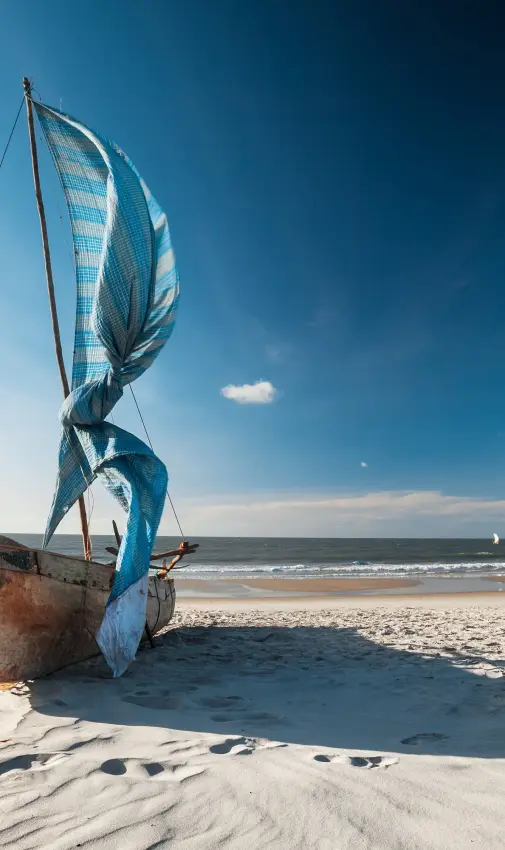
Traditional fishing boat with blue sail on sandy beach 03

Kilifi

Flock of flamingos wading in shallow pink-tinted water, Rift Valley Lakes, Kenya 04

Rift Valley Lakes

Snow-capped Mount Kilimanjaro rising above acacia trees and Tanzania savanna 05

Amboseli and Chyulu Hills

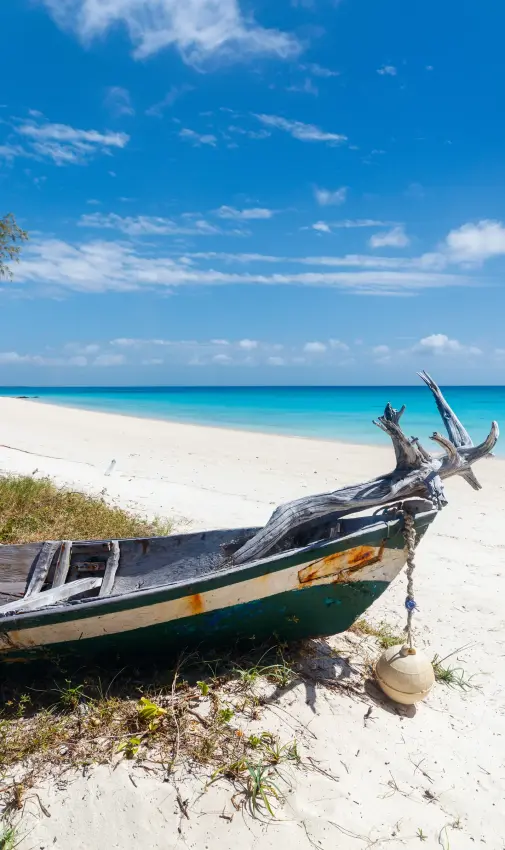
Wooden fishing boat beached on white sand tropical shore 06

Diani Beach

Man in traditional red garment driving open safari vehicle, Samburu Reserve, Kenya 07

Samburu Reserve

08

Lamu Archipelago

Zebras in savanna grassland with safari vehicle and city skyline 09

Nairobi

African elephants with calf walking through grassland at sunset 10

Tsavo

Planning a journey together

our approach

remote, exclusive
& personal

Every journey starts with a conversation. We take the time to understand your vision before we start planning.

Whether by phone or in person, we work with you directly to shape something that is considered, personal, and expertly delivered.

get in touch
destinations ideas & inspiration our process about us contact us