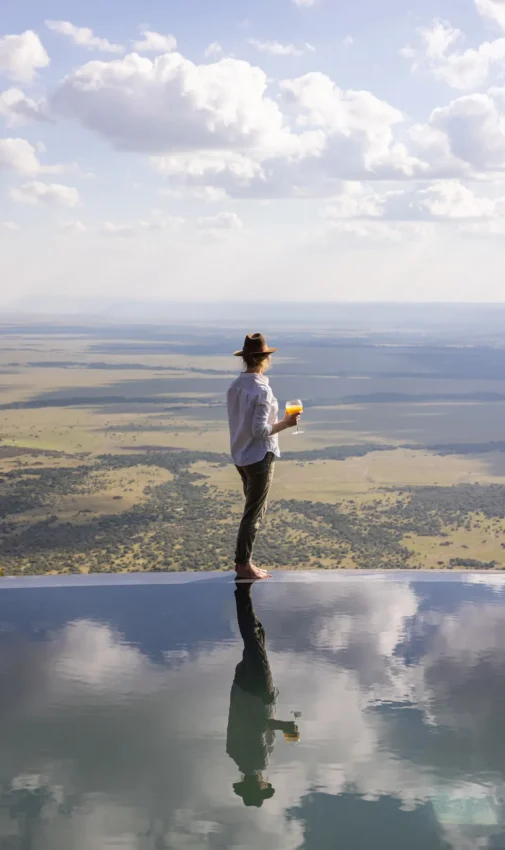
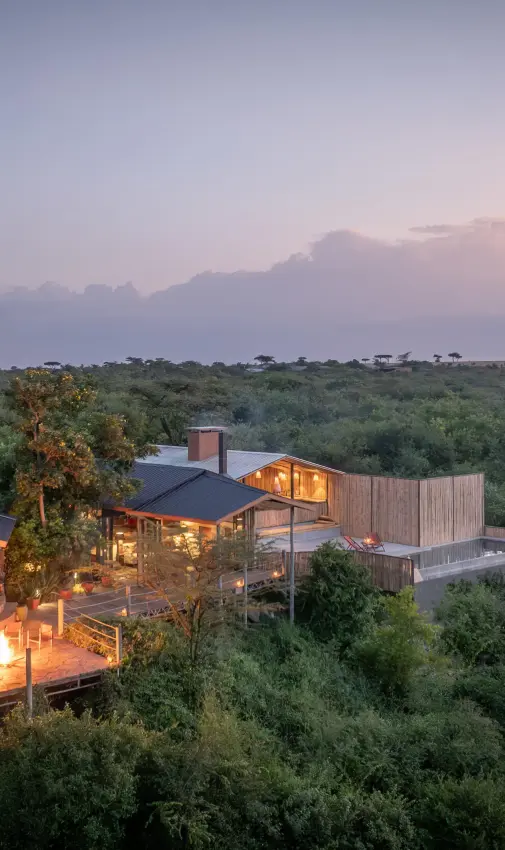
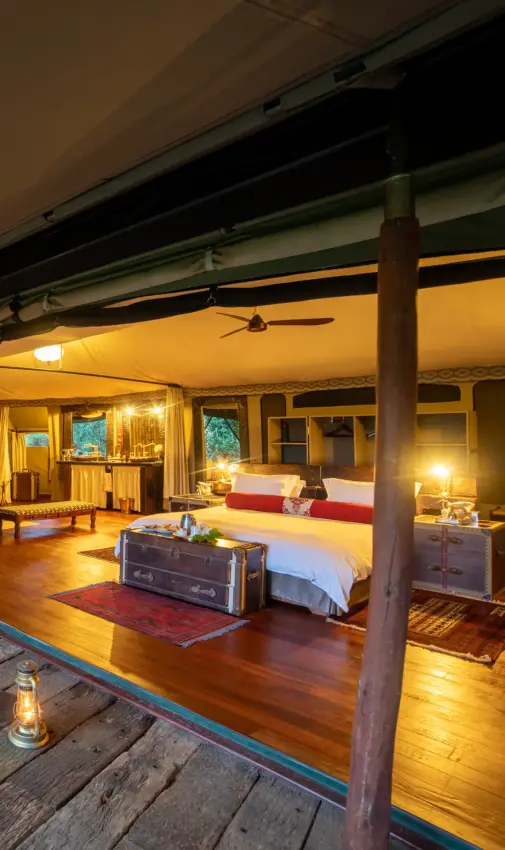
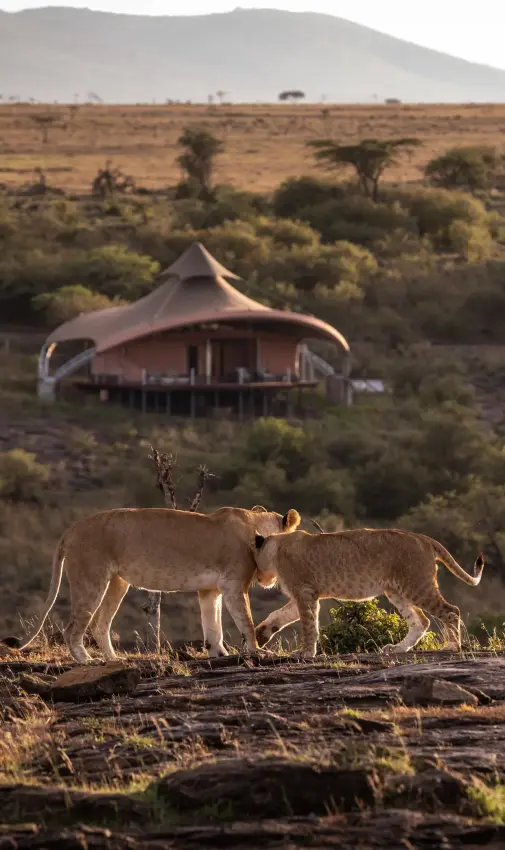
This stretch of land is called Kichwa Tembo, Kiswahili for “head of the elephant”. The larger camp that grew up around that name is still Bateleur’s neighbour. Bateleur came later, in the late 1990s, and when it was rebuilt in 2018 many of the original pieces were restyled for a second life. Maasai artisans made the beaded rungu door handles, and the ottomans dressed in wedding skirts.
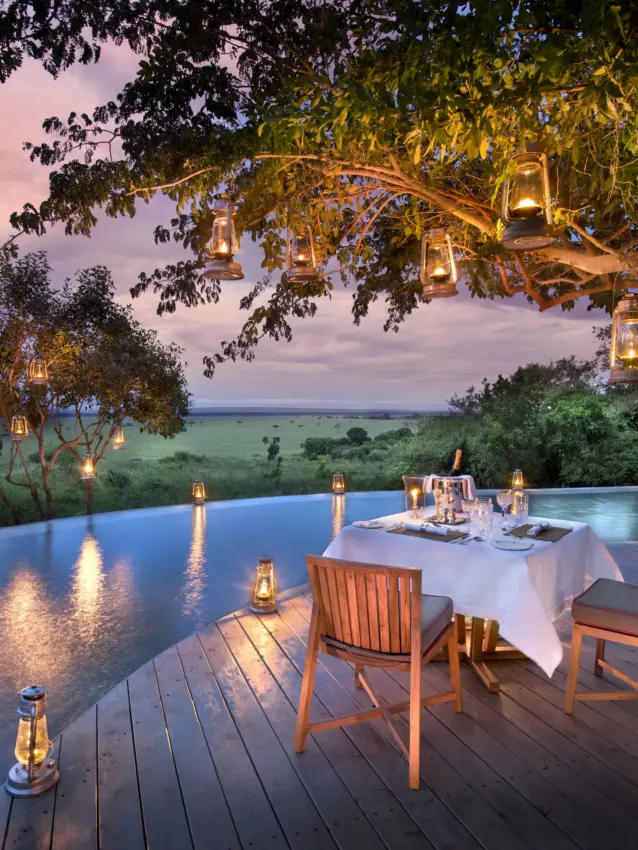
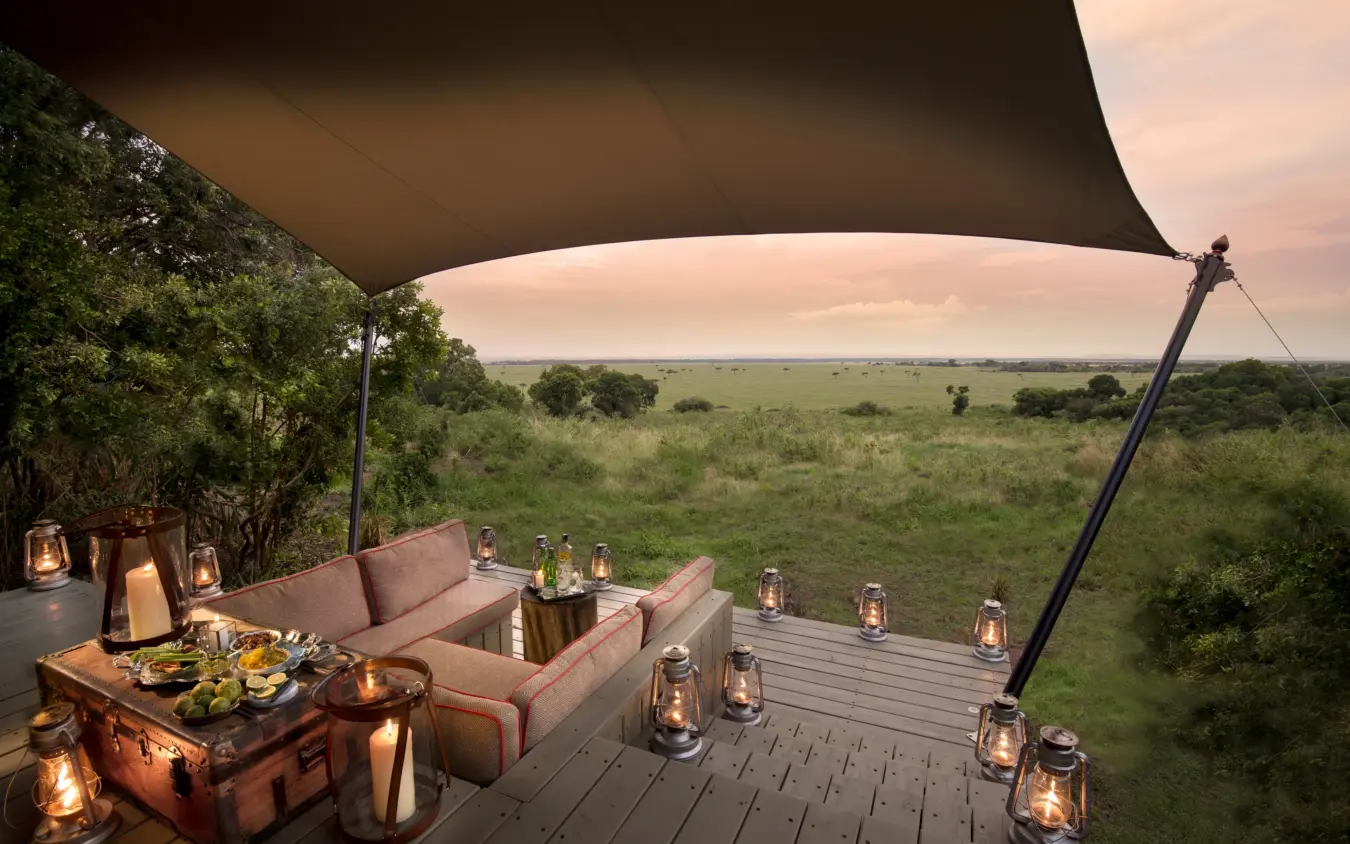
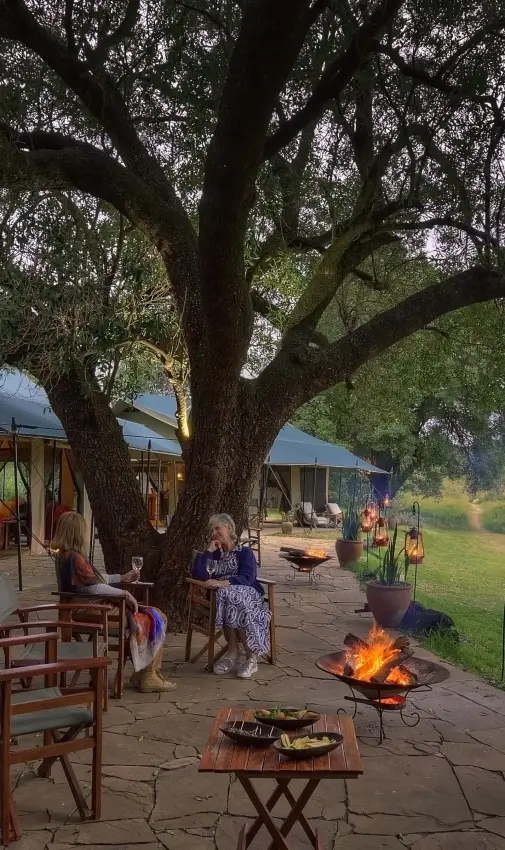
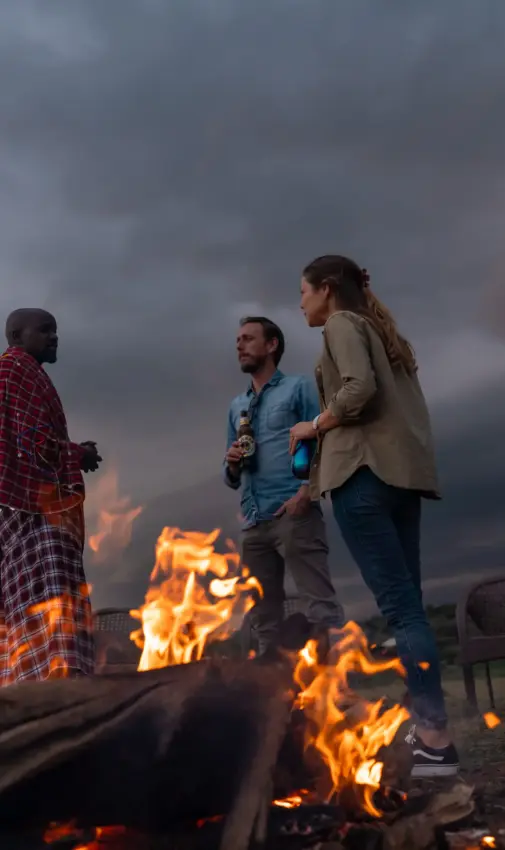
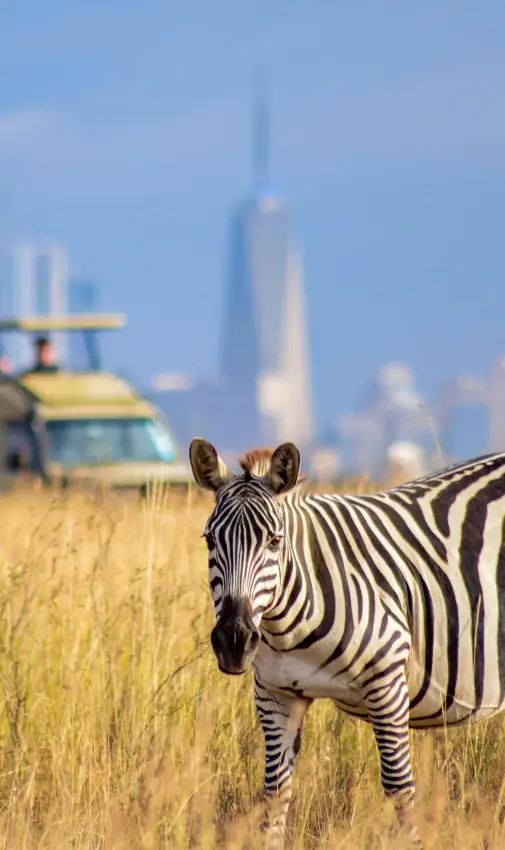
Balloons lift off over the reserve at sunrise, and each flight ends with a champagne breakfast. On the ground, breakfast is laid out in the bush and sundowners are poured on the plains, while those who would rather set their own pace can arrange a private vehicle for drives. Dinner moves around camp, sometimes on the deck, sometimes by the pool or the fire, and the table is set with engraved glasses and old silver. On boma nights, the camp is lit with candles and gas-lit torches. Much of the produce comes from the camp garden, and the baking is done on site.
They go out on every drive, including the spotlit night drives on the concession
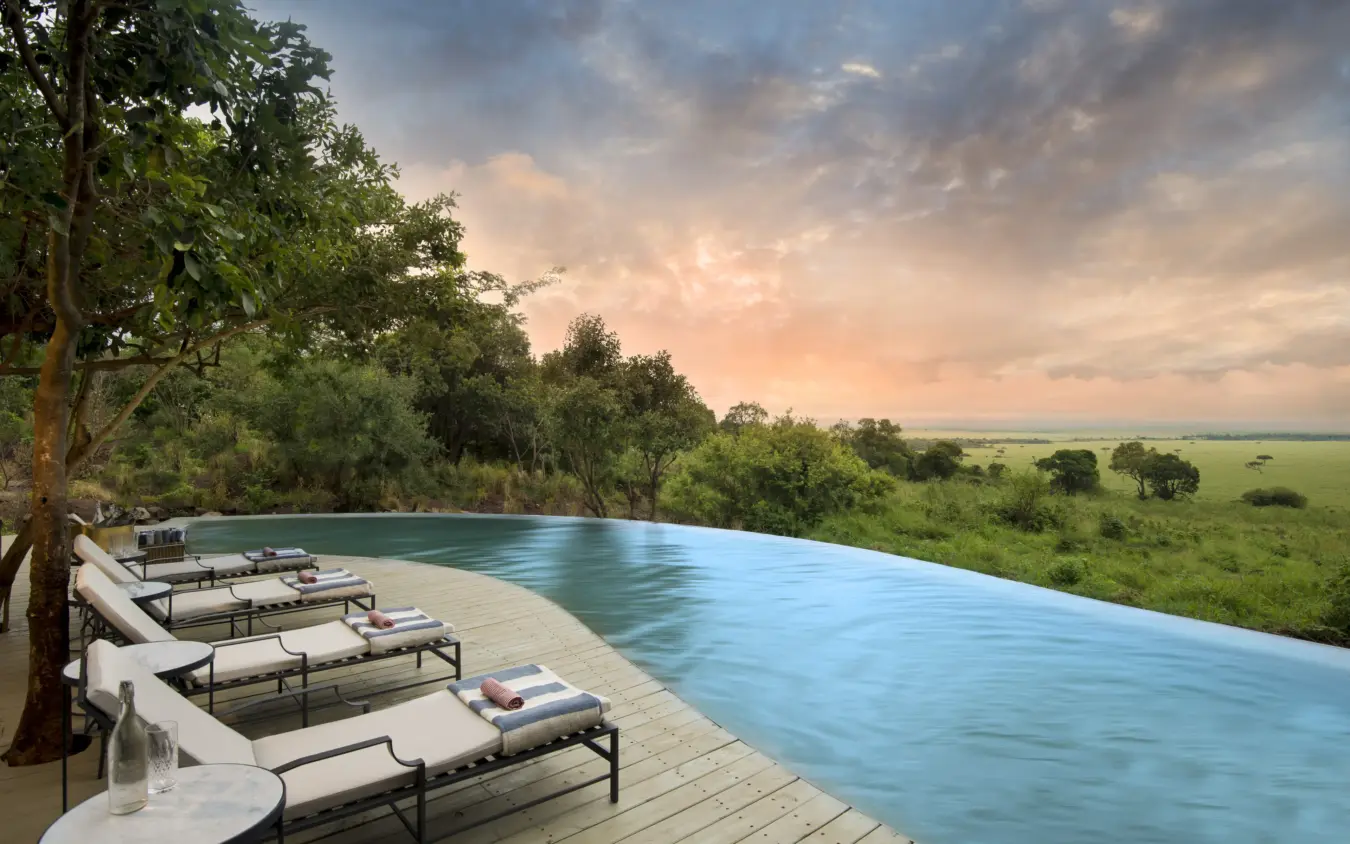
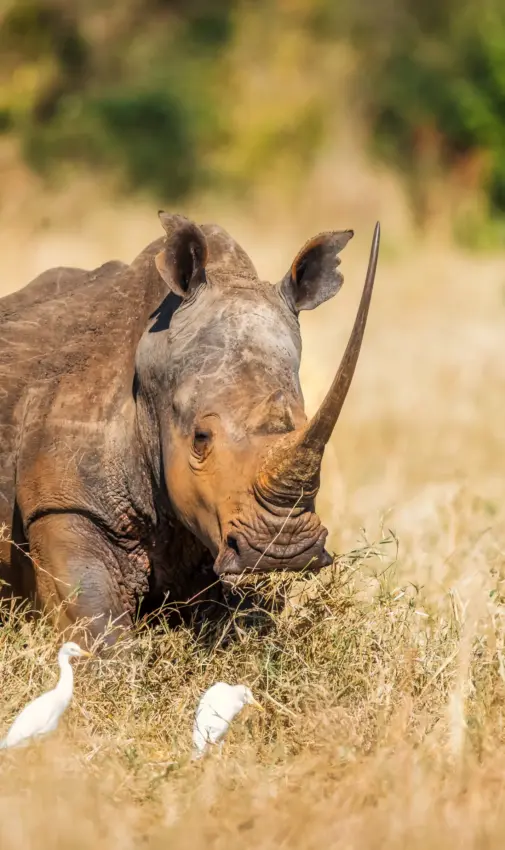
Bateleur and Kichwa Tembo share the same private land beside the reserve. Above camp, the Nyakweri Forest shelters elephants and feeds the Mara River. Many of the staff are Maasai from the surrounding communities, and visits to their villages can be arranged. A community visit with Wild Impact, the charity the camp works alongside, takes in its projects among the neighbouring Maasai. In camp, the boutique stocks fashion and jewellery by Kenyan designers.
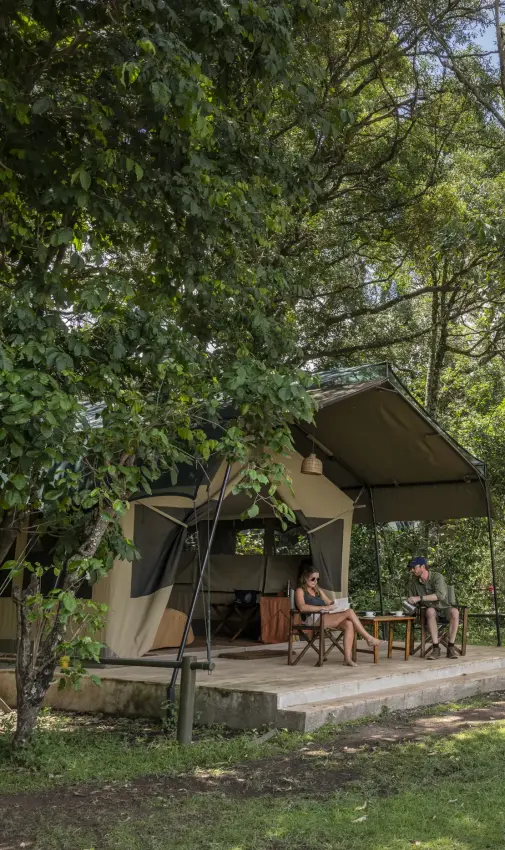
Light aircraft from Nairobi reach the Kichwa Tembo airstrip in about an hour, and Bateleur is a short drive from the strip. Children are welcome, and the WILDChild programme gives them activities of their own. The family tent in North Camp is made for families travelling together. Every tent comes with a pair of Swarovski binoculars. They go out on every drive, including the spotlit night drives on the concession, and between drives they come out again on the deck.