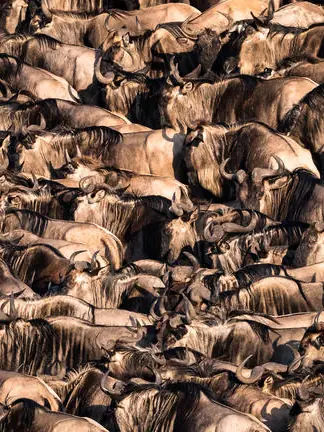
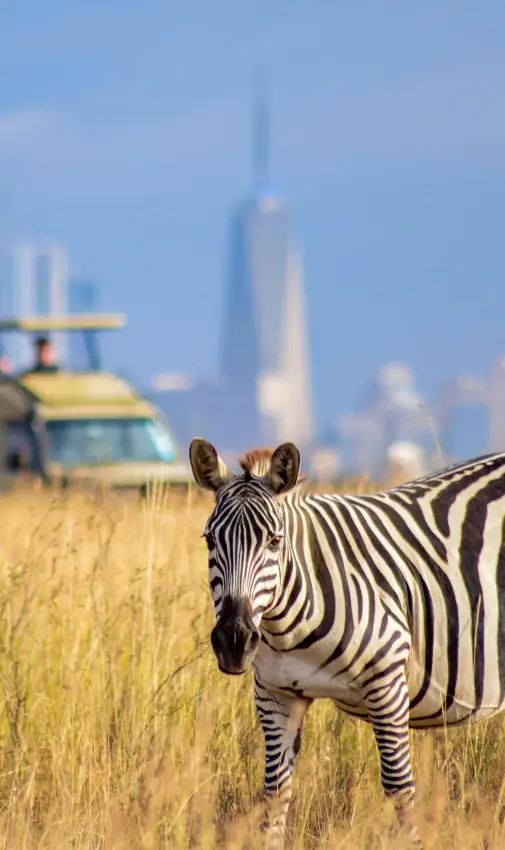
Between July and November the wildebeest herds move along the banks below camp, and many of them cross close by. Zebra calls and the noise of hooves carry up the riverbank to the canvas tents. Crossings run on the herds’ timing, and the wait can last hours. Guests can wait a crossing out, or come back to camp in the middle of the day and return to the bank, while vehicles based further out spend those hours driving in to reach the same stretch of water. Waking already on the river is the case for staying inside the reserve.
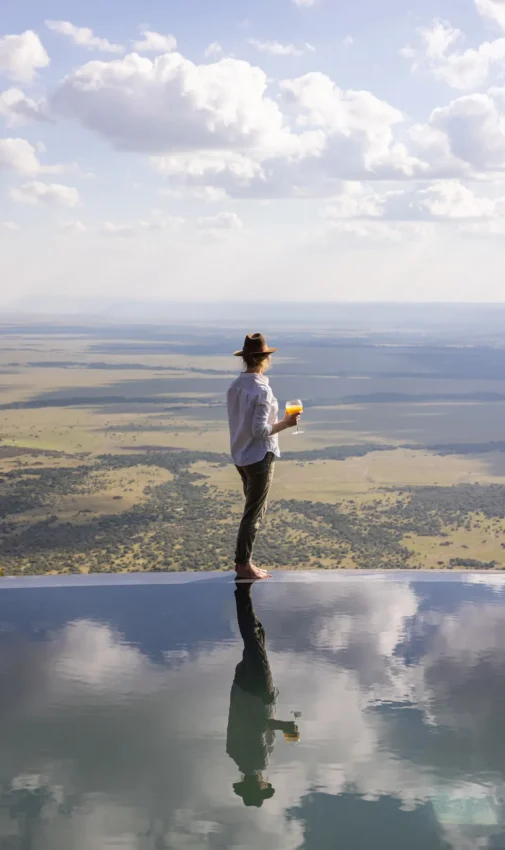
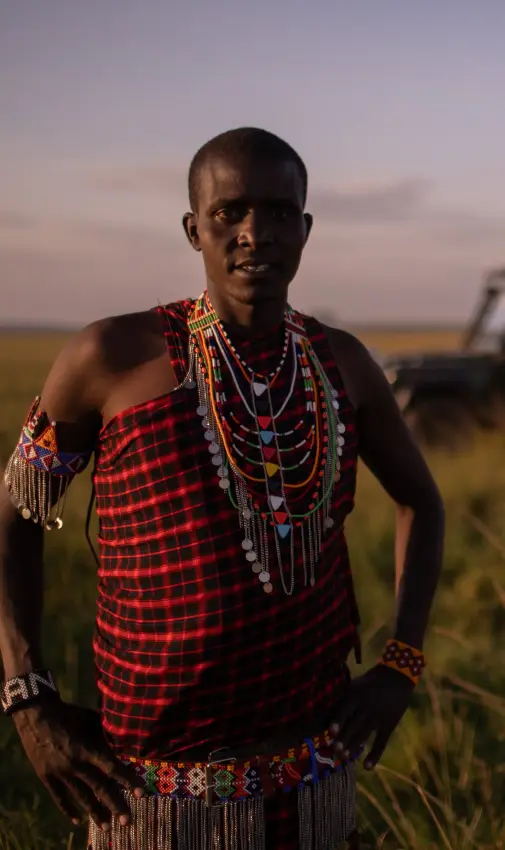
The nearest airstrip is Musiara, and the transfer is itself a game drive. Reserve rules keep drives to daylight hours and to the roads, with no walking, no night drives and no off-road driving, but a full day out, six until six, needs only to be asked for. Bush breakfasts go out with the vehicle, and balloon flights launch over the Mara plains at sunrise. The driver-guide and spotter work the same ground season after season, and close to 500 bird species have been recorded across the wider Mara.
Zebra calls and the noise of hooves carry up the riverbank to the canvas tents.
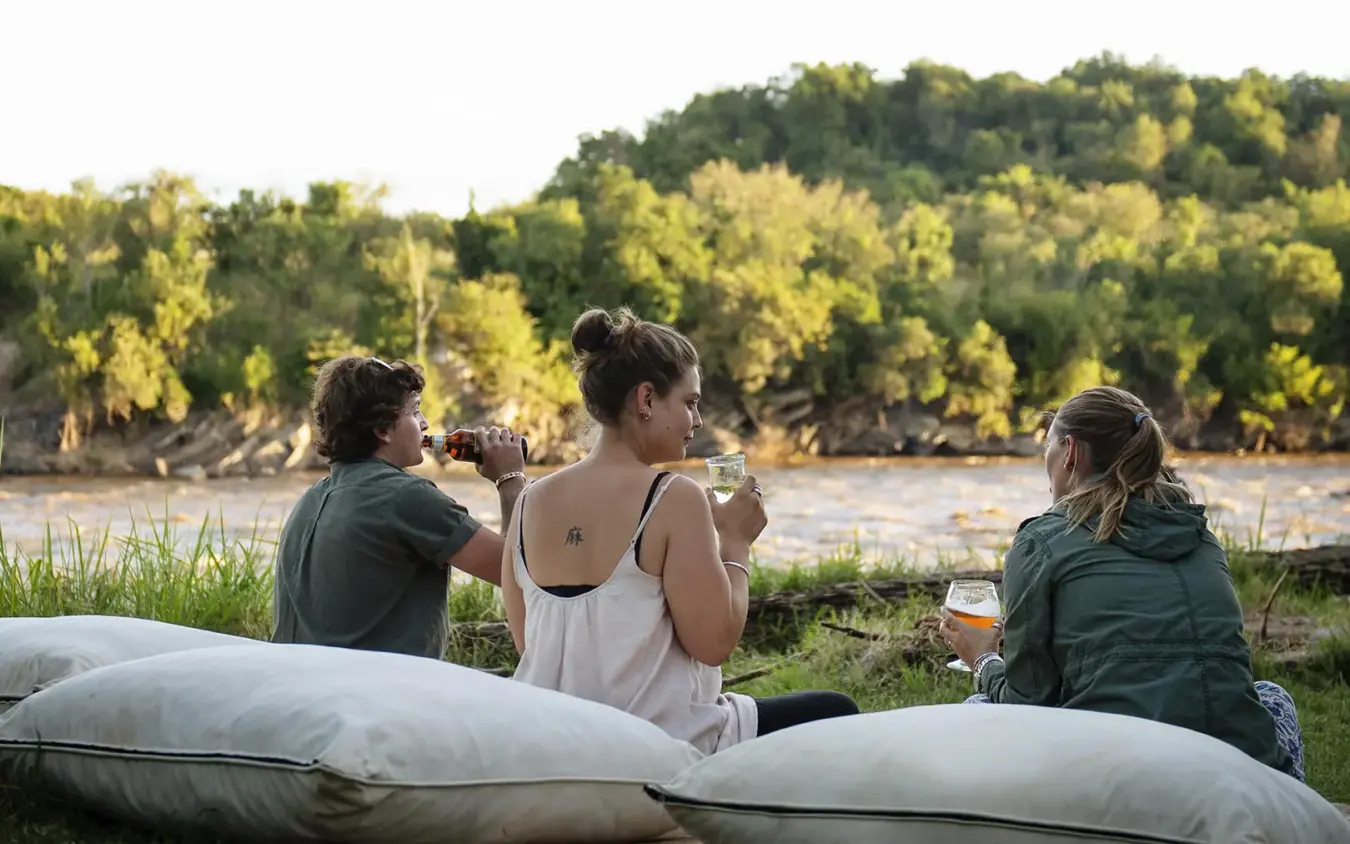
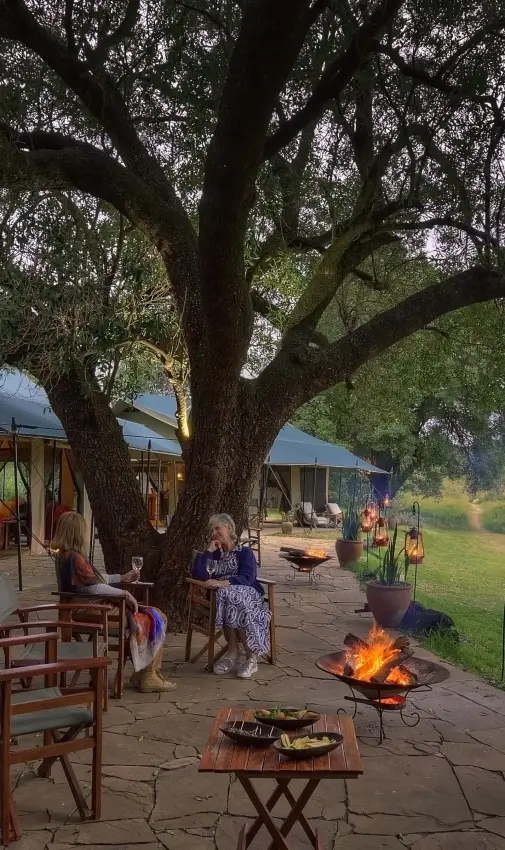
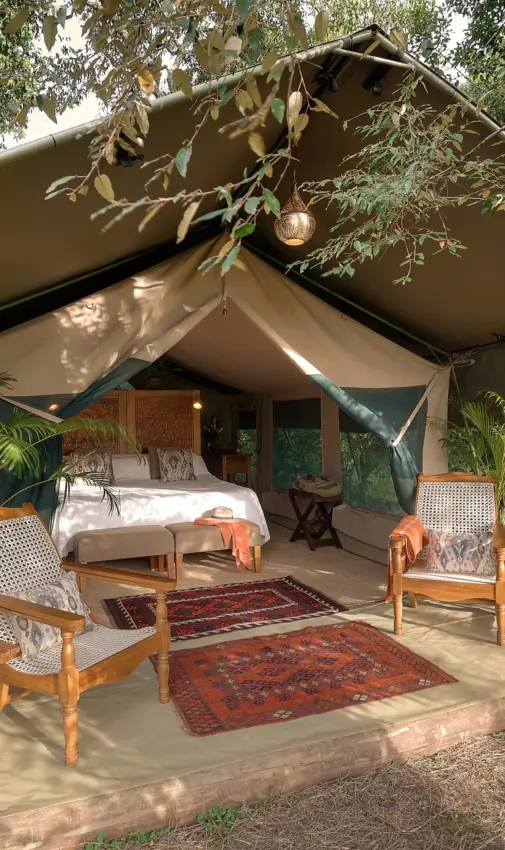
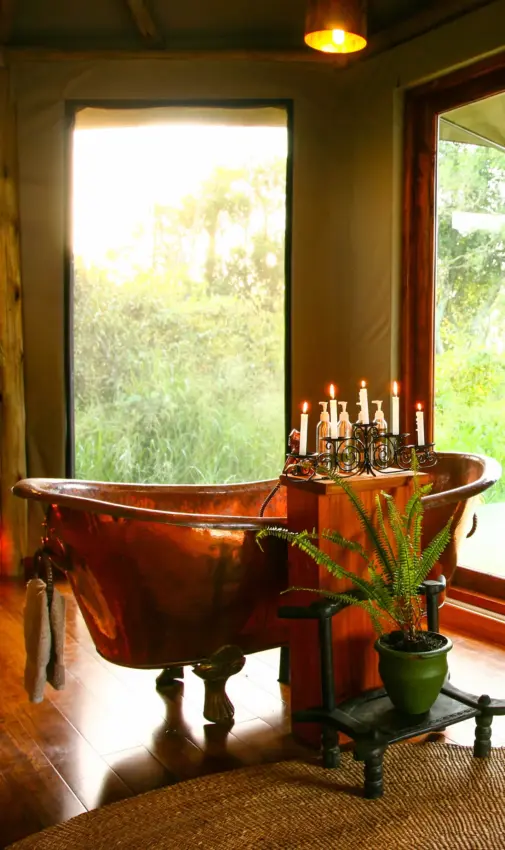
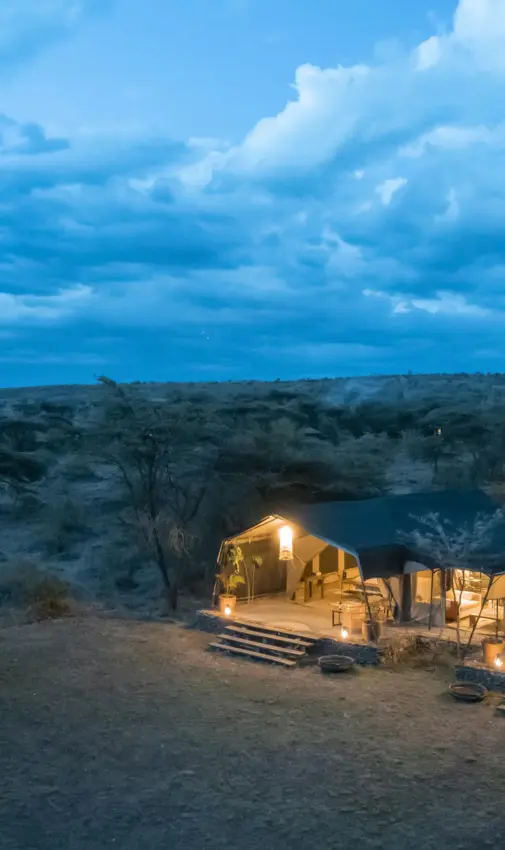
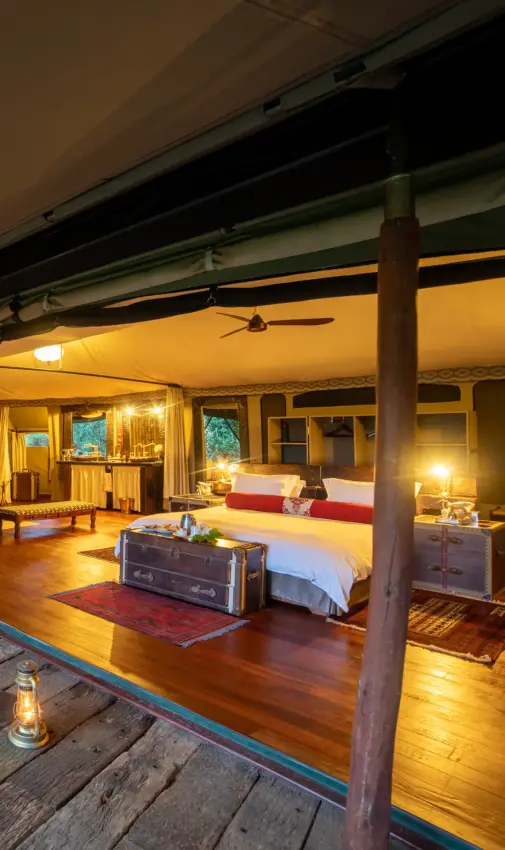
One long mess tent holds the reception, a lounge and library, and a dining table lit by a wrought-iron candle chandelier, its canvas rolled back onto a lawn of rugs and cushions above the river. A life-size metal hippo serves as the barbecue, the chef cooking over coals in its belly. Dinner is three courses at a shared table, sometimes down by the water. The tents are furnished in leather and weathered wood, and kikoy robes and wellingtons hang by the canvas door. A second canopy above the canvas keeps the heat down, and a charging strip waits by the bed.
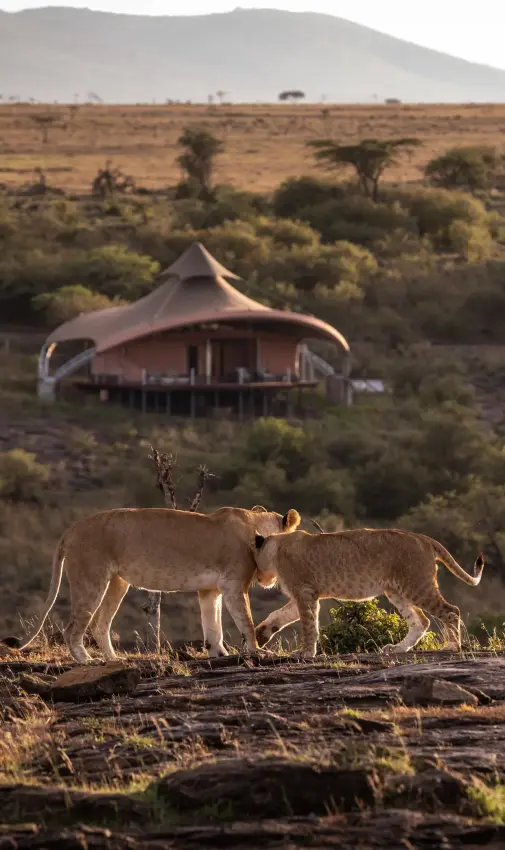
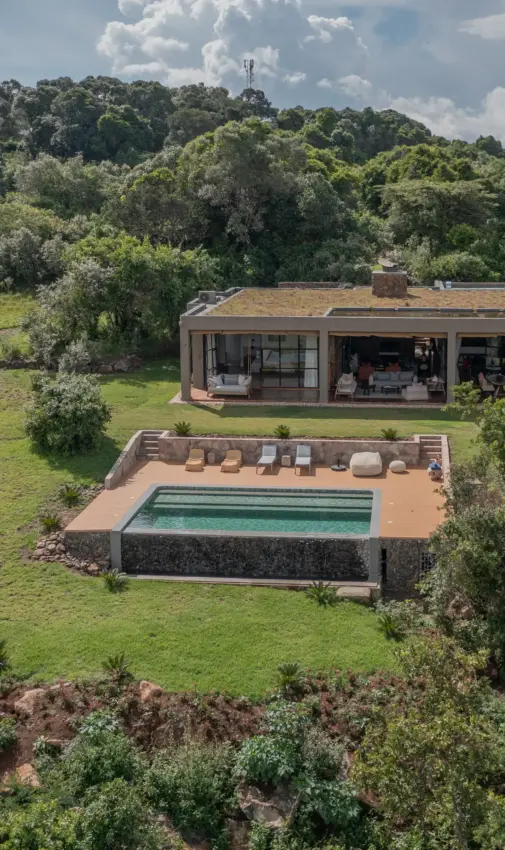
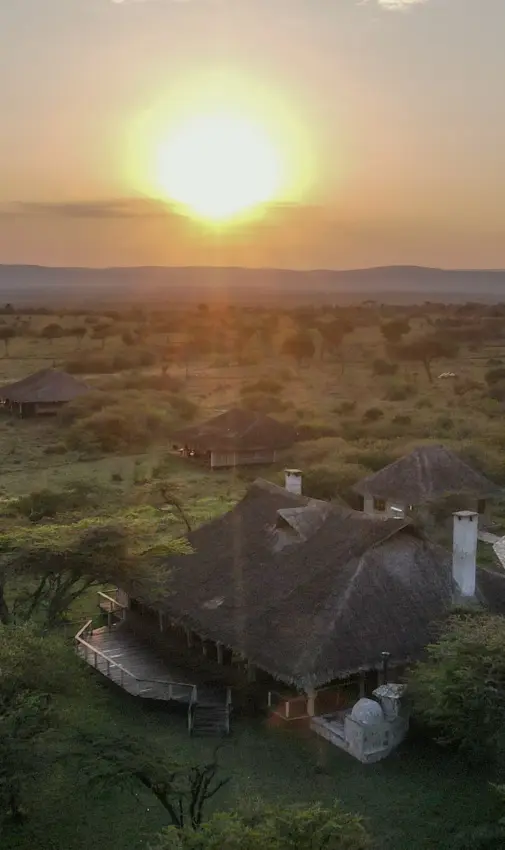
Ninety minutes’ drive north, in Mara North Conservancy, are the sister camps, fixed structures where walking safaris and night drives are allowed. The difference comes from the conservancy’s private status and the reserve’s public one. Three nights on the river and three or four up there make a good pairing: the crossings and the sound of the water first, then the quieter, more varied ground of the conservancy. What Nkorombo asks in return for its place on the river is a fondness for canvas, bucket showers and lantern light.