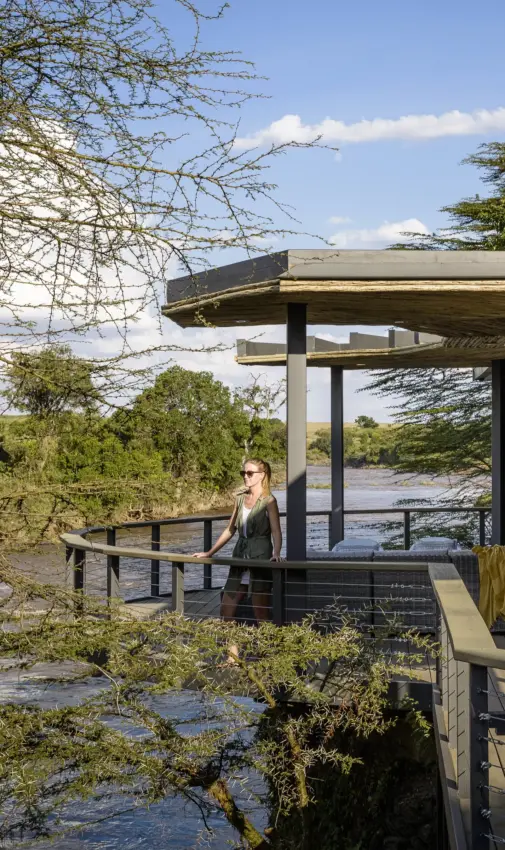
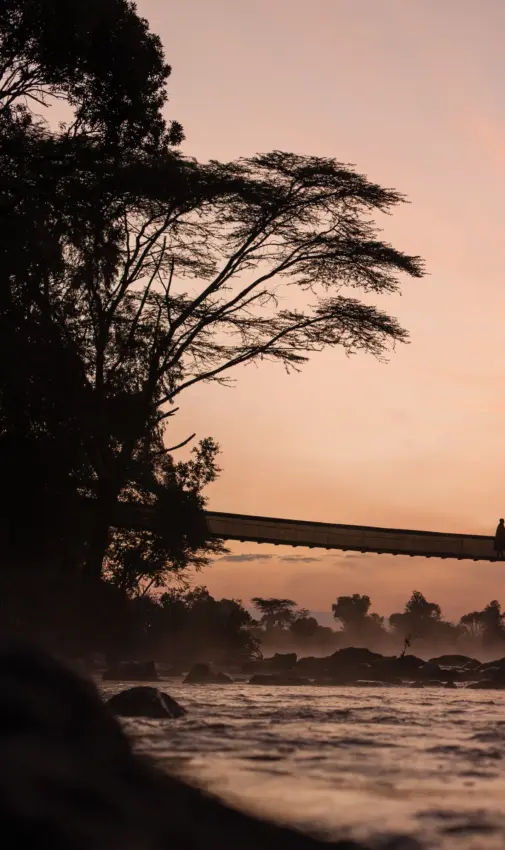
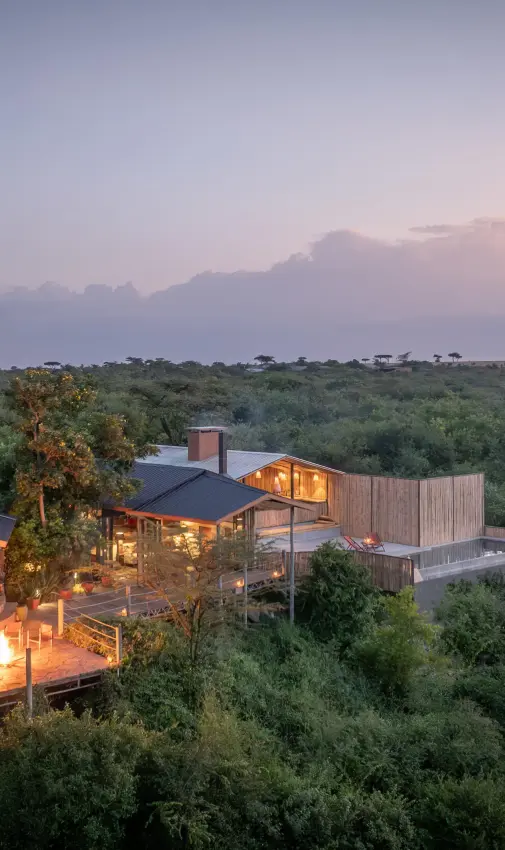
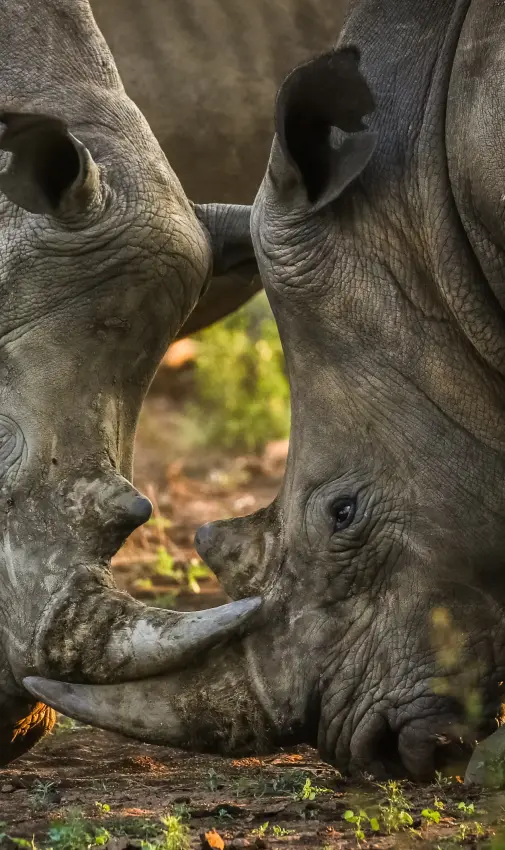
Olare Motorogi is a private conservancy, and its rules allow what the national reserve next door forbids: off-road tracking, drives after dark and walks across the plains. Traversing rights extend over the adjoining Mara North Conservancy and into the reserve itself. At night they work the low-vehicle conservancies for big cats, and by day they cross into the reserve for the Great Migration’s river crossings. Crocodiles share the Ntiakitiak with the hippos, and a wealth of birds works the forest and the open plains beyond.
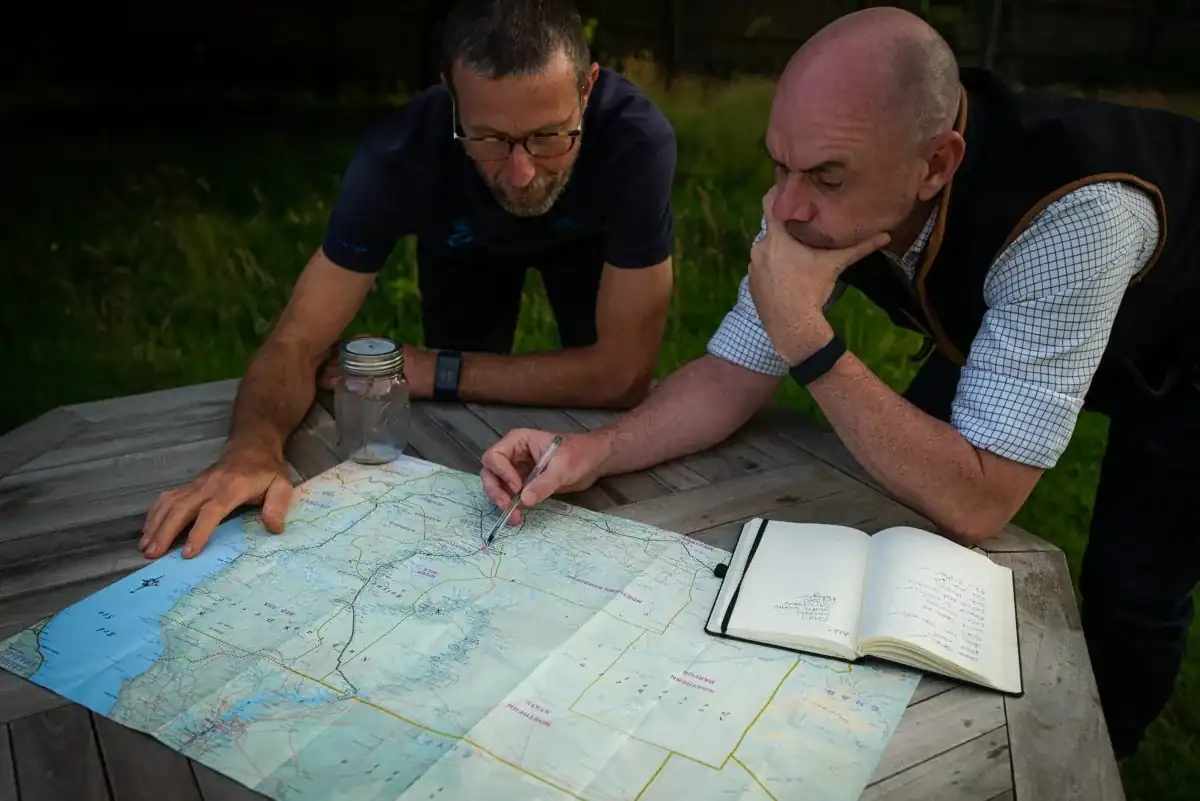
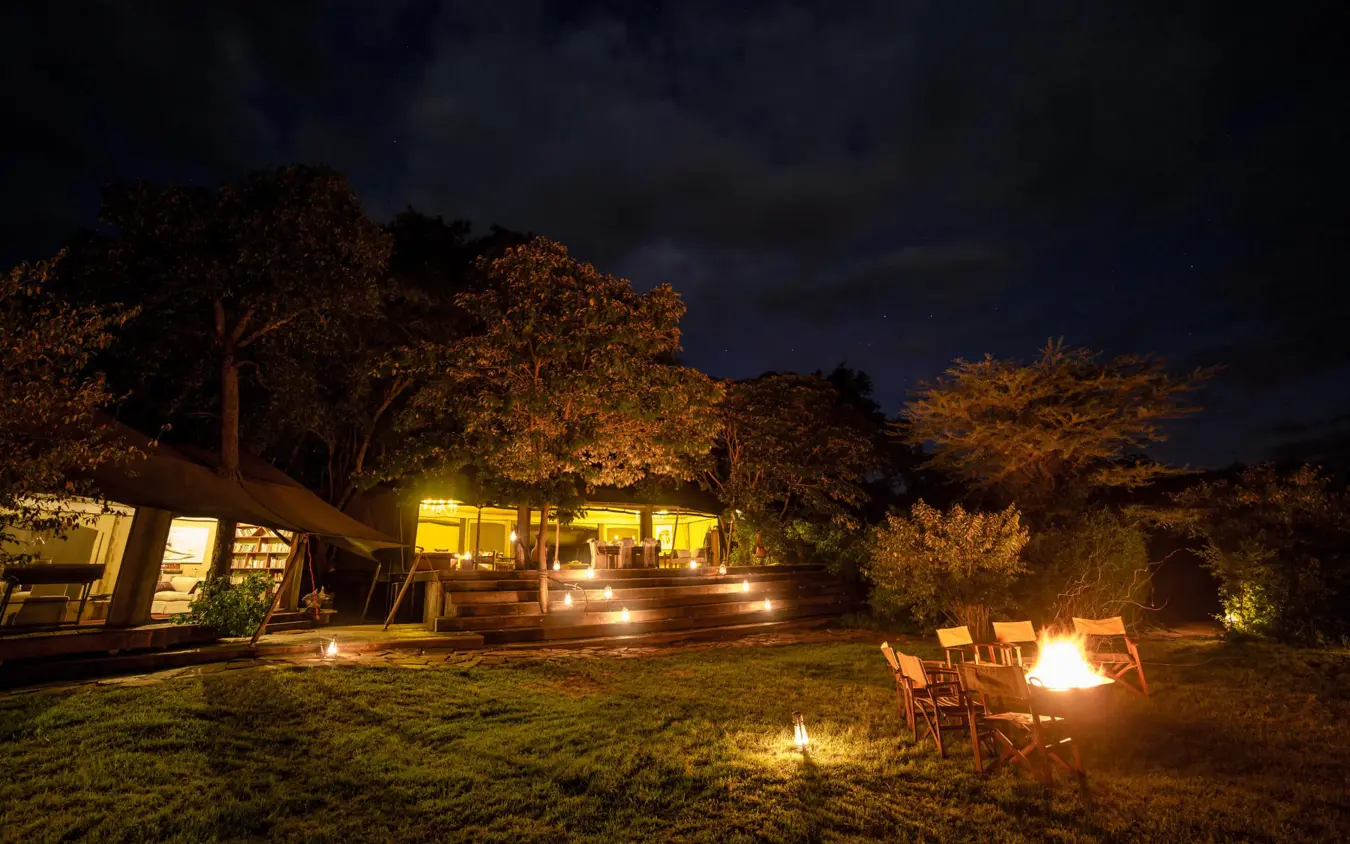
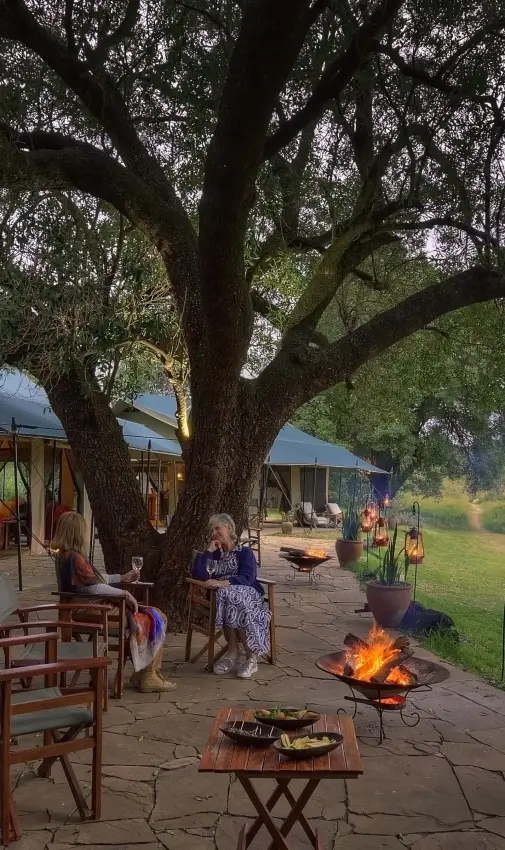
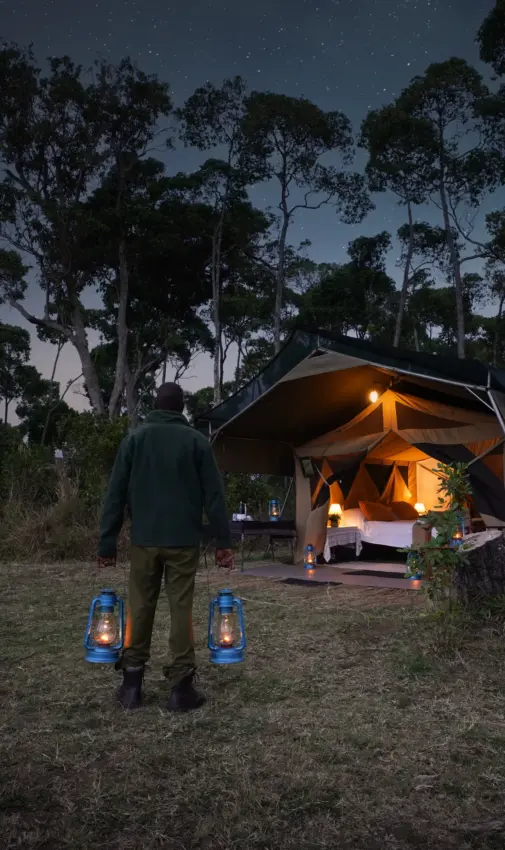
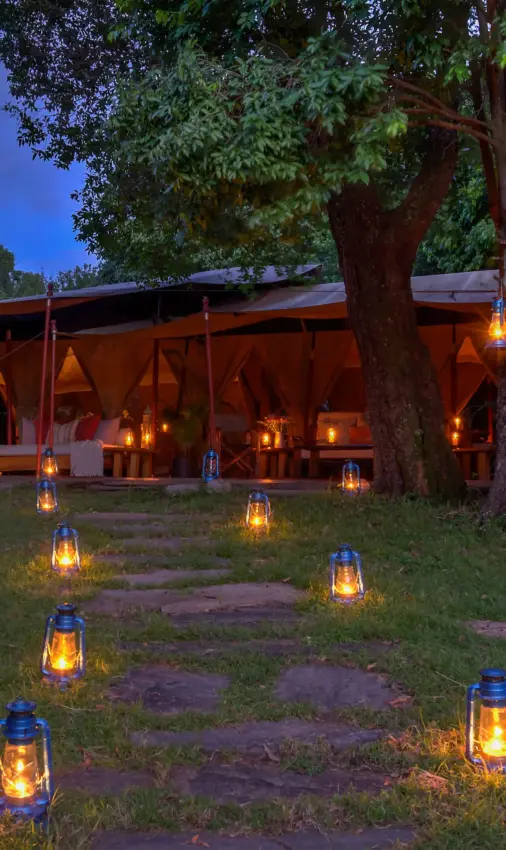
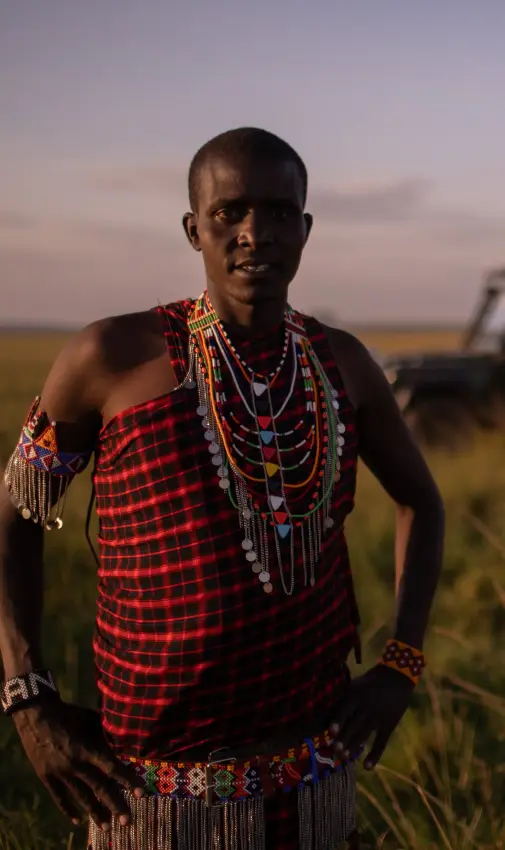
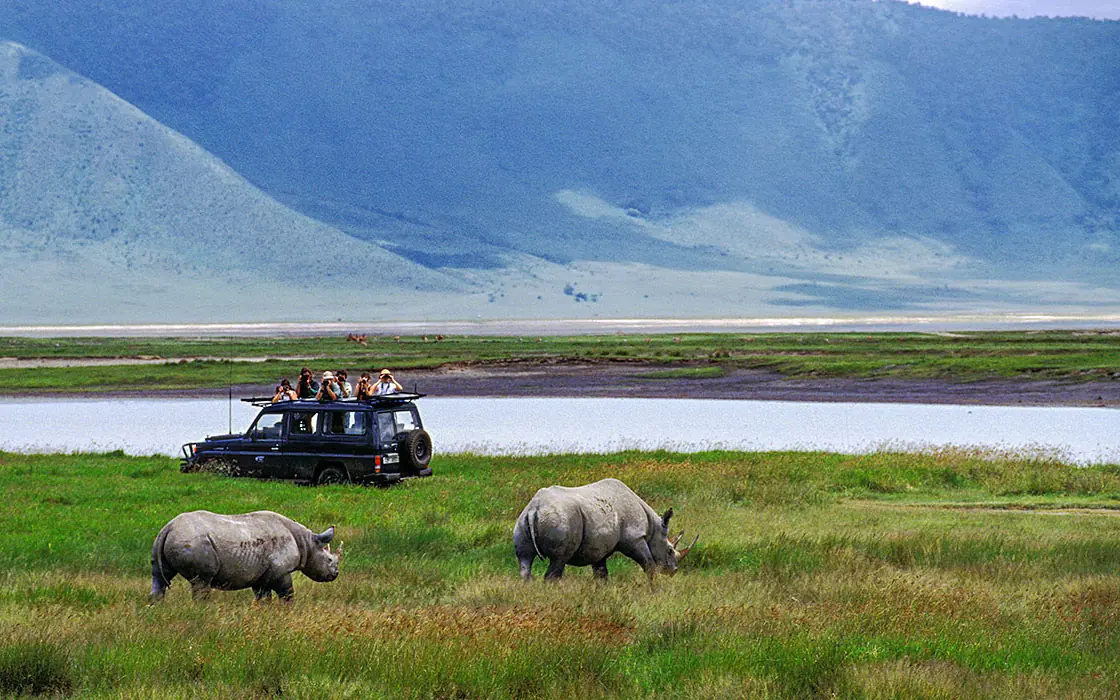
Morning drives leave before dawn in open Land Cruisers, while the predators are still hunting, and a hot water bottle goes out with guests on the chilly ones. The guides know the leopards and lions they find by sight and by history. On foot, Maasai guides read tracks, plants and insects at close range. Breakfast may be laid out on the plains and lunch spread under an acacia, with sundowners to follow and, by arrangement, a bush dinner under the stars. Between outings guests rest in the cool shade along the river, within earshot of the hippos.
On foot, Maasai guides read tracks, plants and insects at close range.
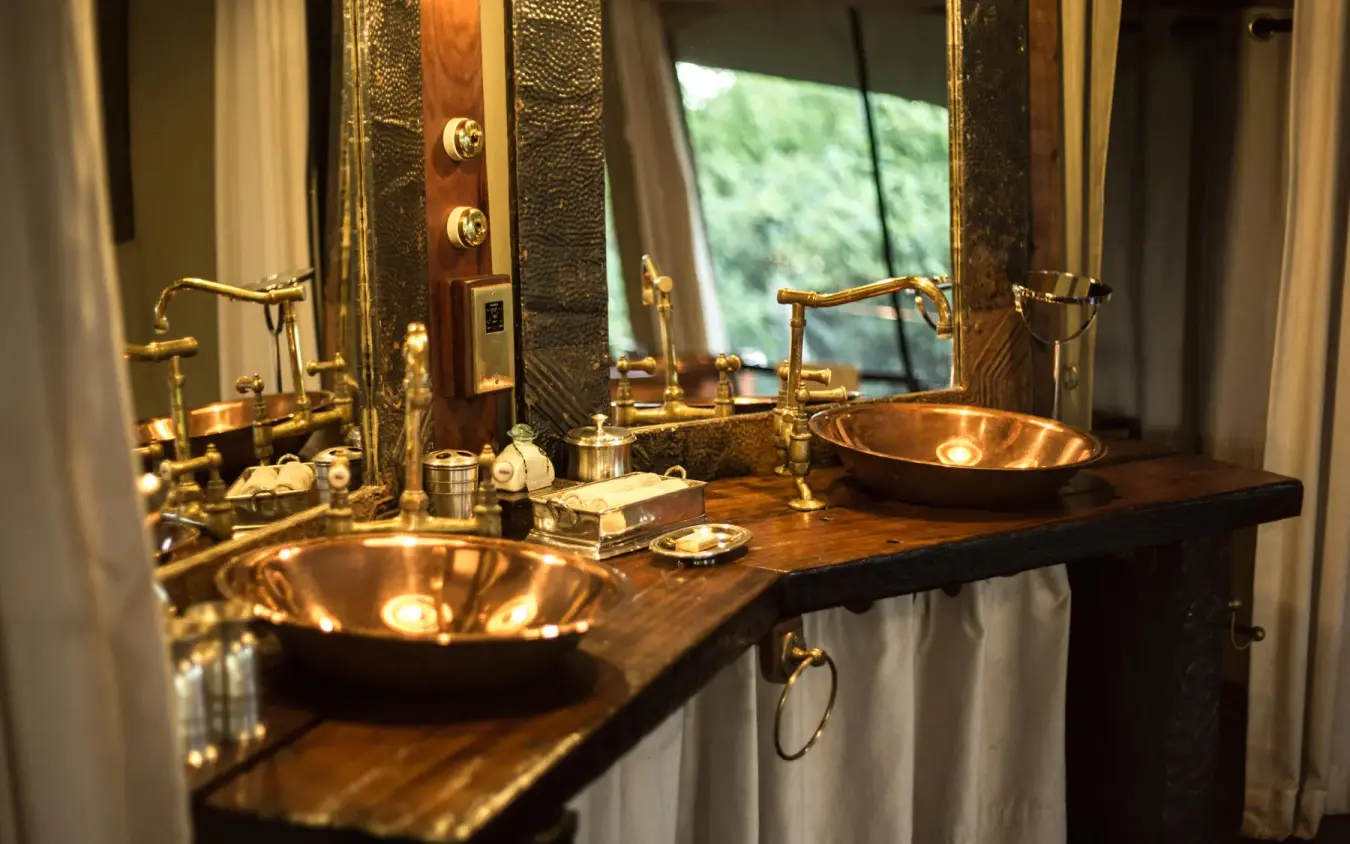
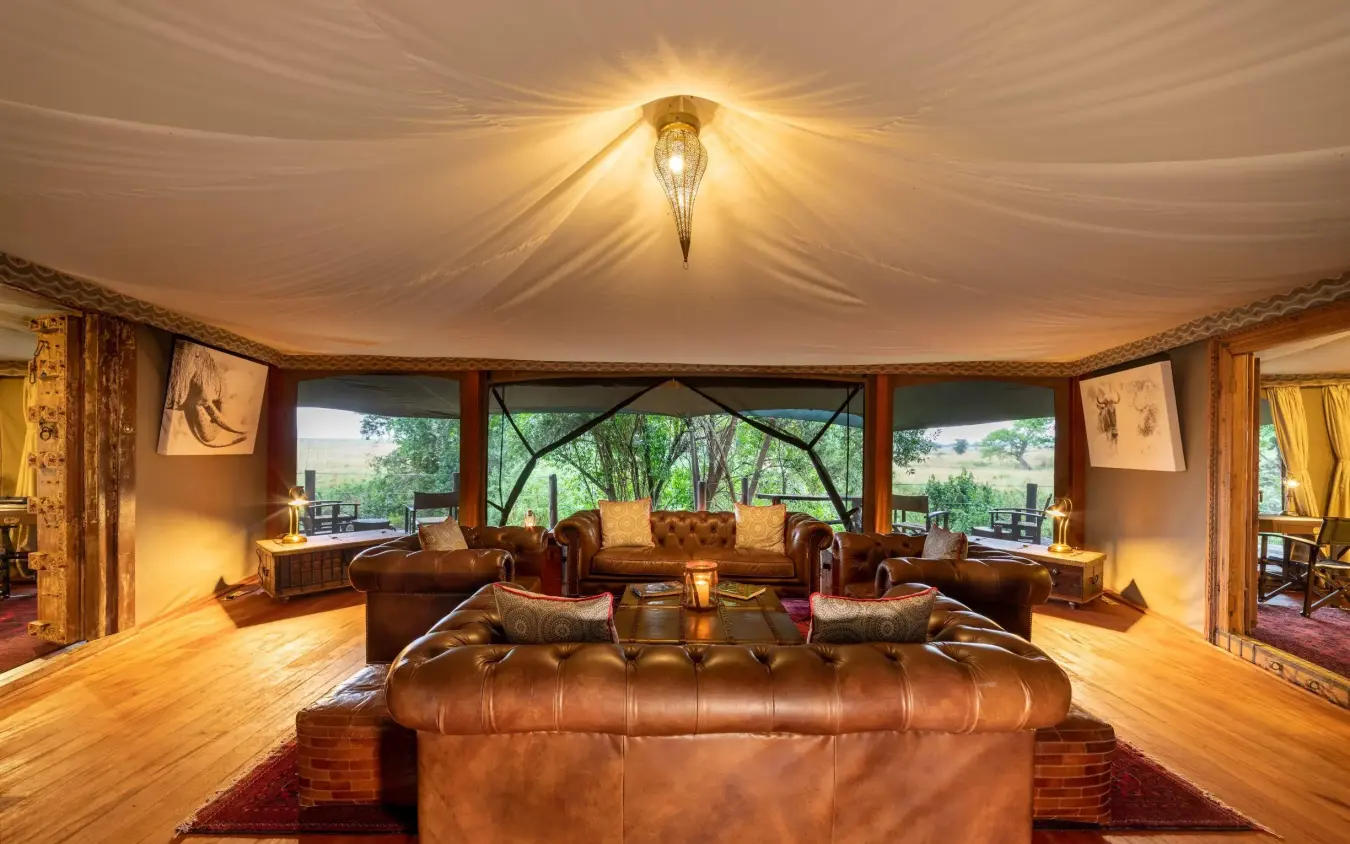
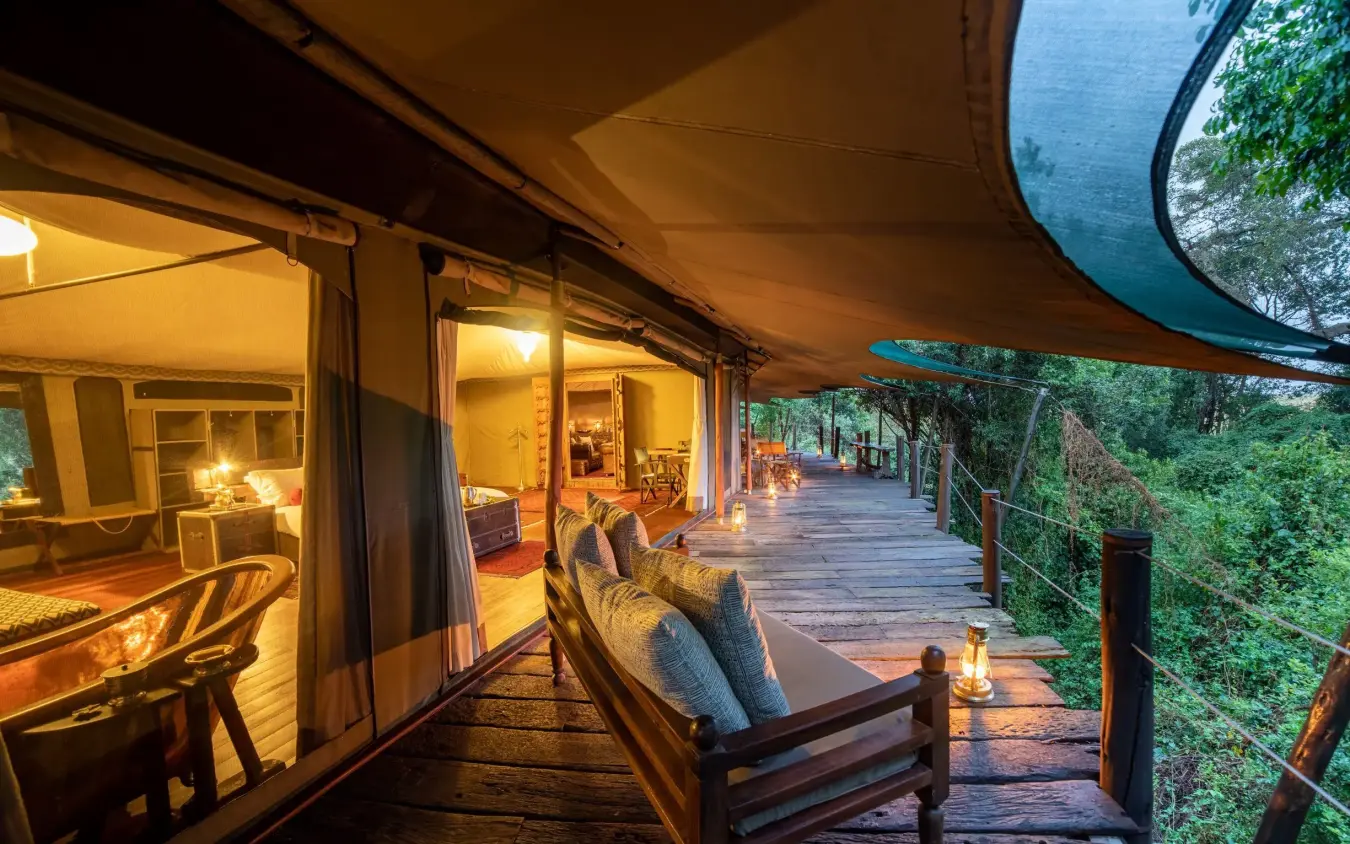
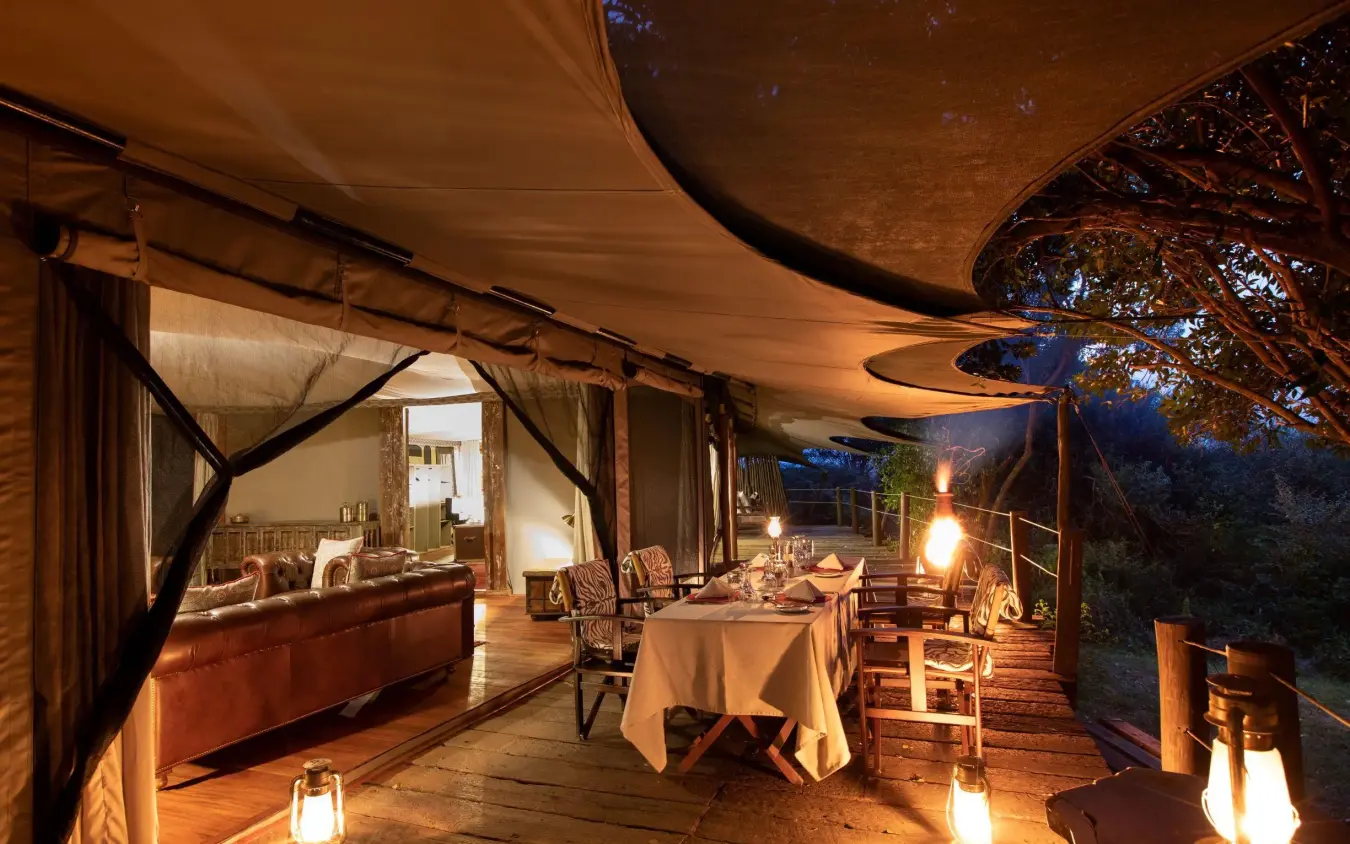
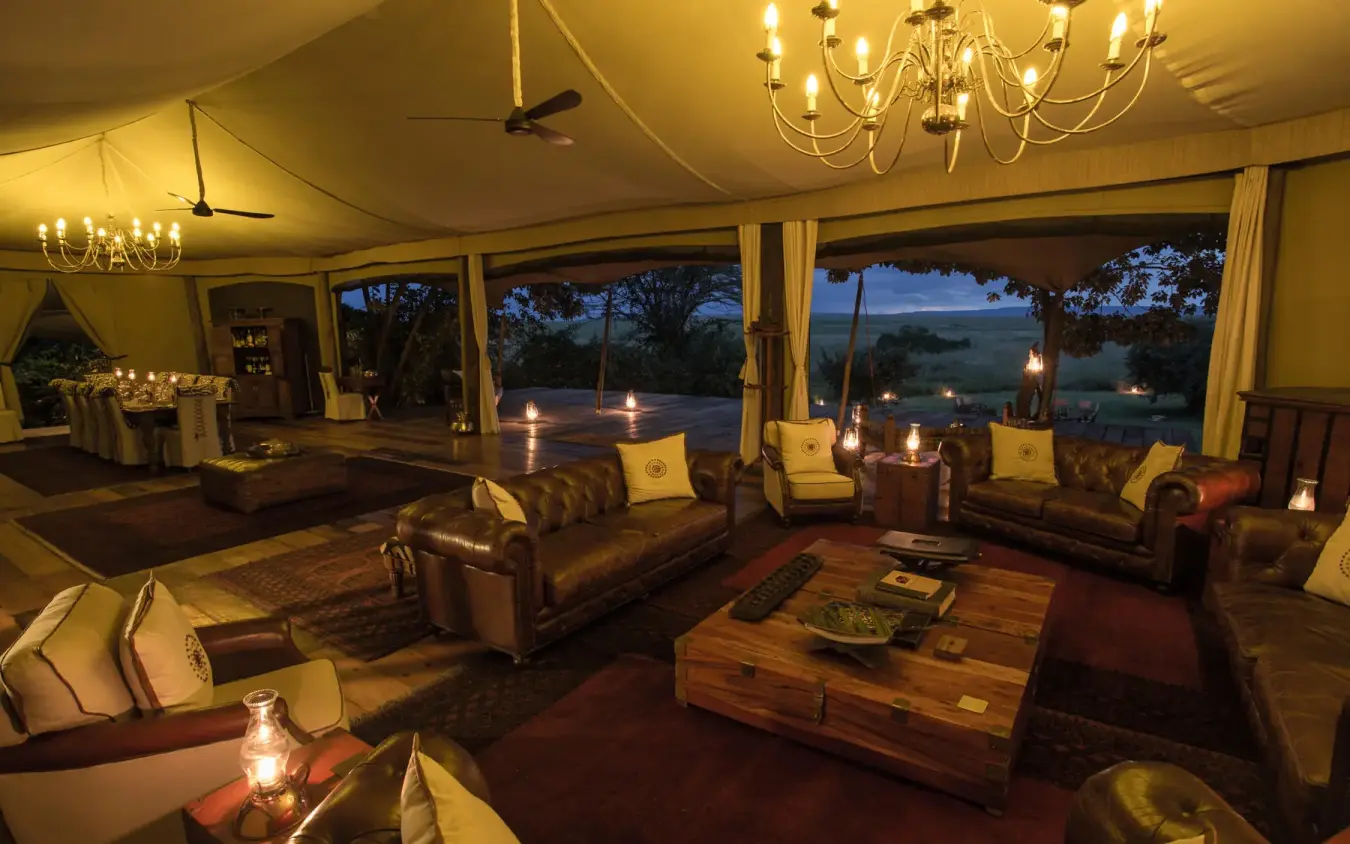
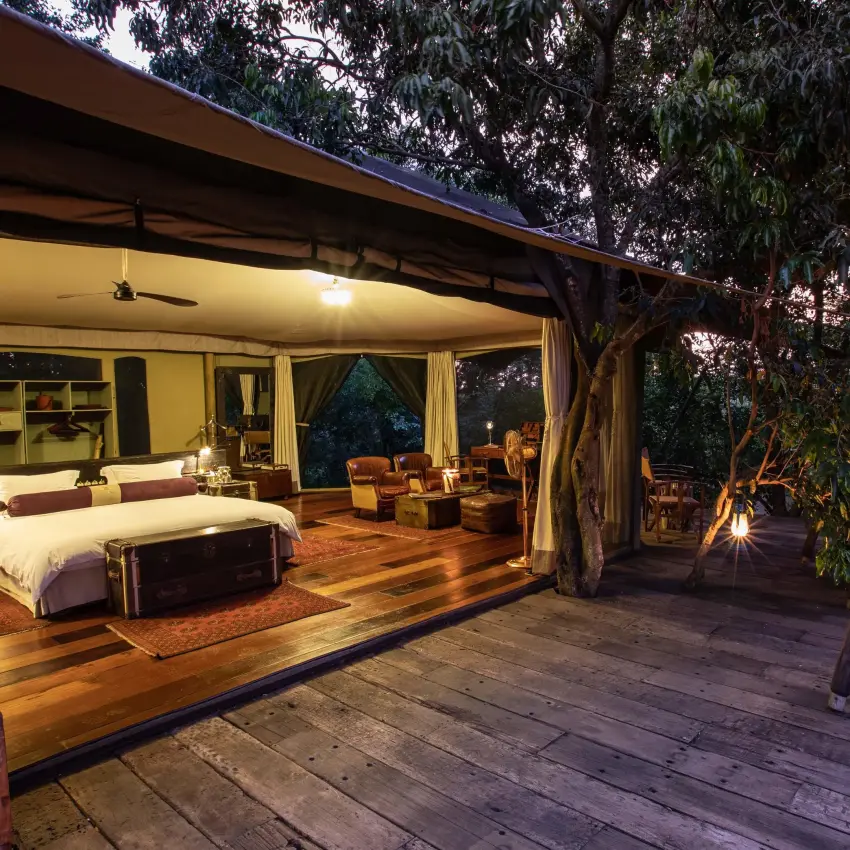
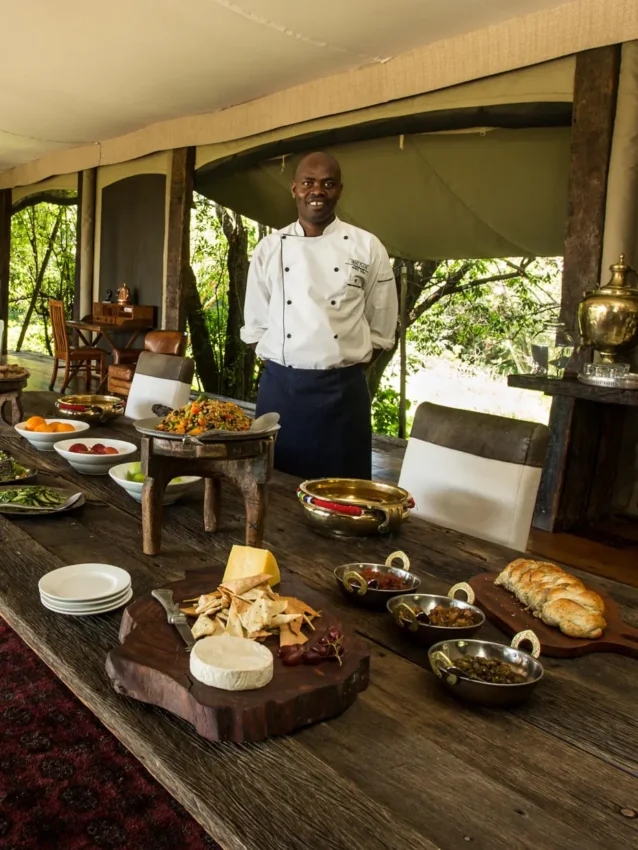
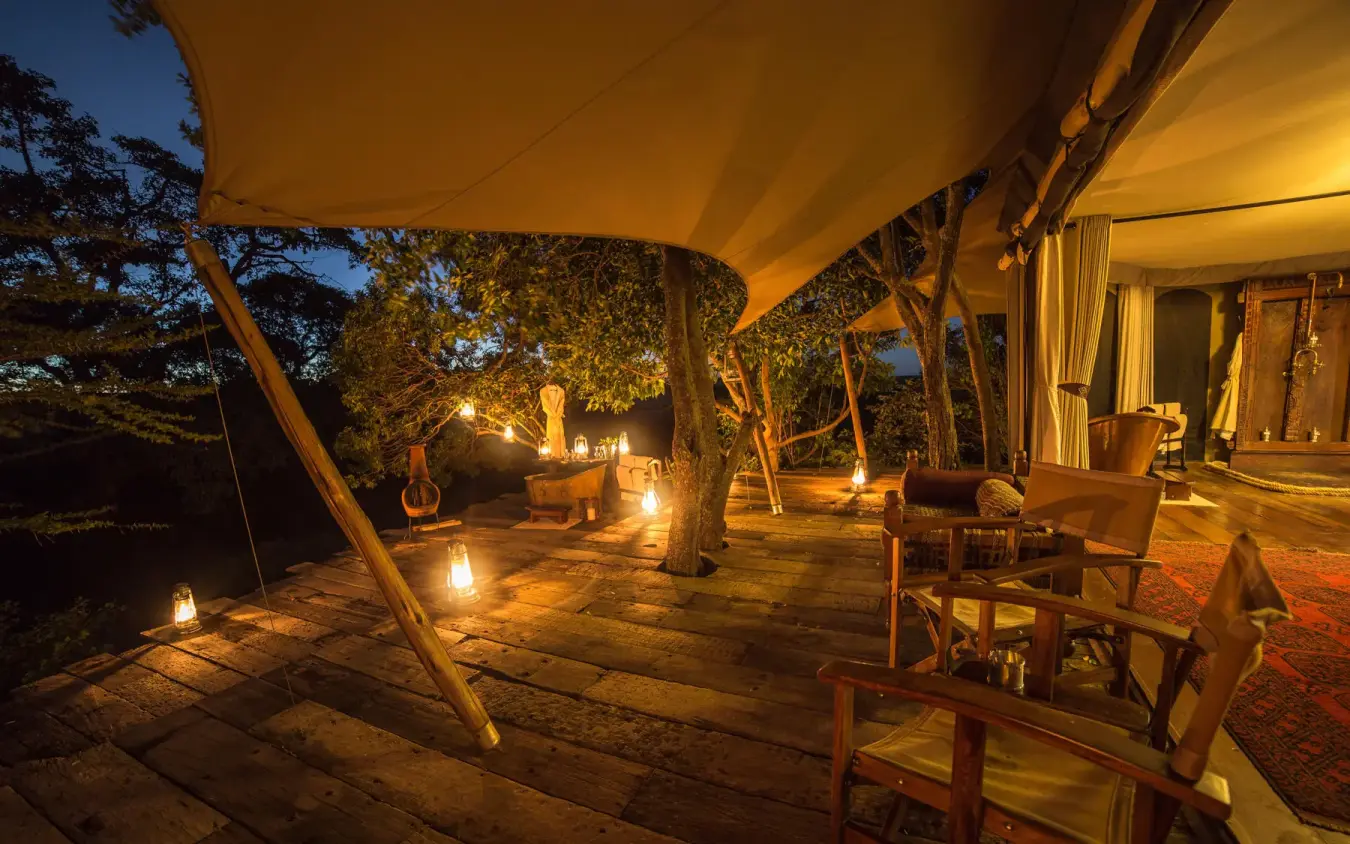
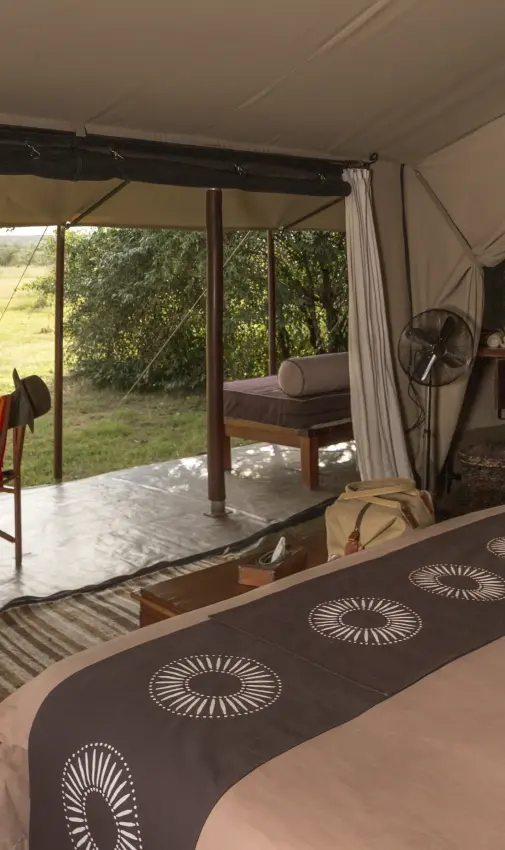
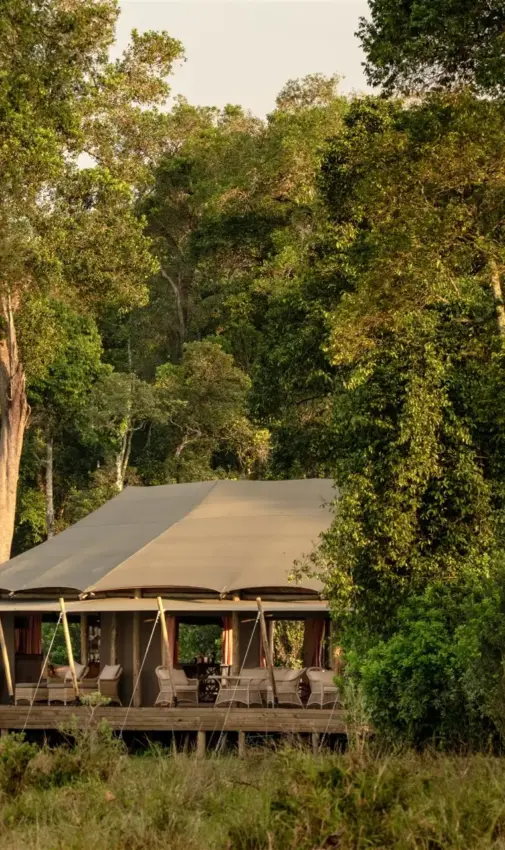
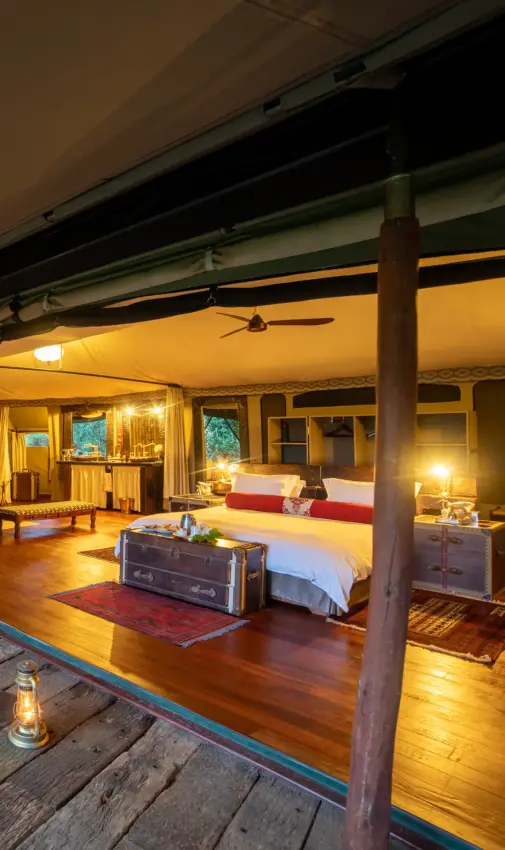
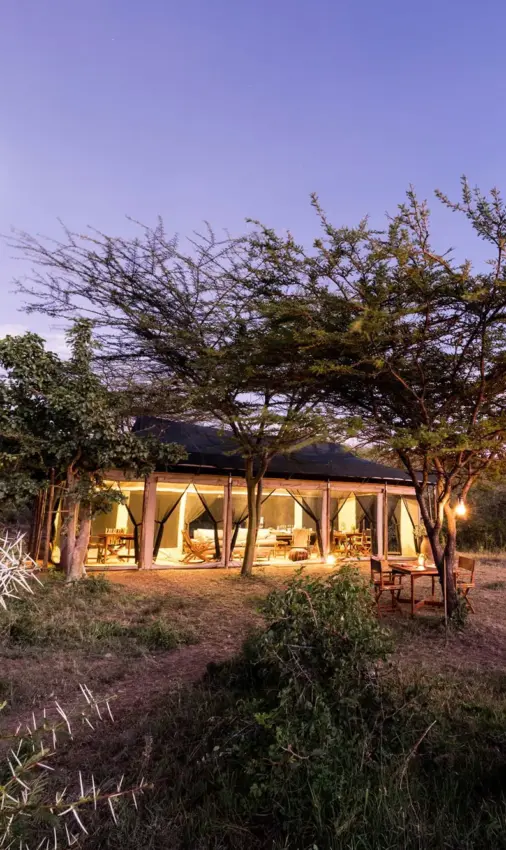
Five of the tents work as individual suites, each roughly 65 square metres behind a thick Lamu wood door. A two-bedroom family suite runs separately, with a lounge and dining area between the bedrooms and its own guide, vehicle, host and chef. Herbs and vegetables for the kitchen come from the camp’s own garden. Meals are shared in one of the marquee-style main tents, and the wine cellar doubles as a private dining room. The camp boutique sells beadwork and leather goods made by the Naboisho Women’s Group, with proceeds funding business training.
The land stays under wildlife rather than livestock because it pays its way: lease payments from the camp and its neighbours support more than 1,000 Maasai families. Along the Mara’s rivers, the Conservation Roots programme has planted more than 2,000 indigenous trees to hold the banks and restore habitat. It also funds youth education camps run with the Maa Trust, where local children learn about wildlife and safety and are taught to swim. The Jouberts founded the Big Cats Initiative, a National Geographic project that funds work to conserve big cats in the wild.