Two years before the camp opened, the community beneficiaries who hold this stretch of Musiara approached its operators with a request: take on the site. Paradise Plains exists because they asked for it. The land relationship came before the buildings, and that order shows in who works here. Most of the staff are hired from the surrounding Maasai communities. The guides are Maasai themselves, trained in-house through a programme that runs across every one of the group’s camps, and they know this corner of the Maasai Mara and keep to the reserve’s tracks.
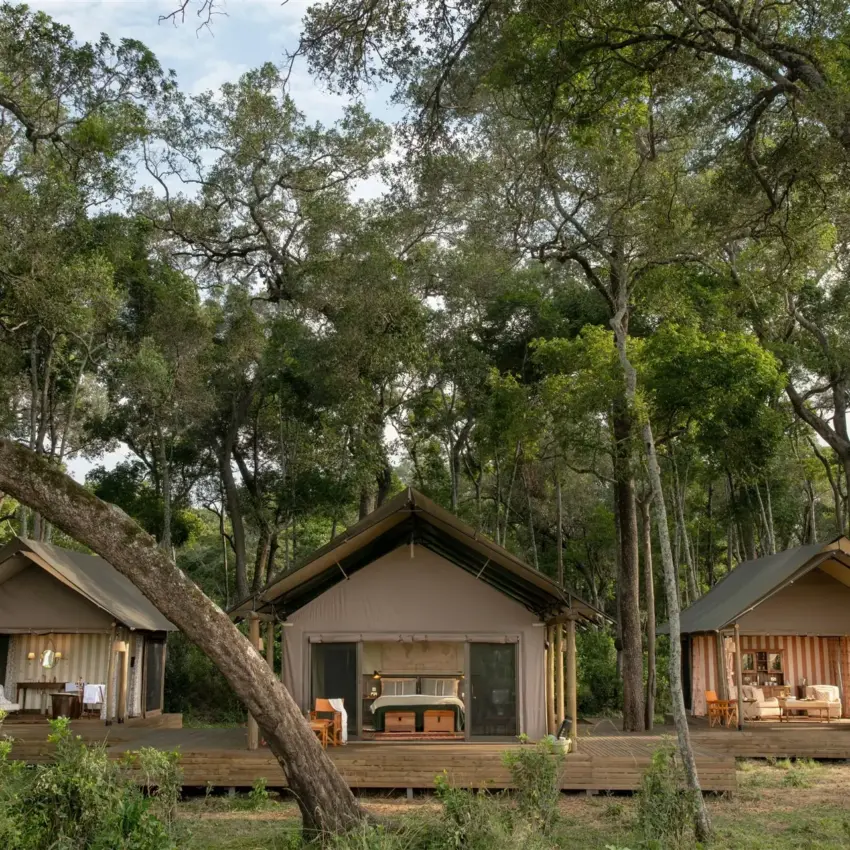
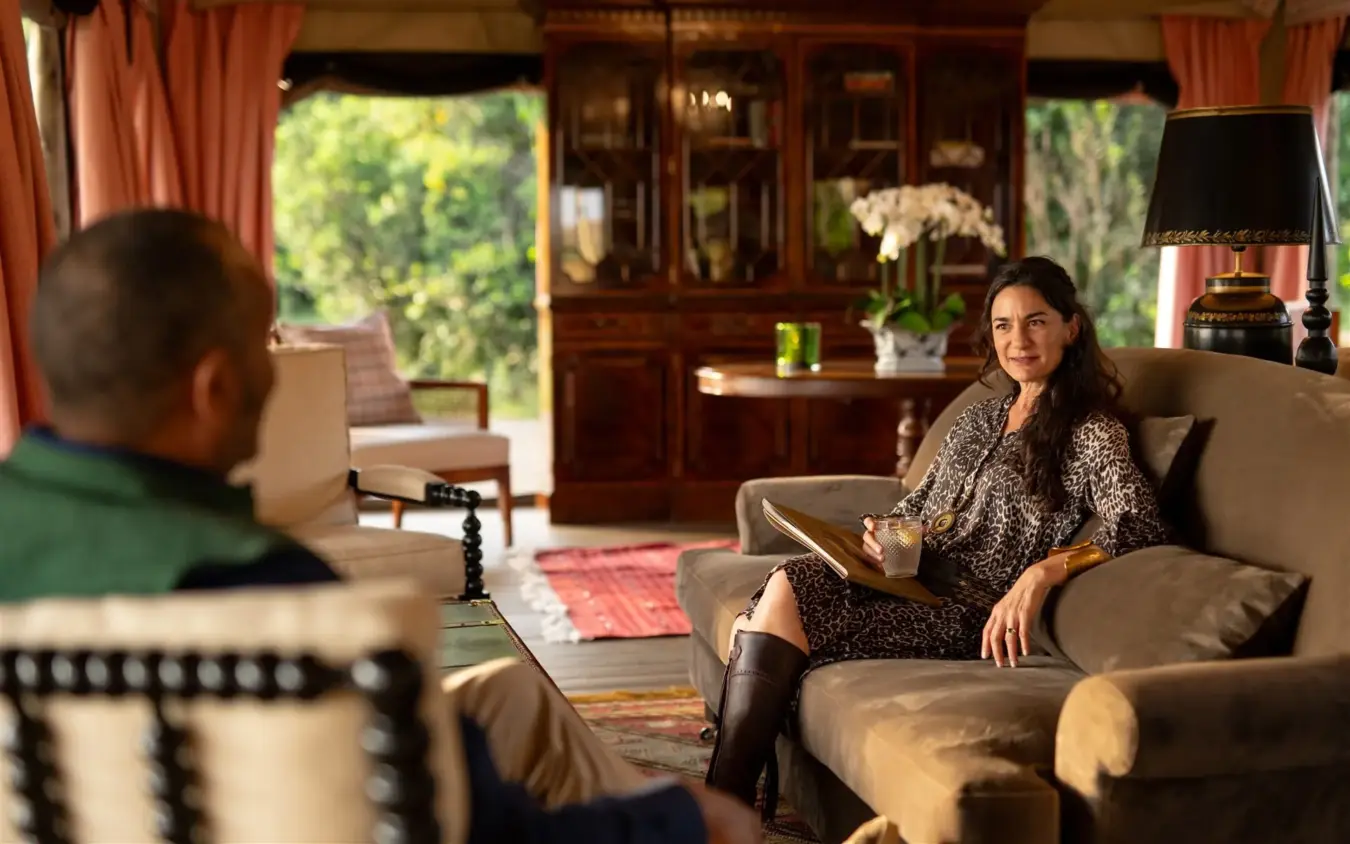
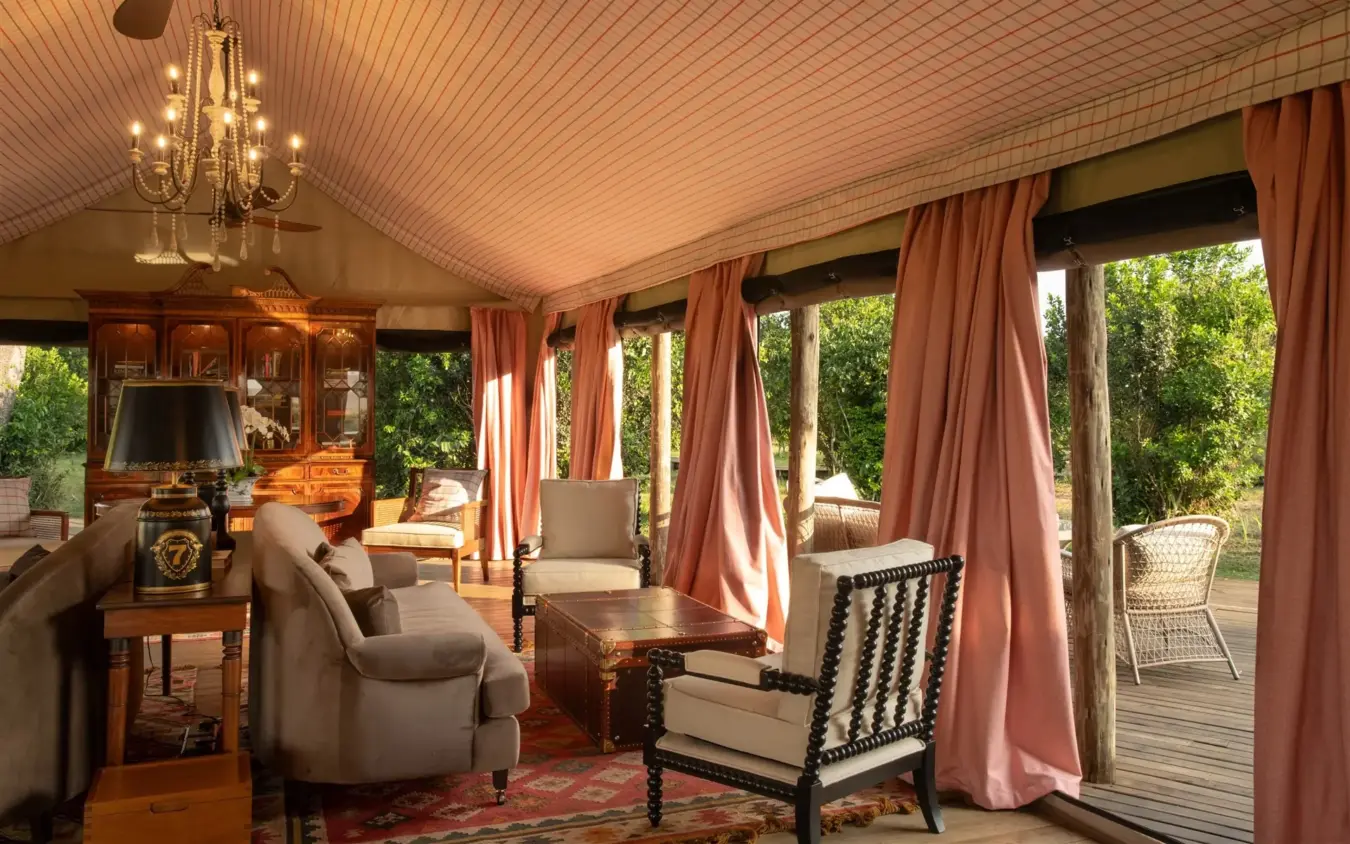
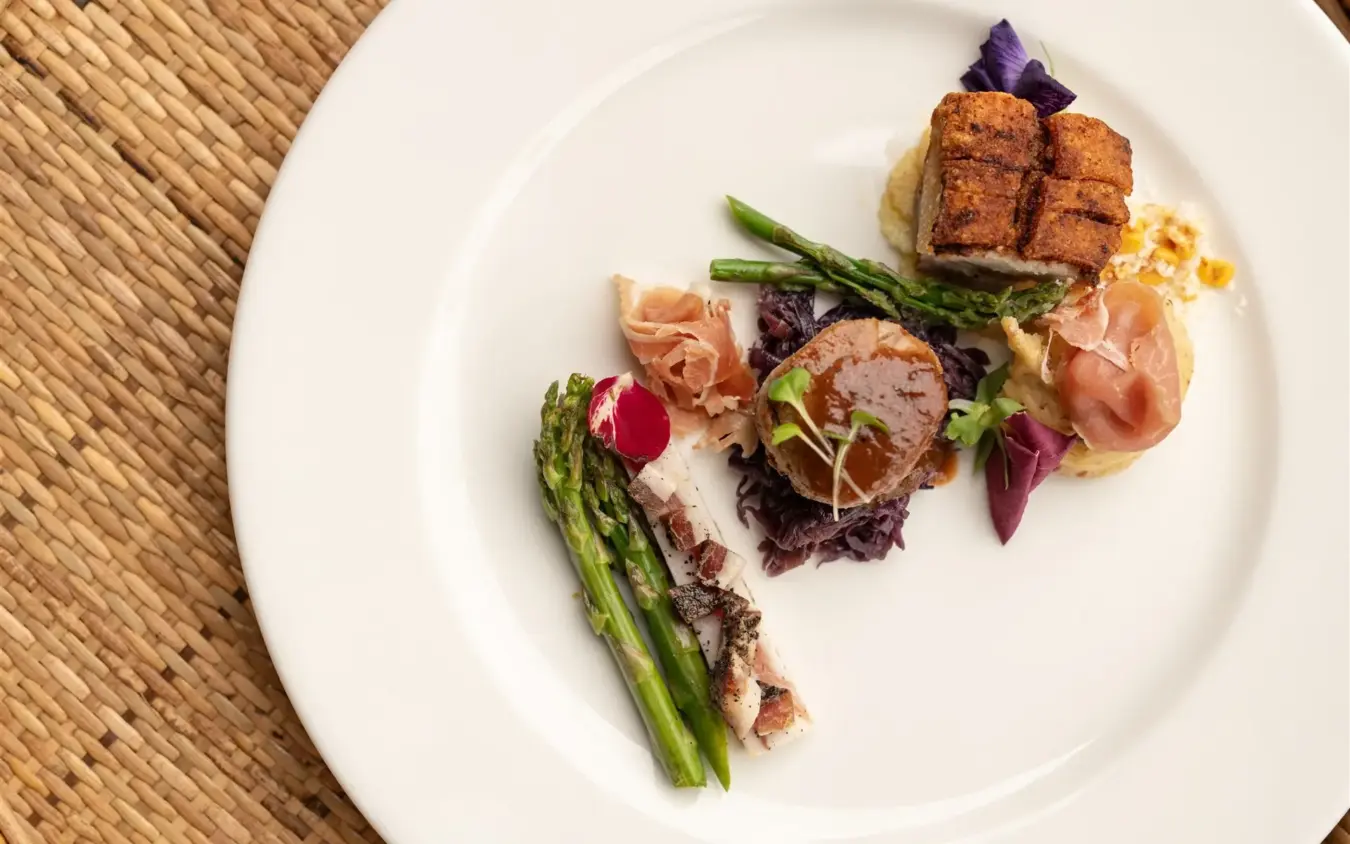
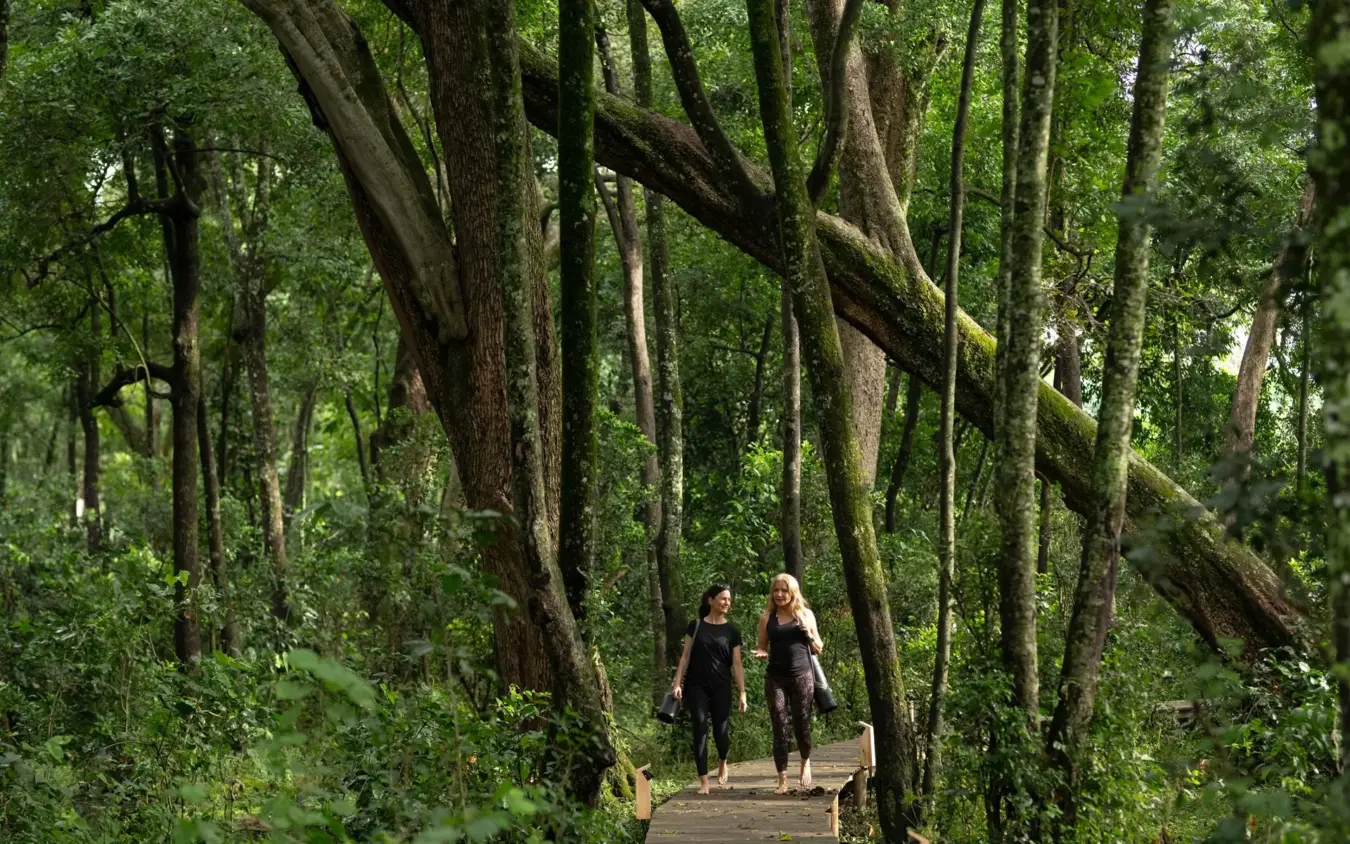
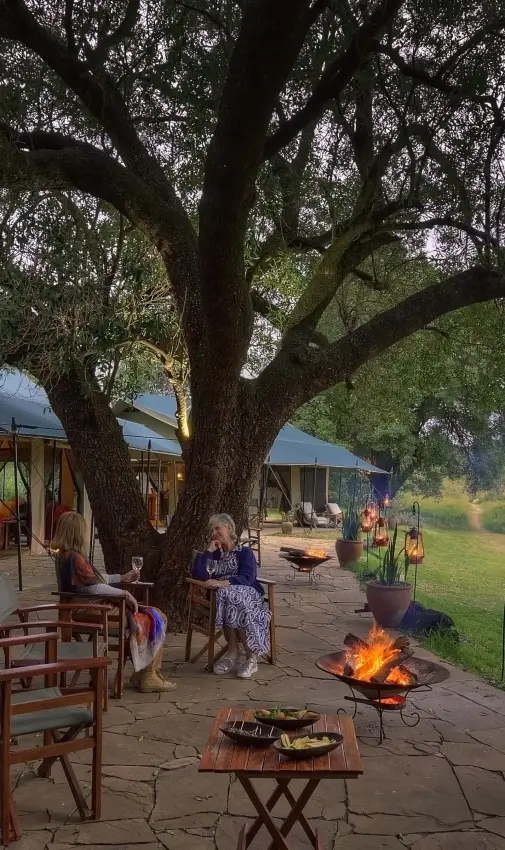
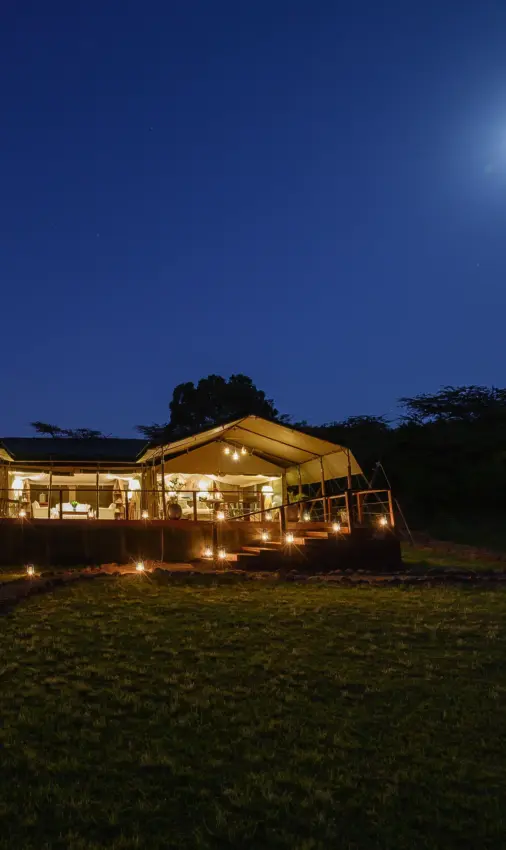
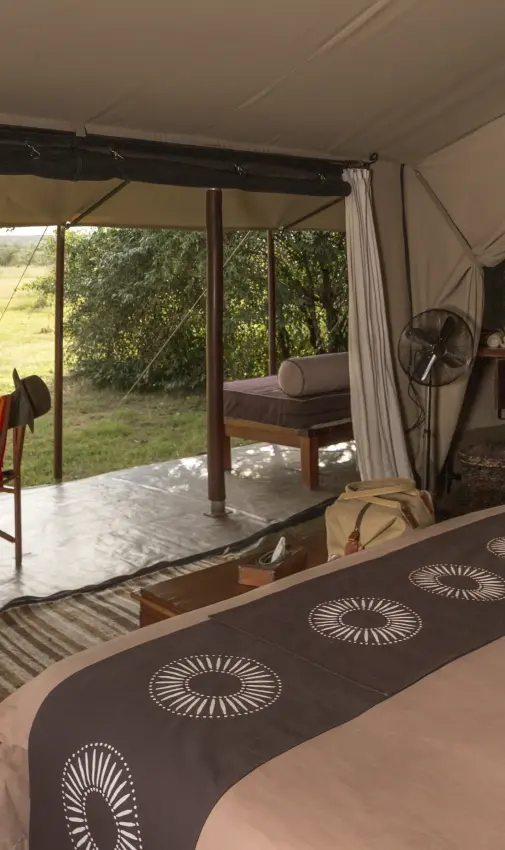
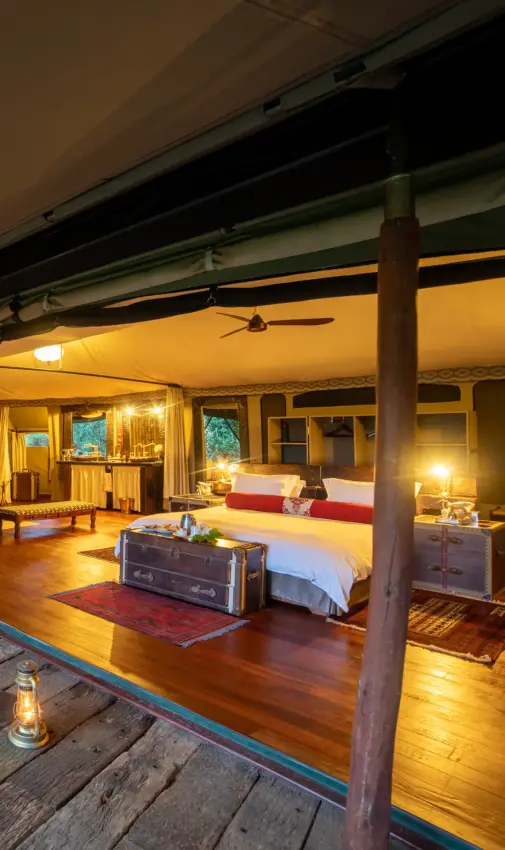
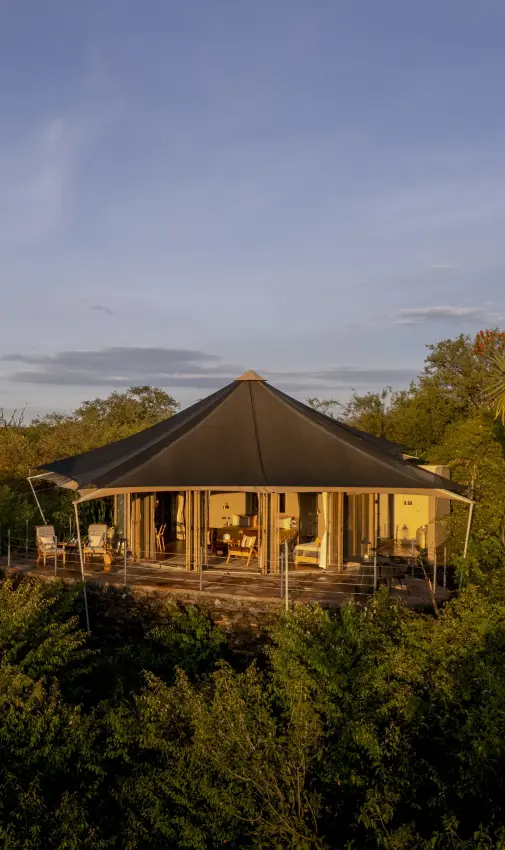
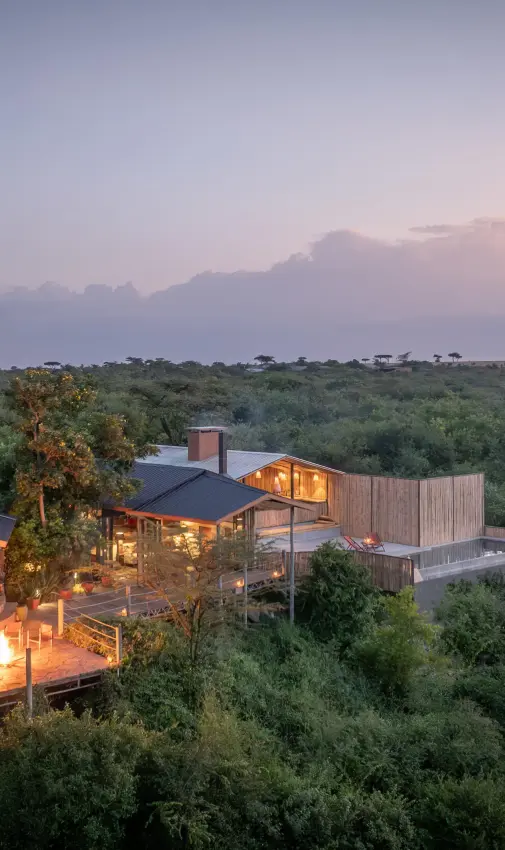
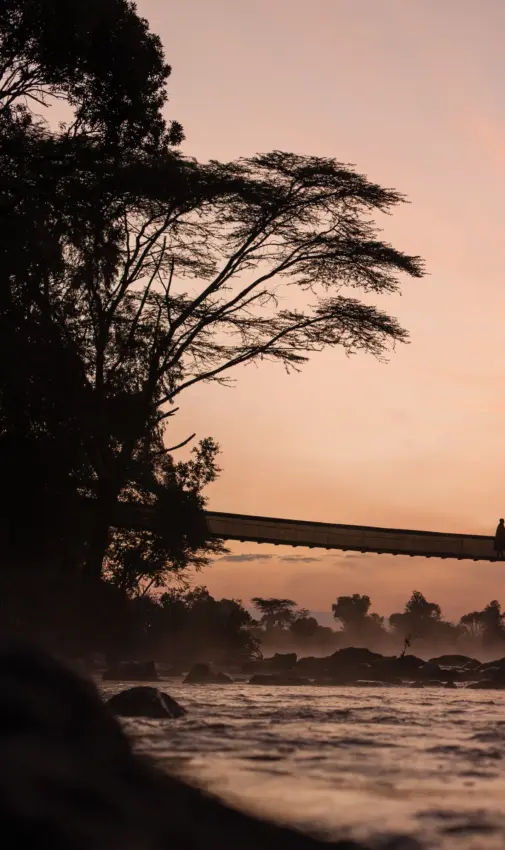
The walkway is also the camp’s main street, linking the nine suites to the communal areas, where there is a curated library and a well-stocked wine cellar. Butlers handle the small logistics, and the pace stays slow. Mornings begin with a cold-pressed health shot, and each suite keeps a Smeg coffee station and a Dyson hair dryer among the linen and bespoke pieces. Gardens worked on site through the year supply the kitchen, as kitchen gardens do across the group. Head Chef Rian cooks from them, and the evening runs to a five-course tasting menu.
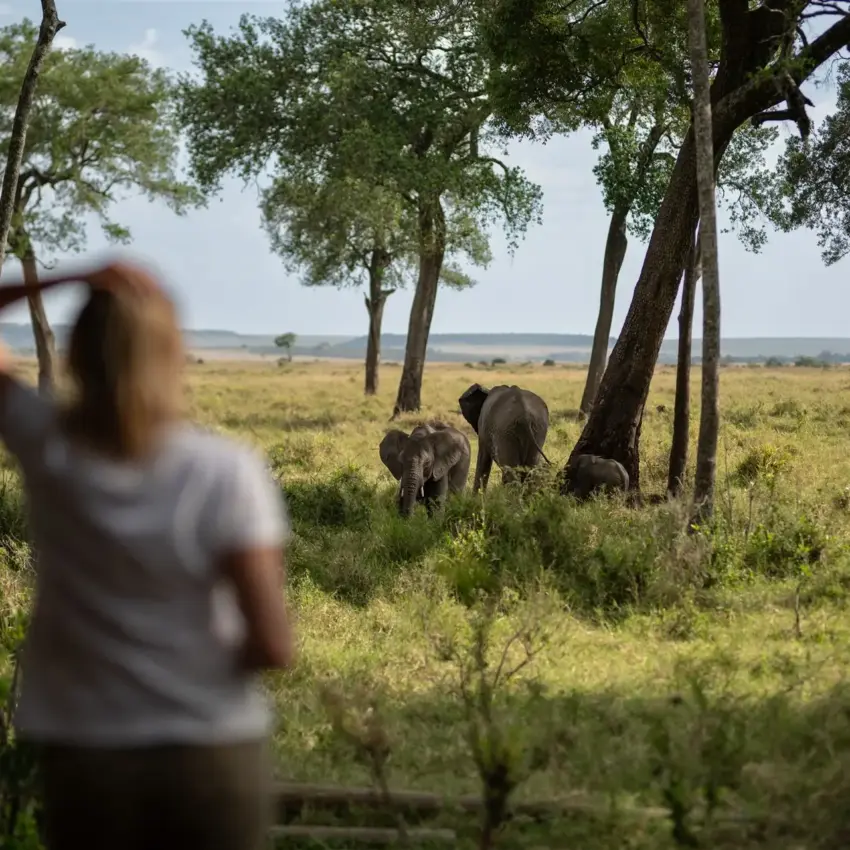
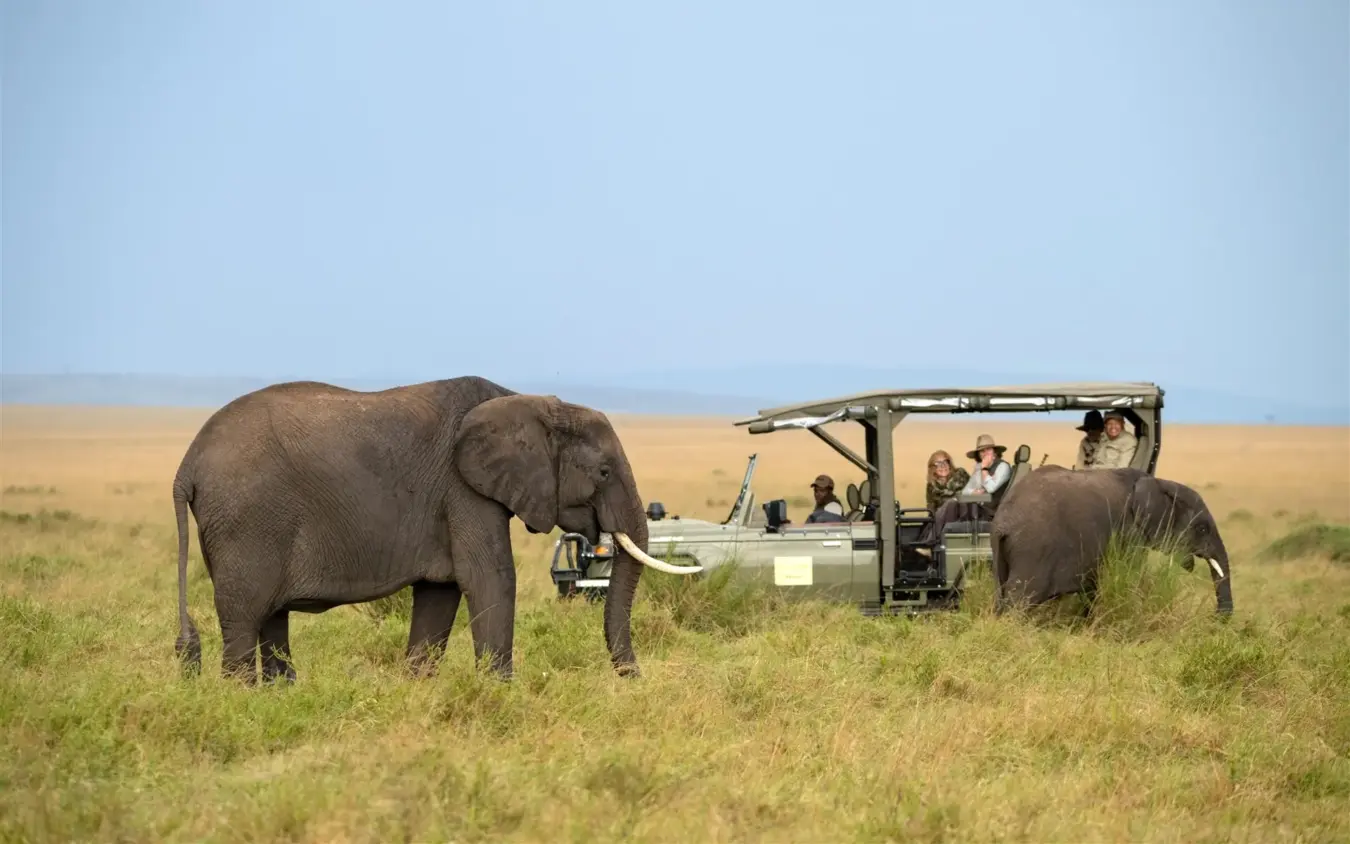
The light goes long and yellow over the grass, and elephants wander past in the distance.
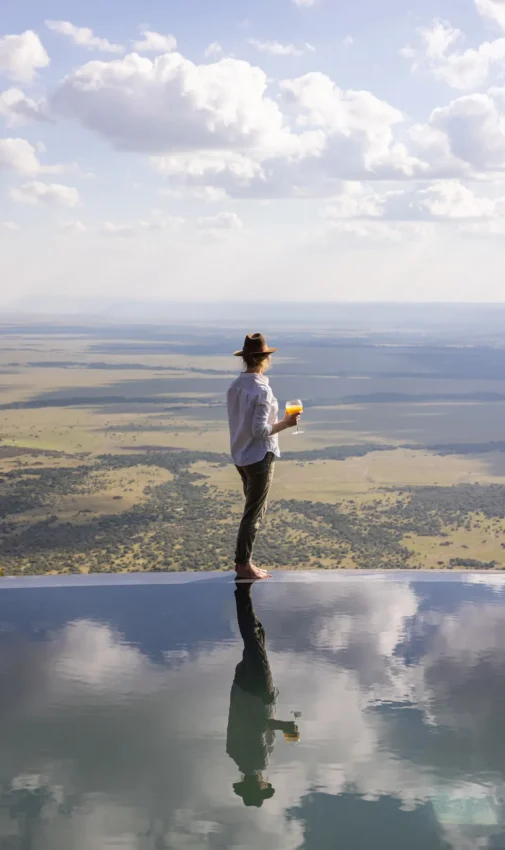
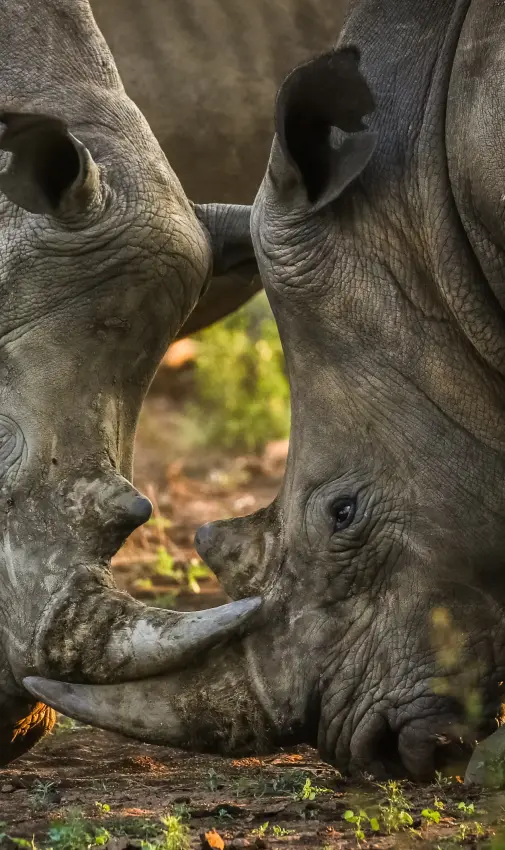
The Marsh Pride works the grassland in front of the suites. Leopards, cheetahs and spotted hyenas share the Musiara sector with its lions. After dark the lions call across the marsh and the hippos answer from the river below, with the pride somewhere out in the long grass. Fish eagles take over at first light. Balloons lift off nearby at dawn and come down to a champagne breakfast on the plains. From July to October the wildebeest reach the Mara River.
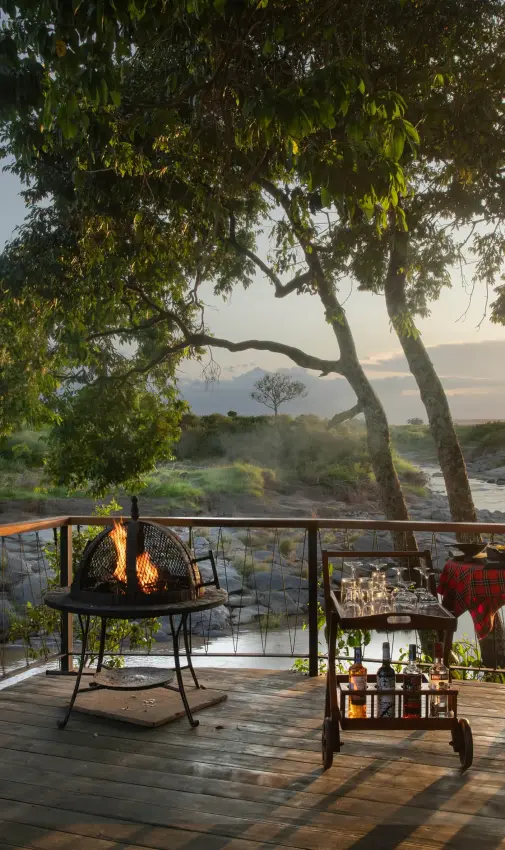
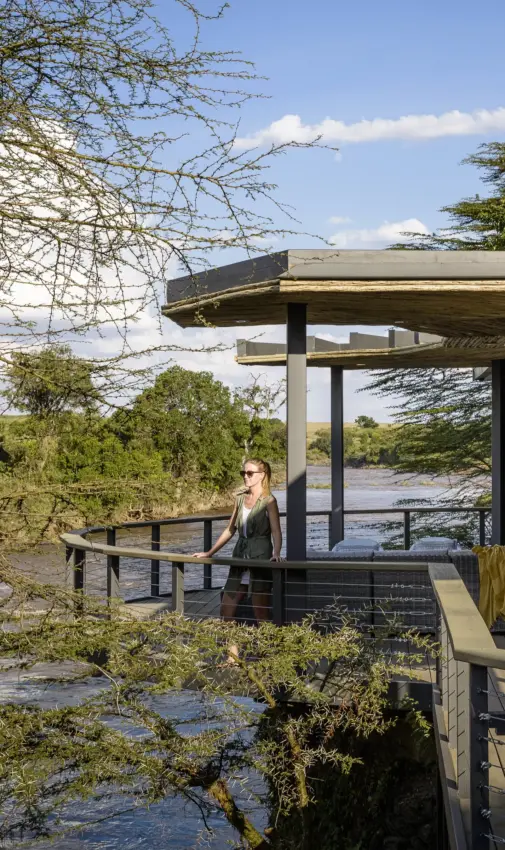
Neither night drives nor foot safaris are permitted in the main reserve, and the raised walkway is how Paradise Plains puts guests above the riverbank at canopy height without breaking a single park rule. Guests treat it as an activity in its own right. Baths are drawn late in the afternoon, with the canvas rolled up. The light goes long and yellow over the grass, and elephants wander past in the distance. Then the light drops, and the walkway is there again: 500 metres of it, through the trees, with the river underneath.