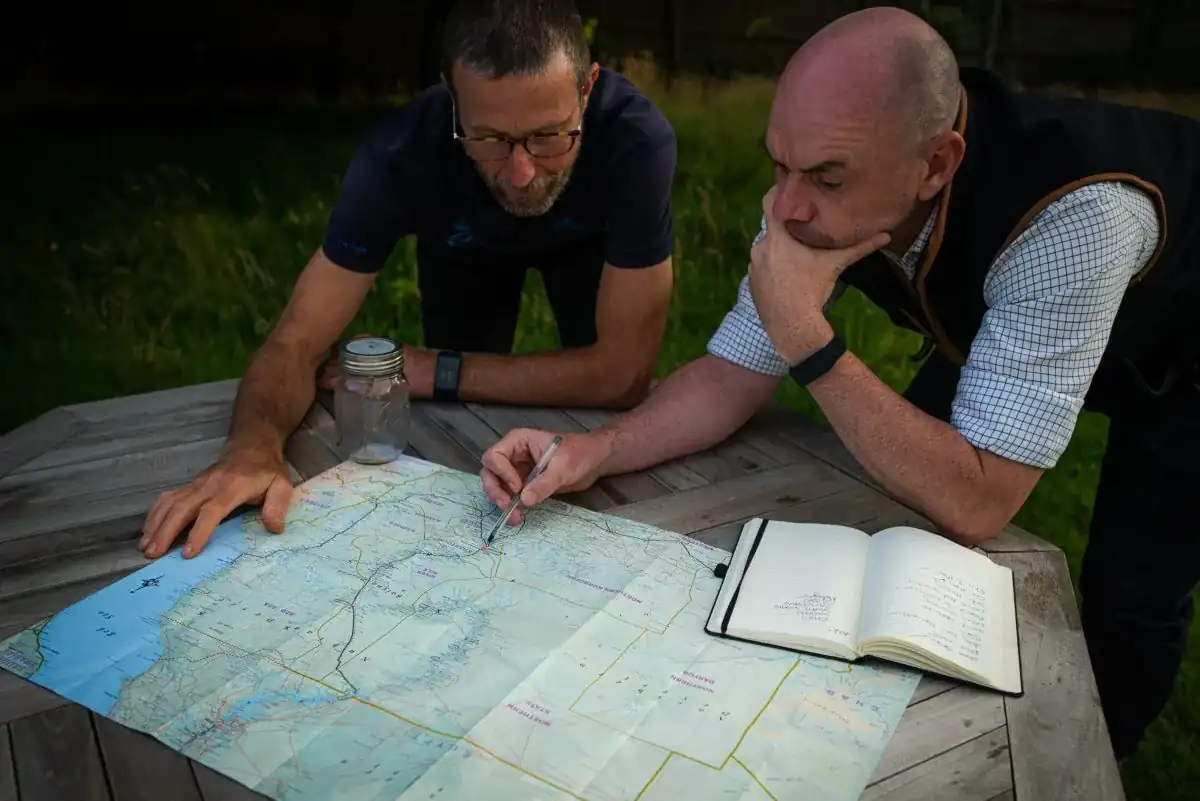
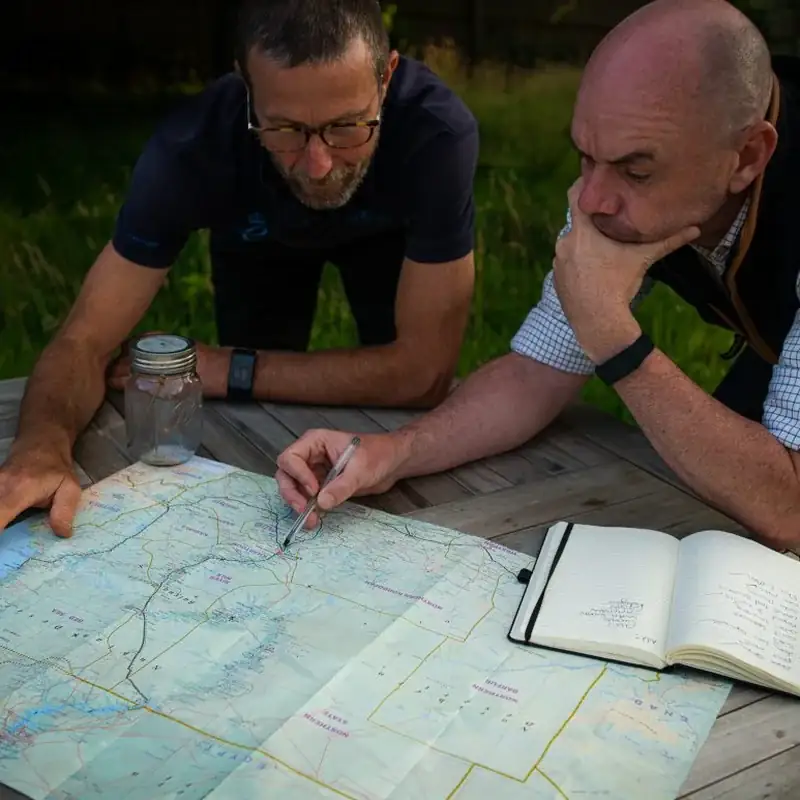
Tristan Voorspuy and his wife Lucinda started Offbeat Safaris in 1989 as a horseback safari operation. Piers Winkworth joined them in 2002 and helped assemble Mara North Conservancy in 2009, alongside Maasai landowners and a dozen tourism operators. He built Ndoto as a smaller, more private version of the camp he had opened a few years earlier on the same river, and opened it in September 2021. Piers remains owner and director of both. In 2023, Simon and Rosy Kenyon, Jakob von Plessen and Daisy Soames bought the Voorspuy family’s shares in the wider riding-safari business.
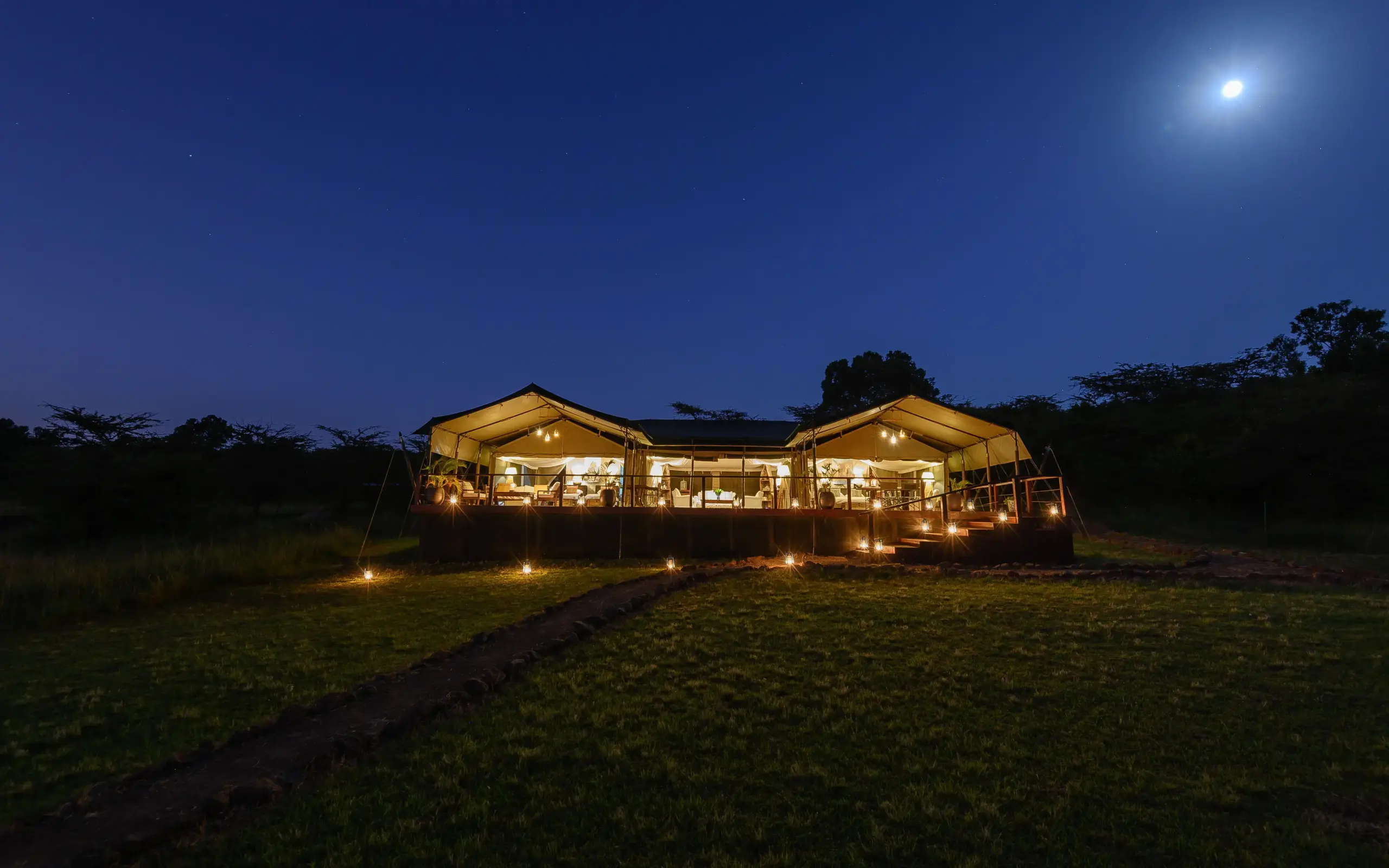
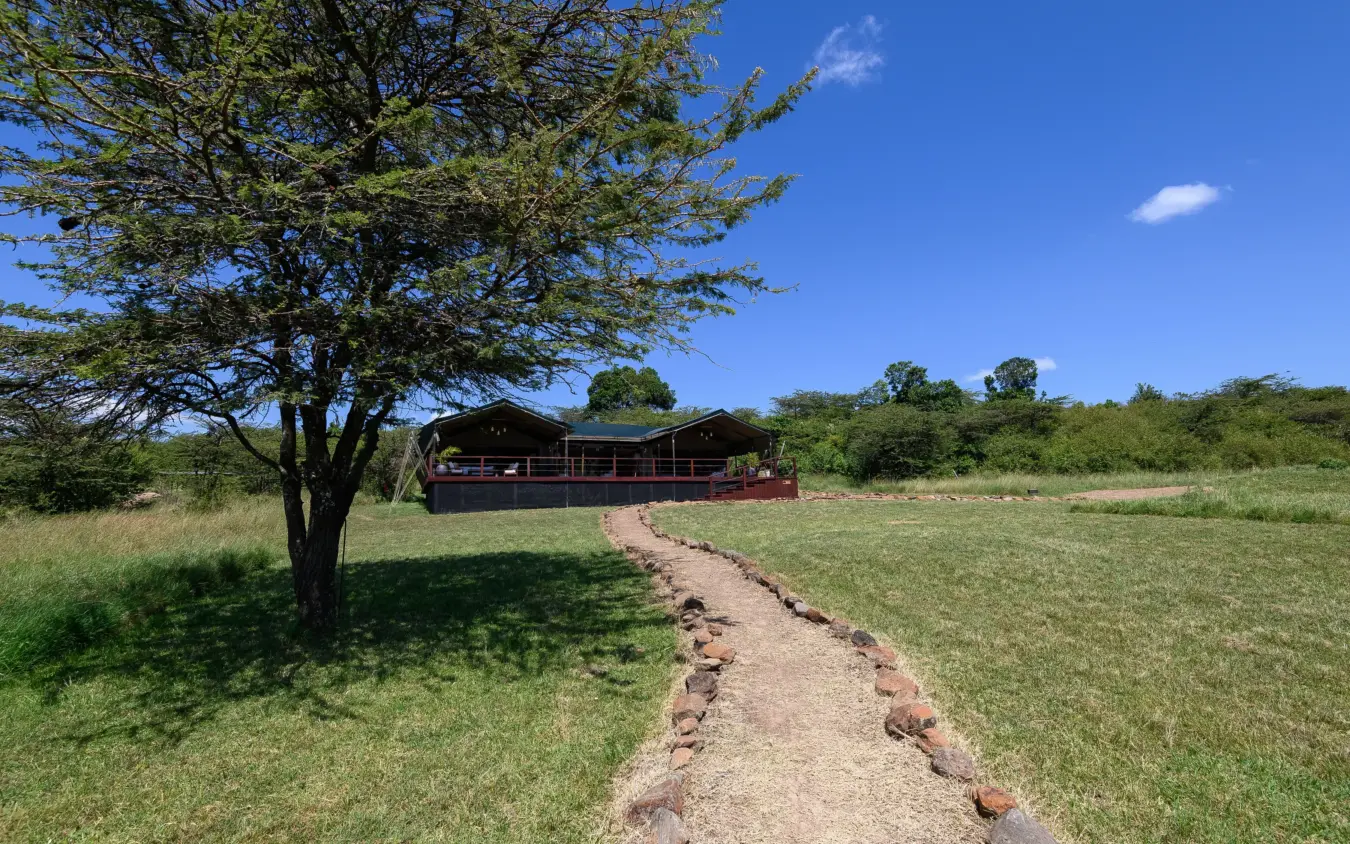
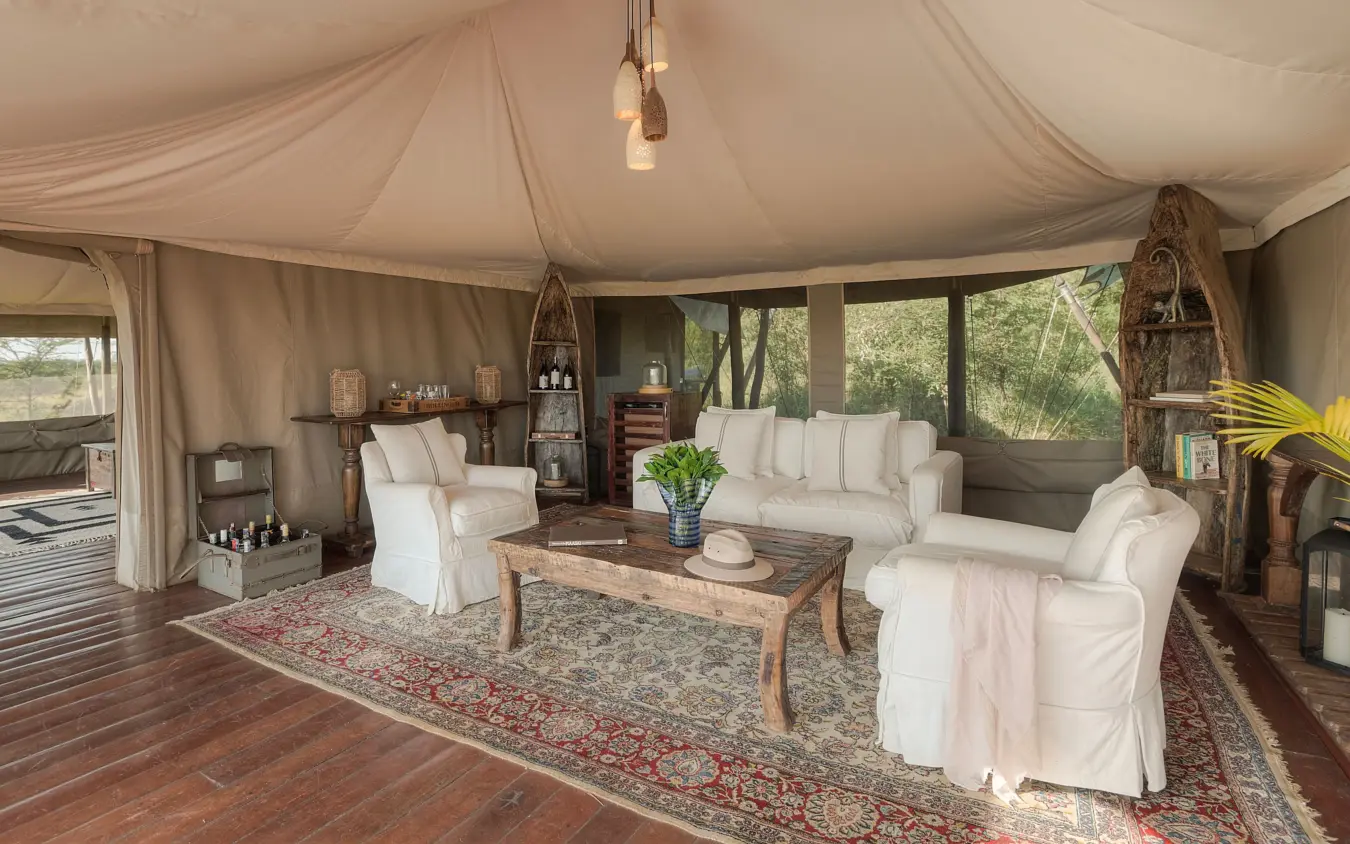
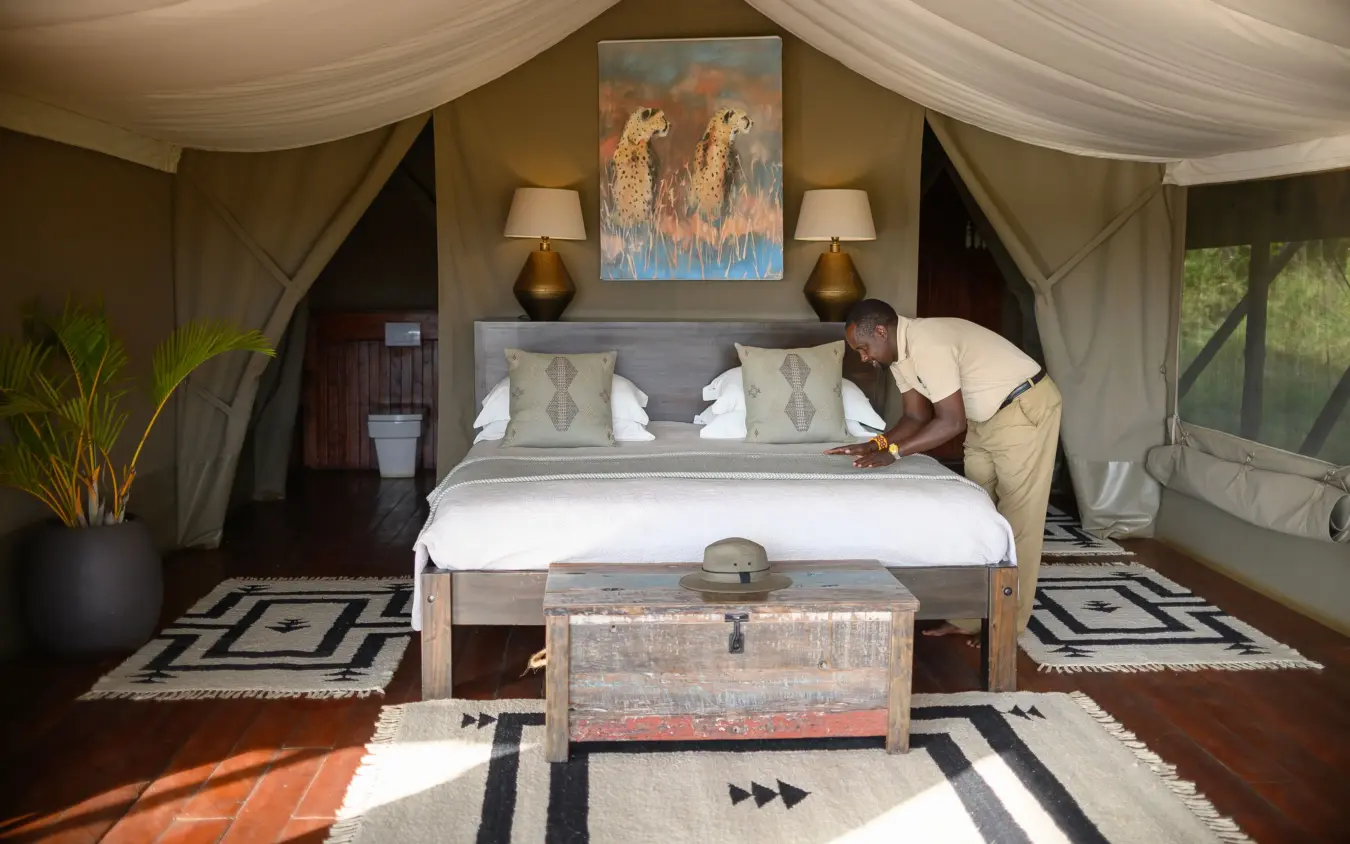
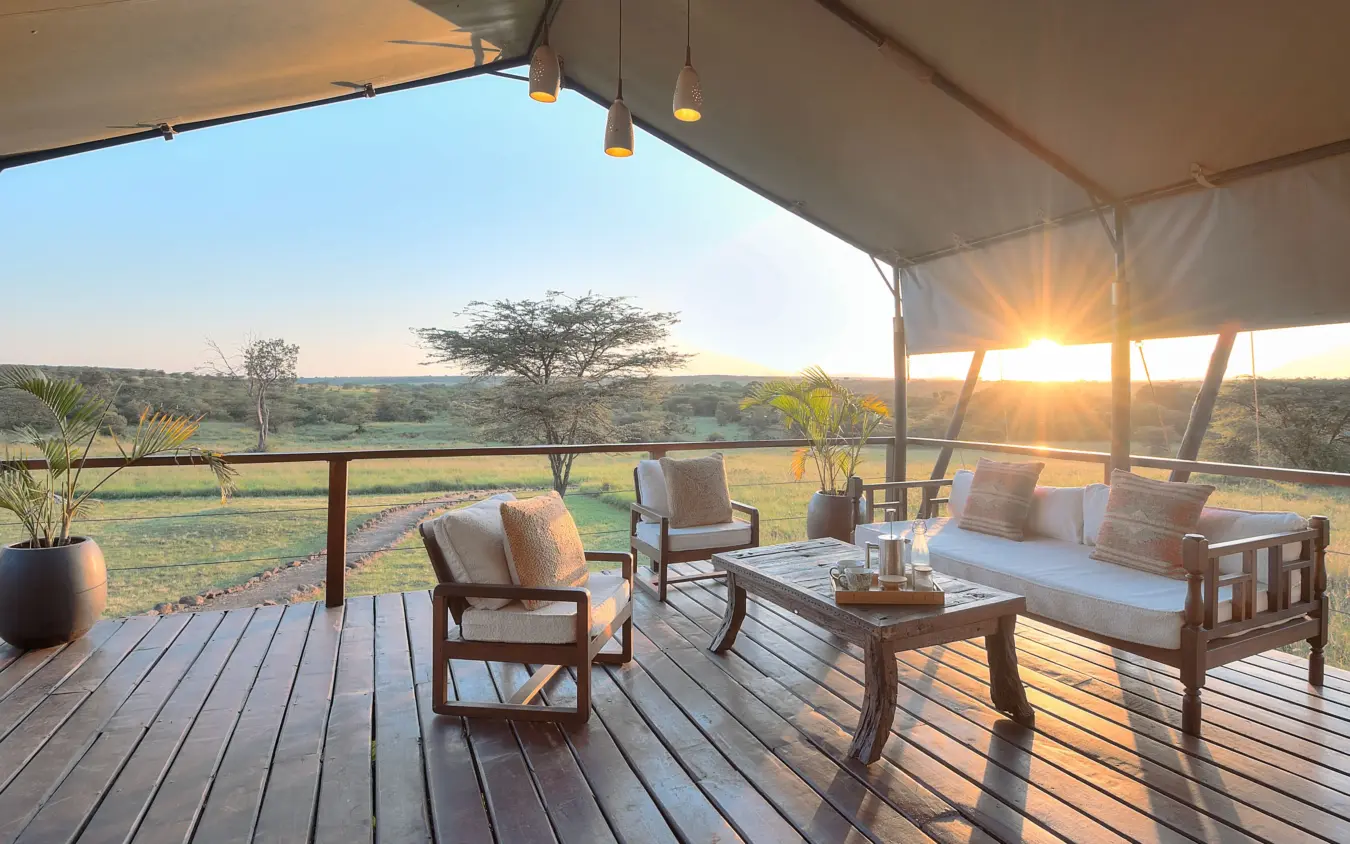
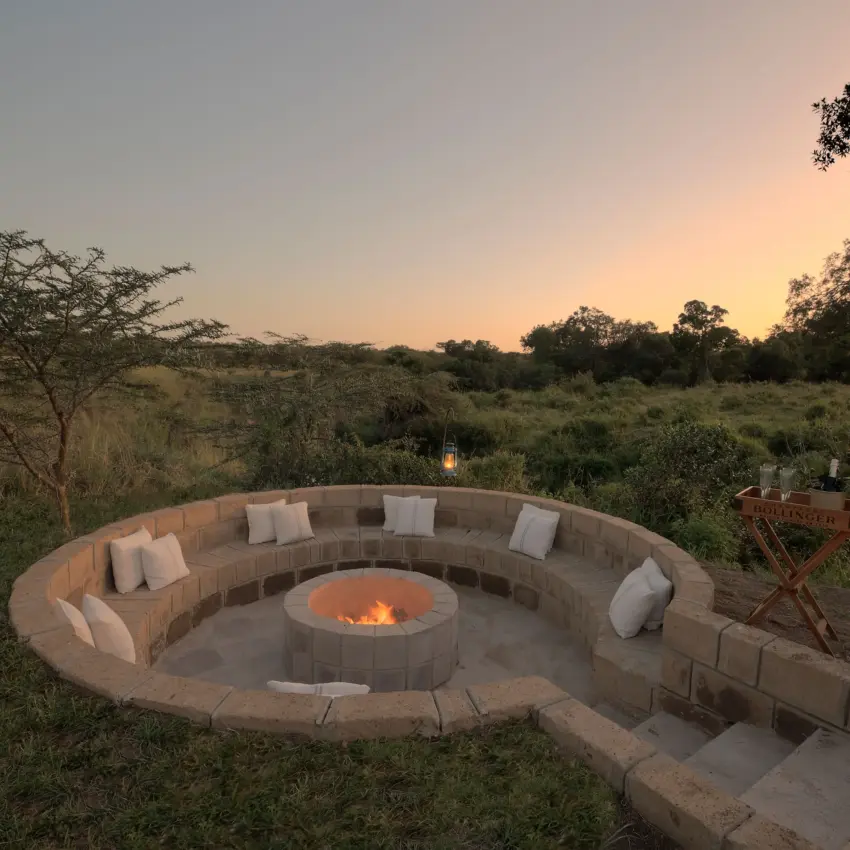
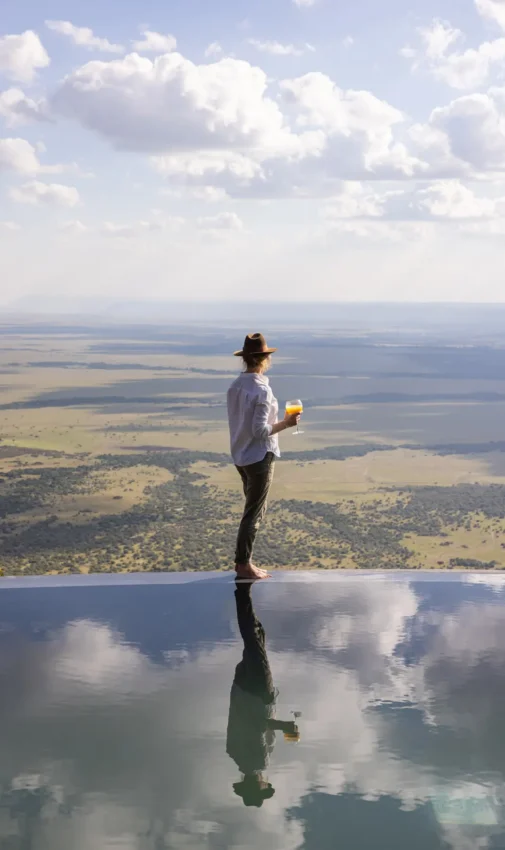
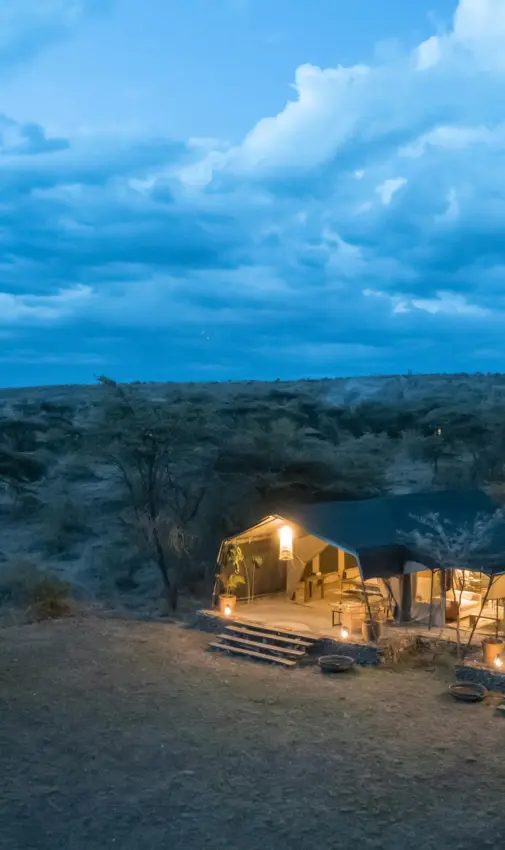
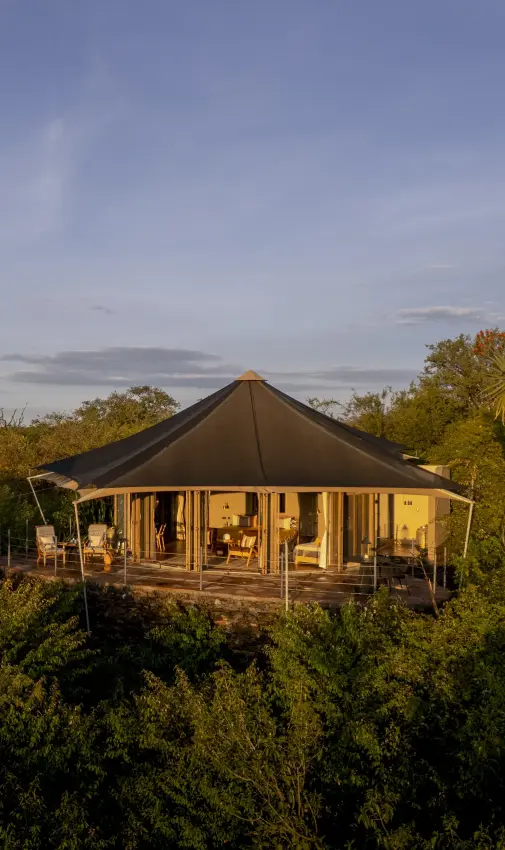
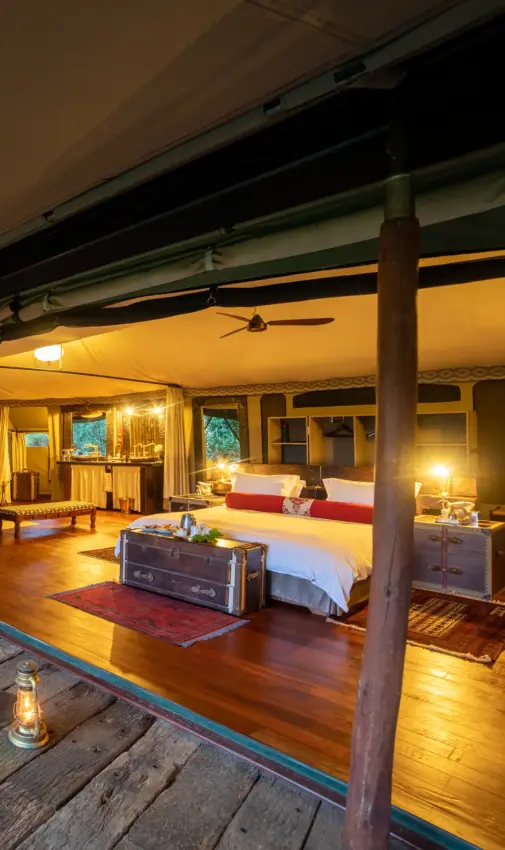
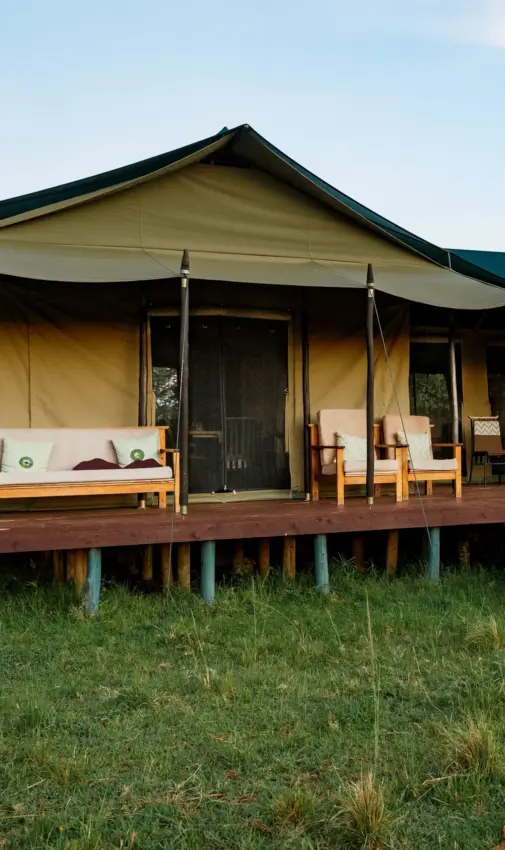
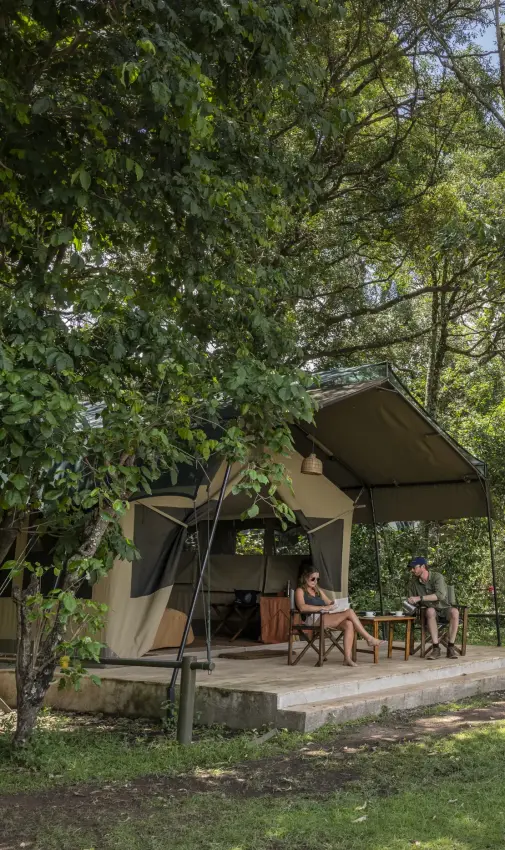
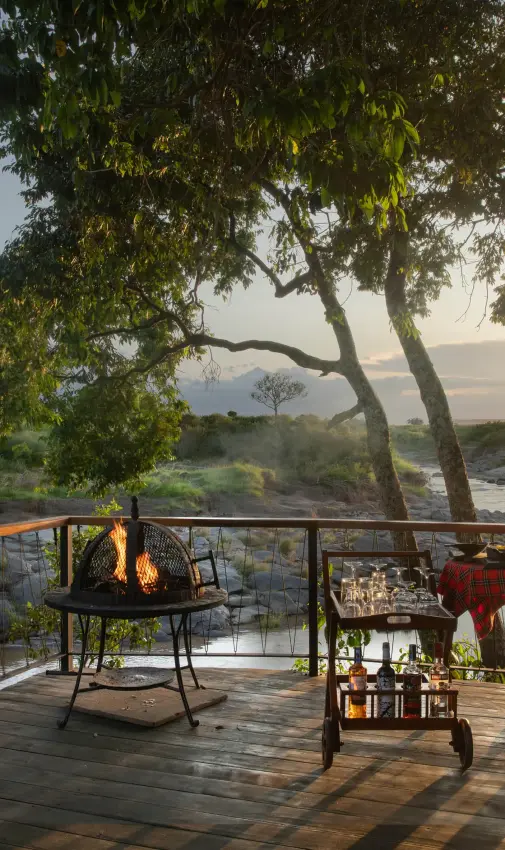
The four tents are identical, raised on stone and river-rock bases with wide verandas facing the valley. Mesh walls on three sides bring the view to the bed, a super-king with a safe built into the wooden headboard, and a zipped canvas partition closes off the sitting room behind, with twin basins and a hot rain shower at the back. Persian rugs and reclaimed timber soften them, dugout canoes serve as bookshelves, and beadwork by Maasai women runs through the glassware and table settings. The two-bedroom suite is set apart, with its own lounge, fire pit and a deck screened by trees for private dining.
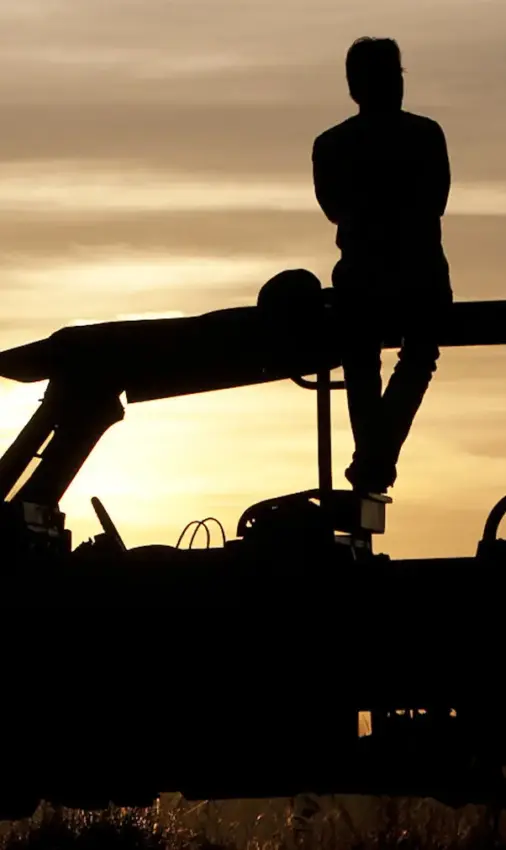
The second leaves around four and returns after dark, a spotlight working the drainage lines.
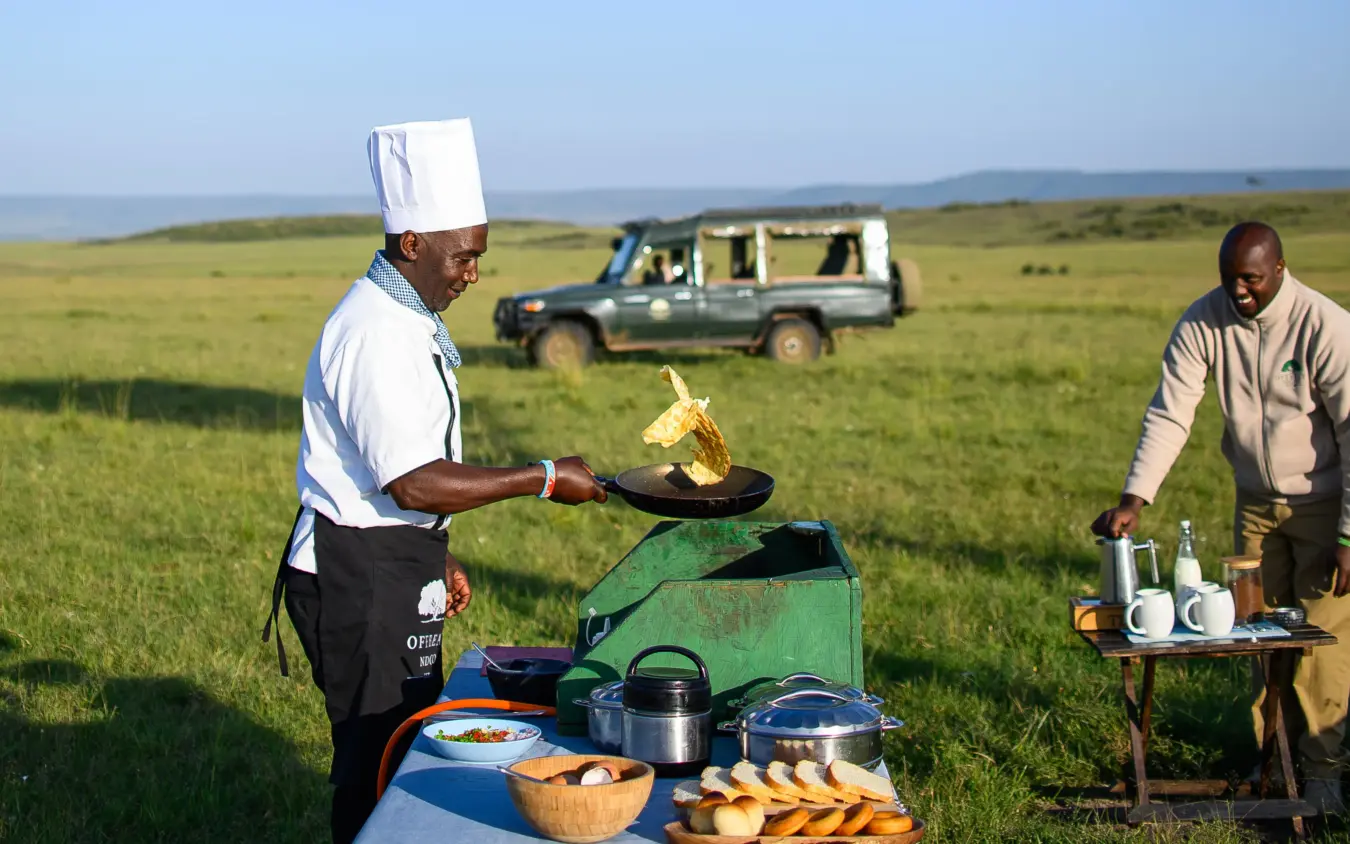
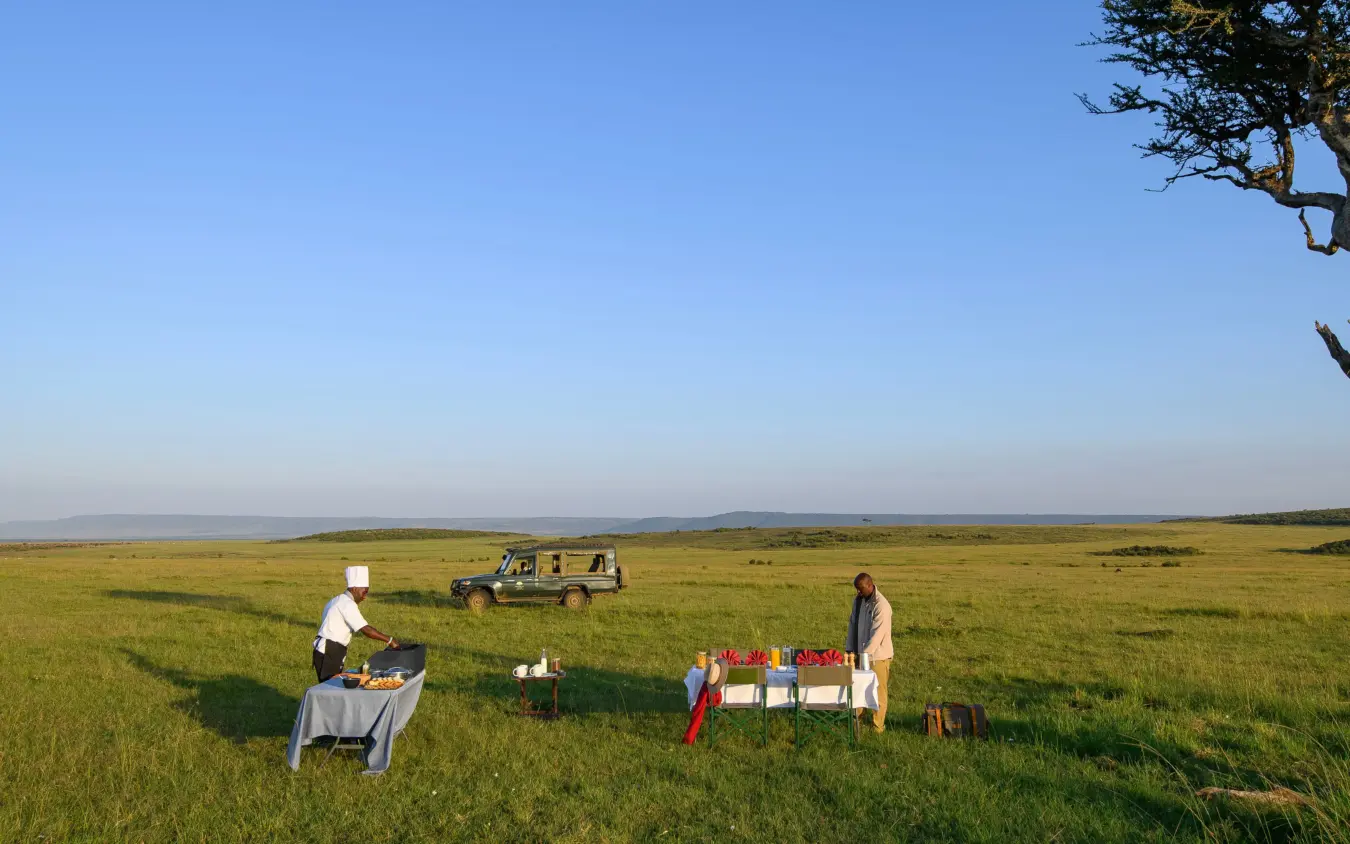
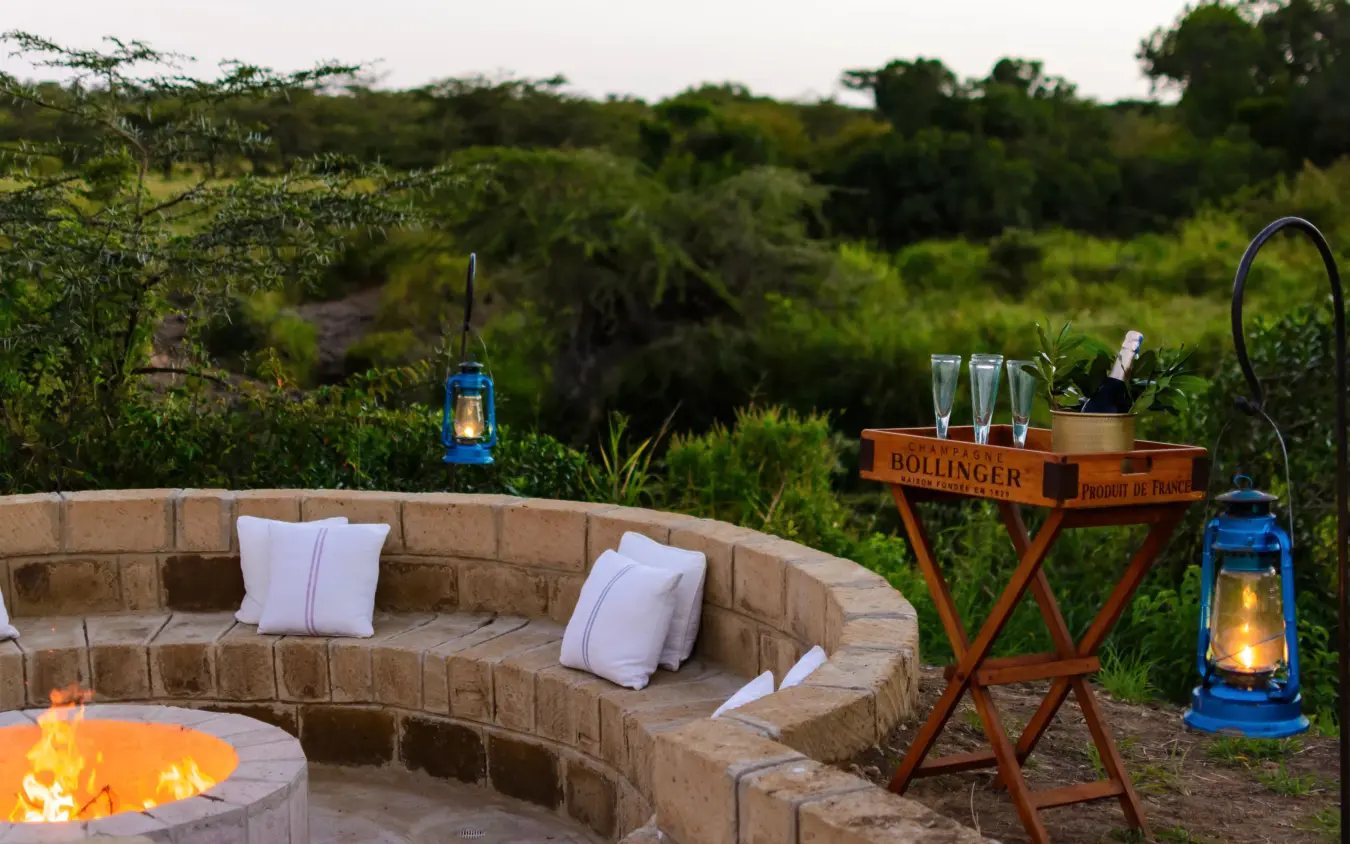
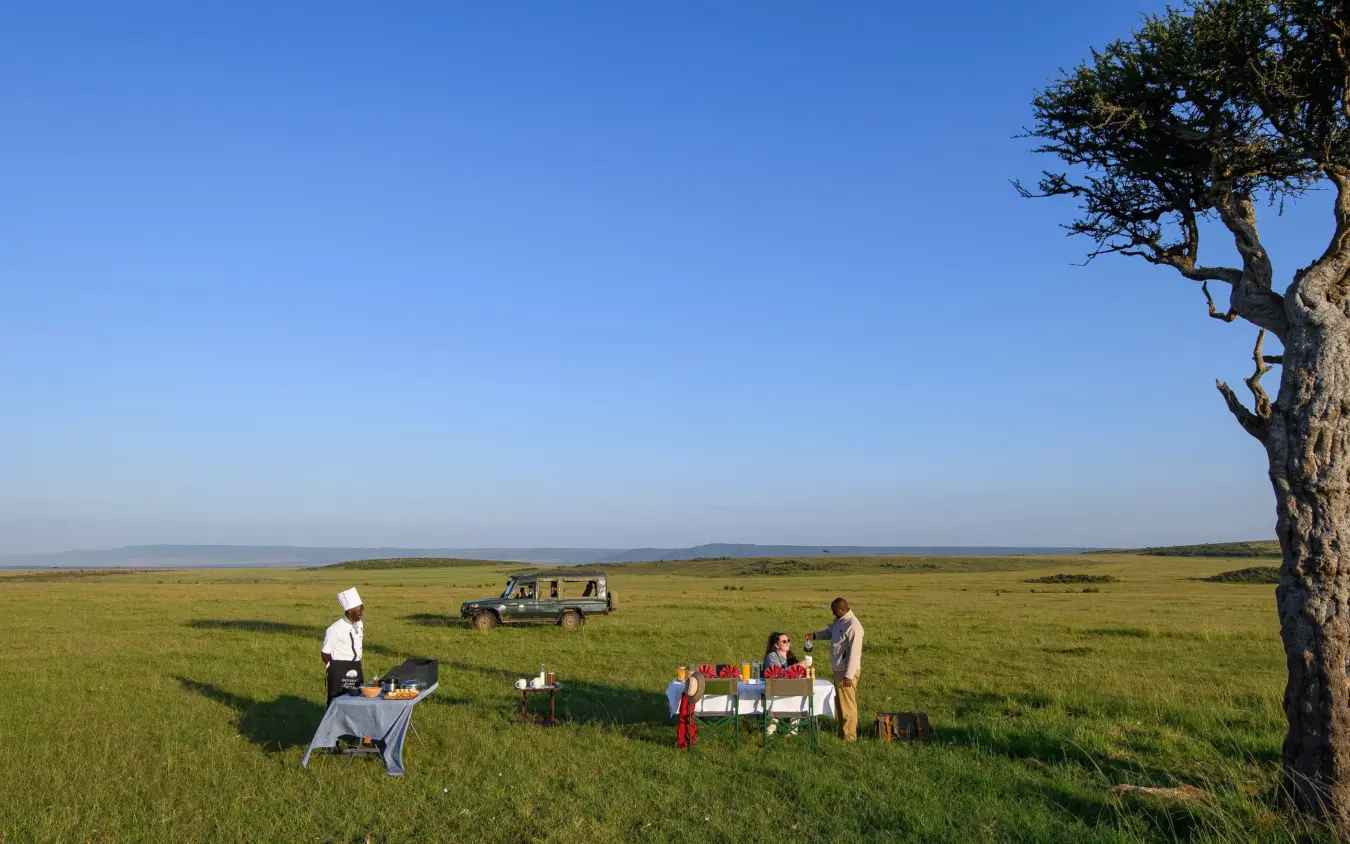
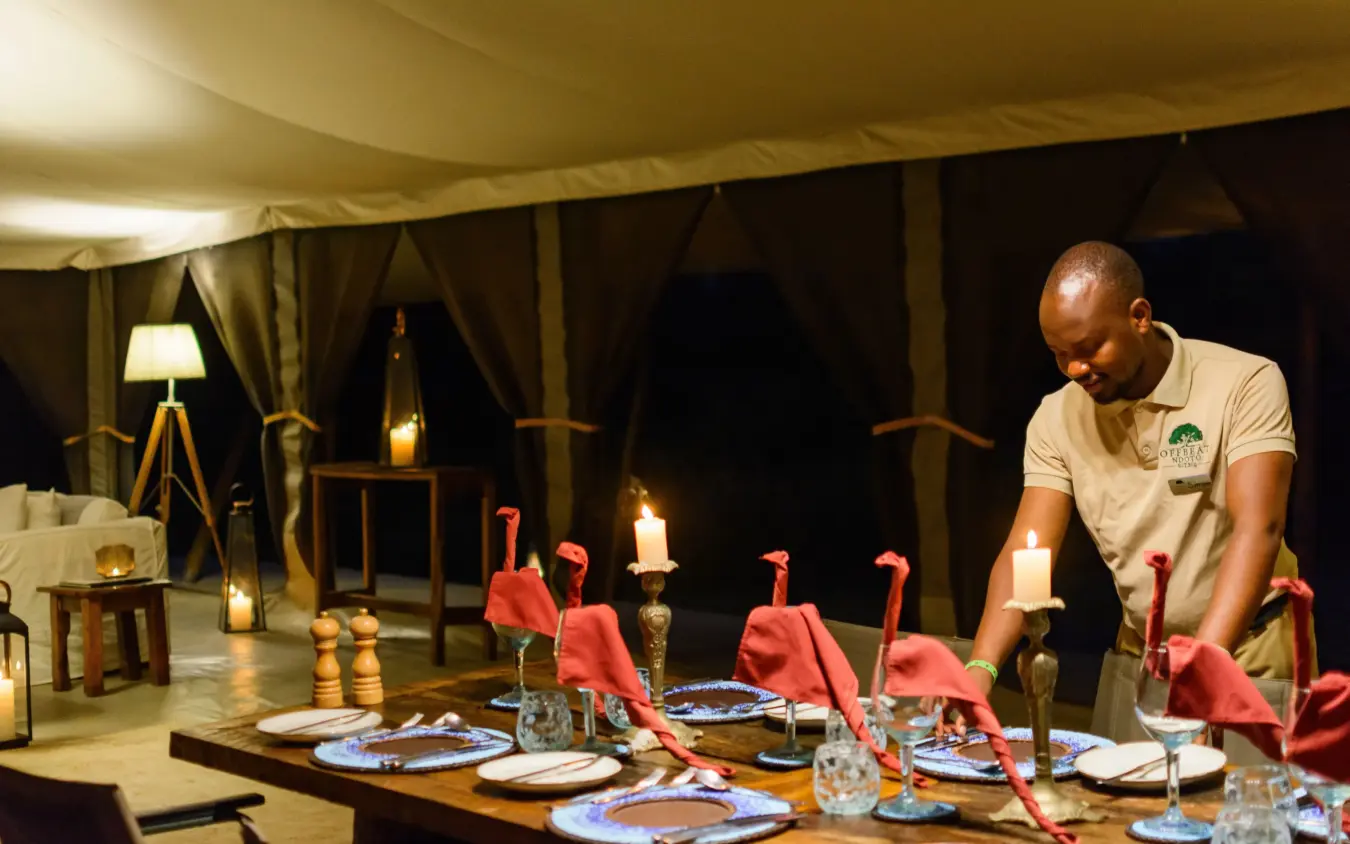
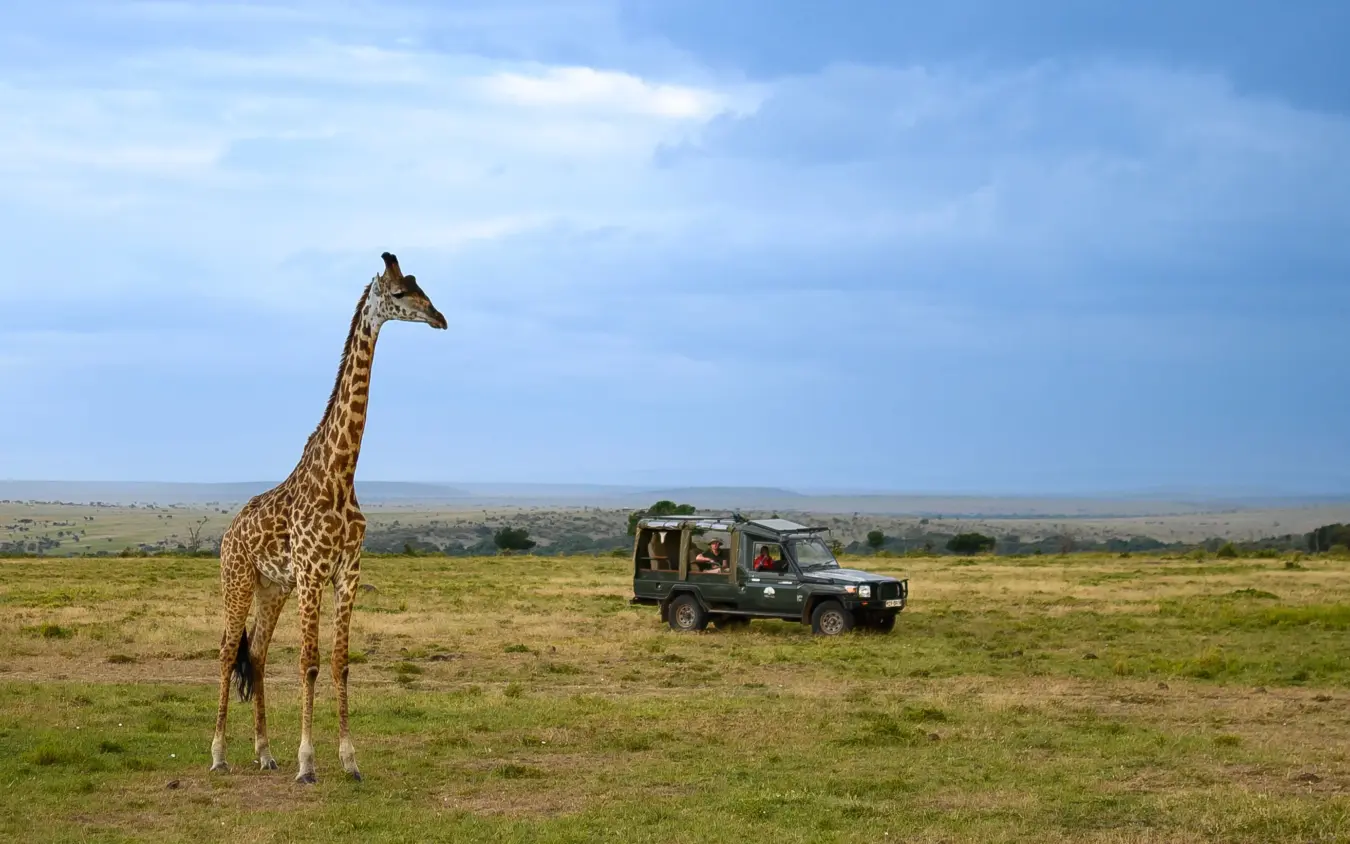
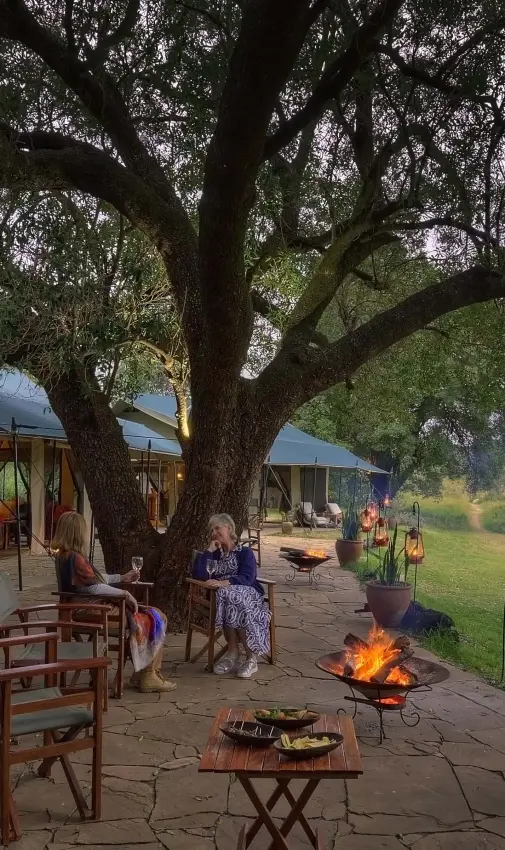
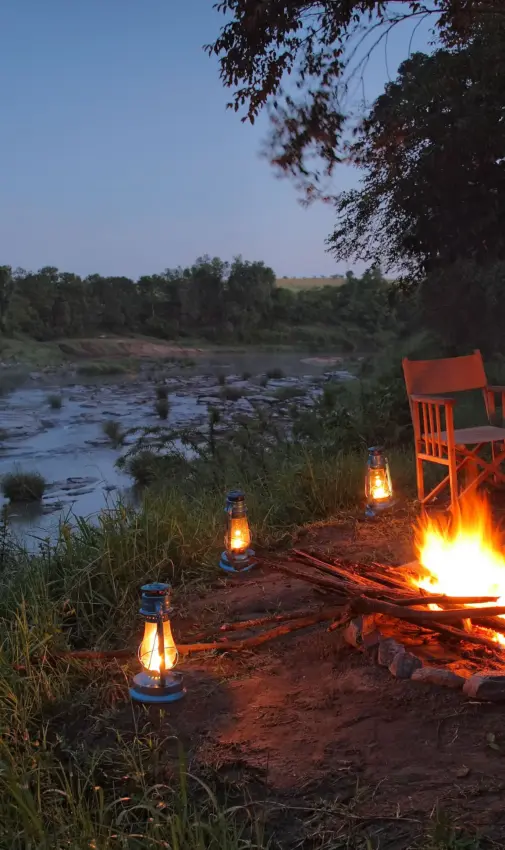
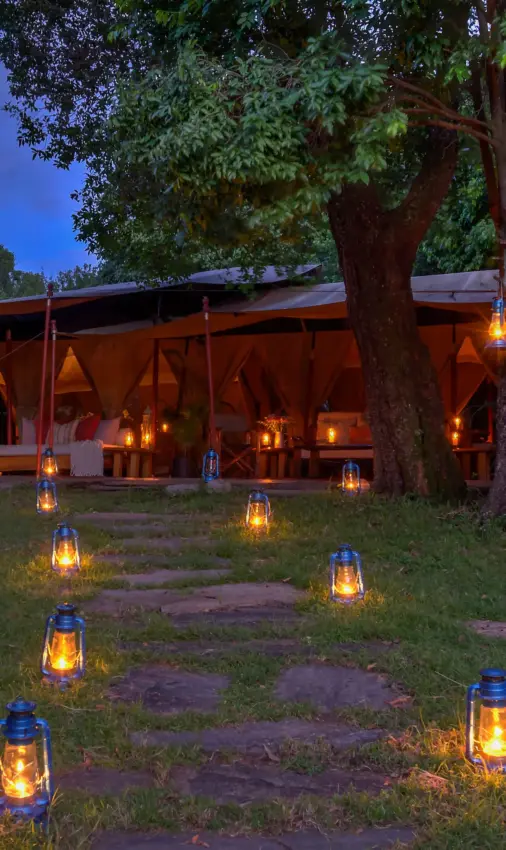
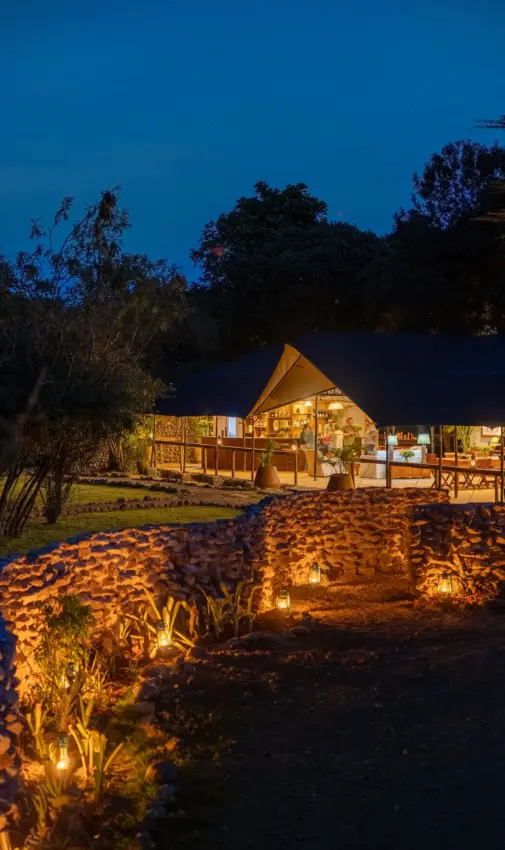
Days run to the game rather than the clock. Tea and biscuits reach the tent before first light, and the first drive runs through to mid-morning. The second leaves around four and returns after dark, a spotlight working the drainage lines. Meals move around the camp, a cooked breakfast in the field, pizza or homemade noodles under the mess-tent canvas at lunch, cake at four. Dinner is laid in the fig glade some evenings, lantern-lit, with a fire working in the shadows. Wi-Fi reaches the tents, though it is easy to forget it is there.
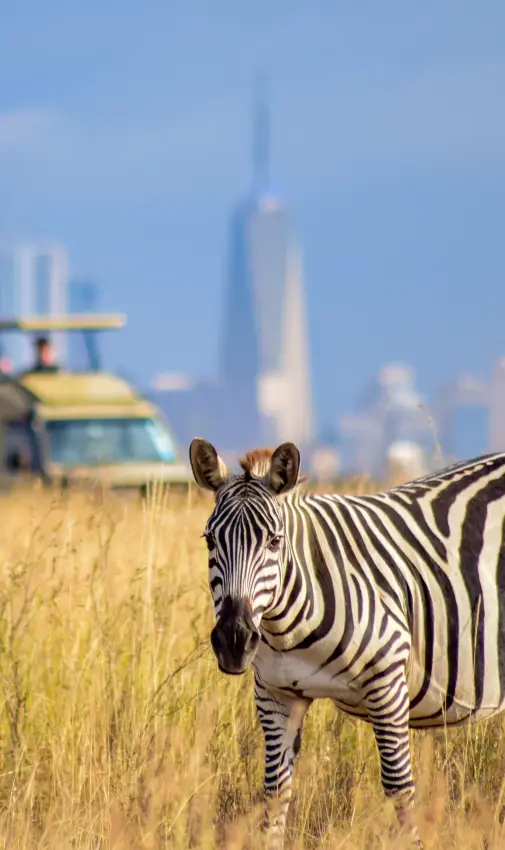
A five-minute drive away, on the same stretch of the Olare Orok, a slightly larger sister camp is set down among the riverine trees, with its own staff and kitchen. Ndoto is the higher and quieter of the two, smaller and more self-contained, and families with younger children are usually better placed at the other camp. Balloon flights and helicopter charters can be arranged, along with a day drive into the national reserve itself. July to October brings the migration herds onto the Mara North plains, and January to March brings short grass, calving and clear skies.