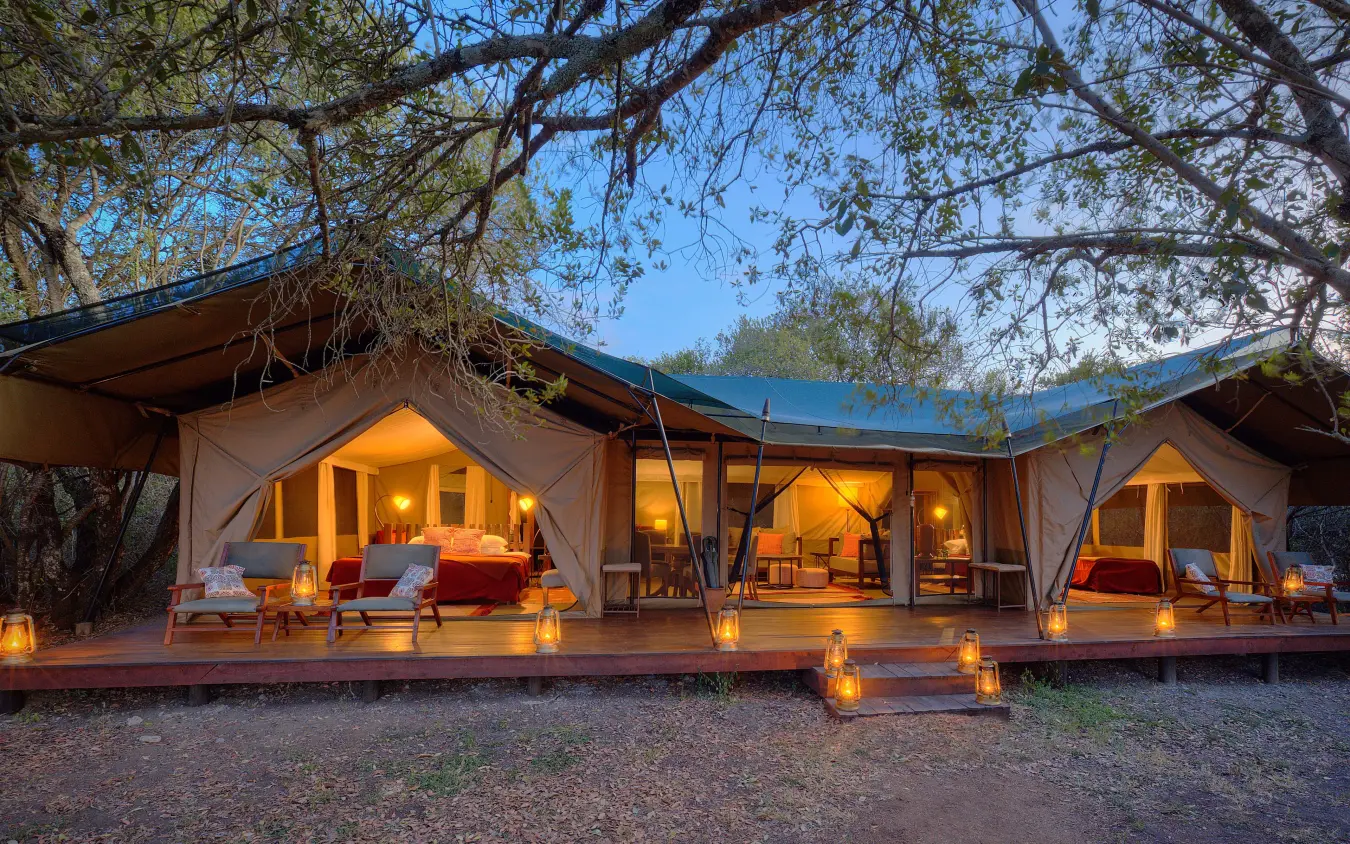
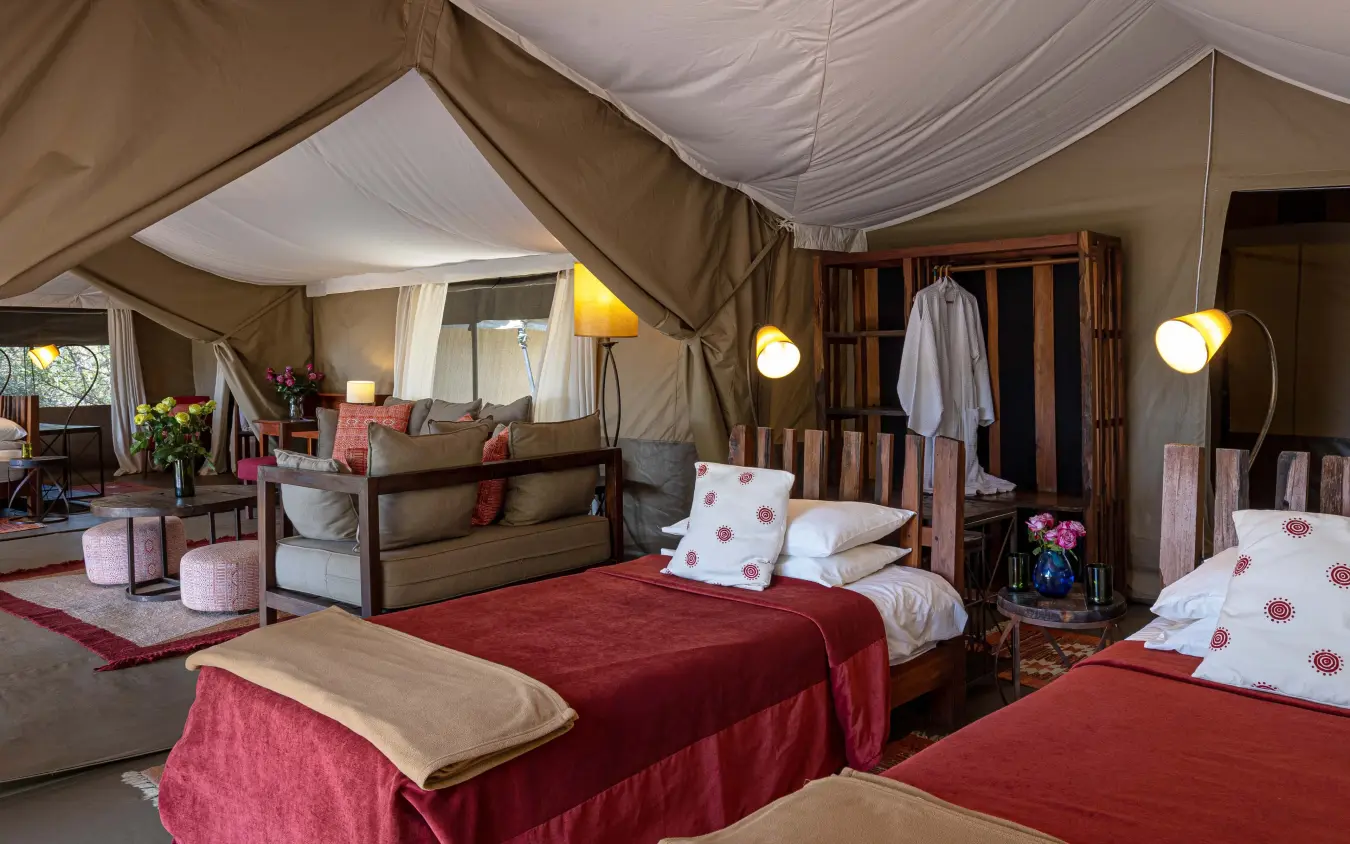
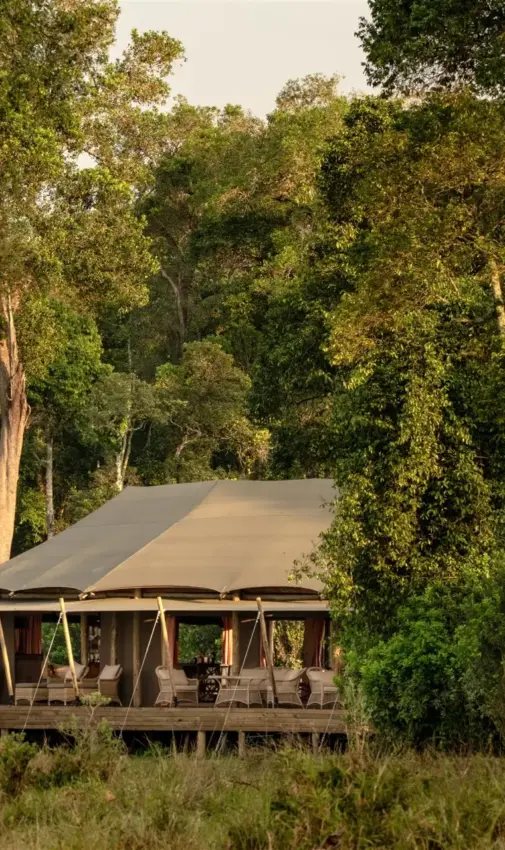
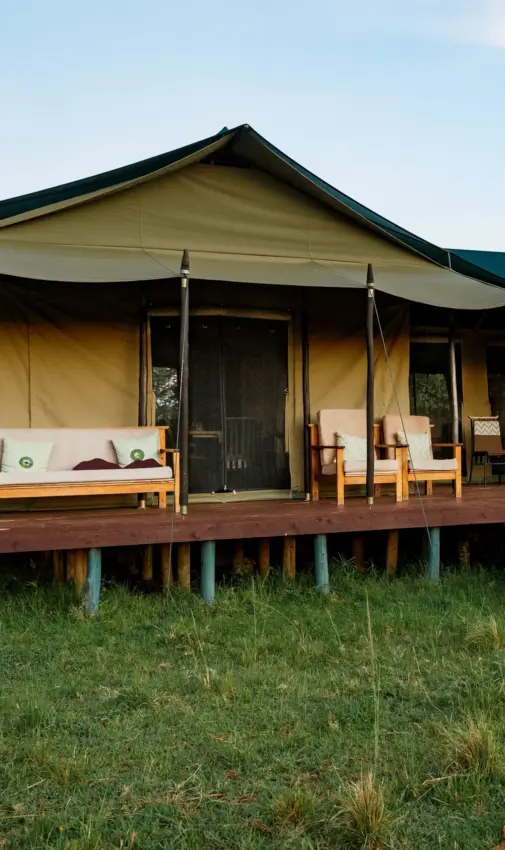
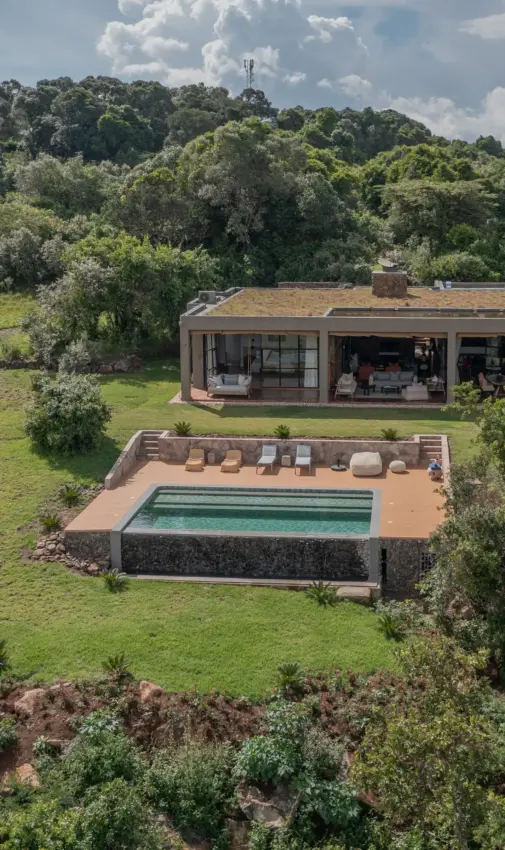
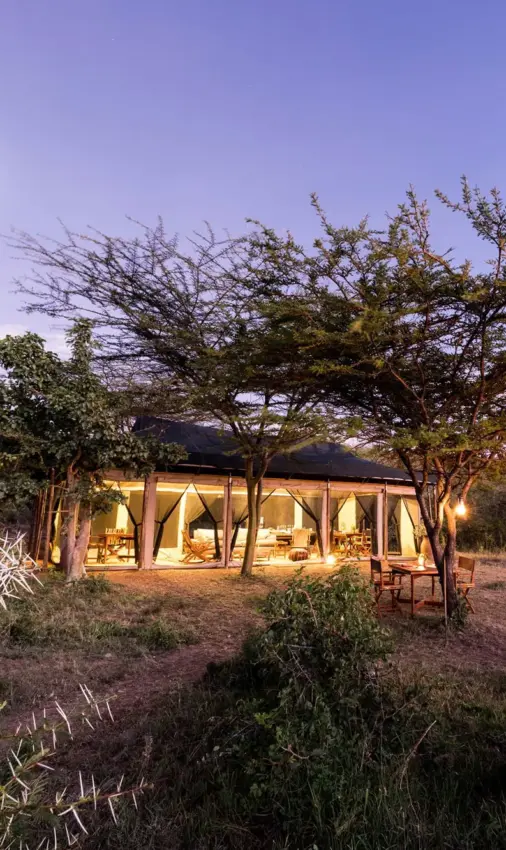
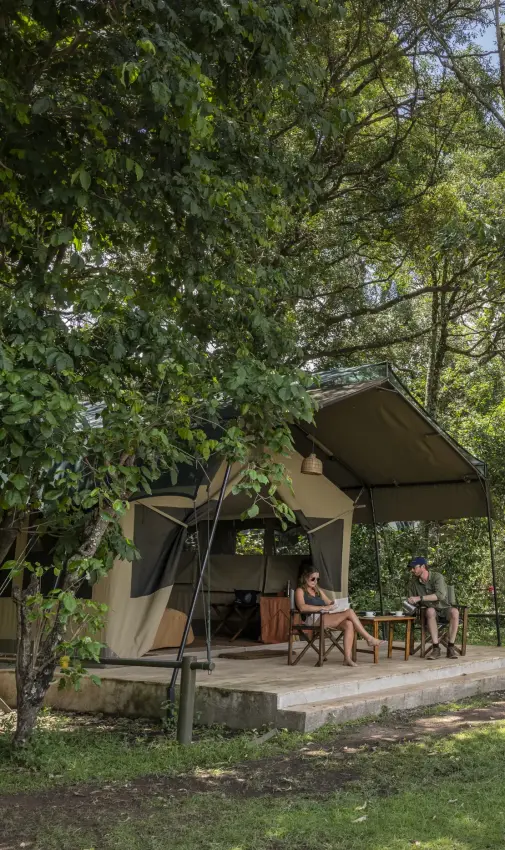
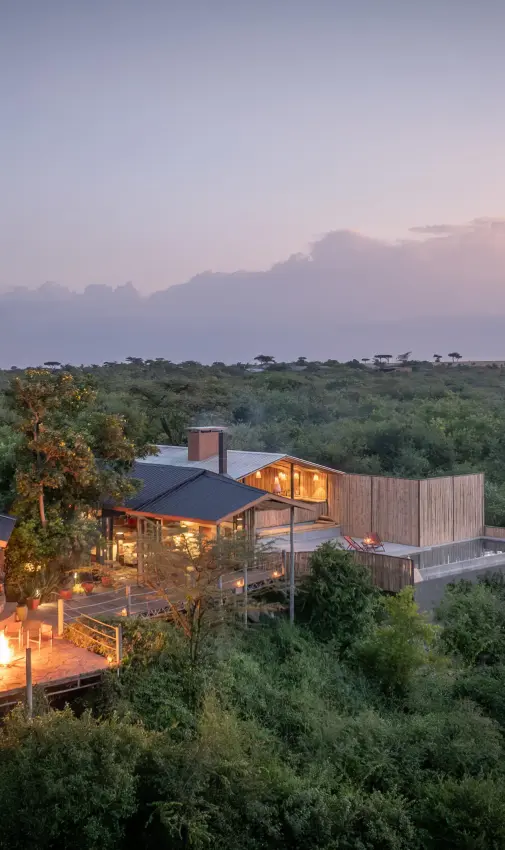
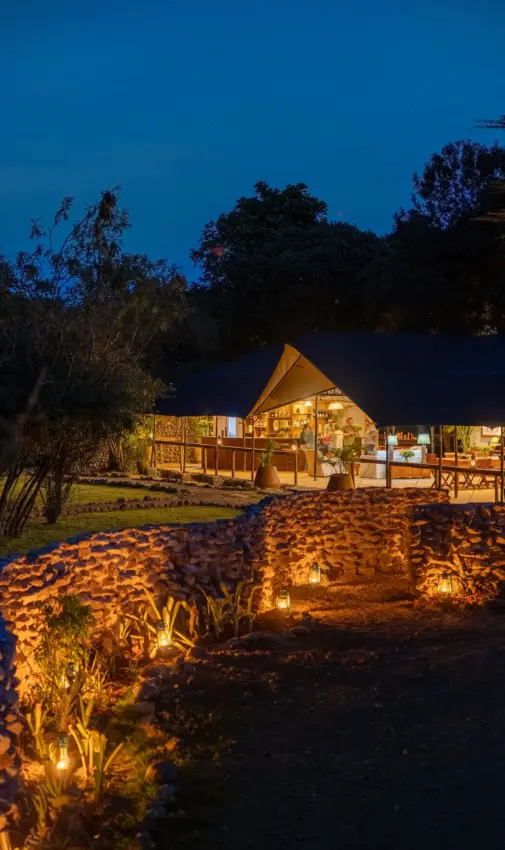
The six tents divide into five standard tents, configured double or twin, and one family suite of two en-suite bedrooms joined by a central lounge, sleeping up to five with the exclusive use of a vehicle. The canvas walls are made to move, rolling up through the day for an open feel and closing at night for warmth. Inside, Egyptian cotton linen dresses Podocarpus wood beds among luggage racks and rugs, and a private veranda faces the plains. The bathrooms keep the plumbing deliberately simple, with a flush toilet and a traditional safari bucket shower.
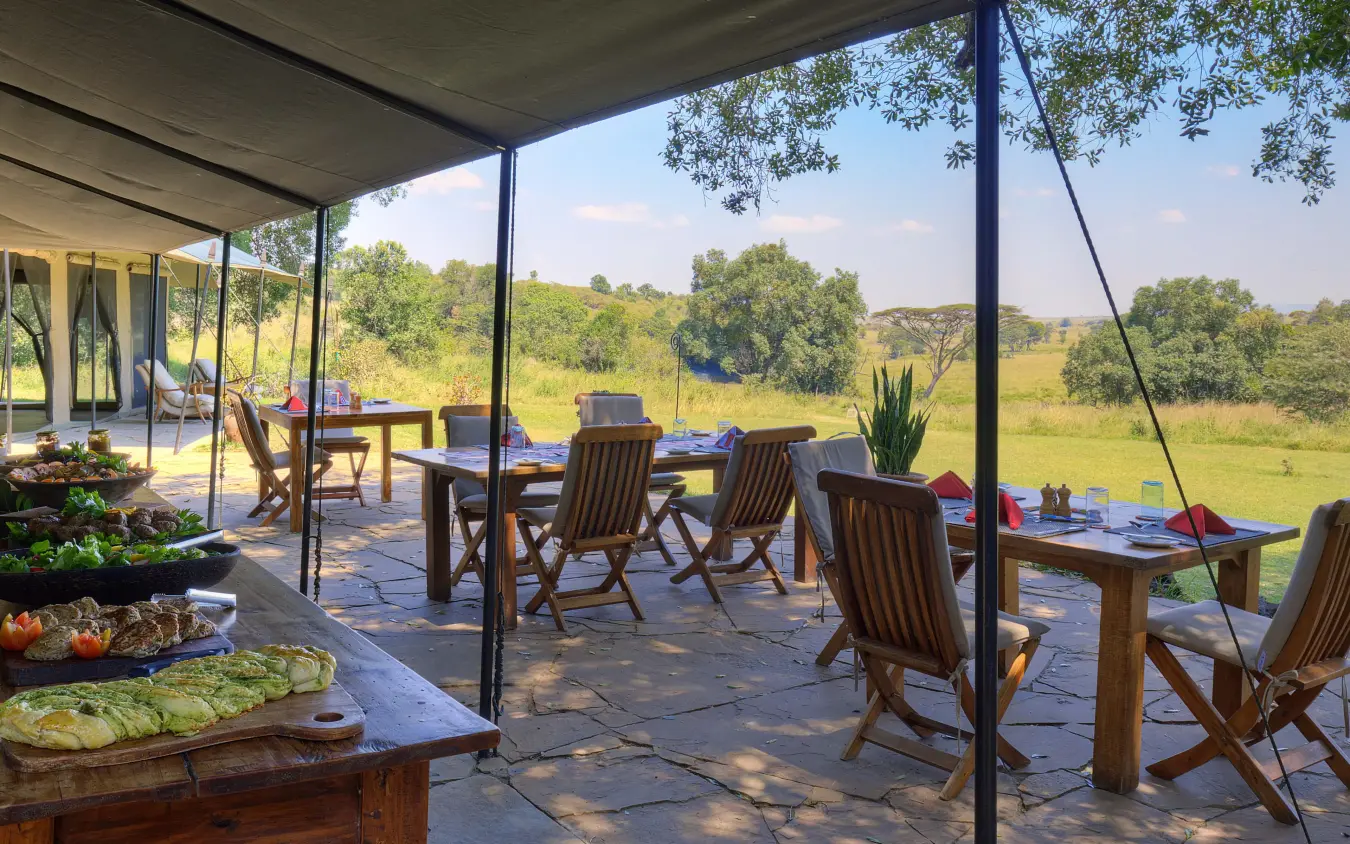
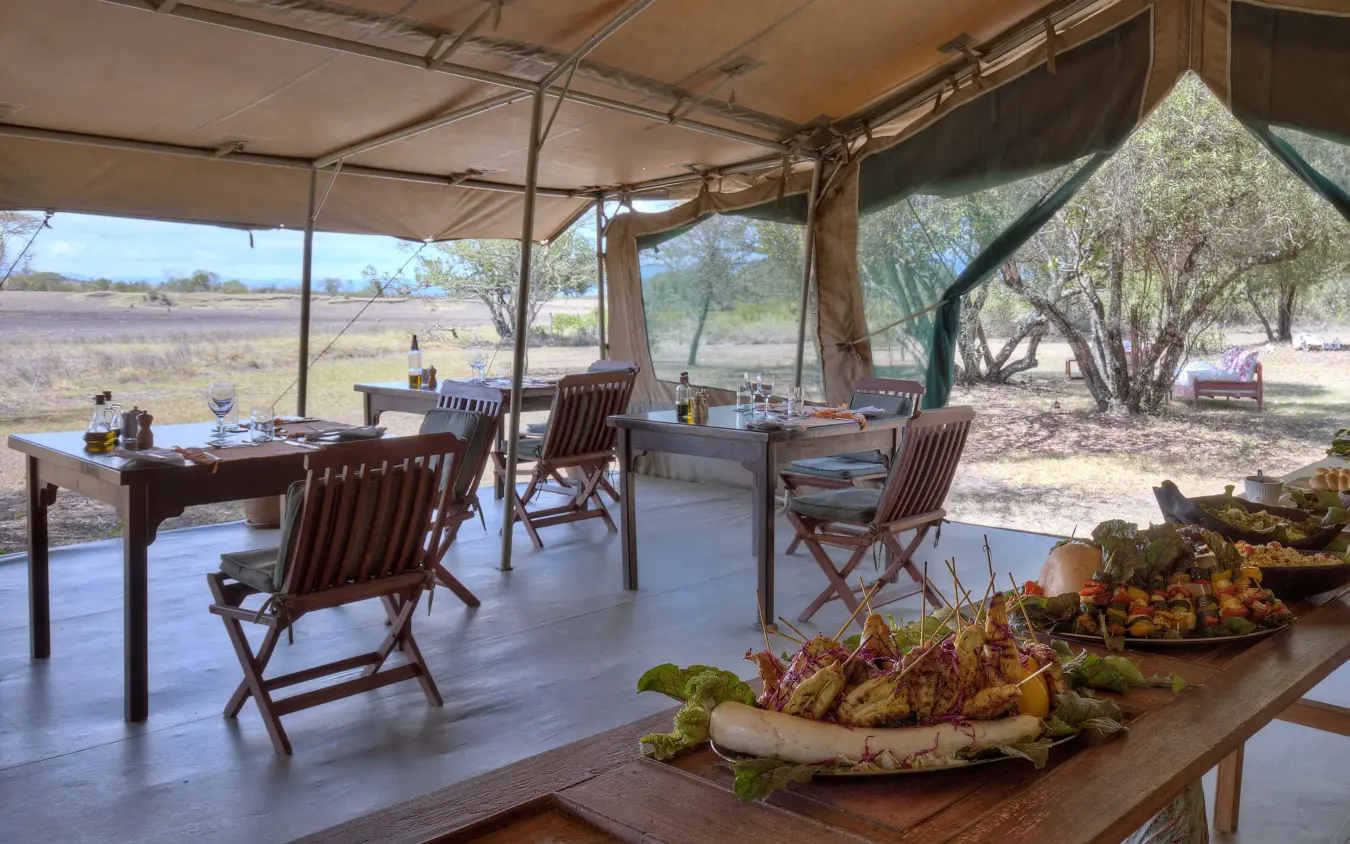
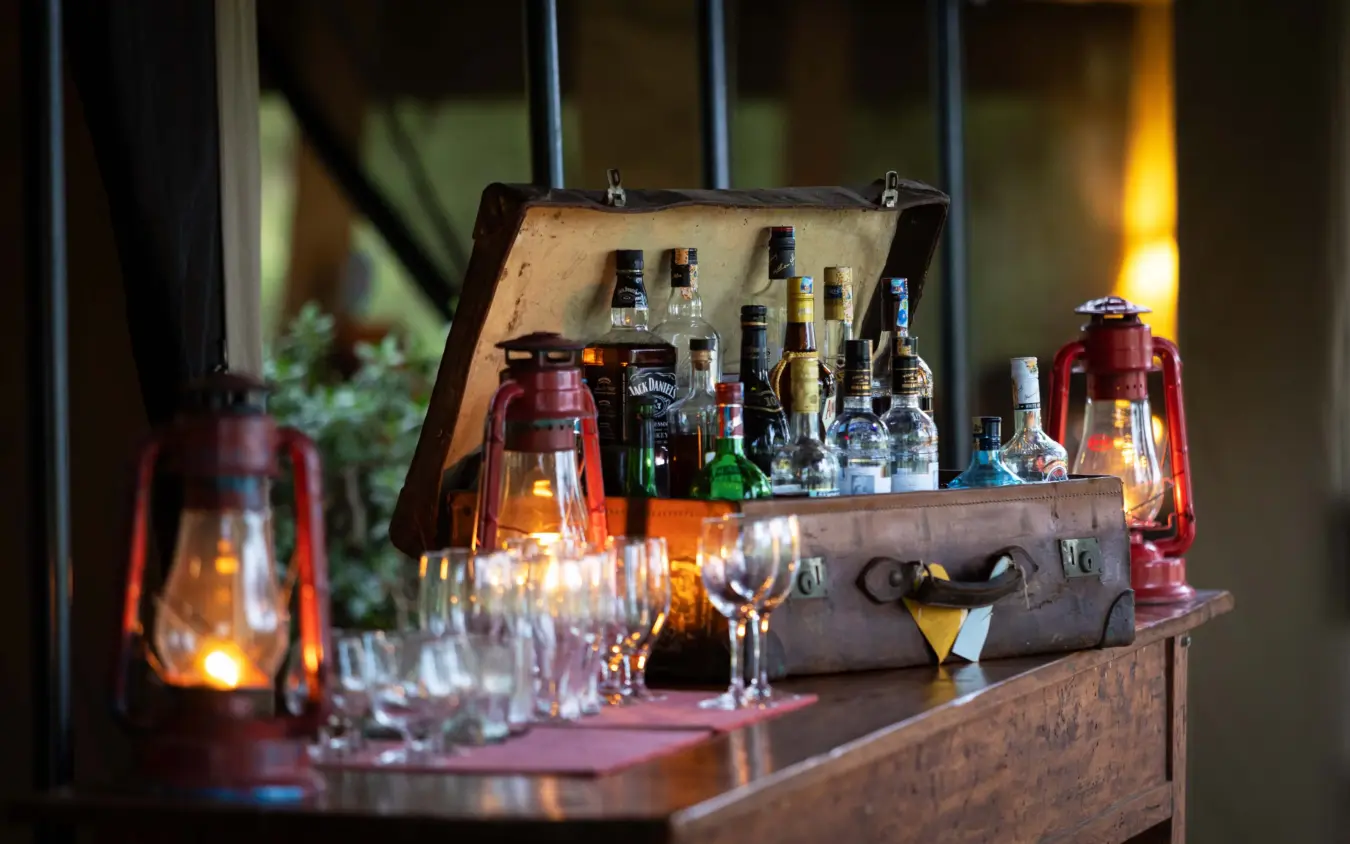
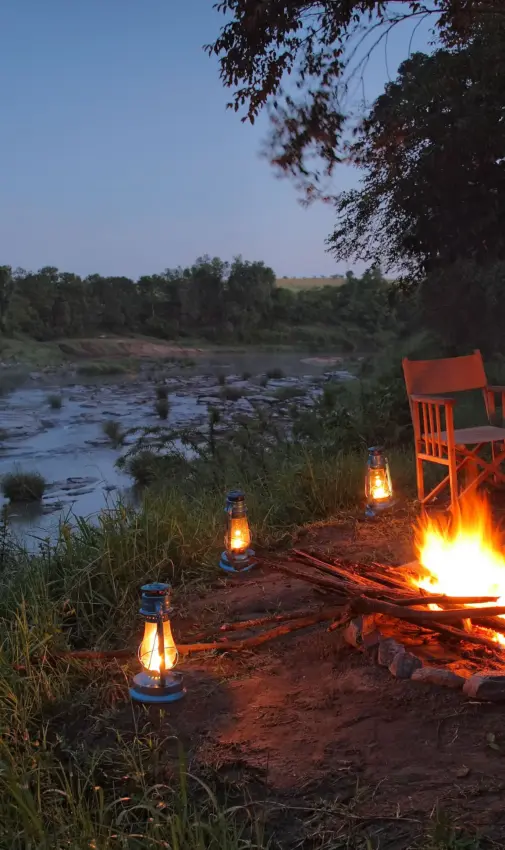
Days follow the light. A dawn game drive precedes bush breakfast in the open, then the middle hours pass quietly in the lounge or on a veranda, and the afternoon drive runs into sundowners and a candlelit dinner. Meals draw on the camp’s own kitchen gardens, served communally at a long table or under the stars, and on longer drives a bush picnic is carried out into the plains, where the guides read the shifting light as closely as they read the cats.
Drives can extend into the Maasai Mara National Reserve for the wildebeest migration
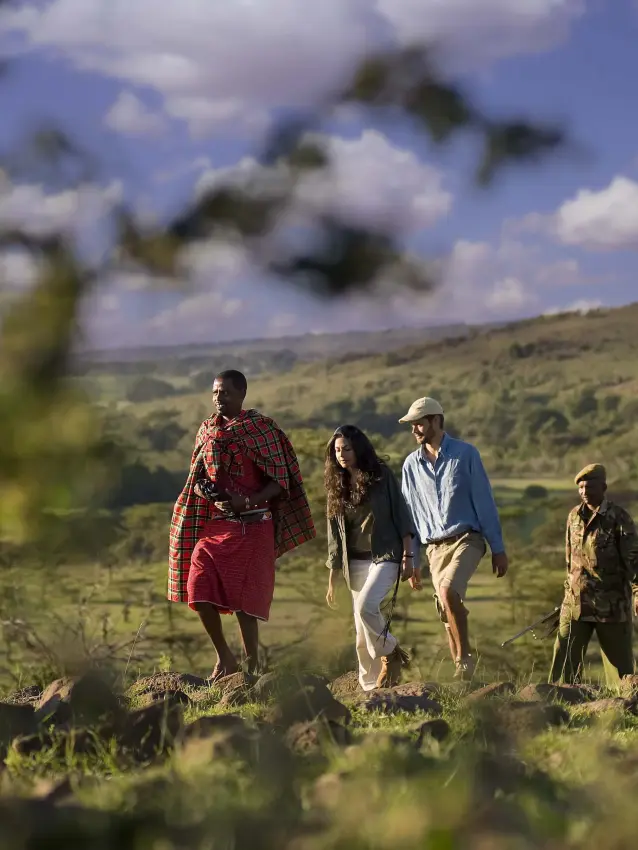
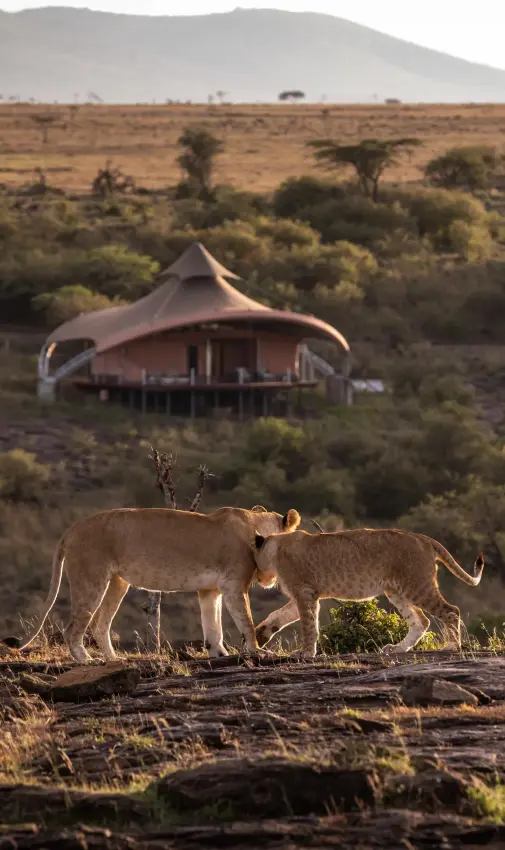
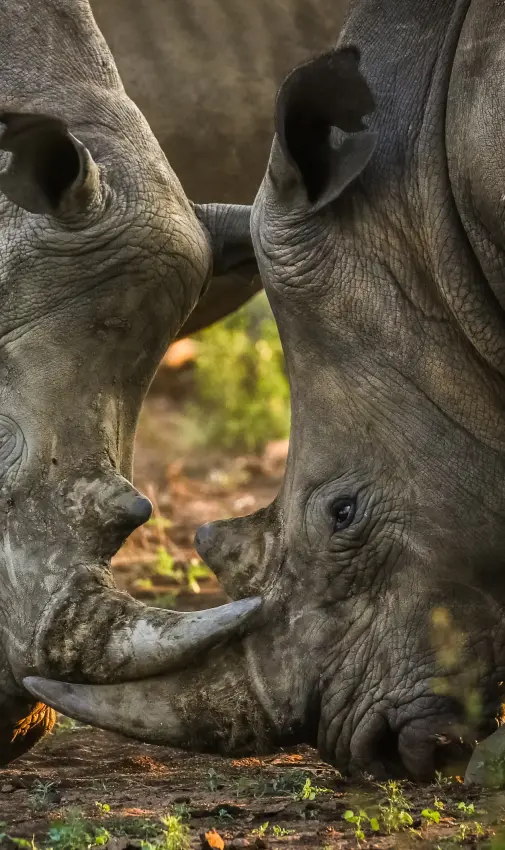
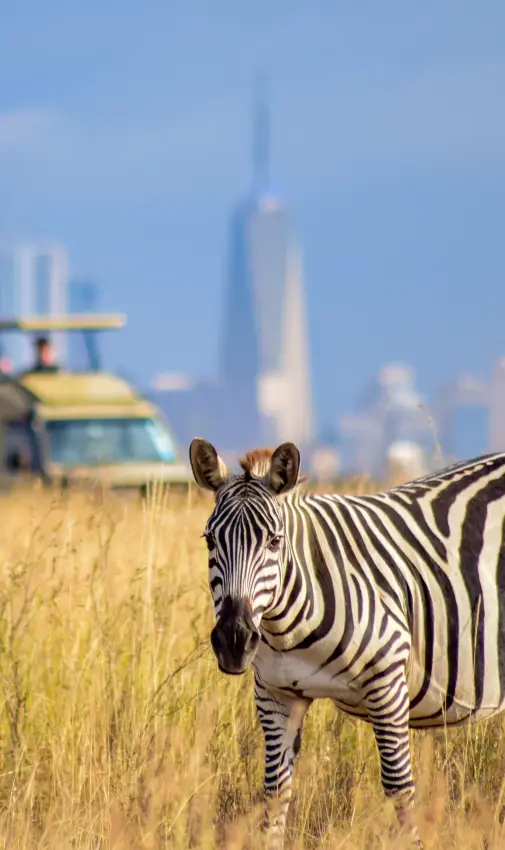
Within the conservancy, guides lead game drives, walking safaris with an armed ranger, and overnight fly-camping for guests who want to sleep out in the bush. Drives can extend into the Maasai Mara National Reserve for the wildebeest migration, which passes through the northern Mara between July and October, though reserve rules mean more vehicles and no off-road access. Back in Olare Motorogi, with vehicles capped at each sighting and off-road driving allowed, a leopard is watched by a handful of cars rather than a queue, and at sunrise hot-air balloon flights launch over the reserve.
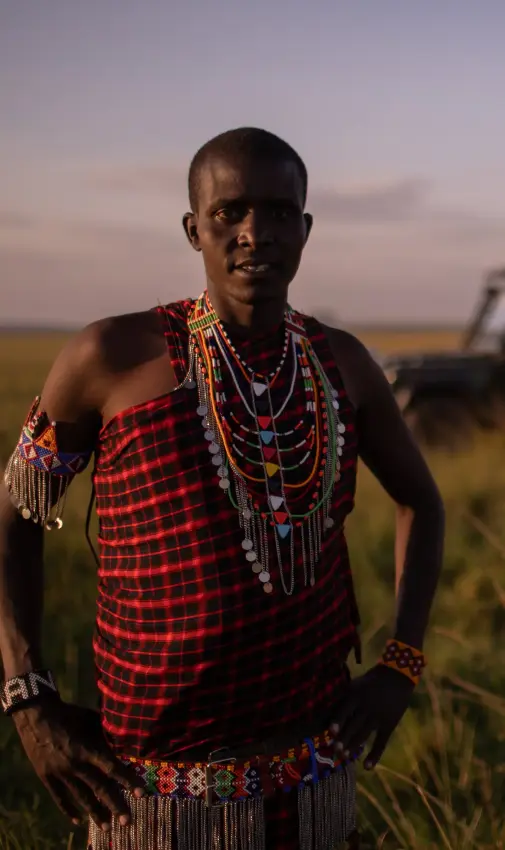
The wildlife holds because of the conservancy beneath it. Formed from Koiyaki Group Ranch land, Olare Motorogi pays lease income to Maasai landowners in return for keeping the land open for game rather than livestock or cultivation. The Kicheche Community Trust funds predator-proof bomas, the Aitong Primary Academy and the Aitong clinic. A short drive from camp, a visit to the Maa Trust introduces the Maasai women running its beadwork and leather enterprise, work the camp backs directly through the trust.