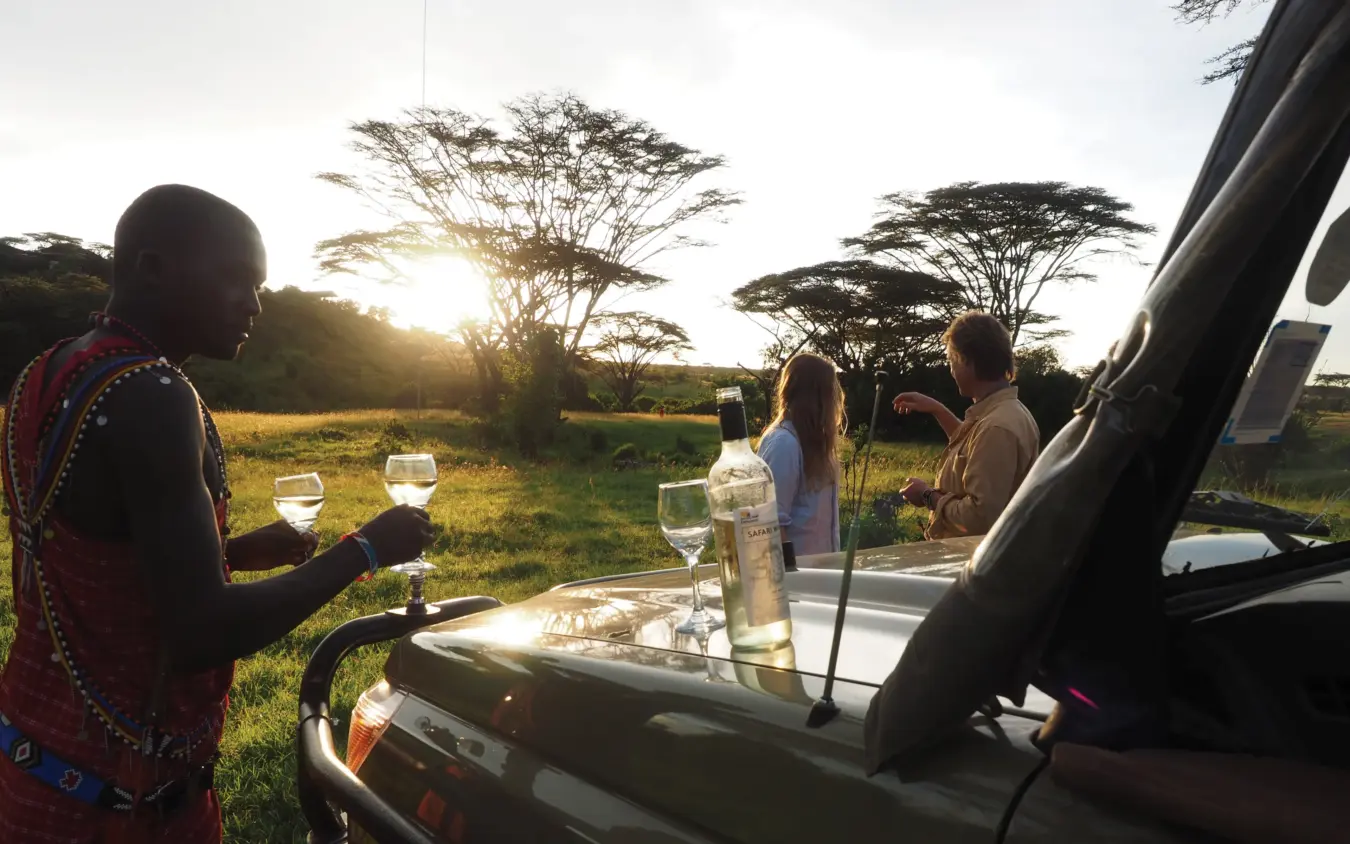
Game drives run morning and afternoon and again after dark, shared with other guests and led by guides drawn from the Maasai communities around the camp. Night driving and off-road tracking are permitted in Mara Naboisho and prohibited in the national reserve, which changes what a sighting can be: a cheetah followed across open grass in the afternoon, a spotlight finding something nocturnal after dinner. Vehicles keep a set distance from the animals, and the pace at a sighting stays unhurried.
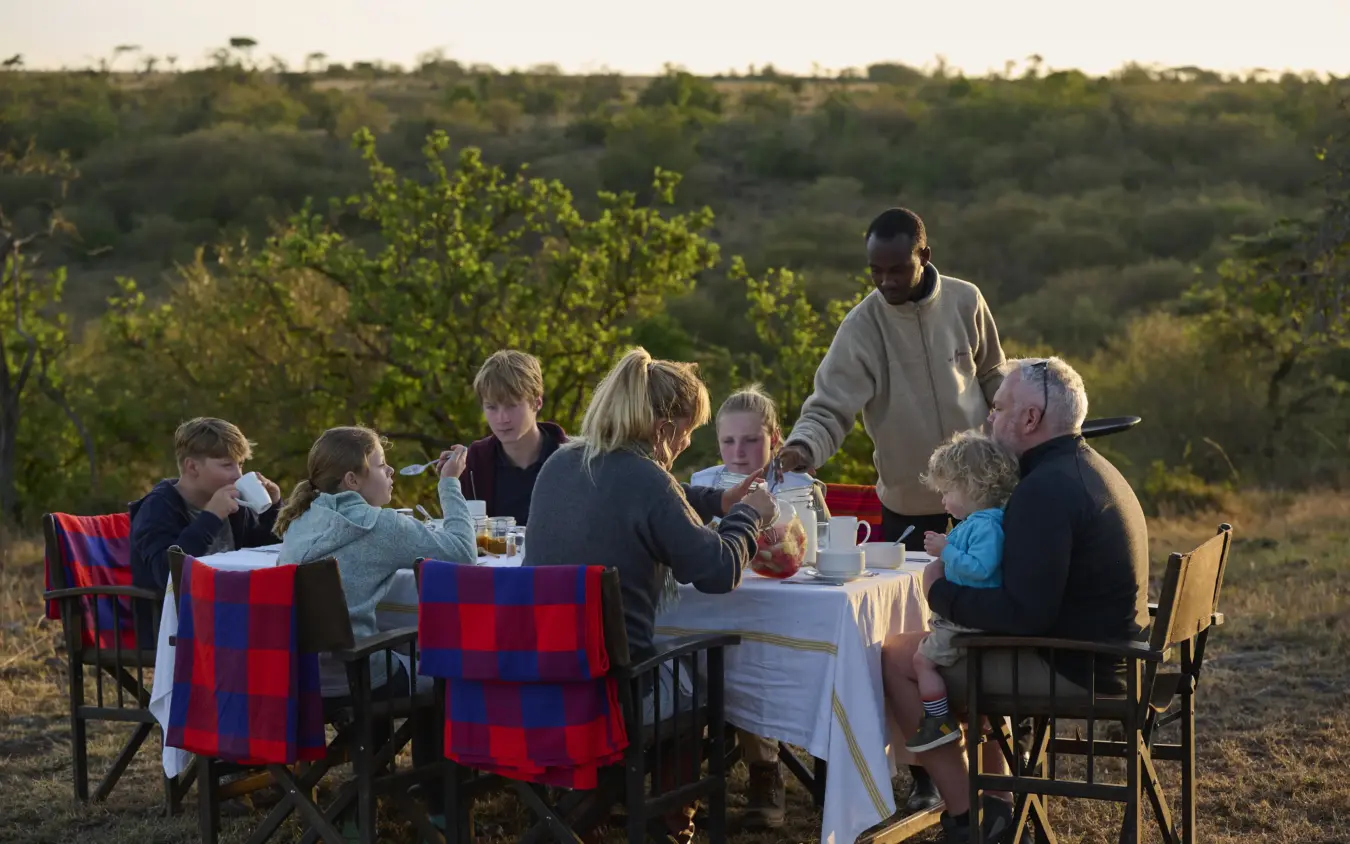
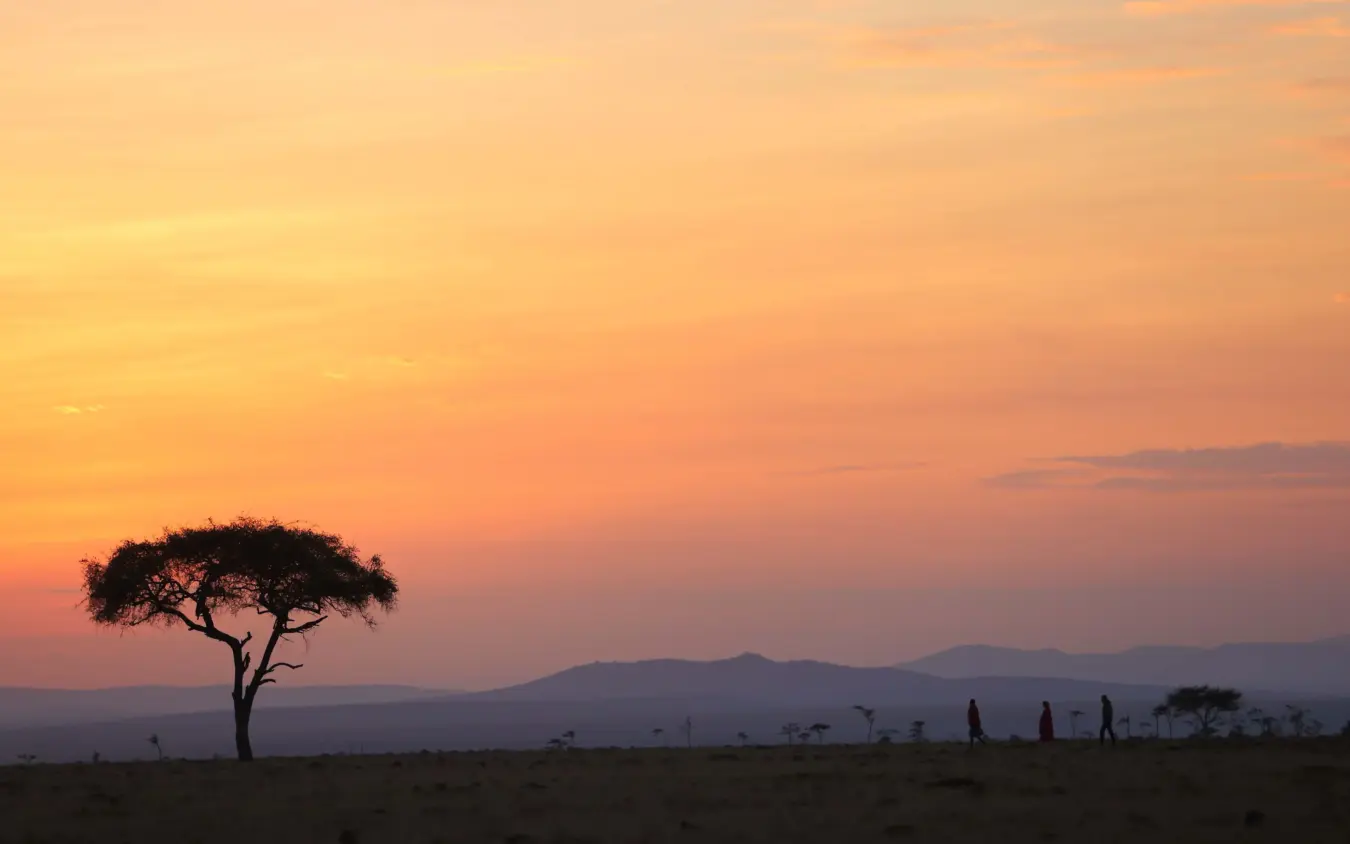
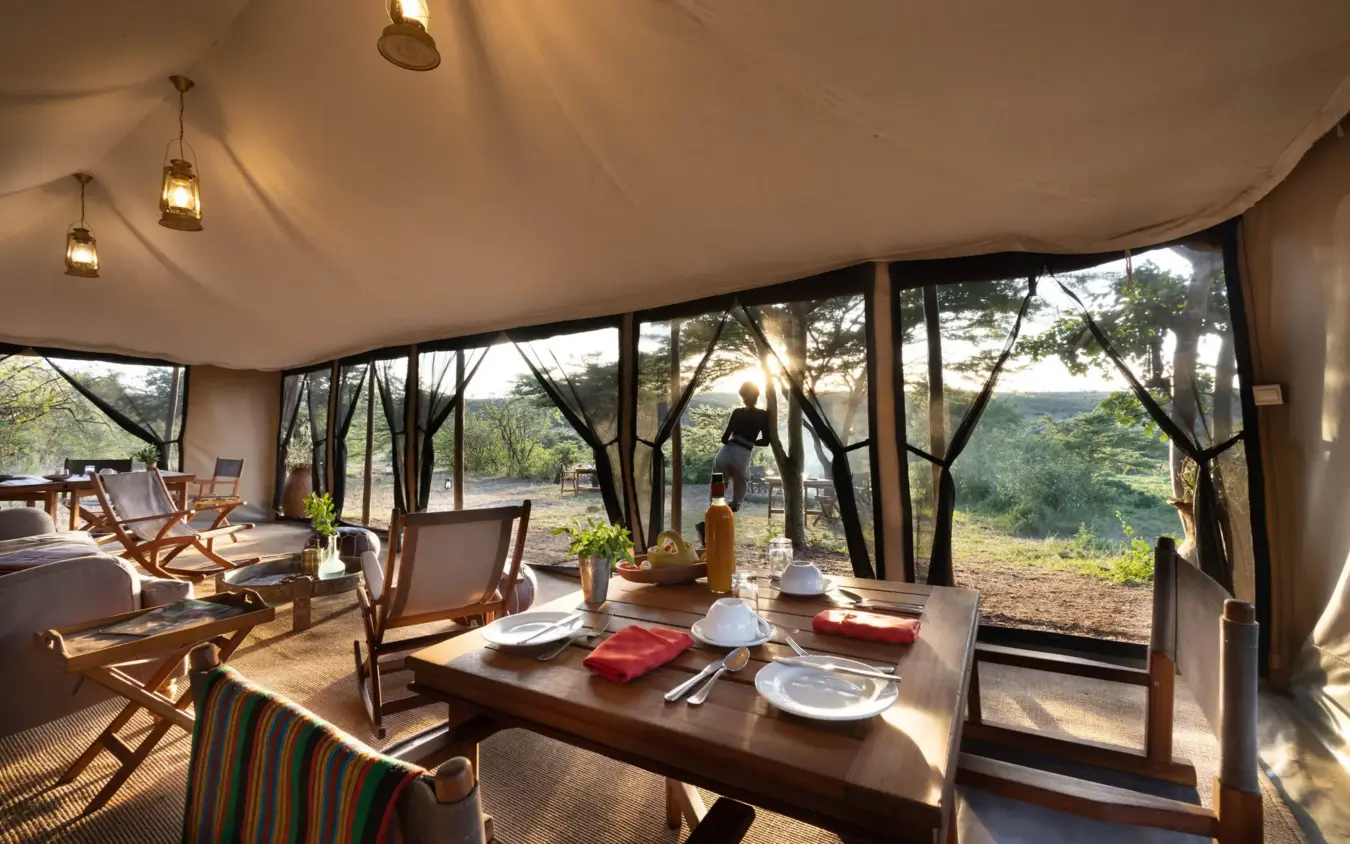
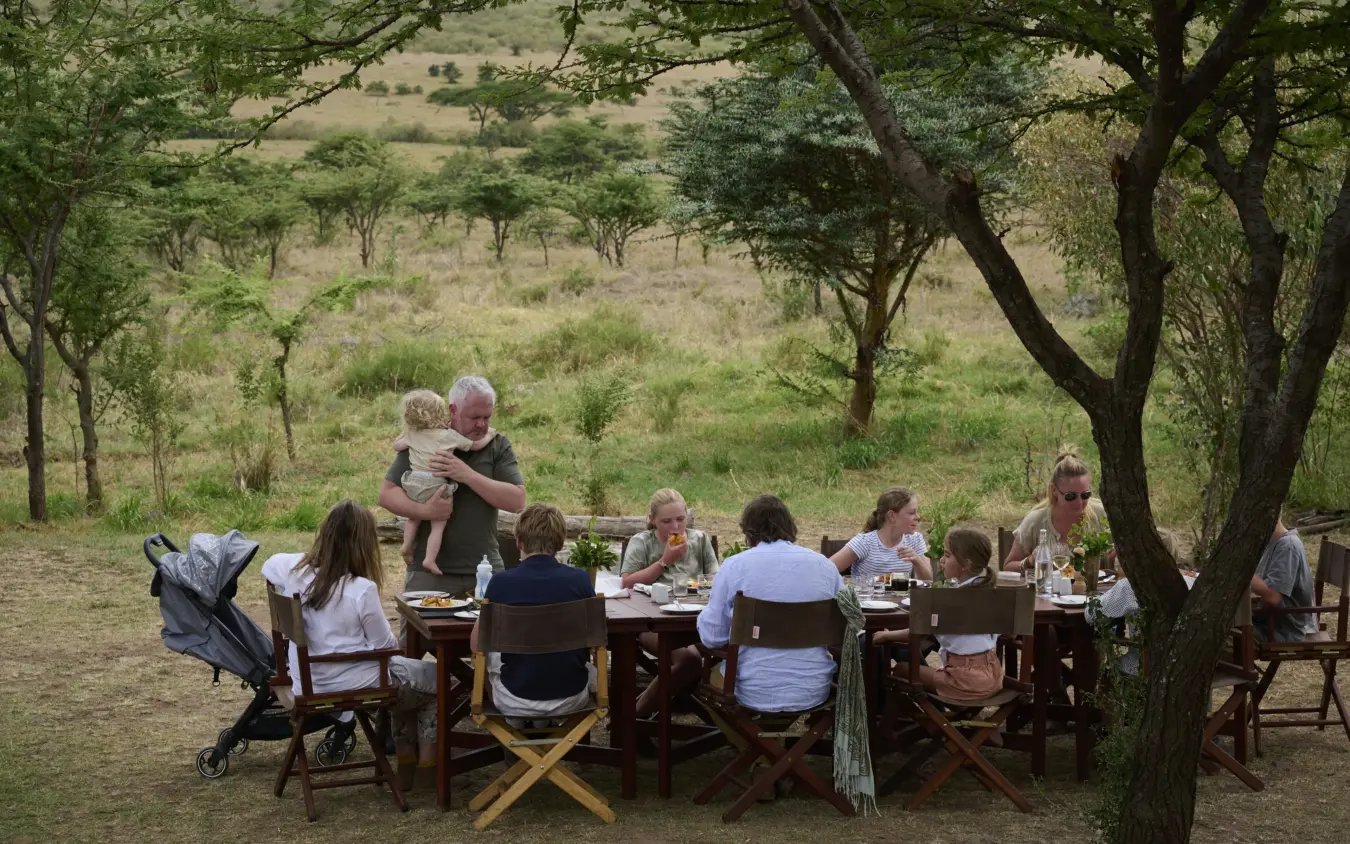
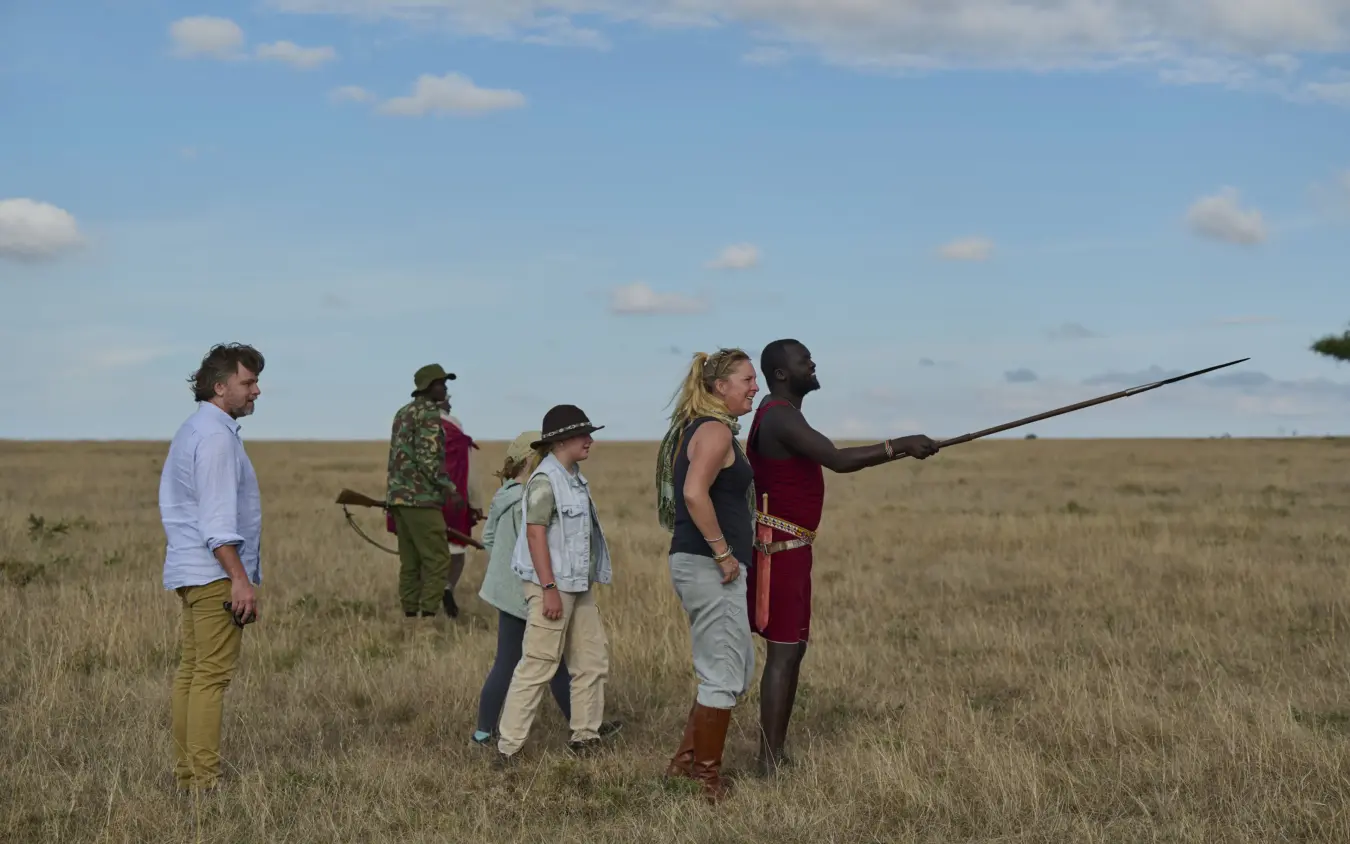
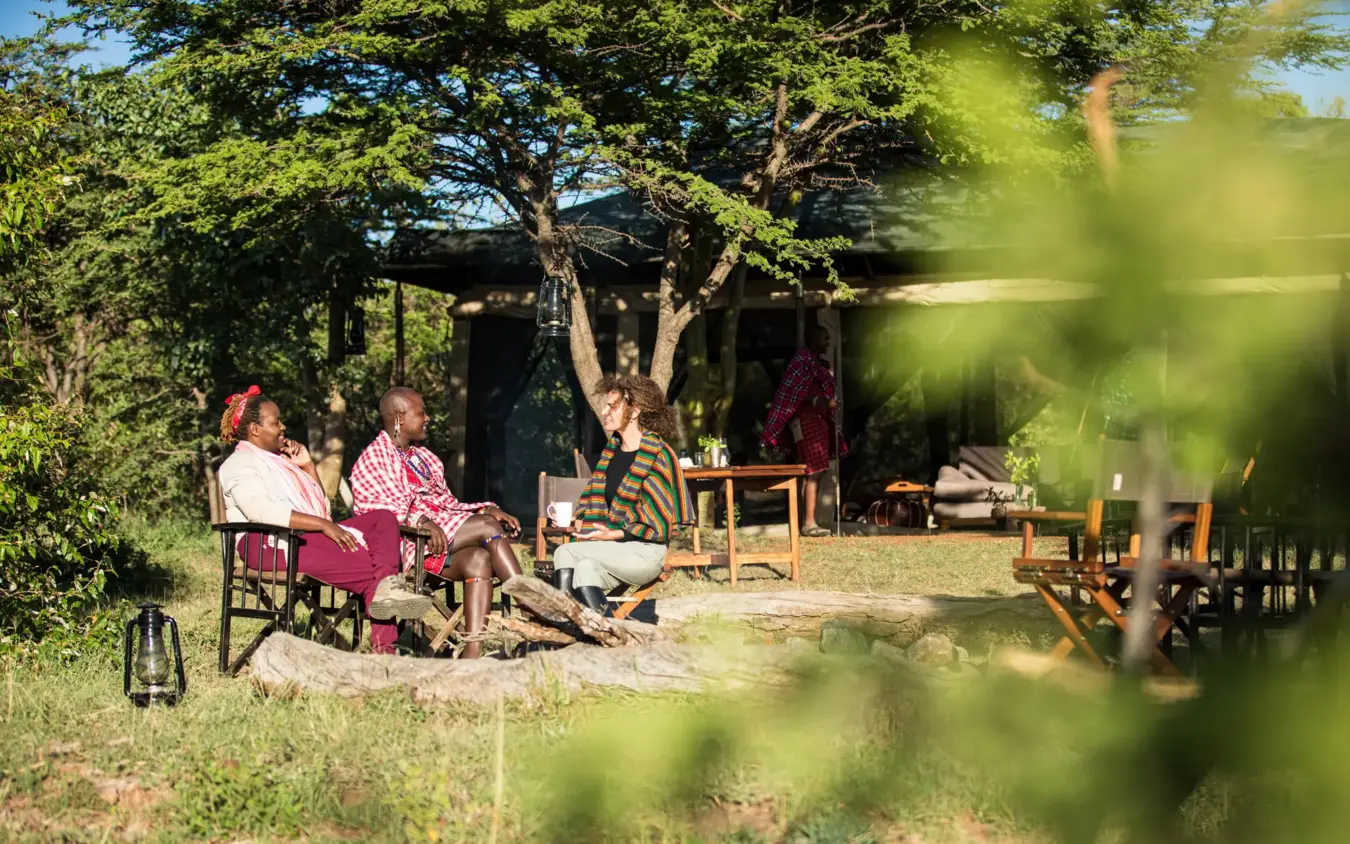
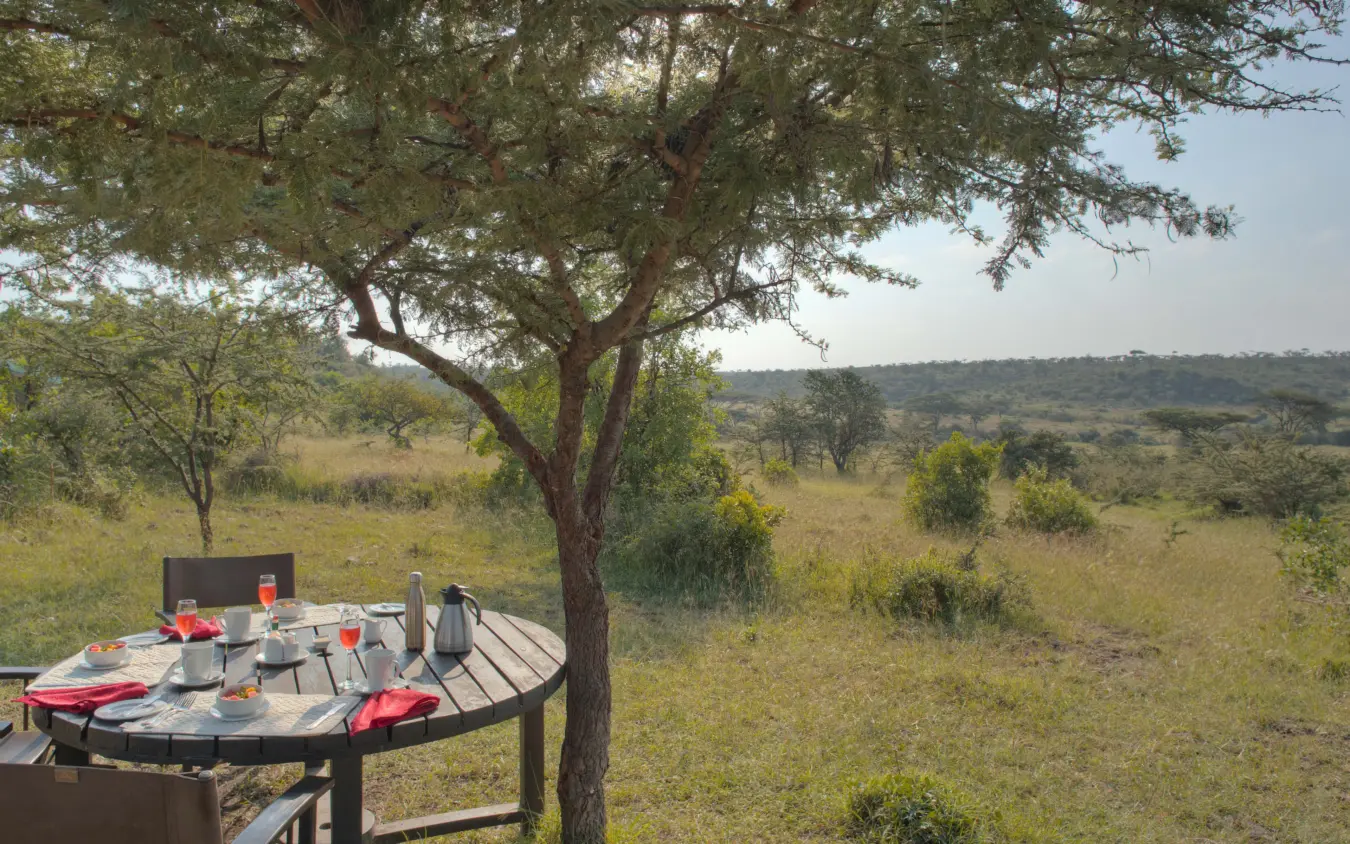
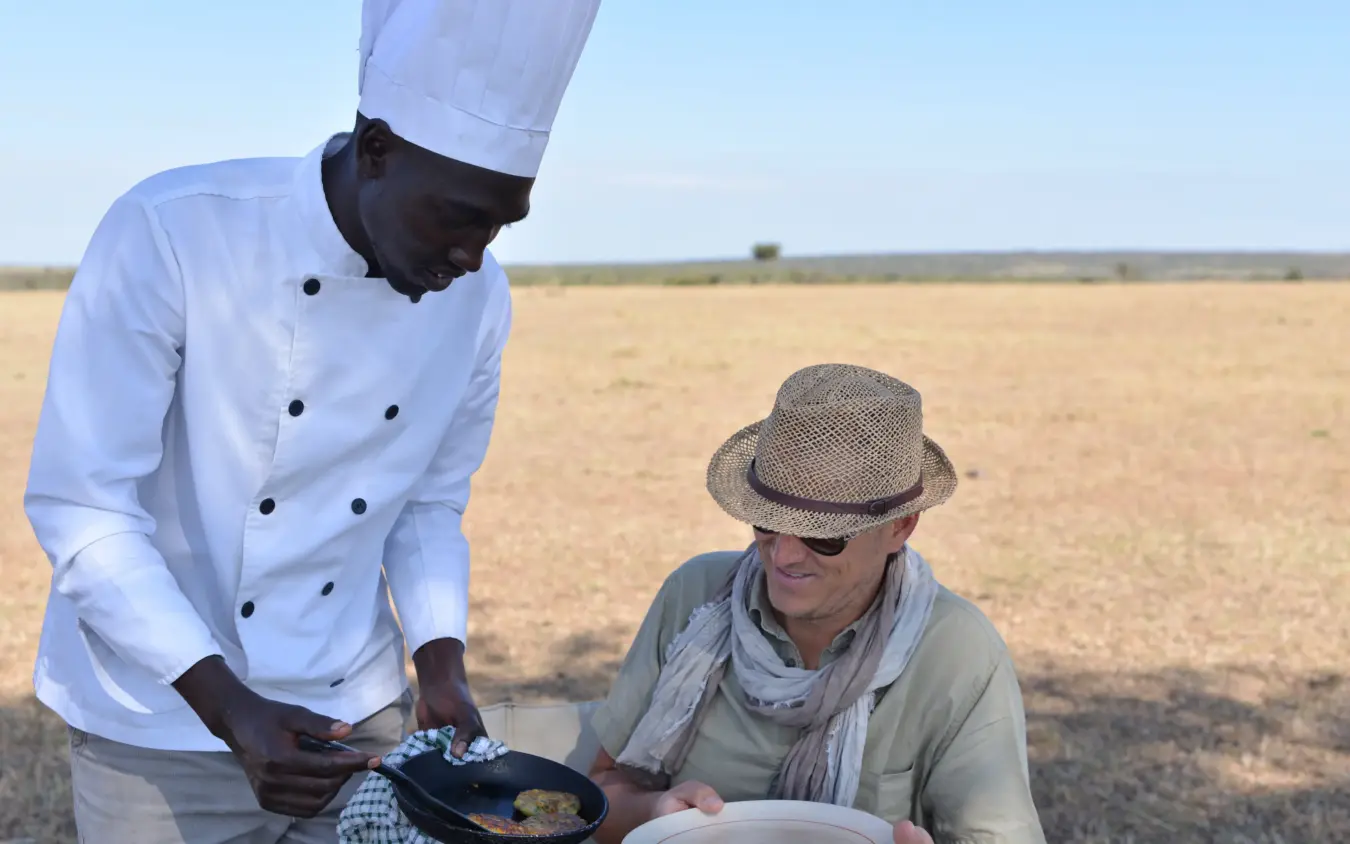
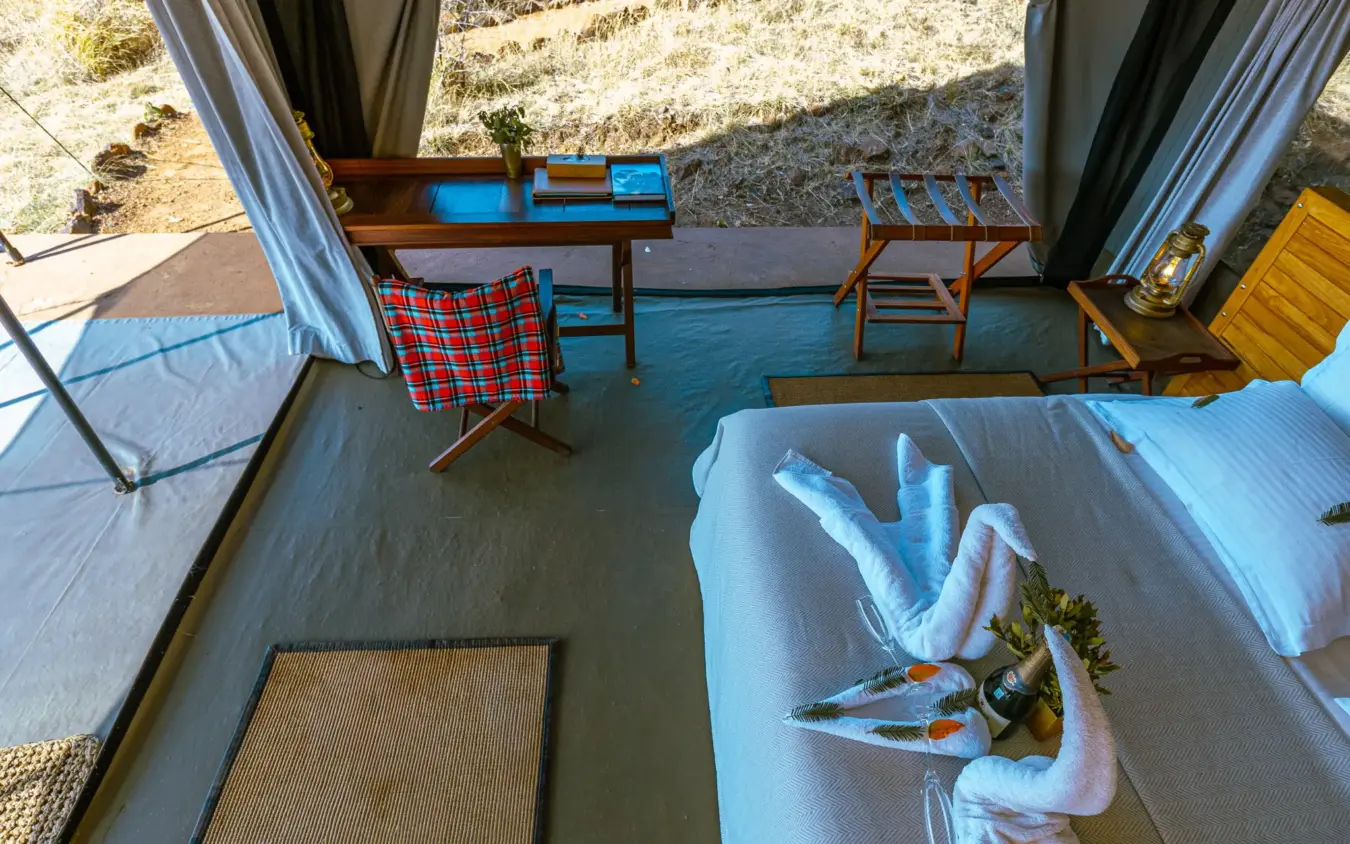
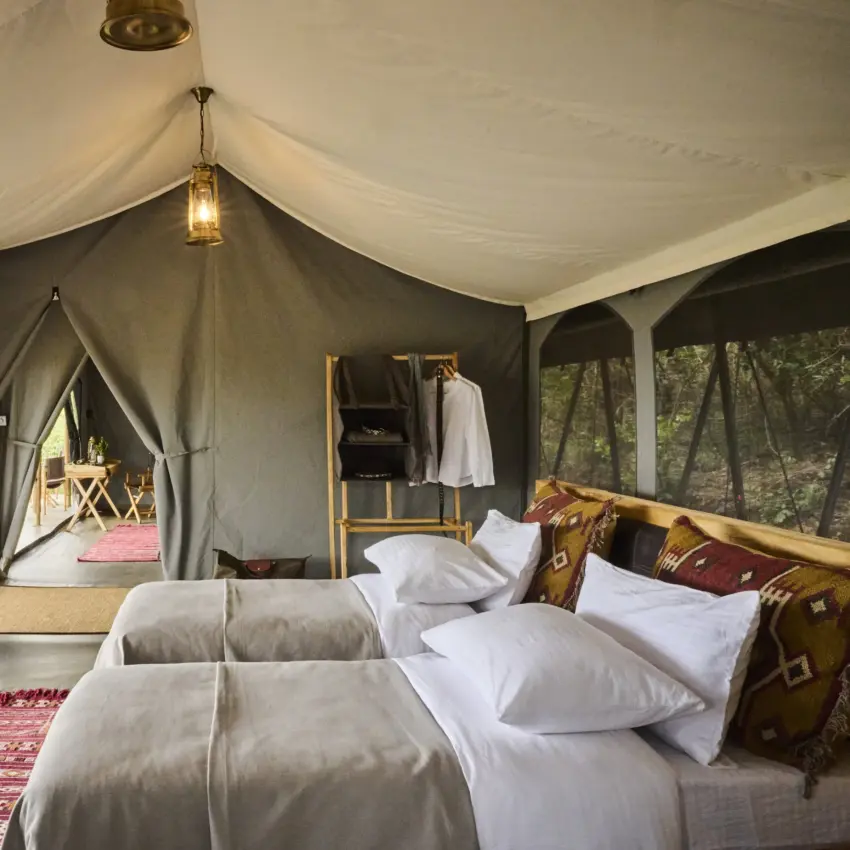
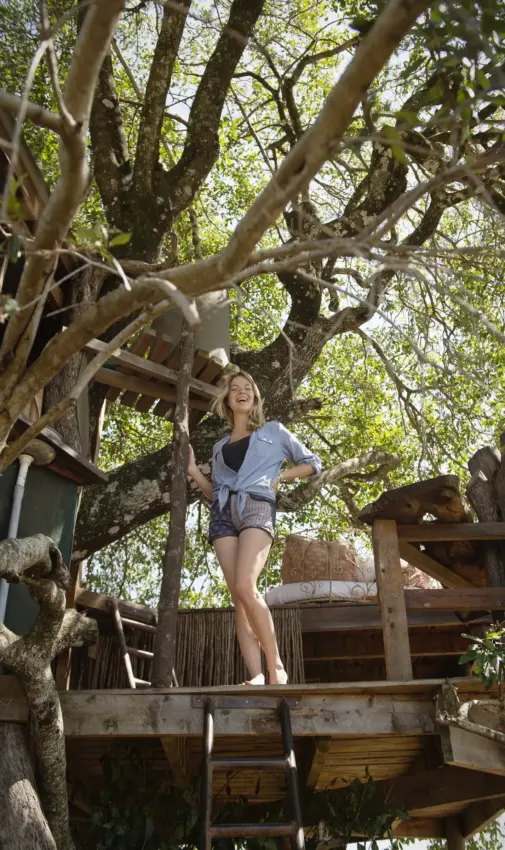
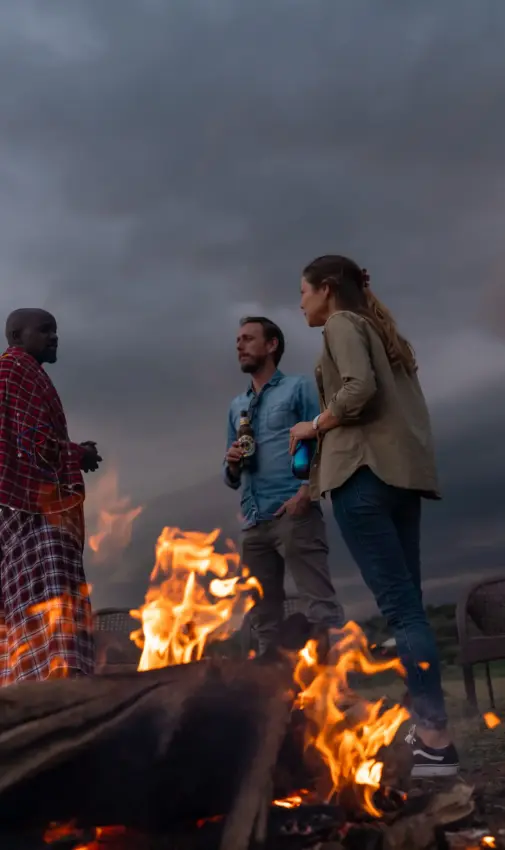
Guided walking safaris run through acacia grassland alongside the drives, and on foot the tracks and the droppings do much of the talking. Meals follow you out into the conservancy, whether that is a bush breakfast laid out early, a picnic lunch in the shade or sundowners at the end of the afternoon. Children have the Young Explorers Club, tracking and bush skills learned from Maasai mentors, and the family tent makes three generations workable in one camp.
After dark their calls carry up the valley, and hyenas whoop below the rim.
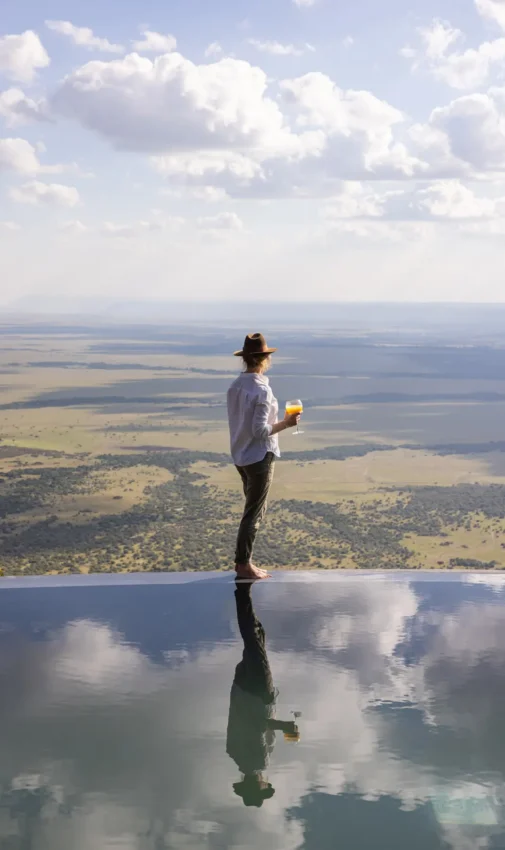
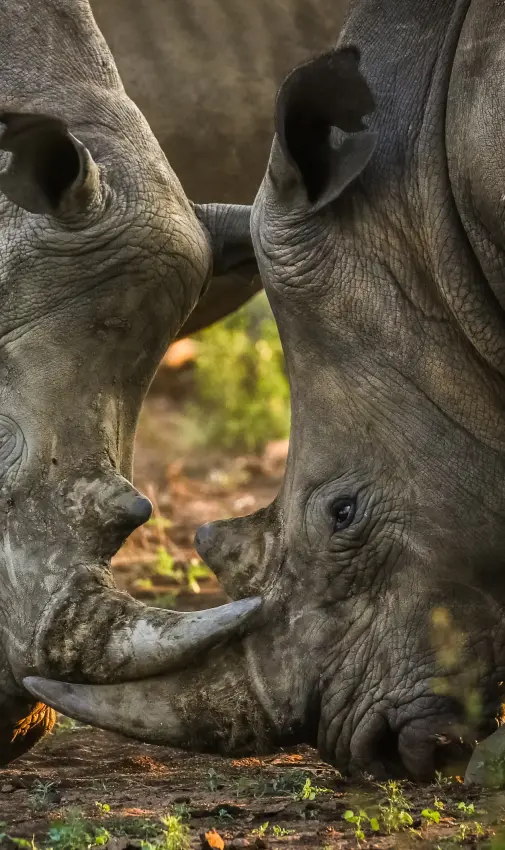
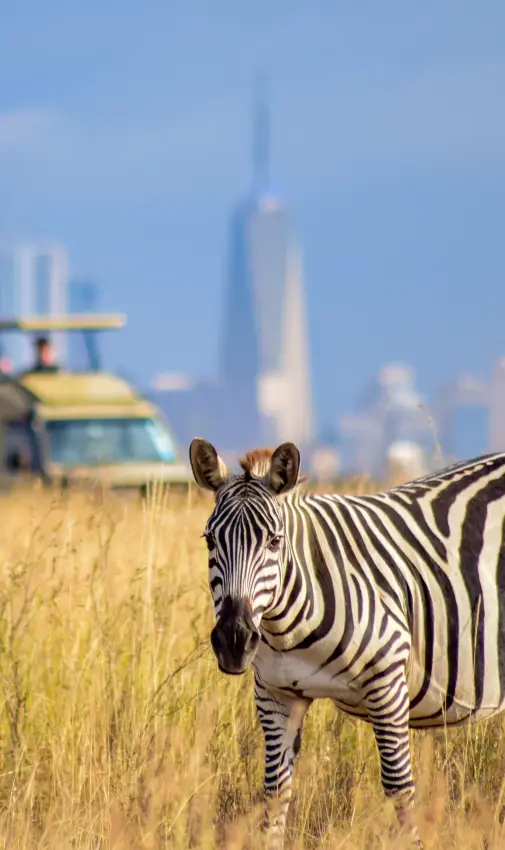
Lions are what the conservancy is known for, but cheetahs, elephants, giraffes and zebras range across the same grass. After dark their calls carry up the valley, and hyenas whoop below the rim. A full day in the national reserve can be arranged during the months of the Mara River crossings. A balloon flight over the plains can be arranged, or a morning at a nearby Maasai homestead, though most days need nothing beyond the valley itself.
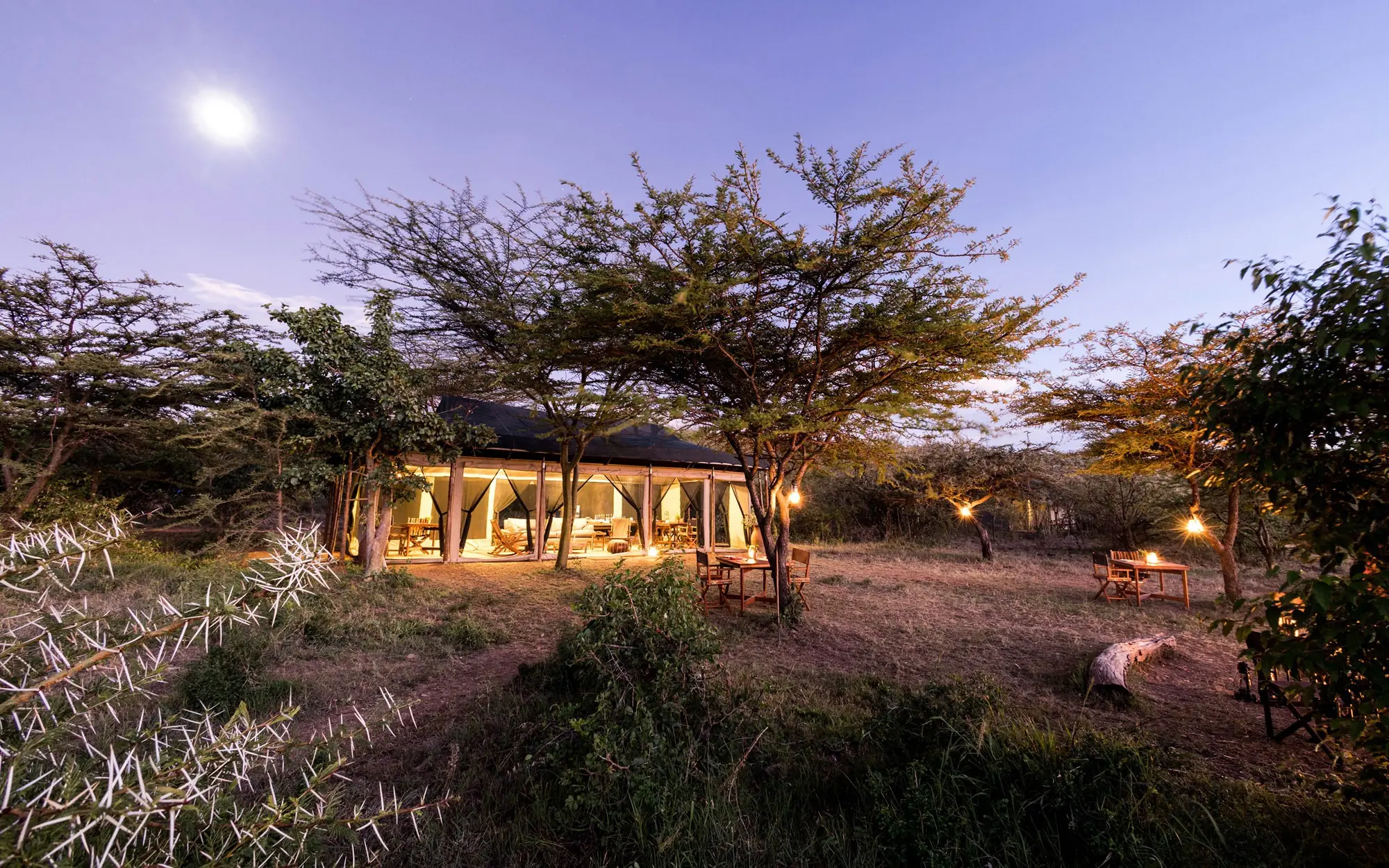
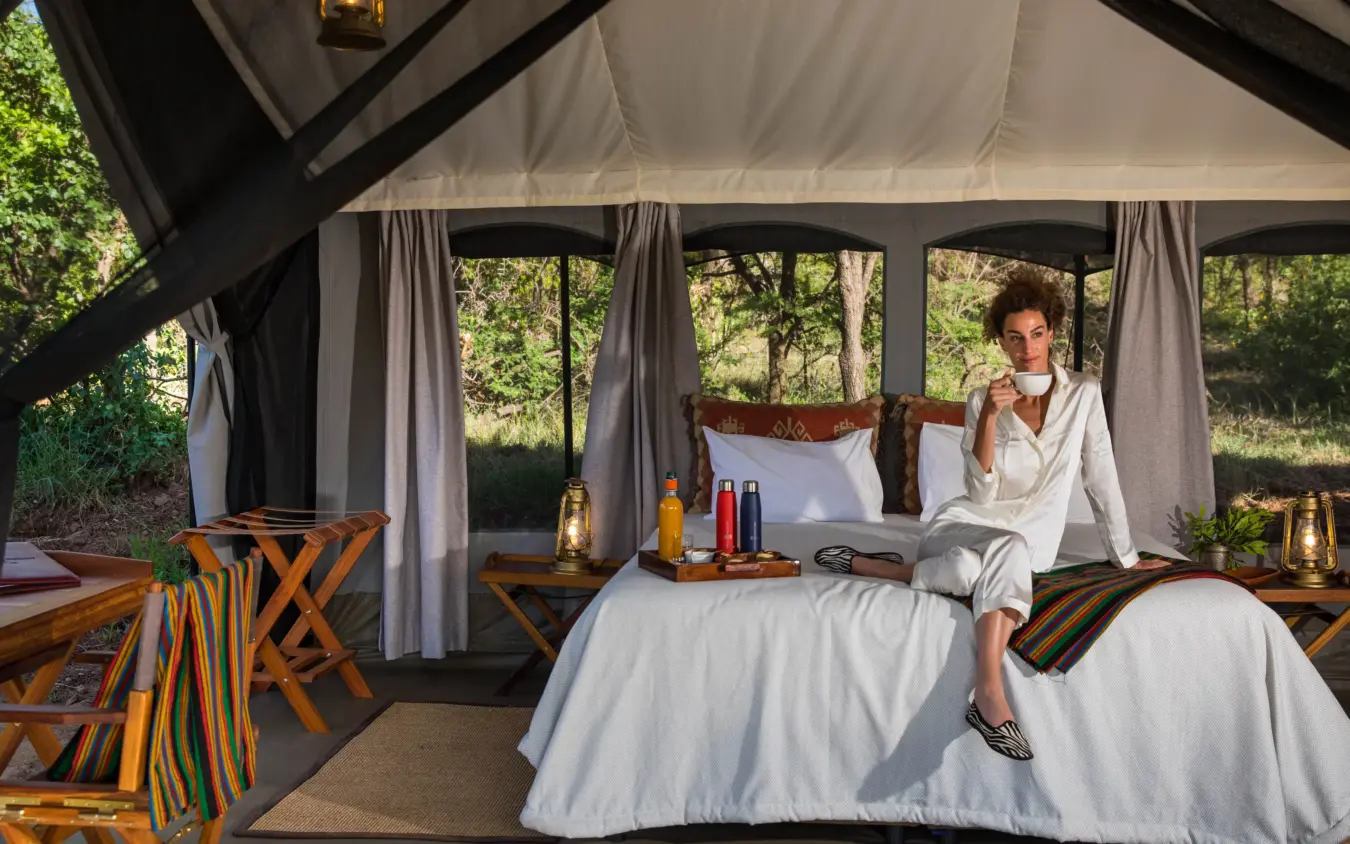
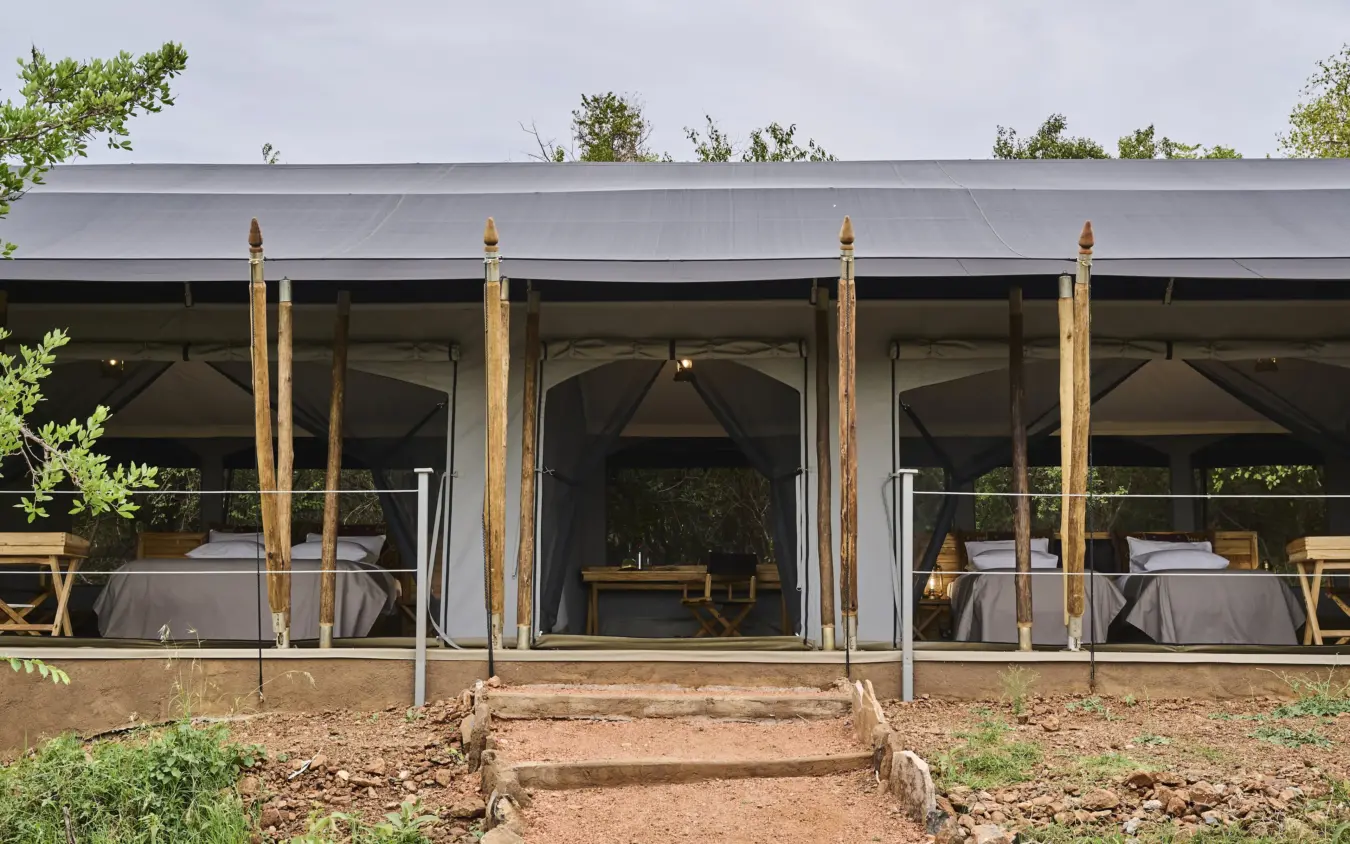
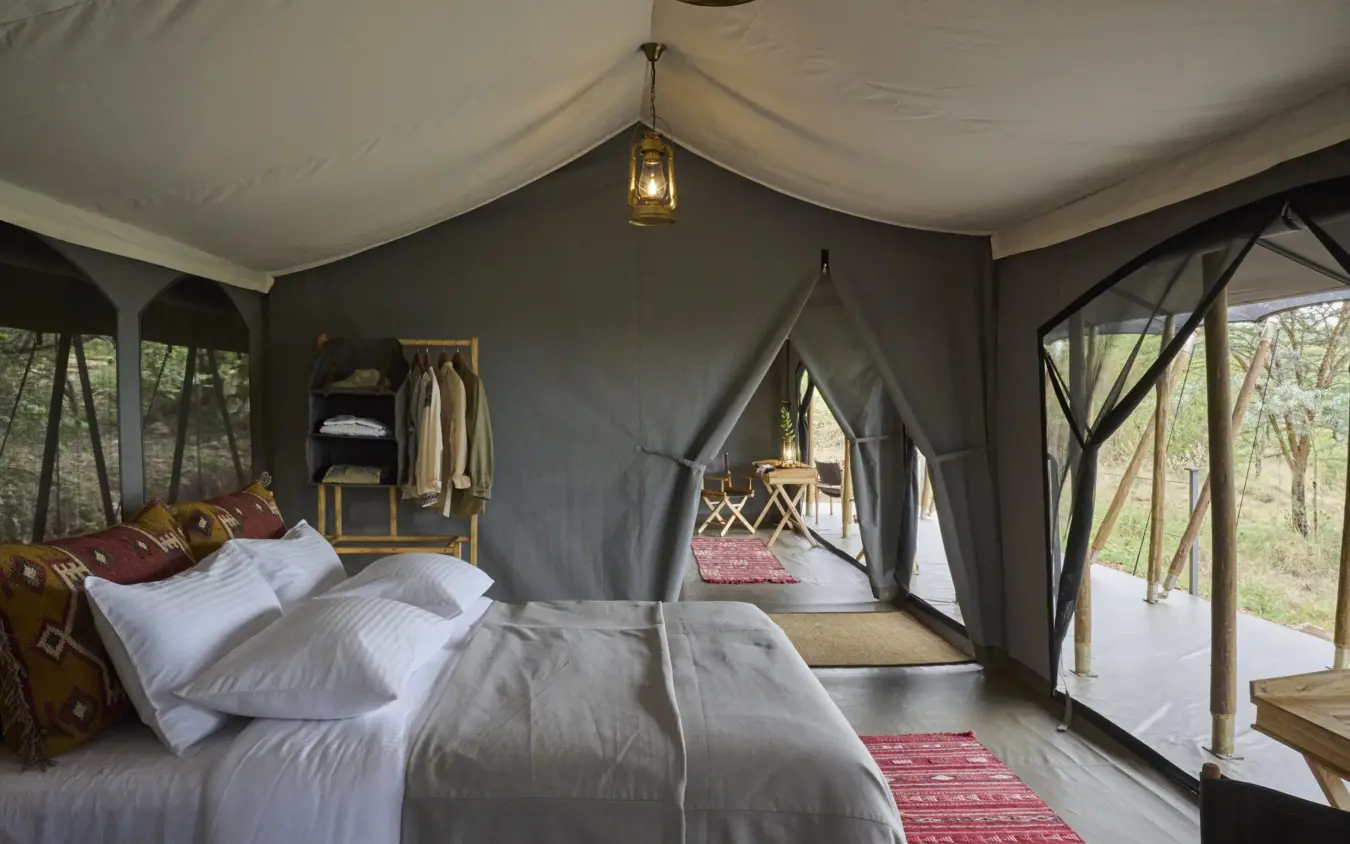
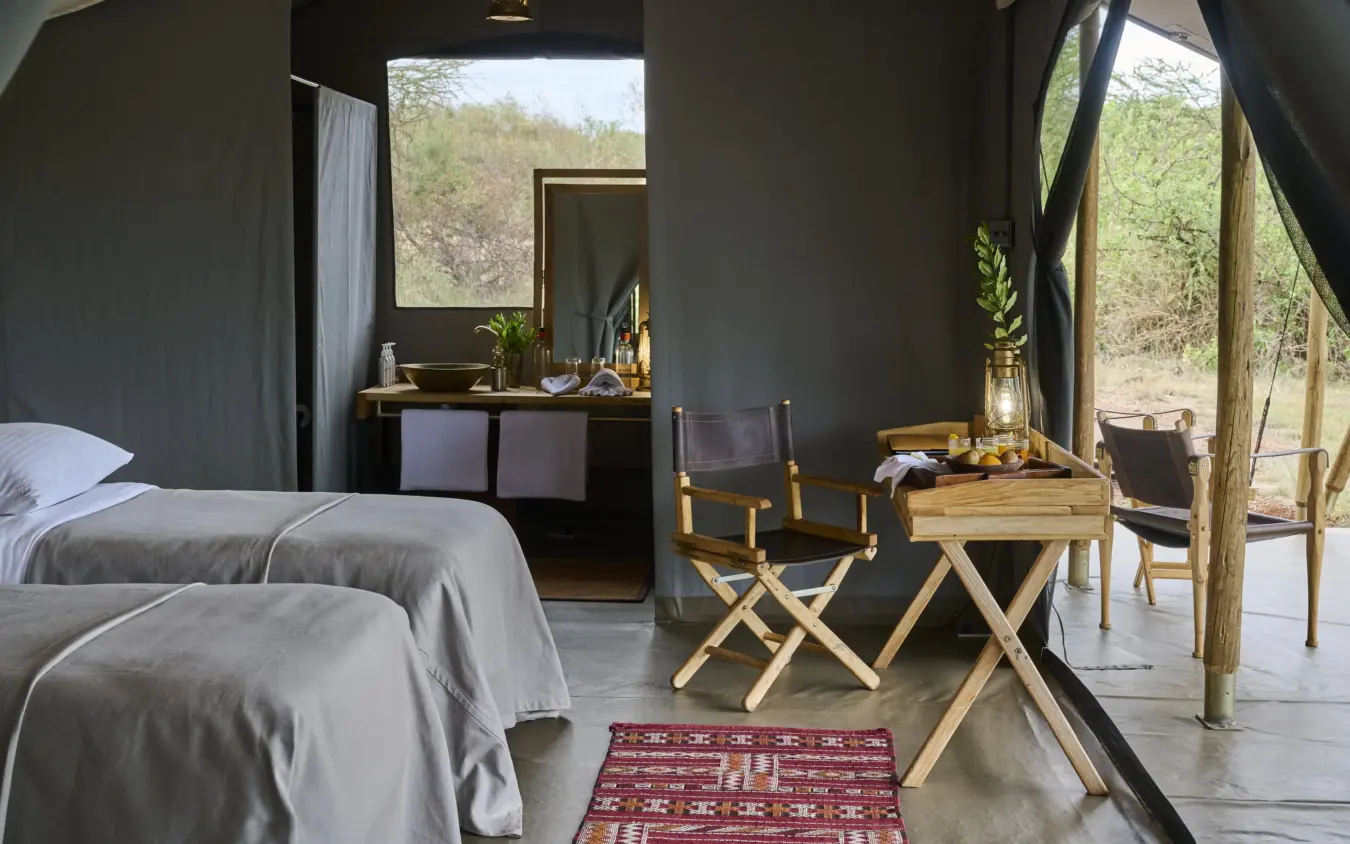
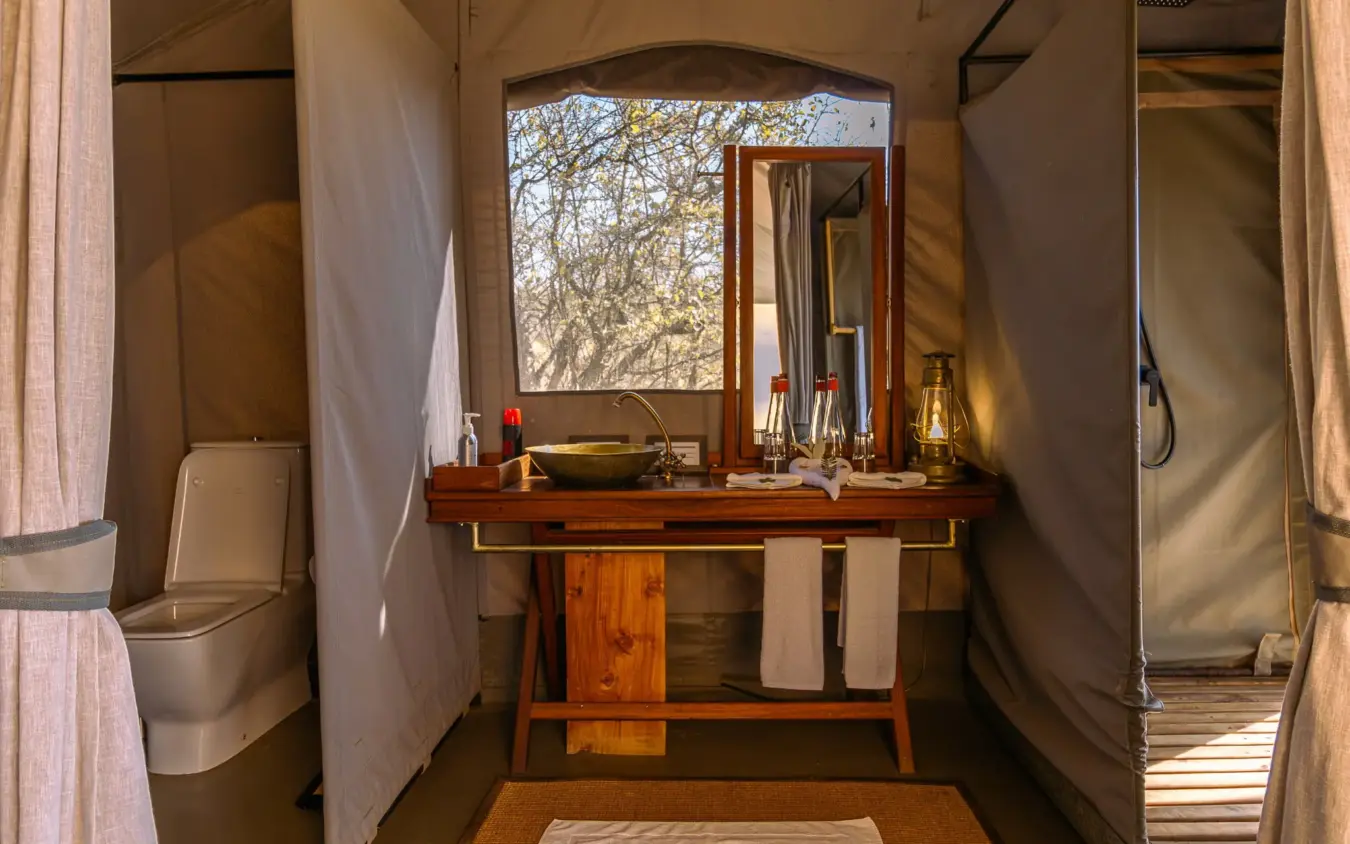
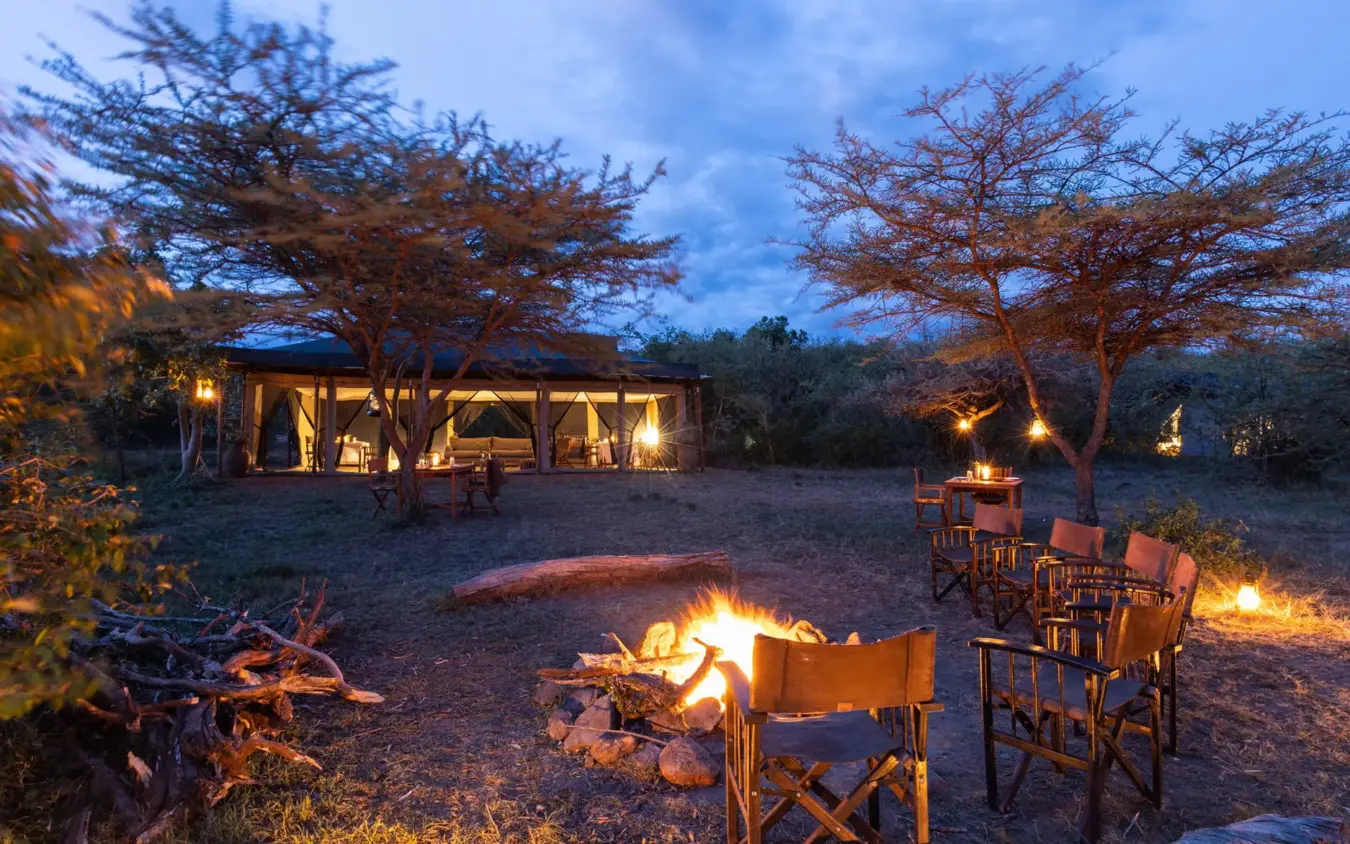
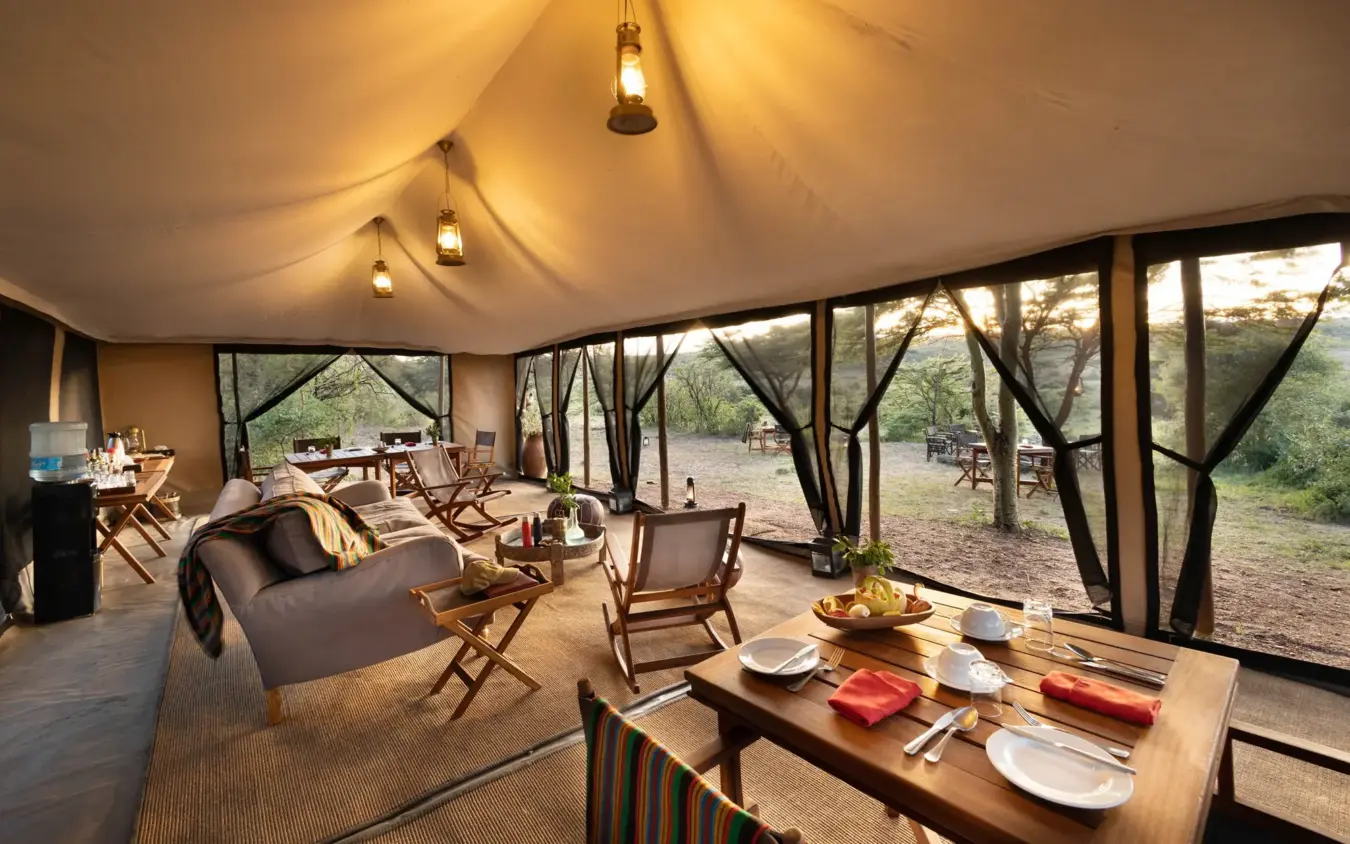
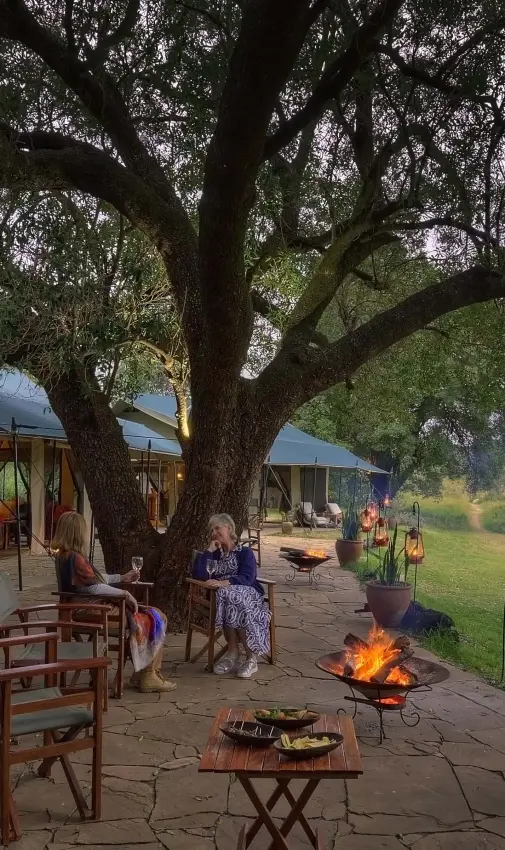
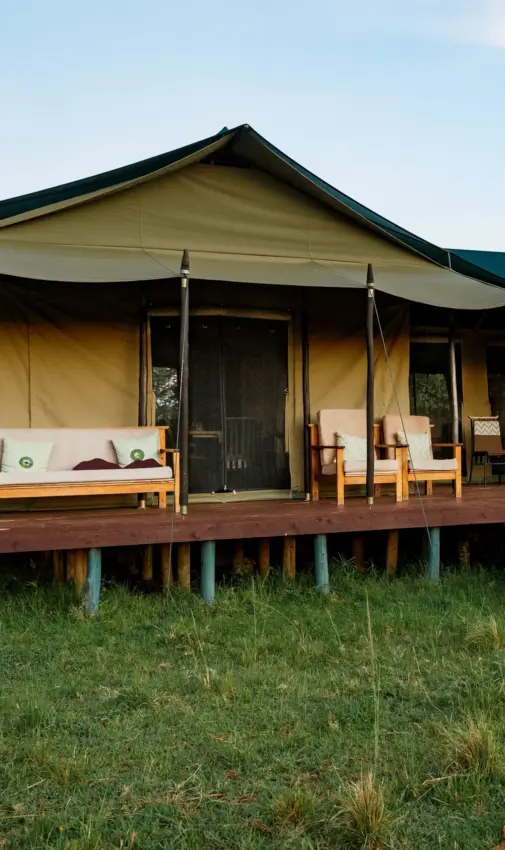
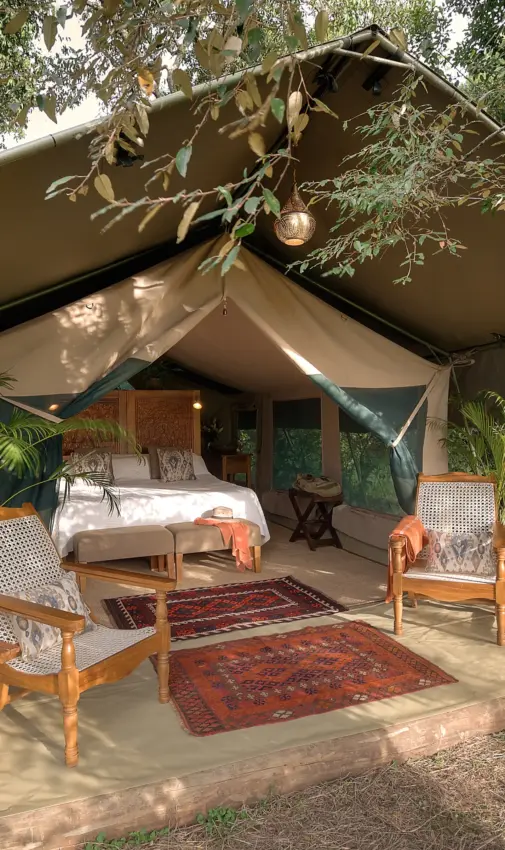
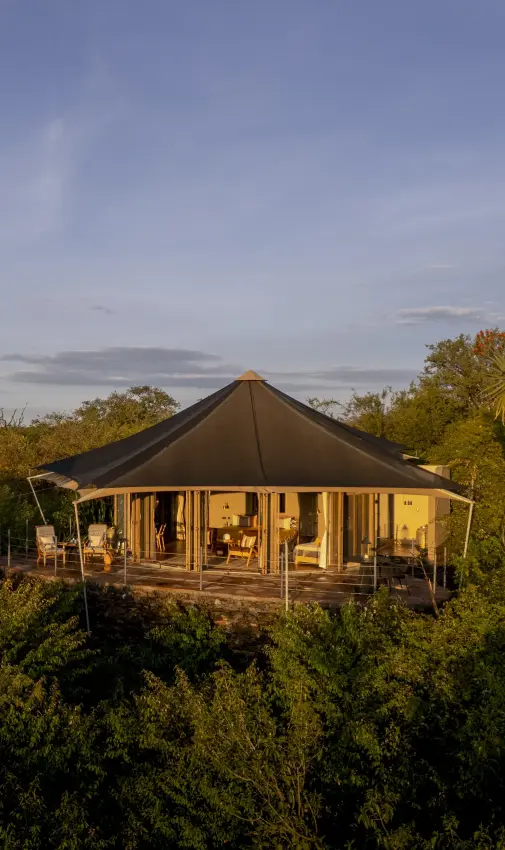
Lease payments reach the landowning families every month, which is what keeps this ground open to wildlife rather than fenced for cattle. Most of the people working at the camp come from those same communities, guiding, tracking, cooking and running the place day to day. Access is a light-aircraft flight from Nairobi to the Naboisho airstrip, also called Ol Seki, and a short drive on from there, and the camp stays open all year. Little about it is elaborate: canvas, a fire, a valley full of grazing animals and guides who read it fluently.