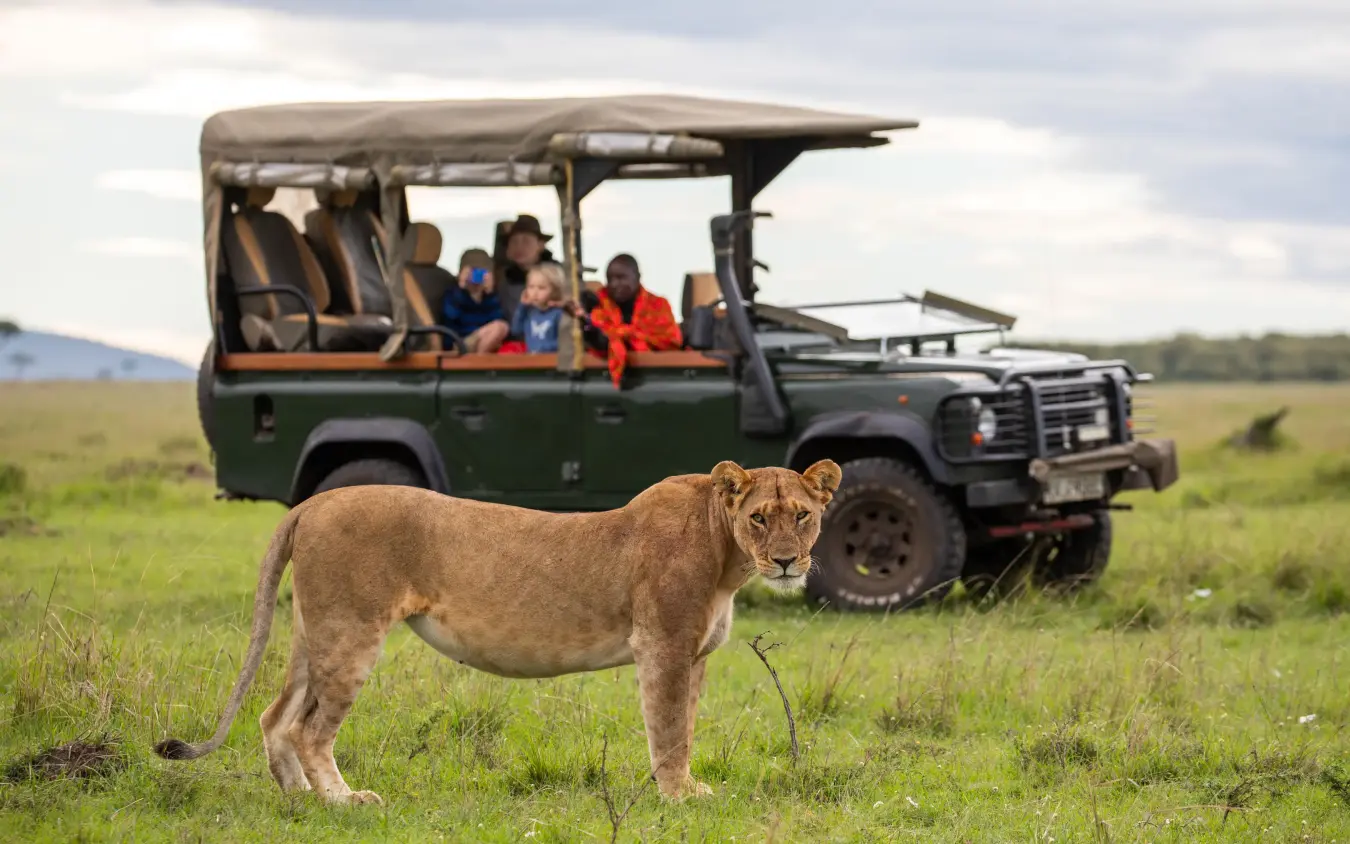
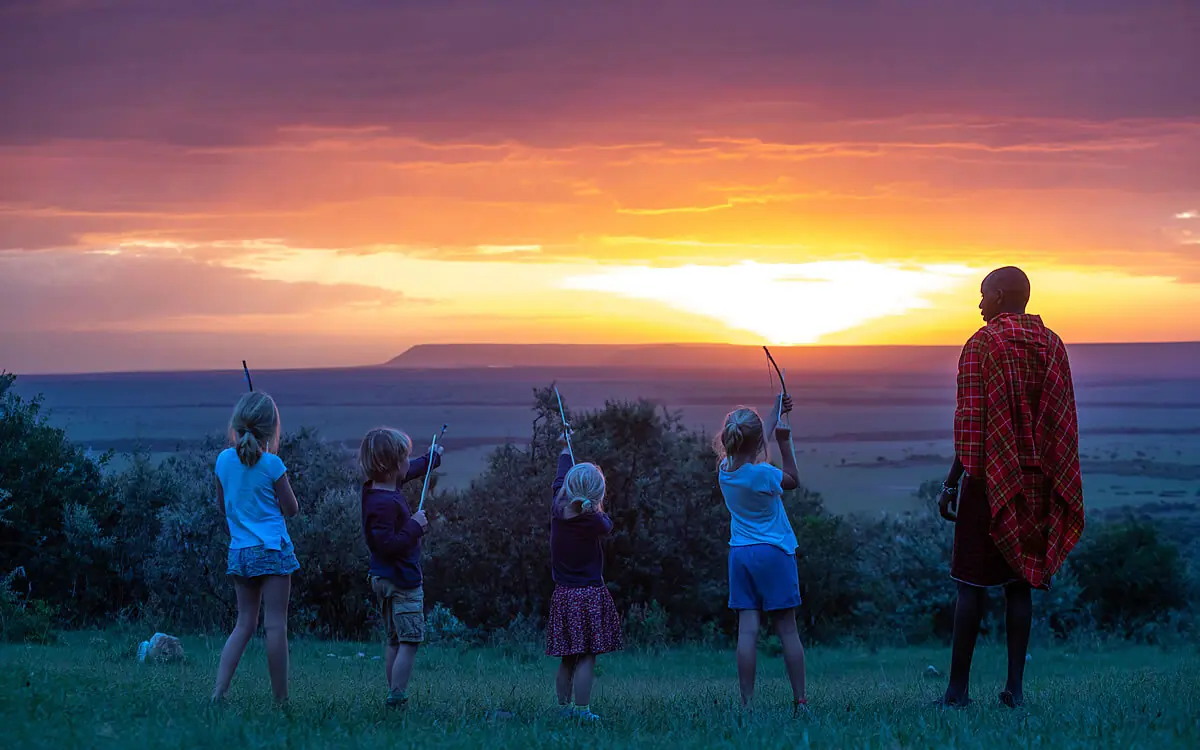
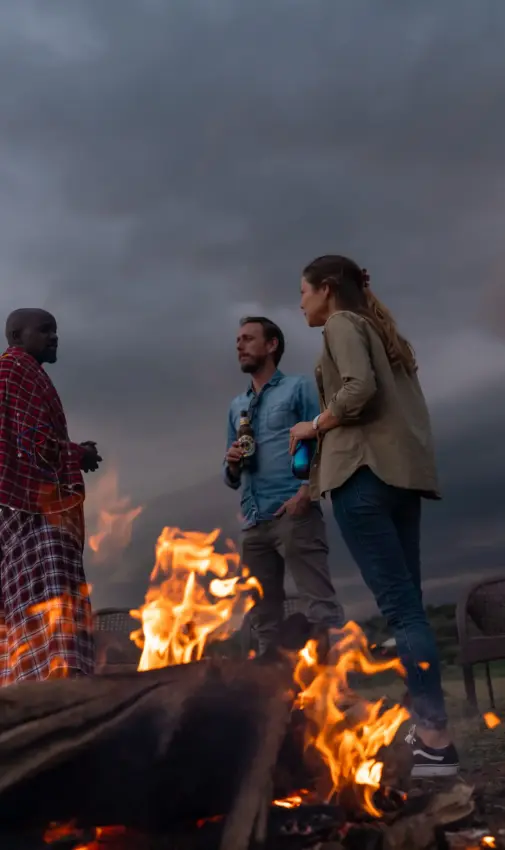
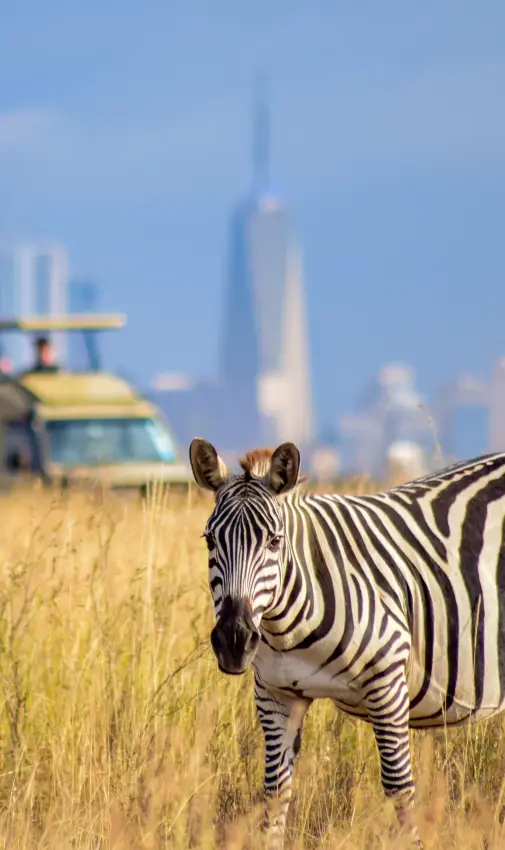
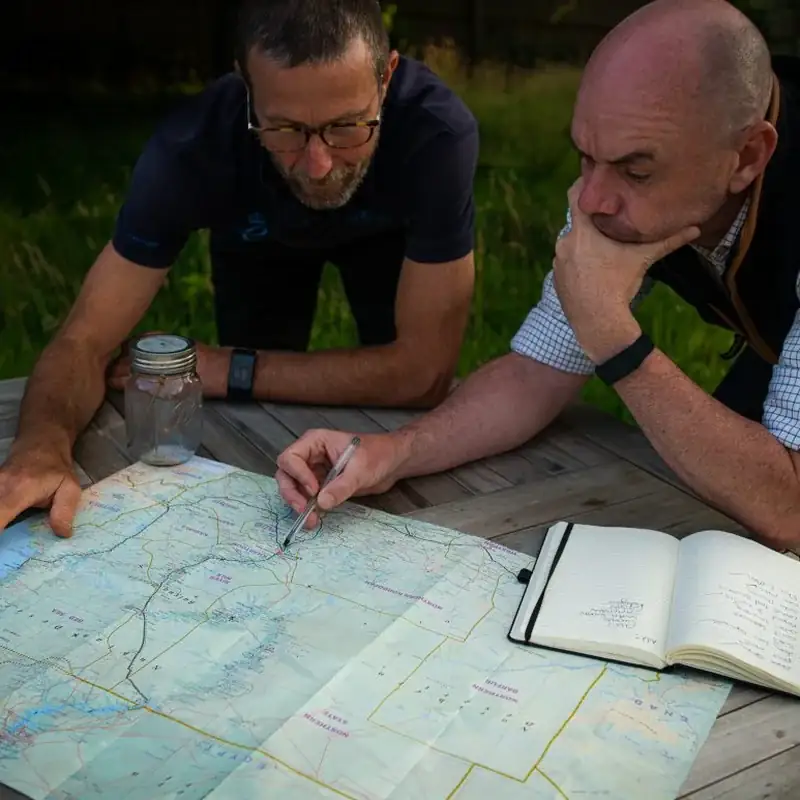
Every booking comes with a private vehicle and a Maasai guide, so the pace is yours rather than a shared itinerary’s. Drives range across Enonkishu, Lemek and Ol Chorro, an expanse of private land that now holds lions, leopards, cheetahs and wild dogs, and the elephants that returned as the grazing recovered. Because these are conservancies and not the national reserve, days can stretch into night drives, off-road approaches and walking safaris, with limits on how many vehicles may gather at any one sighting.
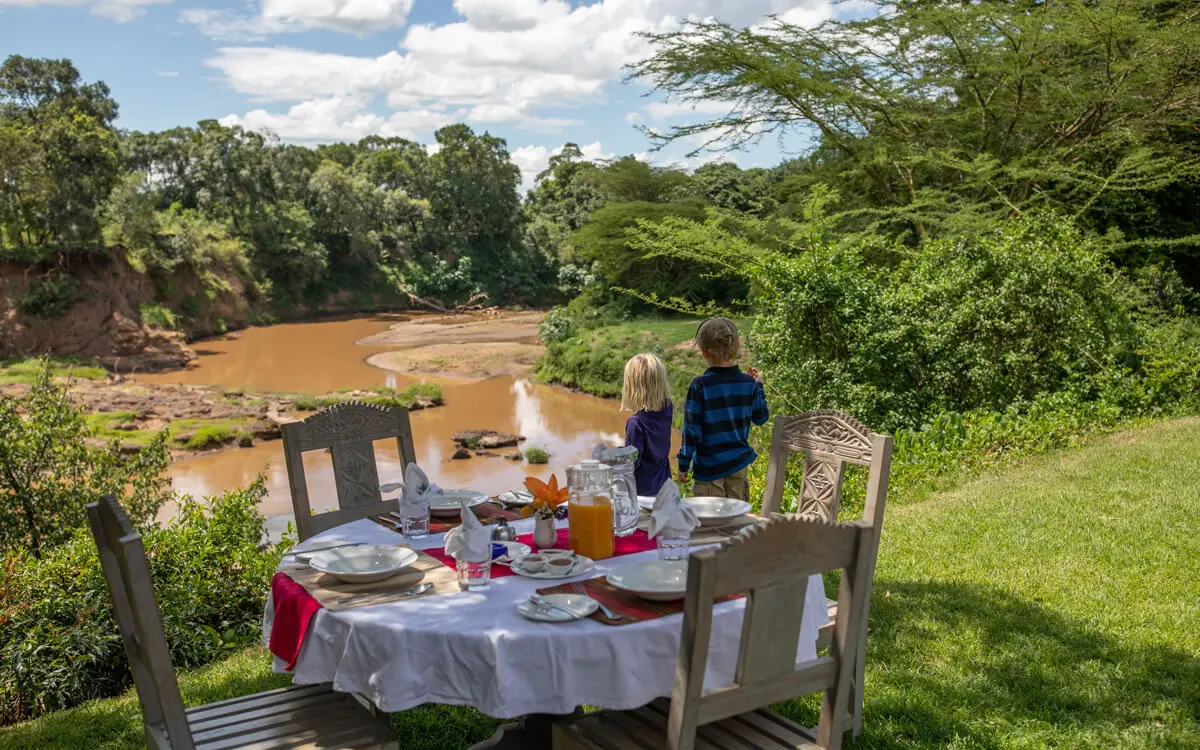
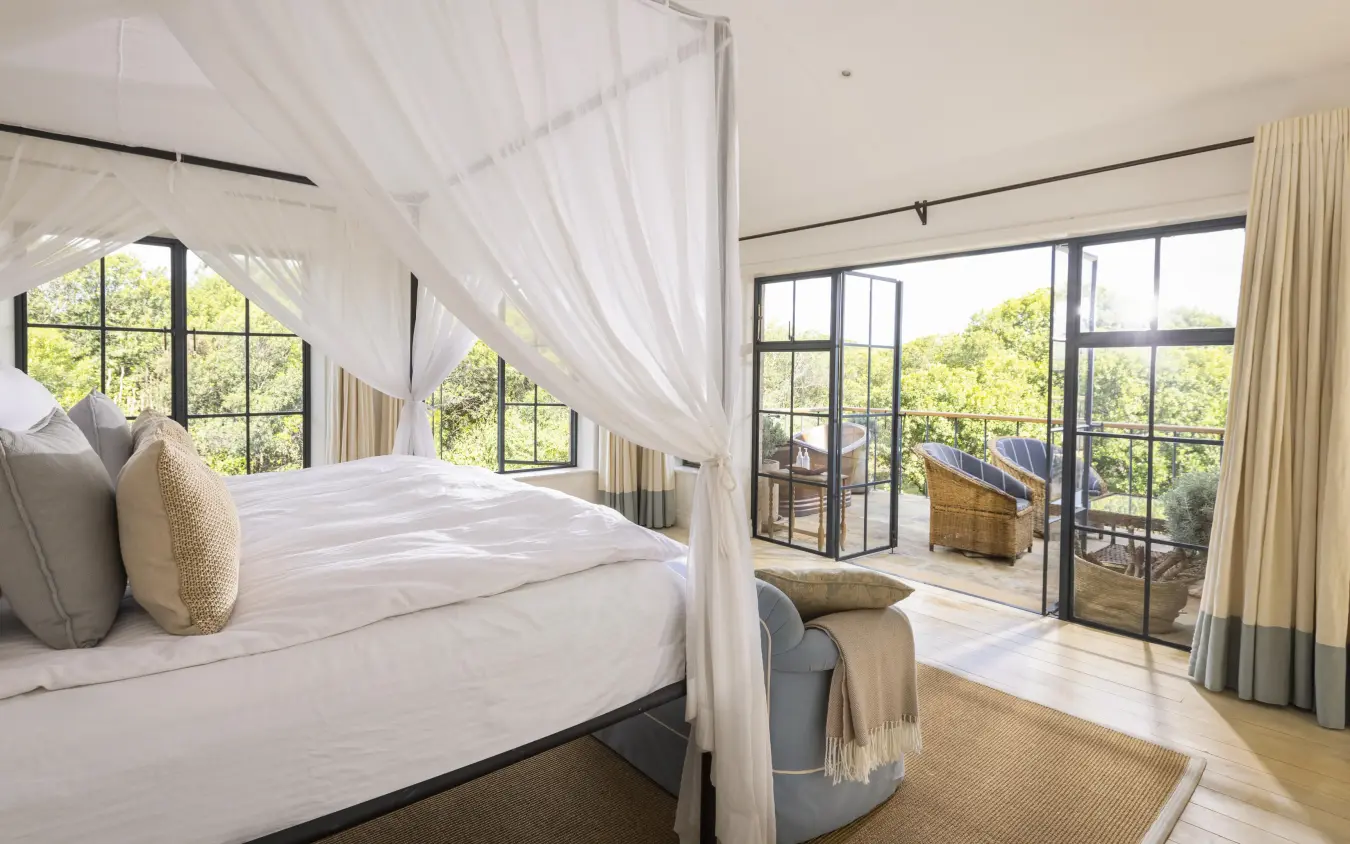
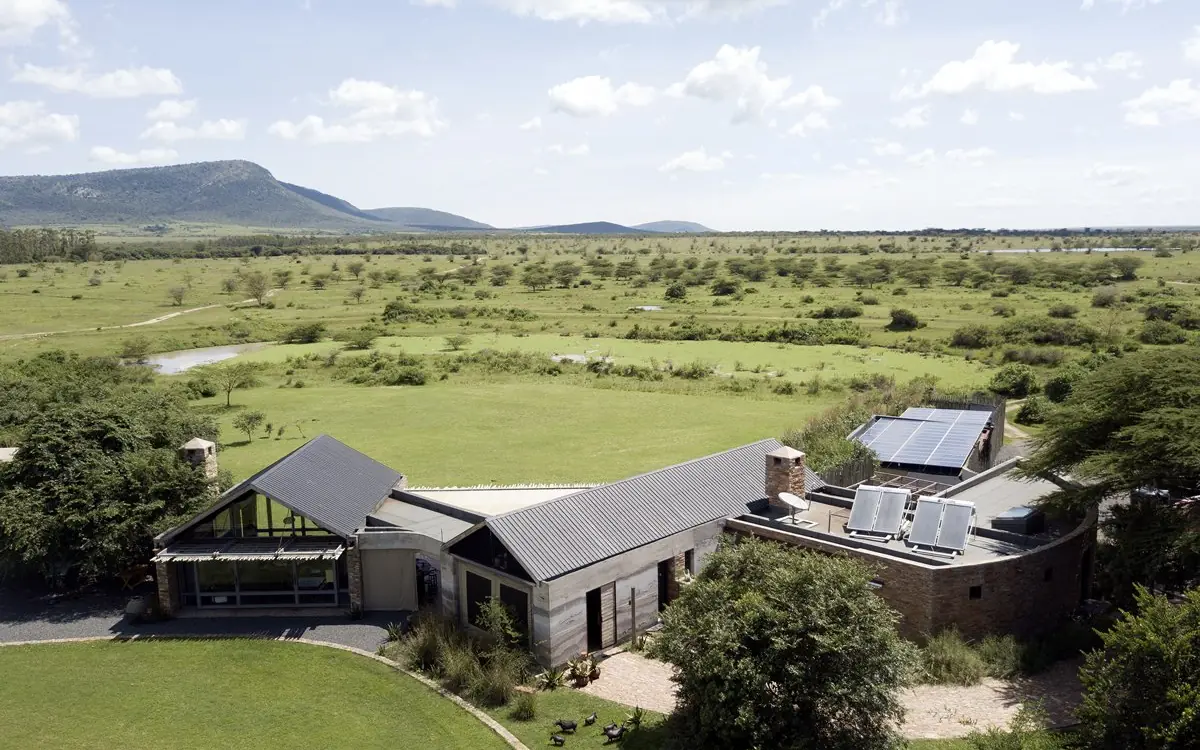
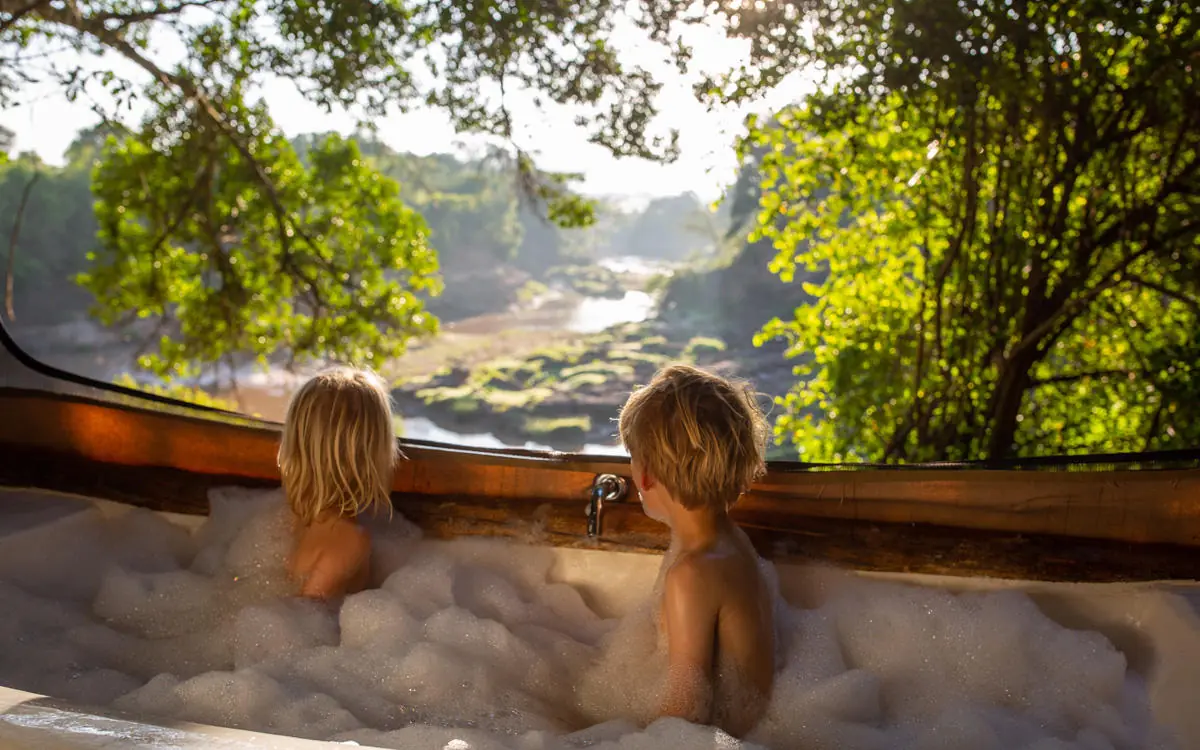
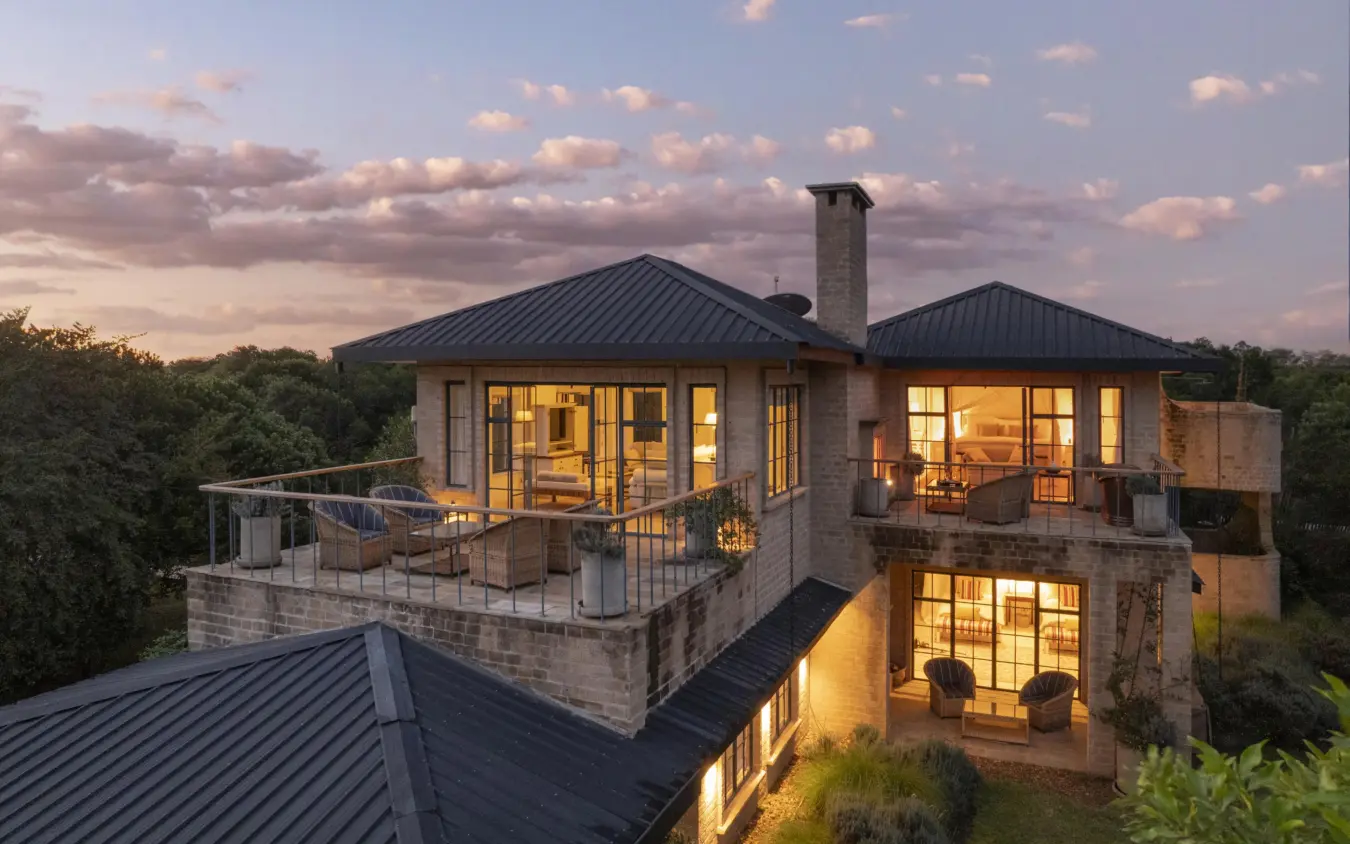
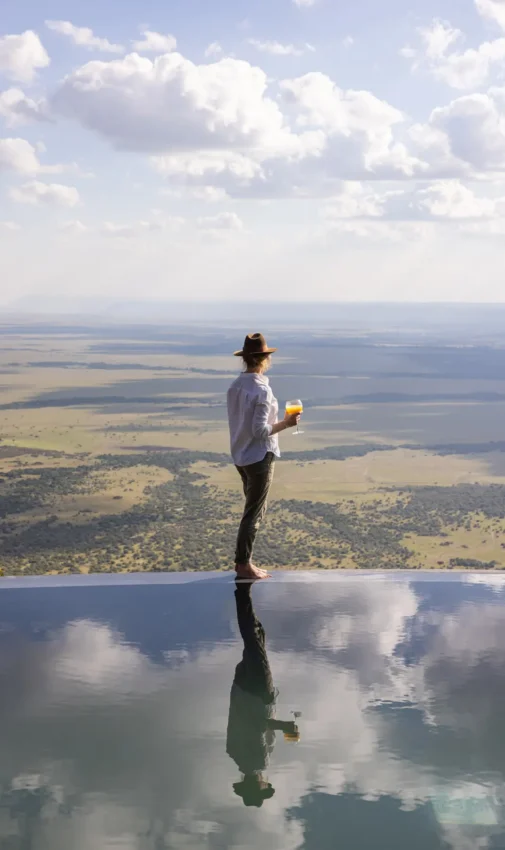
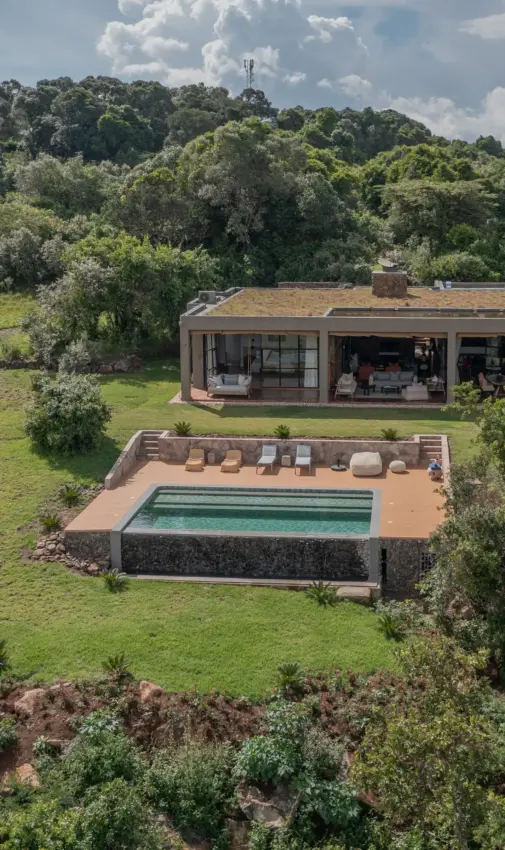
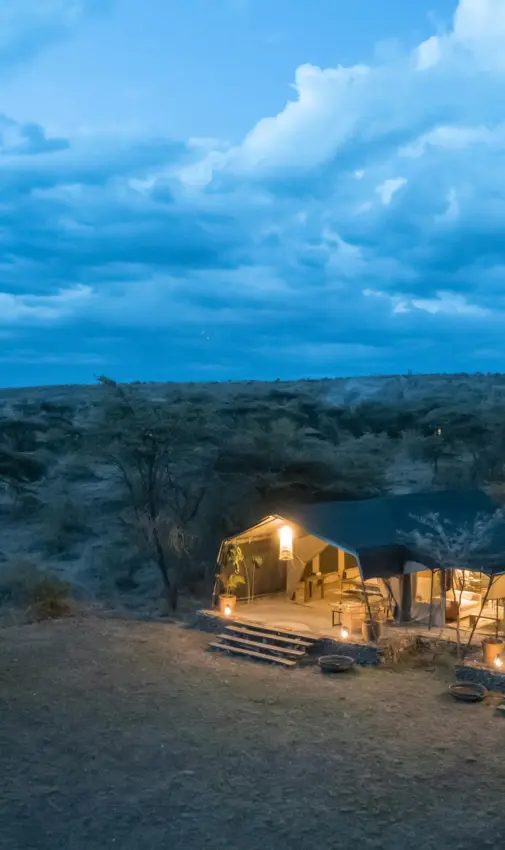
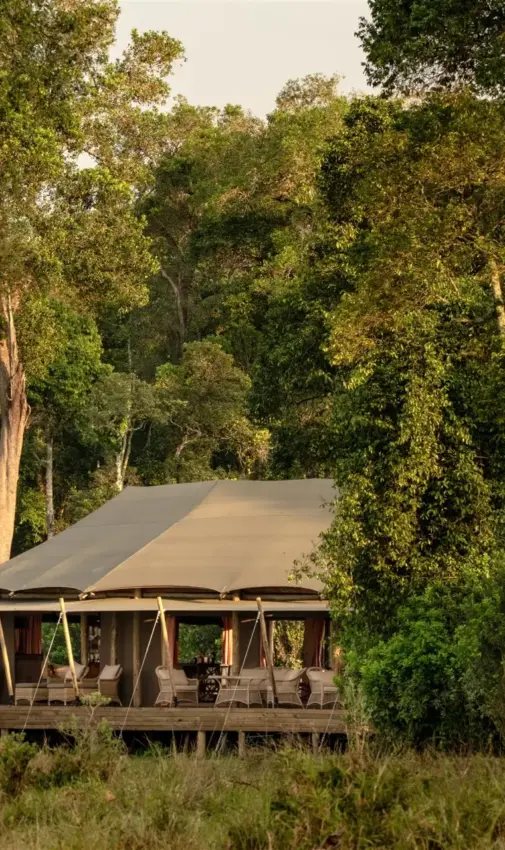
The estate reads more like a country home than a safari camp. The middle hours belong to the lawns, to a swimming pool and to croquet, boules and table tennis set out on the grass. Beyond them the land invites exploring on foot or otherwise. Guides lead bush walks and e-bike rides, and horses carry you across the property. The Mara River gives itself over to fishing. Sundowners and bush breakfasts are set up across the conservancies, and when the mood takes you, a hot air balloon can be arranged to carry you over the plains.
Guides lead bush walks and e-bike rides, and horses carry you across the property.
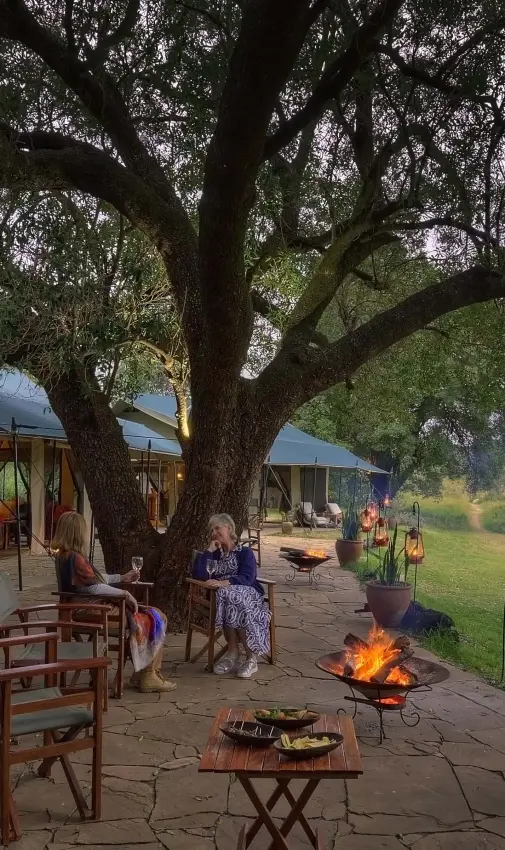
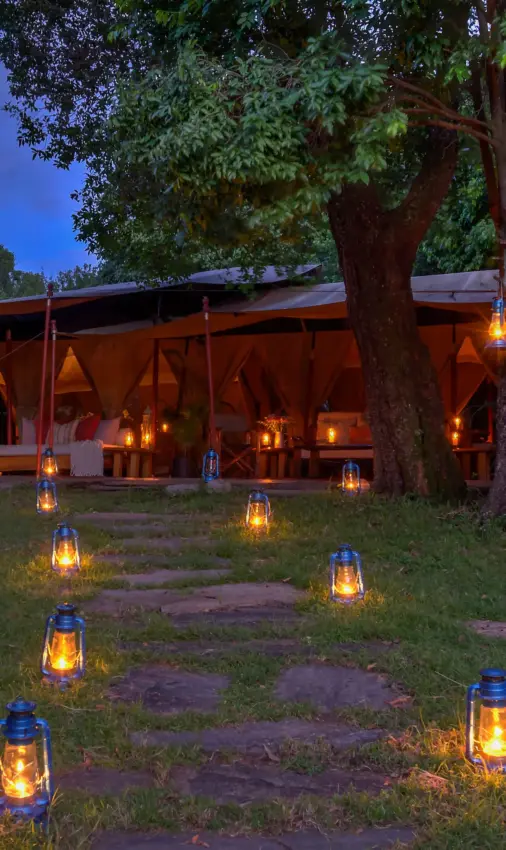
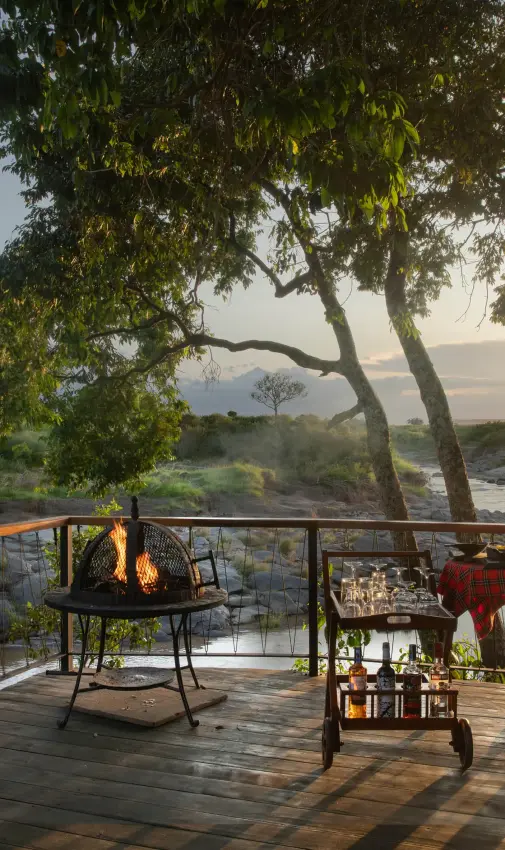
The chefs cook from the shamba, the organic garden that supplies most of the produce, in what the Woods call a wild-food approach: fresh, seasonal and built around whatever the garden and the river give up. Meals move around the estate instead of settling in one dining room, so you might eat by the fire in the main lounge with its Swahili-style bar, privately on a cottage veranda, poolside, or under the stars. Around 80 percent of the produce is sourced locally, and roughly 90 percent of the staff come from within five kilometres of the lodge.
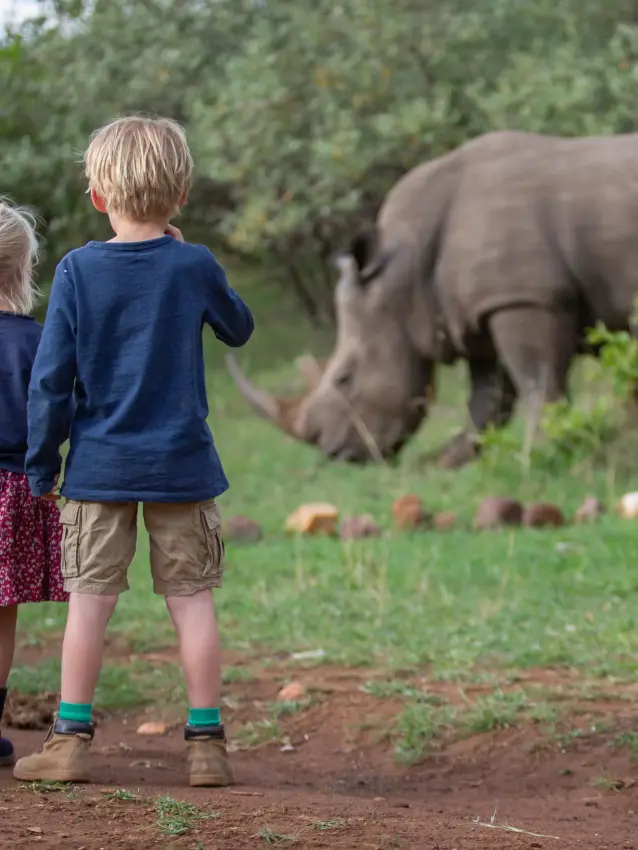
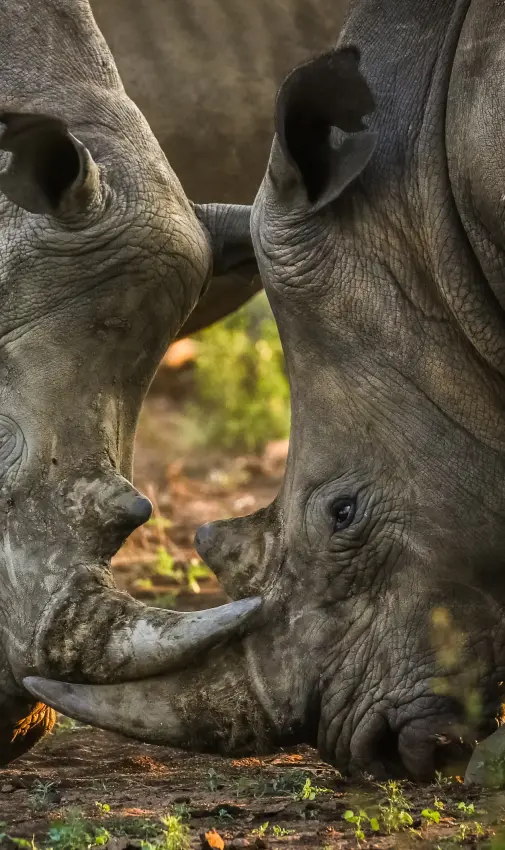
Enonkishu began as worked-out ranchland, and the conservancy grew from the Woods’ work with their Maasai neighbours to graze it differently. At the Mara Training Centre, local pastoralists learn regenerative grazing on a curriculum built with the Savory Institute. The lodge runs largely on solar power, and the water it uses is filtered through constructed wetlands before it reaches the river. Firewood comes from a sustainable plantation, never indigenous forest. Guests can visit local schools, a tree nursery and a nearby rhino sanctuary.