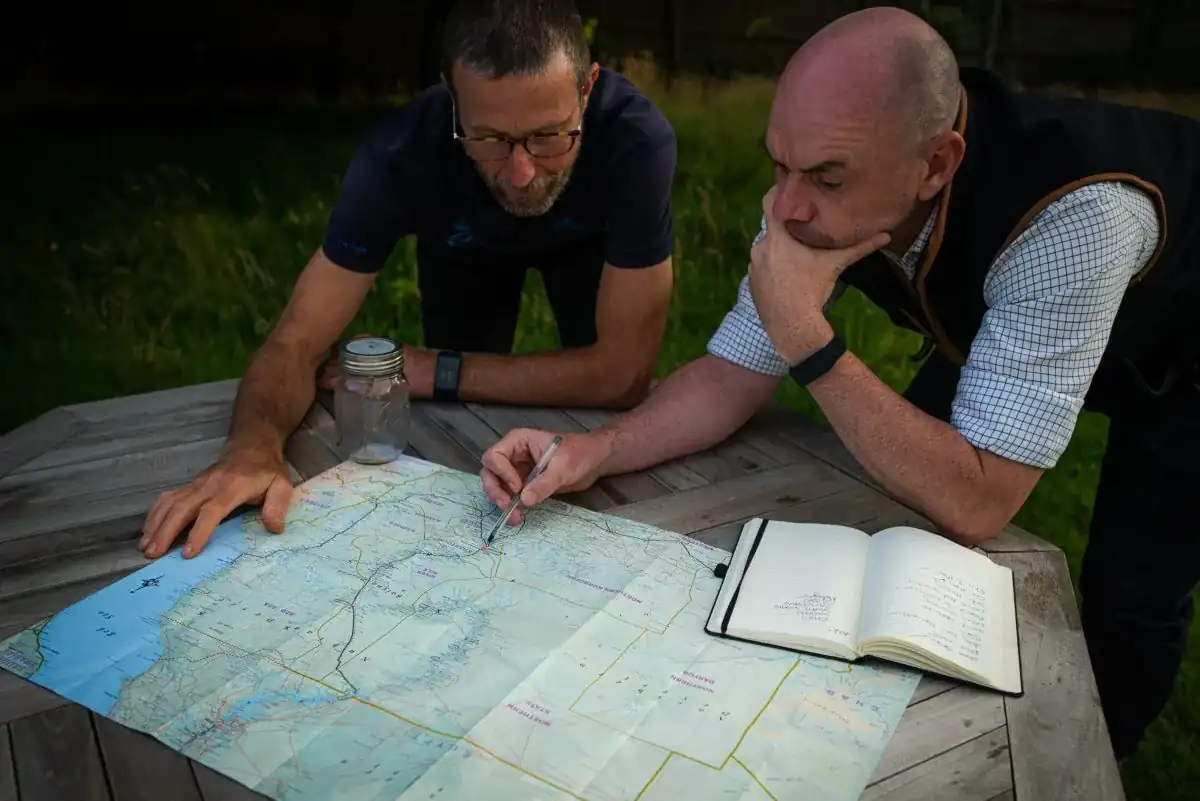
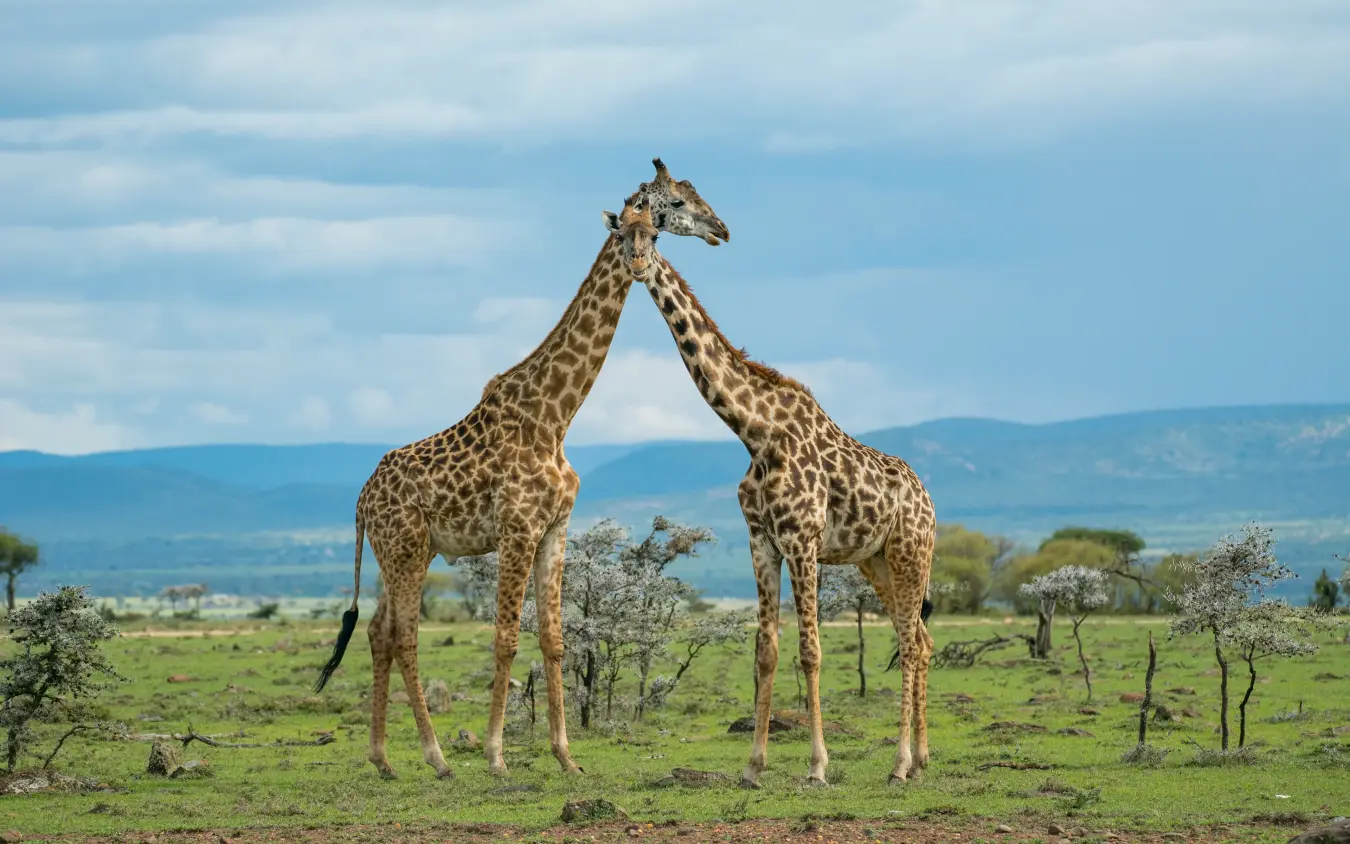
It began at a fire in 1998, in a conversation between Svein Wilhelmsen, a Norwegian conservationist, and Motinka Ole Taek, a Maasai leader. Leopard Hill, opened in 2018, is among the newer camps to come from the arrangement they made under Basecamp Explorer. The conservancy covers roughly 200 square kilometres of grassland and acacia country on the north-eastern edge of the Maasai Mara, leased from the more than 500 Maasai families who own it. Tourism revenue pays for the lease, and the land stays in Maasai hands.
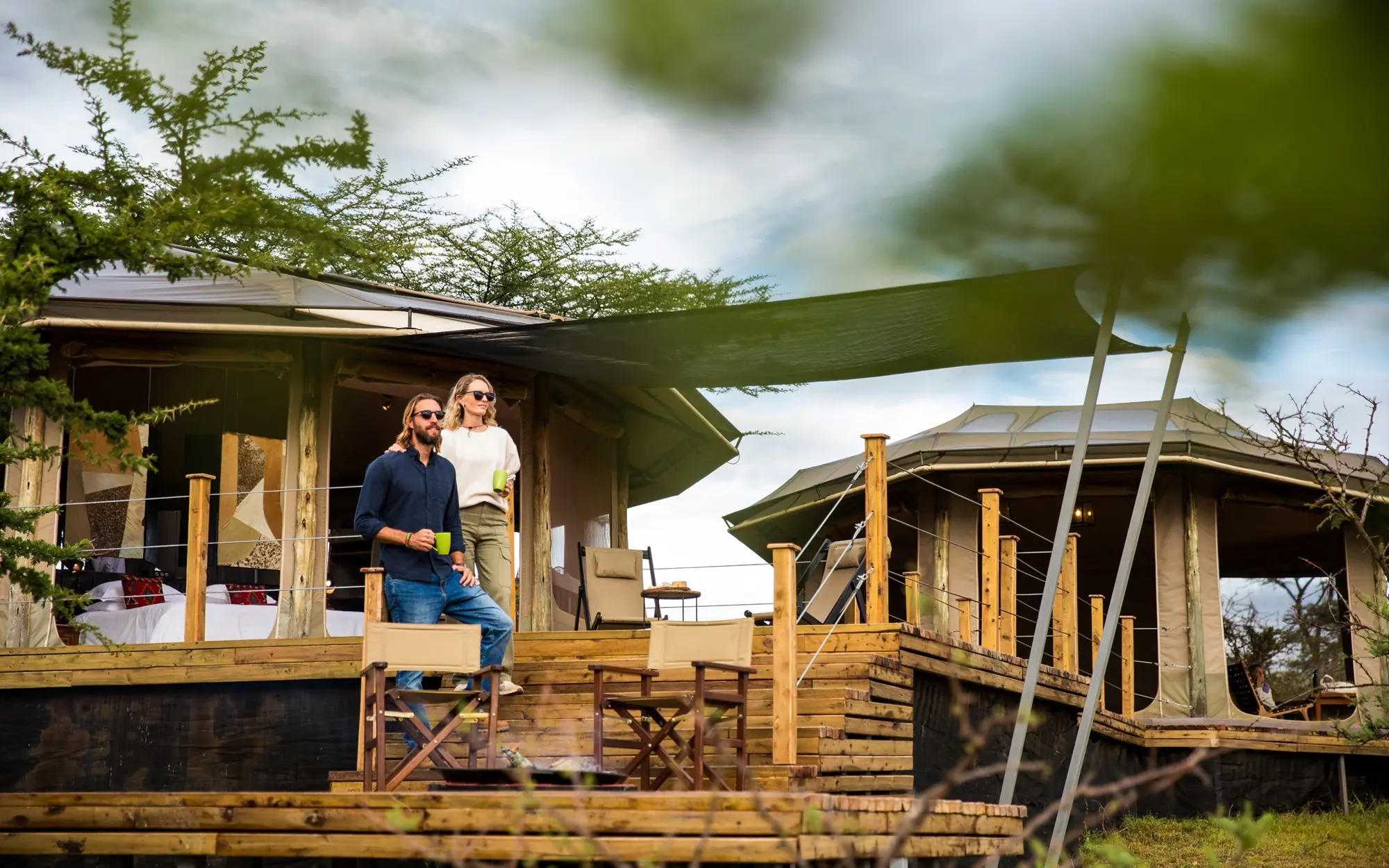
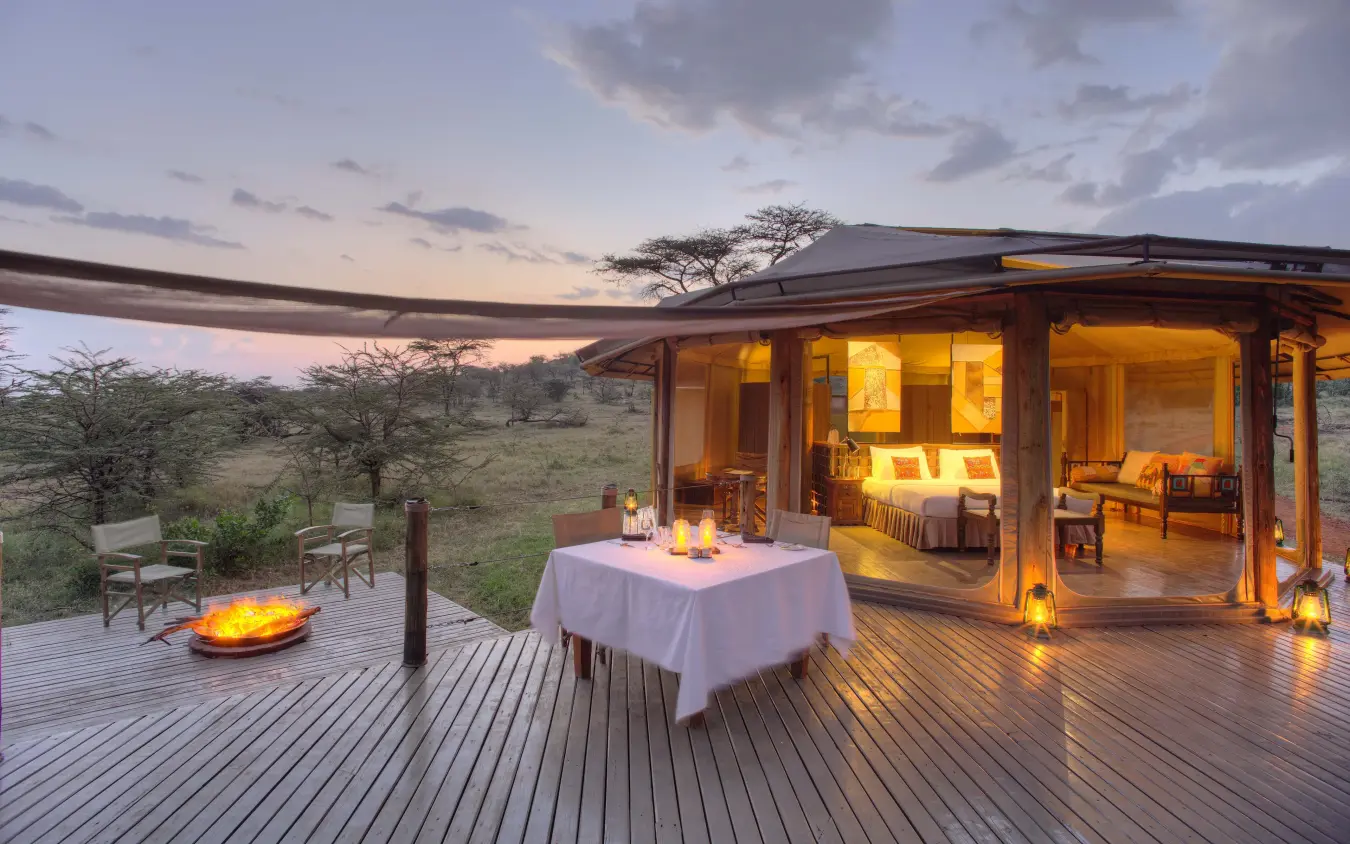
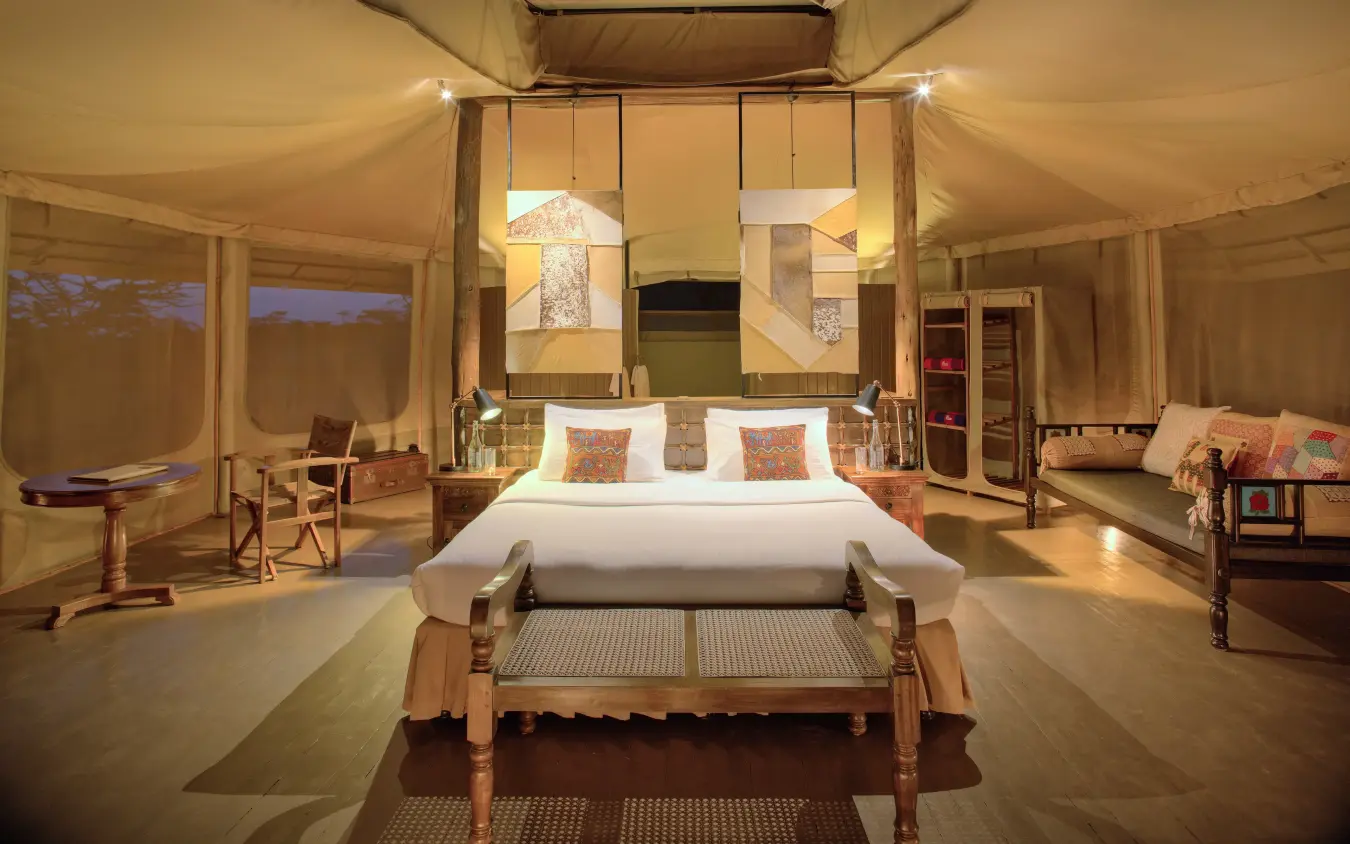
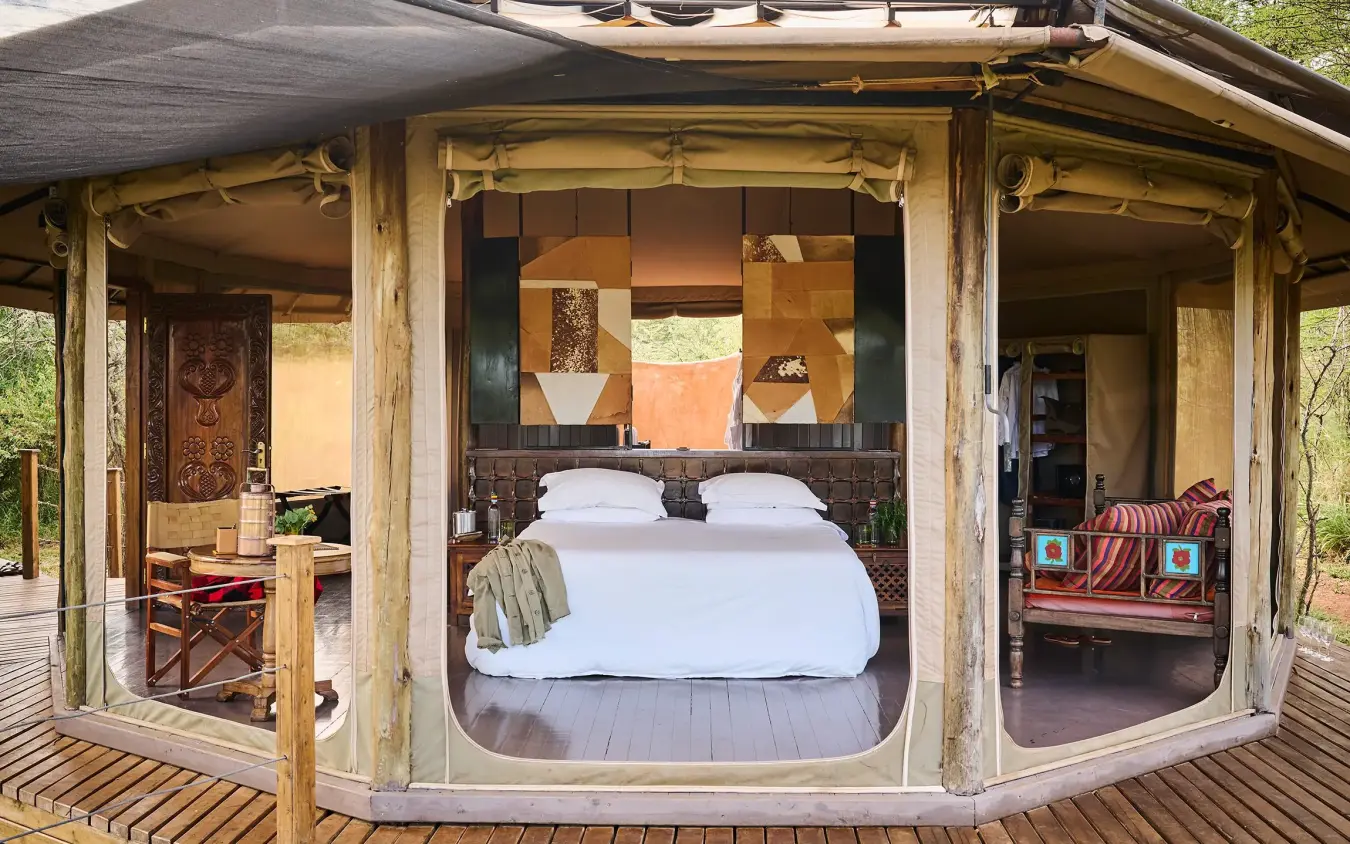
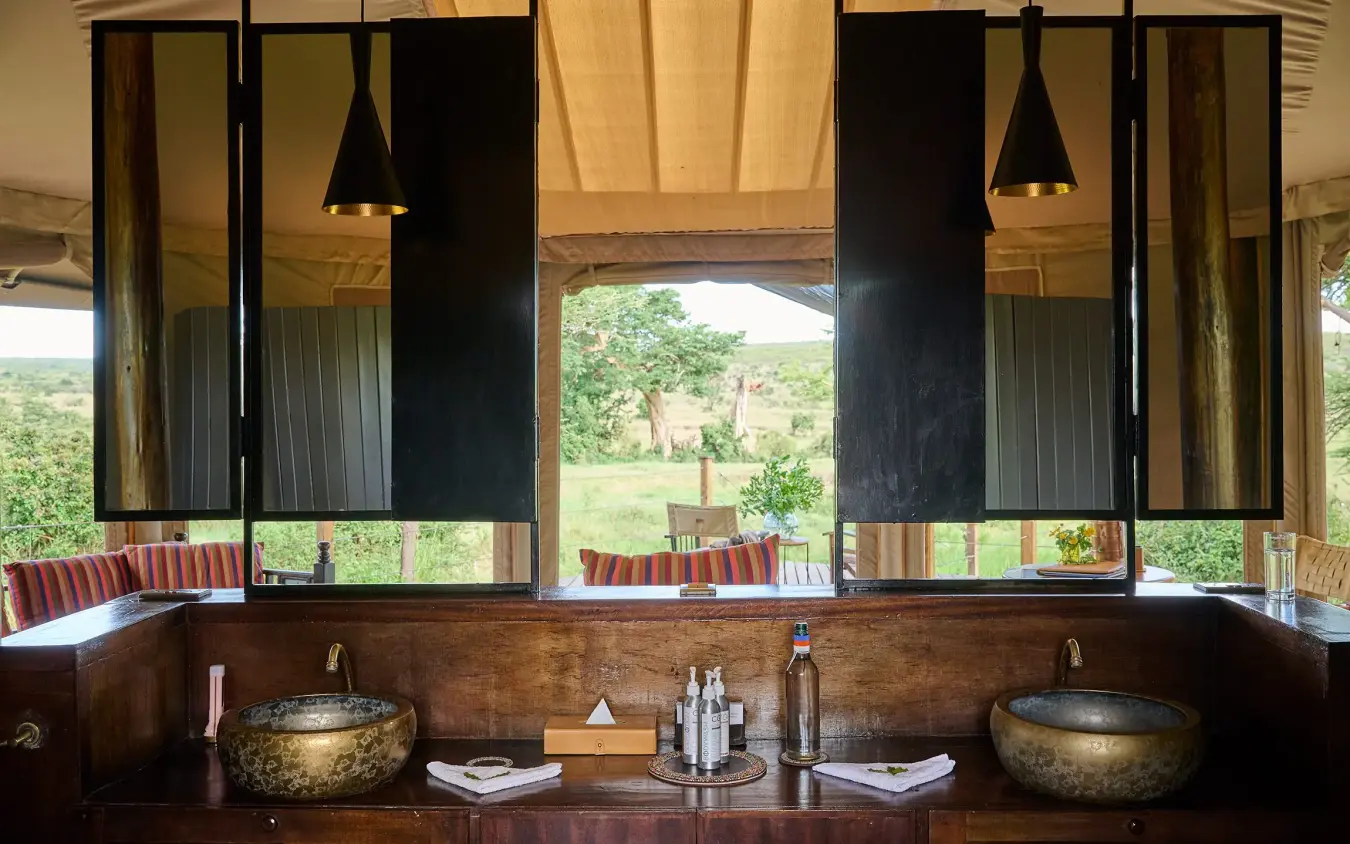
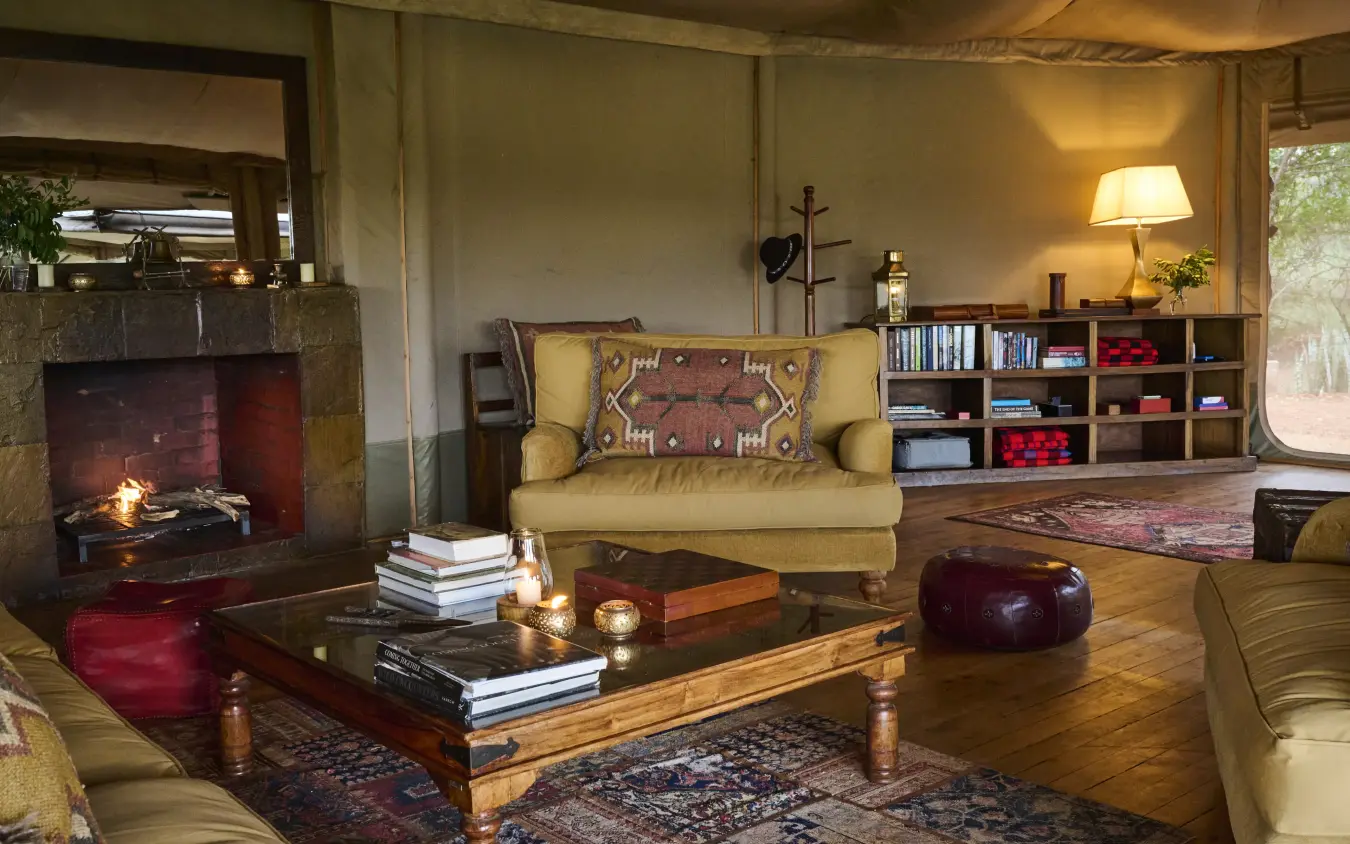
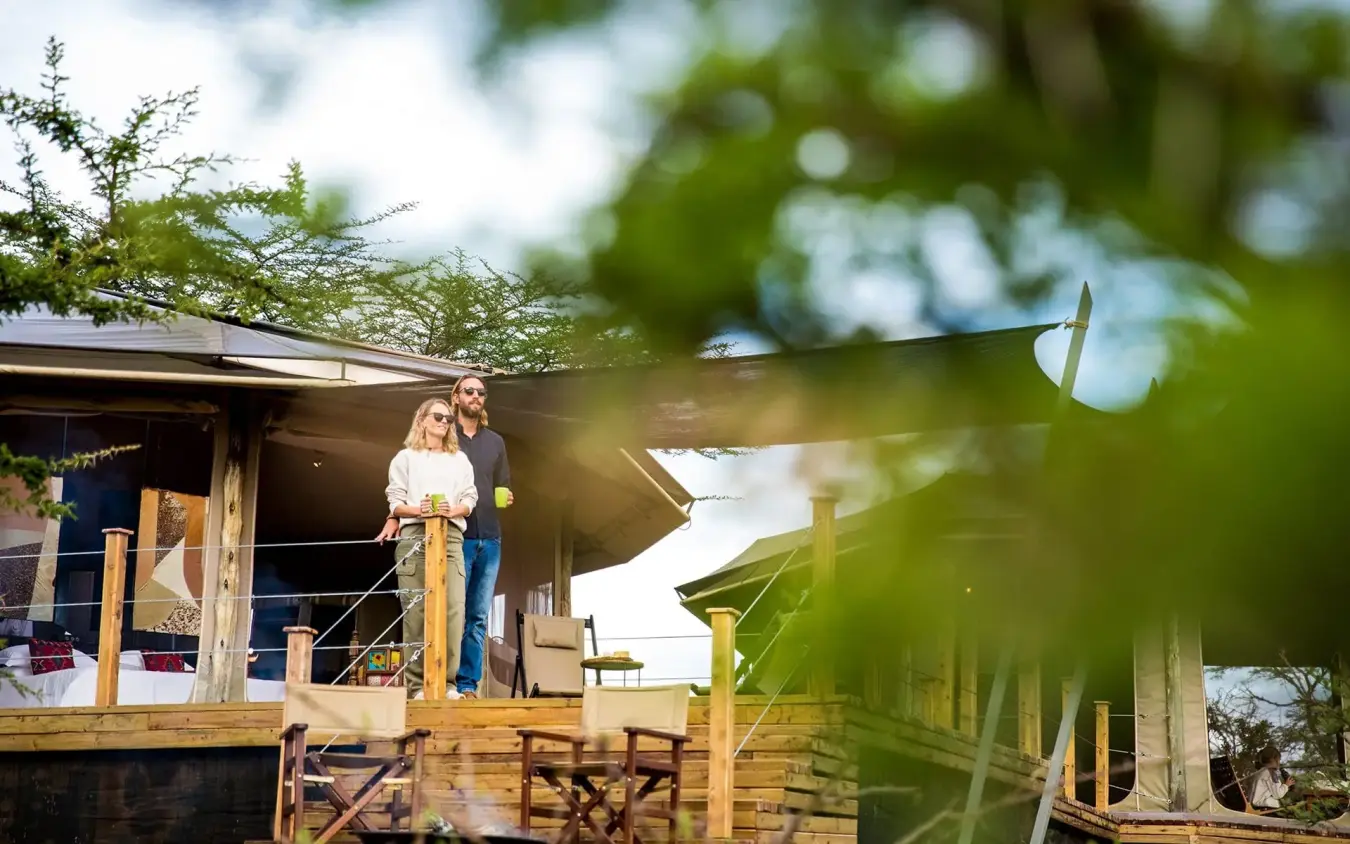
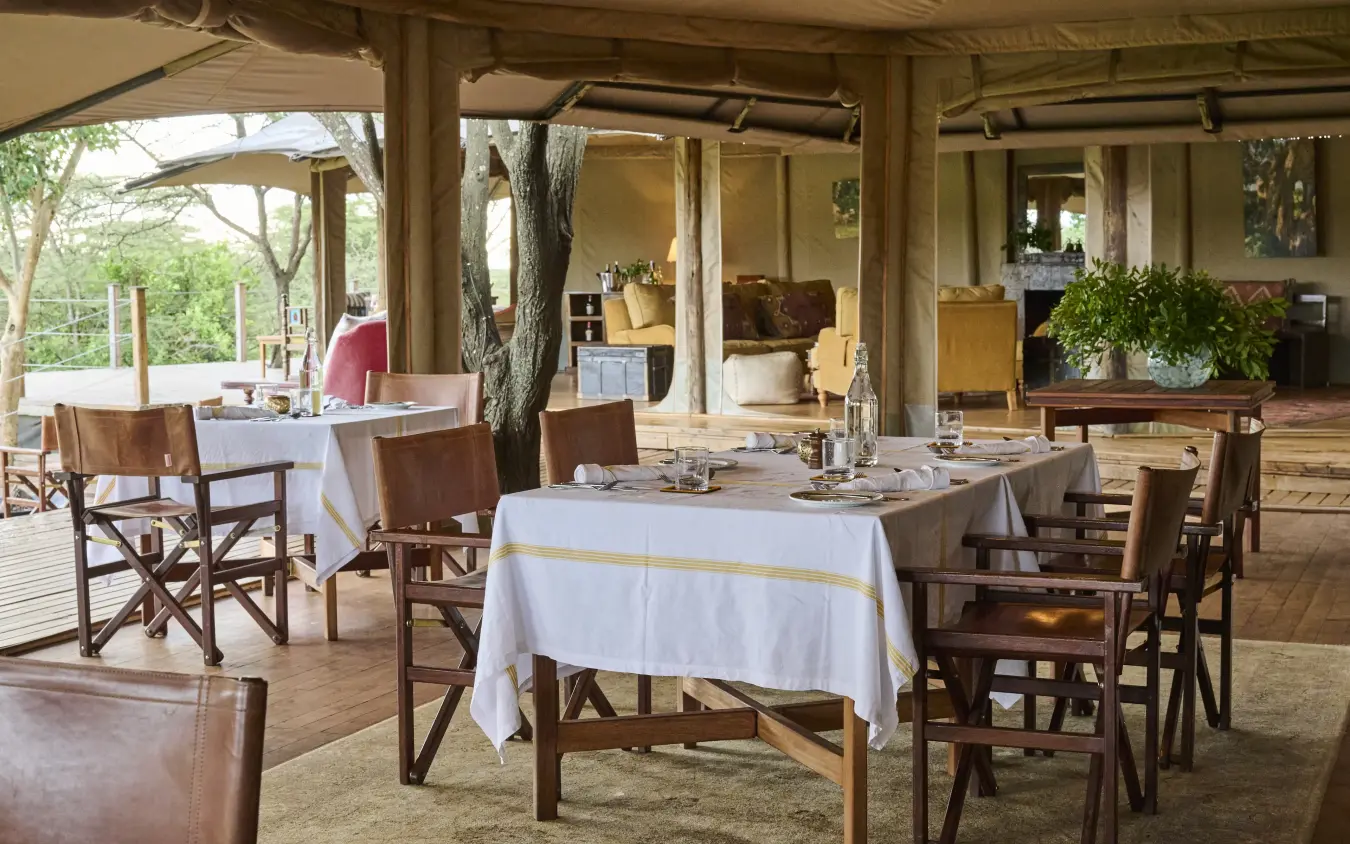
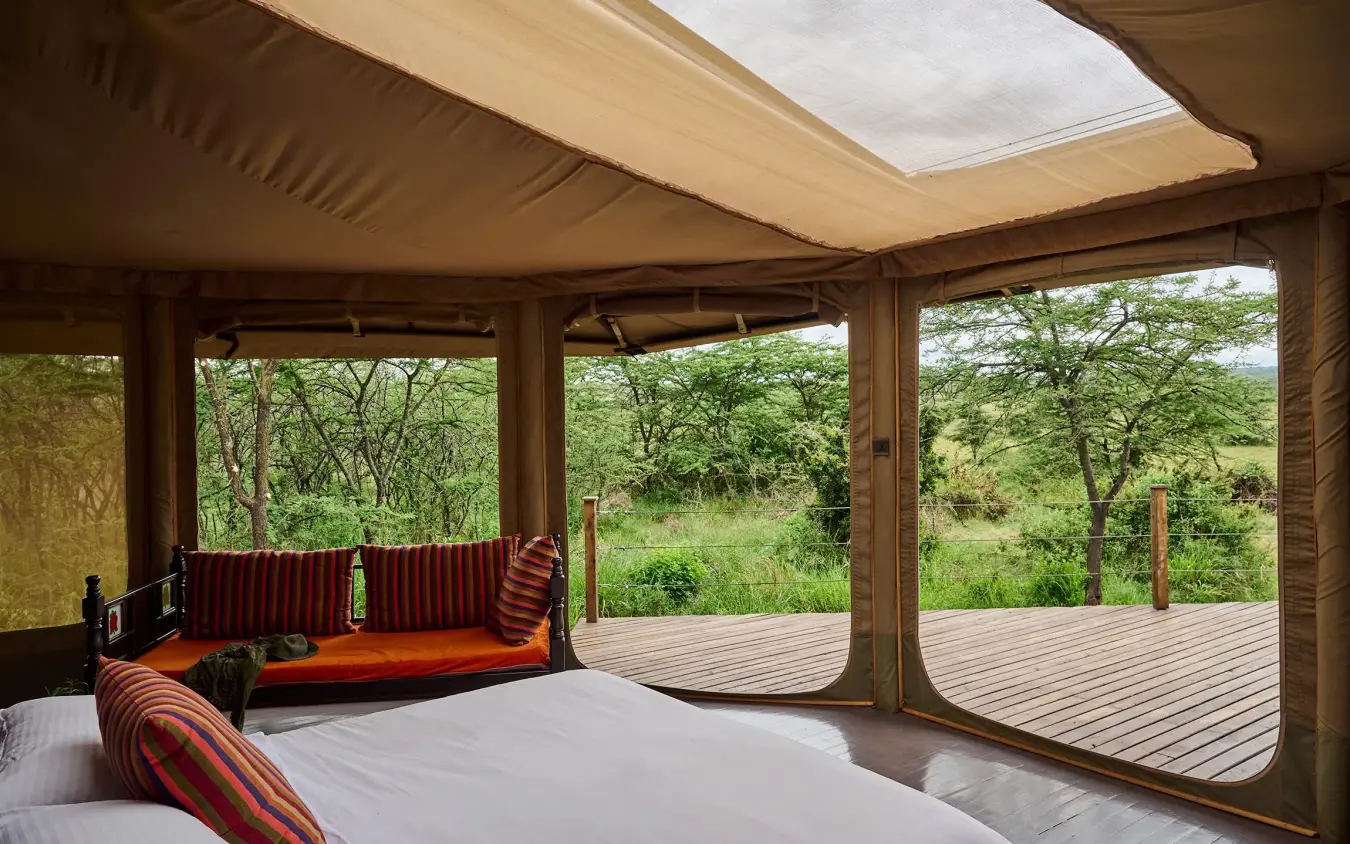
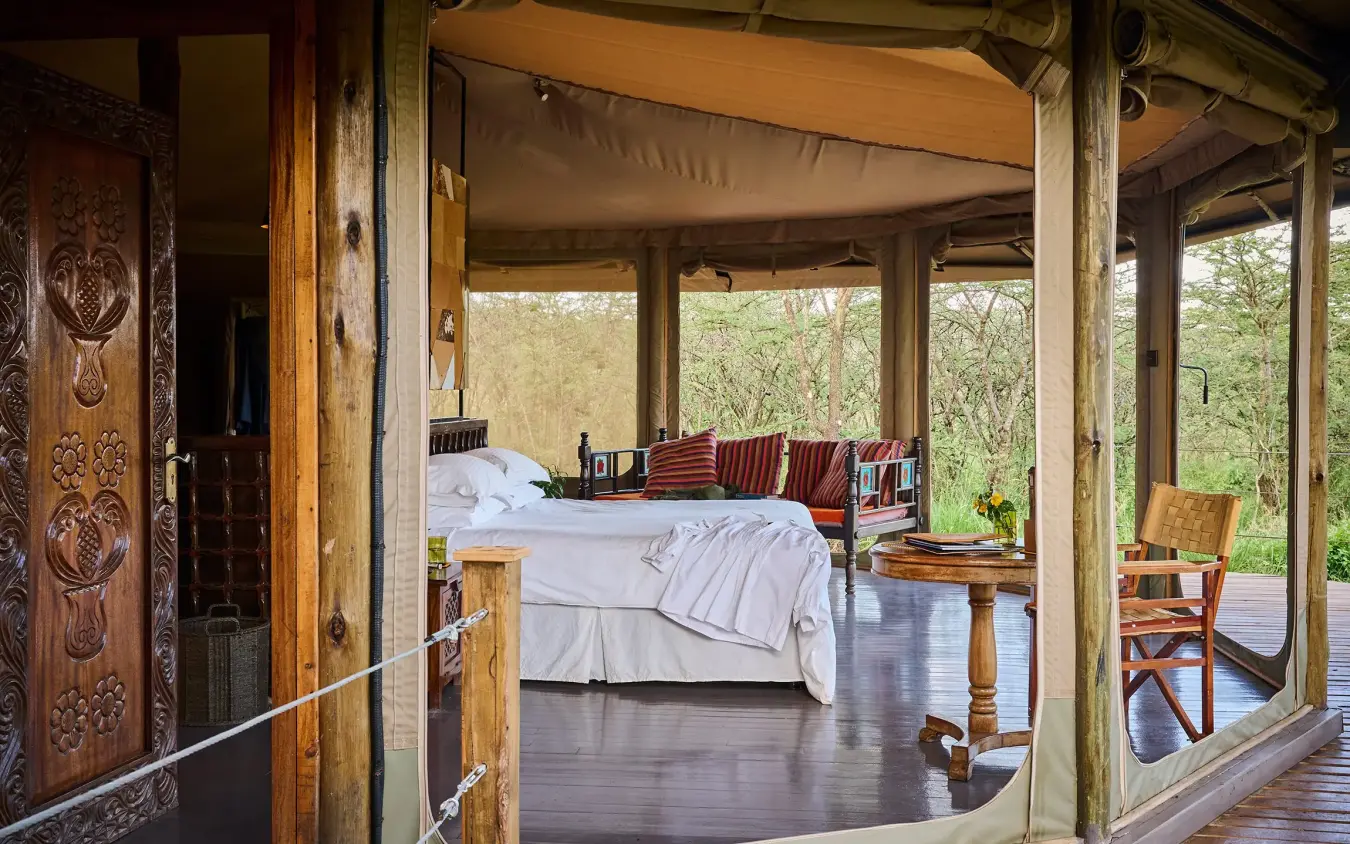
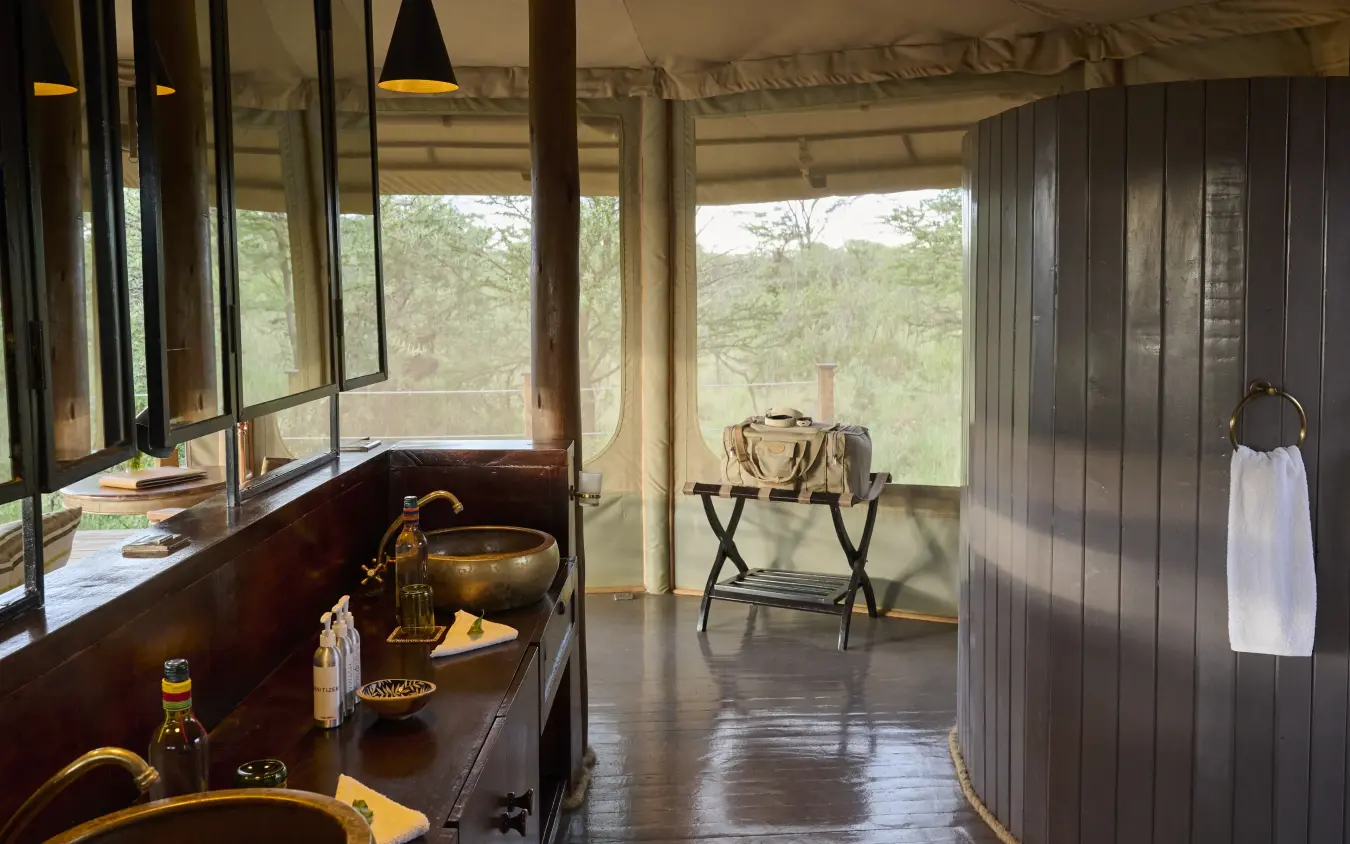
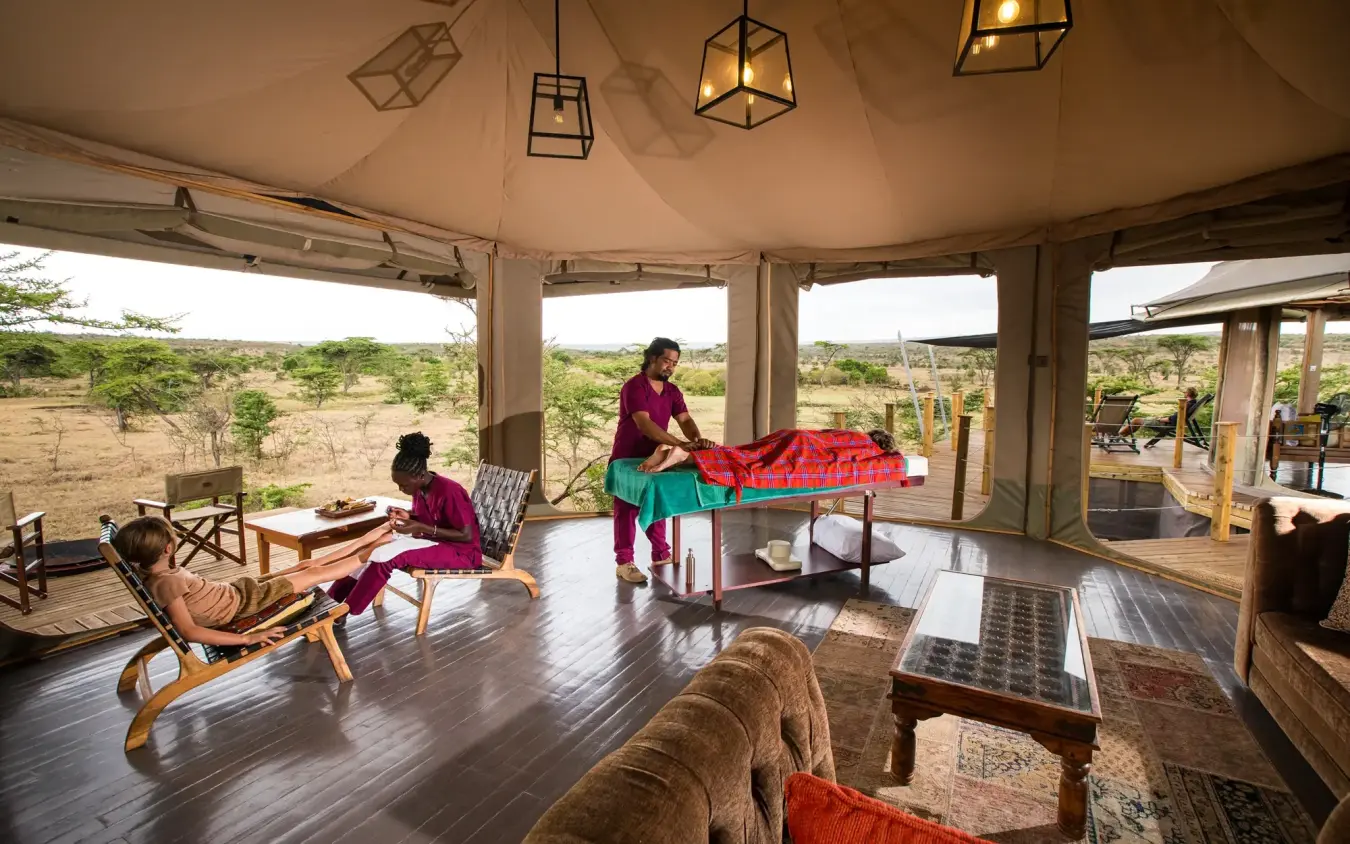
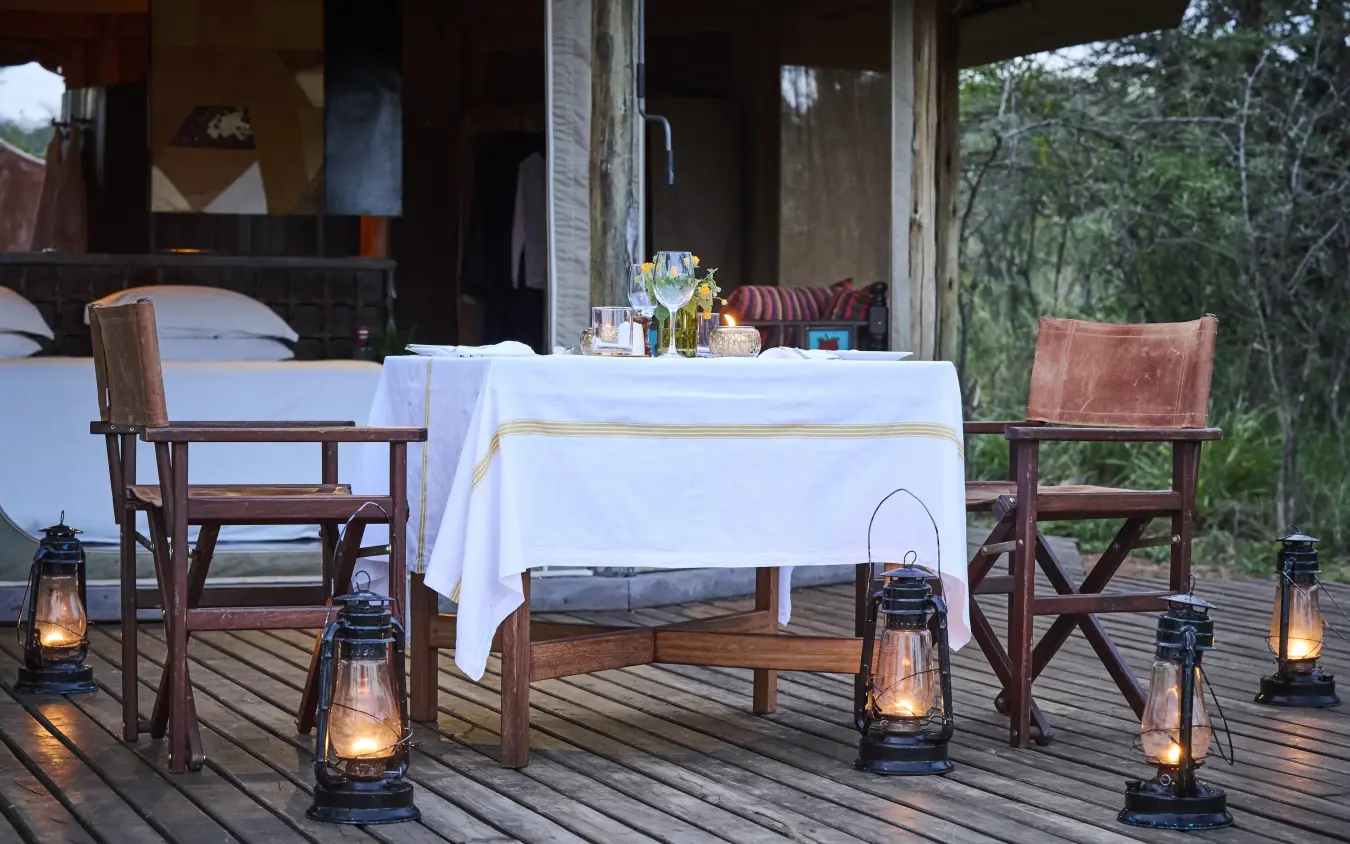
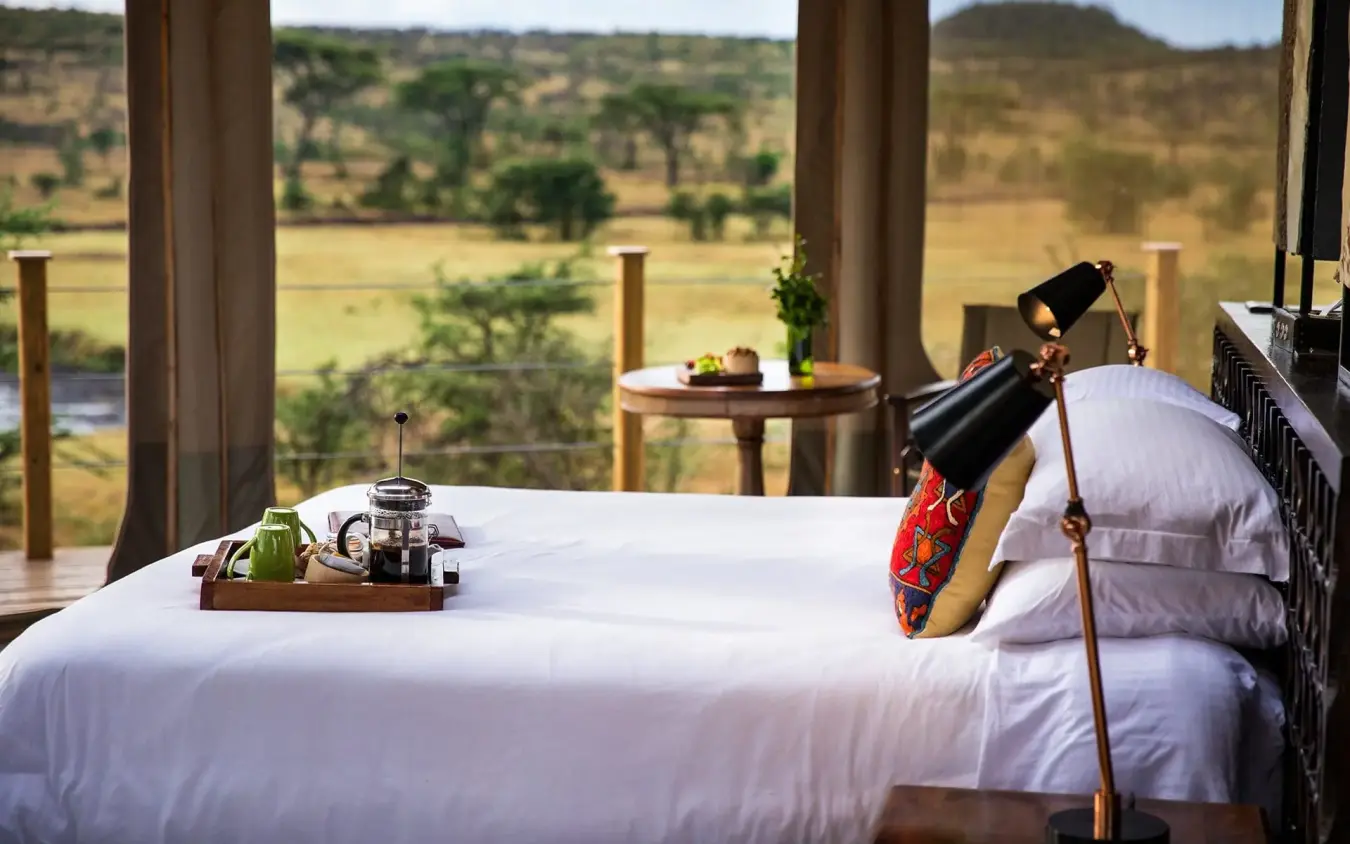
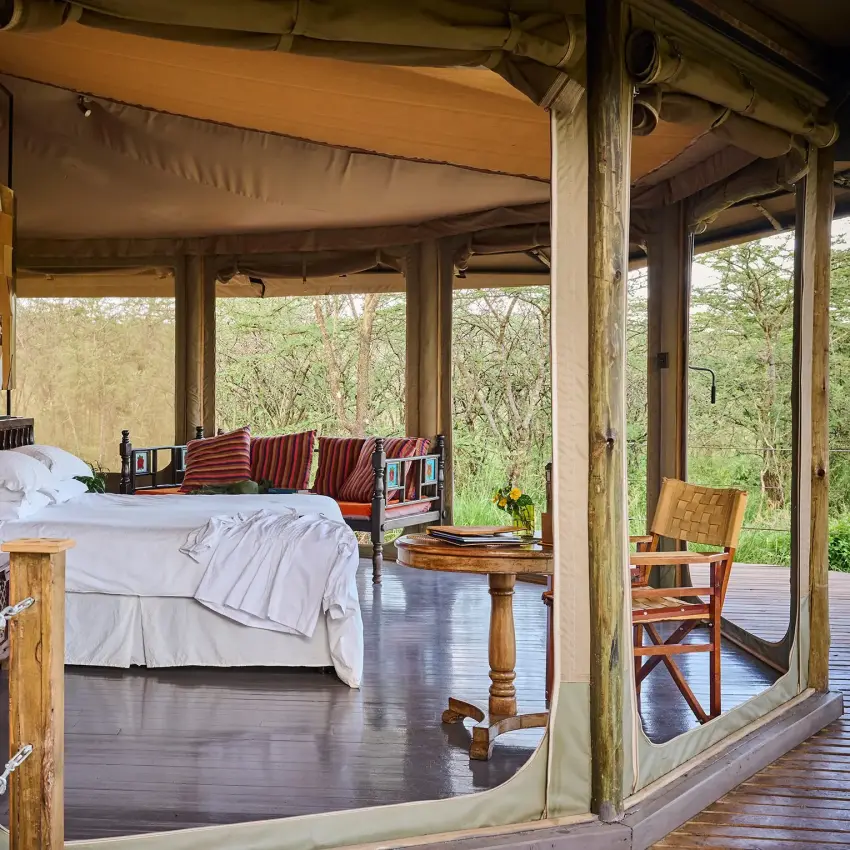
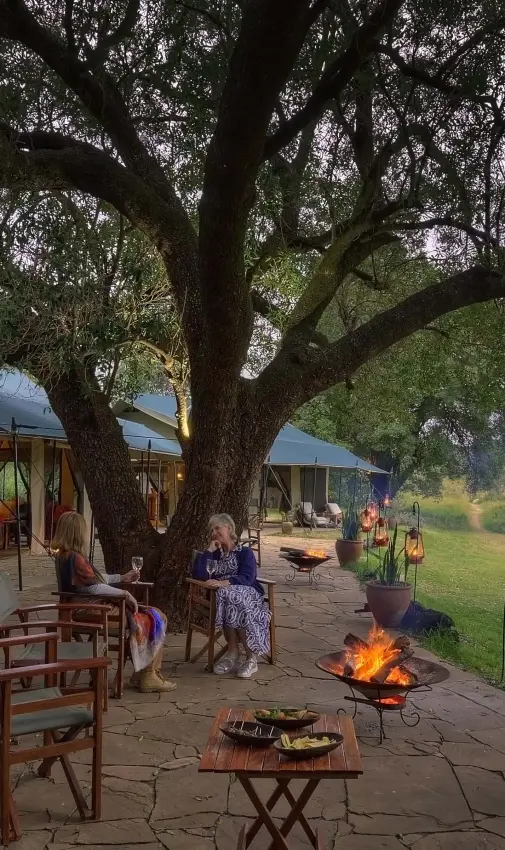
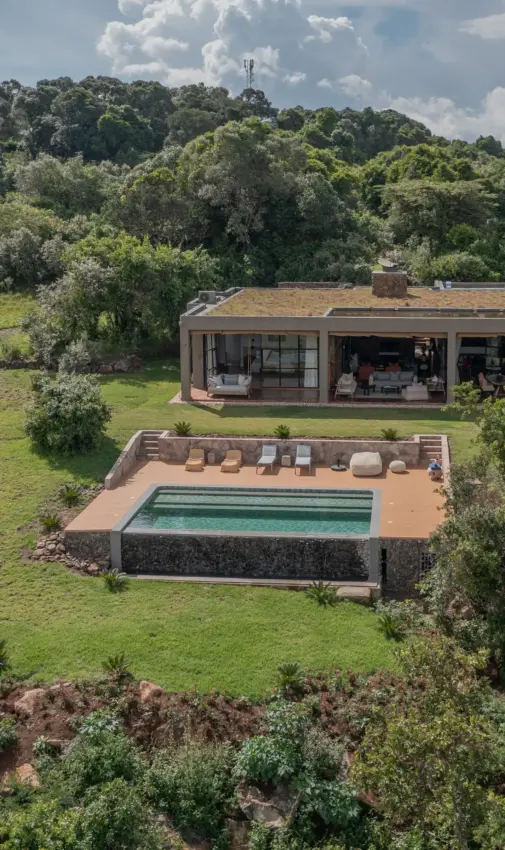
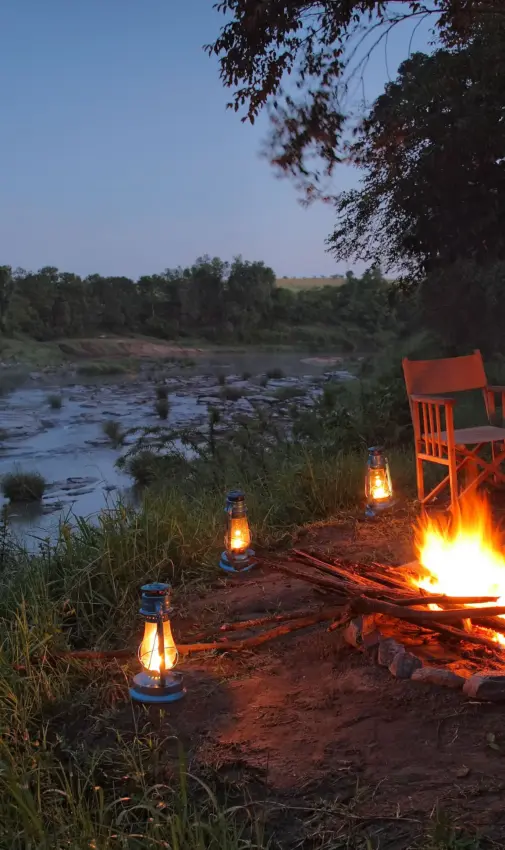
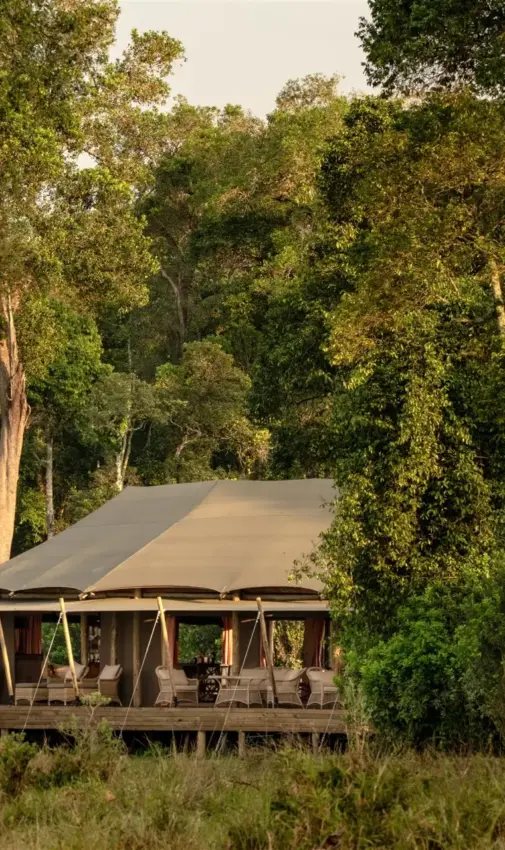
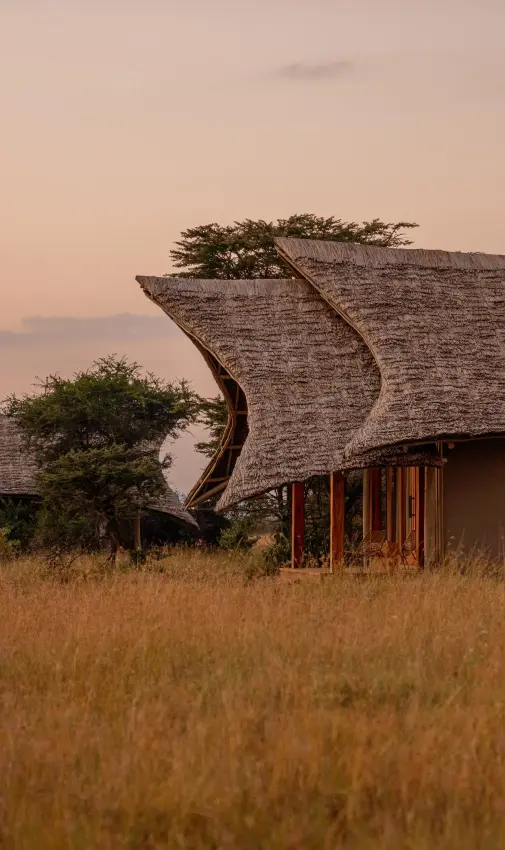
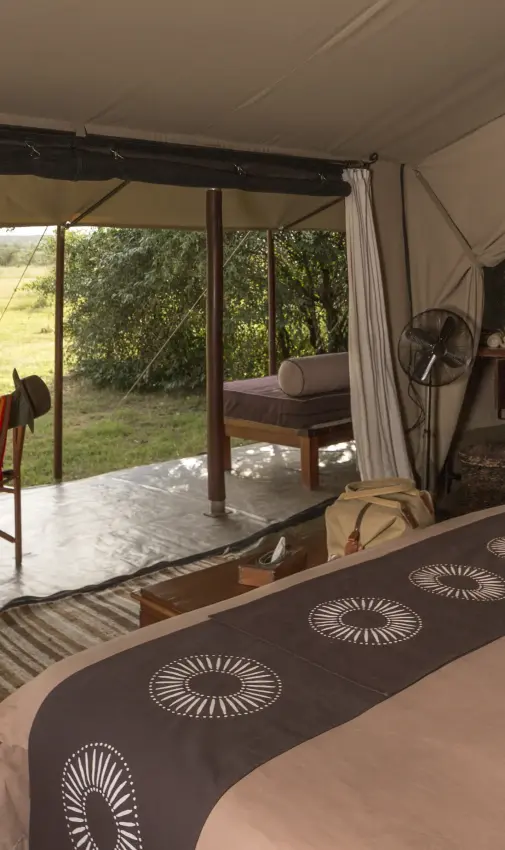
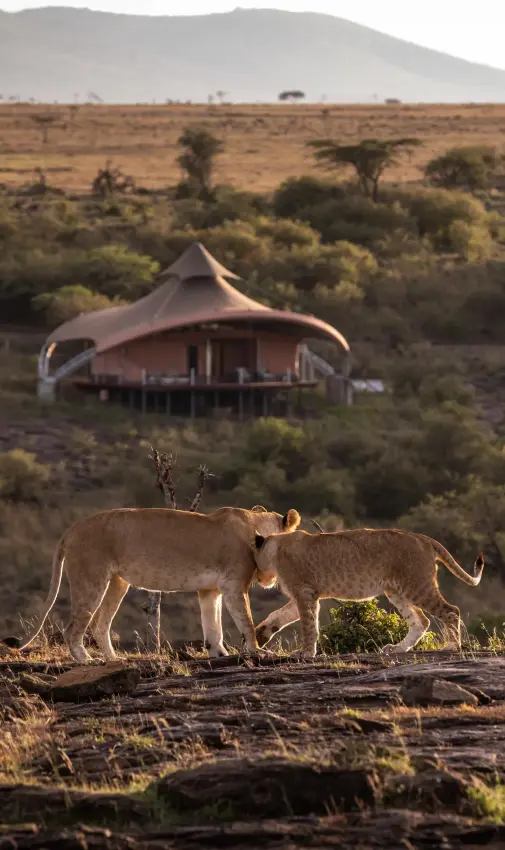
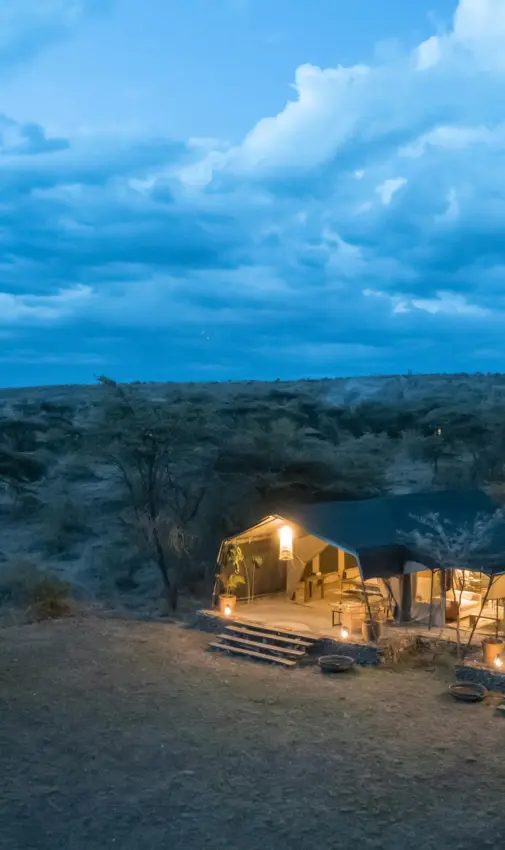
The tents are round, echoing the shape of a Maasai manyatta, and stand on raised timber decks, each with a fire pit and a veranda facing the grass. Bathrooms open onto the grassland, twin vanities inside and a shower out under the sky. Everything else is pared back to polished timber, canvas and handwoven textiles. The lounge tent has a stone-and-brick fireplace and an espresso station guests help themselves to, and the cooking is Kenyan produce with an Italian accent, much of it wood-fired, served at individual tables or under lanterns in the bush.
After dark, a spotlit drive picks out aardwolf, serval and hyenas at their hunting.
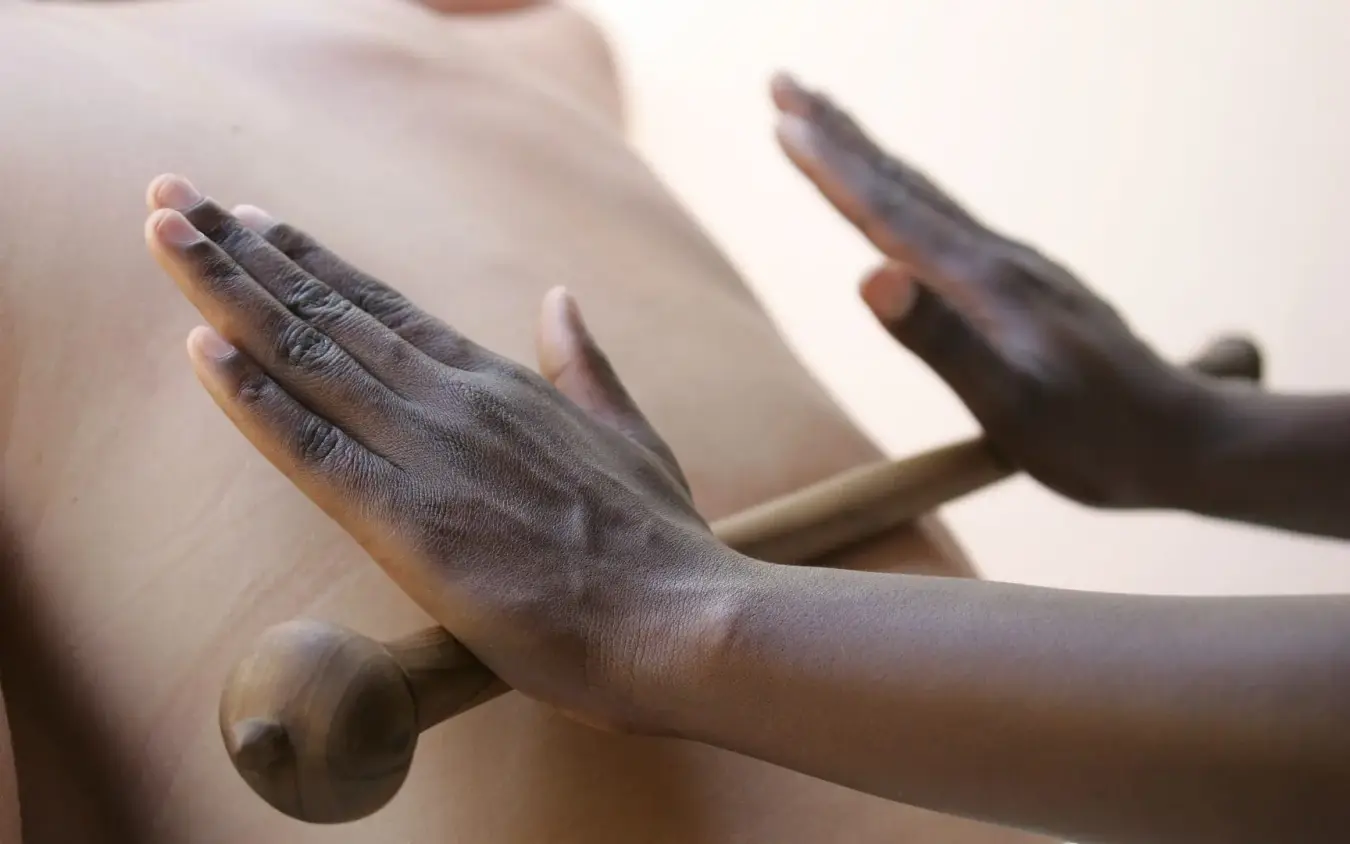
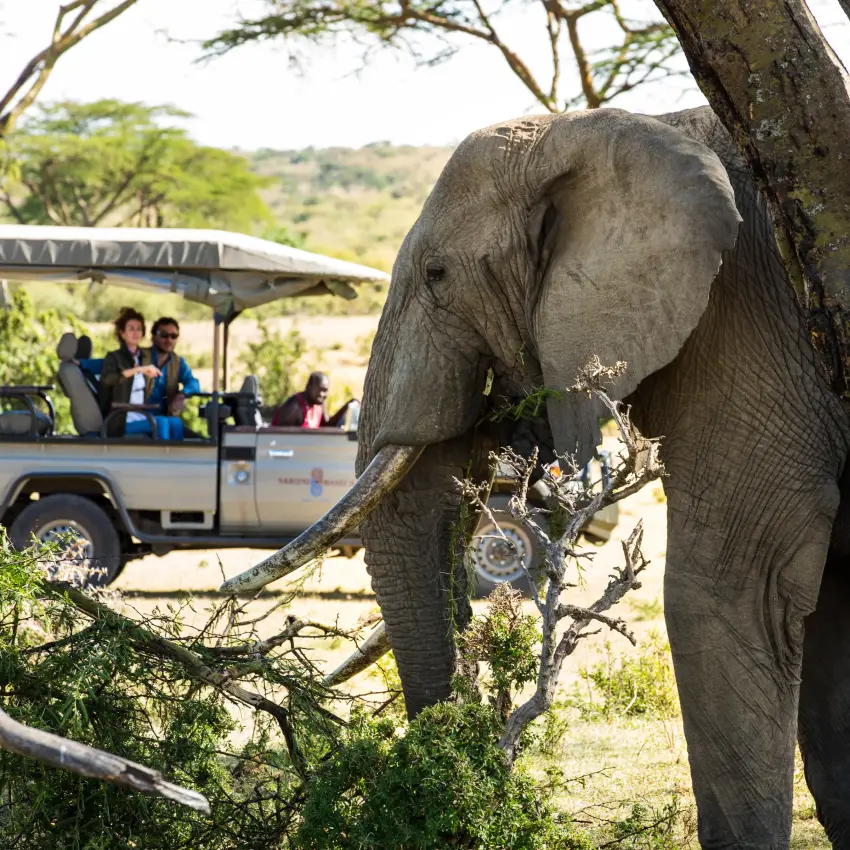
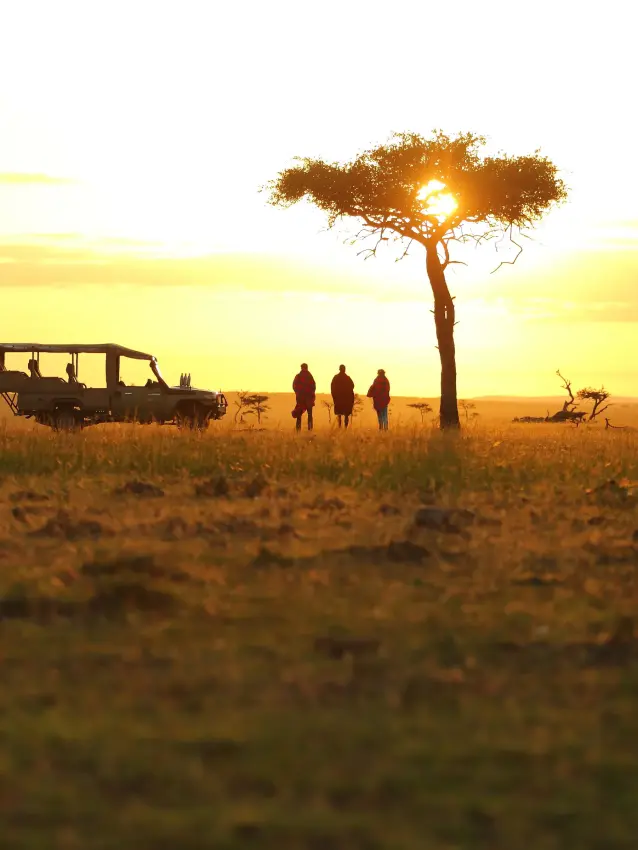
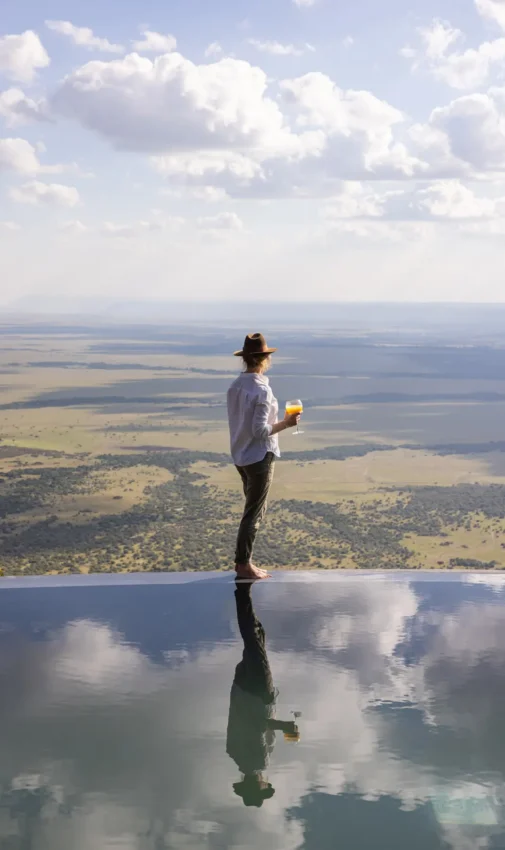
The first drive leaves before sunrise, and breakfast is unpacked out on the plains. Afternoons are given to a walk. After dark, a spotlit drive picks out aardwolf, serval and hyenas at their hunting. The hill above camp serves as the sundowner point, with Naboisho’s grassland running to the horizon and the light going gold over the acacias. Balloon flights over the Mara can be arranged from camp. A dedicated wellbeing space offers massage, and yoga mats are provided in each tent for anyone who wants the deck at dawn.
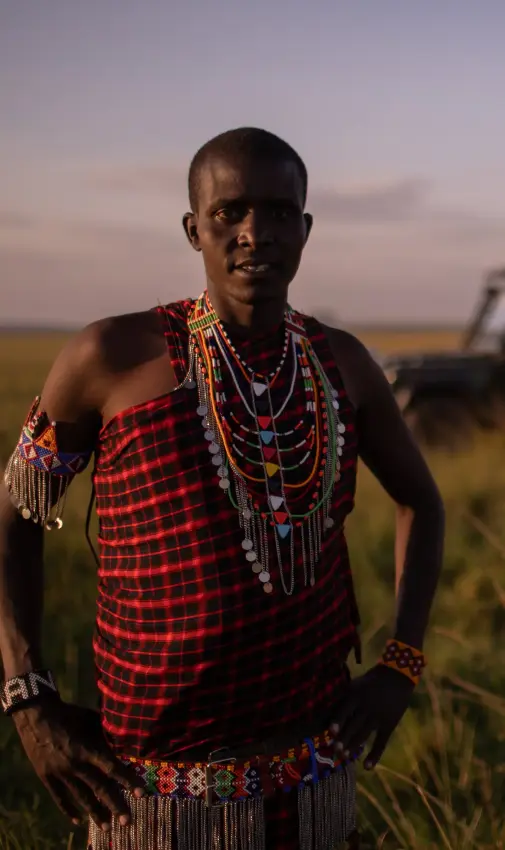
What the camp earns travels further than the lease payments. In the Pardamat Conservation Area, the Wildlife Tourism College of Maasai Mara opened in April 2024 and trains young Kenyans in conservation science and hospitality. Closer to hand, beadwork made by Maasai women through a fair-trade workshop is sold through the camps. Children are welcome from age seven, walking safaris from twelve, and early dinners are served for the youngest at six.