Camp

Porini Lion Camp

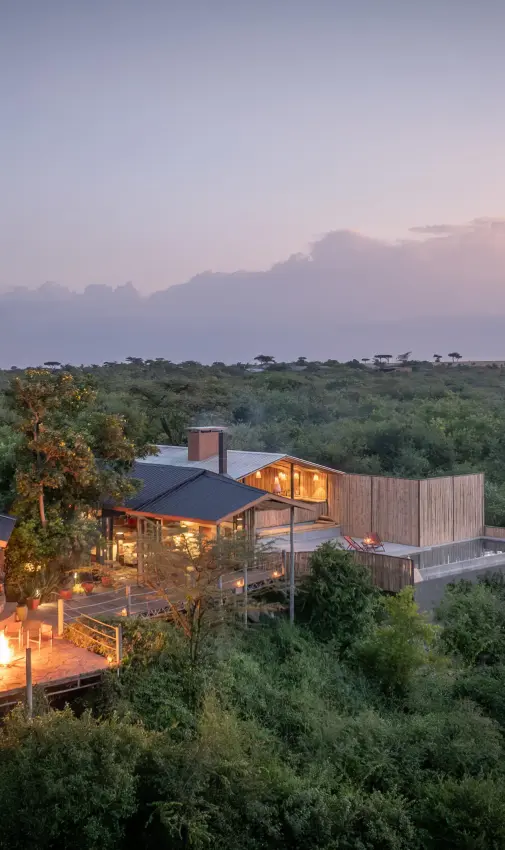
Maasai landowners set aside Olare Motorogi in 2006, and Porini Lion Camp was among its founding camps, built to leave no trace.

Country: Kenya
Location: Maasai Mara
Number of rooms: 10

Ten tents on the Ntiakitiak River

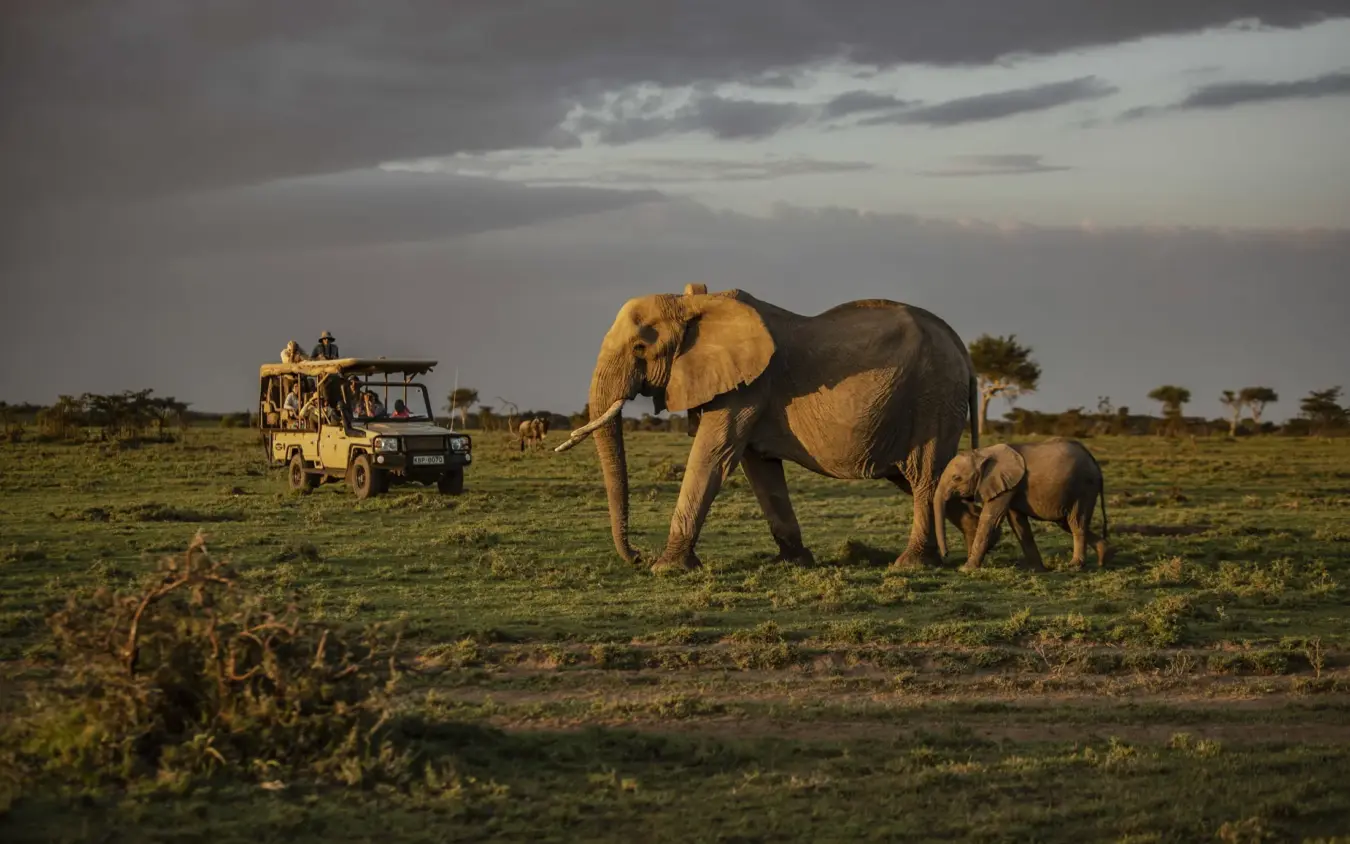
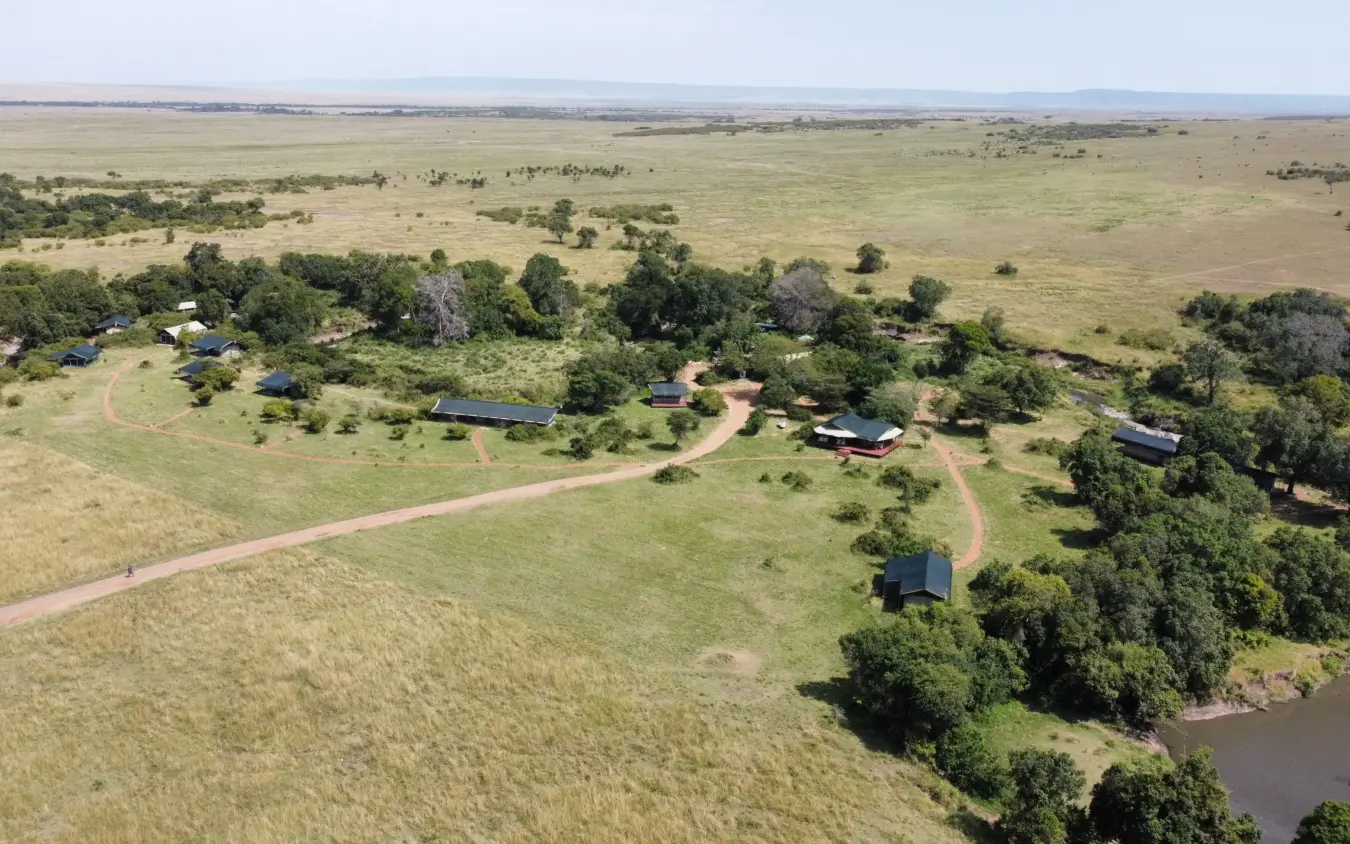
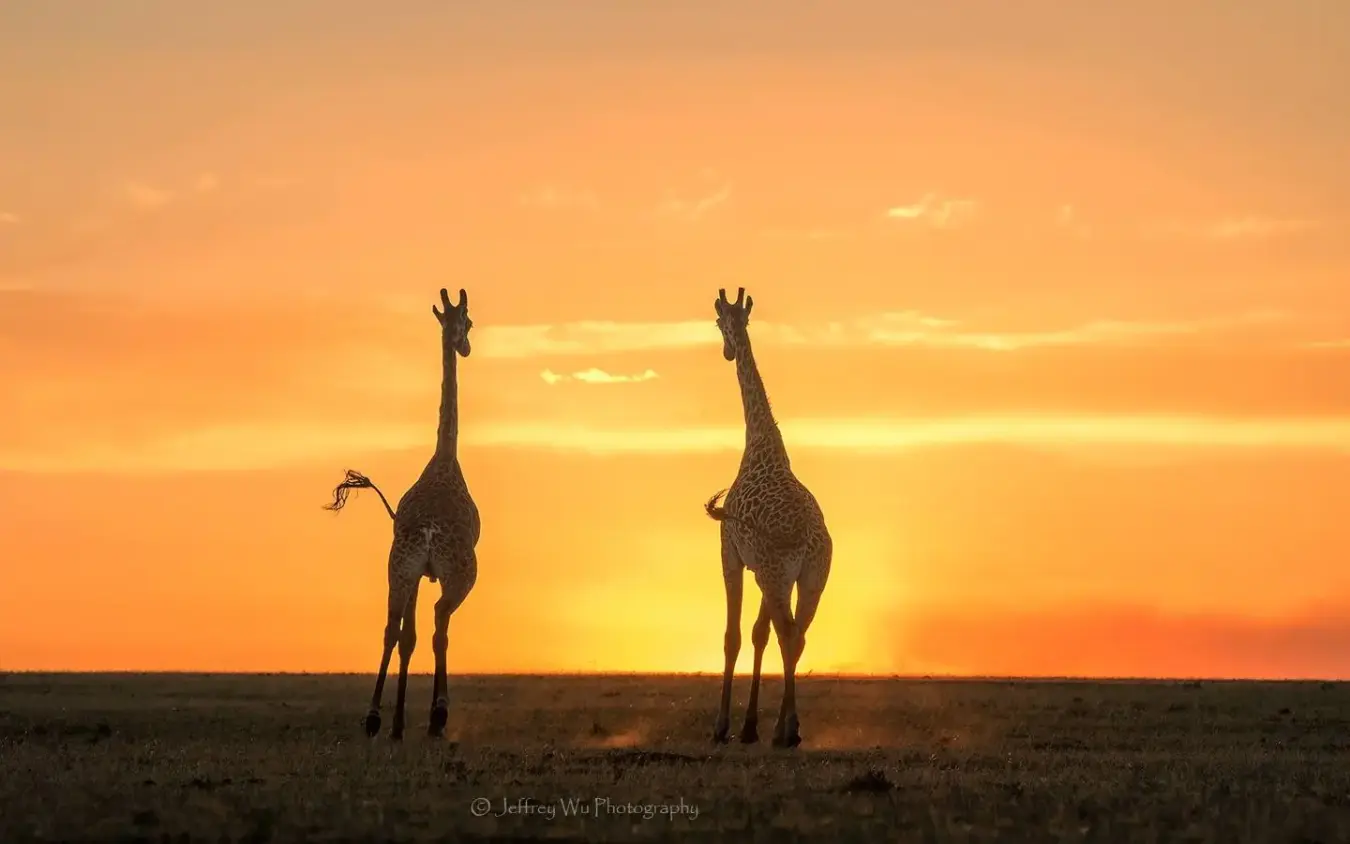
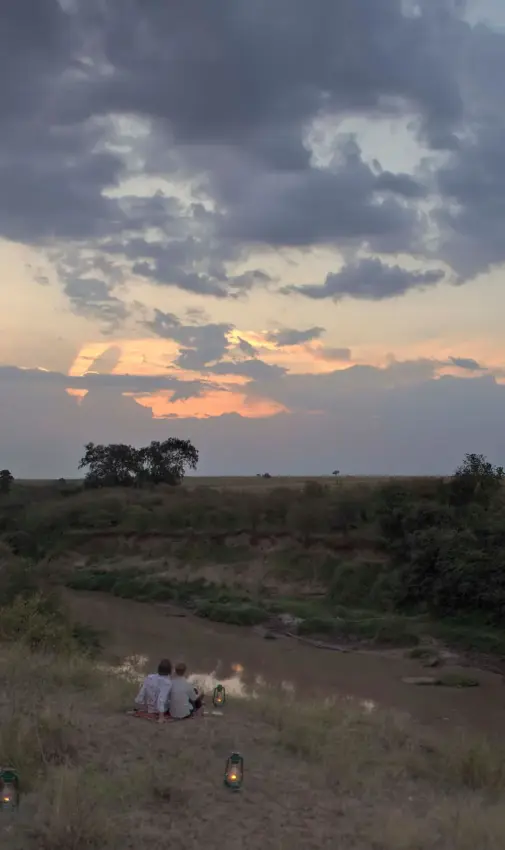
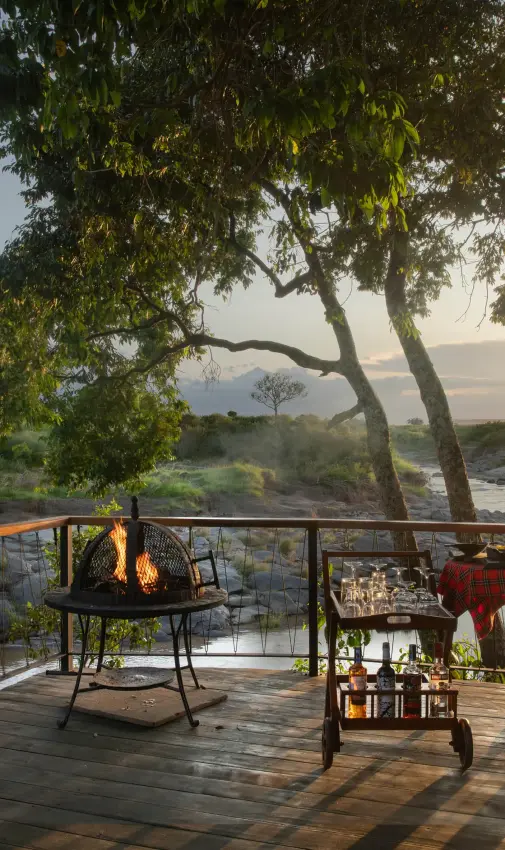
Olare Motorogi Conservancy opens out from the bank of the seasonal Ntiakitiak River, on the northern boundary of Kenya’s Maasai Mara. Several resident lion prides work the grassland around camp. With so few vehicles out here a sighting runs long and unhurried, and leopard, cheetah and elephant use the same ground.

Several resident lion prides work the grassland around camp.

Maasai landowners set this country aside for wildlife in 2006, and Porini Lion Camp was among the founding camps. Some 33,000 acres of grassland, gorge and riverine forest are leased from the families who own it, so lease income, jobs and community support flow back to them. The guides come from those same families, and they read this land for a living.

Porini Lion Camp, Maasai Mara, Kenya

Nobody bought this land. The camps pay the Maasai families who own it, the families keep the title, and the lease income is guaranteed. Five camps share the whole conservancy between them, and this is the only one of the Porini camps on it.

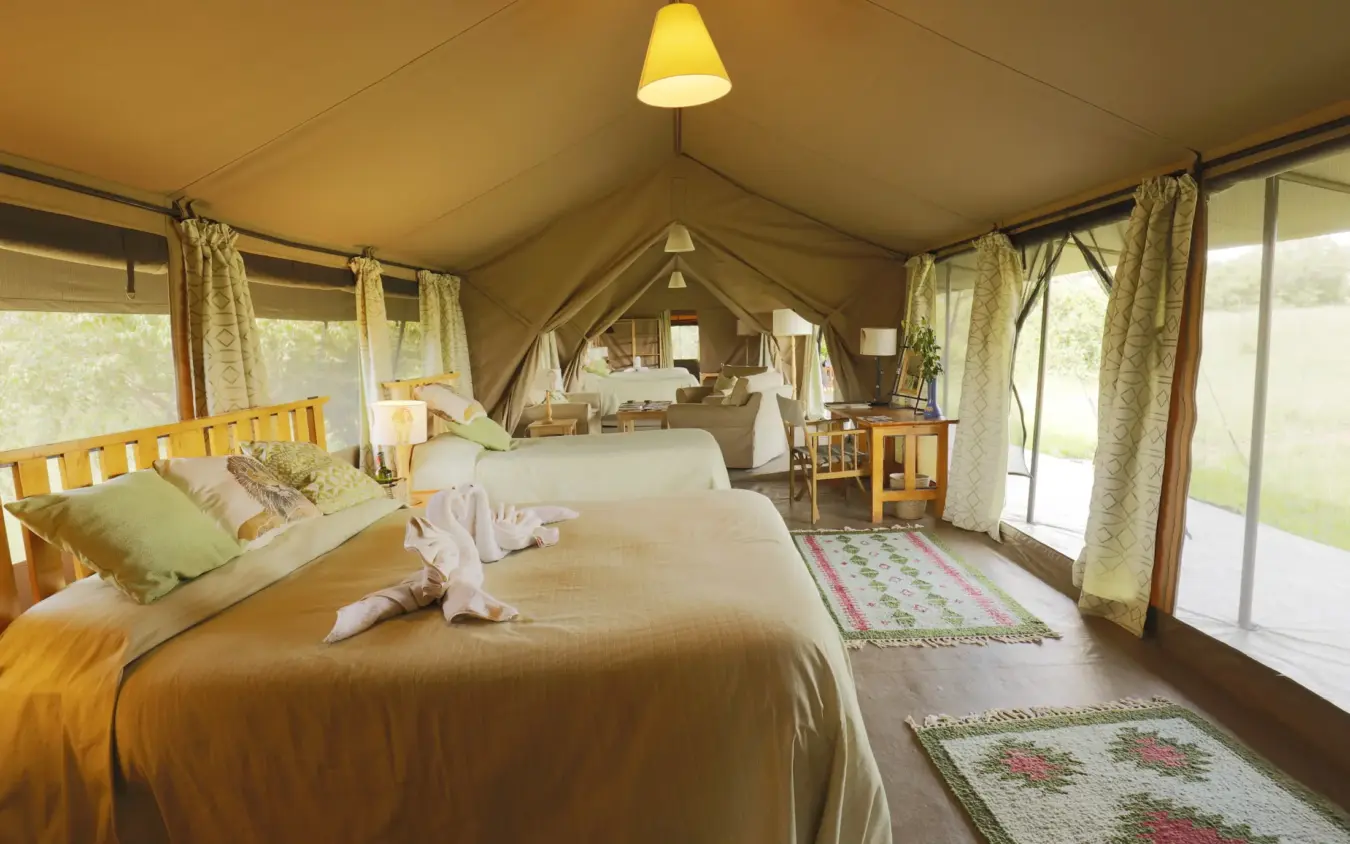
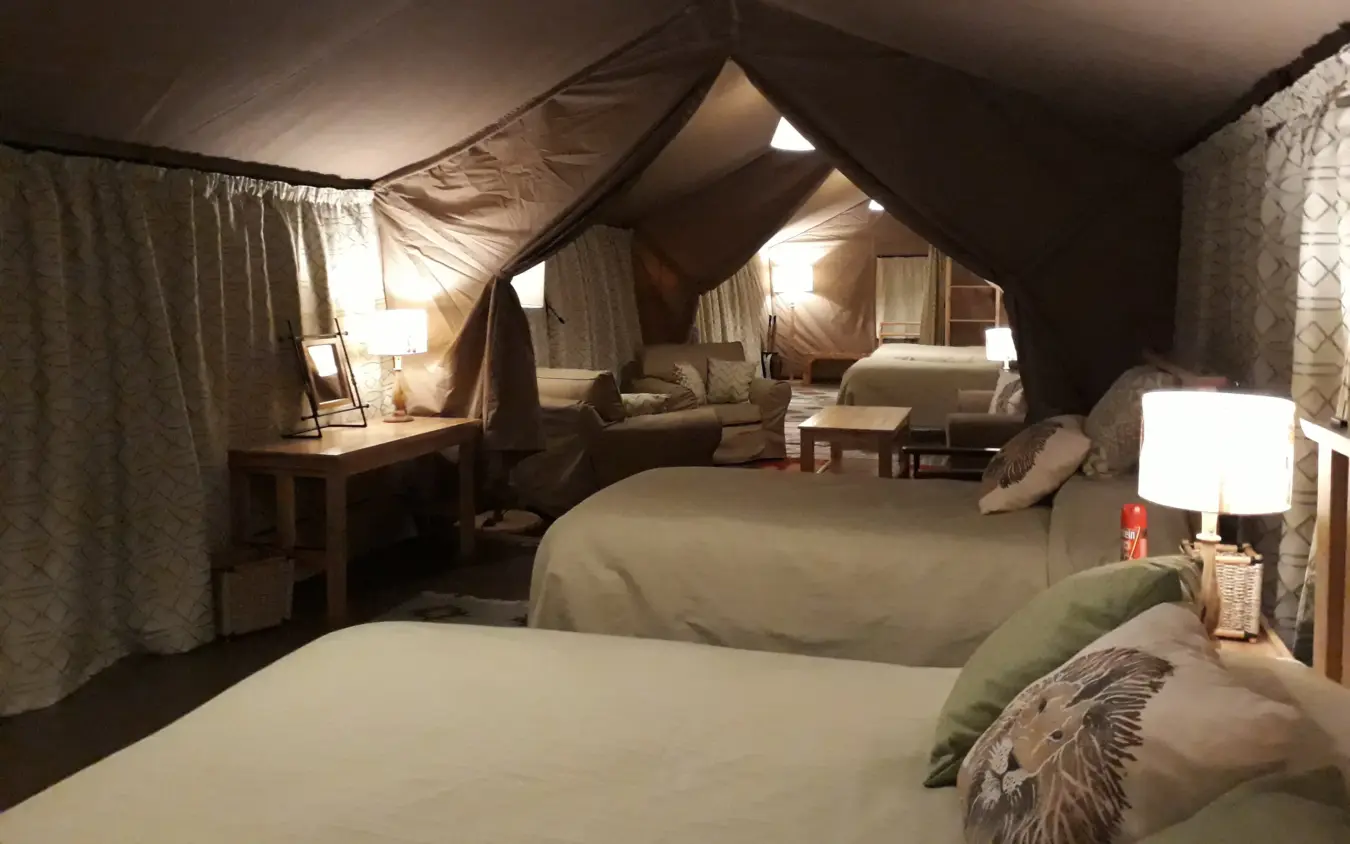
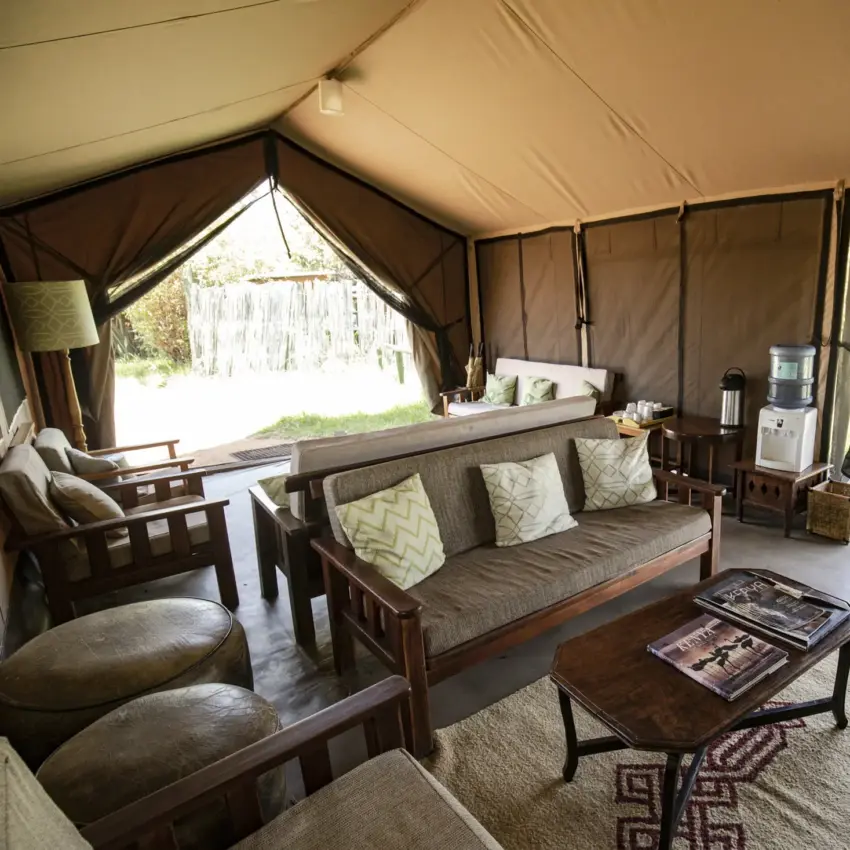
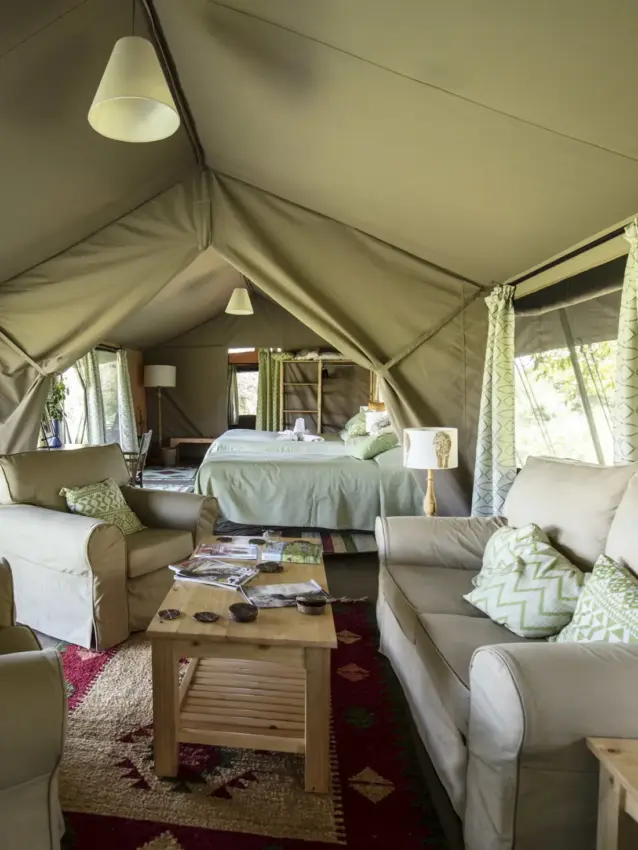
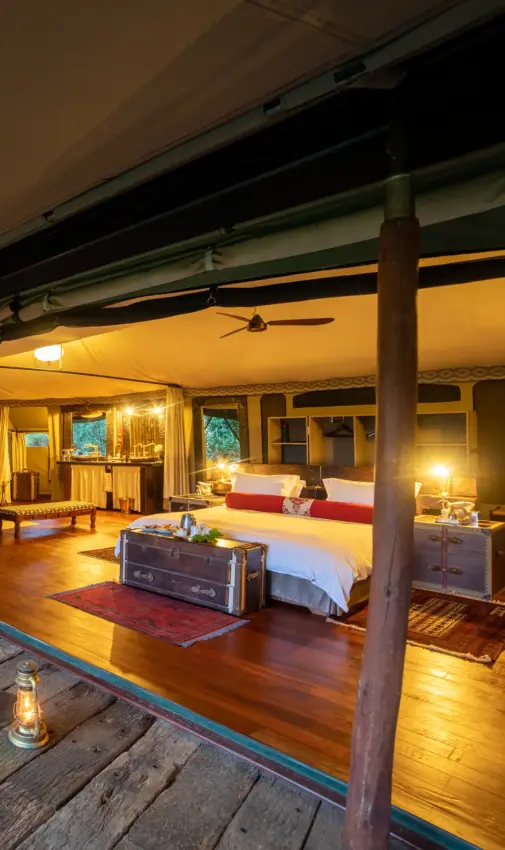
Interiors keep to rugs, a writing desk and reading lamps

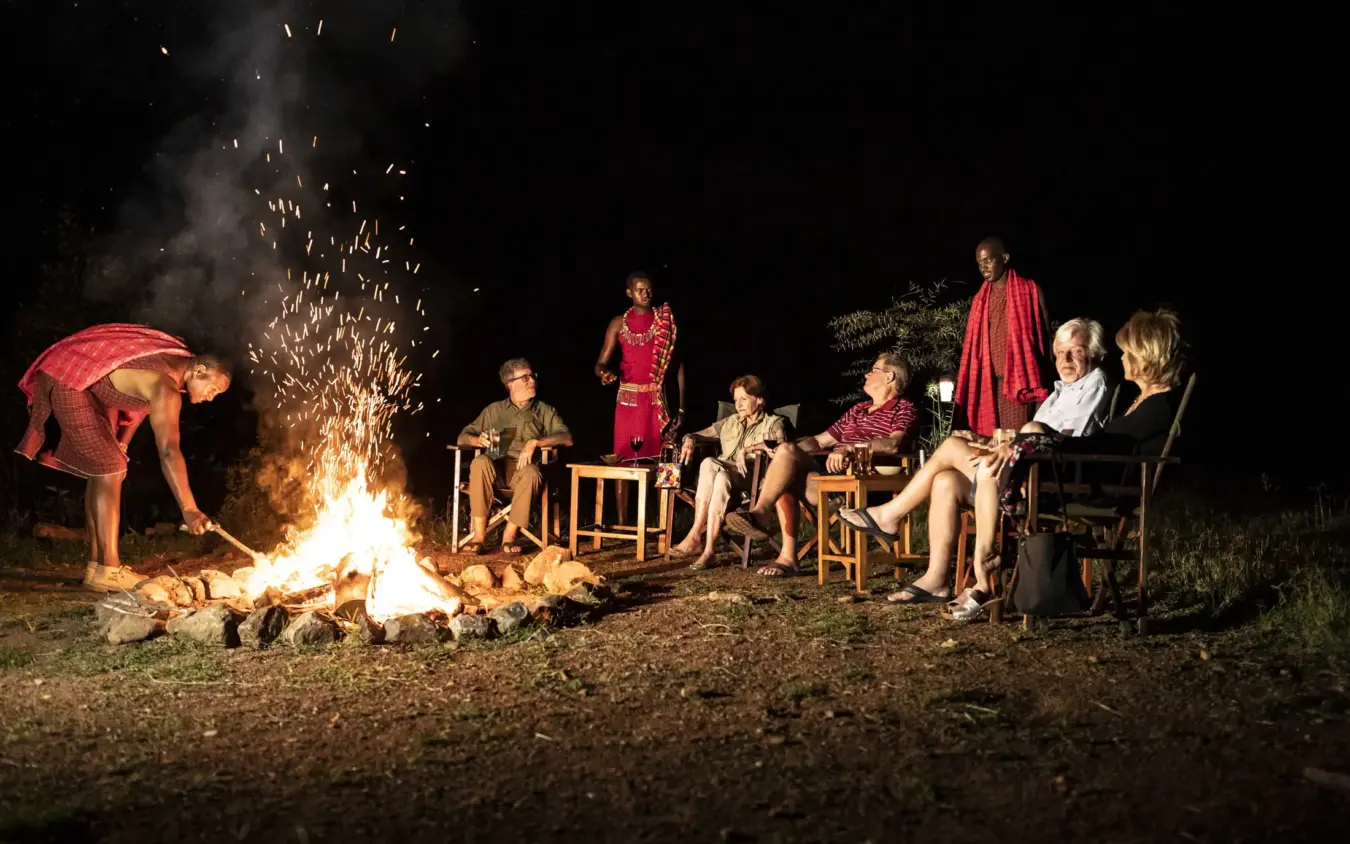
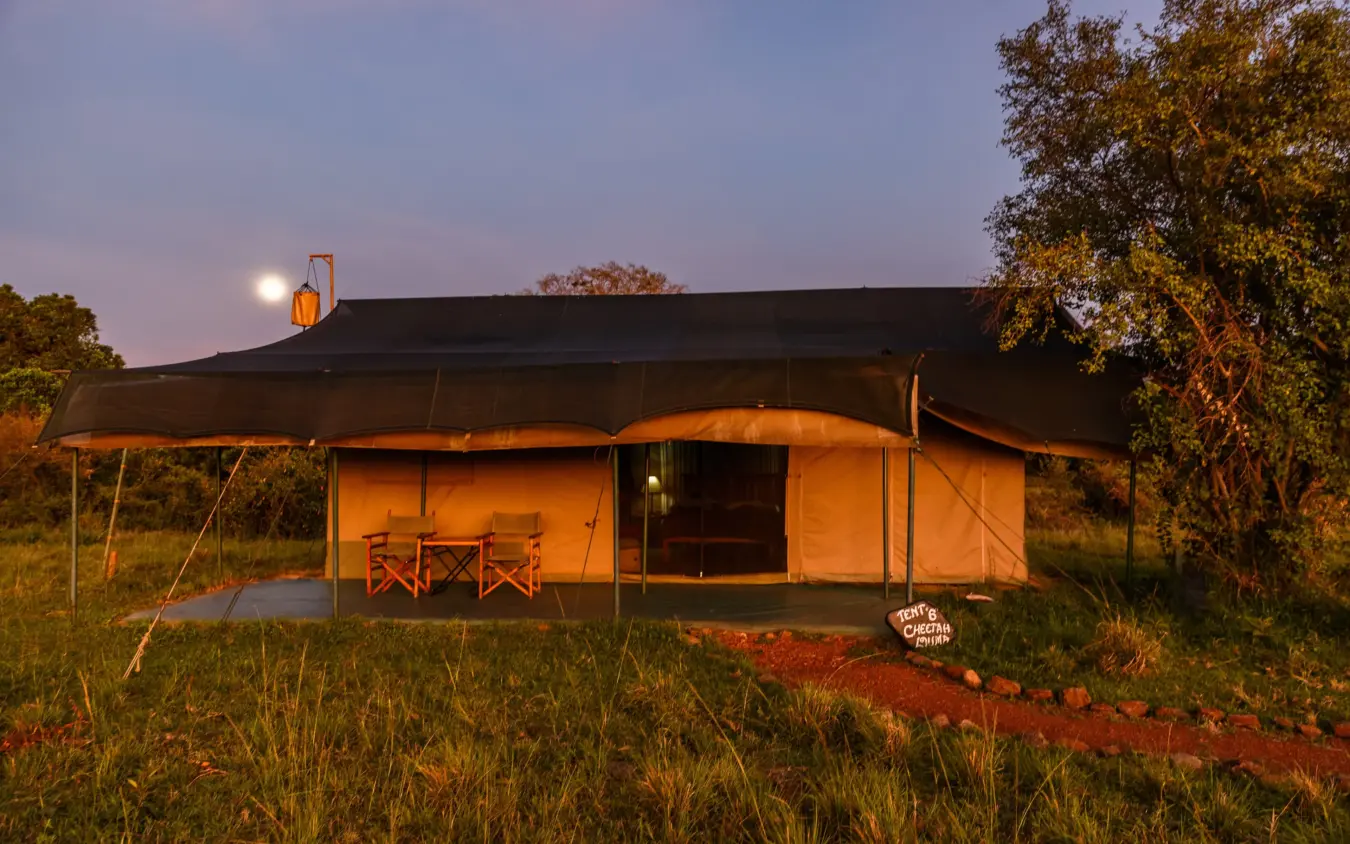
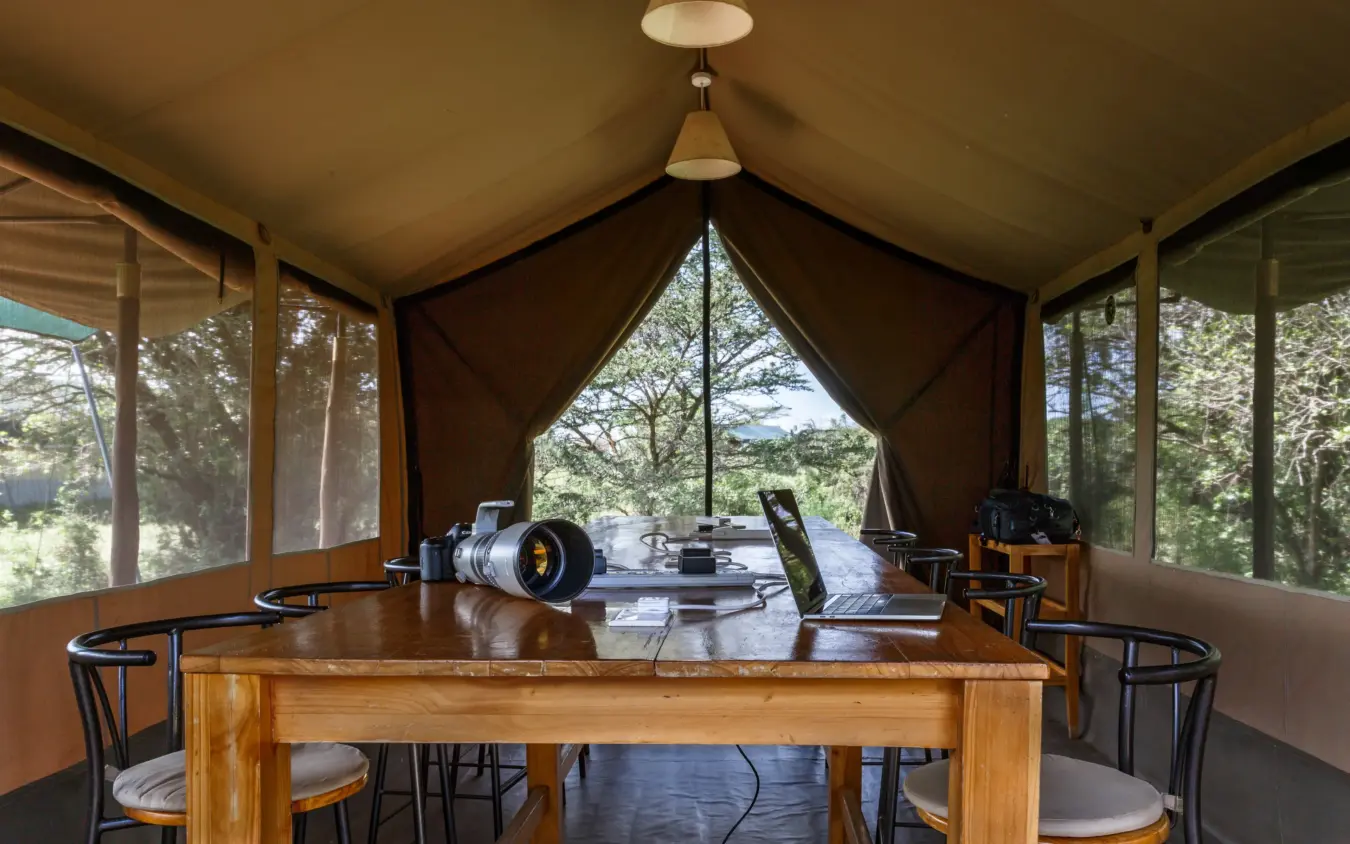
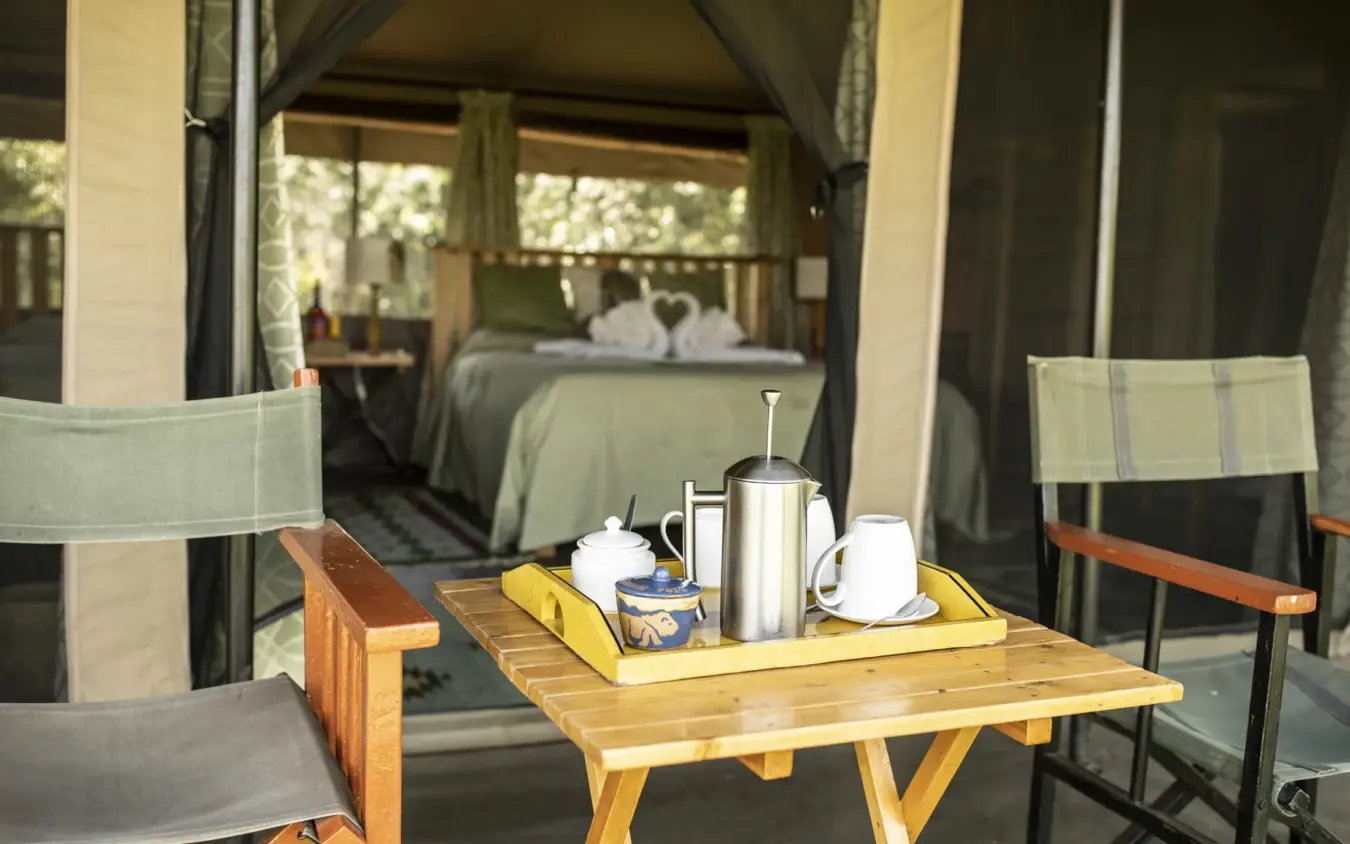
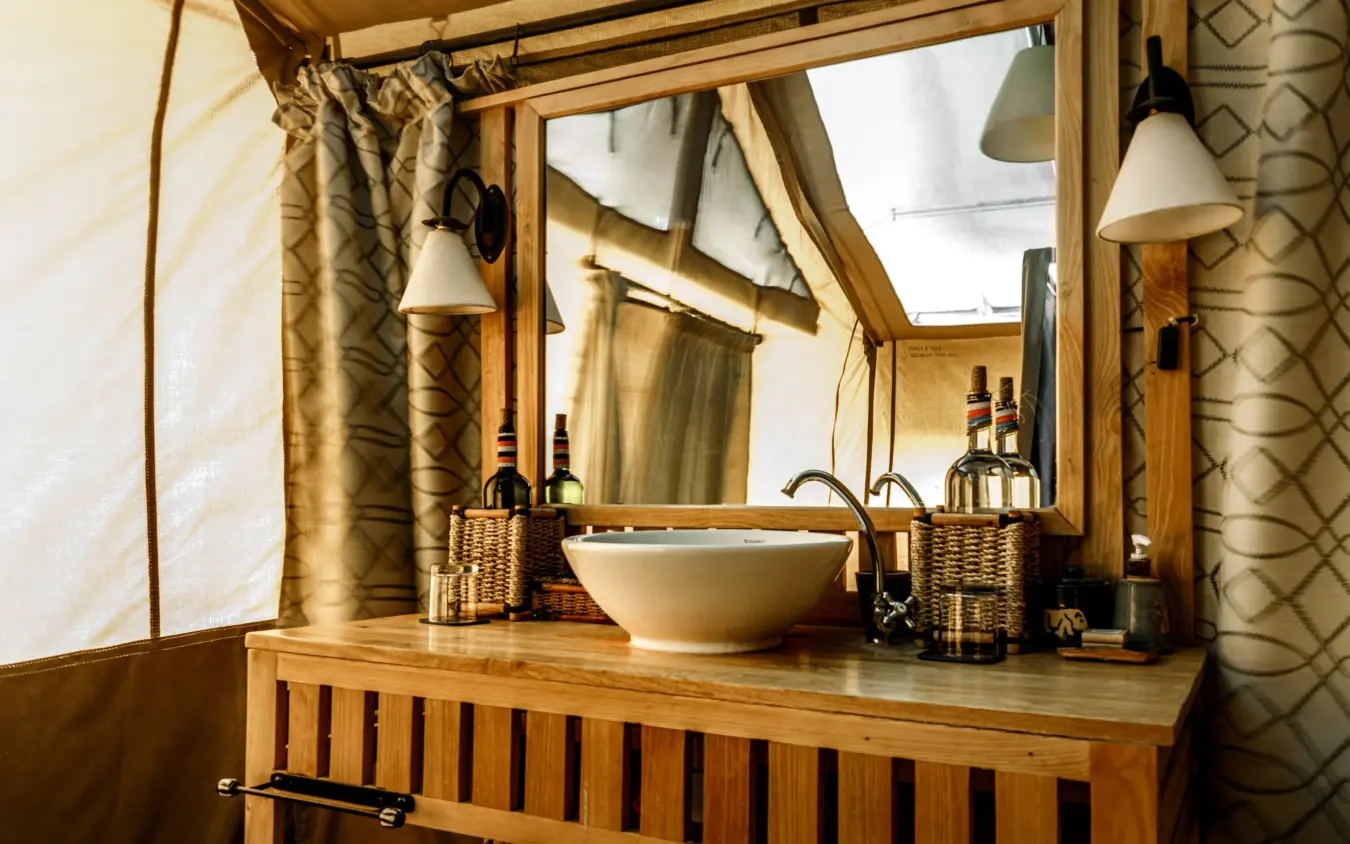
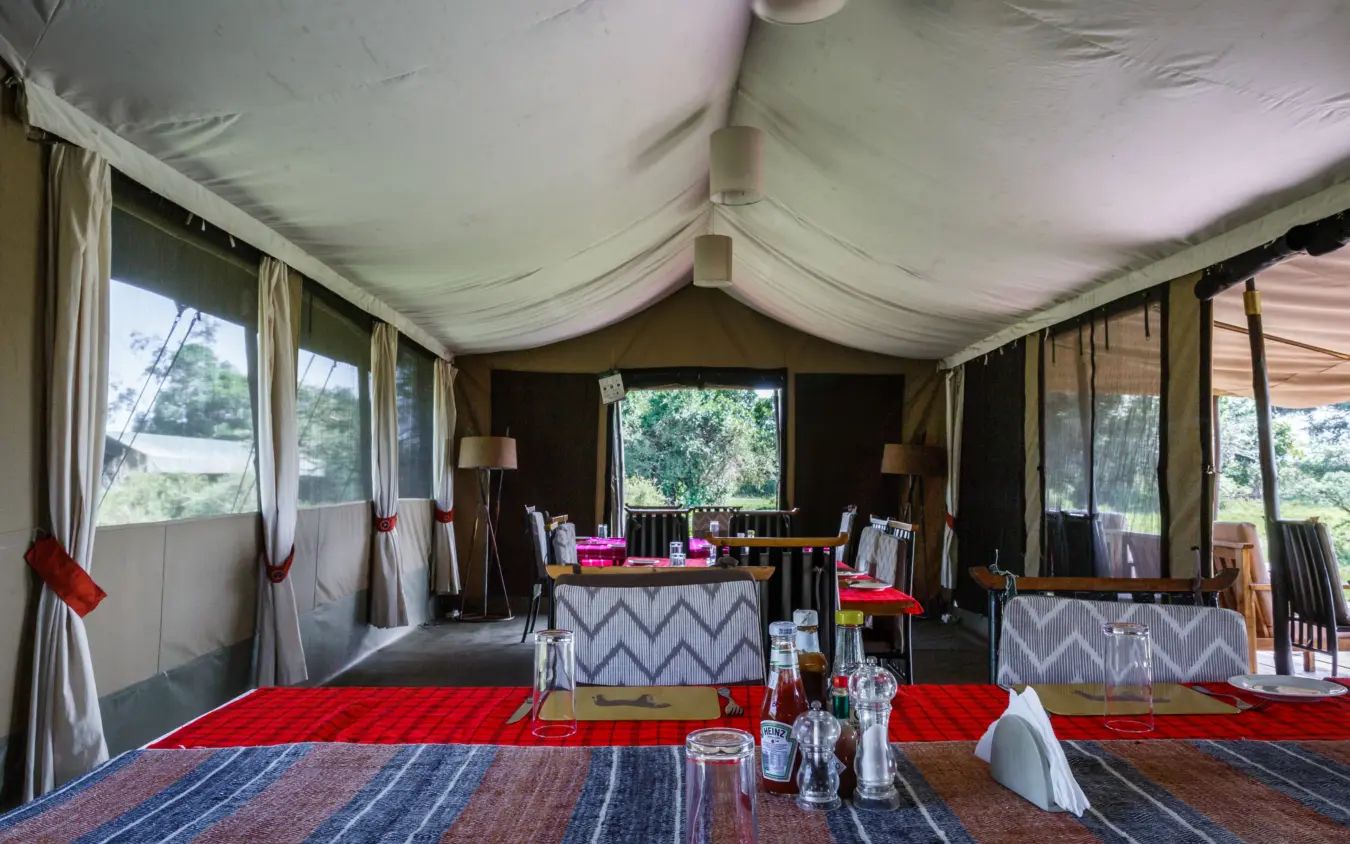
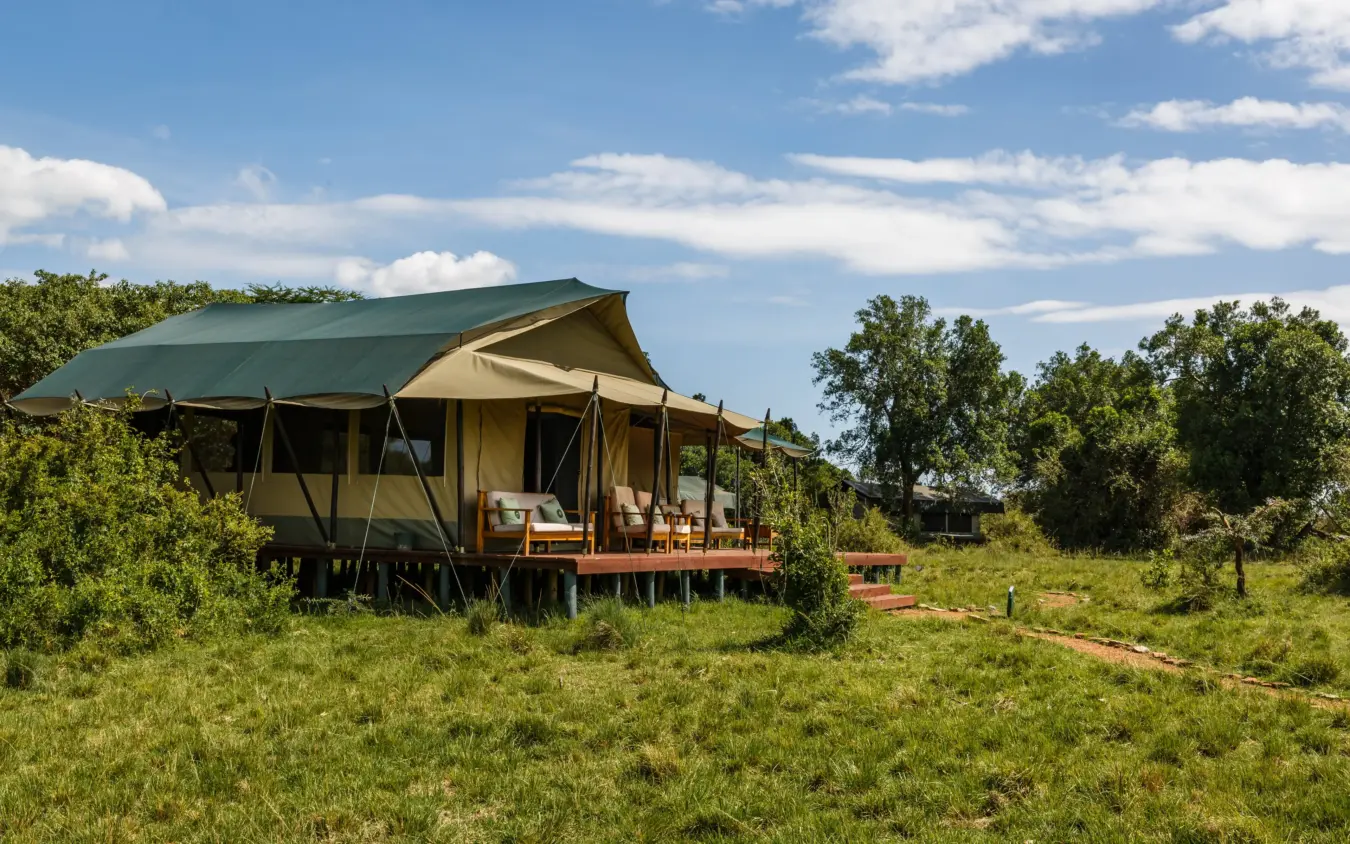
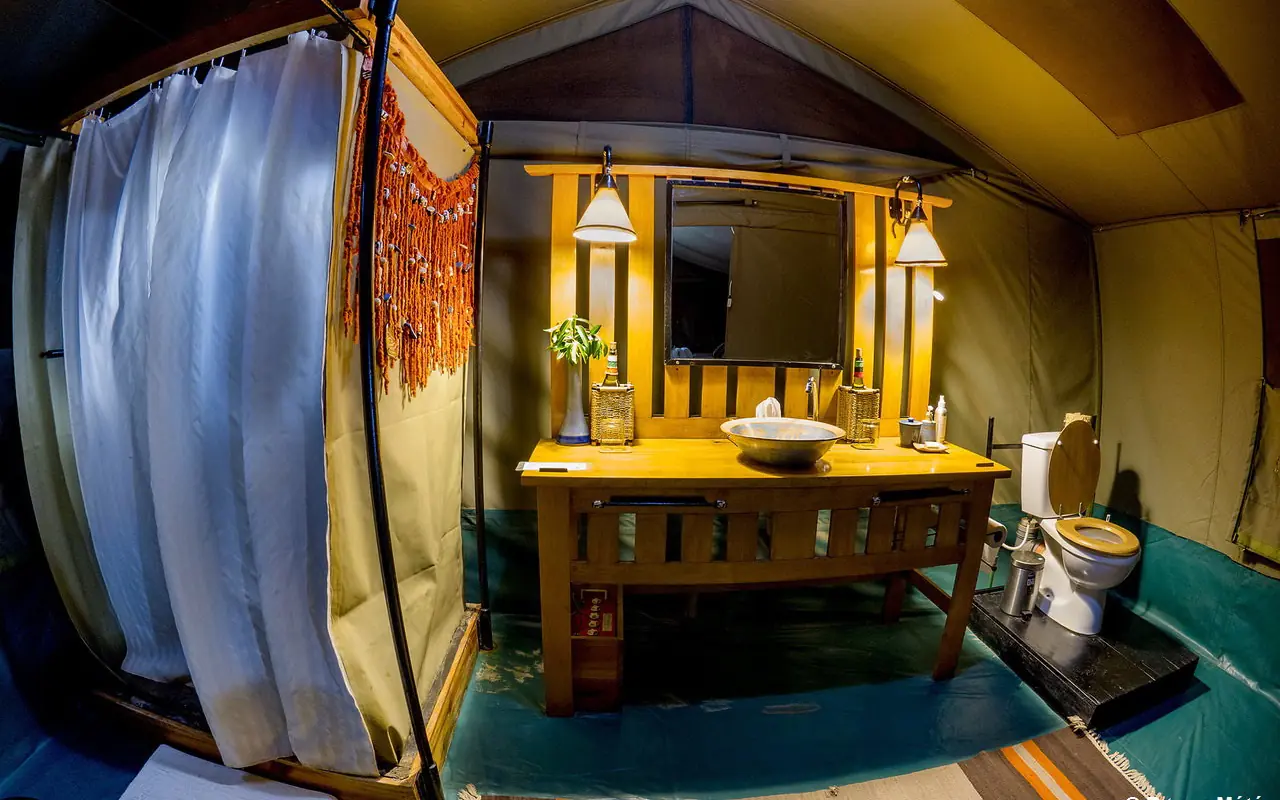
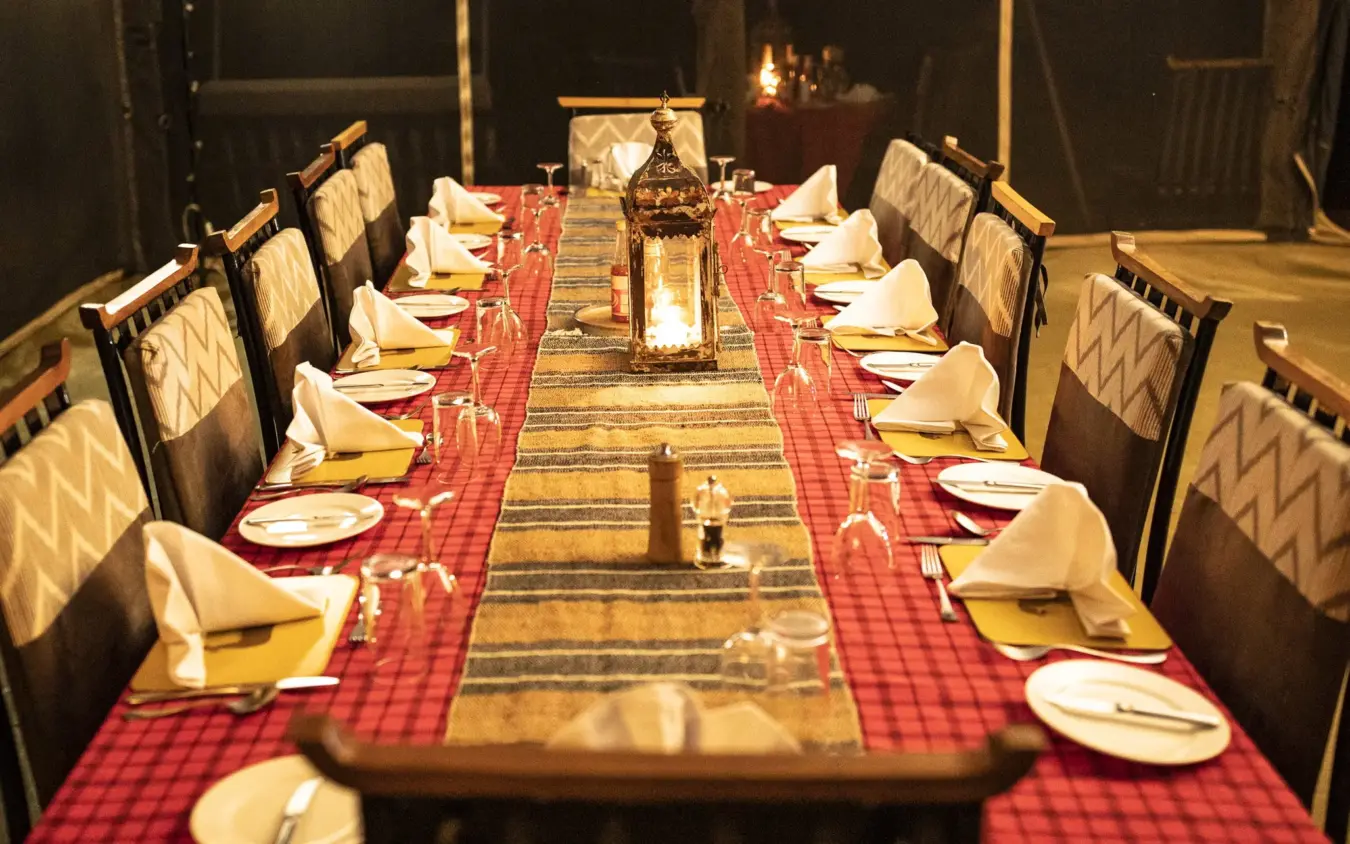
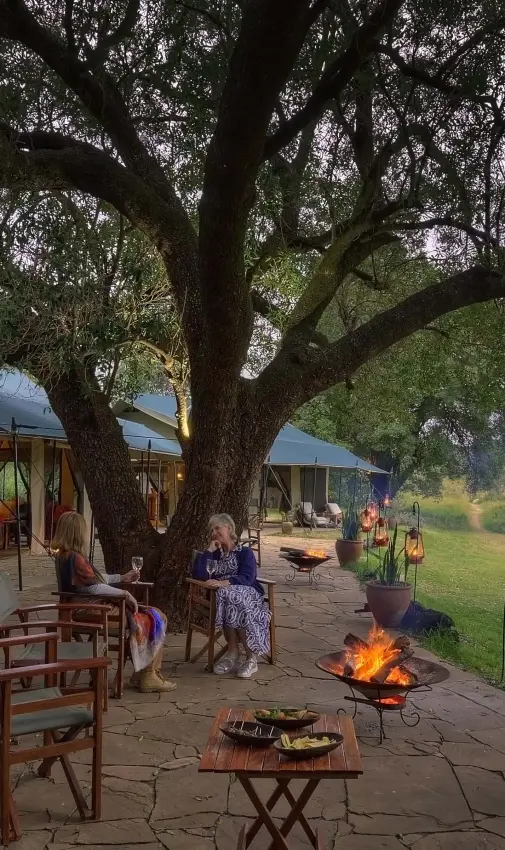
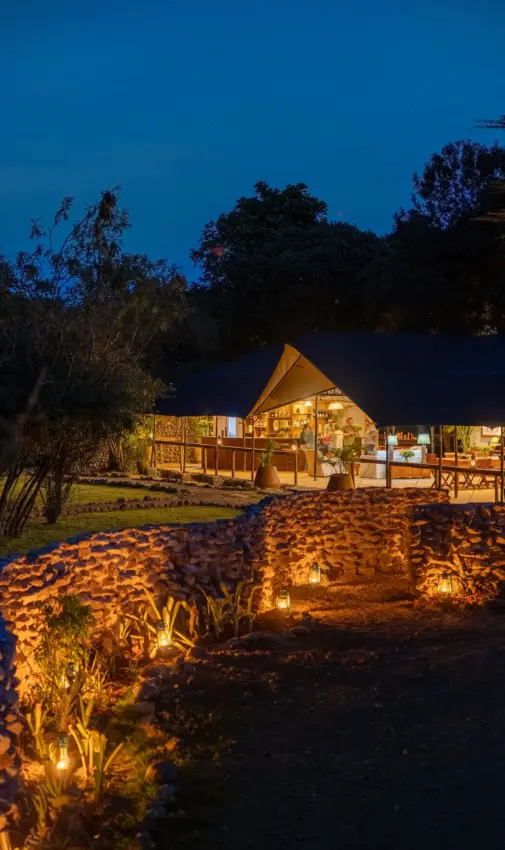
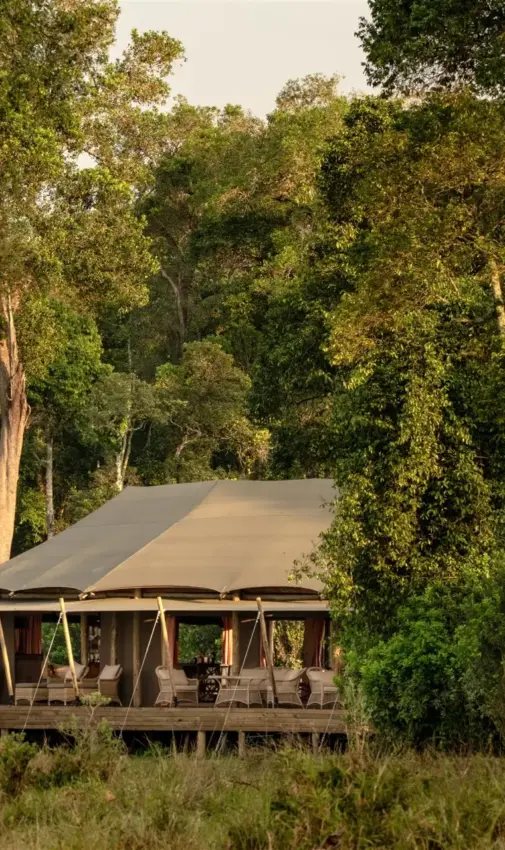
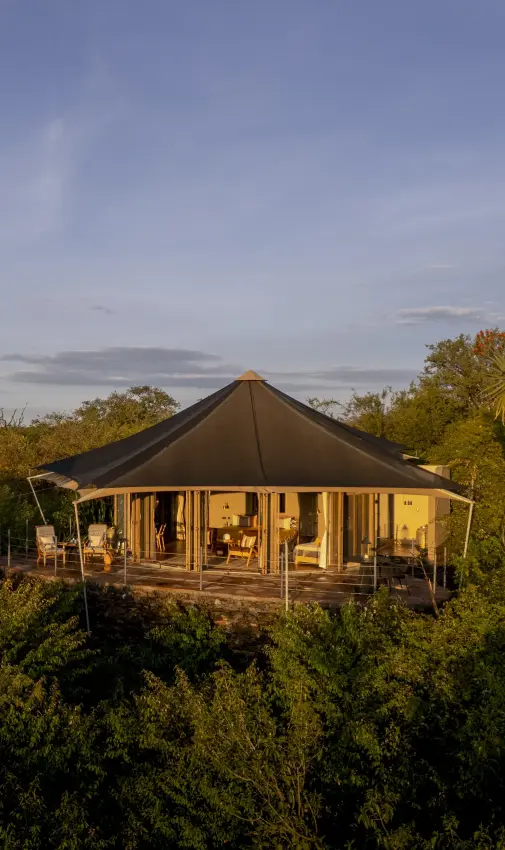
Ten solar-powered canvas tents line the riverbank, family units among them, each with a veranda, a flush toilet and a hot bucket shower filled by hand. Interiors keep to rugs, a writing desk and reading lamps. No structure in camp sits on a concrete slab. Everyone eats together in the dining tent, and Maasai staff walk guests back by torchlight.

Porini Lion Camp, Maasai Mara, Kenya 01

accommodation

Ten Solar-Powered Canvas Tents on Ntiakitiak

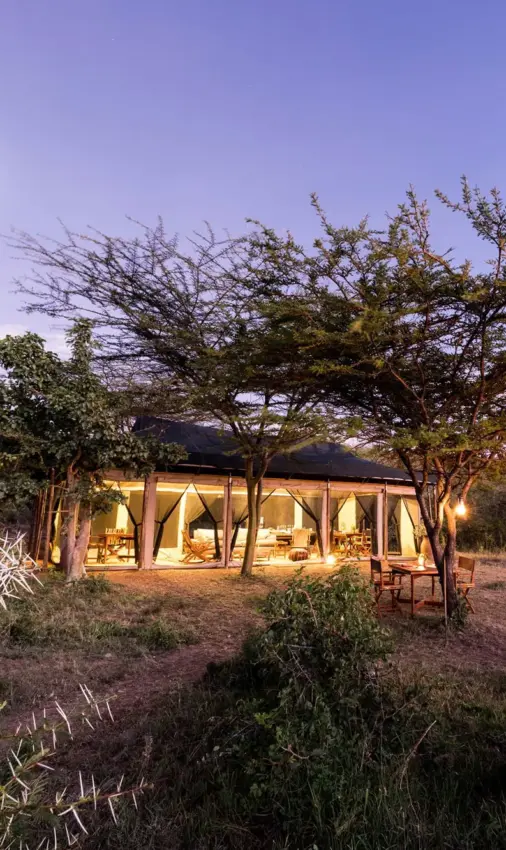
Ten solar-powered canvas tents line the bank of the seasonal Ntiakitiak River, family units among them, each with a private veranda, an ensuite flush toilet and a hot bucket shower. Interiors keep to beds under duvets, rugs, a writing desk and reading lamps. Nothing is permanent: the camp is built to leave no trace.

Porini Lion Camp, Maasai Mara, Kenya 02

activities

Game Drives and Walks with Maasai Guides

Day and night game drives run in open-sided 4x4s with Maasai guides, and night drives are permitted in Olare Motorogi but not in the national reserve. Walks with Maasai warriors, bush breakfasts, sundowners, a full day in the reserve with a picnic lunch, a Maasai village visit and balloon flights are all on offer.

Porini Lion Camp, Maasai Mara, Kenya 03

conservation

Lease Payments Fund Village Education and Healthcare

Lease payments from Olare Motorogi reach the Maasai families who own the land, and money from the camps funds community projects in the surrounding villages, education and beekeeping among them. Guides and scouts are drawn from those same landowning families. The camp holds a Gold Eco-rating from Ecotourism Kenya.

ready to get started?

Get in touch and let’s start the conversation. An initial consultation helps us understand what you’re looking for, whether that’s specific experiences, luxury touches, or marking a special occasion, and from there we’ll guide you through what’s possible so you can decide if we’re the right fit.

Alternative accommodation in maasai mara

Illuminated safari lodge at dusk under acacia trees, Kimya Kimya Camp, Maasai Mara, Kenya 01

Kimya Kimya Camp

Maasai Mara

Illuminated safari tent at dusk with tall trees nearby, Kicheche Mara North, Maasai Mara, Kenya 02

Kicheche Mara North

Maasai Mara

Man standing at infinity pool overlooking vast savanna landscape, Wild Hill, Maasai Mara, Kenya 03

Wild Hill

Maasai Mara

Canvas safari tent at sunset with acacia tree overhead, Mara Nyika Camp, Maasai Mara, Kenya 04

Mara Nyika Camp

Maasai Mara

Open-air dining area with fire pit under large tree, Kicheche Bush Olare, Maasai Mara, Kenya 05

Kicheche Bush Olare

Maasai Mara

Two children watching elephant grazing in natural habitat, House In The Wild, Maasai Mara, Kenya 06

House In The Wild

Maasai Mara

Two people silhouetted crossing suspension bridge at sunset, Ngare Serian, Maasai Mara, Kenya 07

Ngare Serian

Maasai Mara

08

Mara Siana Camp

Maasai Mara

Safari tent bedroom with open views of grassland landscape, Encounter Mara Camp, Maasai Mara, Kenya 09

Encounter Mara Camp

Maasai Mara

10

Tangulia Ndogo

Maasai Mara

Lions walking past distinctive tent-shaped lodge structures, Mahali Mzuri, Maasai Mara, Kenya 11

Mahali Mzuri

Maasai Mara

12

Tangulia Mara

Maasai Mara

Modern brick lodge illuminated at dusk beneath acacia tree, Angama Mara, Maasai Mara, Kenya 13

Angama Mara

Maasai Mara

Luxury safari tent with wooden furniture and hanging lantern under trees, Seringet Mara Camp, Maasai Mara, Kenya 14

Seringet Mara Camp

Maasai Mara

15

Naibor Wilderness

Maasai Mara

Wooden deck overlooking river at sunset with trees, Rekero Camp, Maasai Mara, Kenya 16

Rekero Camp

Maasai Mara

17

Manzili Mara

Maasai Mara

18

Kandili Camp

Maasai Mara

Safari guide photographing wildlife from open vehicle, Serian “The Original”, Maasai Mara, Kenya 19

Serian “The Original”

Maasai Mara

Glamping tent with lanterns lining pathway at dusk under large tree, Naibor Camp, Maasai Mara, Kenya 20

Naibor Camp

Maasai Mara

frequently asked questions

By light aircraft from Nairobi's Wilson airport to the Olare Orok airstrip, which sits inside the conservancy. Safarilink and AirKenya both fly from Wilson to the Mara several times a day, in the morning and the afternoon, and about an hour in the air is typical, a little longer when the aircraft calls at another Mara strip first.

A guide from the camp meets the plane and drives you in, and that transfer is part of the stay. The aircraft take soft bags only, fifteen kilograms a person including hand luggage.

If you would rather fly on your own timings, we can arrange a private charter, typically a Cessna Caravan or a Pilatus PC-12, straight to the Olare Orok strip. Coming by road from Nairobi is possible but takes the best part of a day, so we only suggest it when the drive is part of a longer overland route.

Yes. TravelHealthPro, the UK's official travel health service, rates Kenya as high risk for malaria and recommends antimalarial tablets for it, setting apart only the city of Nairobi and the highlands above 2,500 metres, where it rates the risk as very low.

The American CDC draws the same line and includes the game parks by name. Olare Motorogi, like the rest of the Mara, lies well below 2,500 metres, and neither source makes a seasonal distinction, so the advice does not change with the seasons.

We are travel planners, not medical professionals, and we do not make medical recommendations. Which tablets suit you, how they sit with anything else you take and what is right for a child are questions for your own doctor or a travel clinic, best asked with your travel dates to hand.
The practical side is simpler: cover arms and legs from late afternoon and keep repellent close, especially for the night drives.

Olare Motorogi is a private conservancy of some 33,000 acres on the northern edge of the Maasai Mara National Reserve. It was formed in 2006, when 277 Maasai landowners agreed to set their land aside for wildlife, and Porini Lion Camp was one of its two founding camps.

Tourism is capped at 94 beds across five small camps, which works out at roughly one game-viewing vehicle for every 2,100 acres, so sightings are rarely crowded.

Being in a conservancy also brings night drives and guided walks with Maasai warriors into the programme. The landowning families draw an income, jobs and community support from the camps, and their cattle are still part of the picture: herds are grazed in planned blocks and moved on, leaving patches of short grass that the plains game follow, and the big cats with them.

Almost everything on the ground. The stay covers all meals, including picnic breakfasts and bush lunches, and the drinks: soft drinks, mineral water, beer, house wine and gin and tonic.

Game drives go out morning and afternoon in open-sided four-wheel drives shared with other guests, and night drives, guided walks with Maasai warriors and sundowners at a viewpoint are part of the programme too, as are the transfers to and from the airstrip.

The main extra is a balloon flight over the Mara. Full days in the national reserve with a picnic lunch can be built in, and the reserve charges its own entry fee for those days, separate from the conservancy's. Both fees appear line by line in the quote we send you, so you know exactly what is covered before you book.

Whenever the camp is open, because the lions here are resident: several prides hold territory within the conservancy itself, with leopard, cheetah and elephant alongside them. Outside the rains the grass is shorter and the game easier to find, and January to March is typically hot and dry.

The long rains fall mainly in April and May and the short rains in November and December, and the camp closes for a short spell in the rains, so ask us about dates early. In the migration months, broadly July to October, the wildebeest spill onto the conservancy's plains as well as the reserve's.

The days are warm but the mornings and nights are cool, and an open vehicle at dawn or on a night drive feels properly cold, so bring a fleece and a windproof layer. Pack neutral colours, a hat and strong sun protection, closed shoes for the walks and a light waterproof in case of a shower, all in a soft bag of no more than fifteen kilograms for the flight.

Properly so, and it is certified rather than self-described: the camp holds a gold rating under Ecotourism Kenya's eco-rating scheme. There are no permanent buildings. The ten tents stand on sand and gravel with no concrete foundations, solar power runs the lights in every tent, and the showers are hot bucket showers.

The camp was built so that if it were ever taken down, a few months and some rain would leave little sign it had been there.

The other half of it is people. The camp is run with Maasai staff and guides from the landowning communities around the conservancy, so the stay itself helps keep this land set aside for wildlife. If you would like to do more, guests can support community projects such as beekeeping.

rated five stars by our clients

other areas in kenya

Local guides with poles crossing shallow forest river, Northern Kenya, Kenya 01

Northern Kenya

Two rhinos touching horns in natural habitat 02

Laikipia Highlands

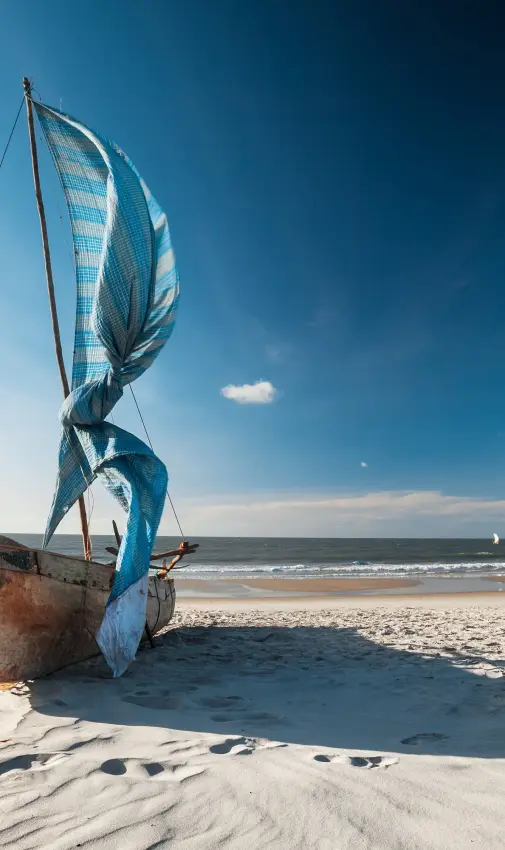
Traditional fishing boat with blue sail on sandy beach 03

Kilifi

Flock of flamingos wading in shallow pink-tinted water, Rift Valley Lakes, Kenya 04

Rift Valley Lakes

Snow-capped Mount Kilimanjaro rising above acacia trees and Tanzania savanna 05

Amboseli and Chyulu Hills

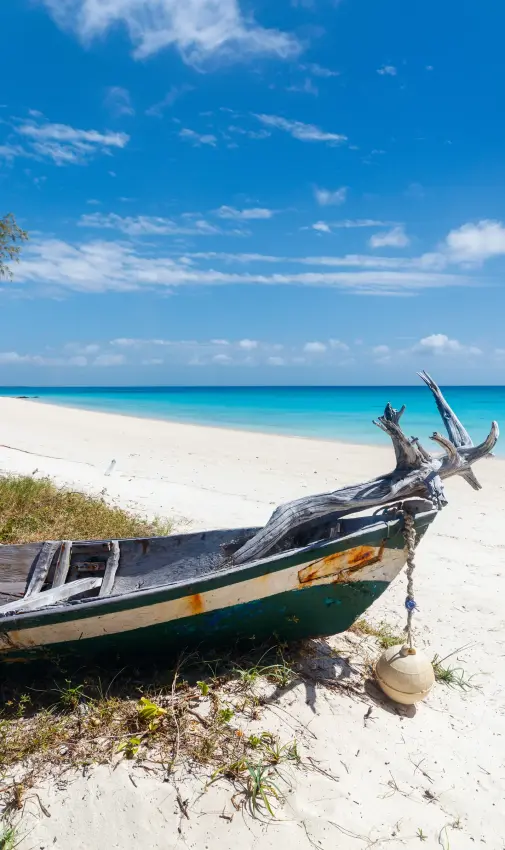
Wooden fishing boat beached on white sand tropical shore 06

Diani Beach

Man in traditional red garment driving open safari vehicle, Samburu Reserve, Kenya 07

Samburu Reserve

08

Lamu Archipelago

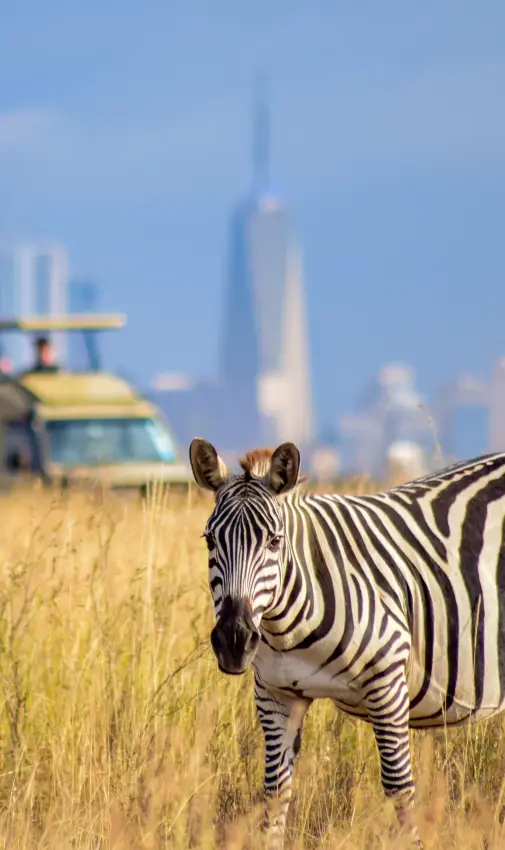
Zebras in savanna grassland with safari vehicle and city skyline 09

Nairobi

African elephants with calf walking through grassland at sunset 10

Tsavo

Planning a journey together

our approach

remote, exclusive
& personal

Every journey starts with a conversation. We take the time to understand your vision before we start planning.

Whether by phone or in person, we work with you directly to shape something that is considered, personal, and expertly delivered.

get in touch
destinations ideas & inspiration our process about us contact us