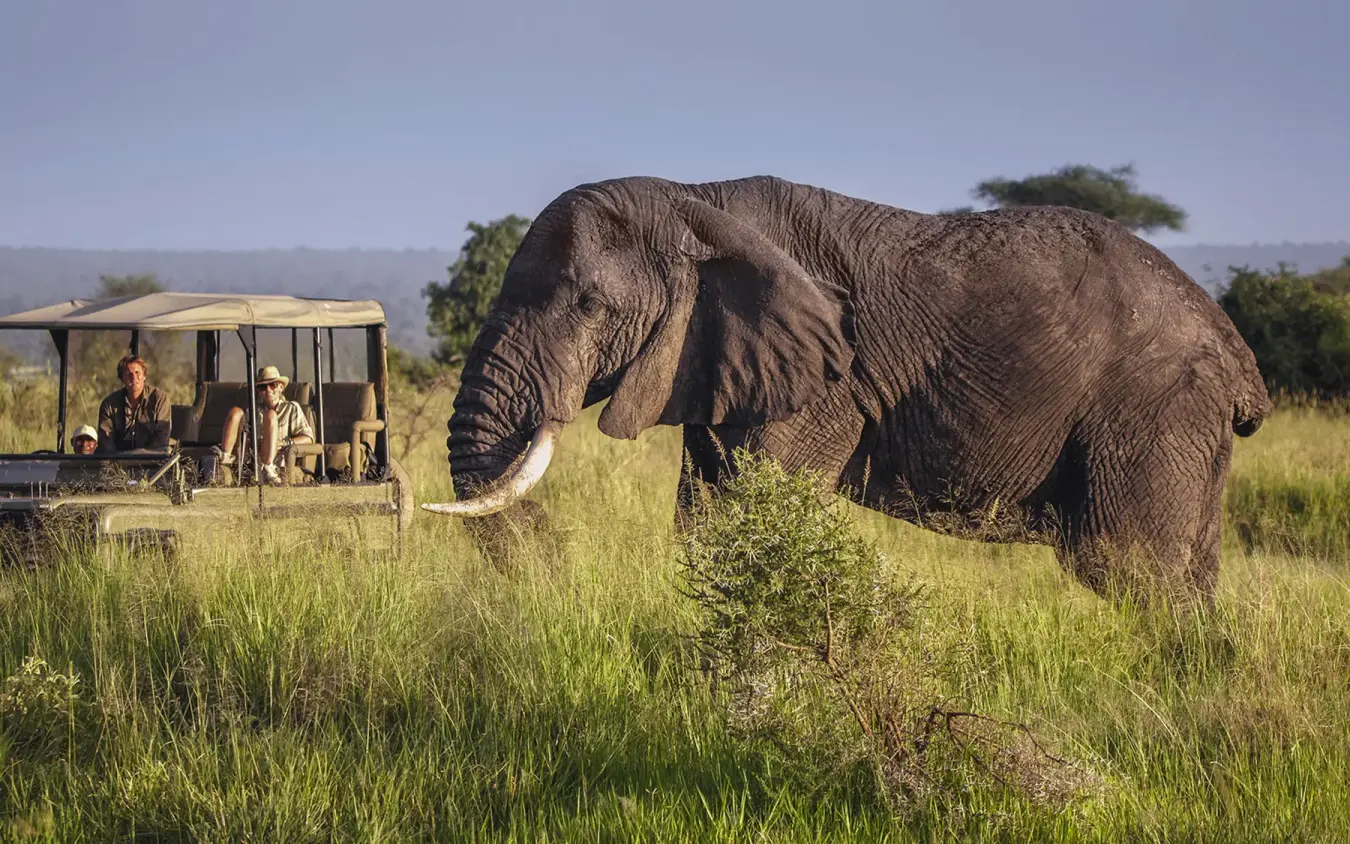
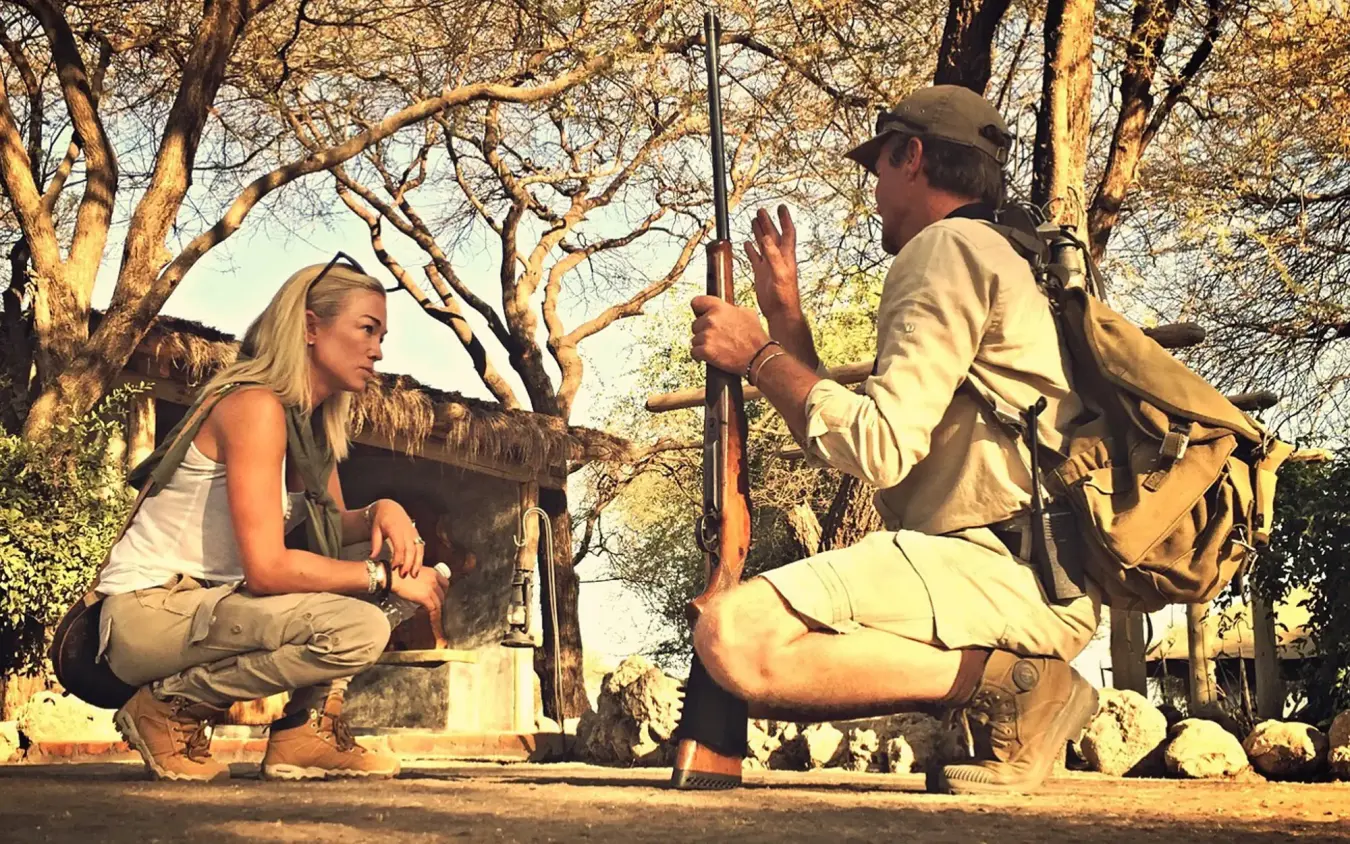
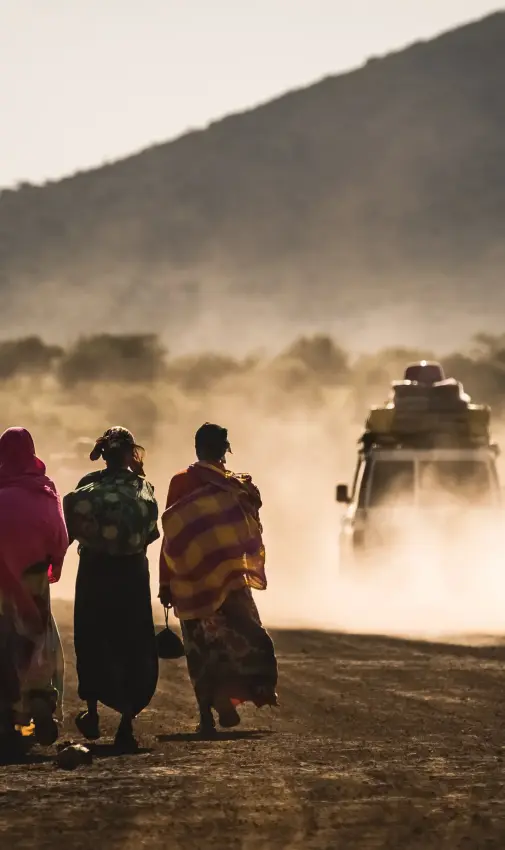
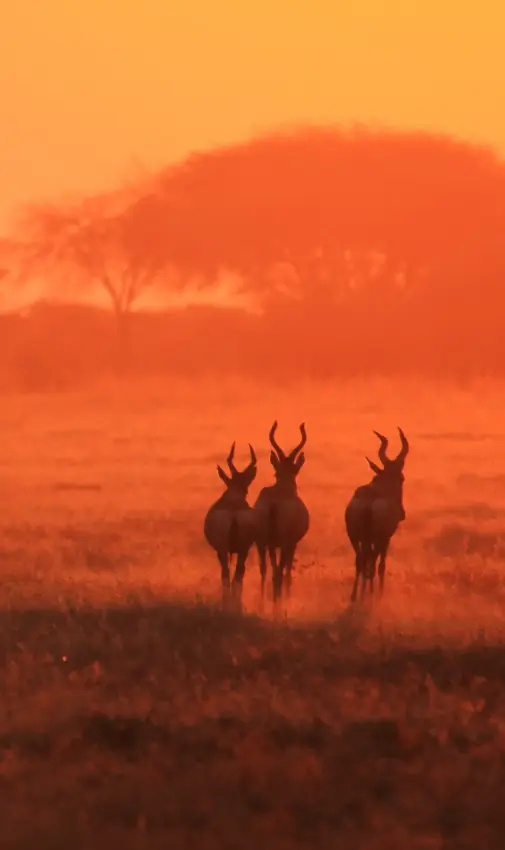
A butler brings coffee to the tent at first light, and birdsong fills the acacias as the sun climbs over the plains. Mornings might mean a walk tracking spoor with a Maasai guide, a sunrise hill climb for views across the Rift Valley, or a game drive that leaves the road for a cheetah on the hunt. Because this is a private concession, night drives are possible too, something the national parks do not permit, and the day rarely runs to anyone’s schedule but your own.
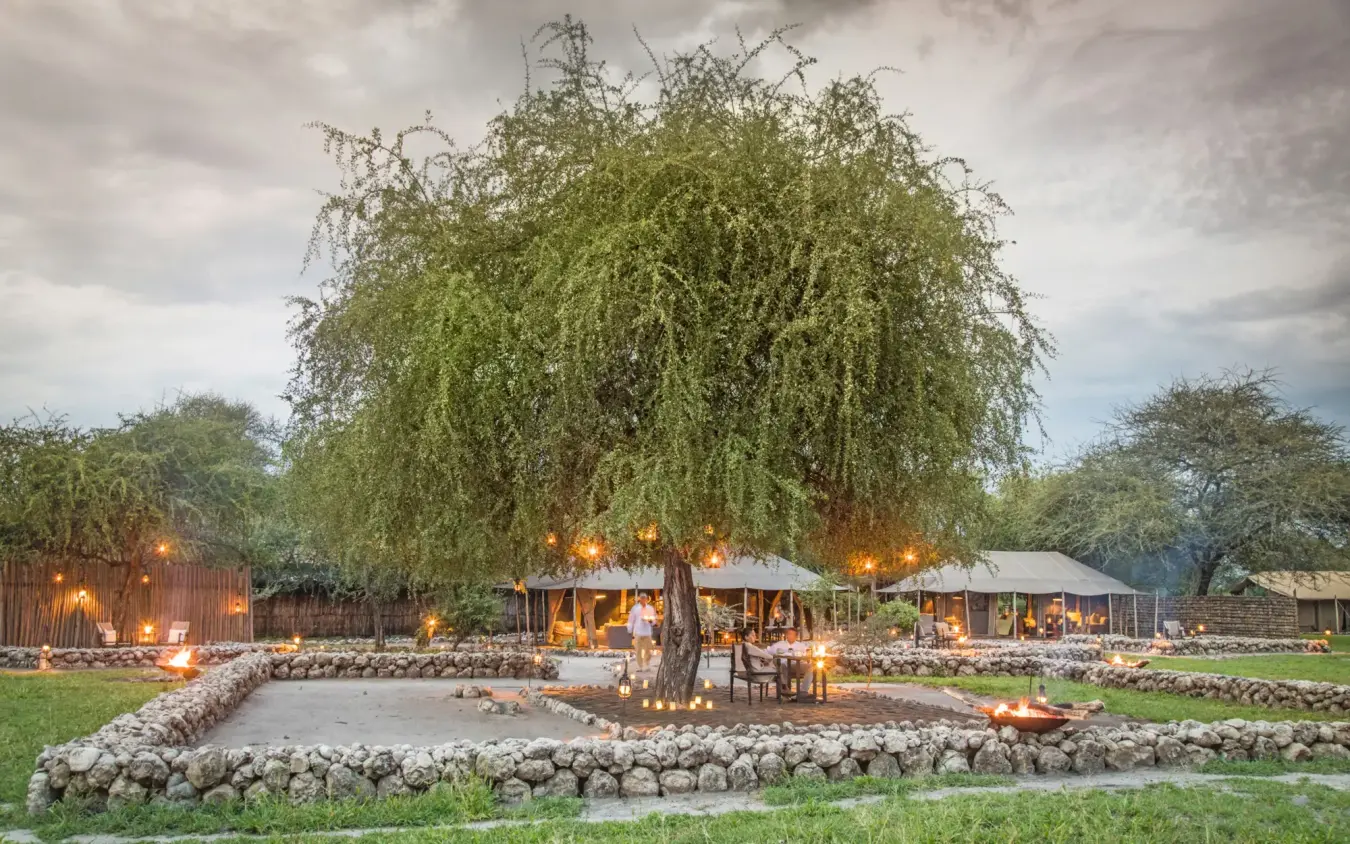
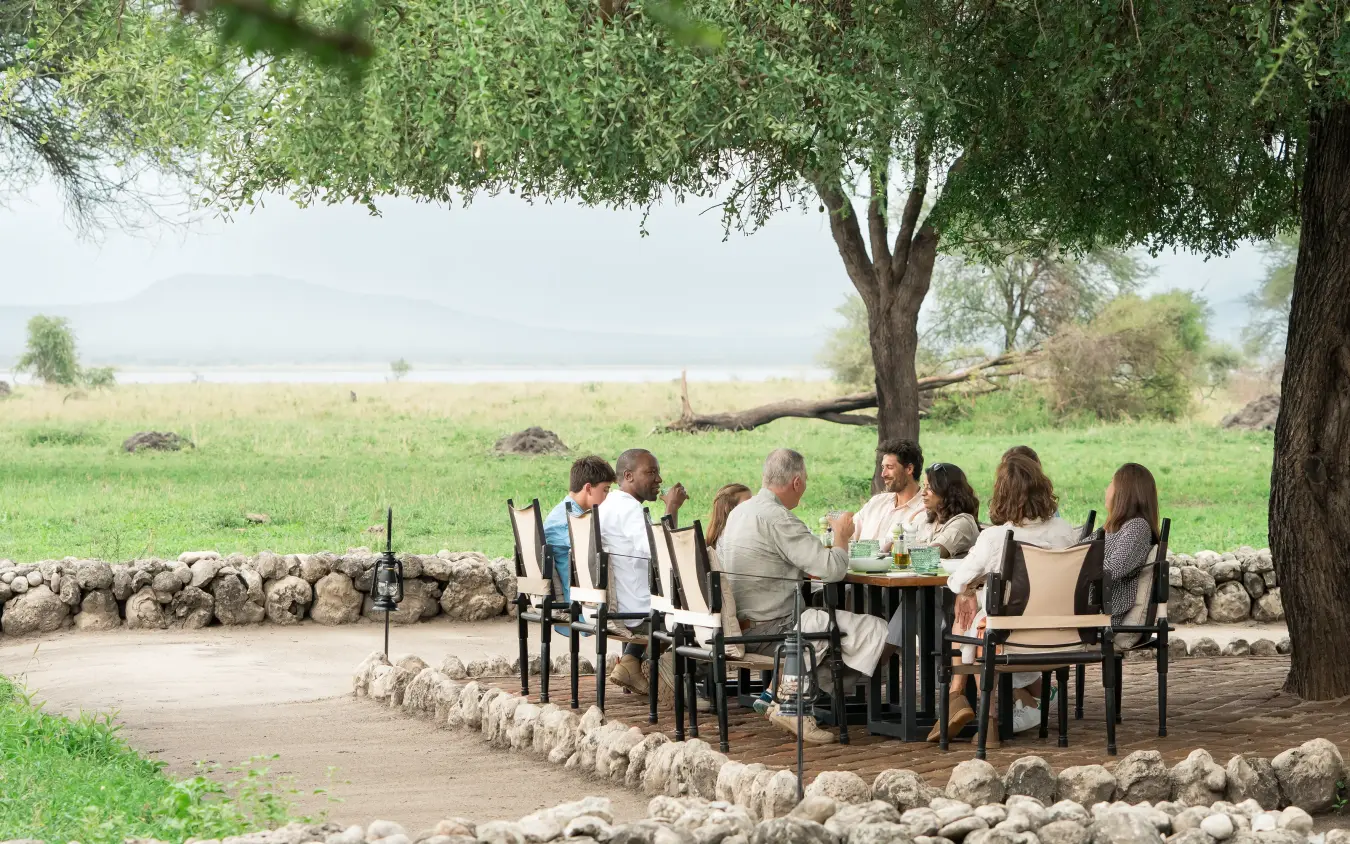
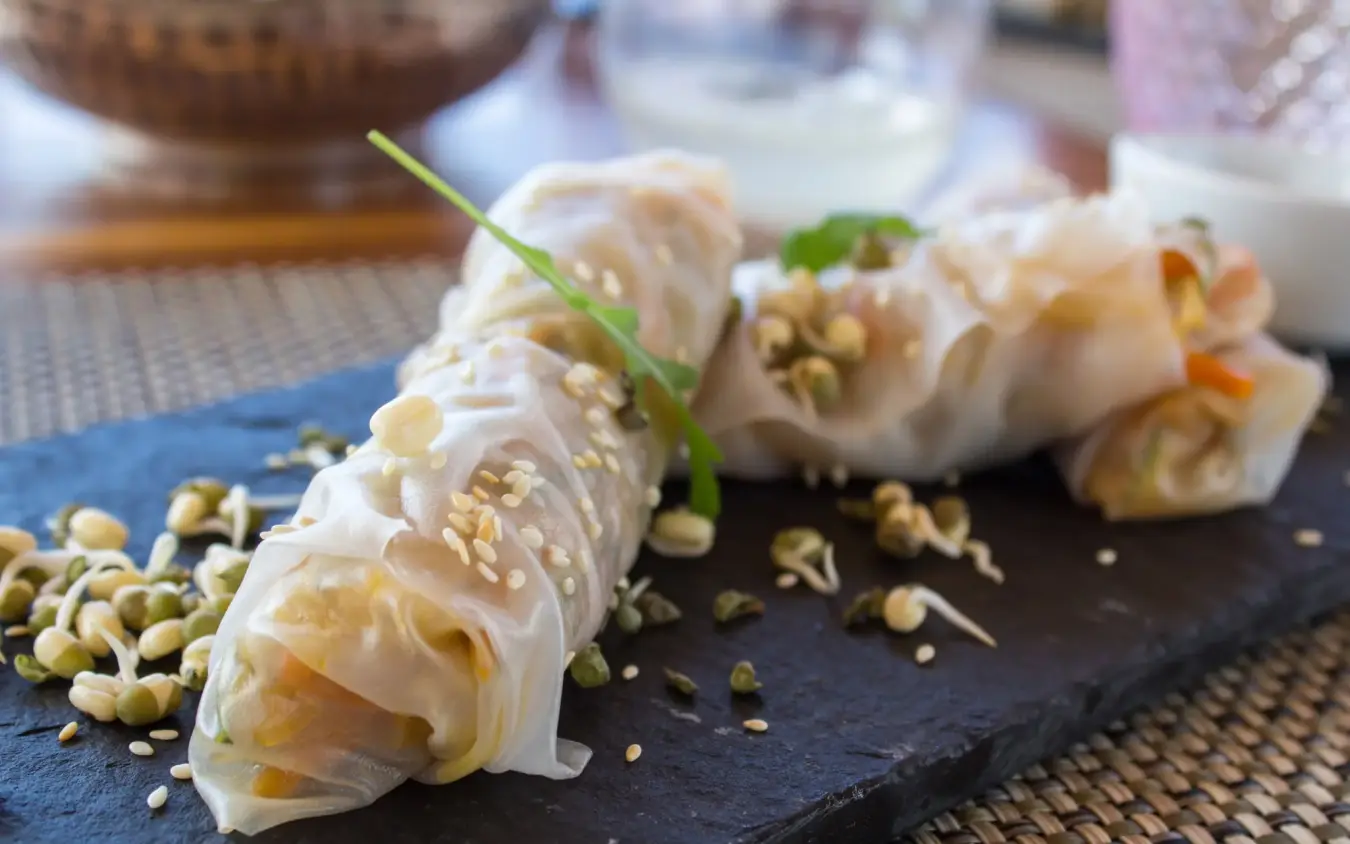
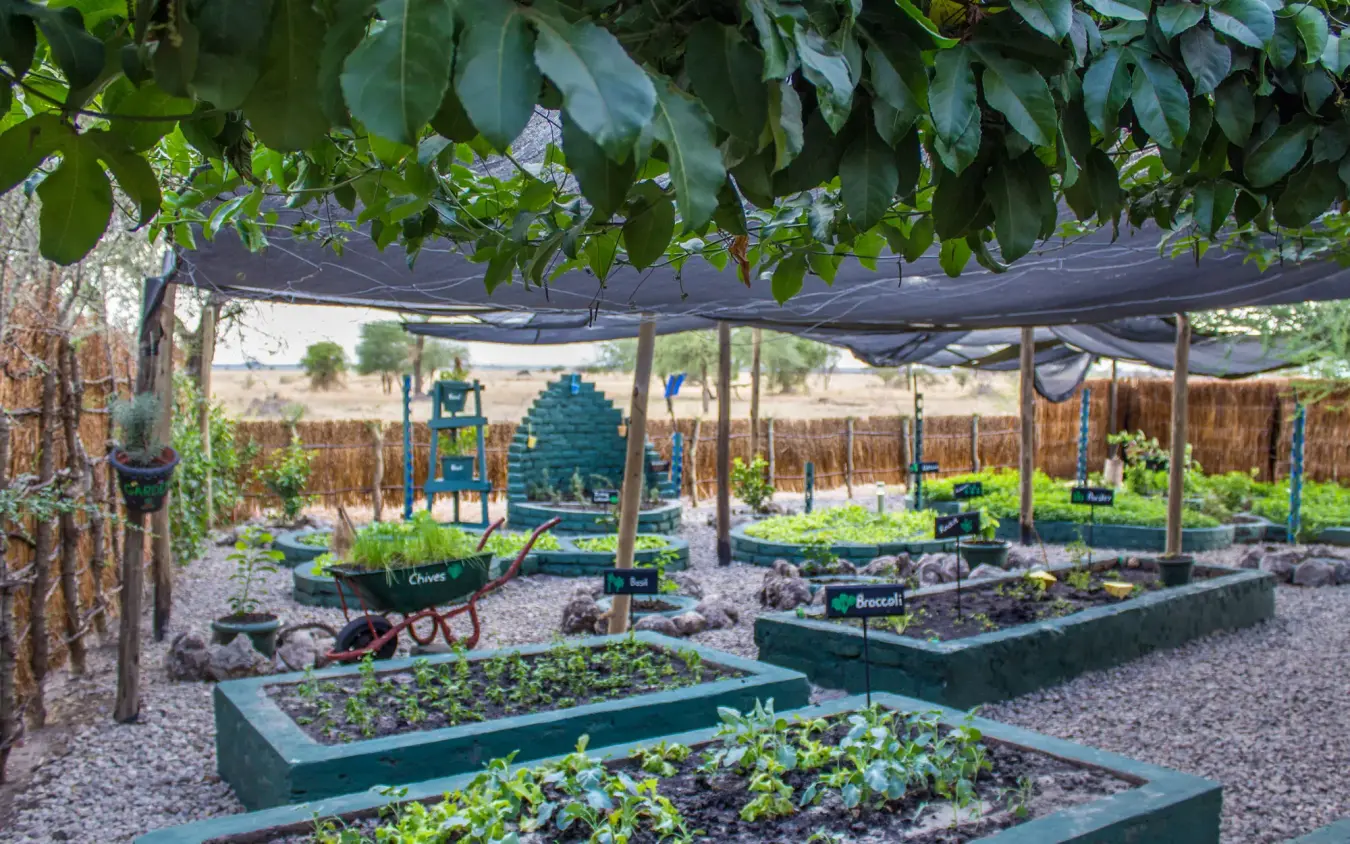
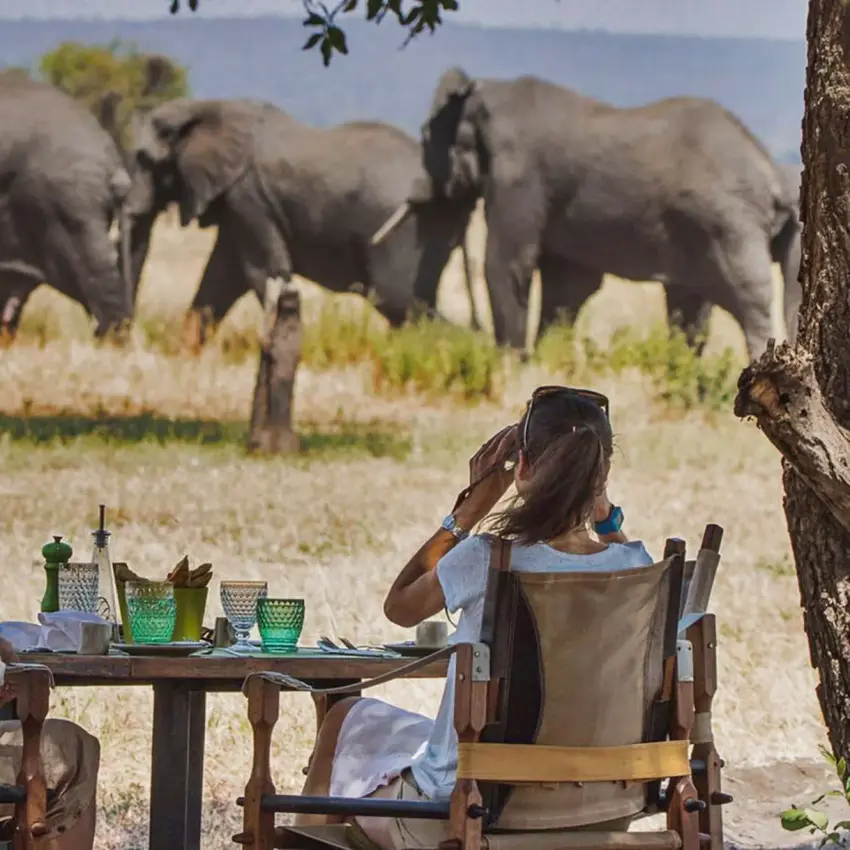
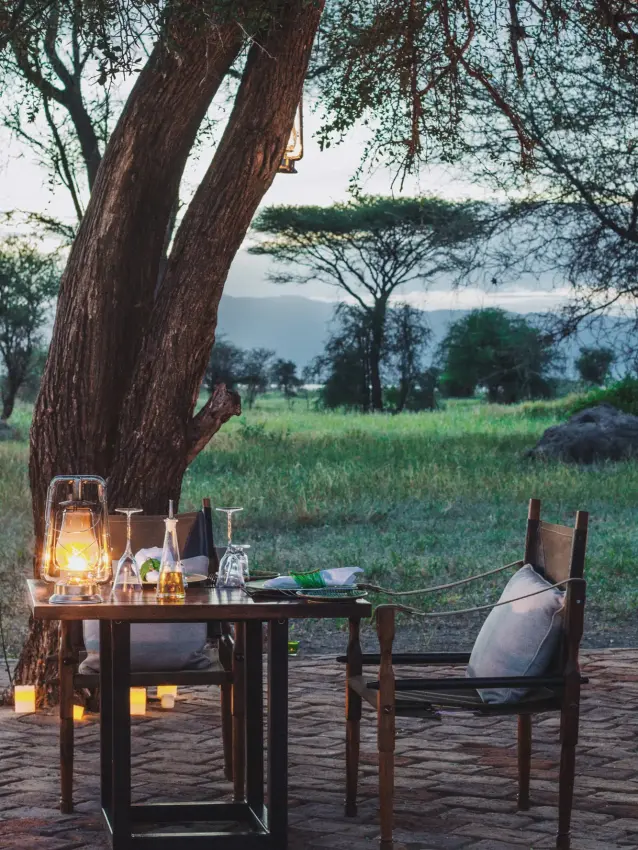
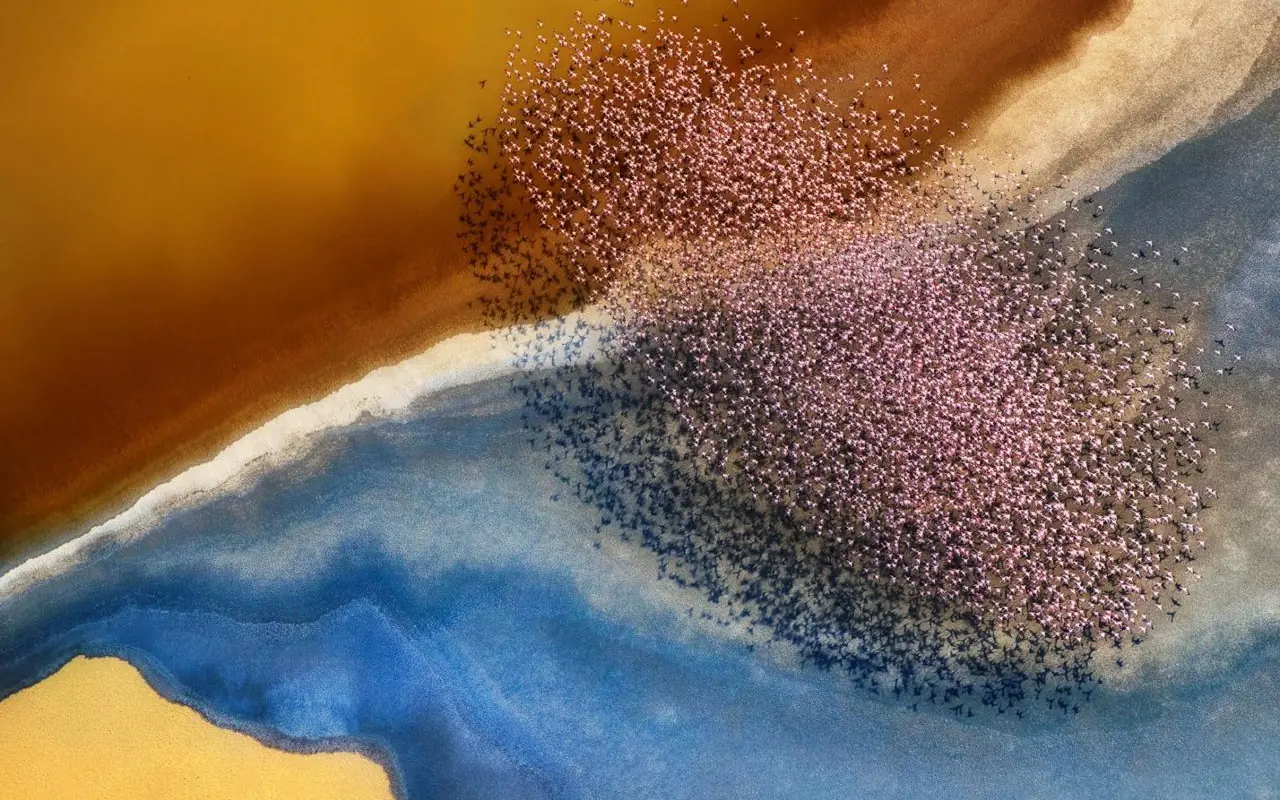
Meals rarely land in the same place twice. Breakfast may be cooked over an open fire beneath a baobab, lunch packed for a day in the bush, dinner served by lantern light beside a private campfire. The kitchen draws on fresh, seasonal produce, much of it a daily harvest from the camp’s own greenhouse. As the light goes, sundowners are laid out on the shore of Lake Burunge, cocktails and small plates against the colours spreading over the water.
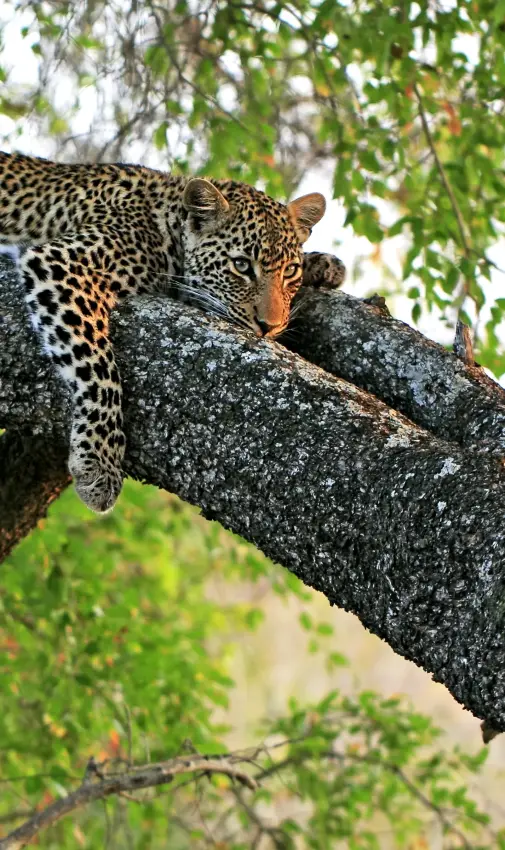
Lions can be heard in the dark, and the fire is often still going on the veranda come morning.
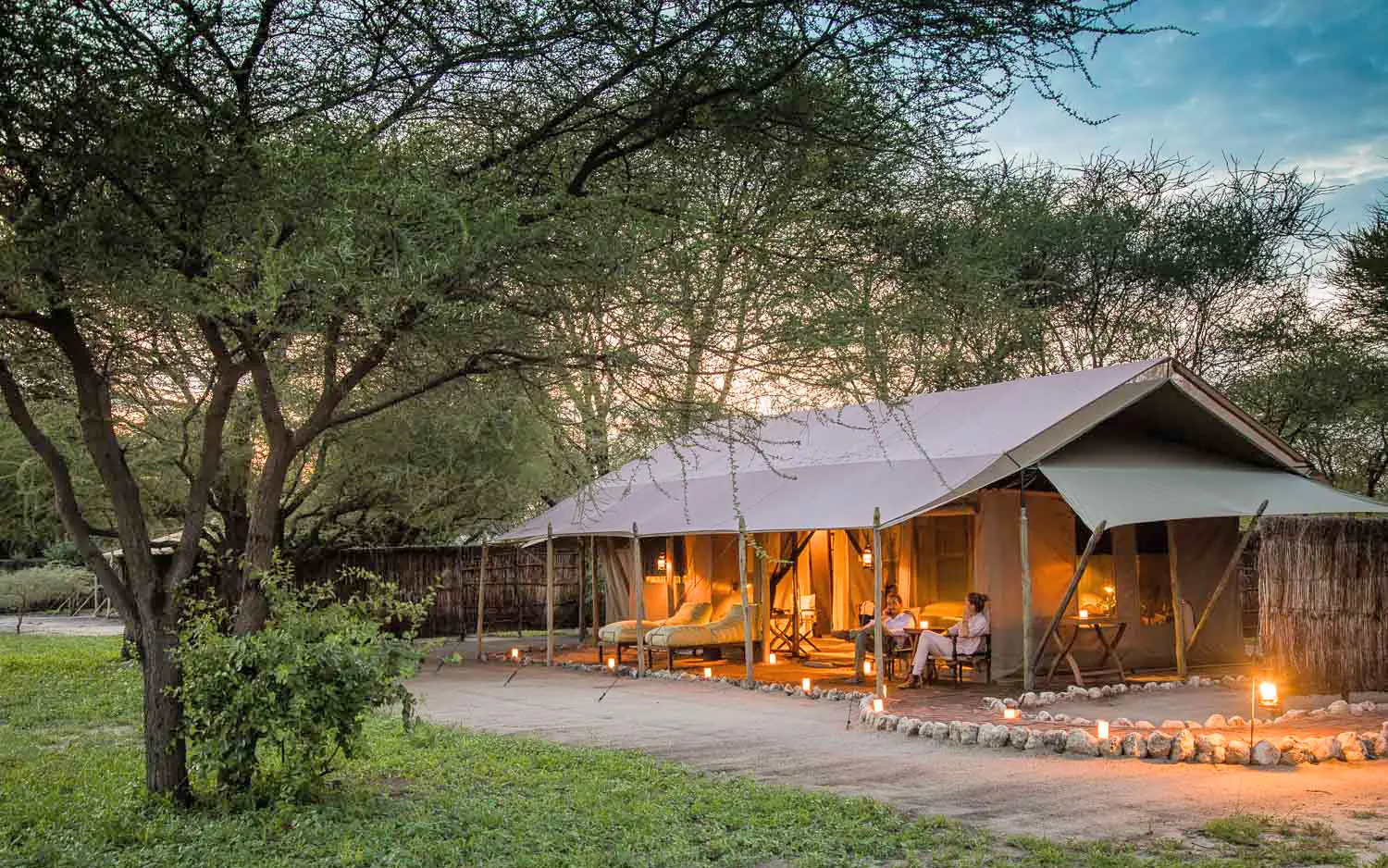
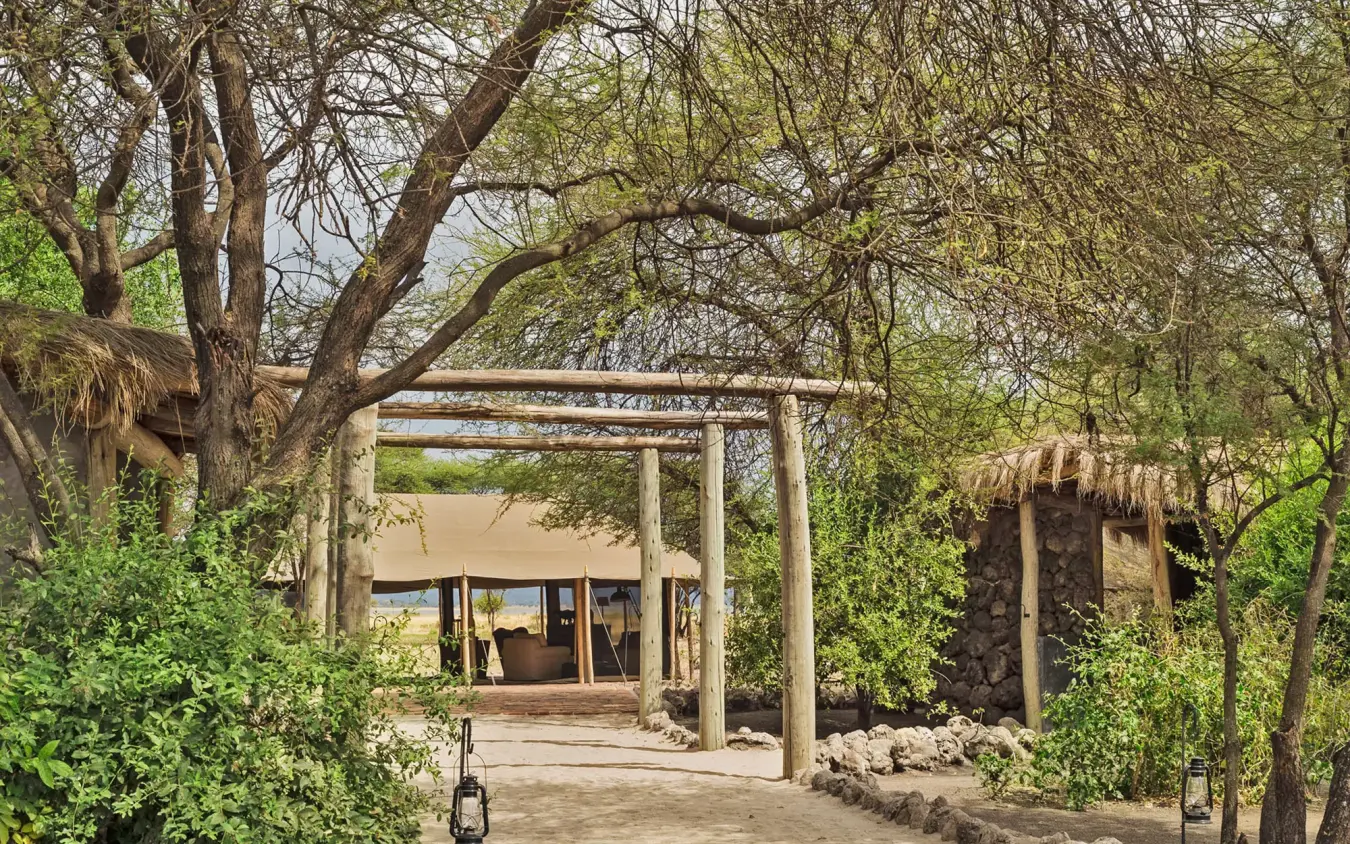
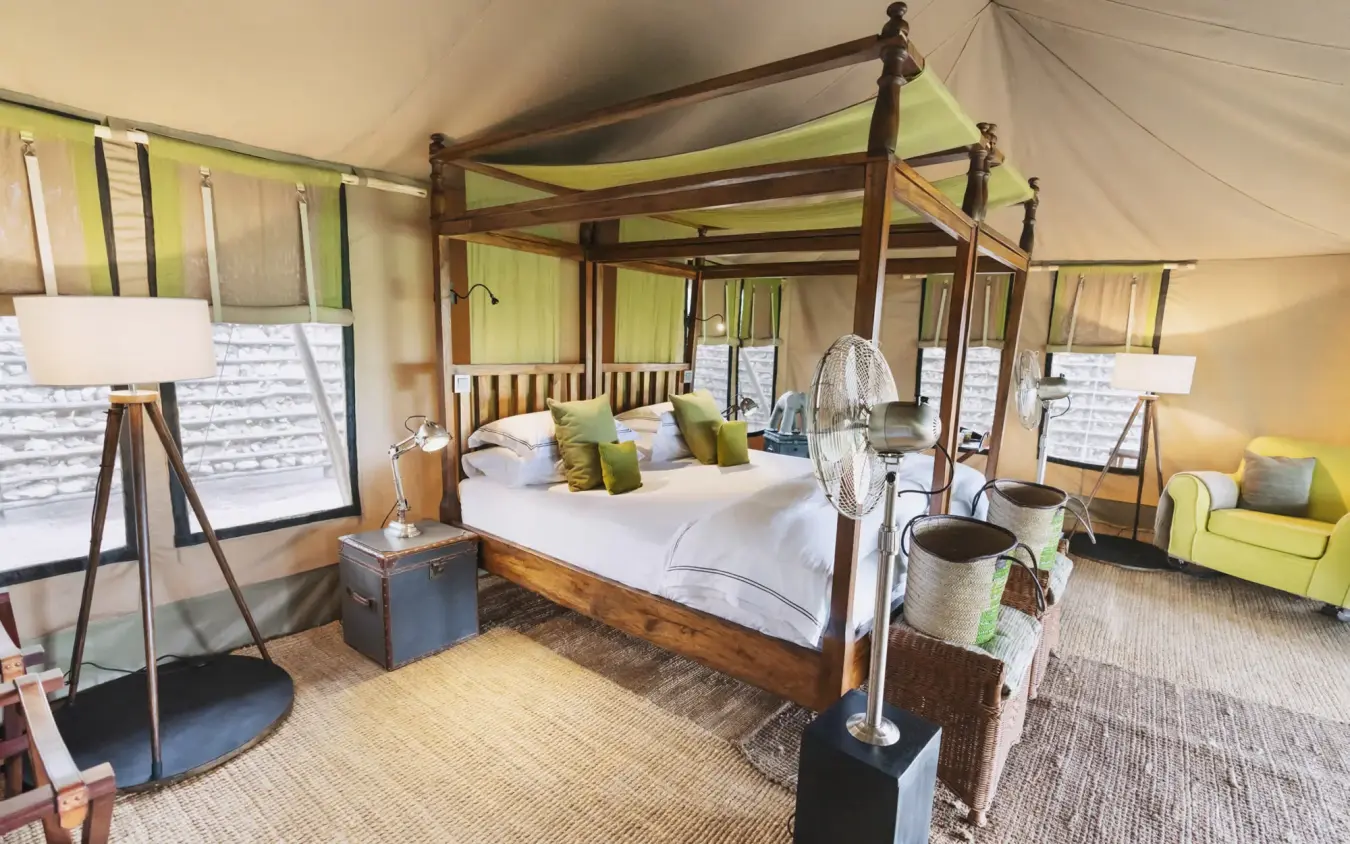
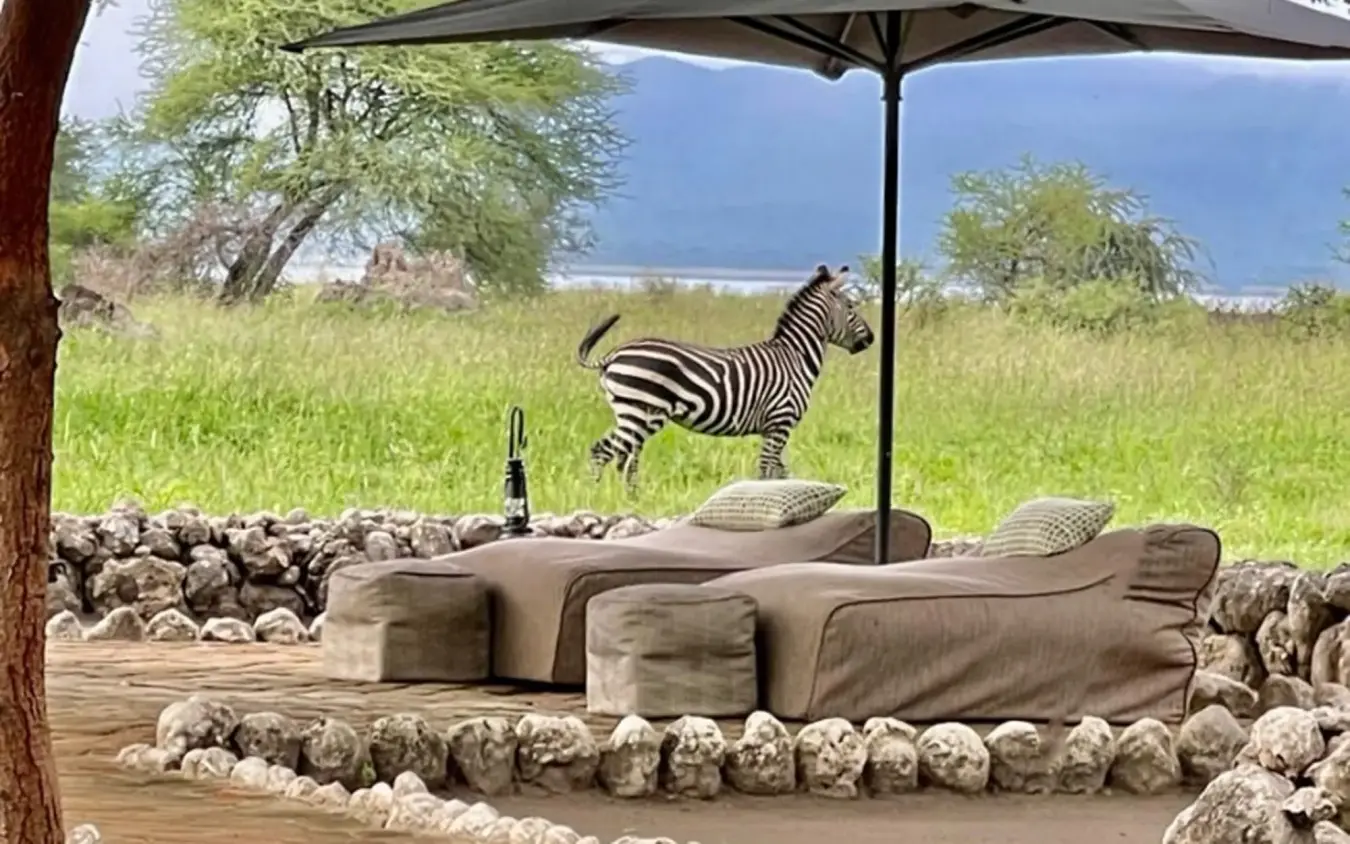
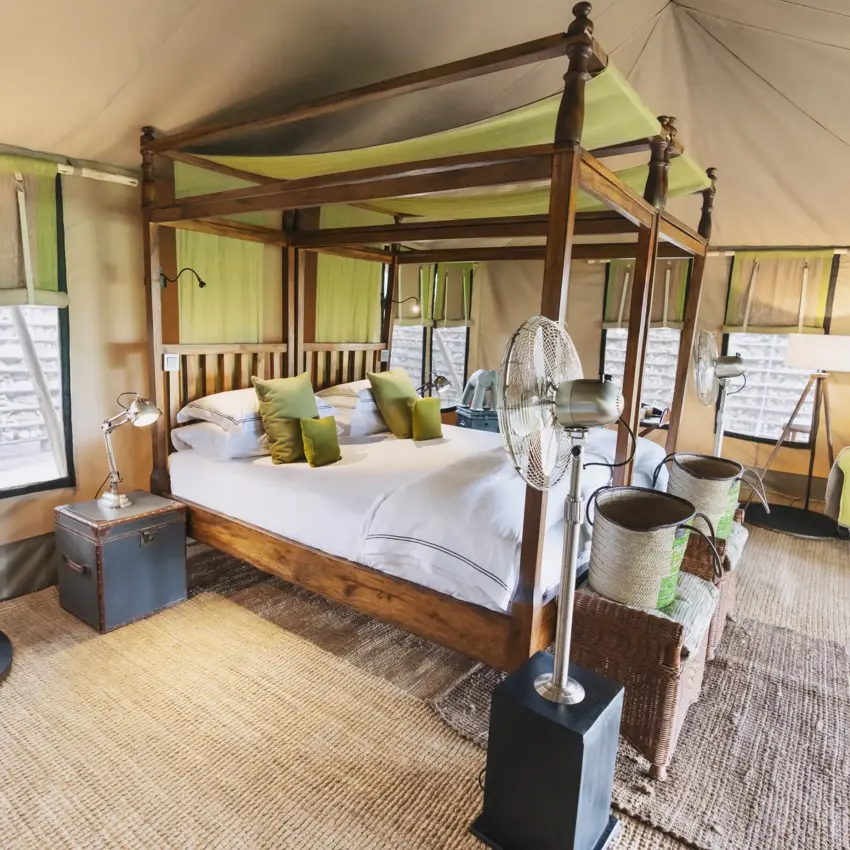
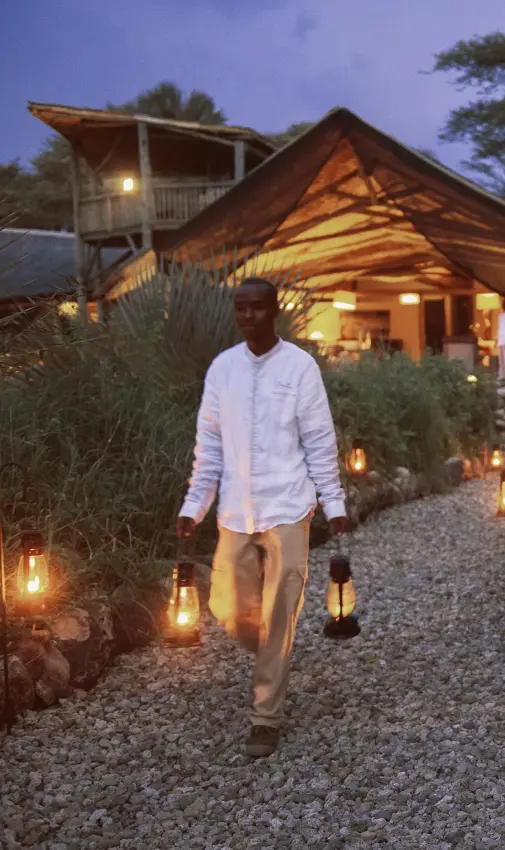
The six tents carry a golden-age explorer feel without slipping into costume. Weathered hardwoods, canvas, cotton linens and local lava stone run throughout, put together by African craftsmen. Interiors stay understated, with private verandas, campaign-style furniture and lanterns, and the camp runs largely on solar power. Lions can be heard in the dark, and the fire is often still going on the veranda come morning.
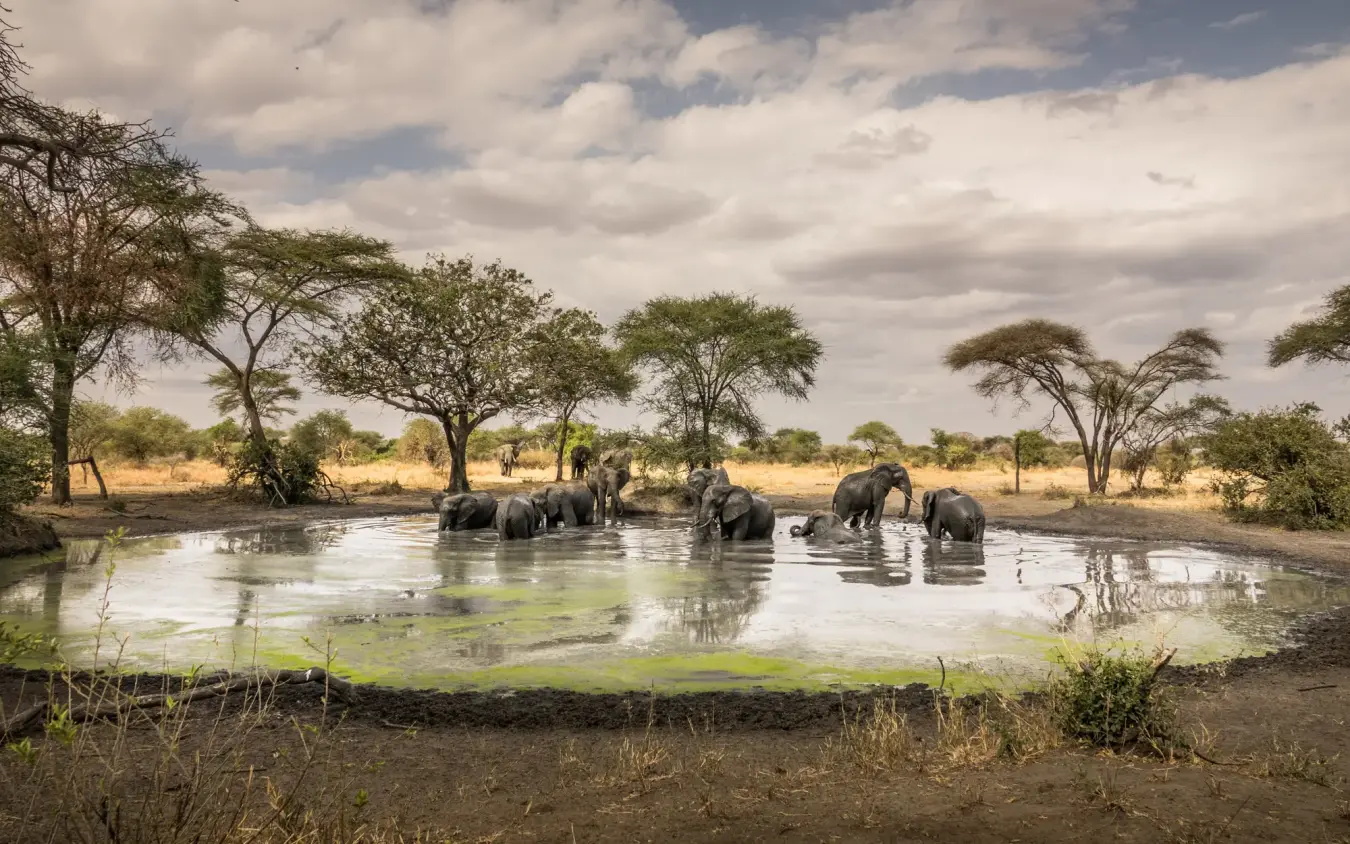
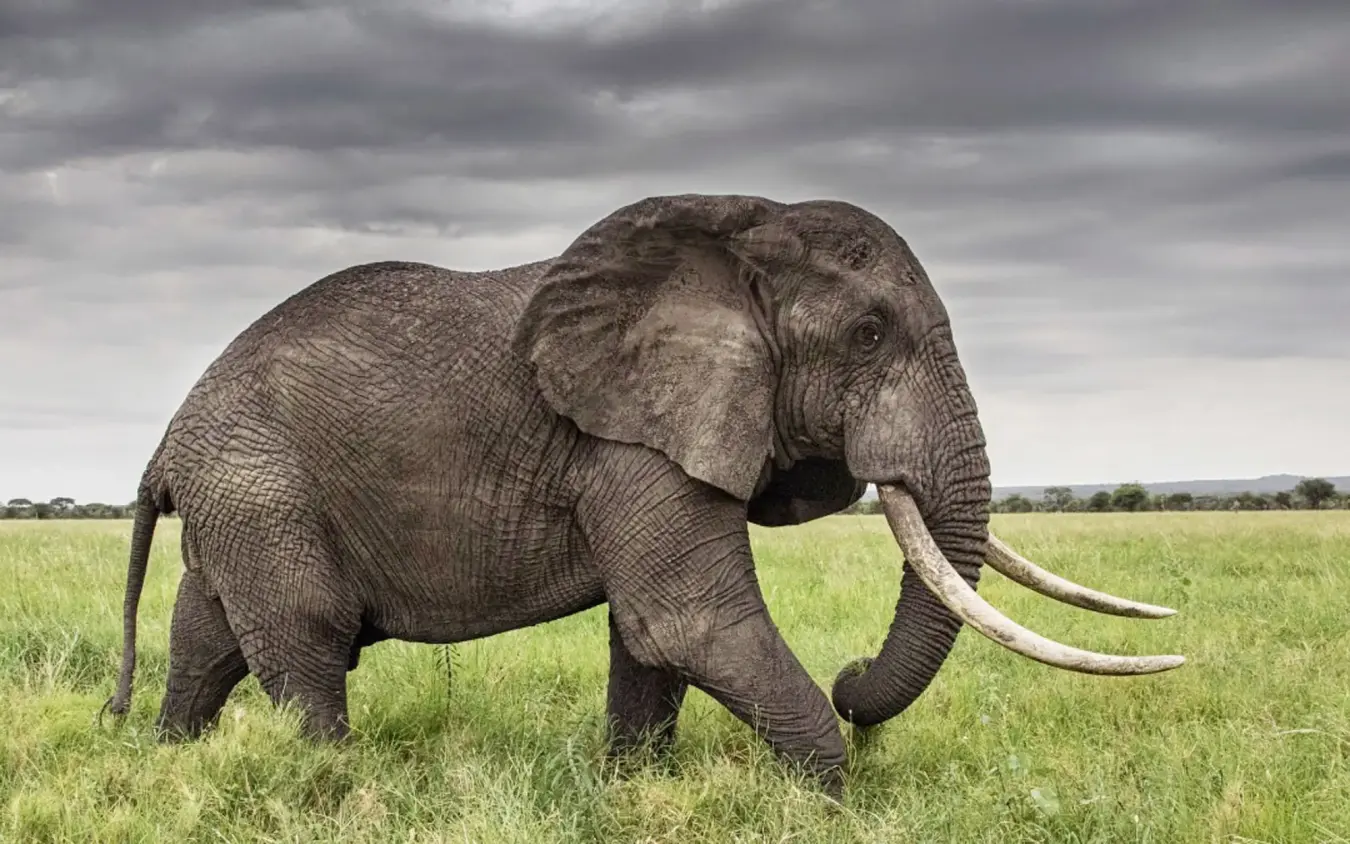
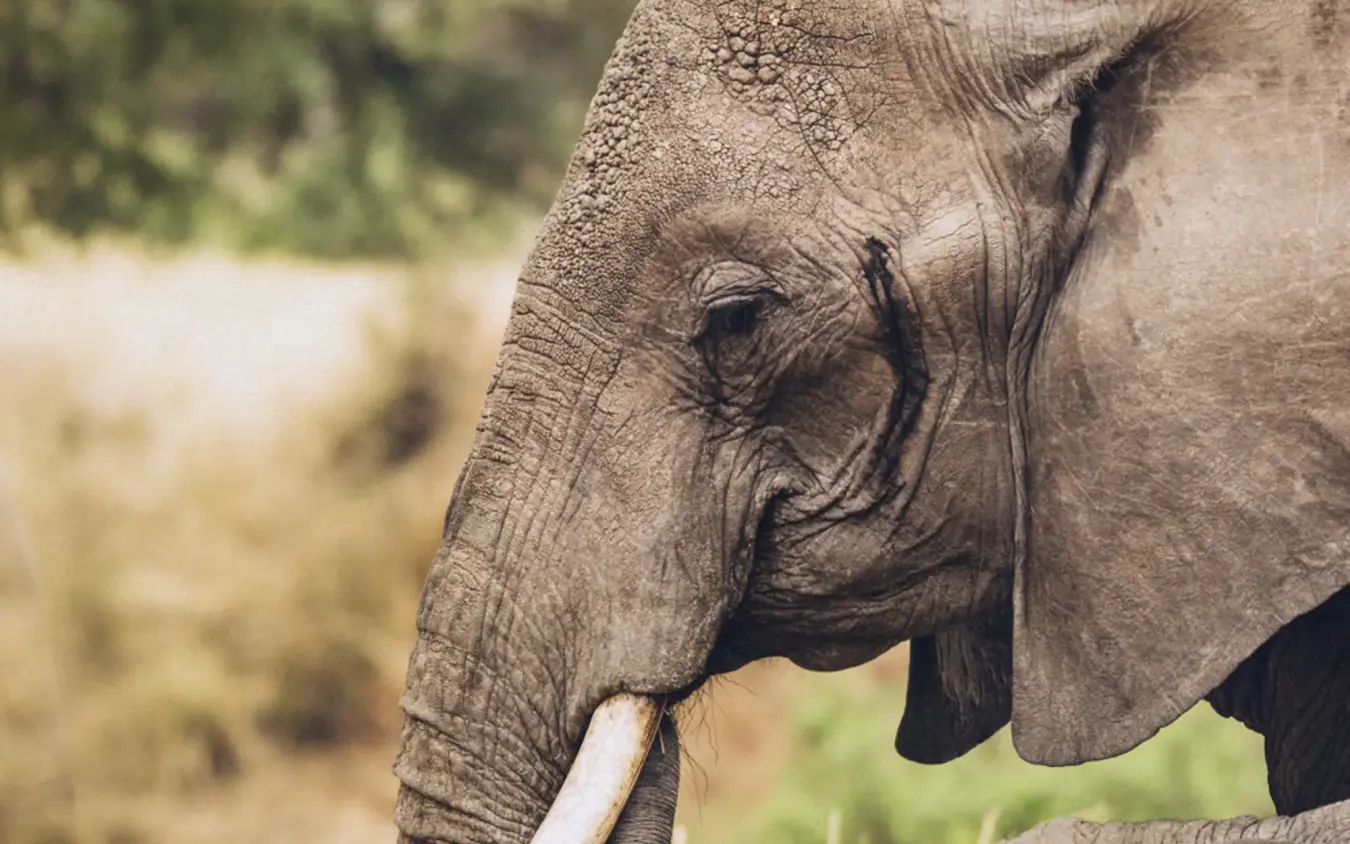
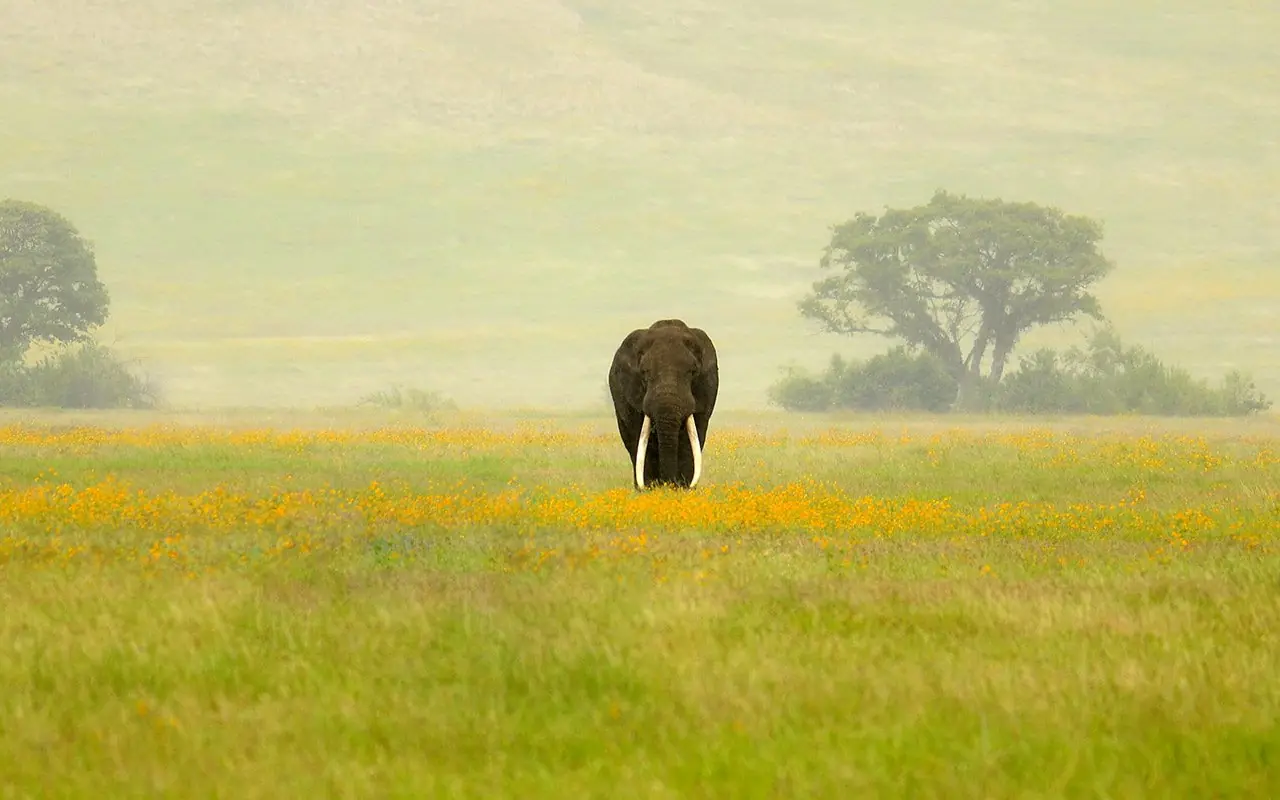
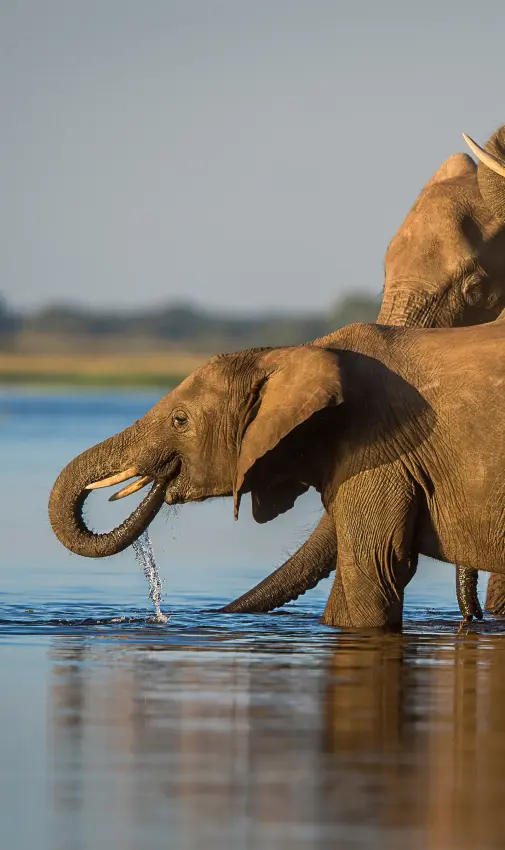
Full-day trips reach Lake Manyara for its groundwater forest and birdlife, and Ngorongoro Crater lies within range for a longer excursion. Balloon flights drift over Tarangire, and scenic helicopter flights turn long drives into short hops across the corridor. Tarangire itself is at its most dramatic from June to October, when the elephant herds concentrate and plains game gathers around the last water. The concession, for its part, delivers its own game viewing the year round.