Lodge

Manyara Ranch

A community-held conservancy in the corridor between Tarangire and Lake Manyara, open to walking, riding and night drives.

Country: Tanzania
Location: Lake Manyara
Number of rooms: 8

Cattle ranch turned game corridor

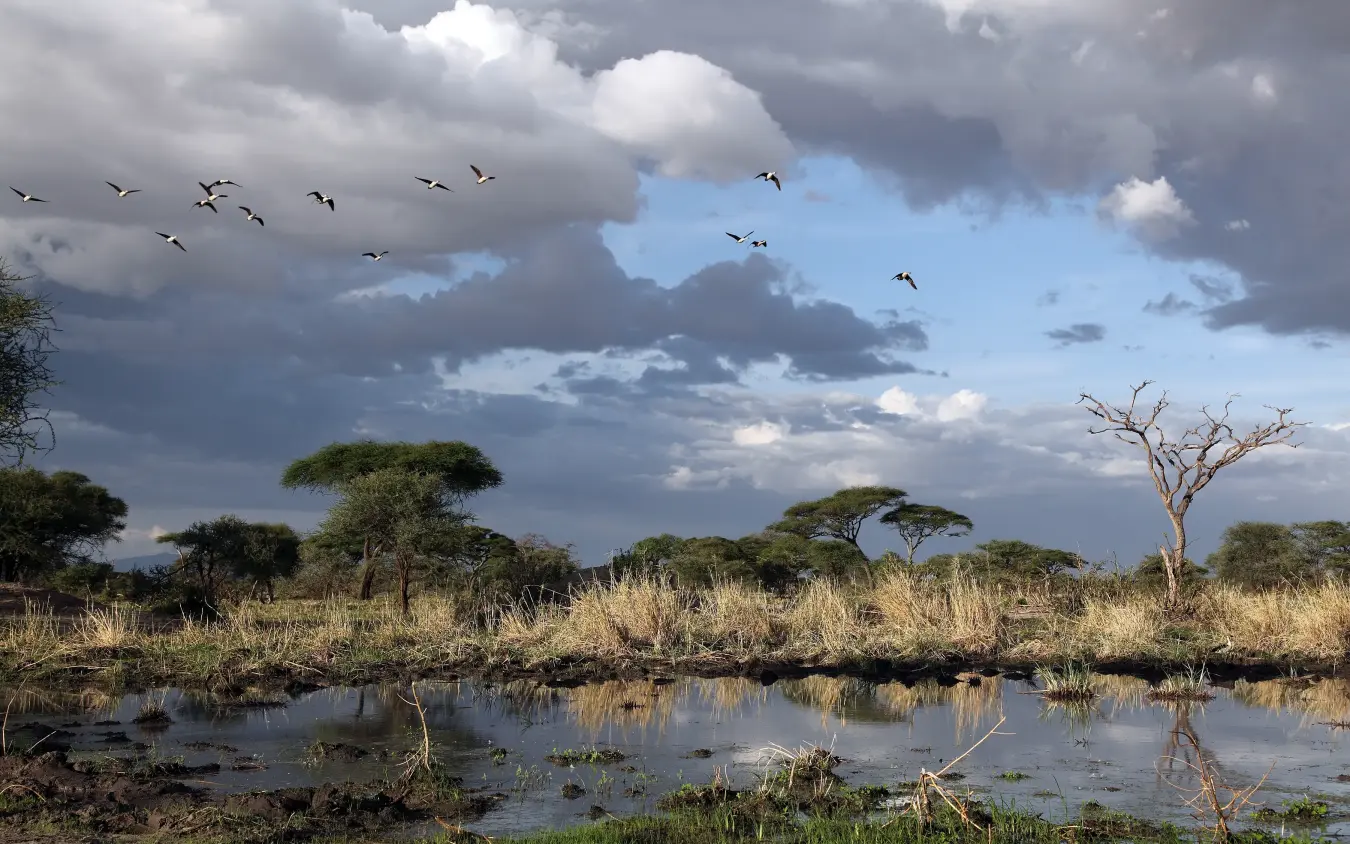
The Kwakuchinja corridor carries elephant, zebra and wildebeest between Tarangire and Lake Manyara National Parks, a strip of savannah and acacia woodland in northern Tanzania. Manyara Ranch occupies a former cattle ranch at its heart, private and community-held rather than a park, and that changes everything. Guides walk and ride here, and drive after dark, across country most visitors only see from a vehicle.

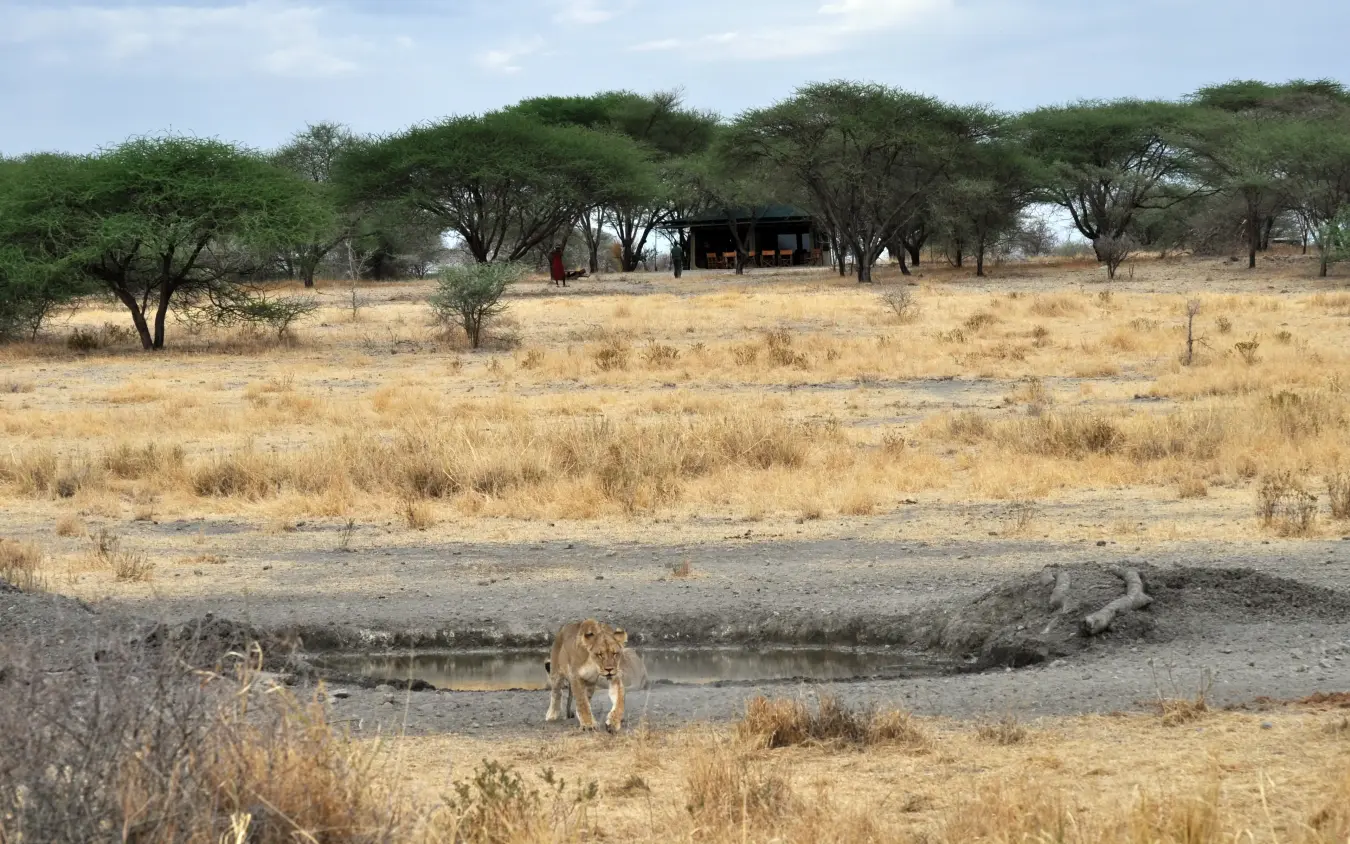
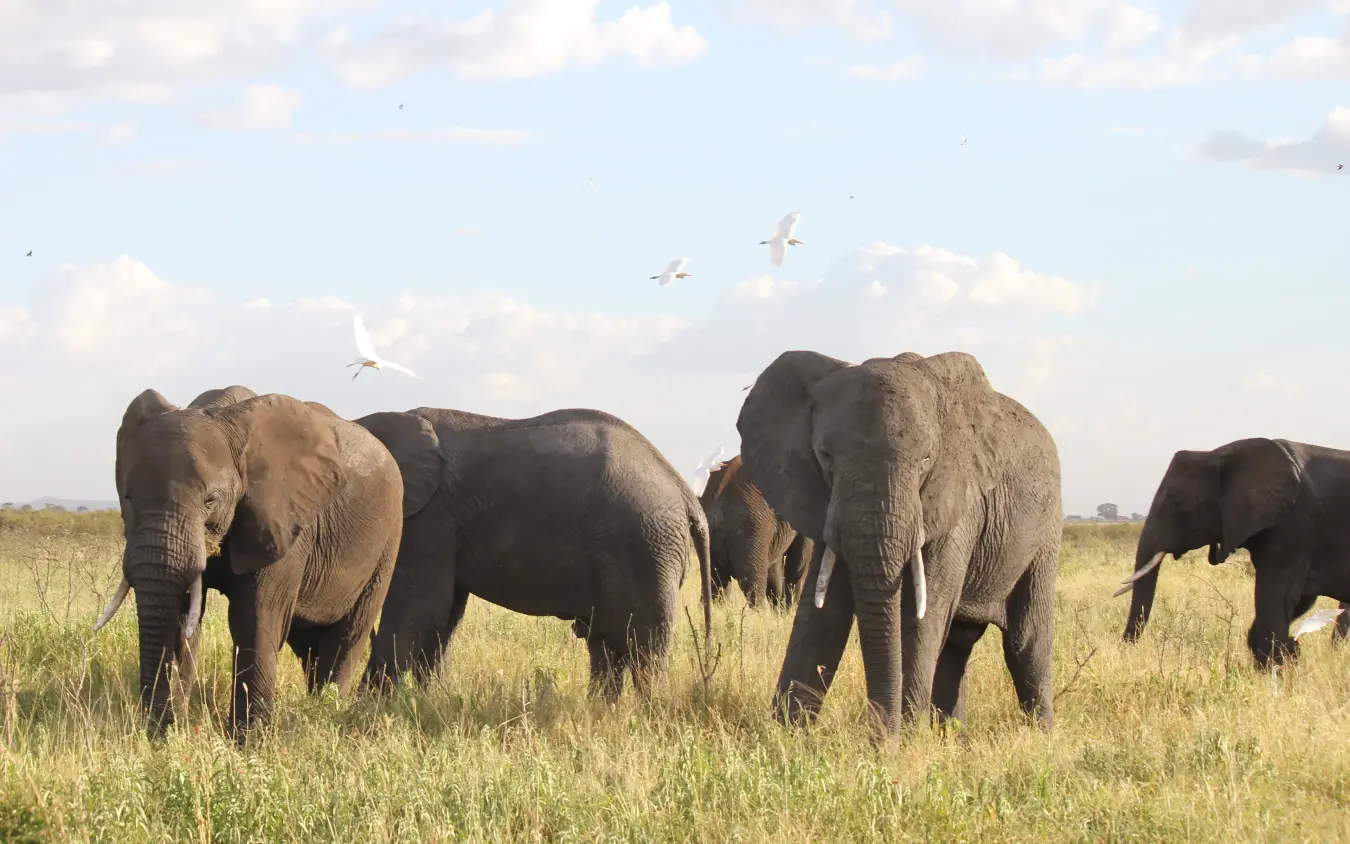
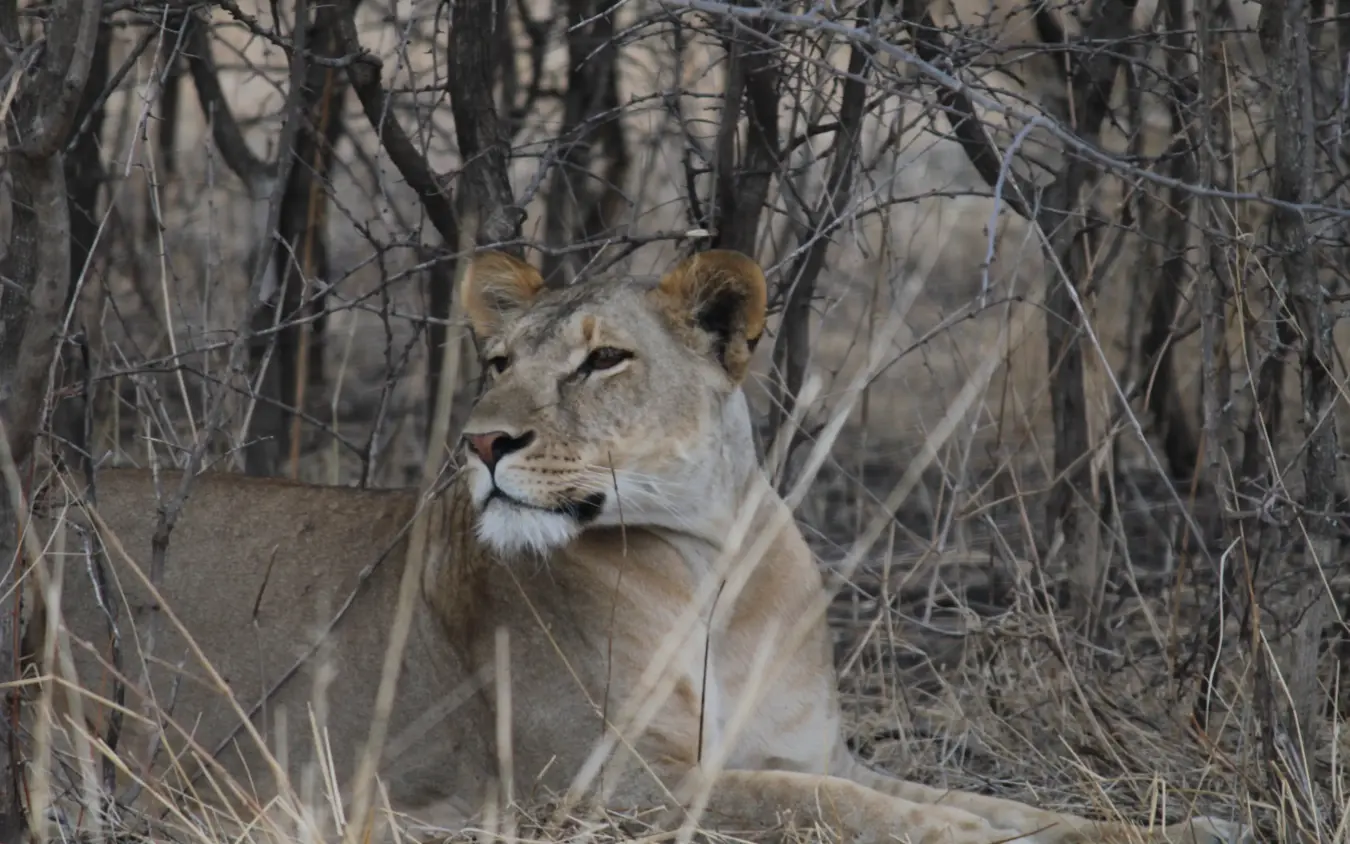
Elephant, buffalo and lion gather at the dams.

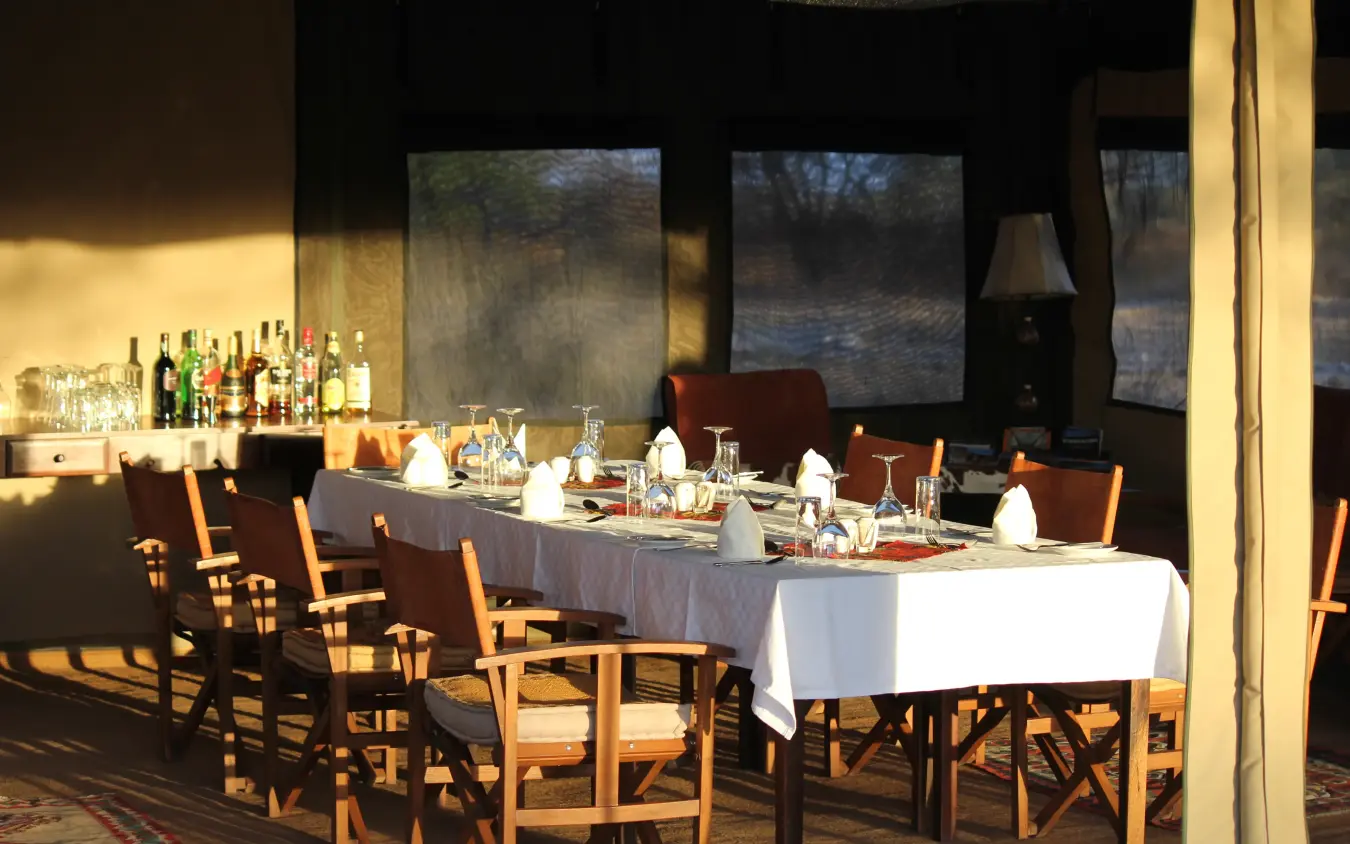
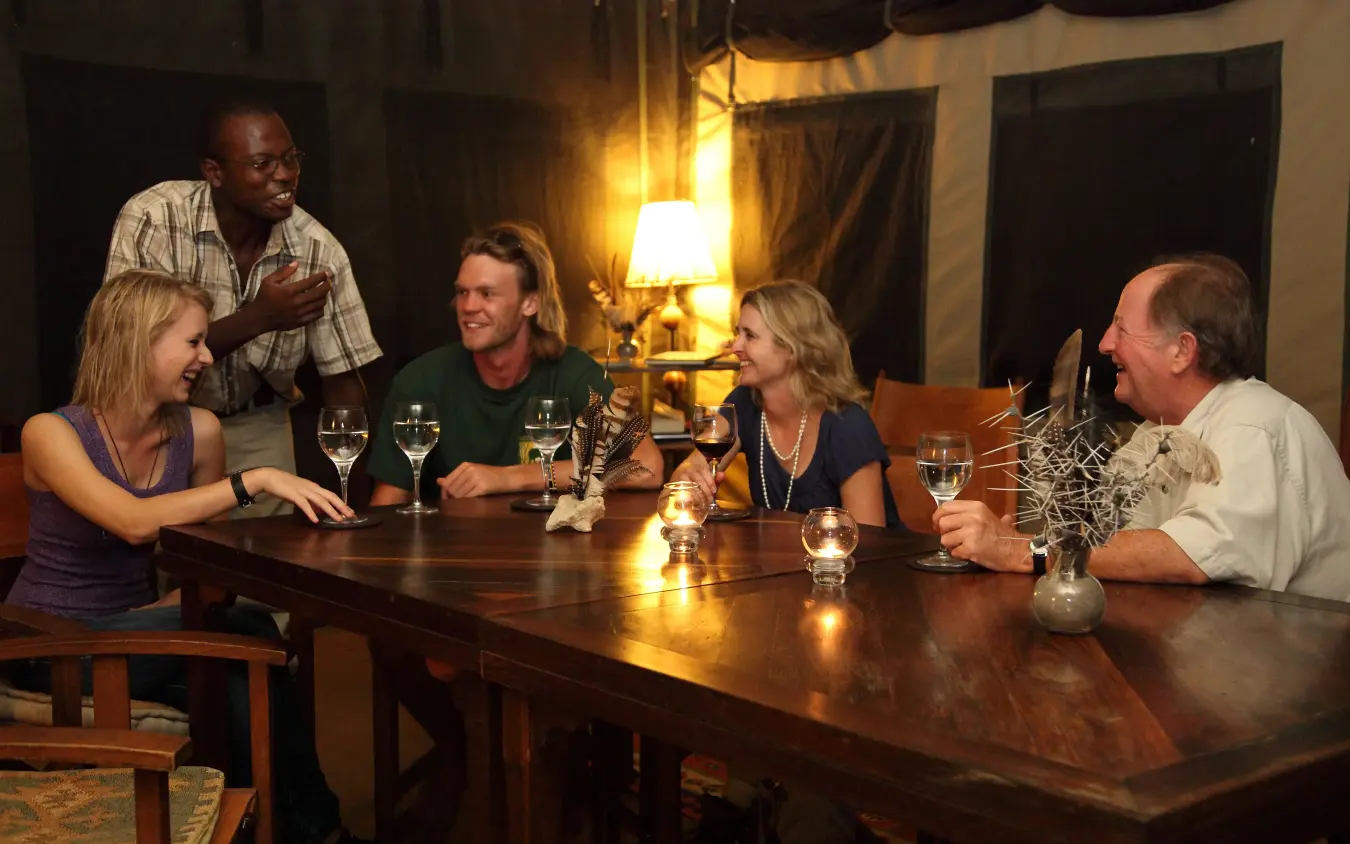
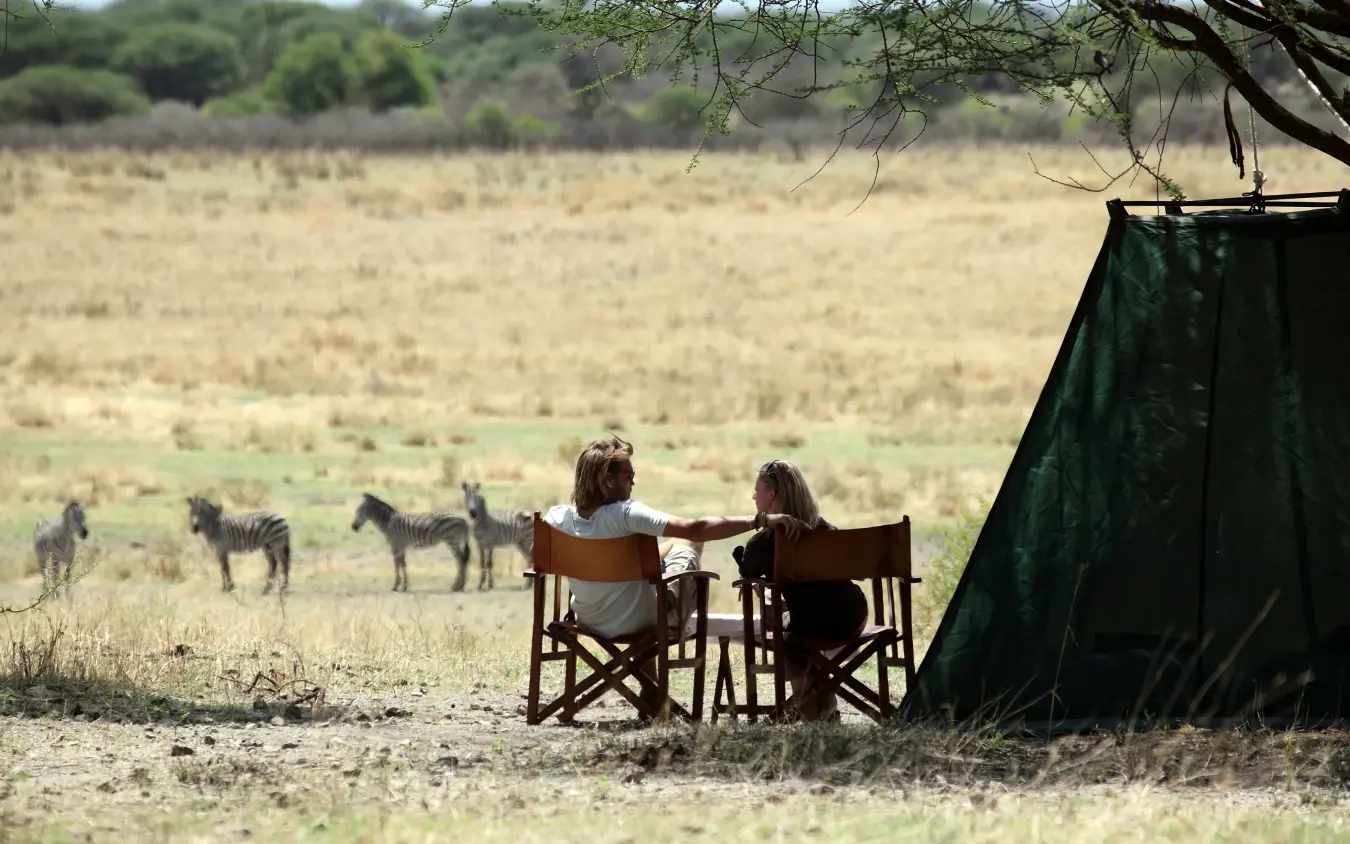
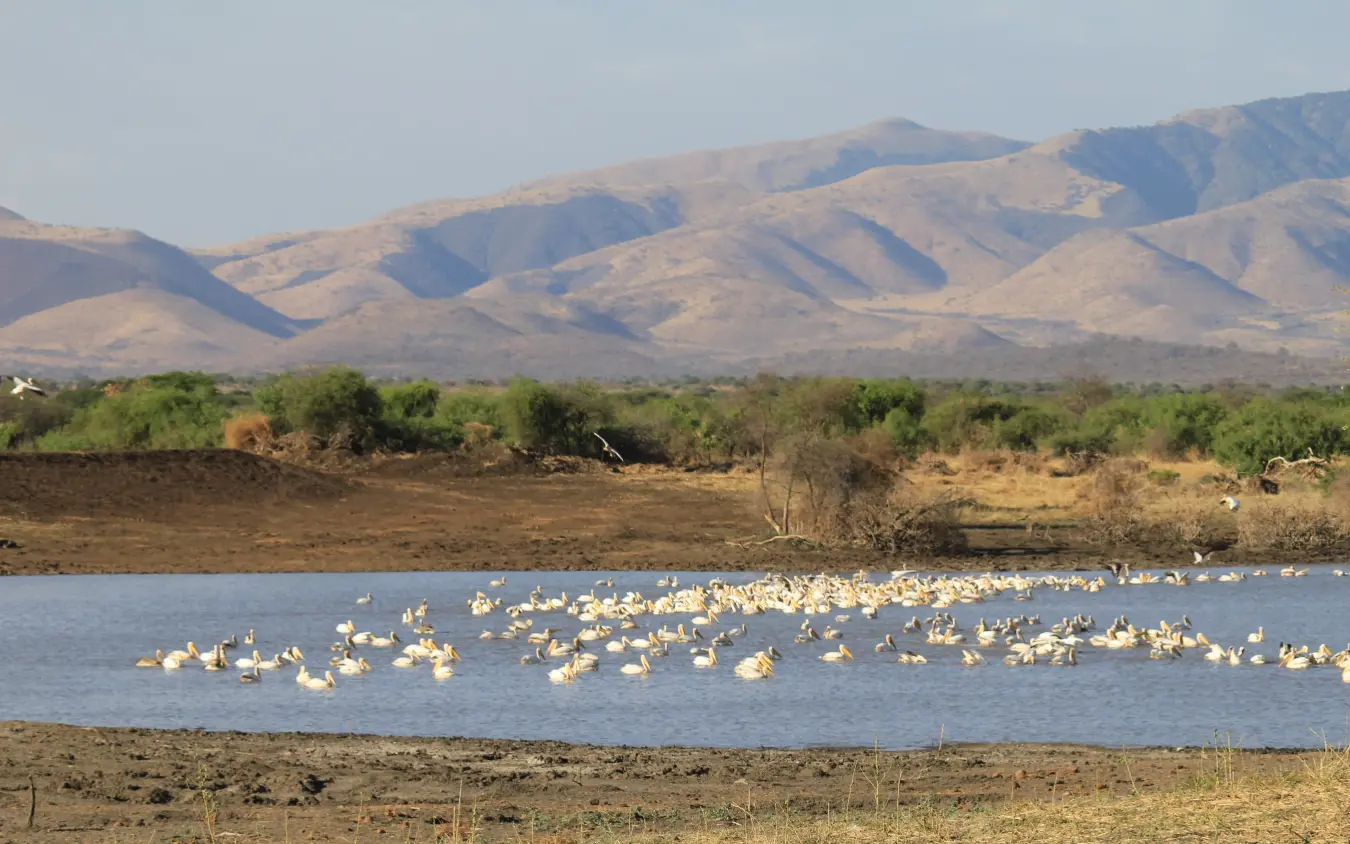
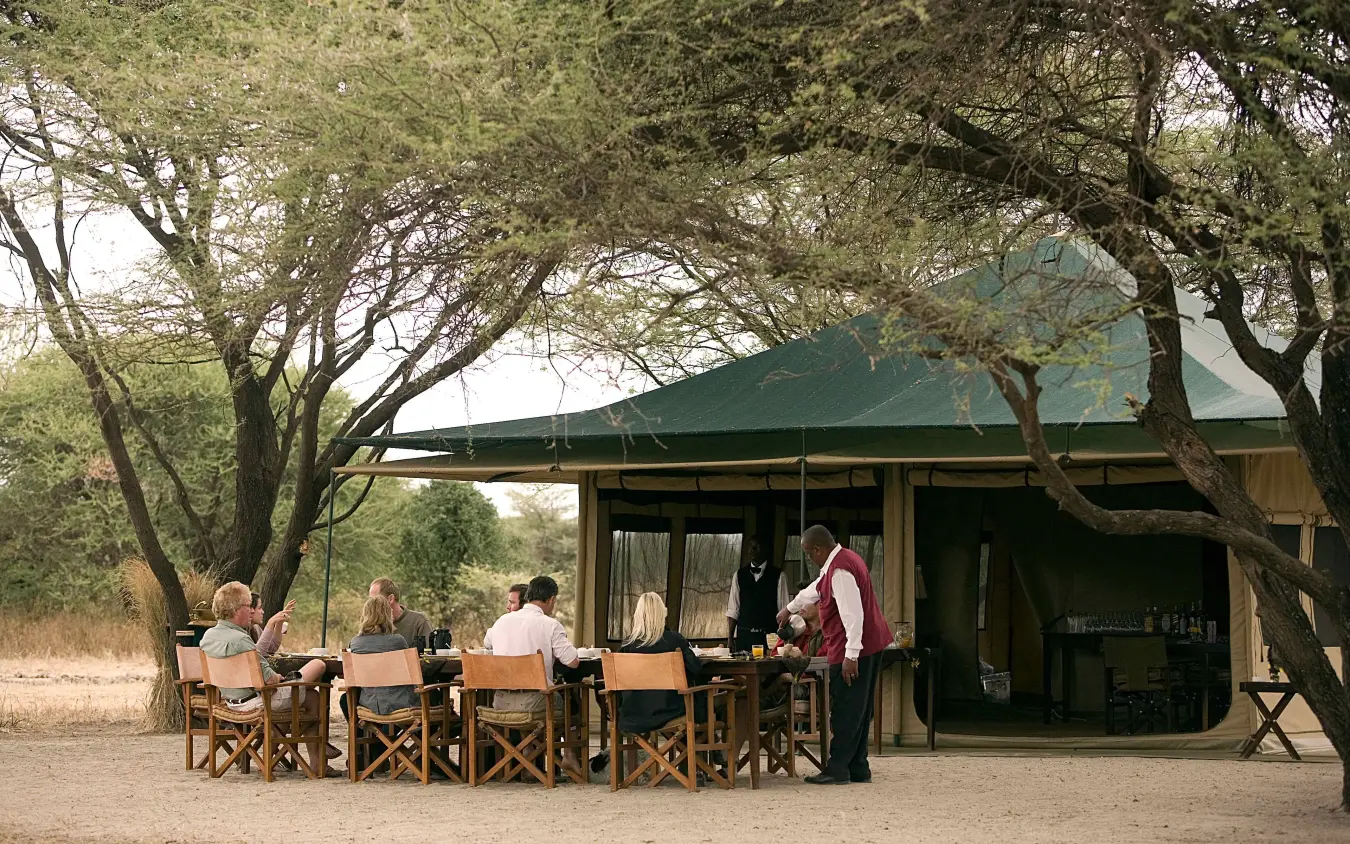
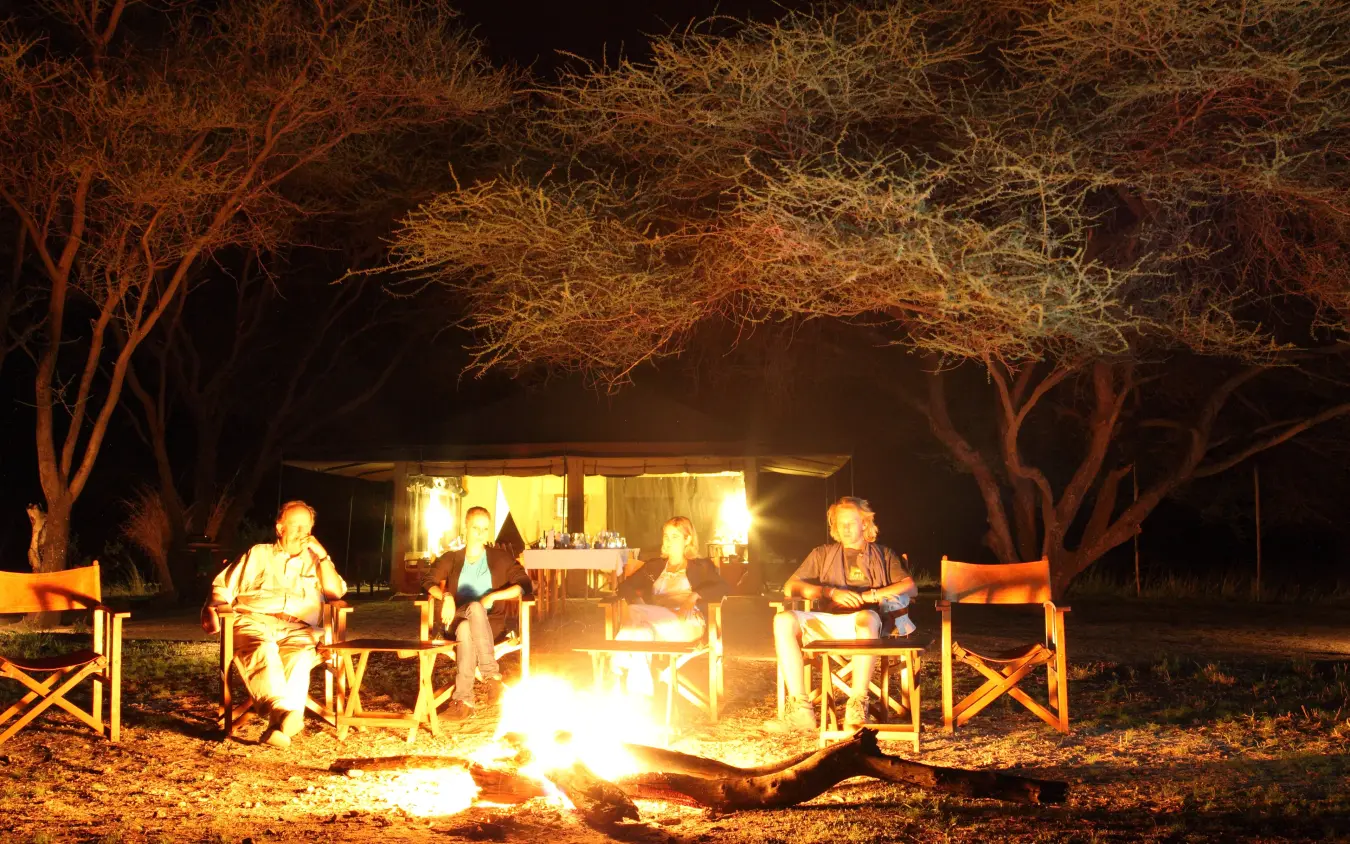
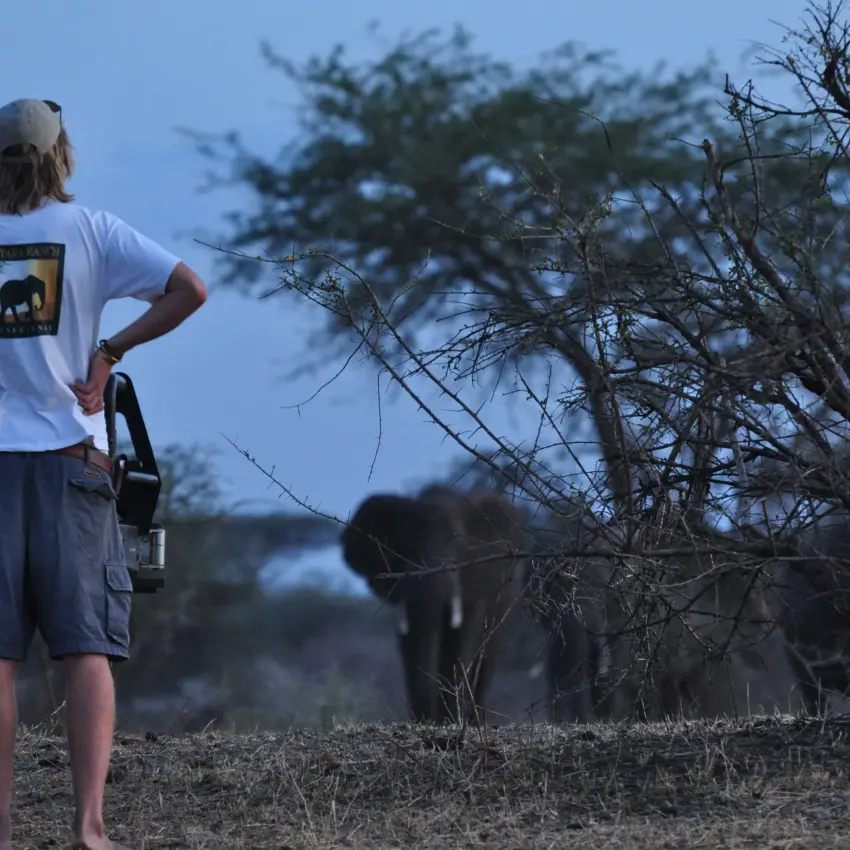
The ranch lies astride the migratory route, so the game moves through in numbers. Elephant, buffalo and lion gather at the dams. Lesser kudu are a genuine draw. Meals are often taken under the acacias overlooking a waterhole, close enough to watch an elephant arrive as the coffee is poured. The birding runs strong throughout, a smaller pleasure beside the bigger sightings.

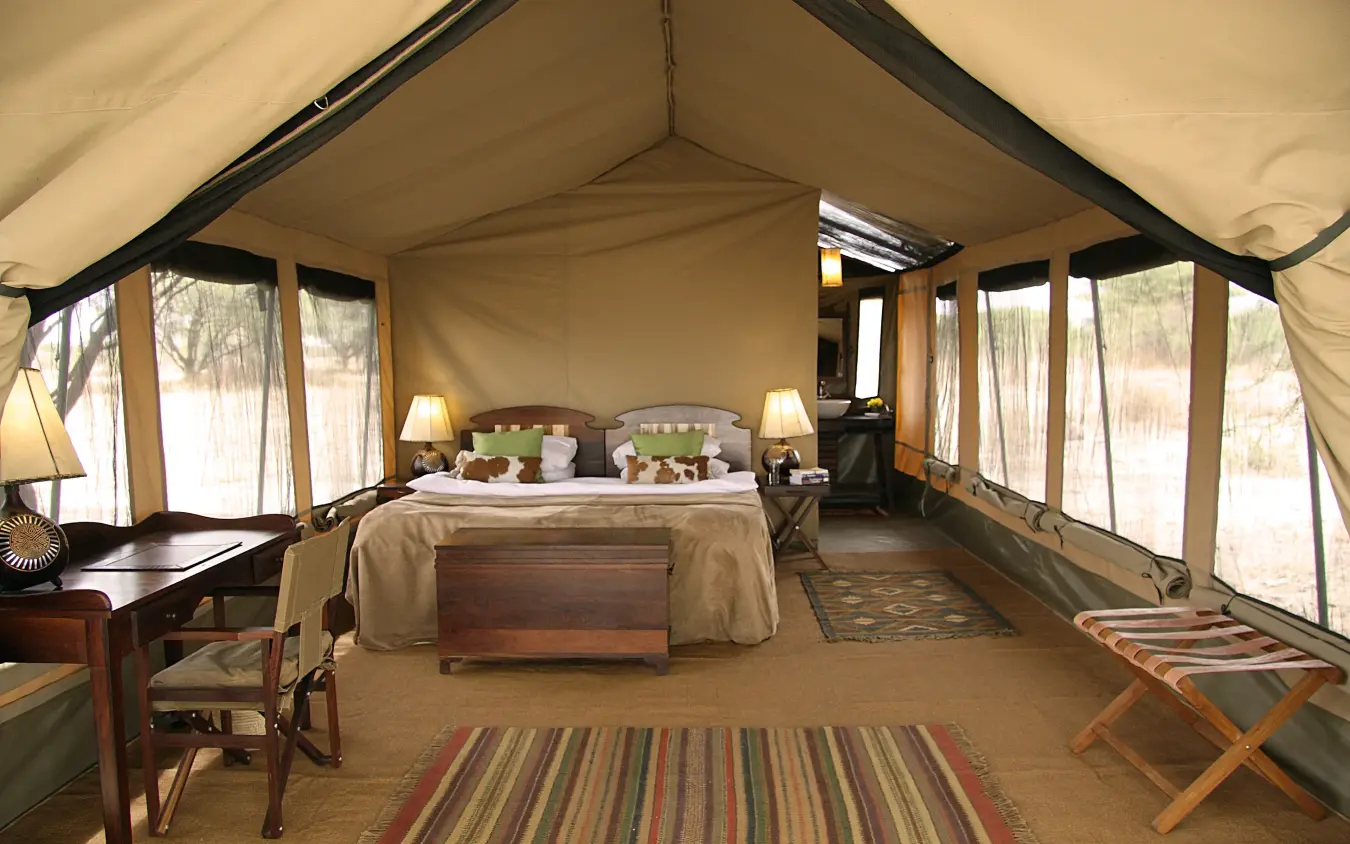
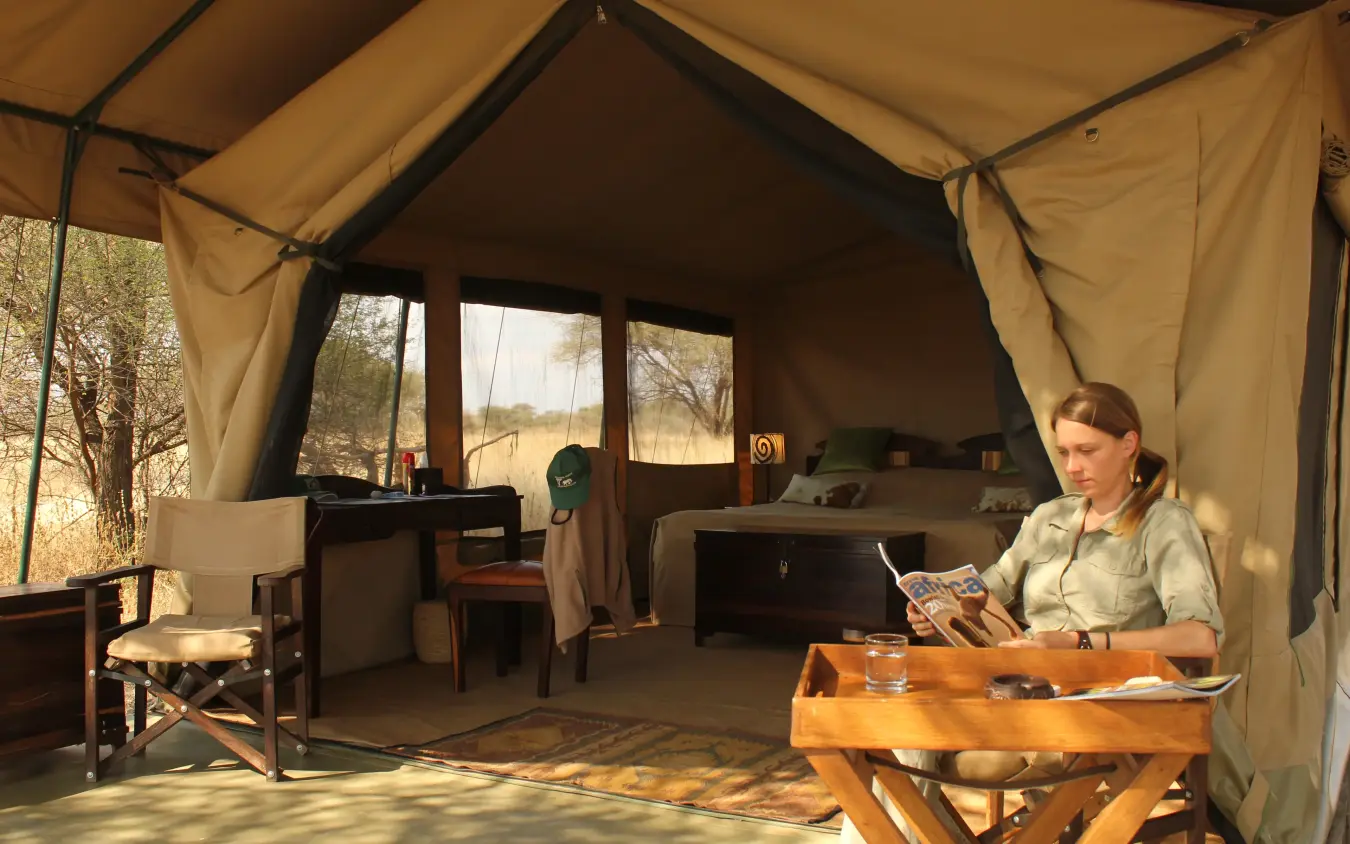
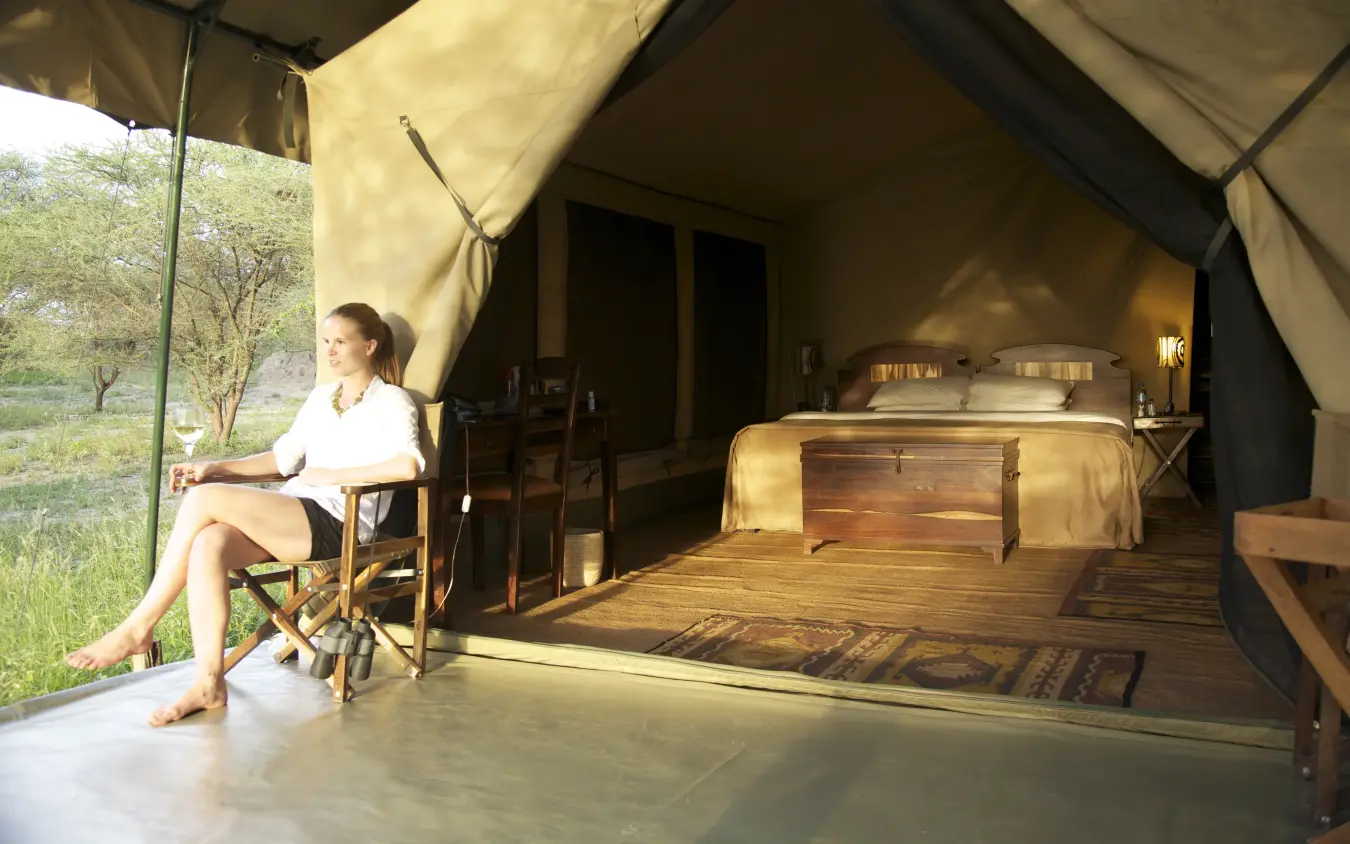
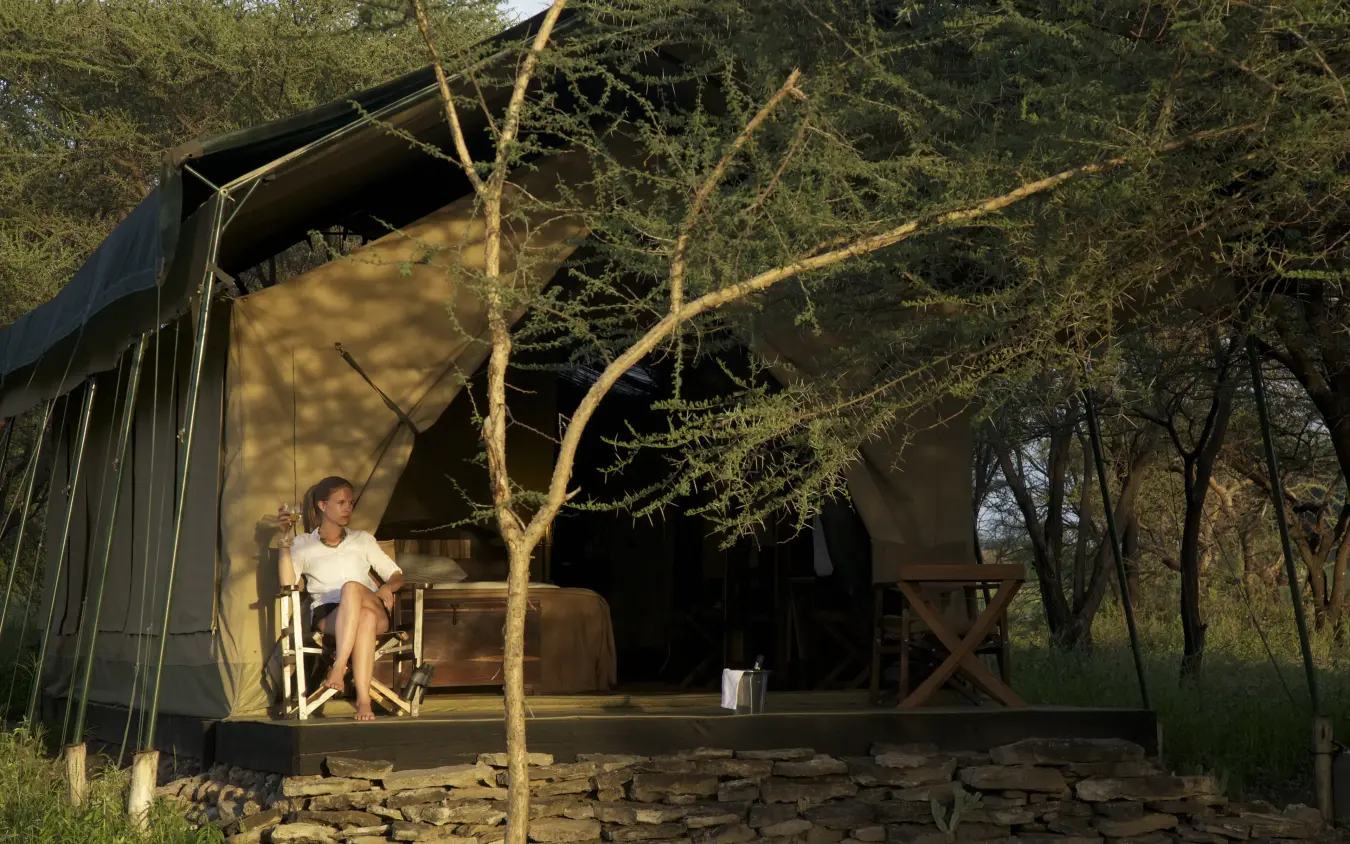
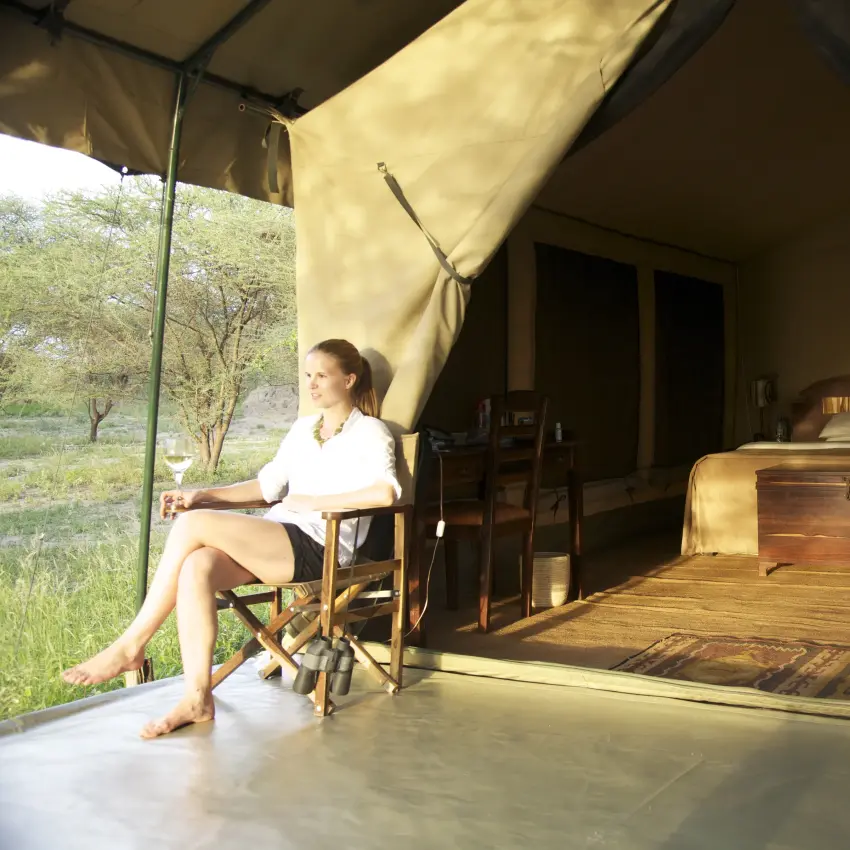
Guest relaxing in canvas safari tent with wooden bed and savanna view, Manyara Ranch, Lake Manyara, Tanzania
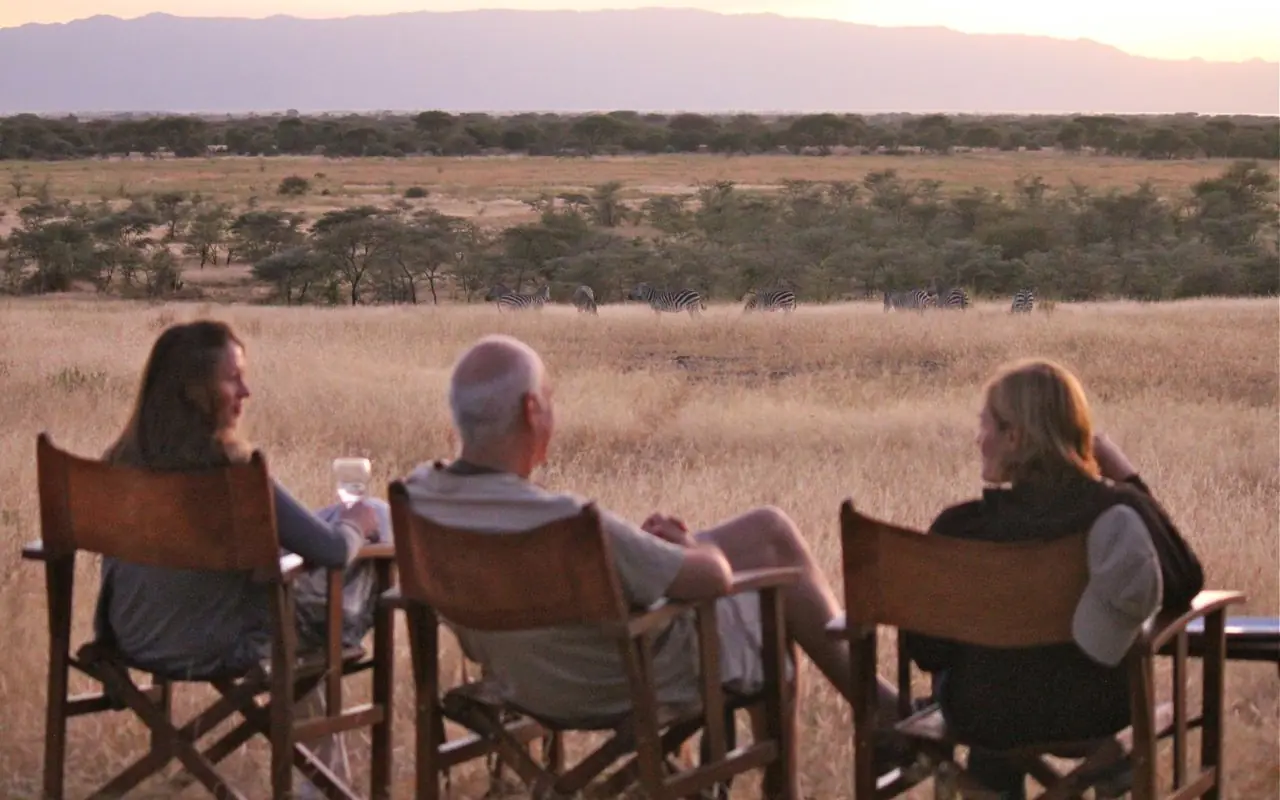
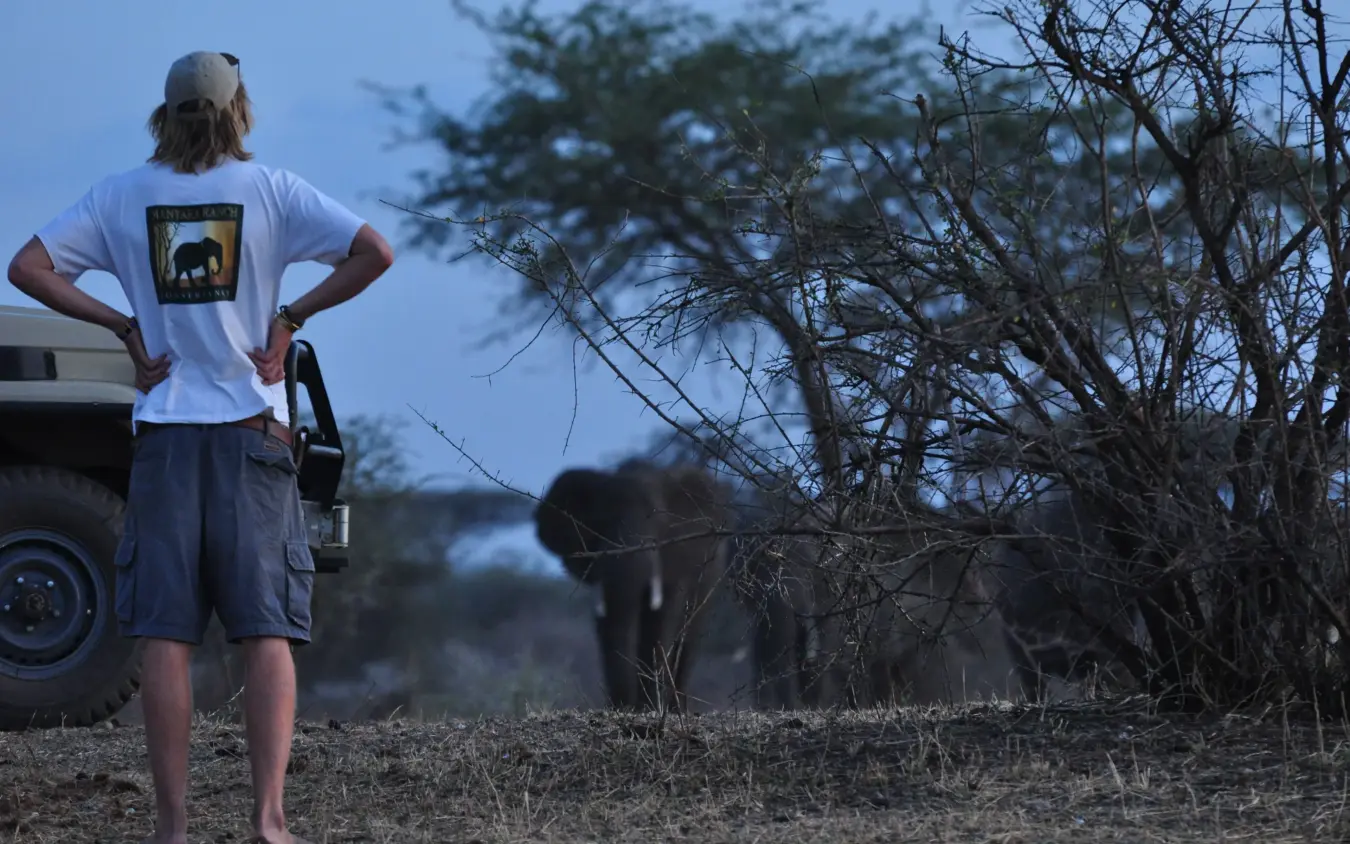
Tourist viewing wildlife from safari vehicle at dusk, Manyara Ranch, Lake Manyara, Tanzania

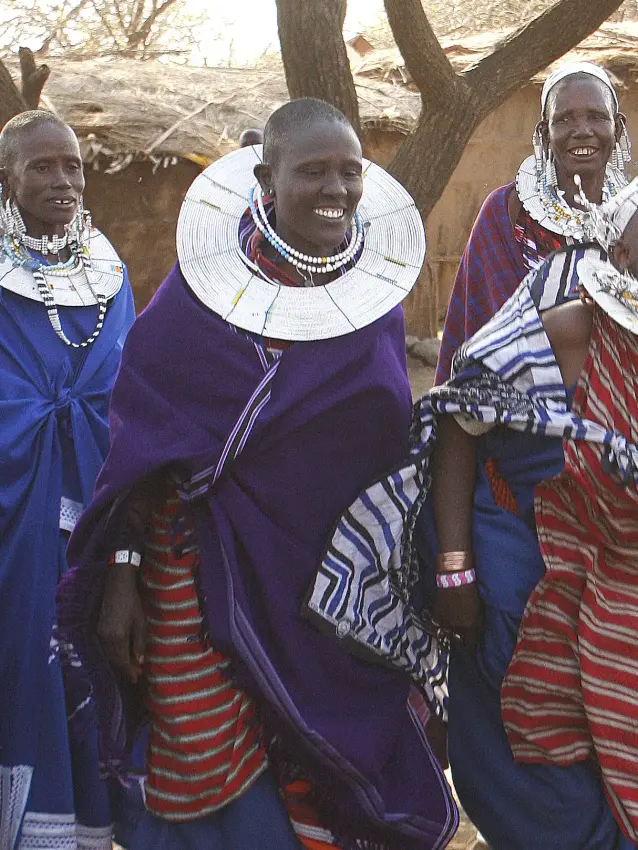
George Dam established the ranch in 1956 and ran his cattle alongside the wildlife. Livestock alone struggled to pay its way, and the African Wildlife Foundation later bought the land to keep it from subdivision and overgrazing. The lease passed to the Monduli District Council, with day-to-day management by the Manyara Ranch Management Trust on behalf of the neighbouring Maasai communities of Esilalei and Ol Tukai.

Cattle and wildlife still share the same grass.

The Honeyguide Foundation now runs wildlife protection across the ranch, and tourism revenue pays for the ranger teams. It also funds the pastoralist development that keeps grazing and game in balance. Cattle and wildlife still share the same grass, so each stay helps keep the corridor open to both. A working arrangement, then, not a static reserve, and the land still earns its keep.

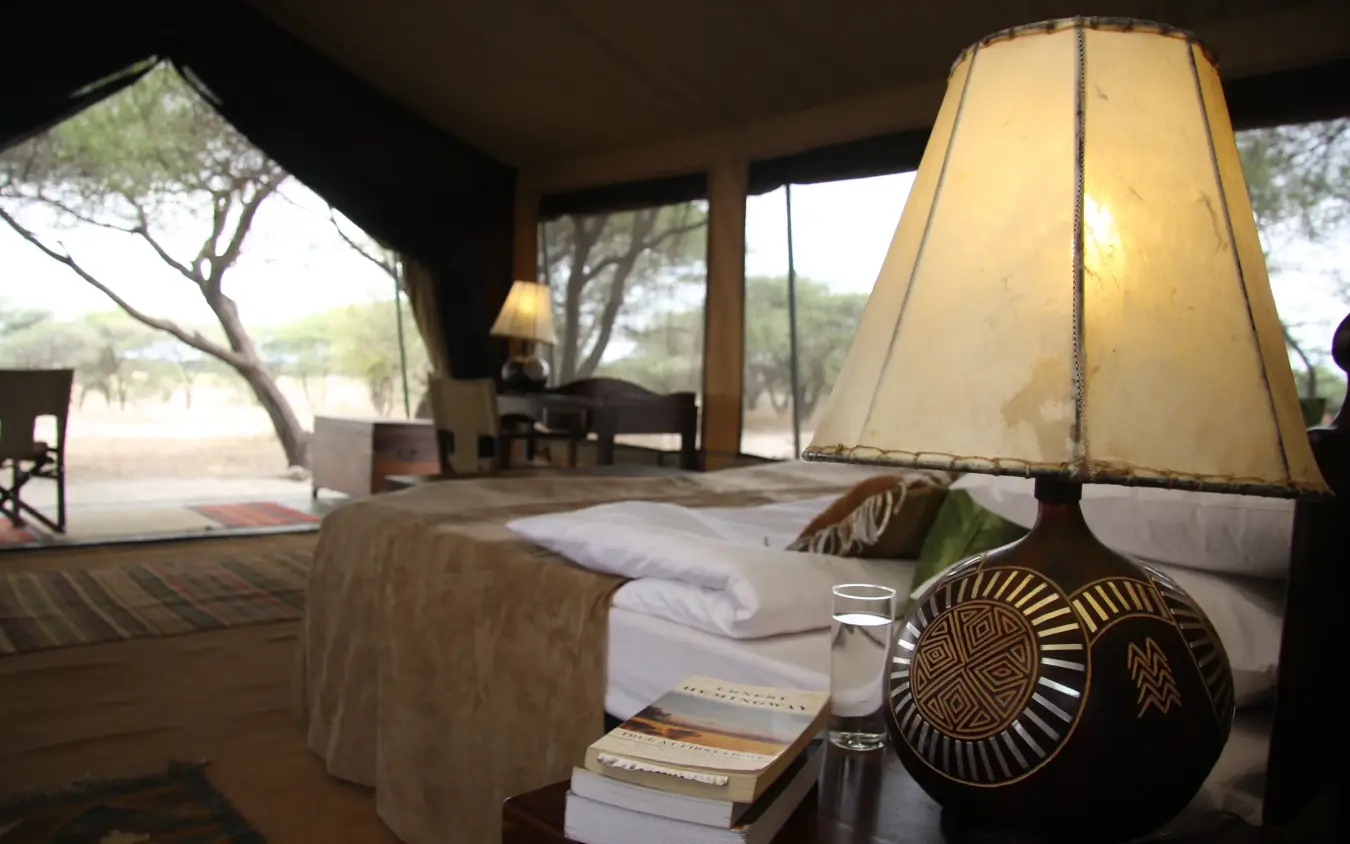
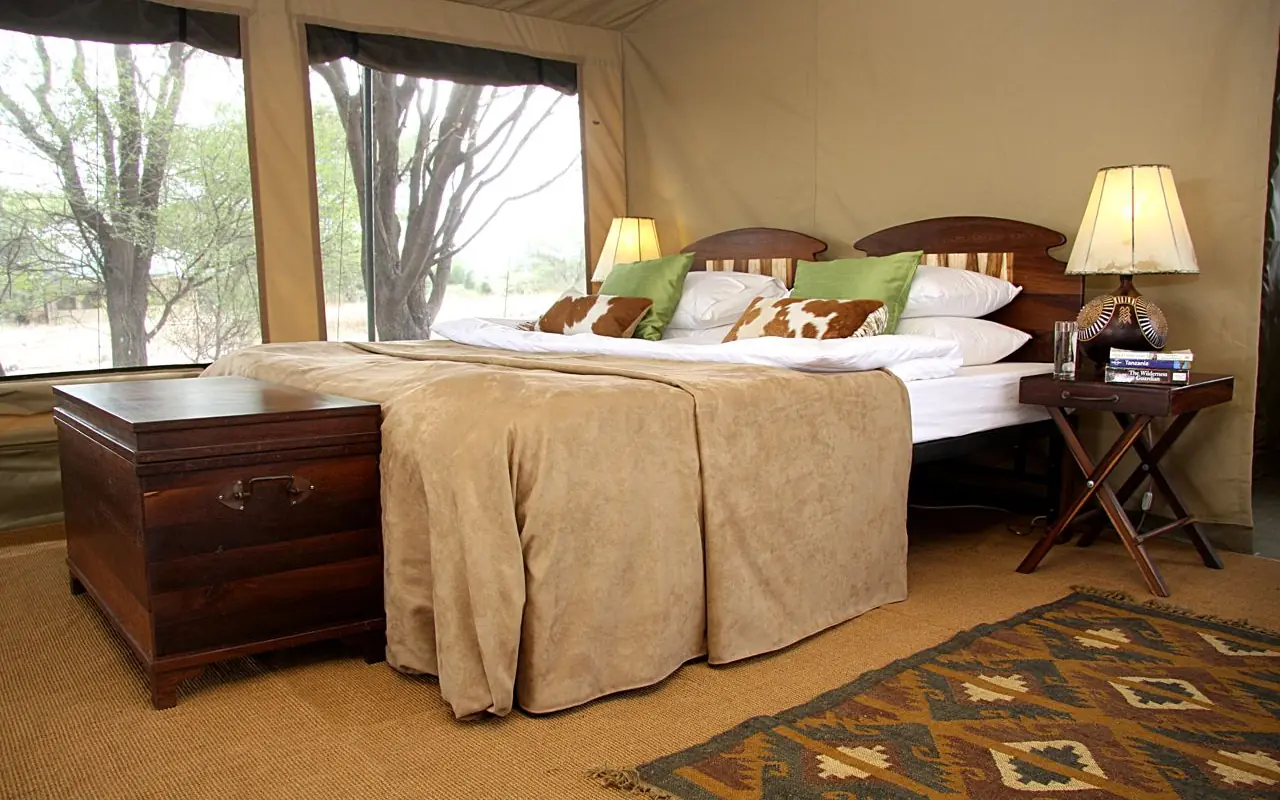
Luxury bedroom with lamp and view of savanna landscape through windows, Manyara Ranch, Lake Manyara, Tanzania 01

accommodation

Eight Classic East African Safari Tents

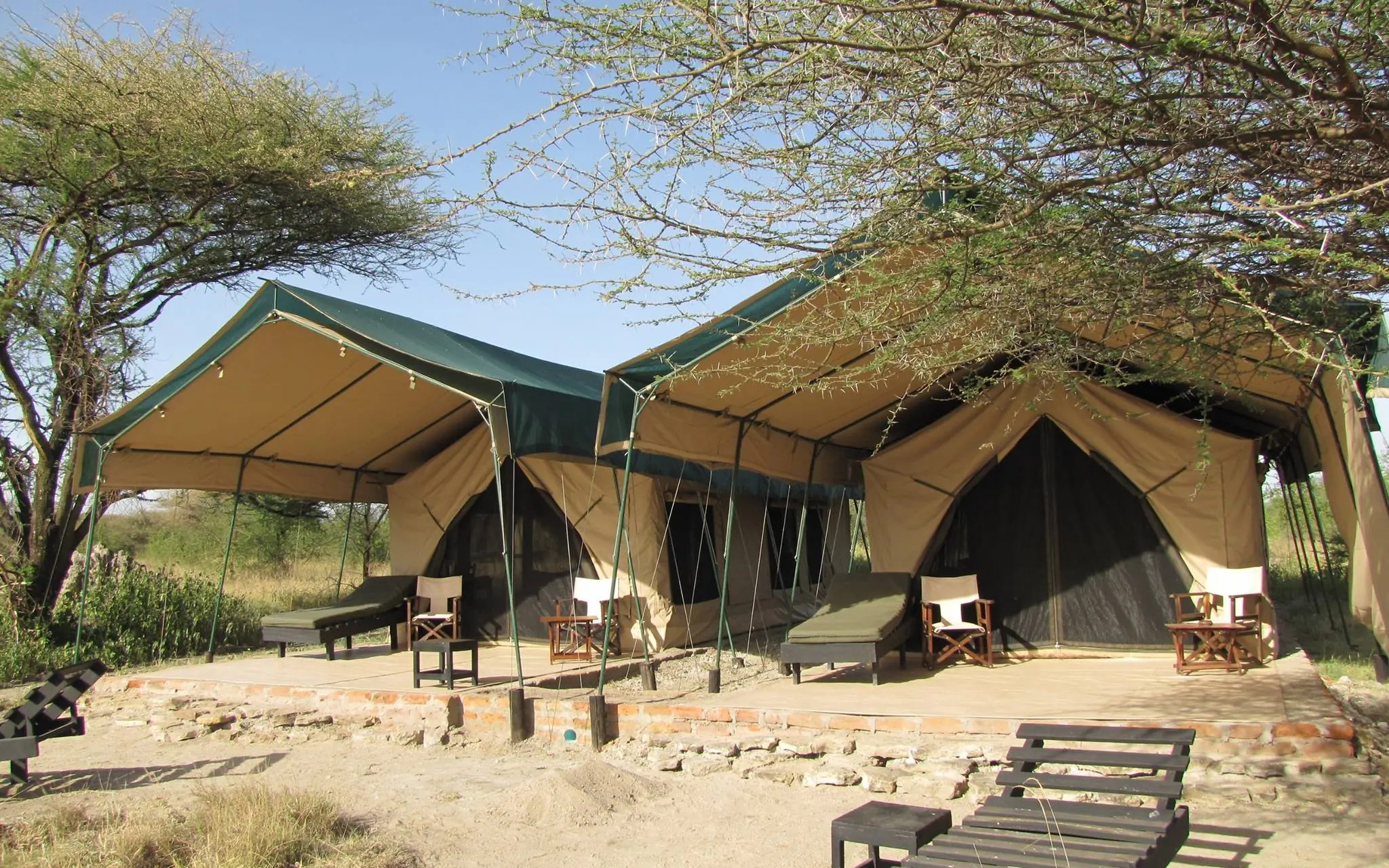
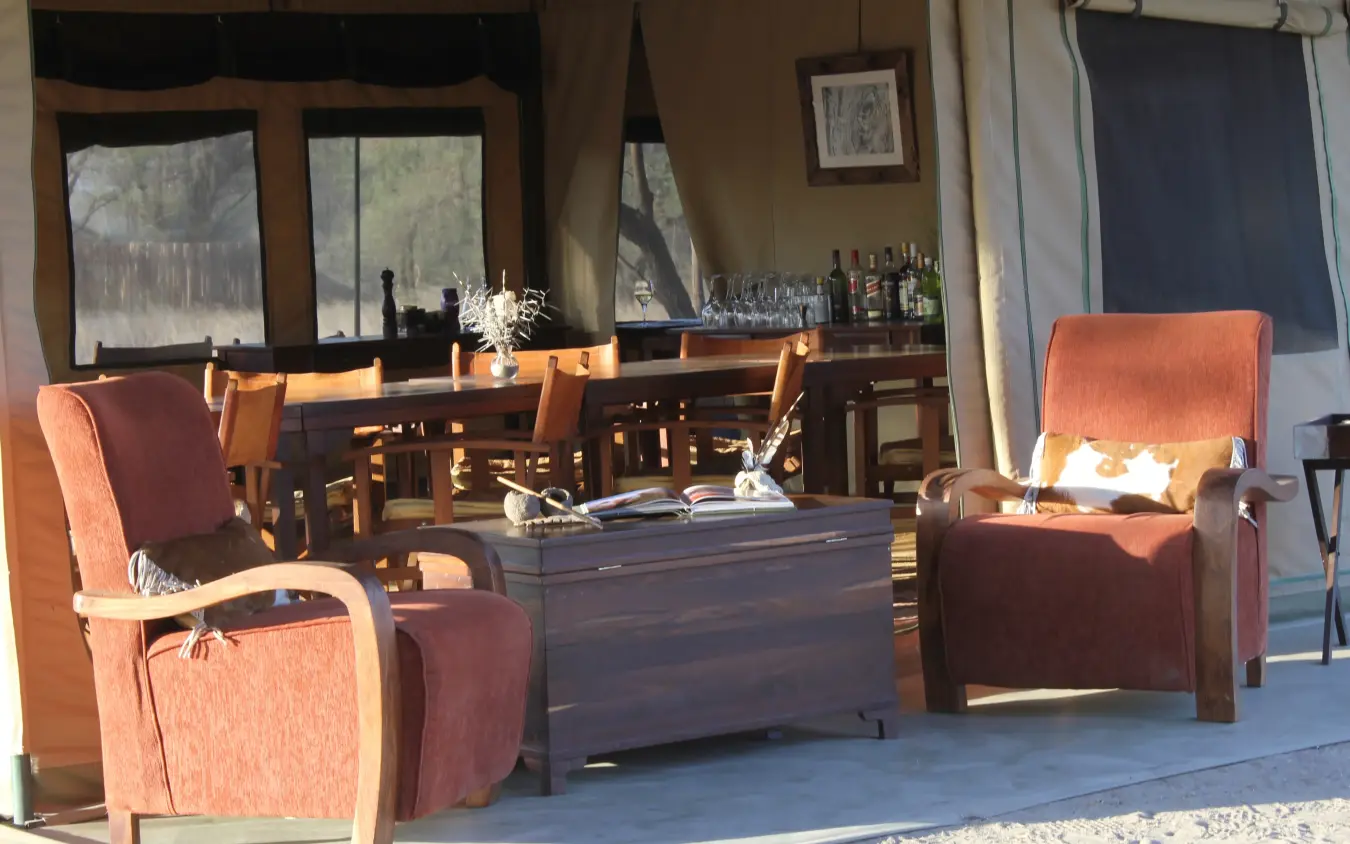
Eight classic East African safari tents, six of them doubles and two inter-linking for families. Canvas walls and campaign-style furniture keep the emphasis where it belongs, on privacy and the bush beyond. The tents are spaced well apart for seclusion, each looking out over the surrounding woodland and its waterholes.

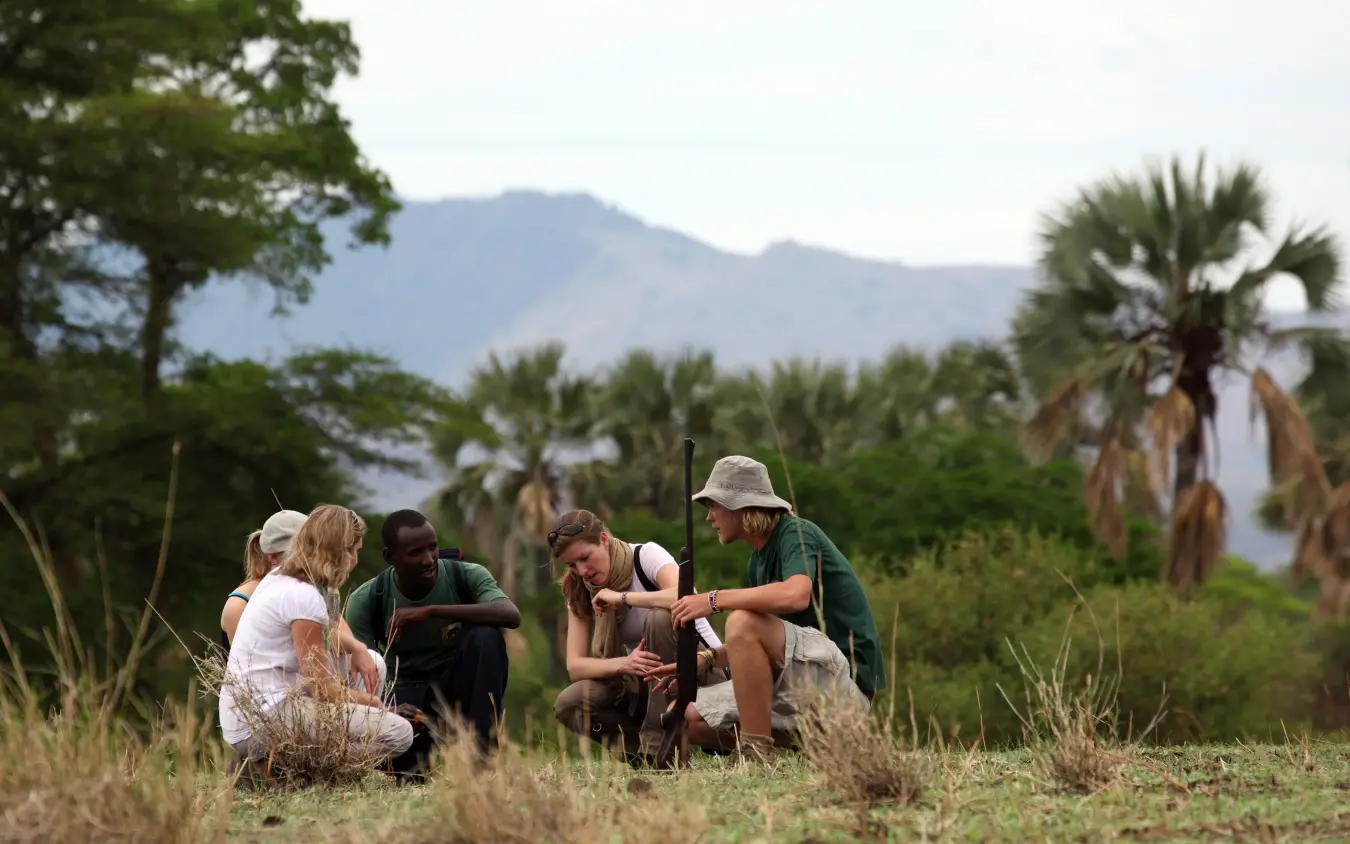
Hunter carrying rifle on woodland trail with ancient tree, Manyara Ranch, Lake Manyara, Tanzania 02

activities

Game Drives, Walking Safaris, Horseback Rides

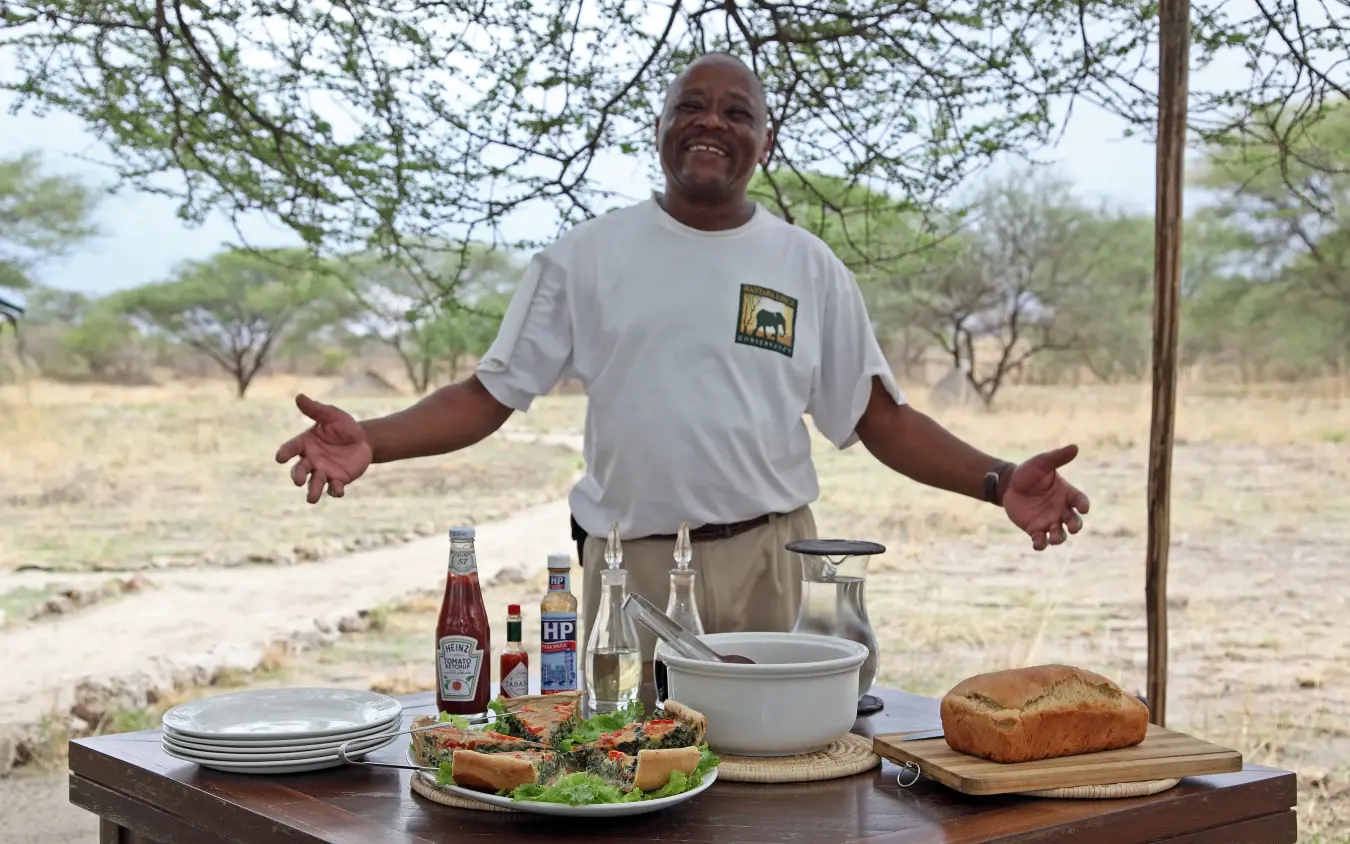
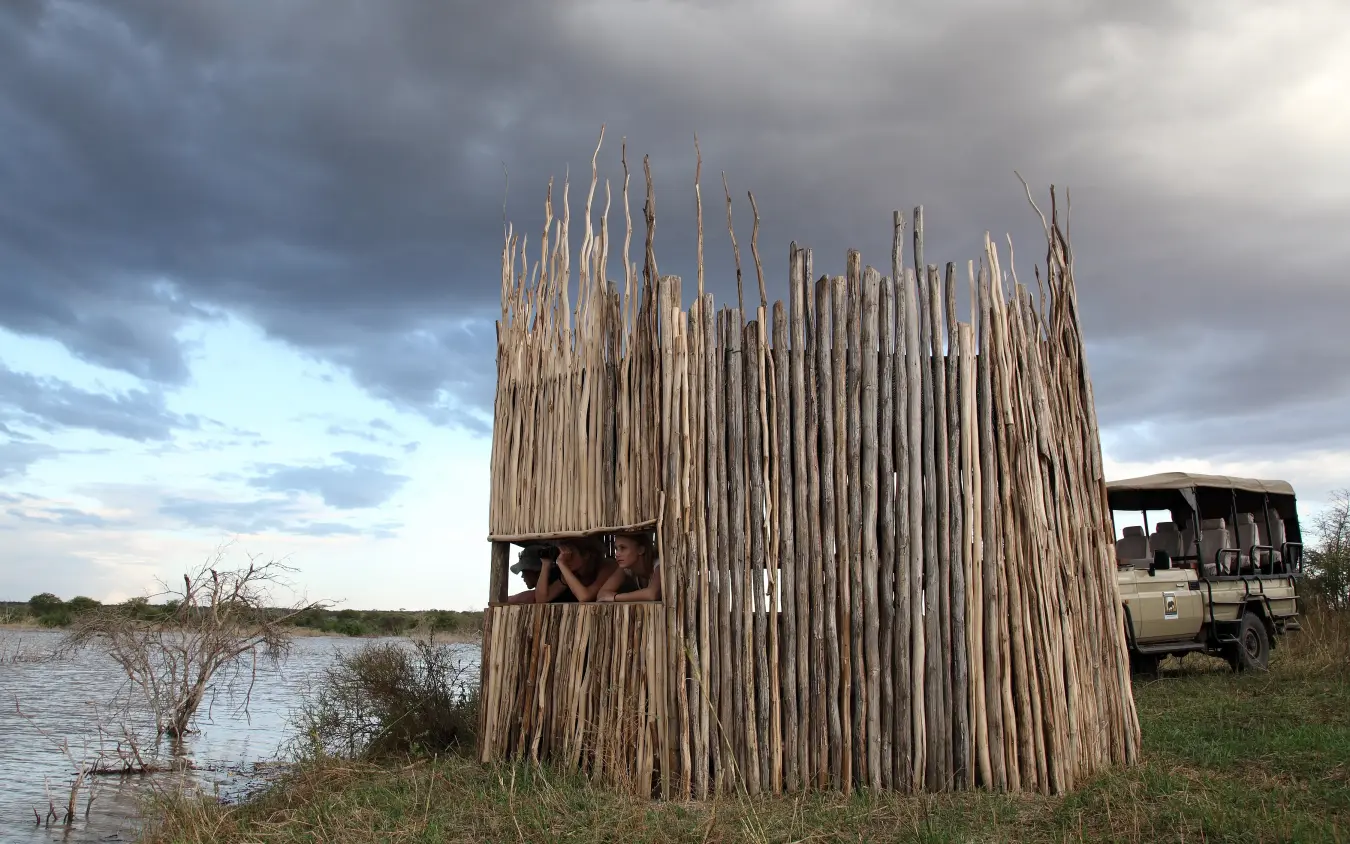
On the conservancy, guides lead day and night game drives, walking safaris, horseback rides among plains game, and hide sessions at permanent waterholes; fly-camping and bush meals are offered too. Full-day drives reach Tarangire, Lake Manyara and Ngorongoro Crater, where activity is limited to daytime road-based game viewing.

Male lion with kill on grassland during rainfall, Manyara Ranch, Lake Manyara, Tanzania 03

conservation

Honeyguide Foundation Protects Tarangire-Manyara Corridor

Manyara Ranch was established after its cattle-ranch era as the Tanzania Land Conservation Trust, a multi-stakeholder conservation trust initiated with African Wildlife Foundation support, holding the land in trust for the benefit of neighbouring Maasai communities and wildlife rather than being directly community-owned; management later passed to the Monduli District Council and the Manyara Ranch Management Trust. The Honeyguide Foundation provides wildlife protection and ranger teams, while tourism revenue supports anti-poaching work and pastoralist development in the Tarangire-Lake Manyara corridor.

ready to get started?

Get in touch and let’s start the conversation. An initial consultation helps us understand what you’re looking for, whether that’s specific experiences, luxury touches, or marking a special occasion, and from there we’ll guide you through what’s possible so you can decide if we’re the right fit.

frequently asked questions

This is one of the few northern-circuit camps where driving beats flying. The ranch sits about an hour and a half from Arusha on the tarmac road, so a morning departure has you at the camp for lunch with no aircraft involved, and the same road carries you onward to Tarangire, the crater or Arusha at the end of the stay.

If you are connecting from elsewhere in the parks, fly into Lake Manyara airstrip, around twenty-five minutes from Arusha on the scheduled service or by private charter, typically a Cessna Caravan or Pilatus PC-12, and a 4x4 transfer of an hour to an hour and a half brings you across to the conservancy. Flying anywhere on the circuit, keep to soft bags of about fifteen kilograms each.

Yes. The conservancy lies on the low ground of the Rift, far beneath the 1,800 metres at which the CDC and the UK's official travel health advice agree Tanzanian malaria risk falls away, so antimalarial tablets are usually recommended for a stay.

Guidance shifts year to year, so confirm the current position with a travel clinic or your doctor before you travel, and keep the evening routine simple: long sleeves, repellent, and the tent zipped.

Two at a minimum, and three repay themselves. The point of the ranch is the range of things the parks cannot offer, walking, riding, hides and night drives, and a single night forces a choice between them. Three nights fit the full hand plus a day trip into Tarangire, and still leave an afternoon for doing nothing under the acacias.

It also earns a place mid-itinerary, a loosening of the rules between the stricter park stays either side. Tell us what the trip holds and we will place it.

Yes. Full-day game drives run into Tarangire for its elephant herds and baobabs and into Lake Manyara National Park for the lake, the groundwater forest and the birdlife, each with a picnic lunch packed so the day is not cut in half. The Ngorongoro Crater is within range for a long day out for the determined.

Park entry is charged per person per day on top of the stay, and we build every fee into your quote from the start so the price you approve is the whole cost. Most guests find two park days plus the conservancy itself fills three nights comfortably.

Dry-country warmth. Days on the Maasai Steppe are hot and bright, nights drop pleasantly cool, and the long dry season from June to October is the classic window, with the short rains around November and the long rains from March to May greening the corridor. Early mornings on an open vehicle or a horse are genuinely chilly.

Pack neutral colours, a warm layer for dawn, sun protection and closed shoes for the walking. Riders should bring long trousers and footwear with a heel, and binoculars work hard here, at the hides especially.

rated five stars by our clients

other areas in tanzania

Silhouetted herd of wildebeest in dusty savanna landscape 01

Serengeti National Park

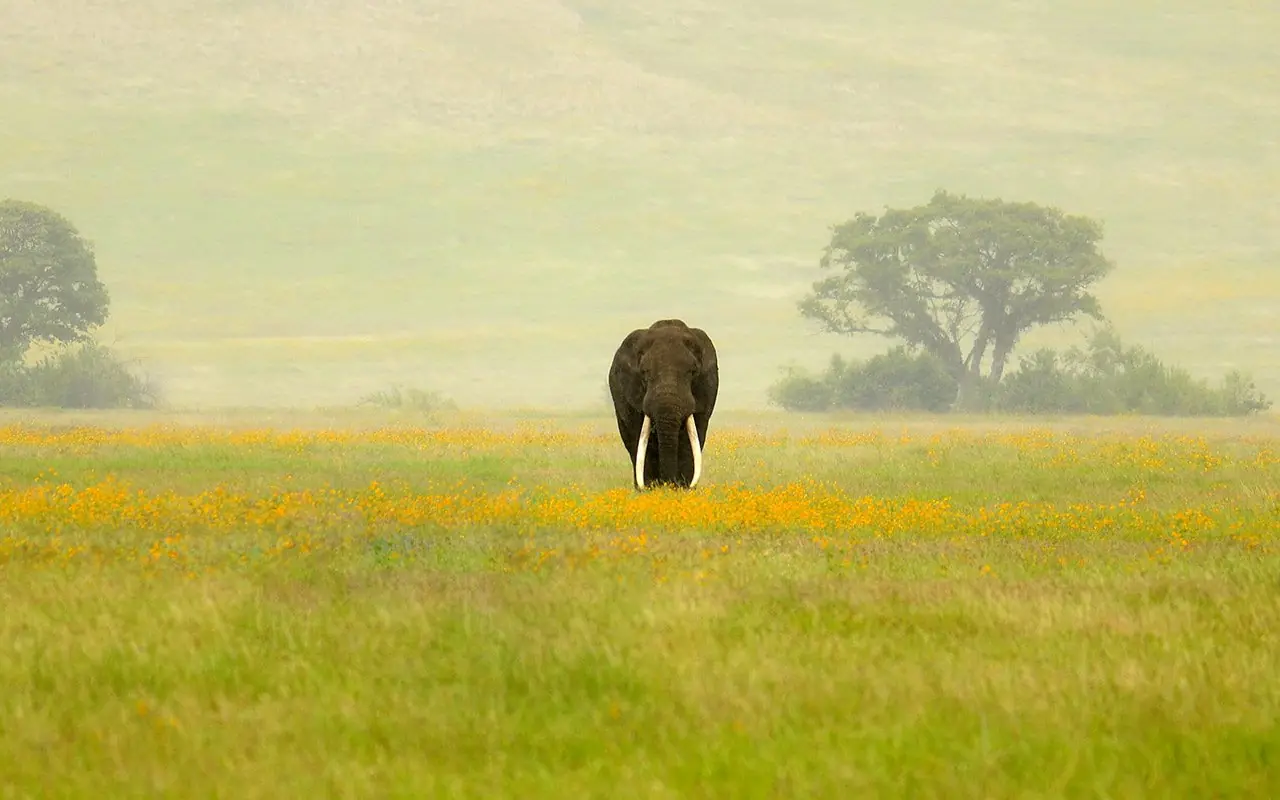
Elephant walking alone across golden savanna grassland 02

Ngorongoro Crater

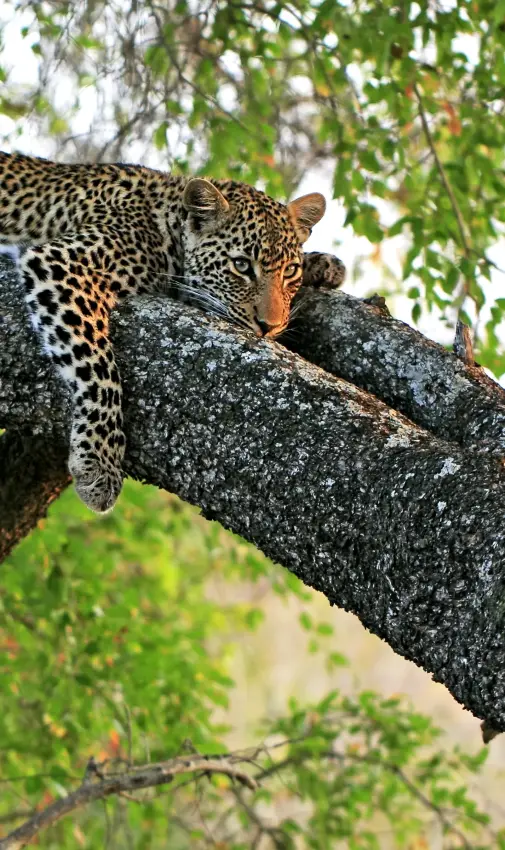
Leopard resting on tree branch surrounded by green foliage 03

Tarangire National Park

African wild dog standing alert in grassland 04

Ruaha National Park

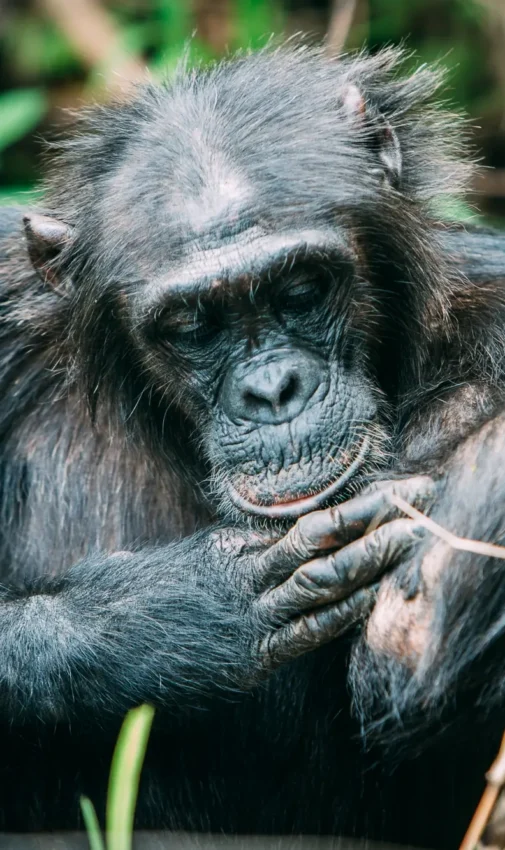
Chimpanzee holding branch while foraging in forest, Mahale Mountains, Tanzania 05

Mahale Mountains

Hippopotamuses in water with heads above surface 06

Katavi National Park

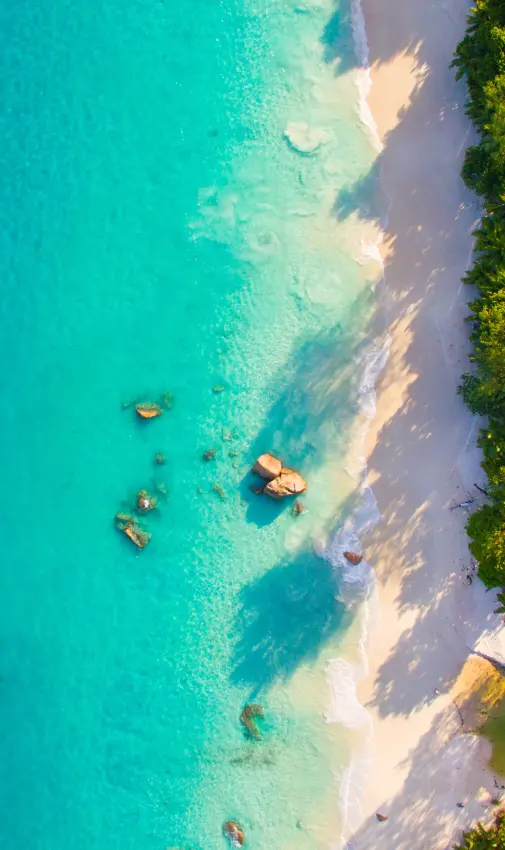
Turquoise water beach with boats and tropical vegetation 07

Zanzibar & Pemba

Family group of African elephants walking on sandy path 08

Arusha

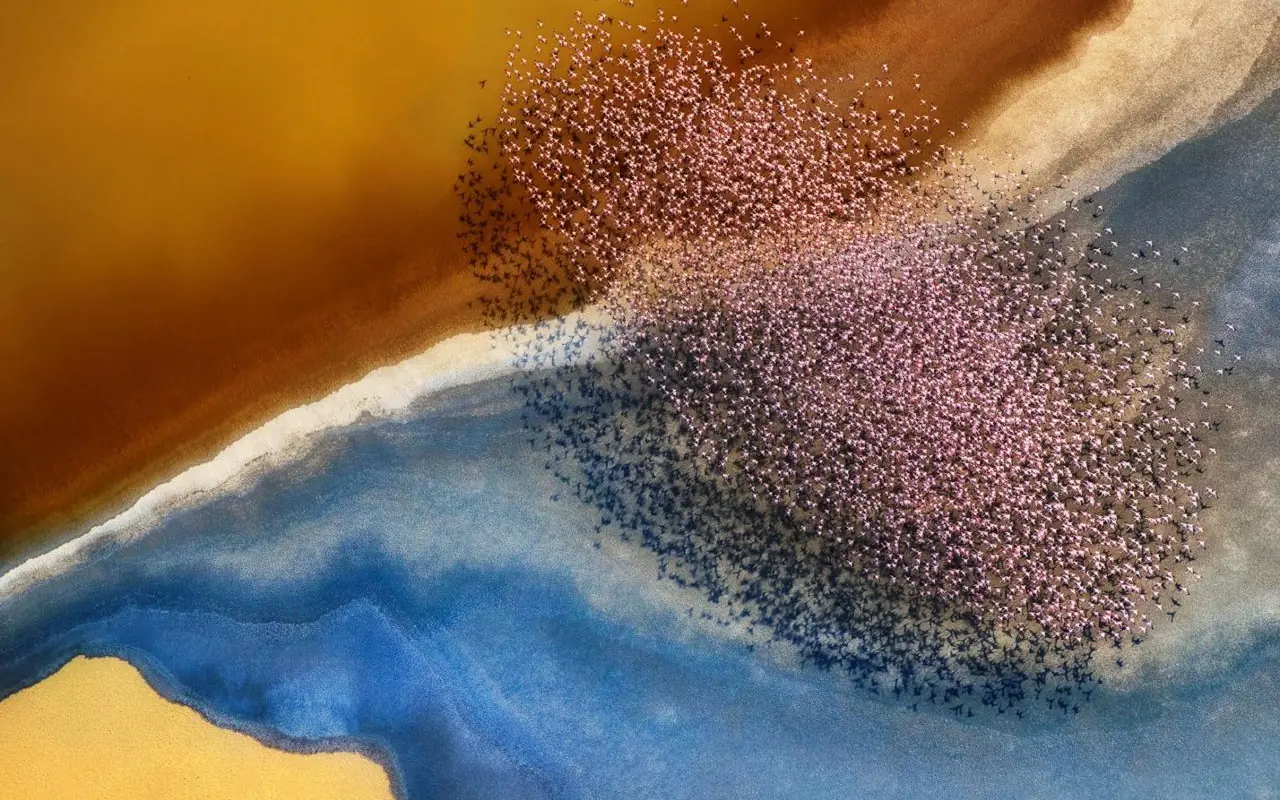
Aerial view of colorful salt lakes and mineral deposits 09

Lake Natron

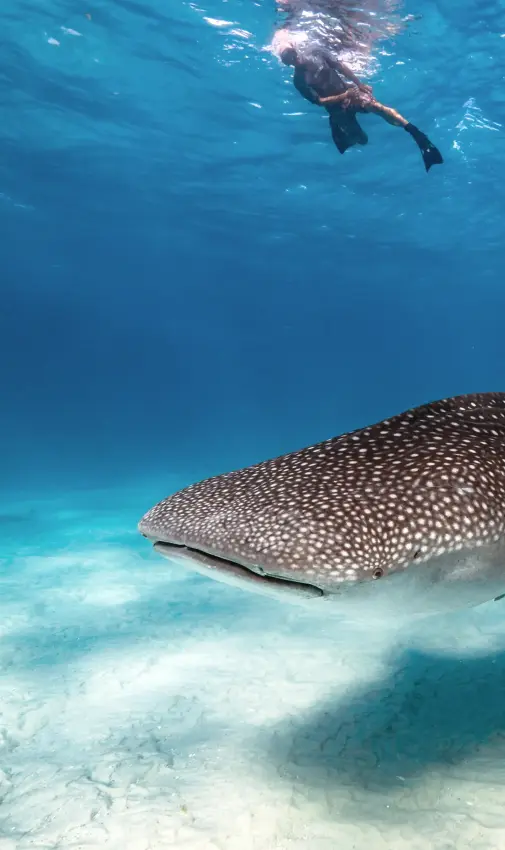
Snorkeler swimming alongside whale shark in shallow turquoise water, Mafia Archipelago, Tanzania 10

Mafia Archipelago

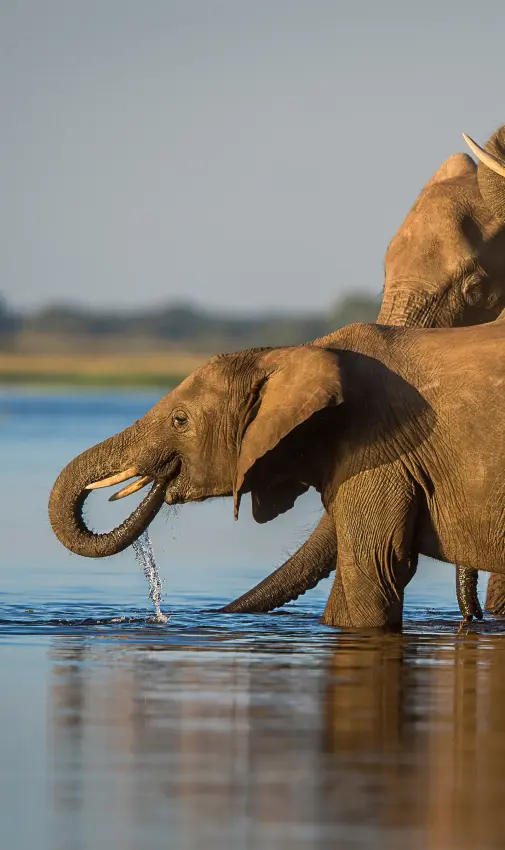
elephants drinking water at riverbank during daytime 11

Nyerere National Park

Chimpanzee among vegetation looking toward camera, Rubondo Island, Tanzania 12

Rubondo Island

Planning a journey together

our approach

remote, exclusive
& personal

Every journey starts with a conversation. We take the time to understand your vision before we start planning.

Whether by phone or in person, we work with you directly to shape something that is considered, personal, and expertly delivered.

get in touch
destinations ideas & inspiration our process about us contact us