




tanzania
the serengeti on foot, then zanzibar
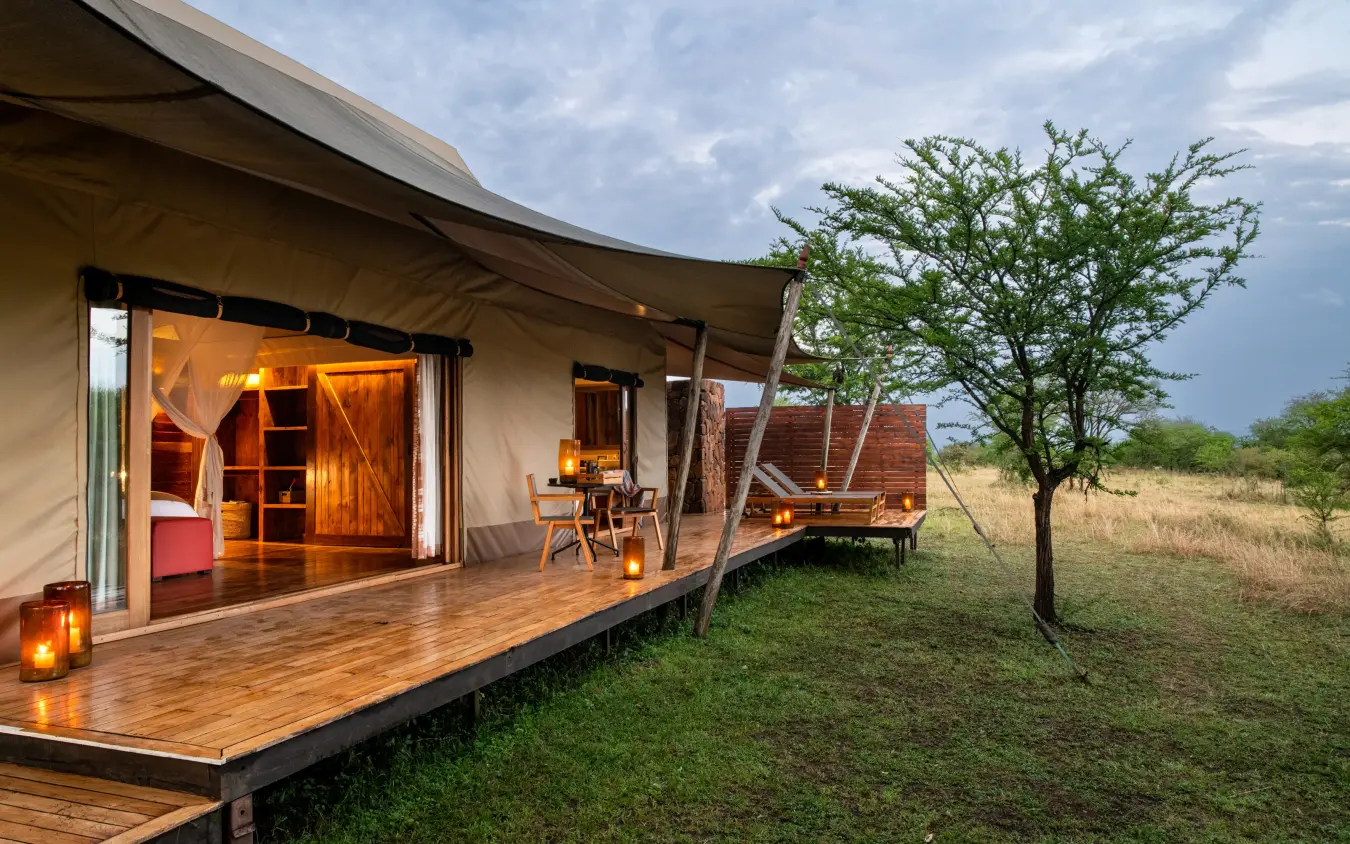
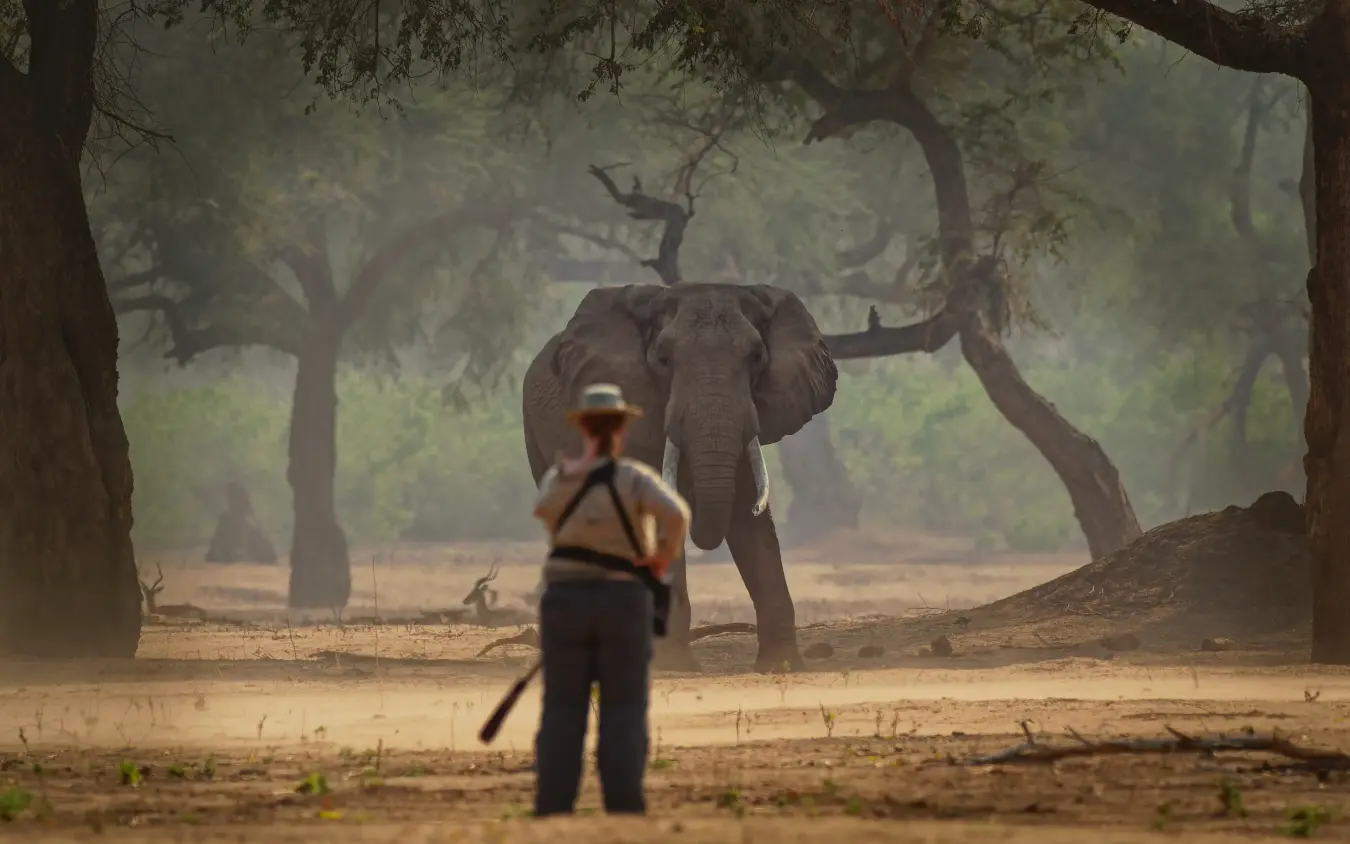
Eight nights in Tanzania, walking the central Serengeti near Seronera then the reefs and sands of Zanzibar's Bwejuu Beach.
- Private Safari
- From $6,435 pp
- 2 guests
- 8 nights
This 12-night route links three parts of southern Tanzania. It opens in remote Ruaha, a transition zone between East and Southern African wildlife where game drives run with rare quiet. It moves to the northern bank of the Rufiji in Nyerere National Park, built for walking and boating rather than sheer density. It closes on a coral island in the Songo Songo Archipelago, off the southeast coast.
You travel with a private guide and vehicle through the two parks, on drives, on foot and, on the river, by boat. The island then trades schedules for tides. The accommodation ranges from an exclusive-use bush villa to a riverbank lodge and an island built around an 1894 lighthouse, each with its own character and pace.
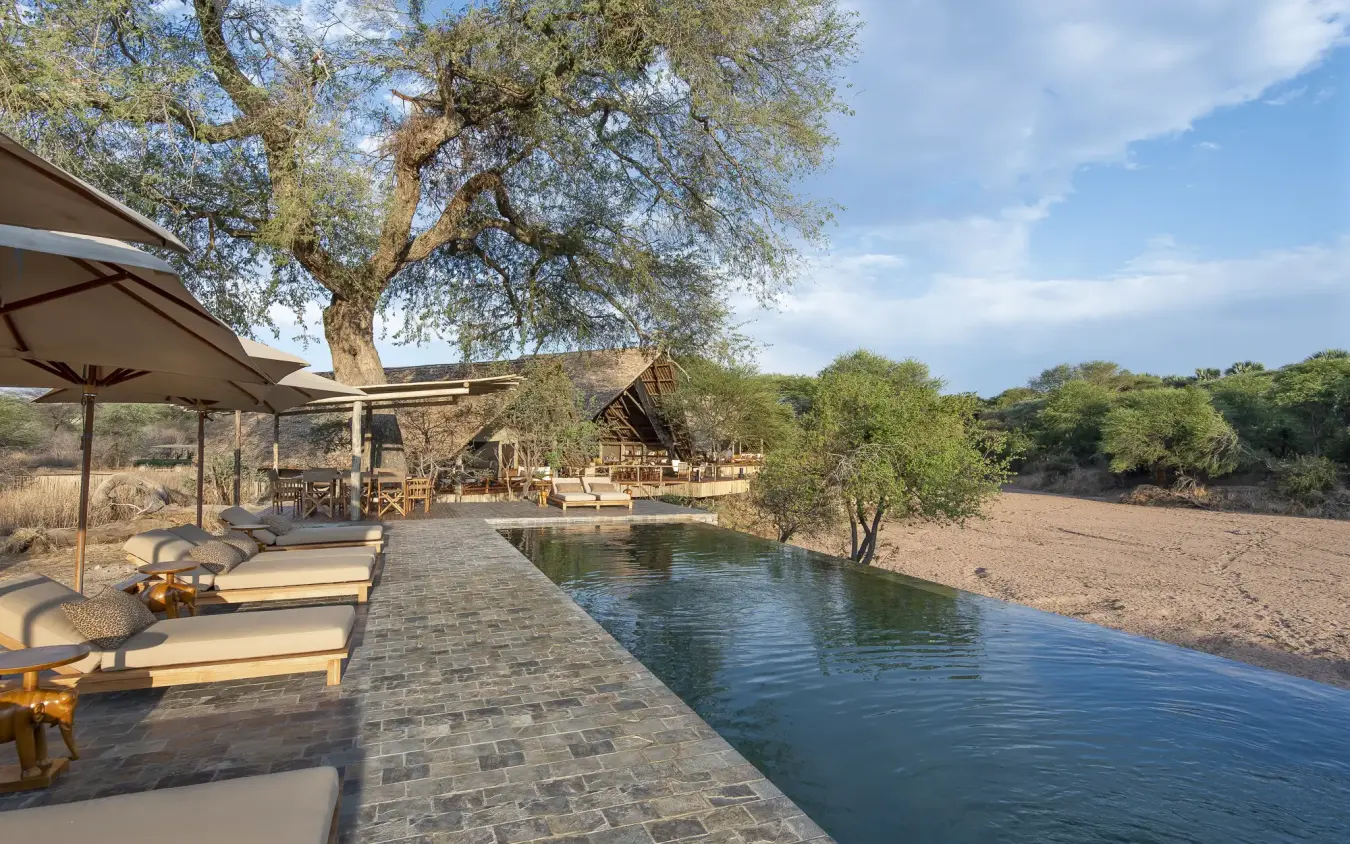
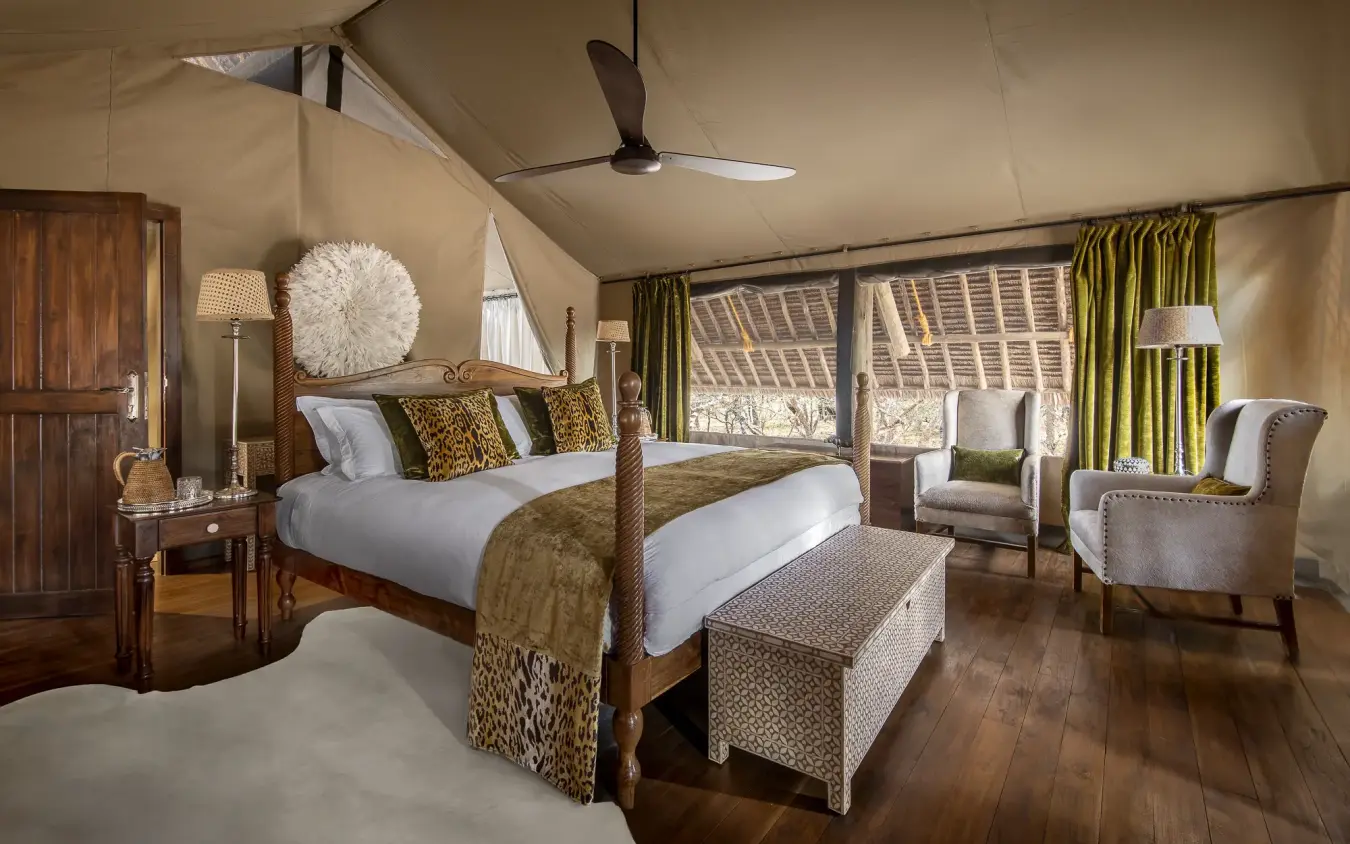
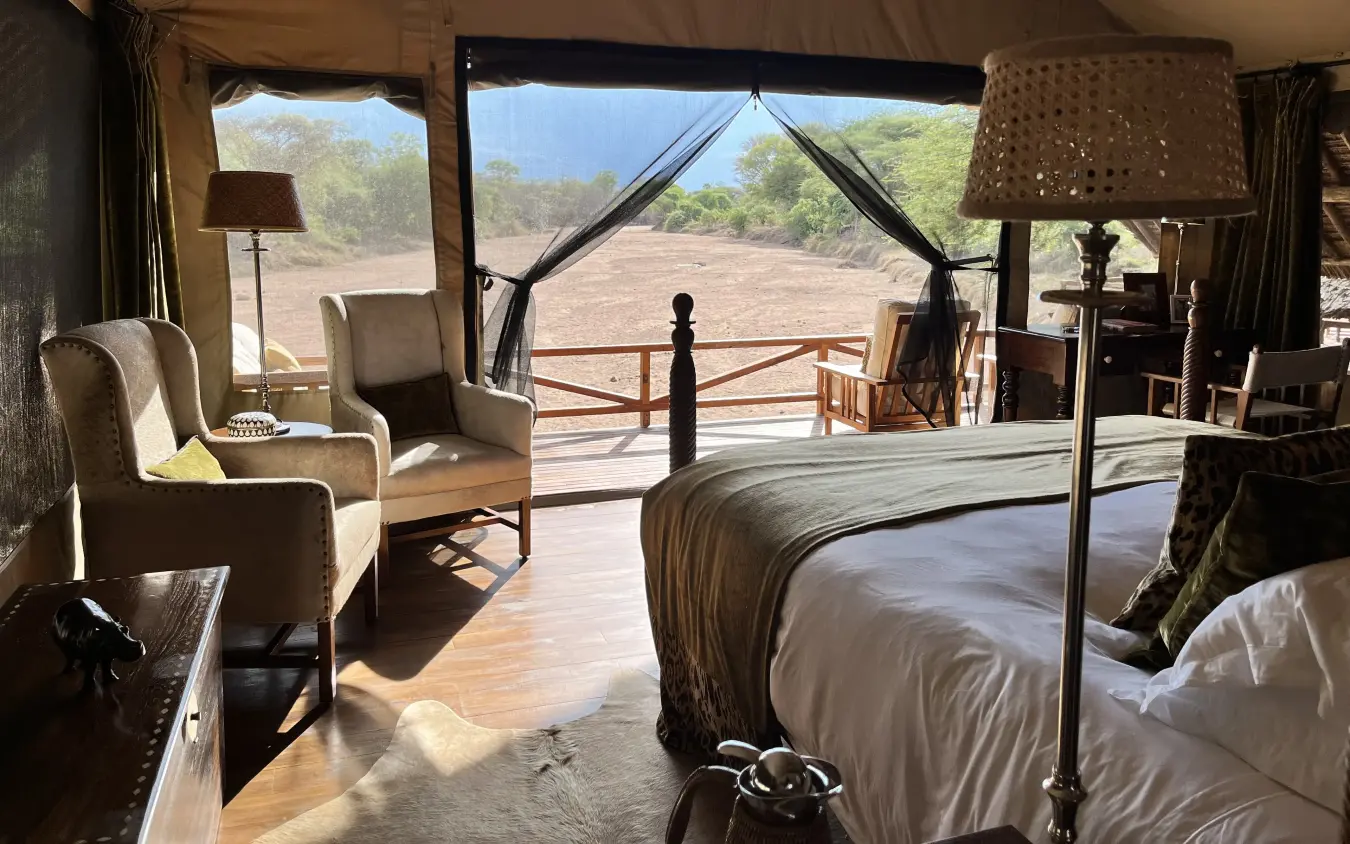
You spend four nights in the remote southern reaches of Ruaha National Park, where meeting another vehicle on a drive is rare. Days are built around your private open-sided 4x4, with game drives morning and afternoon and, unusually for a national park, night drives by spotlight. This is one of the few places where both Greater and Lesser Kudu occur, alongside sable, roan, lion, leopard and cheetah. Jongomero Bush Manor takes one party at a time above the seasonal Jongomero Sand River, with a private chef, hosts and guide; elephants amble past the decks and dig for water beneath the sand.
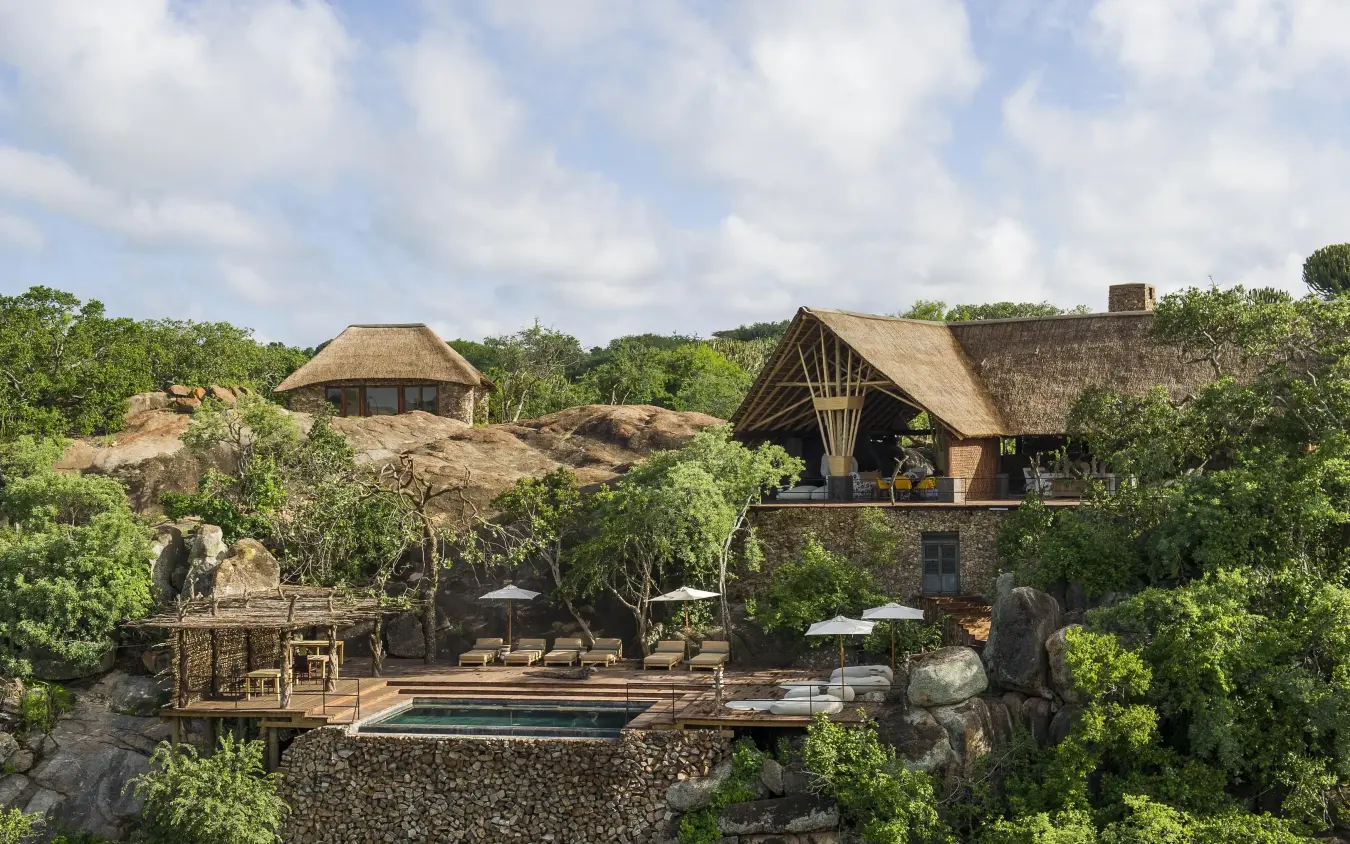
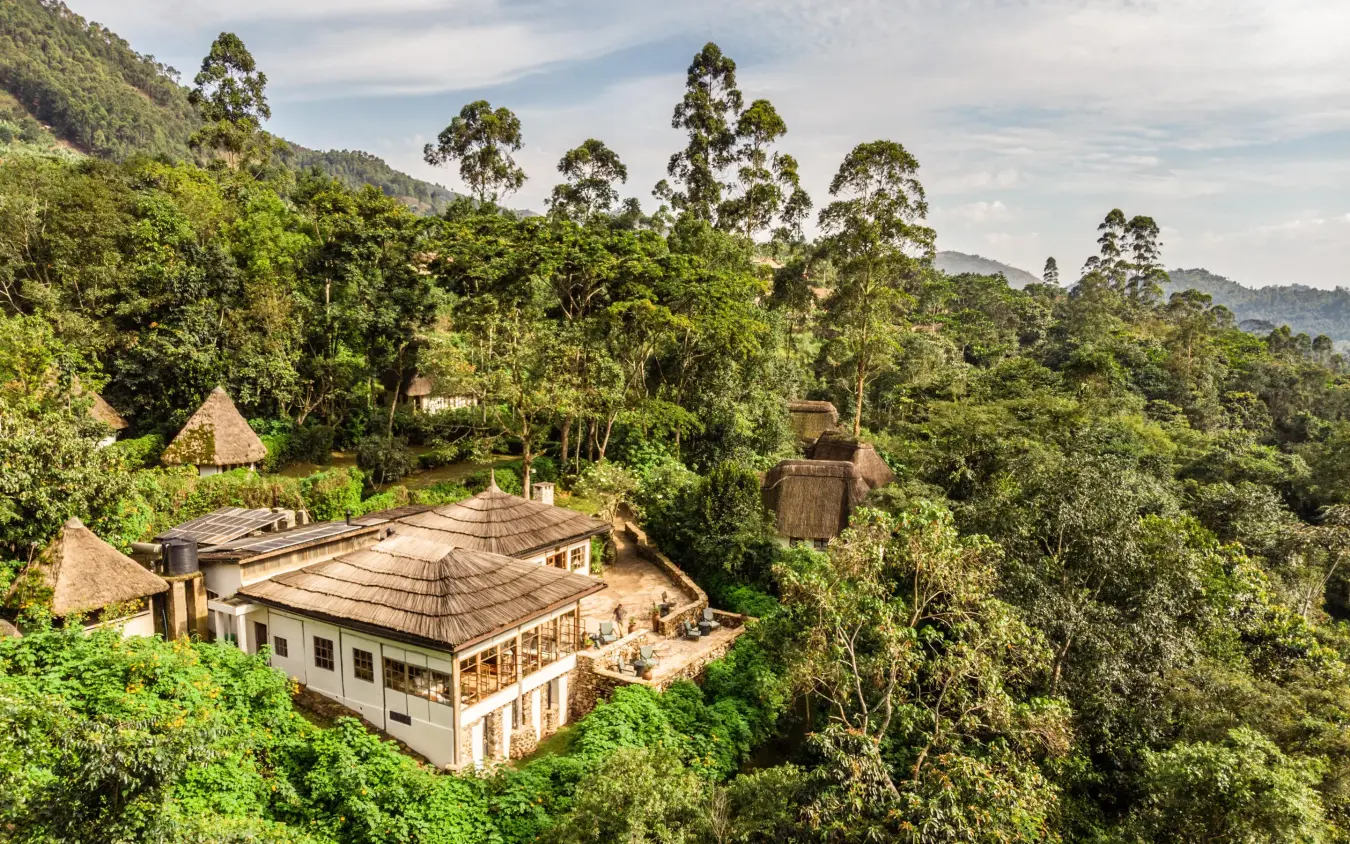
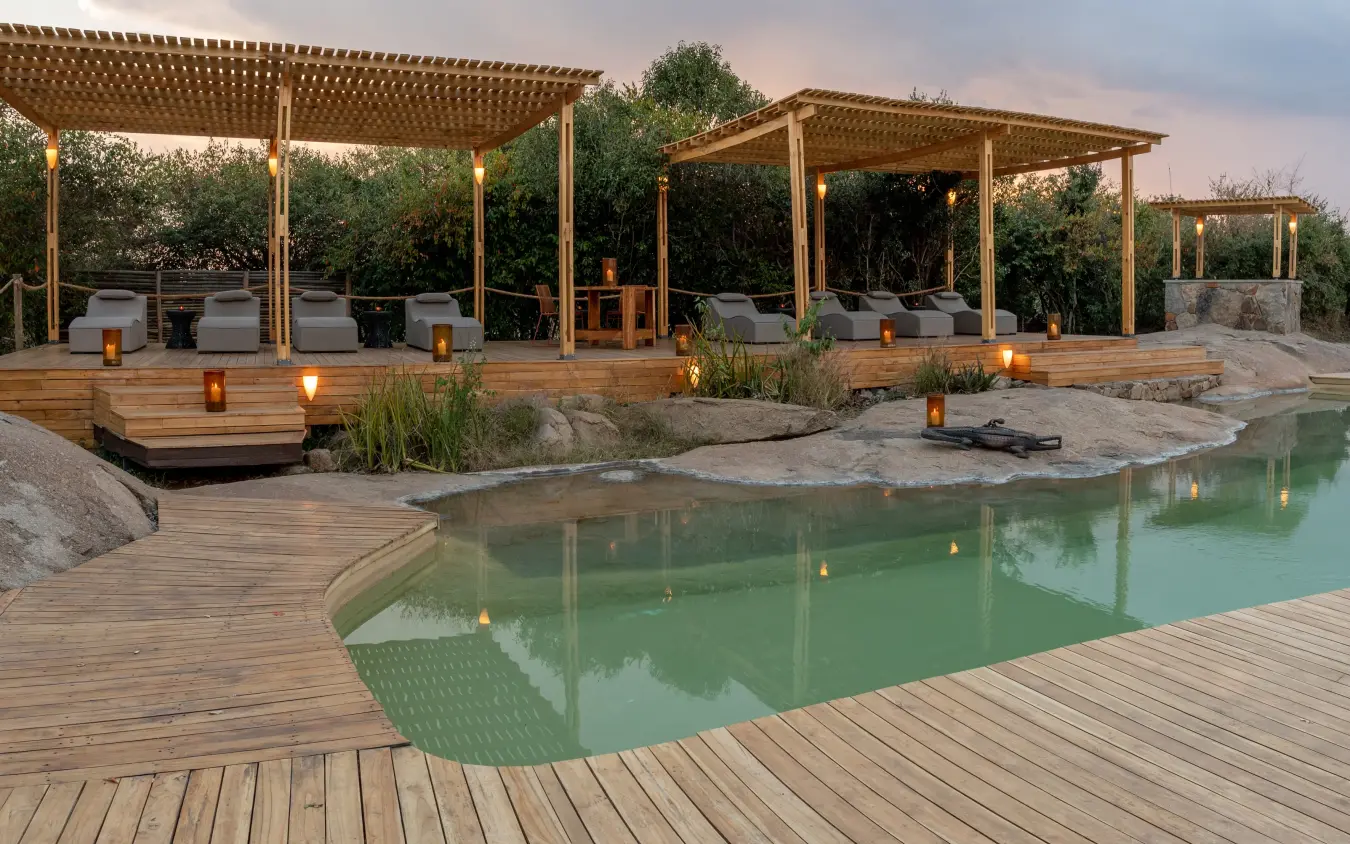
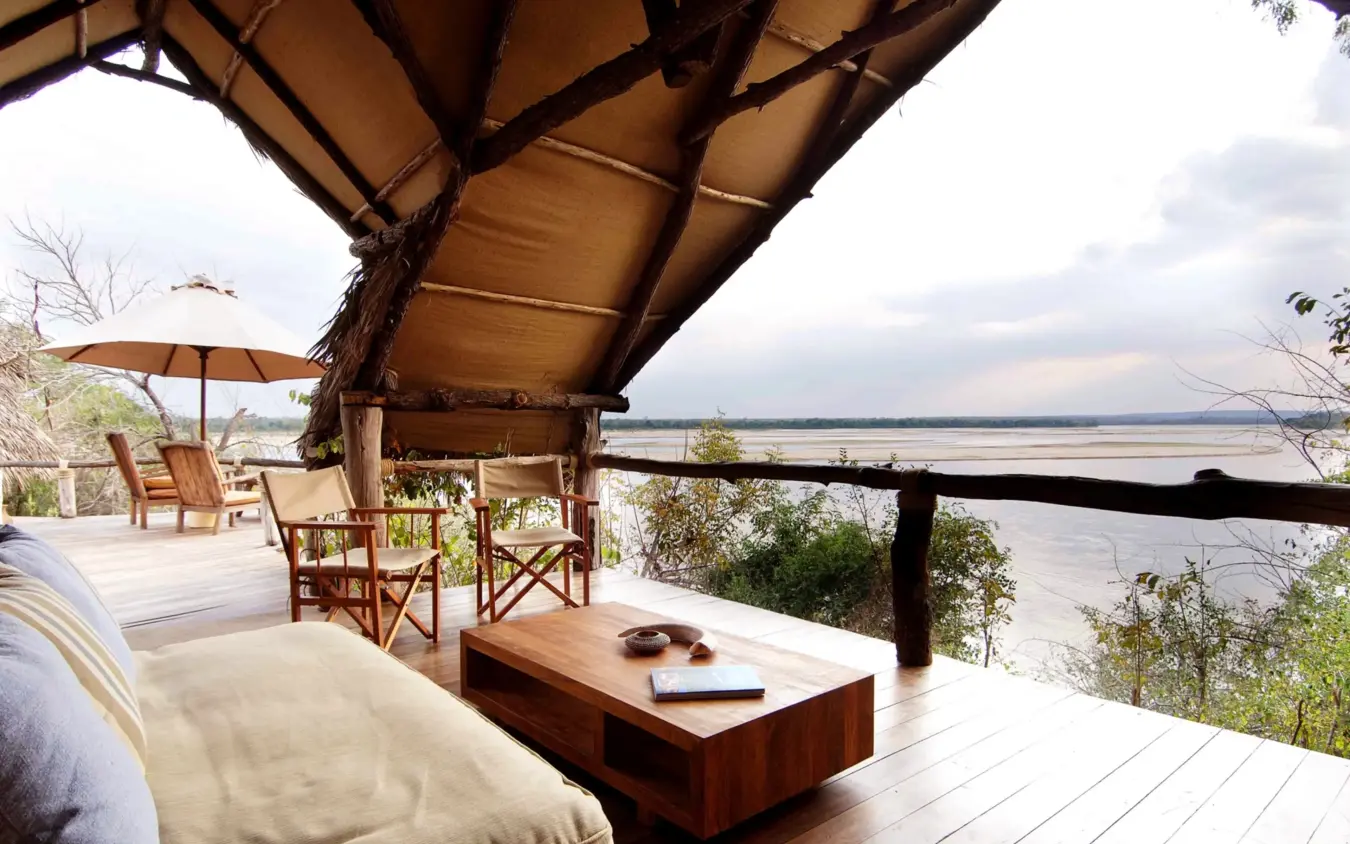
Three nights on the northern bank of the Rufiji in Nyerere National Park, formerly the Selous Game Reserve, where vehicles remain scarce and the reward comes from patience rather than guaranteed density. Guided walks with armed rangers turn on tracking, plants and bushcraft, and wild dog are a consistent feature of the walks and drives here. Boat safaris run on the river and lakes, upstream to Stiegler's Gorge and downstream past pelicans and bee-eaters. Sand Rivers, built by Richard Bonham in 1984 and now run by Nomad Tanzania, sets eight stone-and-thatch cottages along a wide bend, with hippos and crocodiles on the sandbanks below.
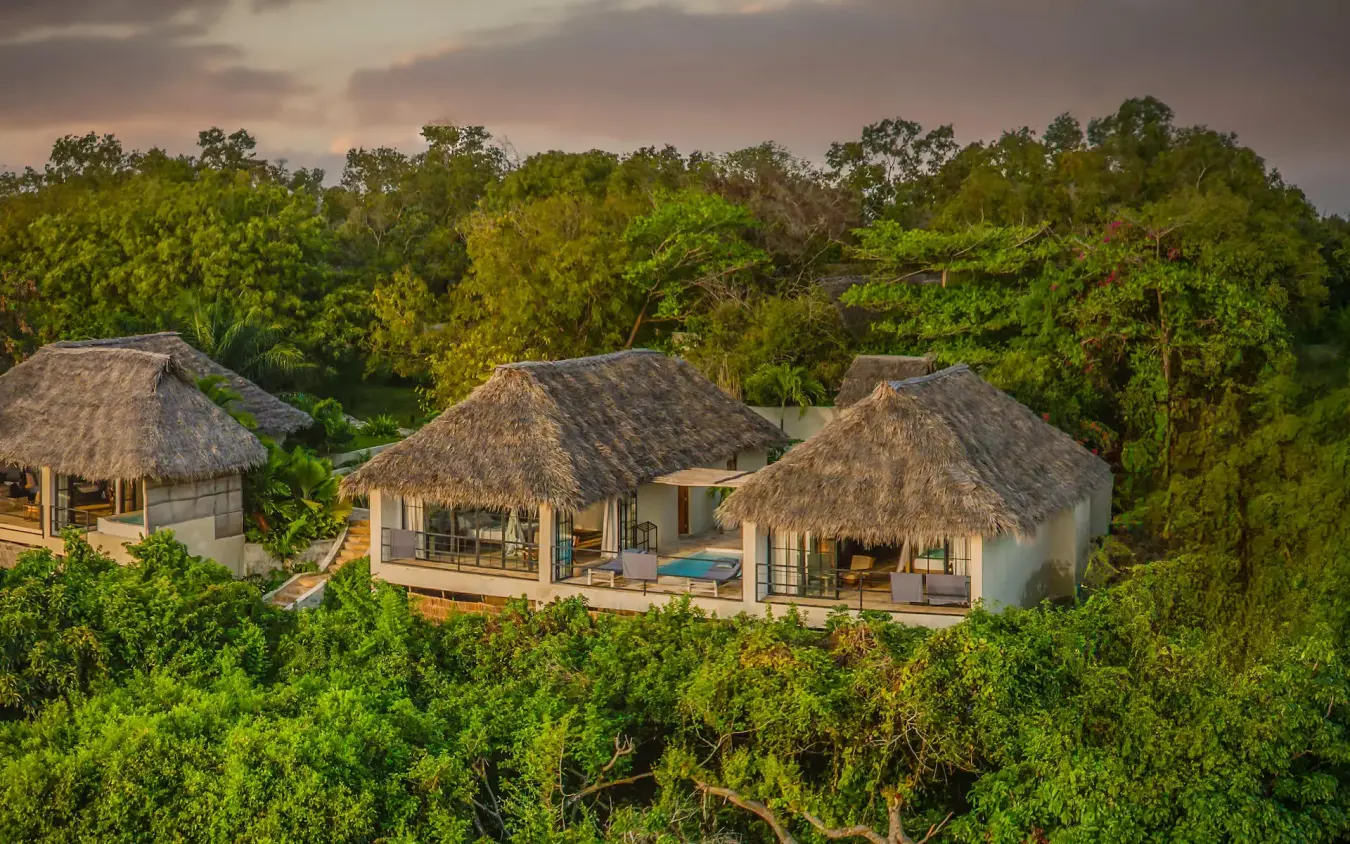
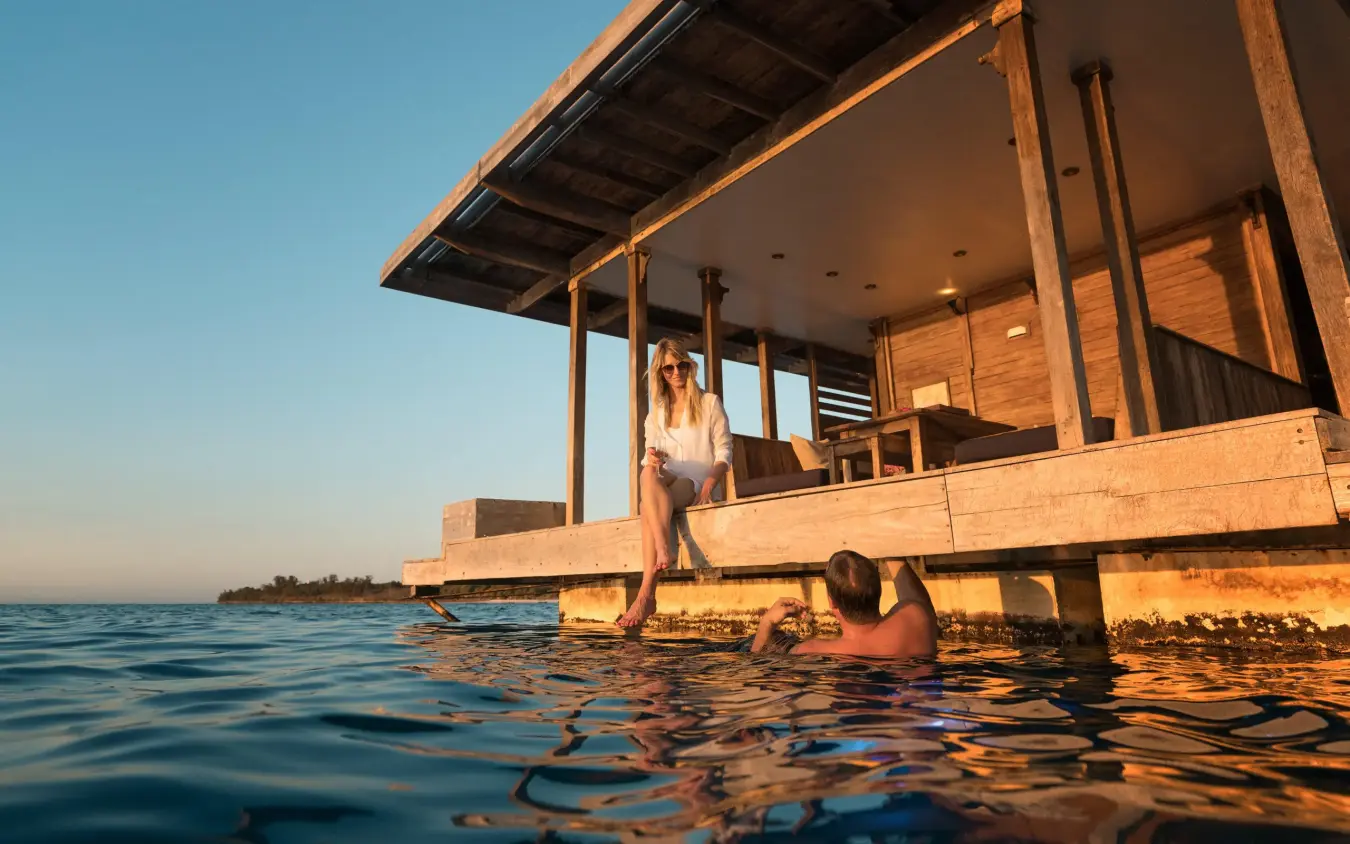
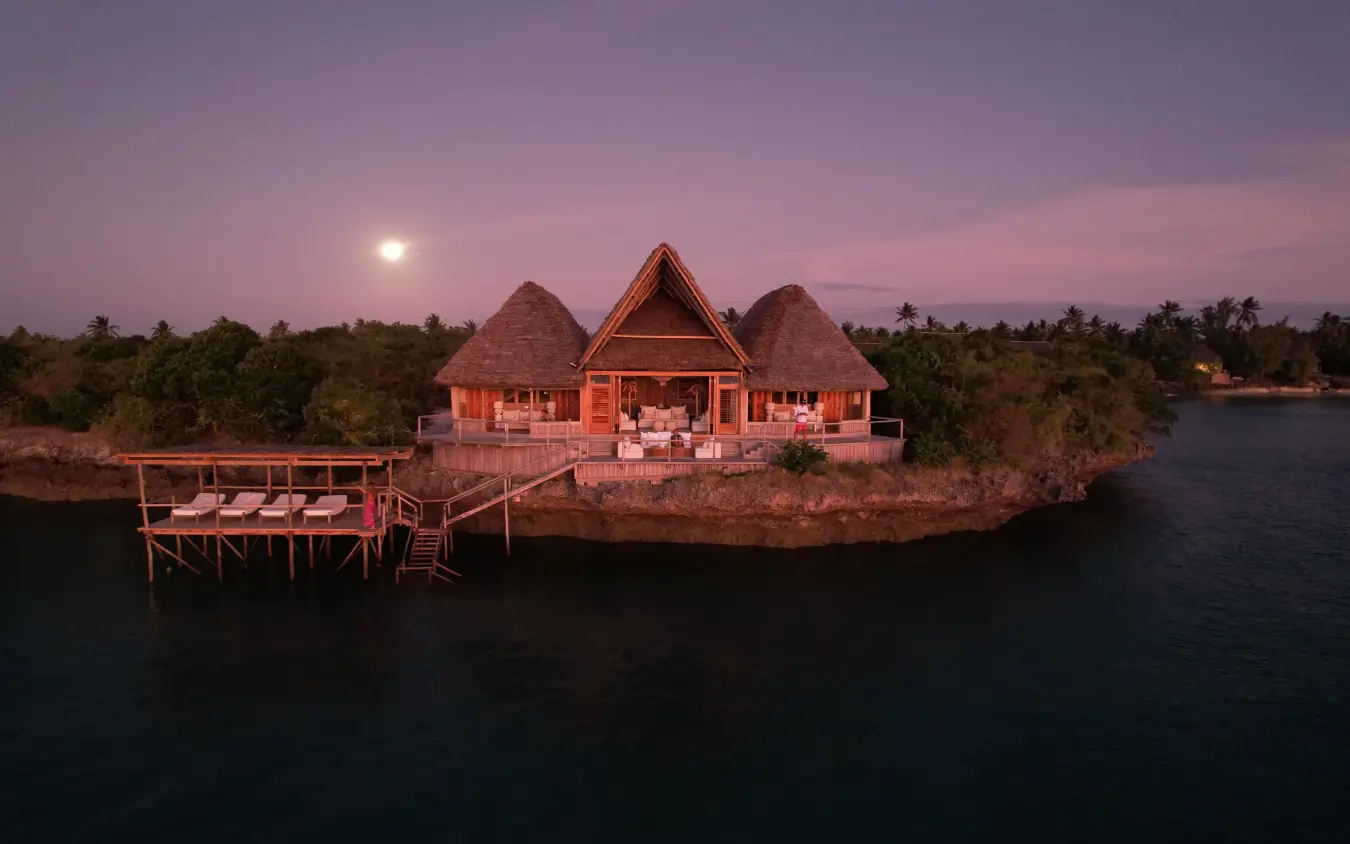
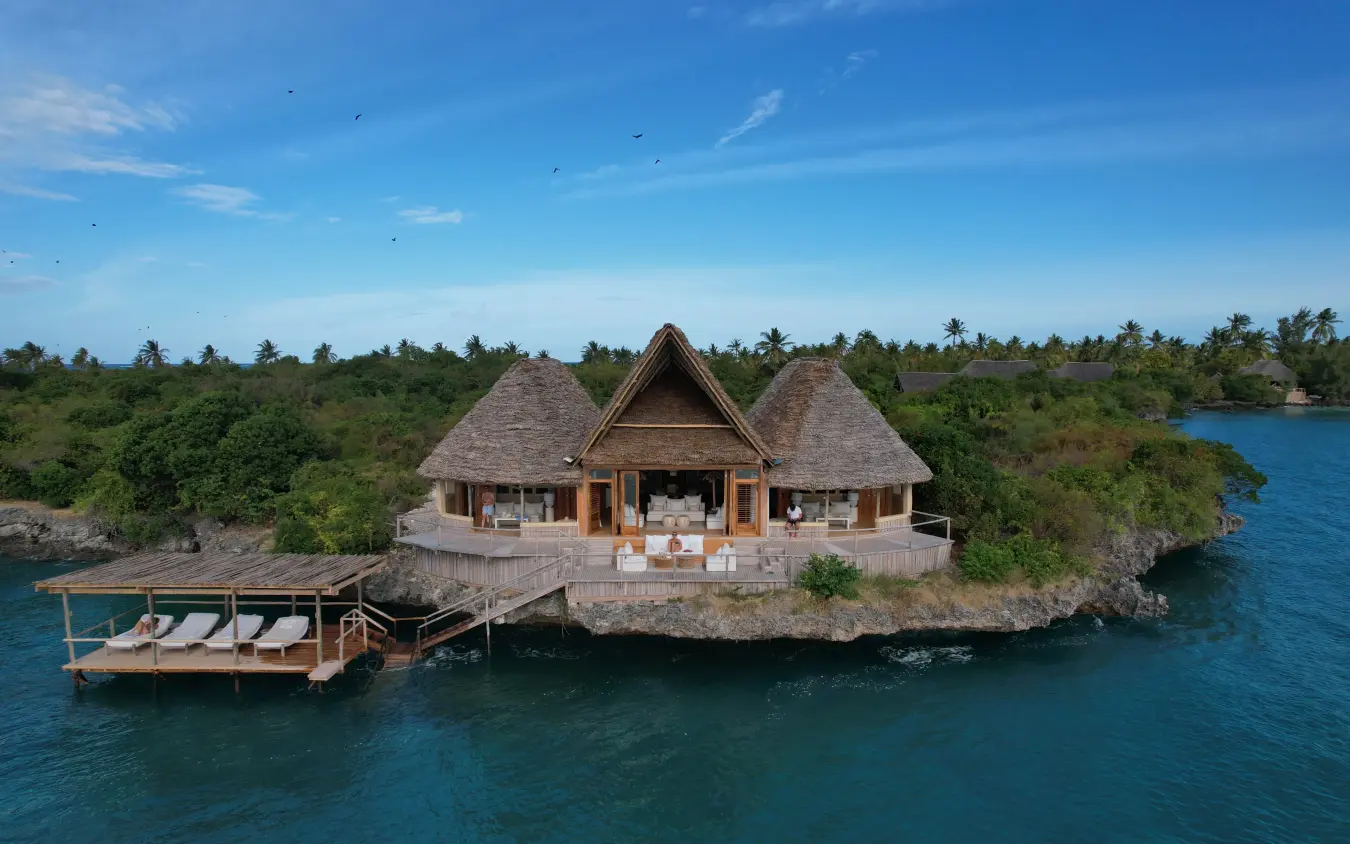
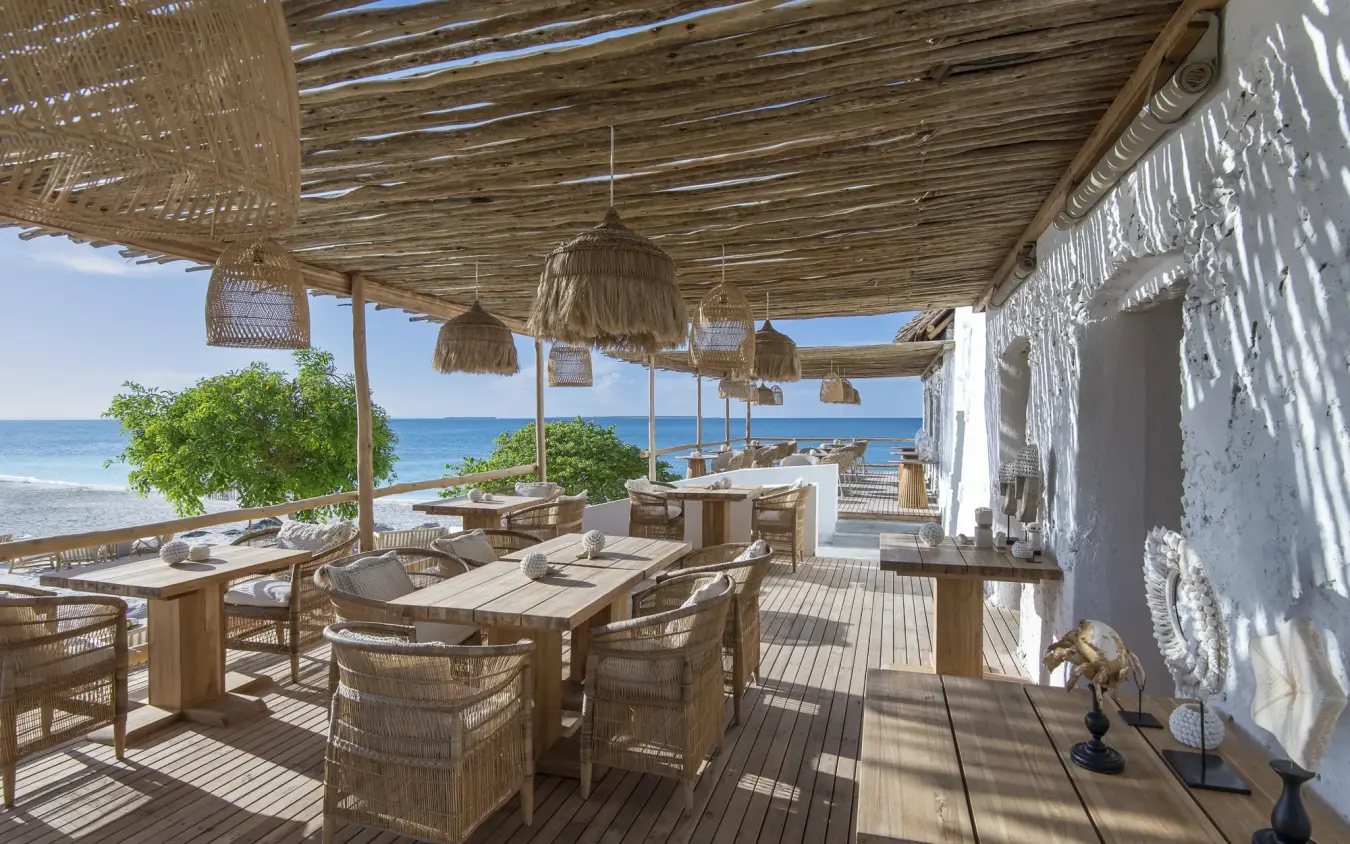
Five nights on a small coral island in the Songo Songo Archipelago, off Tanzania's southeast coast, where an 11-kilometre reef rings the island and movement follows the tides rather than a schedule. There are no vehicles, so you get about on foot, by kayak or under sail, with snorkelling straight off the beach and diving on quiet outer sites among reef sharks, rays and butterflyfish. A sandbank runs out to sea, so swimming is possible at every tide. Laba Fanjove is built around a white German lighthouse from 1894, restored from ruin, where guests gather to dine and watch the sun go down; the villas rise as open A-frames beneath makuti thatch, cooled by the sea breeze.
Quiet, which is the reason to go that far down.
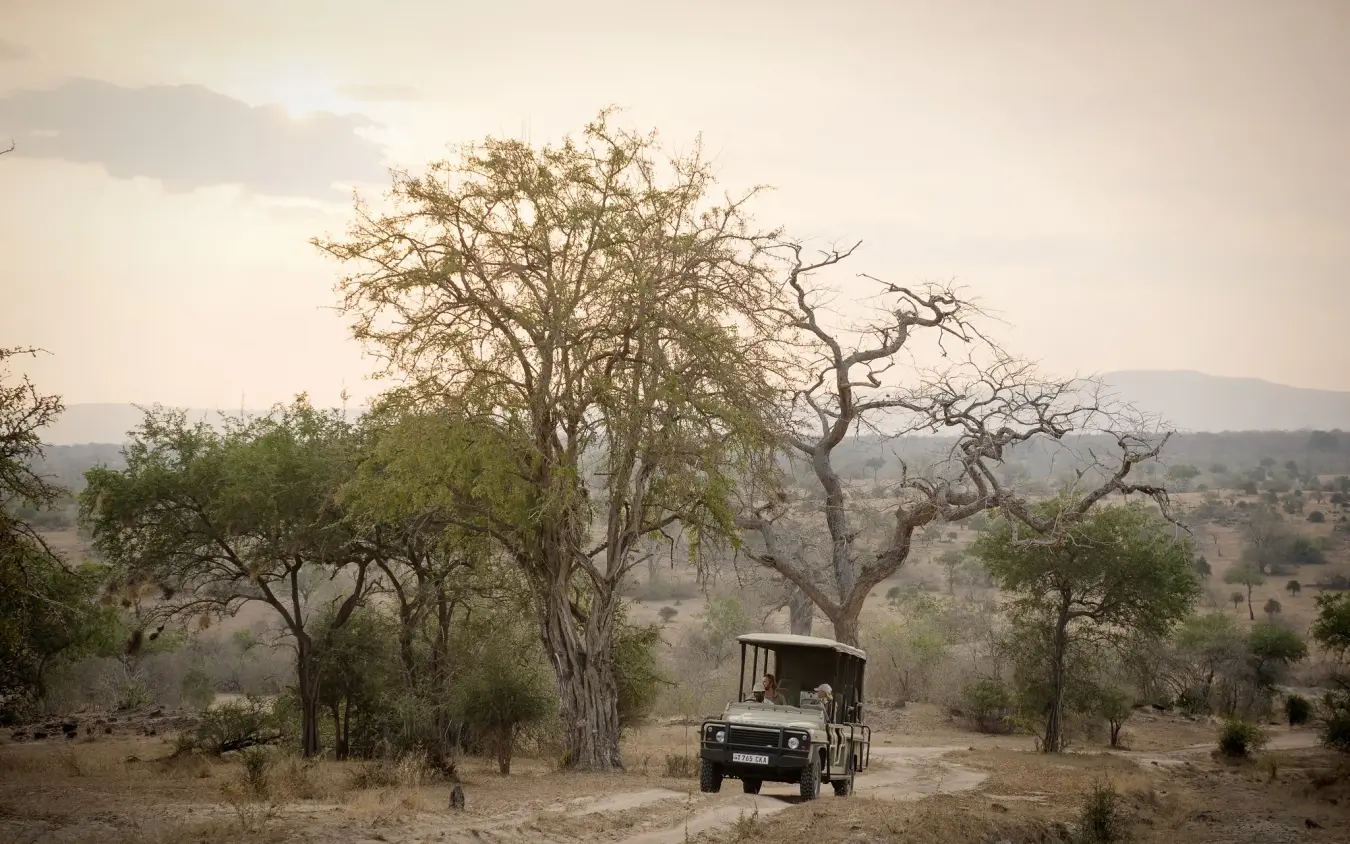
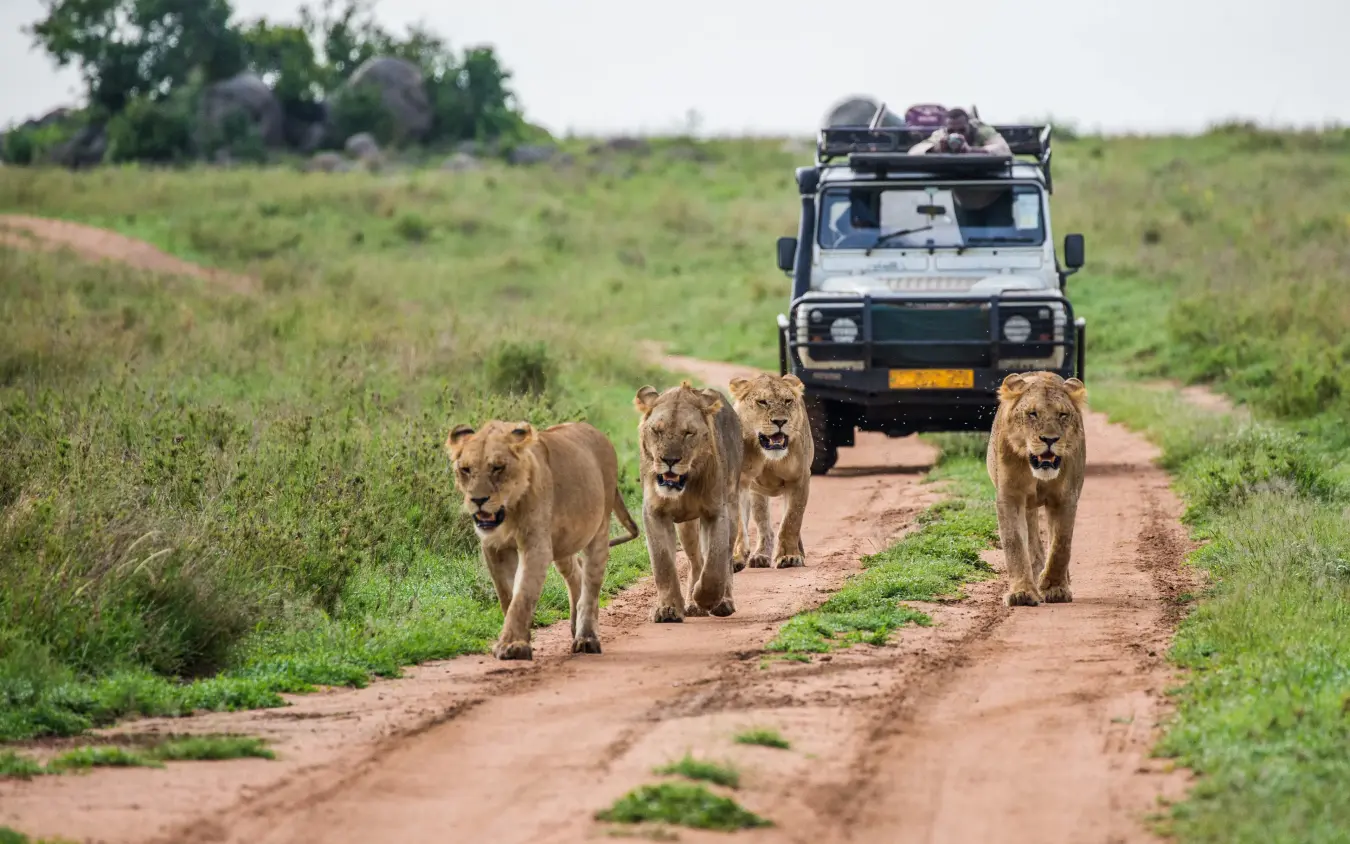
You have a private open-sided vehicle and a guide, so drives follow what you want to do and rarely meet anyone else.
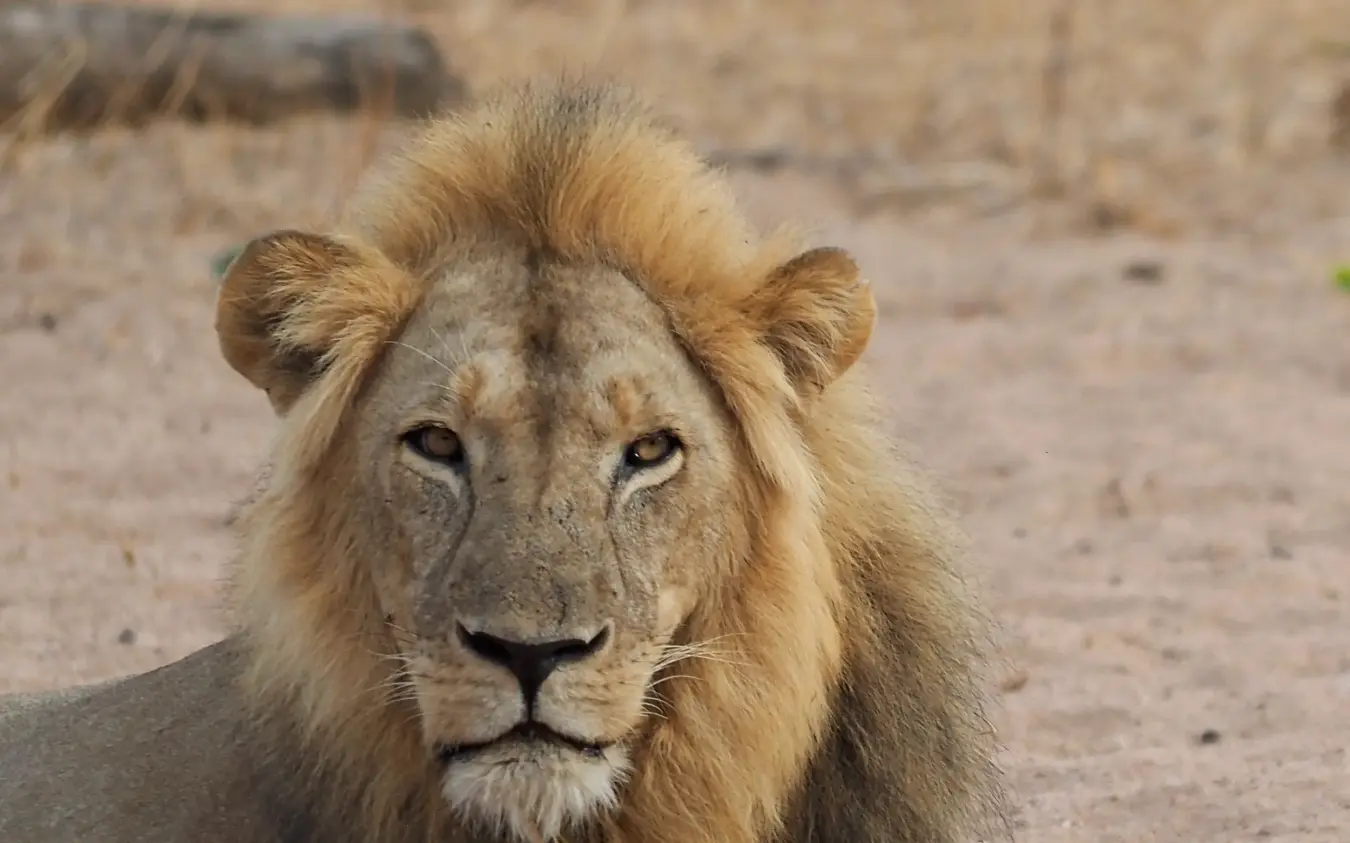
Ruaha sits where eastern and southern African wildlife overlap, which is why greater and lesser kudu turn up in the same park as sable and roan, and about a tenth of Africa's lions live here. Leopard turn up for some visitors and not for others, and cheetah are scarce.
Elephant work the sand river below the decks, digging down through it for water. Night drives run by spotlight, which is unusual inside a Tanzanian national park and brings in genets, civets and porcupine, with the chance of a leopard hunting.
They change the pace.
On the Rufiji the boat becomes the vehicle: you drift the river, its channels and lakes past hippos, crocodiles and nesting bee-eaters, and run upstream into Stiegler's Gorge, which shows you country a game drive cannot reach.
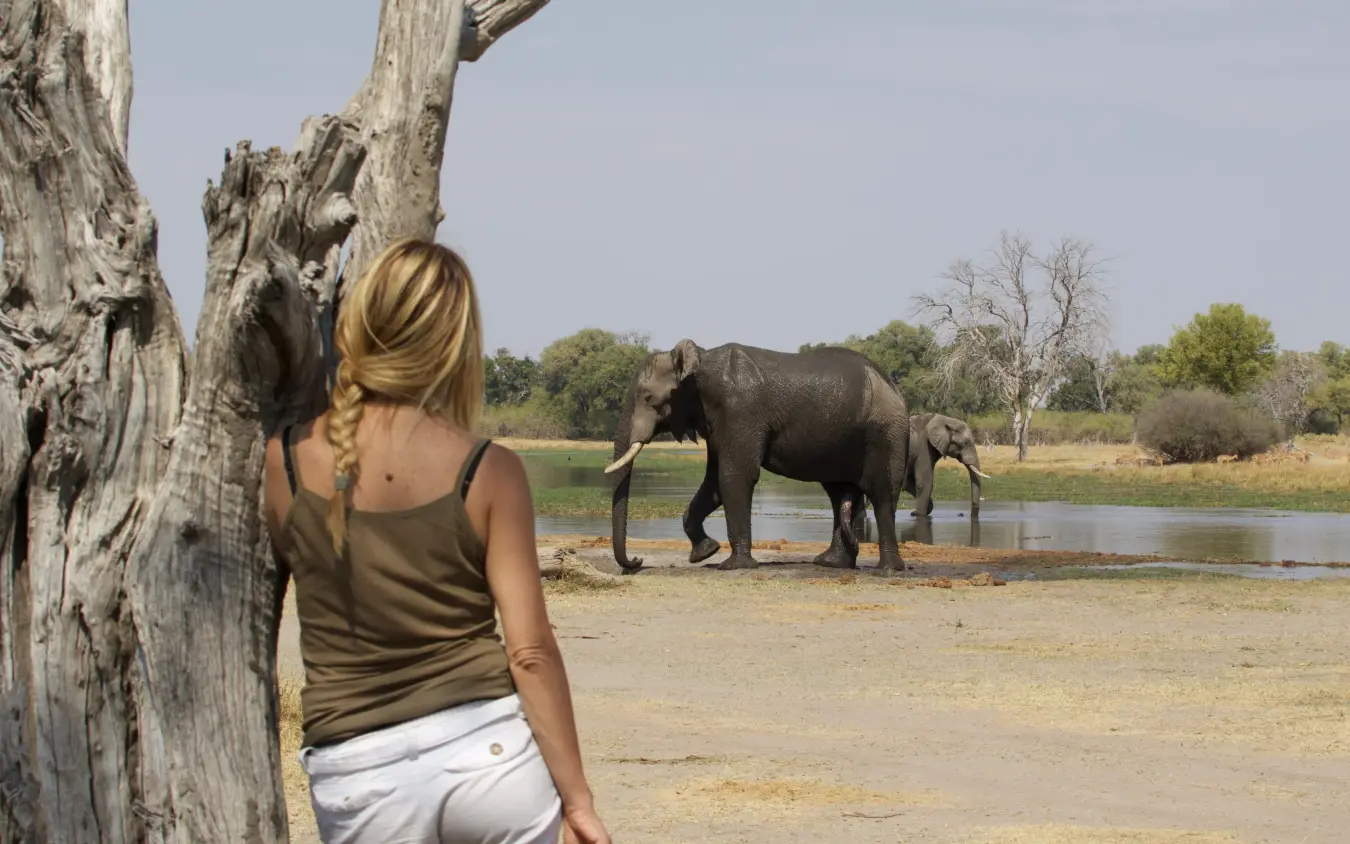
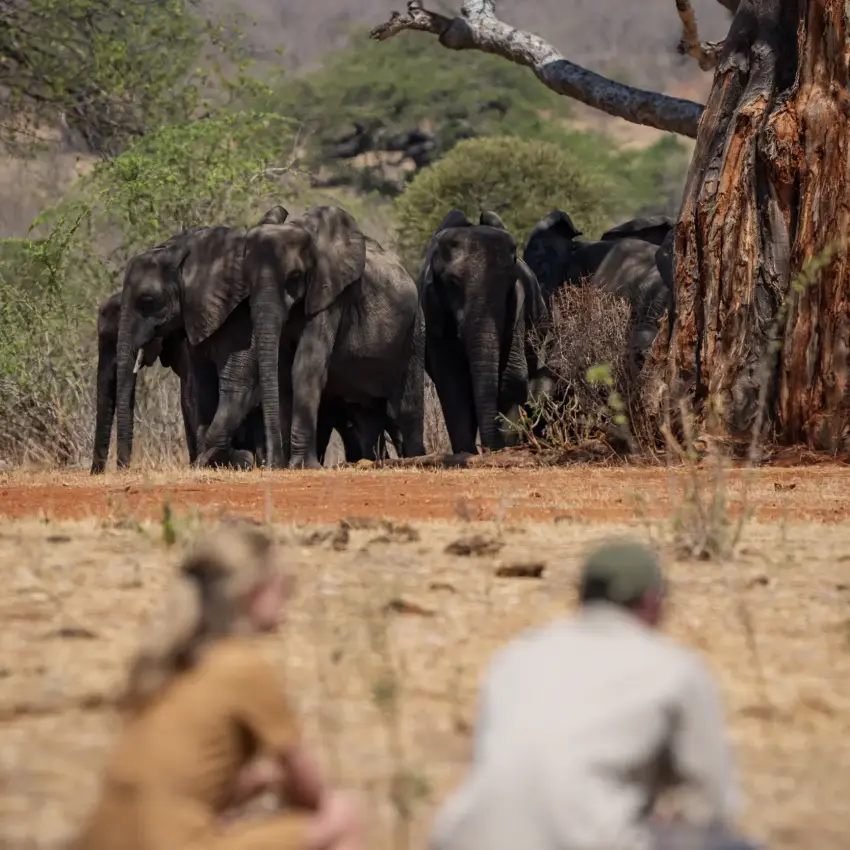
Walks go out with a guide and an armed ranger, and they are slow work: spoor, plants and the things a vehicle drives straight past, over no great distance.
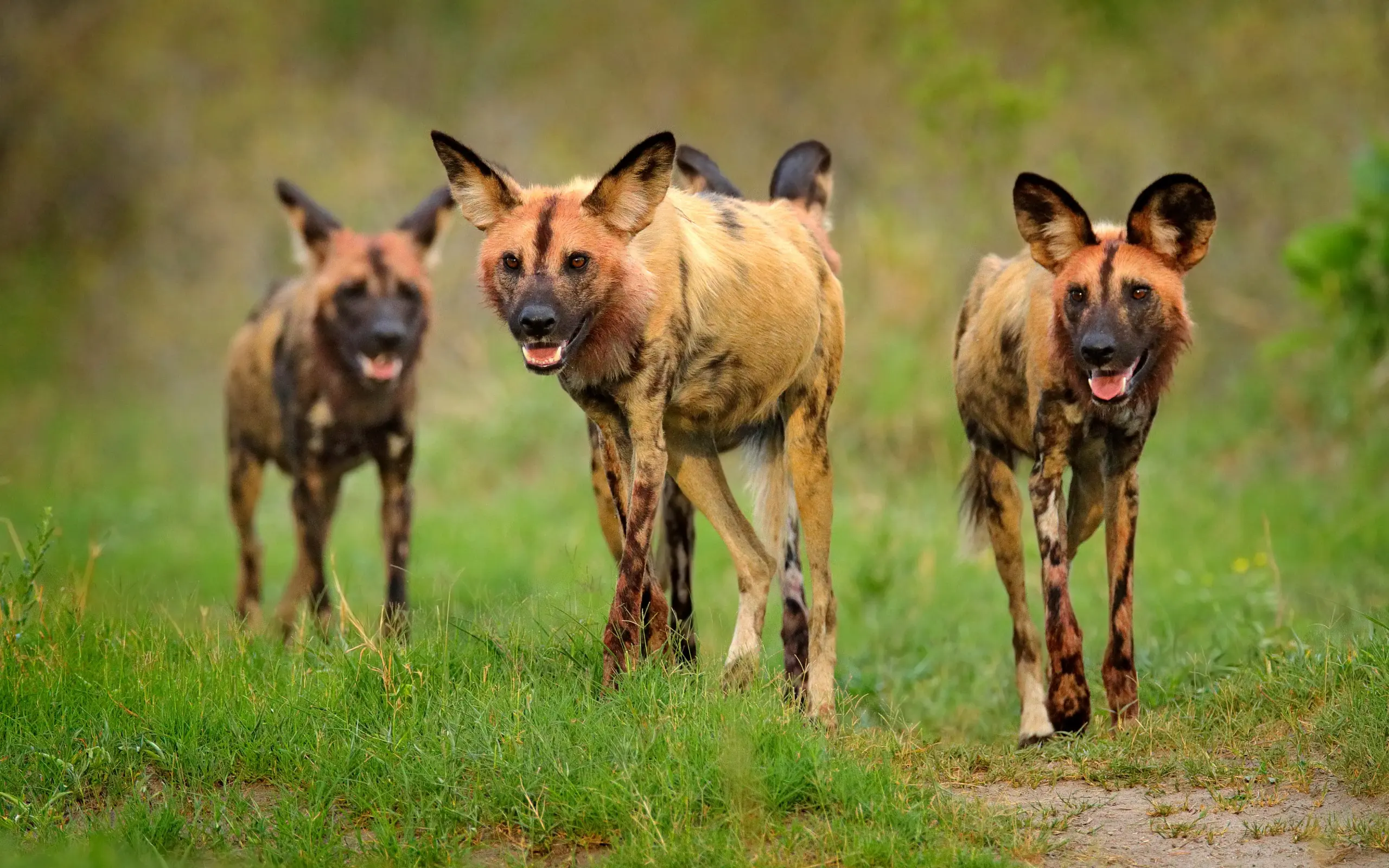
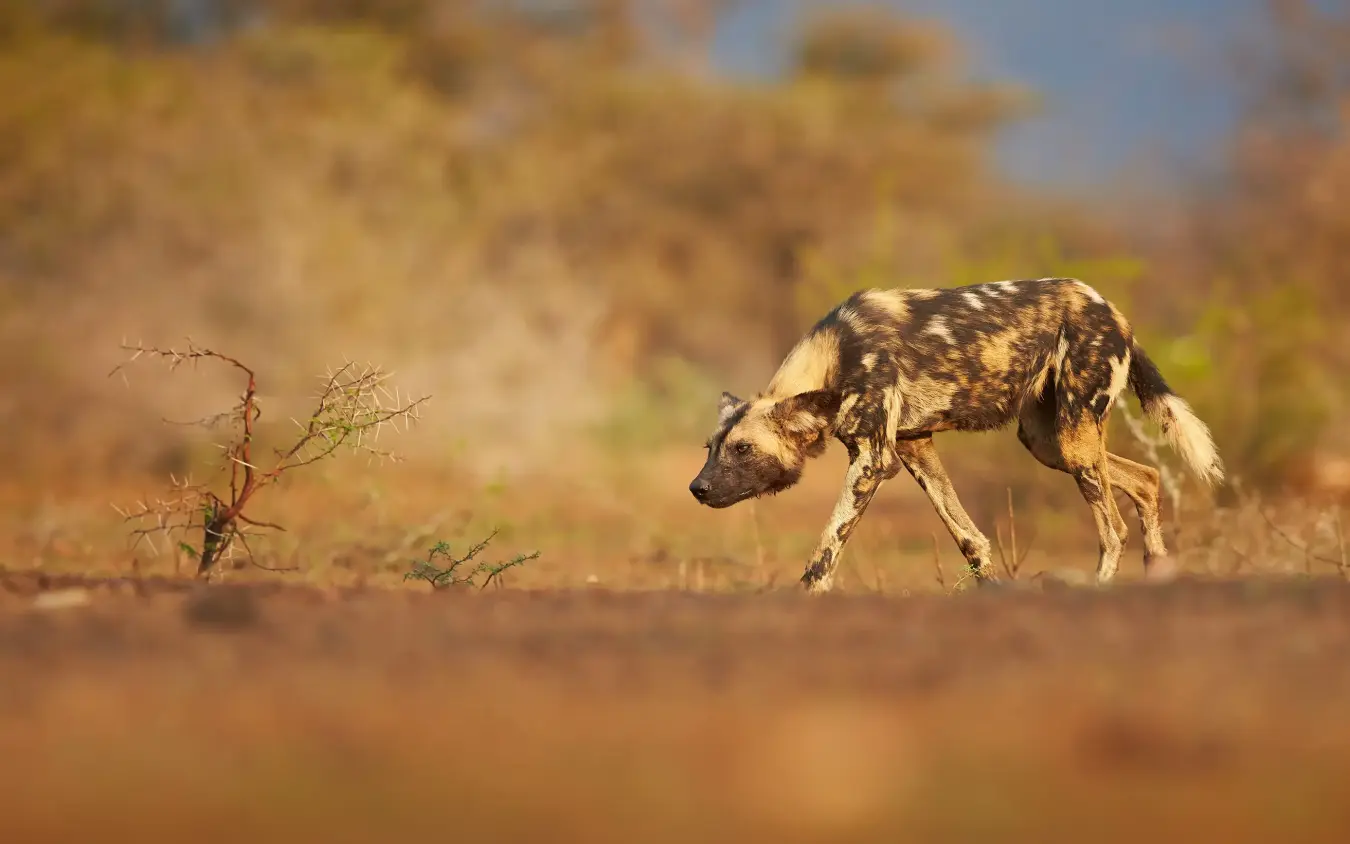
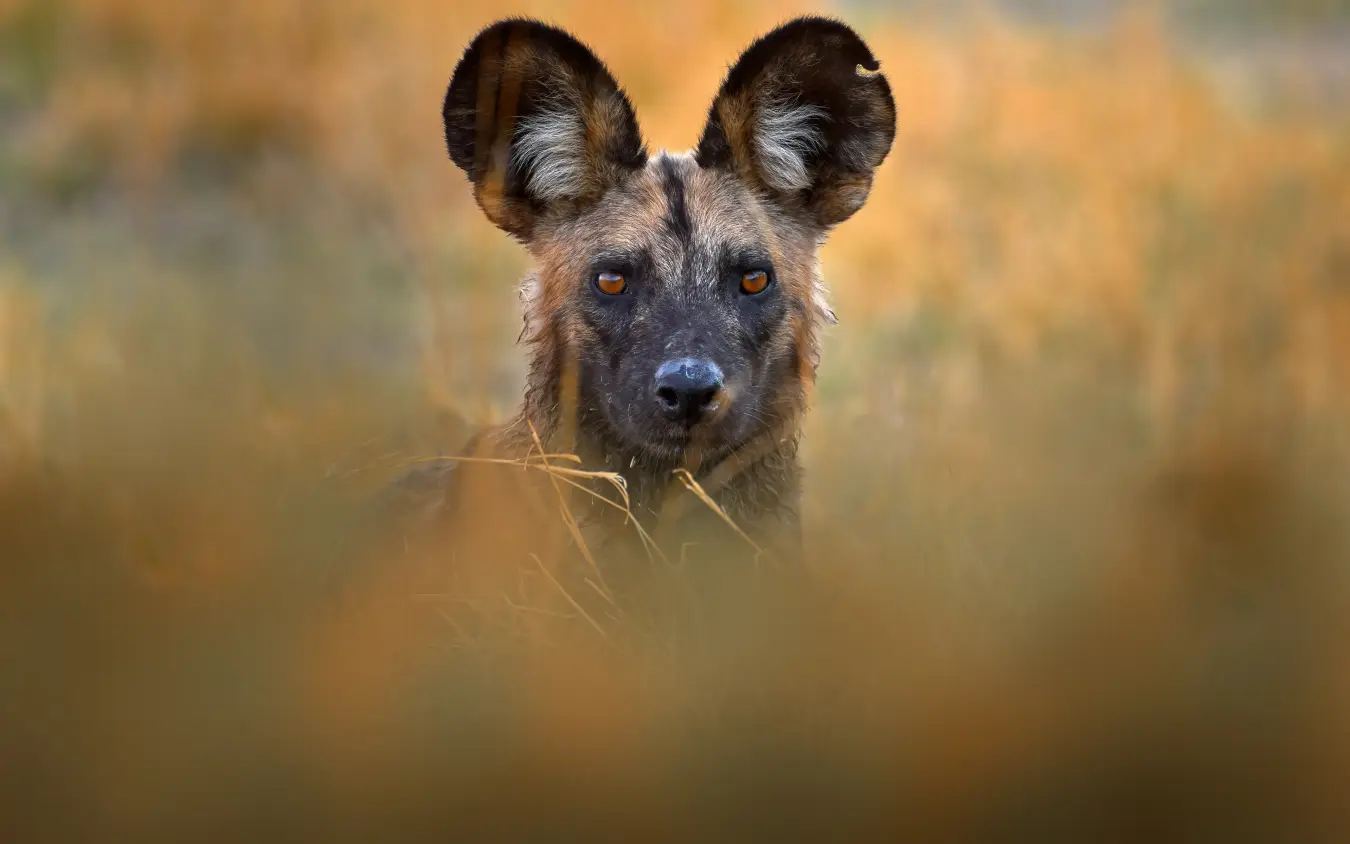
Wild dog are the draw and the genuine uncertainty. This is a key stronghold for them and camps along this stretch see them often, but packs range over enormous distances and plenty of visitors leave without a sighting.
The odds improve in the dry months, when packs den and stay near one place, and nobody can promise it.
Very little that is hurried, which is the idea after a week of early starts.
No vehicles reach the island, so you walk, and at low water you can go right round the outside through rock pools and coves. Sea kayaks and paddle boards are there to take out, a sailing dhow goes out at sunset, and there are half-day and full-day trips to a sandbank with lunch laid on.
Fishing can be added at extra cost. Meals are in the old German lighthouse, which now holds the restaurant and the sunset bar.
Power is solar and runs day and night, and wifi reaches the villas as well as the public areas. A sandbank running out to sea lets you swim at any time of day, whatever the tide is doing.
Snorkelling needs nothing but a mask, diving needs a certificate.
An intact reef runs about eleven kilometres around the island, the water sits near twenty-eight degrees and visibility reaches thirty metres, and the reef holds underwater pinnacles and gardens of cabbage coral. Snorkelling goes straight off the beach or by boat and is part of the stay.
Scuba diving is an extra, and the island asks divers to be PADI certified to go out with its dive master, so if nobody in the party is qualified yet it is worth doing the theory and the open water course at home rather than losing days of a five-night stay to a classroom.
Tell us what everyone holds and we will settle the details with the island before you travel.
Three short flights and a boat.
The camp in southern Ruaha has its own airstrip about five minutes' drive away, reached from Dar es Salaam in roughly one hour fifty, longer when the aircraft makes calls along the way. For the Rufiji you fly into Kiba airstrip, about an hour from Dar es Salaam, then fifteen to twenty minutes by road.
The island is the interesting leg: the flight runs from Dar es Salaam by way of Mafia to Songo Songo, about fifty minutes in the air on a once-daily service, then a short drive to the shore and a forty-five minute boat crossing, which ends with you stepping off into the shallows onto the sand.
Soft bags throughout, and about 15 kilograms a person.
June to October, and for once all three legs agree.
Those are the months we rate highest in Ruaha and on the Rufiji, when the bush thins and animals come down to the water, and they fall inside the cooler, calmer monsoon that settles this coast from about June to October.
October is prime in Ruaha and also its hottest month, so anyone who minds heat should aim at July to September.
November to February makes a case for a different kind of trip: the parks turn green, the migrant birds arrive, the vehicles thin out further and the sea stays warm, with game spread more widely as the trade.
Steer clear of March, April and May: the long rains close roads in Ruaha, and the island lodge closes for them too, from about the middle of March until May. We confirm its exact reopening date when we book, because the lodge gives the month rather than the day.
Ed Charles, BBC Producer
Fitzroy are true specialists in accessing the wilderness. They know where to go and importantly, when to go there. Highly recommended.
tanzania
Eight nights in Tanzania, walking the central Serengeti near Seronera then the reefs and sands of Zanzibar's Bwejuu Beach.
tanzania
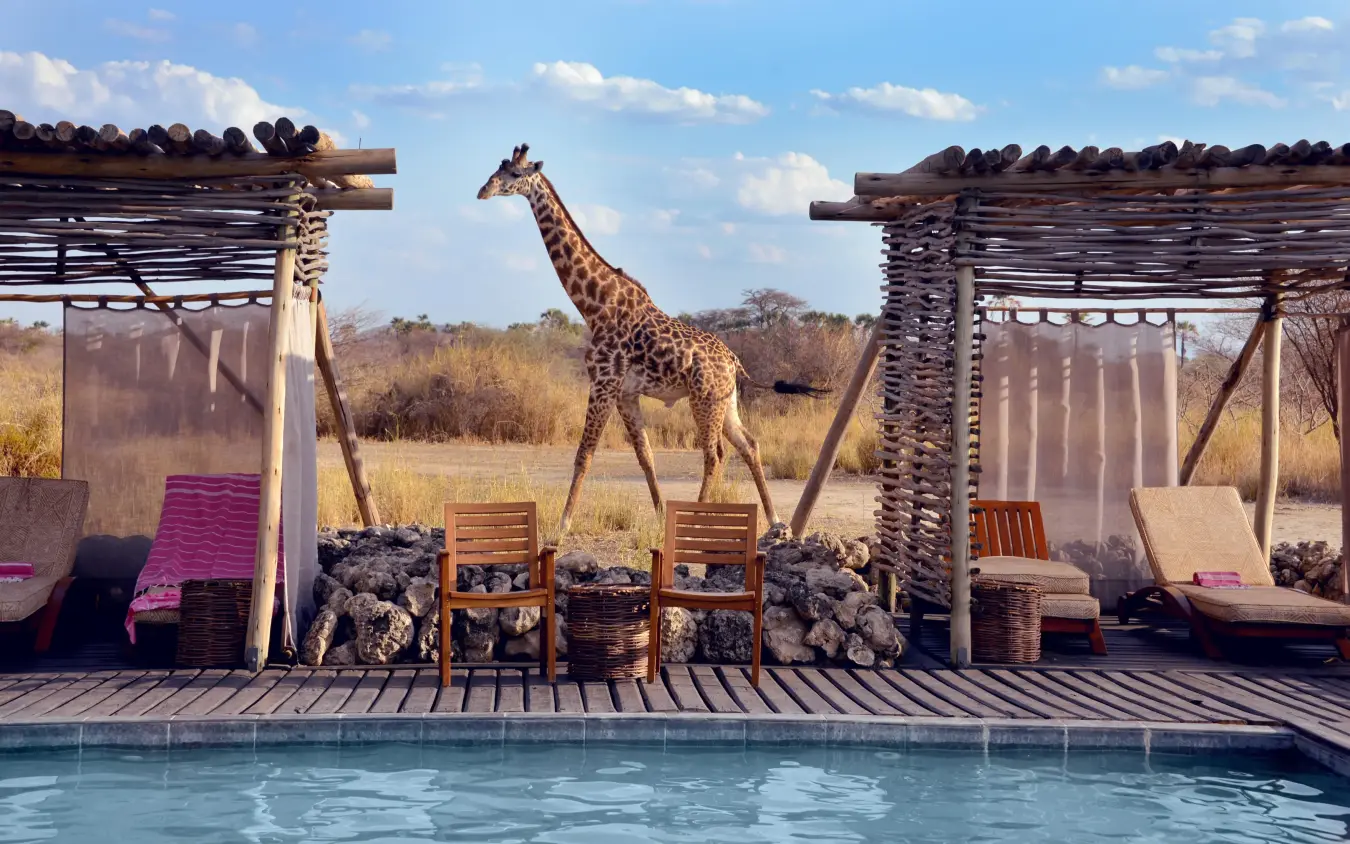
Ten nights across northern Tanzania's private reserves, from a coffee estate below Meru to the western Serengeti.

tanzania & uganda
Uganda's gorillas, the northern Serengeti crossings and eight nights diving Pemba, across 17 nights and five stays.
rated five stars by our clients

our approach
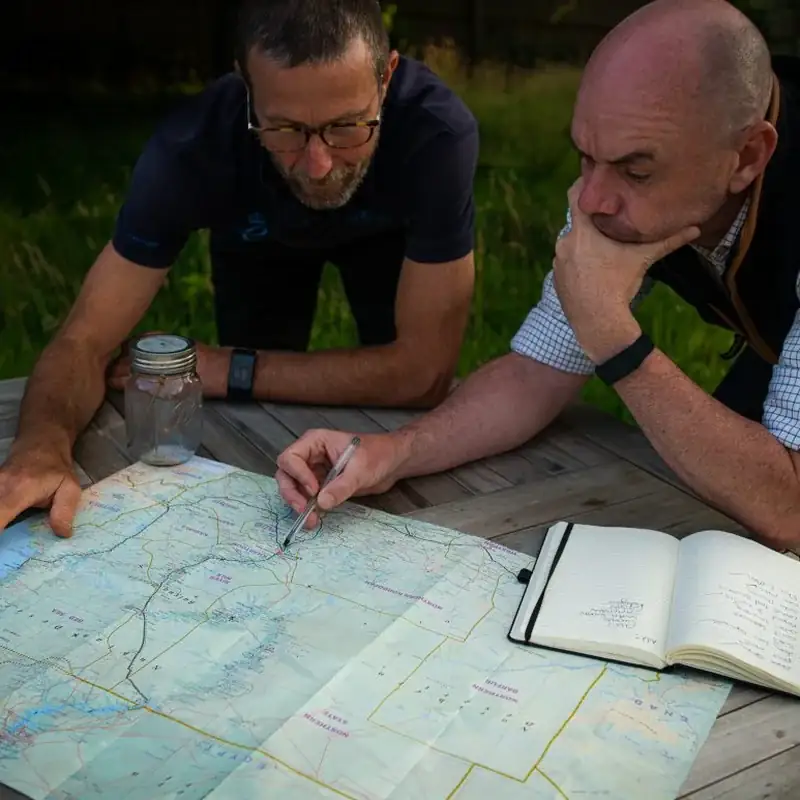
Every journey starts with a conversation. We take the time to understand your vision before we start planning.
Whether by phone or in person, we work with you directly to shape something that is considered, personal, and expertly delivered.
Every journey starts with a conversation. We favour a direct, personal approach: understanding your vision before anything else.
Whether by phone or in person, we work with you directly to shape a journey that is both thoughtfully considered and expertly delivered.
Get in touch to start planning yours.