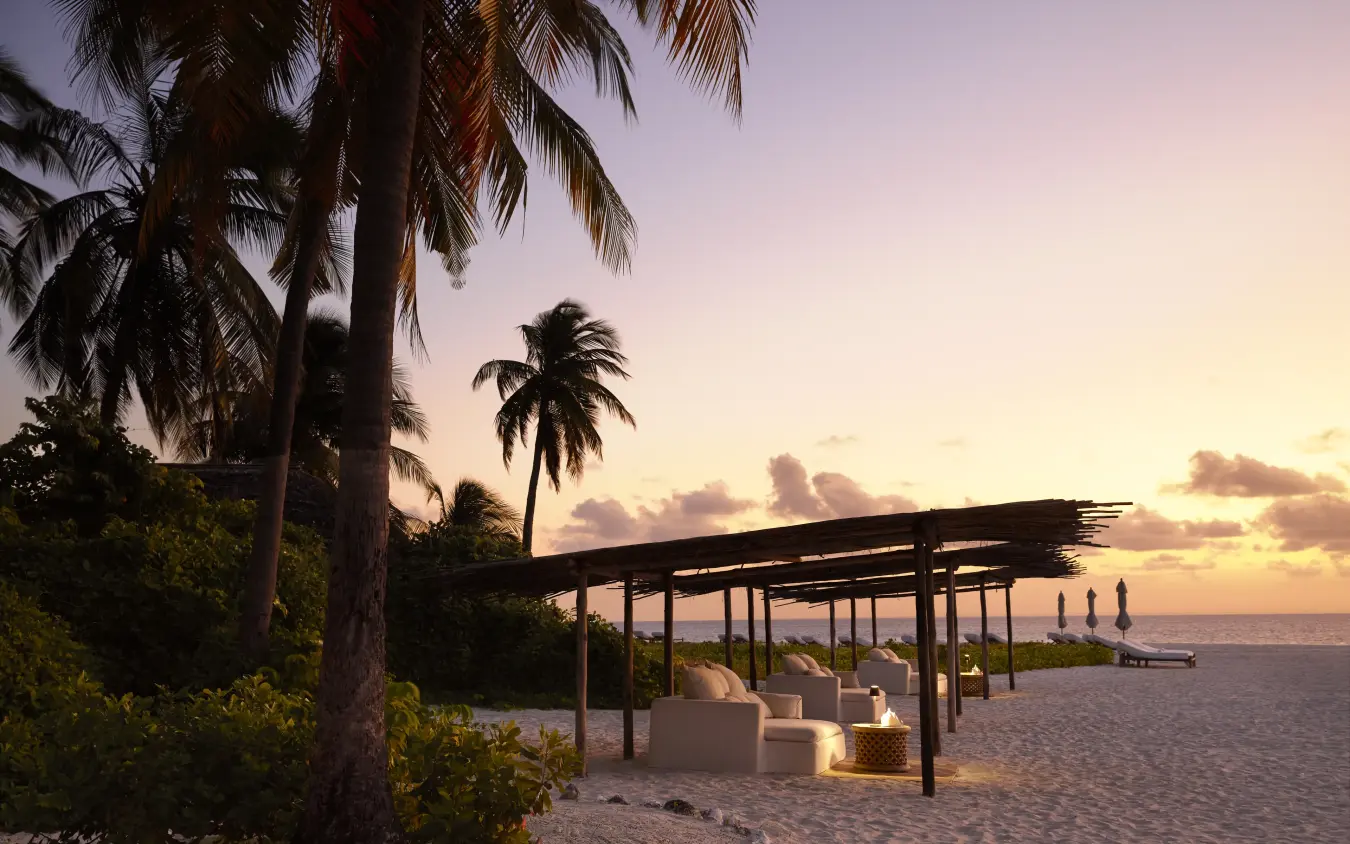
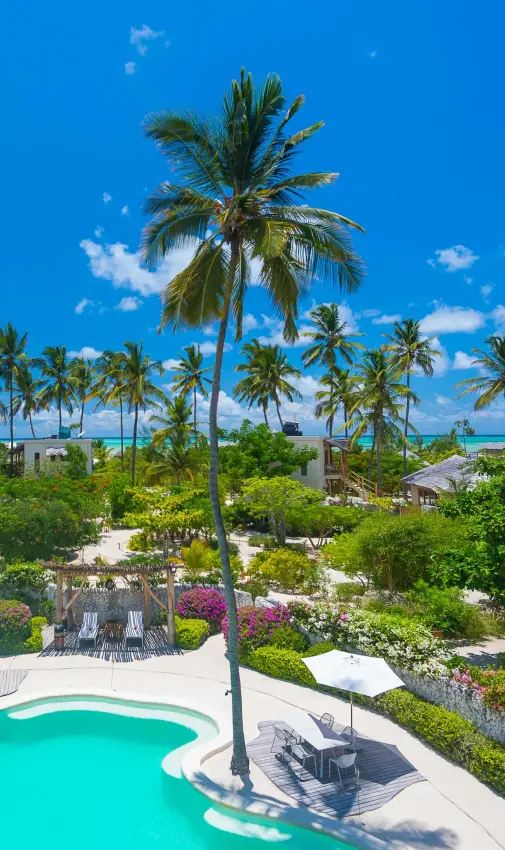
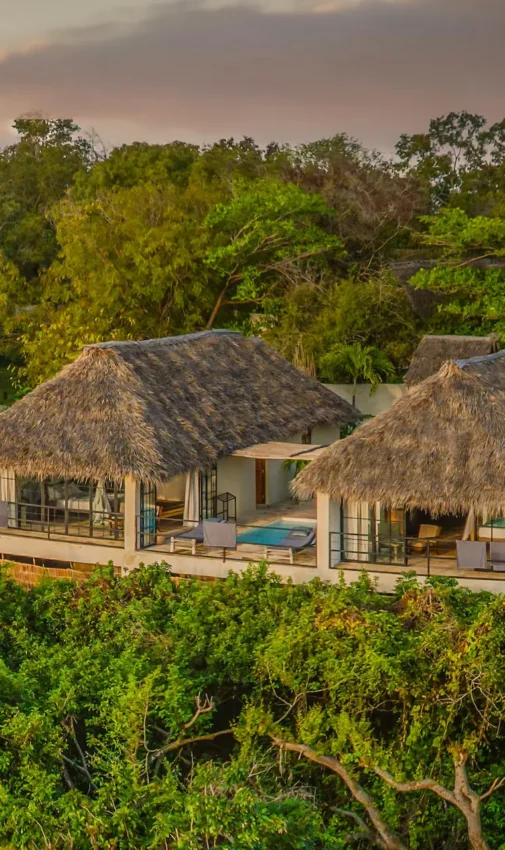
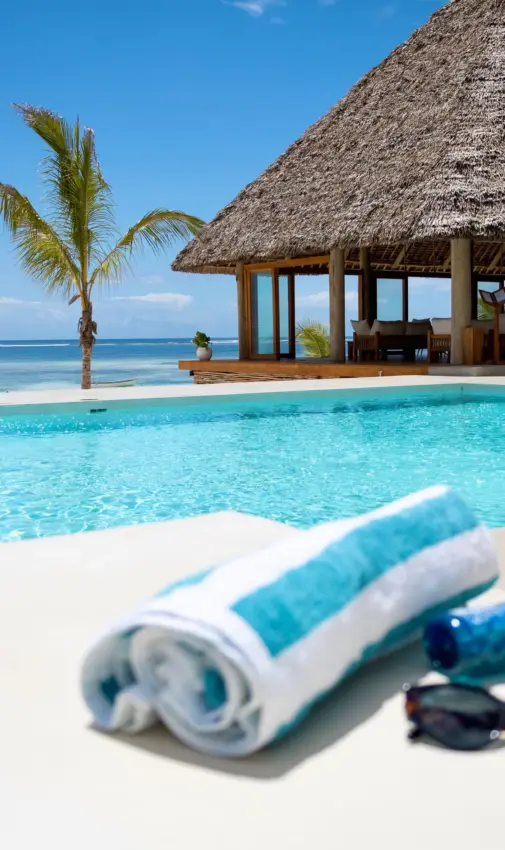
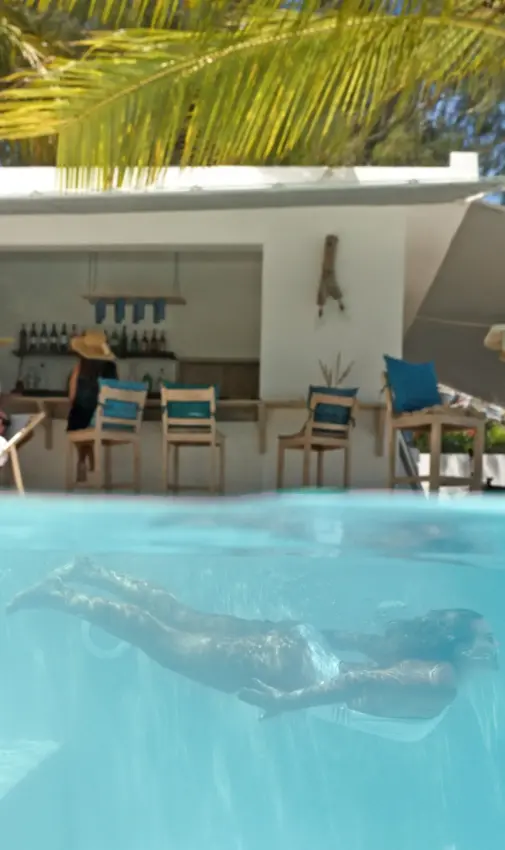
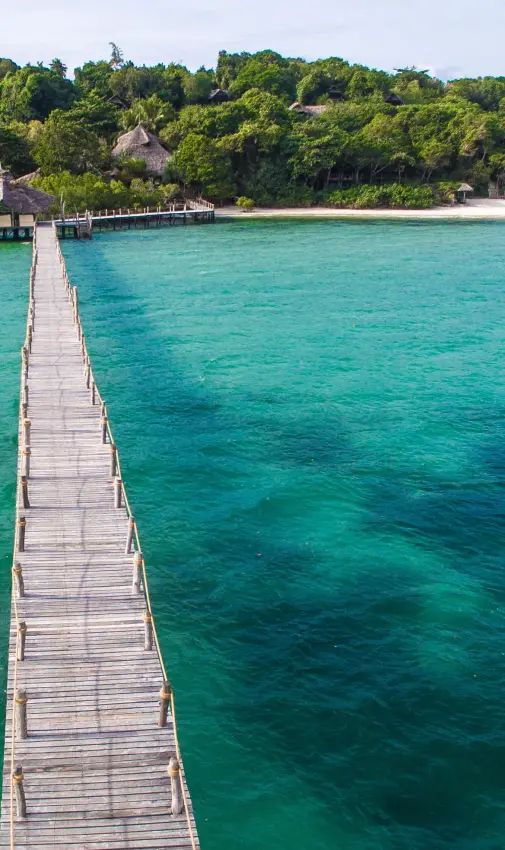
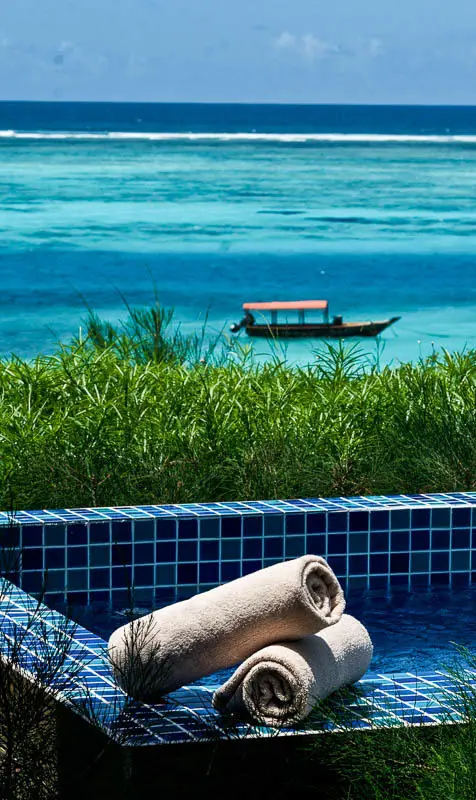
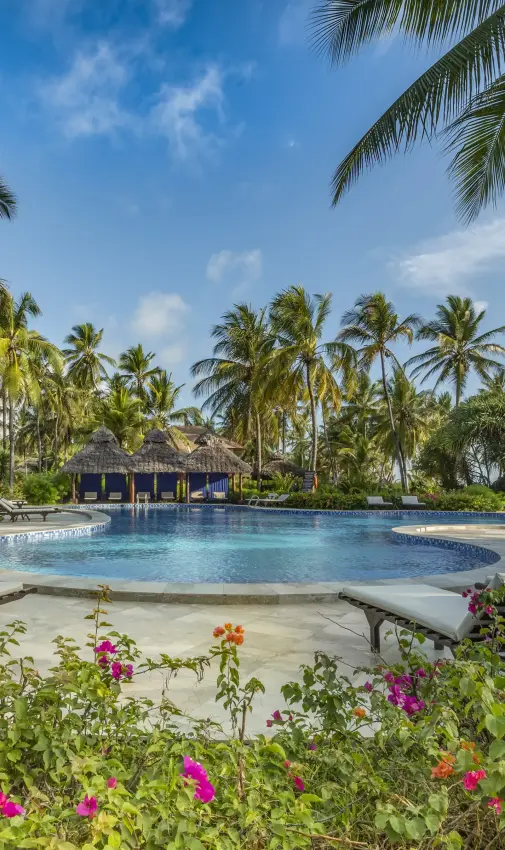
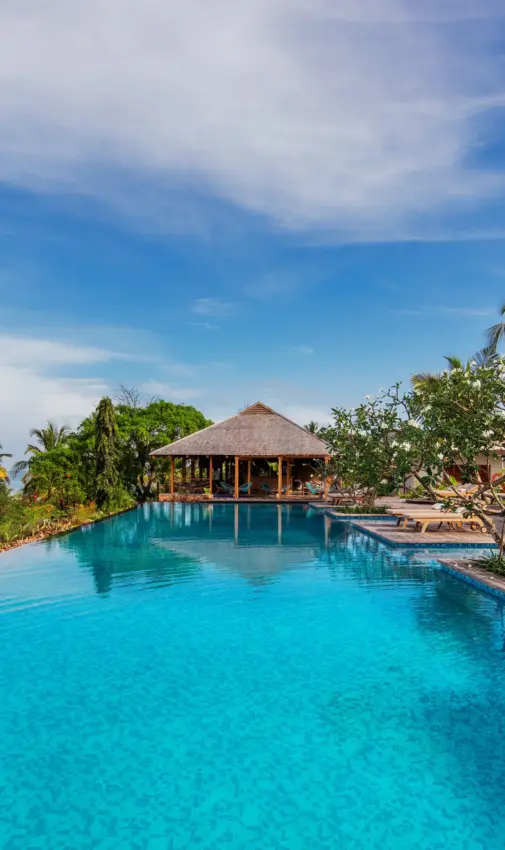
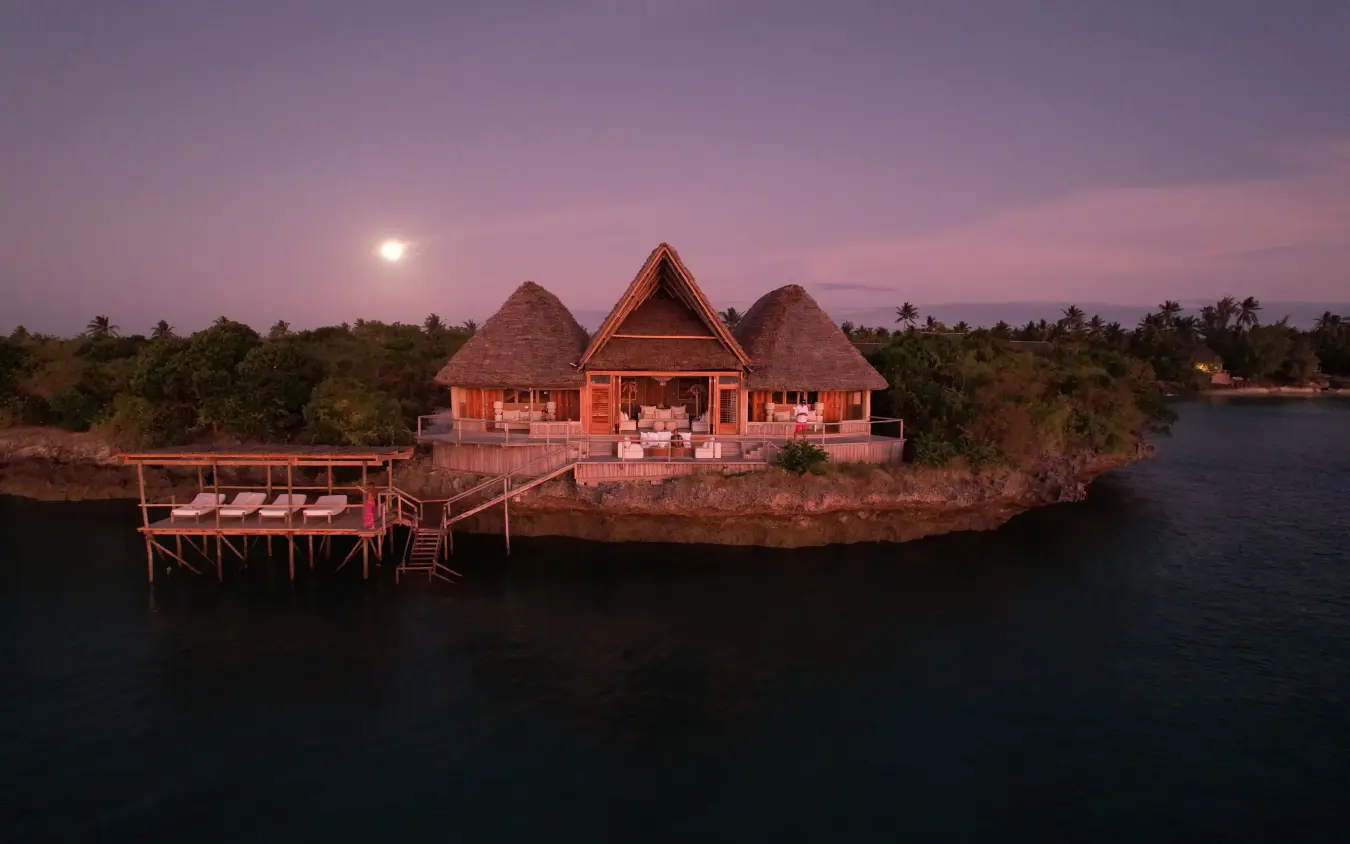
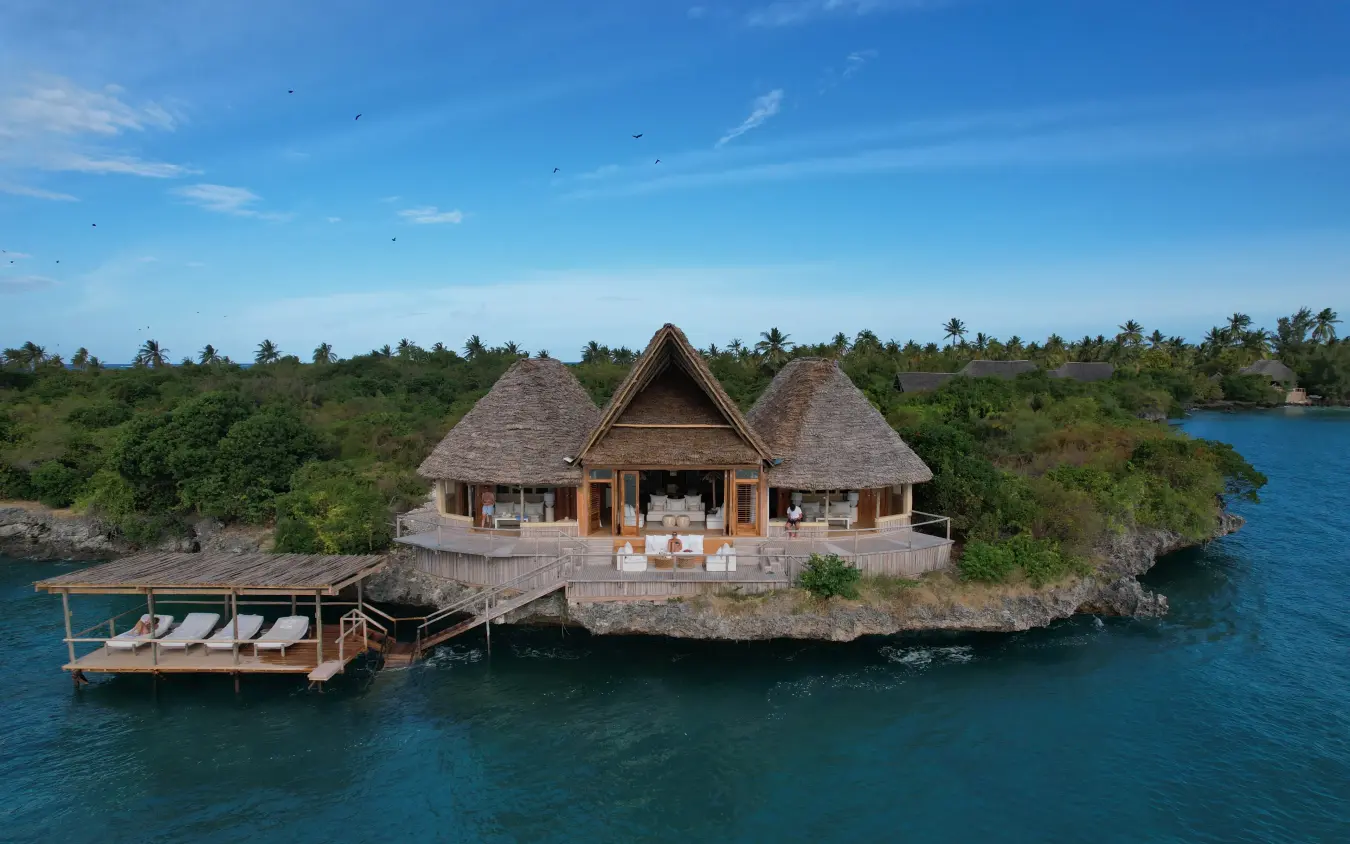
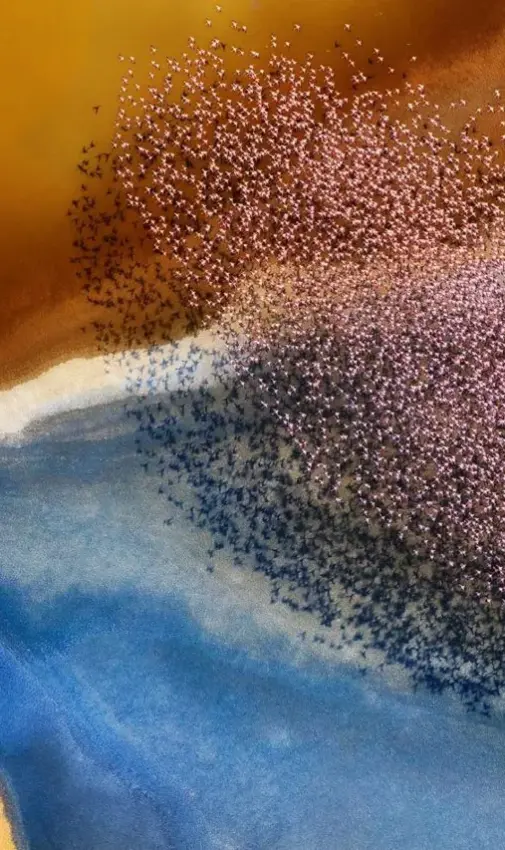
There are no engines ashore, so the sound on Laba Fanjove comes down to surf and palm thatch shifting in the breeze. The mornings add a chorus of birds. The tides decide when to snorkel, when to sail and when to walk the shore. Between November and March thousands of migrant waders and seabirds stop over, among them crab plovers, whimbrels and turnstones. After dark the interior forest belongs to the giant coconut crab, which climbs the palms. It is the largest land-living arthropod in the world, and it waits until the light has gone.
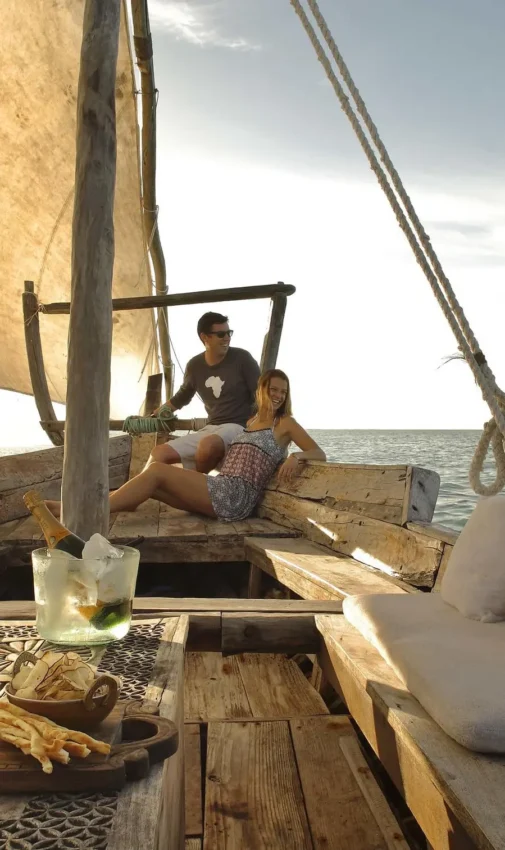
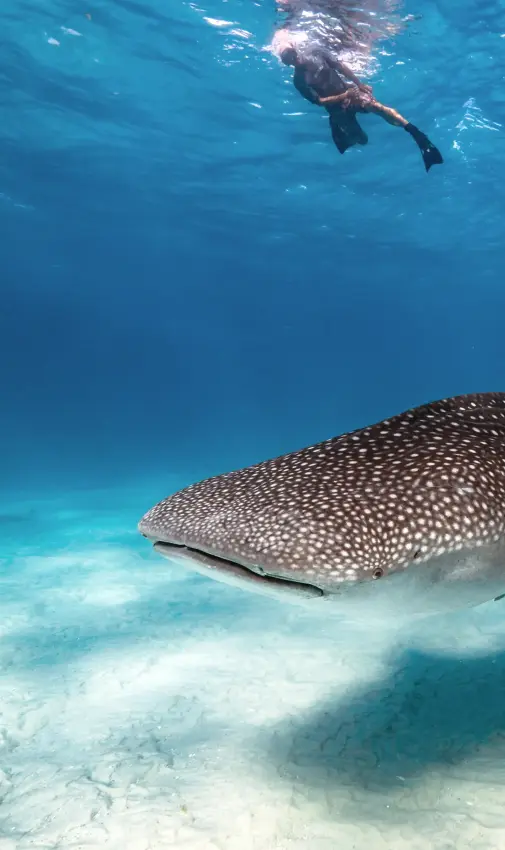
The reef is protected from destructive fishing, so the corals stay intact and the shallows hold reef sharks, rays, angelfish and butterflyfish. Snorkelling starts from the beach or goes by boat to the outer reef, while divers work quiet sites along the wider Songo Songo reef system. Humpback whales pass the deep-water drop-offs between July and October, in view of the island. Green turtles nest on the beaches in season. Inside the lagoon there are kayaks and paddleboards, and at sunset a dhow goes out under sail.
After dark the interior forest belongs to the giant coconut crab, which climbs the palms.
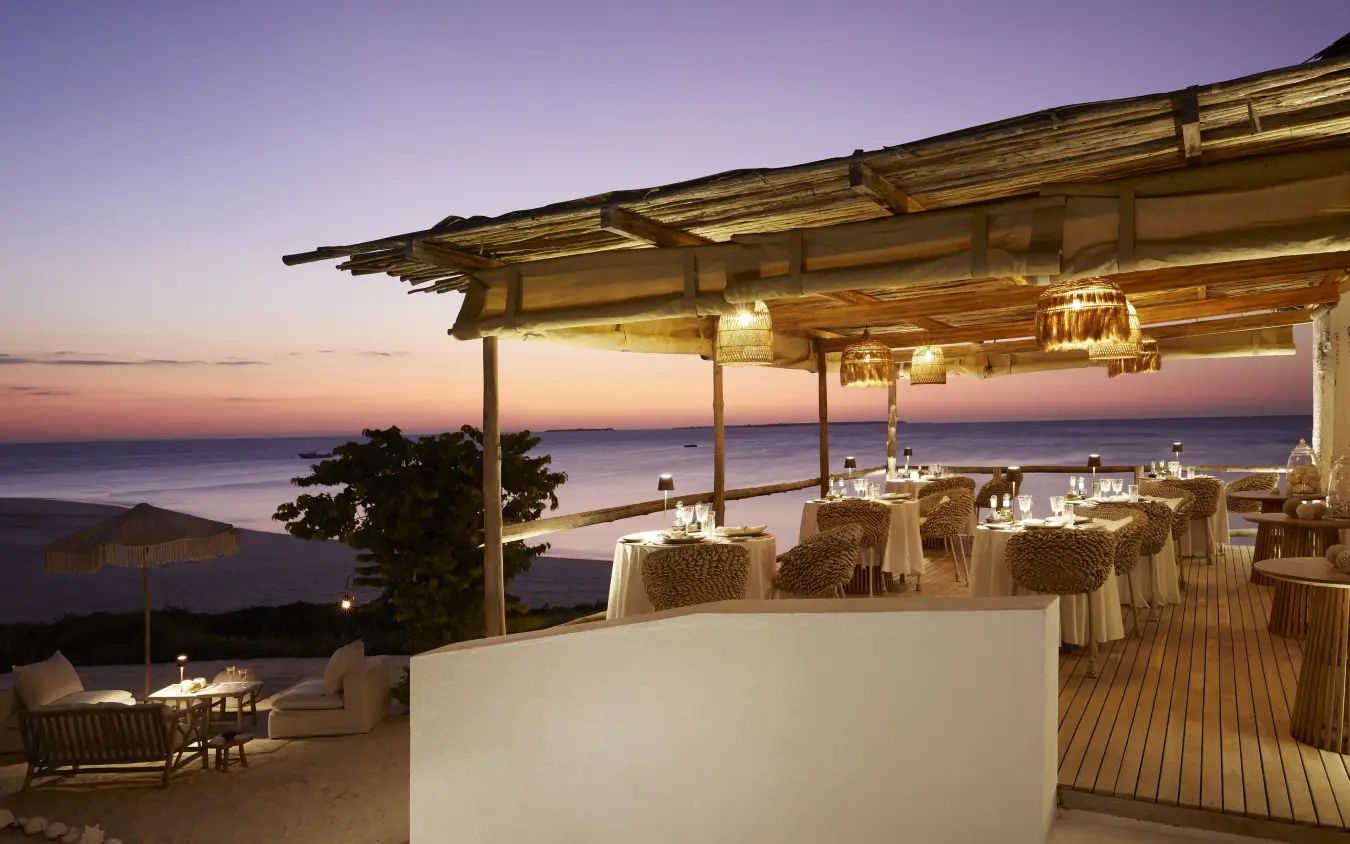
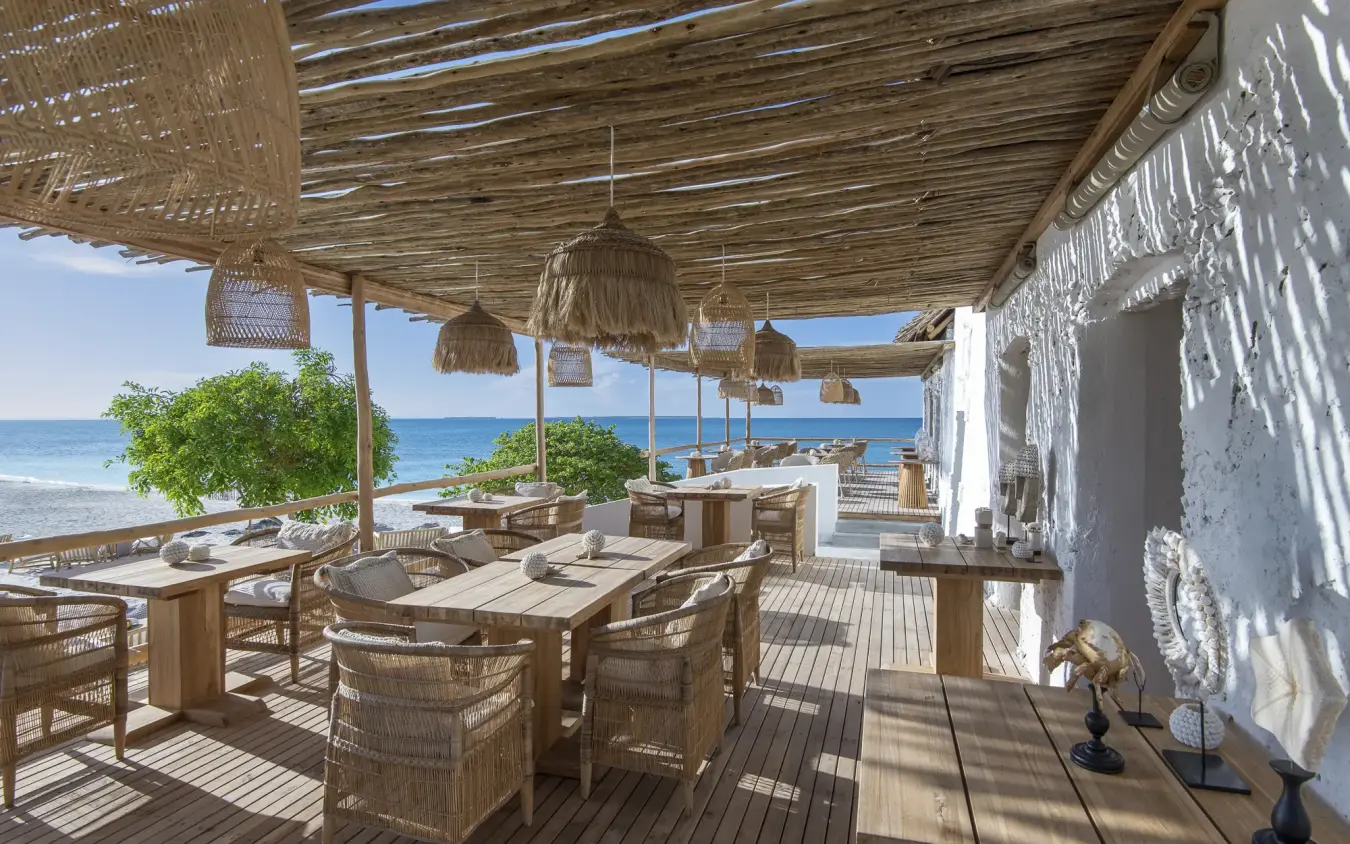
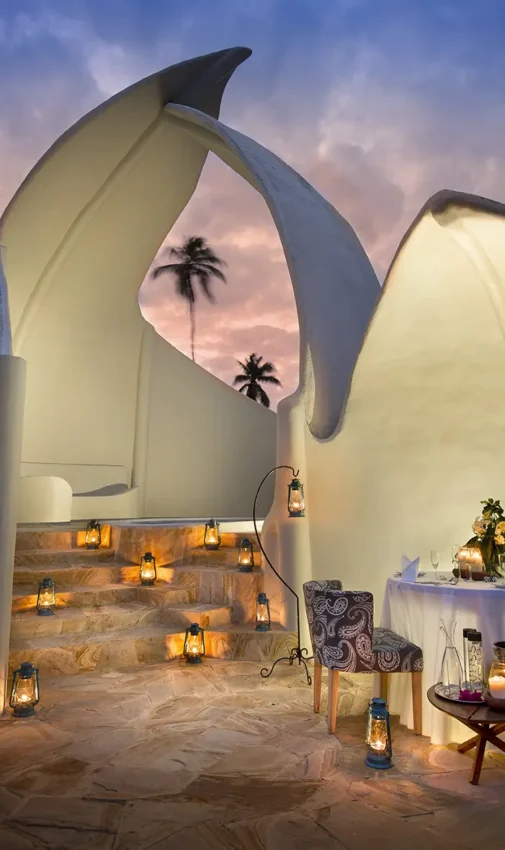
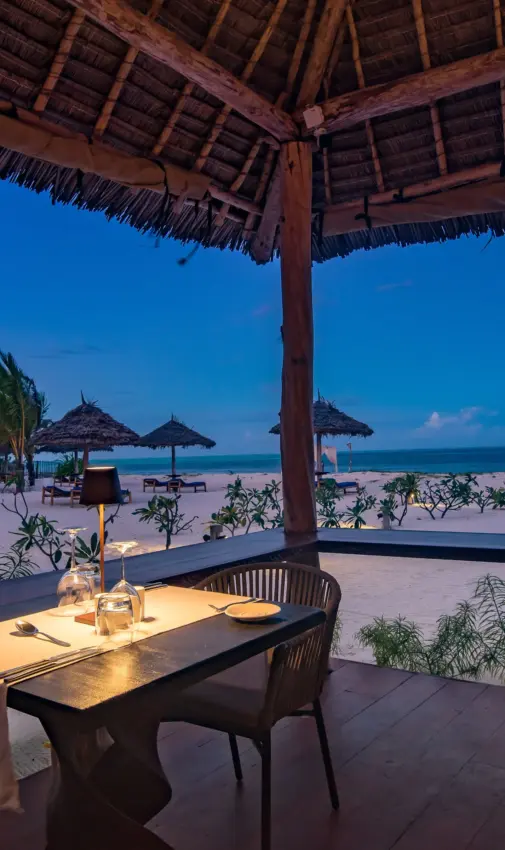
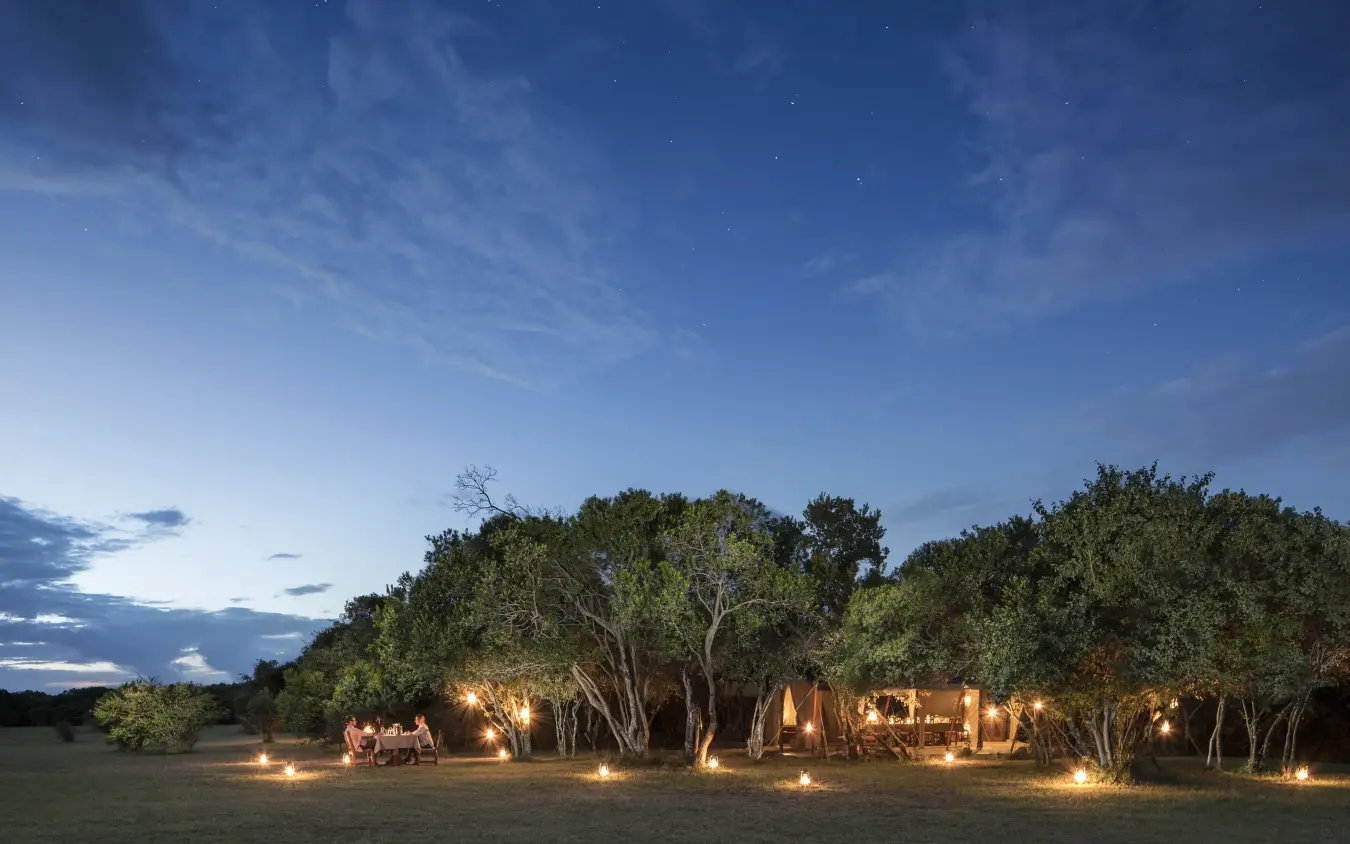
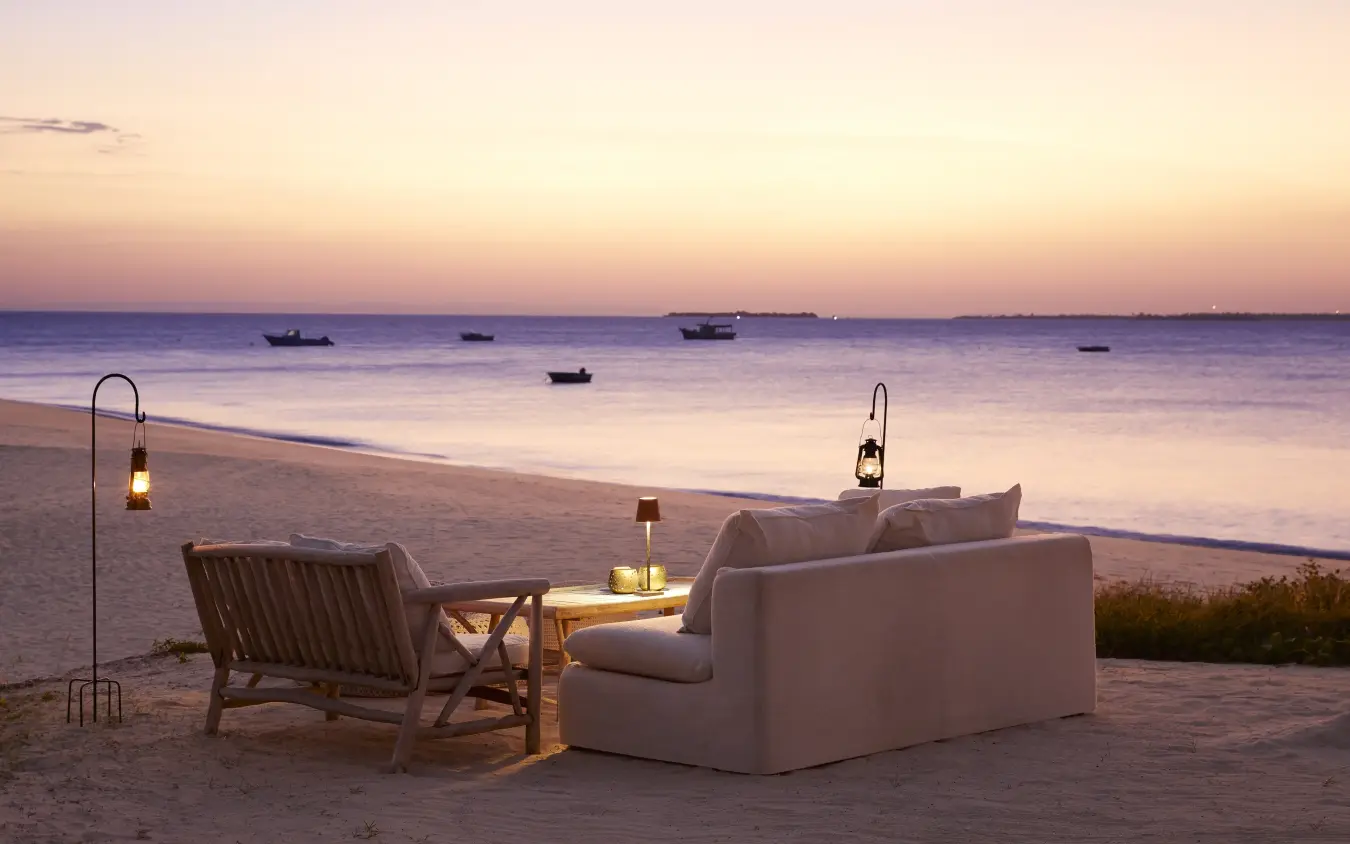
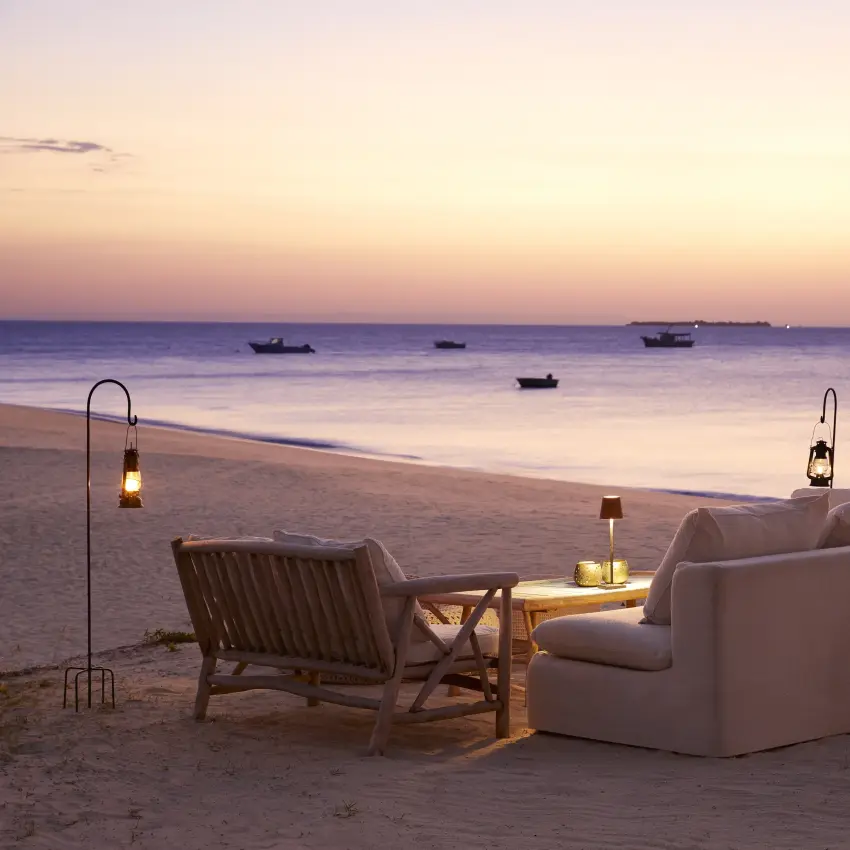
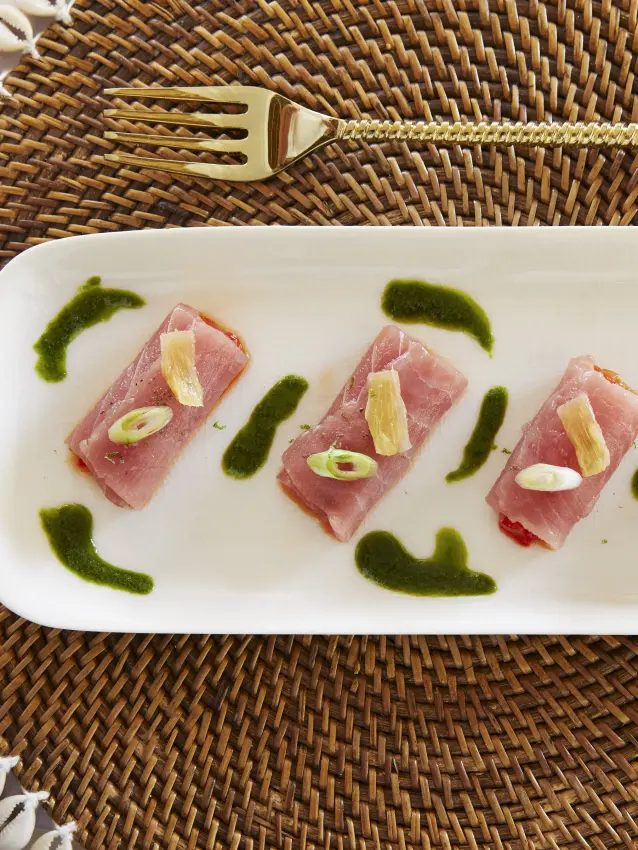
Executive chef Edmund Mahunga trained in France. He cooks to the day’s catch and the local harvest, so the menu runs to king prawn skewers and barracuda, to mango and papaya, with organic wines alongside. Dining centres on the restored lighthouse, its lower wings under a detached makuti roof, and the climb to the top of the tower is open to guests. Meals move around the island too. There are candlelit tables on the sand and others on the villa veranda, and picnics on a sandbank that surfaces at low tide, reached by dhow before the water takes it back.
Fanjove itself is uninhabited, its land leased from the neighbouring village of Songo Songo. The lease payments and a levy on every guest go to the village council, which spends them on schools, clinics and clean water. The owners direct 30 percent of profits to conservation and community work across Tanzania. A closure scheme run with the Songo Songo fishers and WWF shuts sections of reef for three months at a time, so that octopus and fish stocks can rebuild. The lodge also fuels patrols against dynamite fishing and watches over the turtle nests.




 01