Hotel

Zuri Zanzibar

Three hundred metres of west-facing sand on Kendwa Beach, northwest Unguja, with a spice garden running through the middle of it.

Country: Tanzania
Location: Kendwa Beach, northwest Unguja
Number of rooms: 56

Kendwa sand, swimmable at low tide

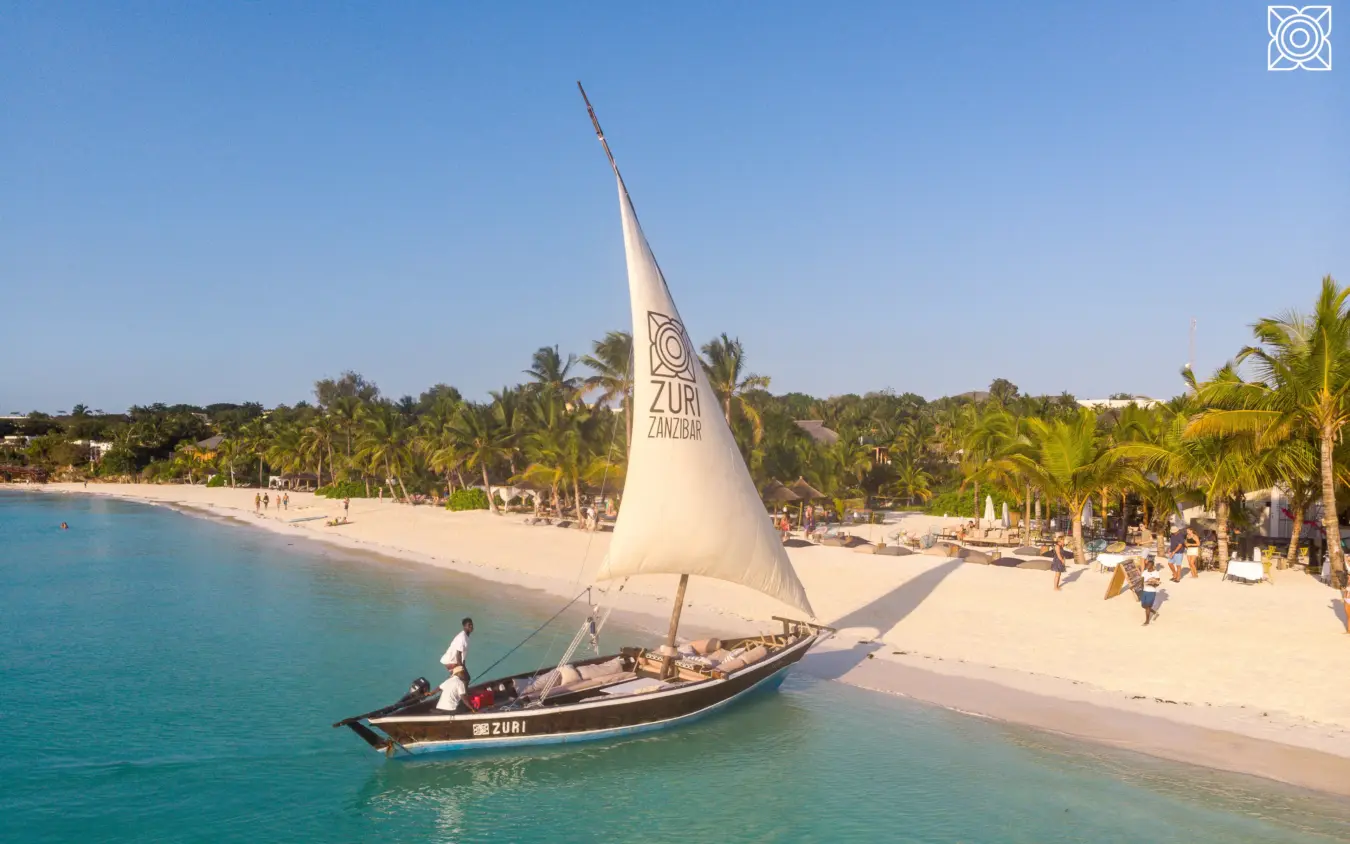
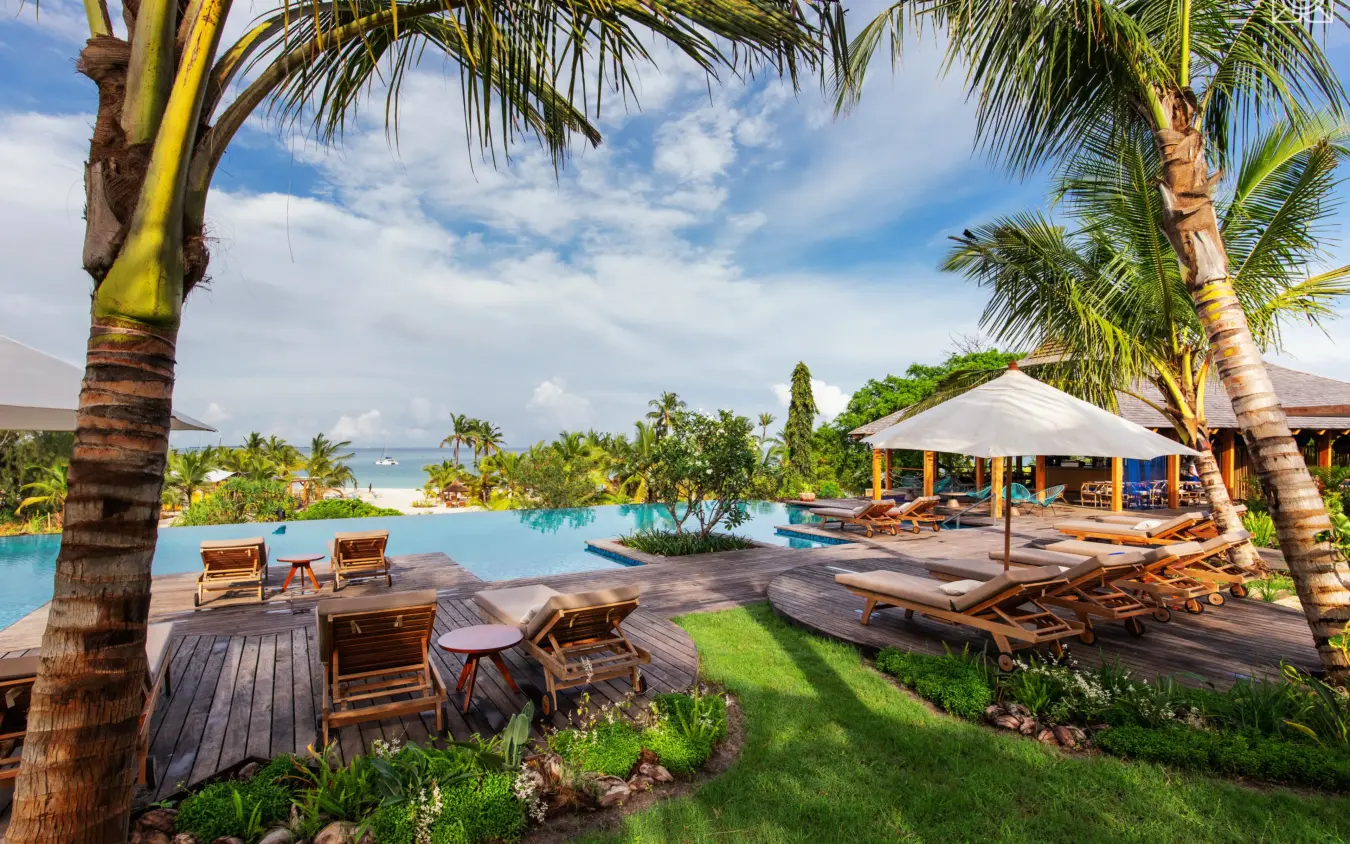
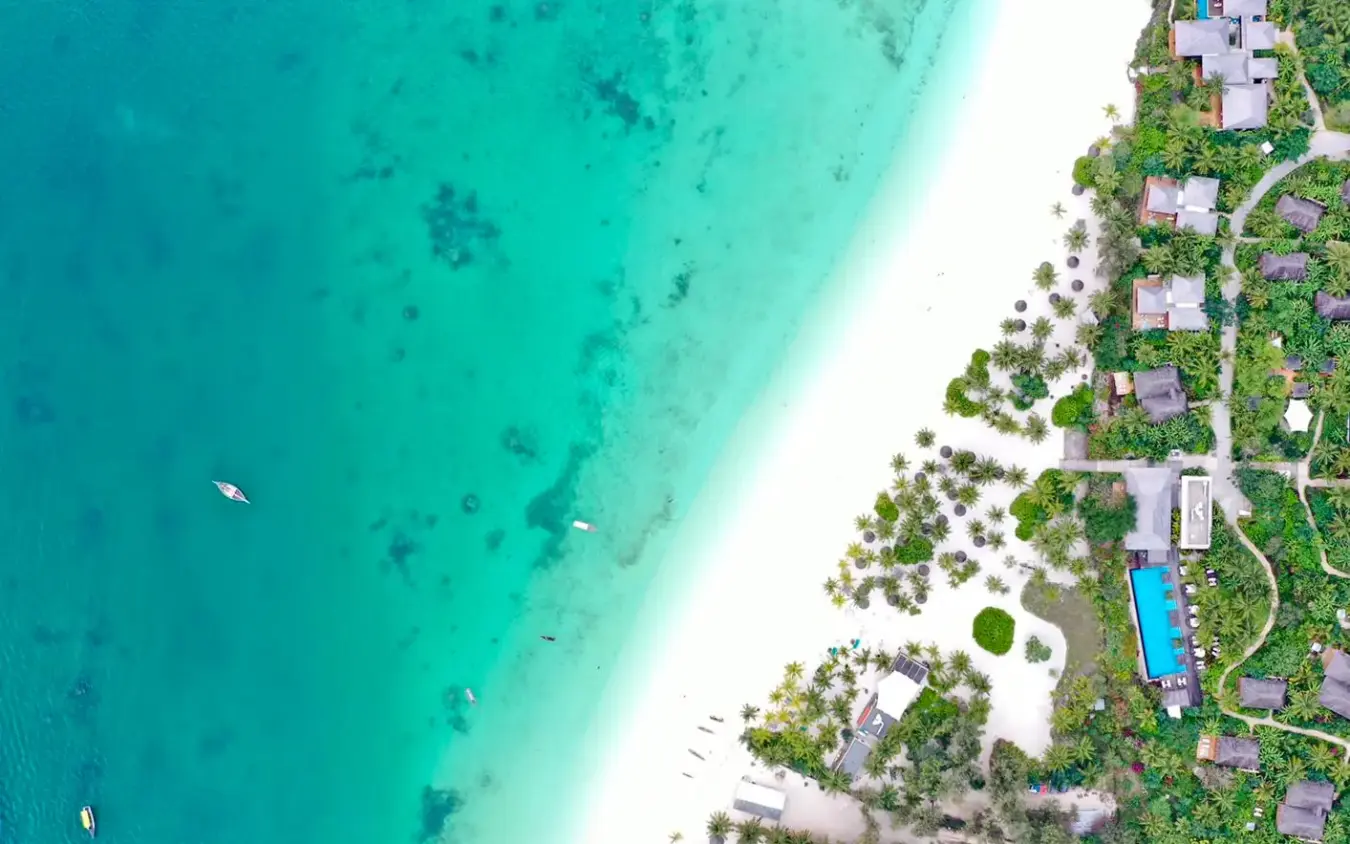
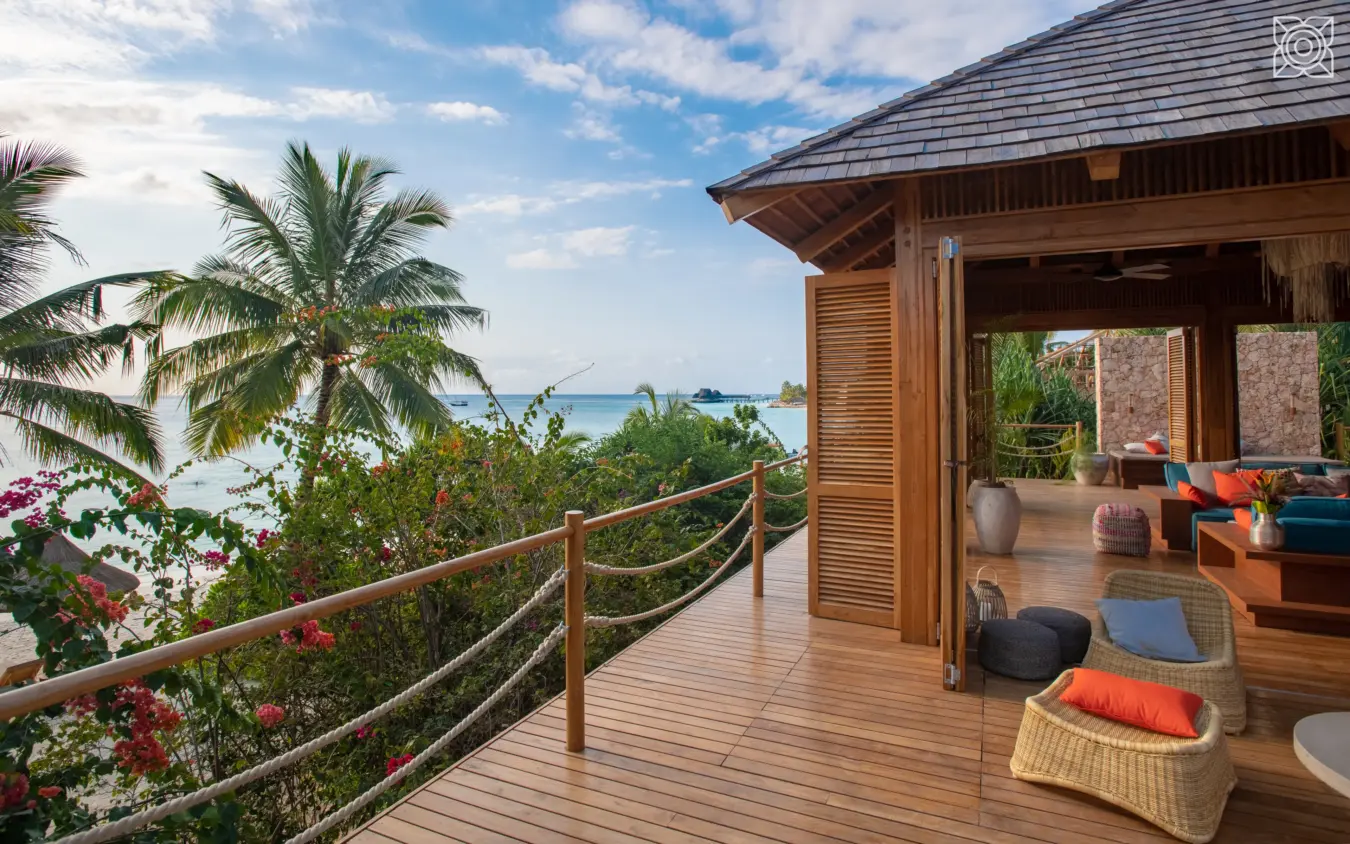
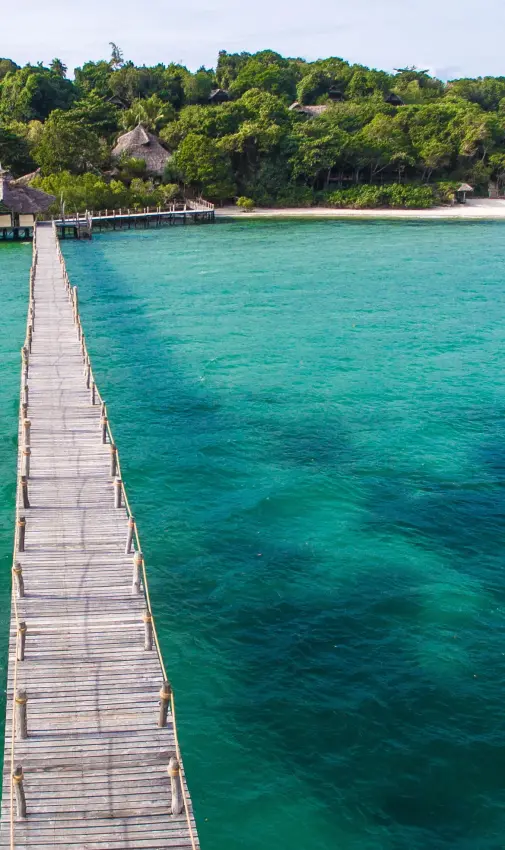
Much of Zanzibar’s coast pulls back hundreds of metres at low water, leaving swimmers stranded on reef flats. Kendwa Beach, on the northwest horn of Unguja, does something else. The sea here stays deep enough to swim at any tide. Three hundred metres of it face west, so the sun sets over open water every evening. Stone Town and the airport are 50 kilometres and about 90 minutes south.

The sea here stays deep enough to swim at any tide.

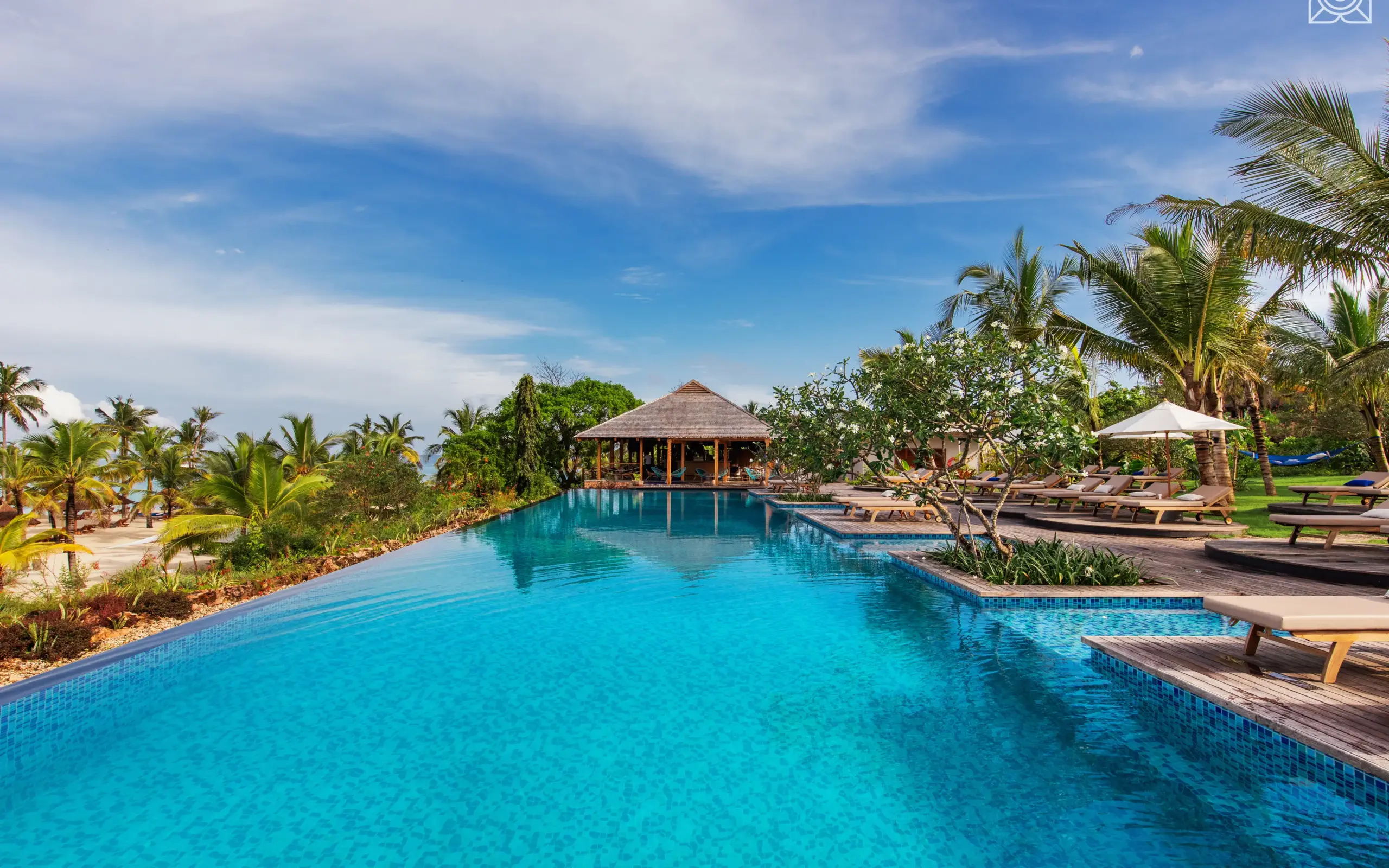
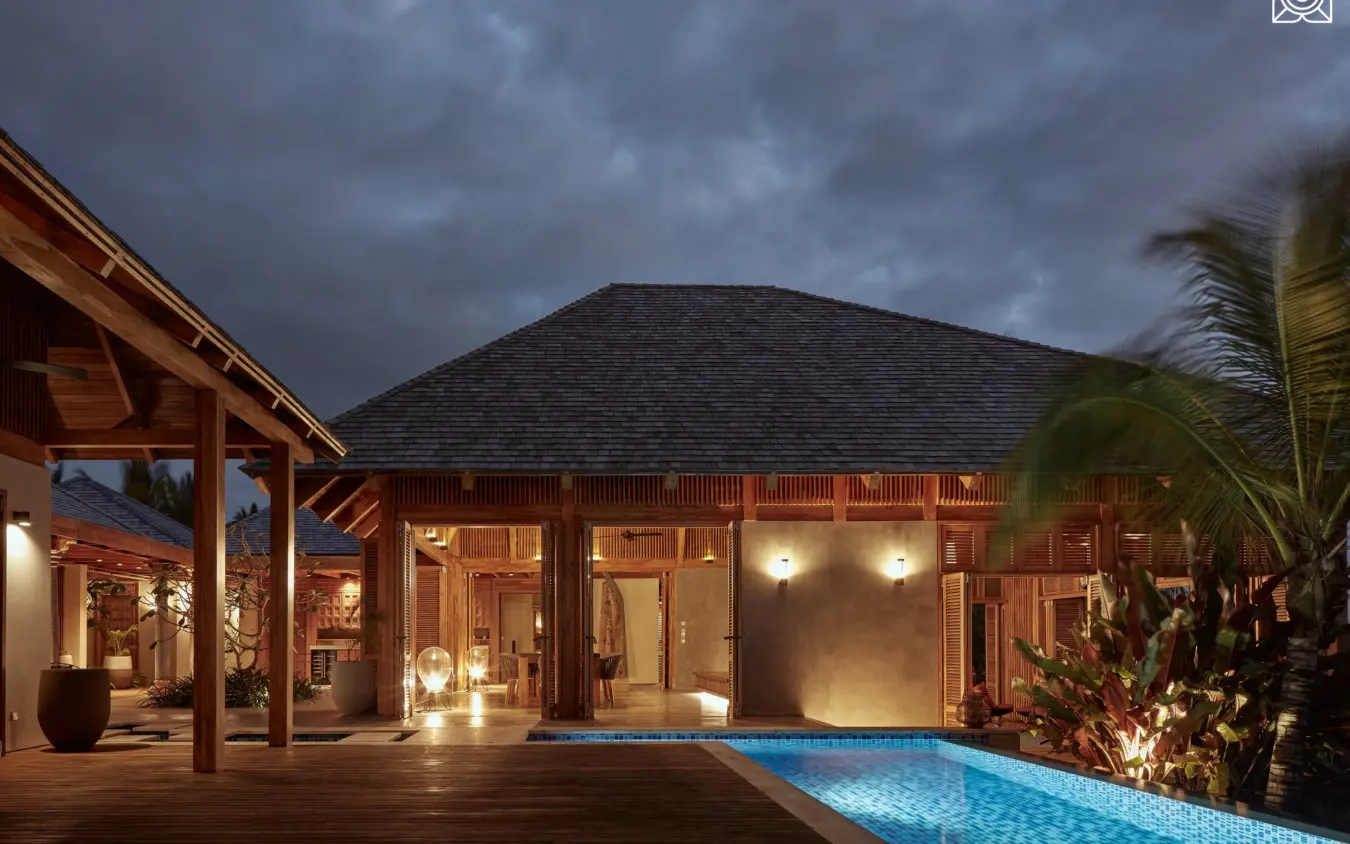
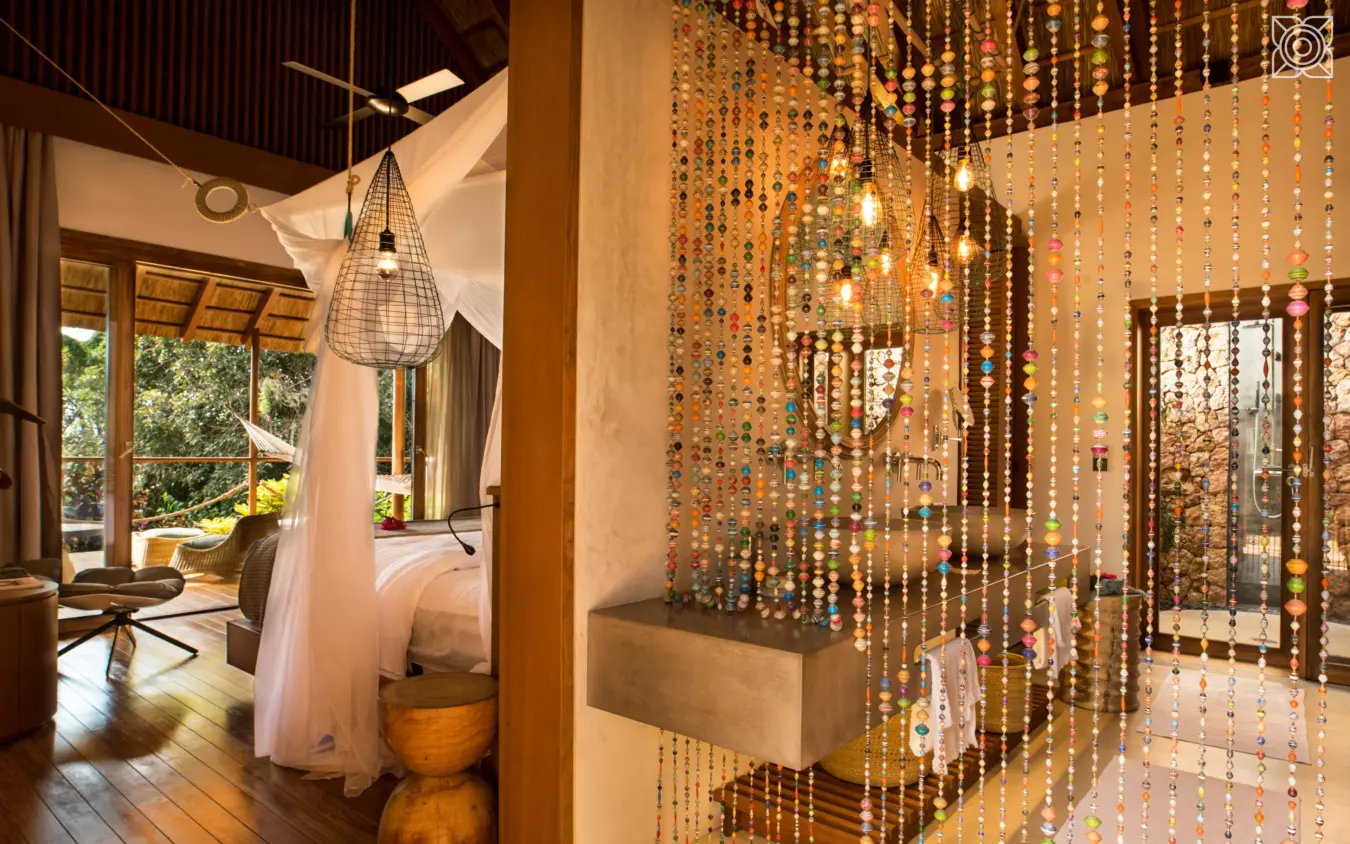
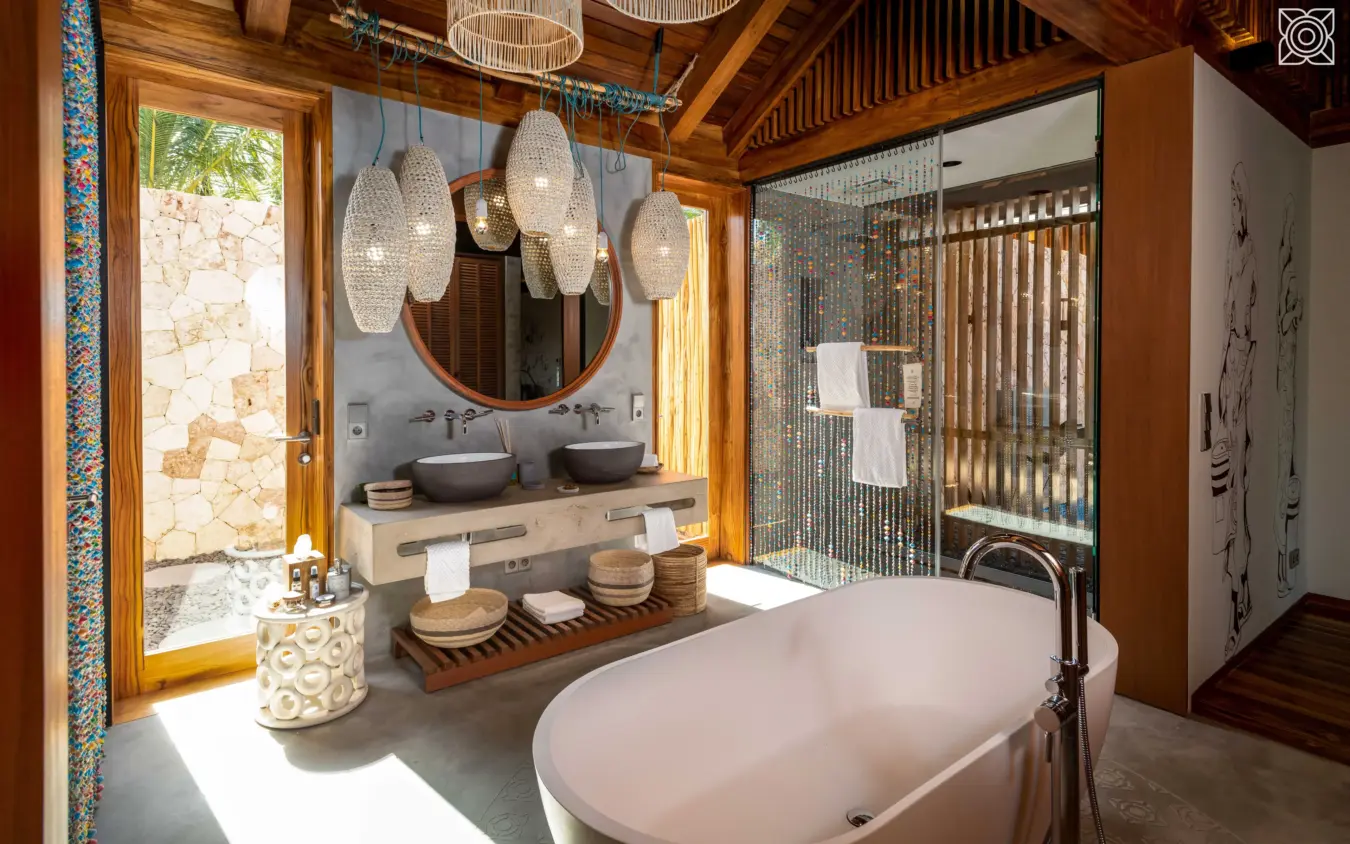
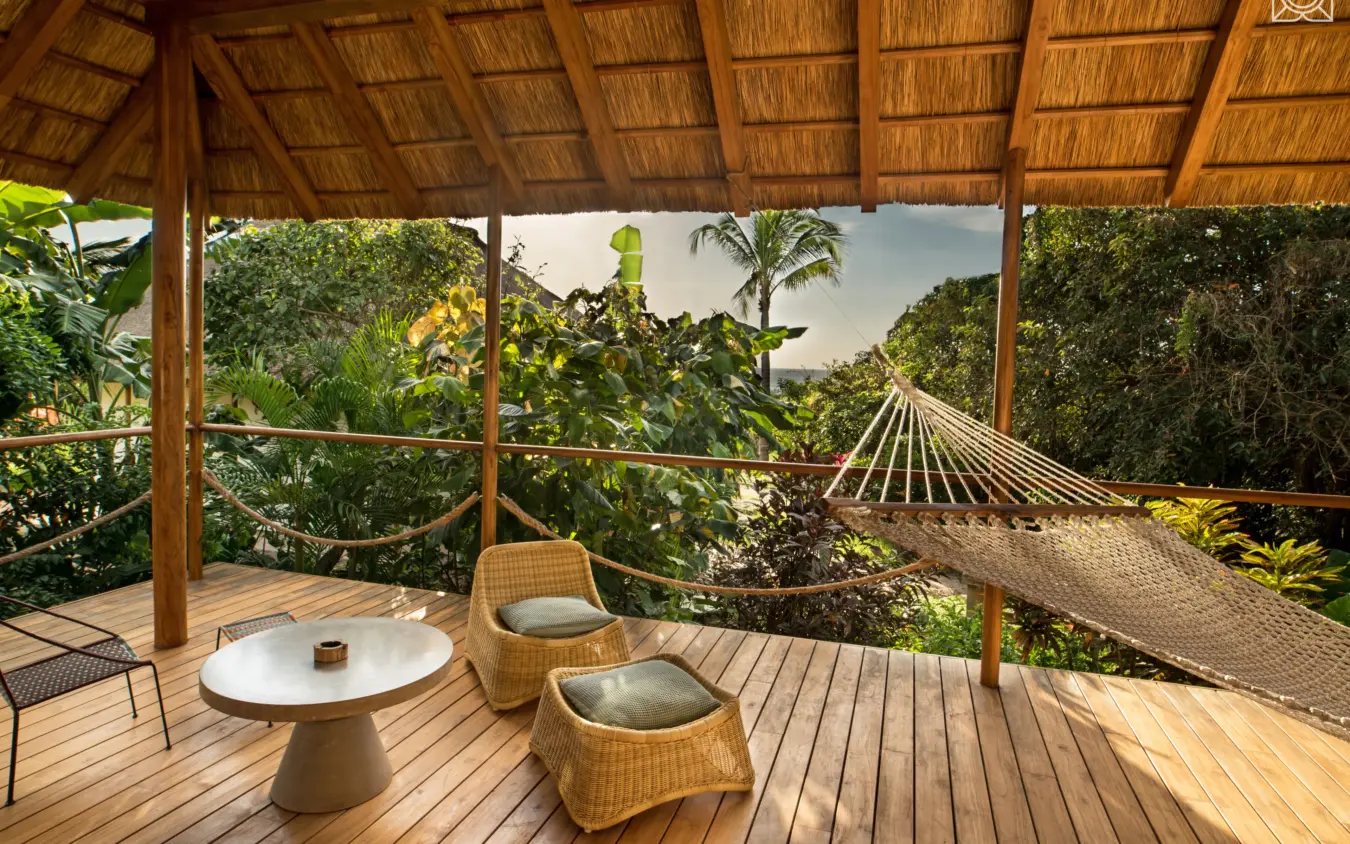
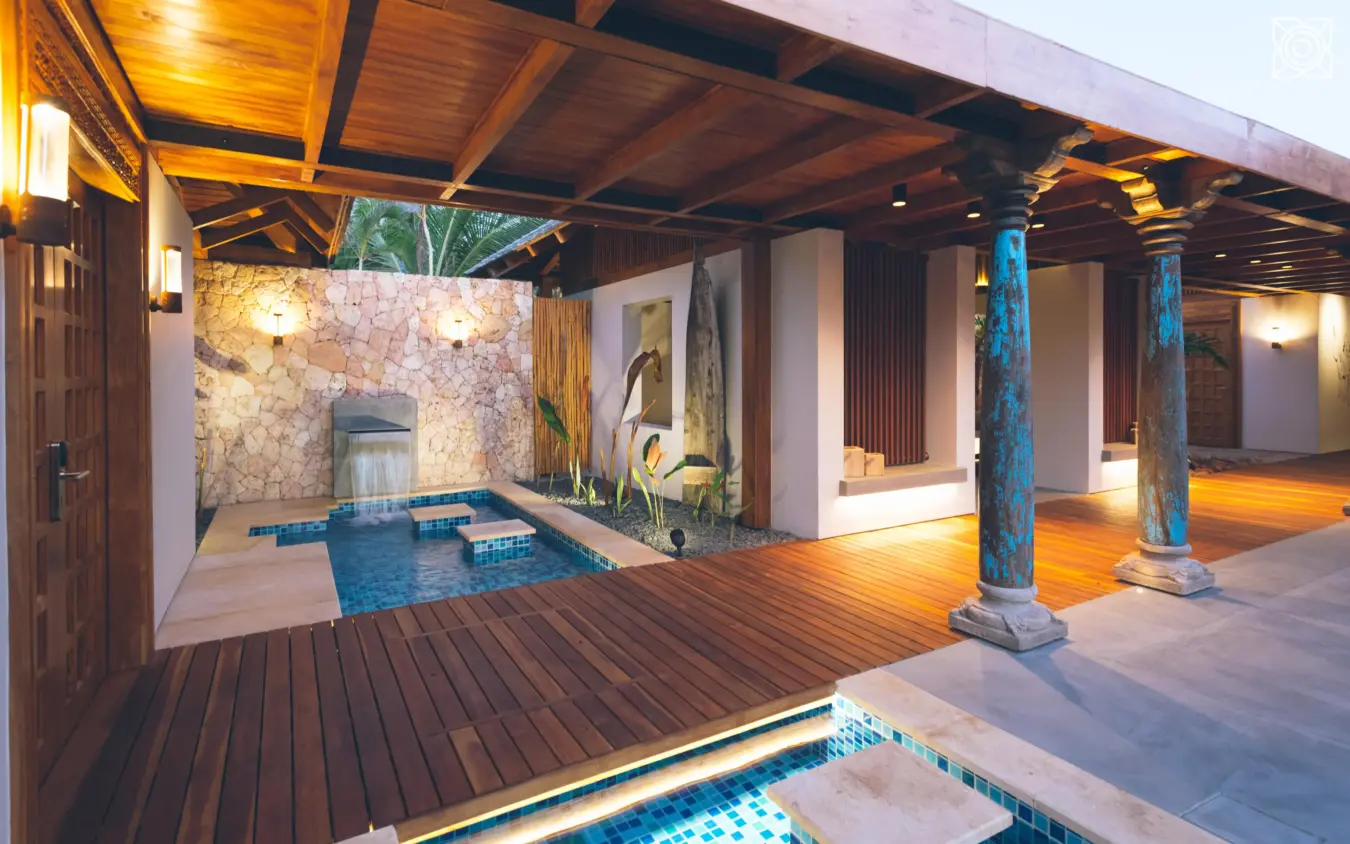
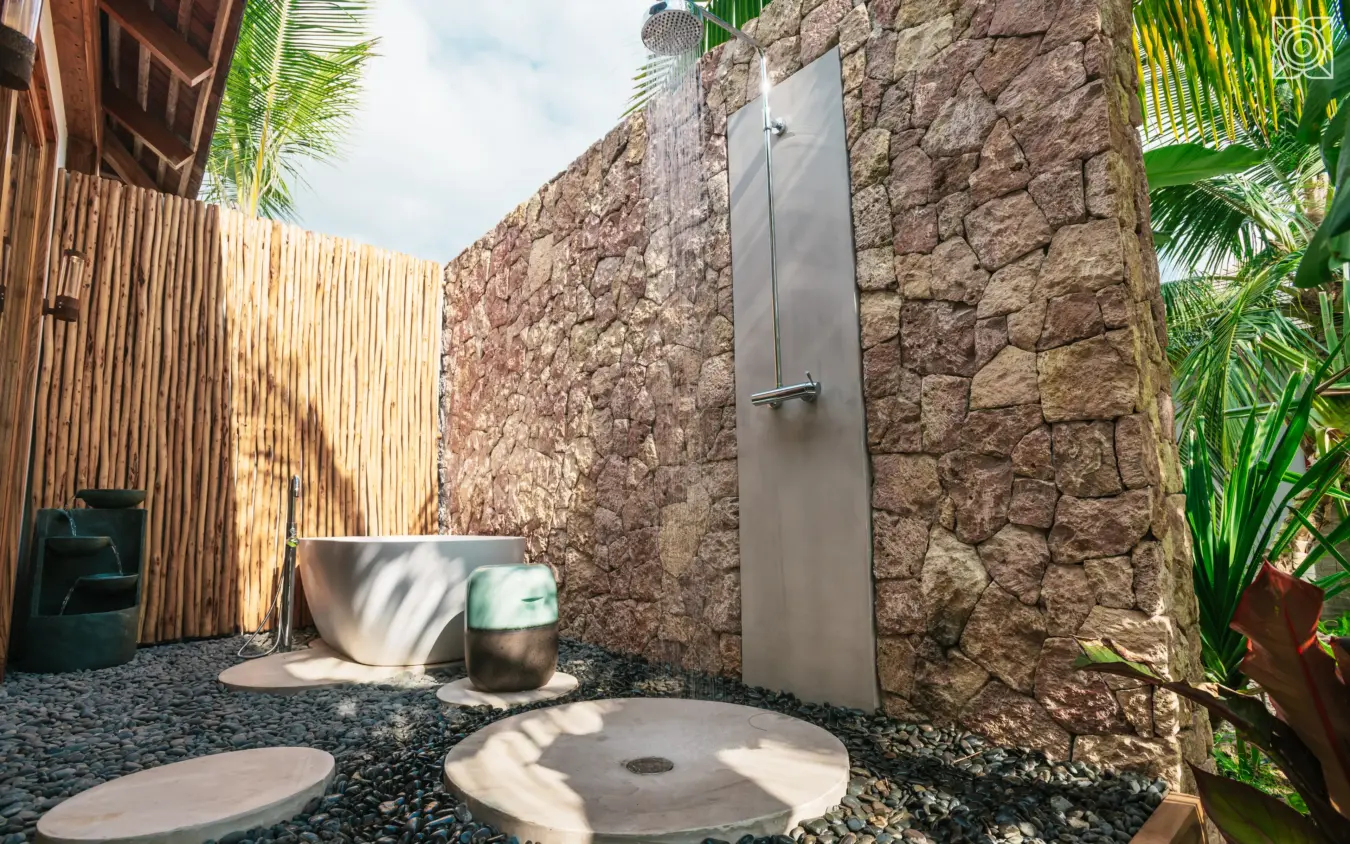
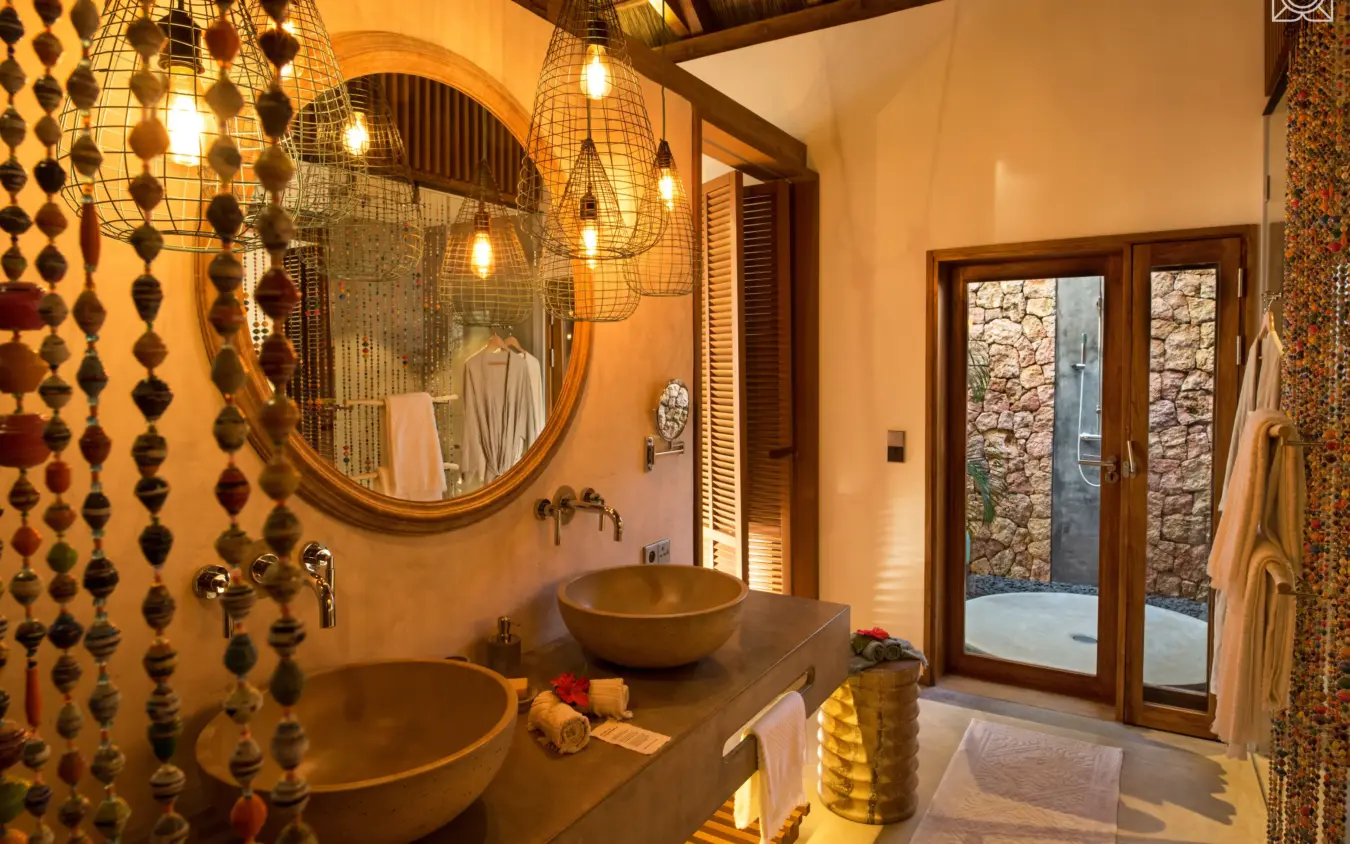
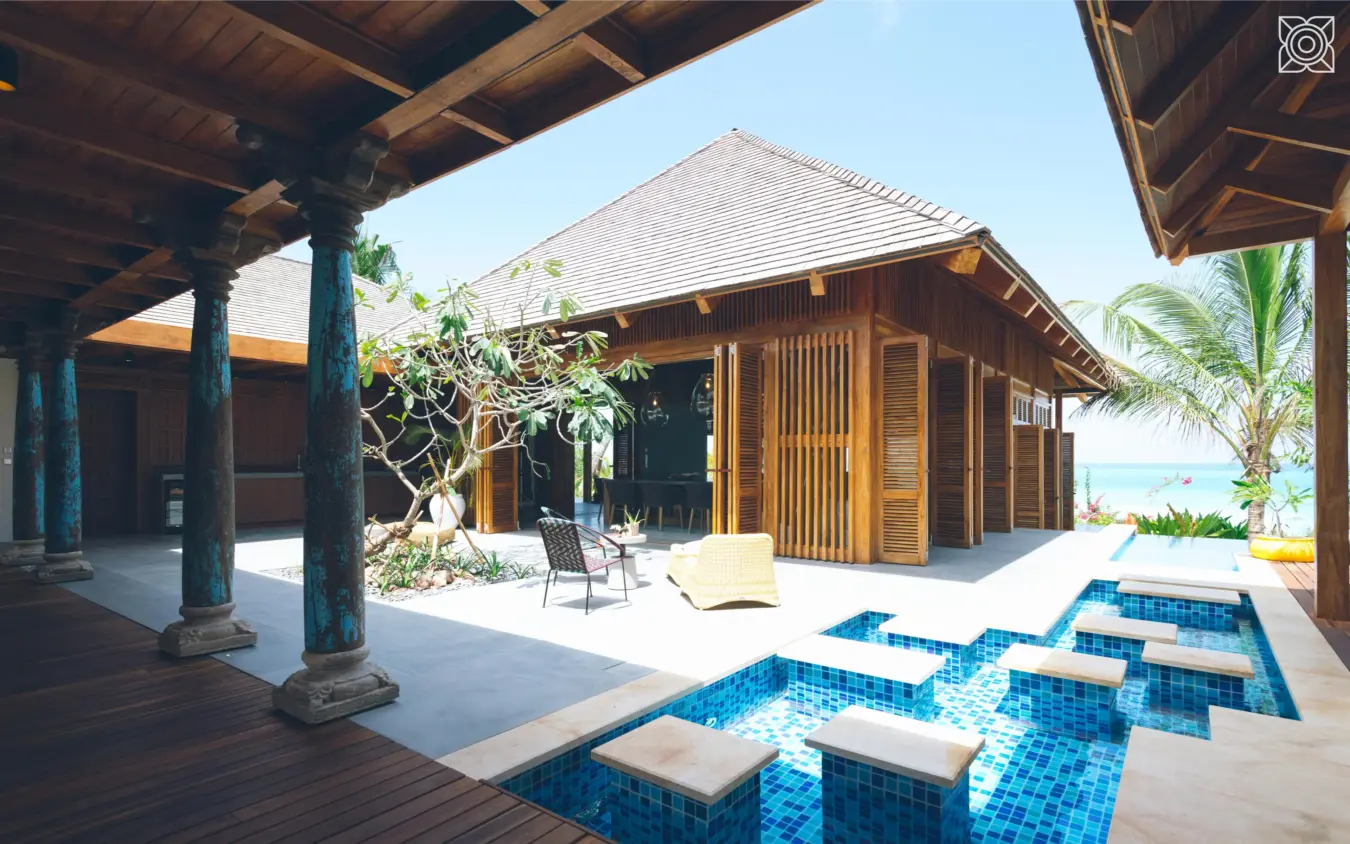
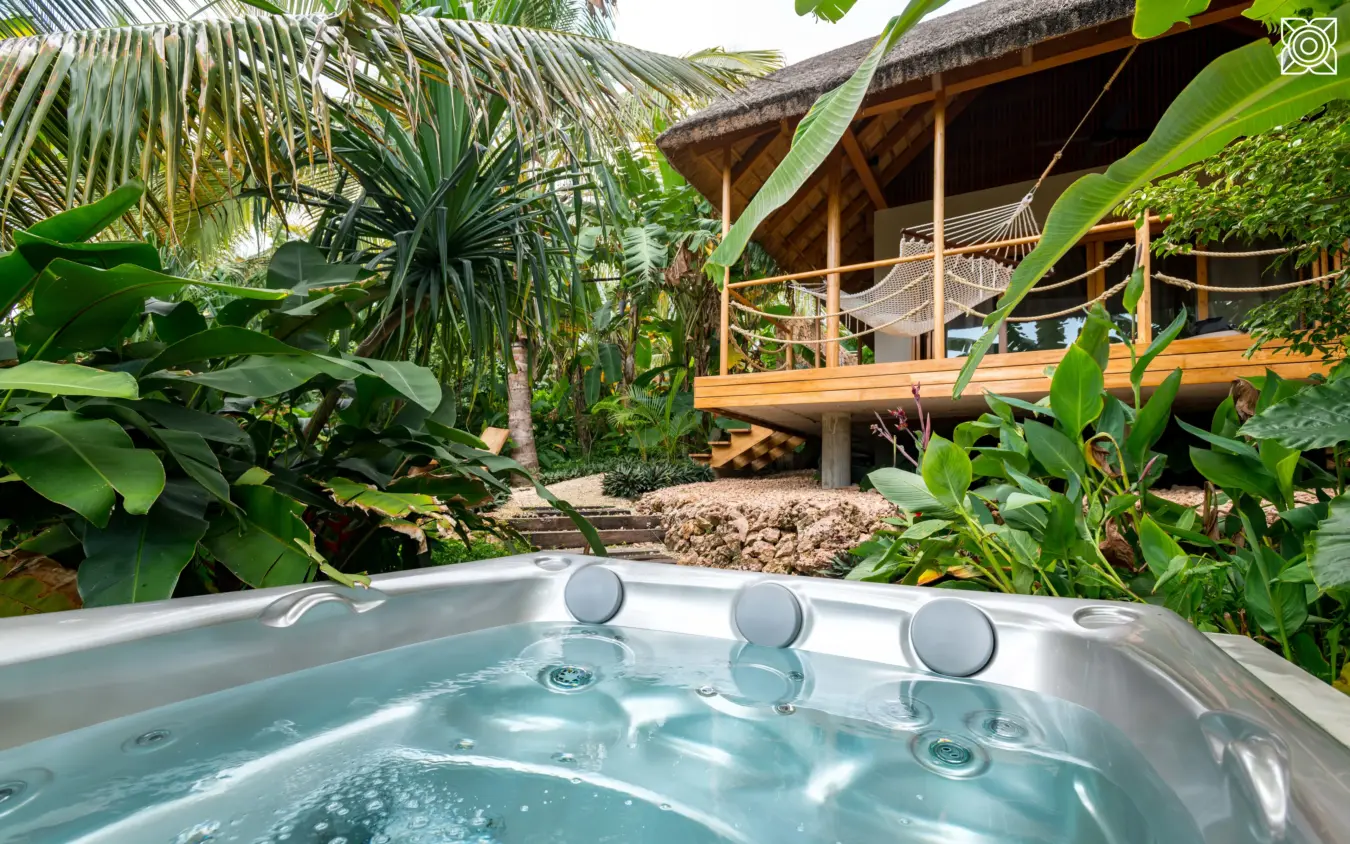
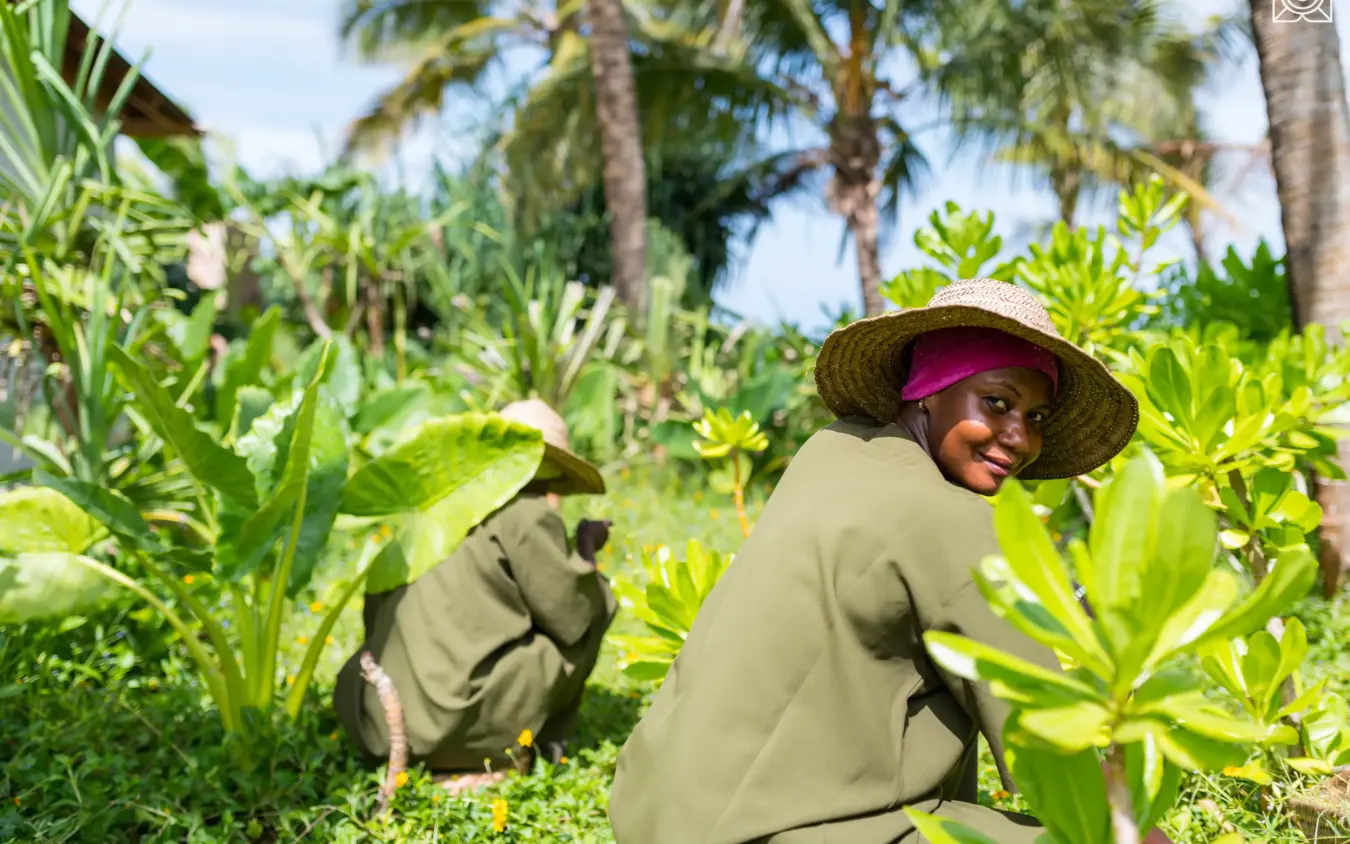
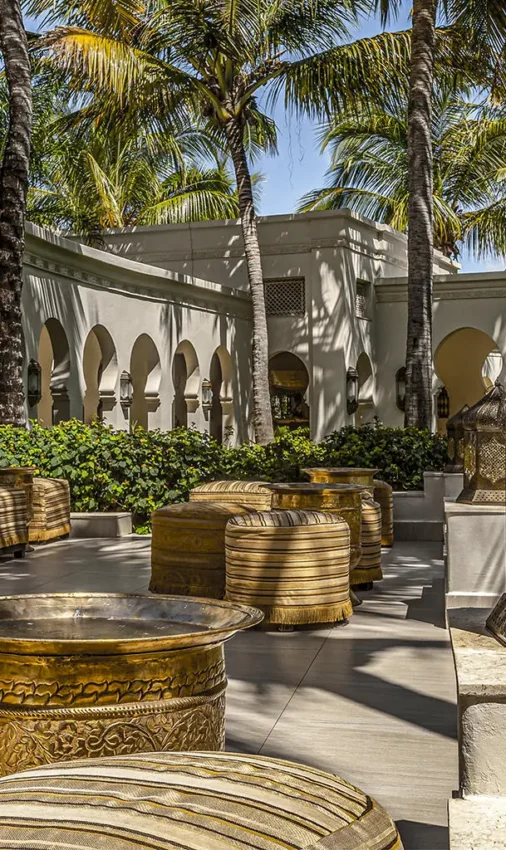
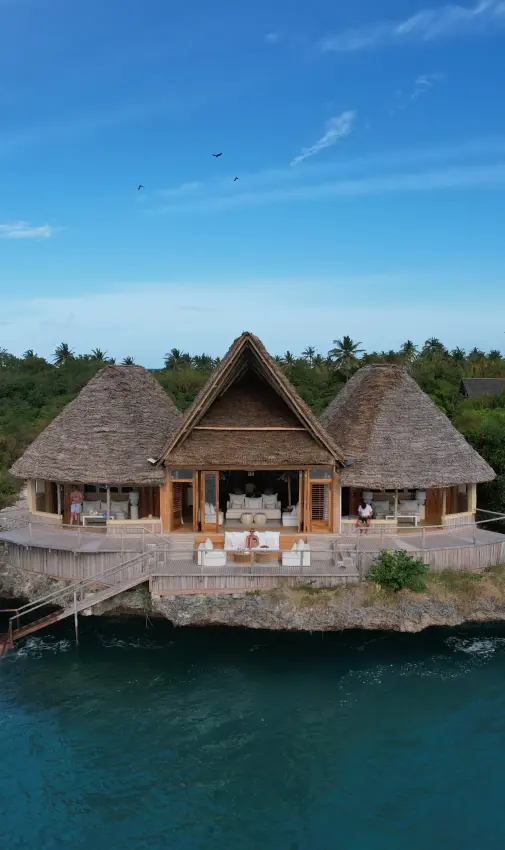
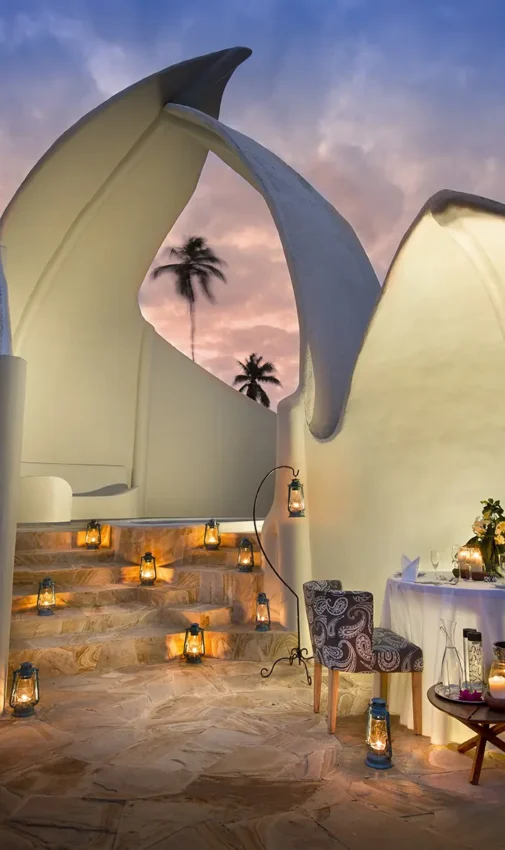
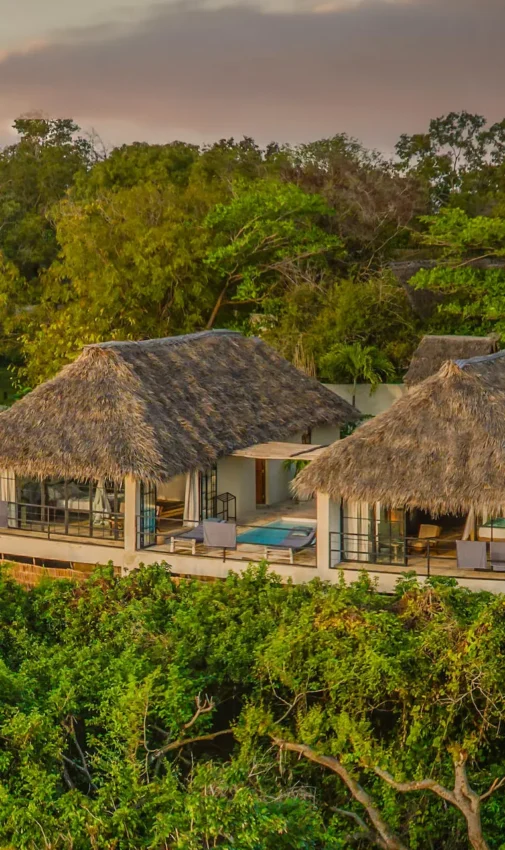
Jestico + Whiles designed a coastal village of 56 freestanding bungalows, suites and villas, raised on timber walkways through a tropical garden and roofed in nyasi grass thatch. Coral stone walls and carved wooden doors run throughout, and the outdoor showers are curtained in paper beads strung by a women’s enterprise in the village. Zuri was the first Design Hotels member in Zanzibar.

Wooden villa with thatched roof surrounded by tropical vegetation, Zuri Zanzibar, Zanzibar & Pemba, Tanzania
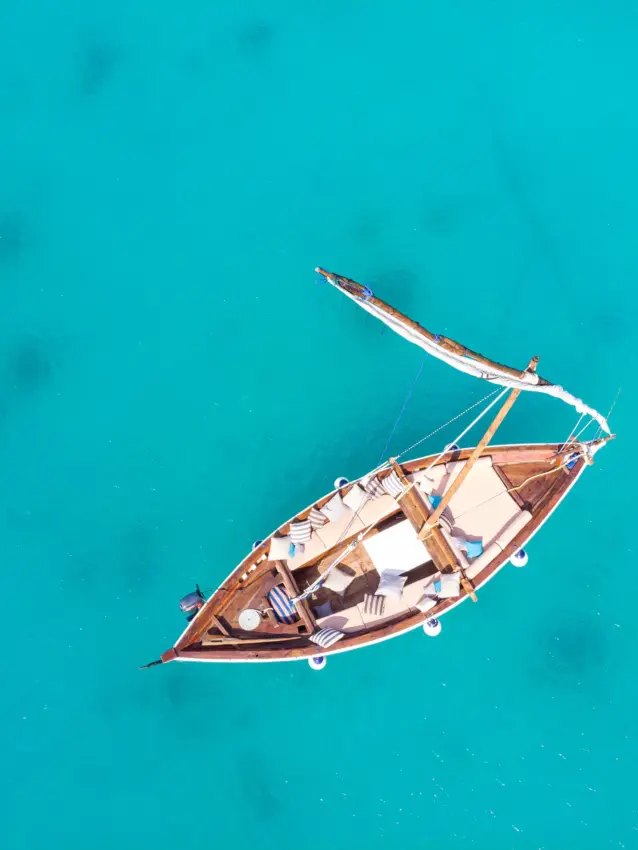
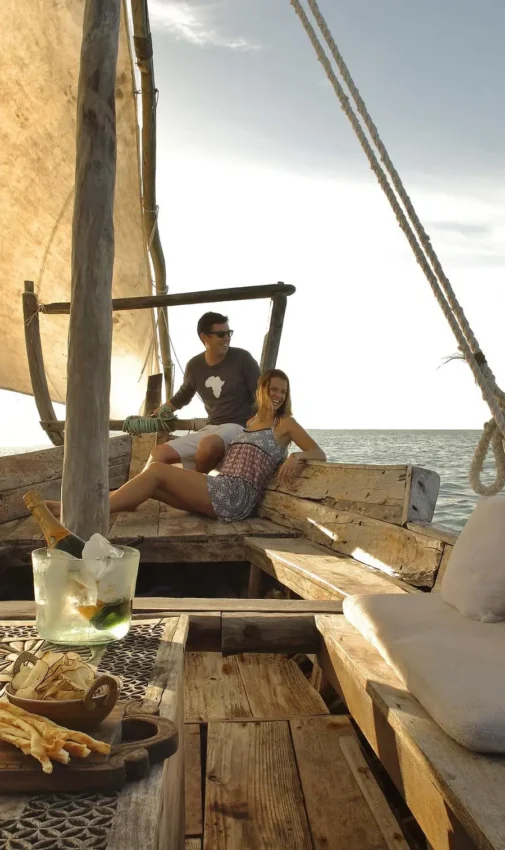
White sand beach with traditional sailing dhow offshore, Zuri Zanzibar, Zanzibar & Pemba, Tanzania

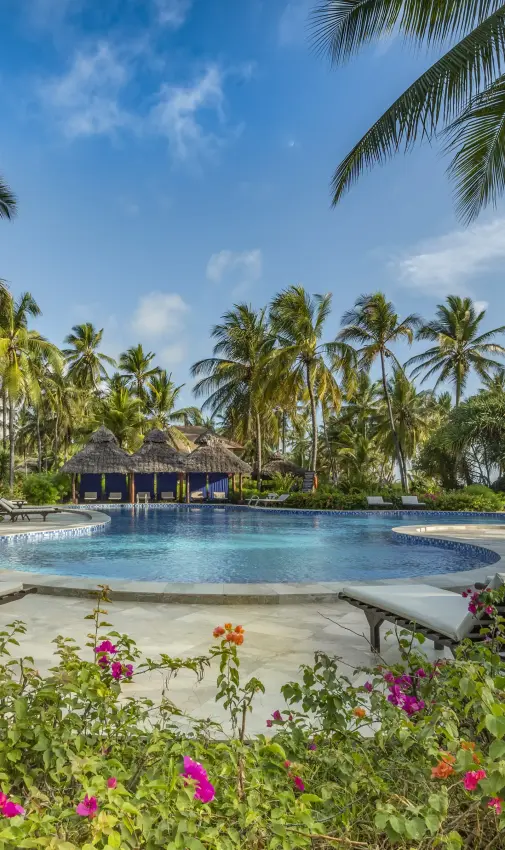
A spice garden of 1.6 hectares runs through the centre of the property, planted with cloves, nutmeg, vanilla, cardamom and lemongrass. Cinnamon and clove scent the air along the garden paths. At its heart stands the Spice House, where guests harvest what they need before cooking Swahili dishes alongside the resort’s chefs.

Cinnamon and clove scent the air along the garden paths.

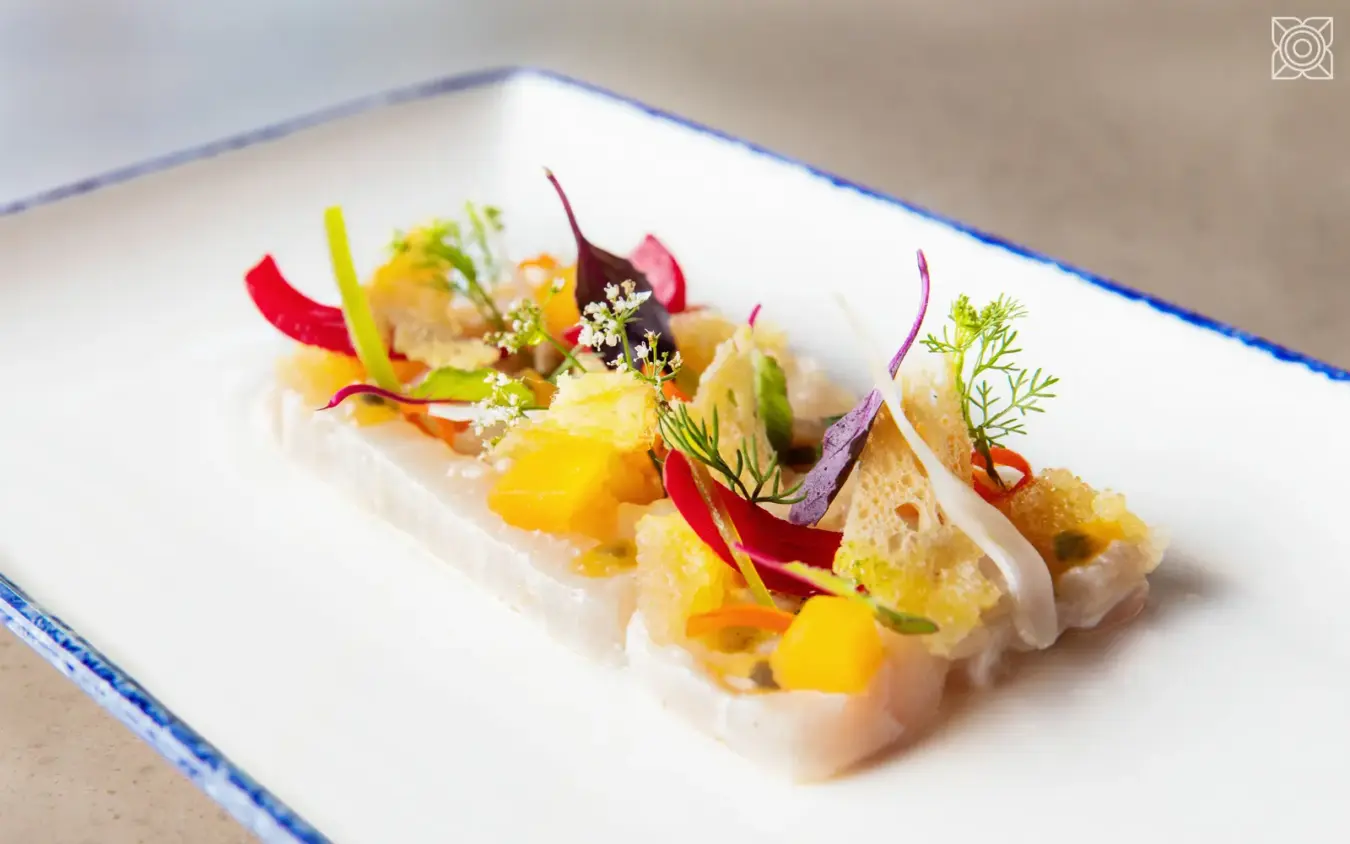
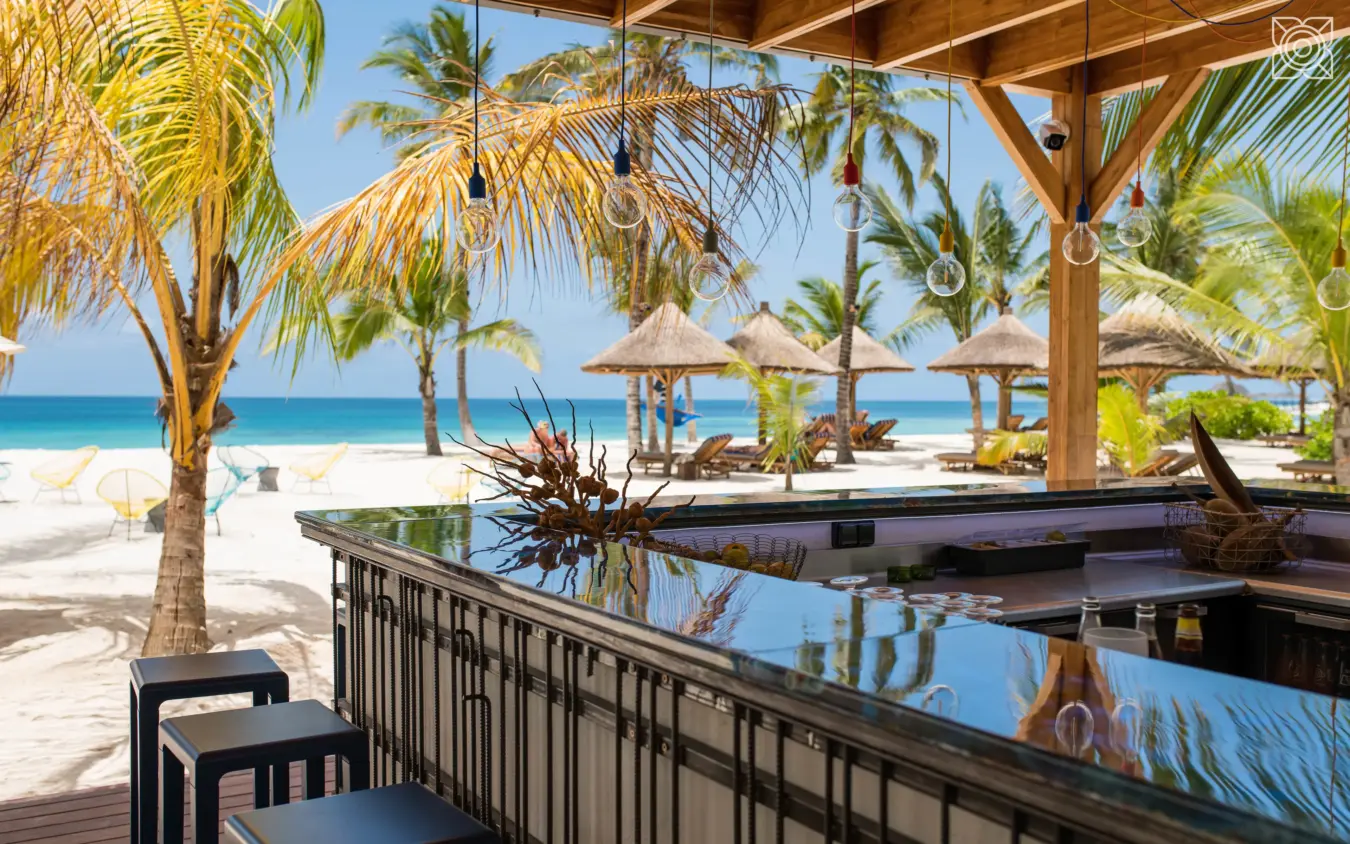
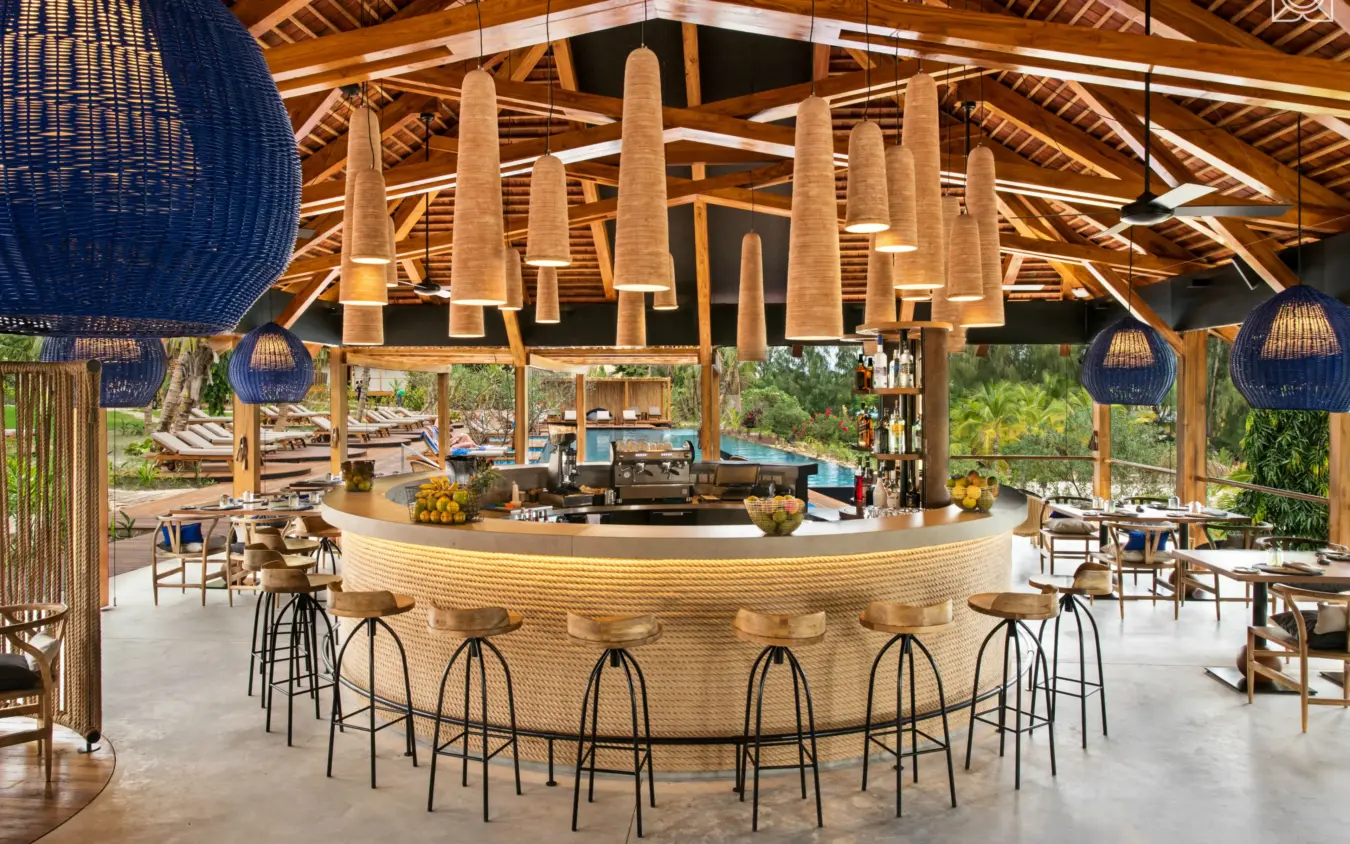
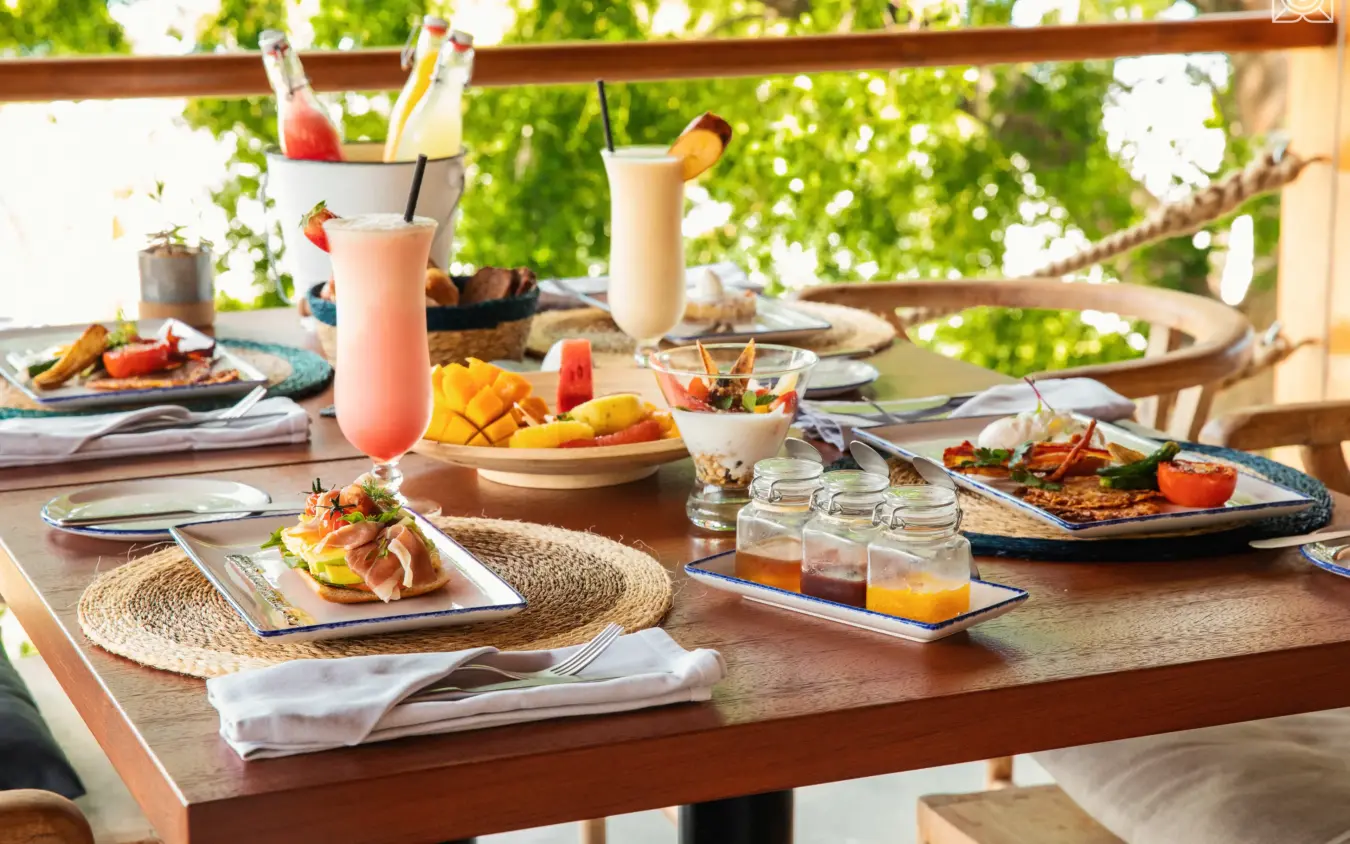
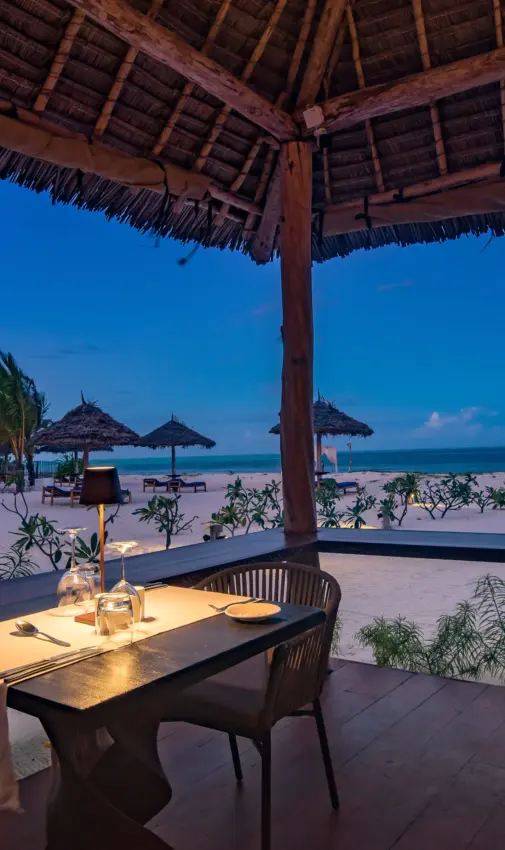
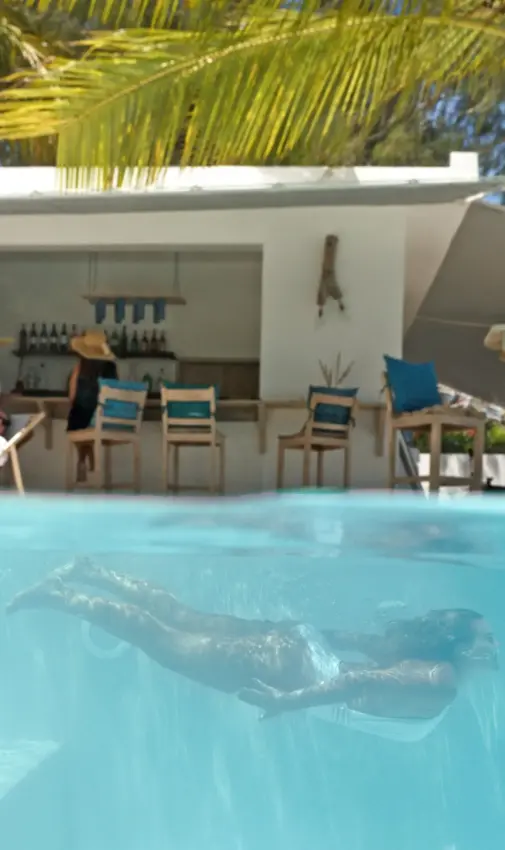
Bungalows come with outdoor showers and hammocks, suites with living rooms and private jacuzzis, and the villas run to two and three bedrooms, the oceanfront ones opening straight onto their own stretch of sand. Three restaurants and four bars are spread across the resort, serving pilau rice with kachumbari and, at dusk, sugar-cane cocktails on the beach.

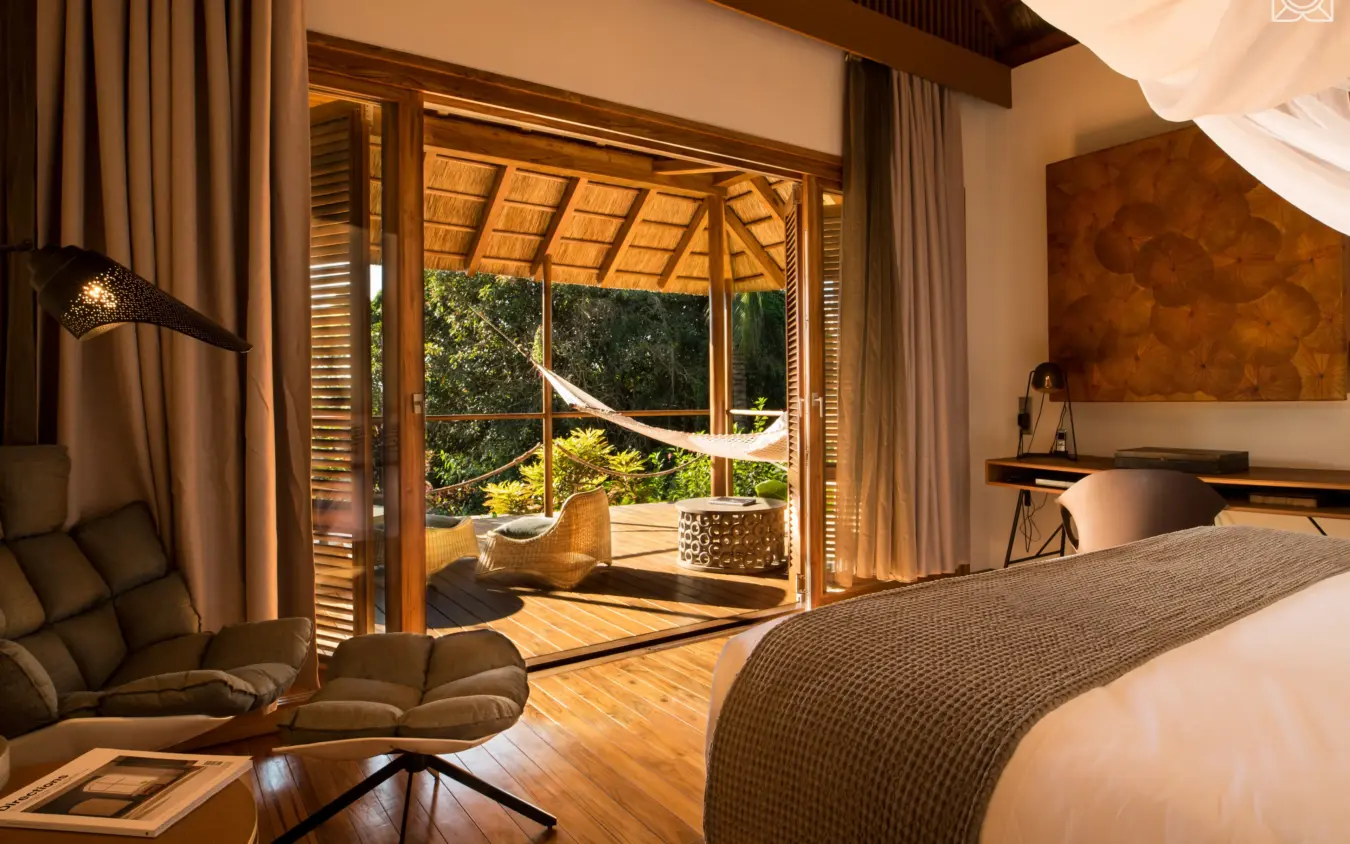
Luxury bungalow interior with beaded curtain room divider, Zuri Zanzibar, Zanzibar & Pemba, Tanzania 01

accommodation

Fifty-six Units Scattered Through Tropical Garden

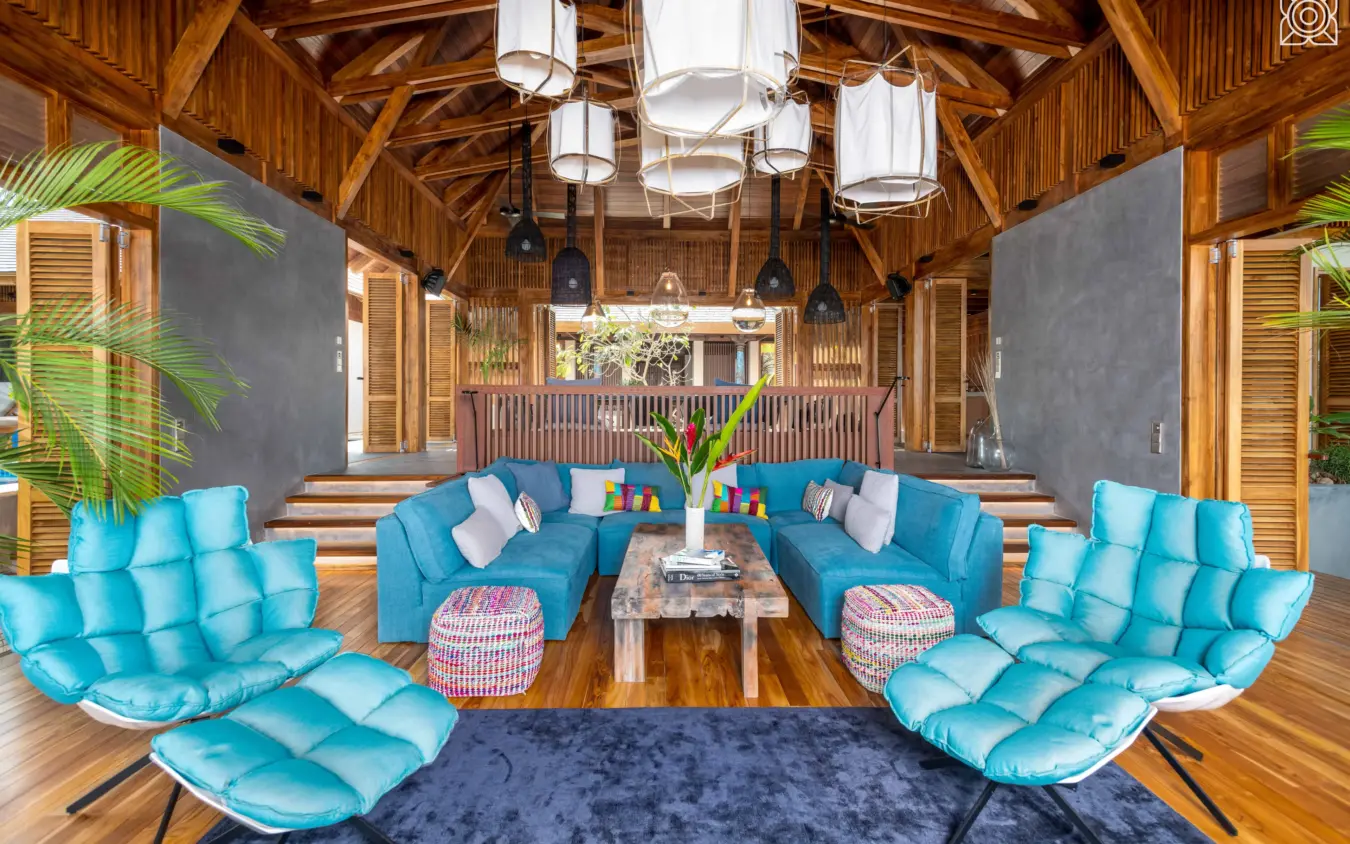
Fifty-six freestanding units are scattered through the tropical garden. Bungalows have terraces, hammocks and open-air showers, suites add living rooms and private jacuzzis, and villas run to two and three bedrooms. The oceanfront villas have their own infinity pool and beach, and bungalows interconnect for families.

Woman standing between paddleboards on tropical beach, Zuri Zanzibar, Zanzibar & Pemba, Tanzania 02

activities

Snorkelling, Diving and Dhow Sailing

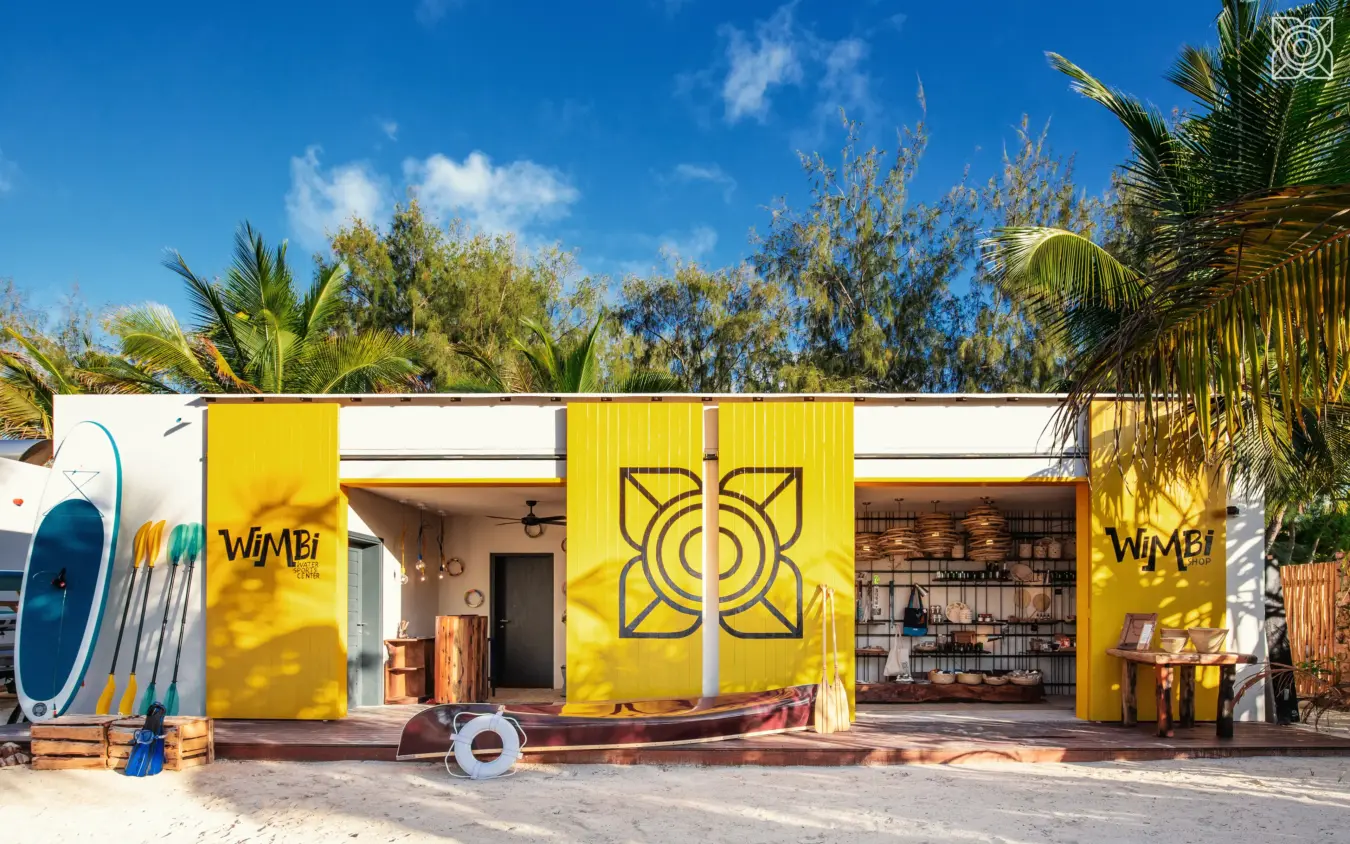
Snorkelling from the beach with equipment provided, boat trips to Tumbatu Island and Mnemba Atoll, and PADI courses at the dive centre. Stand-up paddleboarding, kayaking and traditional dhow sailing are available, along with Swahili cooking classes at the Spice House, garden walks through the spice garden, yoga, an outdoor gym and spa treatments.

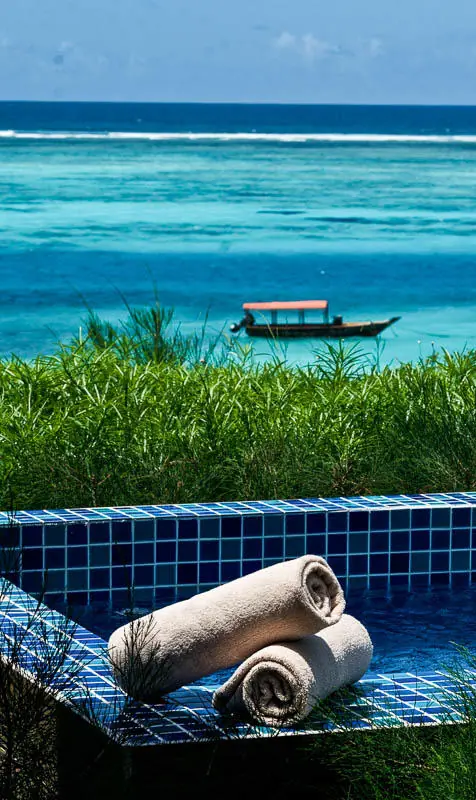
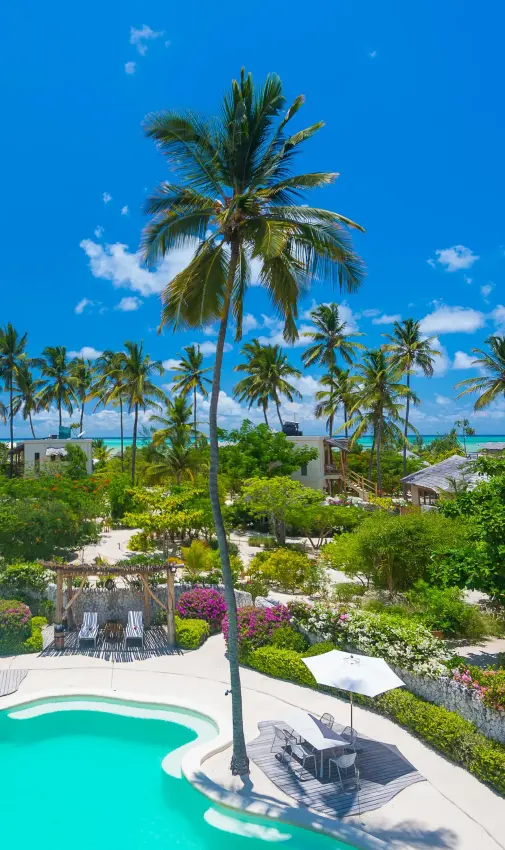
Palm tree casting shadow on white sand beach with turquoise water and small boat, Zuri Zanzibar, Zanzibar & Pemba, Tanzania 03

conservation

Zuri Giving Partners With Kendwa Village

Zuri Giving began in 2015, three years before the resort opened, and works with the neighbouring village of Kendwa on education, environment and waste management. Wells and a fresh water supply point serve local residents. The village school has been renovated, and a hospitality training centre and an English-language school opened, along with a road built to preserve local fishing boat access to the sea. Chako, a women's social enterprise, makes the paper-bead curtains and decorative fittings used throughout the resort.

ready to get started?

Get in touch and let’s start the conversation. An initial consultation helps us understand what you’re looking for, whether that’s specific experiences, luxury touches, or marking a special occasion, and from there we’ll guide you through what’s possible so you can decide if we’re the right fit.

Alternative accommodation in zanzibar & pemba

frequently asked questions

Fly into Zanzibar's Abeid Amani Karume International Airport, then it is a private road transfer north to Kendwa, which the resort arranges and we build into the booking. The resort also offers a fast-track and lounge service at the airport and online check-in before you land, both worth having after a long day. The airport takes flights from Doha, Addis Ababa, Nairobi and Dar es Salaam, and from the safari airstrips: Auric Air flies daily and direct from Seronera and Kogatende in the Serengeti in about an hour and three quarters, Coastal Aviation flies the same route daily with a late-morning departure that lands around one o'clock for most of the year, and from Arusha there are several flights a day between the two carriers, taking an hour and a quarter to an hour and a half. From Kilimanjaro, Precision Air flies about twice a day, an hour and thirty-five minutes. We can also arrange a private charter, typically a Cessna Caravan or a Pilatus PC-12, straight from whichever Serengeti airstrip you are at to Zanzibar on your own timetable, which matters when the scheduled departure would cut a morning game drive short.

Off a midday flight from the Serengeti you are at Kendwa by mid-afternoon, which fits the resort's two o'clock check-in. One piece of paperwork to know about: since October 2024 Zanzibar has required every visitor to hold its own inbound travel insurance, a separate purchase from the Zanzibar Insurance Corporation made online through the Zanzibar government's portal before you fly, and your own travel policy does not count in its place. We flag it in your travel documents so it is done before you reach the airport.

Yes. TravelHealthPro, the UK's official travel health service, puts the whole of Tanzania below 1,800 metres at high risk of malaria and names Zanzibar in that line, and it lists antimalarial tablets among its recommendations for those areas. The CDC's Tanzania page draws the same boundary, all areas below 1,800 metres with Zanzibar included, and recommends prescription medicine to prevent malaria for travellers going there. Kendwa is a beach at sea level, so both sources place it squarely inside the advice, however fresh the sea breeze feels in the evening.

We are travel planners rather than medical people, so the decision belongs with you and your doctor or a travel clinic, and the useful thing is to take the whole route to one appointment so the Serengeti and the beach are considered together rather than separately. Whatever you decide, the ordinary defences still apply once the sun goes down: long sleeves at dinner and repellent on any bare skin, at the beach bar most of all.

Yes, at any age, and the sea does as much for a family as the facilities do: at Kendwa there is no low-tide walk out over reef flats, so children can swim from the beach whenever they like. The resort runs a free beach activity programme, an hour late each morning and half an hour late each afternoon, meeting on the sand: bracelet and craft sessions, sandcastles, kids' yoga, beach games and football or volleyball on request. It is designed for six to twelve year olds; four and five year olds join with a parent, and it does not take under-fours. A parent signs the child in and out, and the resort is clear that it is not a substitute for babysitting, which is a separate service with trained sitters, a maximum of two children per sitter, arranged through guest services and subject to availability, so we book it before you travel rather than on the night.

On rooms: the bungalows sleep two, and interconnecting pairs depend on availability, so tell us at enquiry rather than at check-in. The suites take a third person of thirteen or over on the sofa bed rather than a young child, and the two- and three-bedroom villas are where a family with younger children fits, with extra beds for children and a cot free of charge where one is available. Give us the ages and we will match the party to the right unit.

Hot and humid all year, with two winds taking turns. The kaskazi blows from the north-east from about November to February or March, the hottest and stillest months with the clearest water for snorkelling and diving; the kusi comes up from the south-east from around April to September, peaking about June, cooler, breezier and the stronger of the two. The long rains fall in April and May, when a good many Zanzibar hotels close, and a shorter wet spell arrives in November or early December, usually in bursts rather than settled grey days. What sets Kendwa apart is the tide. On the east coast the sea can walk out a kilometre and a half or more at low water and leaves seaweed and sea urchins on the sand; at Kendwa the tidal range is small enough that the whole beach stays swimmable through the day, and even Nungwi, the next beach round the point, loses thirty metres or so on its west side and up to five hundred on its east. Seaweed is mainly the east and south-east coasts' problem, worst from December to February. Kendwa gets very little of it, though a few strands can wash up after a blow, so nobody should promise none.

Pack light cotton or linen, swimwear, a wide hat and reef-safe sun cream, a rash top for snorkelling and reef shoes for the coral. Zanzibar is a Muslim island, so bring something covering shoulders and knees for Stone Town, the village and the spice tour. A light long-sleeved layer covers both the breezier kusi evenings and the mosquitoes, and soft bags travel best on the light aircraft from the Serengeti.

Four nights is our usual recommendation at the end of a northern Tanzania safari, and five if you want Stone Town and a day on the water at Mnemba as well as time doing nothing. The arithmetic is simple: the flights from the Serengeti land in Zanzibar around lunchtime, the drive north takes about ninety minutes and check-in is at two, so the first day is a half day, and check-out at eleven ends the last one before lunch, which leaves a three-night stay with only two full days on the beach. Coming straight from London or the Gulf without a safari first, a week is not too long at Kendwa, because the sea is usable all day and the resort's own programme fills the evenings.

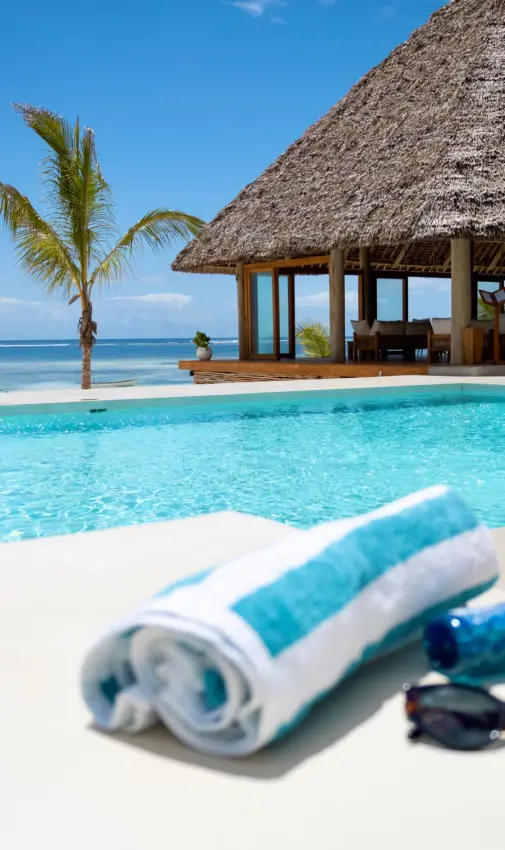
Every stay is sold on half board: breakfast at Upendo, dinner at Upendo or at the pool restaurant, Maisha, with a reservation, plus a welcome drink, unlimited Zuri water, still and sparkling, from the resort's own desalination plant, tea and coffee, a minibar restocked daily with snacks and soft drinks, wifi, and the resort's daily programme of yoga-deck sessions, beach sports and the free water sports kit, kayaks, snorkelling sets and paddleboards, half an hour at a time. Lunch, drinks, the dive centre, boat trips and the beach barbecue dinners are charged as you go, and an all-inclusive supplement that adds drinks and cocktails is available if you would rather settle once; we price it either way. The wifi is usable for real work, because the resort built its own dedicated internet line to the mainland, and phone signal at Kendwa is good by Zanzibar standards, stronger than on most of the island's other beaches, so a UK phone on roaming works and an eSIM bought before you fly is the simplest route to data.
Possibly, one night a month. Kendwa Rocks, a hotel a few minutes' walk along the same beach, has run its Full Moon Party since 1996, on the first Saturday after each full moon: a beach barbecue from around seven, the main acts from about ten, and the music going through until sunrise, with fire shows, dancers and acrobats. Zuri tells its guests in advance when one falls during their stay, and the honest reading of the reviews is that some guests hear it and most do not mind; one reviewer's advice was to avoid the full moon unless you love a party. If quiet is the point of the holiday, the fix is easy: we check the moon calendar when we place your dates and keep you clear of that Saturday.
The rest of the month Kendwa is the more laid-back of the two northern beaches, wider and less busy than Nungwi, the lively village round the point to the north where most of the island's nightlife is. Zuri's own evenings follow a pattern of its own: a sunset live set or DJ on the beach from half past five most days, a fire dance show on Thursdays, acrobats on Saturdays and a Maasai show on Sundays, all at the beach bar and wound up by half past nine, so the noise you are most likely to hear is the resort's, and it ends early.
rated five stars by our clients

other areas in tanzania

African wild dog standing alert in grassland 01

Ruaha National Park

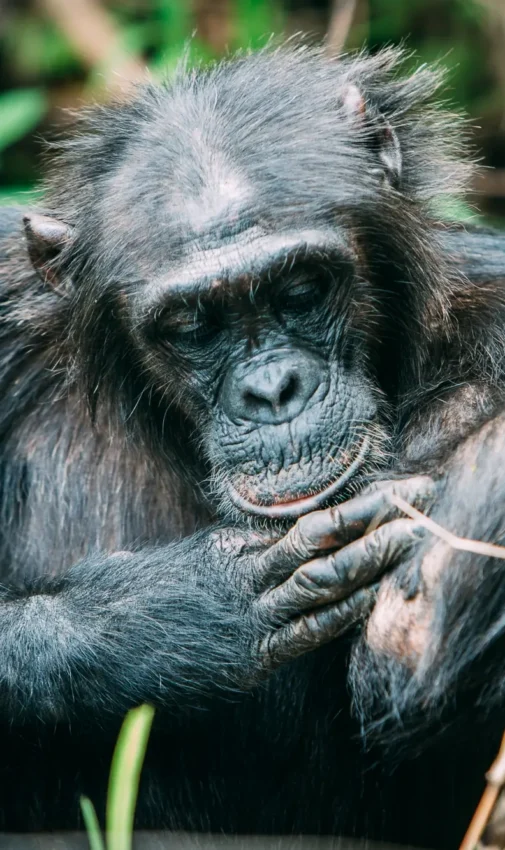
Chimpanzee holding branch while foraging in forest, Mahale Mountains, Tanzania 02

Mahale Mountains

Guests relax in chairs by river with child wading, Lake Manyara, Tanzania 03

Lake Manyara

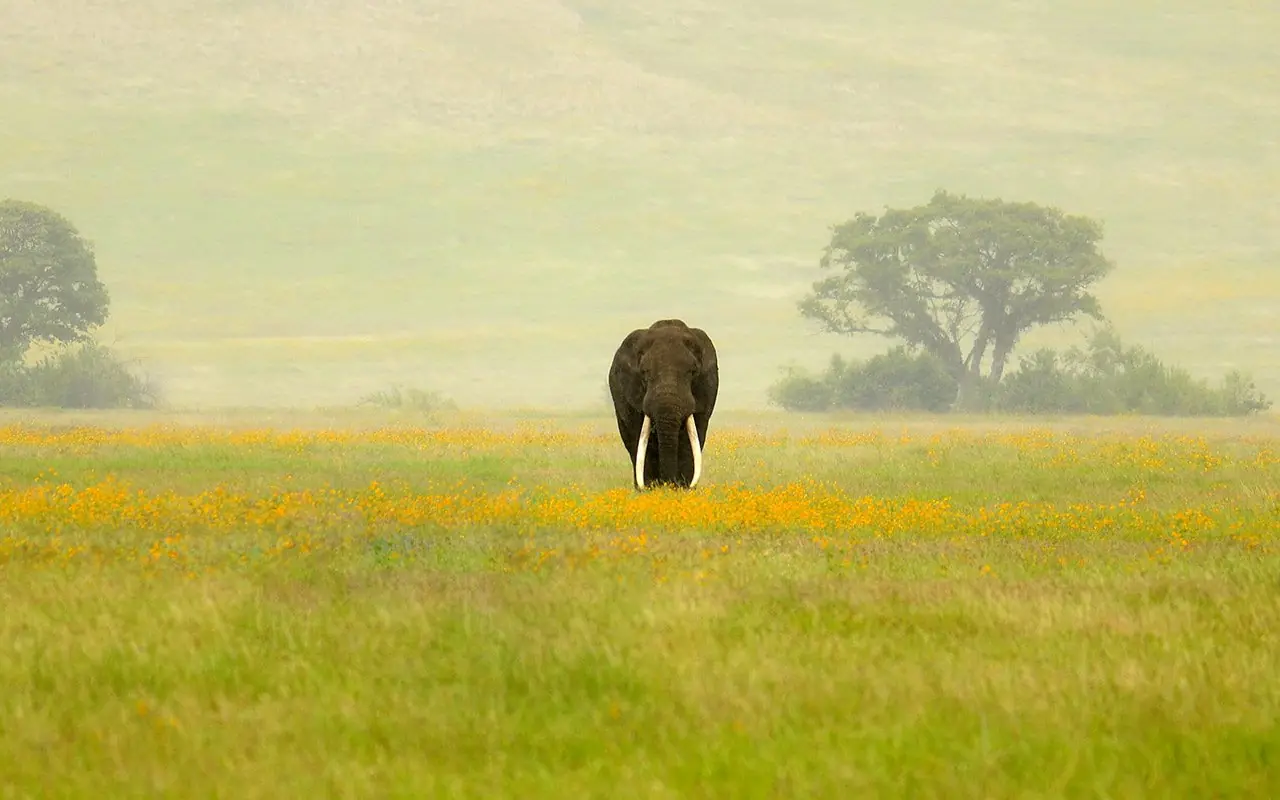
Elephant walking alone across golden savanna grassland 04

Ngorongoro Crater

Silhouetted herd of wildebeest in dusty savanna landscape 05

Serengeti National Park

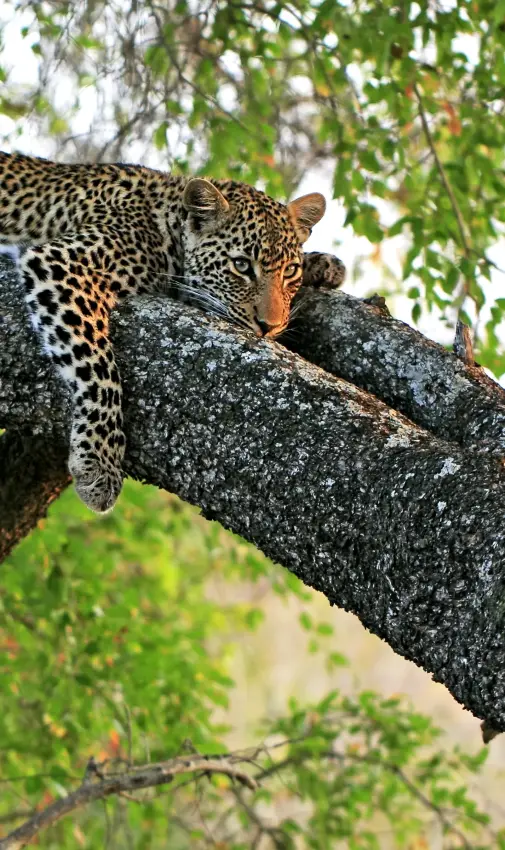
Leopard resting on tree branch surrounded by green foliage 06

Tarangire National Park

Hippopotamuses in water with heads above surface 07

Katavi National Park

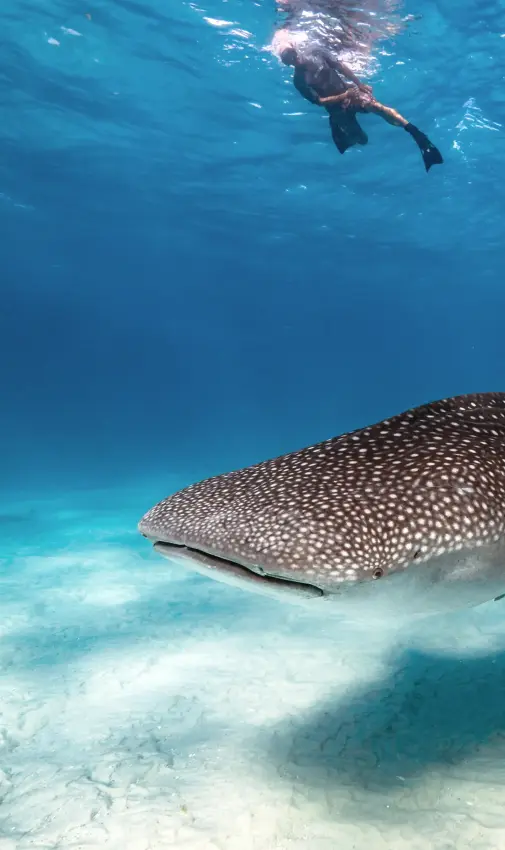
Snorkeler swimming alongside whale shark in shallow turquoise water, Mafia Archipelago, Tanzania 08

Mafia Archipelago

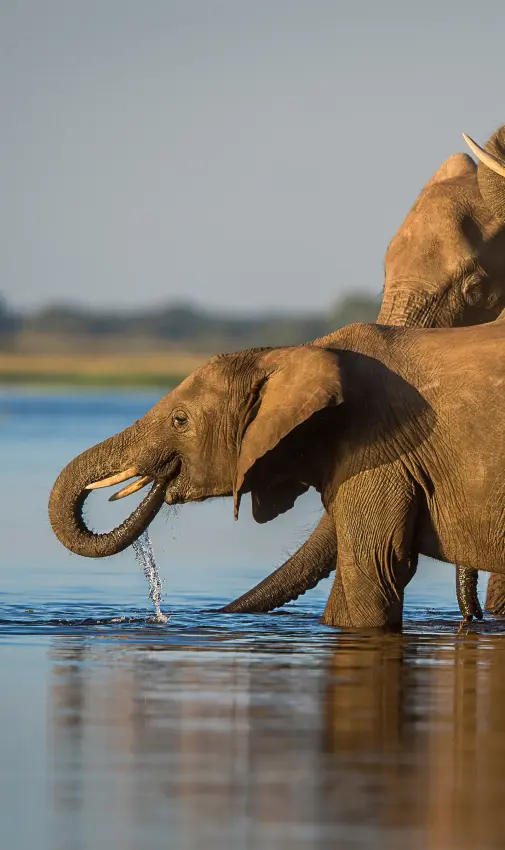
elephants drinking water at riverbank during daytime 09

Nyerere National Park

Chimpanzee among vegetation looking toward camera, Rubondo Island, Tanzania 10

Rubondo Island

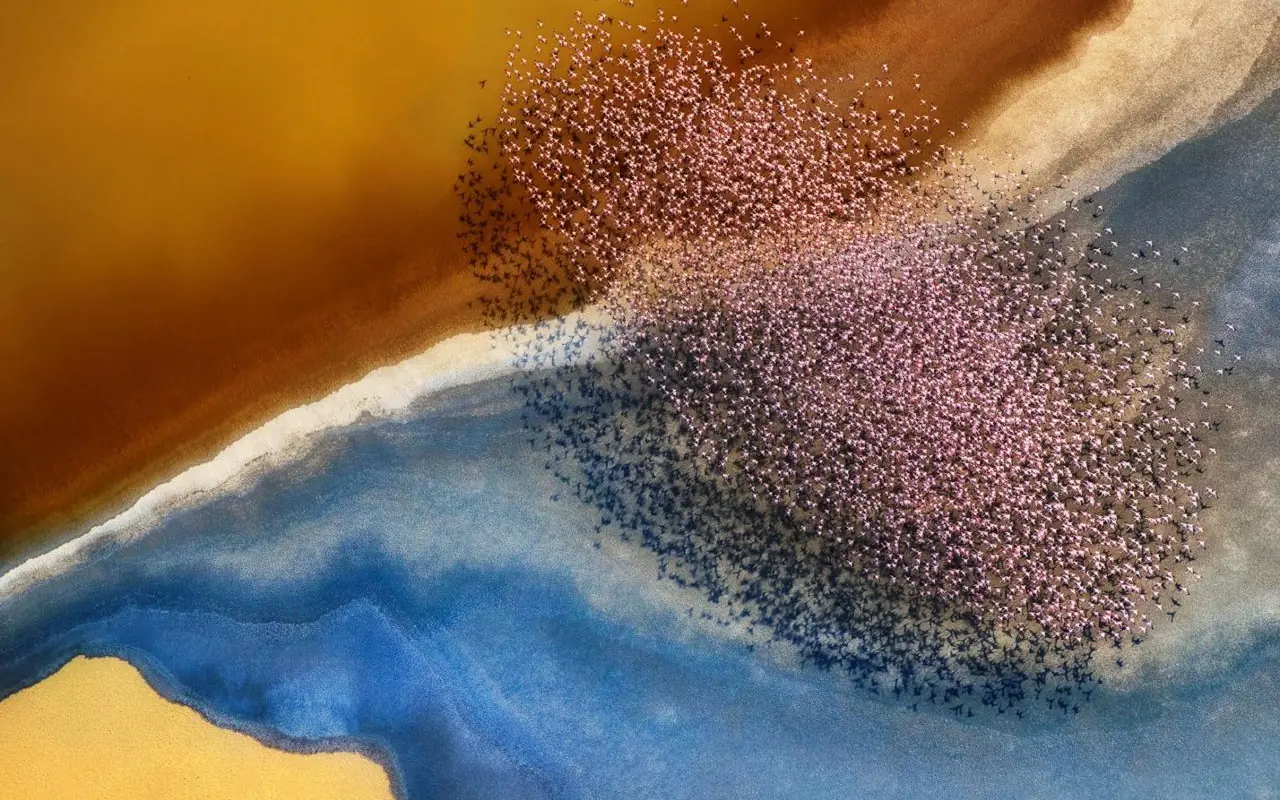
Aerial view of colorful salt lakes and mineral deposits 11

Lake Natron

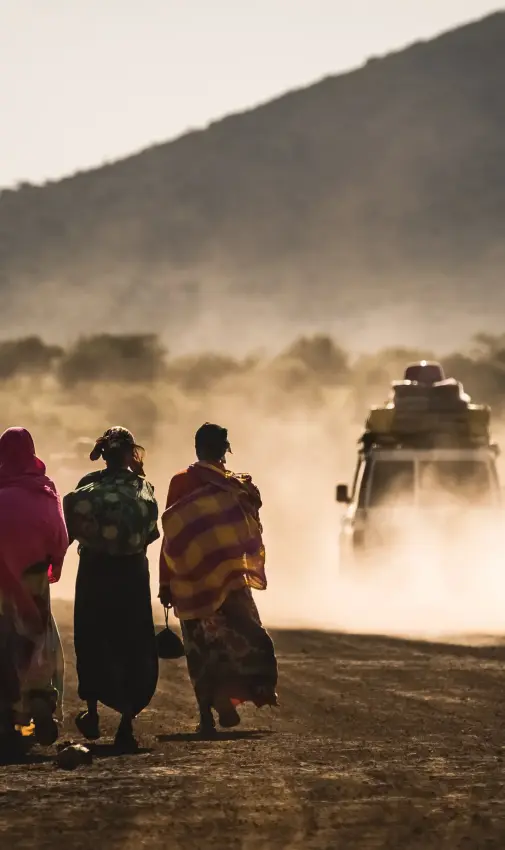
Local people walking on dusty road with vehicle approaching 12

Arusha

13

Ugalla River National Park

Planning a journey together

our approach

remote, exclusive
& personal

Every journey starts with a conversation. We take the time to understand your vision before we start planning.
Whether by phone or in person, we work with you directly to shape something that is considered, personal, and expertly delivered.

get in touch
destinations ideas & inspiration our process about us contact us