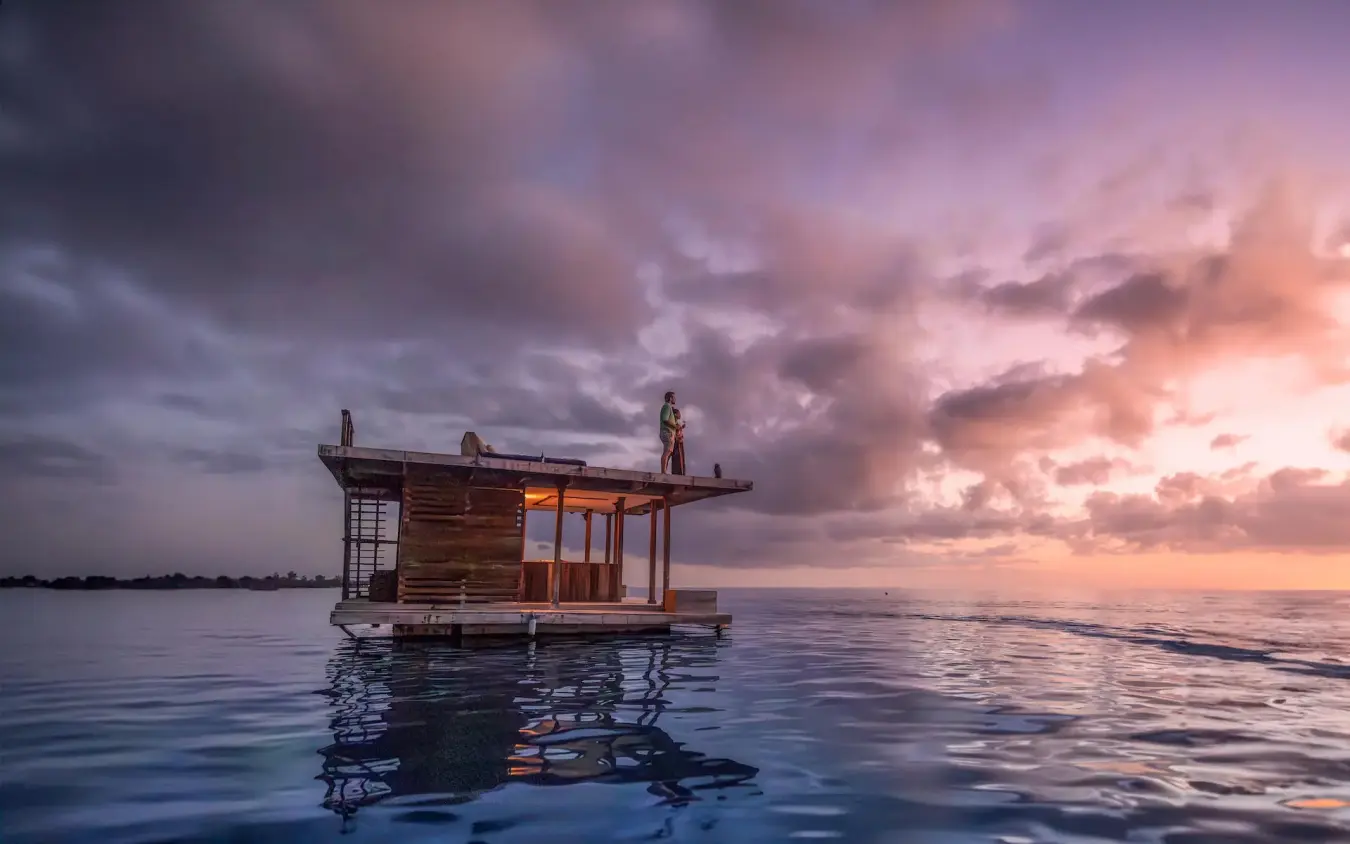
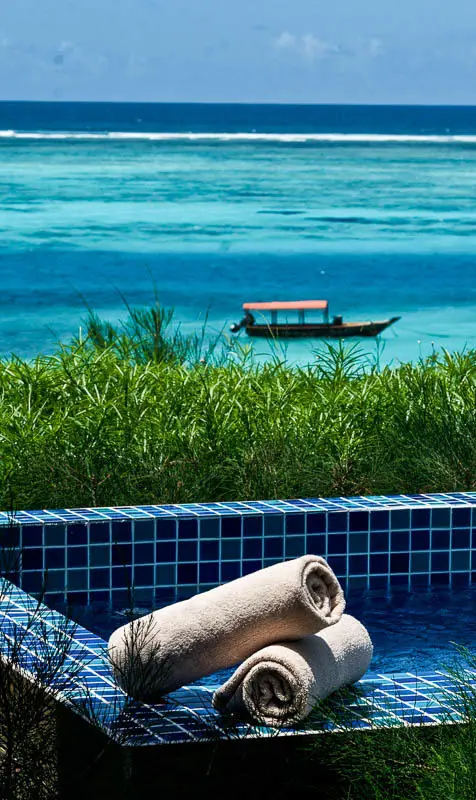
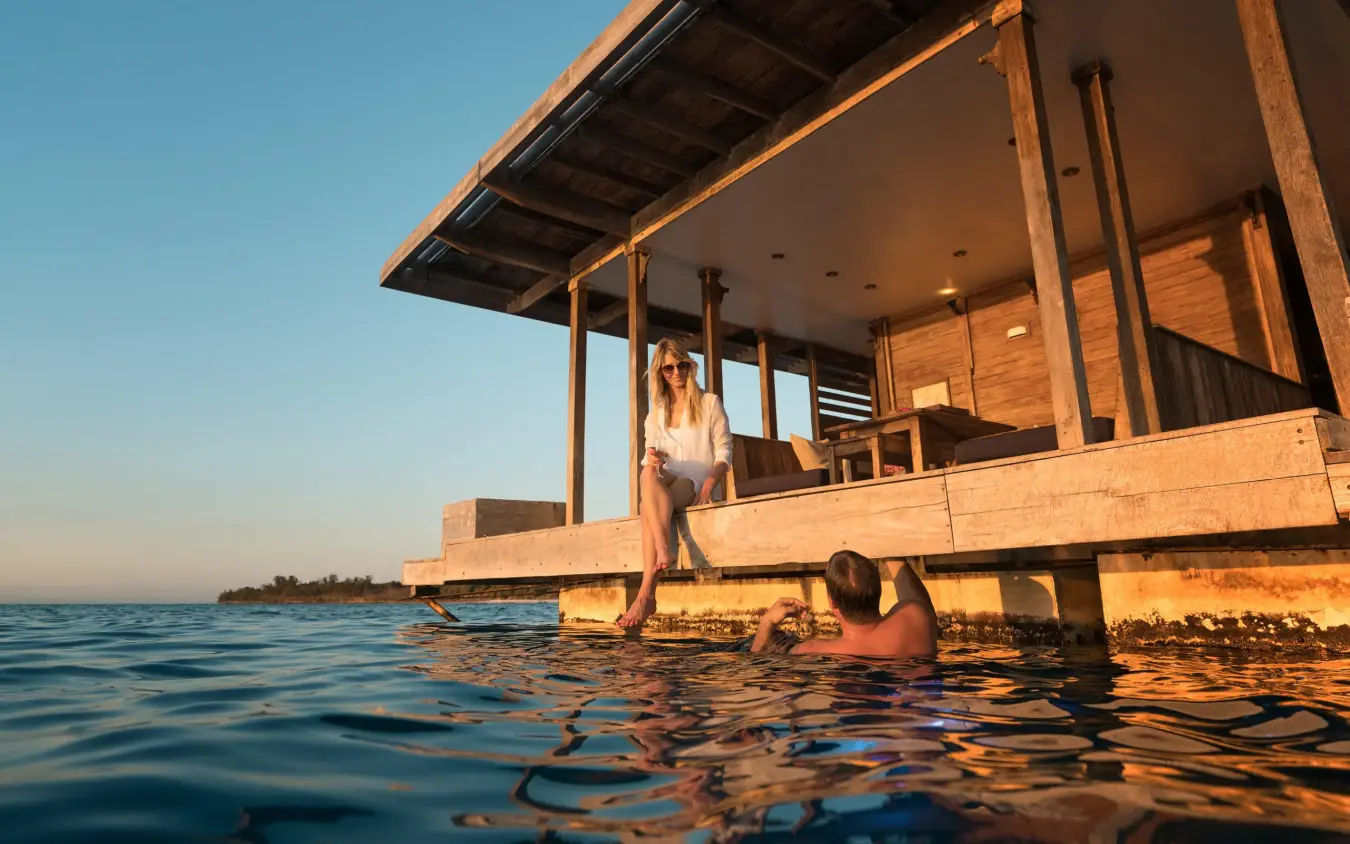
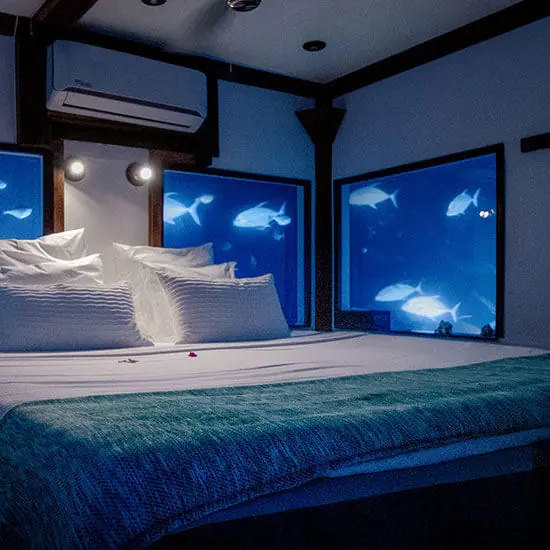
The Underwater Room is a three-level structure moored on its own offshore, and guests bound for it are taken out by boat and left there. The top deck is open to the sun by day and to the stars at night. A lounge and a bathroom lie just above the waterline, and a stairway drops from there to the room below. Down in the glass-walled bedroom the sound of wind and water gives way to near silence. After dark, underwater spotlights draw the reef fish to the windows, and it feels like sleeping inside an aquarium. Meals and drinks arrive by boat, and the structure is theirs alone.
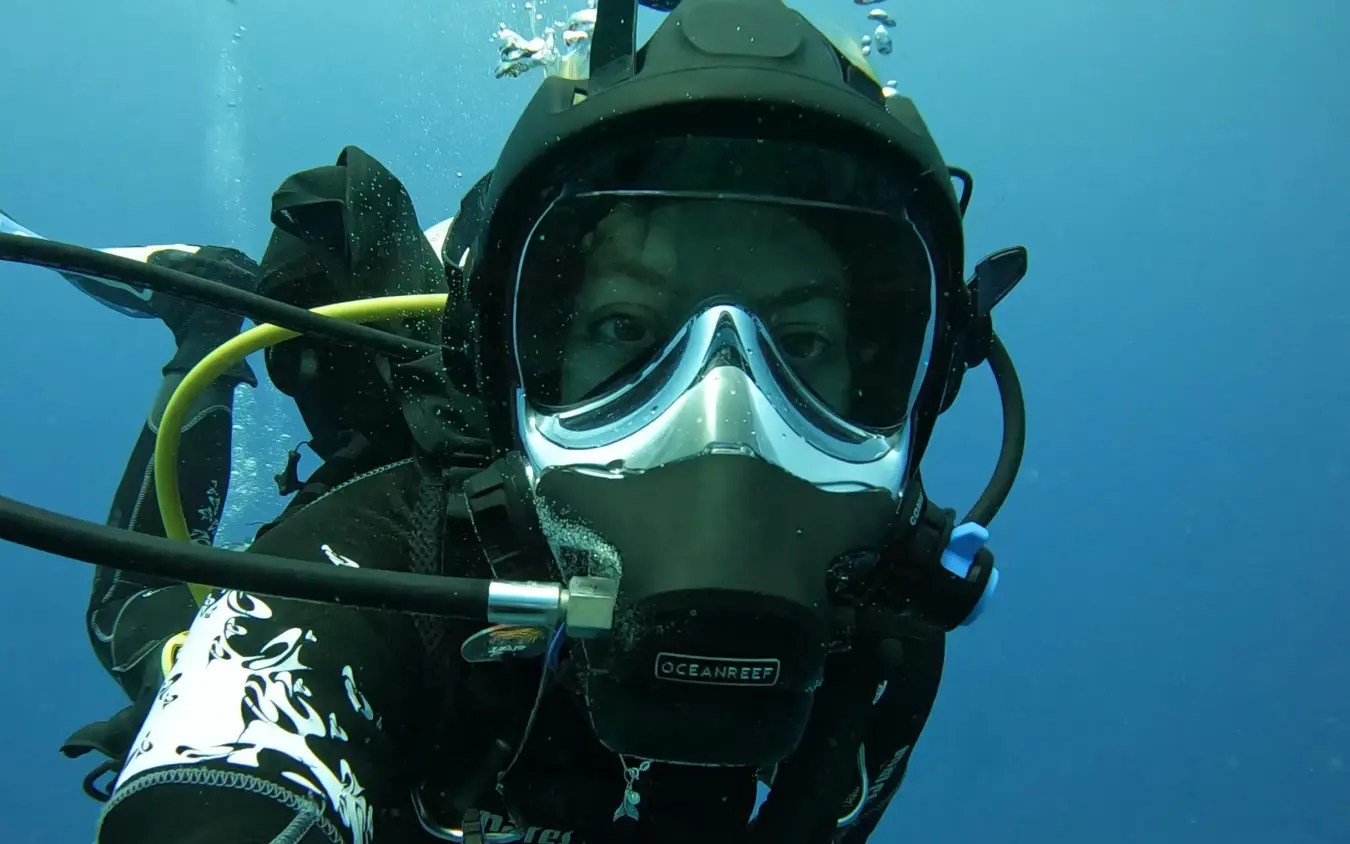
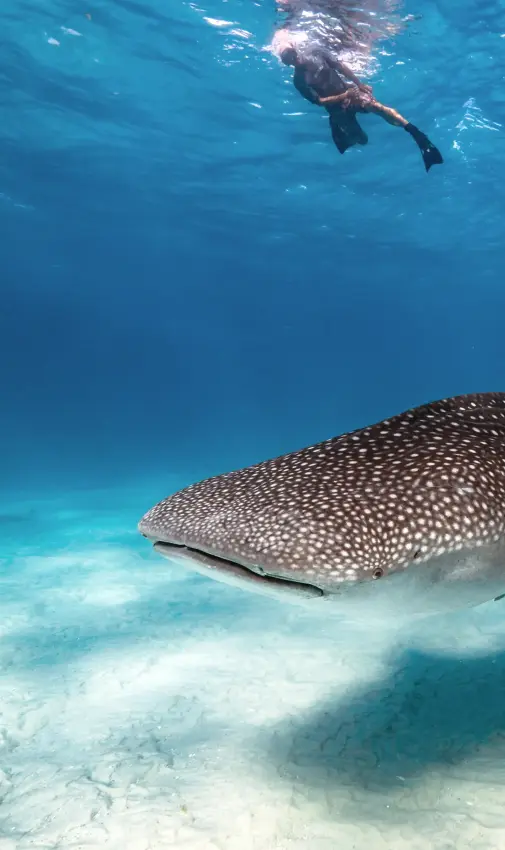
The resort’s own PADI centre covers both ends of the range. Beginners train and dive on the house reef, while the deeper, current-driven sites are kept for divers who have logged the hours. The dive boat leaves from the same beach the snorkellers use, bound for the walls and drift dives of the outer reef. Between dives there is sea kayaking and deep-sea fishing, a boat out to a white coral sandbank and a sunset run on the channel. The tide and the dive boat set the timetable, and little else does.
Down in the glass-walled bedroom the sound of wind and water gives way to near silence.
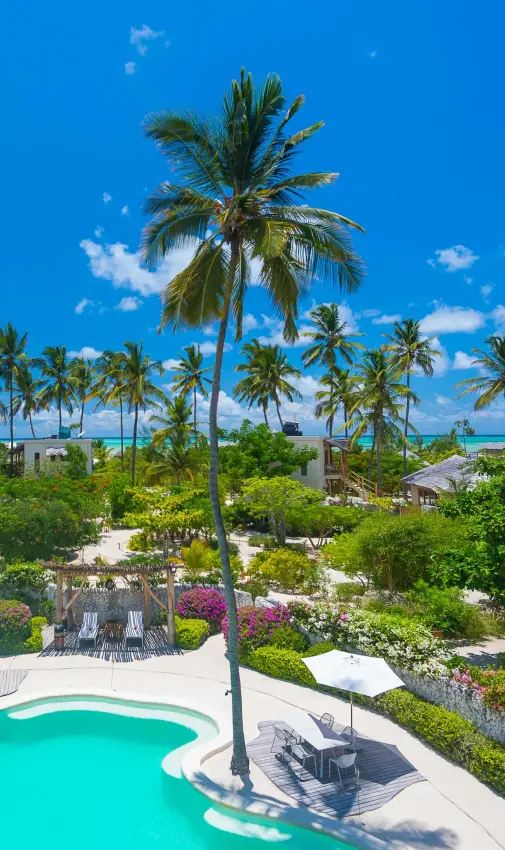
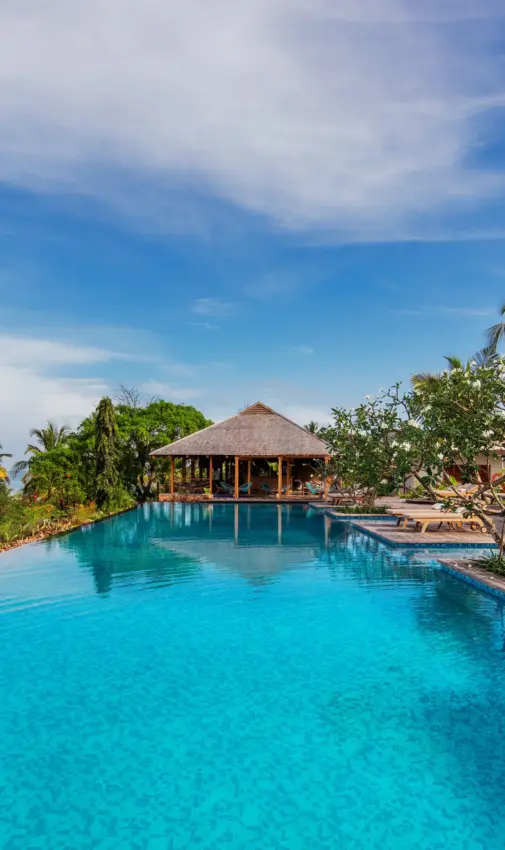
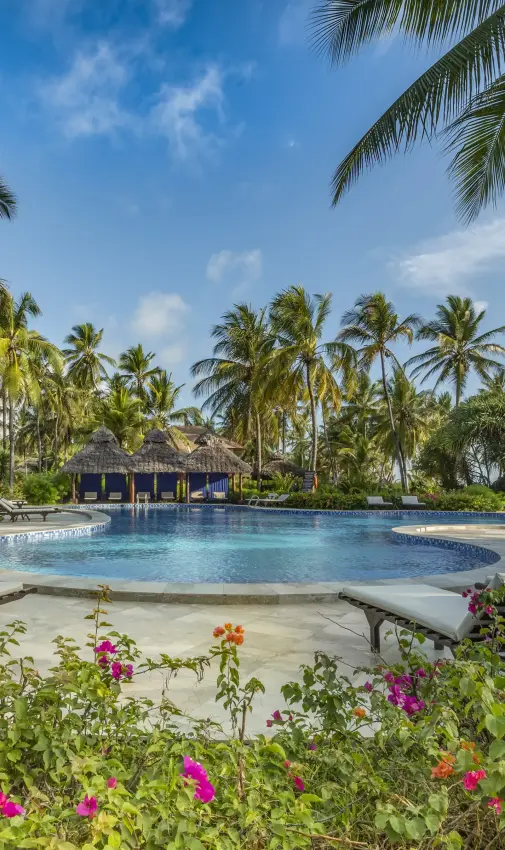
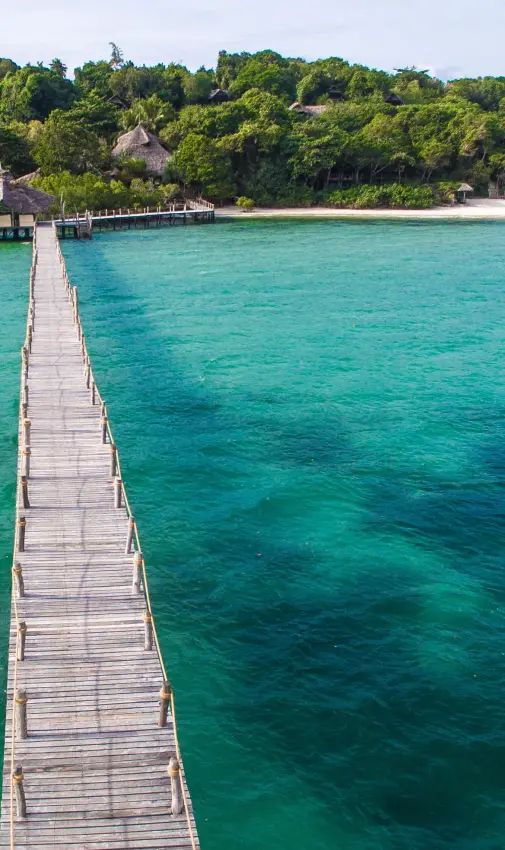
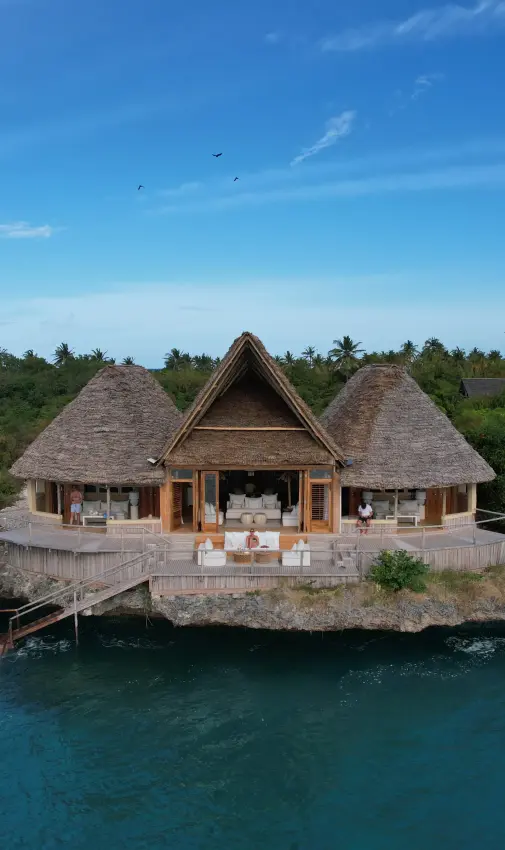
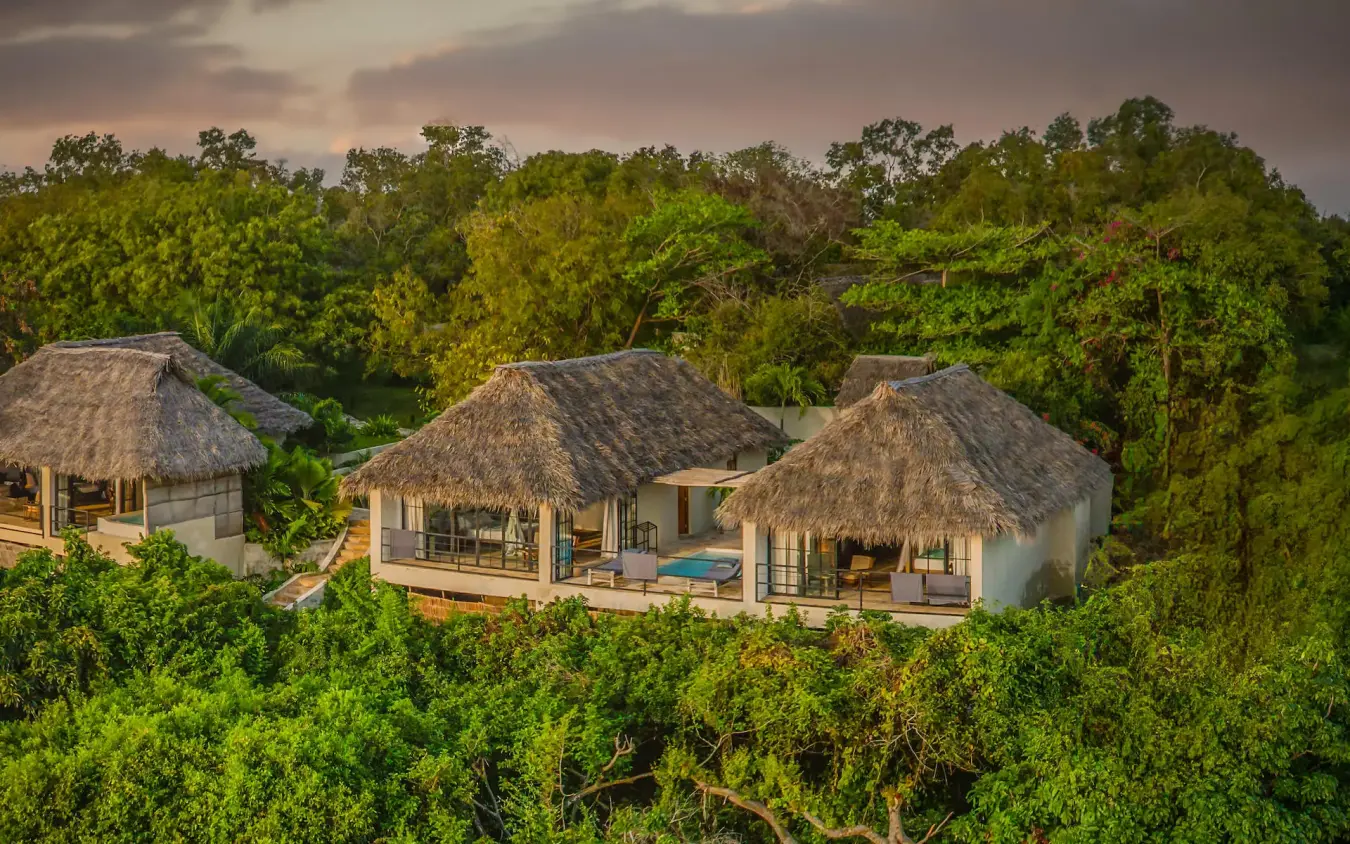
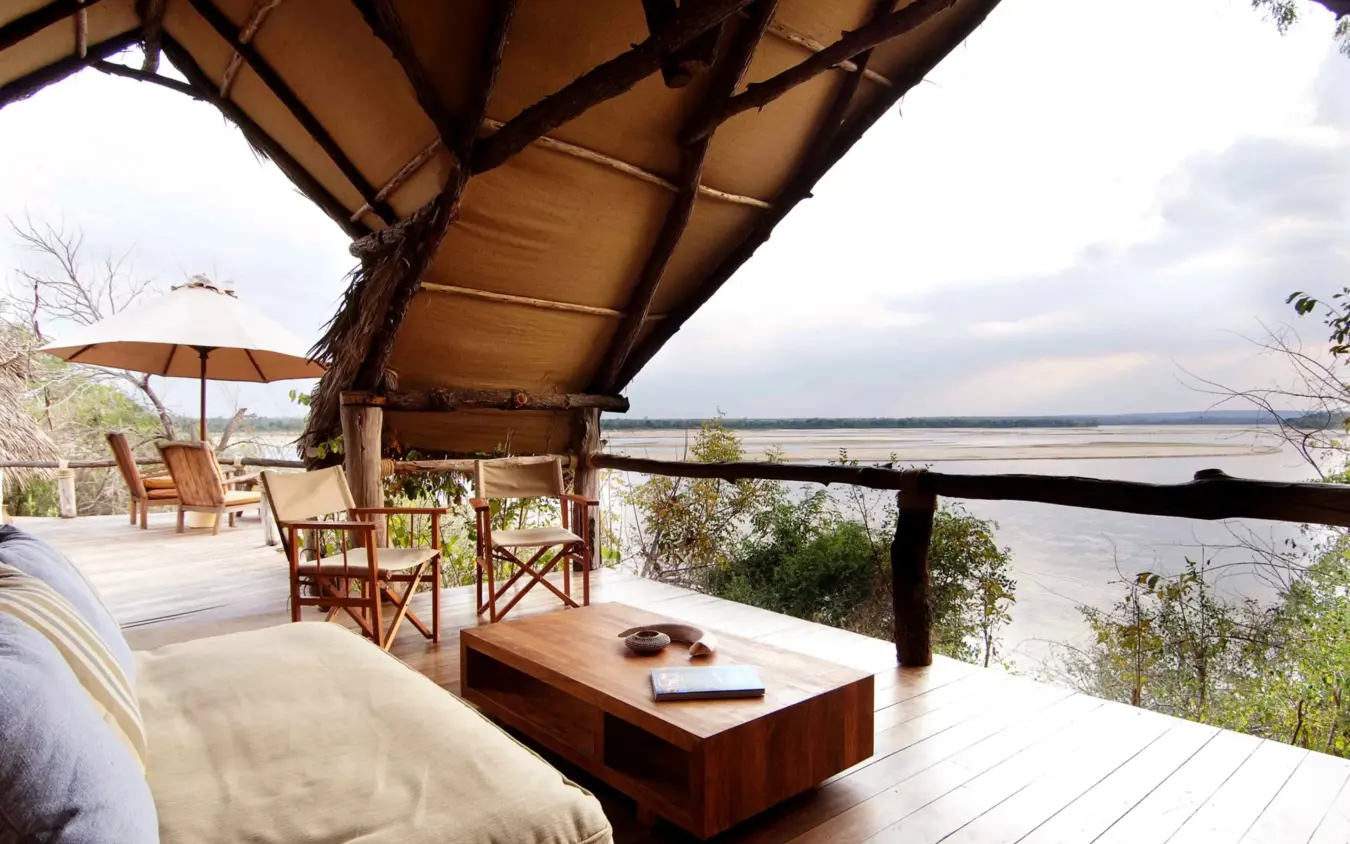
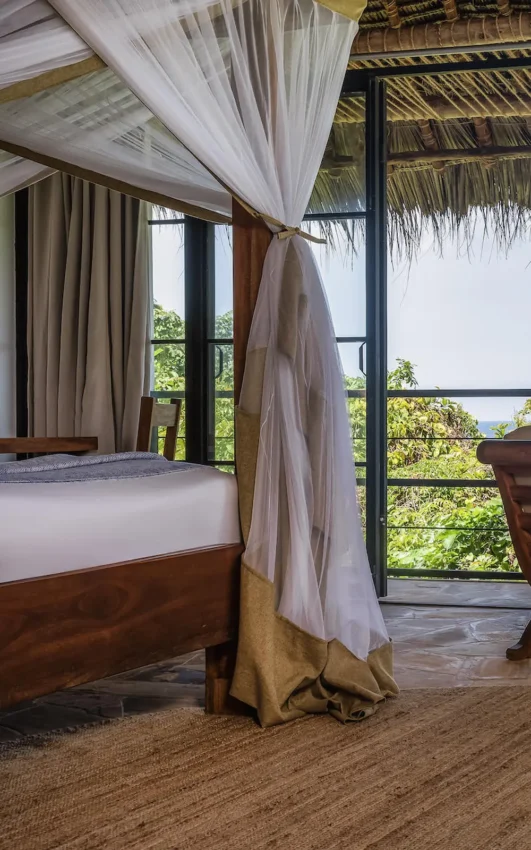
Onshore, six Seafront Villas have private decks facing the channel and open, airy interiors. The Garden Rooms and Villas are simpler, kept without heavy air-conditioning and set back among the trees, closer to the forest than to the water. Ngezi is primary coastal forest, and it shelters the endemic Pemba flying fox, a fruit bat, and the birdlife that gathers along its edge. Guided walks go into the reserve and out to the lighthouse on the northern peninsula. There are visits to nearby villages and a spice farm inland, and treatments at the Kipepeo Spa, set in the gardens.
A nightly contribution is added to every booking and goes directly to conservation and community projects on Pemba, something the resort states plainly on its booking page. The resort is small, around twenty rooms and villas on land, and its guides and staff come from the villages along this coast, which ties it to them more closely than any policy could. The Misali Island Conservation Area has been protected since 1998, set aside for its dense coral cover after a season of bleaching across the region.




 01