










tanzania
mobile camping and a private island
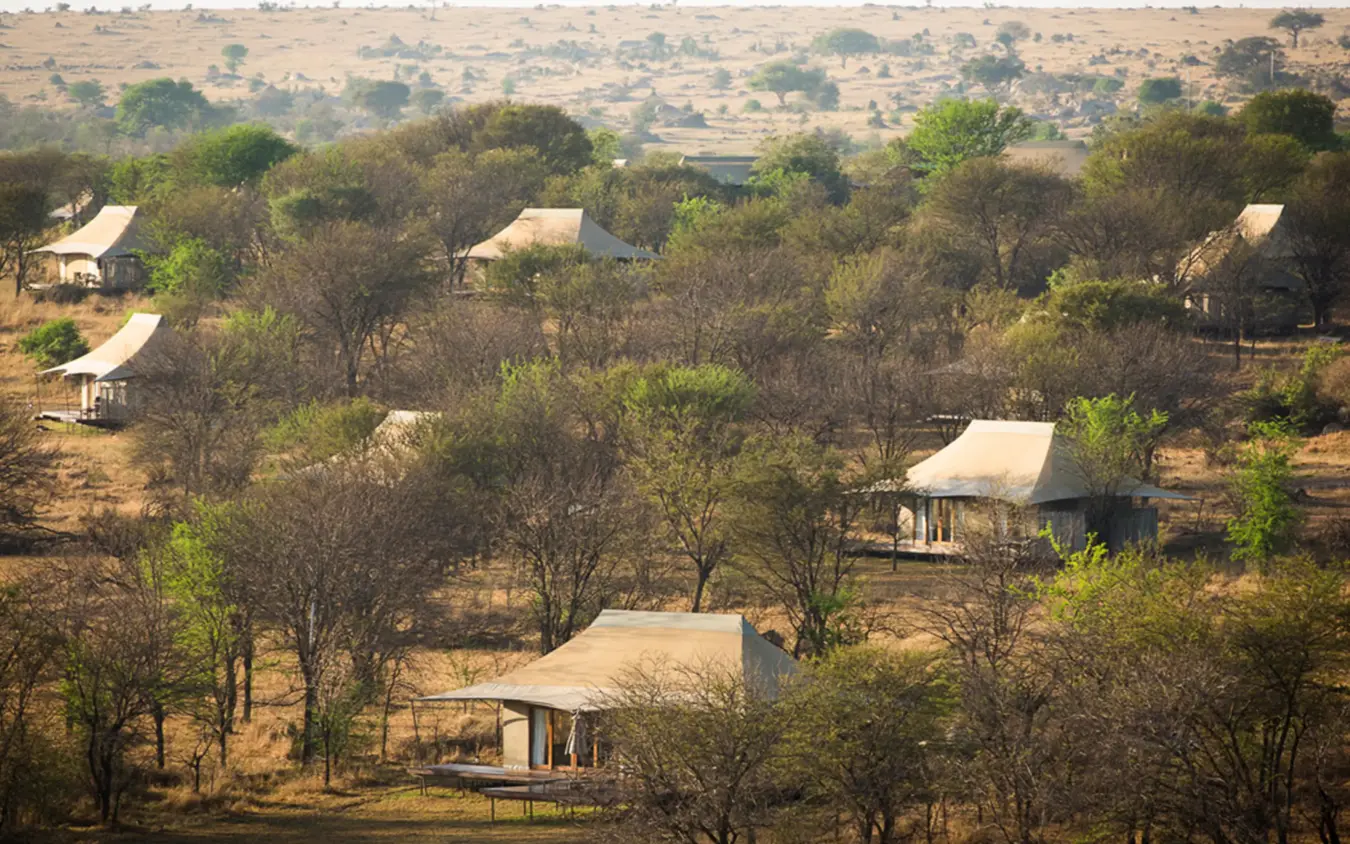
Ten nights linking the North Dolly estate, a private Tarangire concession, a mobile Serengeti camp and Mnemba's private island.
- Private Safari
- From $17,875 pp
- 6 guests
- 10 nights
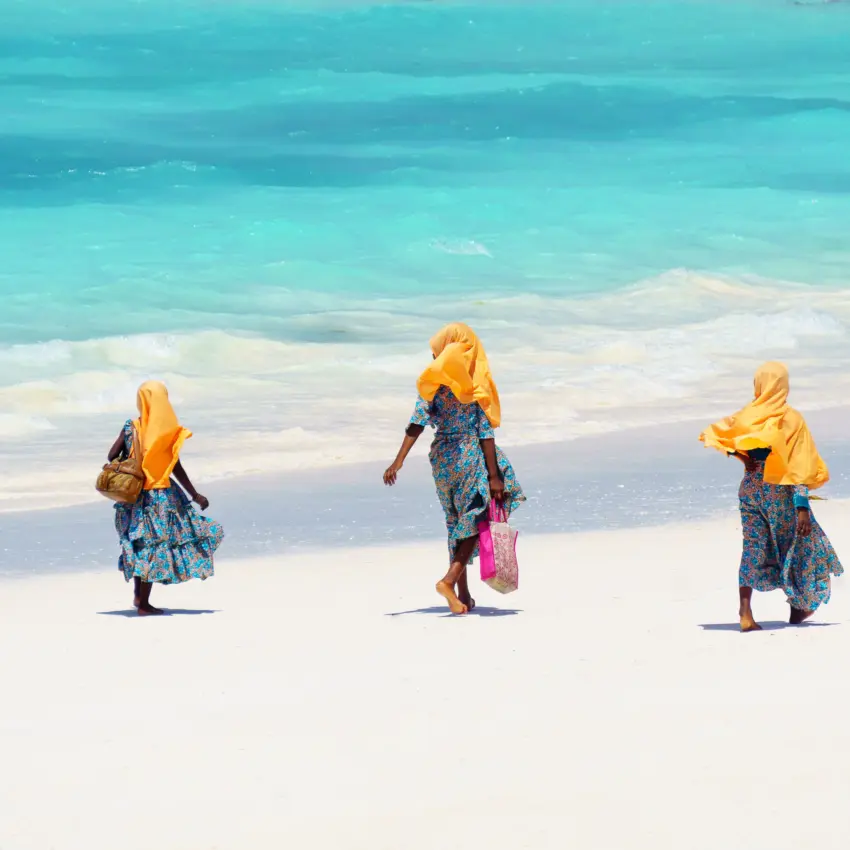
This trip links two sides of East Africa across 10 nights. It opens in Uganda’s Nkuringo sector, the quietest corner of the Bwindi Impenetrable Forest, where gorilla treks run steep through dense mountain forest. A single night in a leafy Entebbe suburb bridges the flights, then the coast takes over on the northern tip of Pemba Island in Tanzania, where the reef falls sheer into the channel.
You trek from Clouds Mountain Gorilla Lodge on Nteko Ridge, rest at No.5 Boutique Hotel near the airport, and close on the water at The Manta Resort, diving and walking the forest edge. Each stay is comfortable and settled, chosen for its role: a base beside the trailhead, a night to recover, and six nights of reef and shore.
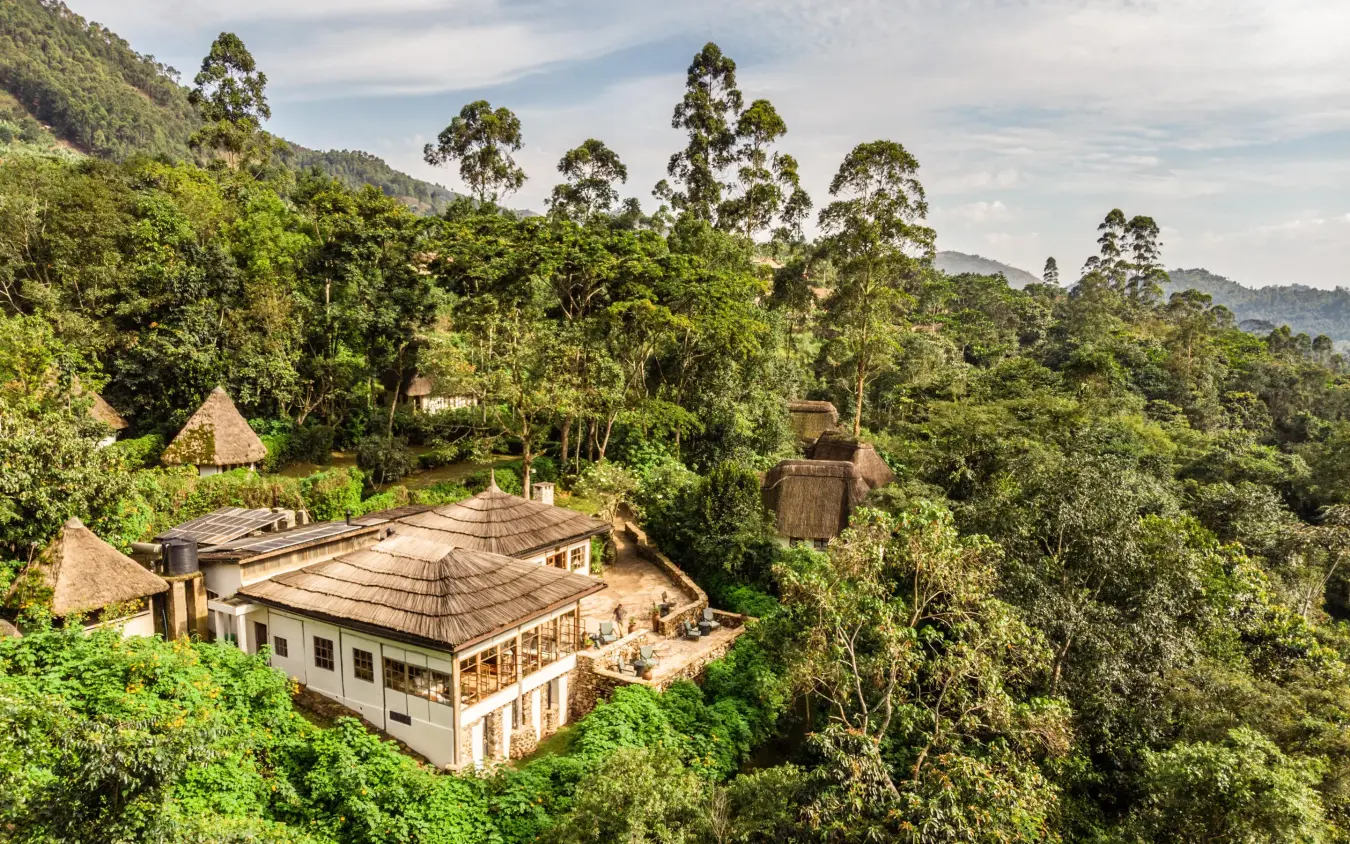
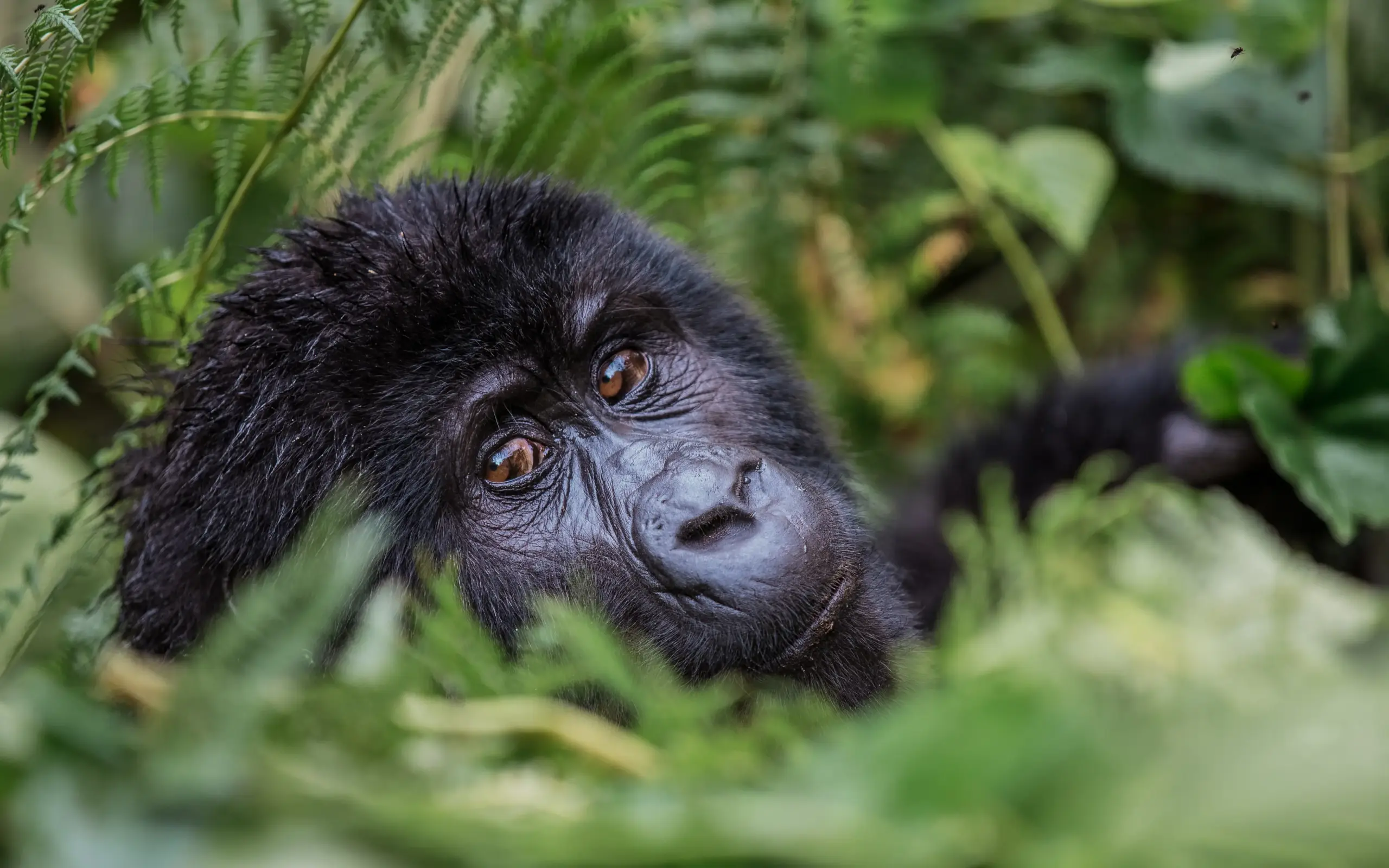
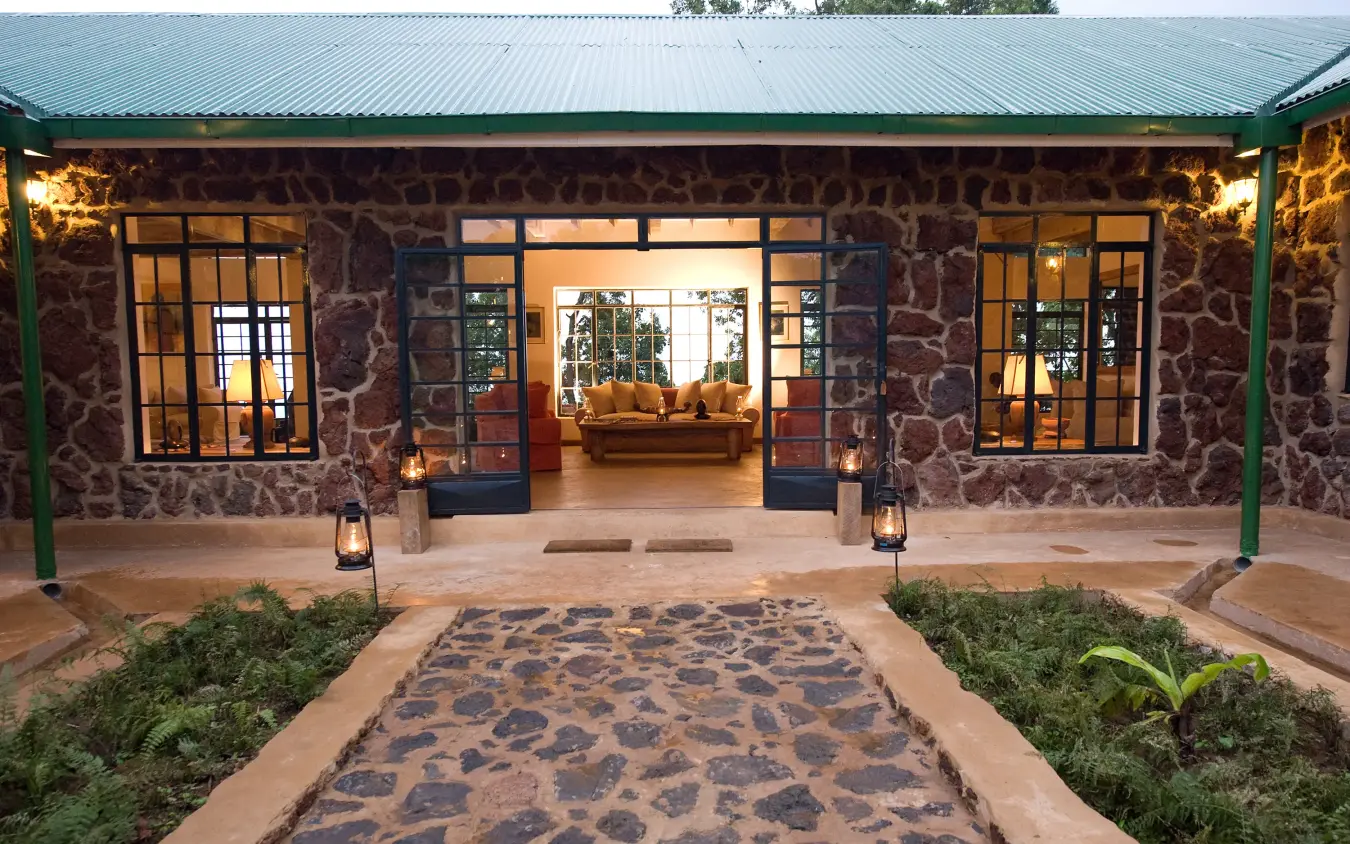
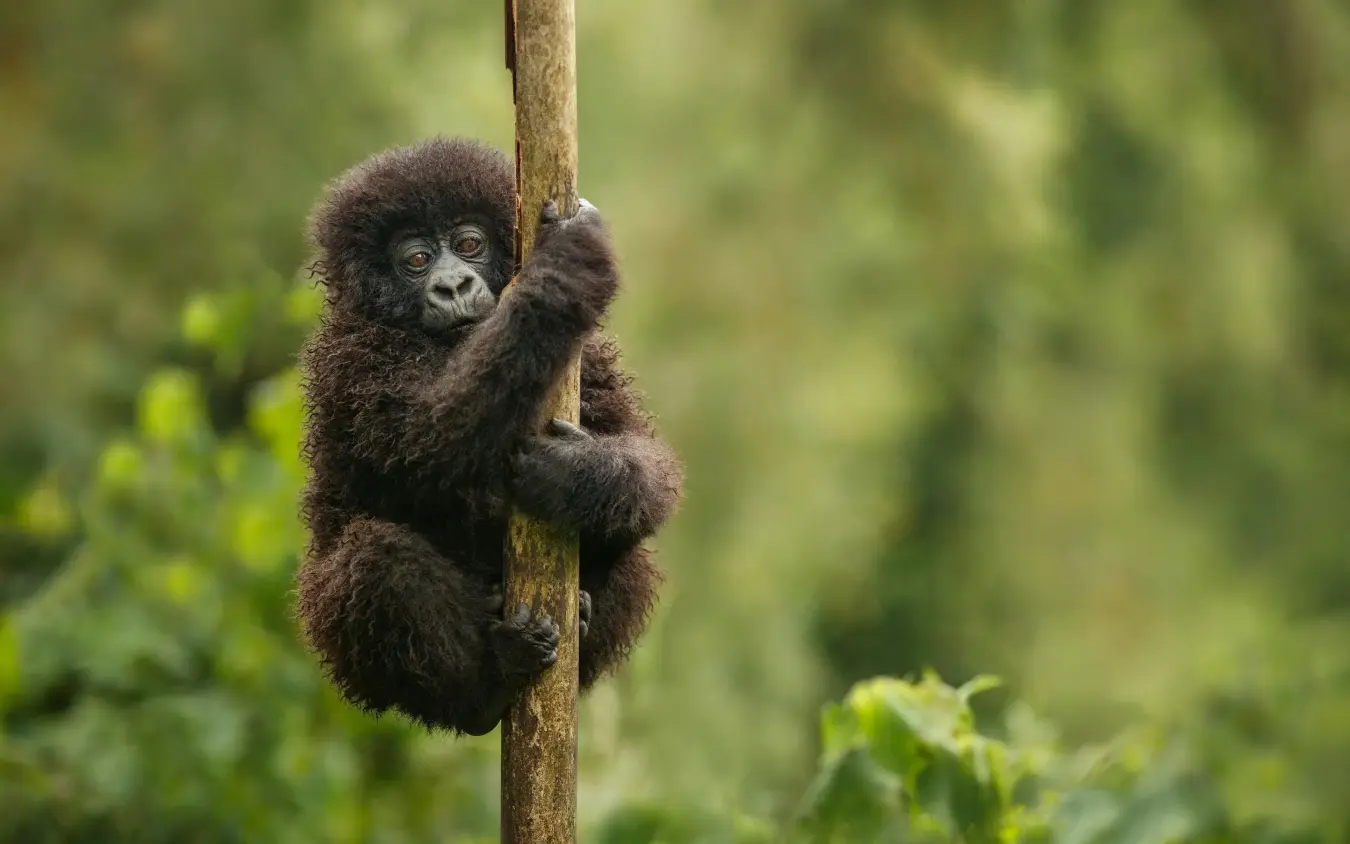
Days begin beside a lit fire with the forest spread below, then set out from the Nkuringo trailhead, a short walk from the door, to track the sector's gorillas. This is the quietest corner of Bwindi, with fewer lodges and less traffic, though its treks are among the steepest here, long ascents and descents through dense forest at altitude. You come back off the mountain to hot towels and a foot massage. Clouds Mountain Gorilla Lodge holds volcanic-stone cottages on Nteko Ridge at roughly 2,000 metres, looking north across the canopy and south to the Virunga volcanoes.
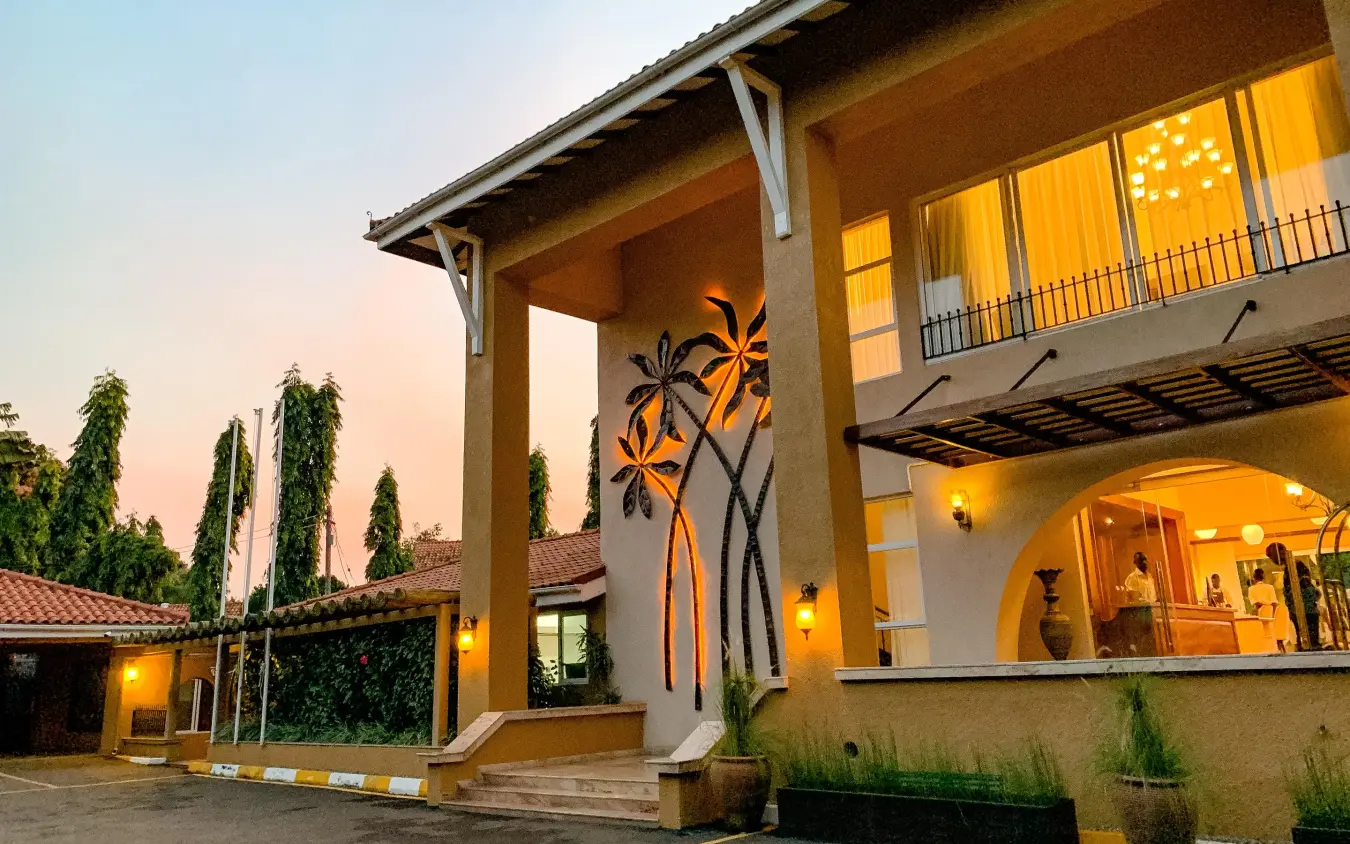
After the mountains, a night in a leafy, quiet suburb of Entebbe, ten minutes by road from the airport and close to the shores of Lake Victoria. This is a night to rest, eat well and sleep before the next leg, with meals running through the day in an airy dining room or on a balcony above the pool. No.5 Boutique Hotel gathers fifteen rooms around a central courtyard planted with palms, and arrivals are met with a cold juice.
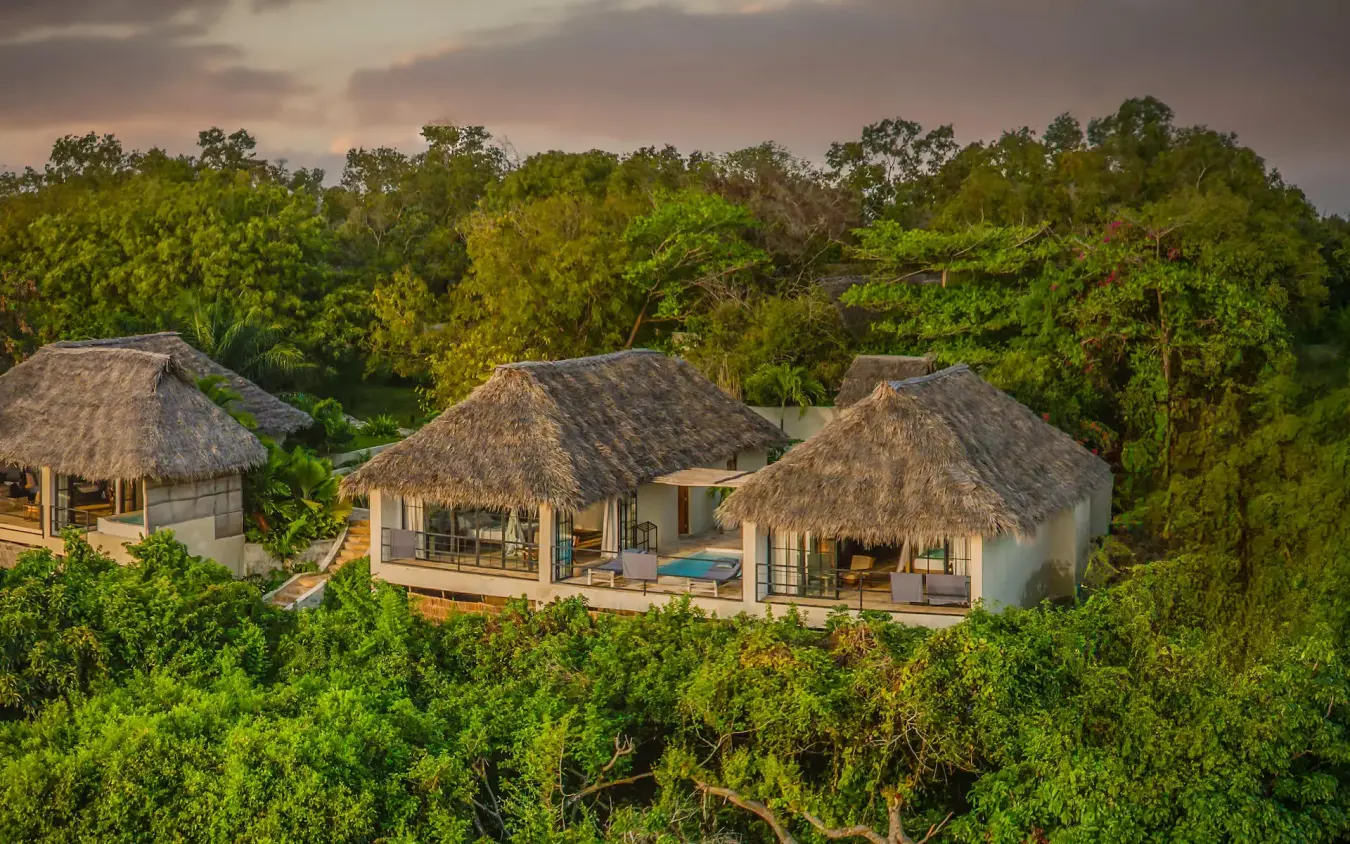
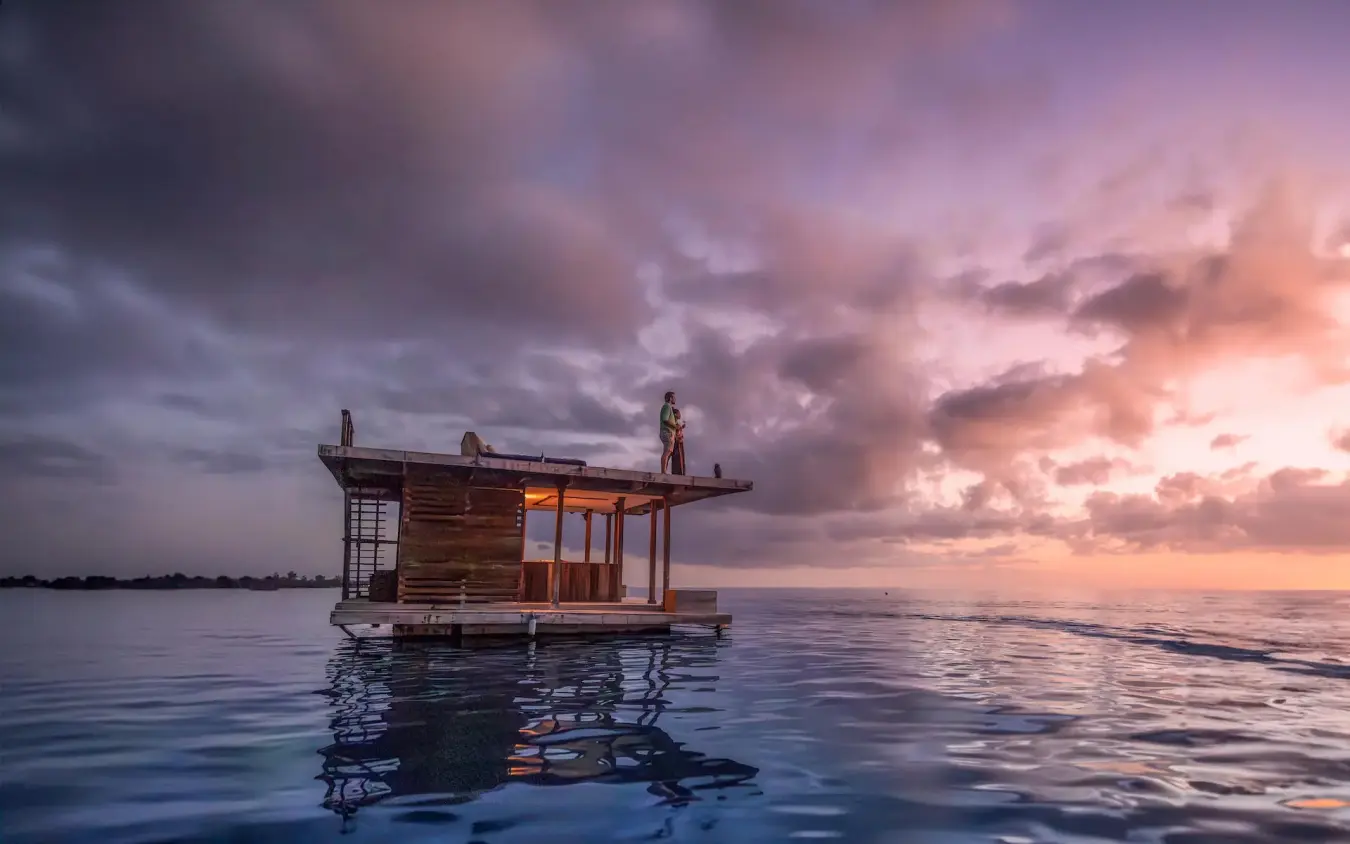
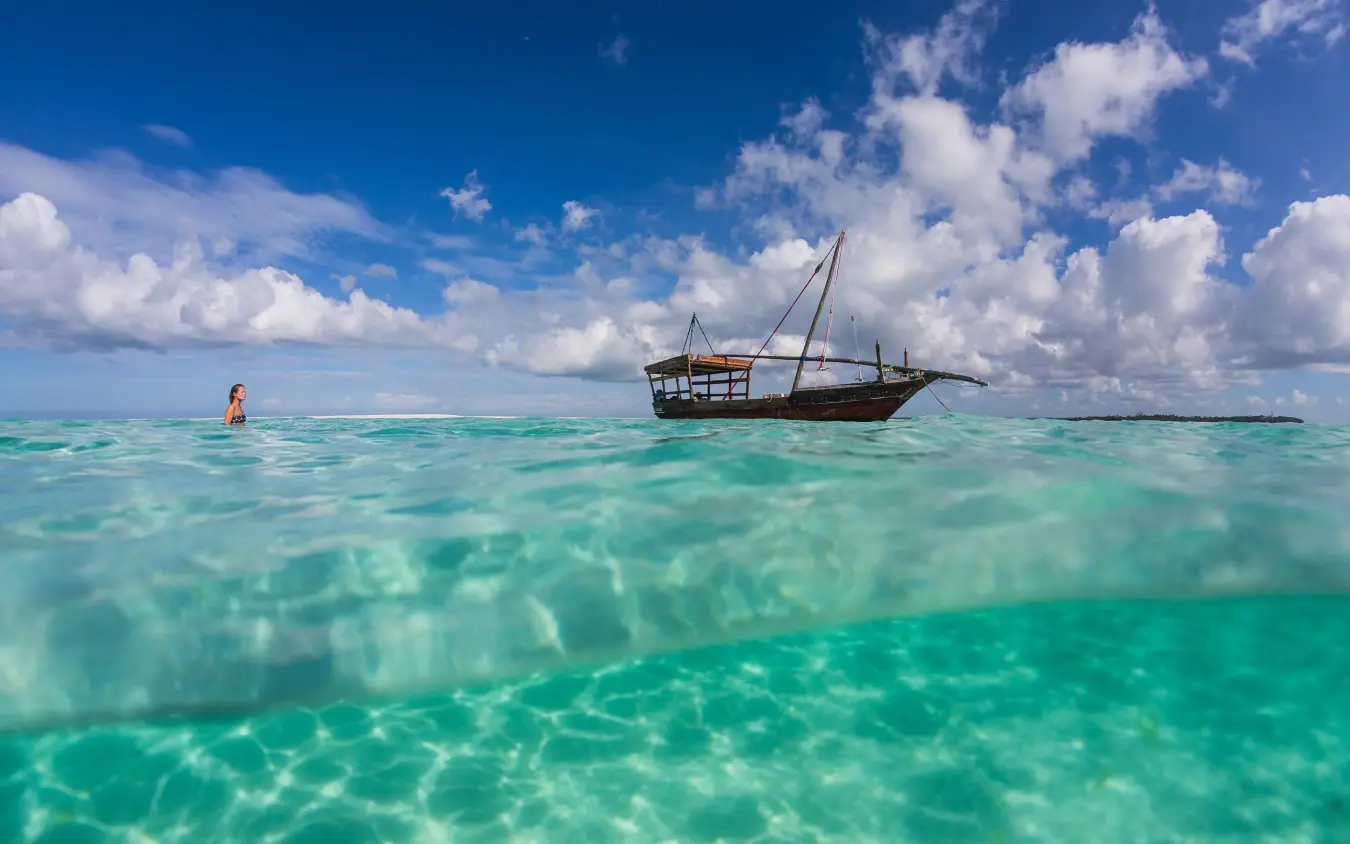
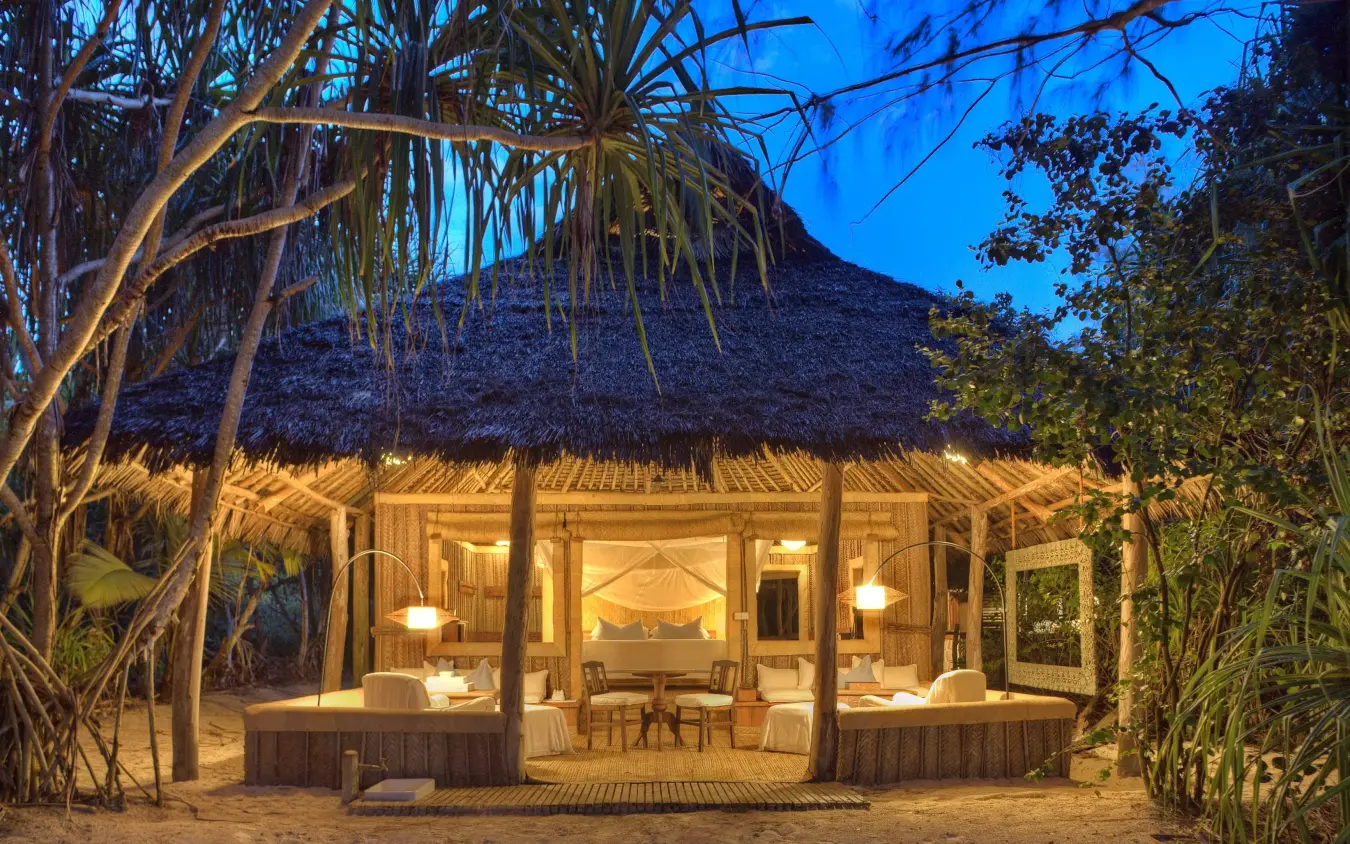
Six nights on the northern tip of Pemba Island, reached by a flight to the island and then a road transfer through clove plantations and villages, skirting the Ngezi Forest Reserve. The reef falls sheer into the Pemba Channel, and the PADI centre works both ends of the range, easy house-reef dives and deeper, current-driven sites past turtles, eagle rays, reef sharks and schooling barracuda. Guided walks into Ngezi, a stronghold of the endemic Pemba flying fox, and visits to nearby villages fill the hours between dives. The Manta Resort keeps to one stretch of beach under makuti thatch, its best-known room floating offshore, a glass-walled bedroom roughly four metres down.
Likely to succeed, hard on the legs.
We rate Nkuringo the most demanding place in Bwindi to trek, and the reason is the shape of the ground: the trailhead sits on the Nteko ridge at roughly 2,000 metres and the gorillas are in the forest below, so the day opens with a long descent and ends with the climb back up it, when you have least left.
The family's home range tends to keep the trek within about two hours, though that is a tendency and not a rule.
The odds themselves are good. No authority publishes a rate, and we put it at better than 95 per cent, which holds up because each family is found at dawn in the nests it slept in and watched until visitors arrive.
Eight visitors a day, one hour, minimum age 15. Take a porter.
Because the connections will not meet in one day.
From the ridge you drive down to Kisoro and fly from there to Entebbe, a little over an hour direct and nearer three when the aircraft works its way round other airstrips. The hop from Zanzibar across to Pemba is a morning service, and that is what the middle night is for.
Uganda's national carrier reaches Zanzibar every day, the crossing on to Pemba's airport at Chake Chake takes around 35 minutes, and it is then an hour and a half by road up the island to the northern tip.
The small aircraft hold you to 15 or 20 kilograms each, soft bags, cabin bag counted inside that, so pack to the bush flight rather than the long-haul one.
A private charter is the alternative to the scheduled seats, usually a Cessna Caravan, which is worth pricing for a party travelling together or a tight connection.
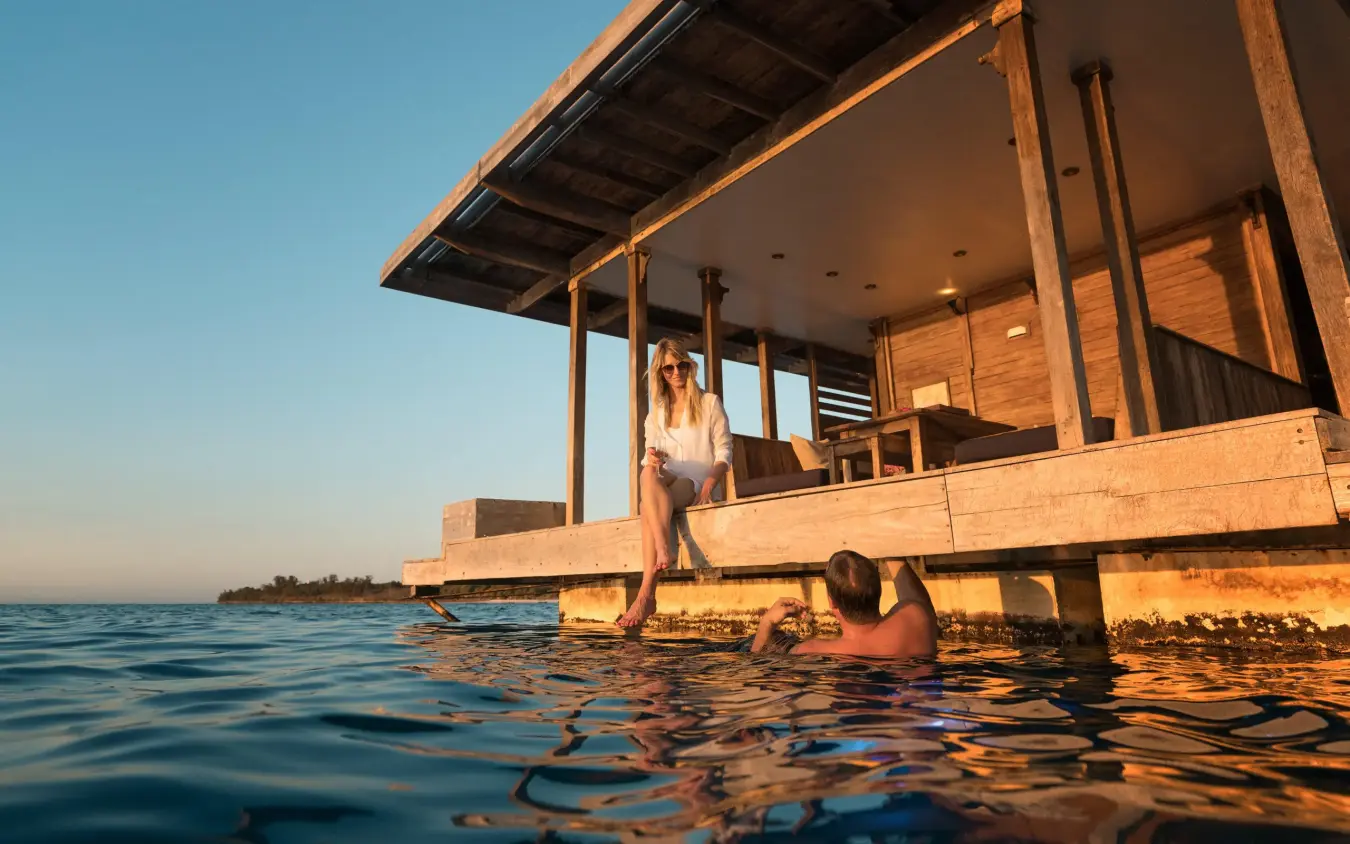
It is a floating structure moored 250 metres offshore, with a bedroom fully submerged four metres down and glass on every side, a lounging deck on the roof and a bathroom above the water.
Meals come out by boat and the main resort is on call around the clock. The thing to understand is that it is one room and not a hotel: you are out there on your own, the reef life drifts past the glass, and the light and the tide set the mood of the evening.
Most people take it for a night or two inside a longer beach stay, which is how we would plan it, keeping a room on shore for the rest.
The resort does not publish how many nights it can be held for, so we confirm that when we book it. Ask early.
More than the island's reputation suggests.
Guided walks go into the Ngezi Forest Reserve at the northern end, 1,440 hectares of mostly primary forest and the stronghold of the Pemba flying fox, a fruit bat found on no other island, which was listed as critically endangered in 1996 and has recovered far enough to be rated vulnerable.
Nearer the water there are sandbank trips, sunset sailing in a traditional ngalawa outrigger, fishing, and excursions inland through the clove plantations that give the archipelago its spice island name.
Snorkelling works straight off the house reef, where the sand starts at five metres, so a non-diver is not left on the beach. Six nights carries all of that without hurry, with days spare for doing nothing at all.
June to September is the window that suits both ends.
Every one of our own pages for this route carries a recommended rating for those months: a firm forest floor on the Nkuringo ridge, and the calm, clear water of the cool monsoon on Pemba, with the channel walls at their clearest late in that stretch. October still works at the coast.
February stands out in the hot half of the year, settled enough in Bwindi and the best of that stretch in the islands.
April and May are the two to plan around, when the long rains turn the descent off the ridge into a slog and rough seas cut visibility under water. March and November are wet in the forest and unsettled at sea.
Those quieter months do come with easier permits, greener forest and softer light for photographing dark fur.
Most of it moves, and the permit is the one genuinely fixed part.
Eight are issued for each habituated gorilla family each day, each one is dated, and Nkuringo is a small sector, so we buy that morning first and build the calendar around it.
Everything else is loose. Ten nights is short for two countries, so the change we suggest most often is a fourth night on the ridge, which leaves room for a second permit and a day that is not spent walking. The beach can stretch or shorten freely, and the main Zanzibar island is an easier substitute if the diving is not the point.
What we would keep is the Entebbe night, because the flight across to Pemba goes in the morning and that night is what makes the connection work.
Ed Charles, BBC Producer
Fitzroy are true specialists in accessing the wilderness. They know where to go and importantly, when to go there. Highly recommended.
tanzania
Ten nights linking the North Dolly estate, a private Tarangire concession, a mobile Serengeti camp and Mnemba's private island.

tanzania
Ten nights across Tanzania, from a predator-free estate near Arusha to the Serengeti migration and Zanzibar's reef coast.

tanzania & uganda
Uganda's gorillas, the northern Serengeti crossings and eight nights diving Pemba, across 17 nights and five stays.
rated five stars by our clients

our approach
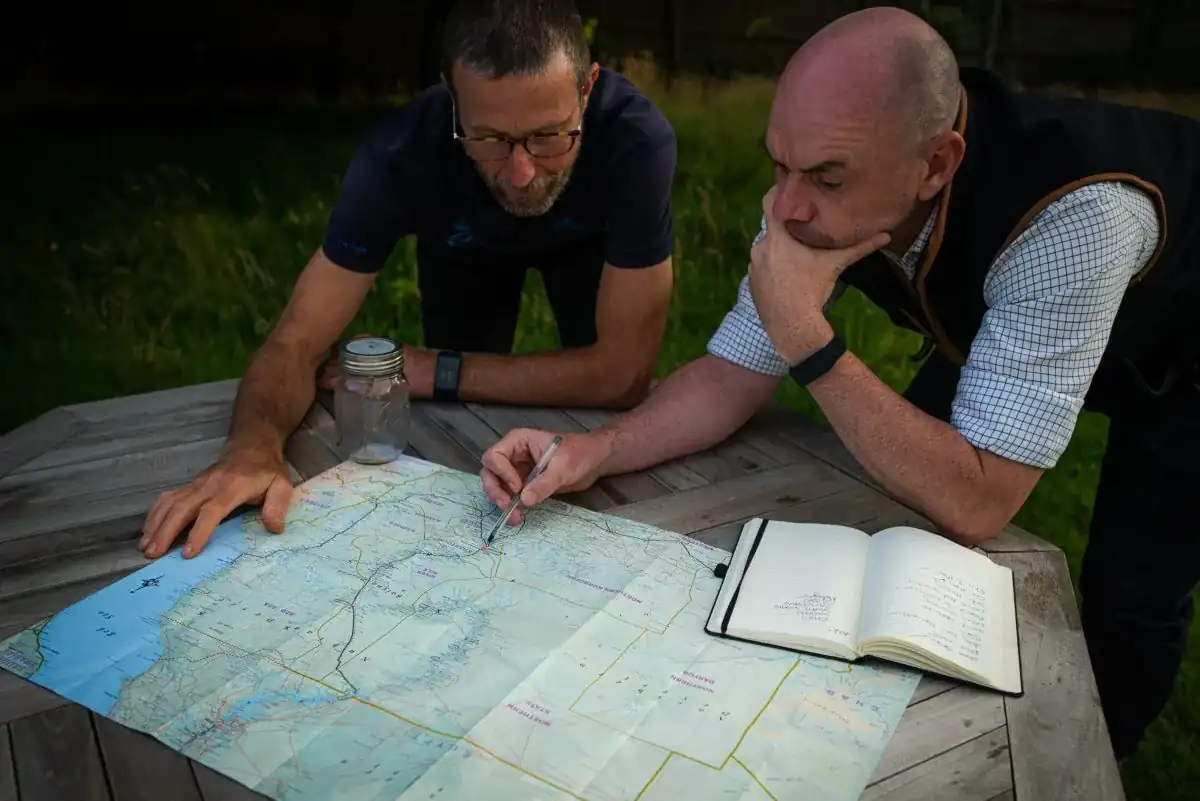
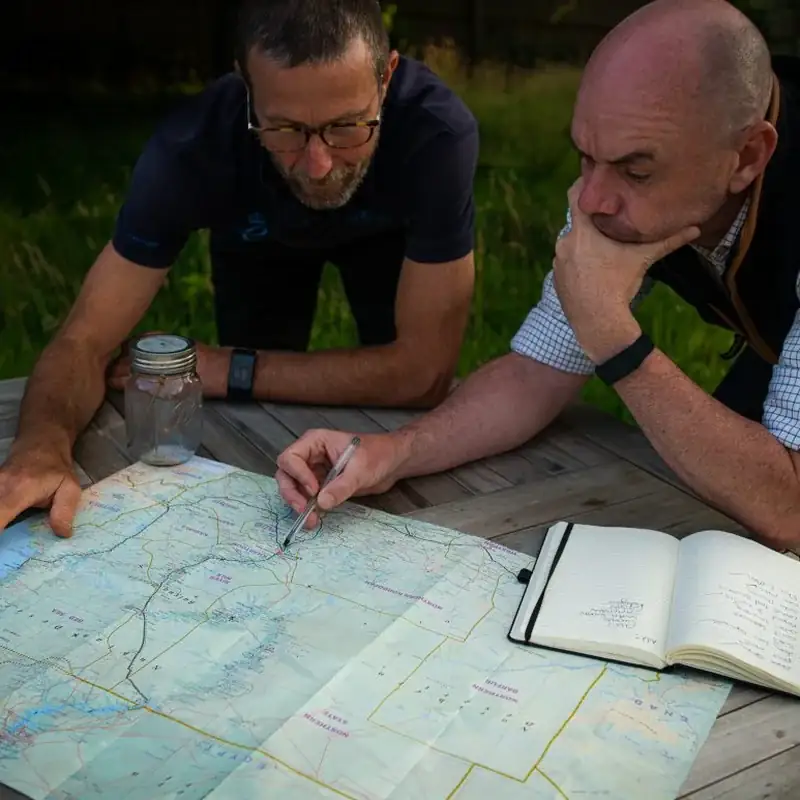
Every journey starts with a conversation. We take the time to understand your vision before we start planning.
Whether by phone or in person, we work with you directly to shape something that is considered, personal, and expertly delivered.
Every journey starts with a conversation. We favour a direct, personal approach: understanding your vision before anything else.
Whether by phone or in person, we work with you directly to shape a journey that is both thoughtfully considered and expertly delivered.
Get in touch to start planning yours.