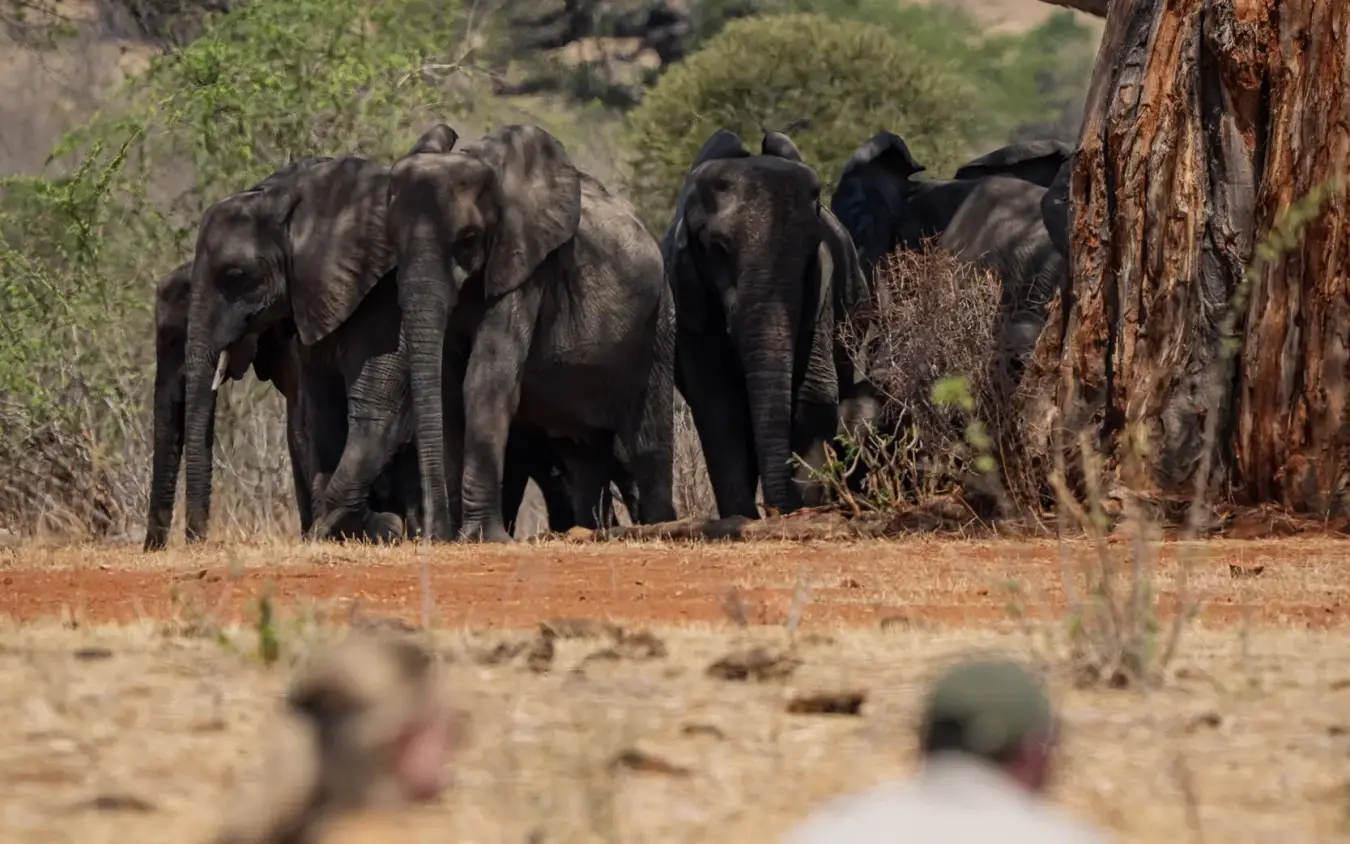
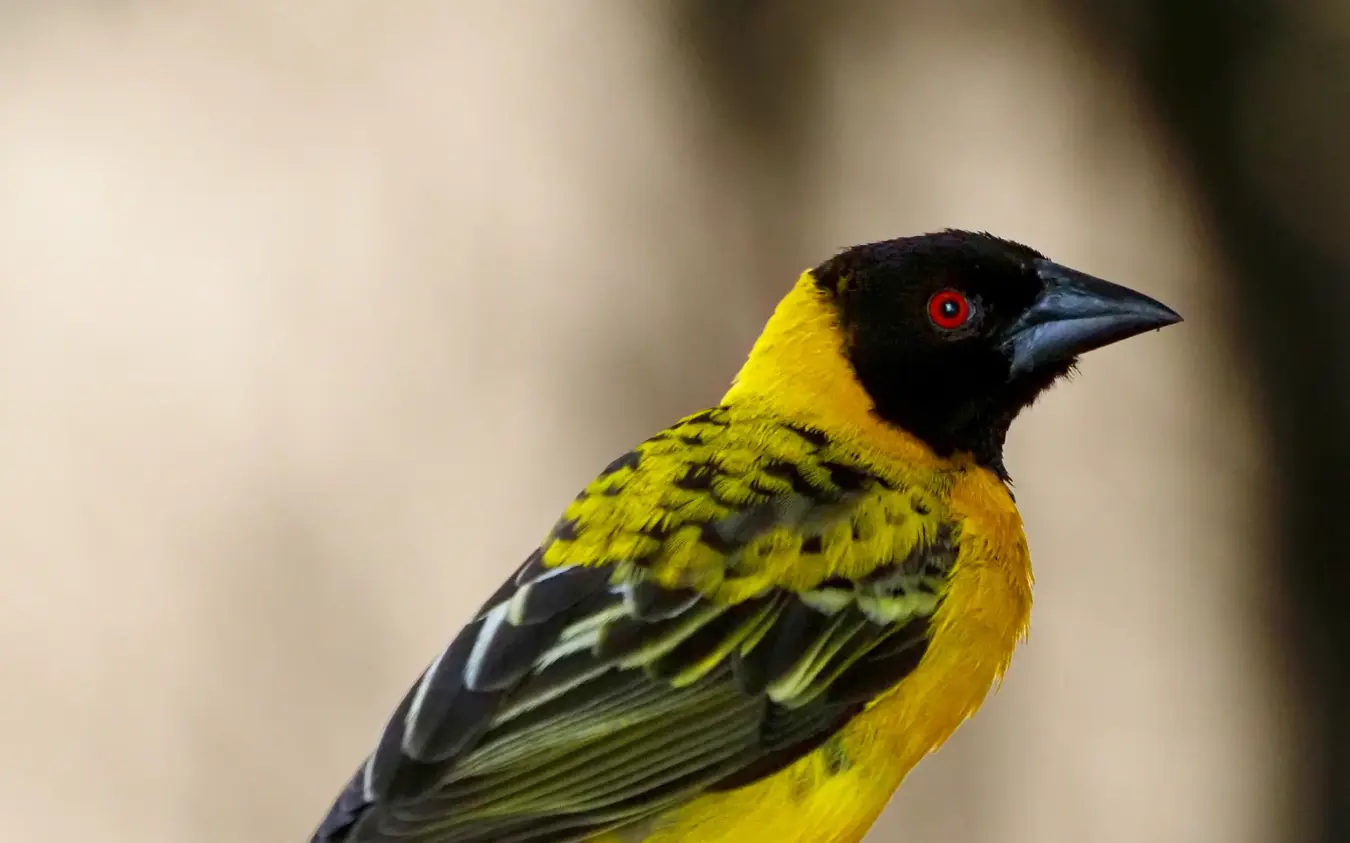
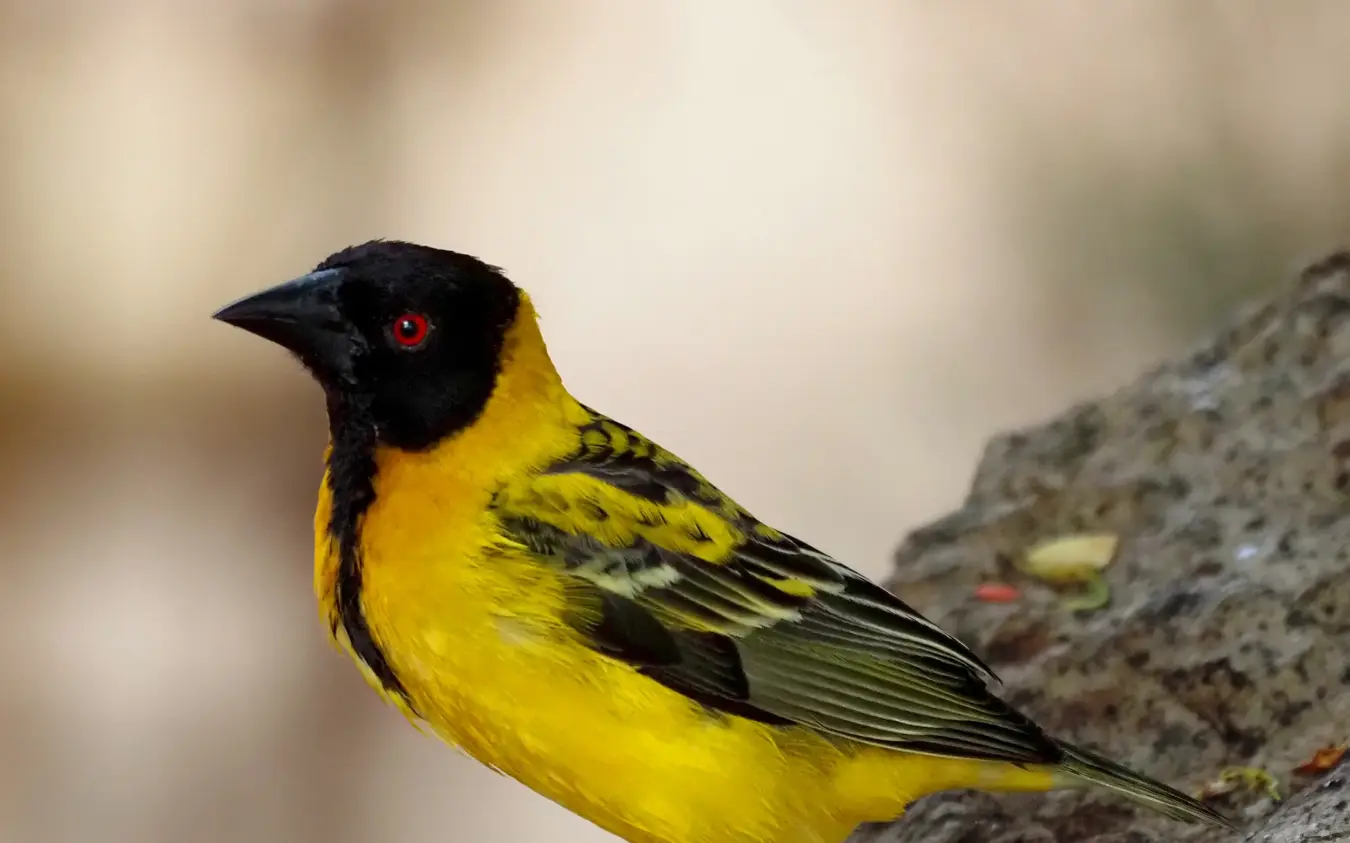
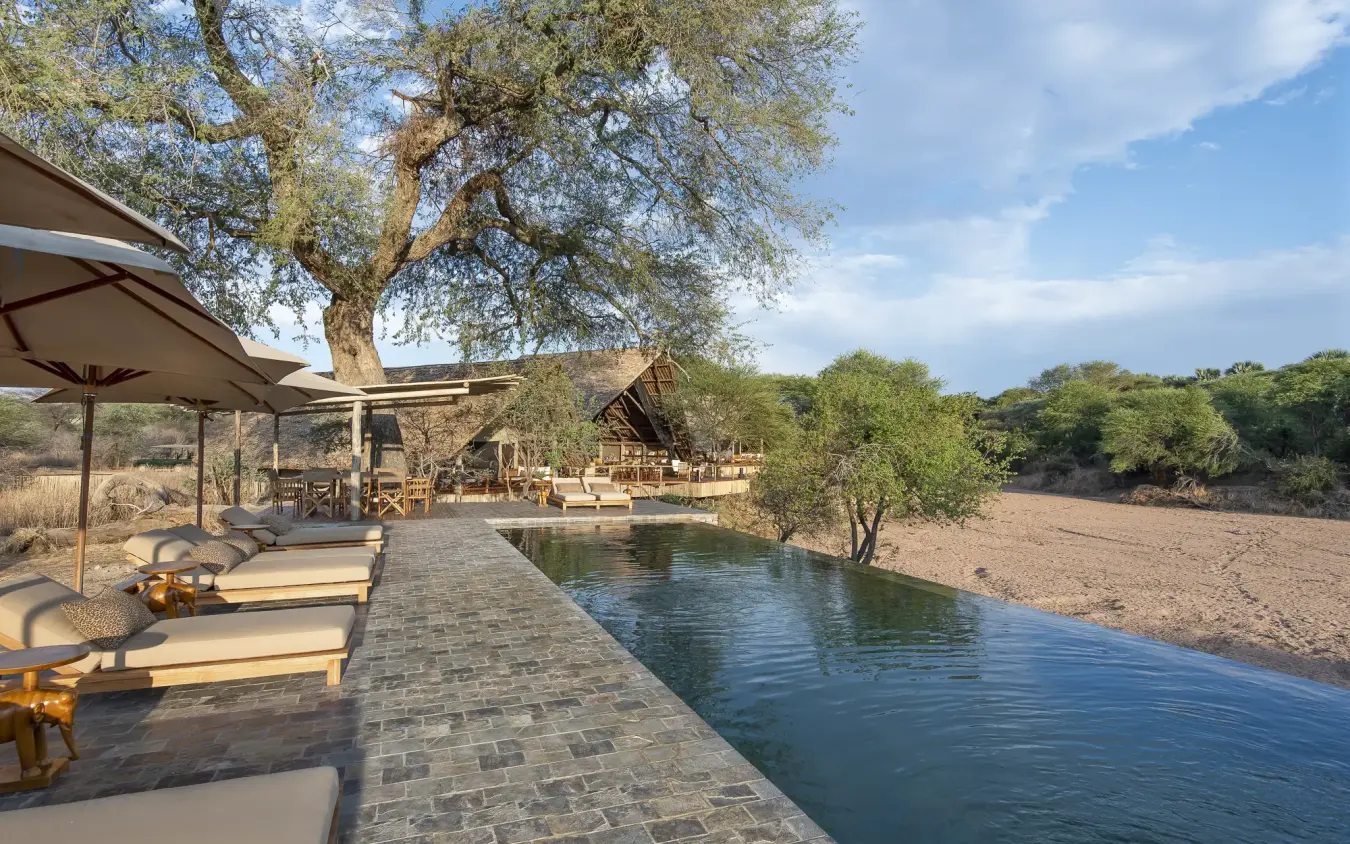
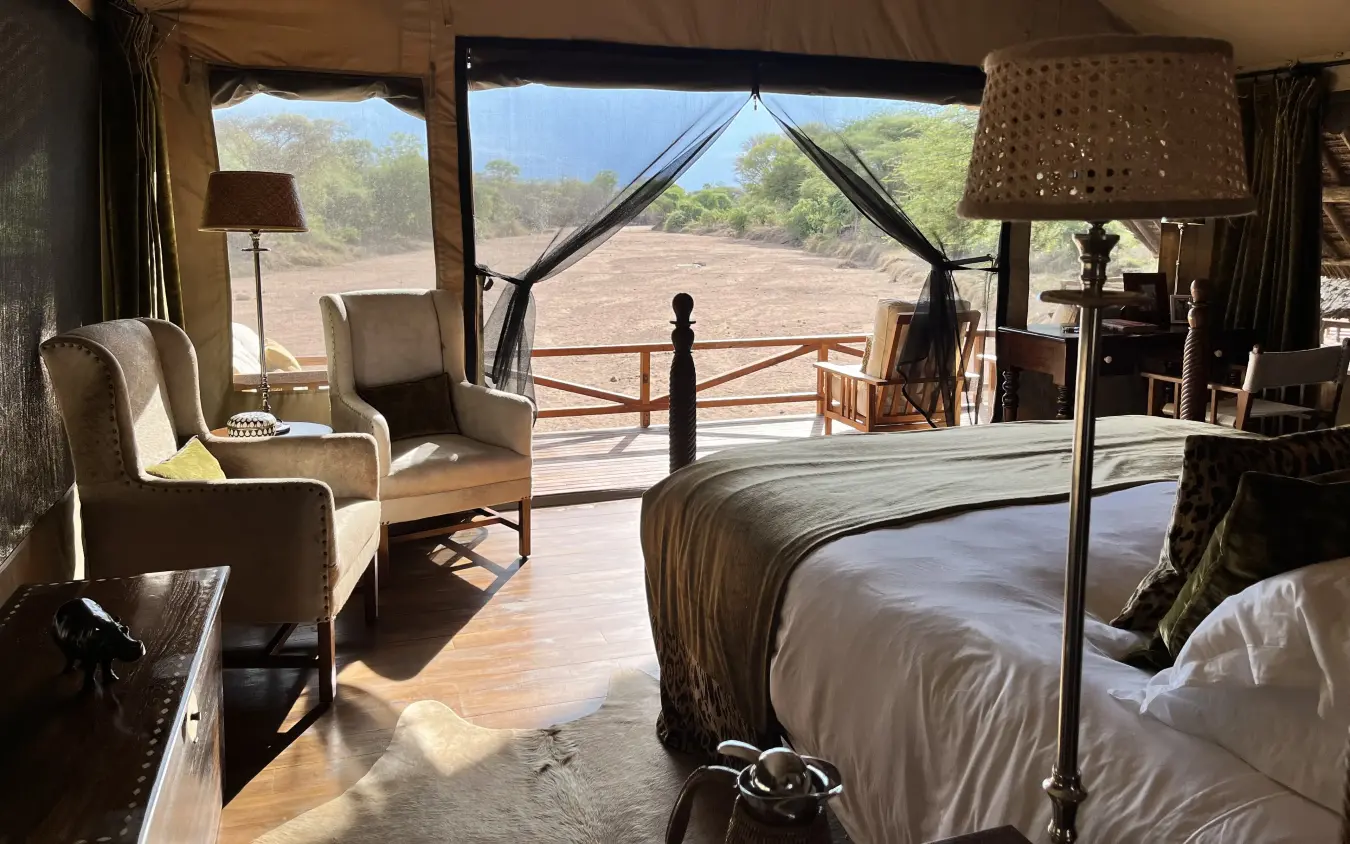
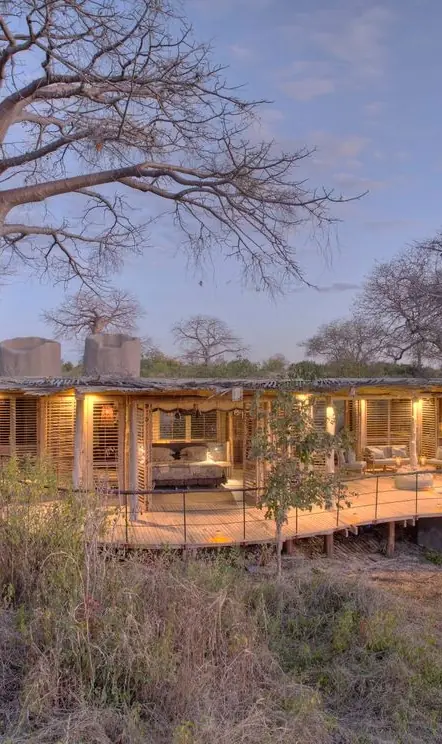
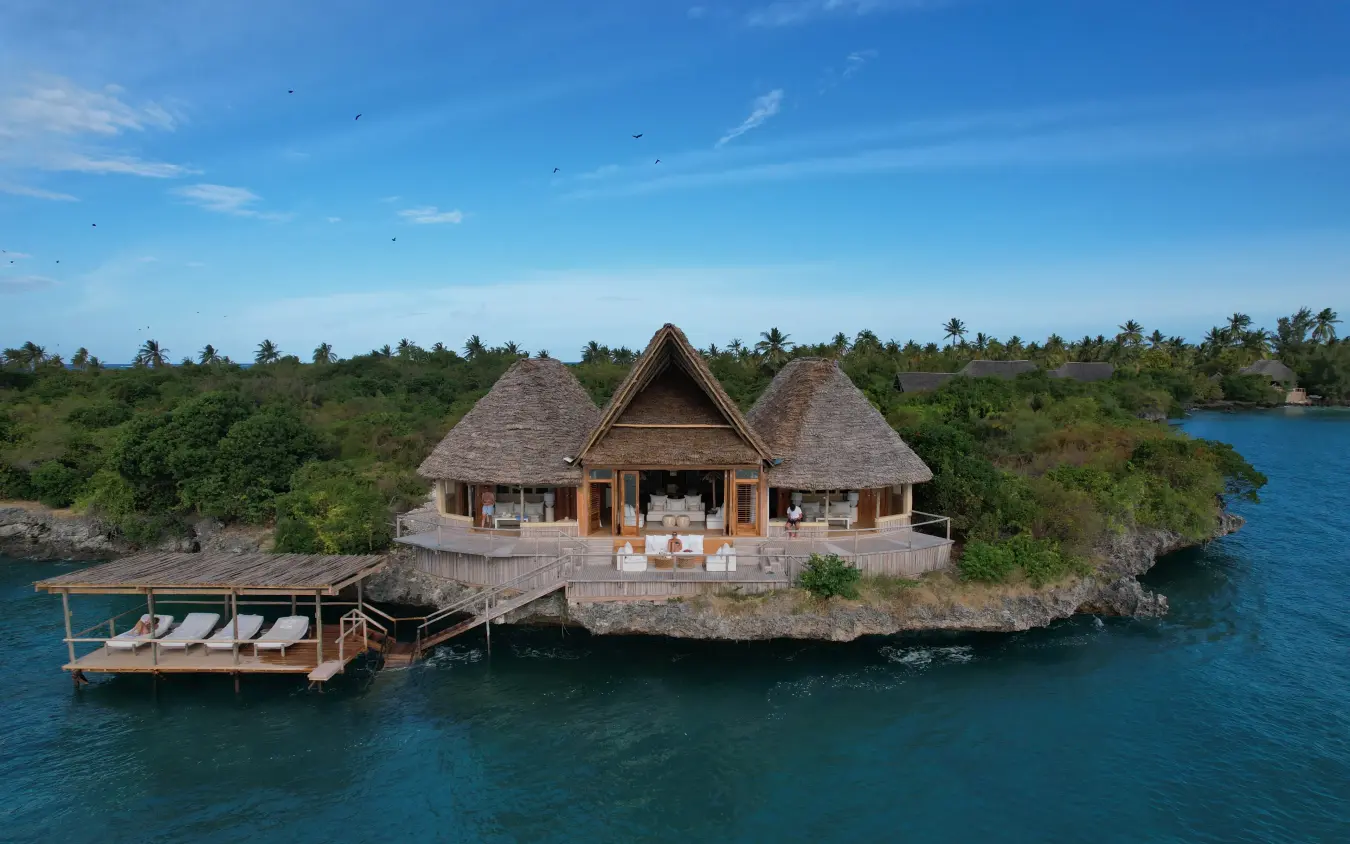
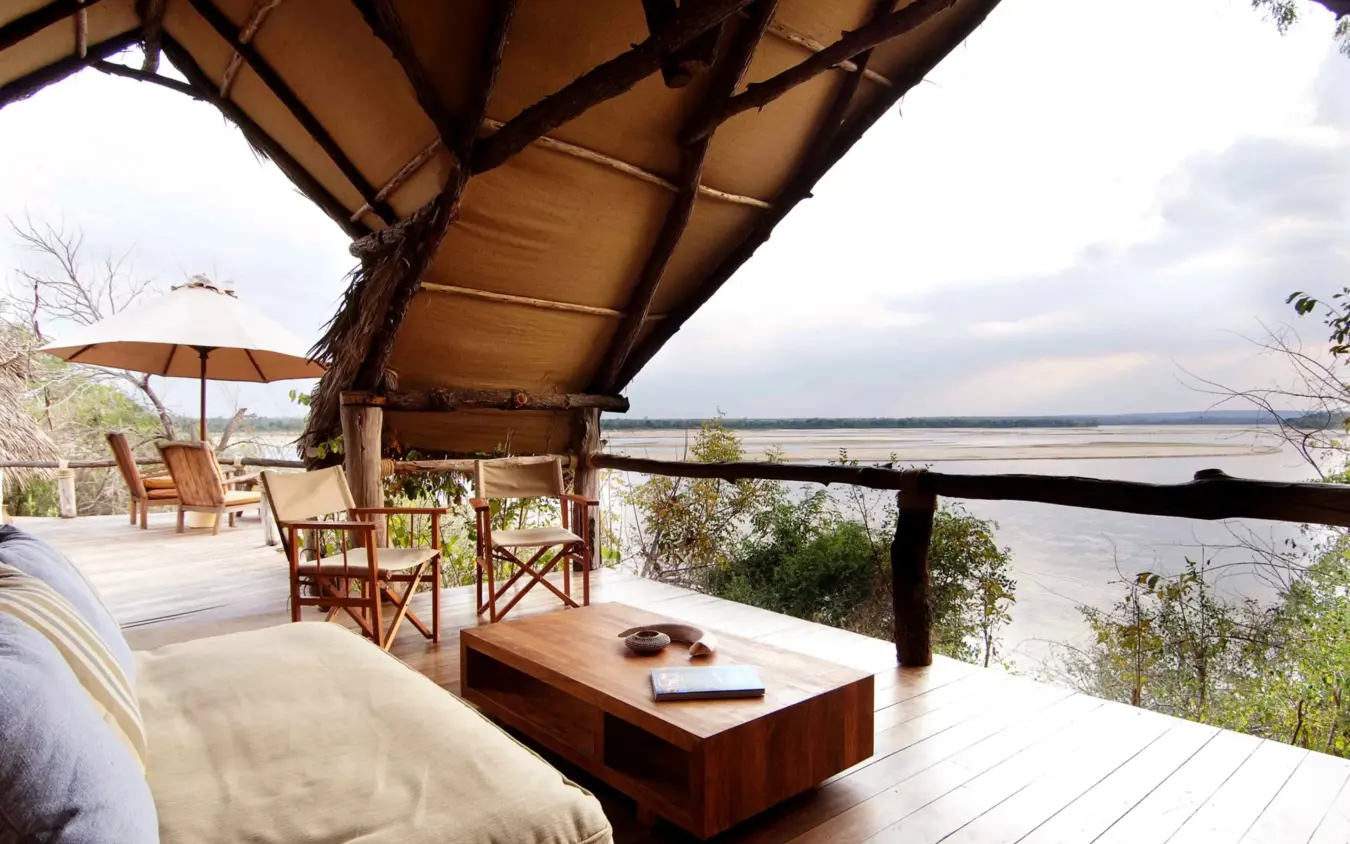
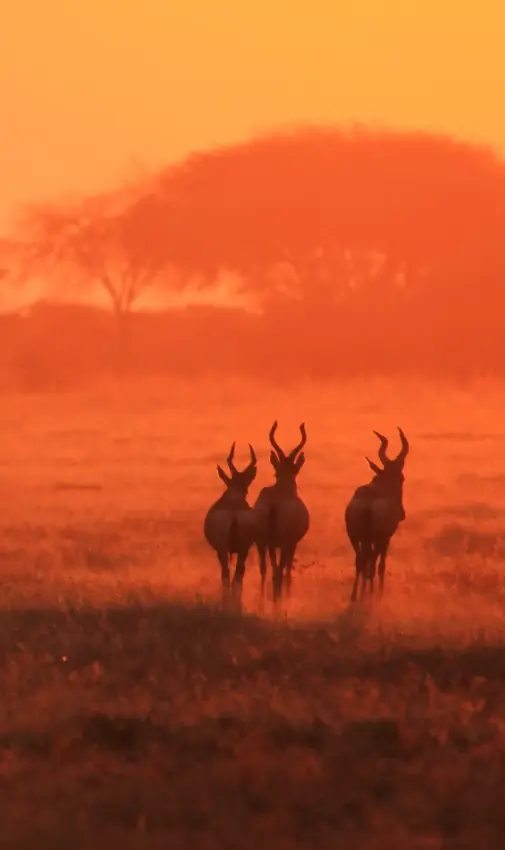
A canopy of riverine trees shades the villa on a bend of the riverbed, and downstream the Jongomero connects with the Great Ruaha River. A private infinity lap pool lies above the riverbed, with shaded loungers and daybeds looking out over the open sand. Baboons, impala, kudu and waterbuck pass through by day. Hyenas whoop after dark and the baboons give their alarm calls from the trees at first light. More than 500 bird species have been recorded in the park, the Ruaha red-billed hornbill among them.
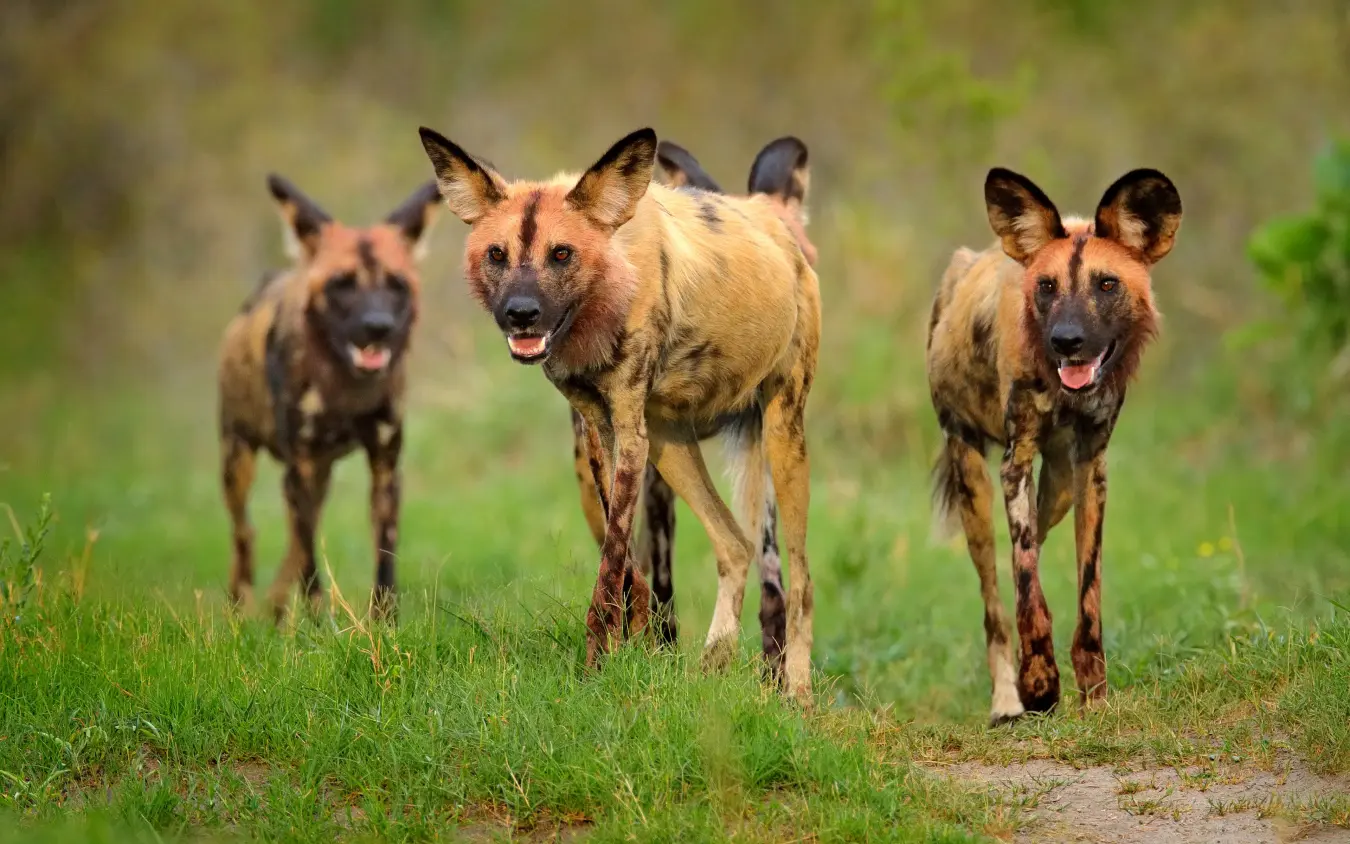
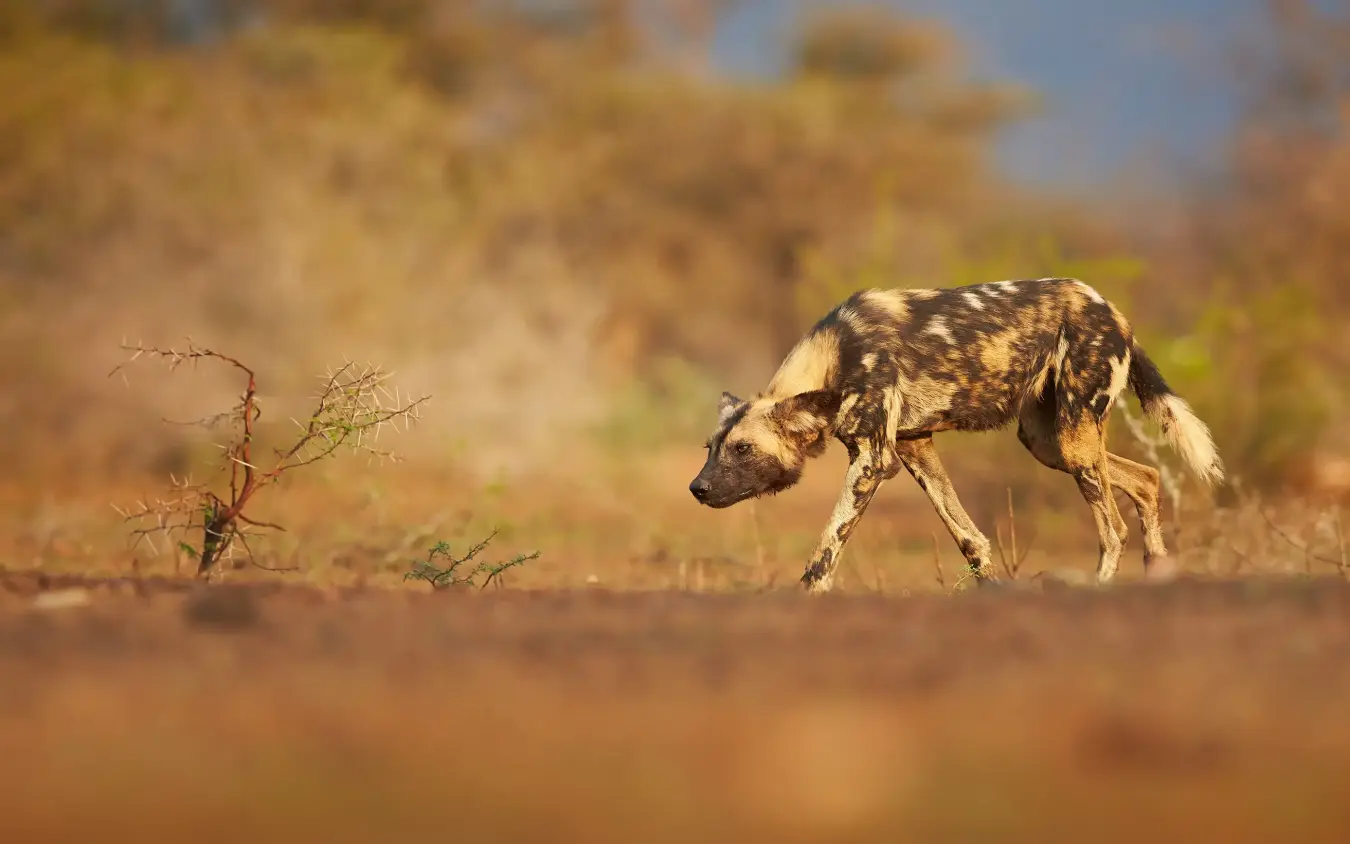
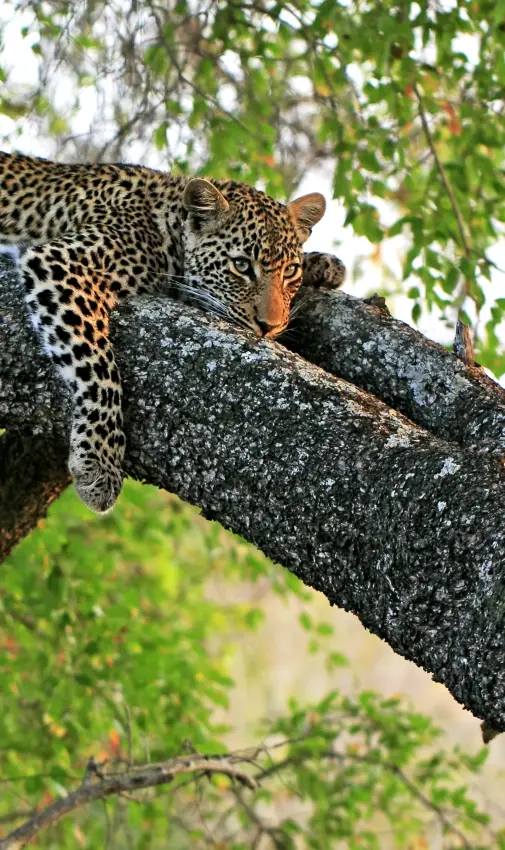
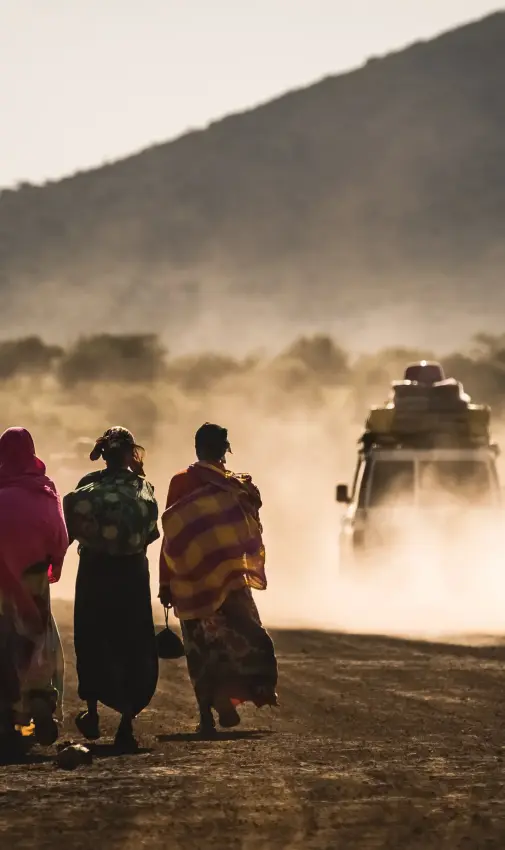
Walking safaris run between mid-July and mid-December. Fly-camping, offered from mid-July to mid-November, takes the walking further. It begins with a hike to a remote site and ends with a dome tent or a bed under the open sky, and supper cooked over the fire. Both are limited to guests aged 16 and over. On the drives, guides sometimes burn a little dry elephant dung in a tin off the back of the 4×4, a local trick that throws a pleasant smoke and keeps tsetse flies at bay. Leopards, cheetahs and spotted hyenas are regularly seen, and wild dogs now and then.
Hyenas whoop after dark and the baboons give their alarm calls from the trees at first light.
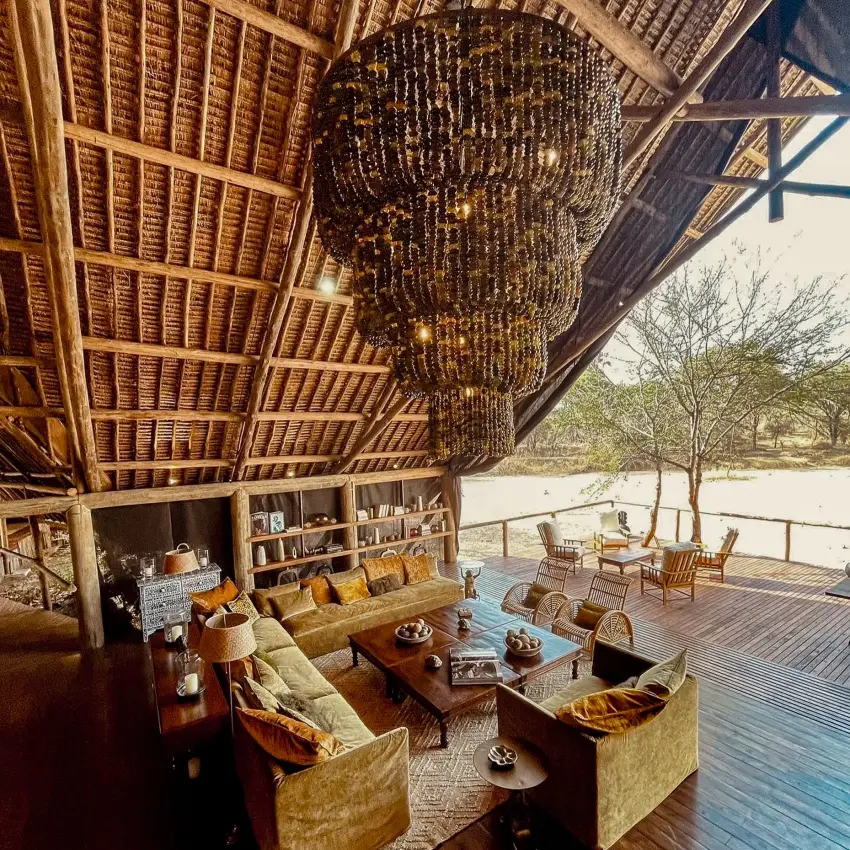
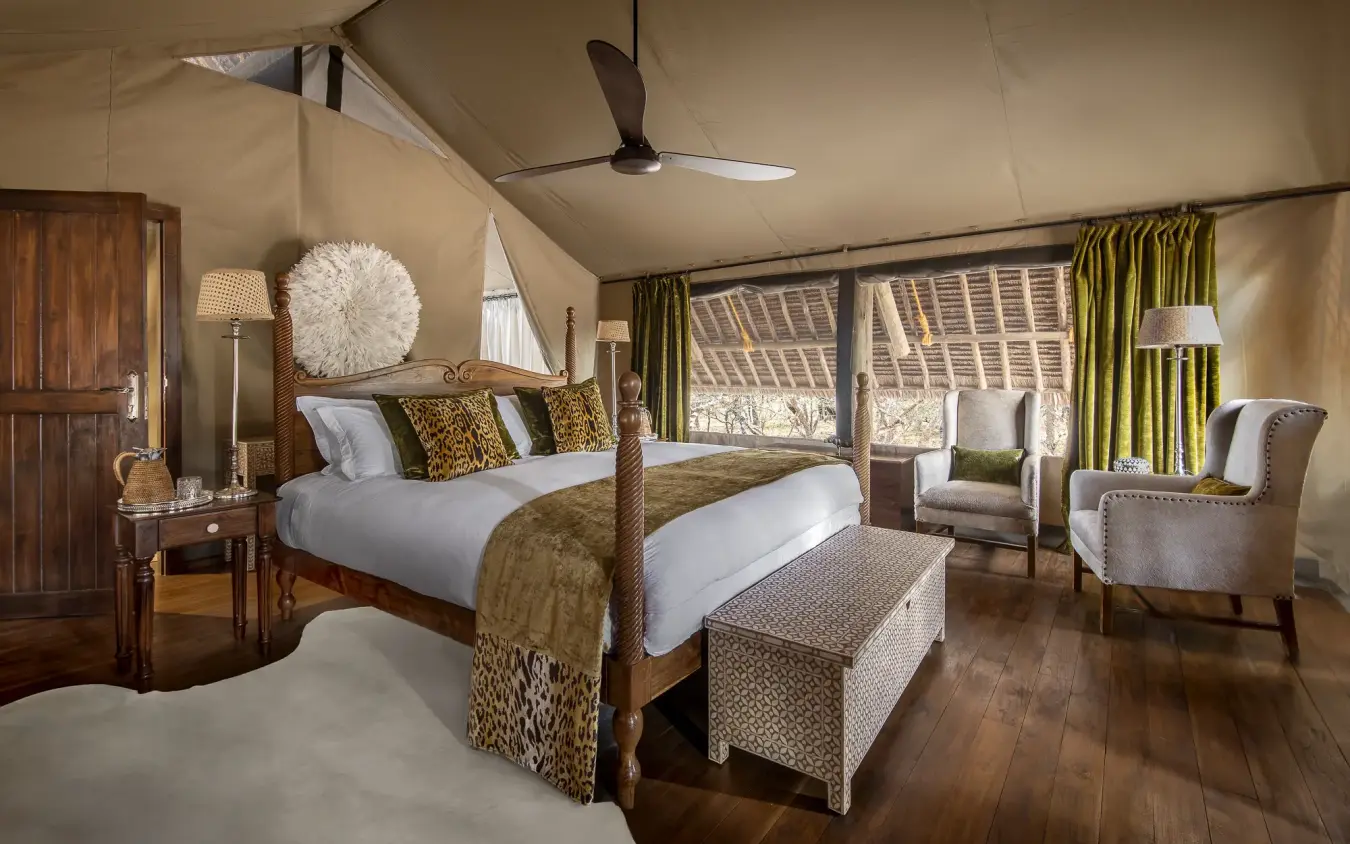
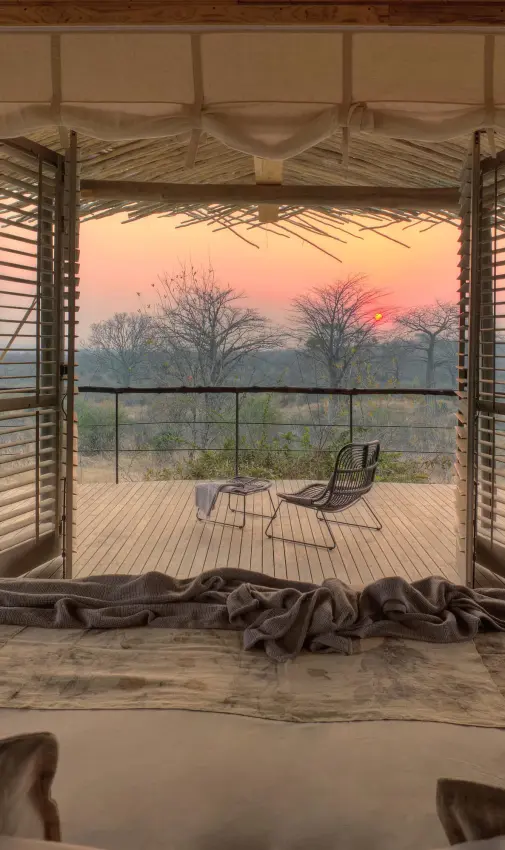
Some days go to the thermal bush spa, where guests bathe in natural pools fed by volcanic hot springs, the water warmed from beneath the ground. Healing Earth spa treatments are offered beside the pools. Back at the manor, under the high thatch, each of the two main suites has a bed built from reclaimed wood, a roll-top brass bath and a broad indoor rain shower, with a private veranda facing the sand. The manor shares its stretch of riverbed with a neighbouring tented camp, and both belong to Laba Laba.
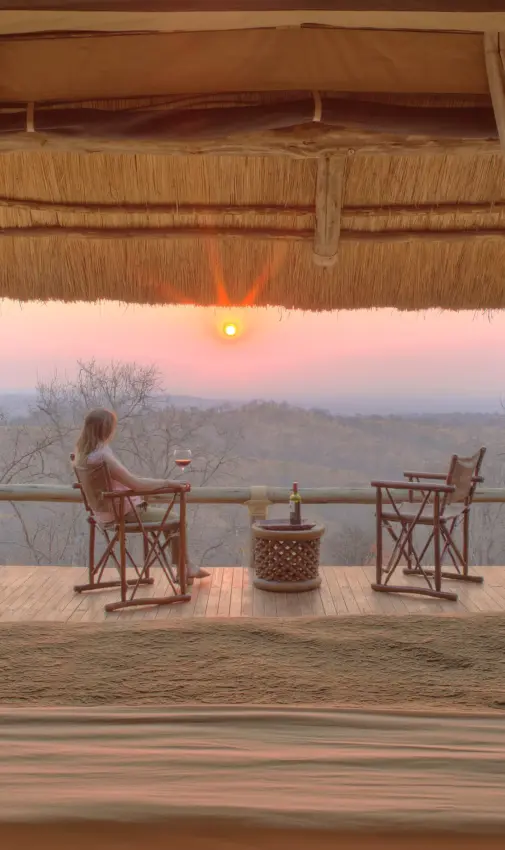
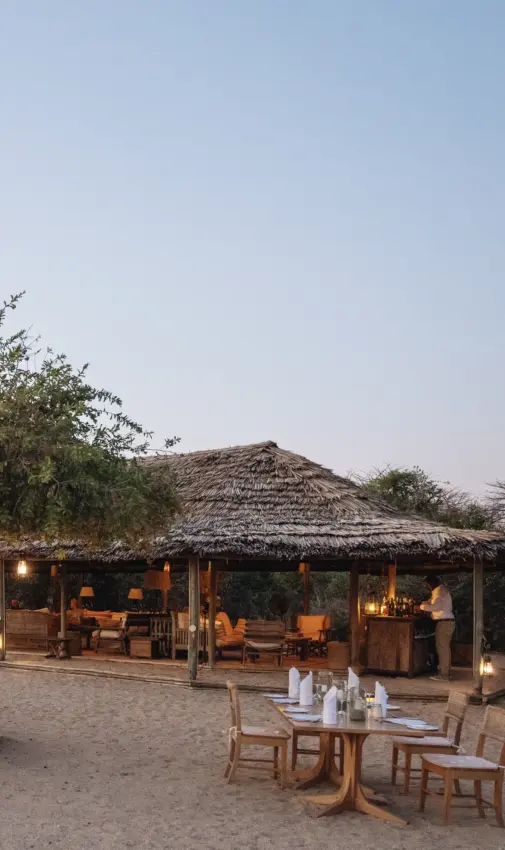
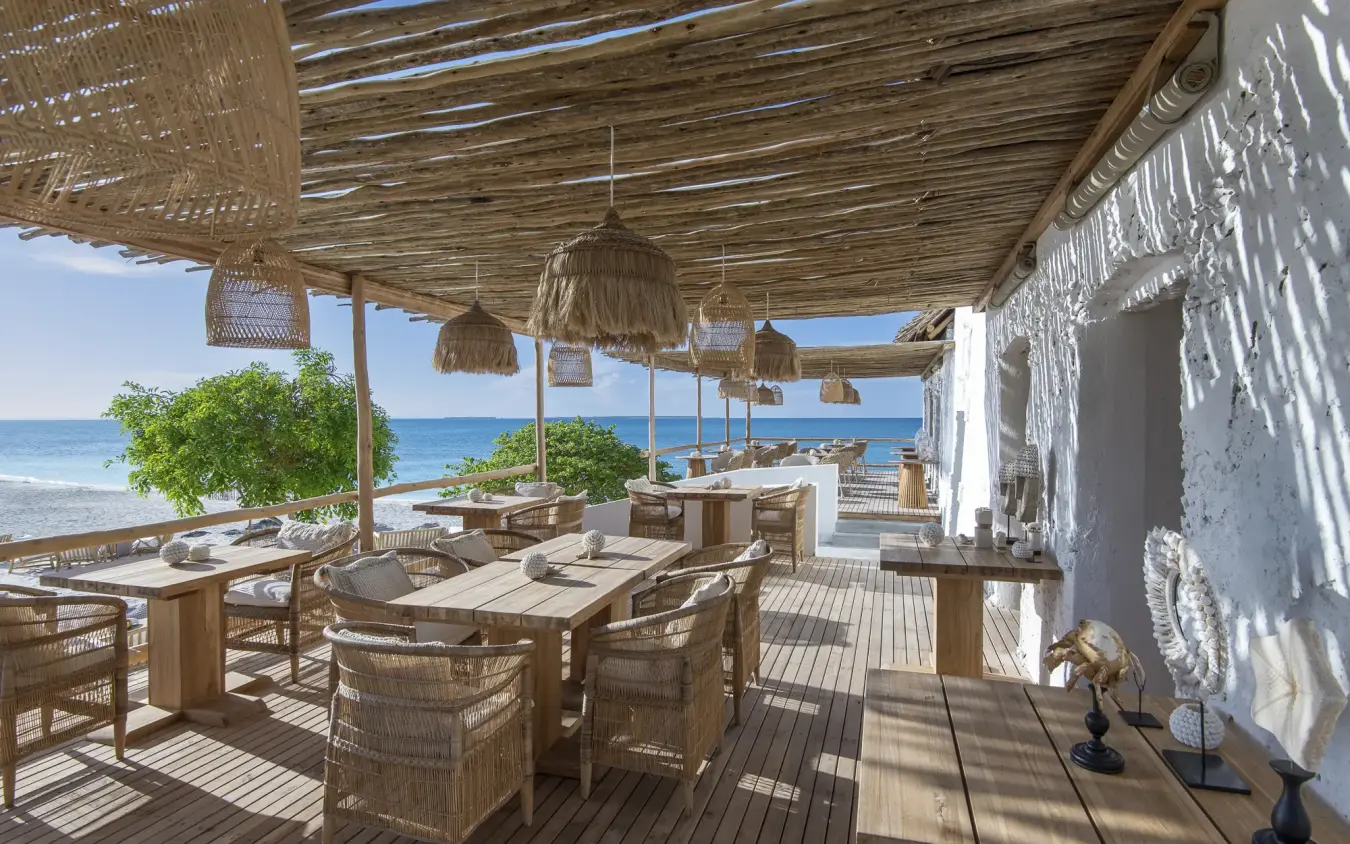
Breakfast can happen in the open on a morning drive, and meals are rarely eaten in the same place twice. The private chef cooks to each group’s tastes with ingredients from local Tanzanian farmers, and sets lunch under riverside trees and dinner on the sand, after the baobabs have turned to black shapes against the sunset. Dinner can also be laid in the manor’s own dining space, and meal times follow the day’s drives and walks. Afterwards the southern sky is clear for stargazing, with almost no other light.