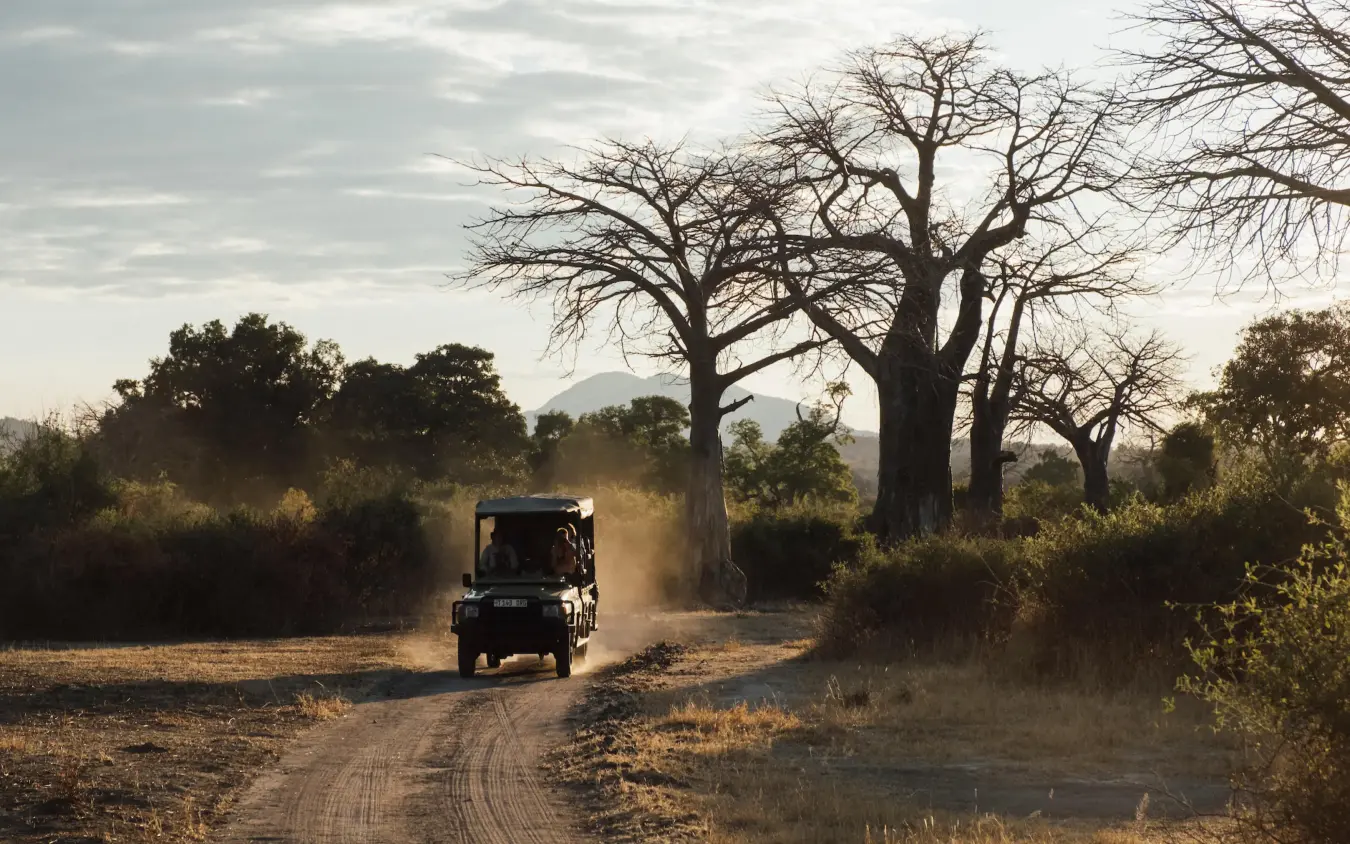
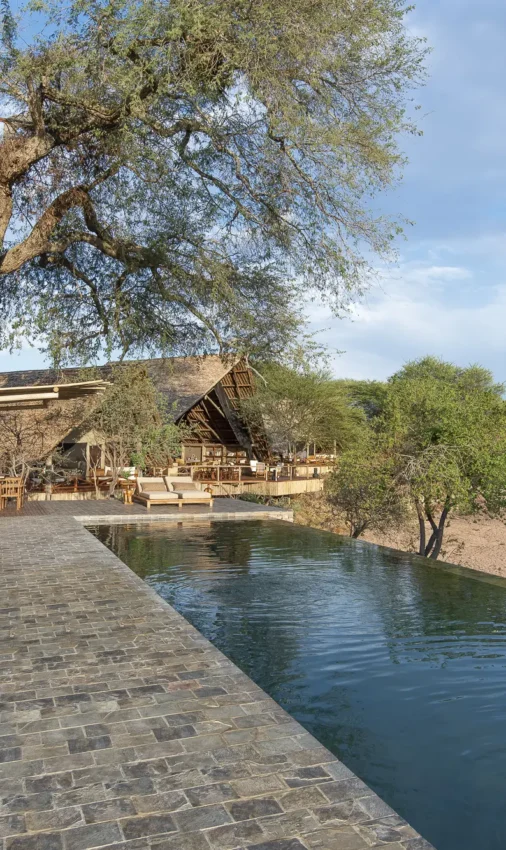
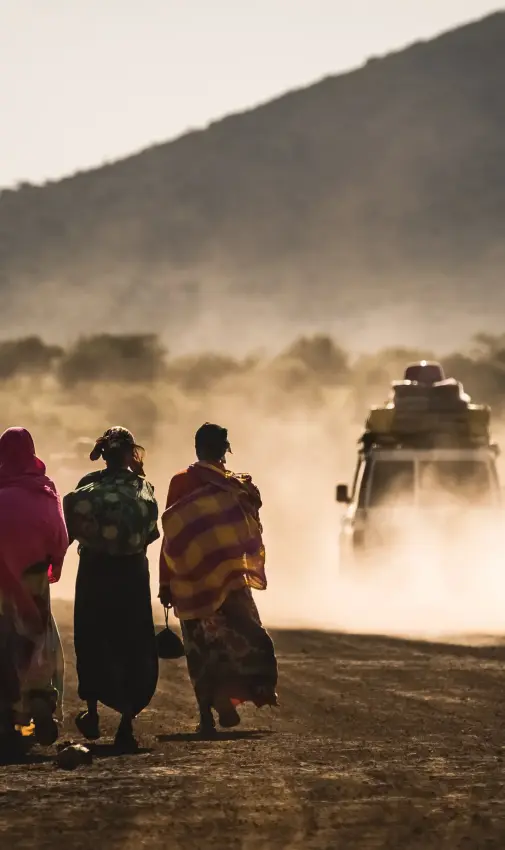
Msembe airstrip sits roughly 45 minutes away by road, and the drive in gives a first sense of the baobab country the lodge overlooks. Ruaha’s guiding culture leans heavily on walking, and Jabali Ridge draws on some of the region’s most experienced walking guides. The terrain is made for it, and the lodge works it on foot as readily as by vehicle, so the park is met at close quarters rather than only through a windscreen. Morning and afternoon drives in open-sided vehicles work the riverbed and the surrounding baobab country, while full-day outings carry a bush lunch.
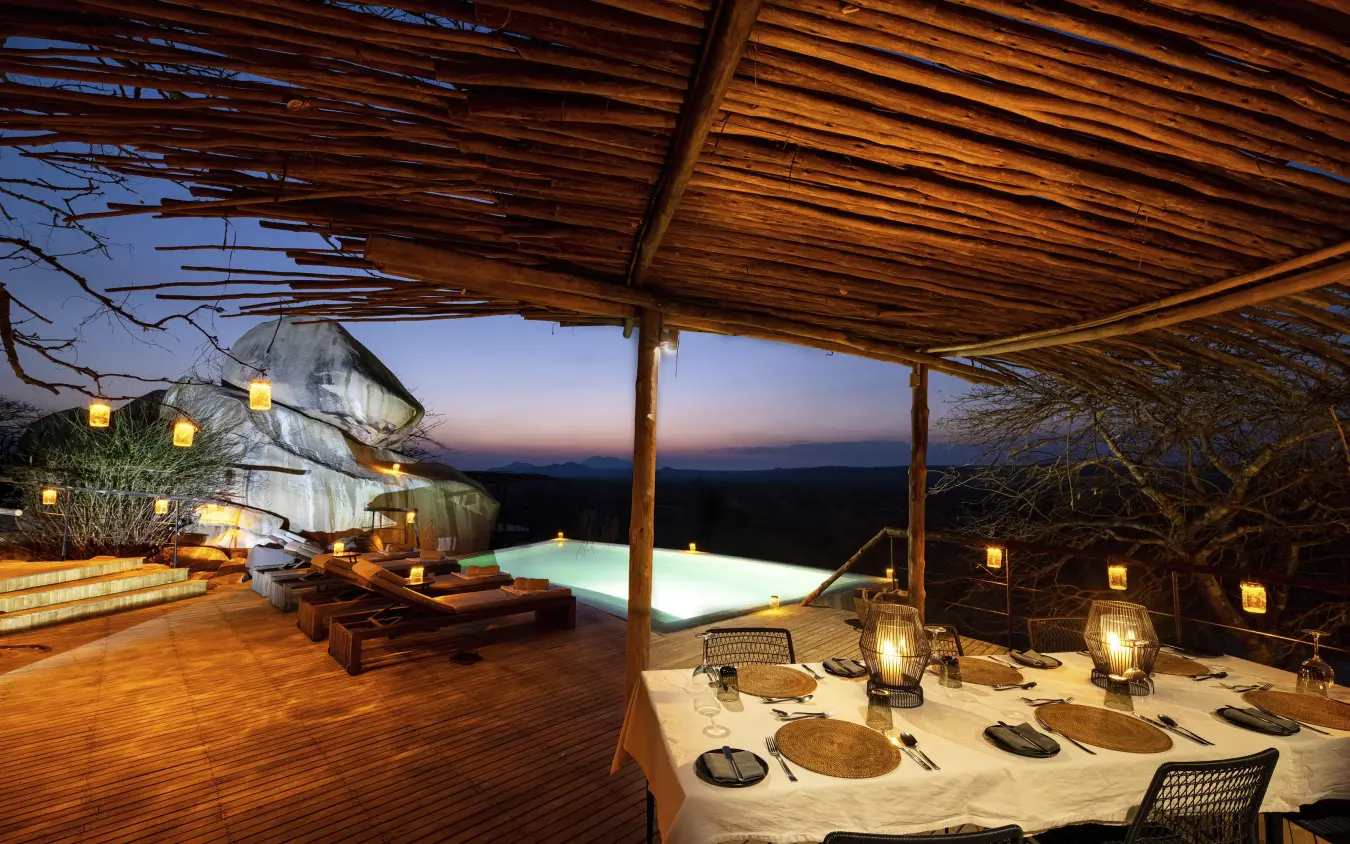
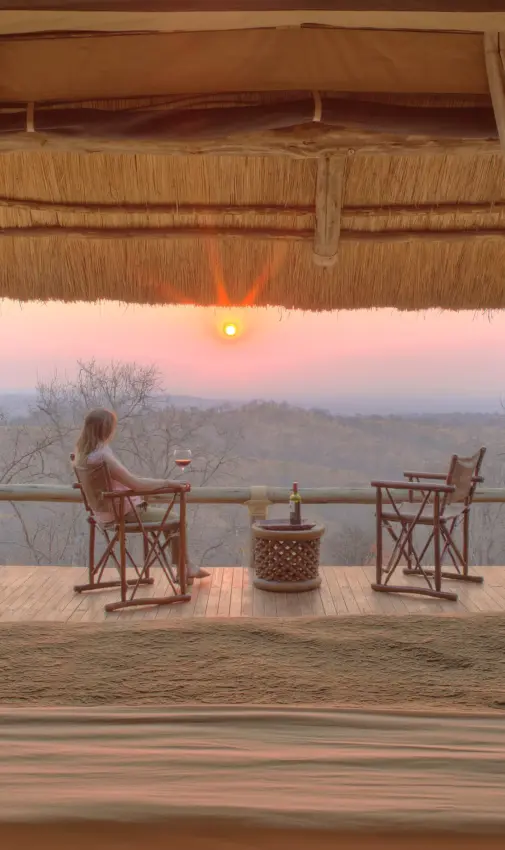
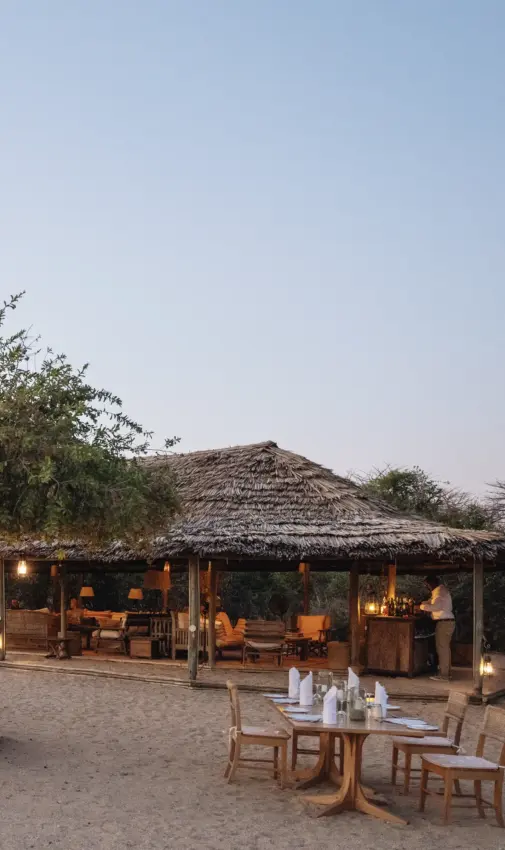
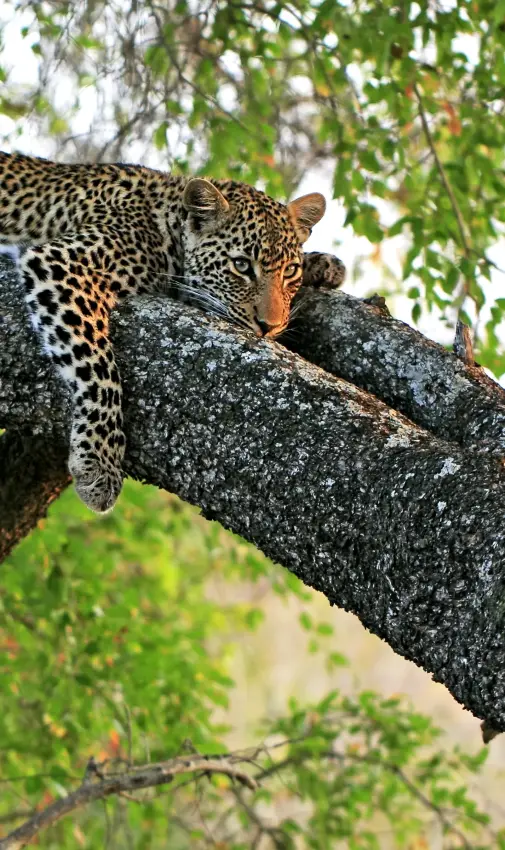
Because everything happens inside the national park, walking safaris go out with an armed ranger and a specialist guide. Jabali Ridge is among the few operations in Ruaha permitted to run spot-lit night drives, which open up the nocturnal cast that daytime touring misses entirely. The rest of the day follows the light: coffee arrives at the suite before first light over the baobab plains, sundowners are set up in the bush as the colour changes, and dinner is served under the stars or among the boulders by lamplight.
Jabali Ridge is among the few operations in Ruaha permitted to run spot-lit night drives
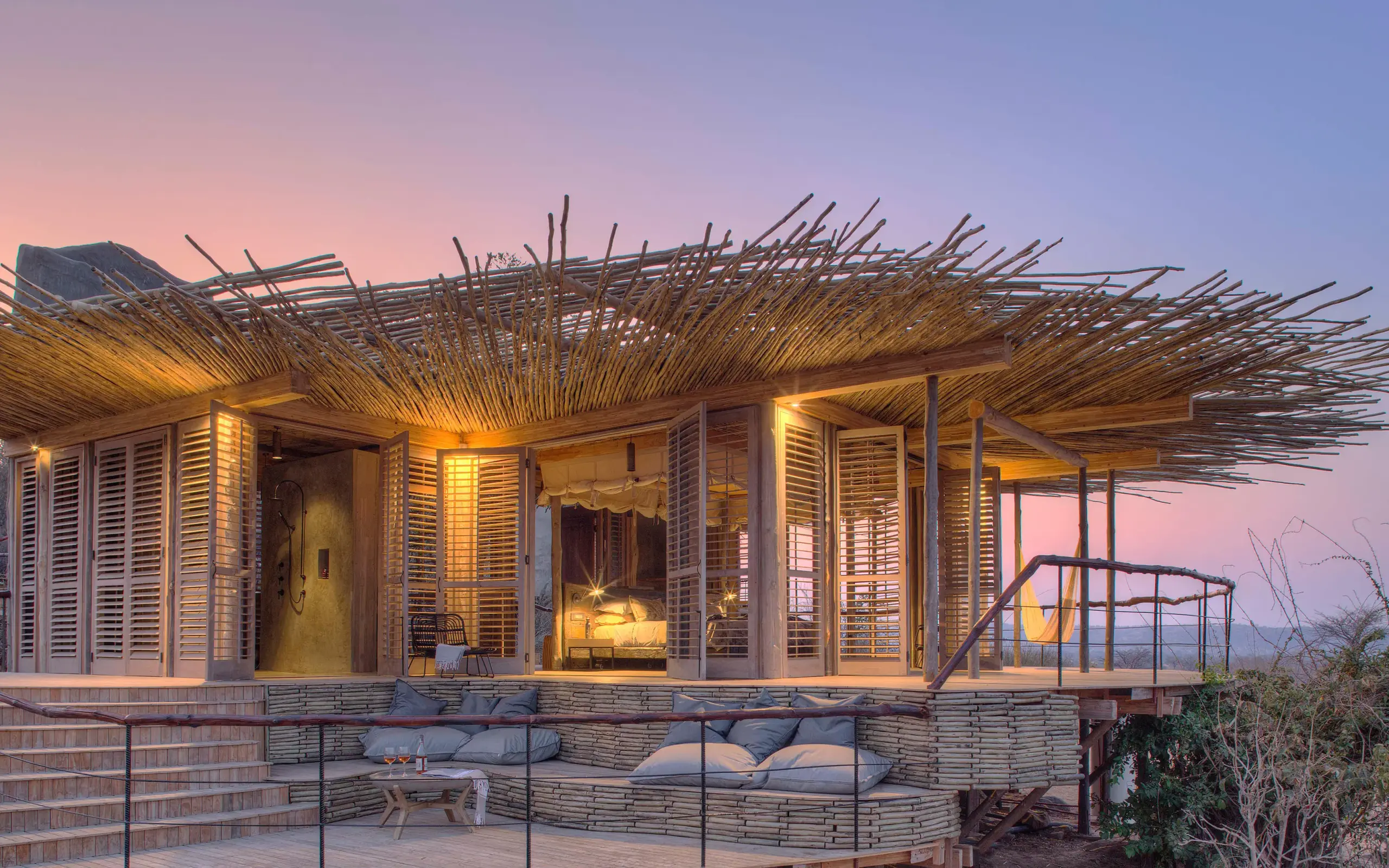
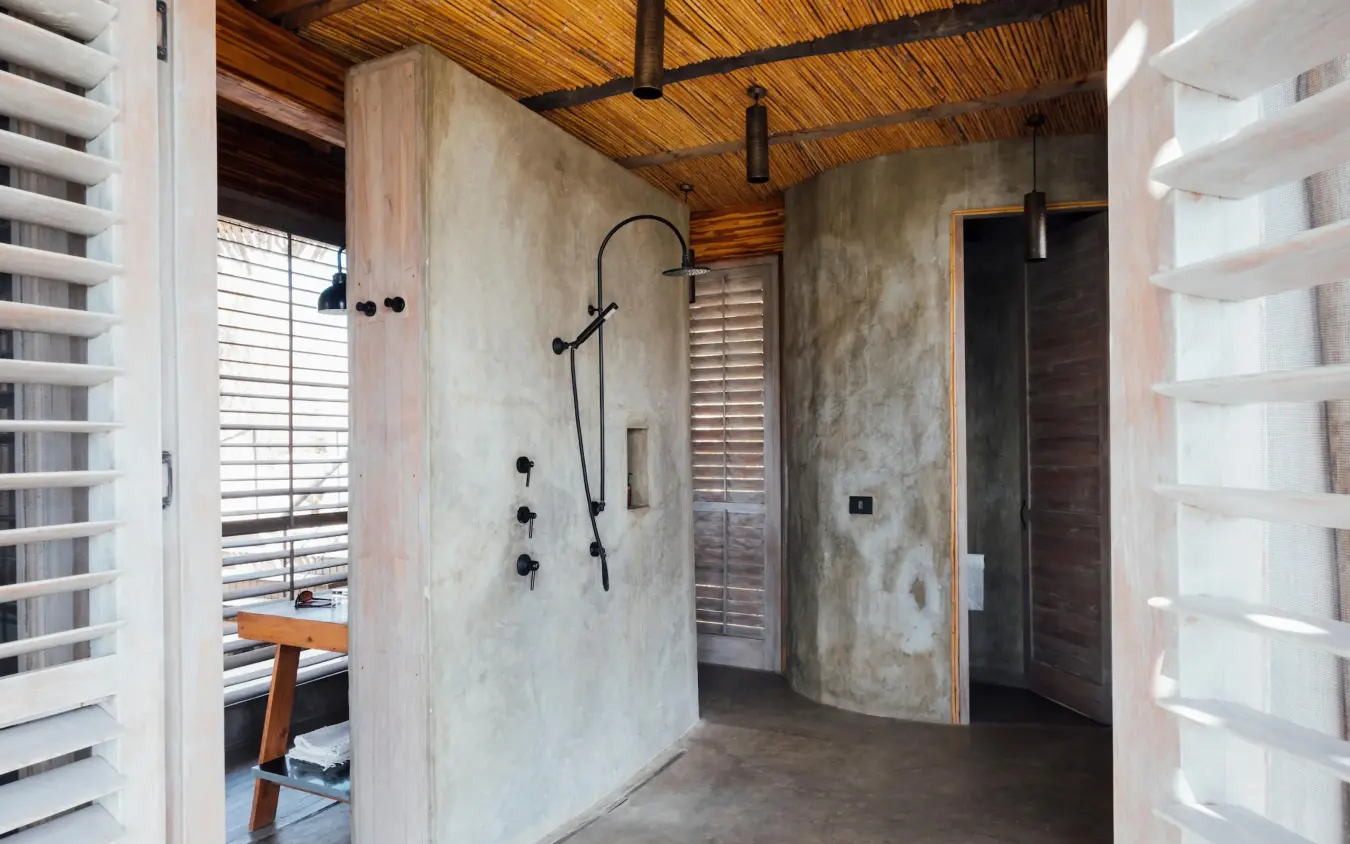
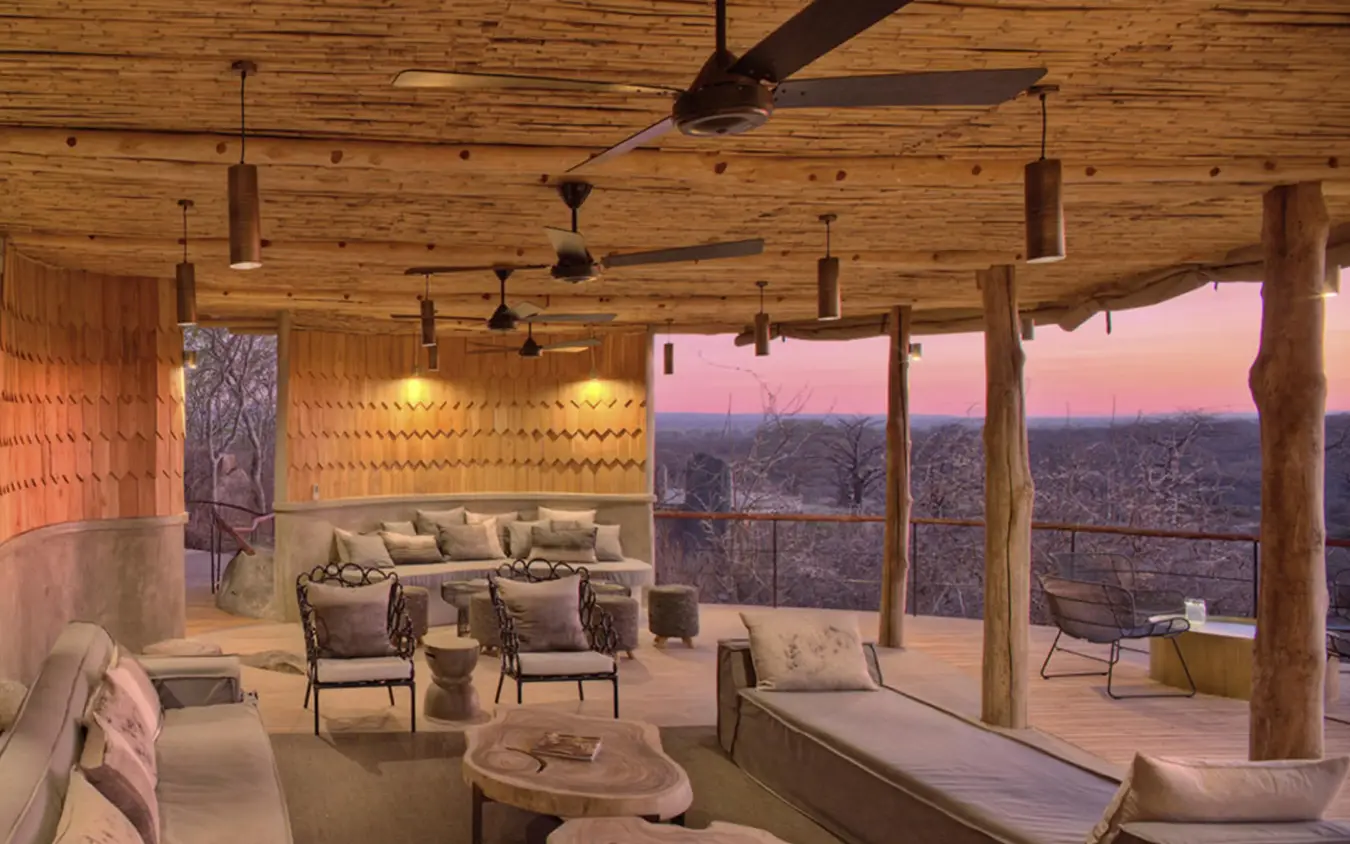
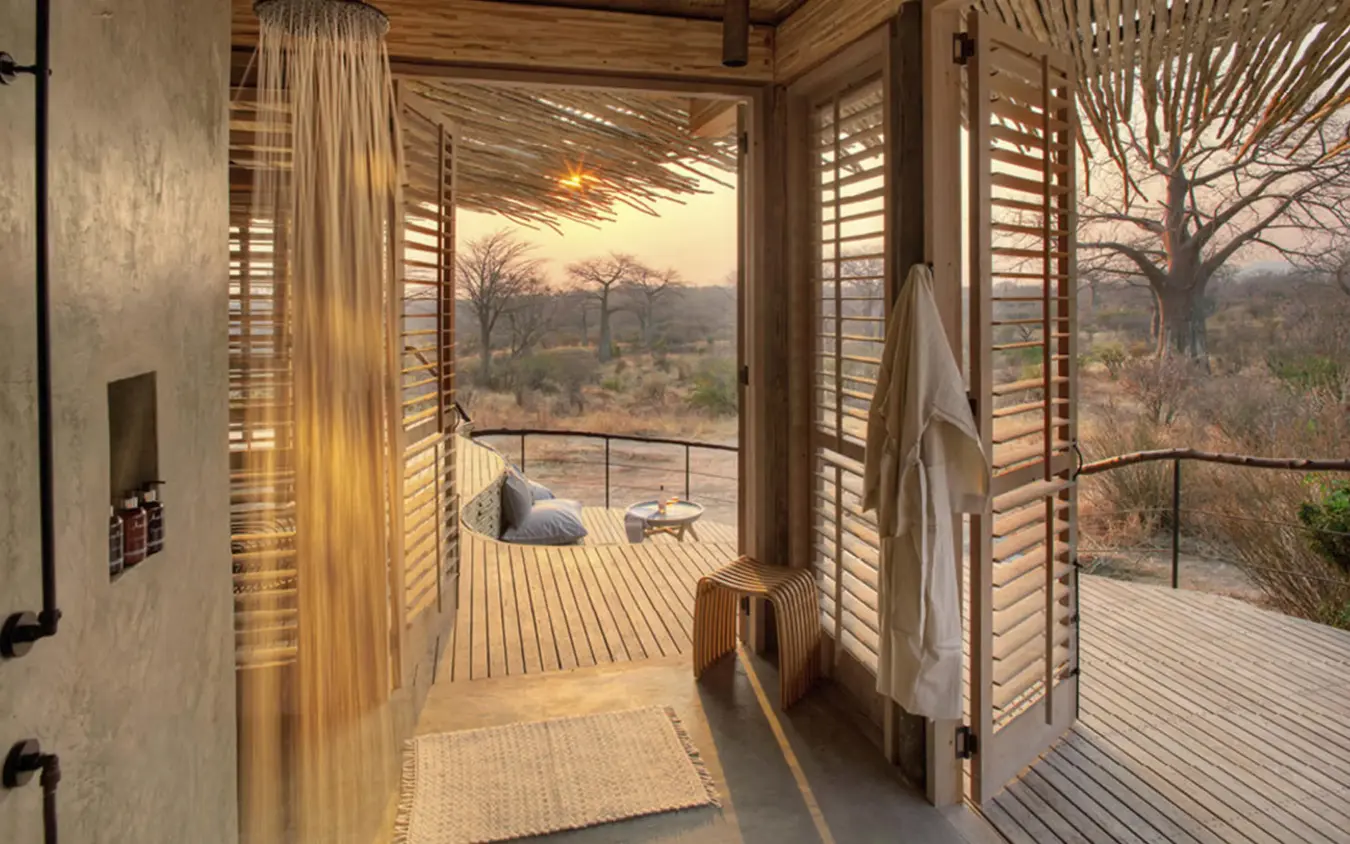
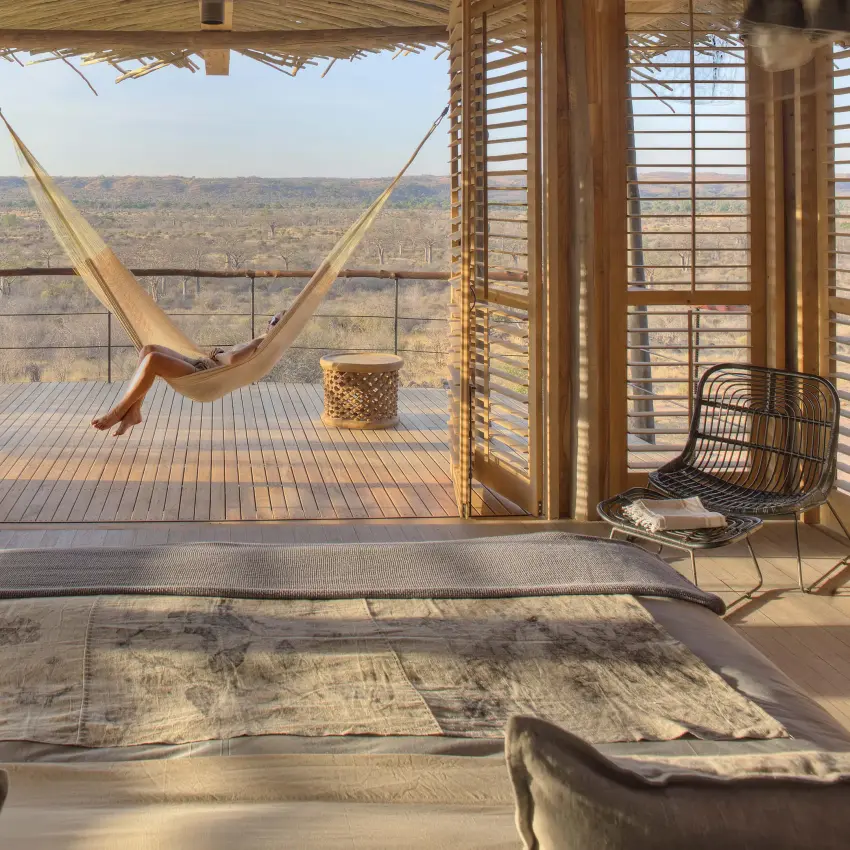
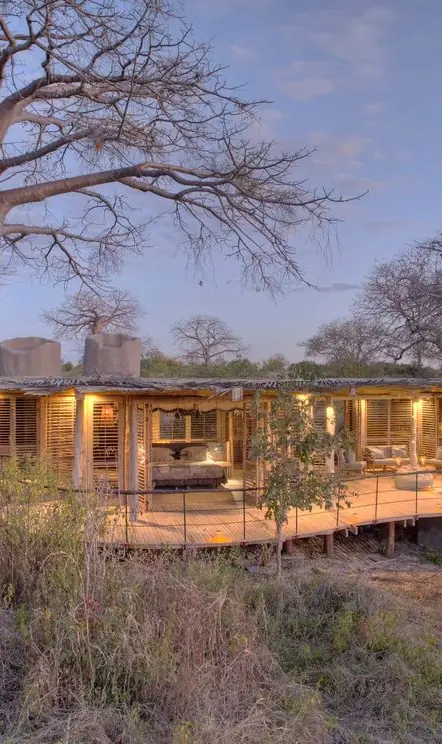
The kitchen keeps to the same generous rhythm, three-course dinners and lighter lunches carried right down to the homemade breads, cakes and ice cream. After dark, hyraxes shift among the rocks, a nightjar calls, and lions carry across the valley from somewhere near the river. Eight suites are built into and around the granite kopje, each holding a king-sized bed and an en-suite bathroom with rain shower, and each opening onto a private deck given over to a sunken lounge, while a separate three-bedroom private house suits families and small groups who want the ridge to themselves.
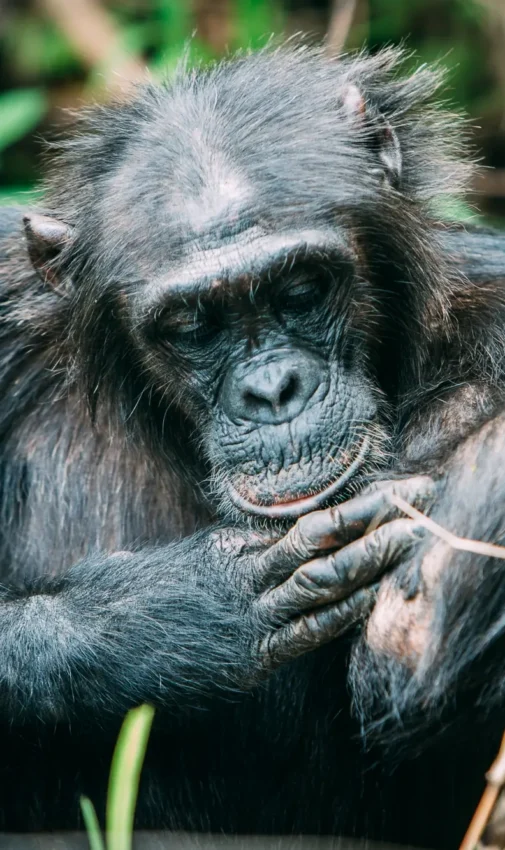
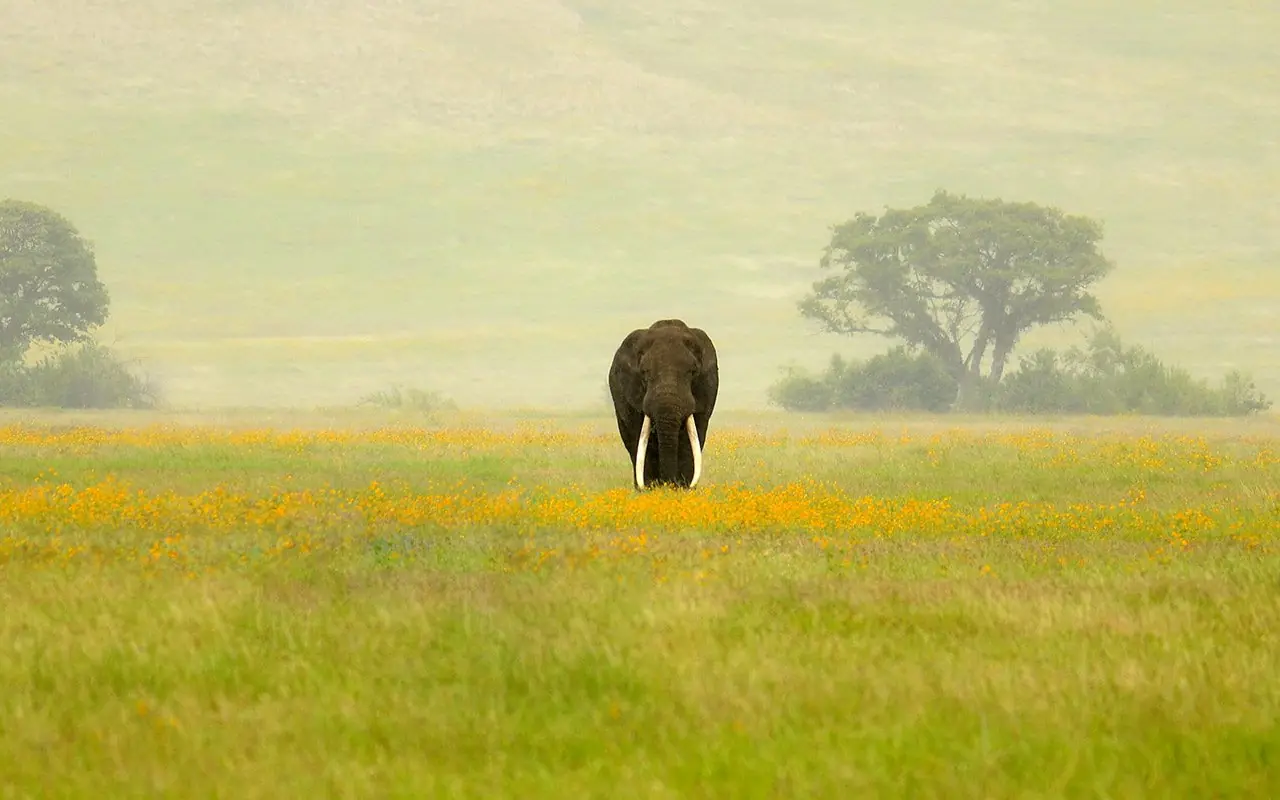
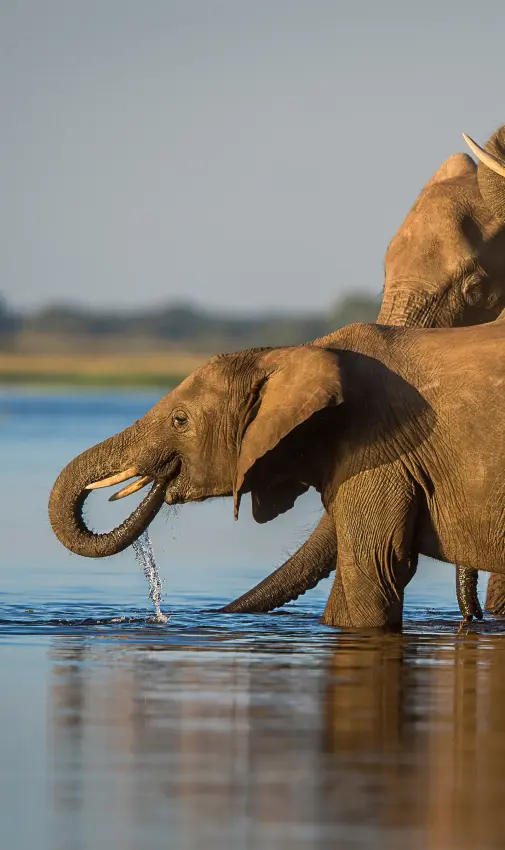
Ruaha’s carnivore and elephant populations sit at the centre of the park’s conservation story, and a guest levy at Jabali Ridge feeds directly into it. The lodge supports the Ruaha Carnivore Project, run through Oxford University’s WildCRU, which tracks lions and works to reduce conflict with neighbouring communities, and it backs the Southern Tanzania Elephant Project, which uses aerial surveillance and ranger training to improve elephant safety. Twende Porini closes the circle, bringing local children into the park to experience a safari and learn about the work that keeps it wild.