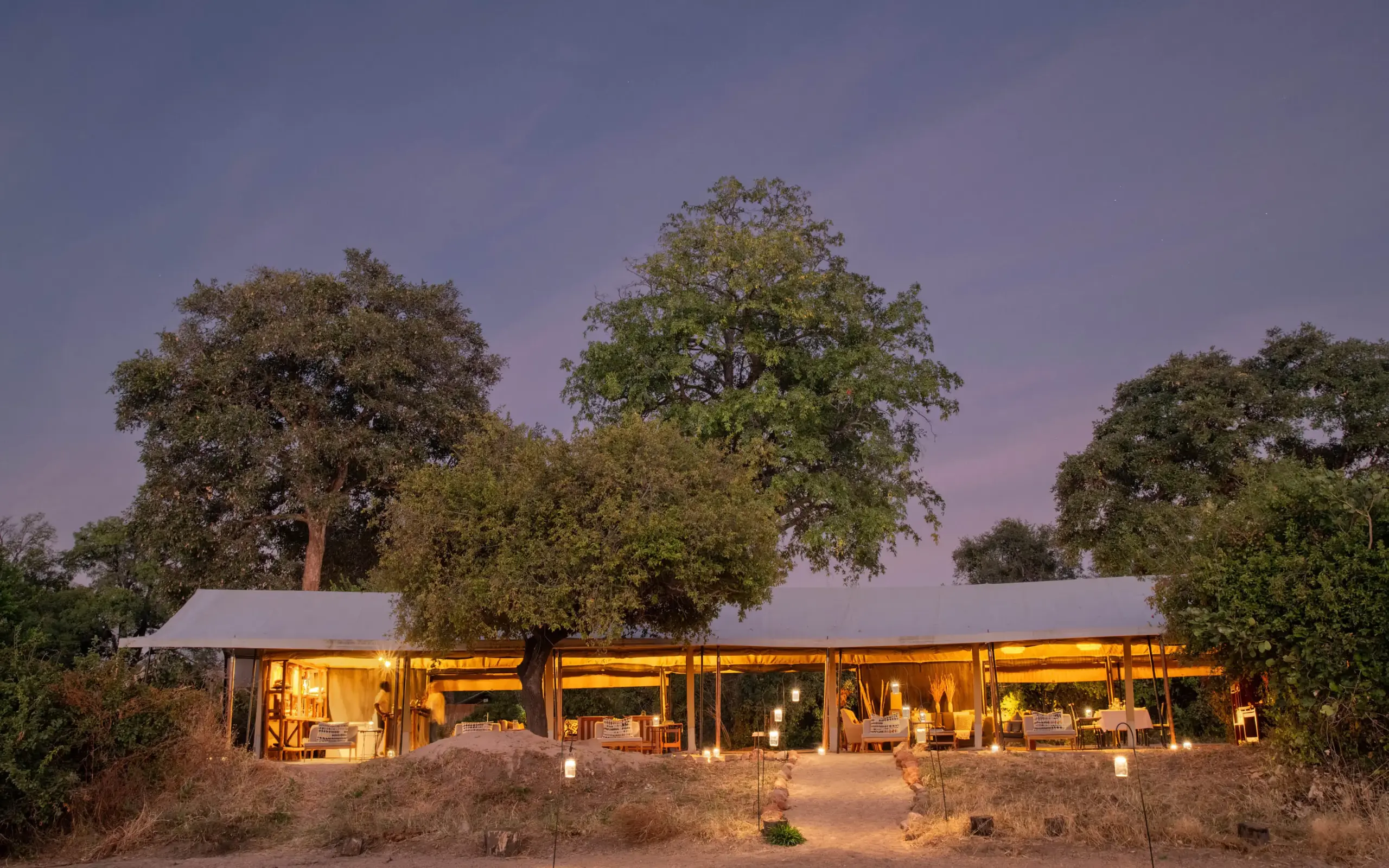
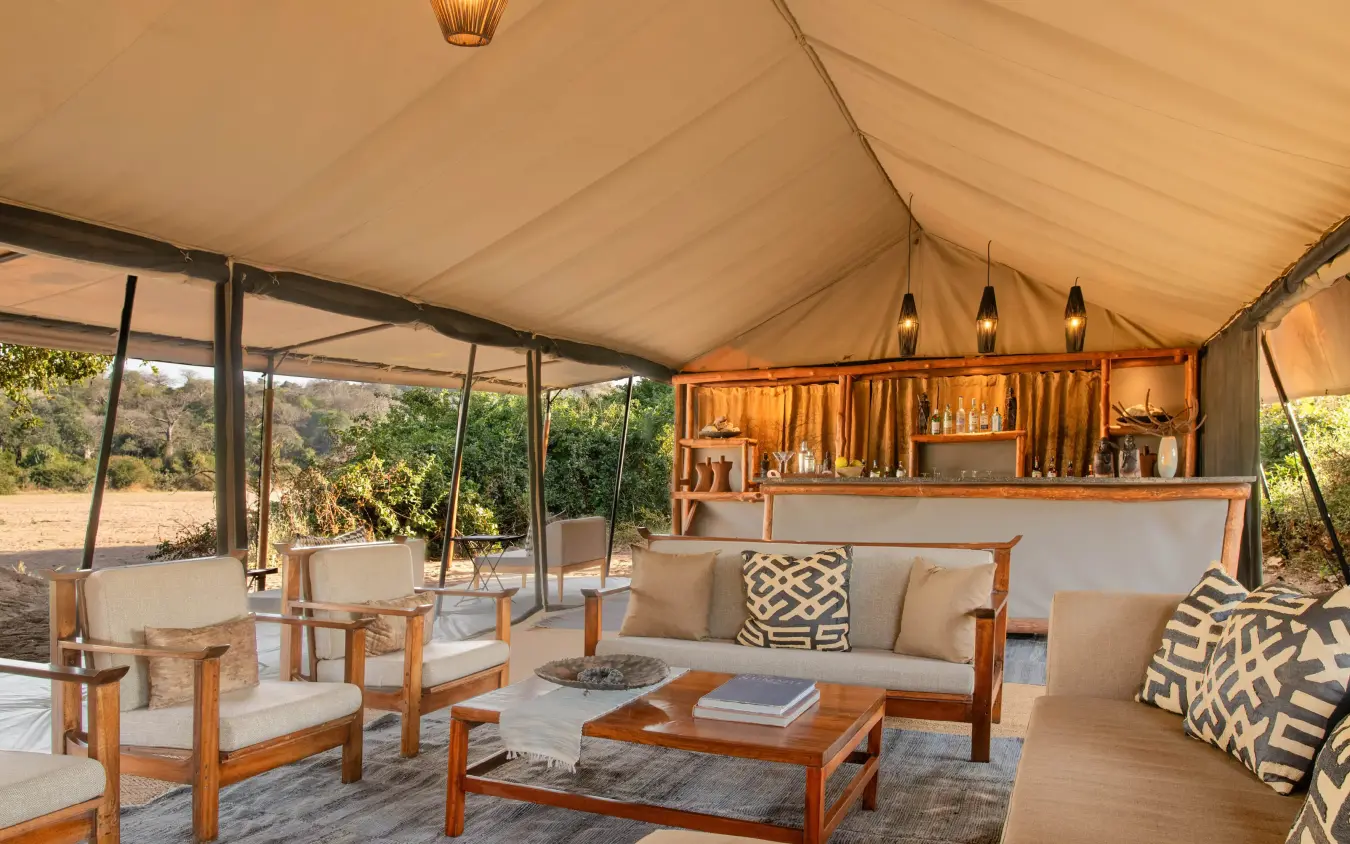
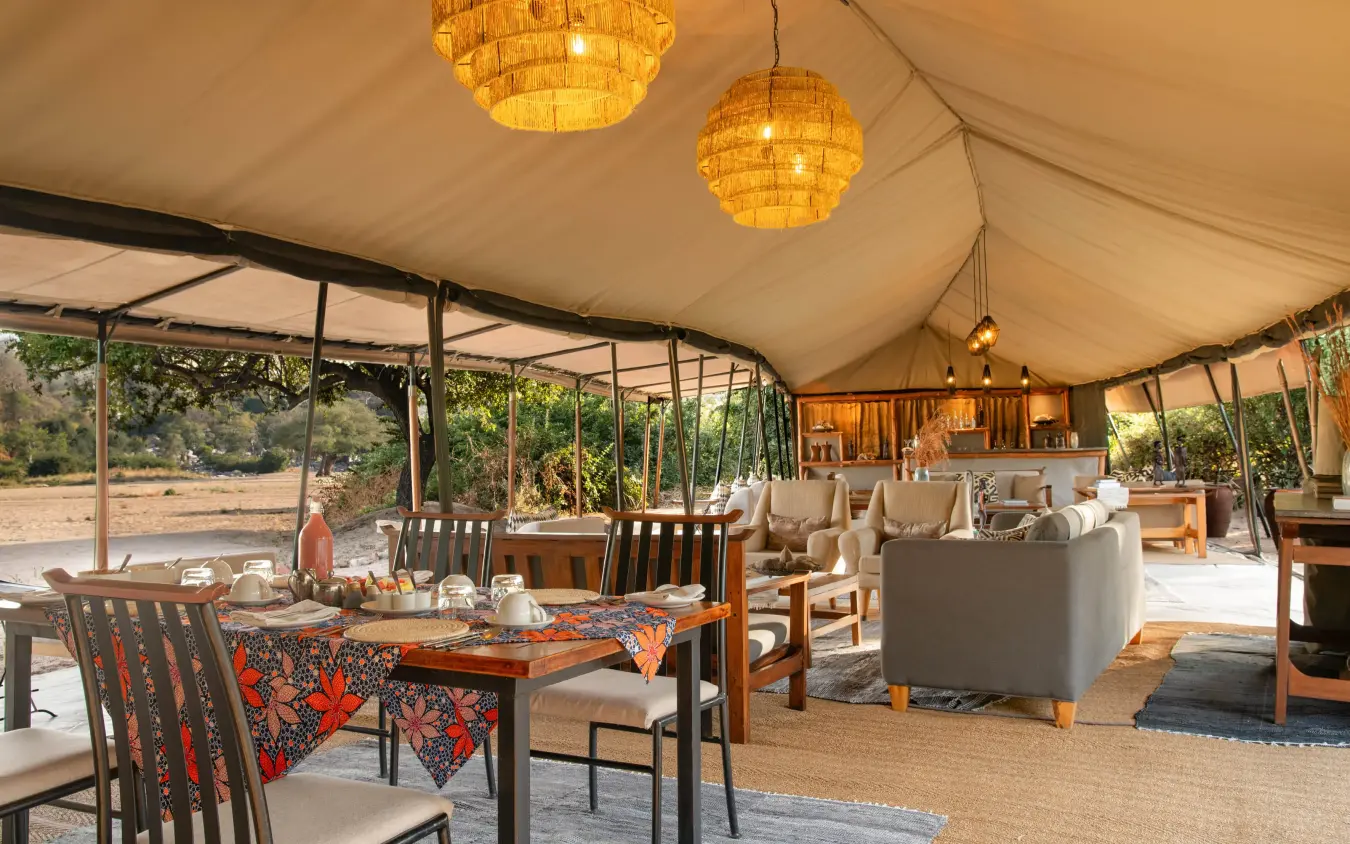
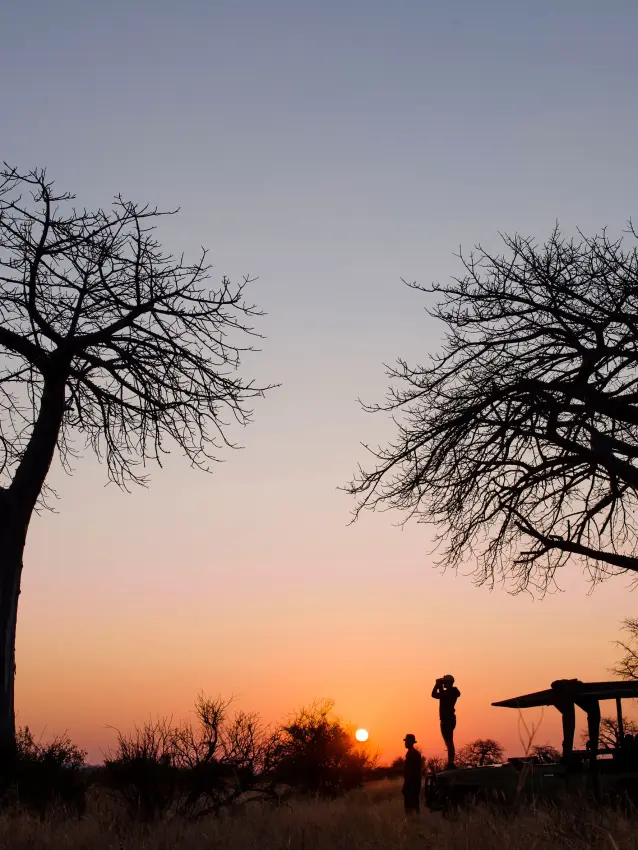
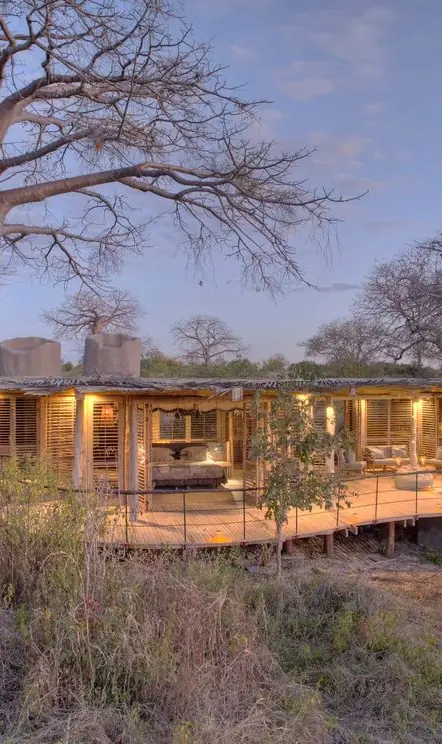
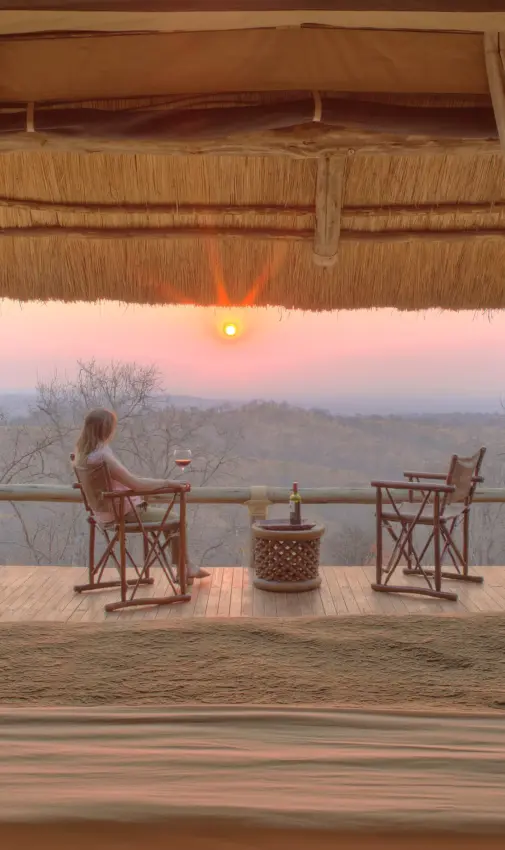
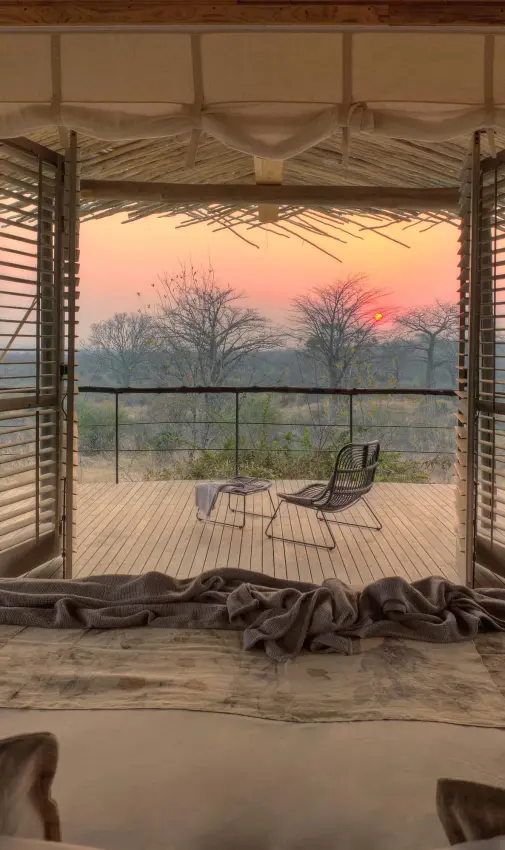
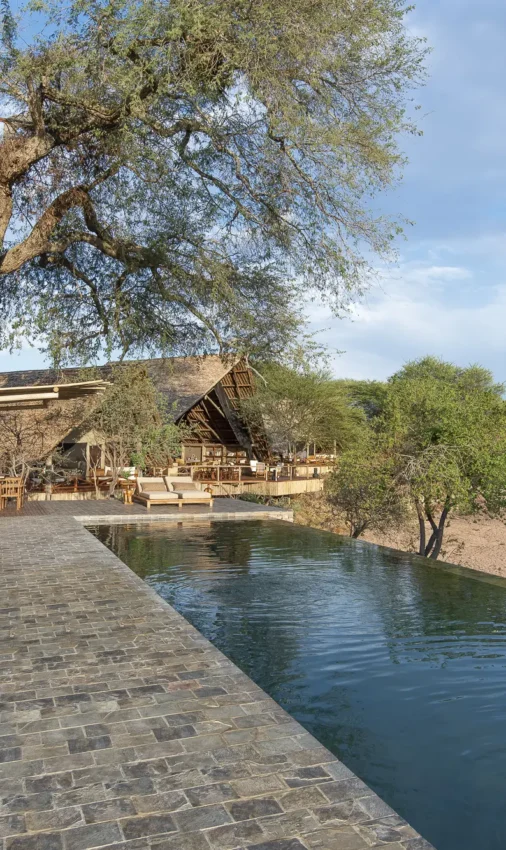
Kokoko Camp opened in July 2024 on the site of the former Kwihala Camp, in a quiet corner of Ruaha, one of Tanzania’s largest parks. The country here is dry and baobab-studded, rocky kopjes rising out of light combretum woodland that runs back from the riverine trees. The camp sits beneath fig, sausage and jackalberry, on the edge of the forest, the seasonal Mwagusi curling past below. Msembe airstrip is around forty-five minutes away by road, yet the sense of remoteness is complete.
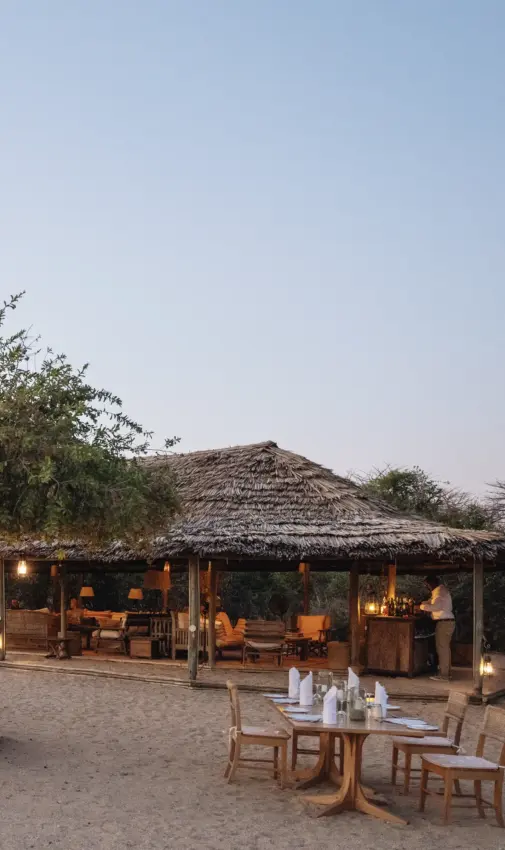
Six guests and three tents mean a single crew runs the whole operation, and within a day or two the staff know everyone by name. The service is close but unobtrusive, the kind that comes only from a small team looking after a handful of people a long way from anywhere. Evenings settle into open-fire cooking and dinner in the sand under lantern light, then long stretches of quiet broken only by whatever is moving through the dark beyond camp.
Evenings settle into open-fire cooking and dinner in the sand under lantern light
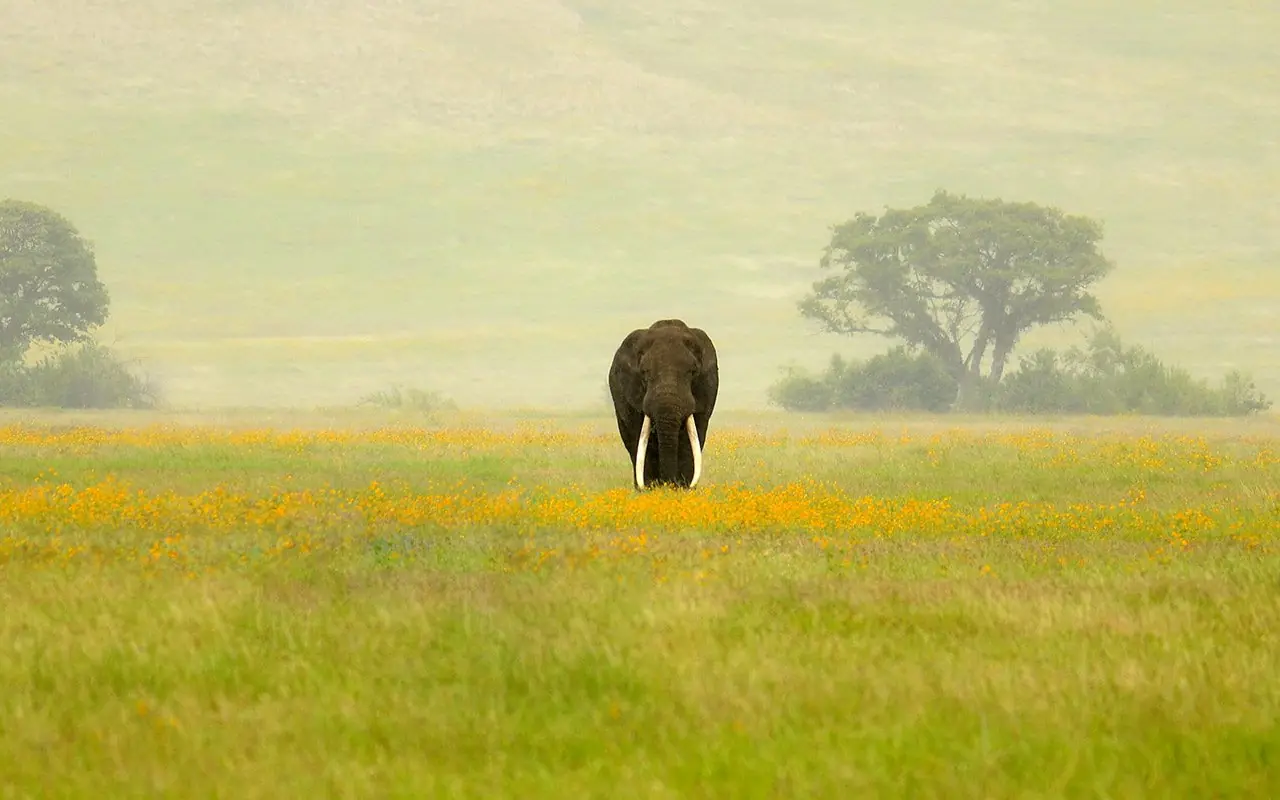
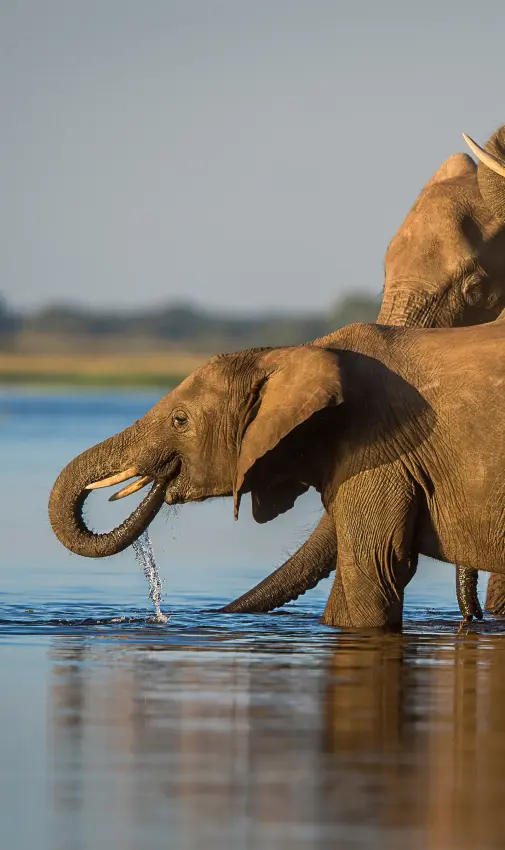
Walking is where Kokoko separates itself from the lodges. Ruaha’s park rules apply to guided walks, which is why the minimum age here is twelve, and the camp leans into them fully rather than offering them as an occasional extra. A morning on foot might follow elephant tracks across the sand, turn over dung and fresh diggings, and read the signs the bush leaves behind. Game drives cover the Mwagusi by day, night drives pick up the nocturnal species, and bush picnics stretch the hours spent out. Hot-air ballooning can be arranged.
The camp runs almost entirely on solar power. The operation behind Kokoko channels a fixed donation for every guest night into community and conservation work, matched again by its parent foundation. That money supports anti-poaching, and the schools and villages near the park. A programme called Twende Porini brings community members from the park boundary into the reserve to see the wildlife their own landscape holds, a rare chance to know it firsthand.