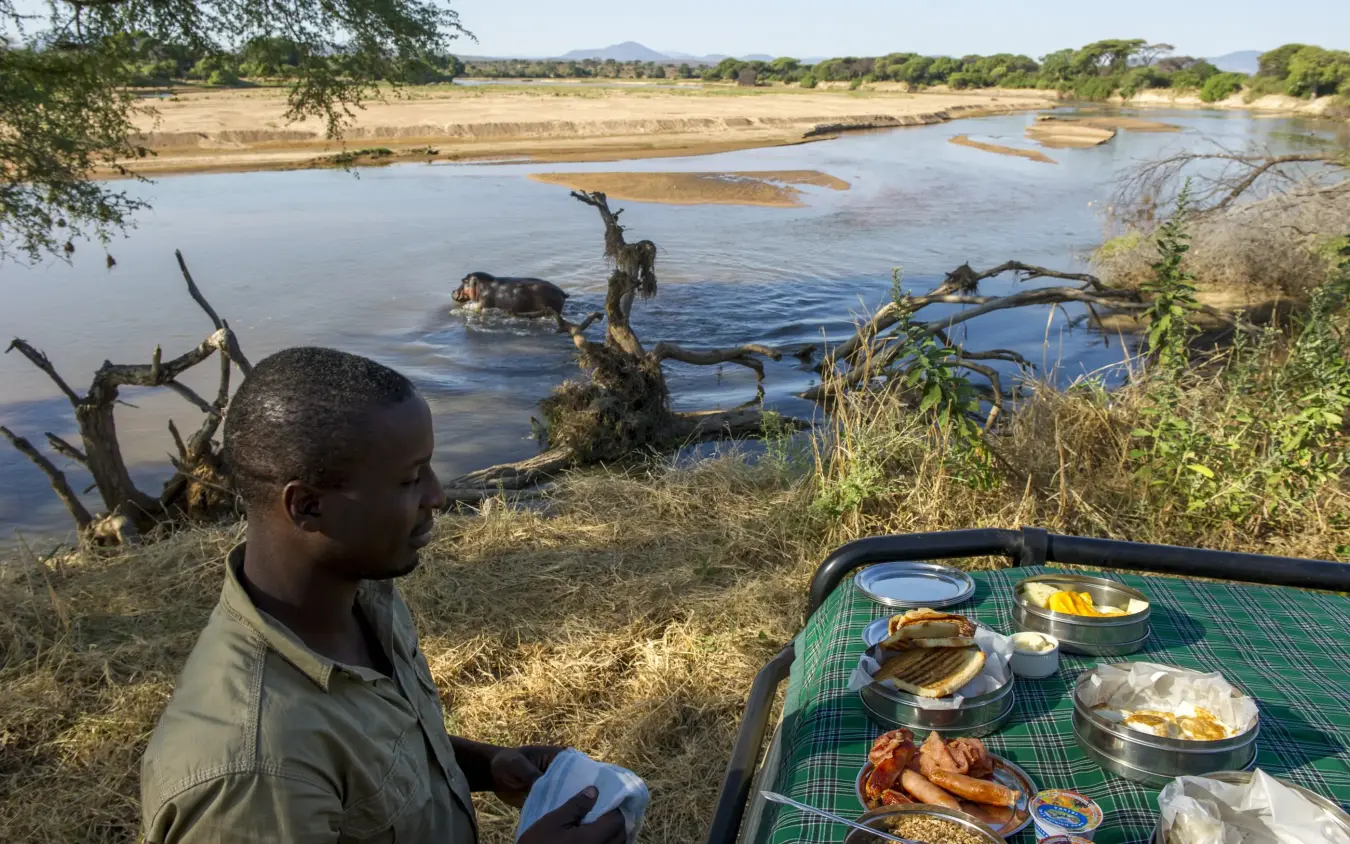
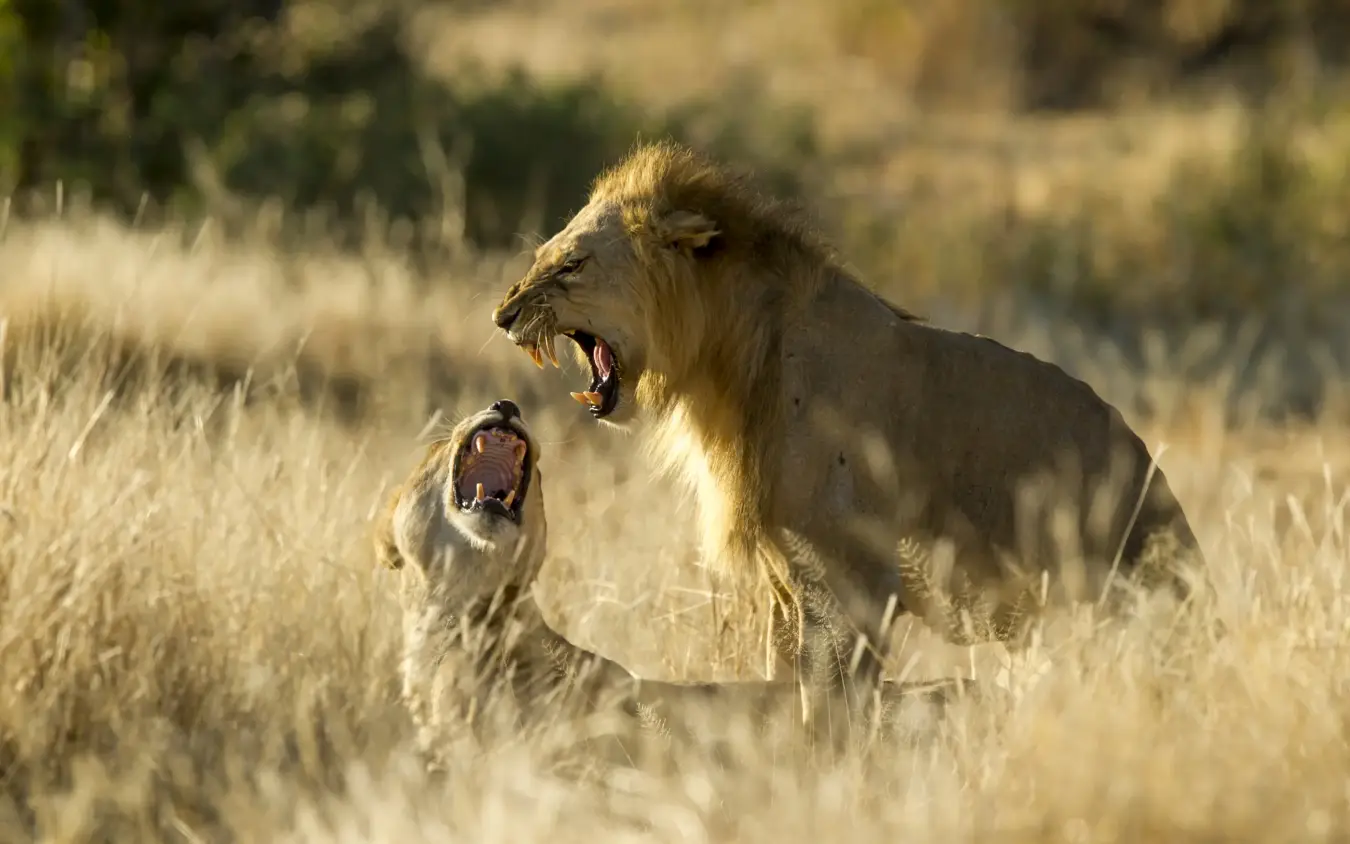
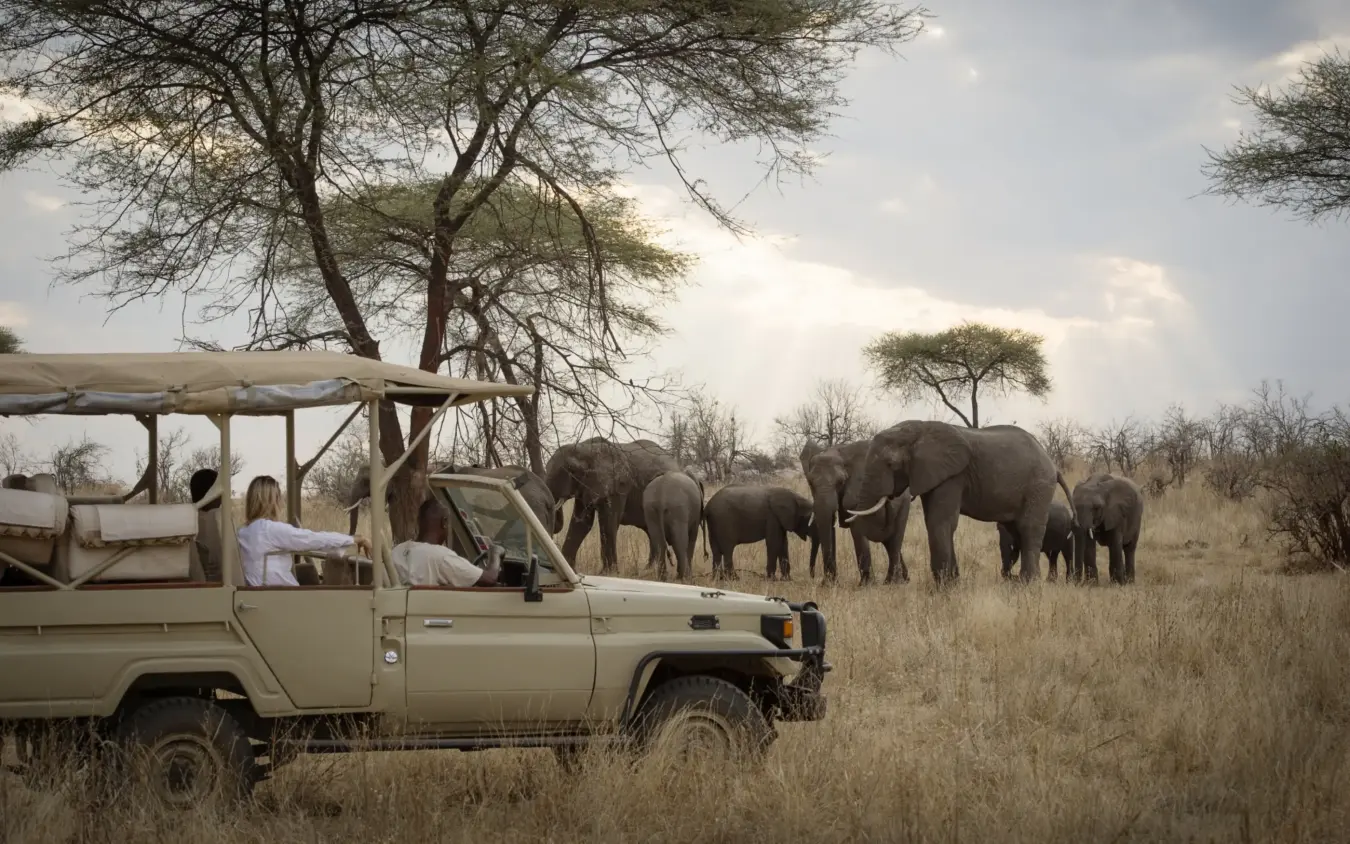
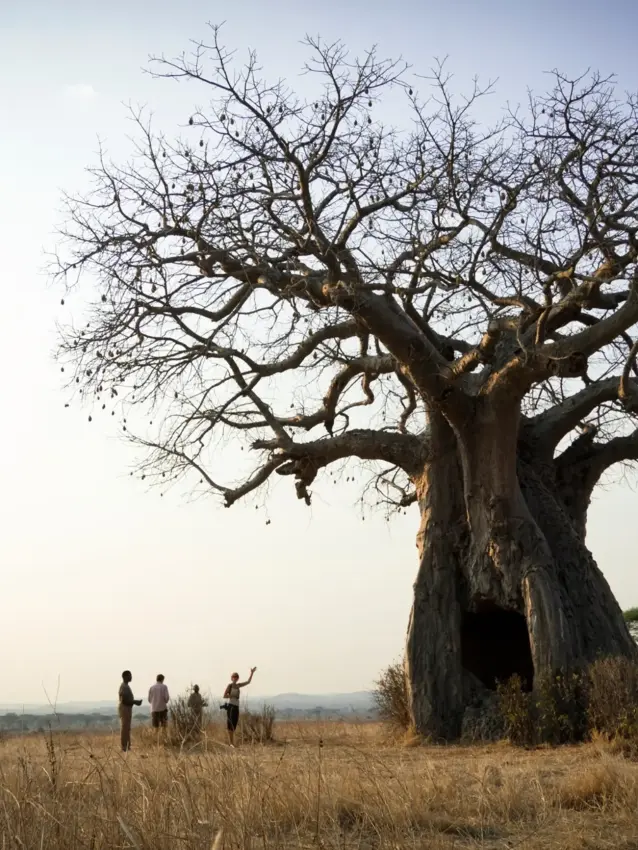
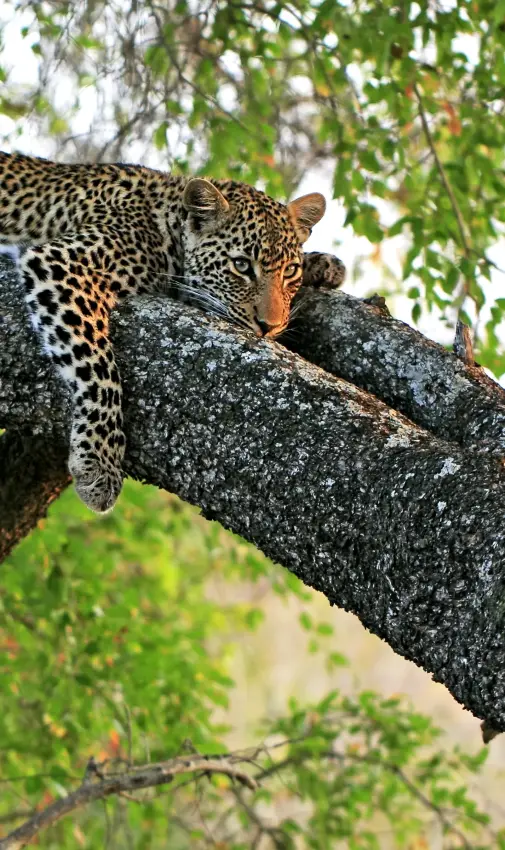
The guiding carries the experience day to day, so a morning can be redirected around a fresh set of lion tracks instead of following someone else’s itinerary. Game drives run in open-sided 4x4s, out for the morning, the afternoon, or a full day with a picnic lunch. After dark the night drives bring out what daylight misses, the genet and the civet. There is porcupine too, and just occasionally a pangolin. Walking carries real weight here, on foot with a professional guide and an armed ranger.
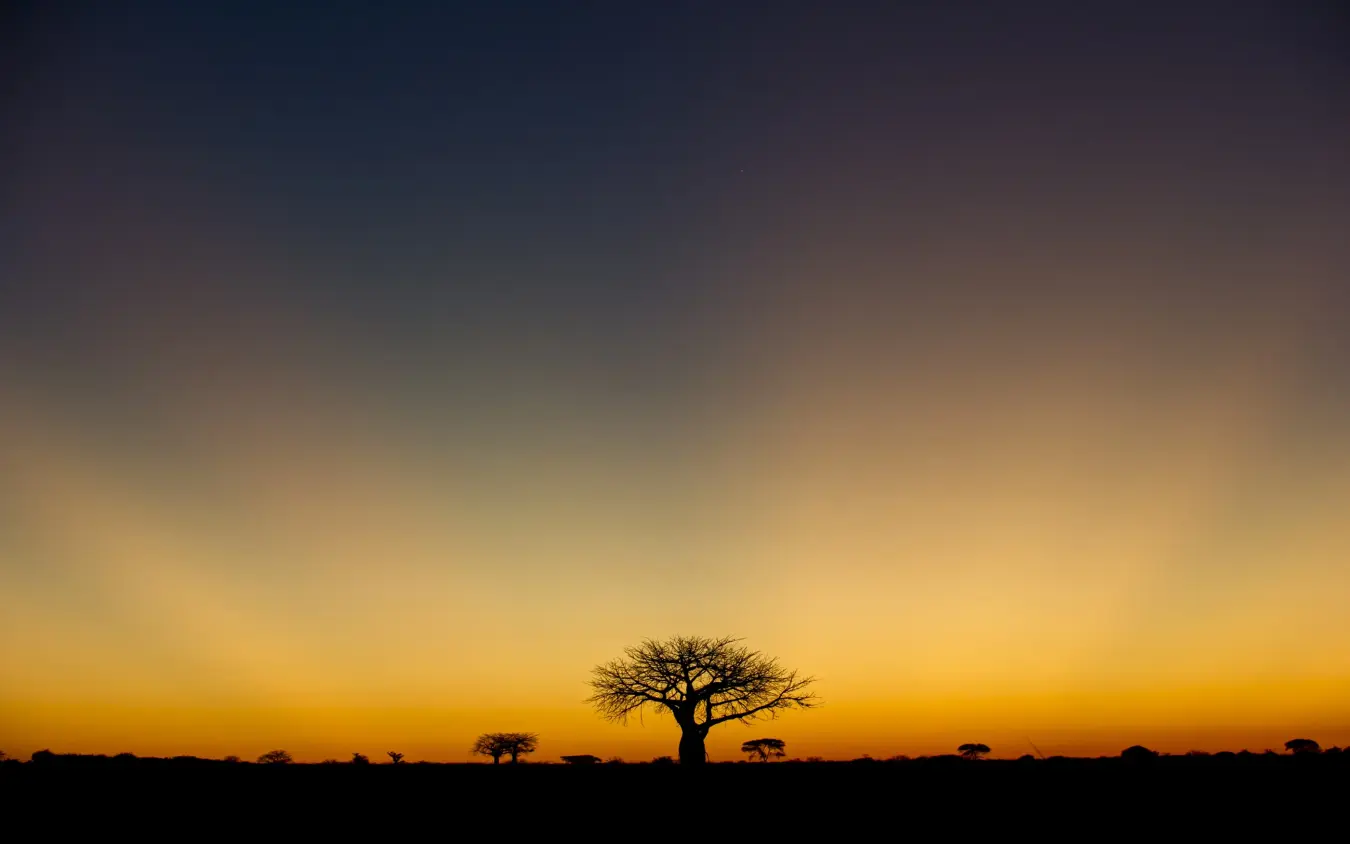
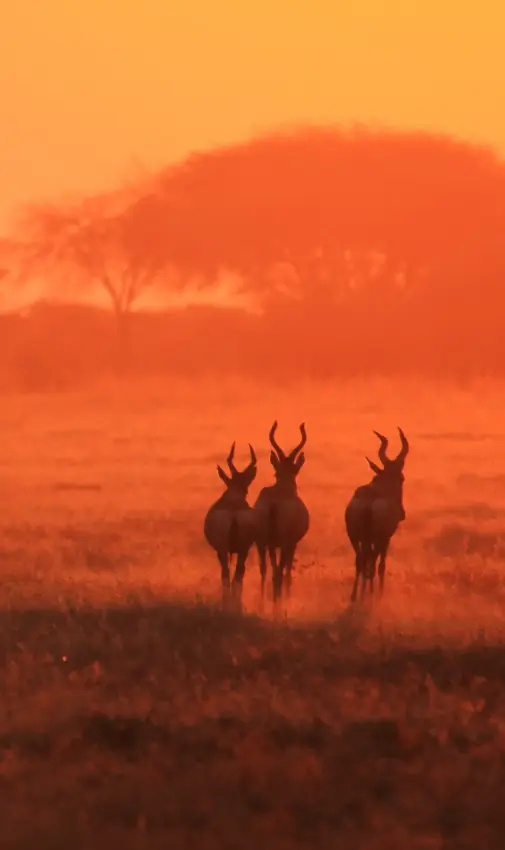
From camp the Mwagusi River valley is within easy reach, and beyond it the open grassland known locally as Little Serengeti, favoured by cheetah, the drive in passing through stands of baobab. Ruaha is a national park rather than a private conservancy, so vehicles keep to designated roads, and the sightings come from the sheer density of game and not from tracking across open country. Wildlife concentrates along the drying rivers between June and November, and the birdlife peaks in December and January.
After dark the night drives bring out what daylight misses, the genet and the civet.
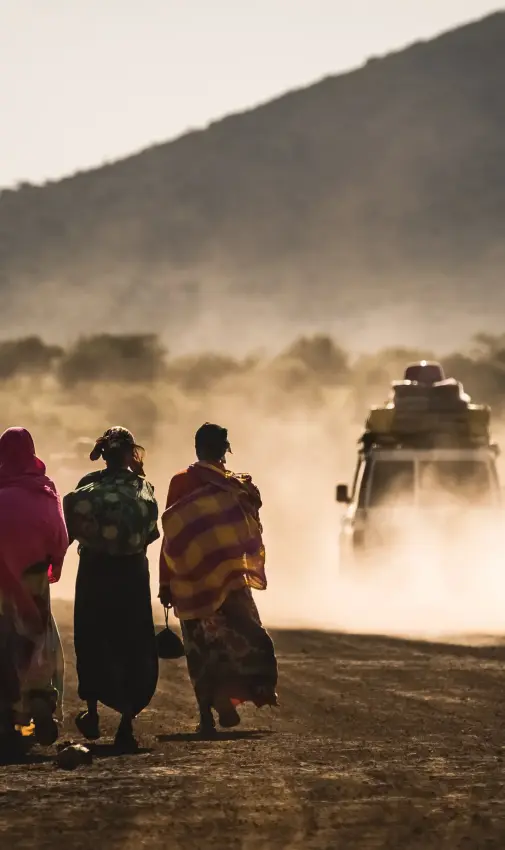
Conservation here runs through Lion Landscapes and the Ruaha Carnivore Project, both working to ease the conflict between predators and the pastoralist communities along the park’s boundary. The camp staff feed a carnivore sighting programme that acts as an early-warning network for lion and wild dog movement, and support flows toward predator-proof livestock enclosures for the herds nearby. In the village of Tungamalenga the school and the clinic receive supplies and outreach, and the staff themselves come from those surrounding communities, which guests can arrange to visit.
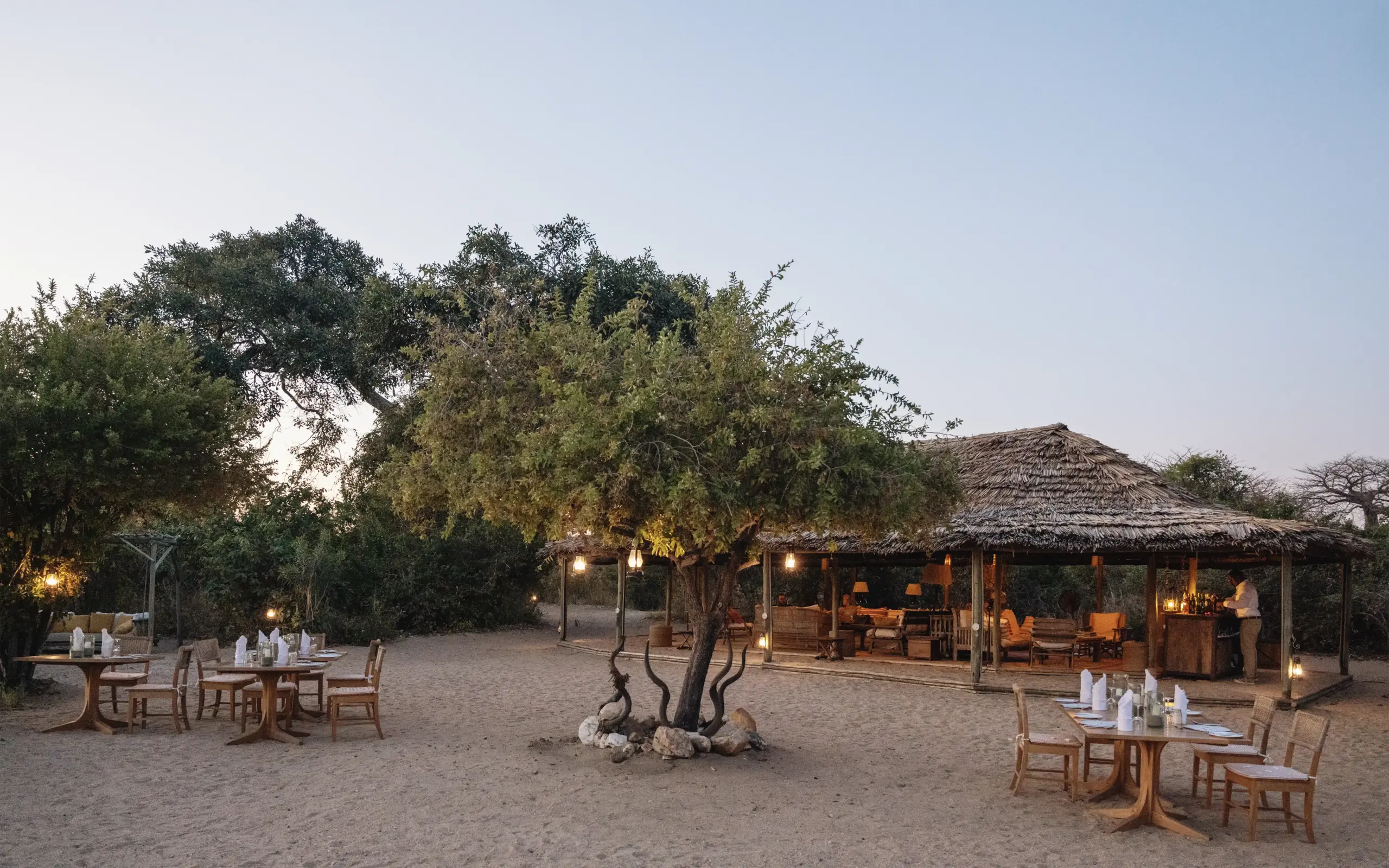
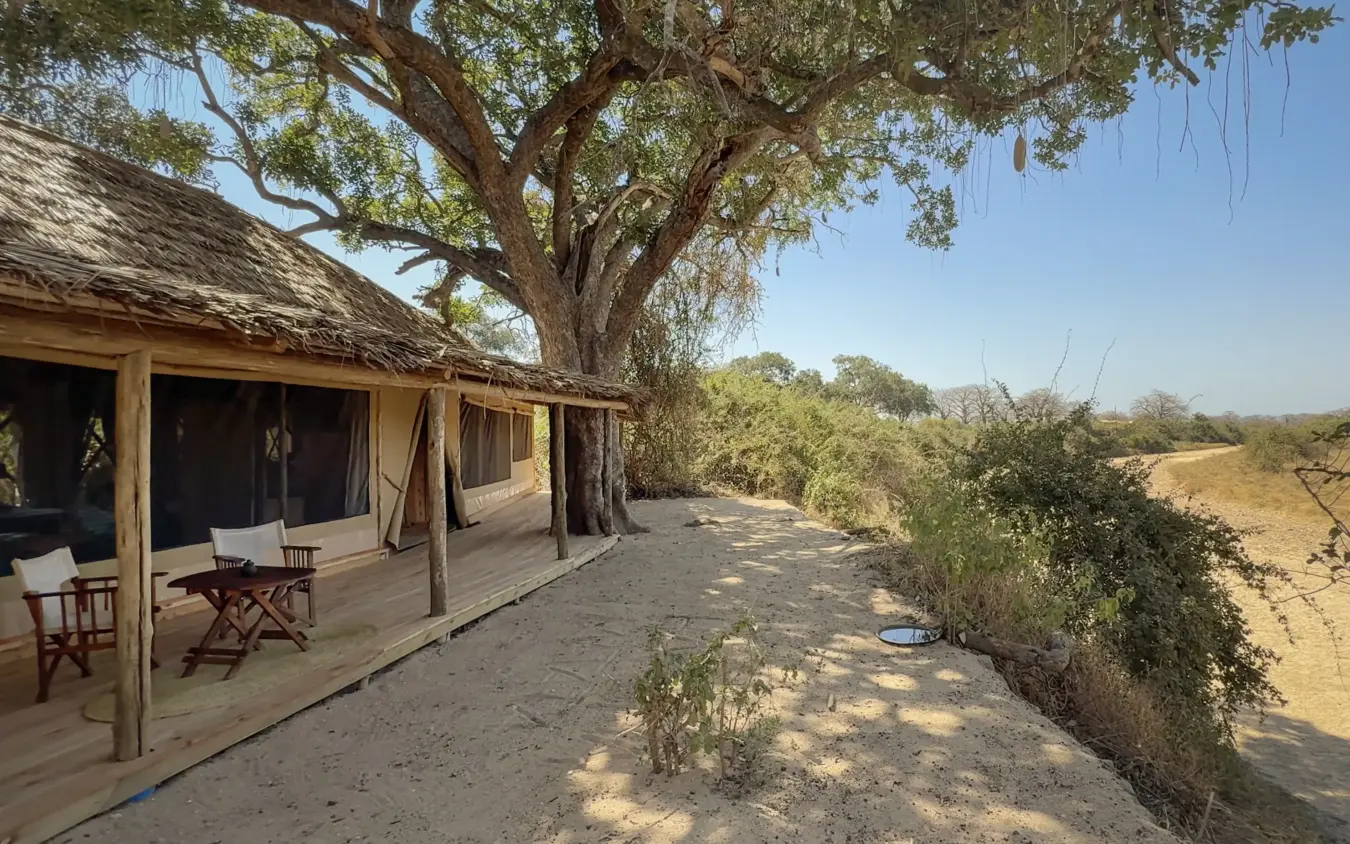
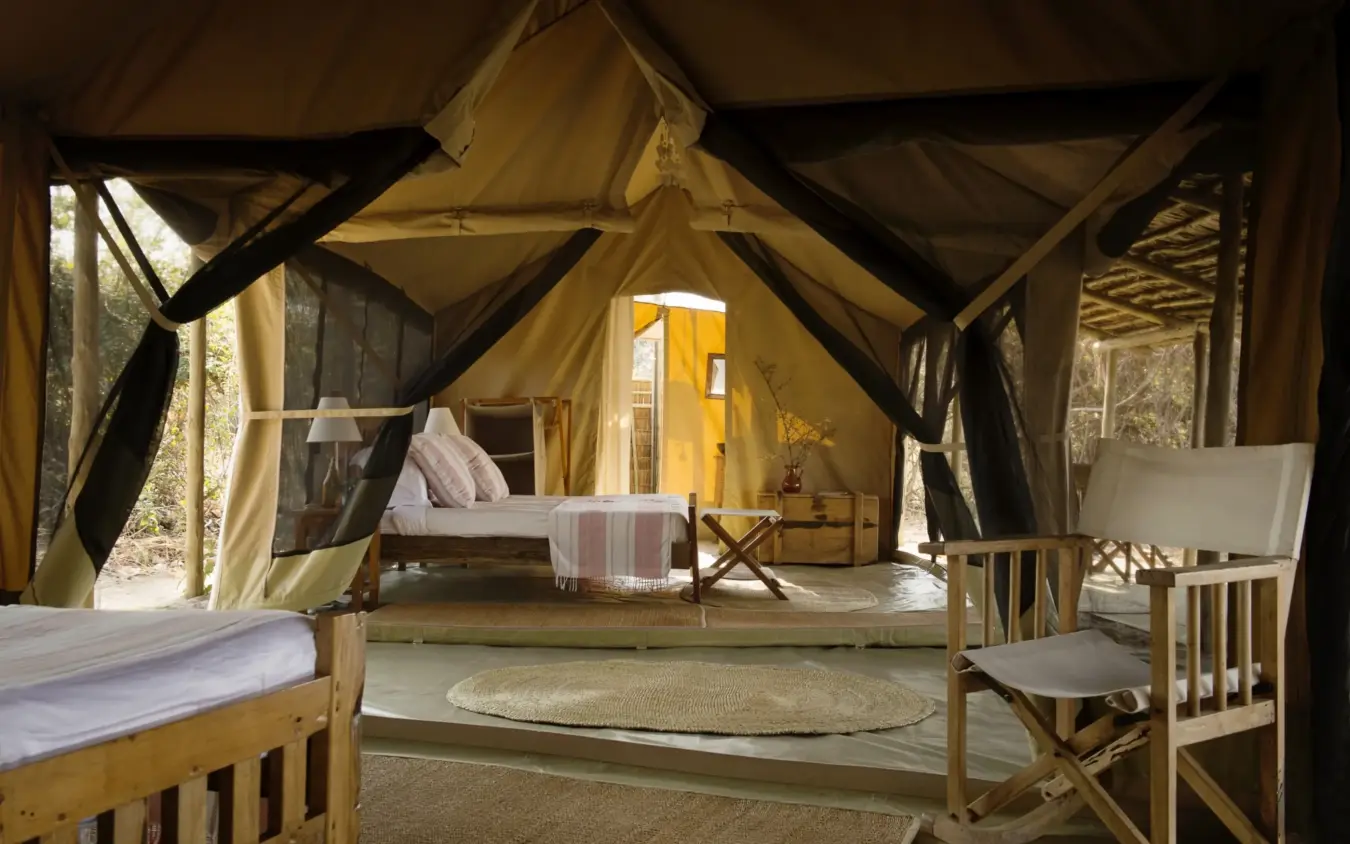
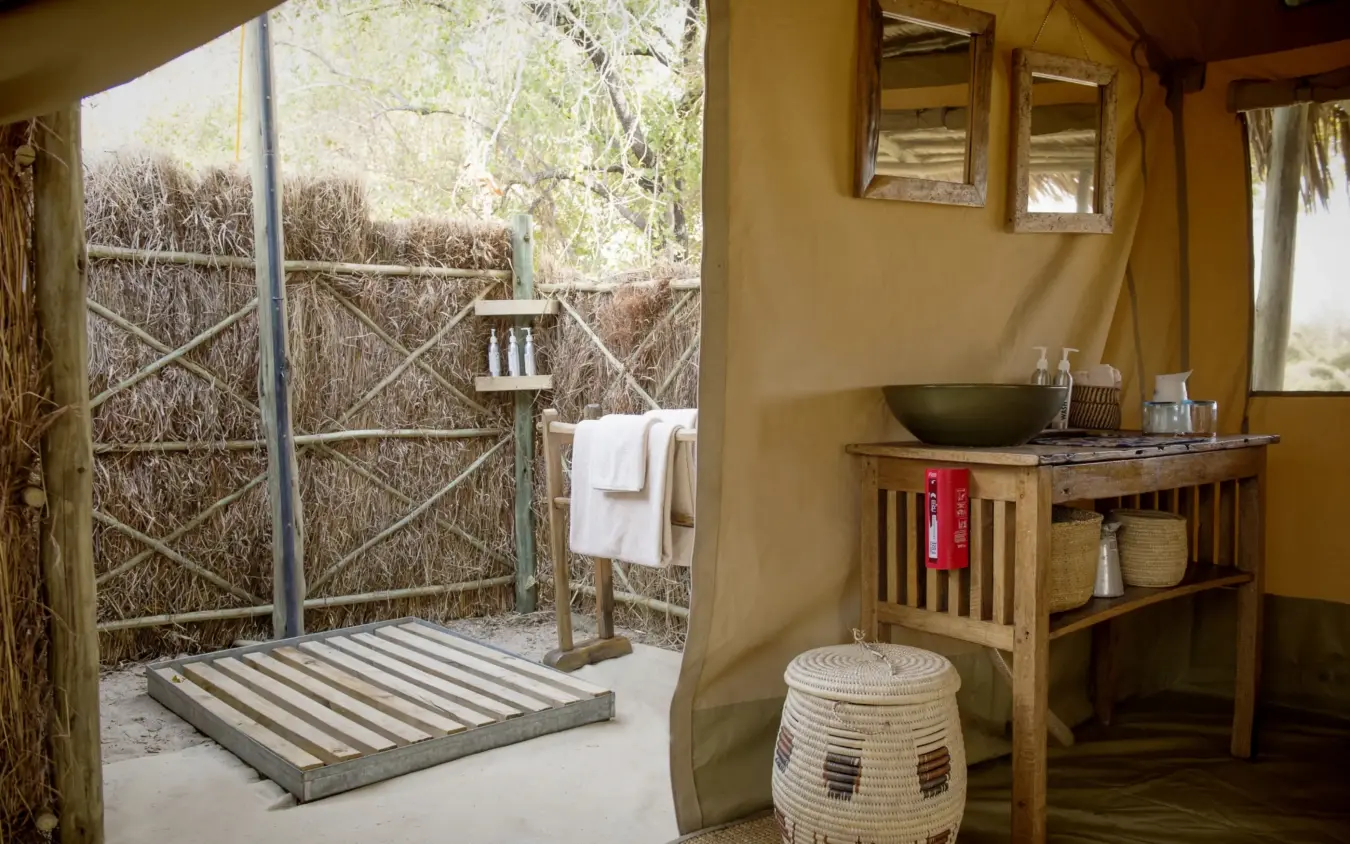
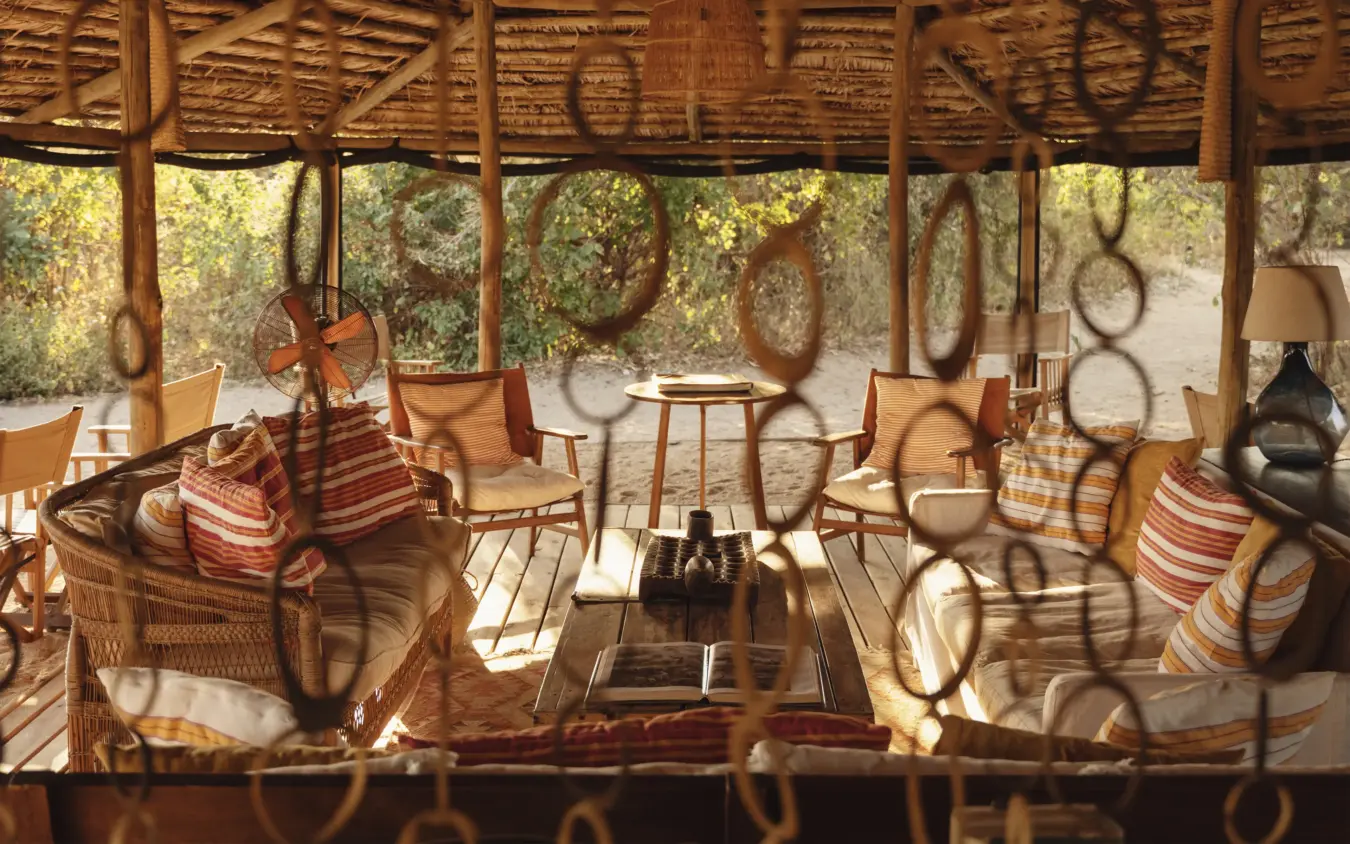
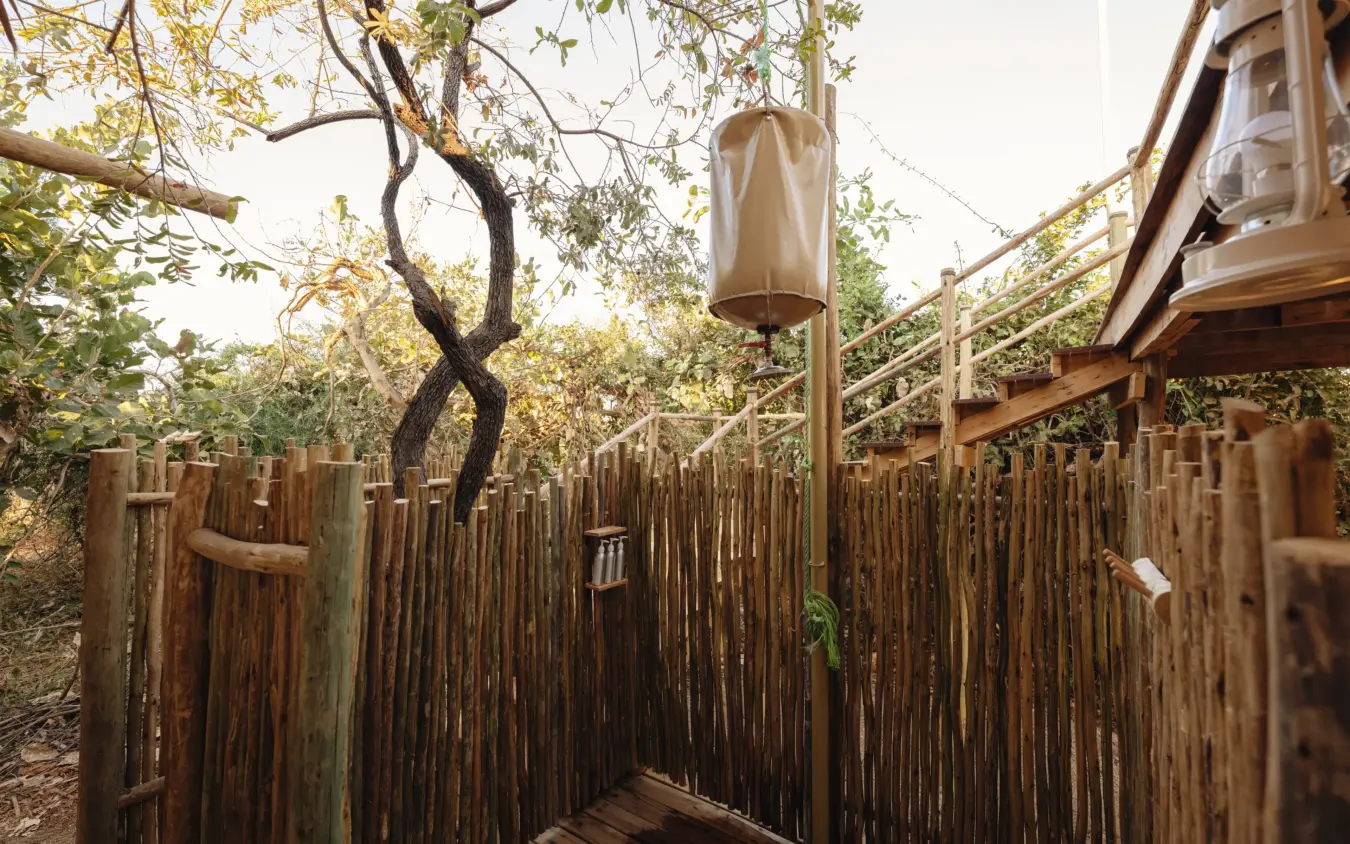
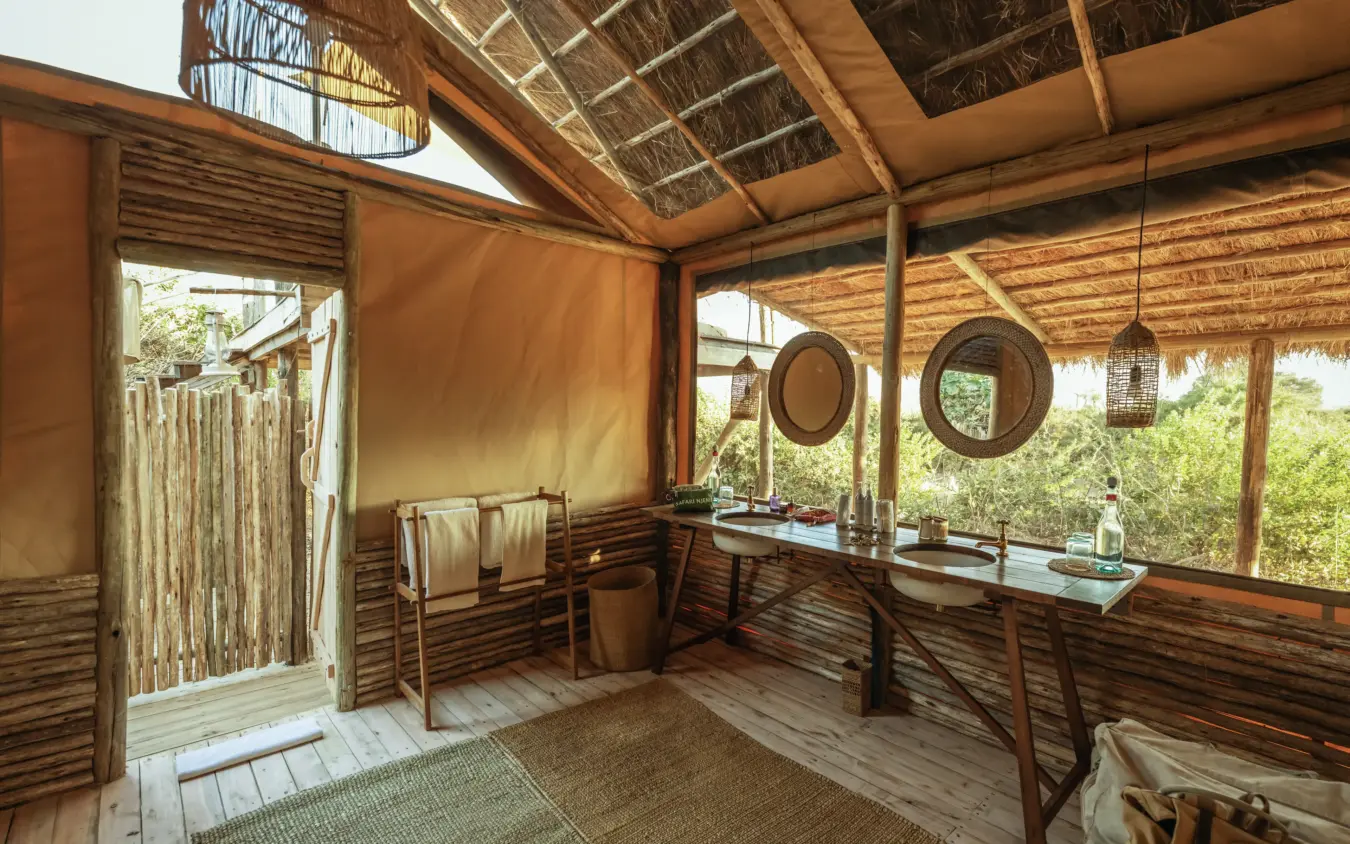
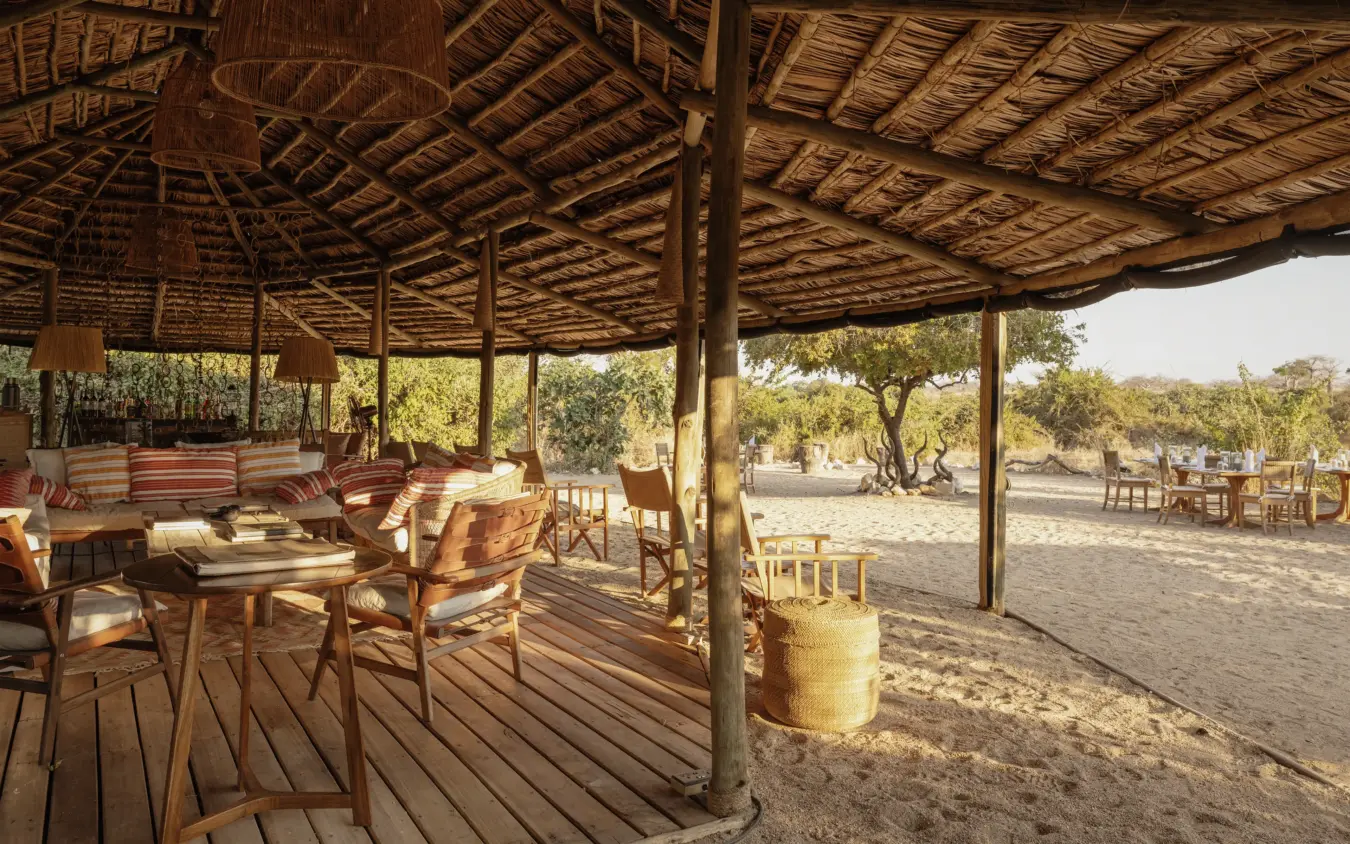
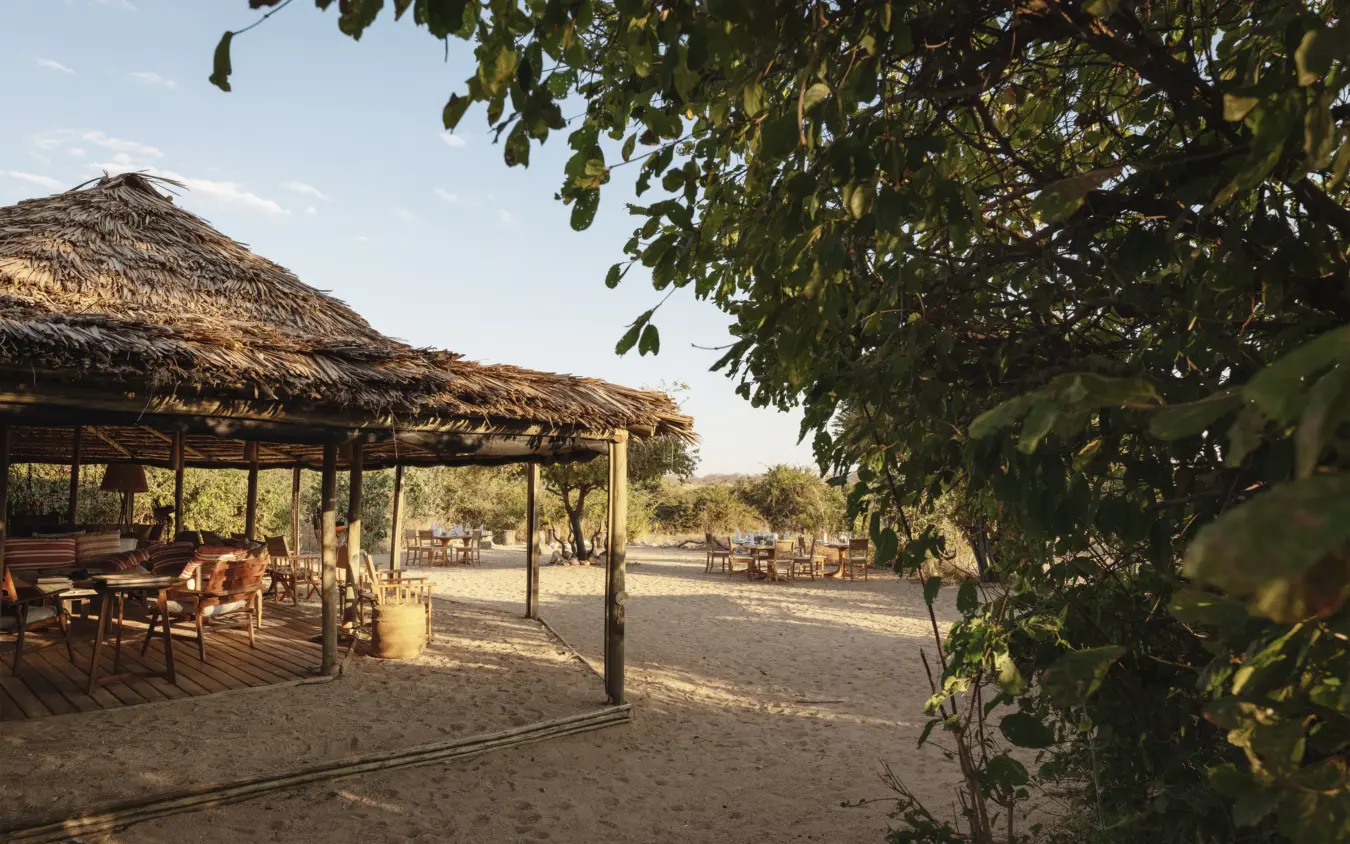
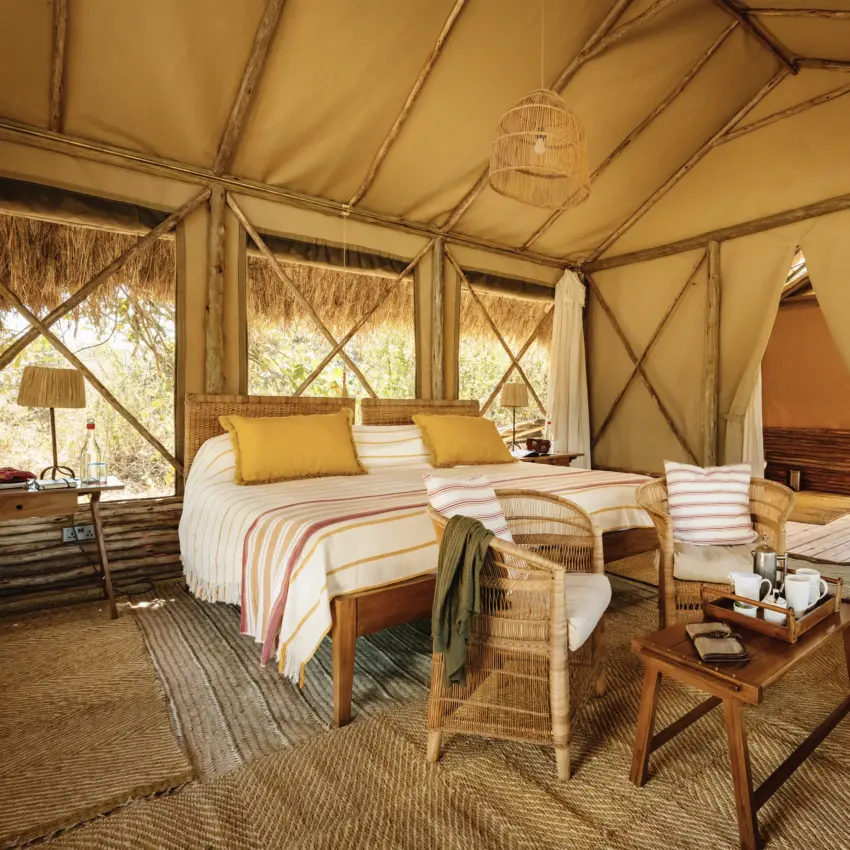
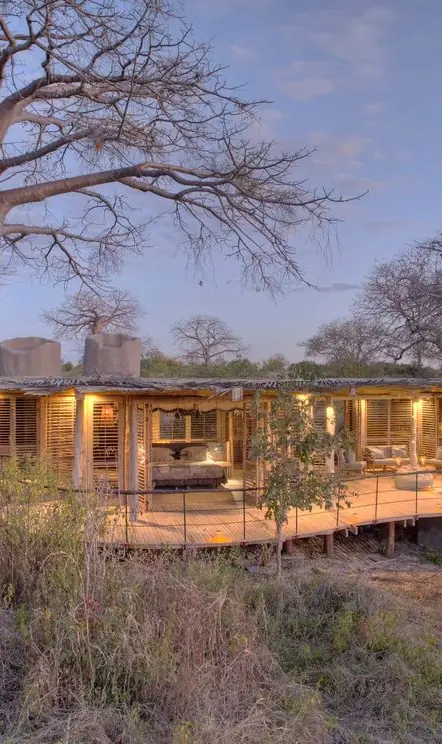
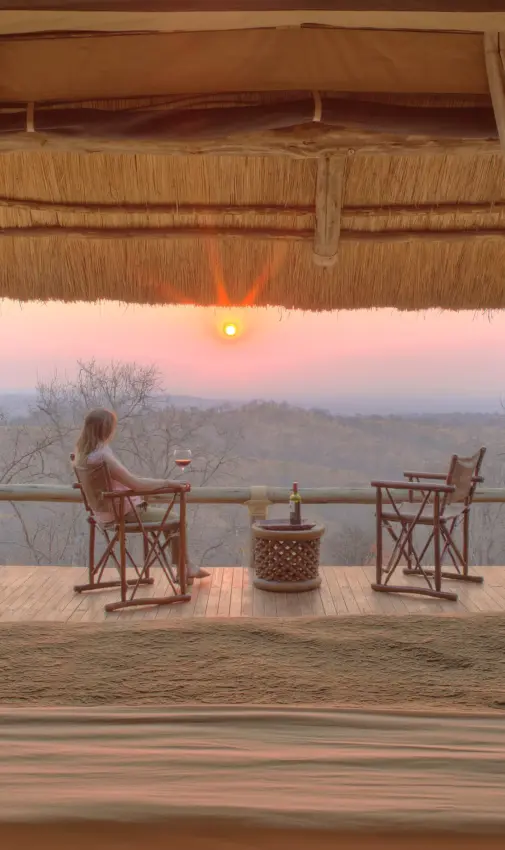
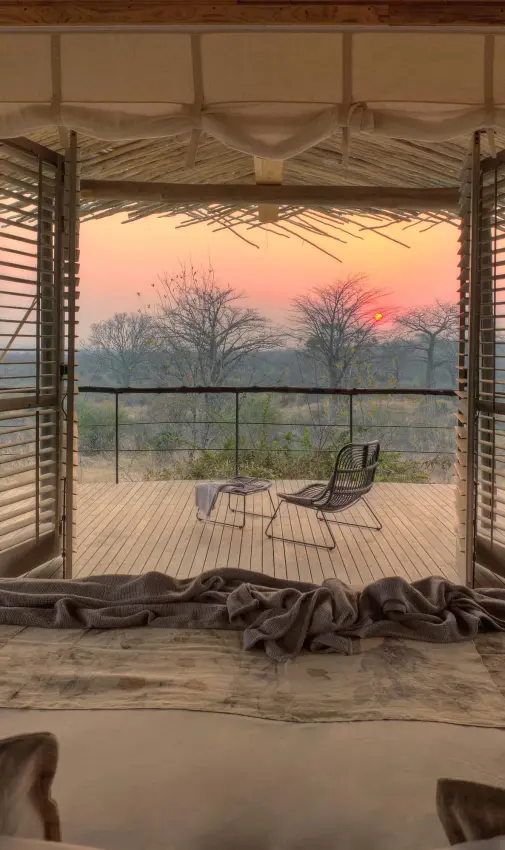
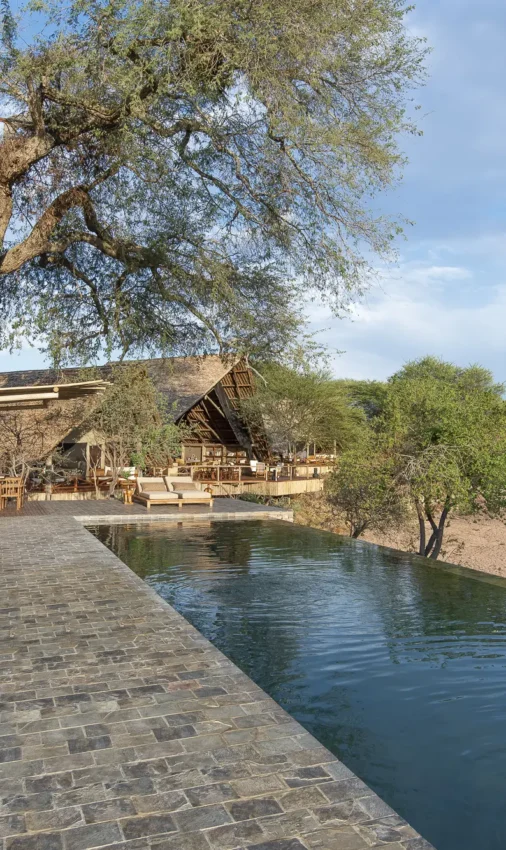
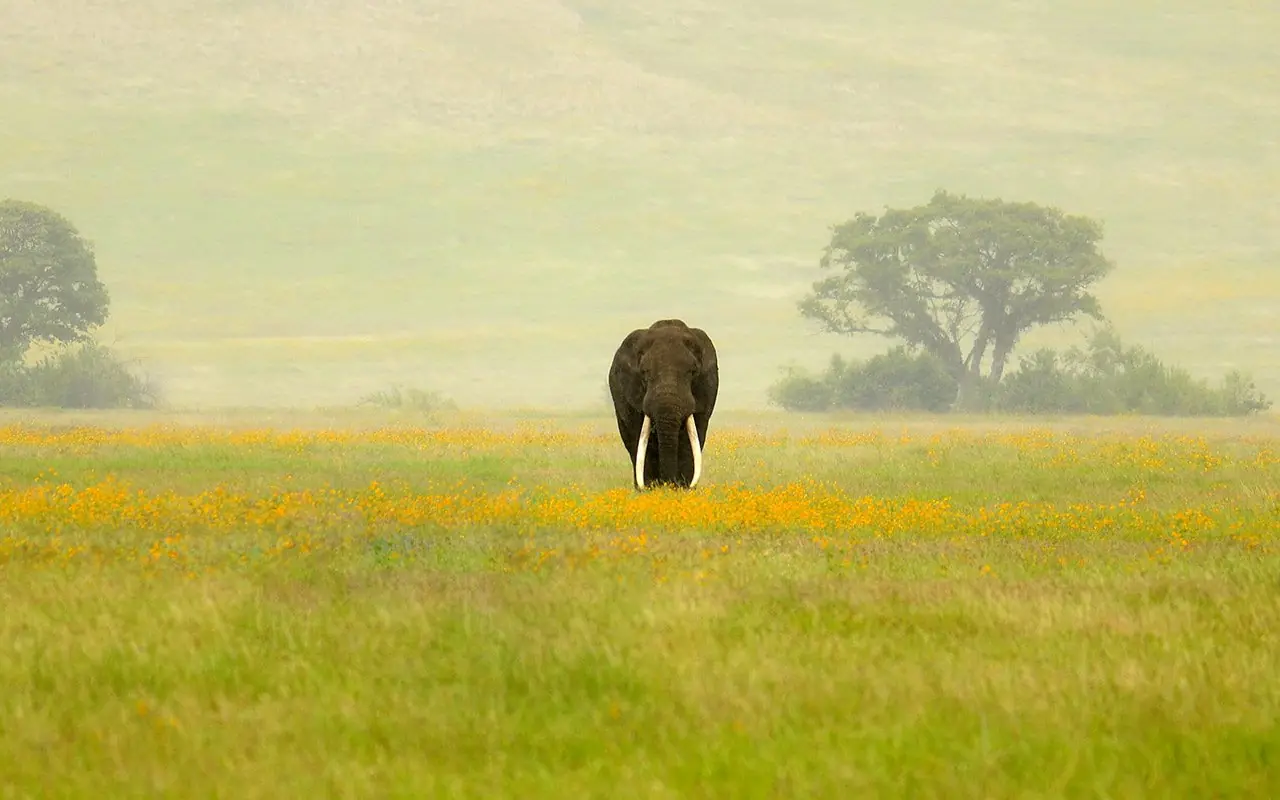
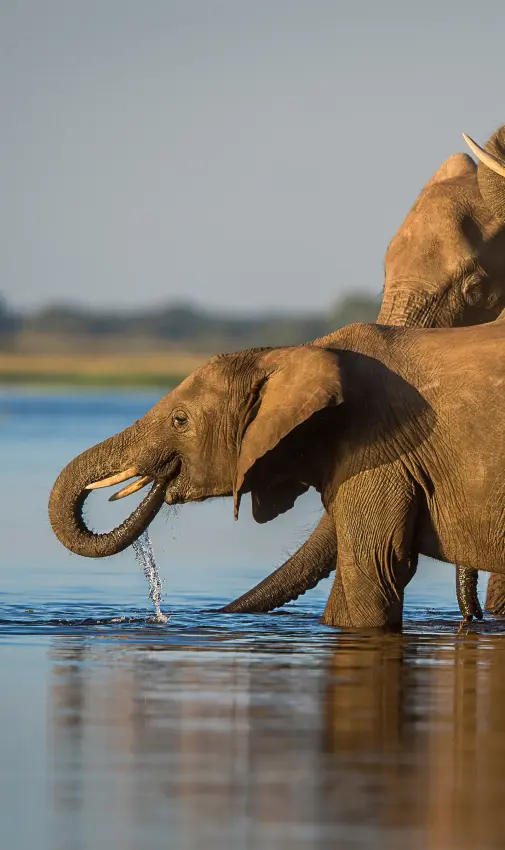
The camp stays deliberately simple, six tents along the riverbank, canvas and pale wood in place of decorative luxury, and that restraint is the point. It keeps the focus on the Ifuguru sand river and the game that moves along it, from the elephants digging for water to the big cats working the same watercourses. That density of wildlife is what draws guests who already know why they came, along with the weight given to walking and the unhurried rhythm of a bushcamp built around the landscape rather than around itself.