Camp

Charlie Ruaha

A seasonal walking camp on the Ruaha River in southern Tanzania, taking one party of up to six and moving with the season.

Country: Tanzania
Location: Moving along the Great Ruaha River
Number of rooms: 4

On foot below the Usangu wetlands

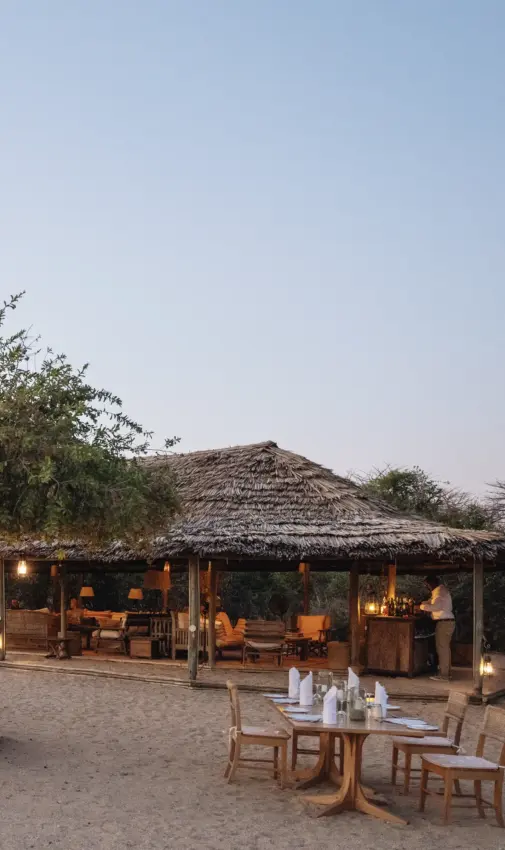
The Ruaha River runs quiet below the Usangu wetlands, in the south of Tanzania, and Charlie Ruaha follows that stretch for four months of the year. It opens in July, closes in October and takes a single party of up to six. Camp packs up and moves as a stay goes on, following the game and the terrain, and it can come down at one bend of the river and go up at another while guests are still out walking.

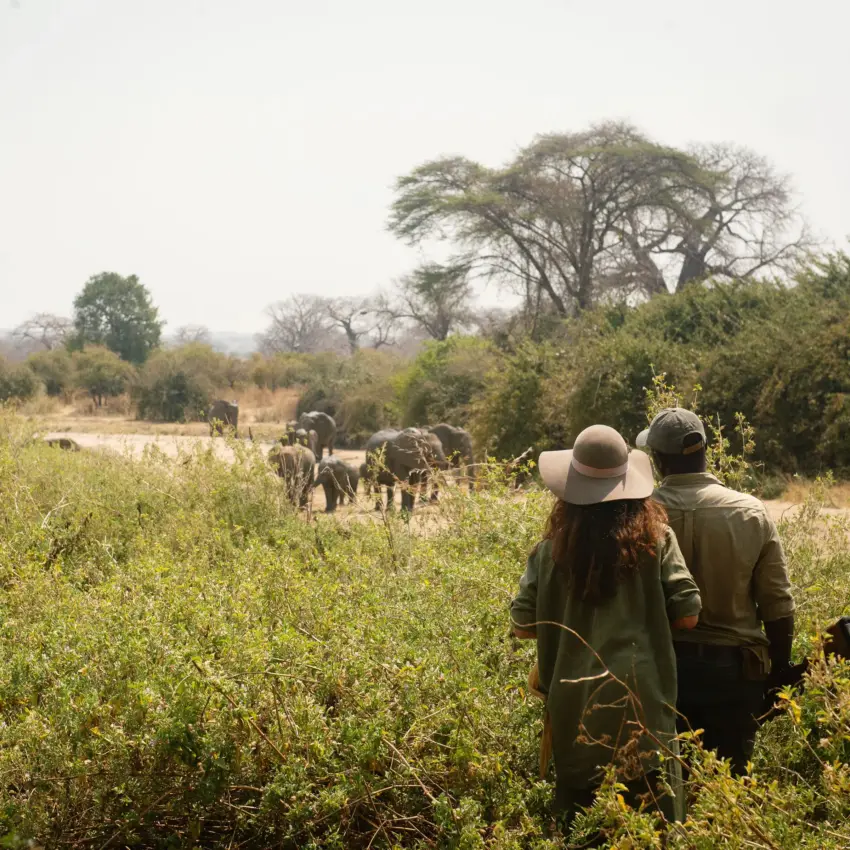
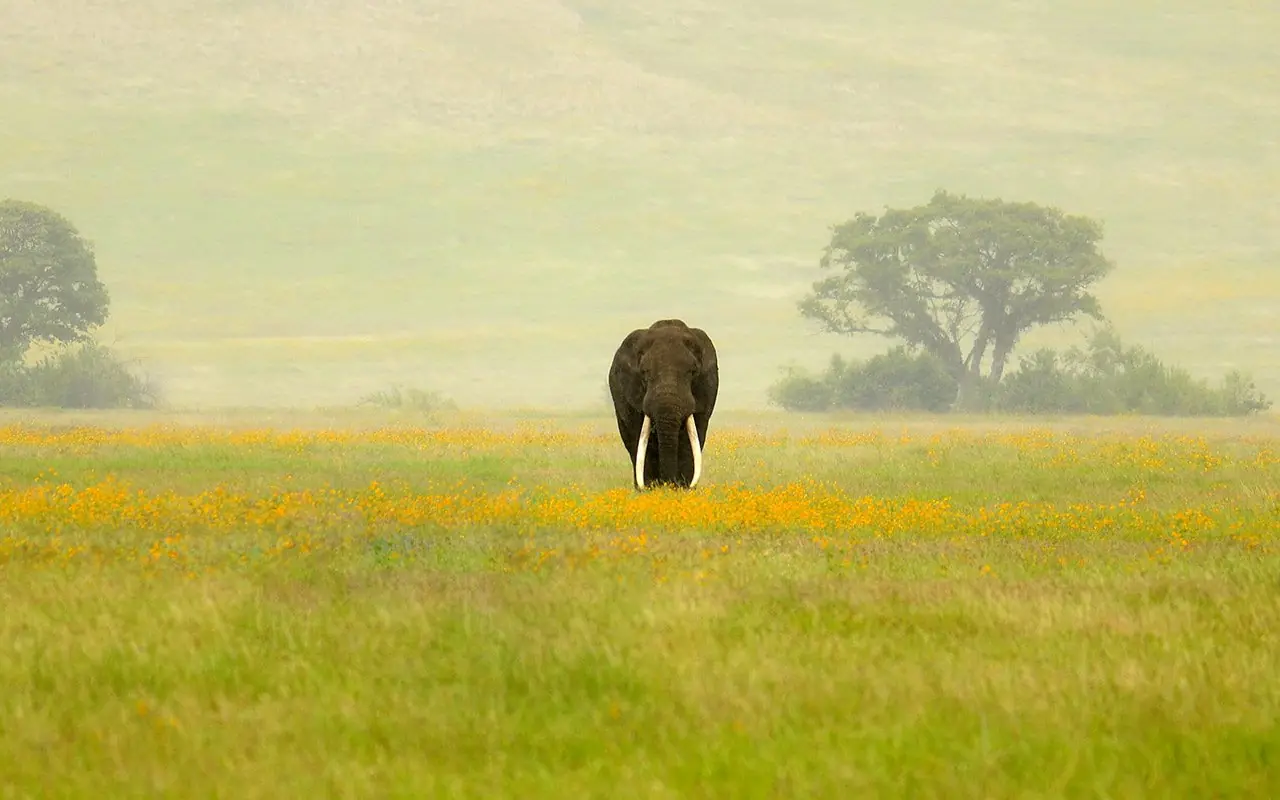
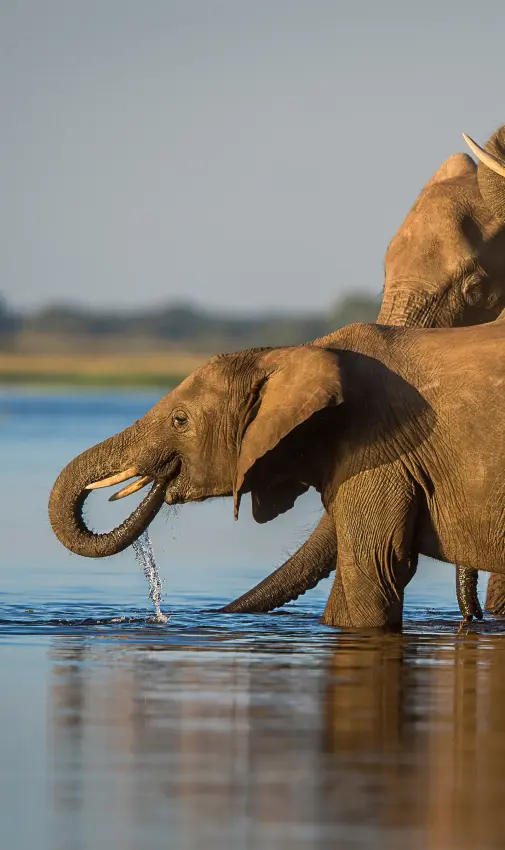
Elephants dig for water in the dry sand rivers.

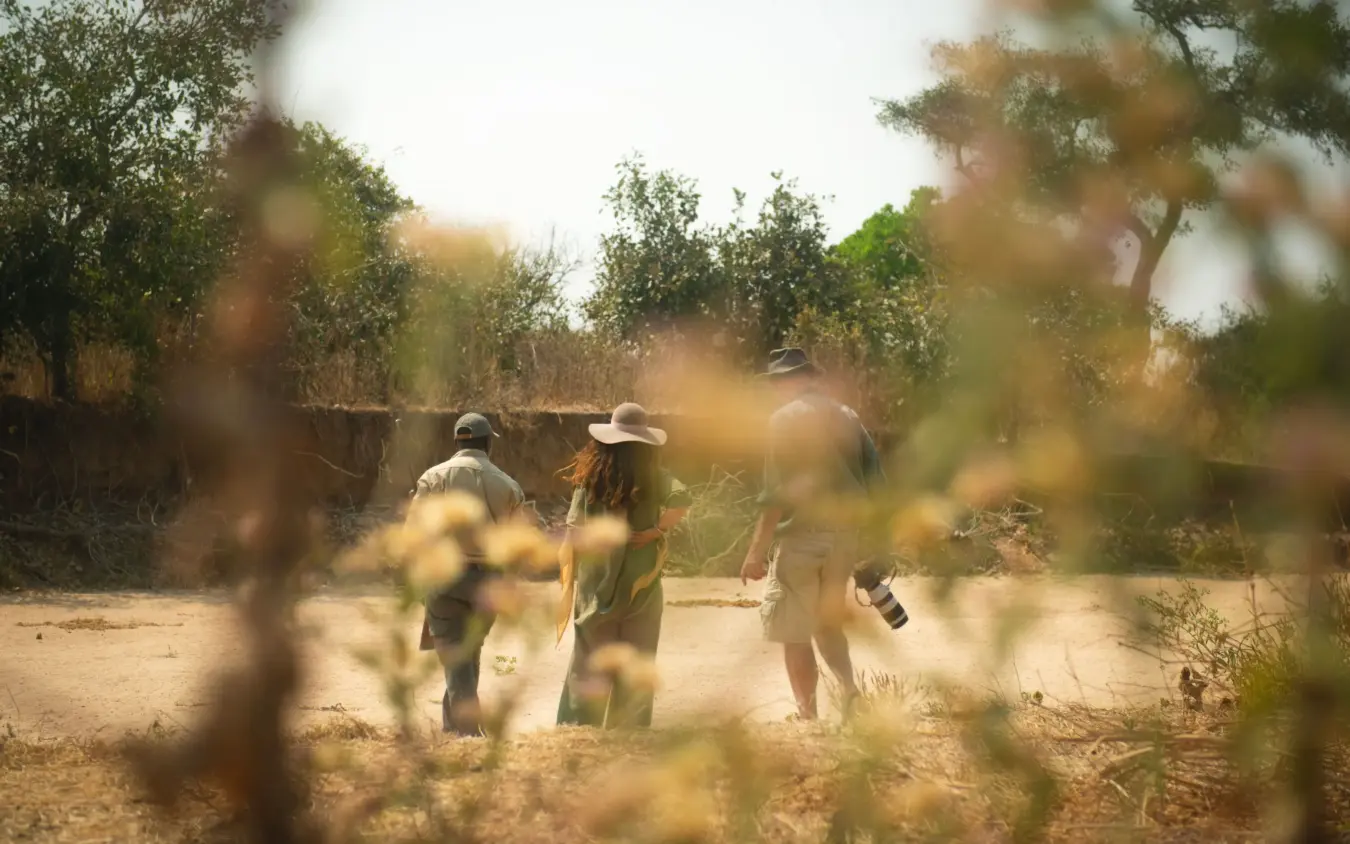
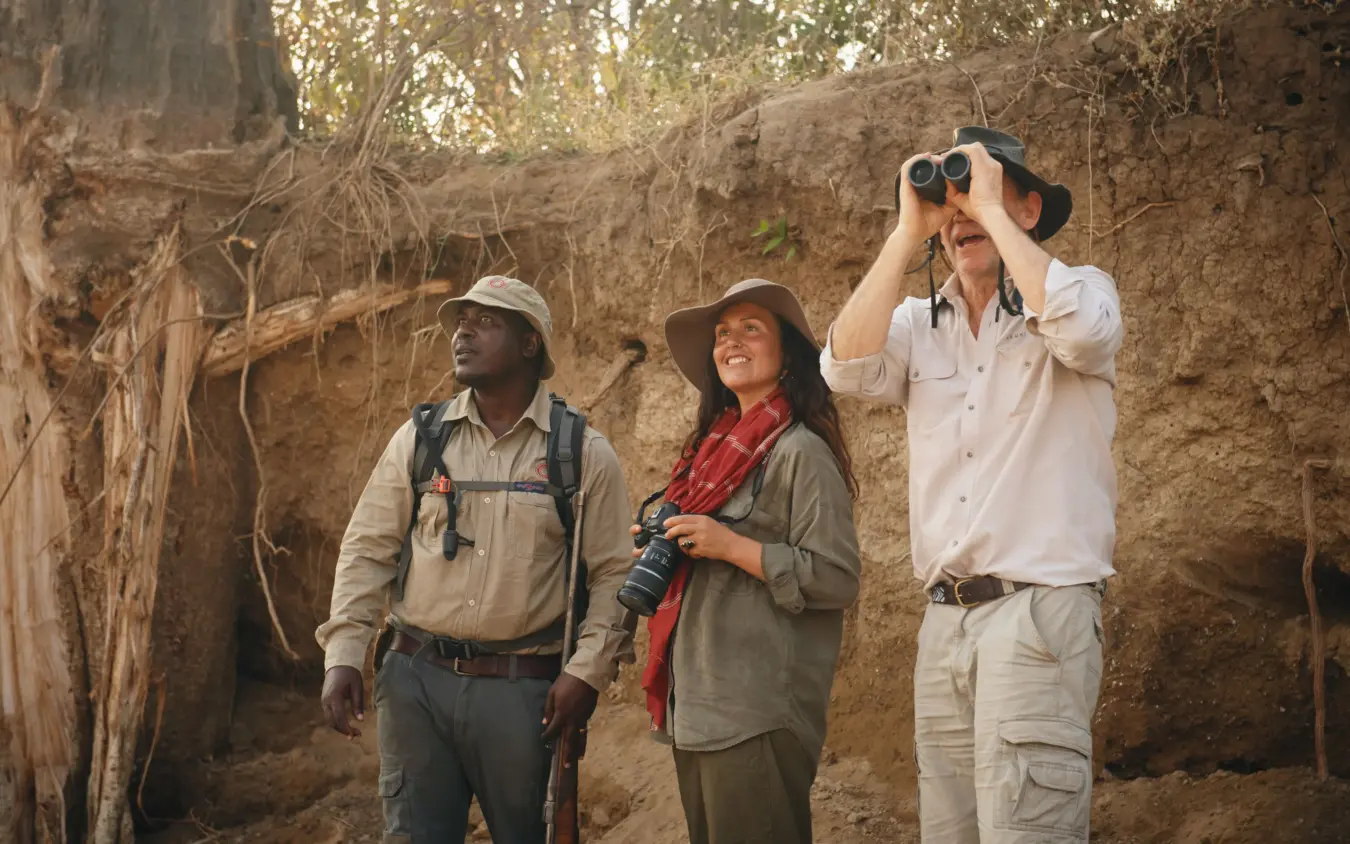
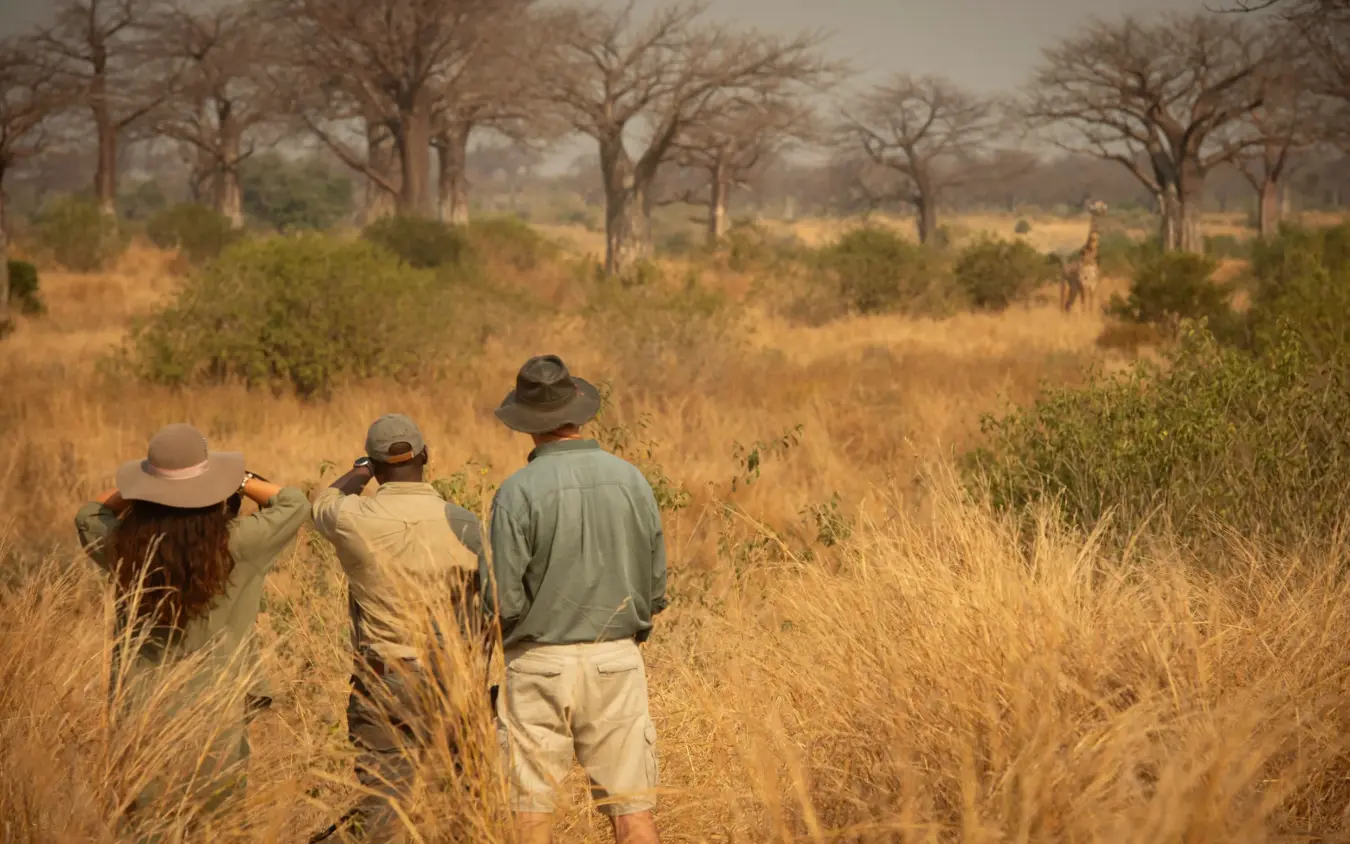
Days are spent on foot among baobabs and jackalberries, walking out each morning with an armed park ranger. Elephants dig for water in the dry sand rivers. Buffalo gather in herds several hundred strong. Vehicles cover the ground between walking sectors, or catch the last hour of light.

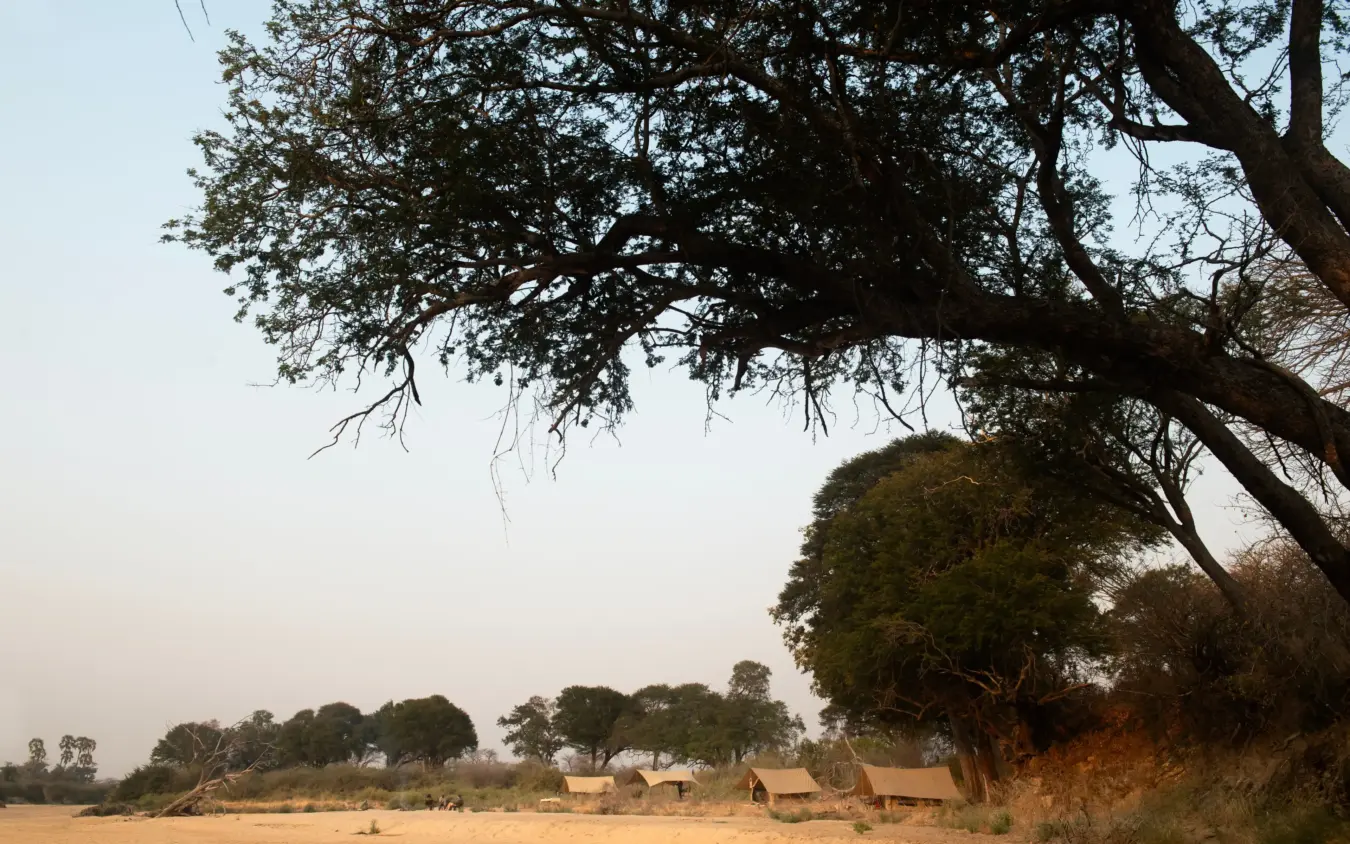
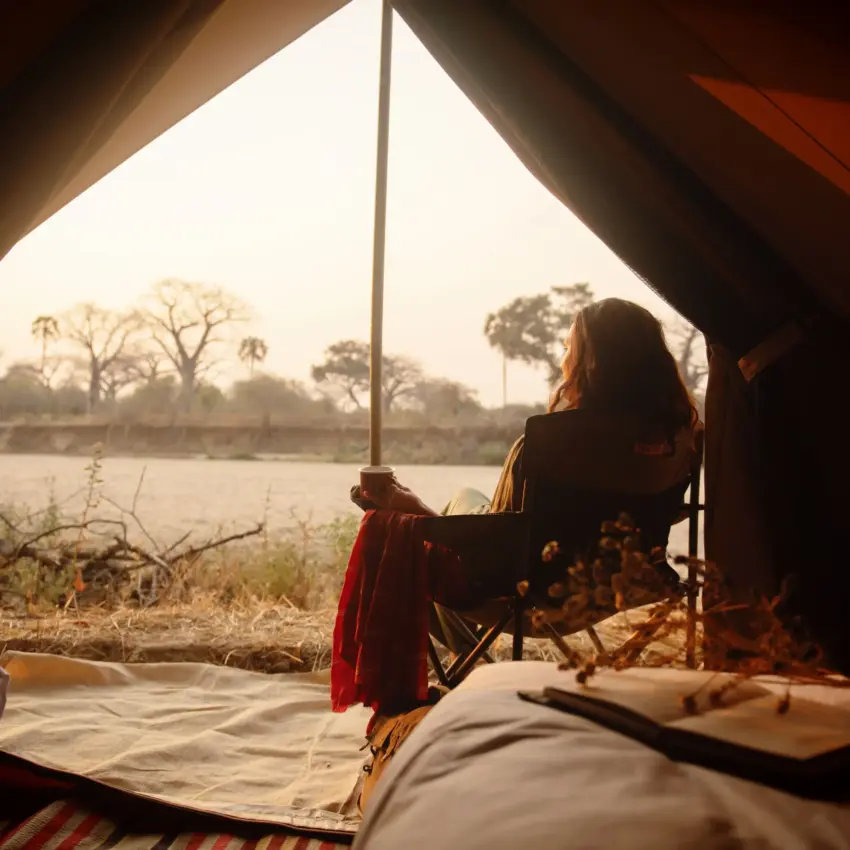
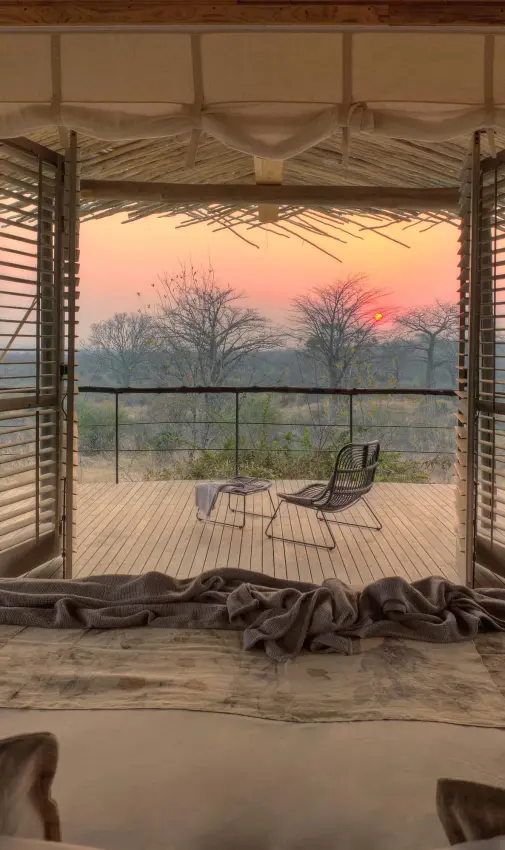
Four walk-in canvas tents, identical, and a single party takes all four. The flysheets lift off to leave mesh roofs, so nights pass under the stars. Leopards saw along the riverbank once the fire has burned low. Two shared bathrooms serve the camp, with bucket showers filled with hot water on request. No wifi, no phone signal, and a minimum age of sixteen.

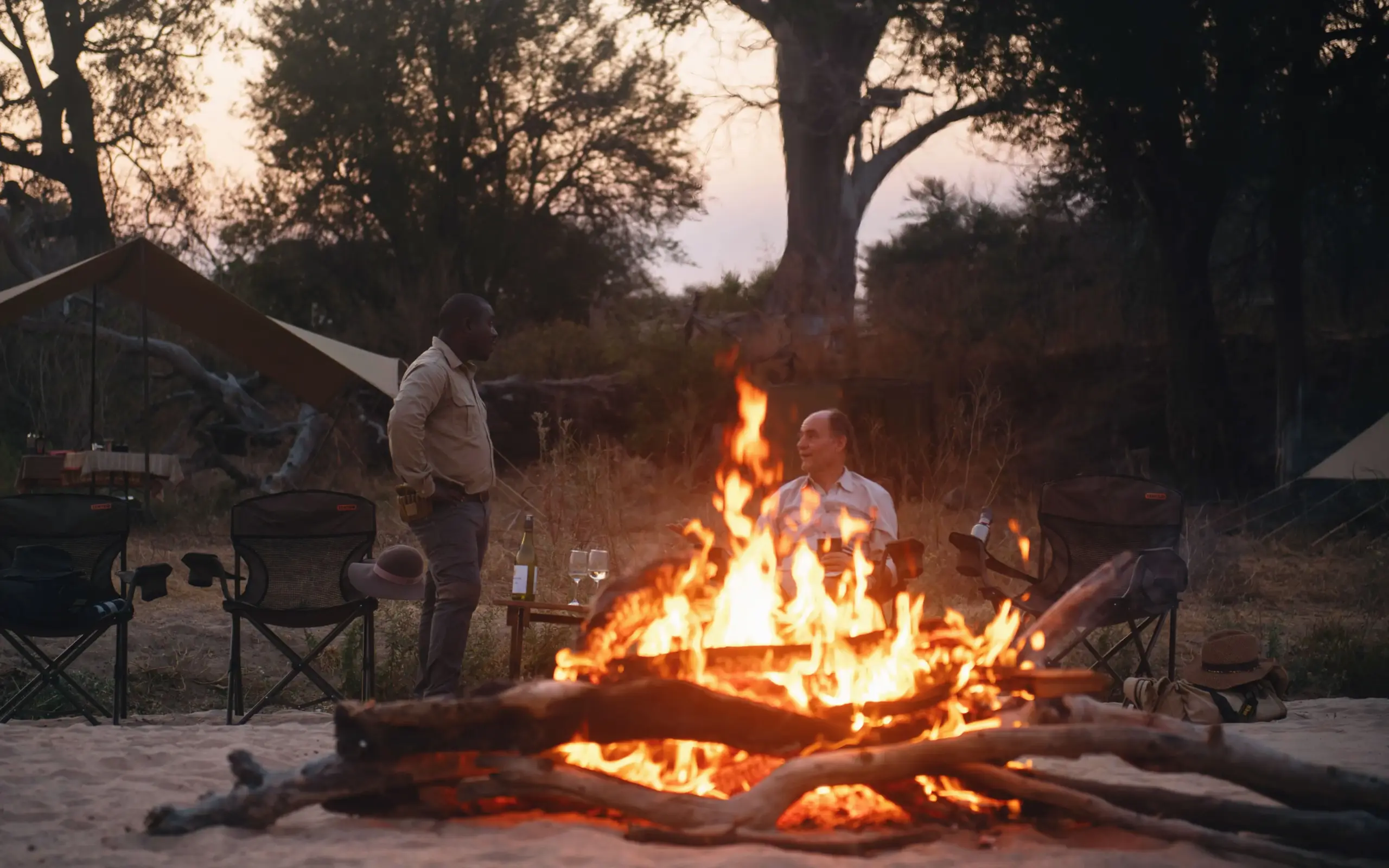
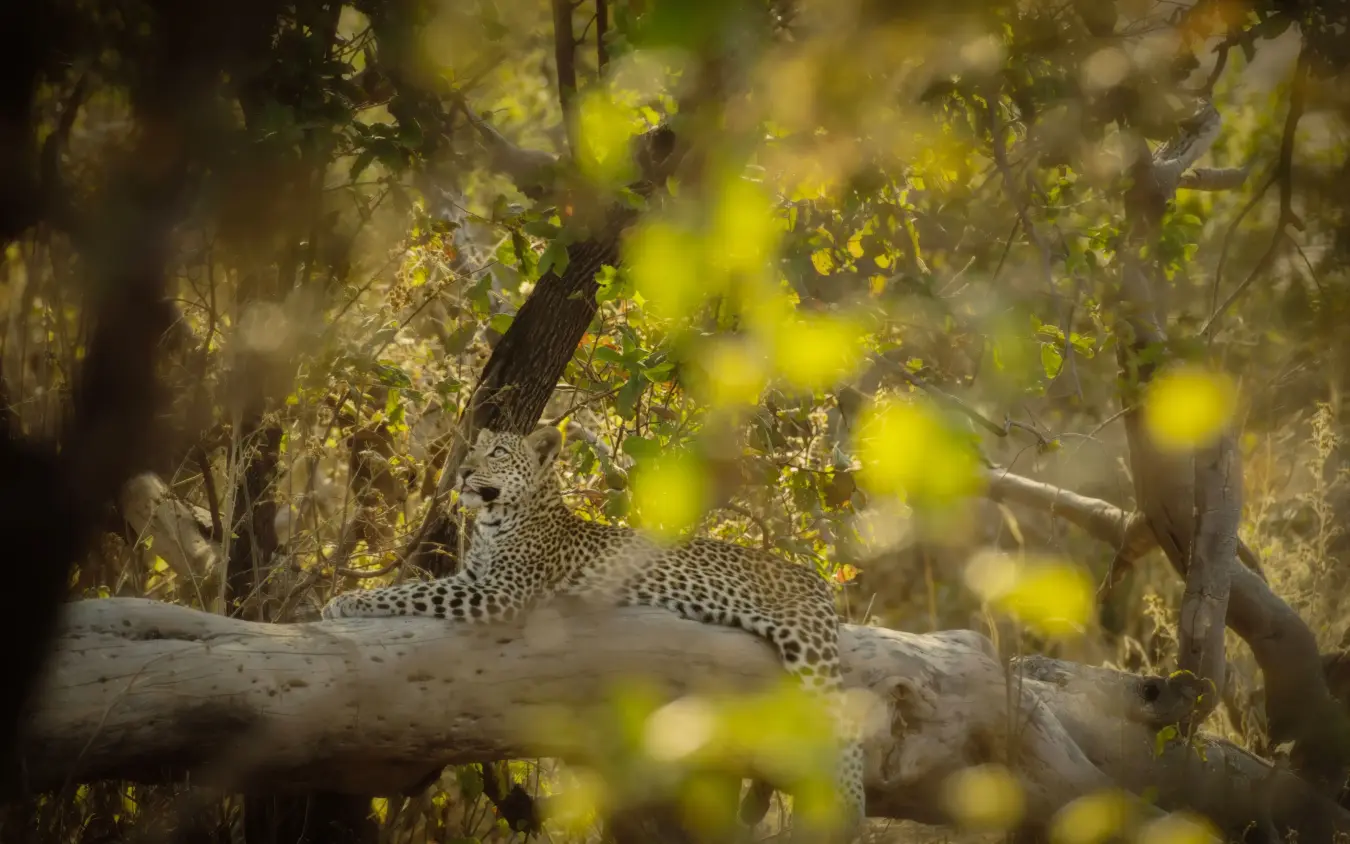
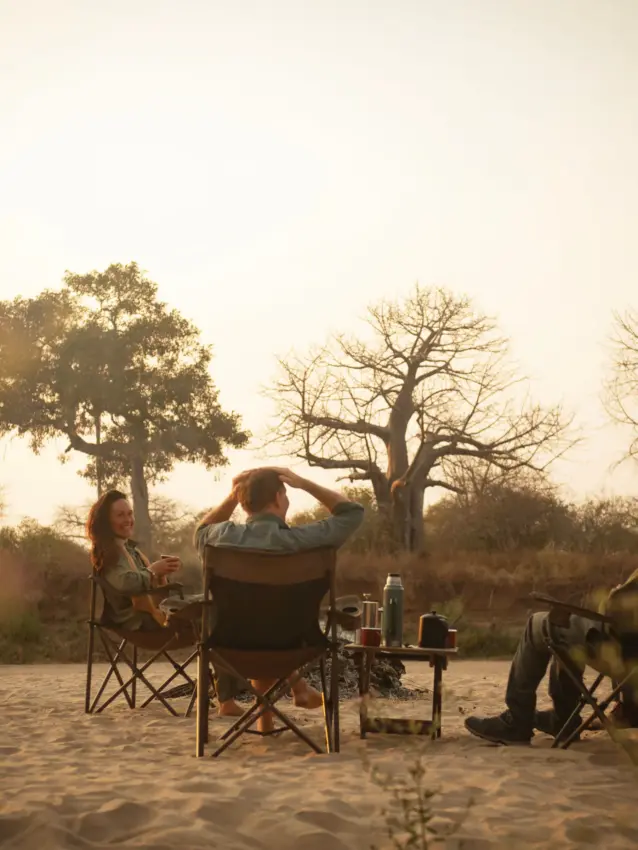
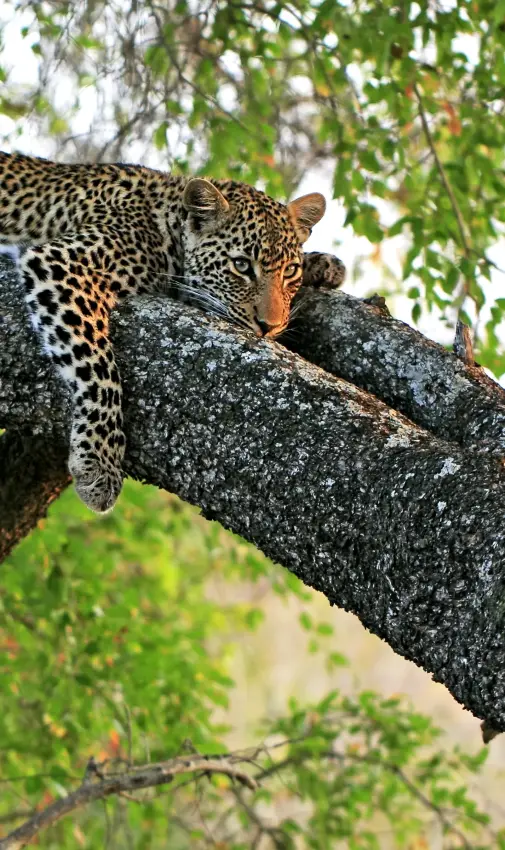
Leopards saw along the riverbank once the fire has burned low.

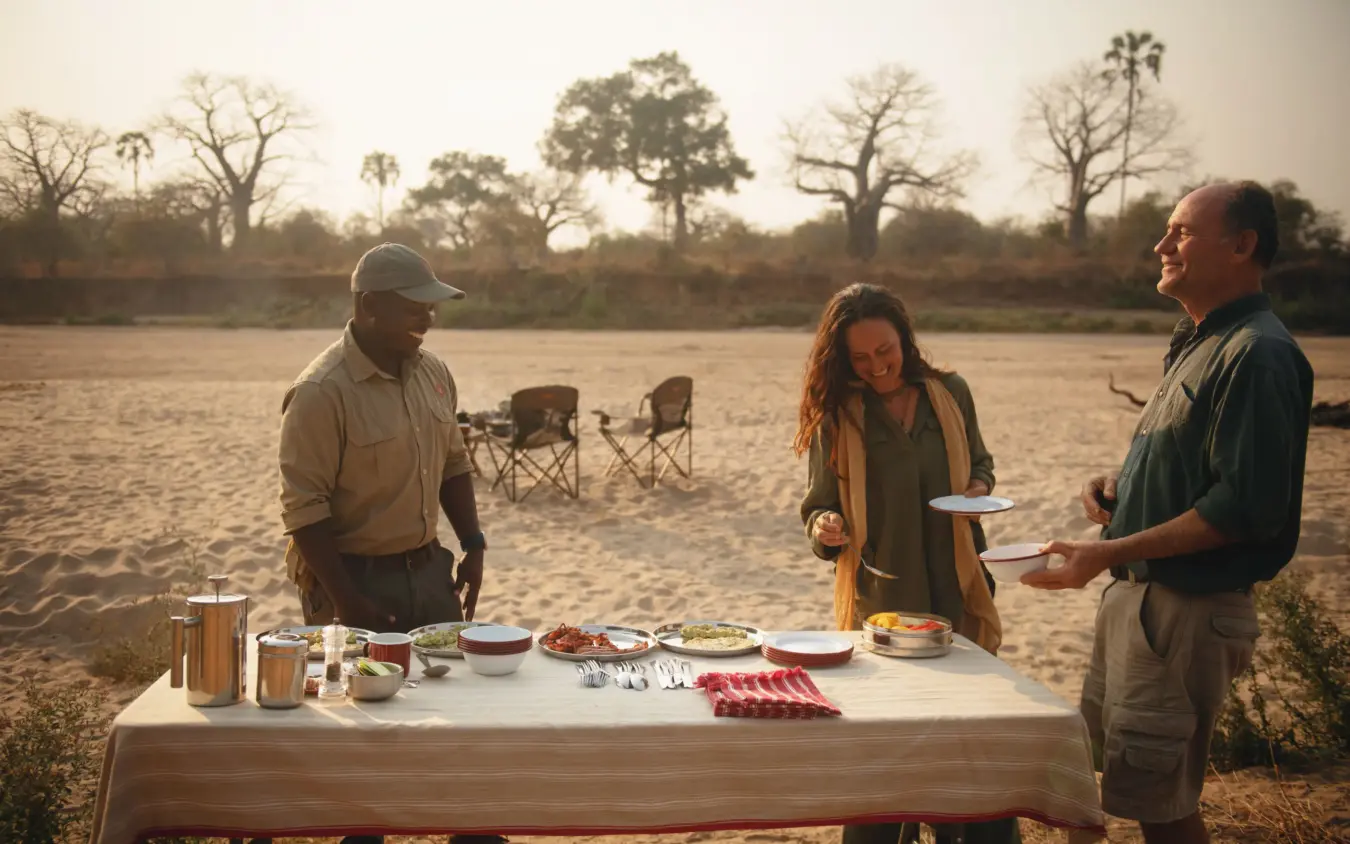
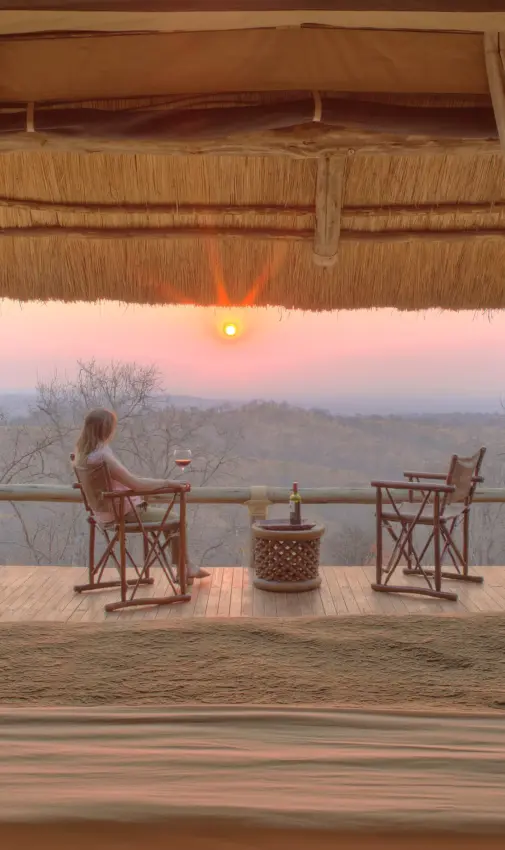
The camp takes its name from one of the operator’s earliest mobile expedition camps, run in this part of Tanzania more than twenty years ago, and it keeps that stripped-back way of doing things. A small travelling crew cooks over the fire, and the canvas comes down at the end of the season and leaves nothing behind. Most itineraries add a few nights at Kigelia, the semi-permanent camp in Ruaha National Park.

01

accommodation

Four Canvas Tents, Mesh Roofs, Stars

Four walk-in canvas tents take one party of up to six, with no variation between them. Each has a mesh roof beneath a removable flysheet, so the ceiling can be opened to the night sky, and solar lanterns for light. Two shared bathrooms serve the camp, with eco loos and bucket showers filled with hot water on request.

02

activities

Walking Tracks Across Floodplain and Woodland

Walking leads. Guests are on foot each day with an armed scout and an armed national park ranger, tracking spoor, birds and big game across floodplain, sand river and woodland. Open vehicles cover longer distances, move between walking sectors and run in the late afternoon light. Stargazing needs nothing more than a lifted flysheet.

03

conservation

Ruaha Carnivore Project Protects Lions

The Ruaha Carnivore Project works on predator research and on reducing conflict between lions and the livestock owners around the park, established in 2009. It also supports grassroots education and healthcare work, and guests can visit the projects. Over 95 percent of the staff are Tanzanian.

ready to get started?

Get in touch and let’s start the conversation. An initial consultation helps us understand what you’re looking for, whether that’s specific experiences, luxury touches, or marking a special occasion, and from there we’ll guide you through what’s possible so you can decide if we’re the right fit.

Alternative accommodation in ruaha national park

frequently asked questions

By light aircraft to Jongomero airstrip in the south of Ruaha National Park, then about an hour and a half by road to wherever the camp is standing that week; the camp moves along the river during a stay, so the drive can be shorter or longer and we confirm it for your dates. Coastal Aviation's timetable, valid to the end of May 2027, flies Dar es Salaam to Ruaha daily, leaving at half past eight and landing at eleven with a stop in Nyerere National Park, and its Ruaha service lands at both Jongomero and Msembe; the flight only runs once two seats are sold, so we book early, and connections feed into it from Zanzibar and Arusha. Auric Air links the Serengeti to Ruaha direct on Mondays, Thursdays and Saturdays, which is how we join a northern safari to a southern one without going back through Dar.

We can also arrange a private charter, typically a Cessna Caravan or a Pilatus PC-12, from Dar es Salaam, Arusha, Zanzibar or another park straight into Jongomero at a time that suits you. On the scheduled flights the limit is fifteen kilograms a person including hand luggage, so pack a soft bag. Most people combine Charlie with a few nights at Kigelia, the camp's tented camp in the centre of the park, and the same airline serves both.

Yes. TravelHealthPro, the UK's official travel health service, says there is a high risk of malaria in all areas of Tanzania below 1,800 metres, and the CDC draws its line at the same height, 5,900 feet. The Ruaha River valley where the camp stands lies far below that, so both class it as a risk area, and both list antimalarial tablets alongside bite avoidance among their recommendations for it. The camp's own fact sheet says the same in three words: malaria protection advised.

That is what the sources say rather than advice from us: we plan safaris and are not medical people, so the decision on tablets, and which, belongs with you and your doctor or a travel clinic, ideally a month or more before you fly. Practical detail we can give: the tents are fine mesh rather than netted beds, dusk by the river is the hour to have sleeves down and repellent on, and Ruaha's wooded stretches hold tsetse flies, which are a nuisance rather than a health risk for visitors and are drawn to dark blue and black, so keep those colours out of the bag.

Nobody under sixteen. The minimum age is sixteen, for the camp and for every walk, and the reasons are plain once you picture the place: the days are spent on foot in a park full of lions and elephants, the two bathrooms are shared, the camp is unfenced with askaris walking guests to their tents after dark, and there is nothing to occupy a child who does not want to walk.

Because the camp is taken as a whole, one booking for up to six, a family with teenagers of sixteen and over has it to themselves and sets the pace. Tell us who is coming and how they are on their feet and we will say honestly whether it fits, or point you to a camp better set up for younger children.

No, neither, and the camp says so plainly: no wifi and no mobile signal at any Charlie location. Lighting is by solar lantern, and the only sockets are the three-pin and USB points in the game-drive vehicle, so camera batteries charge on the move rather than in the tent. The crew carries a satellite phone for emergencies, and we include medical evacuation cover as standard.

Treat it as a proper break from the phone, which is most of the point of the place. If someone genuinely has to be reachable, tell us before you travel and we will plan a camp with wifi for the nights either side, and download anything you want to read before the flight in.
Dry, with the whole season inside Ruaha's rainless months. July and August are the coolest, with days around 27 degrees and dawns of 14 or so, cold enough for a fleece on the first walk; September warms and October is the hottest month of Ruaha's year, with afternoons above 30 and the first showers possible at its very end. The camp's own weather notes give 15 to 28 degrees for June to September and 20 to 32 for October.

Pack for walking rather than for a lodge: broken-in boots or trail shoes with grip for sand rivers and rocky ground, long trousers and long sleeves in khaki, olive or tan, since tsetse go for dark blue and black, a wide hat, strong sun cream, a warm layer for early starts and evenings by the fire, a head torch, and binoculars. Soft bag, fifteen kilograms on the light aircraft including hand luggage. There is no laundry at this camp, unlike the camp's fixed camps, so bring enough for the nights you are there.

Fit enough to enjoy several hours on foot in the morning and be happy to do it again the next day. Walks run from around three hours to most of a morning depending on the party and what turns up, always with an armed scout from the camp and an armed park ranger, six people at most, and the vehicle covers the long gaps and the last hour of light. Routes are set to the slowest walker, not to a timetable.

Two or three nights is the sensible stay, and the camp itself suggests a couple of nights at Charlie after time at Kigelia, so a Ruaha itinerary usually runs five or six nights across the two. The camp may move once or twice while you are there, so the tents are at a different bend of the river when you walk back in, and that is the plan rather than a change of it.

rated five stars by our clients

other areas in tanzania

Chimpanzee holding branch while foraging in forest, Mahale Mountains, Tanzania 01

Mahale Mountains

Guests relax in chairs by river with child wading, Lake Manyara, Tanzania 02

Lake Manyara

Elephant walking alone across golden savanna grassland 03

Ngorongoro Crater

Silhouetted herd of wildebeest in dusty savanna landscape 04

Serengeti National Park

Leopard resting on tree branch surrounded by green foliage 05

Tarangire National Park

Hippopotamuses in water with heads above surface 06

Katavi National Park

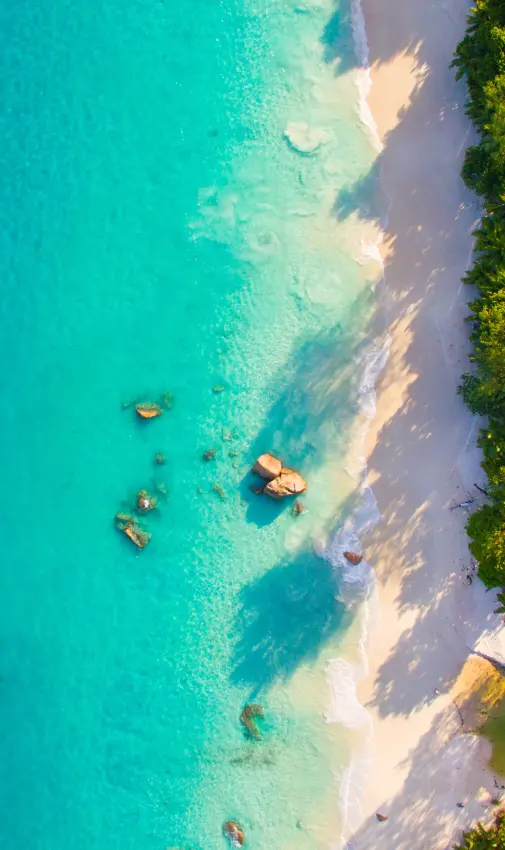
Turquoise water beach with boats and tropical vegetation 07

Zanzibar & Pemba

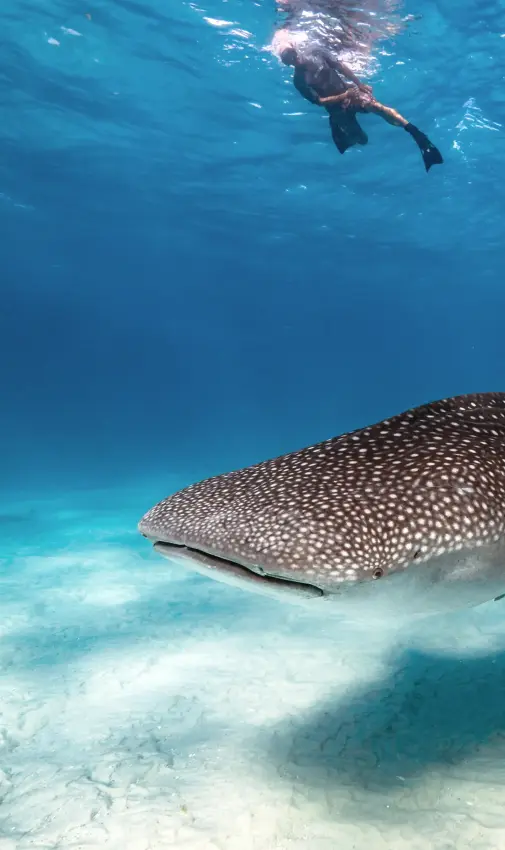
Snorkeler swimming alongside whale shark in shallow turquoise water, Mafia Archipelago, Tanzania 08

Mafia Archipelago

elephants drinking water at riverbank during daytime 09

Nyerere National Park

Chimpanzee among vegetation looking toward camera, Rubondo Island, Tanzania 10

Rubondo Island

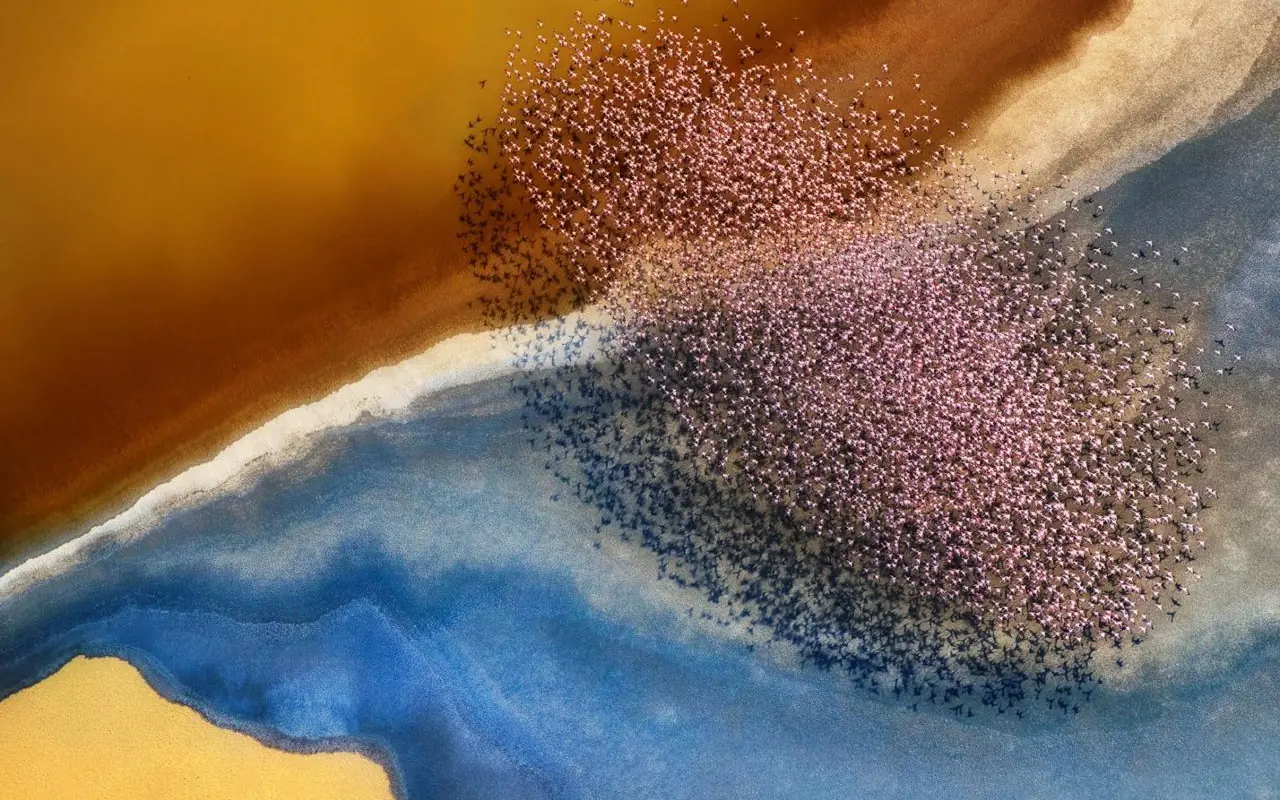
Aerial view of colorful salt lakes and mineral deposits 11

Lake Natron

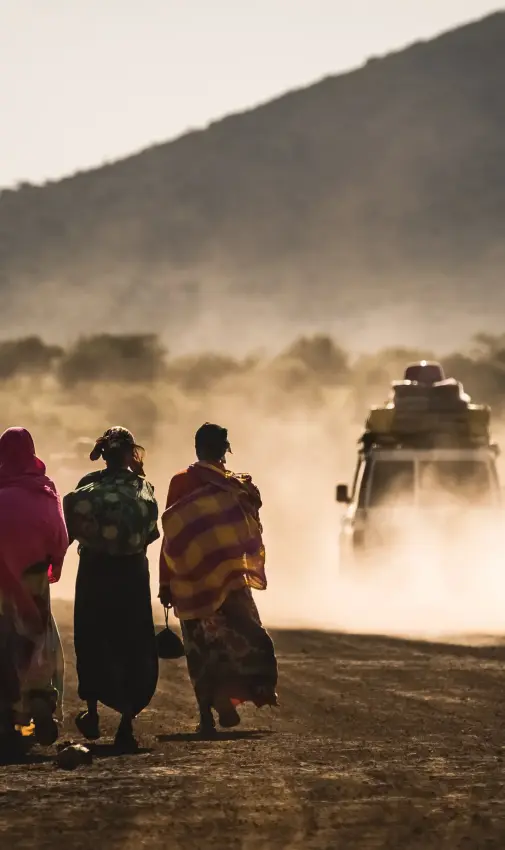
Local people walking on dusty road with vehicle approaching 12

Arusha

13

Ugalla River National Park

Planning a journey together

our approach

remote, exclusive
& personal

Every journey starts with a conversation. We take the time to understand your vision before we start planning.

Whether by phone or in person, we work with you directly to shape something that is considered, personal, and expertly delivered.

get in touch
destinations ideas & inspiration our process about us contact us