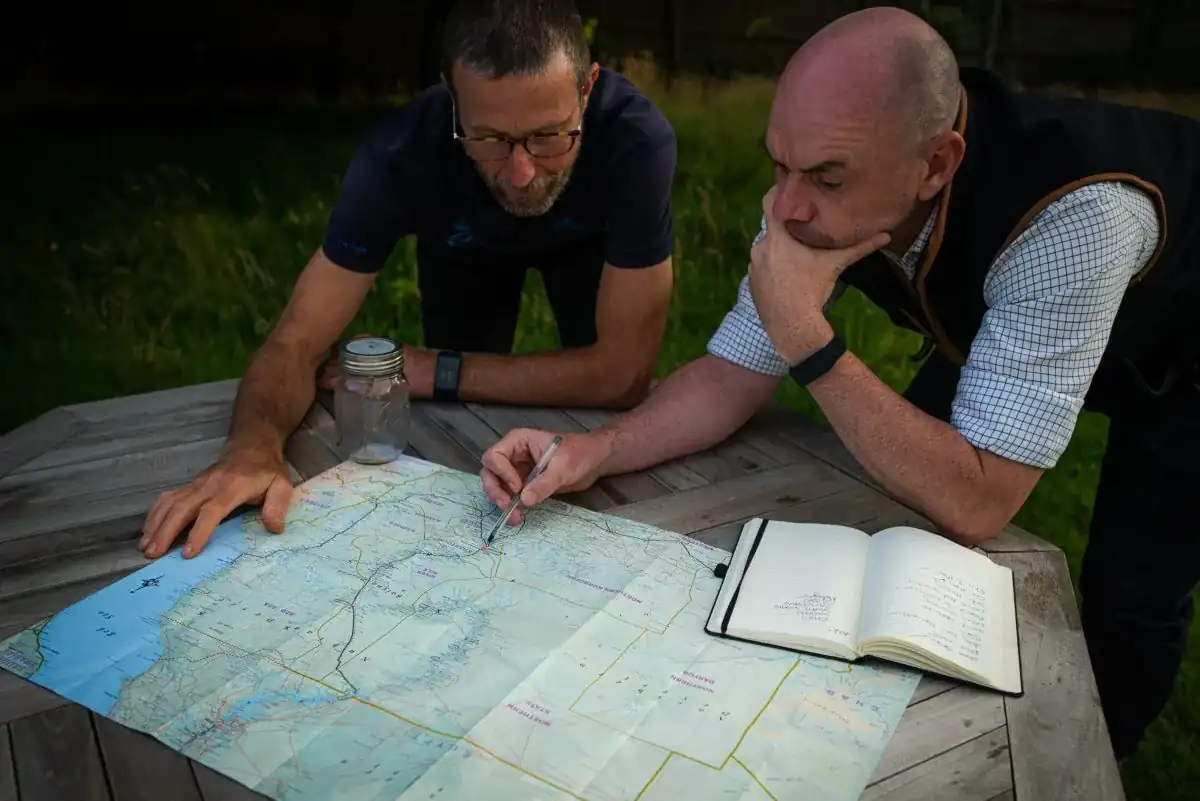
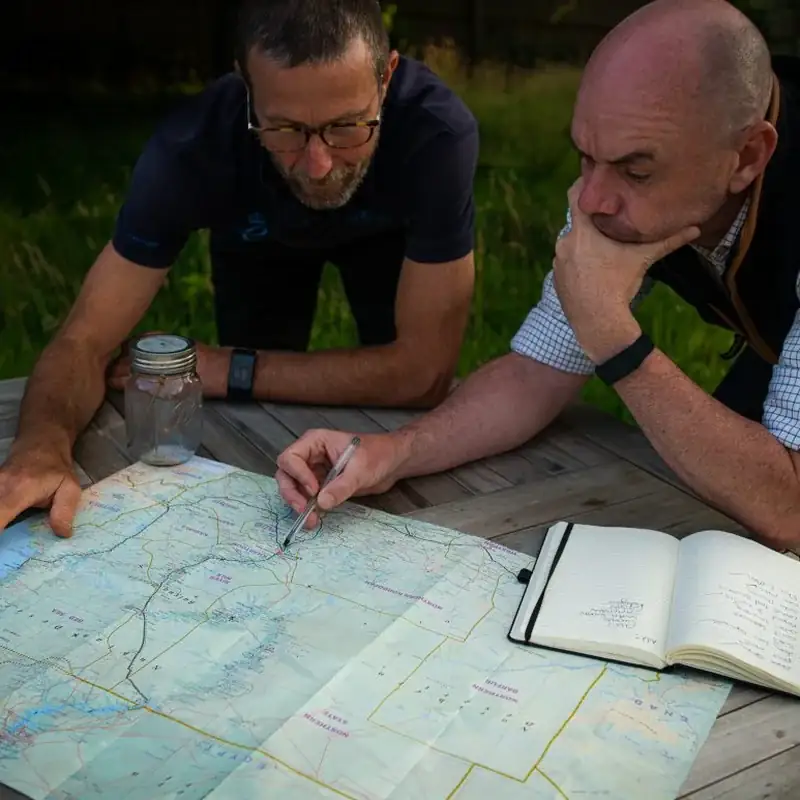
Charles Dobie founded the Selous Safari Company in 1988 to open southern Tanzania to travellers drawn to genuinely remote country. He had grown up in Kenya with a lasting attachment to wild, unpeopled landscapes, and that instinct ran through everything that followed. Jongomero operated for many years under his company, sharing its aesthetic and its management with sister camp Siwandu in the Selous. Ownership has since passed to the Laba group, which has kept the wilderness focus while widening the range of activities on offer.
Jongomero is often called one of Ruaha’s original camps, though the record does not quite bear that out. Ruaha River Lodge held the park to itself for two decades before Jongomero, Mwagusi and others followed. What is well documented is different, and more telling. Over many years in the specialist safari catalogues, Jongomero built its name as the most isolated address in the park, a distinction that still holds today.
Ruaha River Lodge held the park to itself for two decades before Jongomero
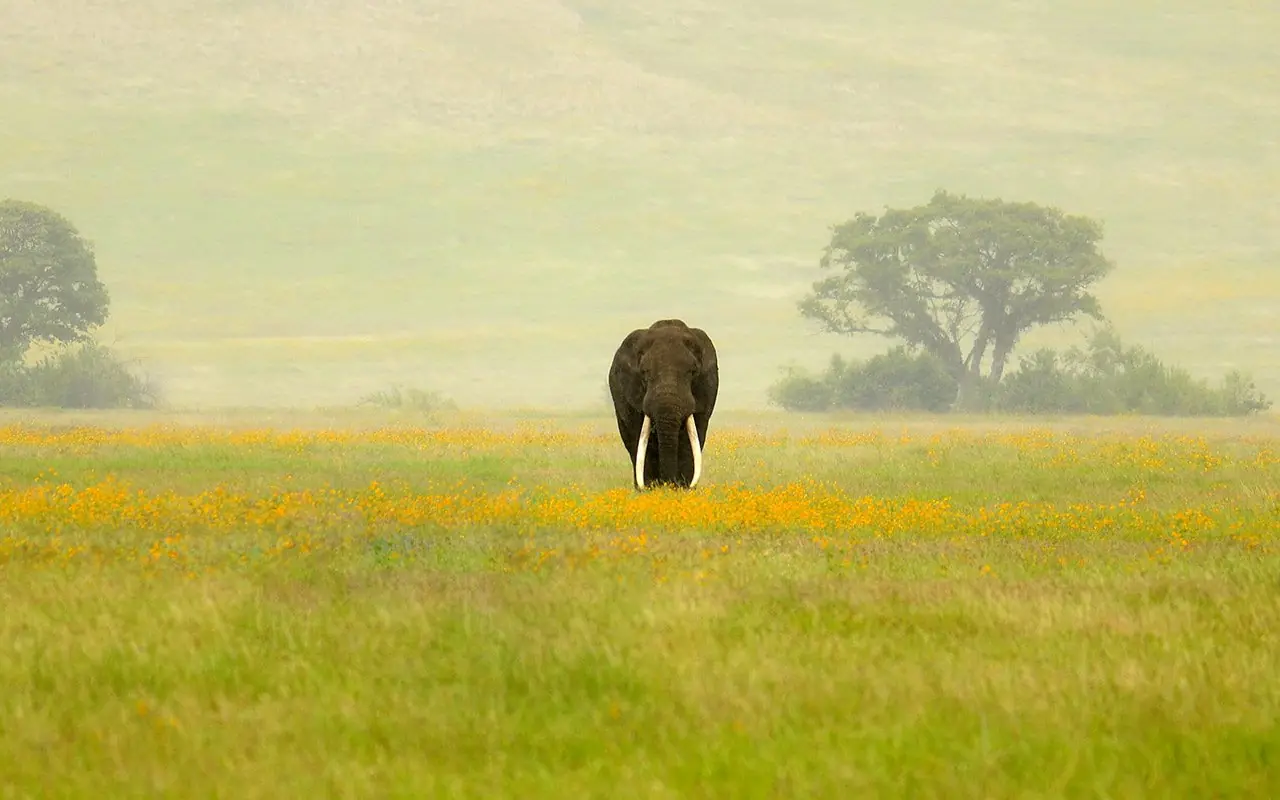
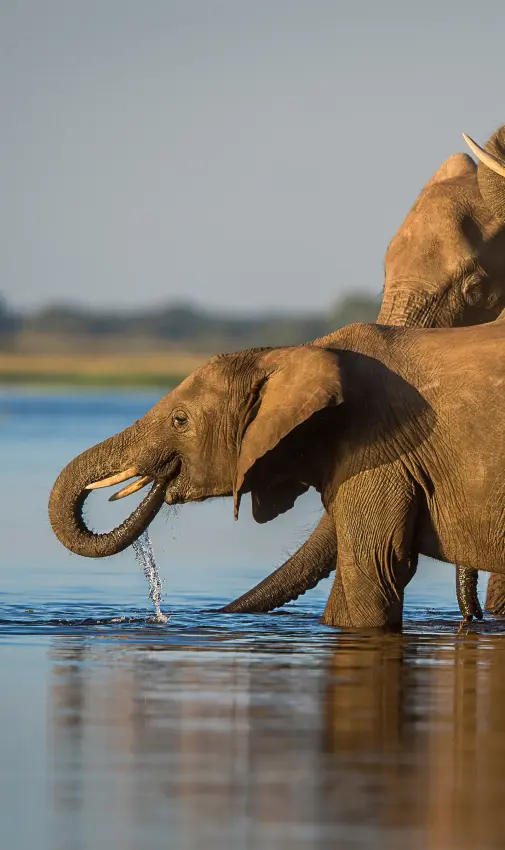
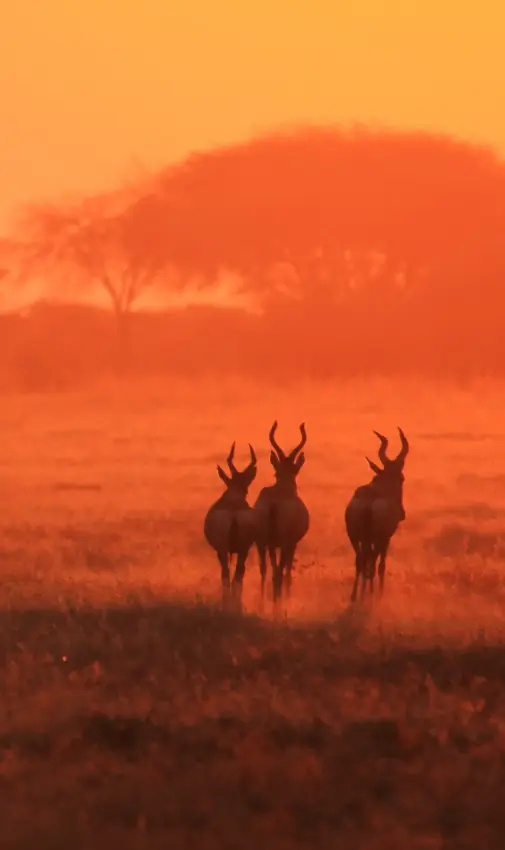
Game drives run morning and afternoon, or as full days pushing deeper into the park. Through the dry season, from July to around November, walking safaris and fly-camping open the same country to those willing to travel it on foot and sleep out in the bush. Ruaha carries strong predator populations and large elephant herds, and the country around Jongomero is known for its less common antelope, the sable and roan among them, animals many long-time safari-goers have never seen in the wild.
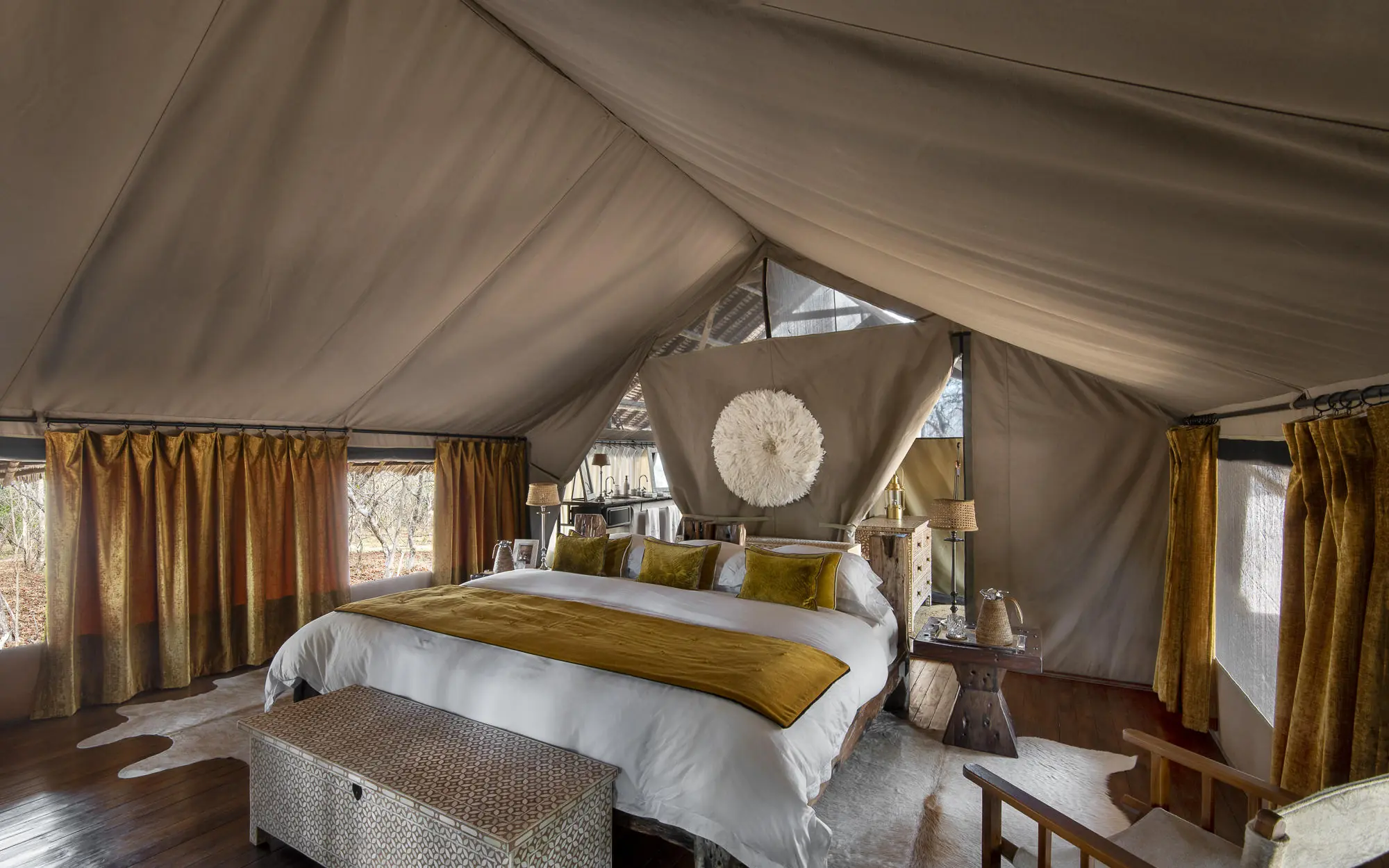
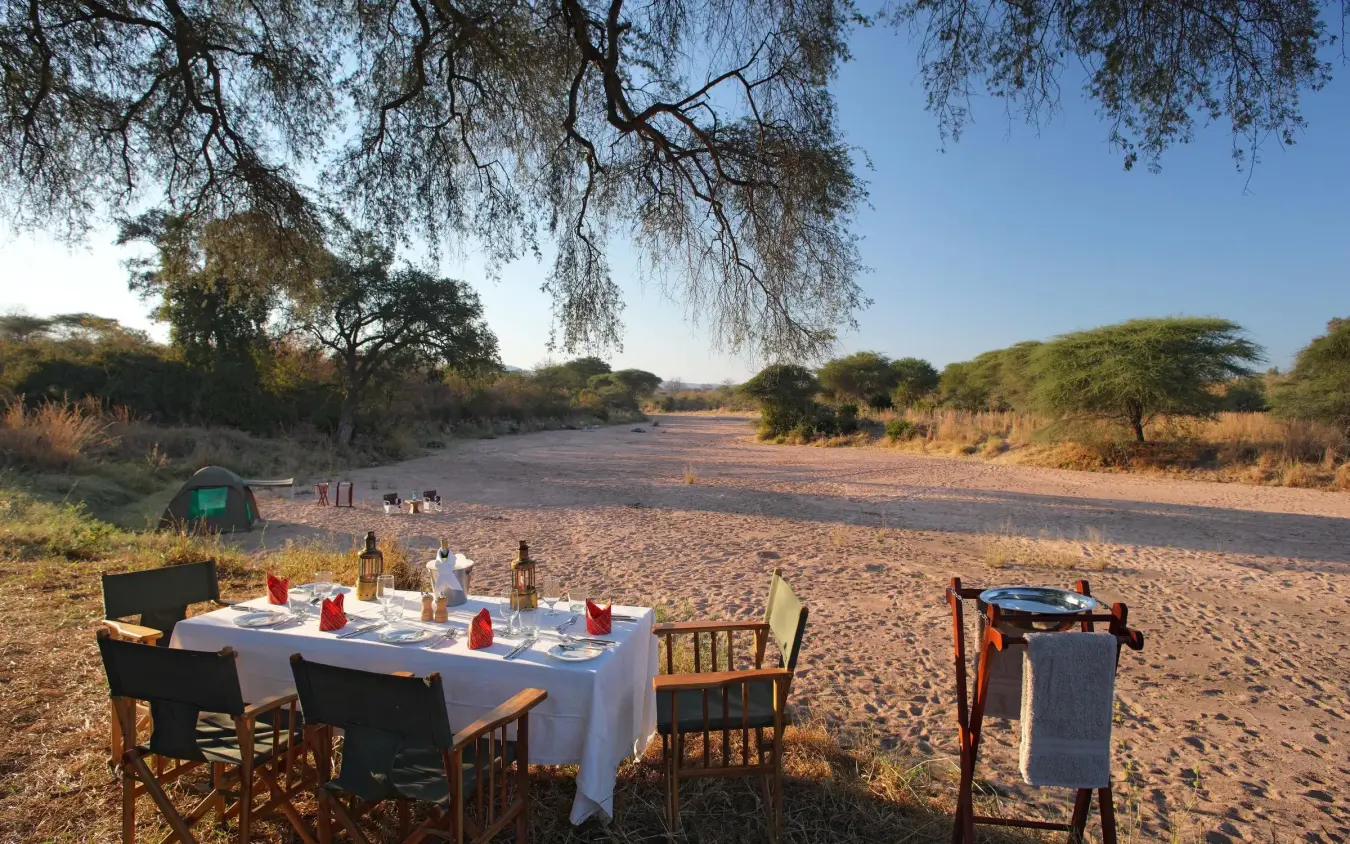
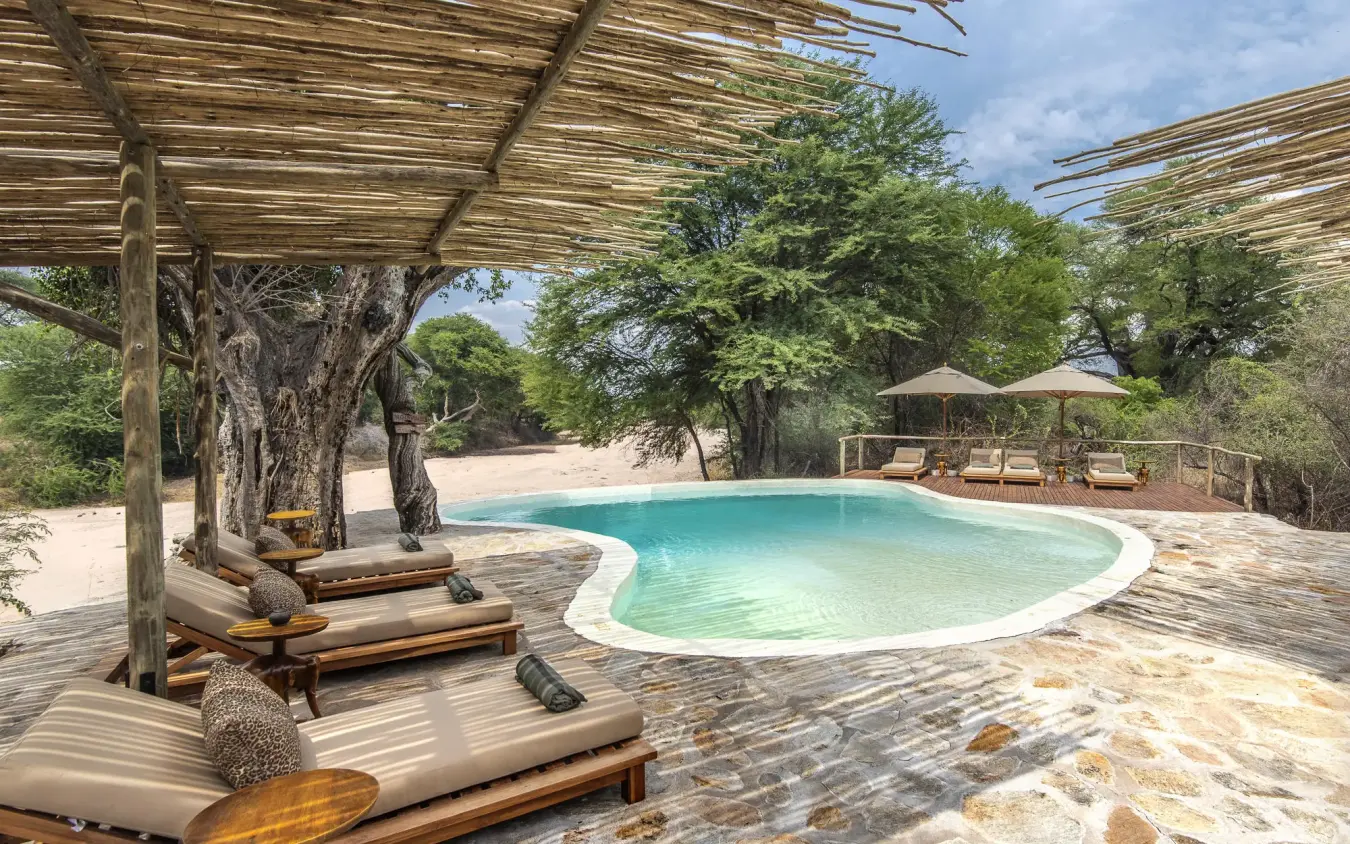
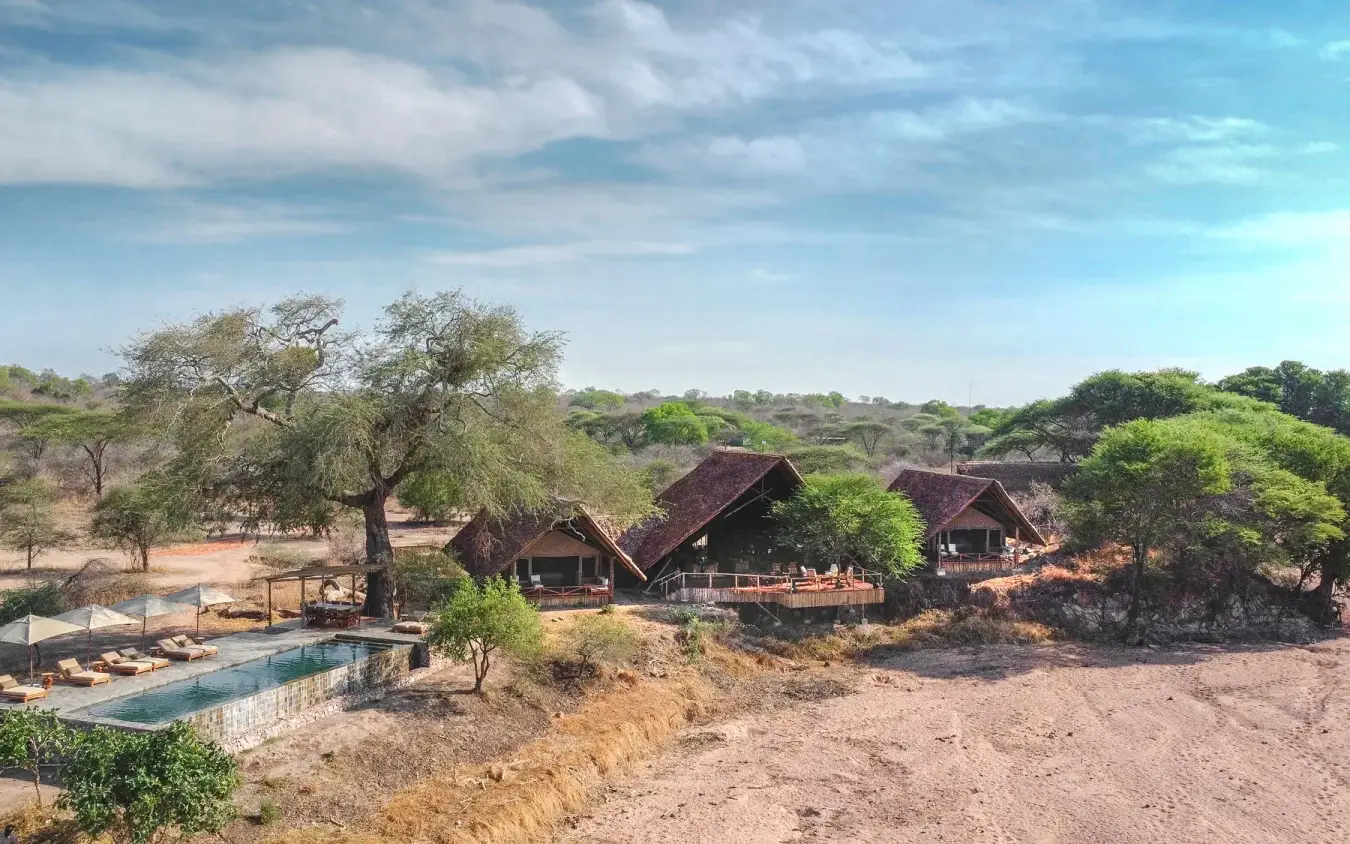
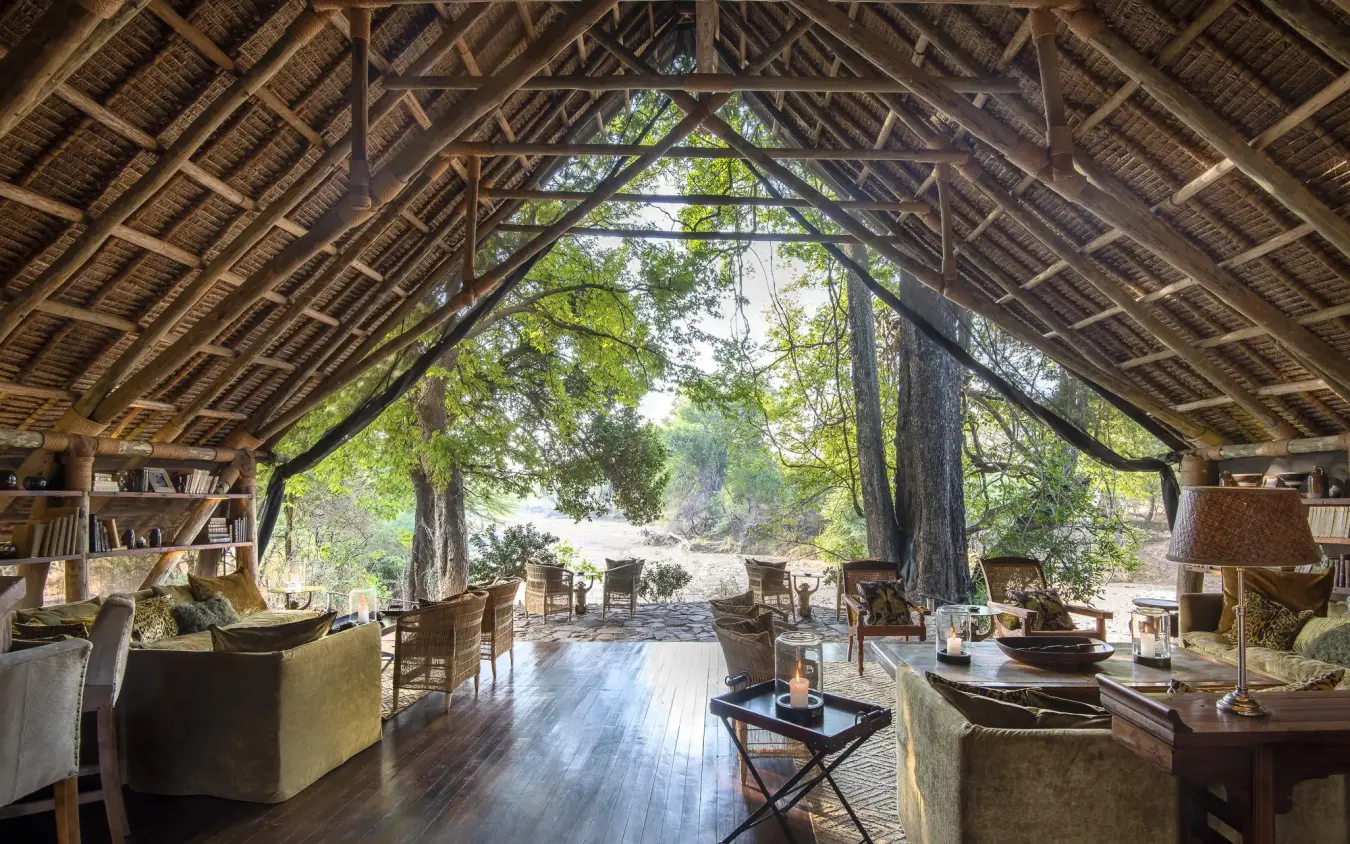
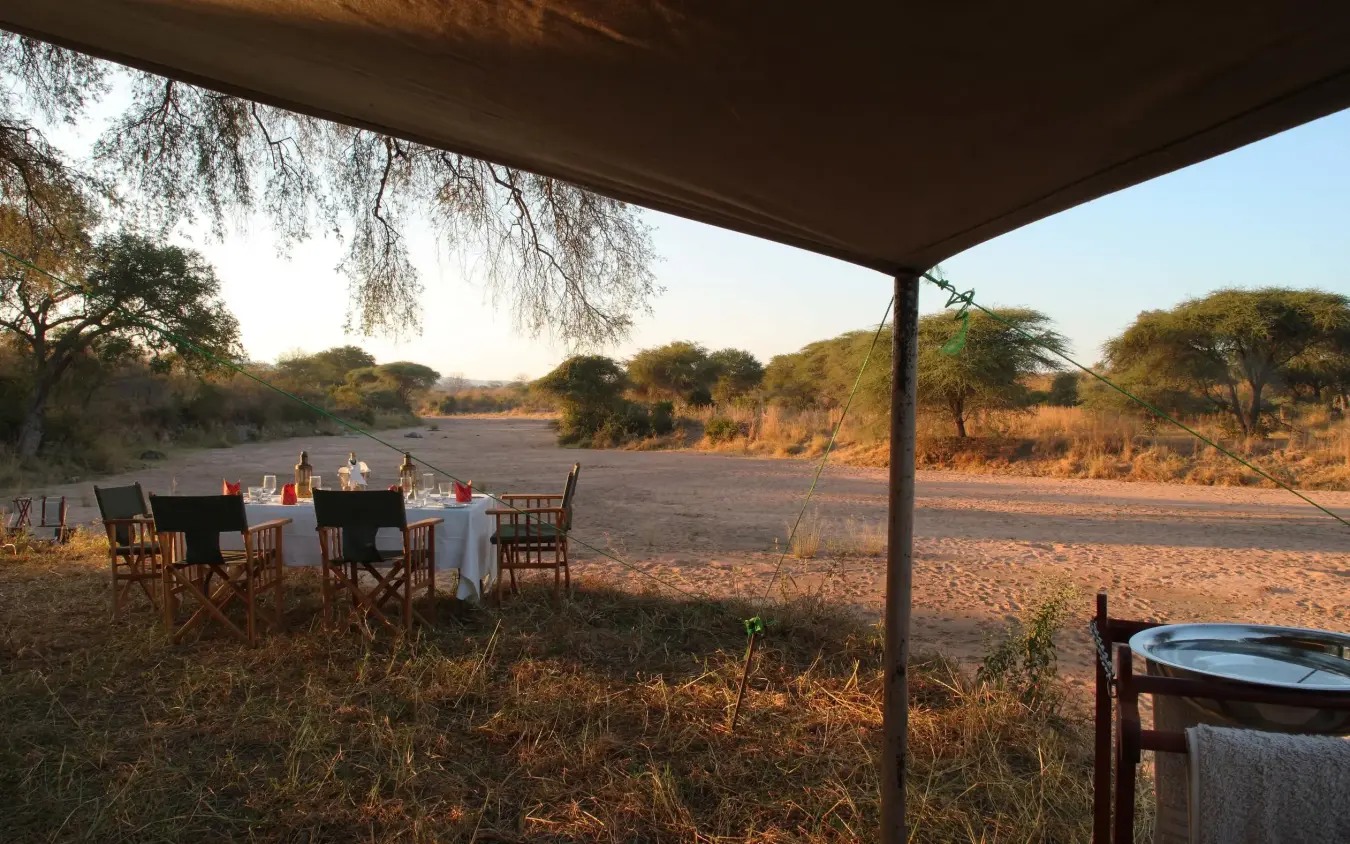
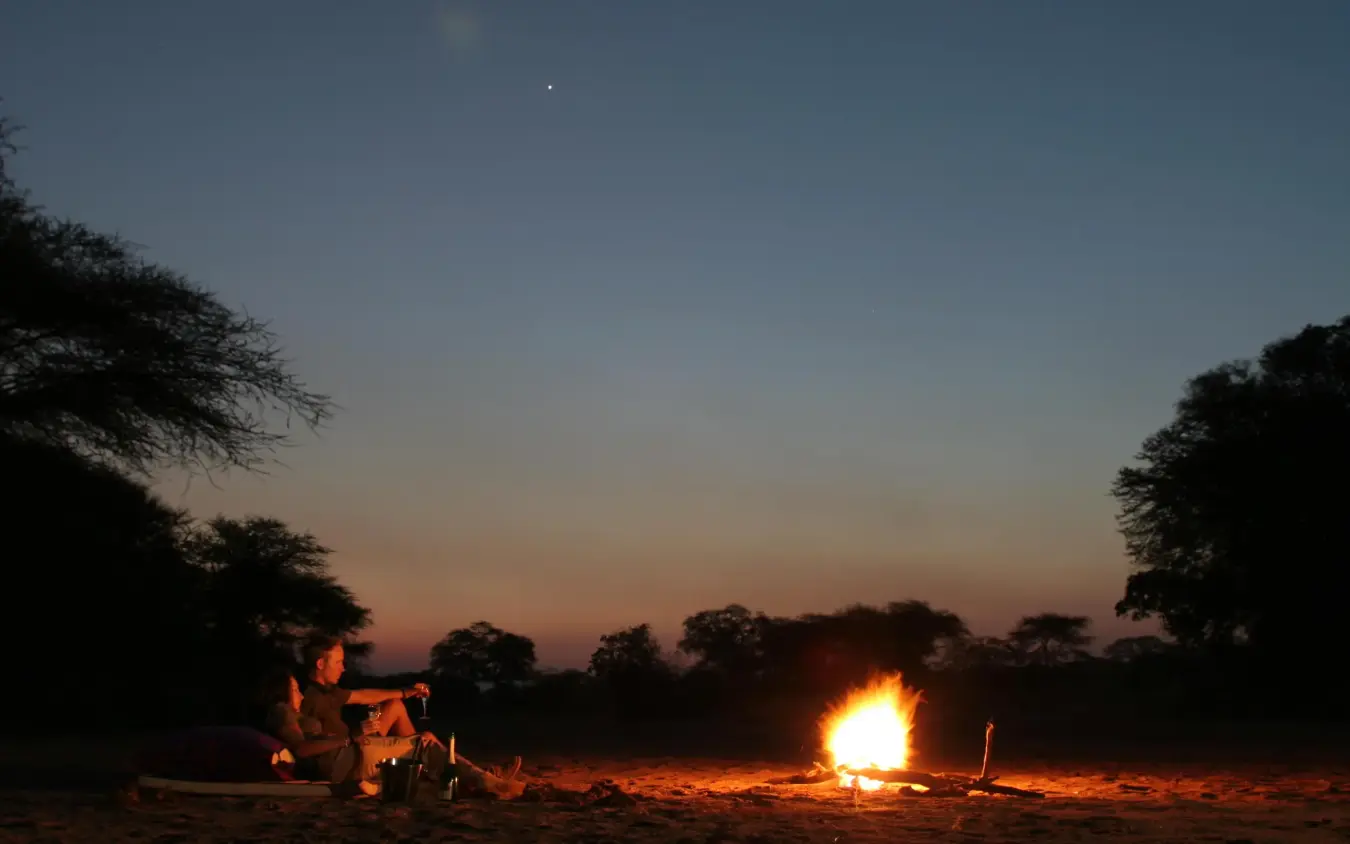
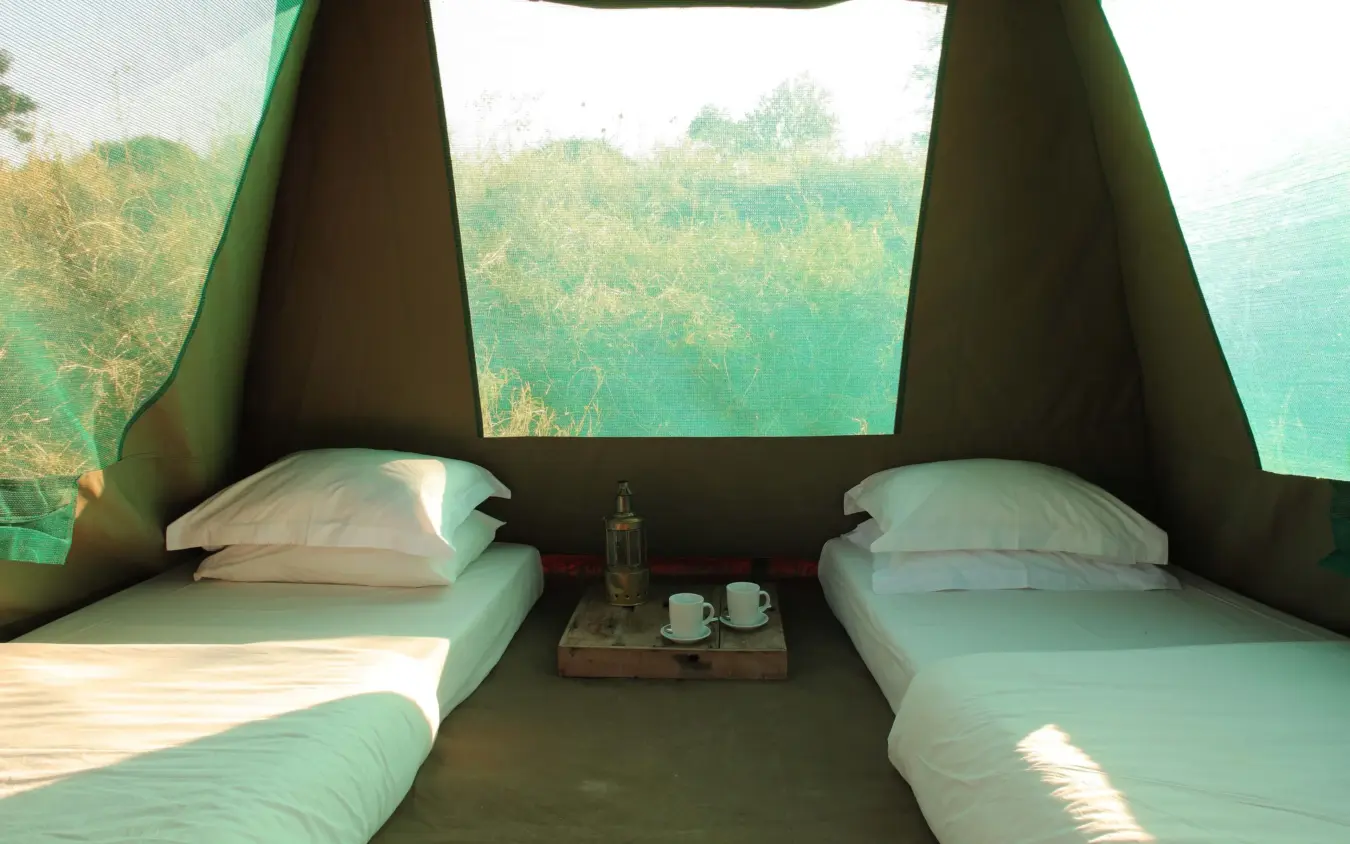
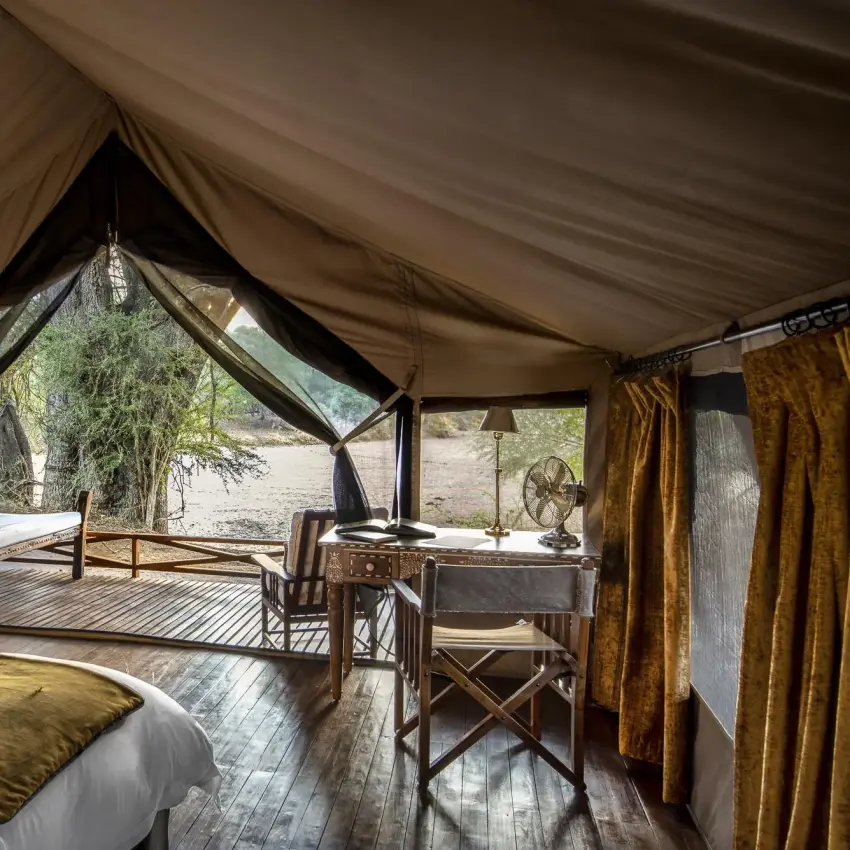
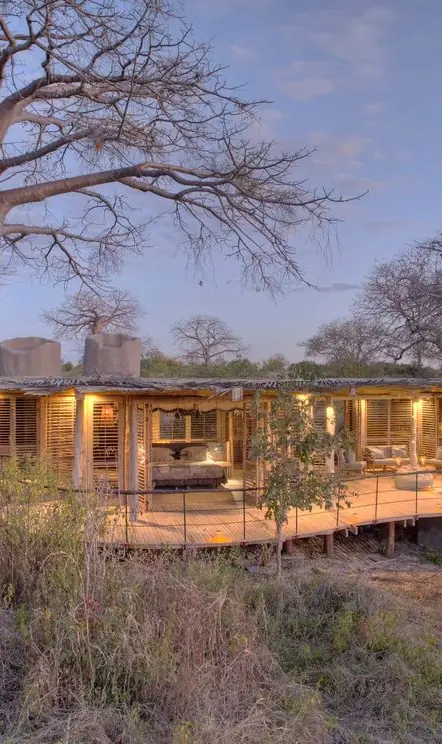
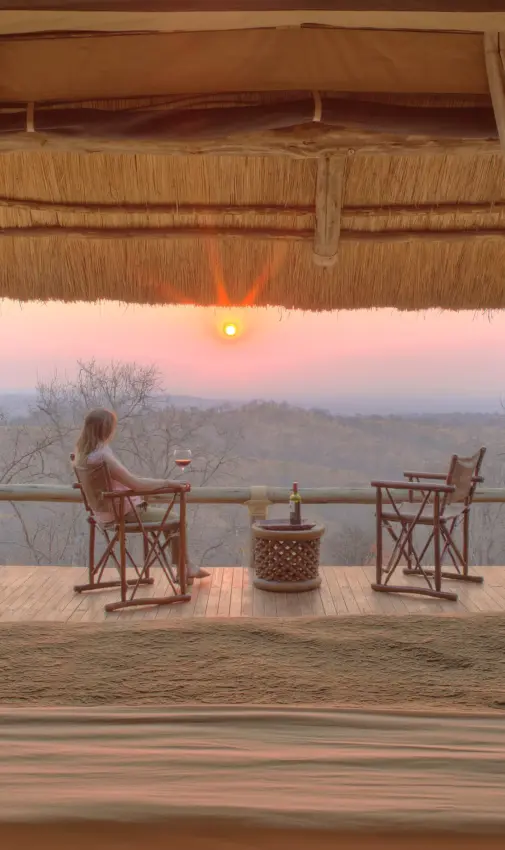
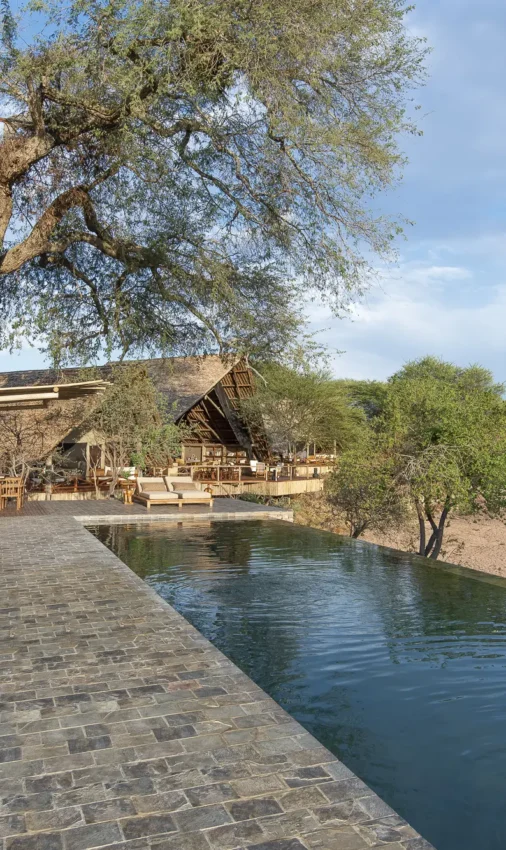
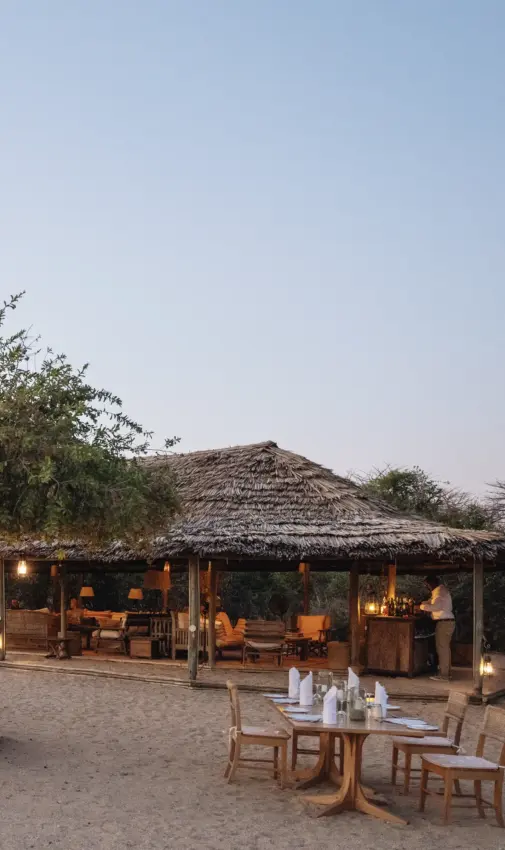
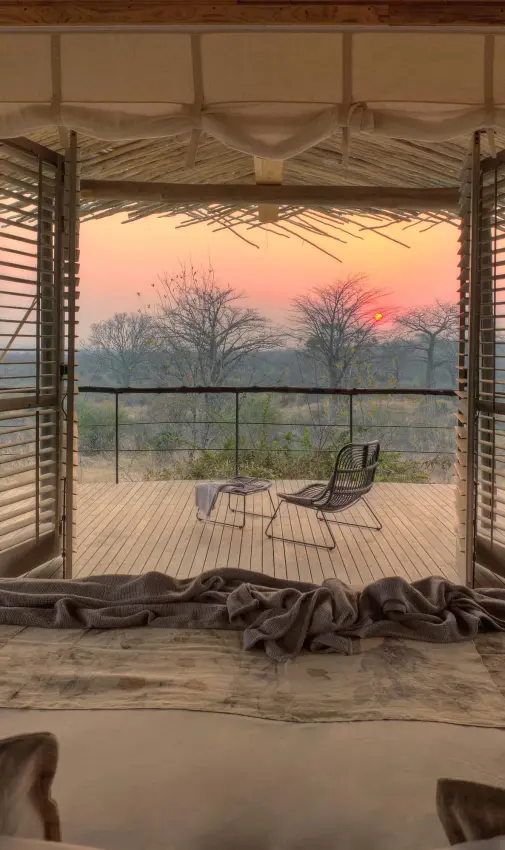
Mornings begin with tea delivered to the tent, drives run through the cooler hours, and the middle of the day passes by the pool or on a shaded veranda above the riverbed. Dinner sometimes moves down into the dry sand of the river itself, set out by candlelight under the stars. Elephants feeding from the trees beside the tents and lions calling in the dark are the ordinary soundtrack here, not the exception, and no wall or fence stands between guest and wilderness.