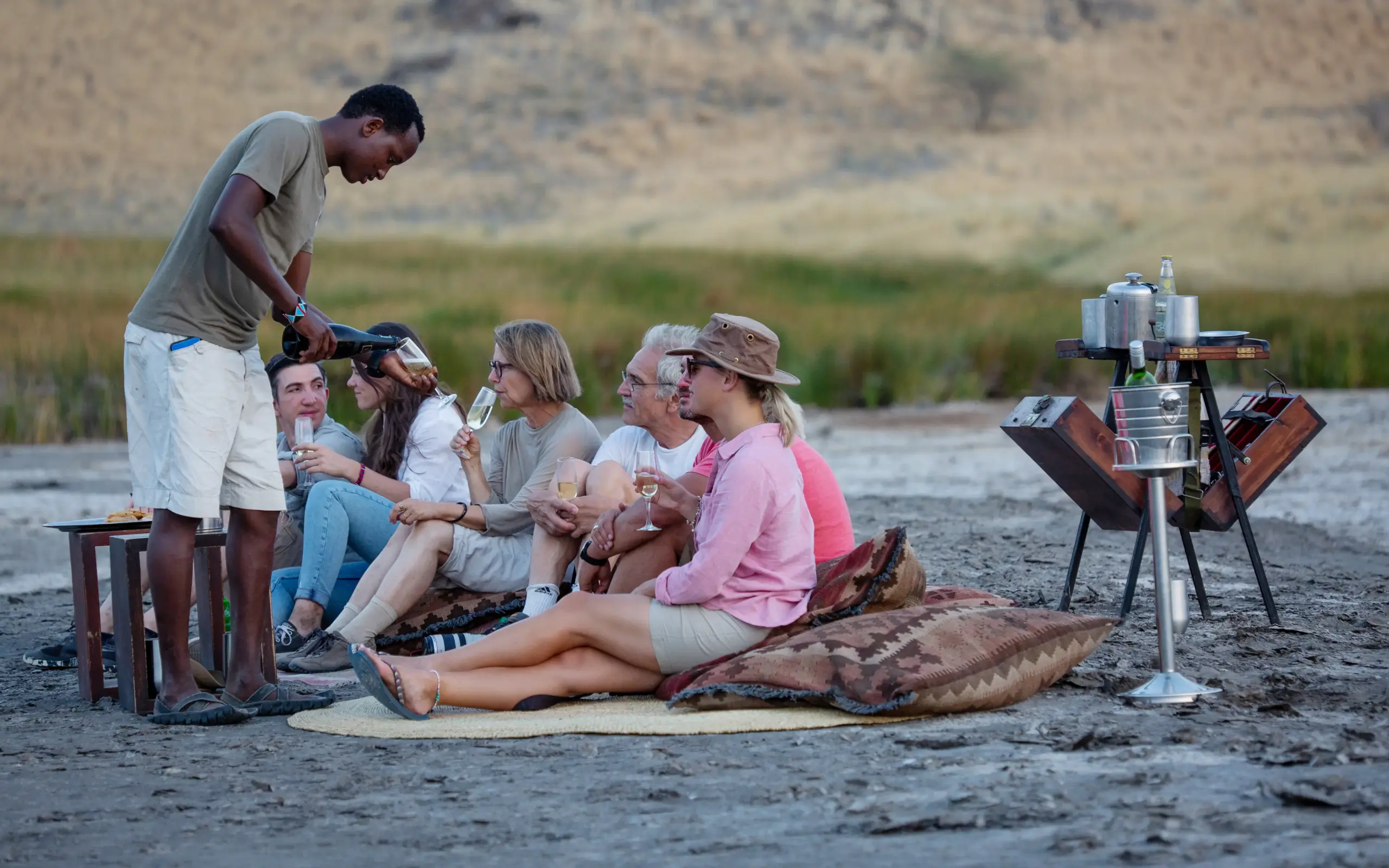
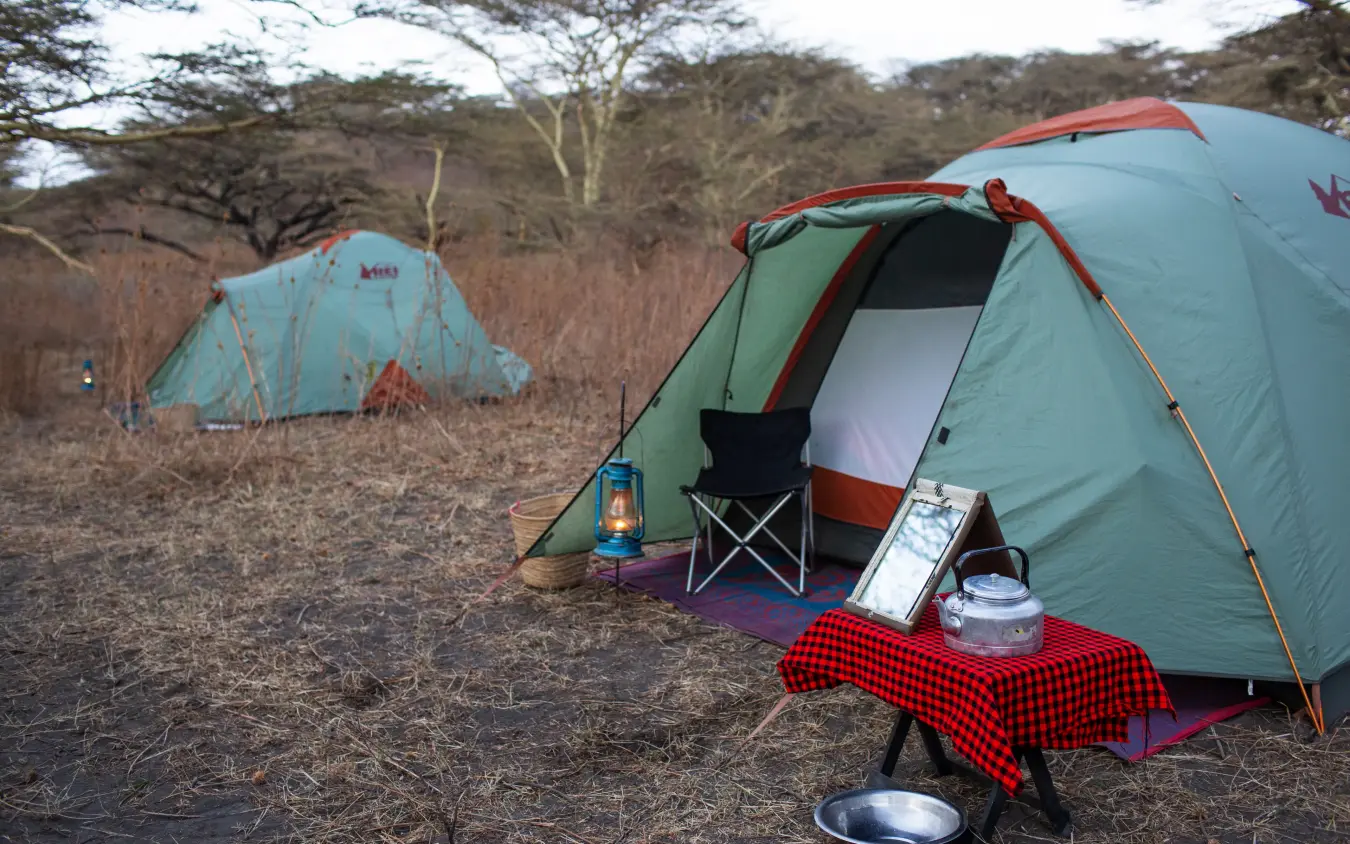
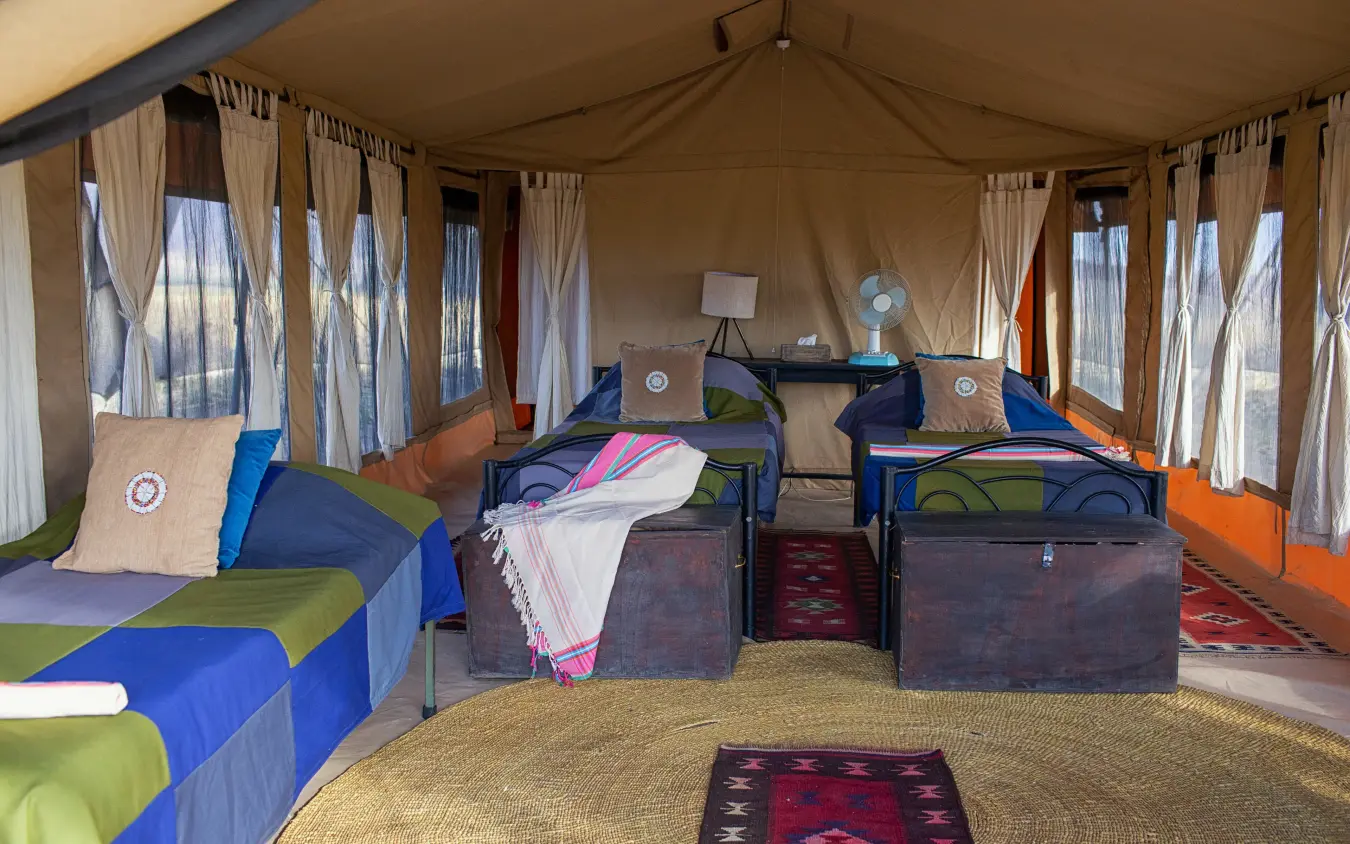
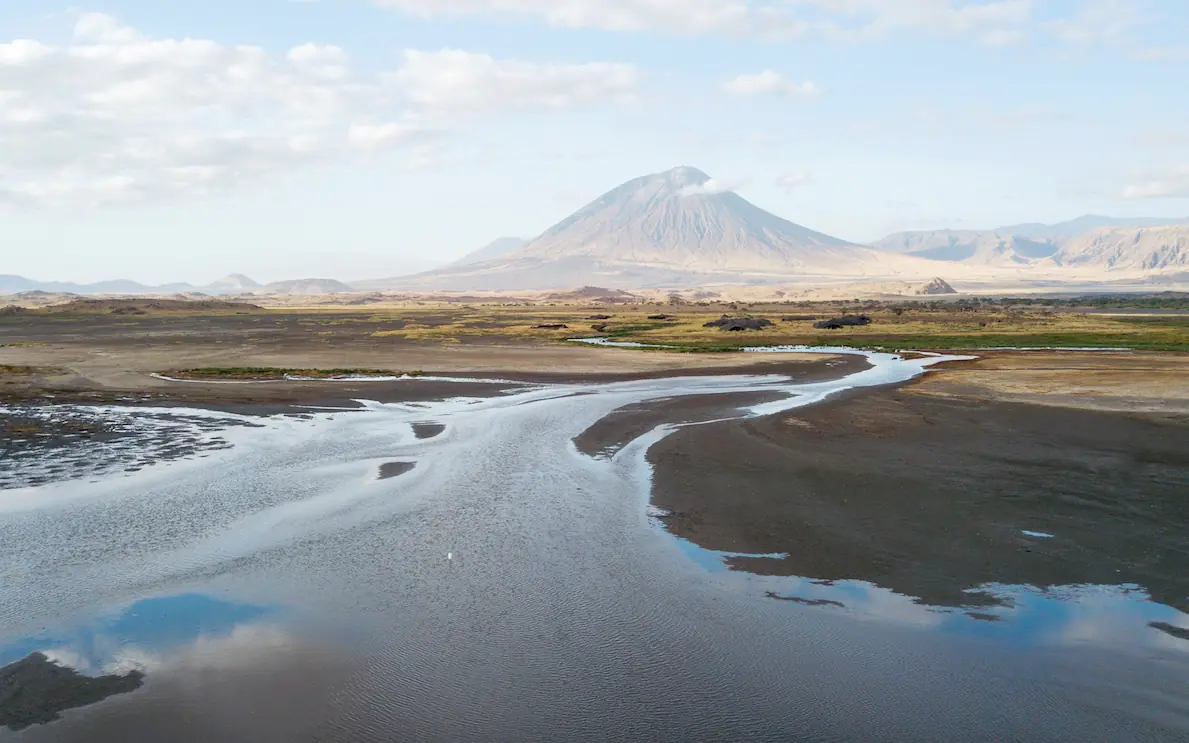
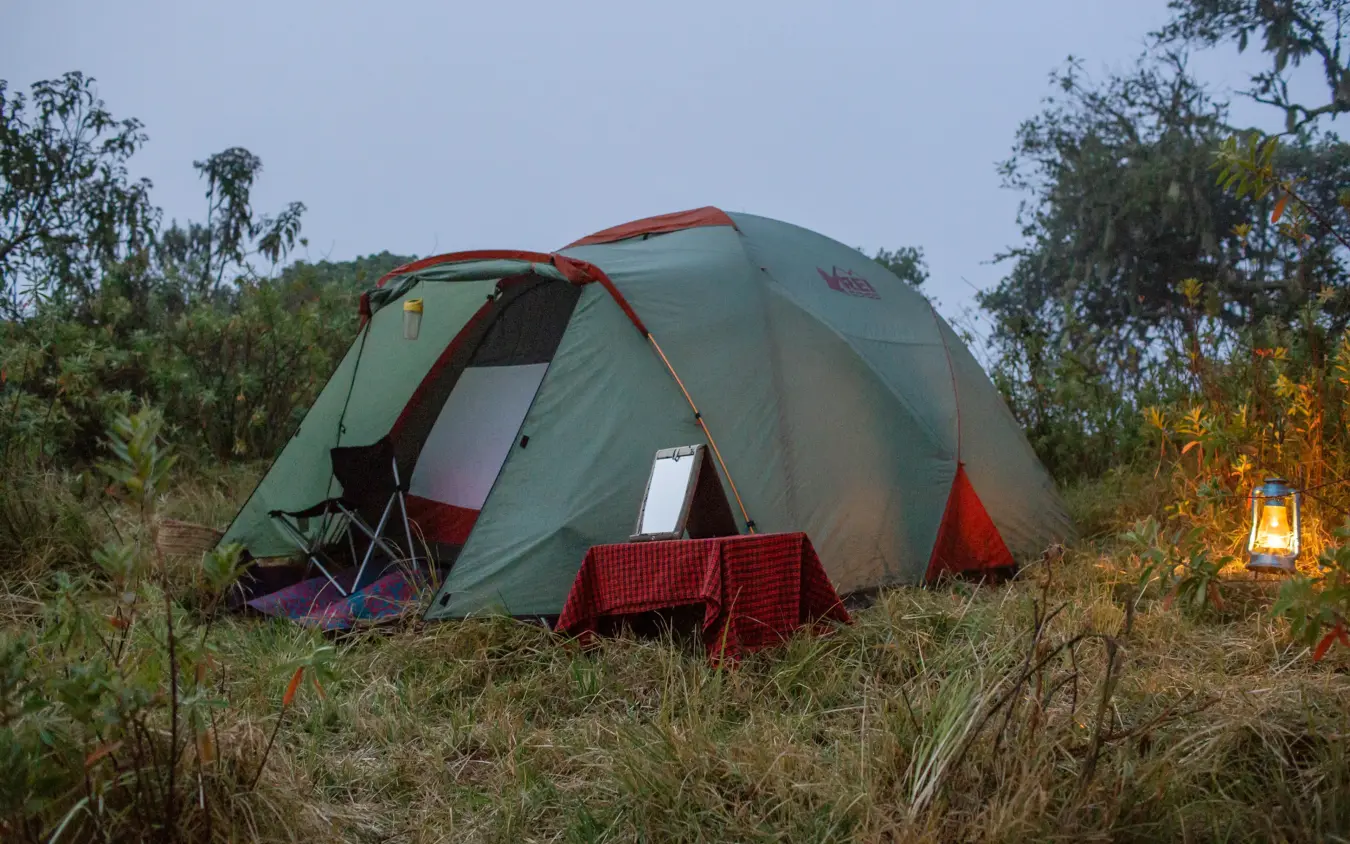
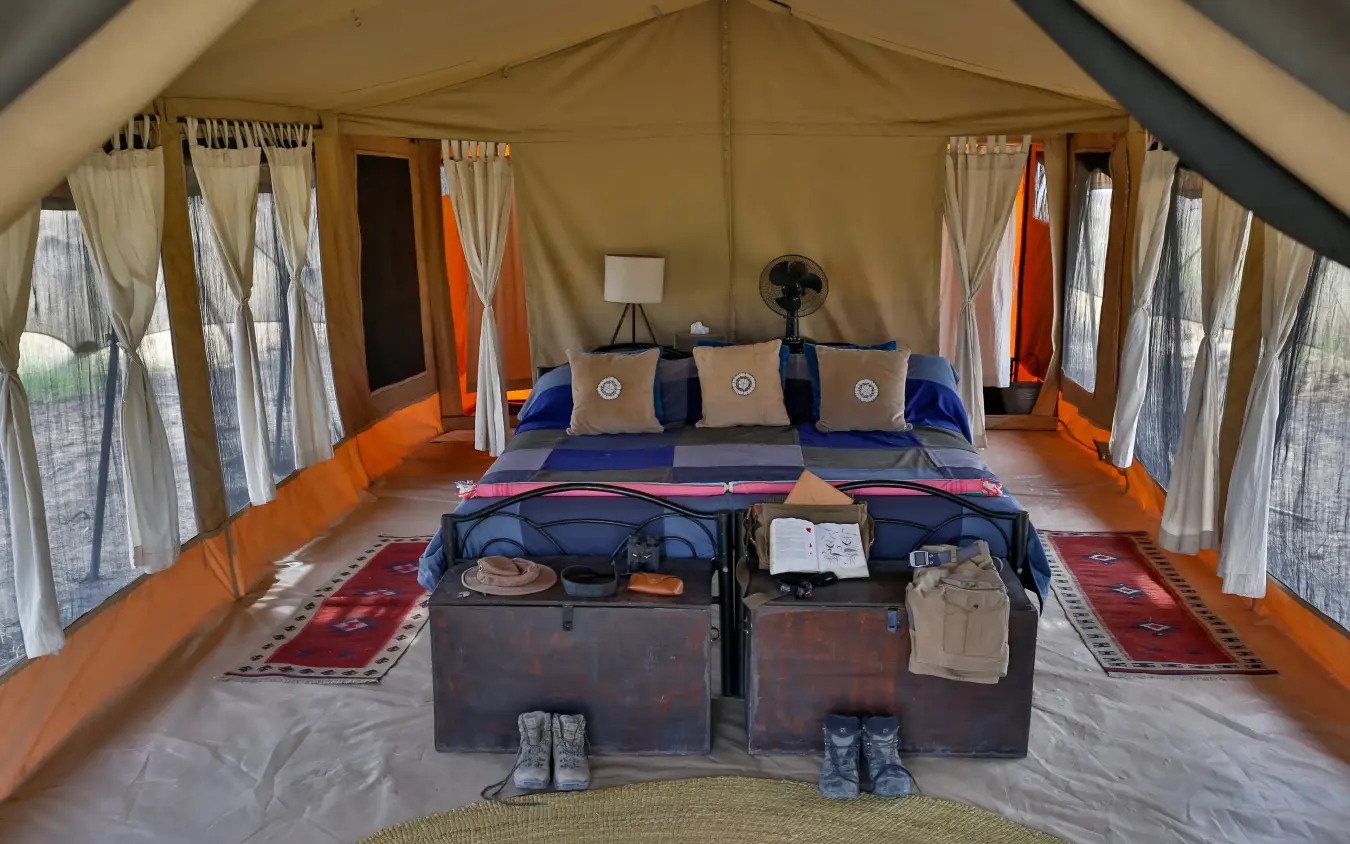
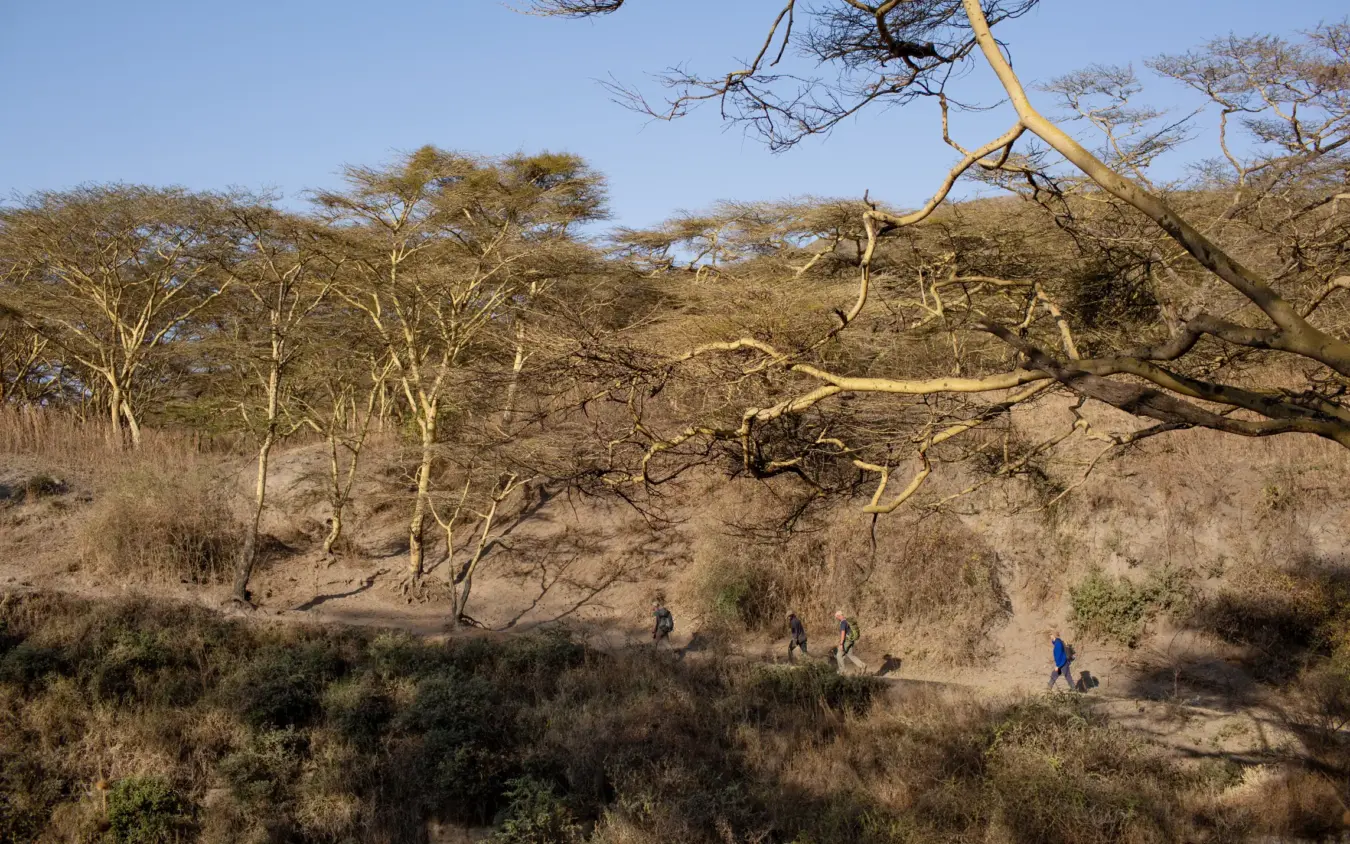
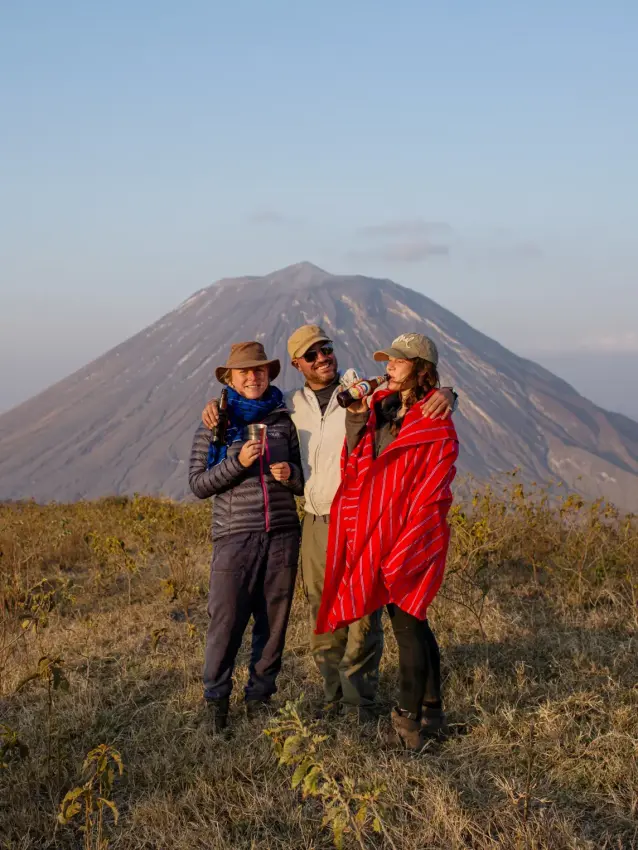
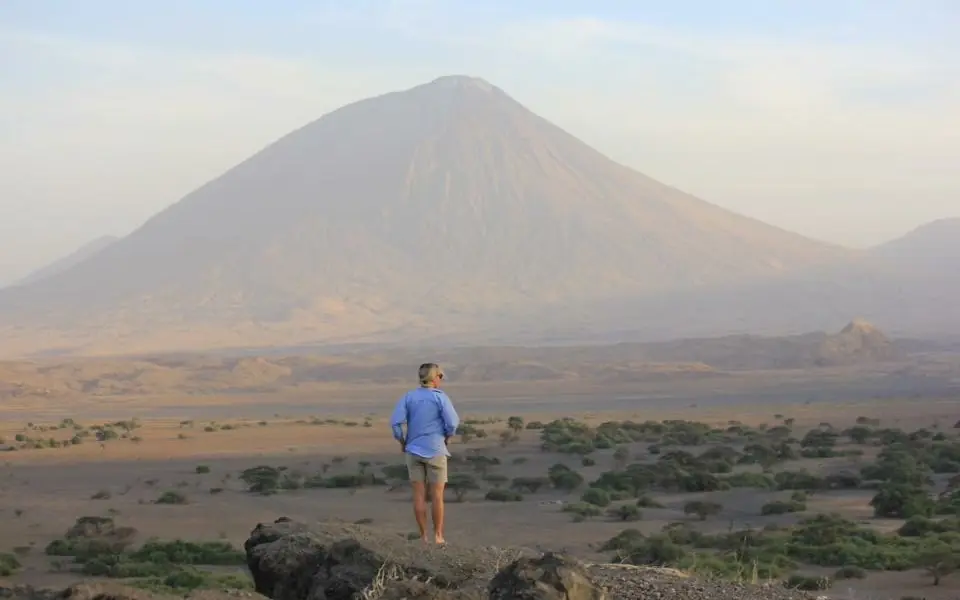
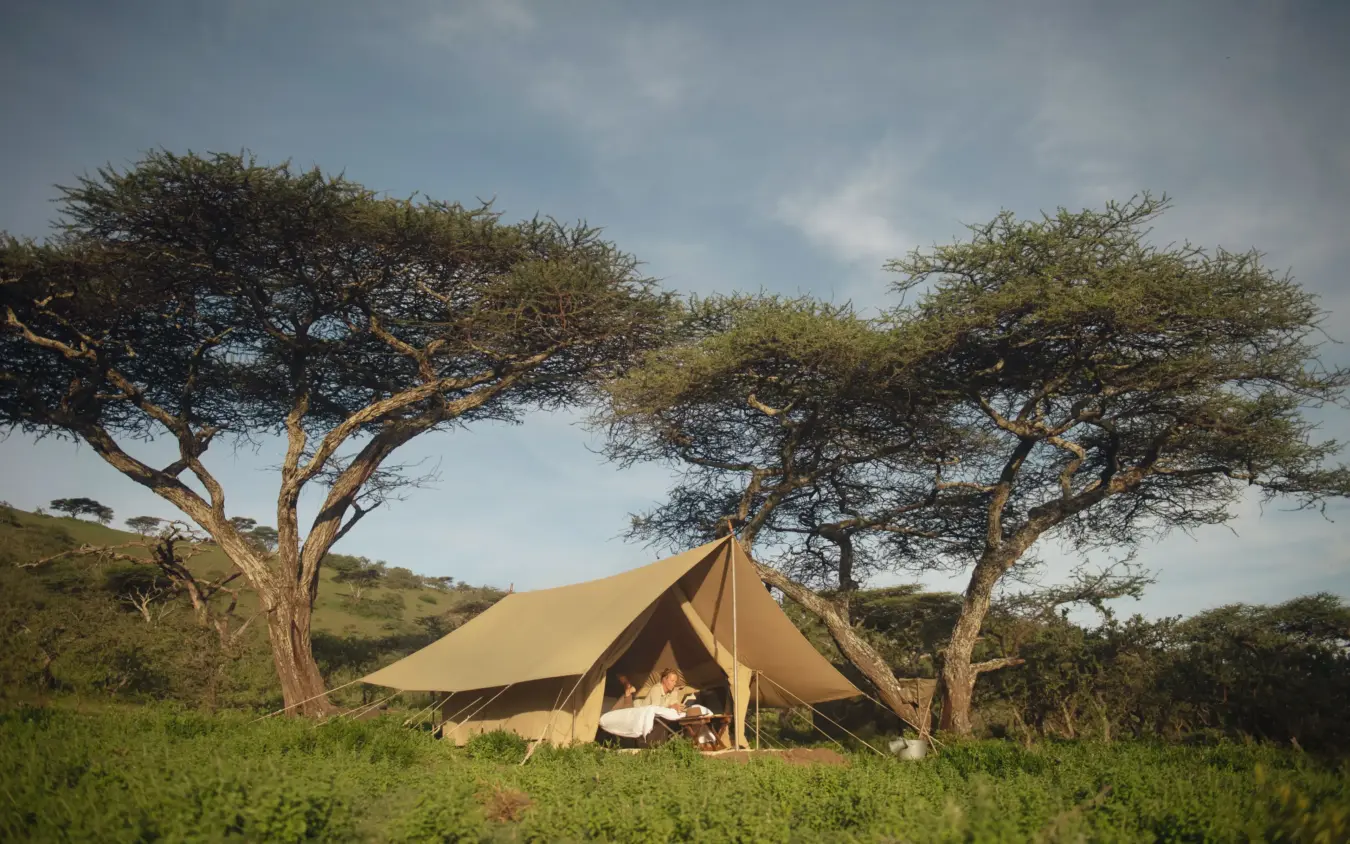
Nine tented suites stand on elevated decking beneath camouflage shade netting, which softens the fierce heat and light while letting the breeze move through, and each opens to the lake and the volcano. The furniture is made from recycled plastic and greenwood by East African artisans, and the glassware comes from Shanga, which employs people with disabilities. The mess tent has a Bedouin feel, cushions and rugs underfoot. The camp is semi-permanent and fully removable, and the site returns to its natural state once the season ends.
Heat is constant here, sharper than at the camps further south in the Ngorongoro and Serengeti circuit, and the natural spring pool at the centre of camp is the answer to it. Guests swim in clear water fed straight from the springs, often at sunset with the volcano darkening above. Small fish nibble at anyone who sits still long enough. Floating there with a drink after a day in the gorge is the moment most people carry home. Back in the tents, fans turn against the afternoon, there are sockets for charging, and the power comes primarily from solar.
Floating there with a drink after a day in the gorge is the moment most people carry home.
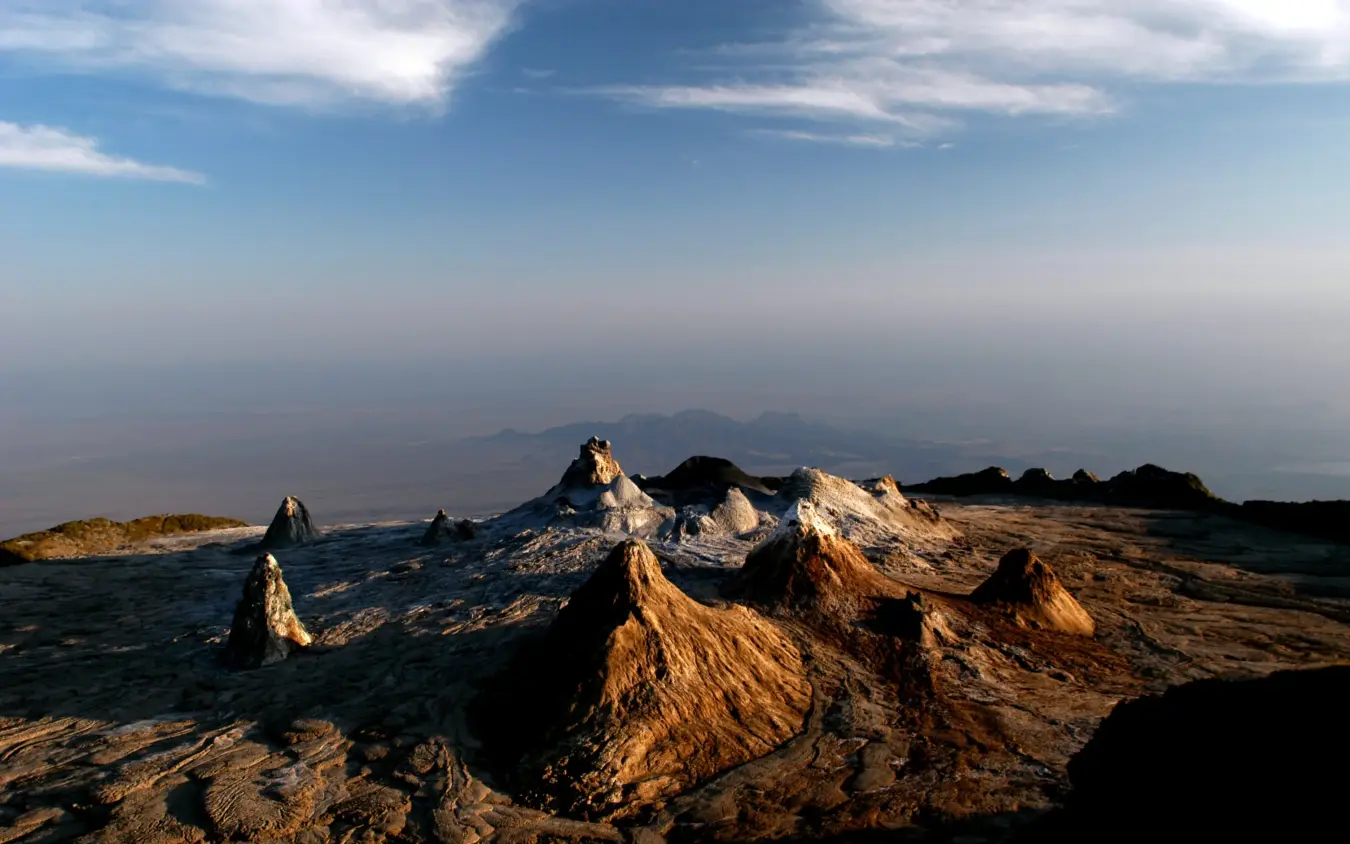
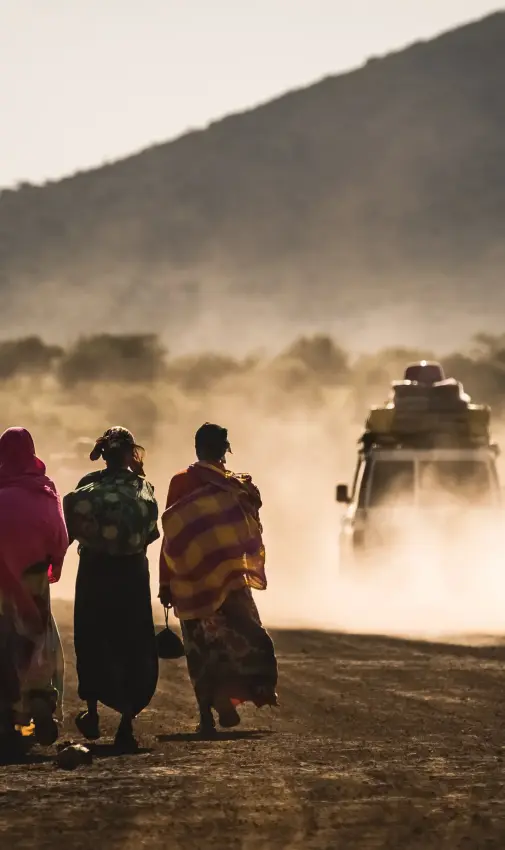
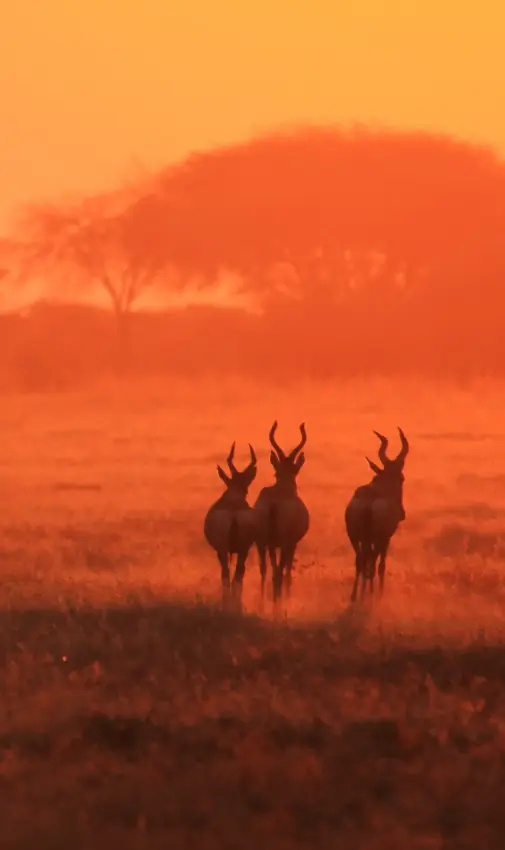
Red water and white salt, an active volcano, footprints left by early humans: the pull here is geological and human more than it is about wildlife. The concession is rented from Ngare Sero village, paid per guest per night, with an annual land rent that goes largely toward secondary education and classroom building. Most of the staff come from the village, among them a rotation of Maasai women employed at camp. Zebra, wildebeest and gazelle move across the flats in low numbers, and this is a place for landscape and birdlife, not predators.
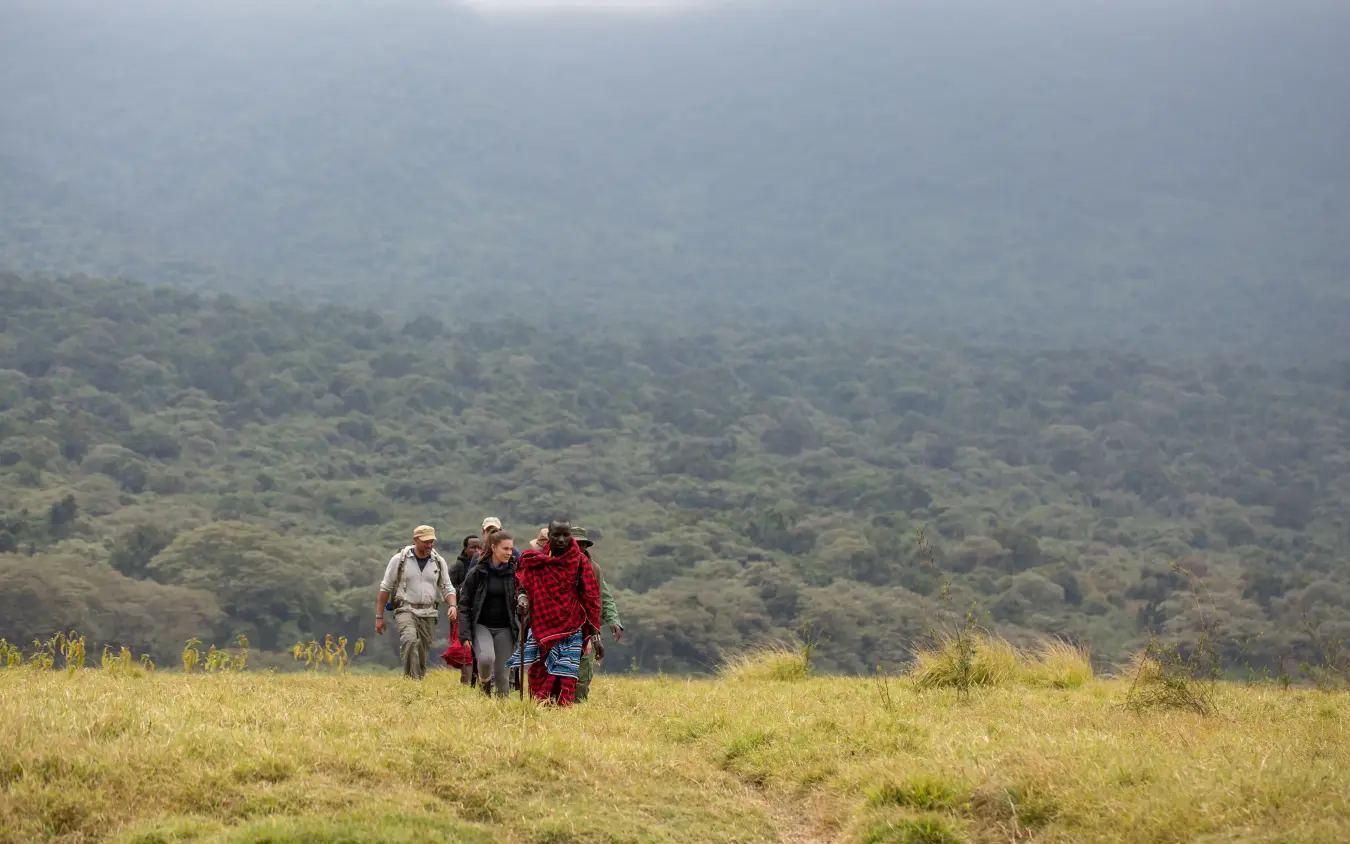
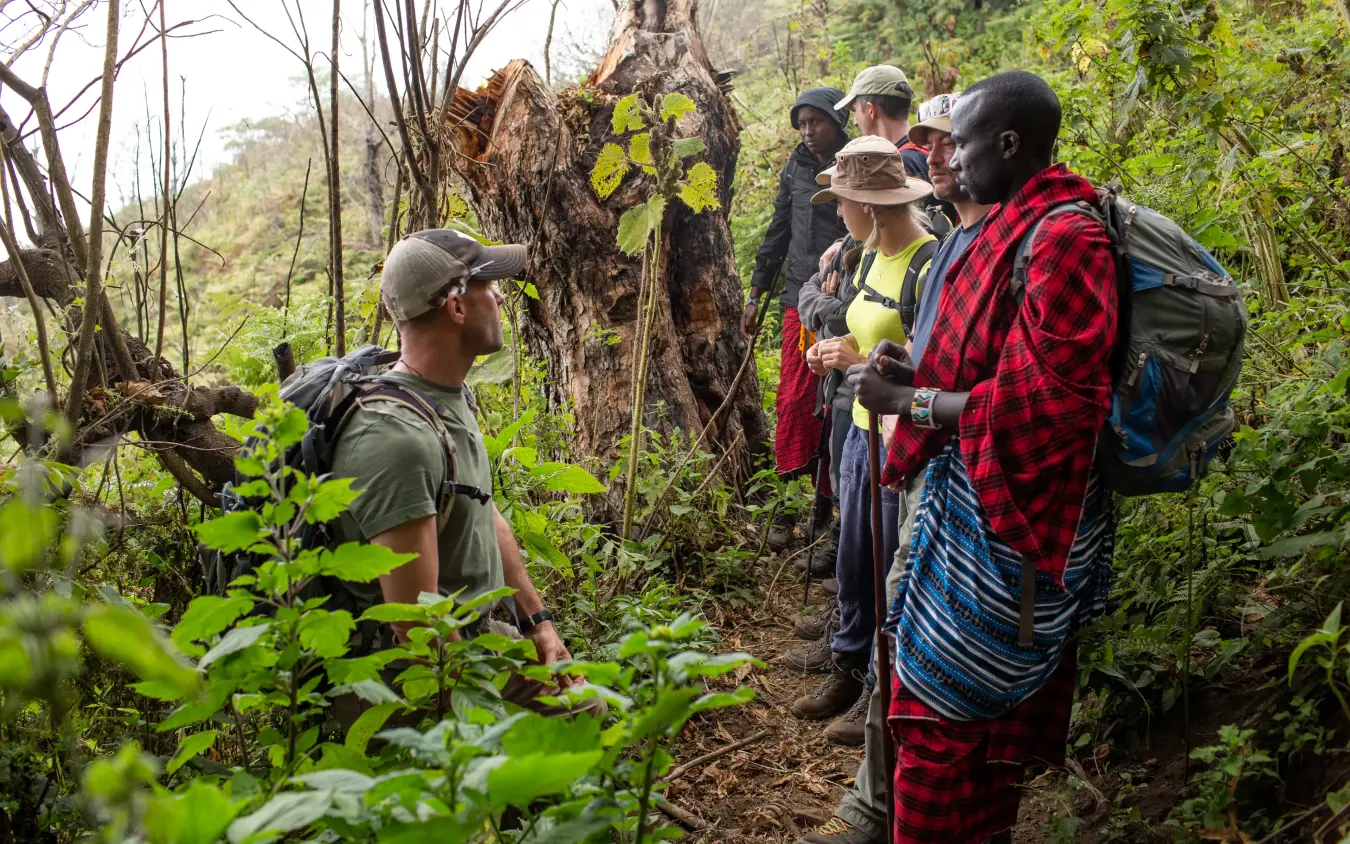
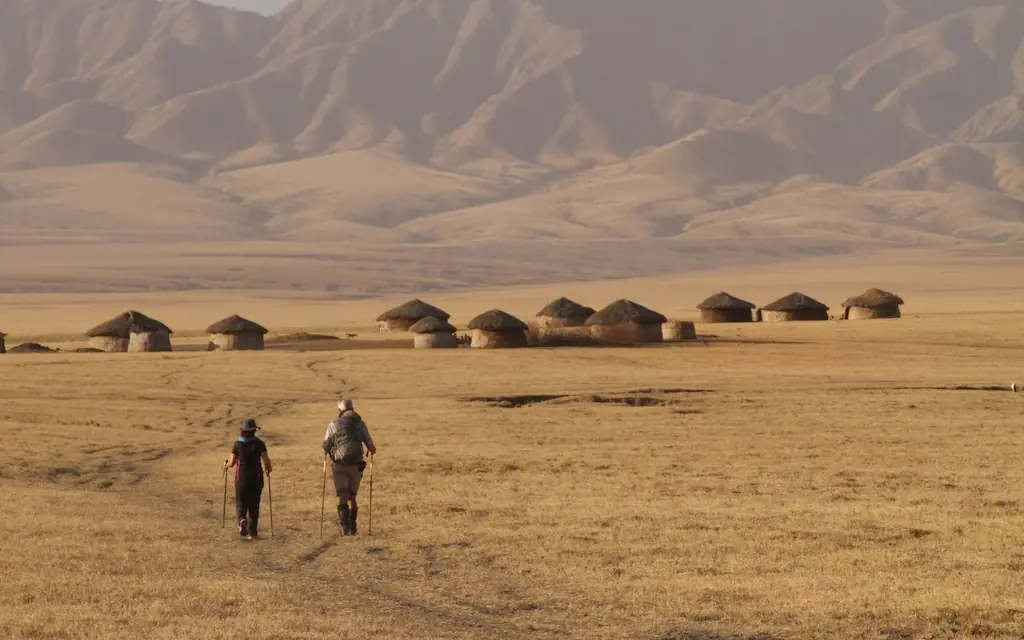
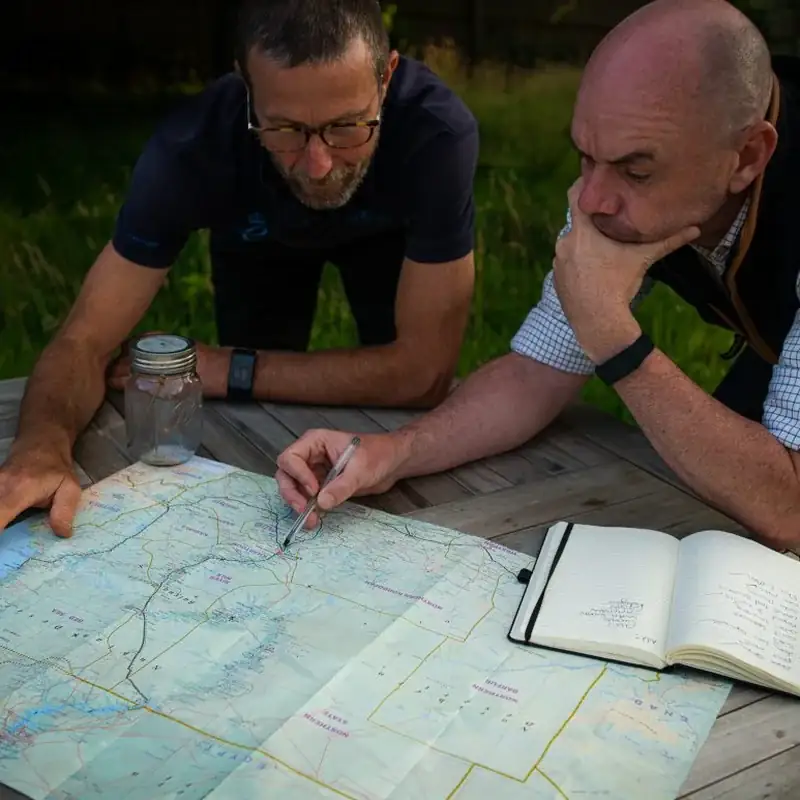
Access is by road, six hours from Arusha. Maasai village visits sit alongside the walking here, as do treks that run for days between Empakaai and the Serengeti plains. The camp combines naturally with the Ngorongoro Conservation Area and the Serengeti on a longer northern itinerary, its stark, elemental character a deliberate counterpoint to the greener, game-dense plains that usually make up a trip through the region. Most travellers arrive already changed by that contrast, and leave with the red water and the black volcano fixed in mind.