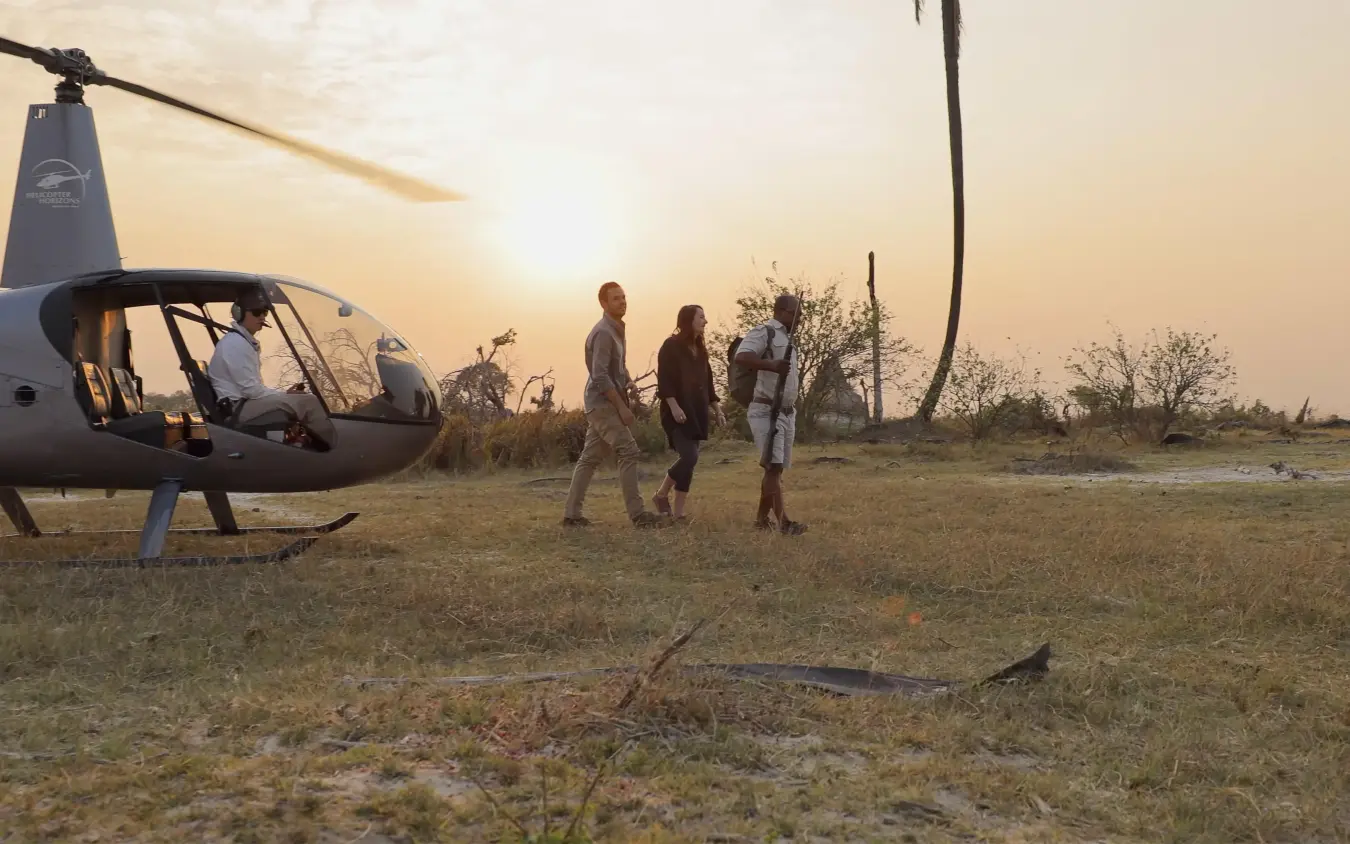
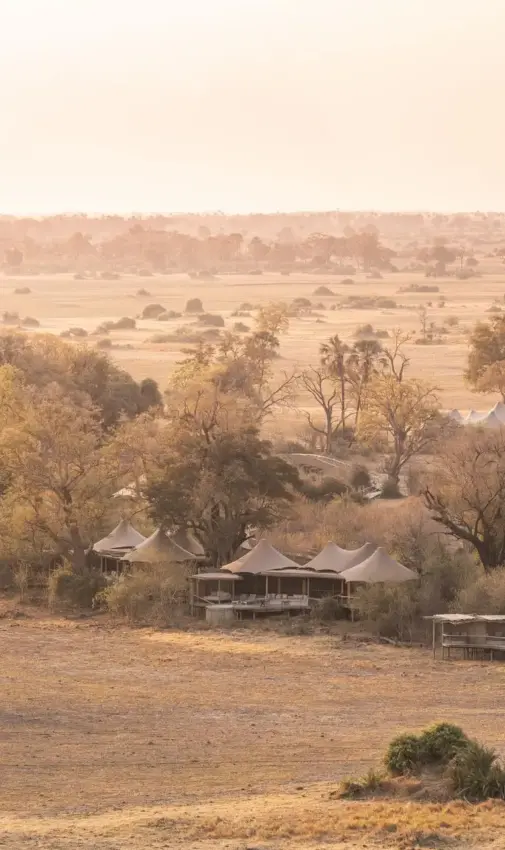
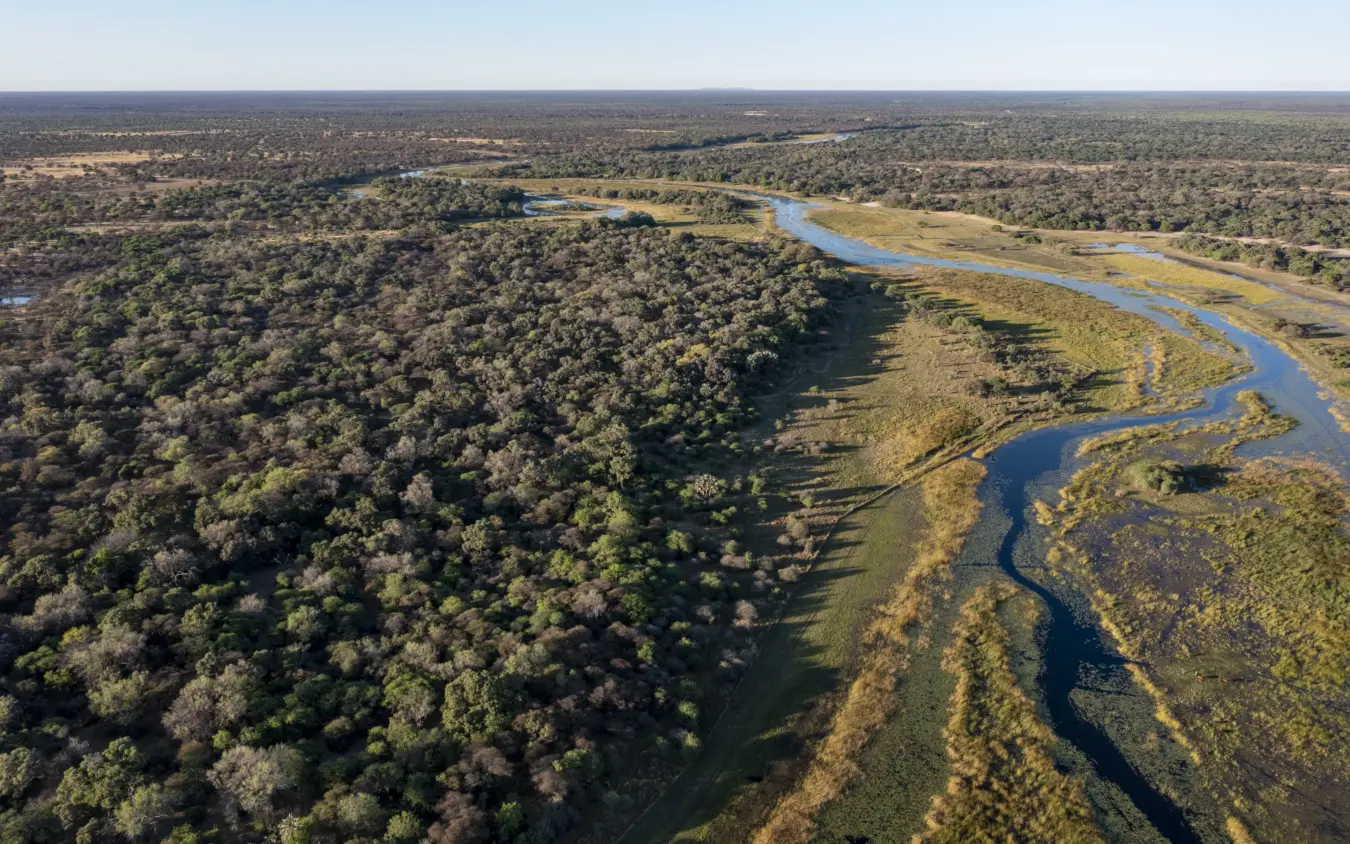
A light aircraft from Maun reaches the private airstrip in 25 to 30 minutes, and a short road transfer covers the rest. The flight passes low over the waterways and palm islands of the northern Okavango Delta, an early look at the ground the guides will work over the following days. From the air the pattern is plain: deep channels, shallow floodplains and dry islands side by side. Helicopter flights can be arranged from camp too, slow and banking, over stretches of the Delta that neither a vehicle nor a boat can reach.
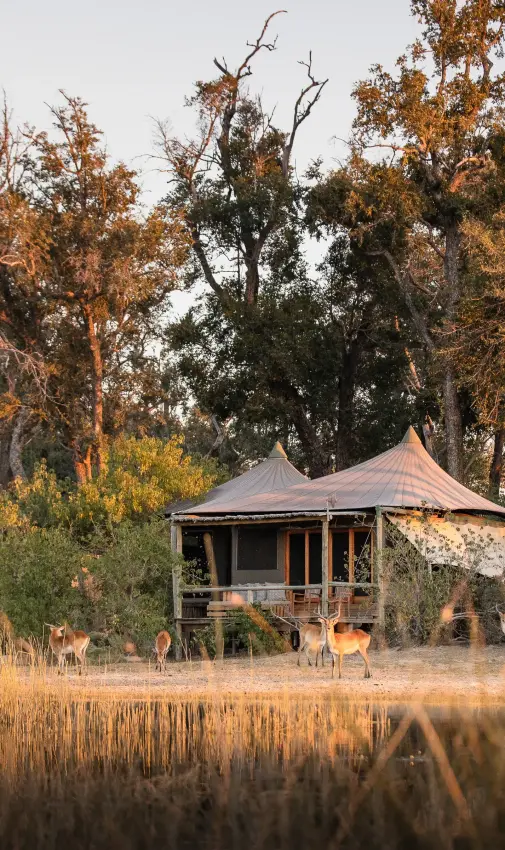
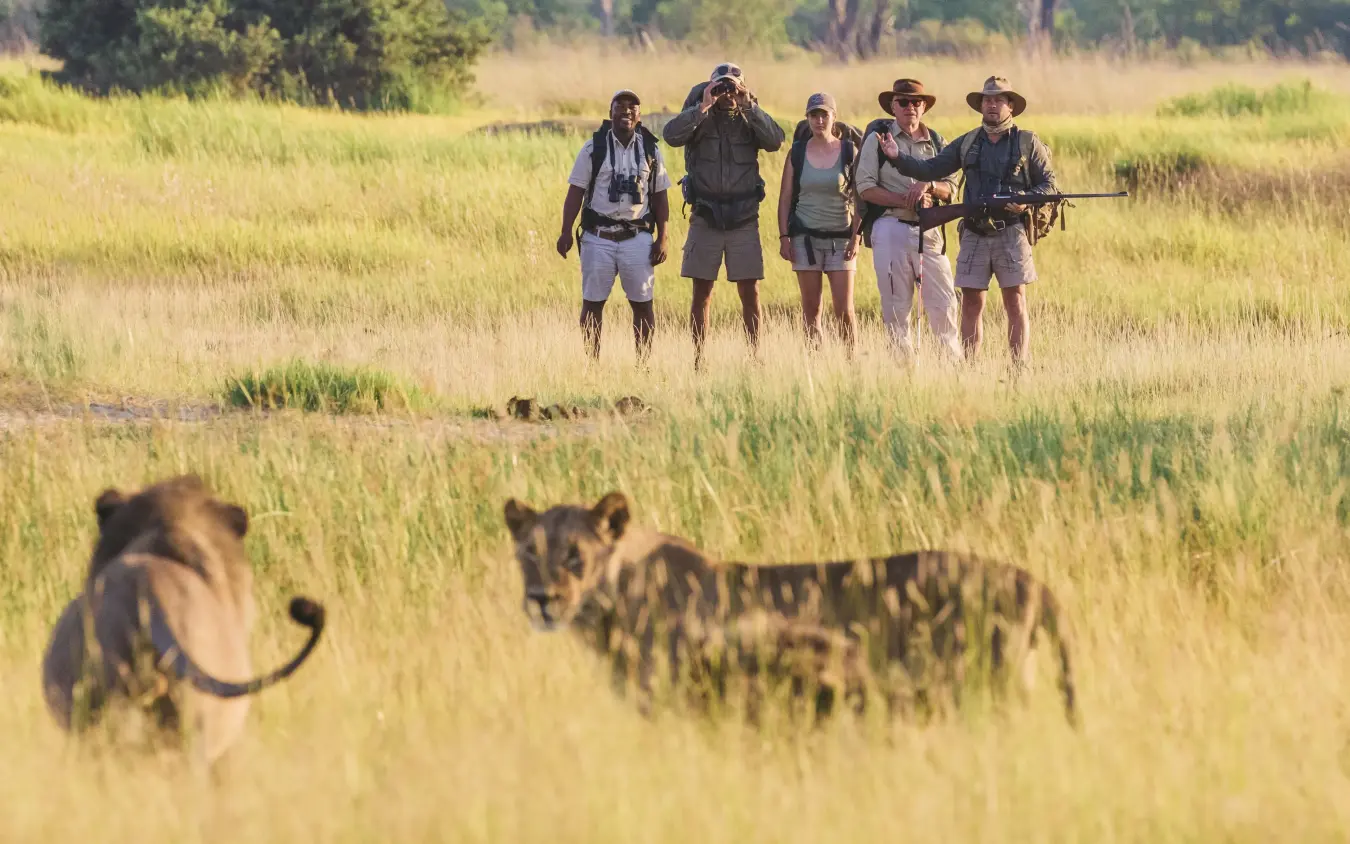
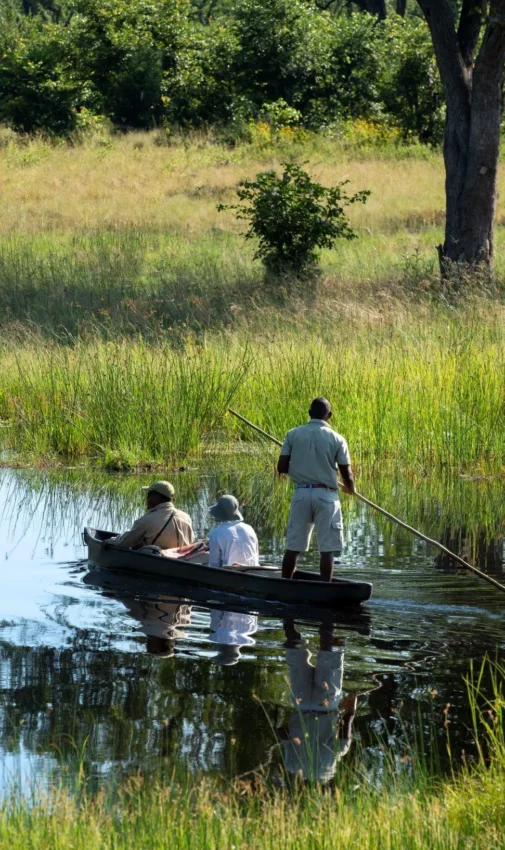
Knowing which channel a leopard favours, or where the lechwe are feeding at that hour, decides a sighting on foot and on the water. The guides here are known for their tracking and for reading the ground closely. On this private land they stay out after dinner on night drives for genets, civets and porcupines, and go out armed on walking safaris. On the water, catch-and-release fishing for tilapia and tigerfish continues for most of the year, closing only in January and February for the breeding season.
The reed beds shelter the sitatunga, a semi-aquatic antelope rarely seen well elsewhere.
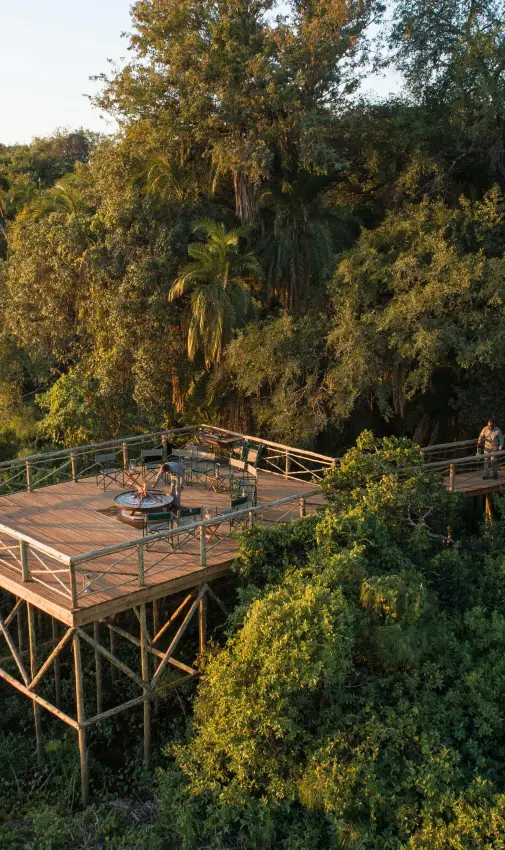
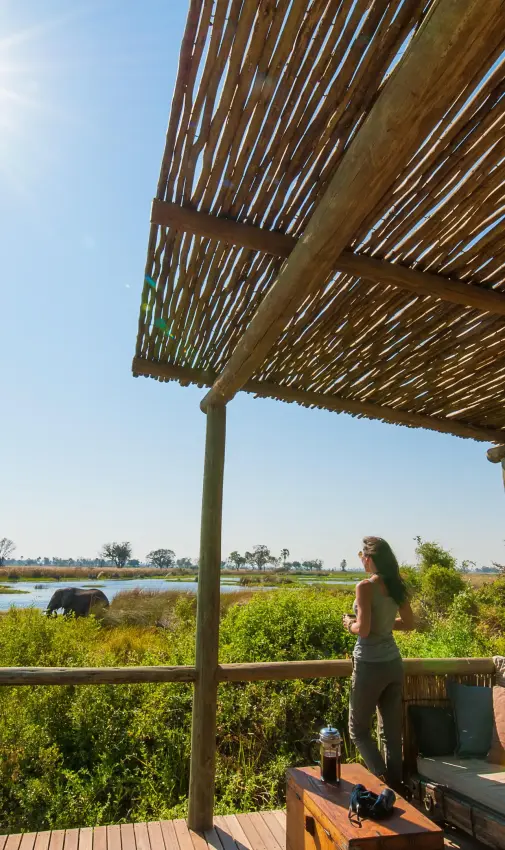
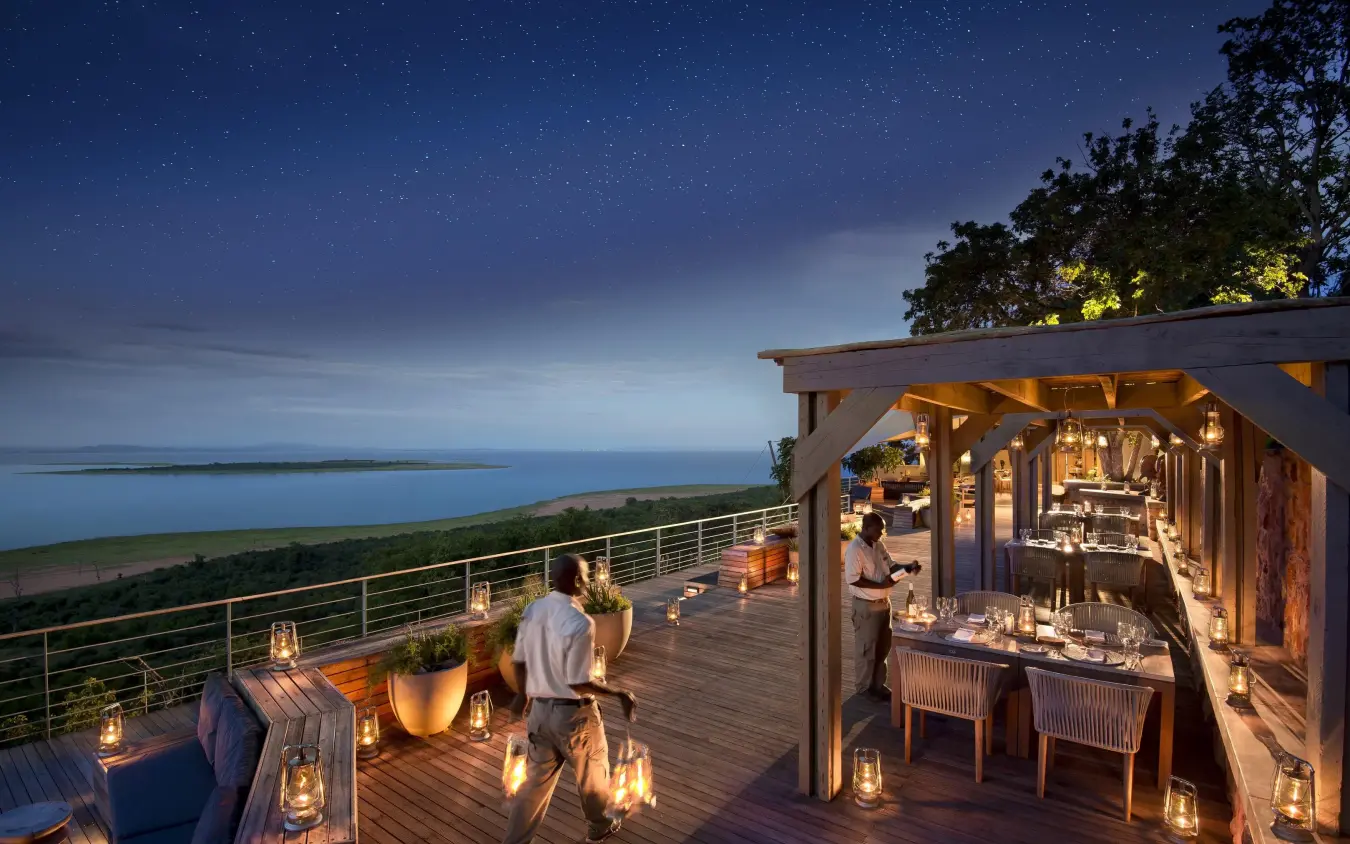
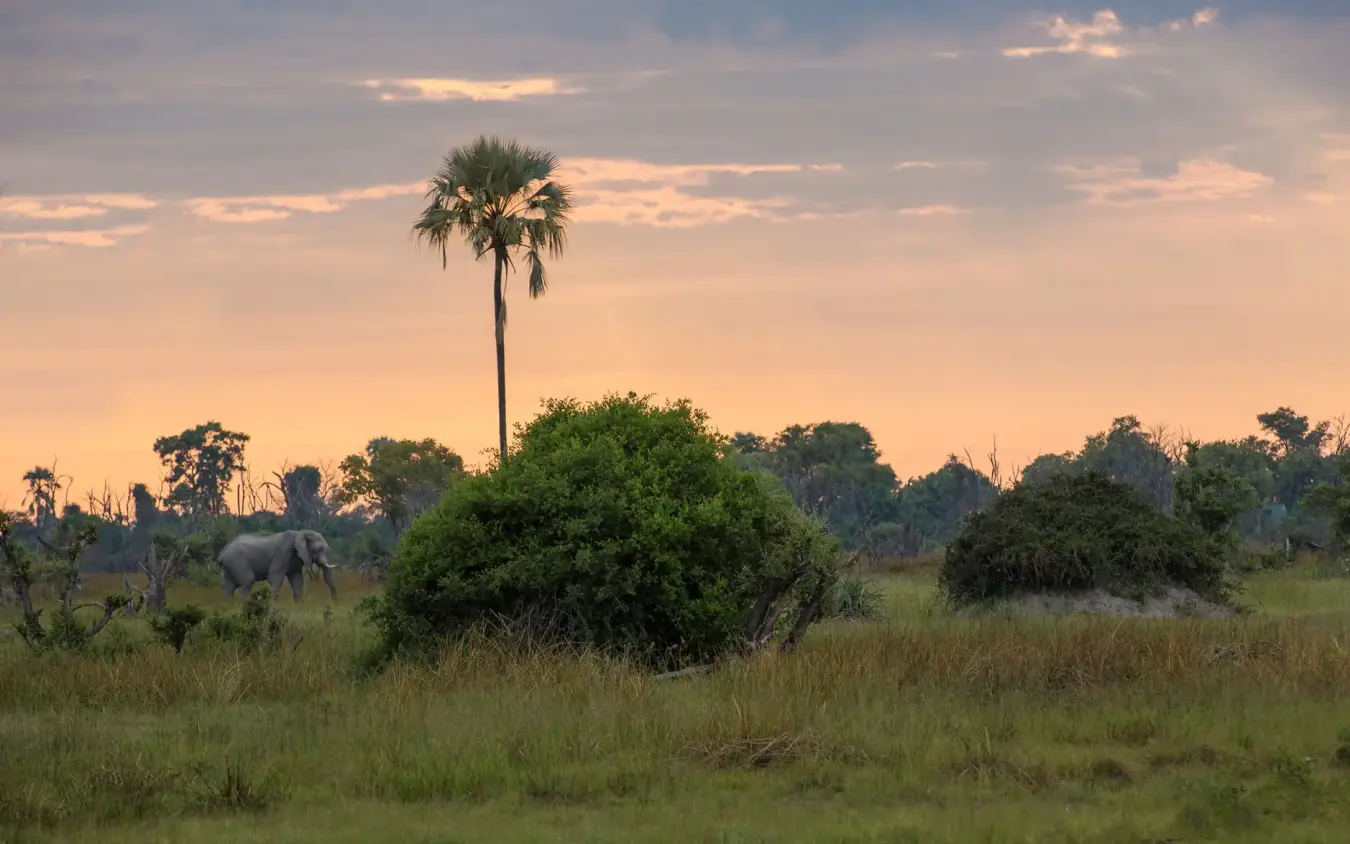
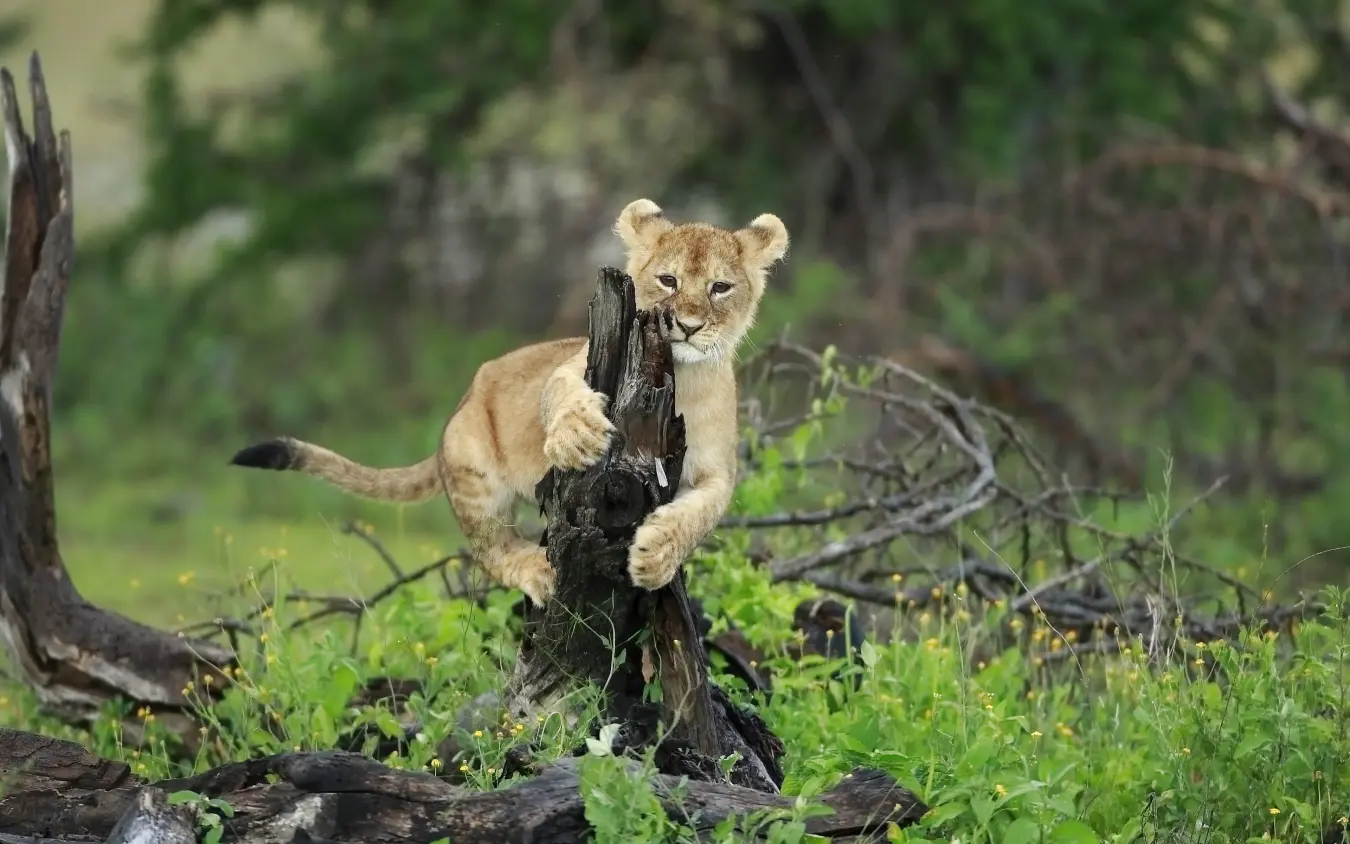
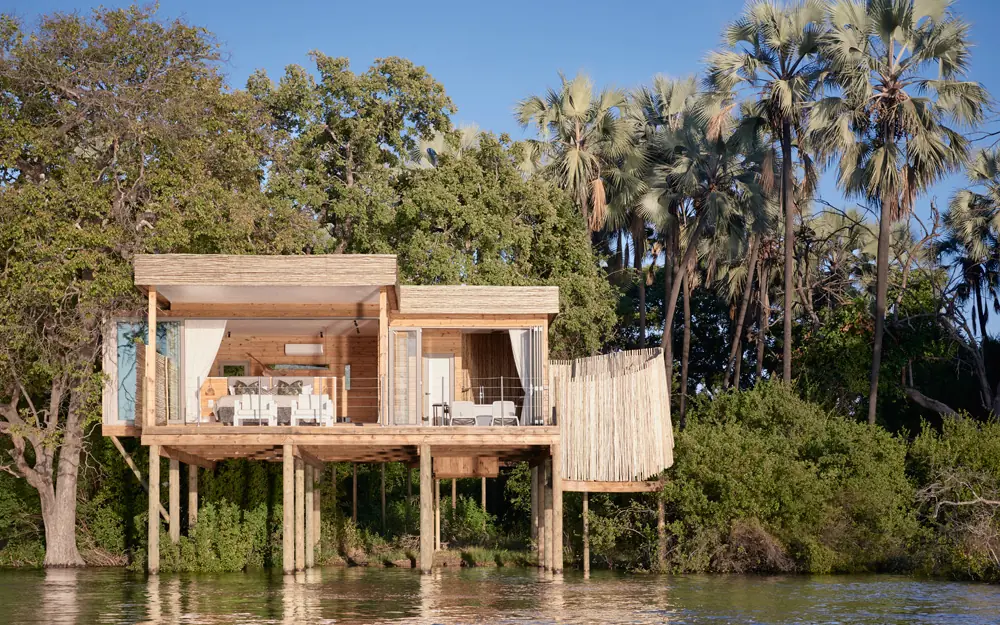
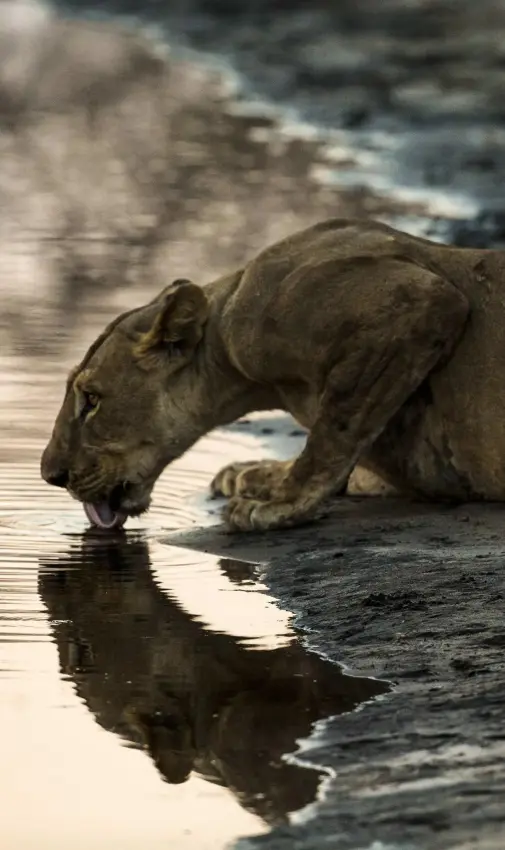
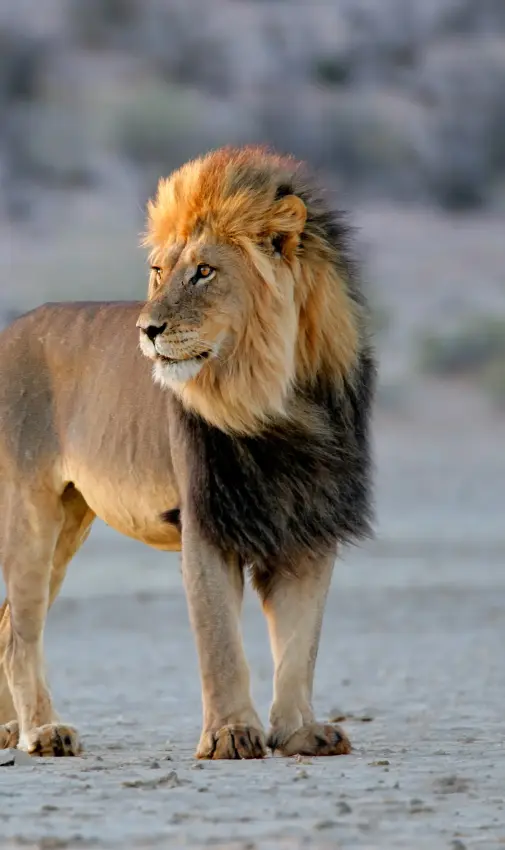
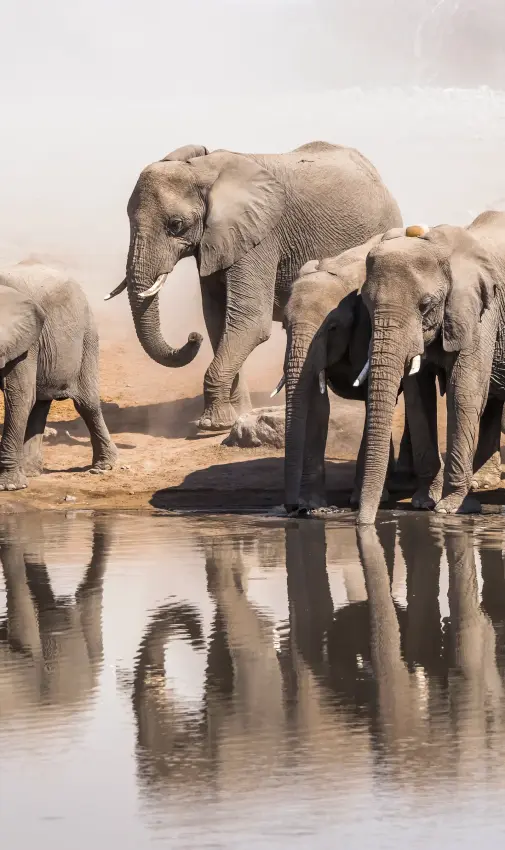
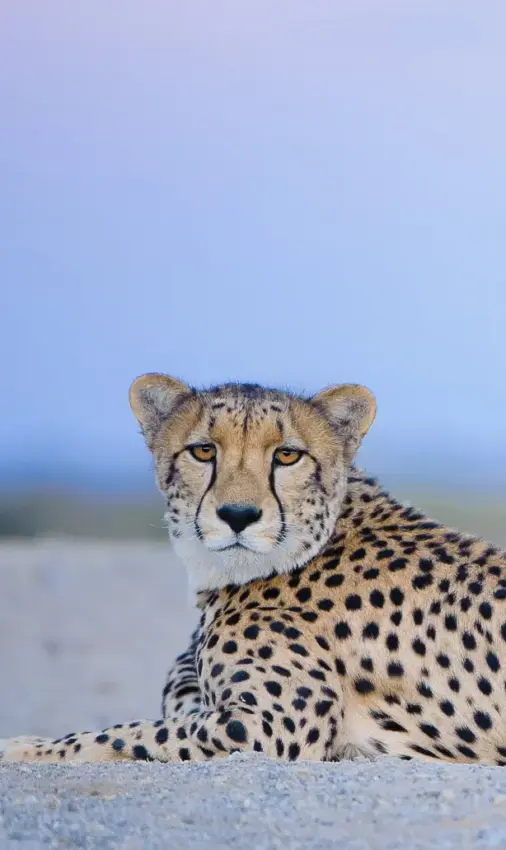
Permanent water, floodplain and dry woodland lie close together on the concession, and the species list reflects all three. The reed beds shelter the sitatunga, a semi-aquatic antelope rarely seen well elsewhere. Lions and leopards hold steady numbers, hyenas are common and African wild dogs pass through. Buffalo, giraffe and zebra share the plains with the elephants and lechwe, hippos graze near the decks, and the birdlife draws its own following. From August to December there is access to the Gadikwe Heronry, a breeding colony of herons, egrets, pelicans and storks.
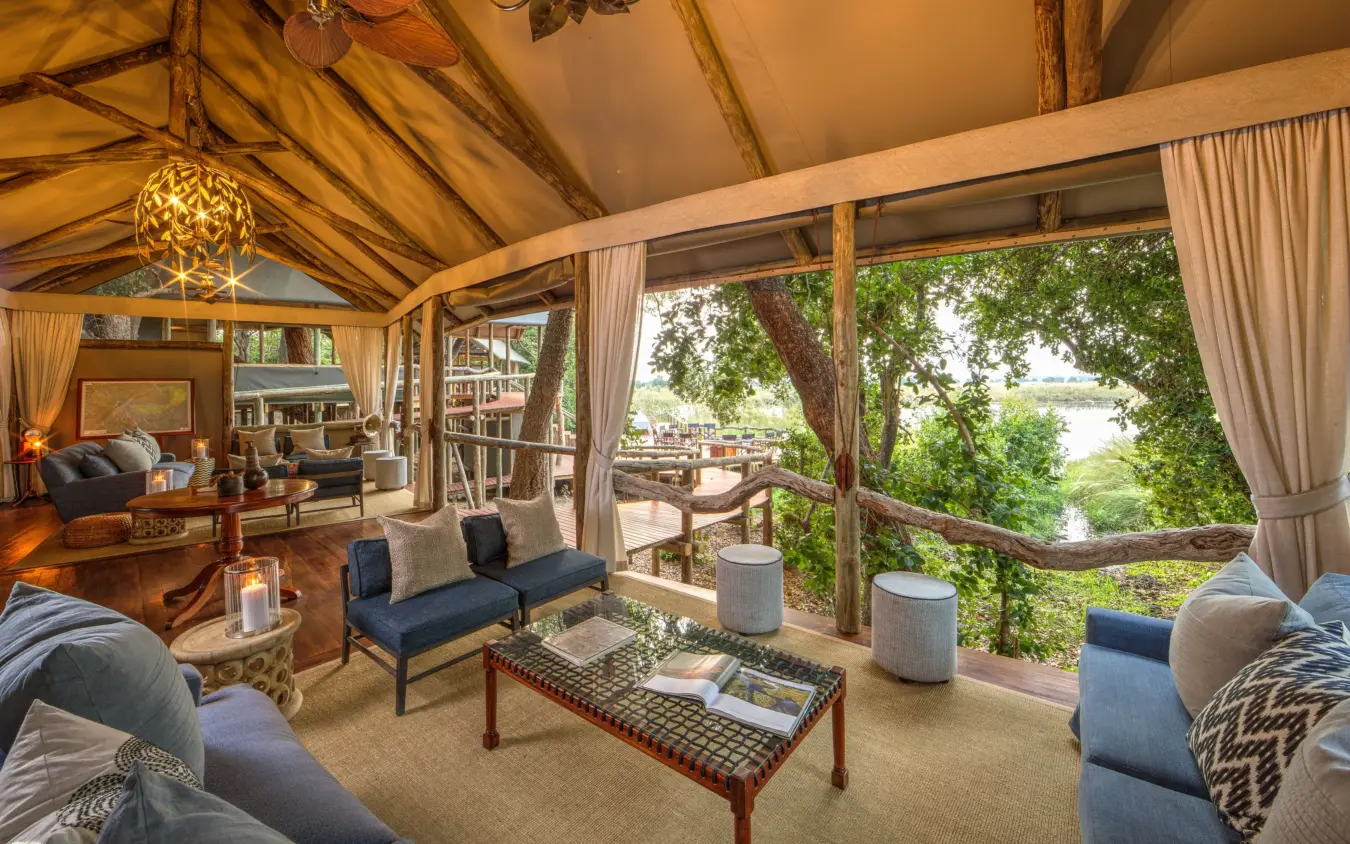
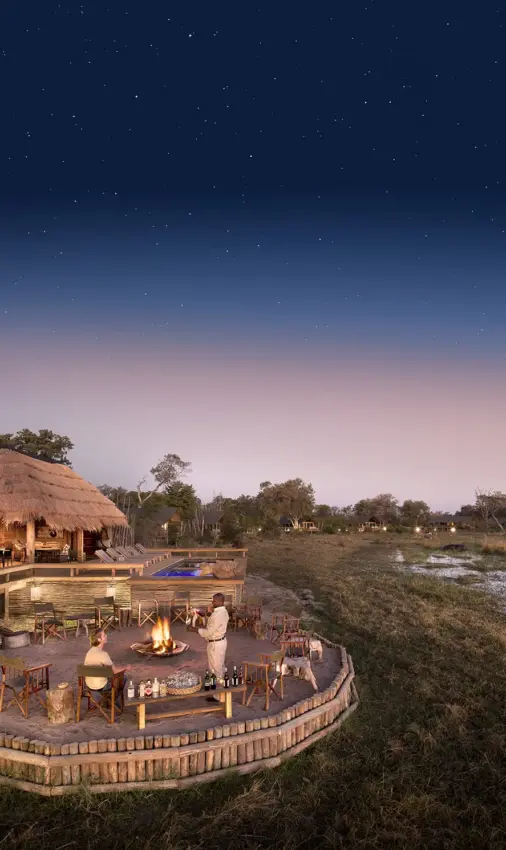
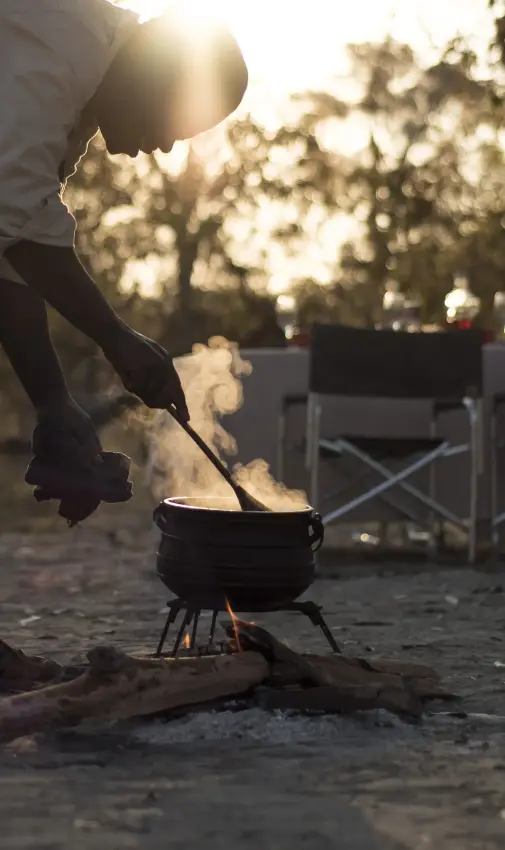
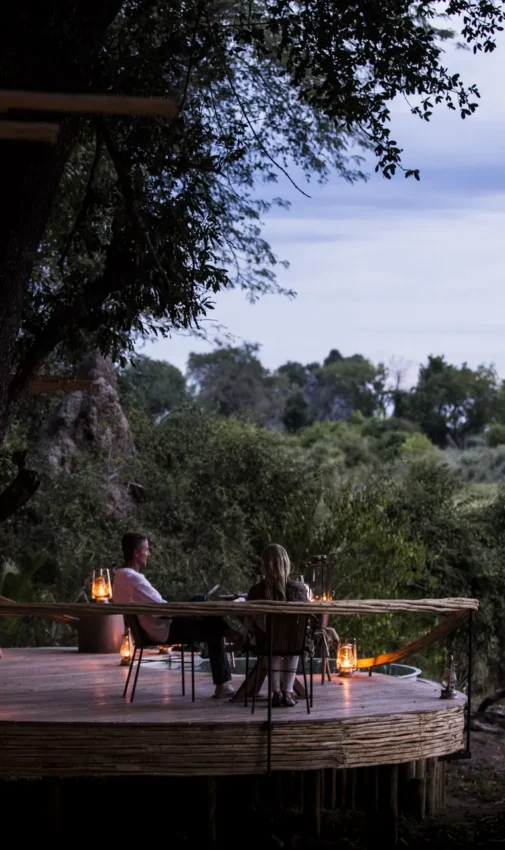
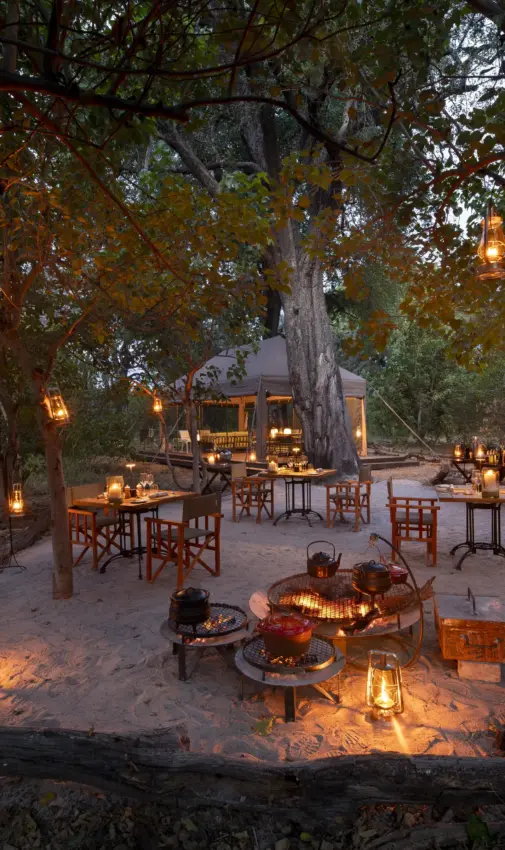
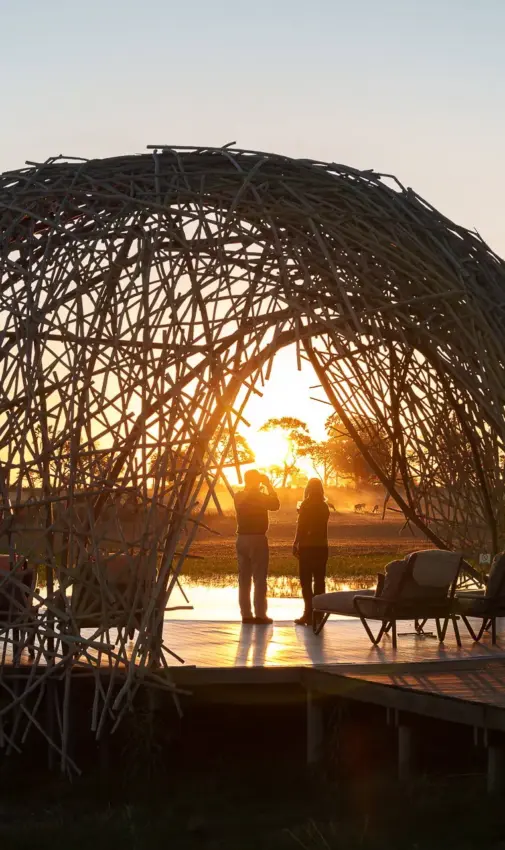
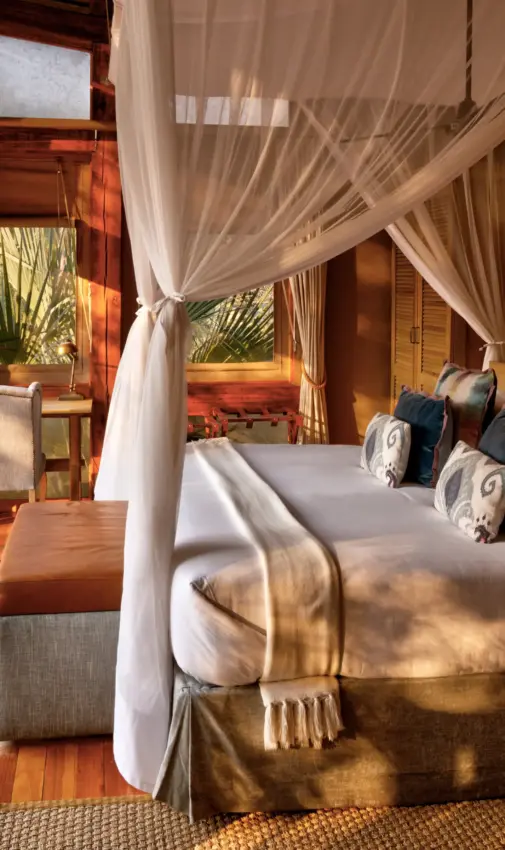
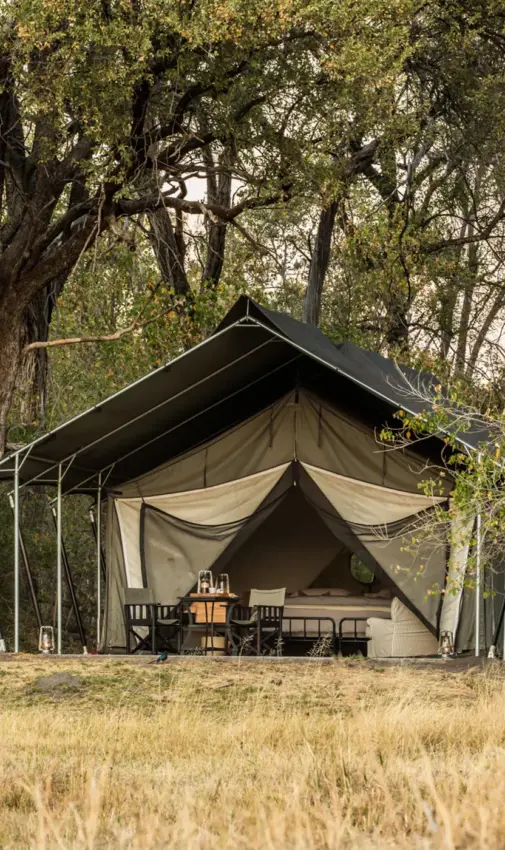
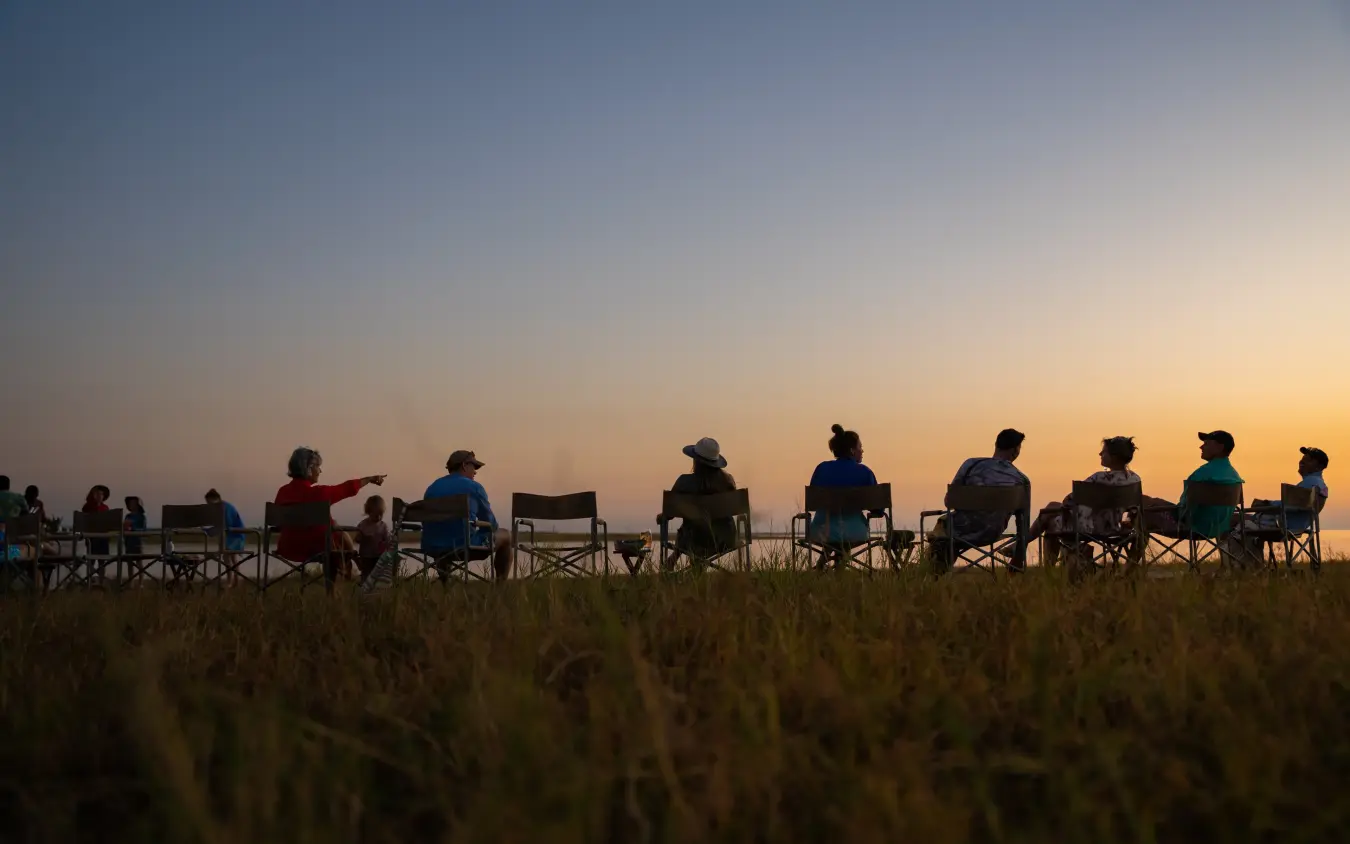
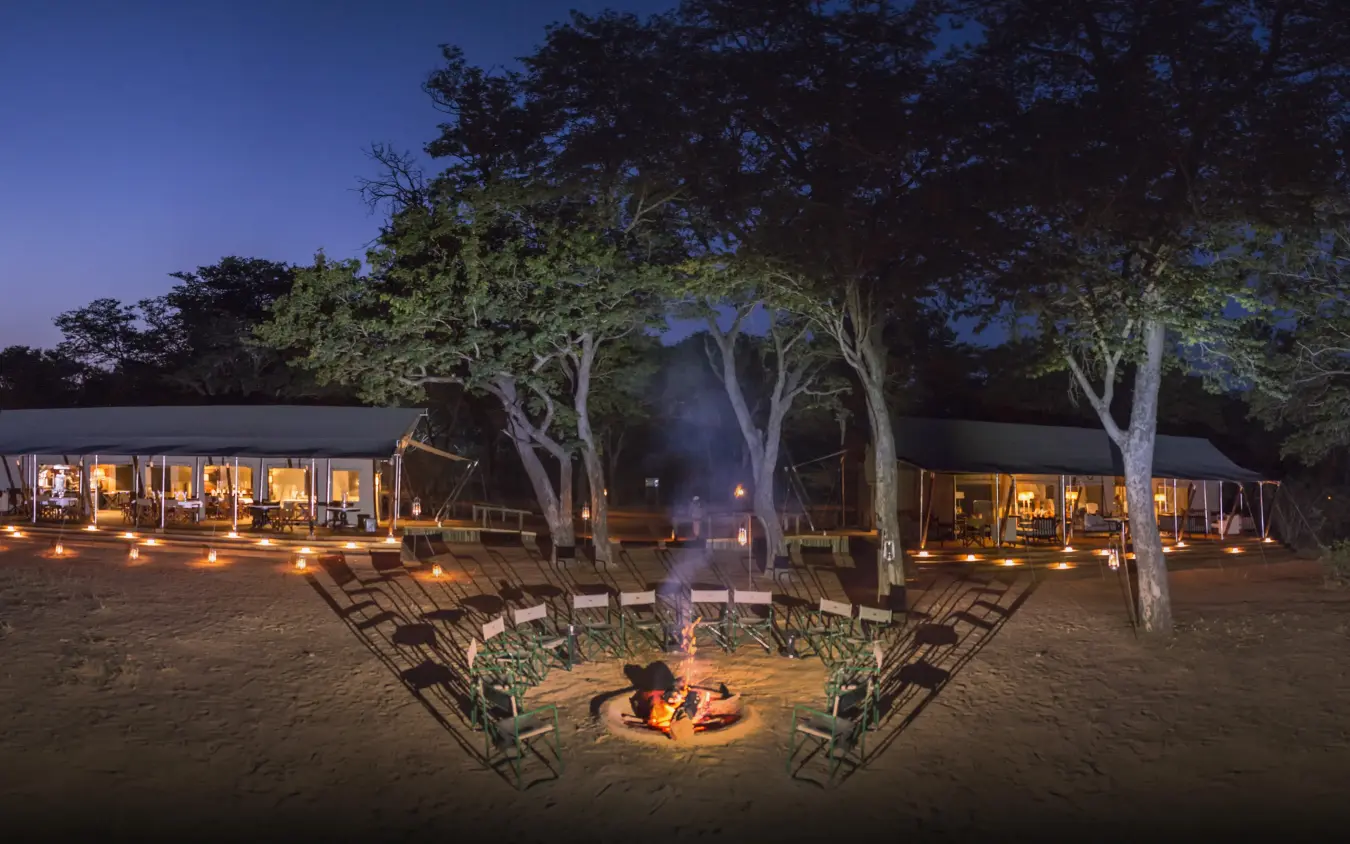
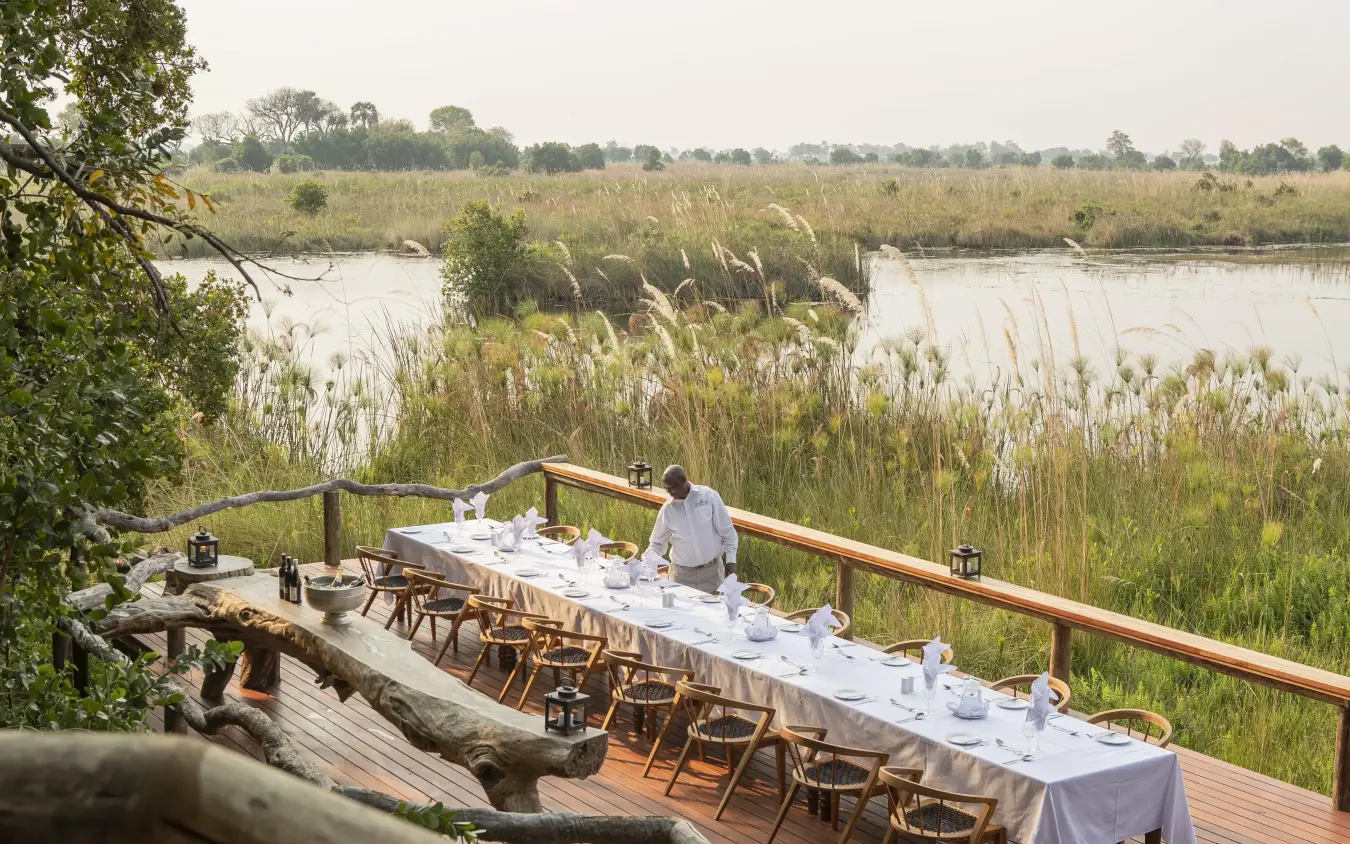
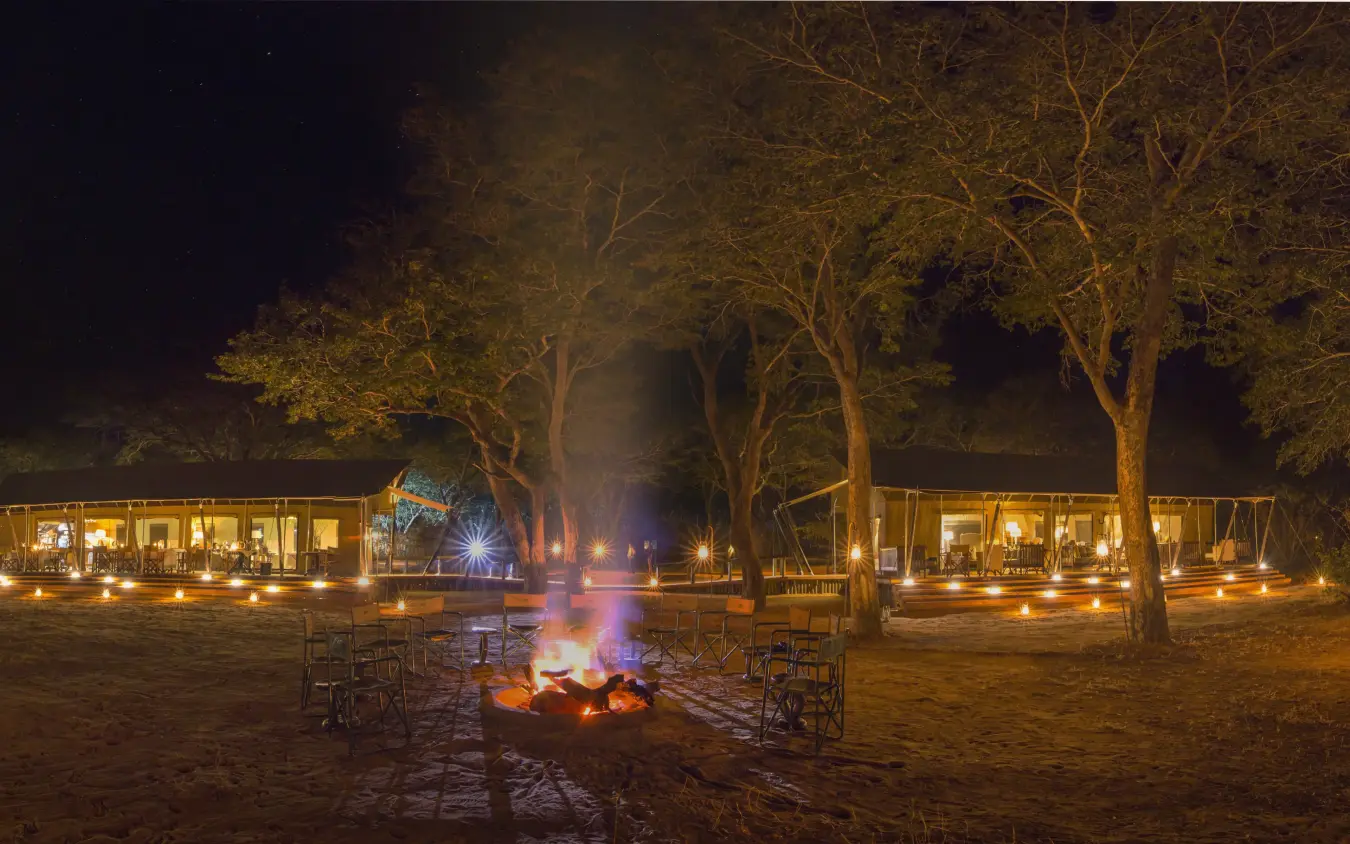
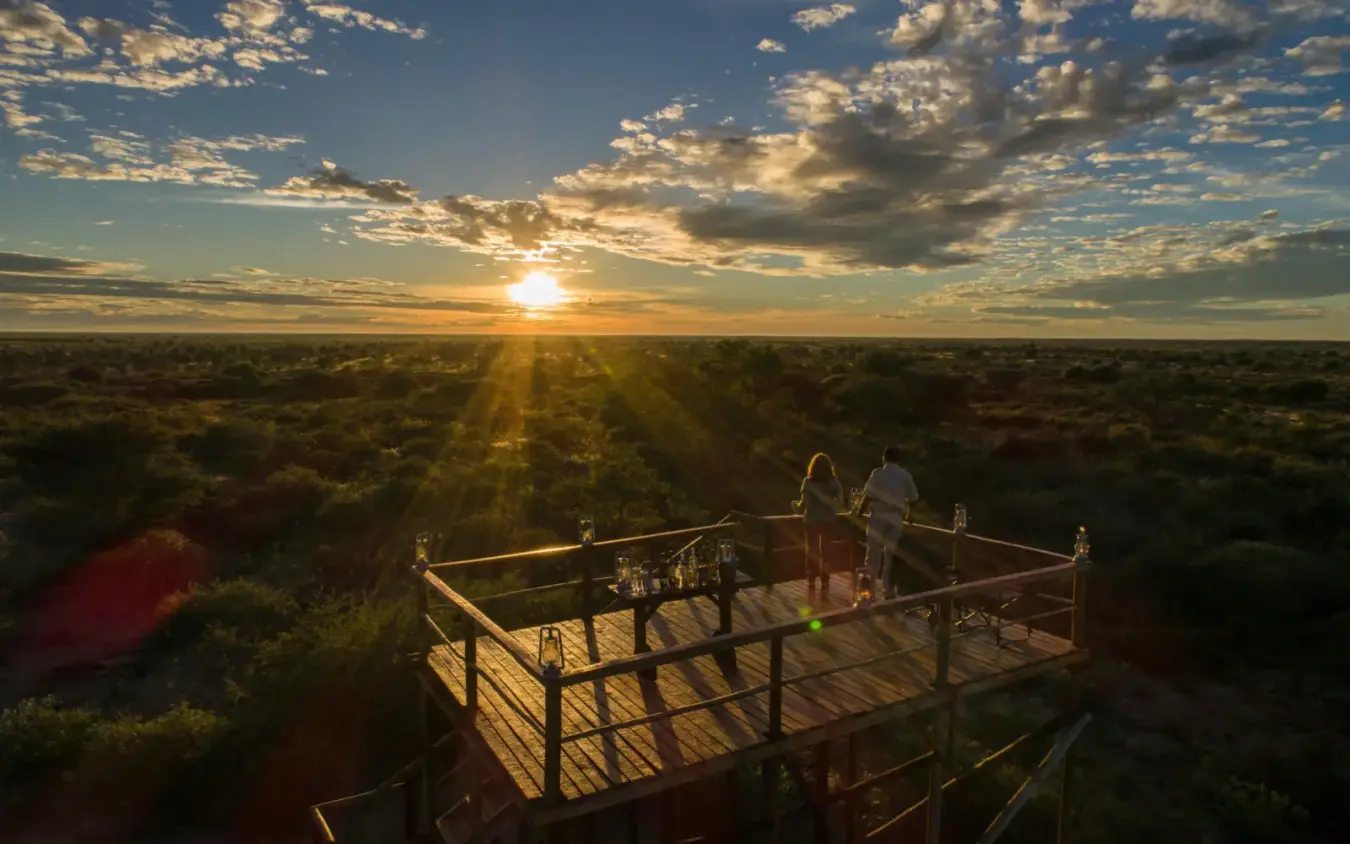
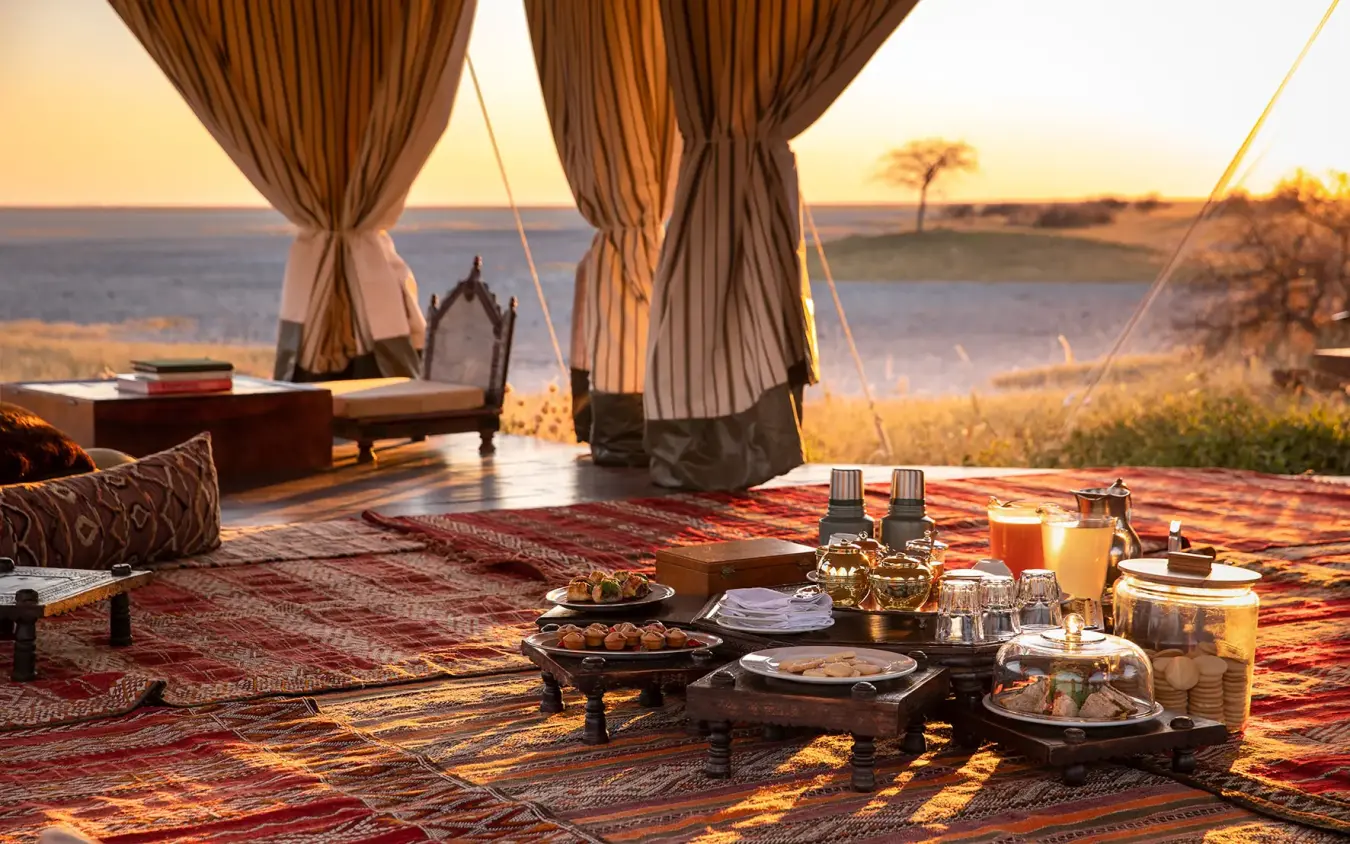
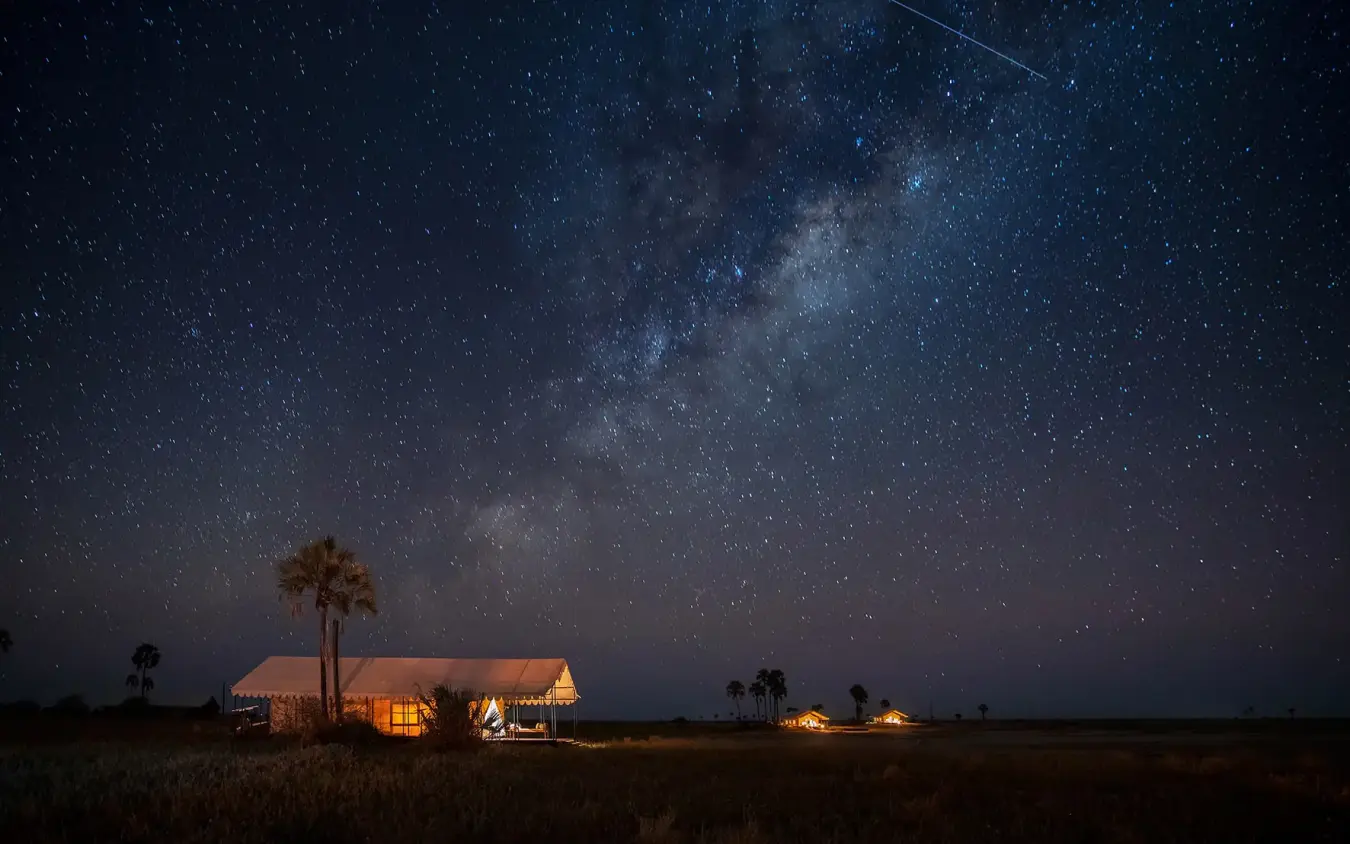
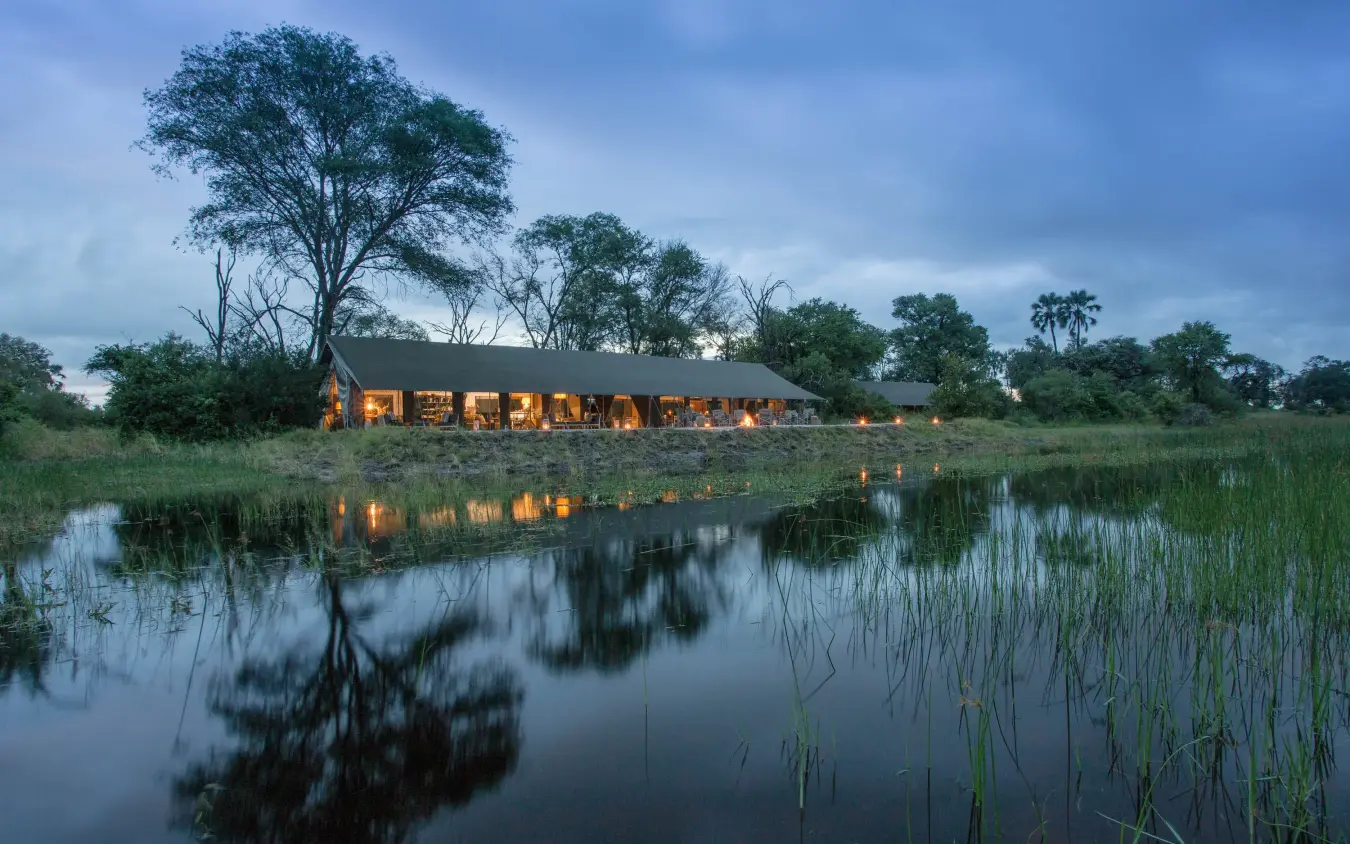
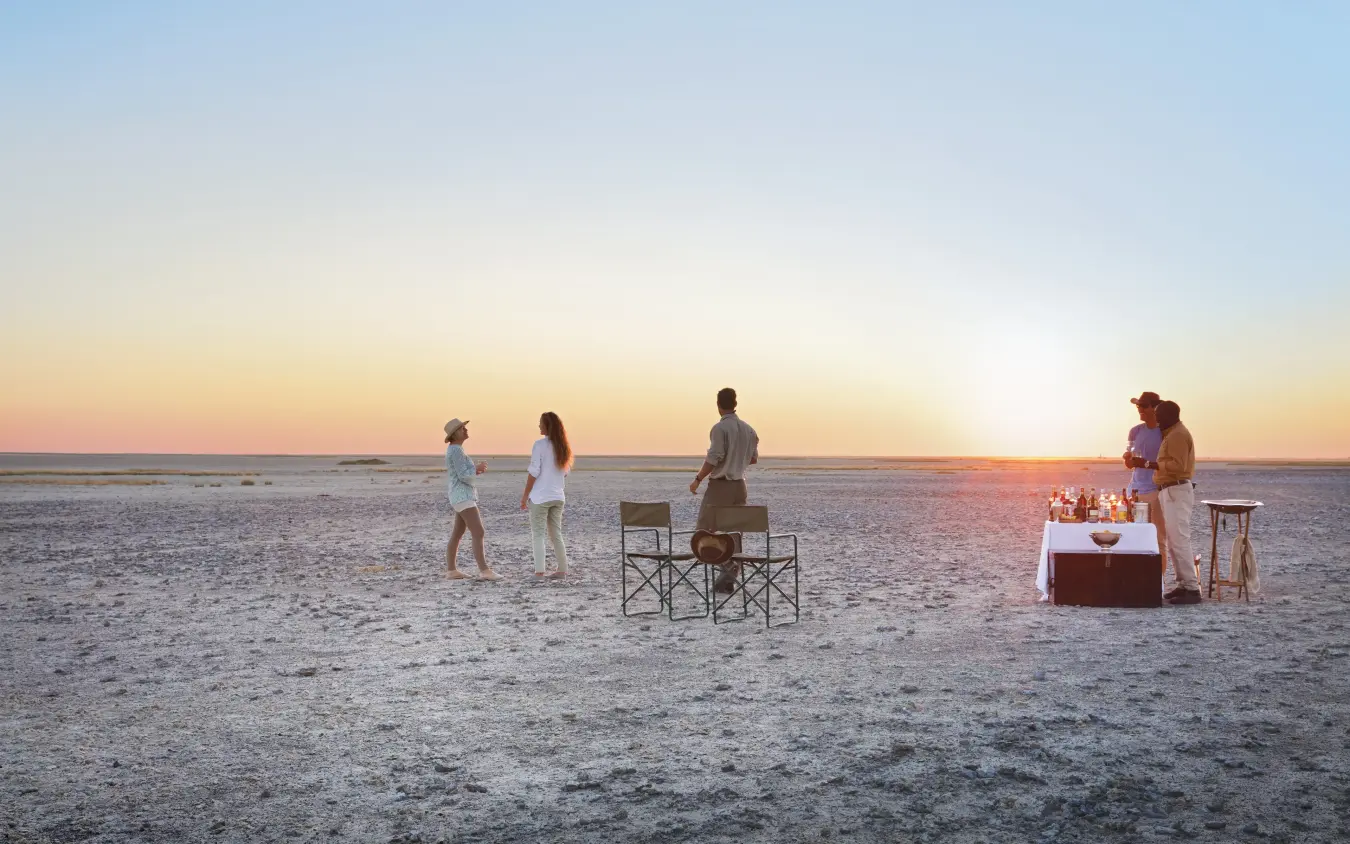
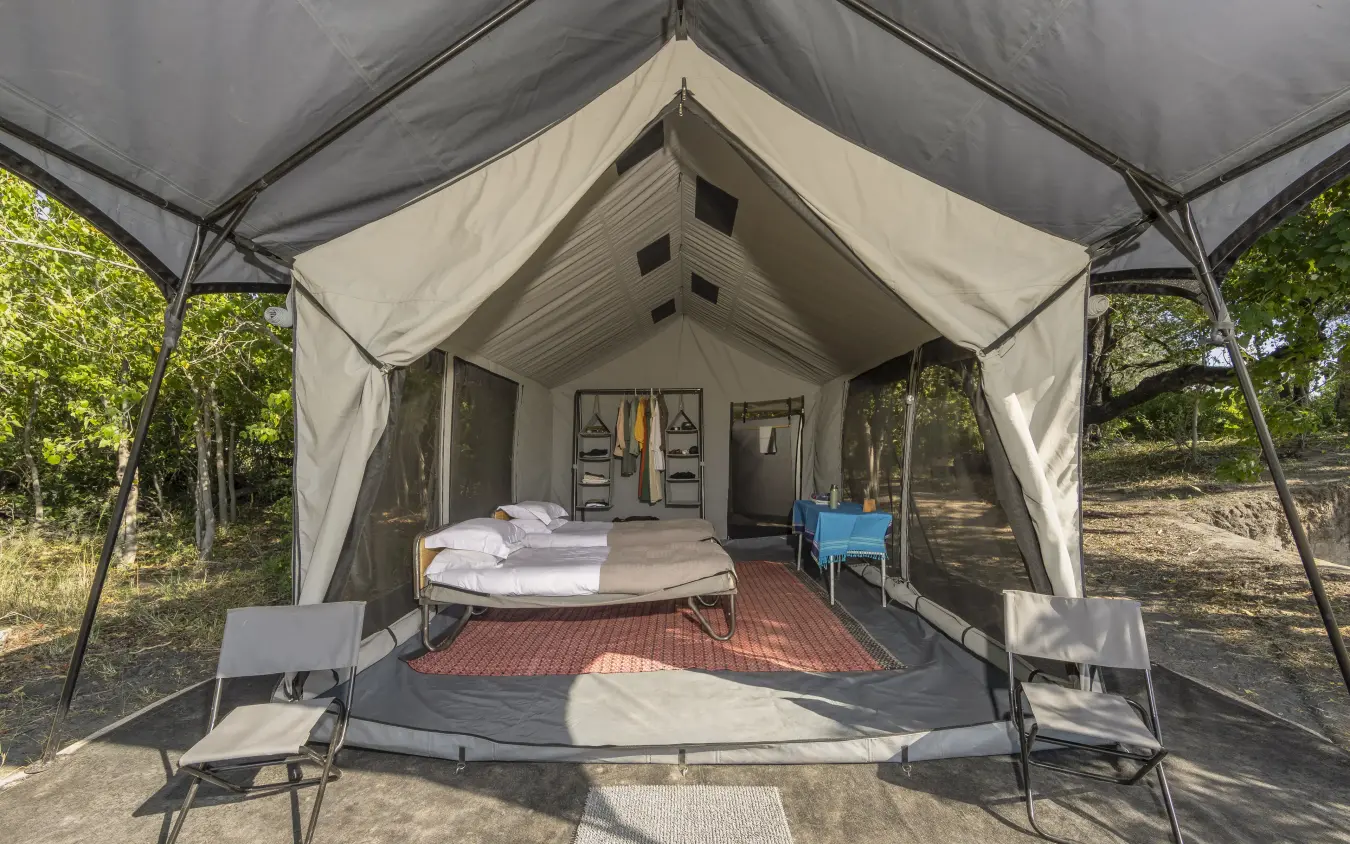
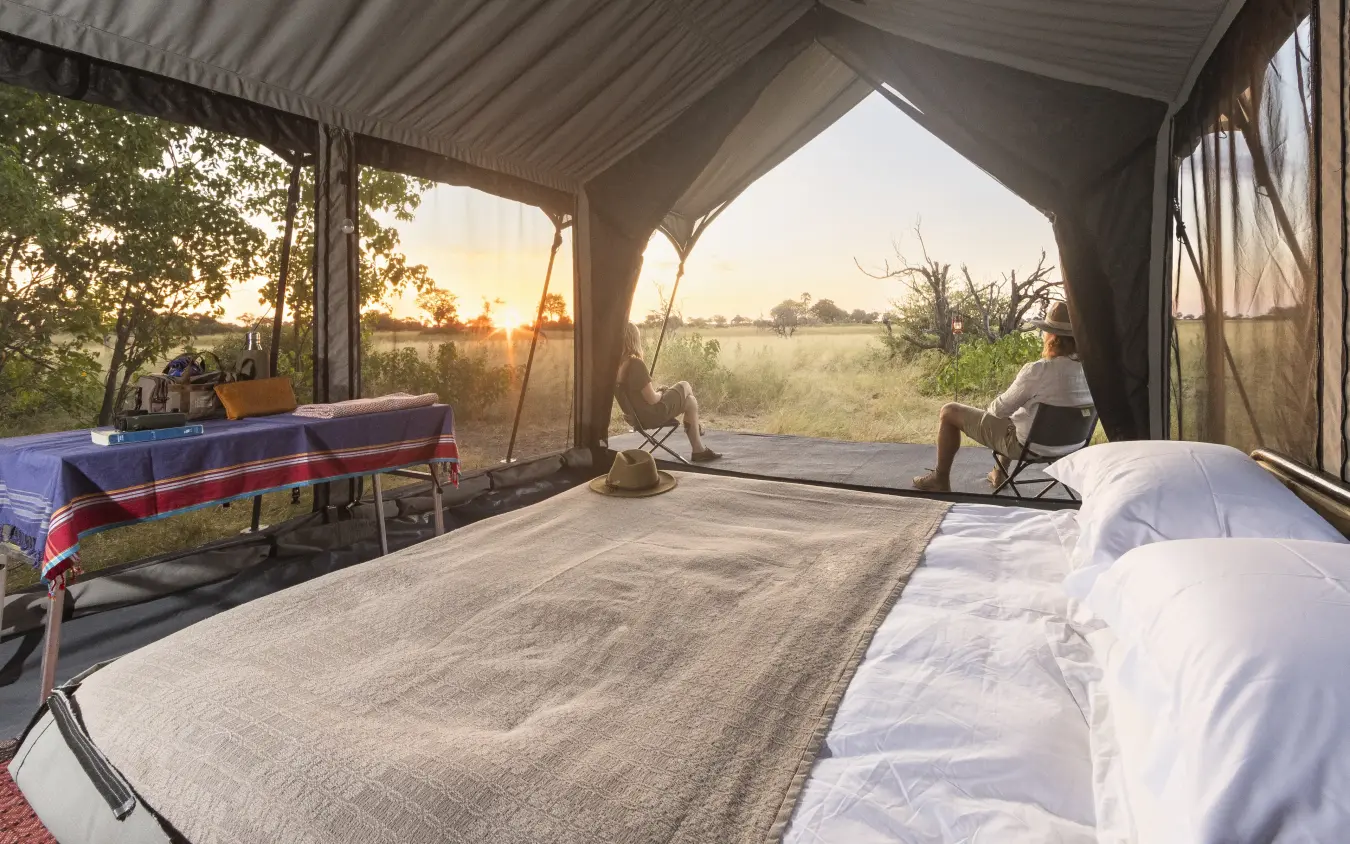
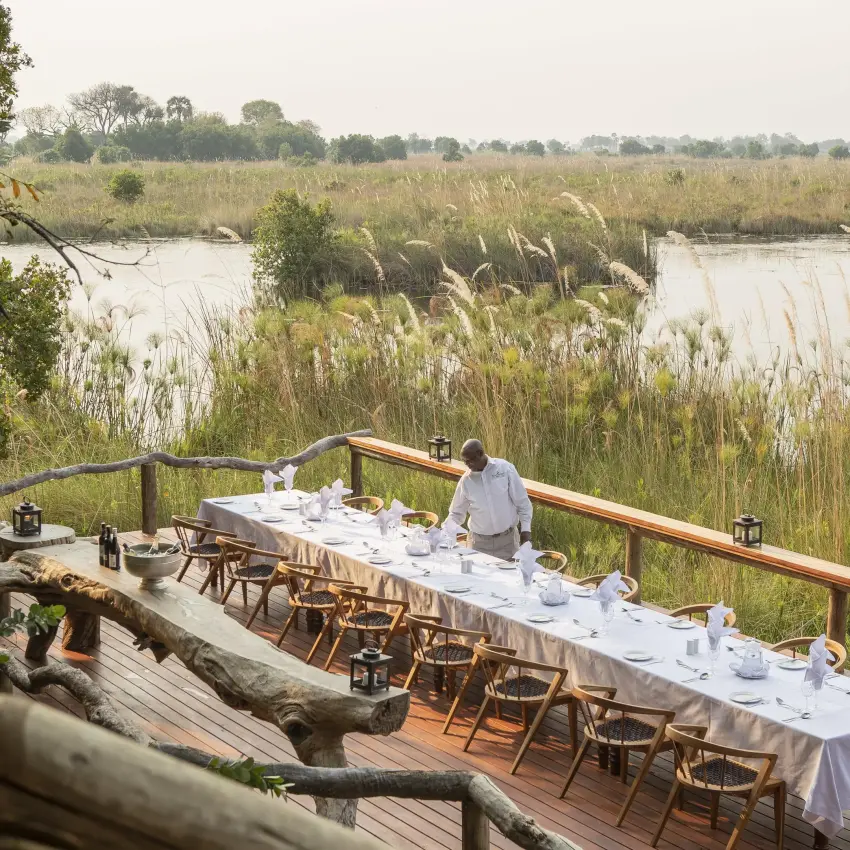
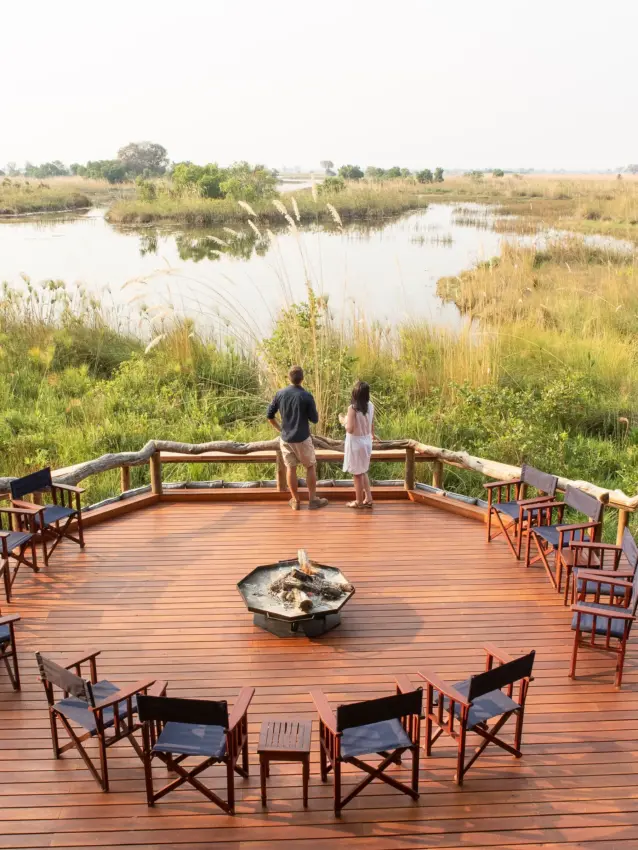
Sundowners are sometimes set up in the bush, and dinner is usually shared at one long table with the guides and managers, freshly prepared and carried along by stories from the day. On cool nights a hot water bottle waits in the bed. All of it runs on a solar plant installed in 2020, the year the lodge was rebuilt, and the camp holds an eco-tourism certification from the Botswana Tourism Organisation. It supports Bana Ba Letsatsi, Children of the Sun, a charity in Maun that shelters and educates vulnerable and orphaned children.




 01