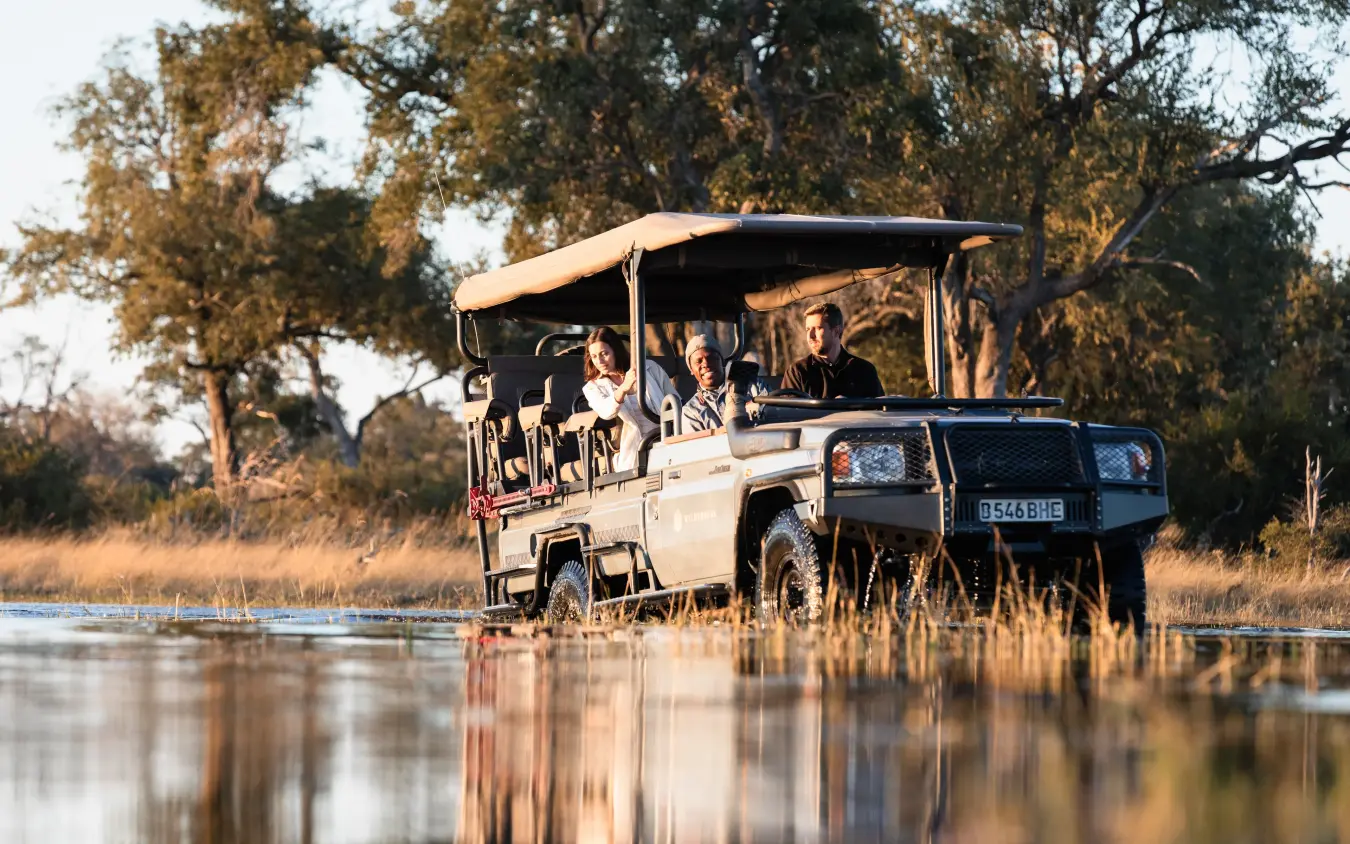
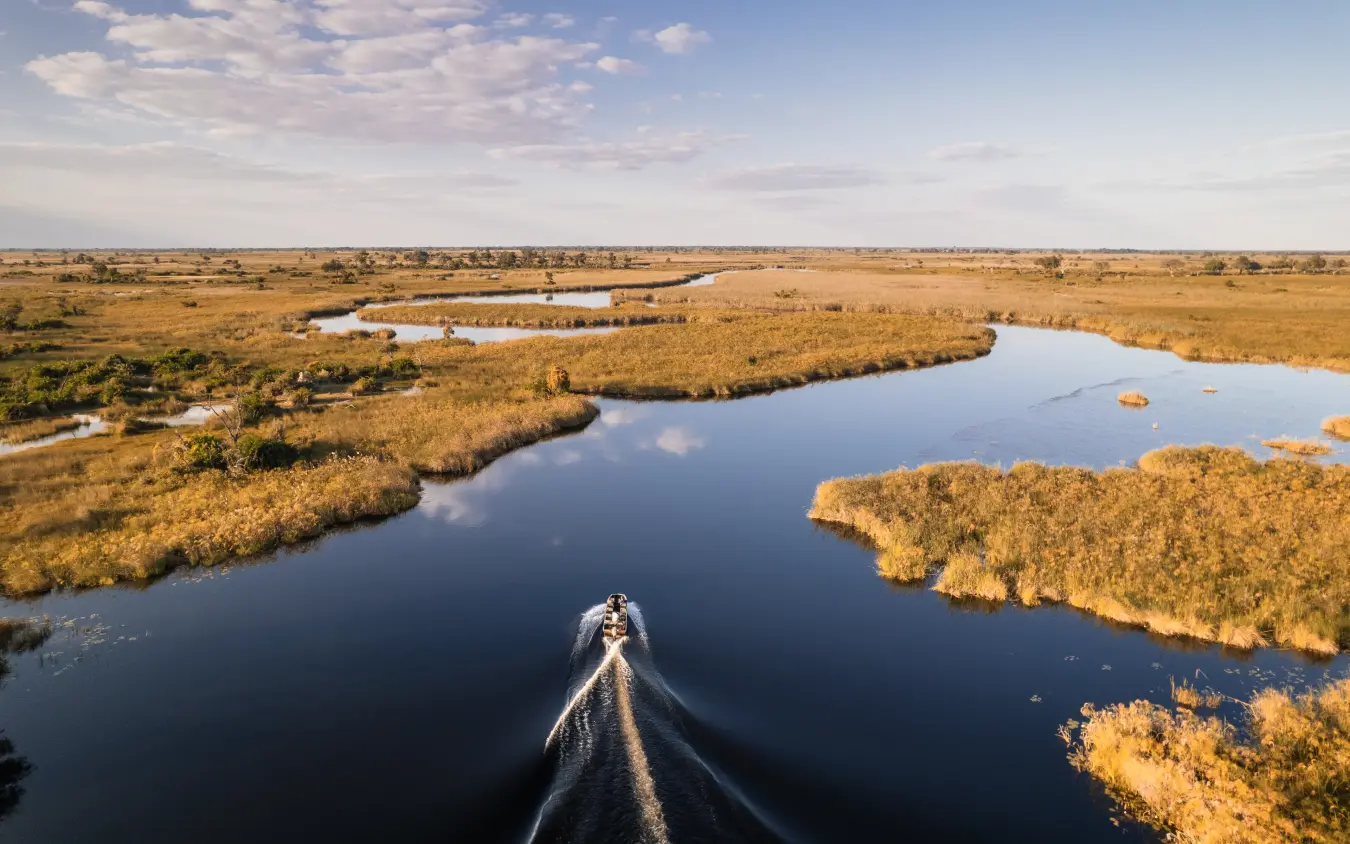
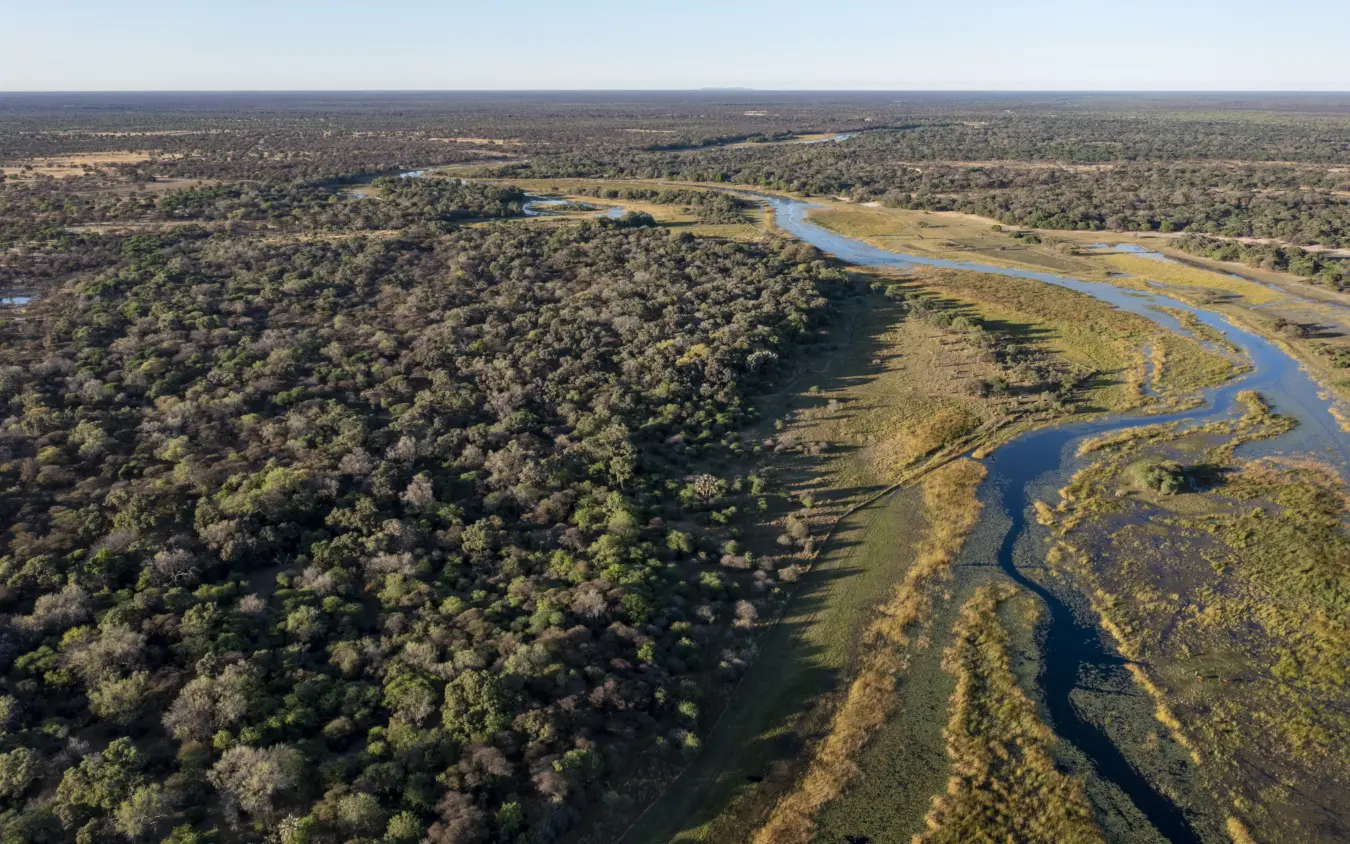
The approach is deliberately theatrical. A light aircraft lands at the Vumbura airstrip, a short flight from Maun, and a game drive across open grassland follows. Then comes a final boat transfer, weaving between papyrus reeds until the island appears out of the water. Staff gather on the wooden jetty with cold towels and welcome songs, and the whole journey leaves you certain you have arrived somewhere reachable only by water.
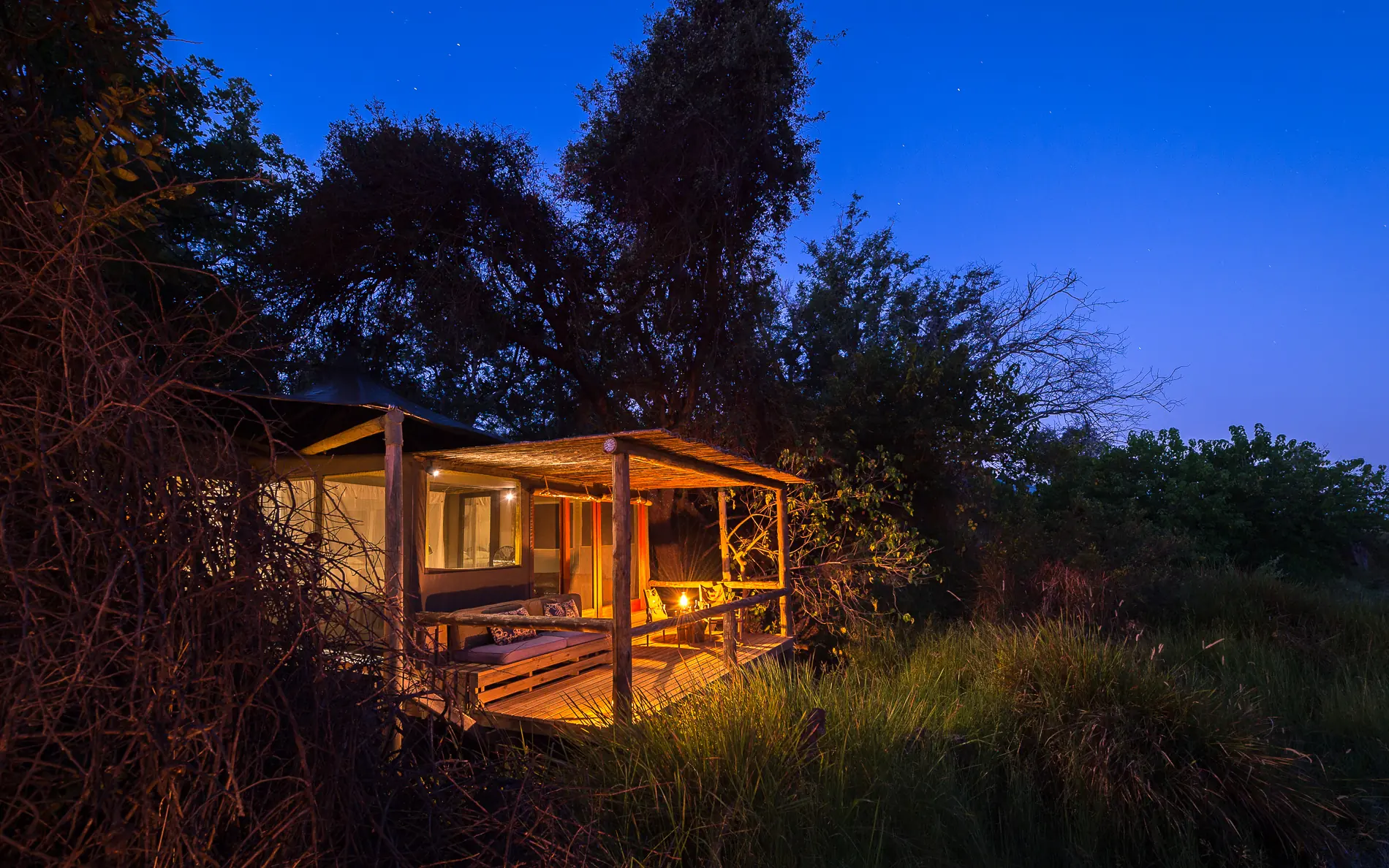
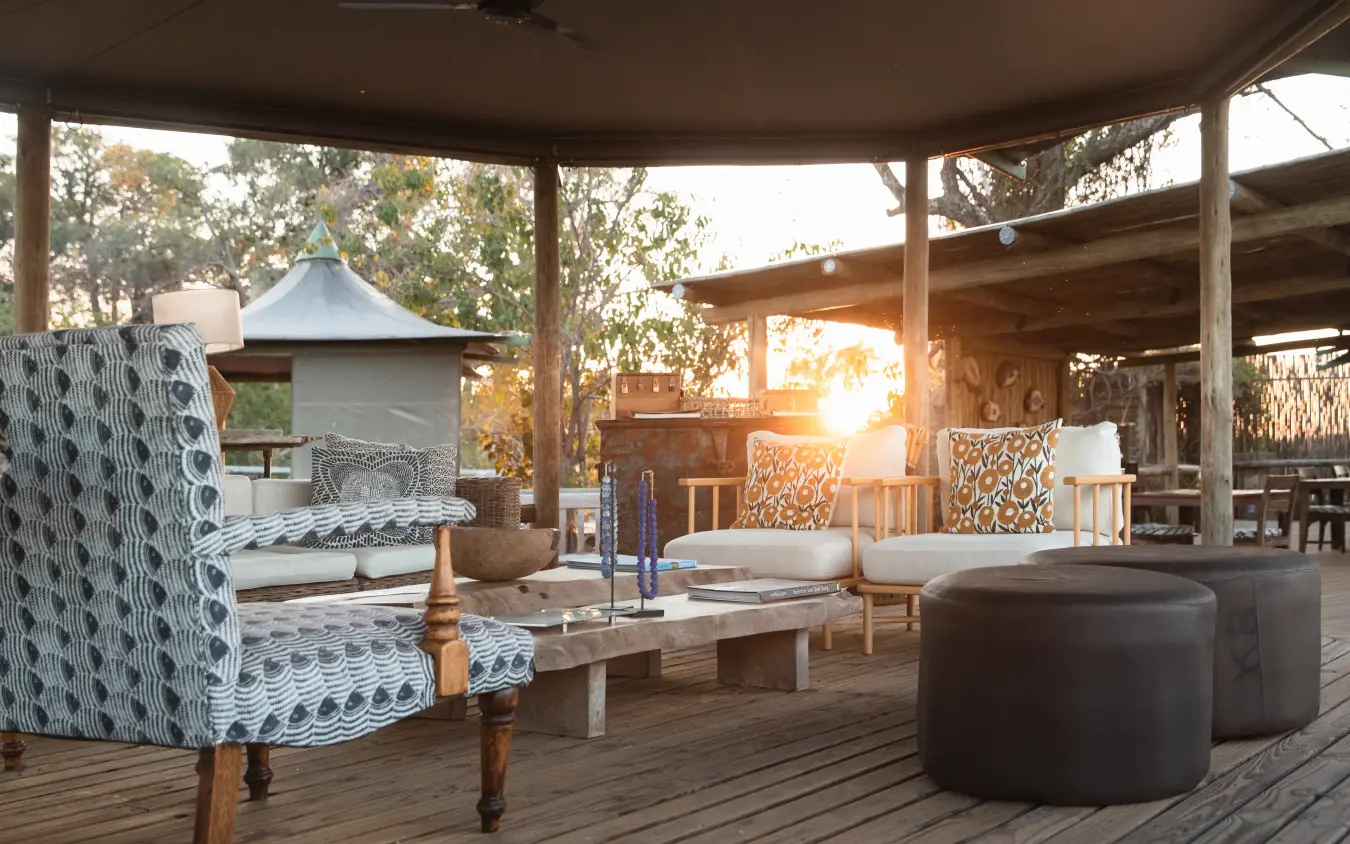
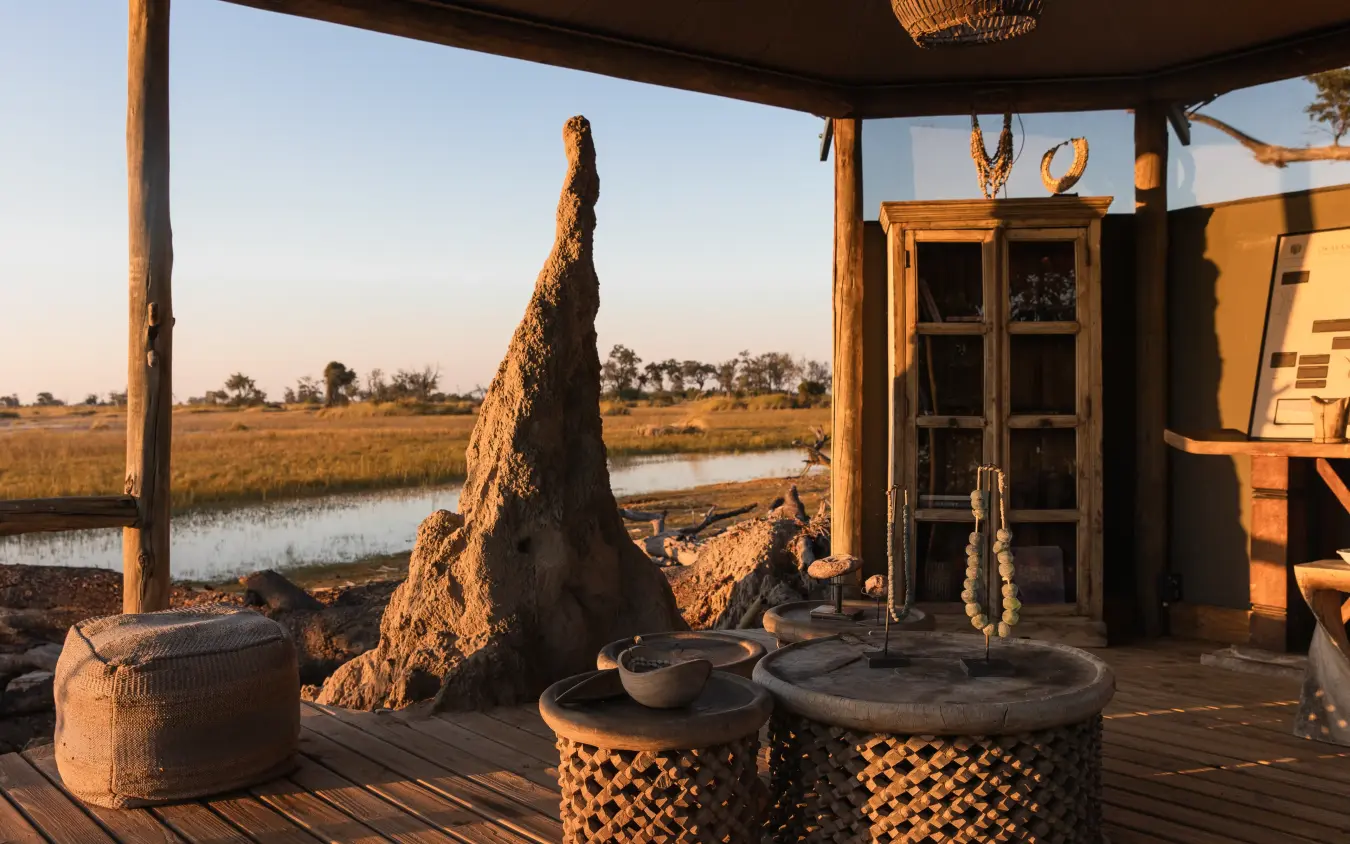
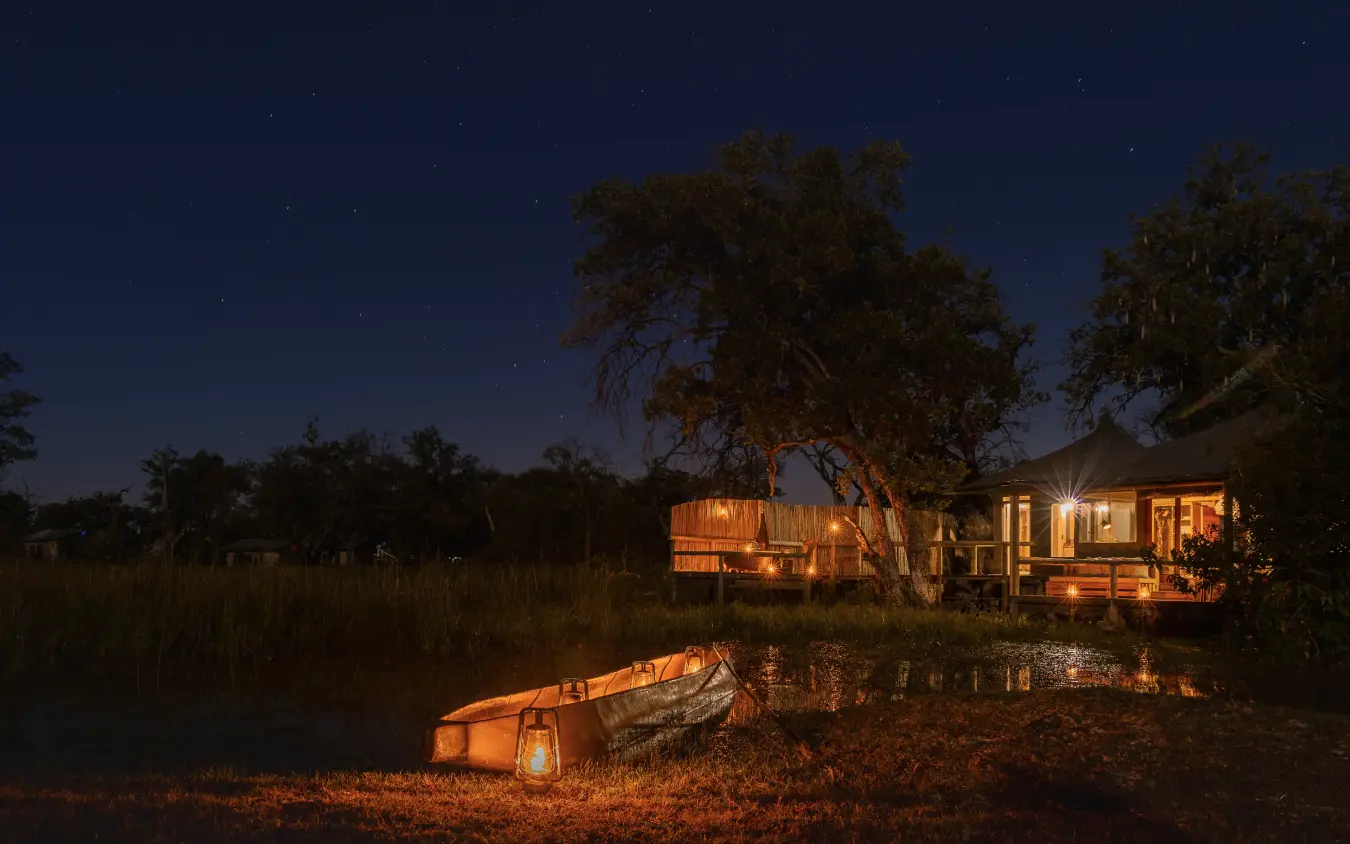
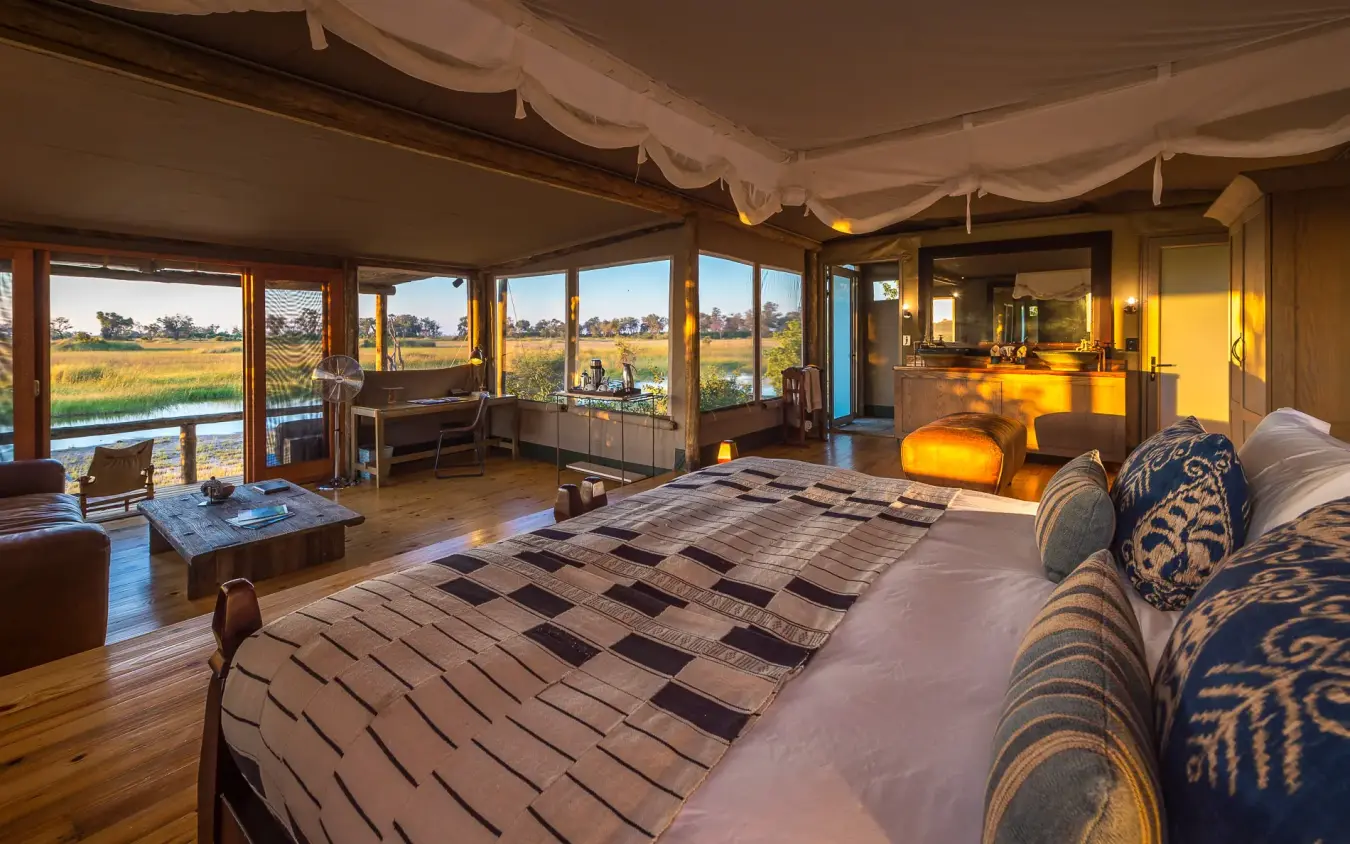
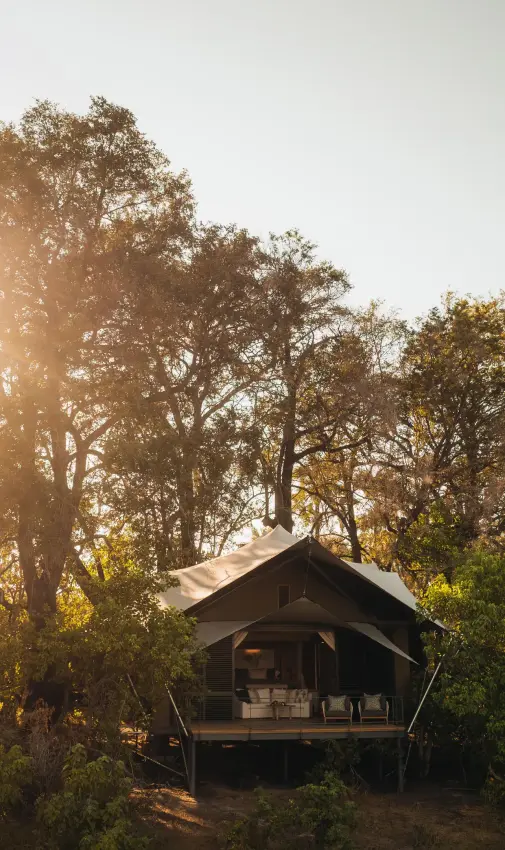
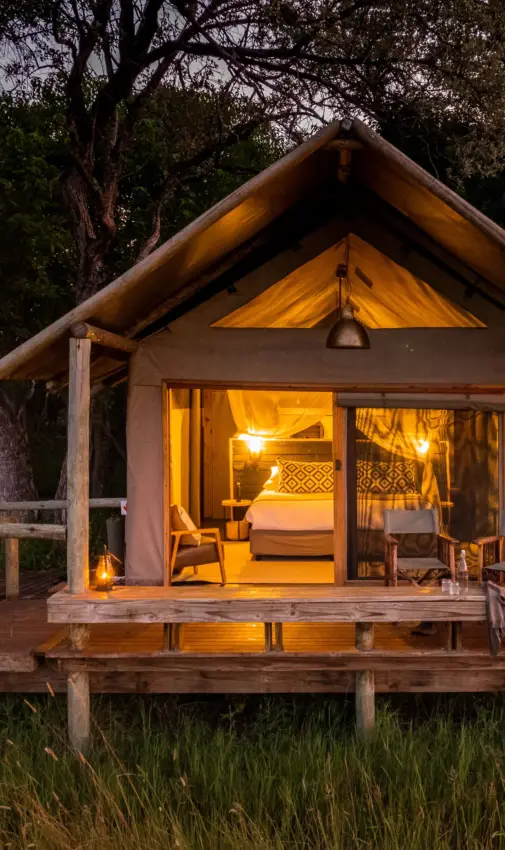
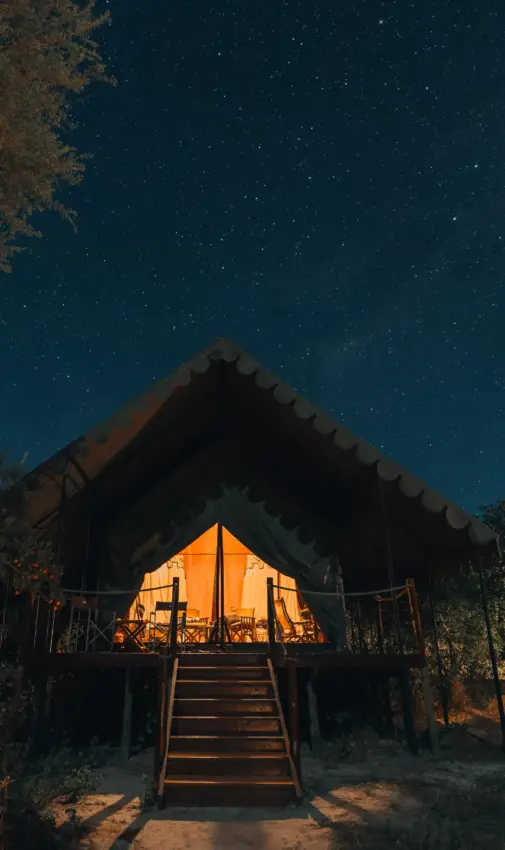
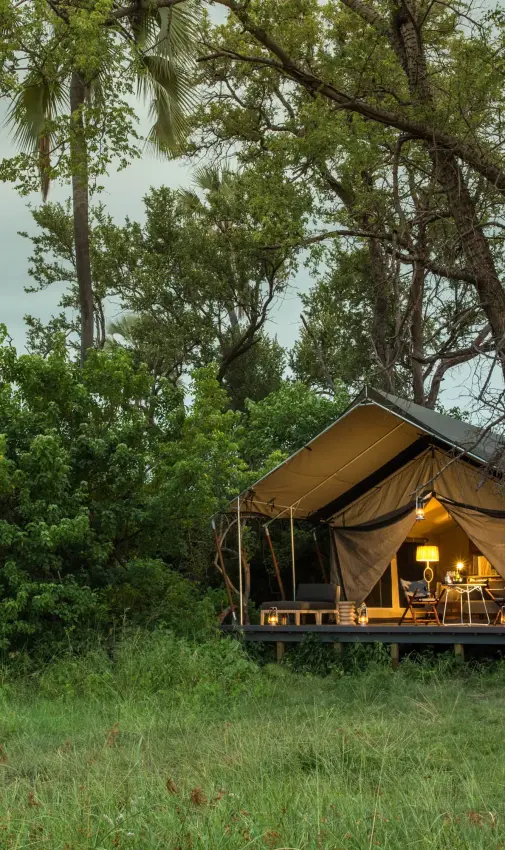
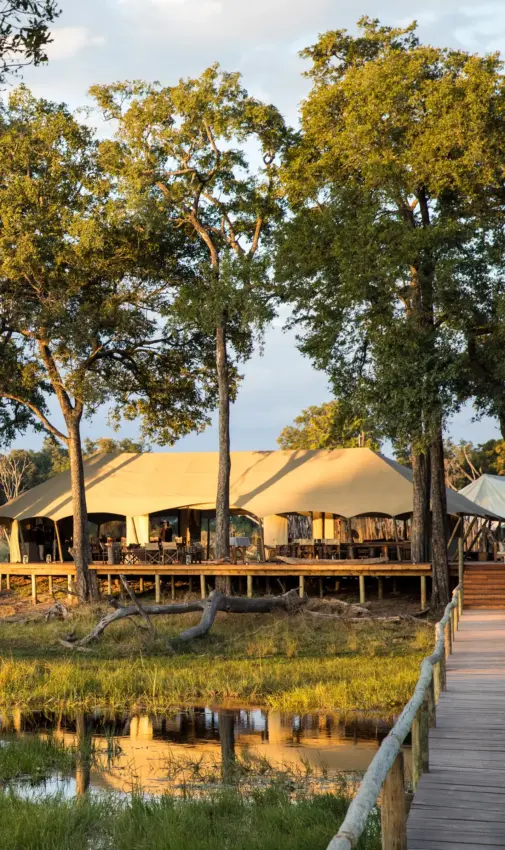
In 2017 the camp was rebuilt, its tents enlarged by around a third and fitted with floor-to-ceiling mesh windows that sharpened the light and airflow without abandoning the canvas-and-timber character. The interiors run to soft, earthy neutrals, lifted by deep indigo, hand-stitched leather and campaign-style furniture. It is a grounded, unshowy camp that suits guests who value atmosphere over architecture.
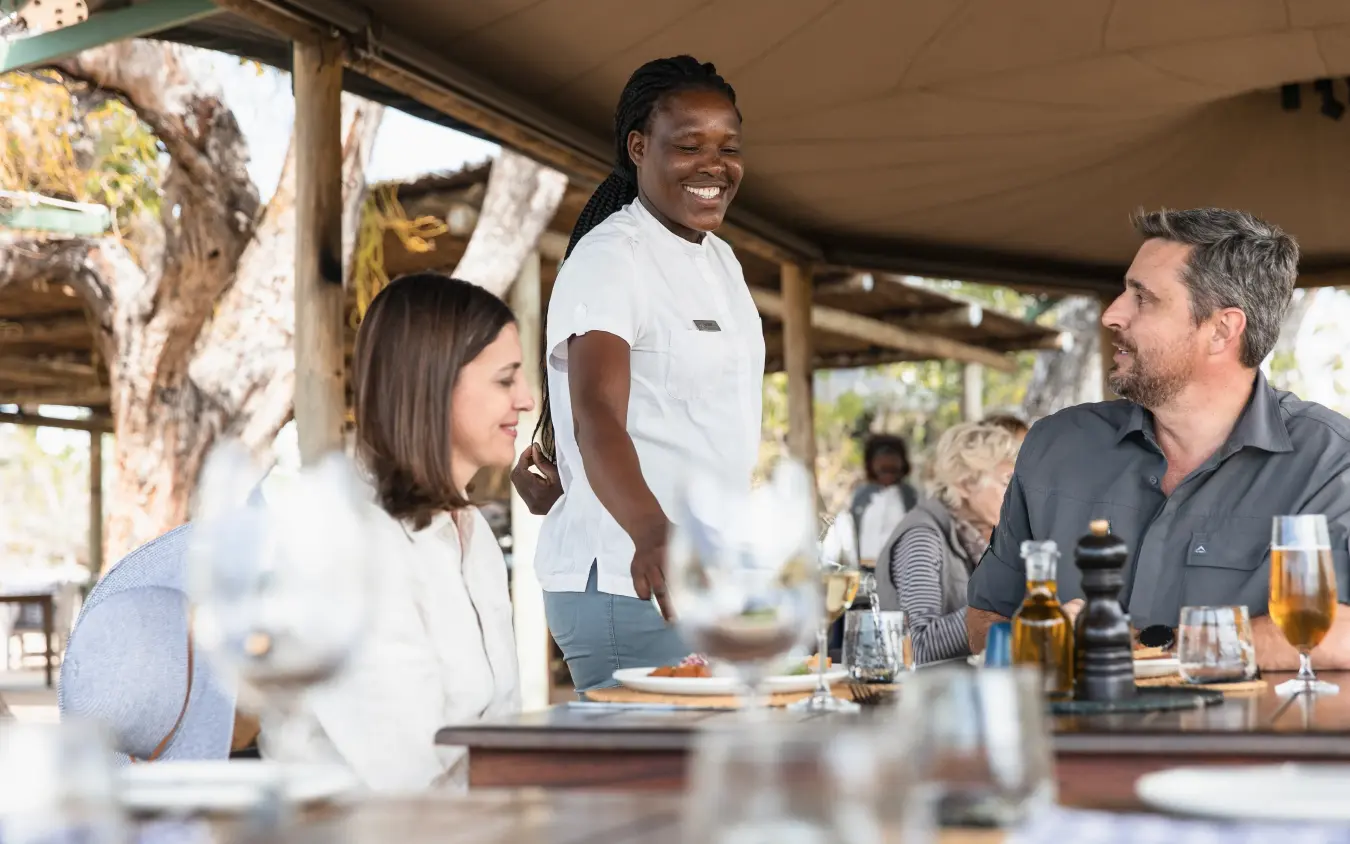
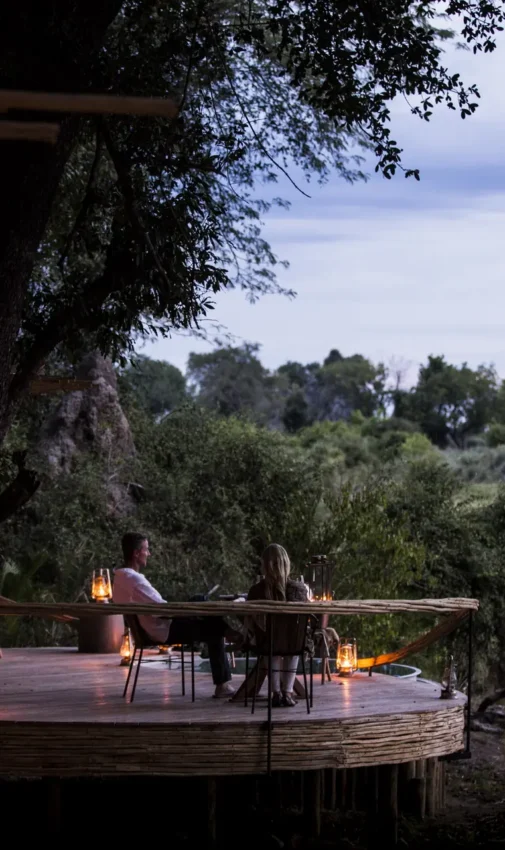
They are served on the main thatched deck, out under the stars, or in the lantern-lit boma
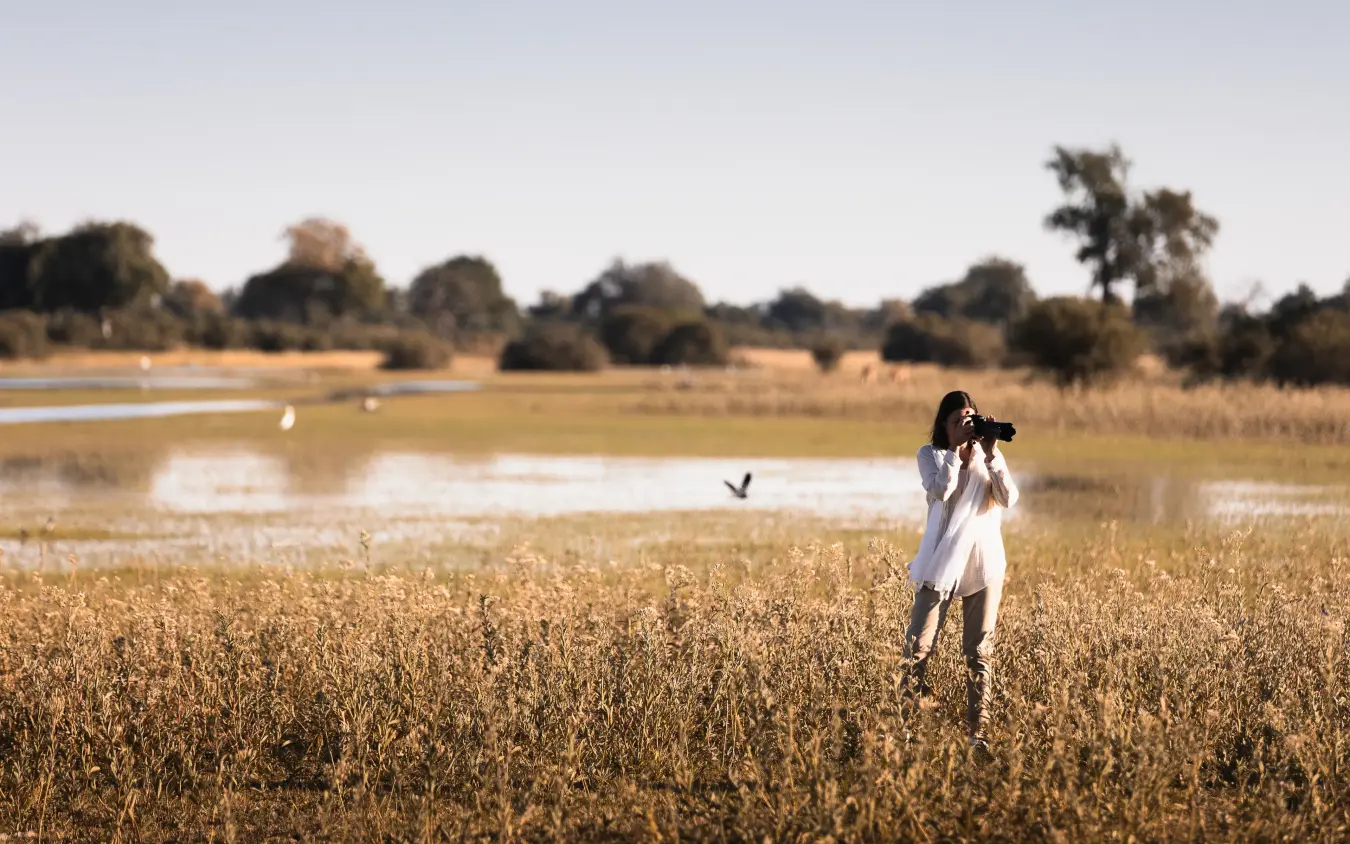
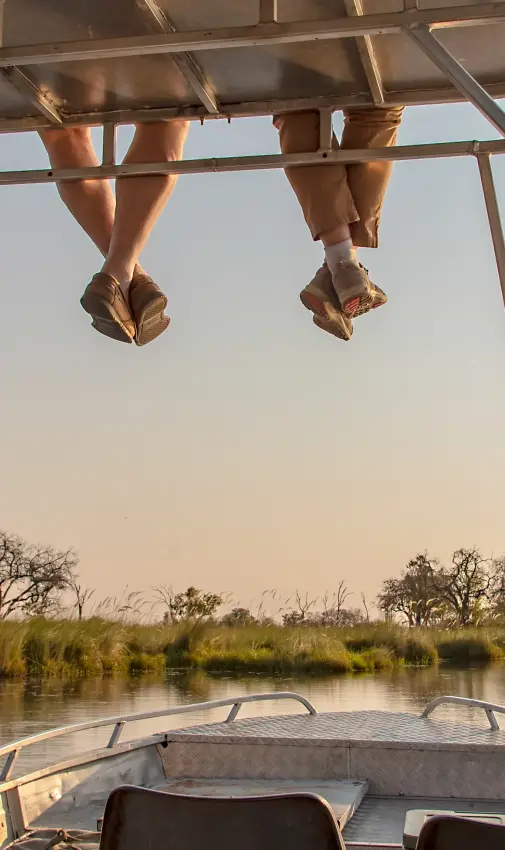
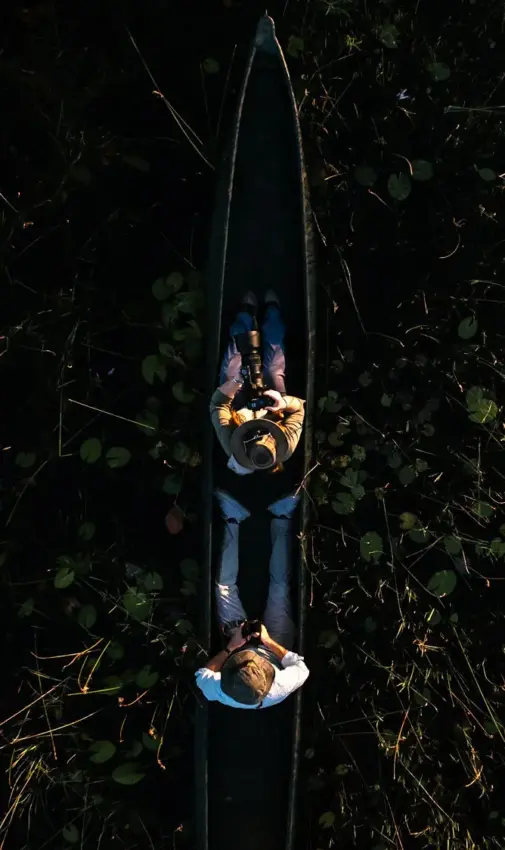
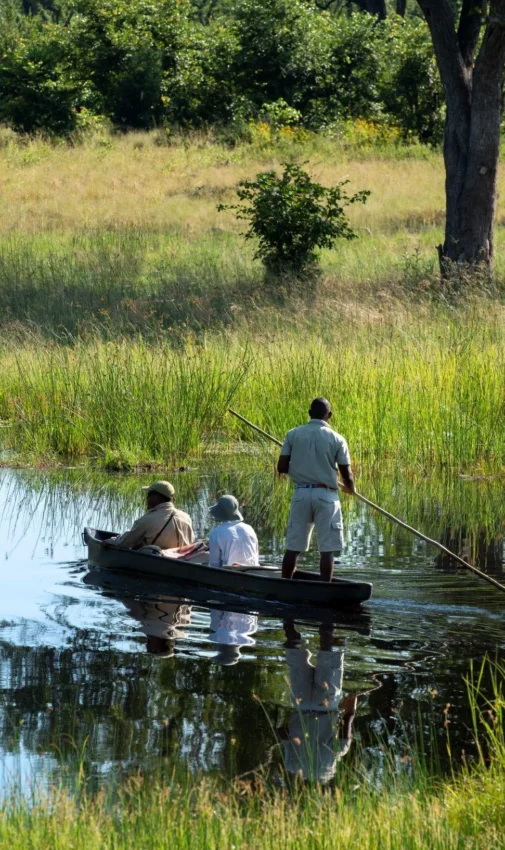
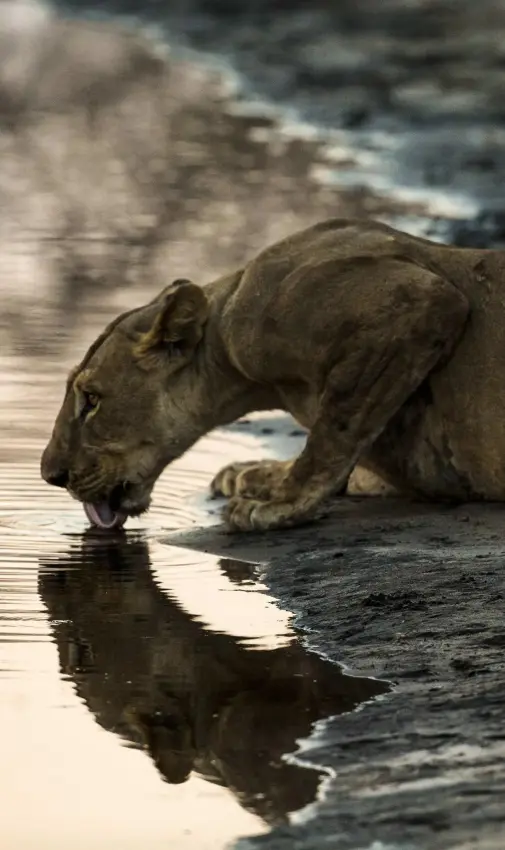
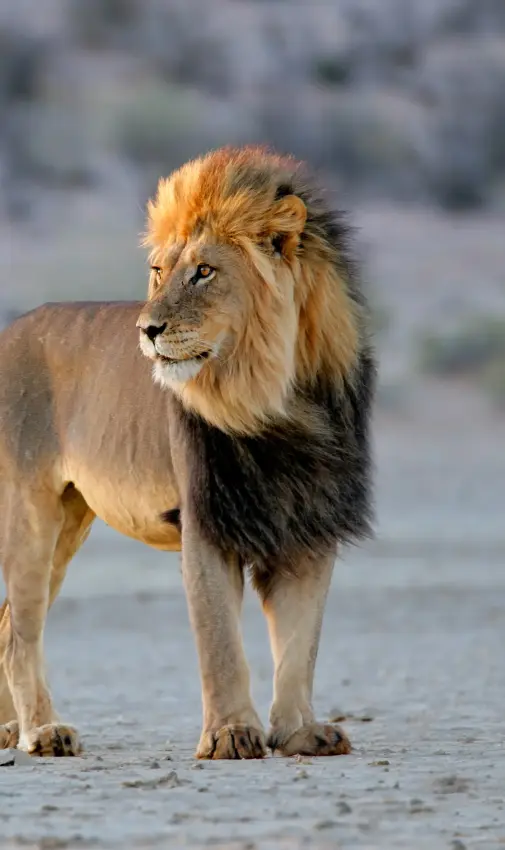
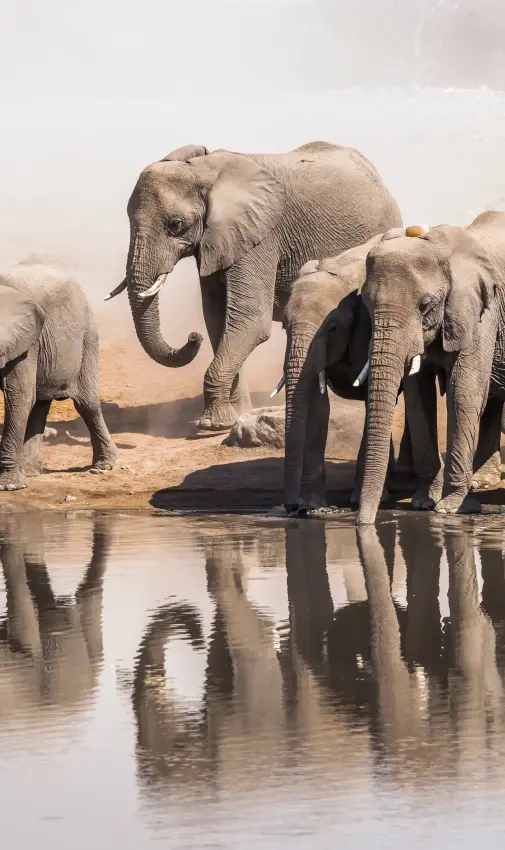
The island has its own cast of characters. Hippos harrumph in the channels below the decks at night, lions call across the flat floodplains, and a resident elephant known to the staff wanders through to feed on fallen African mangosteen fruit. Days move between mokoro gliding at lily-pad level, motorboat cruises past crocodiles on the banks, and drives that turn up buffalo, lechwe and sable on the floodplain grasslands the Delta calls melapo.
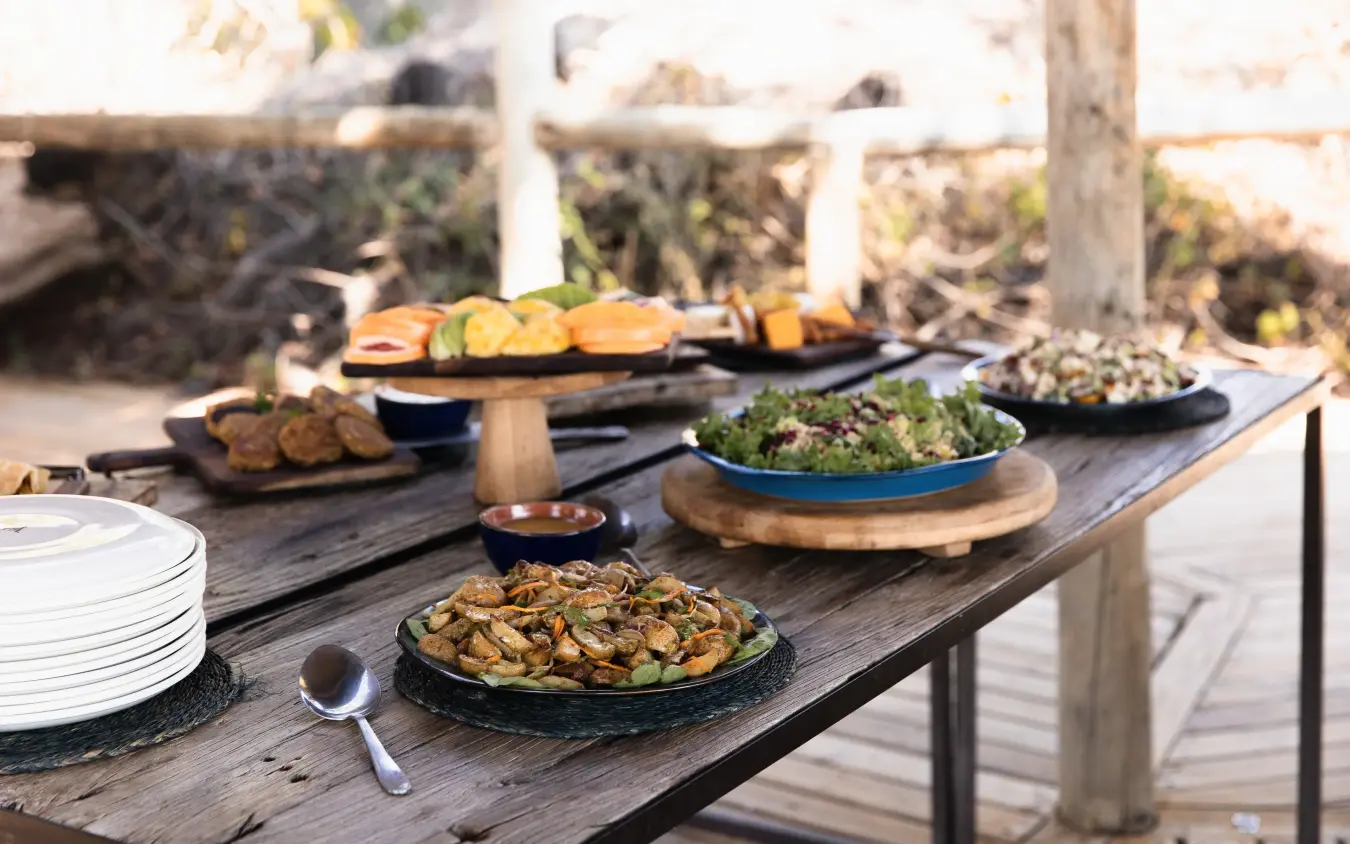
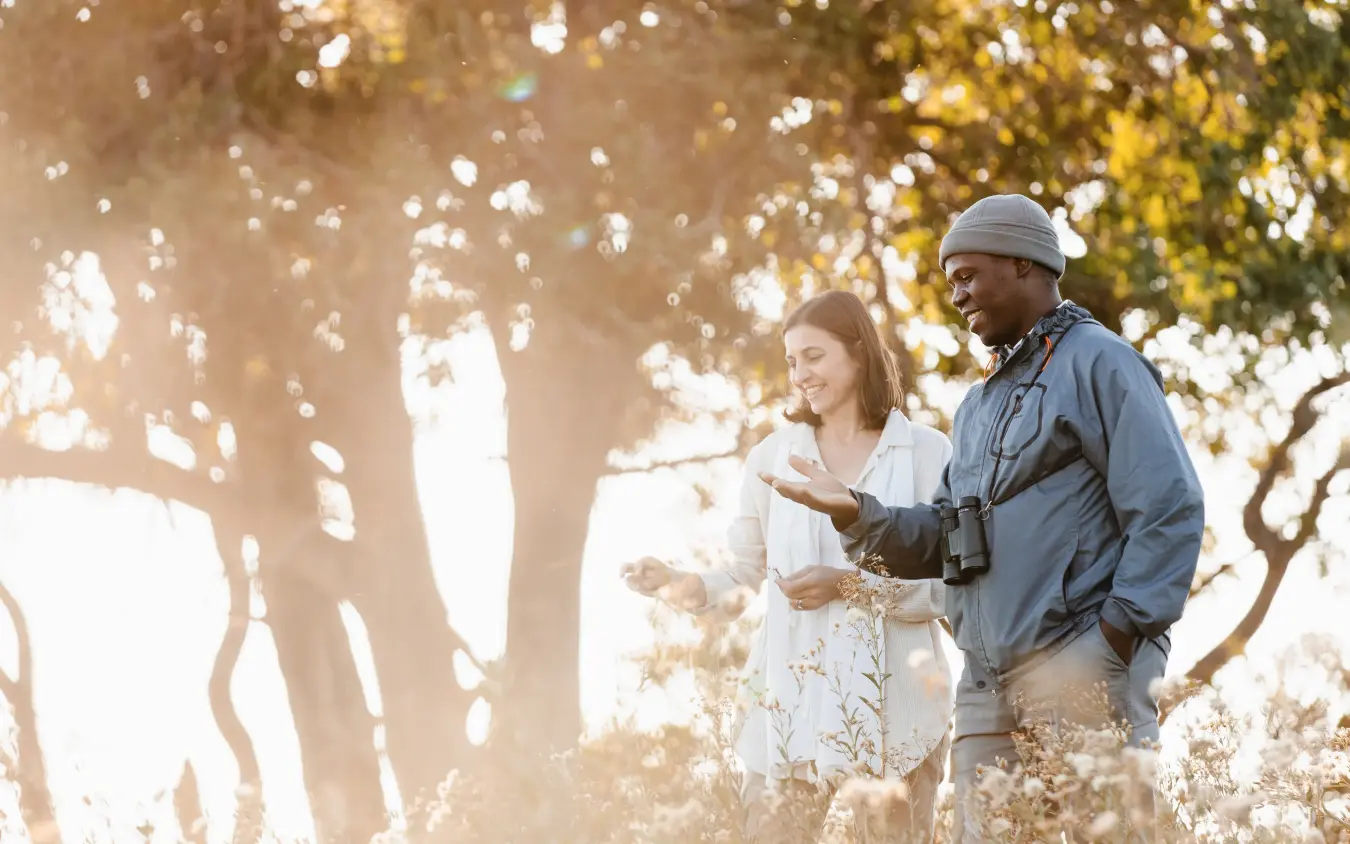
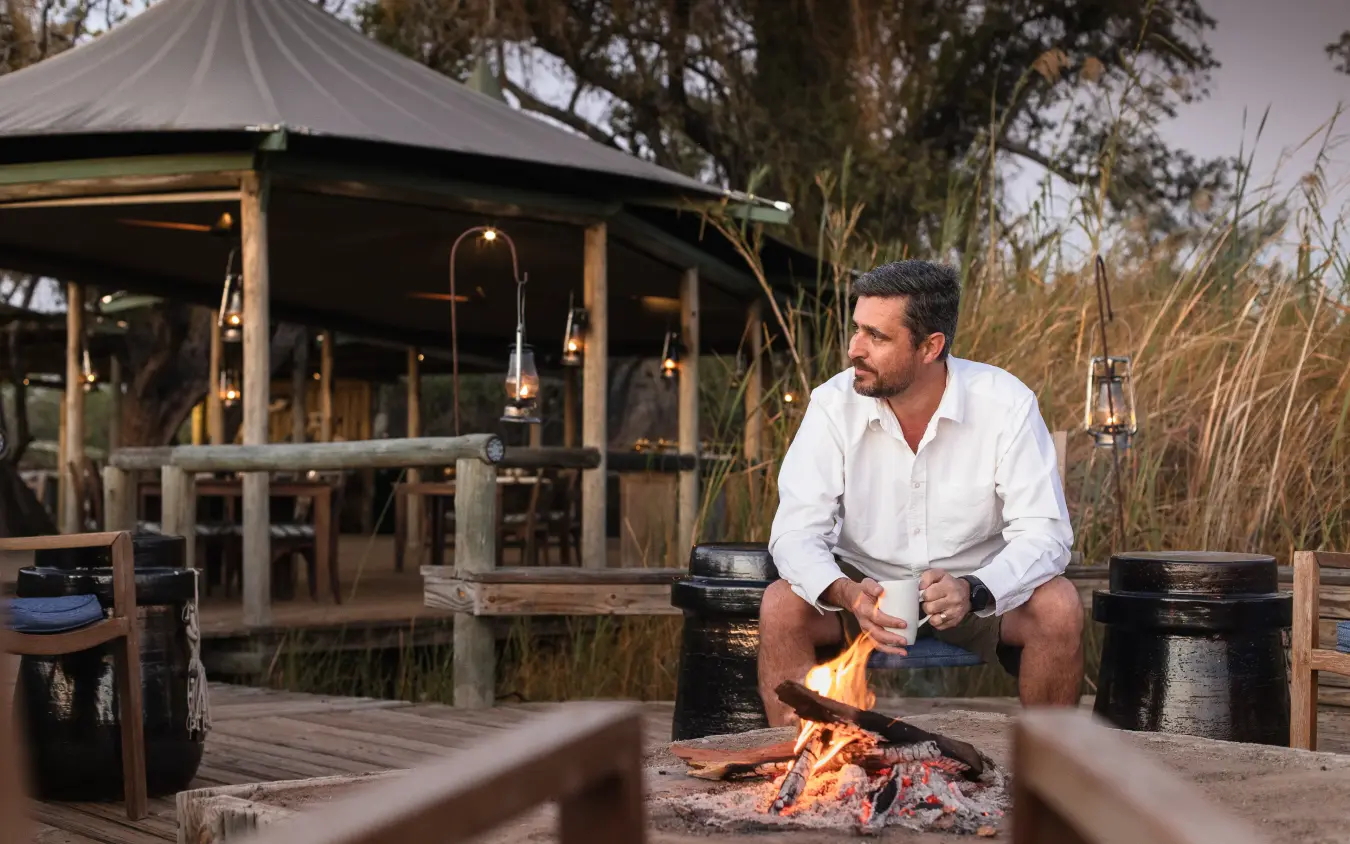
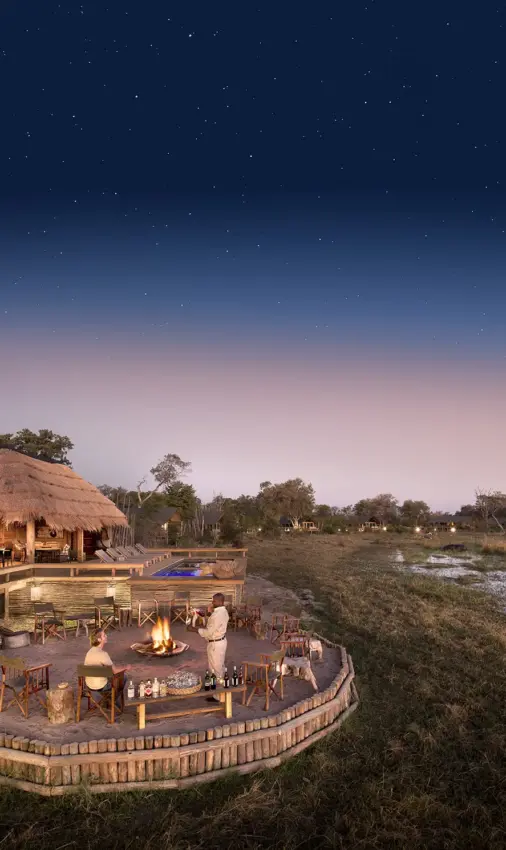
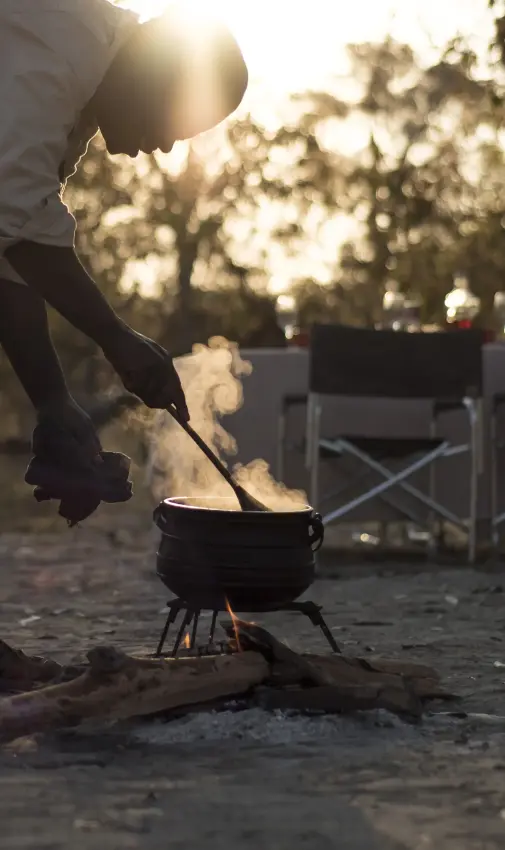
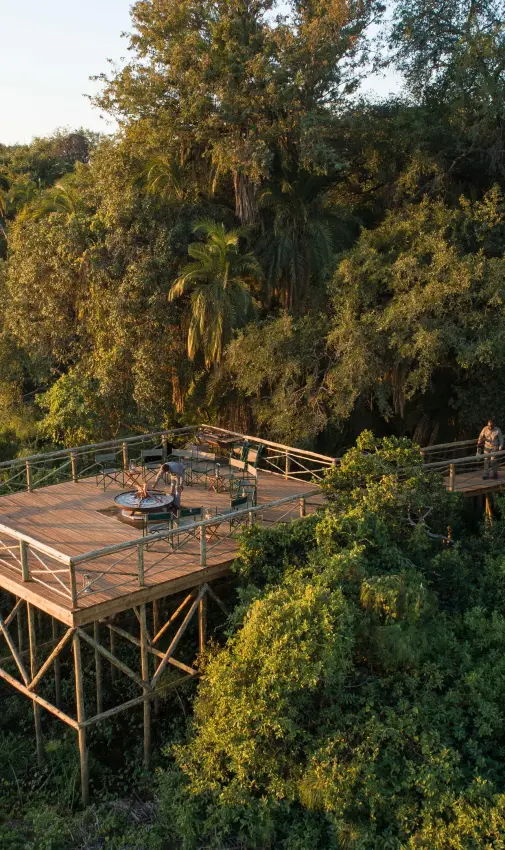
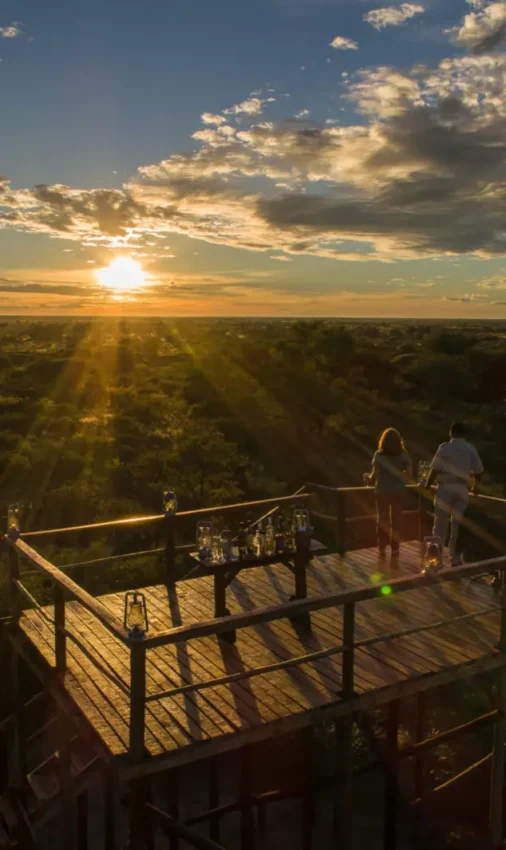
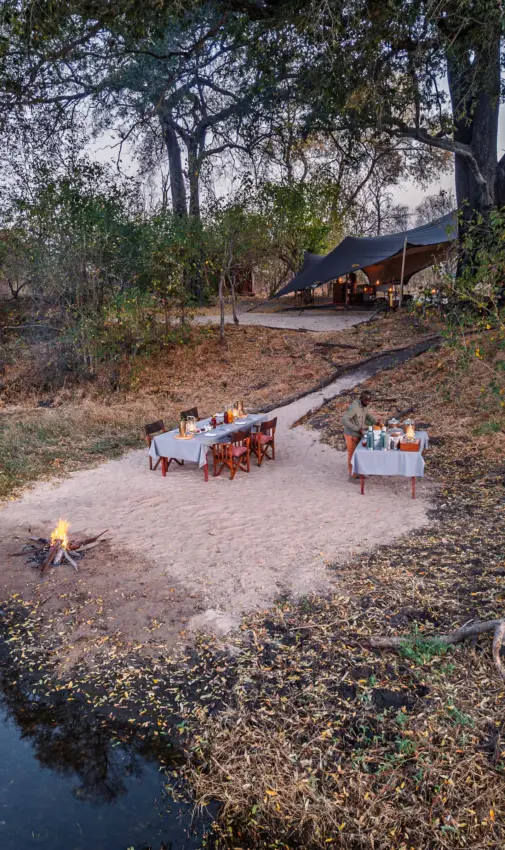
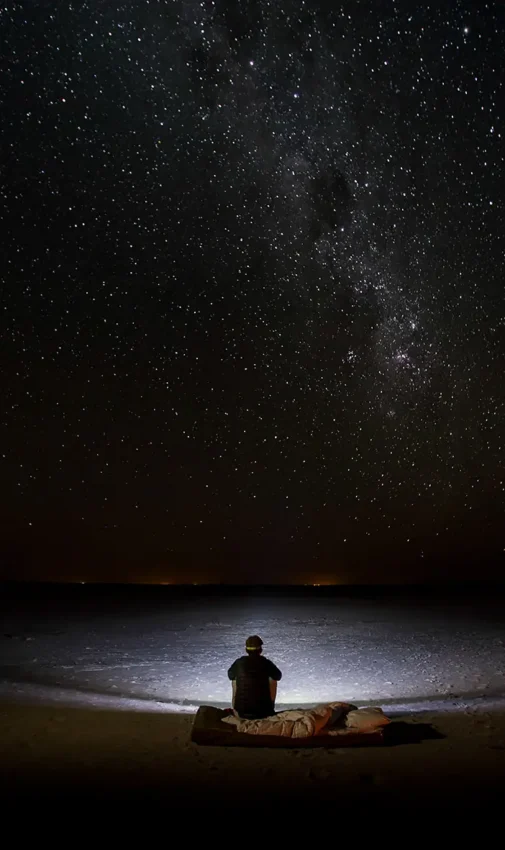
Meals draw on fresh, wholesome cooking, with local vegetables and Batswana elements set alongside grilled meats. They are served on the main thatched deck, out under the stars, or in the lantern-lit boma. Evenings tend to gather around a fire deck that reaches out over the marshy lagoon edge, the lanterns catching the water. With a maximum of twelve guests, the camp holds a sociable, familiar feel, and the guides quickly learn what each person hopes to see.