
 01
01
Salt flats and a zebra migration
The Makgadikgadi Pans lie in north-eastern Botswana, between Maun and Nata, the dried bed of a lake that once covered more ground than Switzerland. For much of the year the pans are a flat white expanse of salt-crusted clay that runs to the horizon, broken only by rocky islands and the occasional baobab standing alone on the glare.
A flat white expanse of salt-crusted clay that runs to the horizon
This is not a single pan but many, the largest being Sua and Ntwetwe, separated by sandy desert and grassland. When the rains arrive around November, the surface floods into shallow shimmering water. The Makgadikgadi turns from fossil desert into a seasonal wetland that draws zebra, wildebeest and tens of thousands of flamingos.

Two seasons run two entirely different versions of this place. The wet months bring one of Africa’s longest land migrations: more than 25,000 zebra move south toward the Boteti River and beyond to graze the nutrient-rich grasses that green up after rain, trailed by predators, before turning back as the pans dry from March.
The wet months bring one of Africa’s longest land migrations
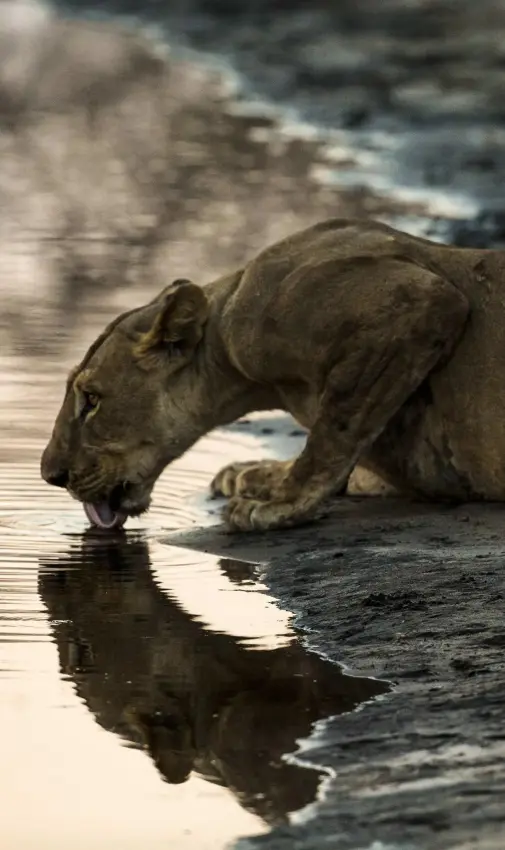
The dry season strips the landscape back to stark salt and silence. Wildlife concentrates along the Boteti River on the western boundary of the national park, the only permanent water, where thousands of zebra and their attendant lions, cheetah and hyena gather. On the pans themselves, the experience turns to space, light and the small dramas of desert-adapted life.
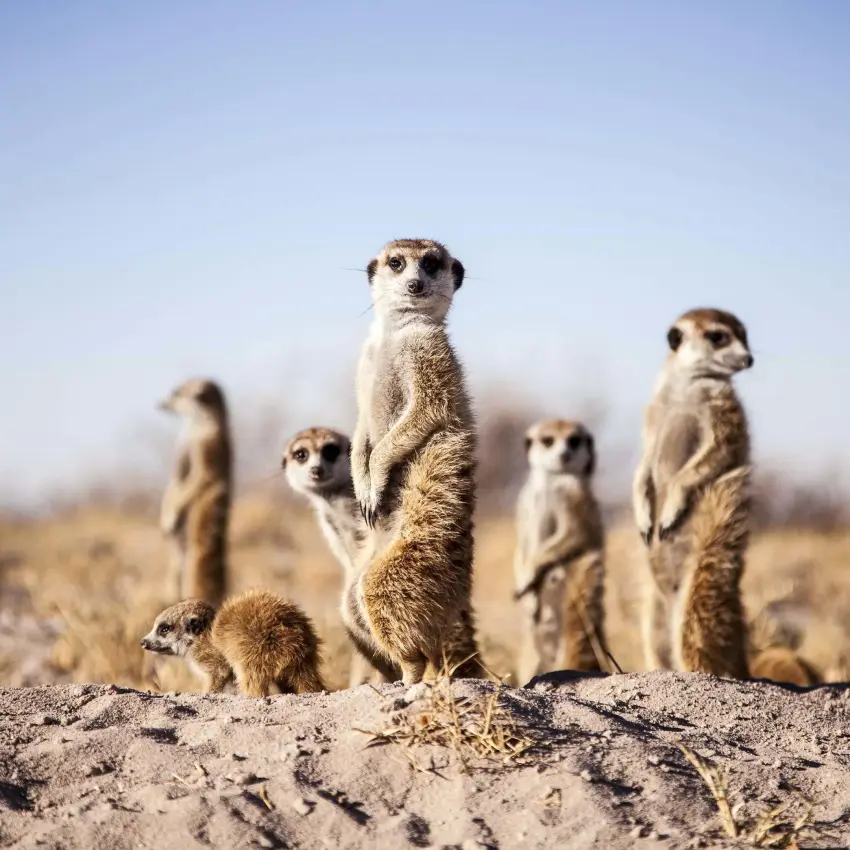
Habituated meerkats are central to the dry-season experience. Guided at first light, when the colonies emerge to warm in the sun before foraging, guests sit close among them and watch natural behaviour at eye level. Walks with San trackers run alongside this, reading the desert as their ancestors did, sharing knowledge of plants, water and the animal signs written into the sand. The pans hold Stone Age tools lying where they were left, evidence of human presence stretching back further than the lake’s last filling.
Quad-biking across the dry salt crust reaches places no vehicle track explains, and sleeping out on the open pans under the full weight of the sky is a signature of the area. Both run in the dry months from camps on private land, where activity rules are more flexible than inside the national park. Kubu Island is a granite outcrop rising from Sua Pan, crowned with ancient baobabs. It is a national monument and a sacred site for the Khoe people, reached by 4×4 or quad in the dry season.
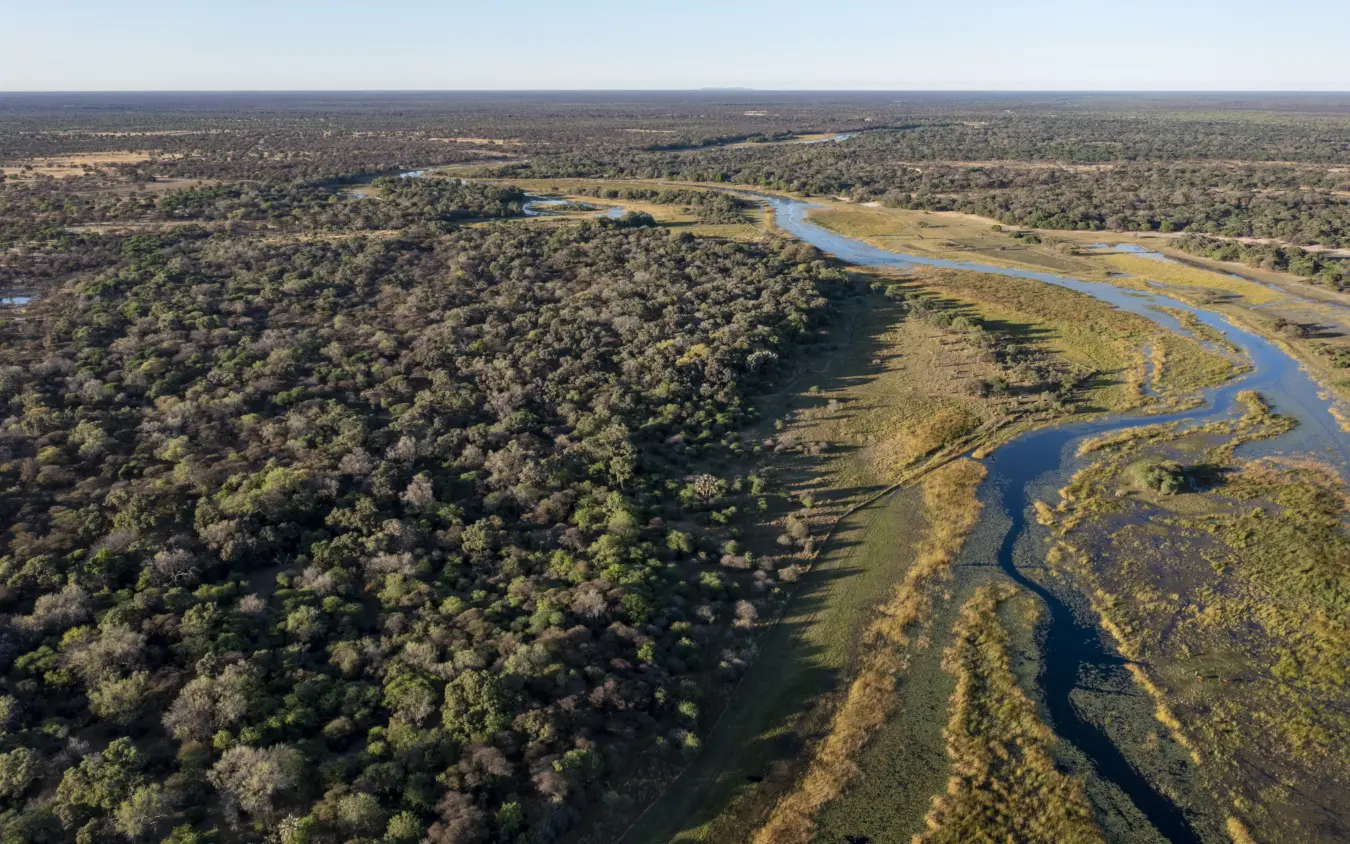
The Makgadikgadi works as a counterpoint to the Okavango Delta, which lies to the north-west
When the Nata River fills Sua Pan, greater and lesser flamingos arrive in vast numbers to feed on algae and brine shrimp and to breed, one of the few breeding sites for greater flamingos in southern Africa. Nata Sanctuary, a community-run area established in 1988 and opened in 1993, protects the north-eastern edge of Sua Pan and ranks among the finest places here for birdlife when the water is high. Baines’ Baobabs, near Nxai Pan, carry the name of the artist Thomas Baines, who painted them during nineteenth-century explorations of the Kalahari.
Chapman’s Baobab, a large and ancient tree, served for generations as a landmark for traders and explorers crossing the pans. The Makgadikgadi works as a counterpoint to the Okavango Delta, which lies to the north-west. Where the Delta is permanent water, channels and high game density, the pans offer emptiness, scale and a different rhythm. Both are reached through Maun, and a few days on the salt alongside time in the Delta gives a fuller sense of how varied Botswana’s landscapes run, from flooded floodplain to the bone-dry bed of a lake that vanished tens of thousands of years ago.


The best time to visit Makgadikgadi Pans
Jan
Feb
Mar
Apr
May
Jun
Jul
Aug
Sep
Oct
Nov
Dec
Recommended
Transitional
Challenging conditions
Makgadikgadi has two prime windows. The dry season from June to September sets the pans hard and white for quad biking and sleep-outs, with easy meerkats and game along the Boteti River. The green season from December to March floods the pans, when the zebra and wildebeest migration arrives and flamingos gather on Sua Pan. October is the hottest month, and several camps close from mid-October.
accommodation in makgadikgadi pans
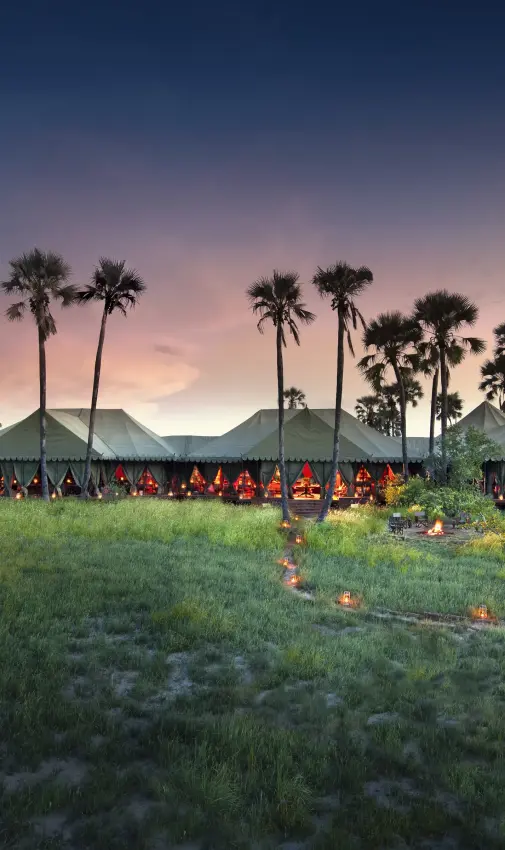
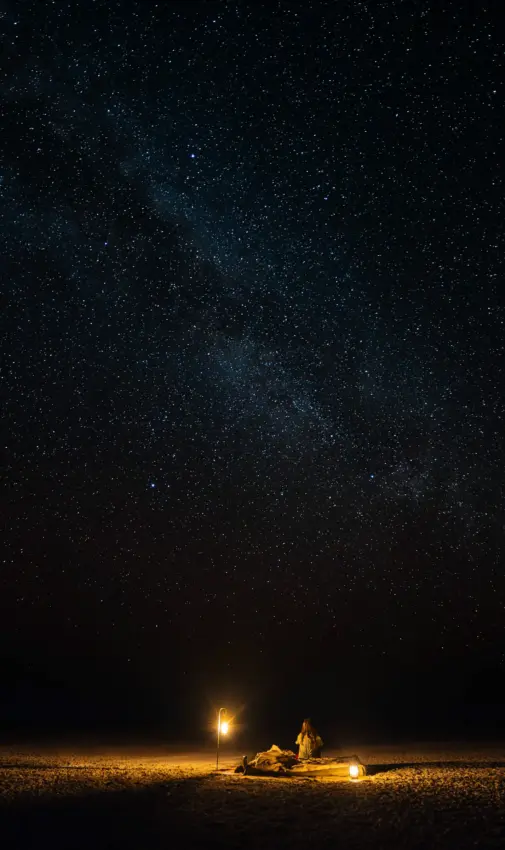
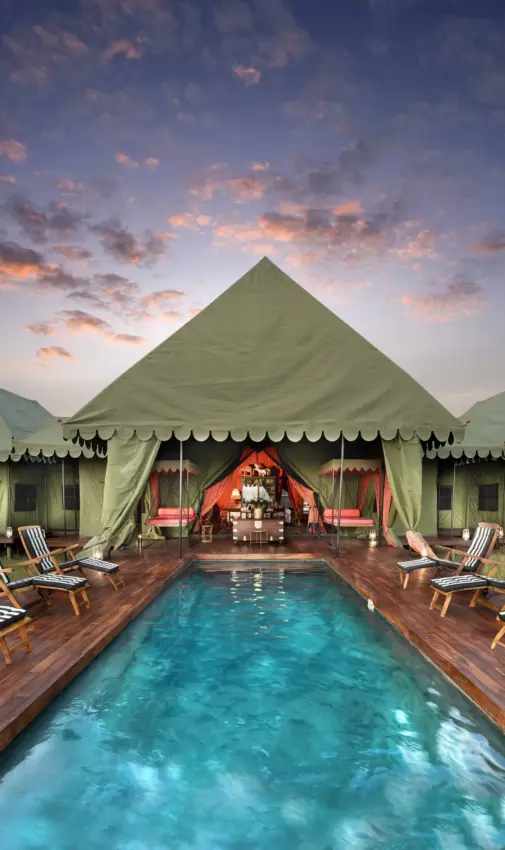
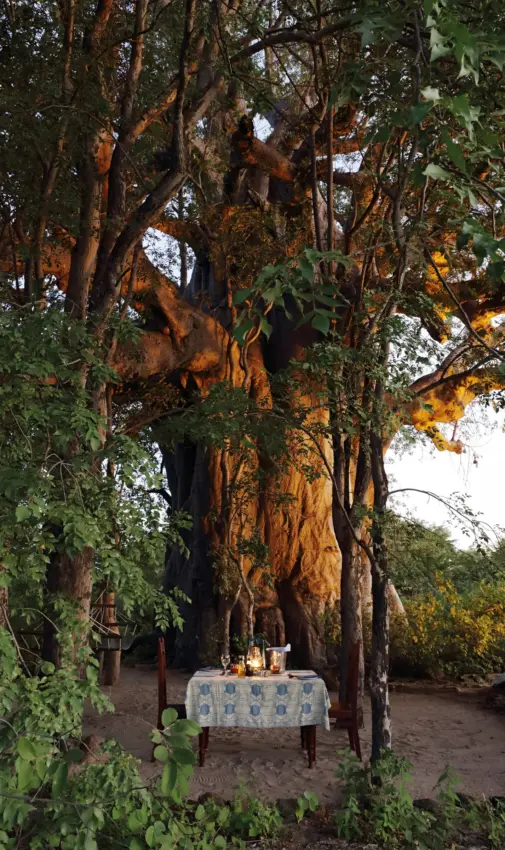
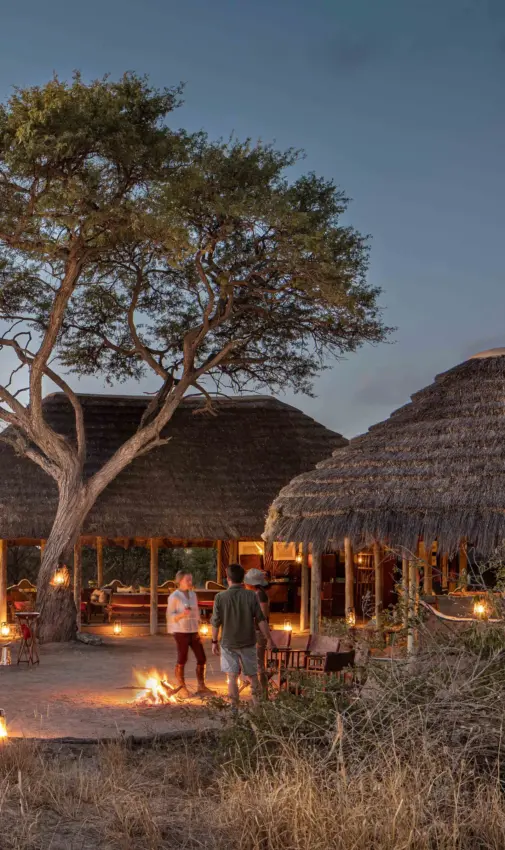
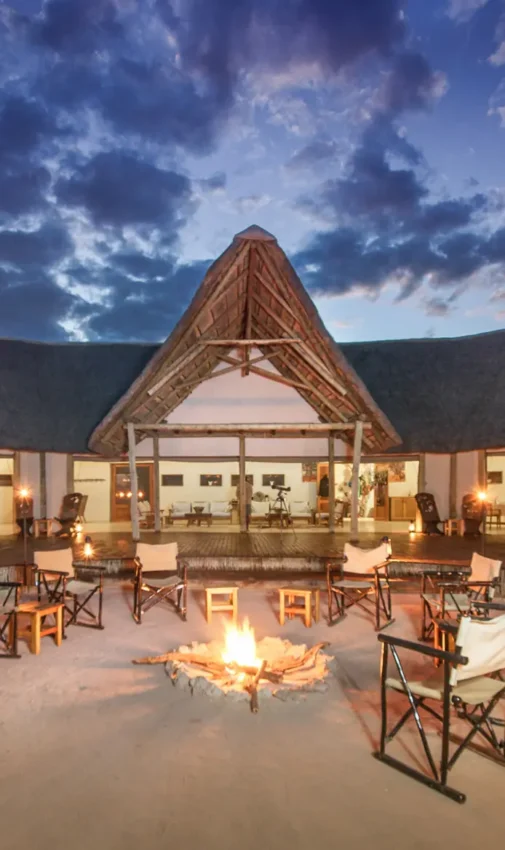
Accommodation runs from luxurious tented camps in the classic explorer style, set on palm-dotted islands at the edge of Ntwetwe Pan, to more grounded camps and permanent lodges perched above the Boteti River. Private mobile camps can be set up in remote pan locations for exclusive use. The signature offering is the sleep-out: a comfortable bedroll on the open salt, taken as an add-on from a main camp in the dry season, with nothing but firelight and stars.


activities
Meerkats, quad bikes, pan sleep-outs
Dry-season days bring habituated meerkat encounters, quad-biking across the salt crust, sleep-outs under open skies and San tracking walks, all run from camps on private land. Game drives focus on the Boteti River in the dry months and the migration grasslands in the wet. Kubu Island and Baines' Baobabs are dry-season 4x4 excursions. Birding peaks when the pans flood.

conservation
Flamingo monitoring and community sanctuary
Wetland ecologist Graham McCulloch has studied the Makgadikgadi's flamingo populations and ecosystem since 1998, establishing annual surveys, with aerial photography and AI now used to count birds across Sua Pan. The community-run Nata Sanctuary, established in 1988 and opened in 1993, protects key birdlife habitat. Operators run quad-biking on an ecologically sensitive basis, leaving shallow tracks that the rains wash away, to limit disturbance to breeding flamingos.

getting around
Fly in from Maun
Maun is the gateway, served by scheduled flights from southern African hubs, with light-aircraft charters connecting to private airstrips serving camps around Ntwetwe Pan and the Boteti River. Helicopter flights offer an aerial view of the pan system and can link the Makgadikgadi with Delta camps. Road access runs the Maun–Nata route, but fly-in is standard for luxury travel.
other areas in botswana
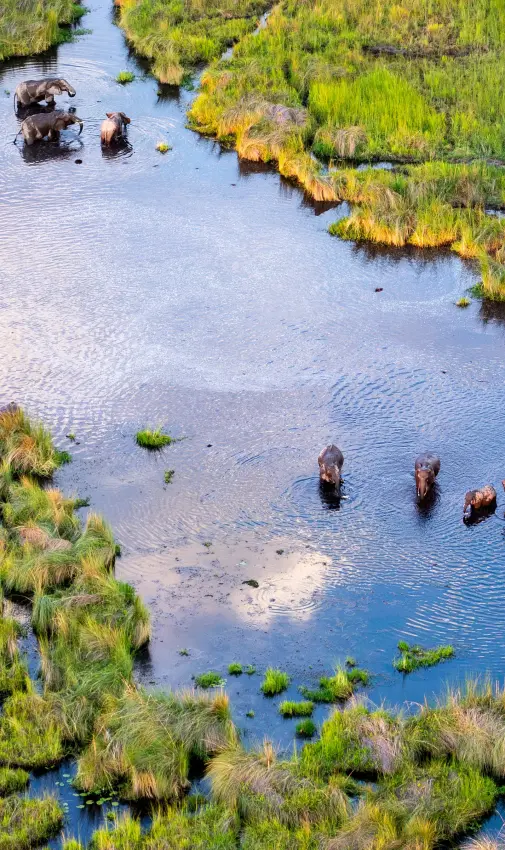
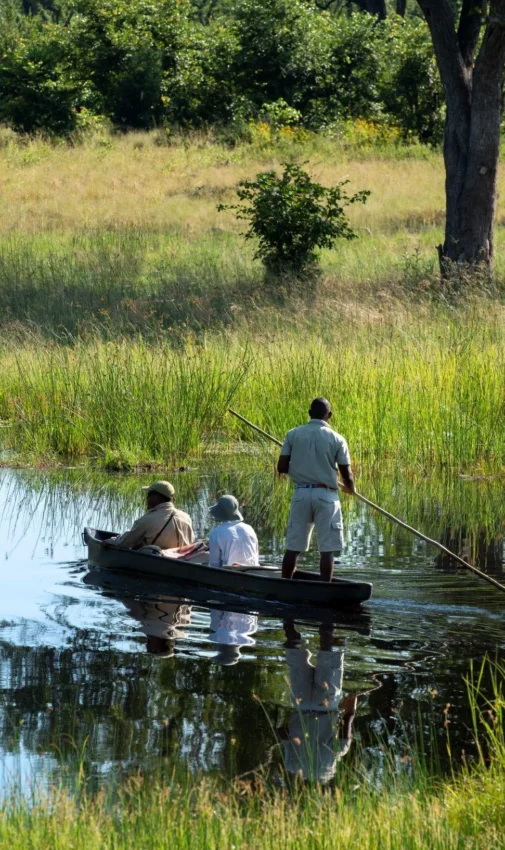
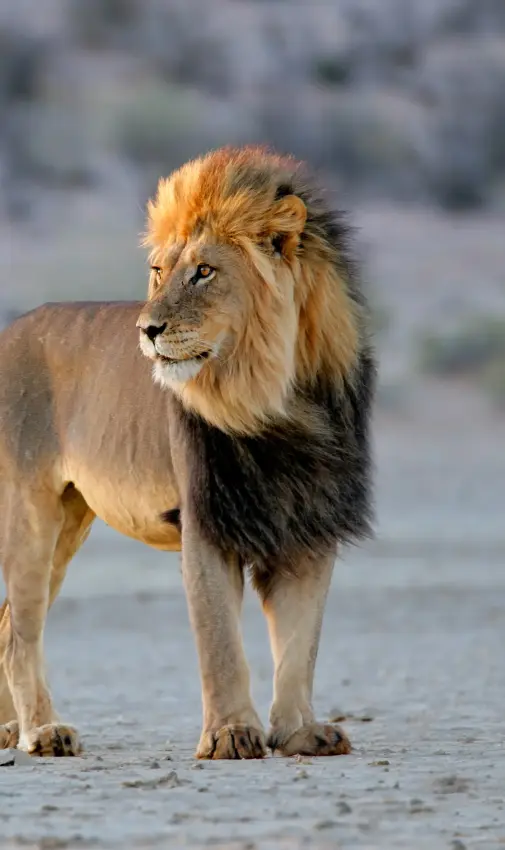
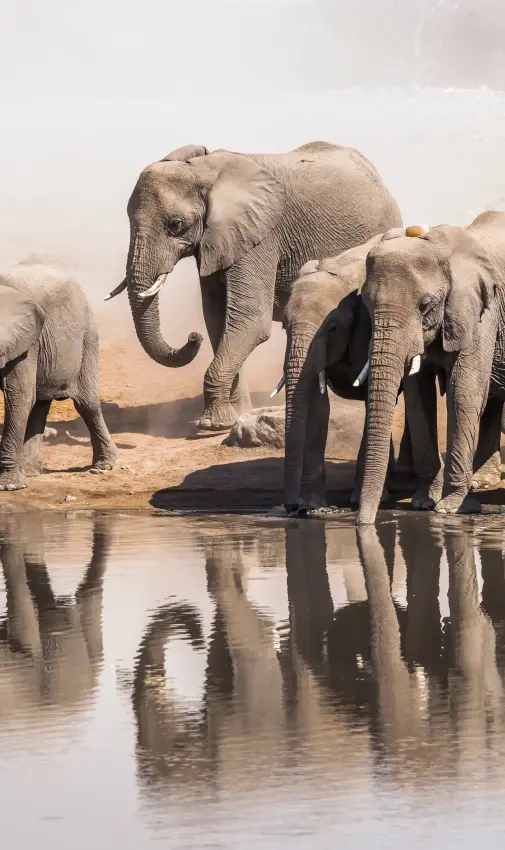
The Okavango Delta, north-west and reached via Maun, is the natural pairing: permanent water, mokoro trips and dense game as a contrast to the dry pans. Nxai Pan, part of the greater Makgadikgadi system, adds Baines' Baobabs and its own seasonal wildlife concentrations. The Central Kalahari Game Reserve offers remote dunes and black-maned lions, while Chobe in the north holds large elephant herds and riverfront game. Together they trace Botswana's full range from flood to desert.
 01
01
 02
02
 03
03
 04
04
 05
05
 06
06
frequently asked questions
By light aircraft from Maun, in about twenty minutes, or by road along the main highway.
The camps have their own airstrips out on the grasslands, and the flight in is the moment the scale of the place lands. Driving from Maun takes three to four hours and from Kasane rather longer.
It pairs easily with the delta, since the flying is short.
We book the leg with the rest of the route and say plainly which is worth flying.
A private charter flies the same sector on your own timing, usually a Cessna Caravan, and we price it beside the scheduled seats so you can see the difference.
Things you cannot do anywhere else in Africa, and almost none of it is a game drive.
- Walking with a Bushman family, learning how the land is read
- Habituated meerkats, which will stand on a shoulder to get a view
- Quad biking out onto the salt, in the dry months
- Sleeping out on the crust under the stars, with the beds carried out
The zebra migration crosses the grasslands in the green season, and the Boteti River draws them in the dry months.
This is a landscape destination first and a wildlife one second.
Yes. Northern Botswana sits in the malaria zone, and both TravelHealthPro, the UK's official travel health service, and the CDC recommend antimalarial cover for the region.
The risk rises in the warm, wet summer and falls away in the dry winter, and the salt pans themselves are drier than most of the country.
We do not make medical recommendations. That is a conversation between you and your own doctor or a travel clinic.
On the practical part, cover up at dusk and carry repellent.
Most of them, and it is the single most seasonal place we book.
Quad biking on the salt and sleeping out on the crust run in the dry months only, roughly May to October, because the pans have to be hard and dry to be safe. The meerkats are there all year.
The zebra migration is a green-season event, from about December to April, and in the dry months the herds gather on the Boteti River instead.
Tell us which of those matters most and we will set the dates around it.
Older children particularly well, and it is often their favourite stop.
The meerkats, the quad bikes, the walking with a Bushman family and a night out on the salt are the sort of things a child remembers for years, and none of it involves sitting still in a vehicle.
Age limits vary: quad biking and sleeping out usually start around twelve, and some camps take families exclusively.
Tell us their ages and we will pick the camp that genuinely works rather than merely allows it.
Three, and it earns them.
The activities here are unusual enough that two nights means choosing between them. Three gives you the meerkats, a day on the pans and a night out on the salt, without rushing.
It works best as a contrast either side of the delta: water, then the emptiest place in Botswana.
Tell us the whole route and we will say where it sits and how many nights it deserves.
rated five stars by our clients

our approach
remote, exclusive
& personal
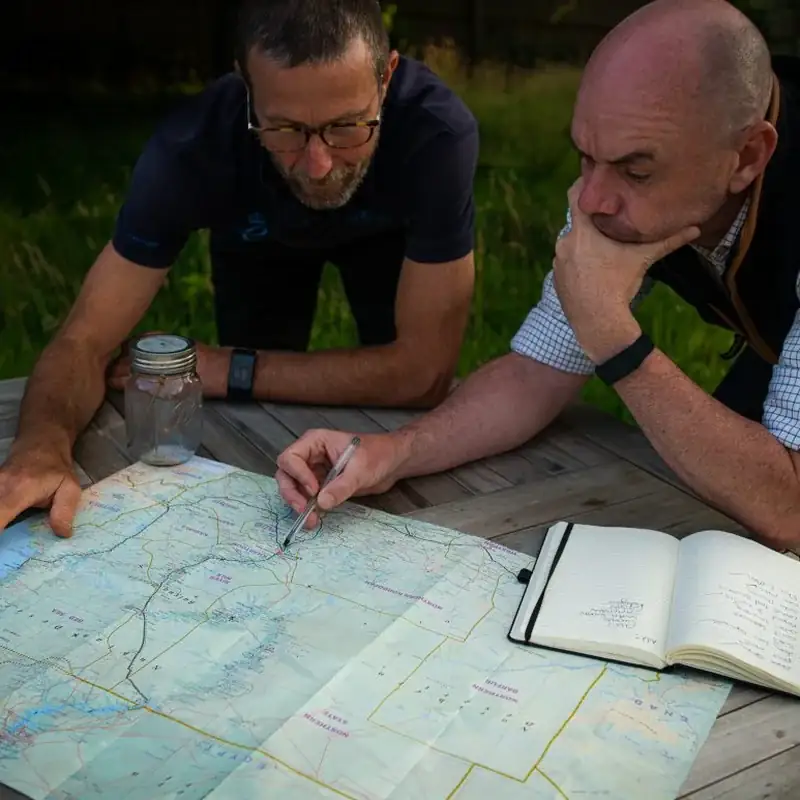
Every journey starts with a conversation. We take the time to understand your vision before we start planning.
Whether by phone or in person, we work with you directly to shape something that is considered, personal, and expertly delivered.
Every journey starts with a conversation. We favour a direct, personal approach: understanding your vision before anything else.
Whether by phone or in person, we work with you directly to shape a journey that is both thoughtfully considered and expertly delivered.
Get in touch to start planning yours.