
 01
01
The spillway that links two waters
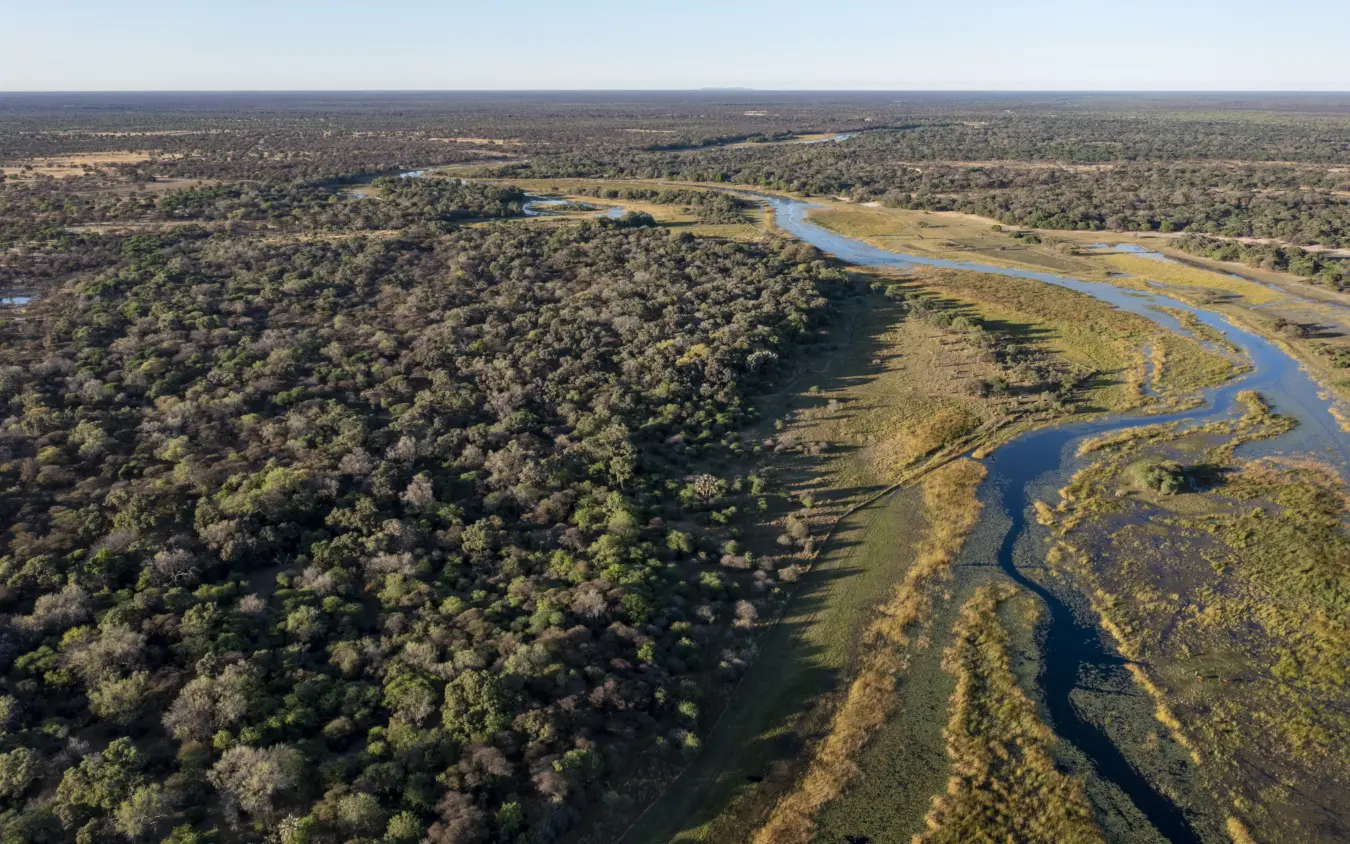
Selinda Reserve covers roughly 1,350 square kilometres of northern Botswana. It sits between the Okavango Delta to the south and the Linyanti and Kwando river systems. Its defining feature is the Selinda Spillway, an ancient channel running through the centre, usually dry, filling only in years of exceptionally high flood.
The broader landscape is open floodplains, palm-dotted savanna
When those floodwaters arrive, the Okavango joins the Linyanti and Kwando systems and the spillway connects two of Africa’s great wetland networks. Game gathers along its banks. The broader landscape is open floodplains, palm-dotted savanna, marshes and lagoons, with denser mopane and leadwood woodland to the west giving way to grassland.

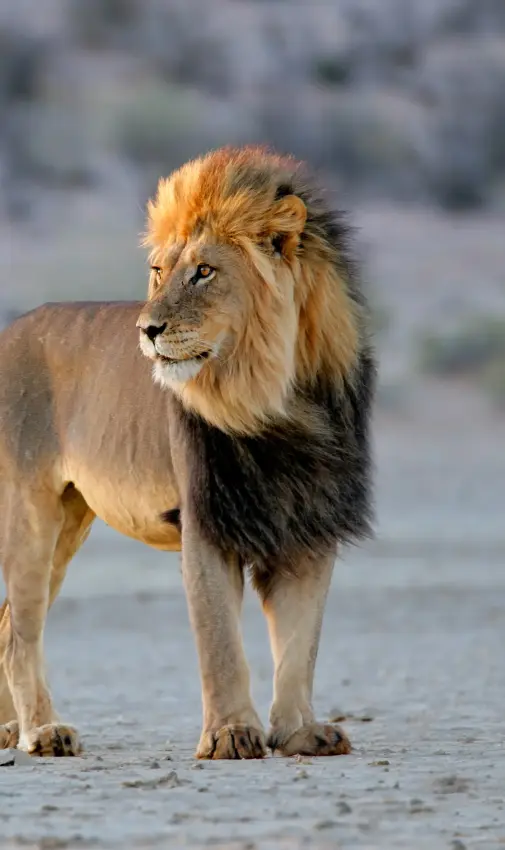
Selinda is regarded as one of the finest stretches for predators in Botswana. The Selinda lion pride, subject of a National Geographic film, hunts buffalo herds that can number a thousand animals. The resident pack of painted dogs is sighted regularly. Leopard hold to the riverine thickets, while cheetah work the open grasslands.
The resident pack of painted dogs is sighted regularly.
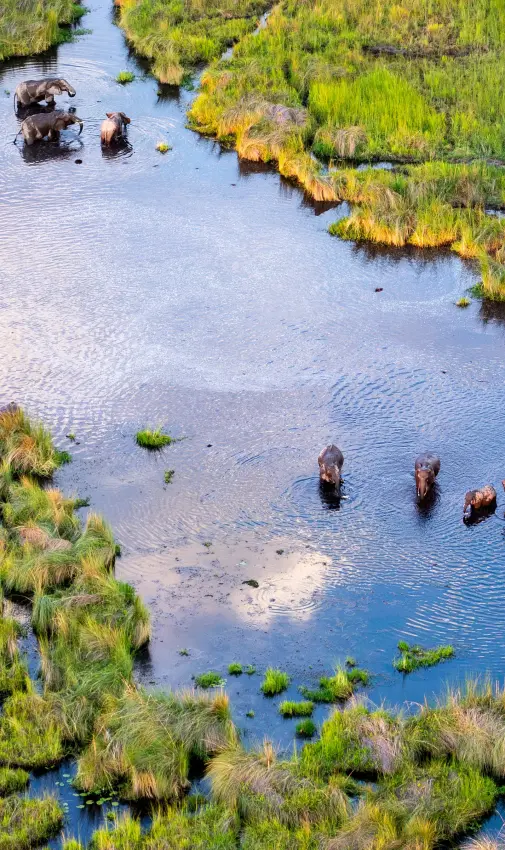
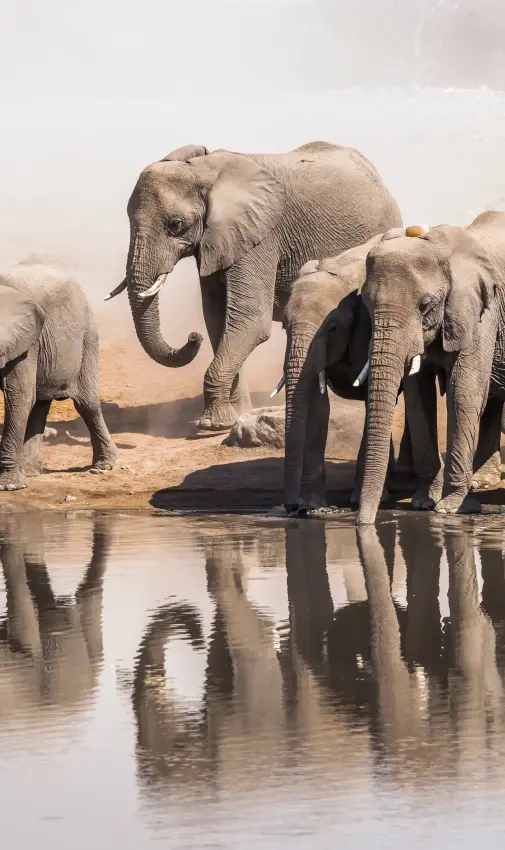
As inland water dries, elephants move through in their thousands, drawn to the spillway and the permanent Zibadianja Lagoon. Birding rewards patience along the water, where carmine bee-eaters, fish eagles, bateleurs and the scarce slaty egret feature among the recorded species. The dry winter concentrates everything onto what little water remains.
Great Plains Conservation took over Selinda and converted it from hunting to photographic tourism. It is run by the National Geographic filmmakers Dereck and Beverly Joubert, who hold visitor numbers deliberately low. At any one time there are around eight vehicles across 330,000 acres, spread among a handful of camps. Wildlife censuses have tracked steadily rebuilding populations of elephant, buffalo and predators in the years since that transition, a recovery that has come precisely because so few people are ever here.
As a private concession rather than a national park, Selinda permits what most of Botswana’s government reserves cannot. Guided walking safaris bring guests onto the ground with experienced trackers. Night drives reveal civets, genets, springhares and the smaller cats that daylight never shows. And off-road driving lets a vehicle follow a wild dog hunt or a pride on the move, rather than waiting at the roadside for the animals to come back into view.
Night drives reveal civets, genets, springhares and the smaller cats that daylight never shows
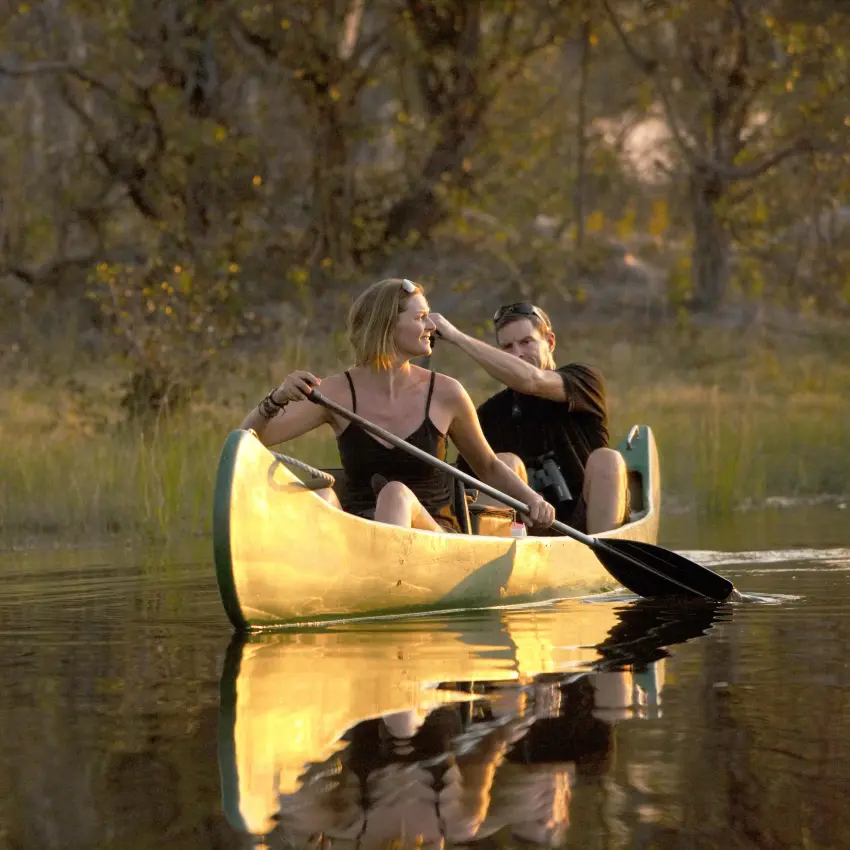
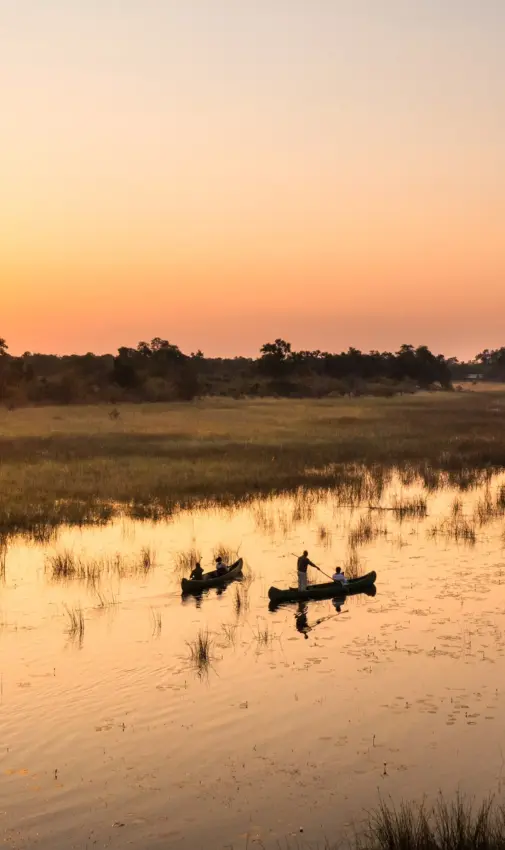
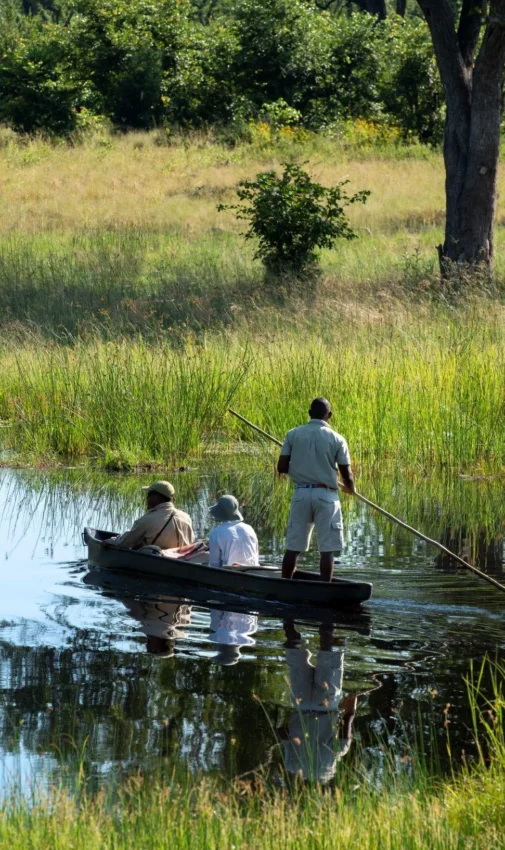
When the spillway flows, the water itself becomes the safari. The Selinda Canoe Trail follows roughly 45 kilometres of channel over several days, paddling between simple fly-camps pitched fresh along the bank each evening, the canoes carrying all the kit. Boating runs on the lagoon and parts of the spillway as levels allow, and seasonal catch-and-release fishing is possible. All of it depends entirely on the flood, which is why no two years here are quite the same.
The spillway behaves unlike any other water source in the region. It lay dry for around three decades before flowing again in 2009 and 2010, and the direction of flow can reverse depending on which system holds the higher water. This variability decides where animals concentrate, when canoeing is possible, and how the landscape reads from one season to the next. In high-flood years, the connection between Okavango and Linyanti produces game density that is hard to better anywhere in Botswana.

The best time to visit Selinda Reserve
Jan
Feb
Mar
Apr
May
Jun
Jul
Aug
Sep
Oct
Nov
Dec
Recommended
Transitional
Challenging conditions
Come between June and October, when receding water and thinning bush draw elephant, buffalo and their predators onto the Selinda Spillway and Linyanti channels. These are also Selinda's wild dog denning months, making repeated sightings possible. July to September is the best balance; October is most concentrated but the hottest. The green season is best for migrant birds and newborn antelope.
accommodation in selinda reserve
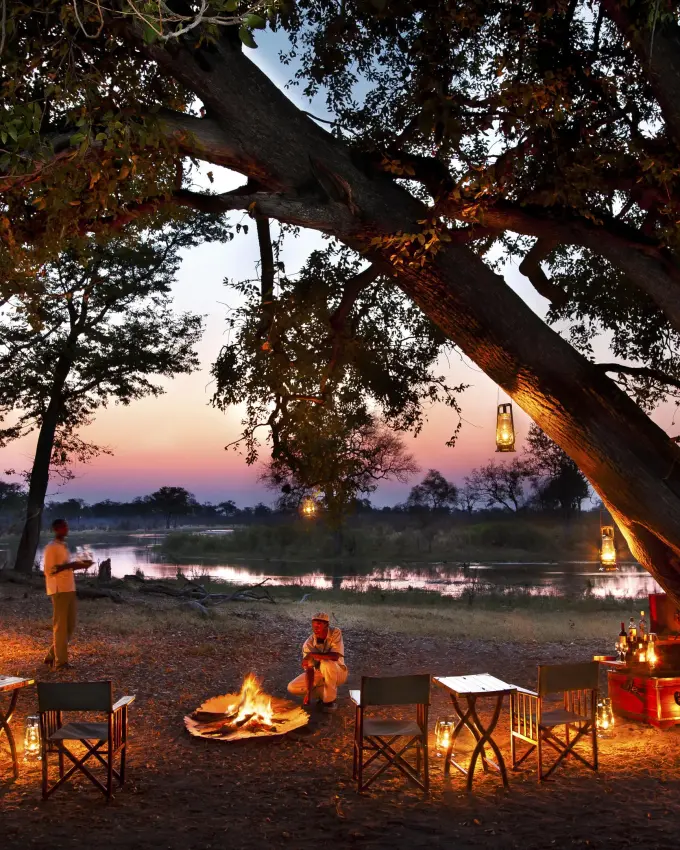
Accommodation runs to a small, low-density collection of camps, with a maximum of around 32 guests across the whole reserve at any time. Classic luxury tented camps set close to the spillway and lagoon form the core. Explorer-style camps offer a more pared-back, activity-led stay built around walking and canoeing. Private two-bedroom villas come with their own guide, vehicle, chef and host.



activities
Walk, paddle and track by night
Day and night game drives, plus off-road driving to follow predators, are standard across this private concession. Guided walking safaris put guests on foot with trackers. When the spillway flows, the multi-day Selinda Canoe Trail and lagoon boating open up, alongside seasonal catch-and-release fishing.

conservation
From rifles to cameras
Selinda Reserve is managed by Great Plains Conservation, founded by Dereck and Beverly Joubert, which converted the land from hunting to photographic tourism. Visitor numbers and vehicles are held deliberately low. The Selinda lion pride featured in the National Geographic film Birth of a Pride, and censuses have tracked recovering wildlife populations since the transition.

getting around
Light aircraft from Maun or Kasane
Access is by light aircraft to the Selinda airstrip, roughly 45 minutes from Maun or 50 minutes from Kasane, with private charters arranged on request. The transfer from the airstrip to camp takes 25 to 45 minutes by game-drive vehicle, sometimes combining vehicle and boat in high water.
other areas in botswana
Selinda pairs naturally with its neighbours for a remote northern loop. The Linyanti Reserve, bordering to the west, adds permanent river frontage with strong elephant and predator viewing. The Kwando Reserve to the west offers channel-based game viewing under the same low-density model. The Okavango Delta provides a contrasting water-led experience of papyrus channels, mokoro and island camps, while the Chobe and Savuti region brings large elephant herds and convenient air links through Kasane.
 01
01
 02
02
 03
03
 04
04
 05
05
 06
06
frequently asked questions
By light aircraft from Maun or Kasane, in about half an hour.
The camps sit in a private concession with their own airstrips, and a vehicle meets the aircraft. It connects easily with the delta in one direction and Chobe or Victoria Falls in the other.
Nothing is driven in from outside; the reserve is a long way from any road worth using.
Soft bags only, and we book the whole chain of flights so the connections hold.
For a family or a group, a private charter out of Maun is often the better answer, usually a Cessna Caravan, and we put both options on the quote.
The channel that links the Okavango Delta to the Linyanti, and it runs through the middle of the reserve.
For decades it was dry. It began flowing again in recent years, and when it does the whole reserve changes: water where there was sand, and game that follows it.
The flow varies year to year rather than following a calendar.
We will tell you what the spillway is actually doing for your dates before you book around it.
Get out of the vehicle, stay out after dark, and leave the track.
- Walking safaris with an armed guide, including multi-day walking trails
- Night drives, for the genet, civet and hunting predators
- Off-road driving, so a sighting can be followed properly
- Canoeing the spillway, when there is water in it
Those freedoms come from this being a private concession rather than park land.
Very few camps share a large area, so you rarely see another vehicle.
Yes. Northern Botswana sits in the malaria zone, and both TravelHealthPro, the UK's official travel health service, and the CDC recommend antimalarial cover for the region.
The risk rises in the warm, wet summer and falls in the dry winter, but it is present through the season.
We do not make medical recommendations. That is a conversation between you and your own doctor or a travel clinic.
On the practical part, cover up at dusk and carry repellent.
Elephant in numbers, and predators that are used to being watched.
The dry-season herds along the spillway and the Linyanti front are enormous. Lion prides here are large, and African wild dog are seen more often than in most of Botswana.
Roan and sable are present, which the delta does not hold.
The night drives turn up a completely different cast: honey badger, spring hare, porcupine and the smaller cats.
Three, and four if you want to walk for more than a morning.
Three nights gives you the game drives, a walk, a night drive and time to sit with a sighting. The walking trails need their own days and are worth building in properly.
It pairs naturally with a water camp in the delta and then Chobe or the Falls.
Tell us the whole route and we will balance the nights across it.
rated five stars by our clients

our approach
remote, exclusive
& personal
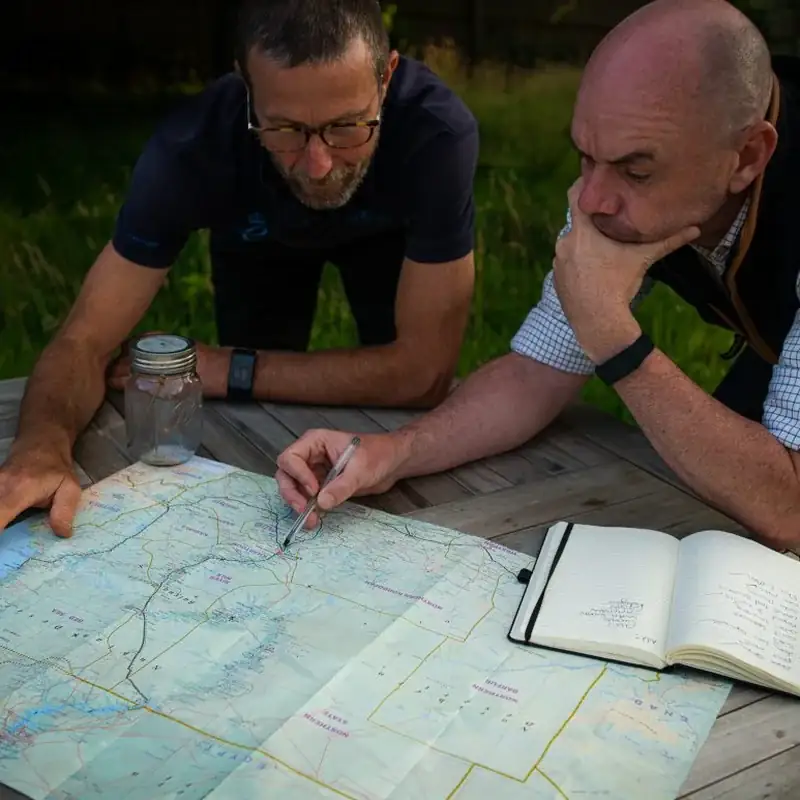
Every journey starts with a conversation. We take the time to understand your vision before we start planning.
Whether by phone or in person, we work with you directly to shape something that is considered, personal, and expertly delivered.
Every journey starts with a conversation. We favour a direct, personal approach: understanding your vision before anything else.
Whether by phone or in person, we work with you directly to shape a journey that is both thoughtfully considered and expertly delivered.
Get in touch to start planning yours.