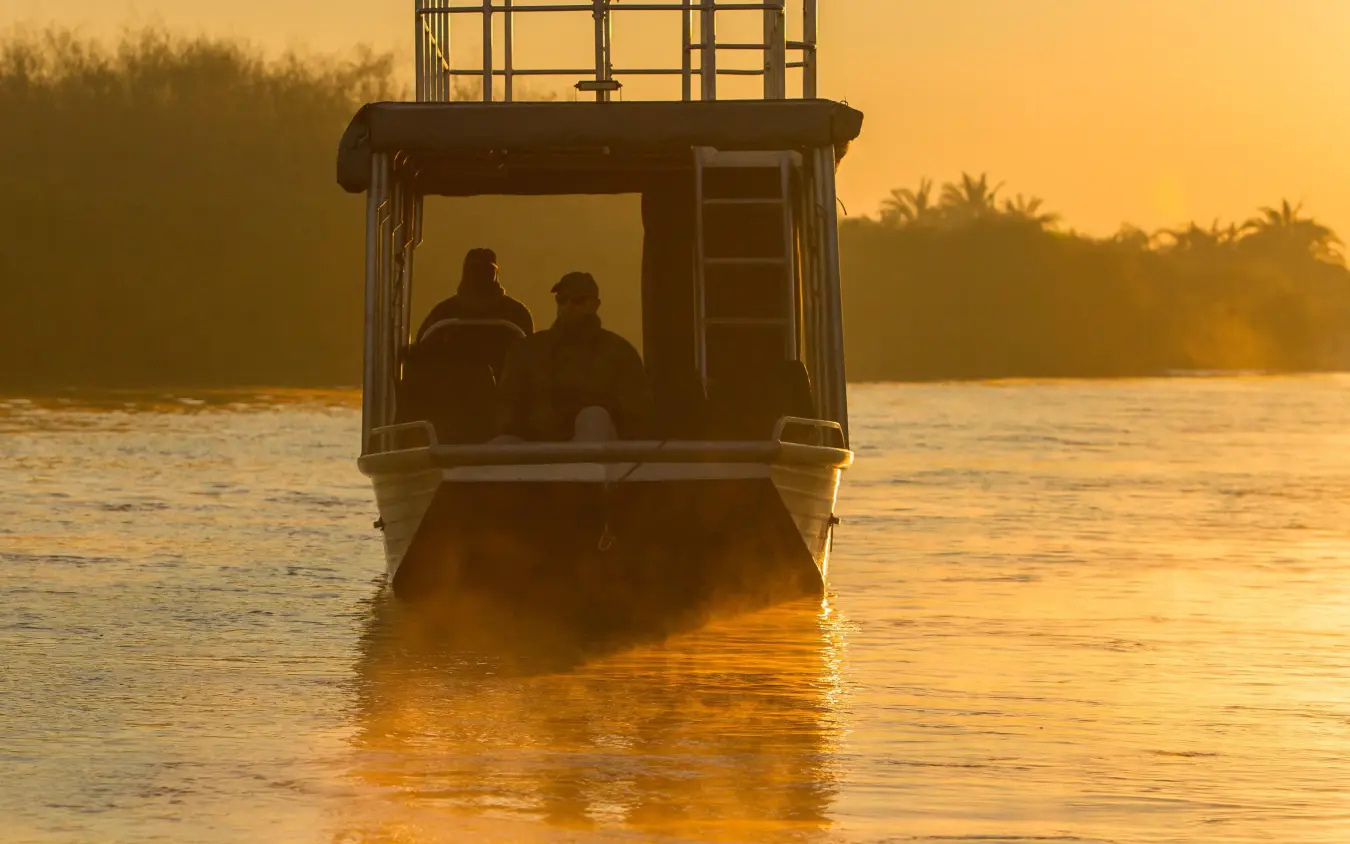
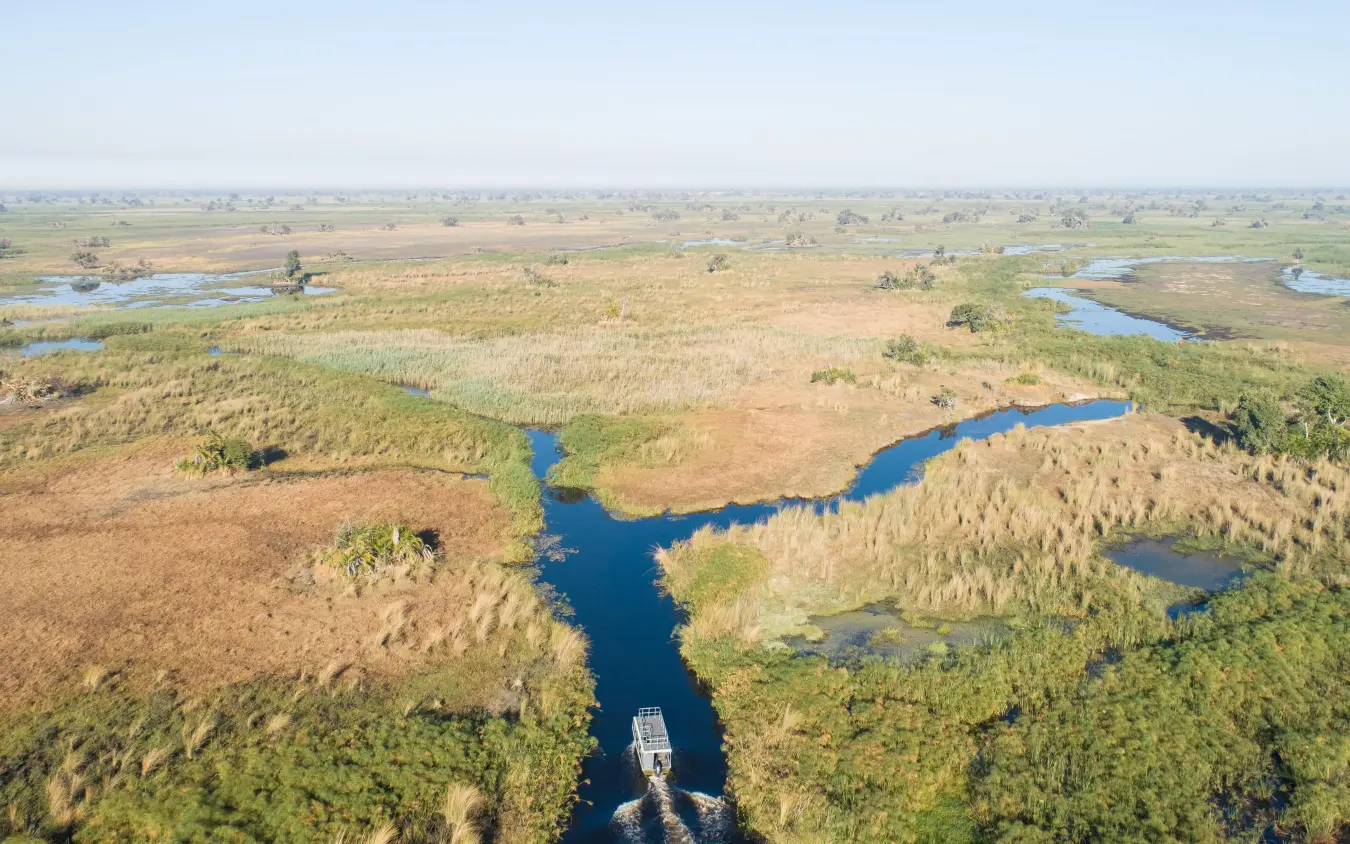
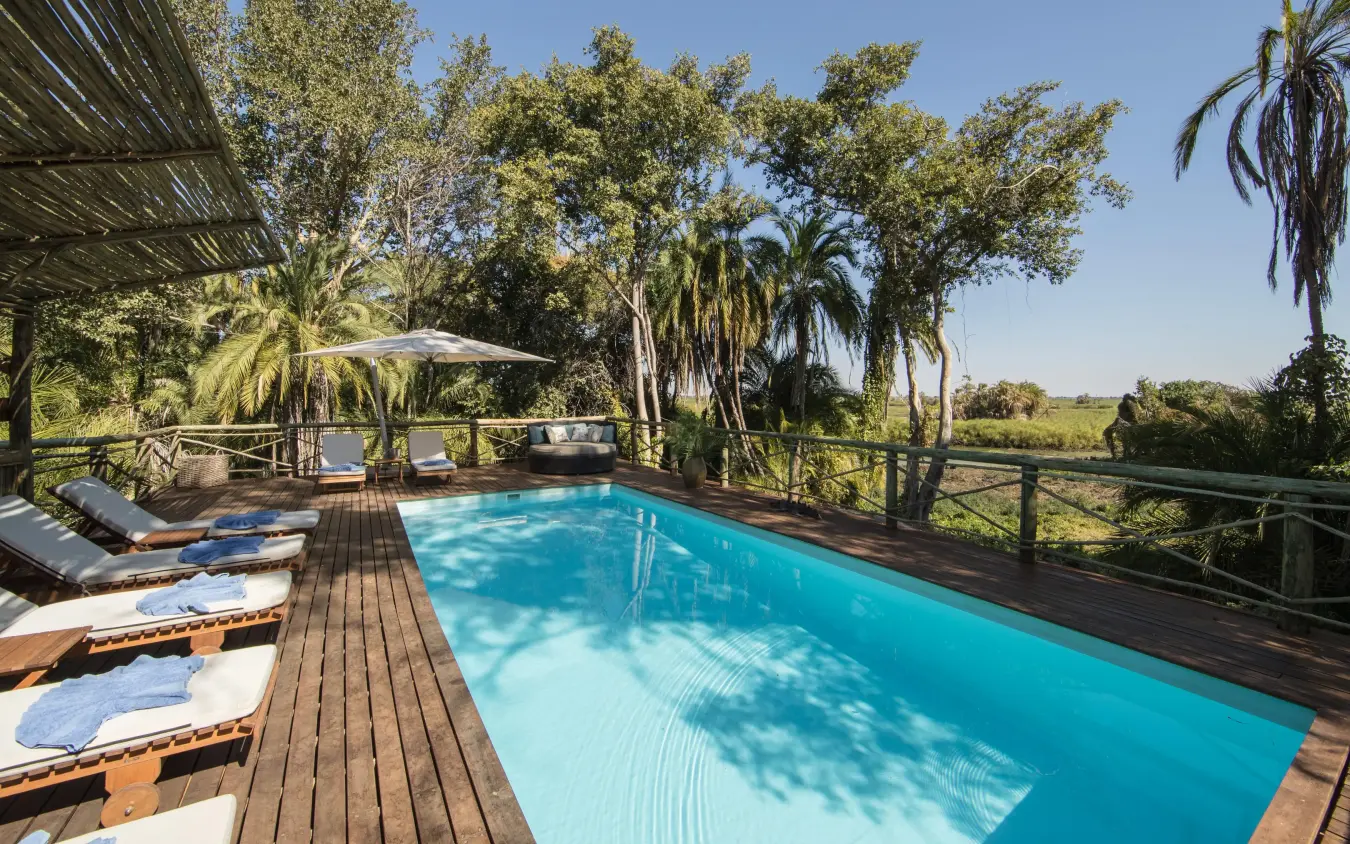
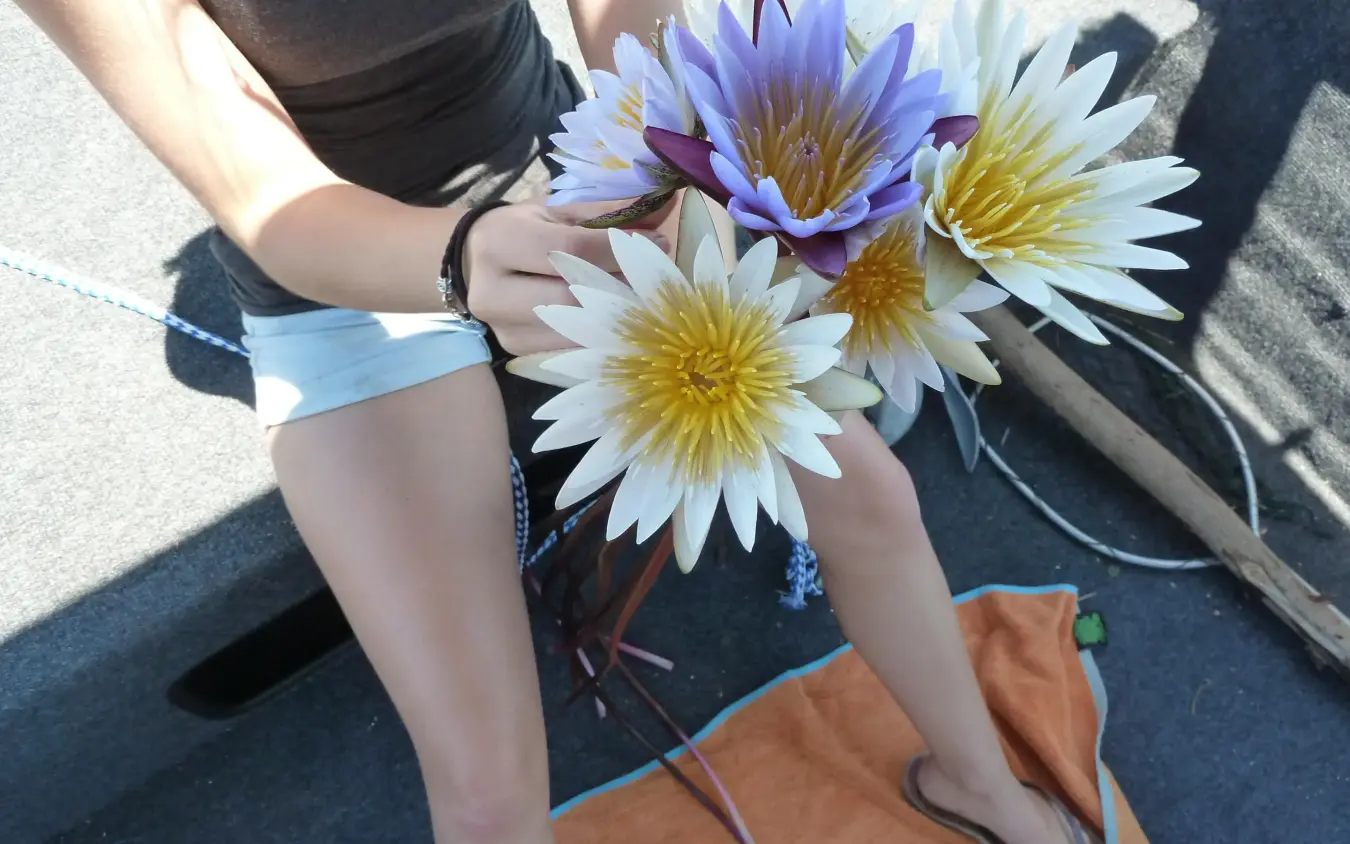
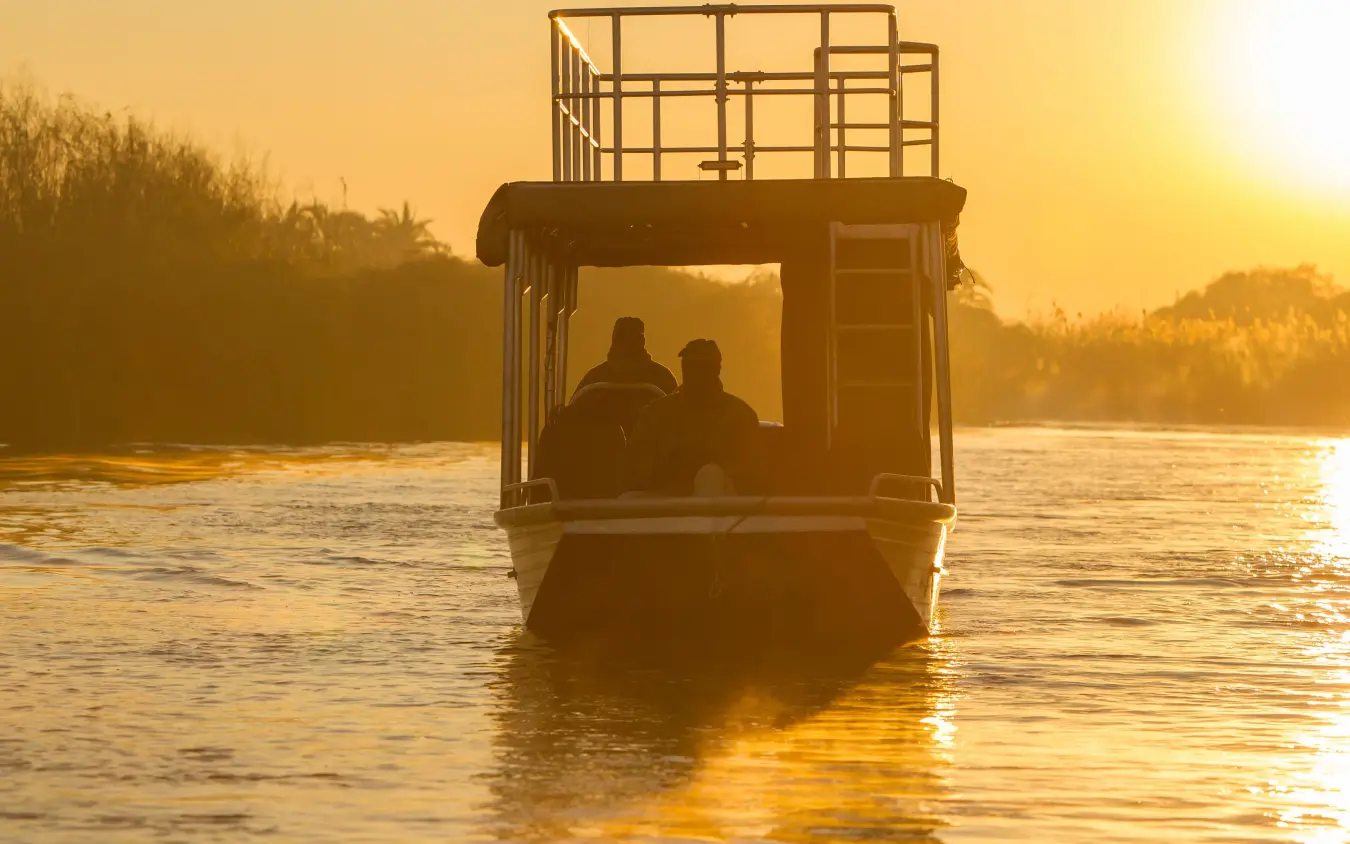
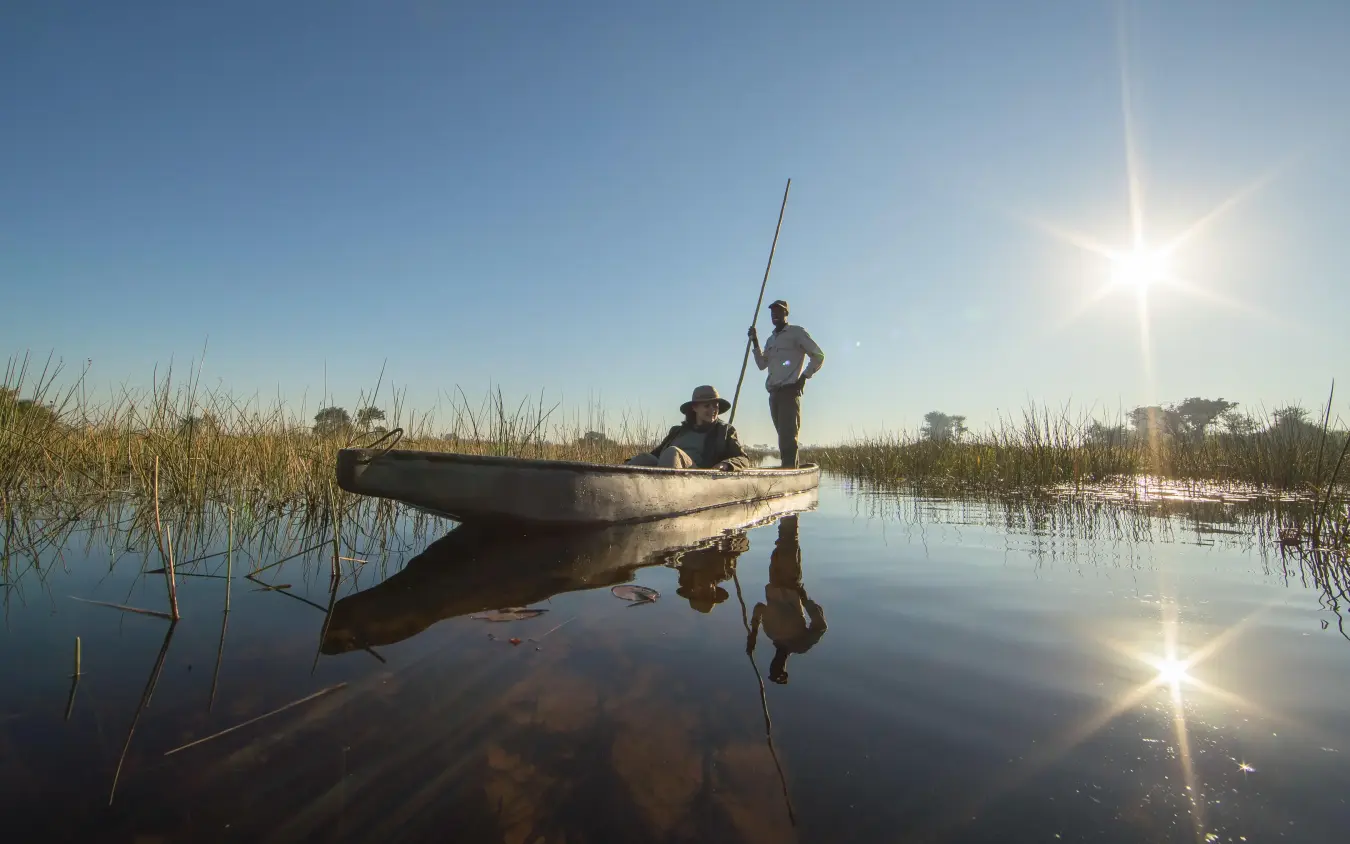
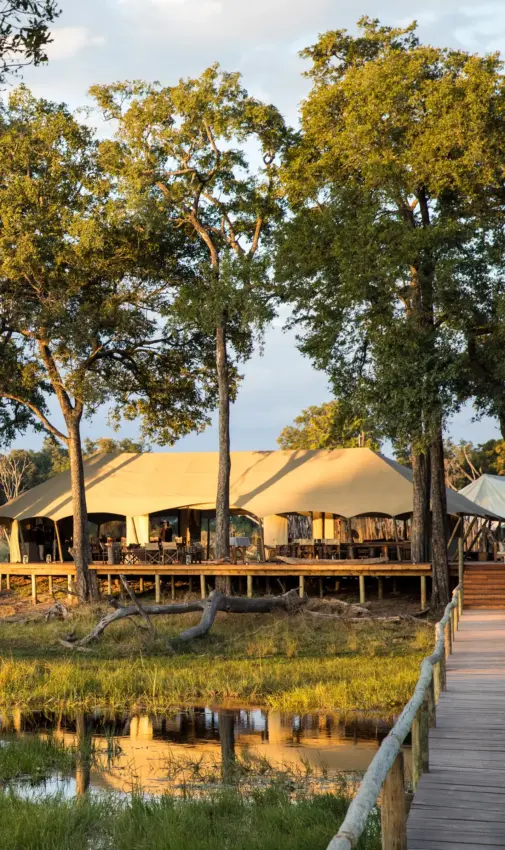
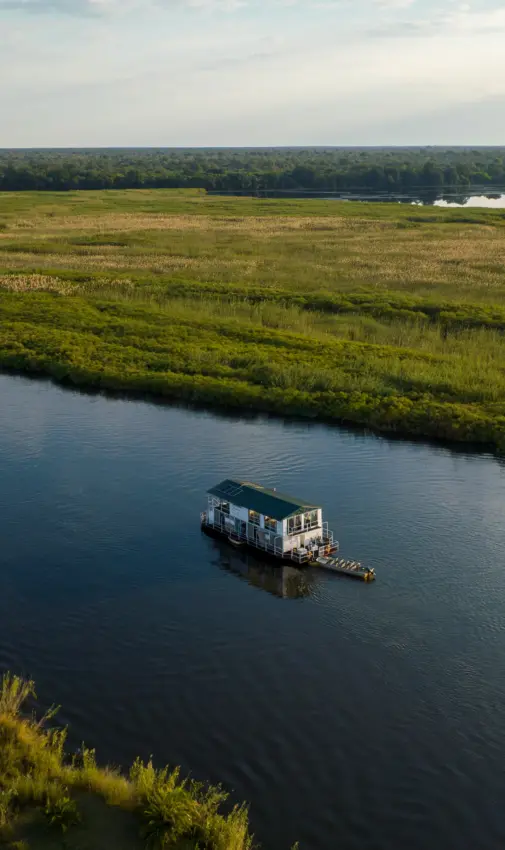
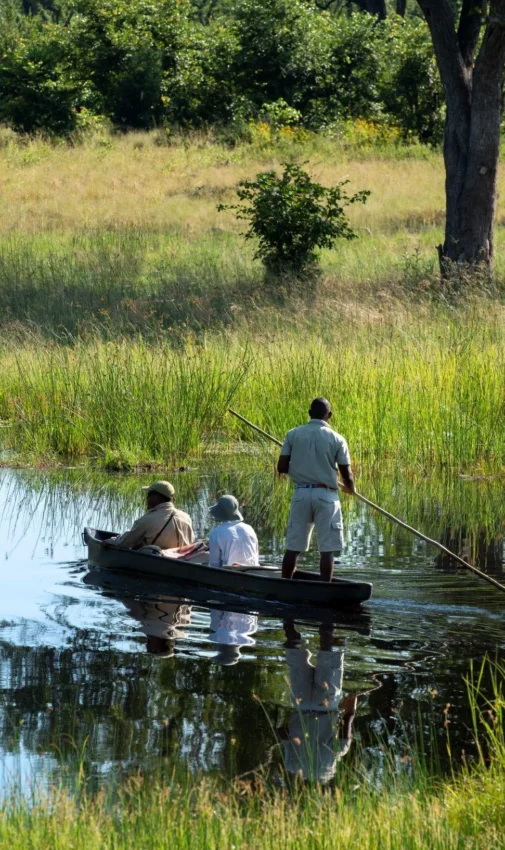
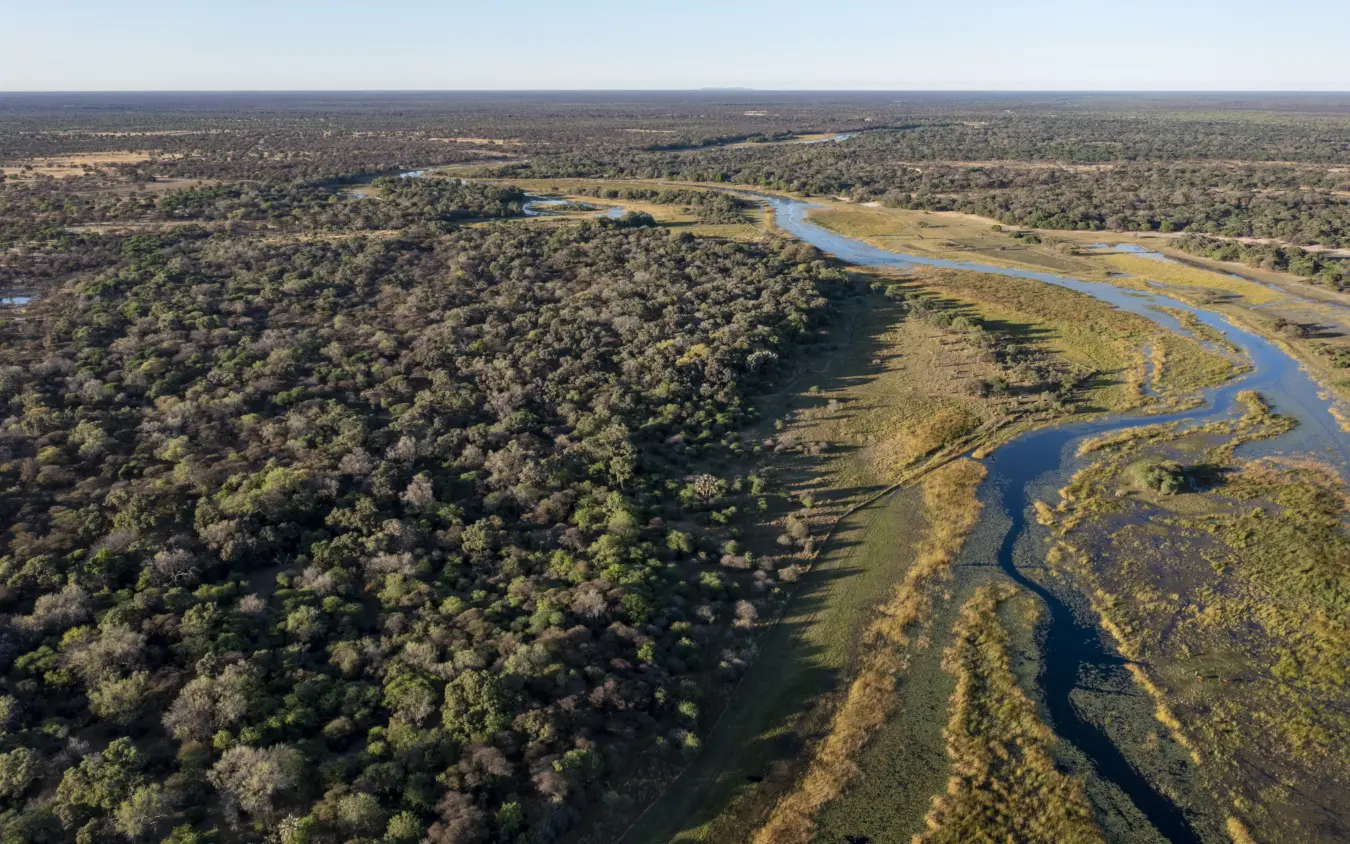
The Panhandle is the narrow, deep stretch where the Okavango still runs as a single river, before it spreads across the sand and fans into the Delta proper. Setari sits at that point of release, in the Jedibe waterways, where the water never fails. Channels stay open through the months when camps further south trade their boats for vehicles. The water also refuses to stay still: papyrus islands break loose and drift, blocking a channel overnight, so the route taken on Tuesday may not exist on Thursday.
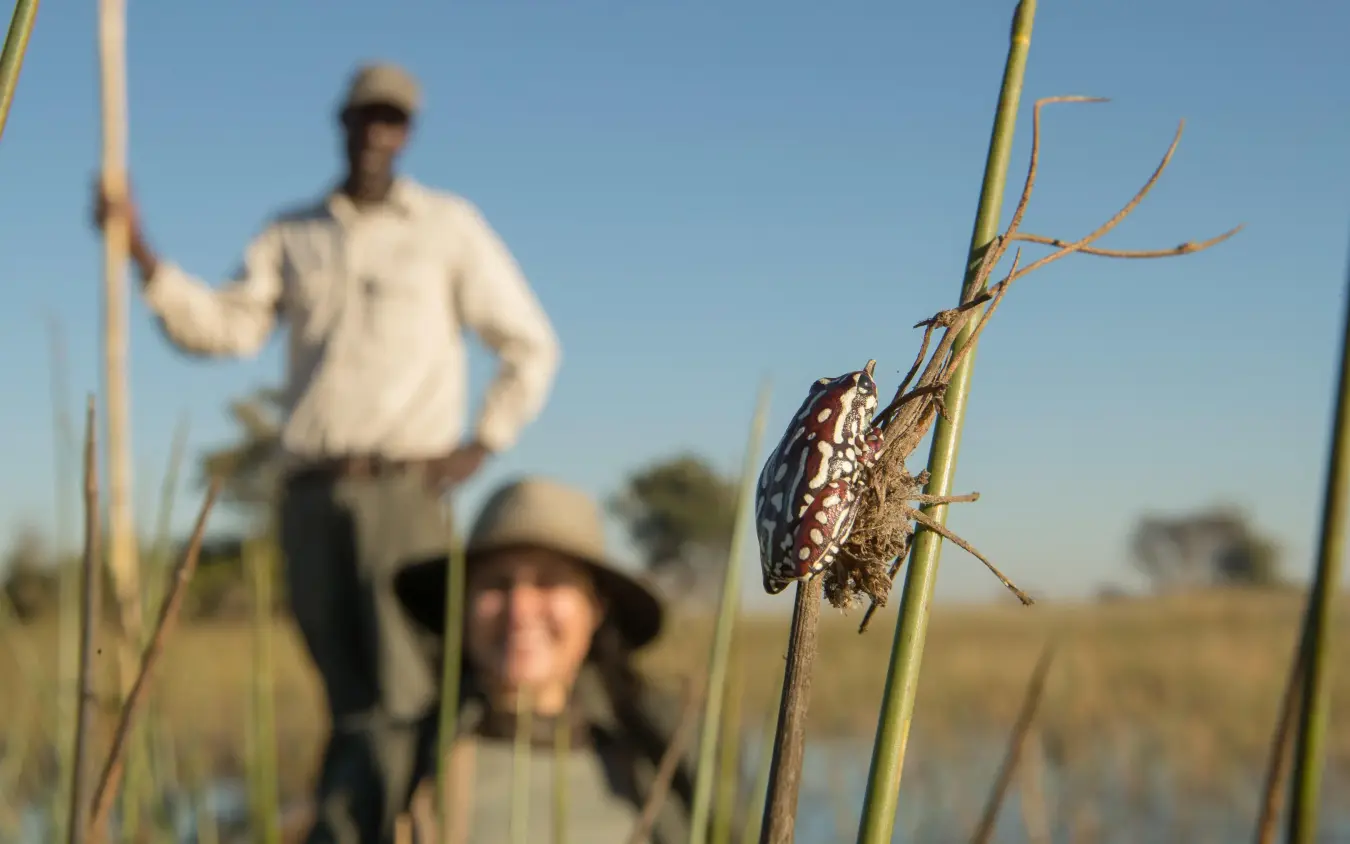
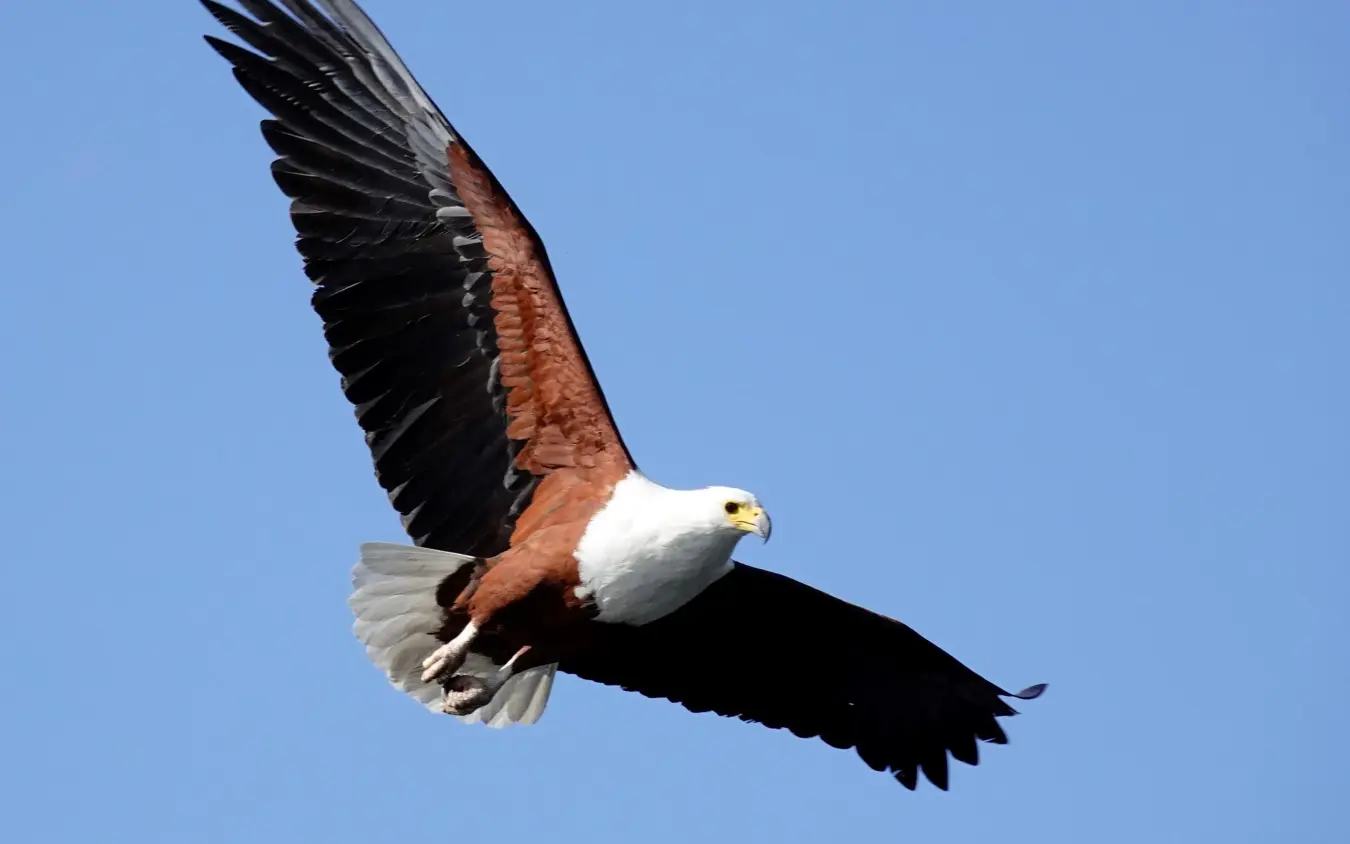
Fishing runs from March to December, catch and release, with tackle provided by the camp, and the deep channels hold tigerfish, tilapia and bream. Between August and October, migrating catfish push upstream in numbers. The disturbance draws tigerfish into a feeding frenzy along the papyrus edges. Birding needs no season. Pel’s fishing owl keeps to the riverine canopy, and the waterways hold slaty egret, African pygmy goose and malachite kingfisher, with a seasonal heronry within boat range.
The disturbance draws tigerfish into a feeding frenzy along the papyrus edges.
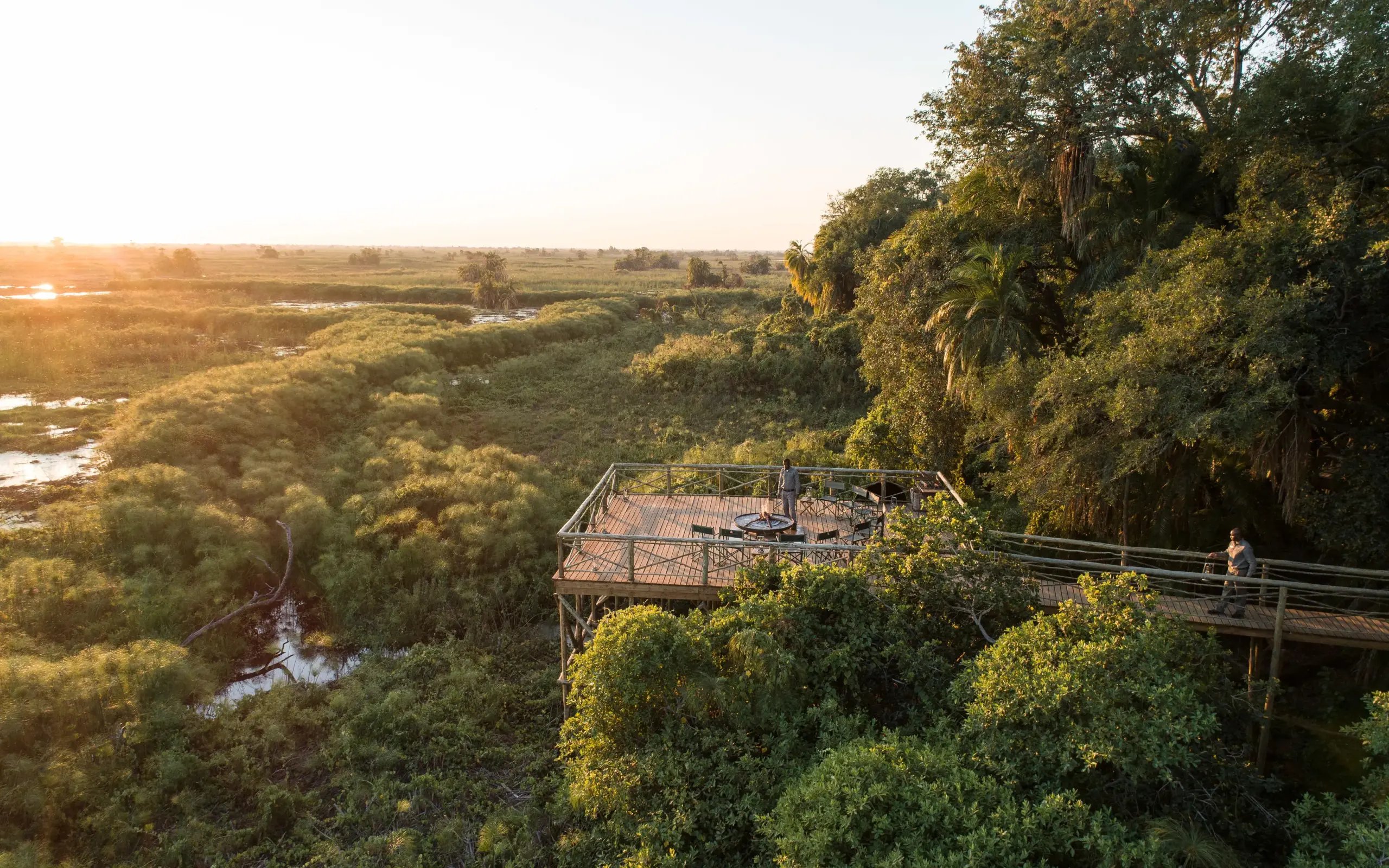
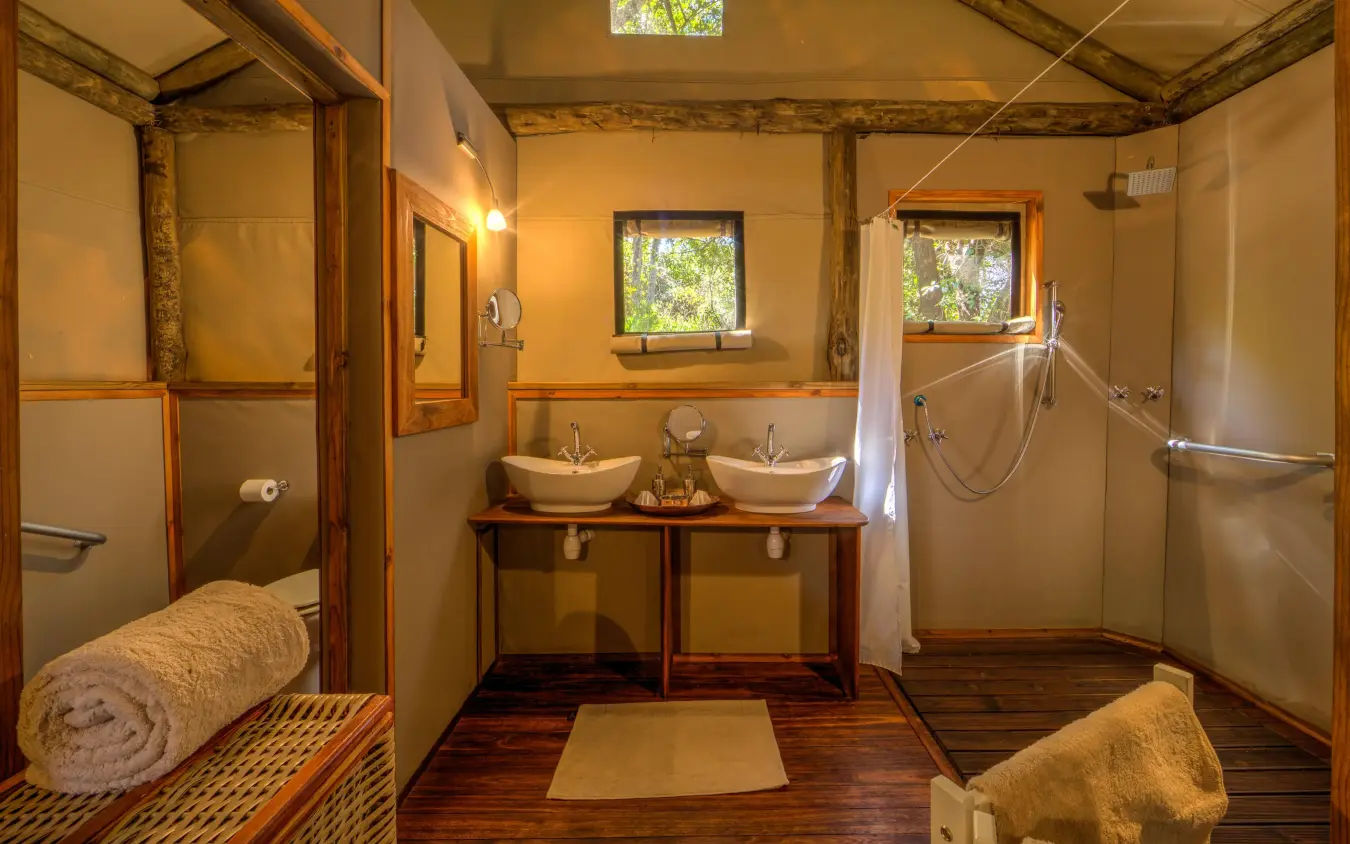
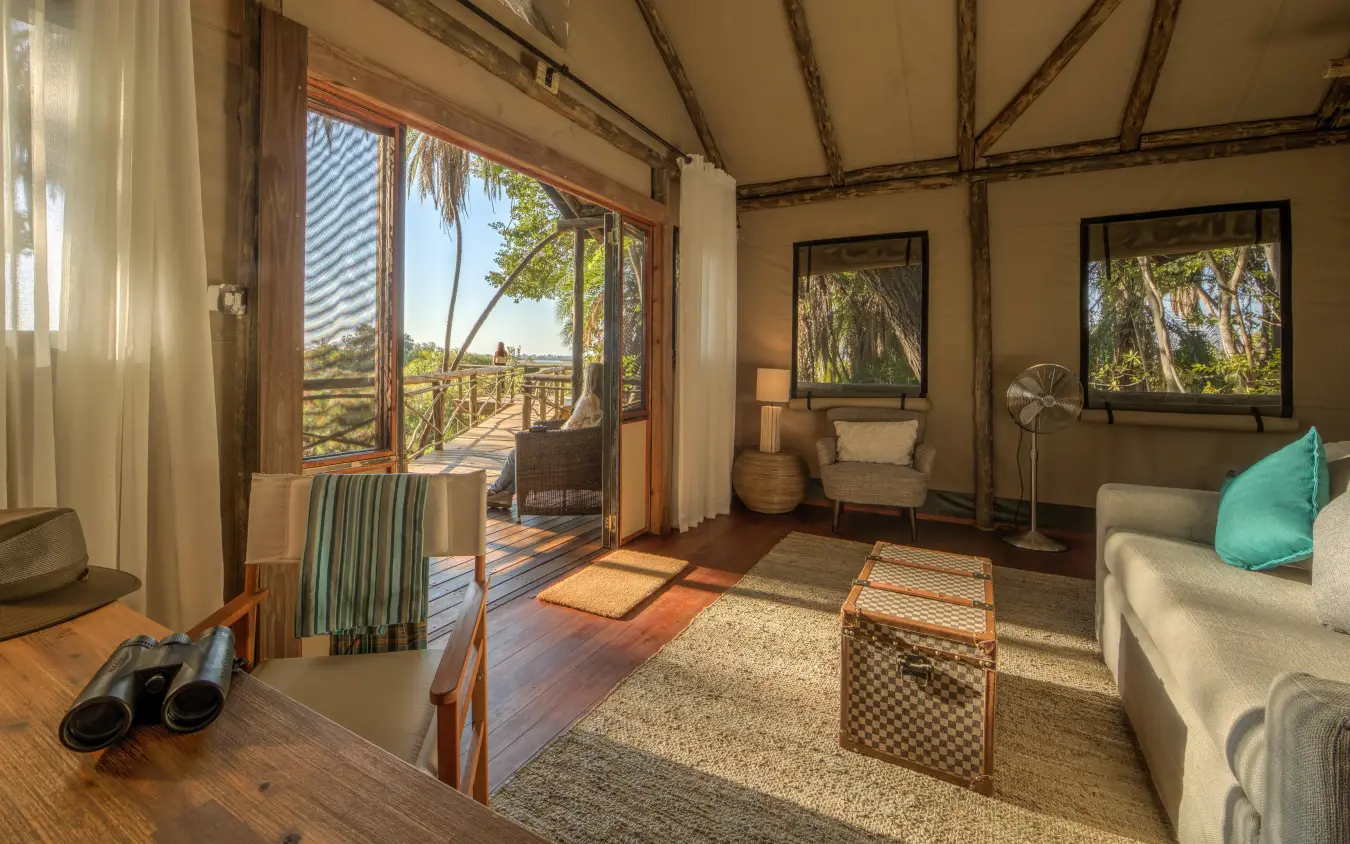
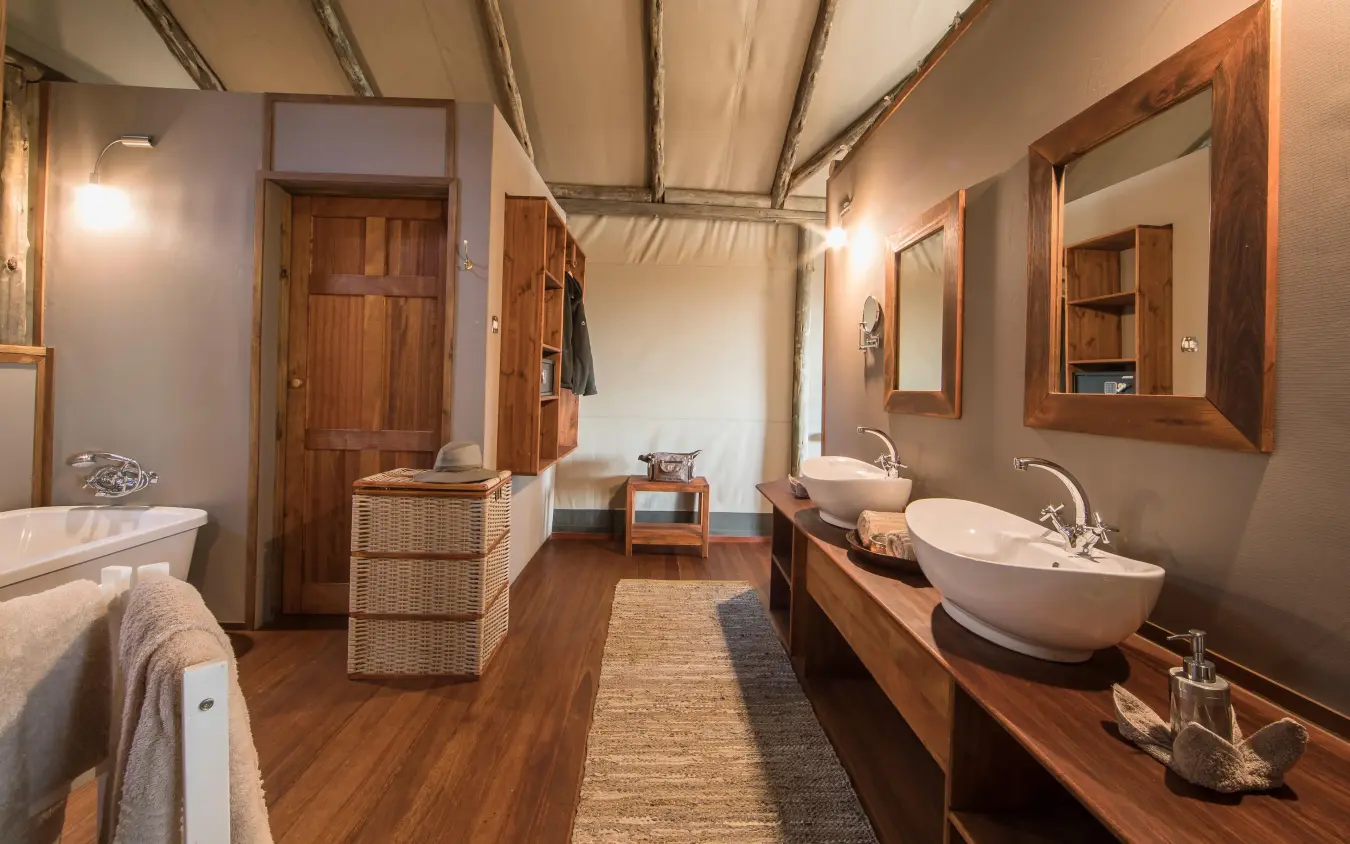
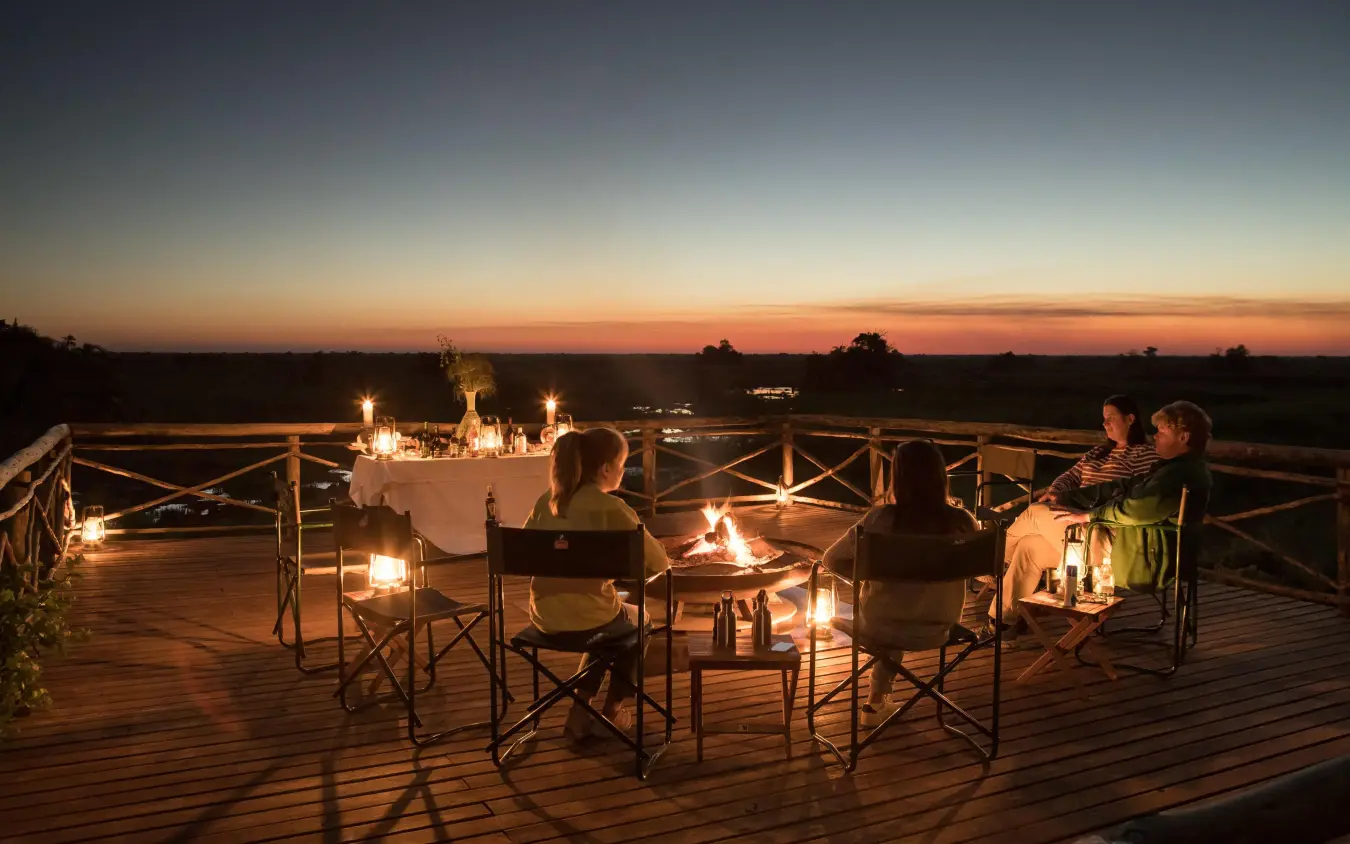
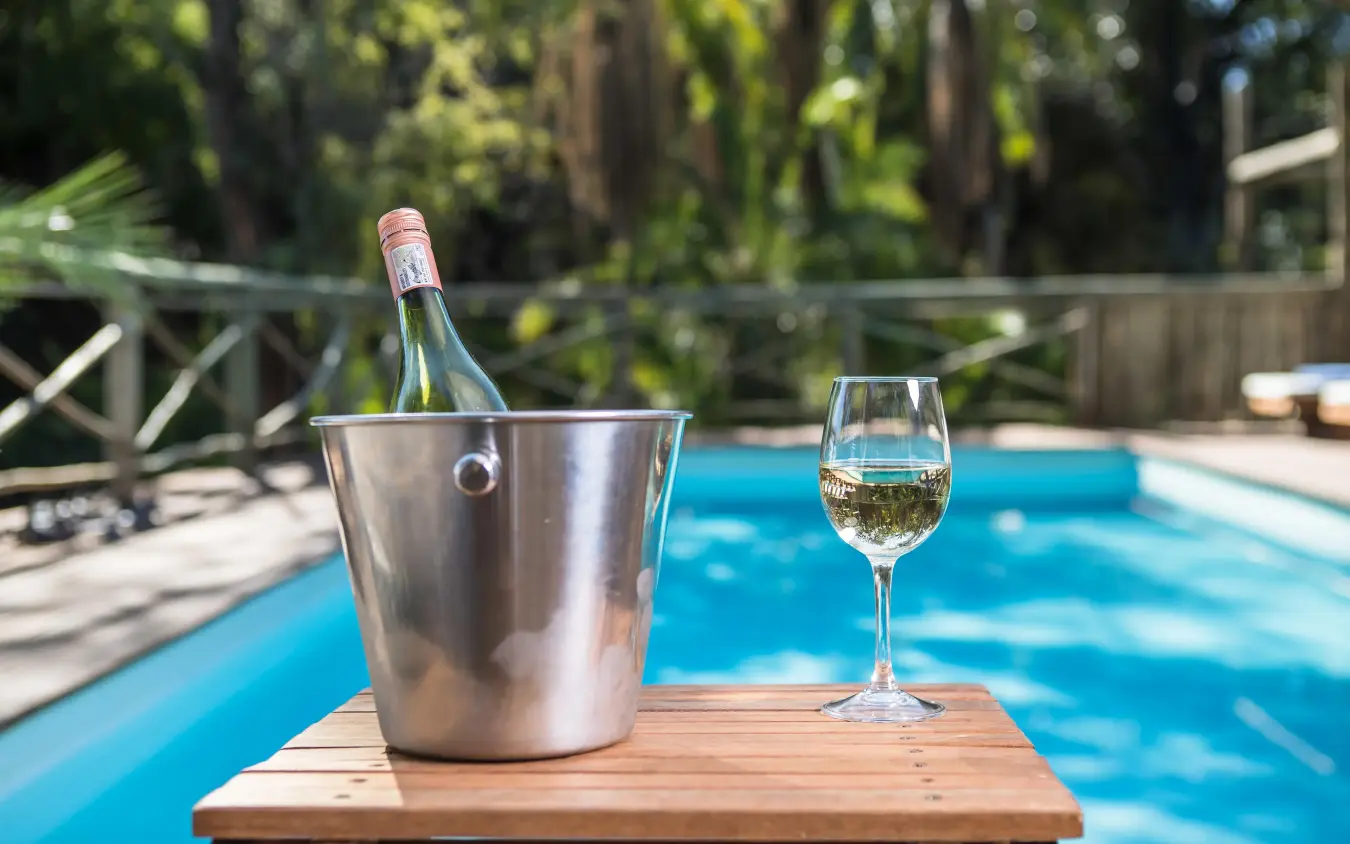
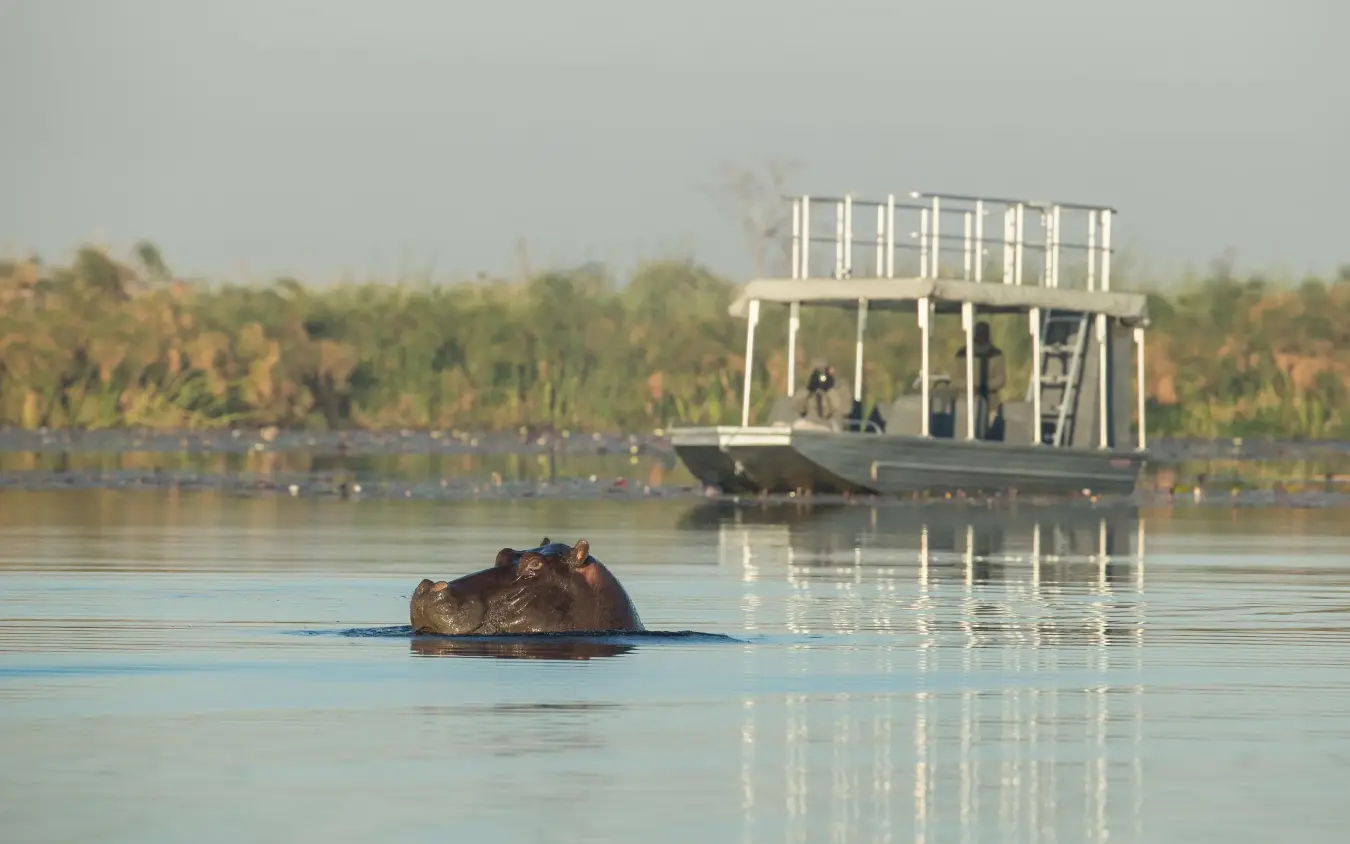
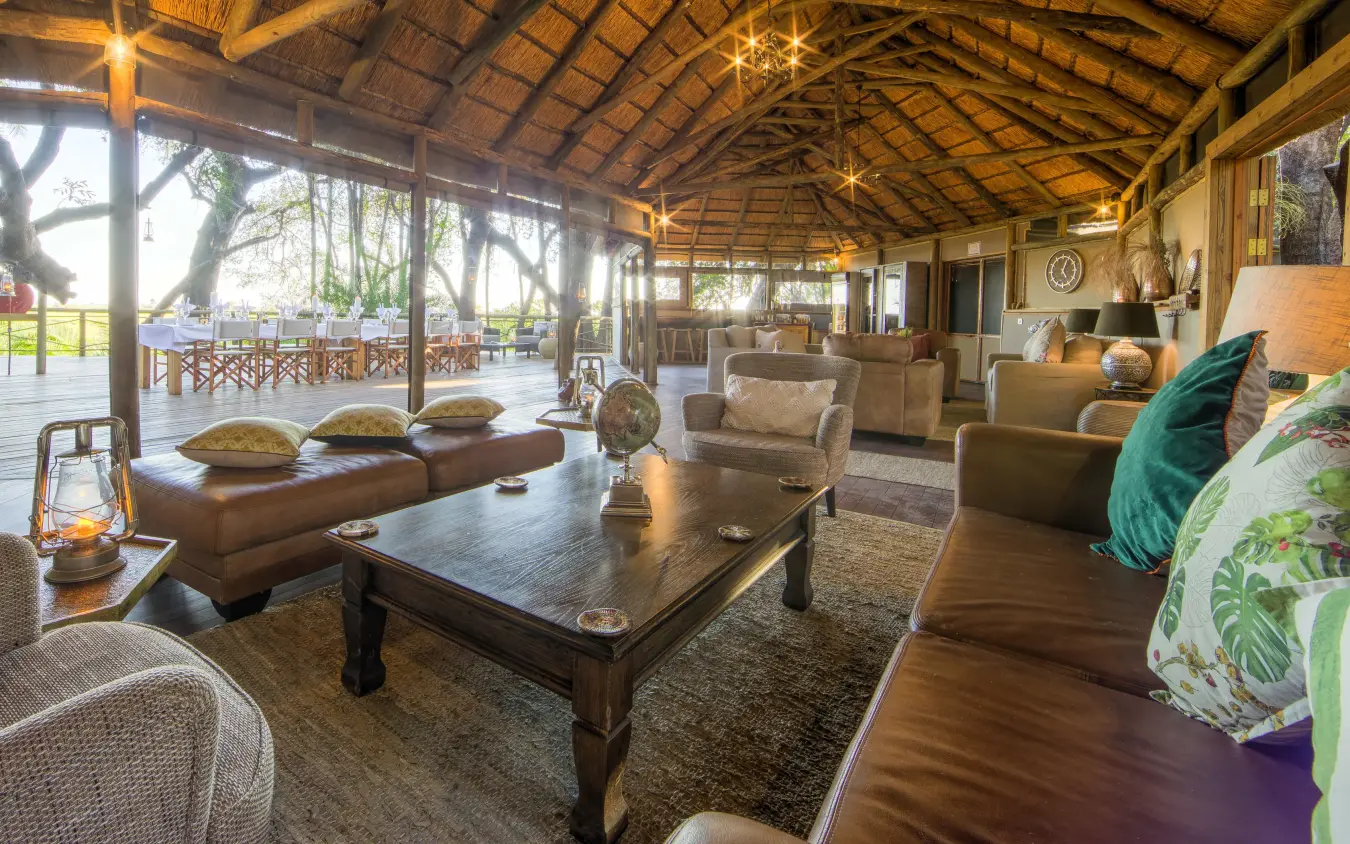
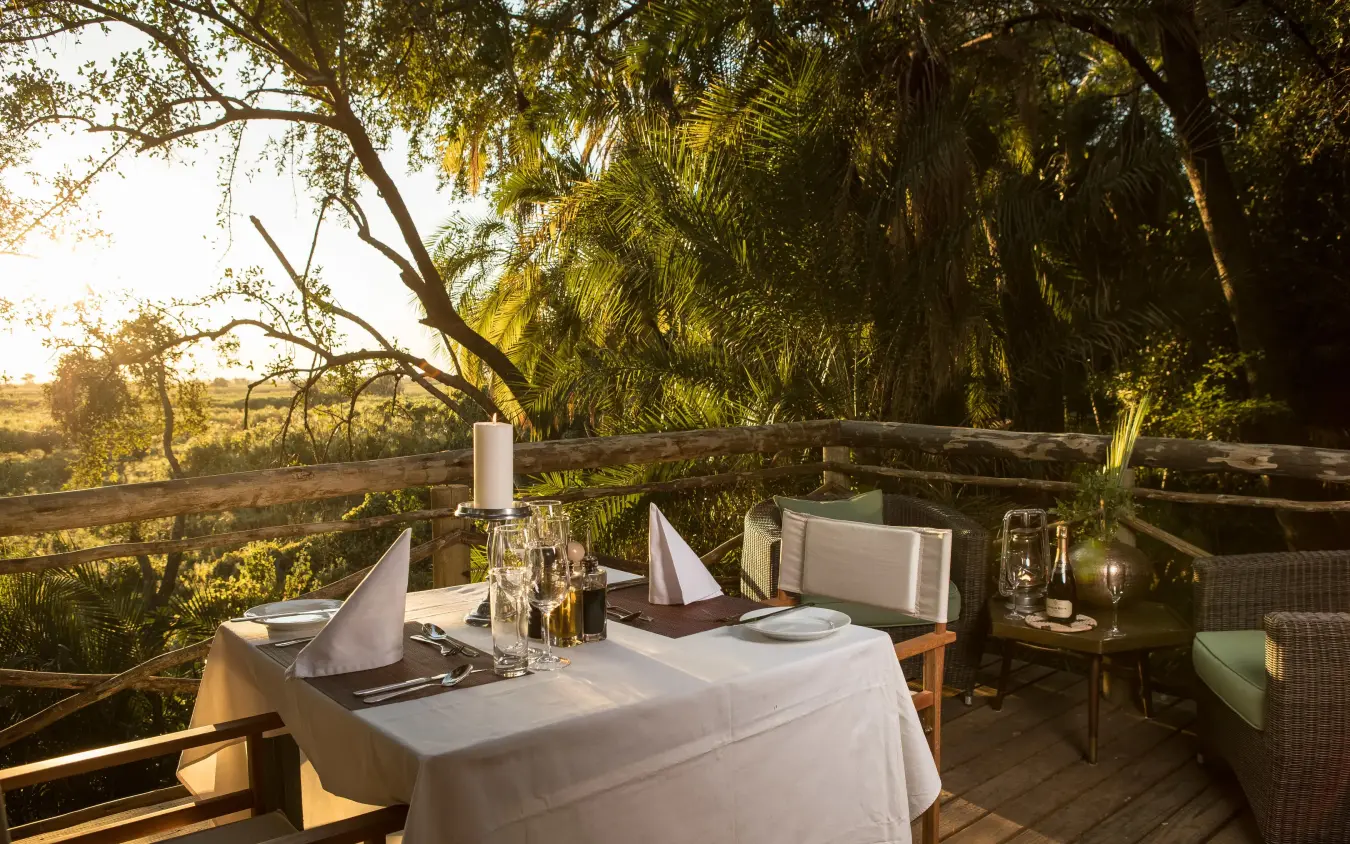
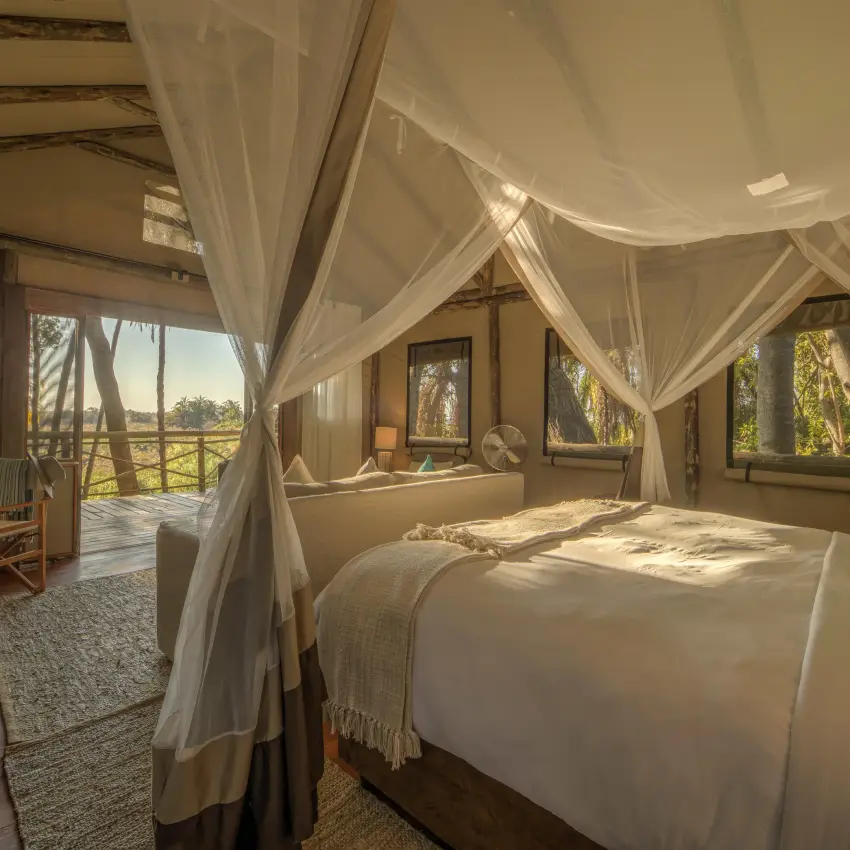
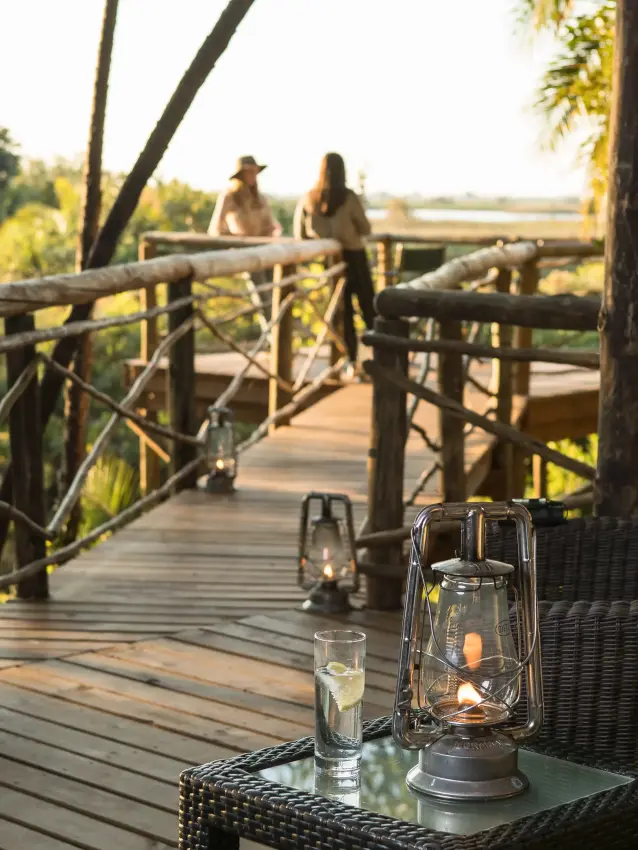
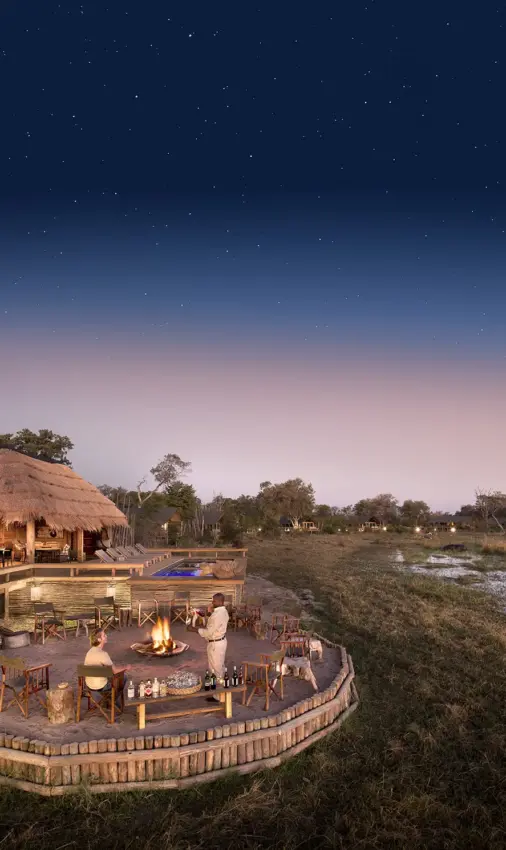
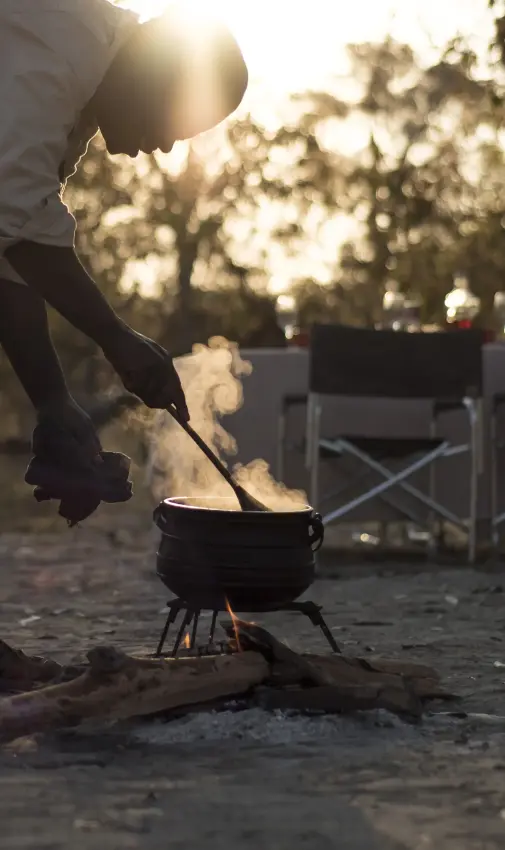
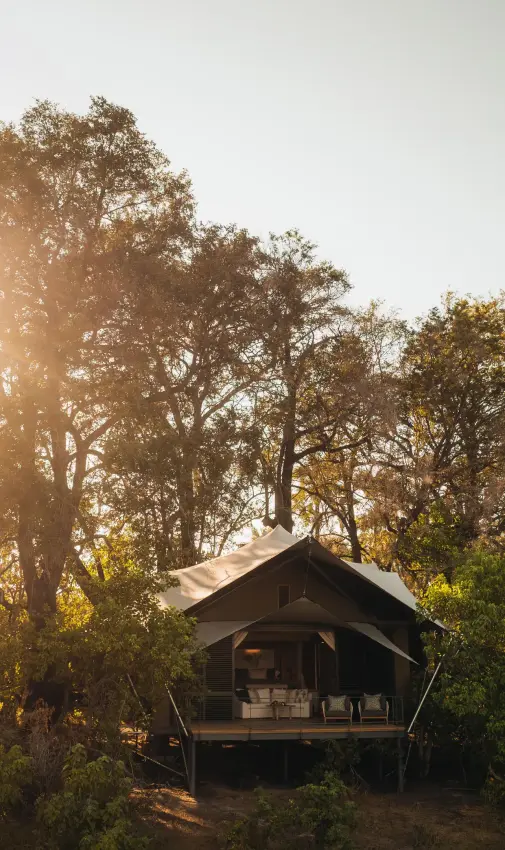
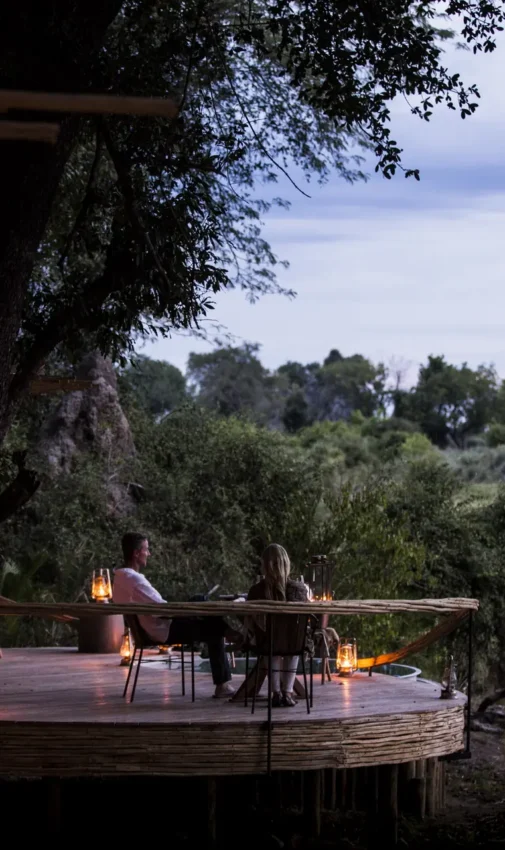
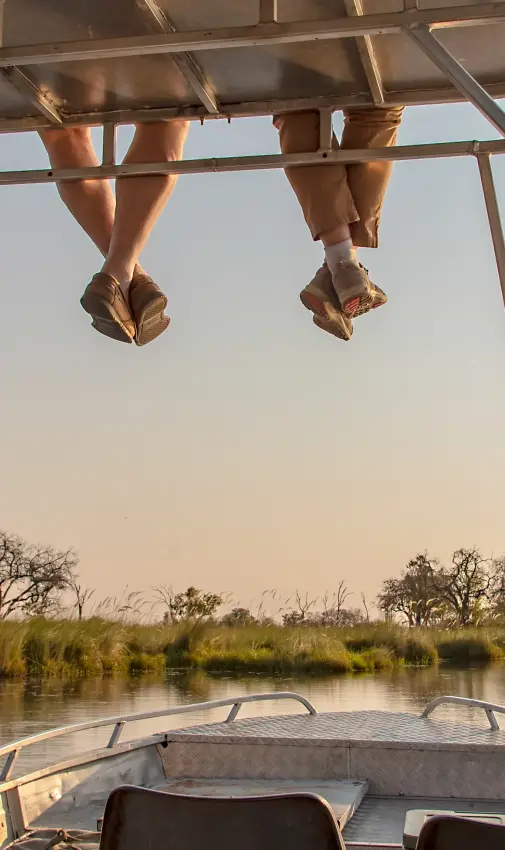
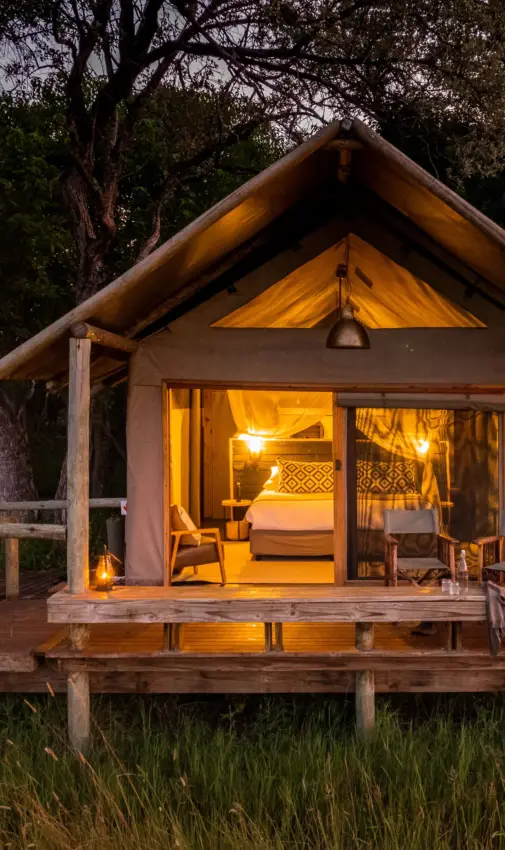
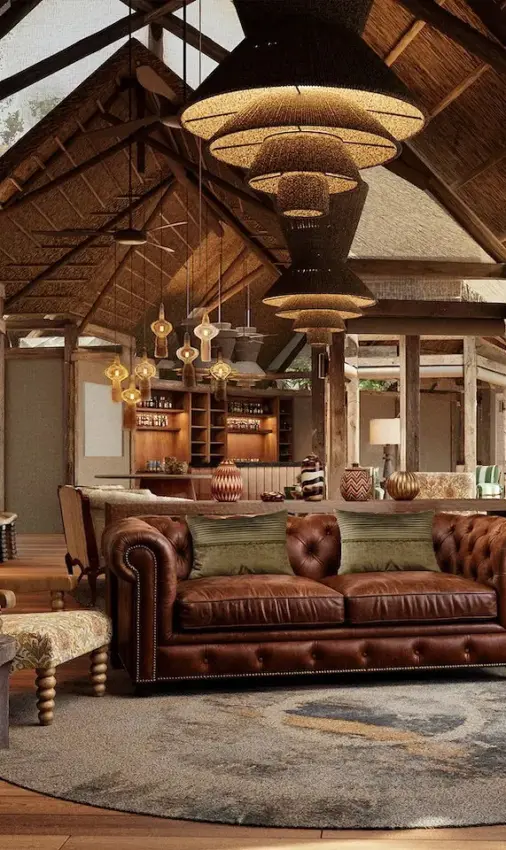
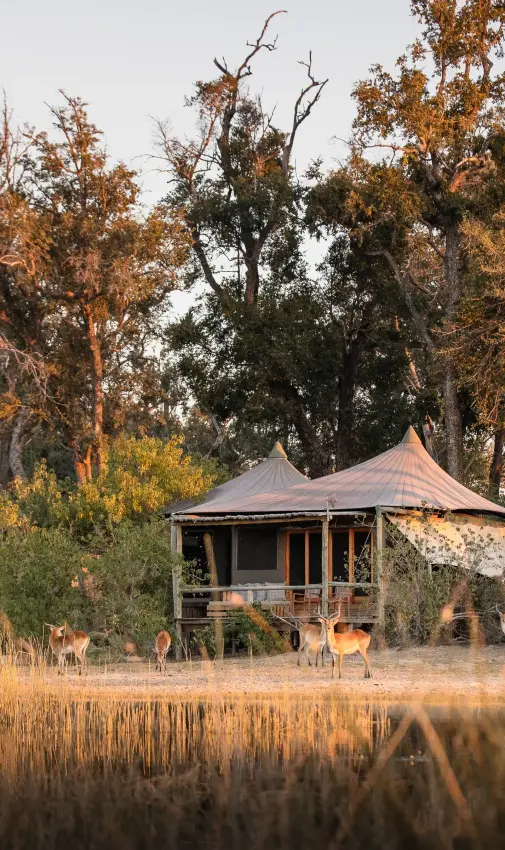
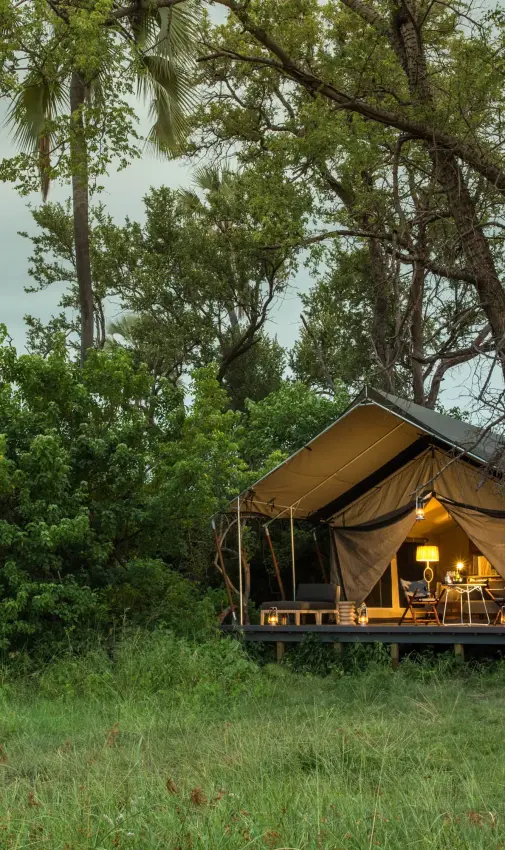
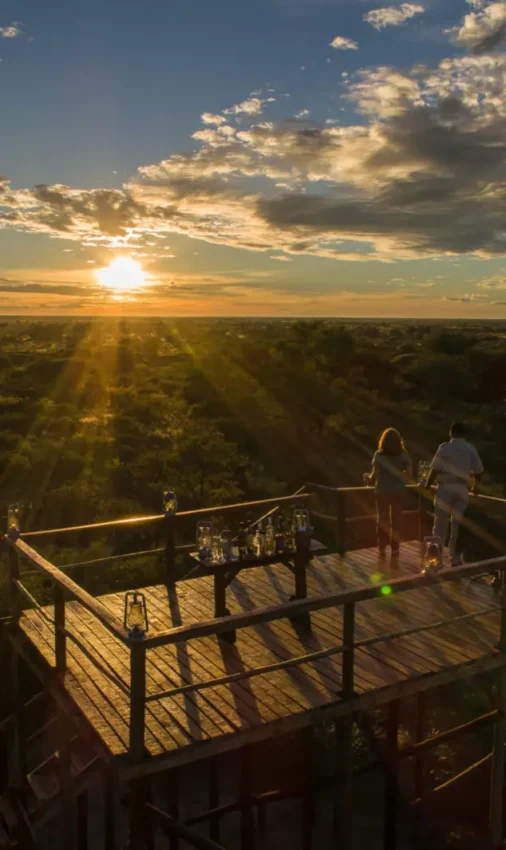
The suites are canvas on timber, eight doubles and one family unit built as two tents sharing a deck with its own dining and lounge area. Inside, extra-length beds sit under walk-in mosquito nets, with writing desks, sofas, double vanities, a free-standing bath, an indoor shower and another open to the sky over the floodplain. Meals are served family-style under the thatch, or privately on a guest’s own deck, with sundowners on the upper deck of a boat or at the fire pit. Nights carry the sound of reed frogs and hippos working the lagoons.
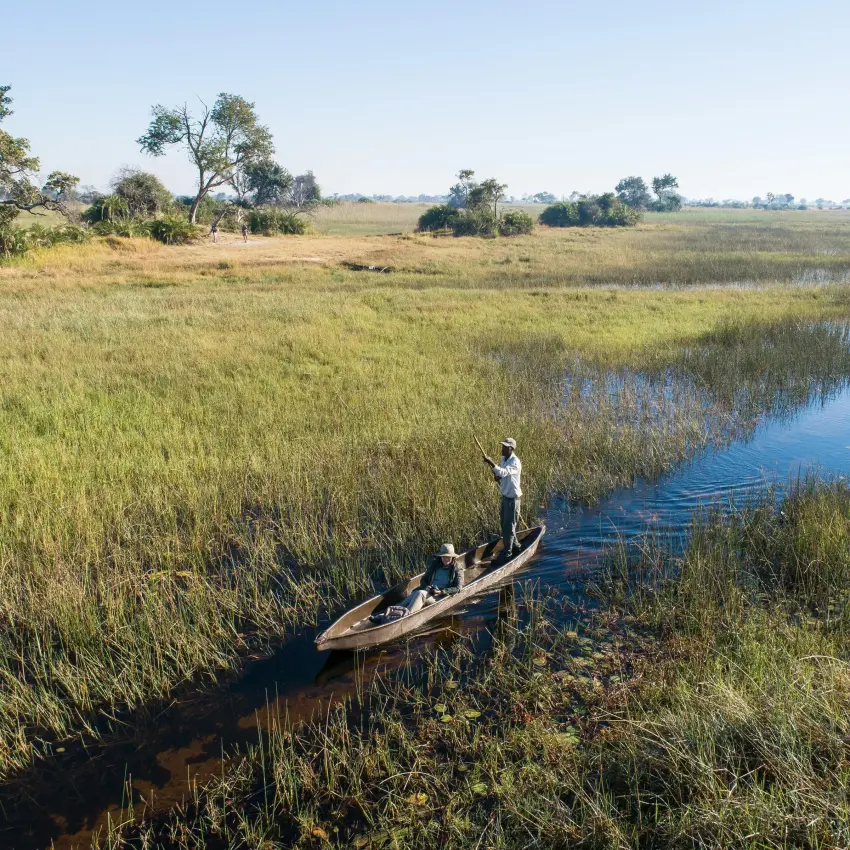
Jao village, home to some 400 people on a neighbouring island, supplies much of the staff, along with the woven baskets sold at camp, and guests can go by boat to watch the weaving. Children of six and over are welcome, though walking and mokoro outings are reserved for those of twelve and older. Helicopter flights over the Delta can be arranged from camp.