Camp

Tumani Tented Camp

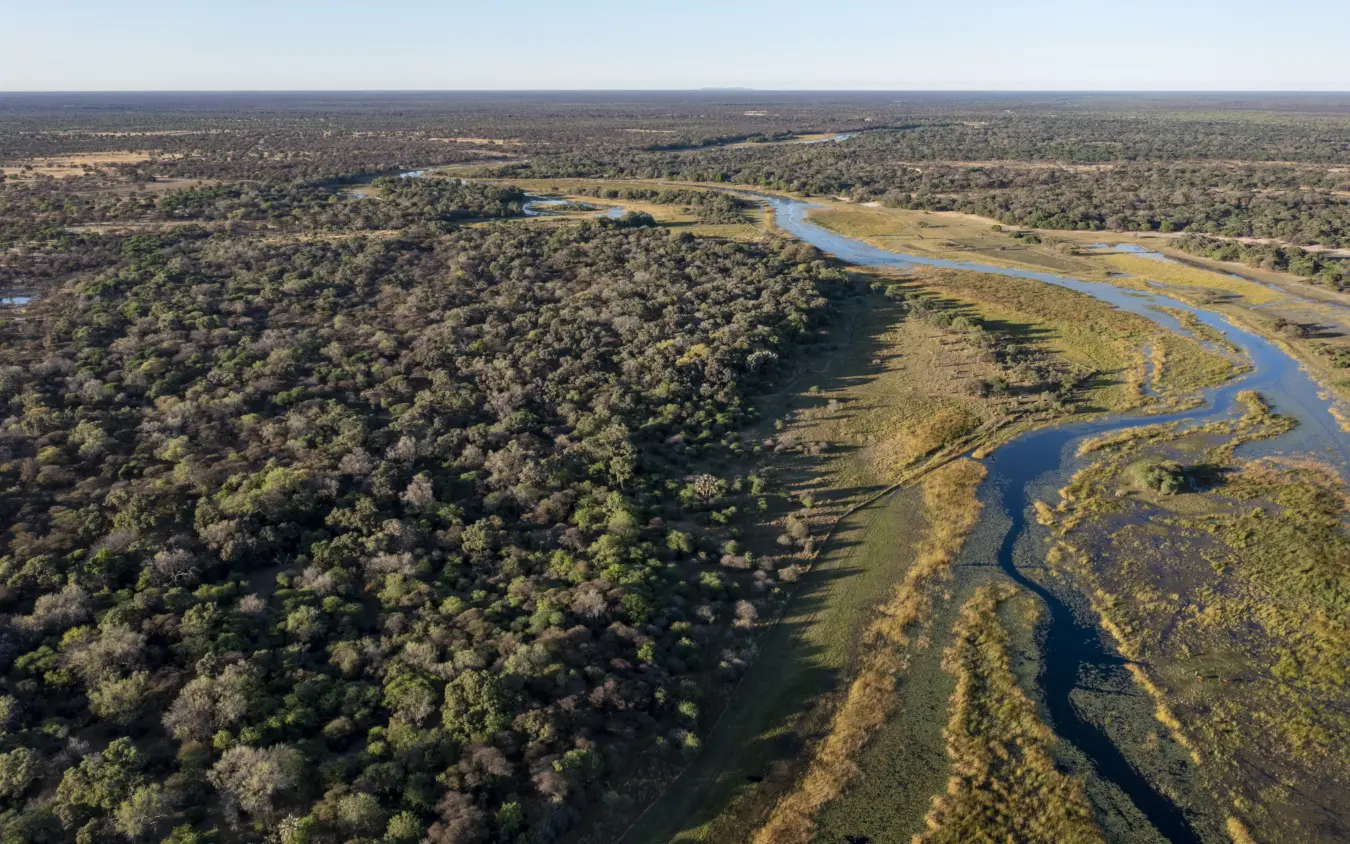
Private land where two channels meet in Botswana’s Mababe region, with a star bed on the roof of every tent.
Country: Botswana
Location: Mababe, between the Okavango and Chobe
Number of rooms: 9

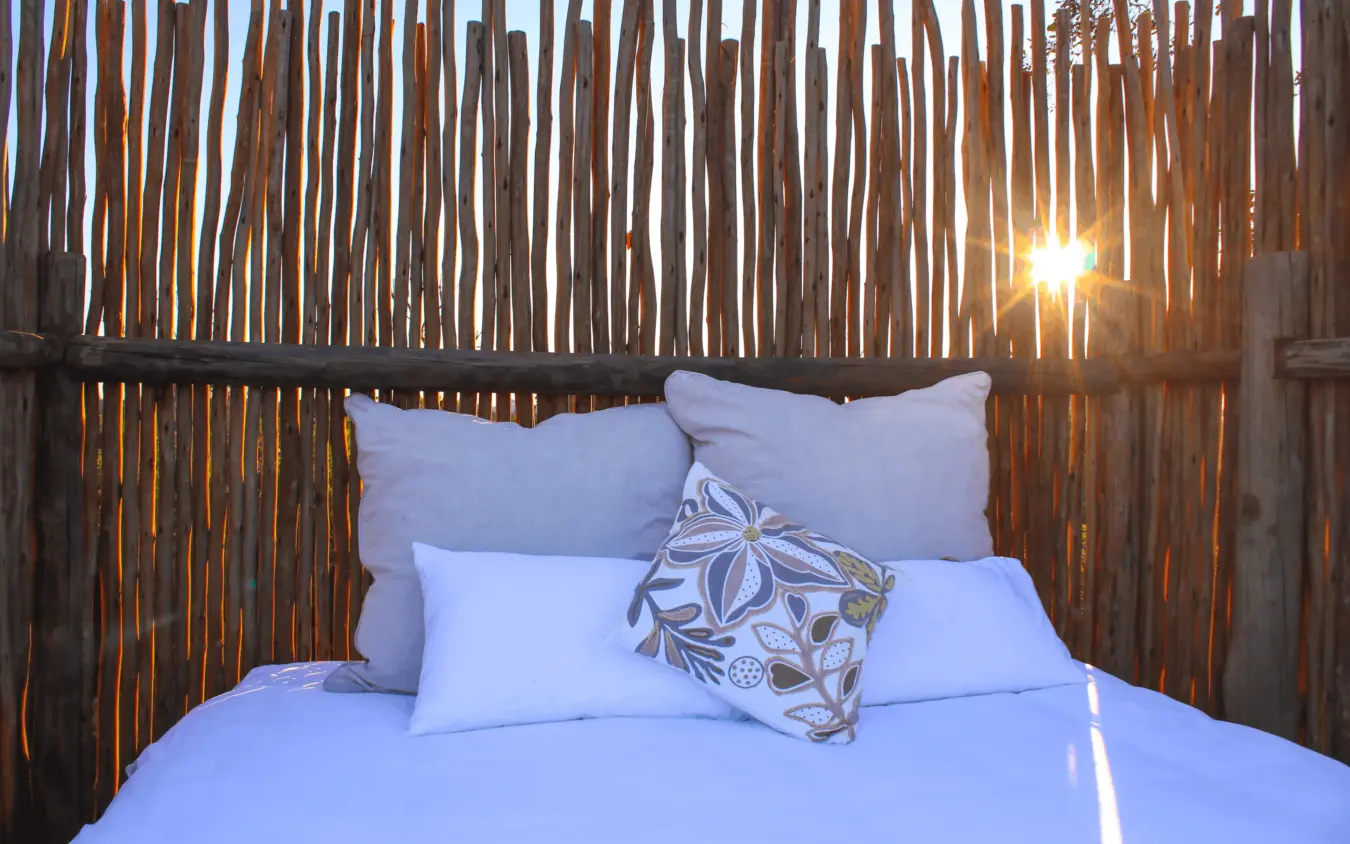
A bed on the roof of every tent

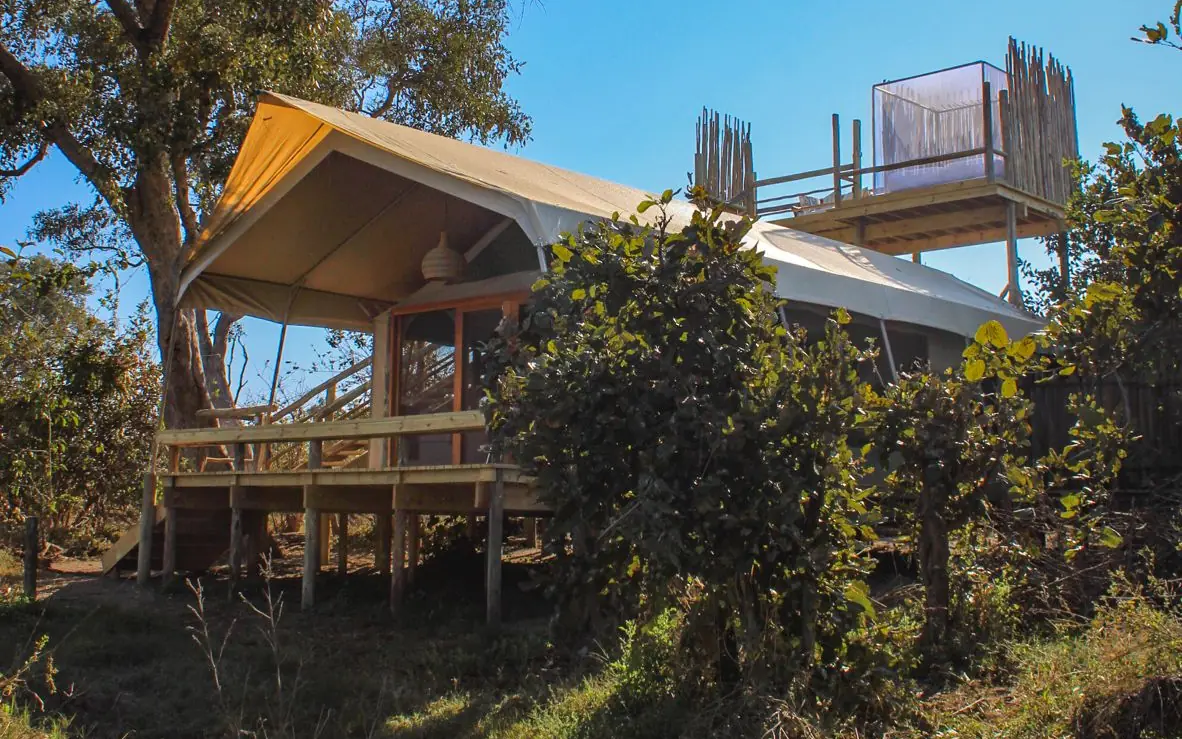
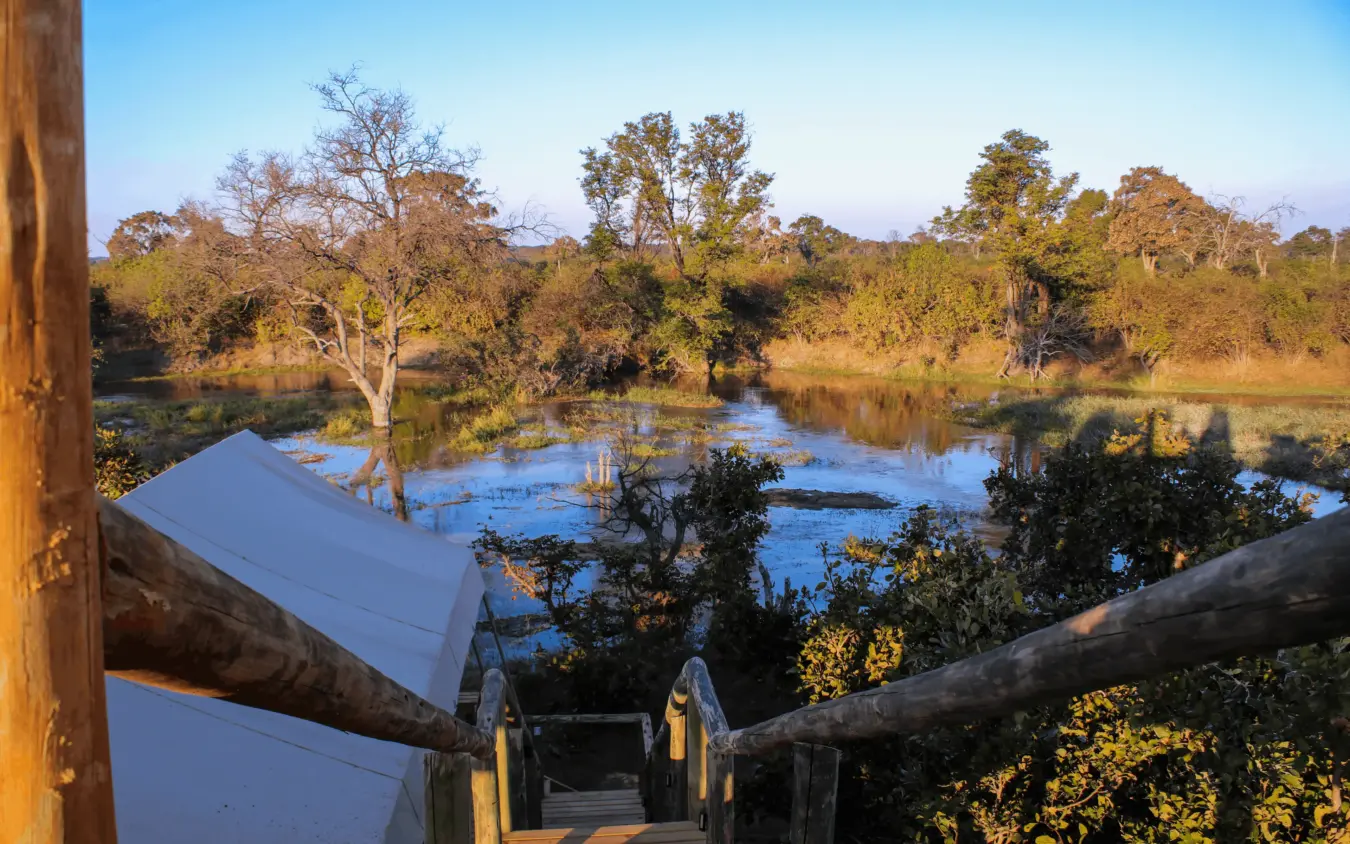
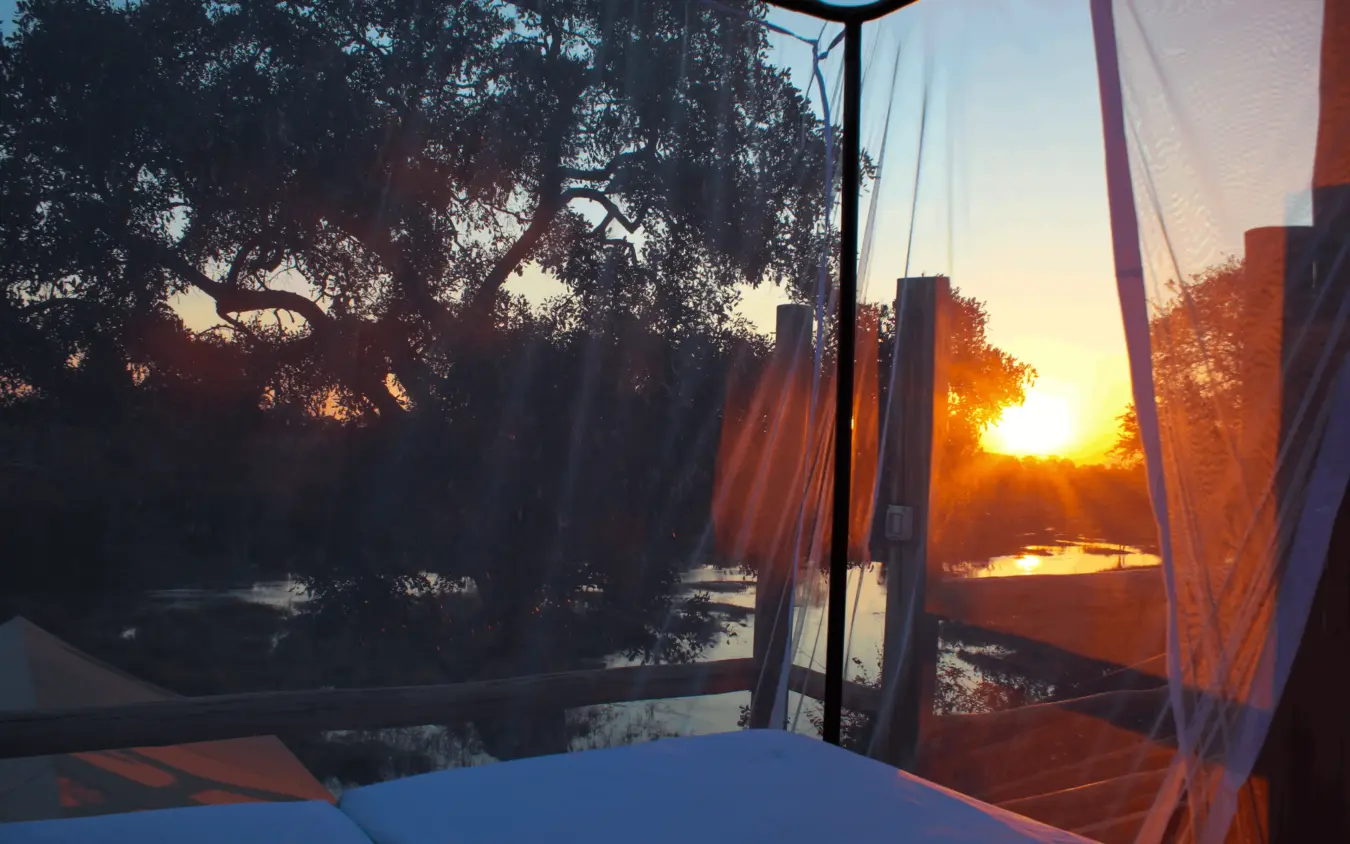
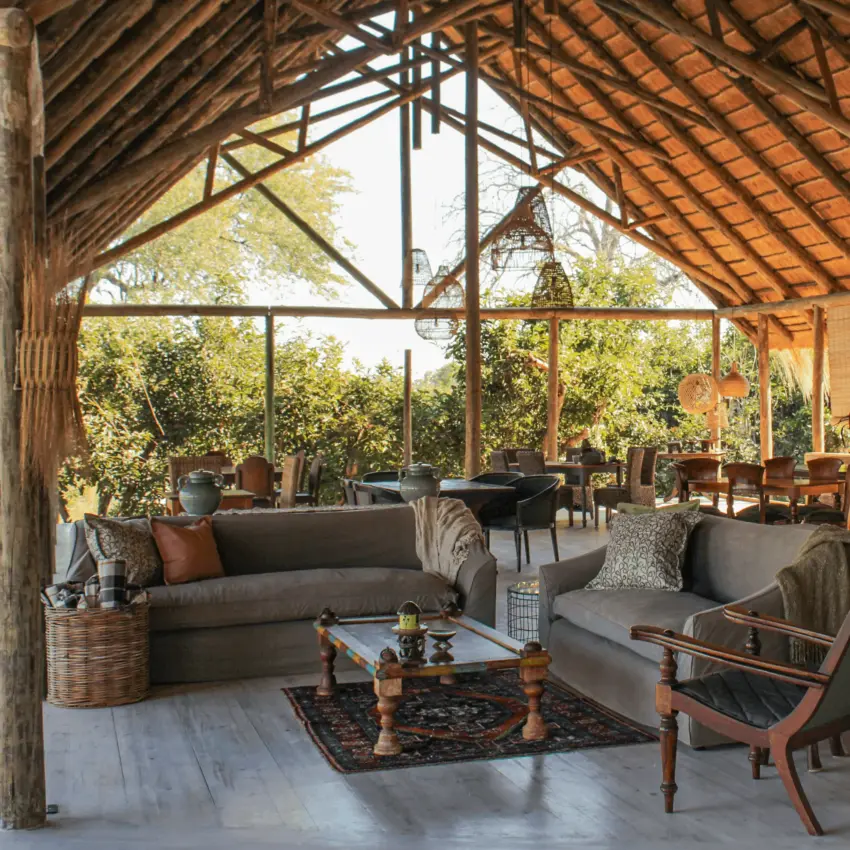
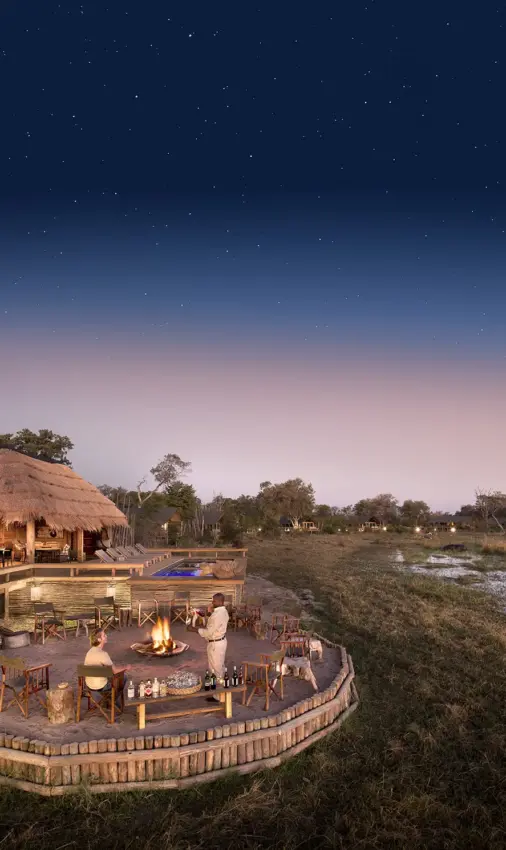
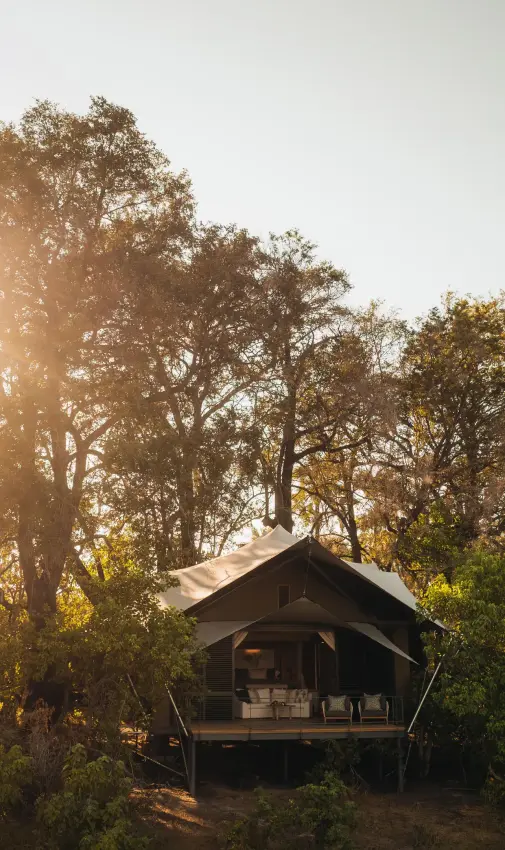
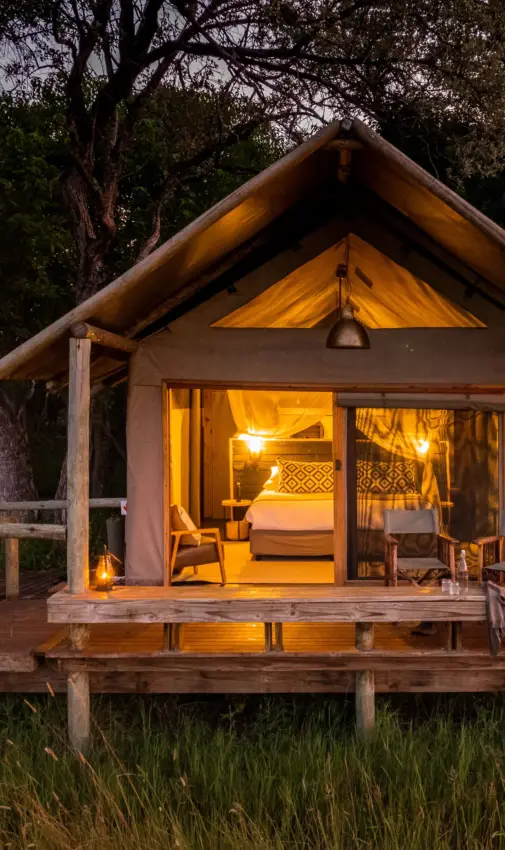
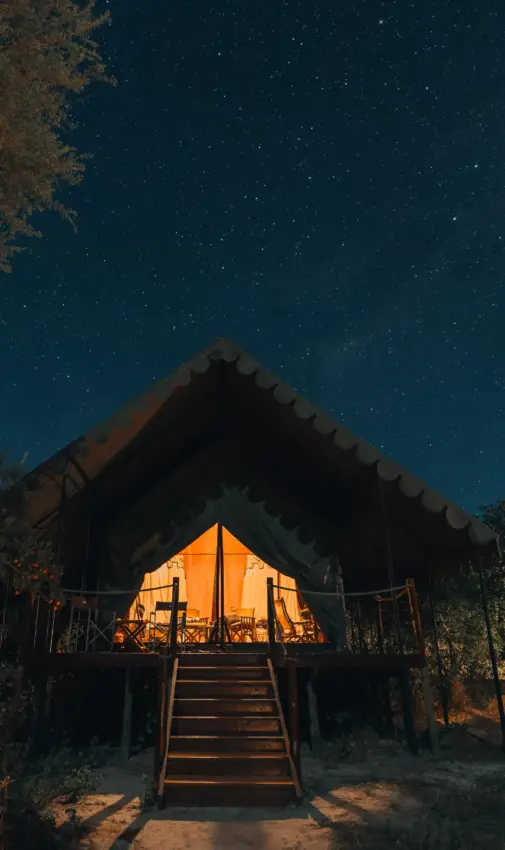
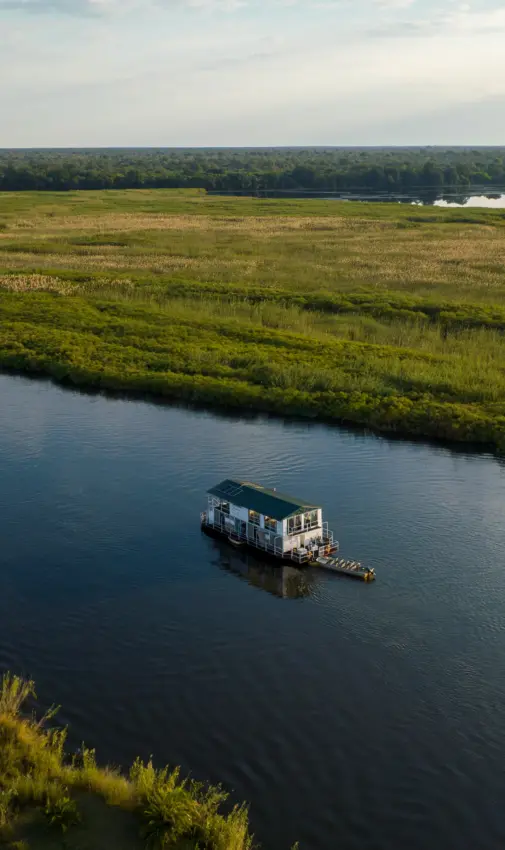
Two river channels meet at a bend in the Mababe region of northern Botswana, one of them the Khwai, and on the private land above that confluence stand eight canvas tents and a family suite. Each is raised on a timber platform. From every veranda an exterior staircase climbs to a private star deck, where a bed is made up under the open sky, a few steps from your own room and not out at some remote platform.

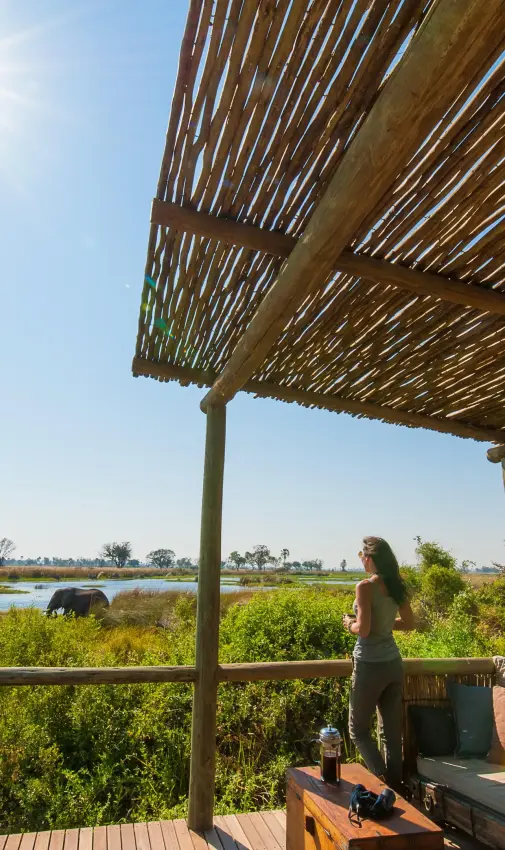
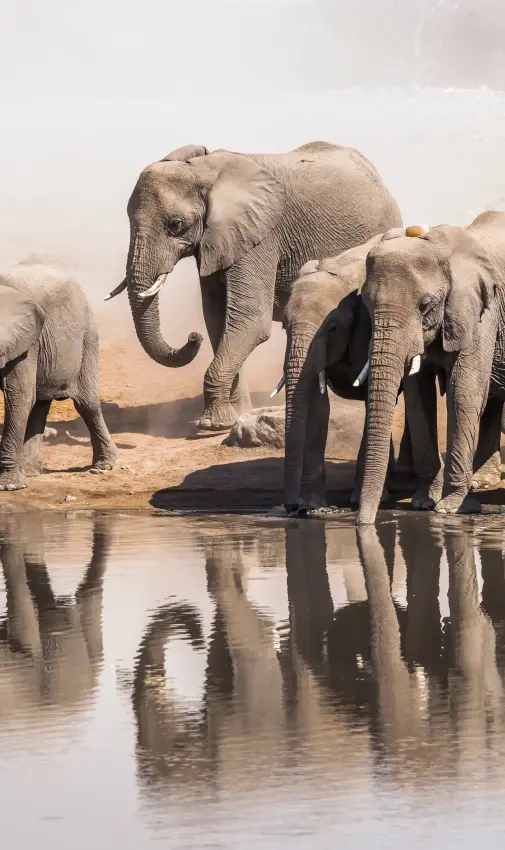
Elephant and buffalo pass close to camp through the winter months.

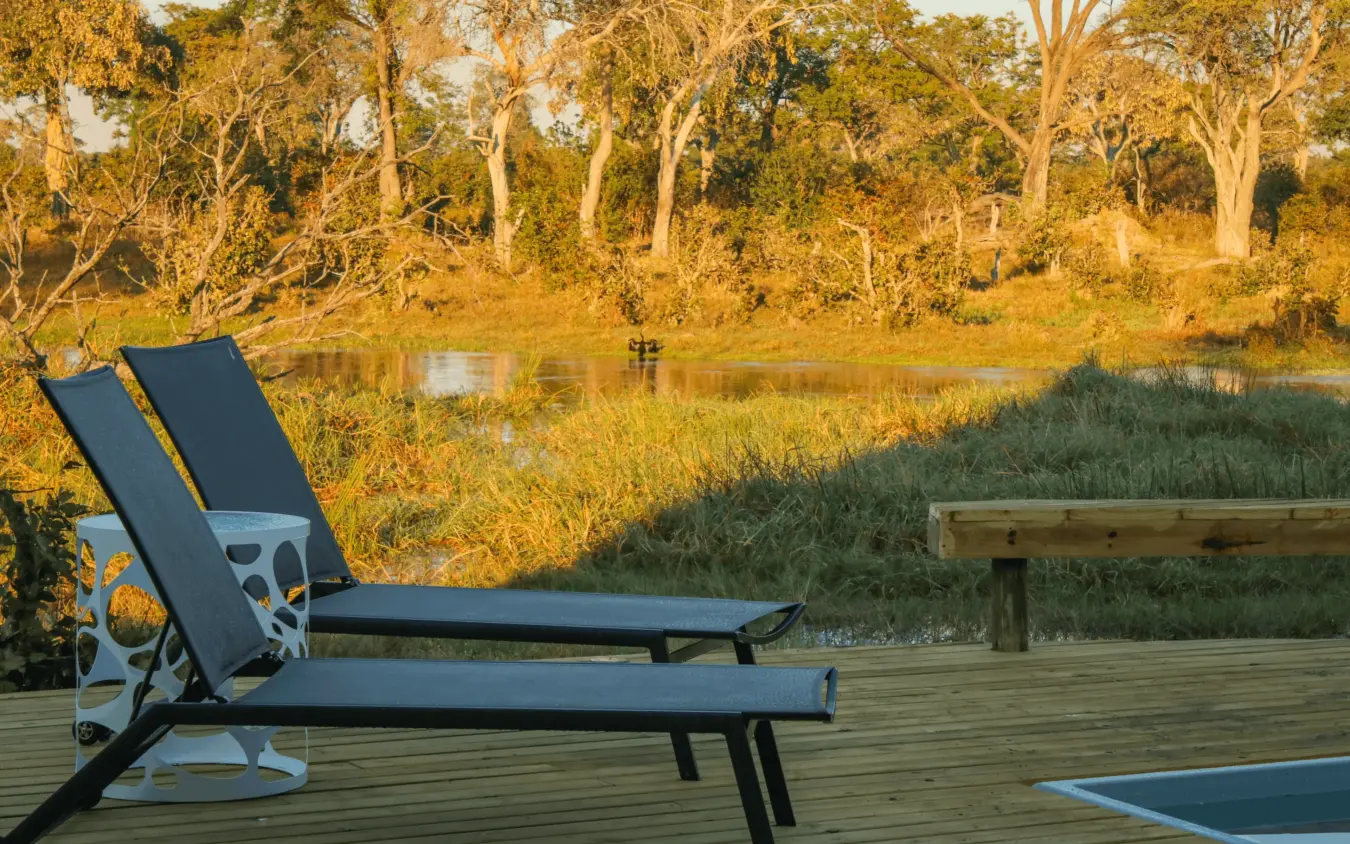
The two channels hold water when the wider Mababe country dries out. Elephant and buffalo pass close to camp through the winter months. The lions that follow the herds come with them. Mababe is a corridor between the Okavango Delta and Chobe National Park, and the confluence at the camp’s doorstep keeps it watered long after the surrounding grassland has turned to dust.

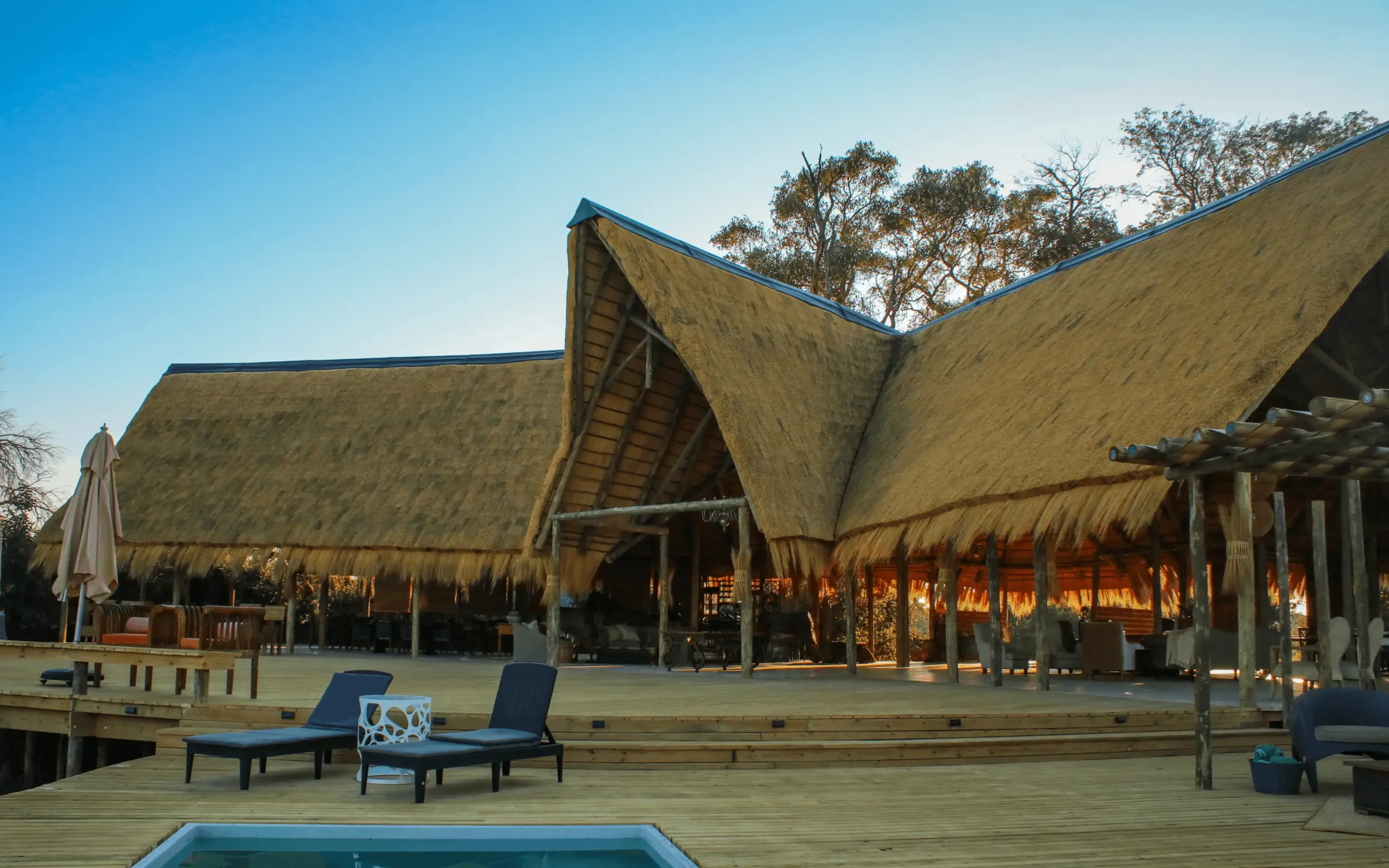
Tumani opened in 2026, an owner-run camp from the same team behind MmaTsebe Tented Camp at Khwai, 25 kilometres and about ninety minutes of dirt road away. Nothing about it carries a track record yet: no guest photographs passed between friends, no reputation arriving with expectations already set. What it offers is fresh canvas, fresh thatch and a team finding its own rhythm.

The pace is set by the tracks and the termite mounds

Game drives cross the private land and push south into Chobe National Park, where driving keeps to established tracks. Walking is offered here and not at Khwai, which works its water by mokoro instead. A guide takes small groups out on foot. The pace is set by the tracks and the termite mounds. Helicopter flights over the channels can be arranged.

01

accommodation

Nine Rooms on Wooden Platforms with Star Decks

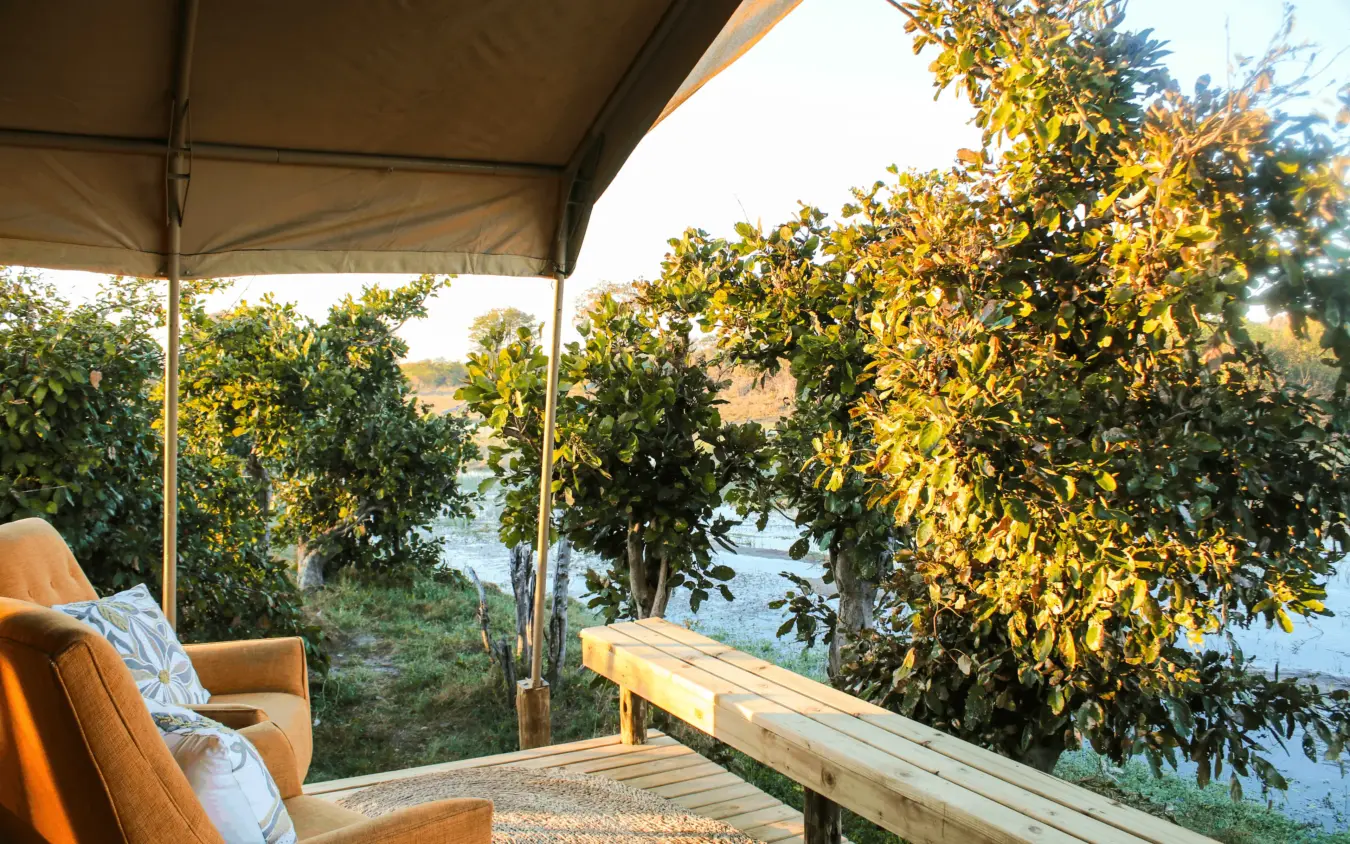
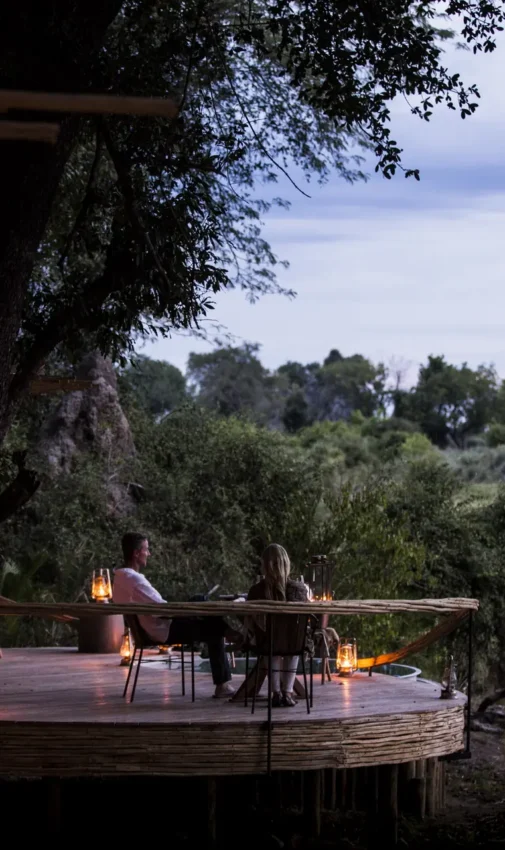
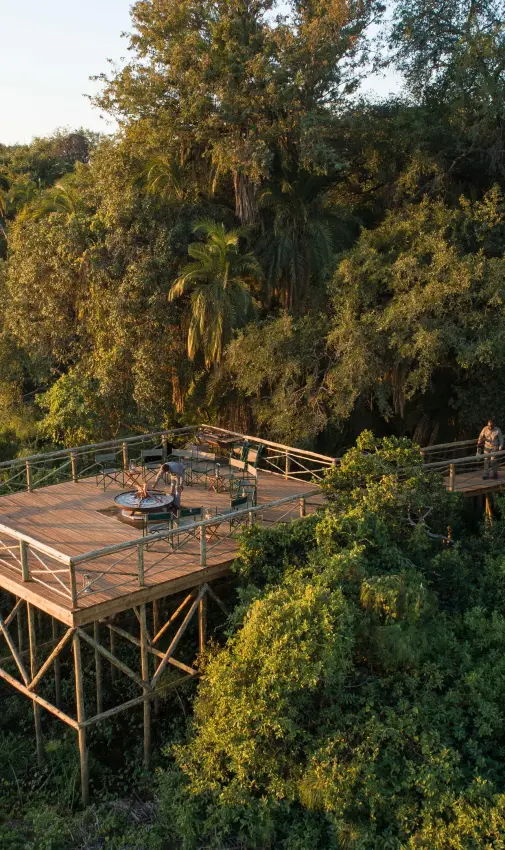
Eight canvas tents and a two-bedroom family suite, nine rooms in all, raised on wooden platforms with verandas facing the water. Interiors include netted beds, a ceiling fan, writing desk, double vanity, flush loo and hot shower. Steps from each veranda lead up to that tent's own star deck. Both bedrooms in the family suite are en suite.

02

activities

Game Drives, Walking Safaris and Helicopter Flights

Game drives cover the private land at Mababe and the southern reaches of Chobe National Park, where driving keeps to established tracks. Guided walking safaris are offered, a point of difference from the sister camp at Khwai, which centres on mokoro instead. Sleeping out on the private star deck above each tent is available nightly, best from April to October. Scenic helicopter flights over the Mababe channels can be arranged.

03

conservation

Elephant Corridor Between Chobe and Okavango Delta

Nine rooms and low vehicle density keep pressure light in a corridor that carries elephant between Chobe National Park and the Okavango Delta, a UNESCO World Heritage Site. The camp is owner-run rather than managed at a distance, pairing with its sister camp at Khwai so guests can cover Mababe, Chobe, Moremi and Khwai in a single trip. No specific conservation or community partnership for Tumani itself has been confirmed at the time of writing.

ready to get started?

Get in touch and let’s start the conversation. An initial consultation helps us understand what you’re looking for, whether that’s specific experiences, luxury touches, or marking a special occasion, and from there we’ll guide you through what’s possible so you can decide if we’re the right fit.

Alternative accommodation in the okavango delta

Illuminated safari lodge dining area under ancient trees at dusk, Duba Plains, The Okavango Delta, Botswana 01

Duba Plains

The Okavango Delta

Person tending campfire at sunset during outdoor gathering, Kweene Trails, The Okavango Delta, Botswana 02

Kweene Trails

The Okavango Delta

Illuminated safari lodge deck with fire pit at dusk, Khwai Leadwood, The Okavango Delta, Botswana 03

Khwai Leadwood

The Okavango Delta

04

Sable Alley

The Okavango Delta

Safari tent accommodation nestled among tall trees at golden hour, Chitabe Camp, The Okavango Delta, Botswana 05

Chitabe Camp

The Okavango Delta

Boat with dangling feet on waterway at sunset, Kwando Splash Camp, The Okavango Delta, Botswana 06

Kwando Splash Camp

The Okavango Delta

Wooden deck dining area beneath ancient tree overlooking savanna landscape at dusk, Mombo Camp, The Okavango Delta, Botswana 07

Mombo Camp

The Okavango Delta

08

MmaTsebe Tented Camp

The Okavango Delta

09

Shinde Footsteps

The Okavango Delta

Safari tent accommodation with warm interior lighting at dusk, Gomoti Plains, The Okavango Delta, Botswana 10

Gomoti Plains

The Okavango Delta

11

Duke’s Camp

The Okavango Delta

12

Okuti

The Okavango Delta

13

Okavango Spirit

The Okavango Delta

14

Duke’s East

The Okavango Delta

15

Elephant Pan

The Okavango Delta

Safari lodge with canvas tents beside water and trees, Duba Explorers Camp, The Okavango Delta, Botswana 16

Duba Explorers Camp

The Okavango Delta

17

Tuludi

The Okavango Delta

Guests on wooden deck overlooking savanna at sunset, Shinde, The Okavango Delta, Botswana 18

Shinde

The Okavango Delta

19

Mbamba

The Okavango Delta

Luxury safari tent bedroom with four-poster bed and canvas interior, Kanana, The Okavango Delta, Botswana 20

Kanana

The Okavango Delta

frequently asked questions

By light aircraft into the Khwai airstrip, which the camp refers to as KPR, and then a drive of two to two and a half hours with one of its guides. That road leg is the part people underestimate. It doubles as a first game drive rather than being dead time, but it does shape your arrival day. The camp can also be reached by road from Maun in about three hours, and there is an approved helicopter landing zone on the property itself, which removes the transfer altogether. Airstrip transfers are inside the rate; the flights are not, and we book them with everything else. The drive between Tumani and its sister camp at Khwai is about an hour and a half.

We can put you on a private charter rather than a scheduled seat, typically a Cessna Caravan or a Pilatus PC-12, which is worth weighing on this route because the transfer at the far end is long enough that landing time genuinely matters. Light aircraft take one soft bag of up to twenty kilograms per person including hand luggage, about seventy centimetres long, so hard cases have to stay in Maun. The camp publishes no minimum stay, but with that transfer at each end a single night is mostly road, and three nights is where Mababe and the southern reaches of Chobe both open up properly.

Yes, and the camp says so itself: its own fact sheet describes Mababe, like much of northern Botswana, as a malaria area, particularly through the rains from November to April. Both official sources agree. TravelHealthPro, the UK's official travel health service, classes the northern half of Botswana as high risk from October to May and lists antimalarial tablets among its recommendations for those months, dropping to low risk for the rest of the year with awareness and bite avoidance. The CDC names Chobe, including Chobe National Park, alongside the Ngamiland and Okavango districts, among the areas for which it recommends prescription medicine to prevent malaria. Low risk is not the same as no risk.

We do not make medical recommendations. That is a conversation between you and your own doctor or a travel clinic, who know your history and can weigh it properly. We are travel planners, not medical professionals, and we would rather say so than imply otherwise.

Six is the minimum age, accompanied by an adult. Children of eleven and under share an adult's tent at half the adult rate, on a roll-away bed with its own mosquito net, and only two of those beds exist in the whole camp, so a bigger family needs the family suite: two en suite rooms joined by a central lounge under one canvas, with its own star deck above. From twelve upwards a guest pays the full adult rate. Children of eleven and under cannot join the guided walks or the water excursions unless the camp specifically allows it.

The rule that changes the shape of a family trip is the vehicle. Any party travelling with a child between six and eleven has to take a private vehicle for the whole stay, charged per day, and we put that in the quote from the start so it never surfaces as a surprise later. It is not really a penalty: it means the morning runs to your children's attention span rather than a stranger's. Otherwise the drives are shared, in open Land Cruisers with a canvas roof, usually six guests and never more than seven plus the guide, and any party can book a private vehicle if they want one, provided we ask in advance.

There is one dedicated wifi lounge with a Starlink satellite link, and that is the only place it works. There is none in the tents. Roaming on mobile networks generally does not work anywhere in camp, so for most guests the phone becomes a camera and messages get answered once a day in the one spot that carries them.

Power and communications are otherwise well covered. The camp runs on solar with two generators as back-up, the tents have plug points and USB charging in the bed headboards, and extension leads are available on request for anyone travelling with a sleep apnoea machine. For emergencies every game vehicle carries a radio, the managers are trained in first aid, and a dedicated medical helicopter rescue service based in Maun covers this part of Botswana. If someone in your party has to be reachable at a fixed hour, tell us before you travel and we will check the arrangement with the camp rather than assume.

Every tent has its own, the family suite included, reached by the staircase off your veranda, with a proper bed under a mosquito net and a seating area for coffee at first light. There is nothing to book and nothing extra to pay. It is part of the room rather than an excursion, which is the real difference from a sleep-out platform somewhere out in the bush: your bathroom is at the bottom of the stairs and you can come back down at three in the morning if you would rather.

It is seasonal, though, and that is worth planning around. The star decks are made up from March to the end of October, and the camp rates April to October as the stretch that gets the most from them, because the summer rains close them. Nights in June, July and August are genuinely cold in northern Botswana, so the bedding is heavy and a warm layer is not optional. If sleeping out is the reason you are going, tell us and we will say plainly whether your dates work before anything is booked.

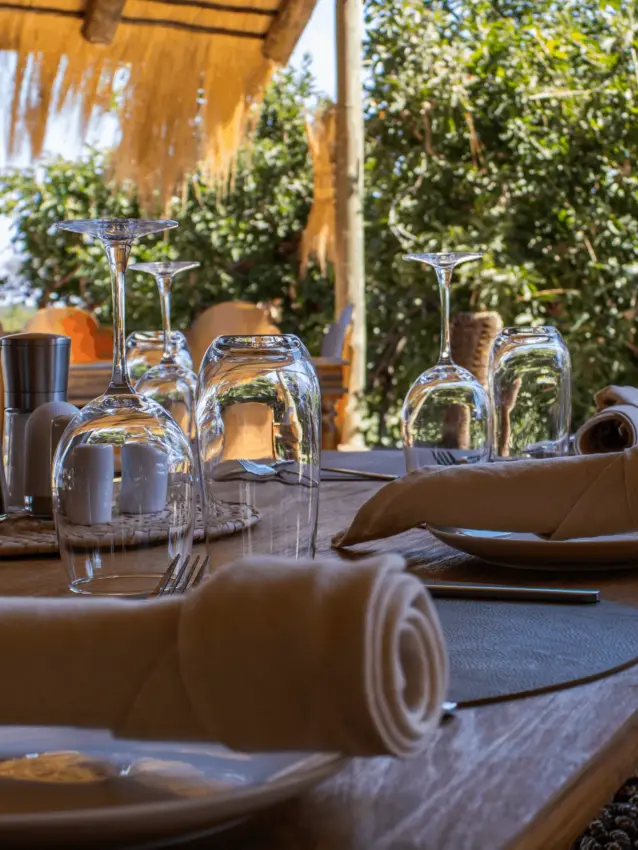
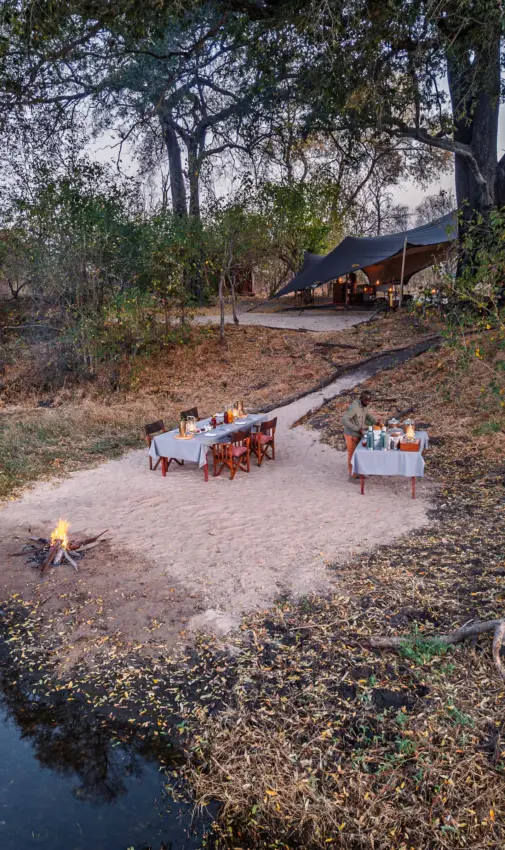
It is fully inclusive: the tent, all meals, laundry washed and ironed and back the next day, the camp's scheduled activities and the airstrip transfers. Activities means morning and afternoon game drives, usually leaving around half past six and half past four, across the private ground at Mababe and into the southern reaches of Chobe National Park, plus guided walks all year with a certified walking guide. The bar is included too, with wines chosen to sit with the menu, classic spirits, cocktails, and tea, coffee and soft drinks through the day. The camp does not run night drives, which is worth knowing if that is high on your list.

Outside the rate sit premium drinks, private vehicles, third party excursions such as the scenic helicopter flights over the channels, gratuities, and comprehensive travel insurance, which is a condition of booking and has to cover emergency medical evacuation. There is no card machine in camp, so tips need to be in cash and brought with you. We build everything except those tips into one quote before you commit.

rated five stars by our clients

other areas in botswana

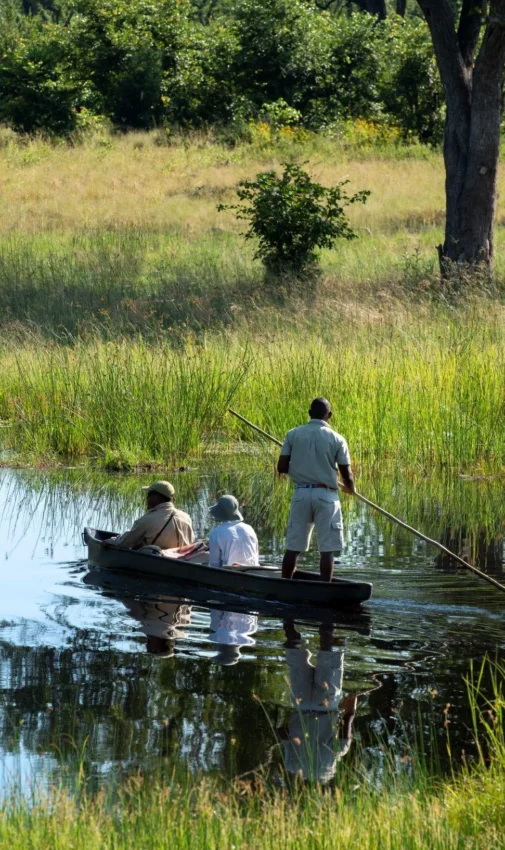
Guests poling traditional boat through wetland waterway, Linyanti Wildlife Reserve, Botswana 01

Linyanti Wildlife Reserve

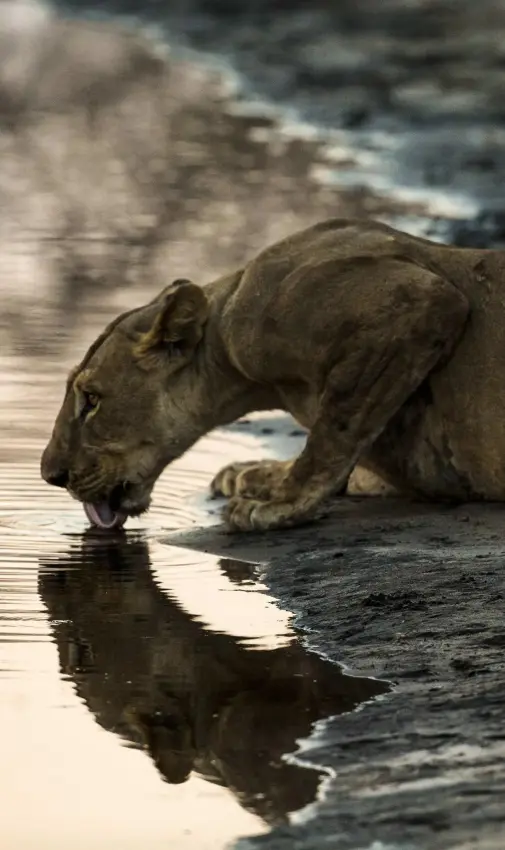
Lion drinking from water's edge at sunset, Selinda Reserve, Botswana 02

Selinda Reserve

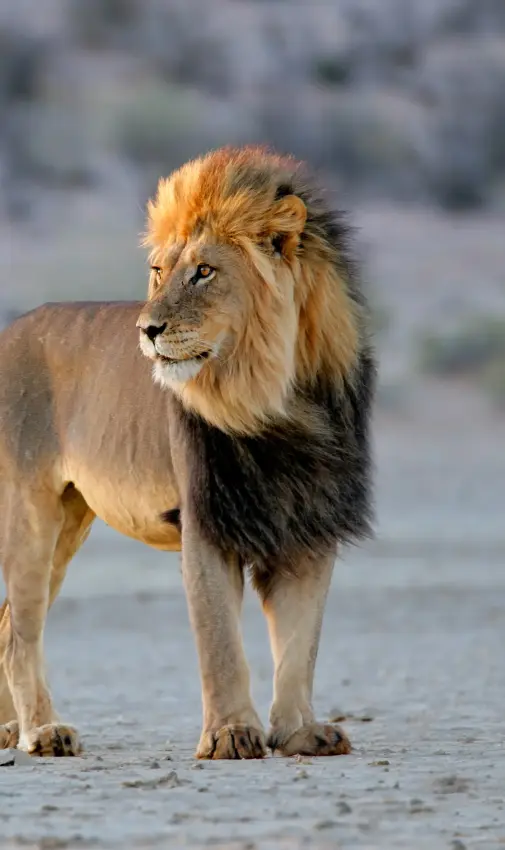
Male lion standing on sandy ground in natural habitat 03

Central Kalahari

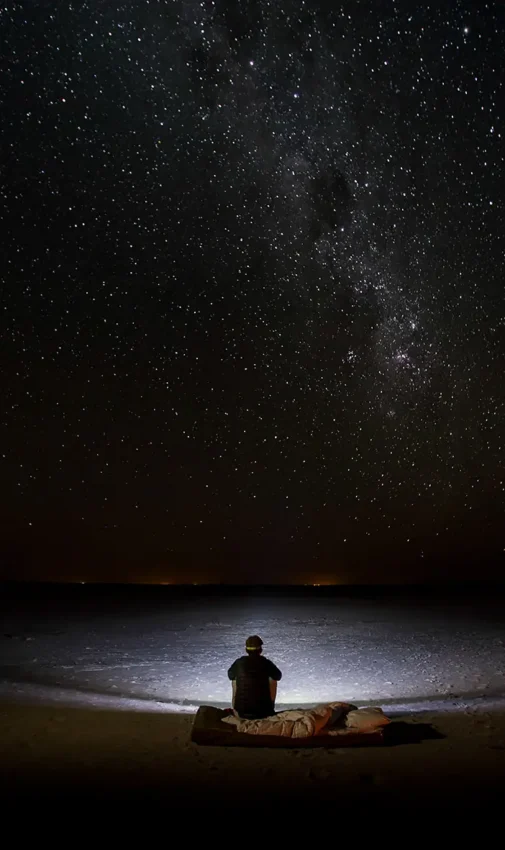
Person sitting alone under starry night sky, Makgadikgadi Pans, Botswana 04

Makgadikgadi Pans

Herd of elephants drinking at waterhole with reflections 05

Chobe

06

Maun

Planning a journey together

our approach

remote, exclusive
& personal

Every journey starts with a conversation. We take the time to understand your vision before we start planning.

Whether by phone or in person, we work with you directly to shape something that is considered, personal, and expertly delivered.

get in touch
destinations ideas & inspiration our process about us contact us