Camp

Kwetsani Camp

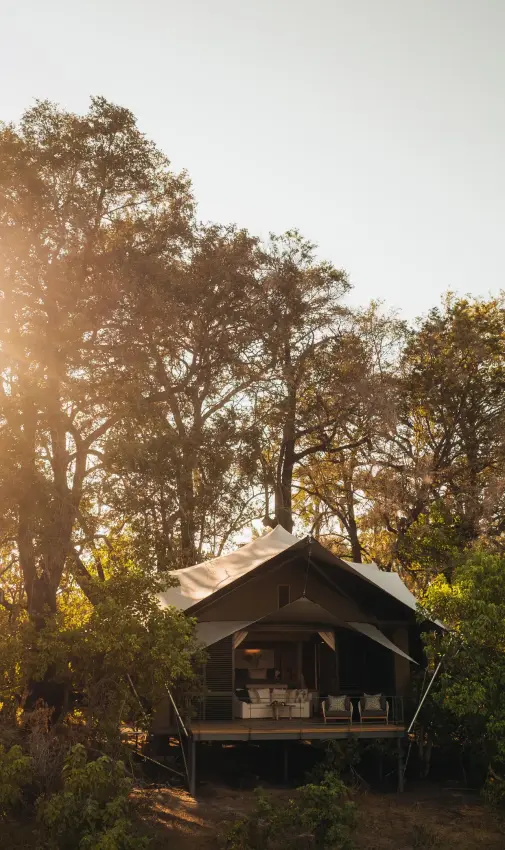
A treehouse camp on a palm island in the Okavango Delta, built by the Kays family in 1999 and rebuilt from the ground up in 2026.

Country: Botswana
Location: The Okavango Delta
Number of rooms: 6

A palm island where the flood decides

The Kays family have traded in Ngamiland for more than a century. In 1999 they built Kwetsani as one of the Jao Reserve’s first three camps, alongside Jao and Jacana. After 26 years, David and Cathy Kays rebuilt it from the ground up. It reopened on 1 June 2026, and now runs entirely on solar power.

Below the decks, red lechwe splash through the shallows.

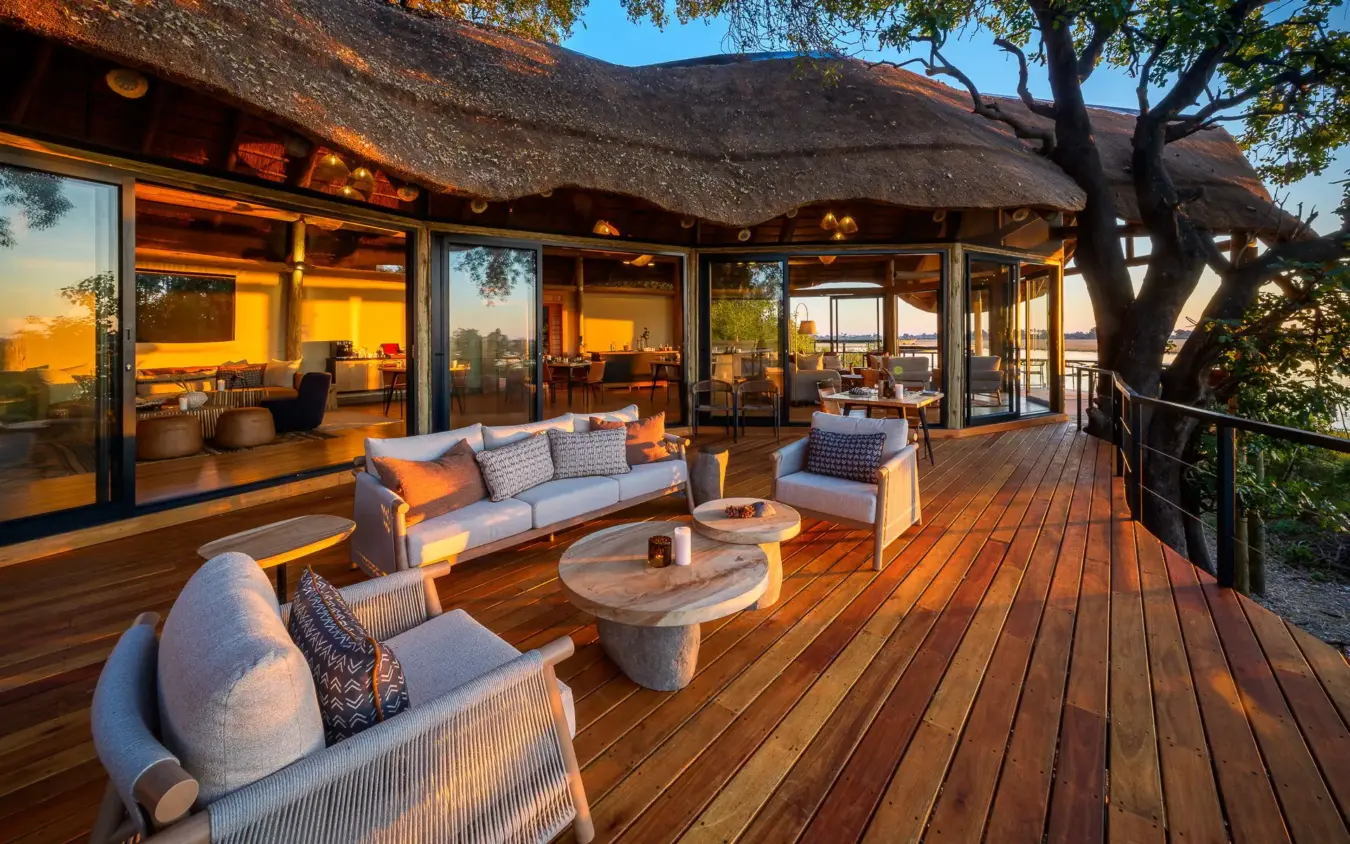
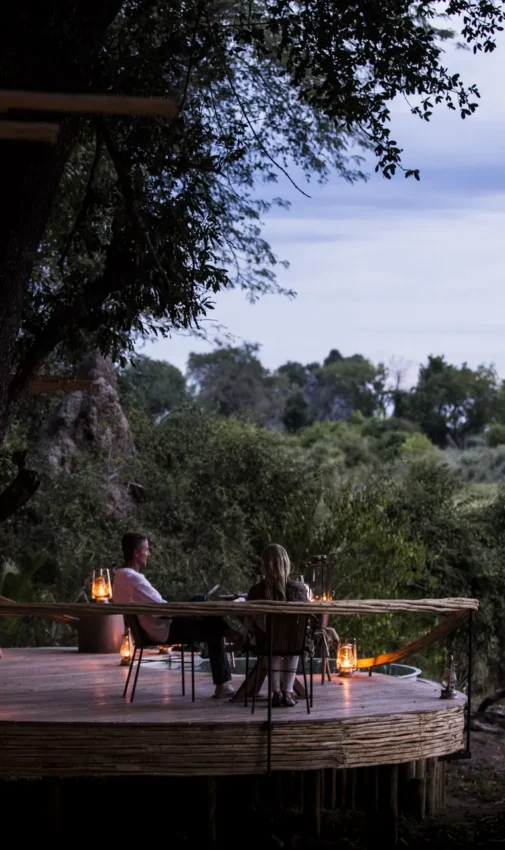
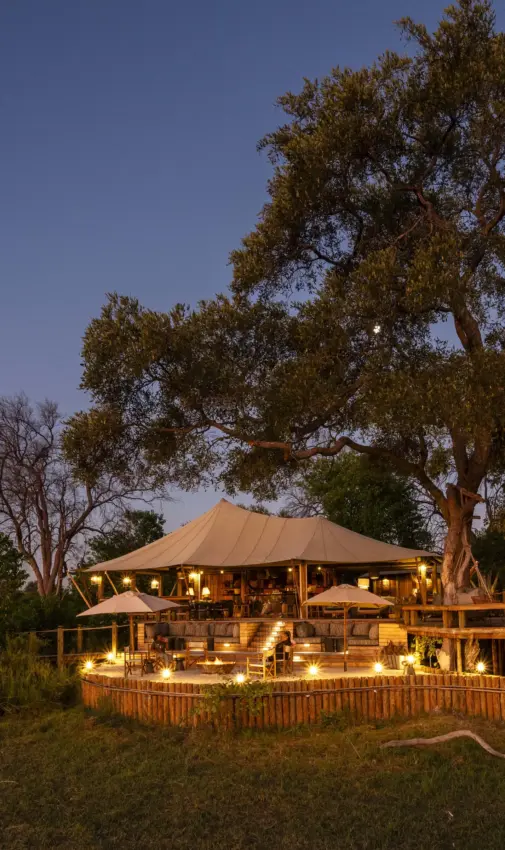
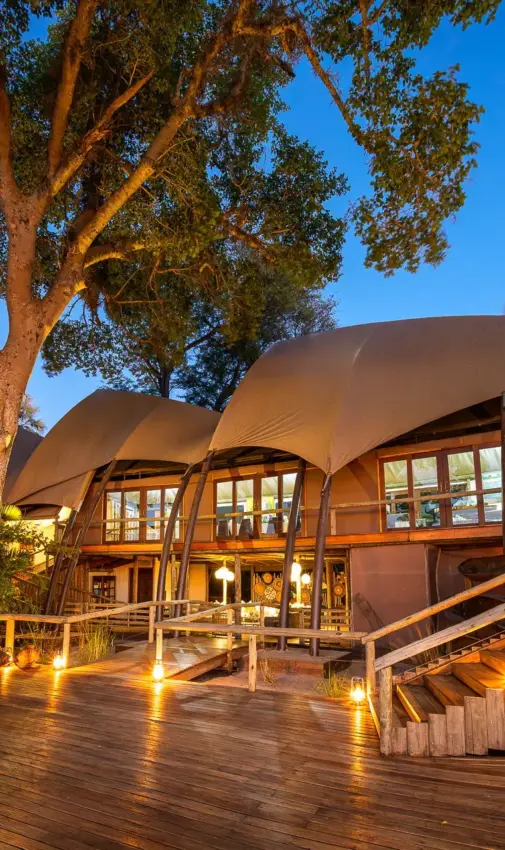
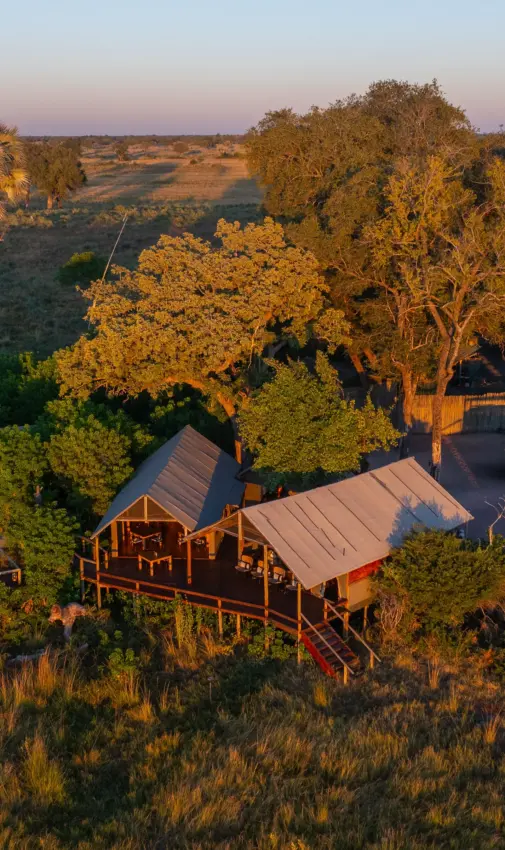
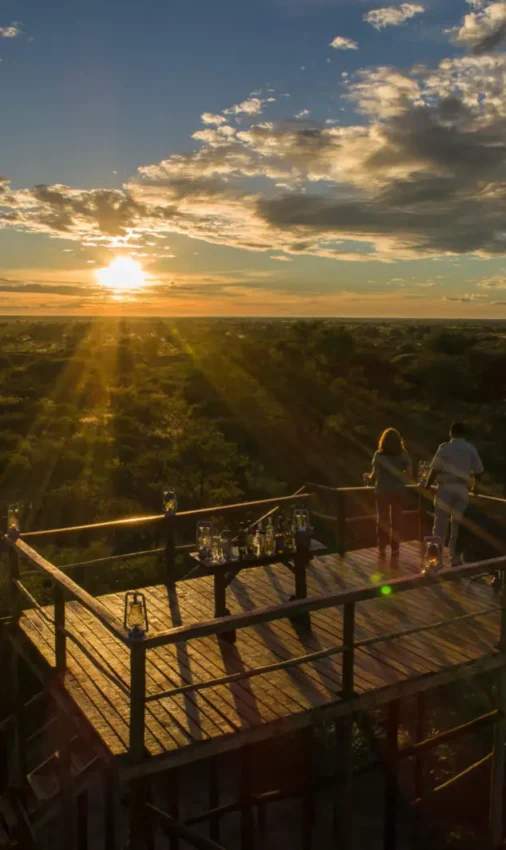
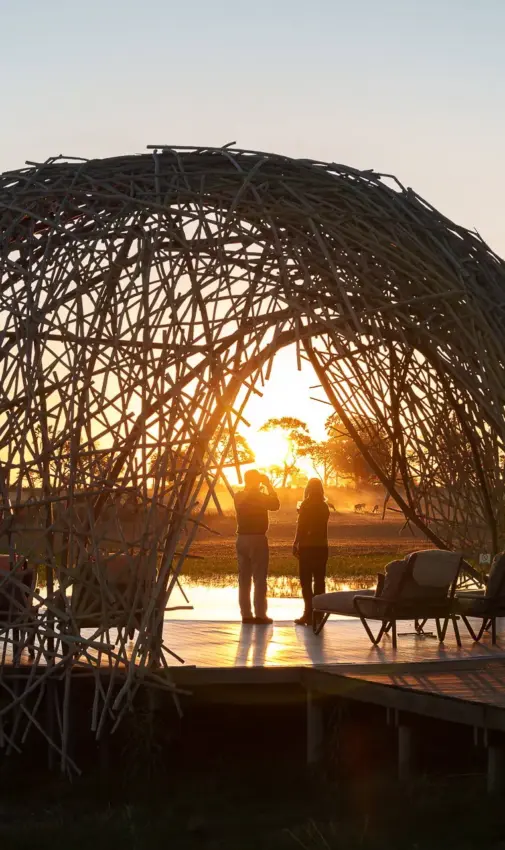
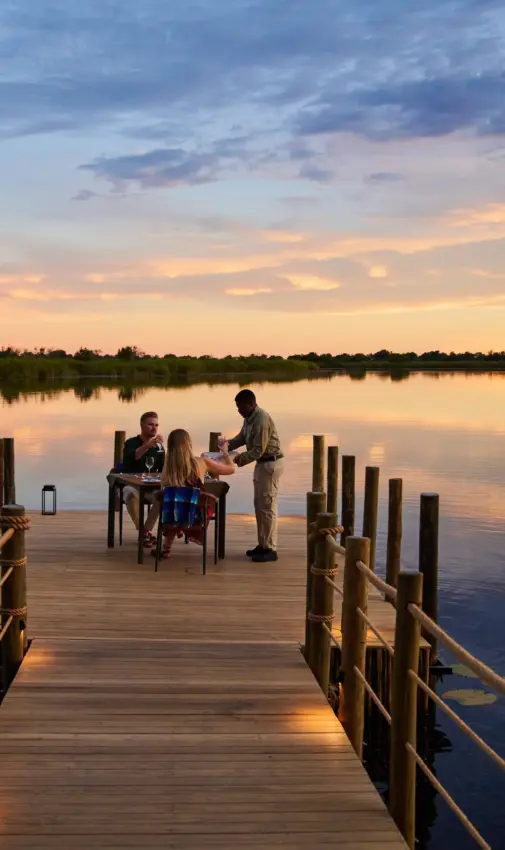
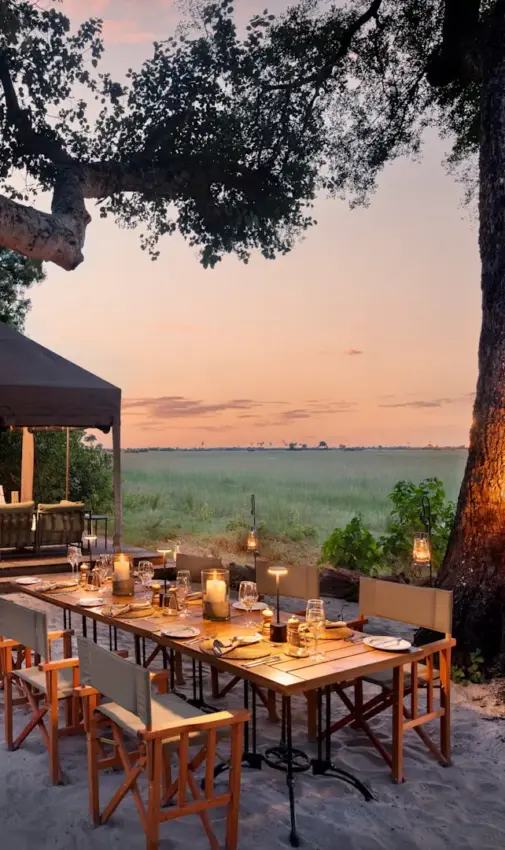
Kwetsani Camp is a line of raised suites strung along a narrow palm island in the Jao Reserve, in the north-western Okavango Delta. Walkways thread through fig and mangosteen beneath the palms, and the decks face the sunrise across the open floodplain. Below the decks, red lechwe splash through the shallows. Out here the flood decides whether a morning starts in a boat or a vehicle.

Kwetsani Camp, The Okavango Delta, Botswana

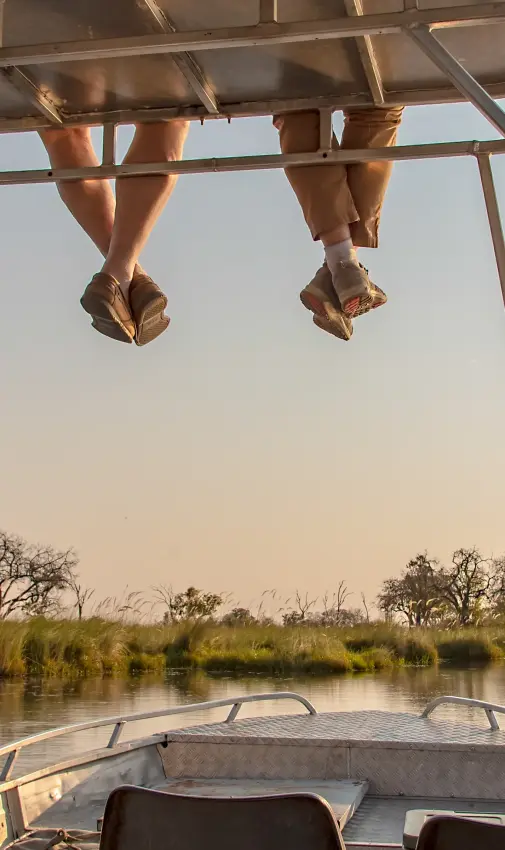
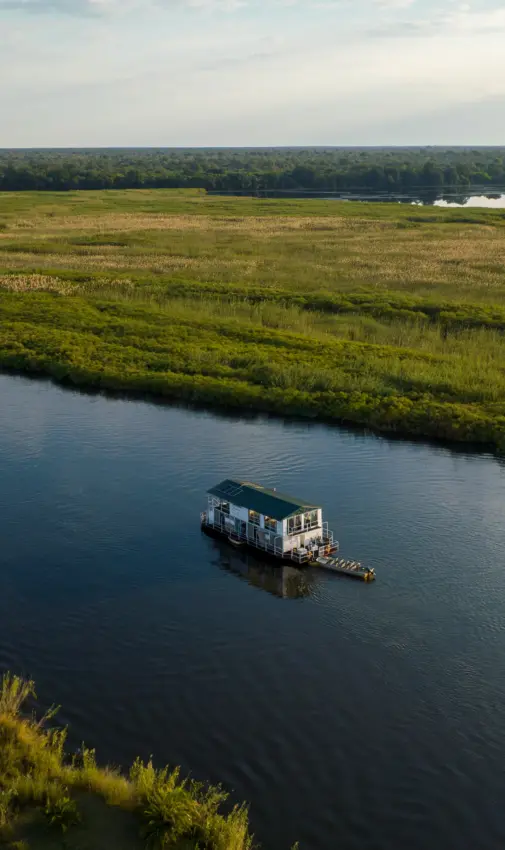
At high water the floodplain in front of camp fills, and the day moves onto the water. Mokoro slip through the shallows while hippos hold the deeper channels. Birdlife crowds the reed margins and the treeline. Even at peak flood the game drives carry on, as boats run guests out to Hunda Island, a broad stretch of dry ground.

Mokoro slip through the shallows while hippos hold the deeper channels.

As the water drops in the drier months, the camp becomes a vehicle base again and the open plains come back into play. Lions, elephants and leopards work them. With a private vehicle and guide, a sighting can run as long as it holds. Between drives the hours go to guided walks and birding, or to catch-and-release fishing in a sheltered lagoon.

Kwetsani Camp, The Okavango Delta, Botswana 01

accommodation

Five Raised Suites and Family Suite

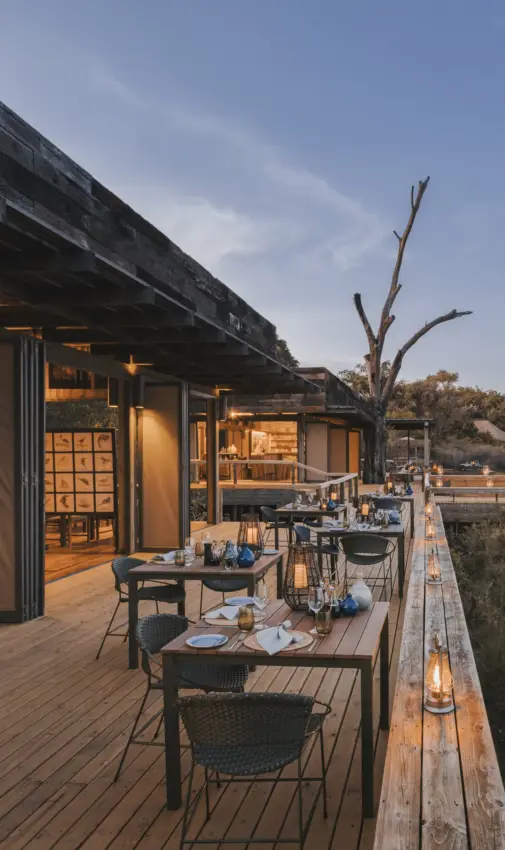
Kwetsani Camp has five raised suites and one family suite of two en-suite bedrooms, all built in canvas, timber and glass and linked by walkways. Each suite has a lounge, an en-suite bathroom with an outdoor shower and a private deck facing the floodplain. The camp also has a pool.

Kwetsani Camp, The Okavango Delta, Botswana 02

activities

Private Vehicles, Mokoro, and Hunda Island

Game drives run in open vehicles, with private vehicles and guides on offer, and at peak flood boats carry guests to Hunda Island for drives. When water levels allow there are mokoro trips and boat cruises. Catch-and-release fishing in a sheltered lagoon, guided walks, birding and scenic helicopter flights complete the list.

Kwetsani Camp, The Okavango Delta, Botswana 03

conservation

Solar Power and a Neighbouring Village

The rebuilt camp runs fully on solar power, and it supports the neighbouring Jao village with food parcels, clothing and help for the elderly. The Kays family run the reserve and hold the concession lease. Across the reserve's 60,000 hectares, which border Moremi Game Reserve, the family count the wildlife from the air each year.

ready to get started?

Get in touch and let’s start the conversation. An initial consultation helps us understand what you’re looking for, whether that’s specific experiences, luxury touches, or marking a special occasion, and from there we’ll guide you through what’s possible so you can decide if we’re the right fit.

Alternative accommodation in the okavango delta

The Okavango Delta offers a broad range of accommodation, most reached only by light aircraft. Small luxury tented camps predominate, some built as water camps where access and activities run primarily by boat and mokoro, others as land camps focused on game drives, and many combining both. More permanent thatched and timber lodges offer pools and expansive decks while keeping an intimate scale. Private exclusive-use houses suit families and groups wanting their own guide and vehicle. Mobile tented camps move between seasonal prime areas, and houseboats operate in the Panhandle.

Illuminated safari lodge dining area under ancient trees at dusk, Duba Plains, The Okavango Delta, Botswana 01

Duba Plains

The Okavango Delta

Person tending campfire at sunset during outdoor gathering, Kweene Trails, The Okavango Delta, Botswana 02

Kweene Trails

The Okavango Delta

Thatched lodge with circular fire pit at dusk, Sable Alley, The Okavango Delta, Botswana 03

Sable Alley

The Okavango Delta

Illuminated safari lodge deck with fire pit at dusk, Khwai Leadwood, The Okavango Delta, Botswana 04

Khwai Leadwood

The Okavango Delta

Safari tent accommodation nestled among tall trees at golden hour, Chitabe Camp, The Okavango Delta, Botswana 05

Chitabe Camp

The Okavango Delta

Wooden deck dining area beneath ancient tree overlooking savanna landscape at dusk, Mombo Camp, The Okavango Delta, Botswana 06

Mombo Camp

The Okavango Delta

Boat with dangling feet on waterway at sunset, Kwando Splash Camp, The Okavango Delta, Botswana 07

Kwando Splash Camp

The Okavango Delta

Lodge deck dining tables beside grassland and a waterhole at dusk, Vumbura Plains, The Okavango Delta, Botswana 08

Vumbura Plains

The Okavango Delta

Illuminated safari lodge with thatched roof beside water pond at dusk, Shinde Footsteps, The Okavango Delta, Botswana 09

Shinde Footsteps

The Okavango Delta

Illuminated safari lodge tent under ancient trees at dusk, Tuludi, The Okavango Delta, Botswana 10

Tuludi

The Okavango Delta

Wooden deck and tented lodge lit at dusk beneath a large tree, Jacana Camp, The Okavango Delta, Botswana 11

Jacana Camp

The Okavango Delta

Riverside lodge buildings nestled among green vegetation and trees 12

Xigera Lodge

The Okavango Delta

Elevated wooden lodge with red walls among trees overlooking savanna landscape at sunset, Mokolwane, The Okavango Delta, Botswana 13

Mokolwane

The Okavango Delta

Houseboat anchored in waterway bordered by marsh grassland and forest, Okavango Spirit, The Okavango Delta, Botswana 14

Okavango Spirit

The Okavango Delta

Guests on wooden deck overlooking savanna at sunset, Shinde, The Okavango Delta, Botswana 15

Shinde

The Okavango Delta

Jao Camp, The Okavango Delta, Botswana 16

Jao Camp

The Okavango Delta

Xugana Island Lodge, The Okavango Delta, Botswana 17

Xugana Island Lodge

The Okavango Delta

Nxabega Under Canvas, The Okavango Delta, Botswana 18

Nxabega Under Canvas

The Okavango Delta

Thatched lodge with central fire pit and dining area at dusk, Elephant Pan, The Okavango Delta, Botswana 19

Elephant Pan

The Okavango Delta

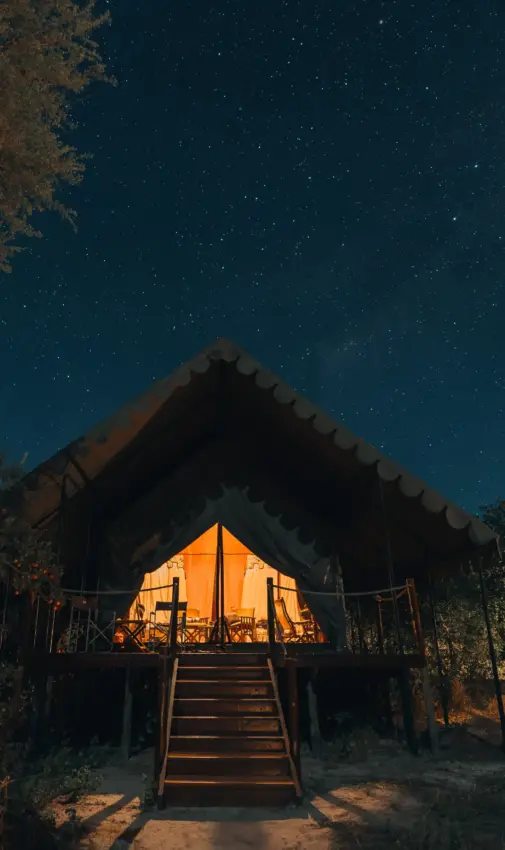
Illuminated safari tent under starry night sky with wooden stairs, Mbamba, The Okavango Delta, Botswana 20

Mbamba

The Okavango Delta

frequently asked questions

By light aircraft from Maun to the Jao airstrip in the north-west of the Okavango Delta, then the last stretch to camp by road through the reserve or, when the floods are high, by boat across the floodplain. Small aircraft also link the Delta's camps with one another, so Kwetsani can follow another Delta camp directly instead of a return to Maun.

For your own timetable, we can book a private charter from Maun straight into the Jao airstrip: a Cessna Grand Caravan EX takes up to eleven passengers, and a GA-8 Airvan of five seats suits a couple or a small family. Bring soft bags rather than hard cases, kept to twenty kilograms a person with hand luggage counted in.

Yes. Kwetsani sits in the Okavango Delta, which TravelHealthPro, the UK's official travel health service, places in the high-risk zone for malaria from October to May, when it recommends antimalarial tablets, and in the low-risk zone for the rest of the year. Low risk is not no risk. The American CDC includes the Okavango and Ngamiland districts among the areas where it advises medicine to prevent malaria.

We plan travel and are not medical professionals, so we make no recommendation on tablets; that choice is yours to make with your own doctor or a travel clinic. What helps in camp is simple: long sleeves and trousers from late afternoon, and repellent on exposed skin after dark.

Plenty, because the camp works on water as well as on land, and the balance shifts with the flood. When the channels are full there are mokoro trips in traditional poled canoes, motorboat outings and catch-and-release fishing in a sheltered lagoon. At peak flood, boats carry guests across to Hunda Island, the largest stretch of dry ground in the reserve, for game drives there.

Guided walks go out on foot with a guide, never alone, and the birding along the waterways is a reason to come in itself. A scenic helicopter flight shows the pattern of channels and islands from above, and a mobile spa can come to camp at extra cost. We check the water levels for your dates before promising any boat or mokoro trip.

Kwetsani is run by the Kays family, a Maun family who hold the lease on the Jao Reserve, a private concession in the north-western Okavango Delta on the western edge of Moremi Game Reserve. They built Kwetsani in 1999 as one of the reserve's first three camps, and the original treehouse-style camp stood for twenty-six years.

David and Cathy Kays then rebuilt it from the ground up, and it reopened on 1 June 2026, with interiors by their daughter Tiffany Riley and the whole camp running on solar power. The reserve is shared only with the family's other camps, Jao, Jacana, Tubu Tree, Little Tubu and Pelo, so the floodplains around Kwetsani are not shared with outside vehicles.

Yes. Besides the five suites, Kwetsani has a family suite with two en-suite bedrooms, so parents and children sleep under one roof. Private guides and private game drives can be arranged, and for a family with younger children we would build one into the stay, because the day then runs at the children's pace rather than a shared vehicle's.

The suites stand raised on wooden walkways above the floodplain and there is a swimming pool, so small children need a watchful adult nearby. Water trips depend on the flood and on each child's age, so tell us the ages when you enquire and we will agree with the camp which activities suit each of them.

June to October, the dry season, when the game gathers on the permanent water and thinner bush makes predators easier to find. July to September are the standout months, with cold dawns that call for warm layers in an open vehicle, and October is the hottest month. April, May and November are good months either side. At Kwetsani the dry winter is also when the flood fills the channels, so mokoro and boat trips are at their best.

December to March is the green season, wetter and quieter, with the game more spread out. It has its own rewards: the summer migrant birds are in, young antelope are on the ground, and storm light over green floodplains suits photographers, with fewer vehicles about.

Month by month: the best time to visit the Okavango Delta

rated five stars by our clients

other areas in botswana

The Okavango pairs naturally with the Linyanti and Kwando river systems to the northeast, known for large elephant herds and strong predator populations, and with the adjacent Selinda Reserve along its seasonal spillway. The Central Kalahari Game Reserve and the Makgadikgadi Pans offer a stark desert contrast, with black-maned lions, seasonal zebra movements and habituated meerkats. Chobe National Park, reached via Kasane, adds boat-based viewing along an elephant-rich river. Short light-aircraft sectors connect them all into one itinerary.

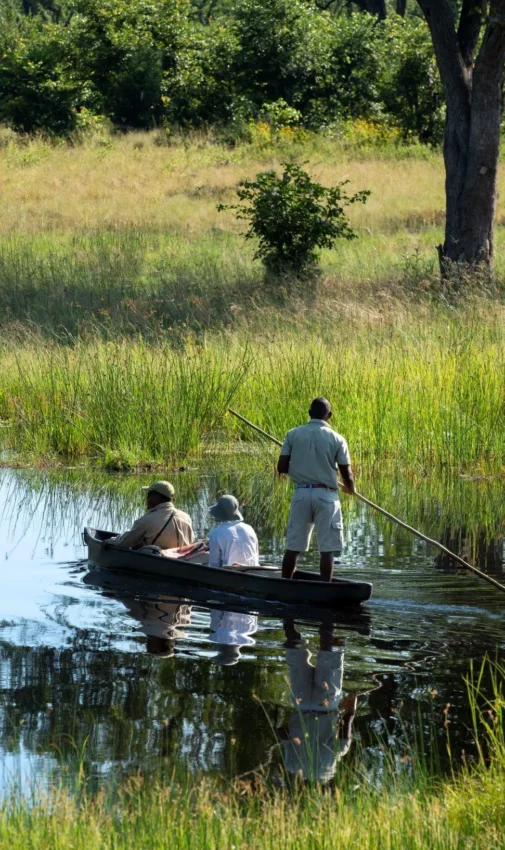
Guests poling traditional boat through wetland waterway, Linyanti Wildlife Reserve, Botswana 01

Linyanti Wildlife Reserve

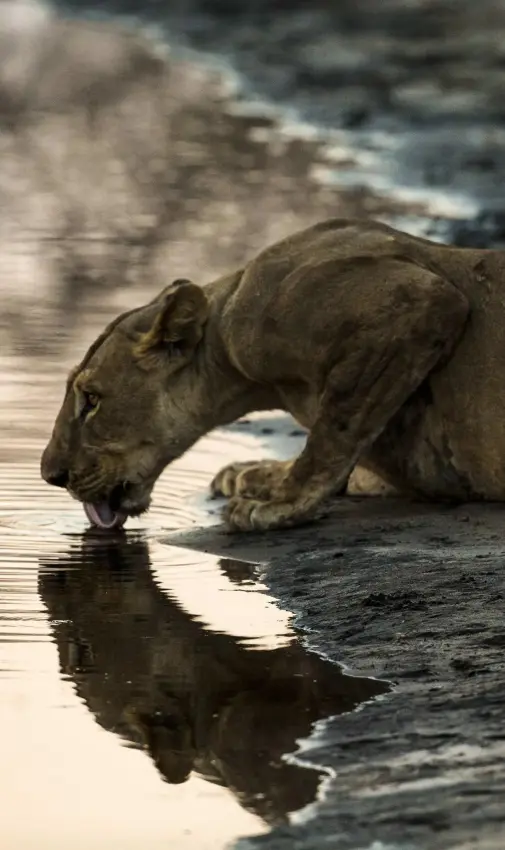
Lion drinking from water's edge at sunset, Selinda Reserve, Botswana 02

Selinda Reserve

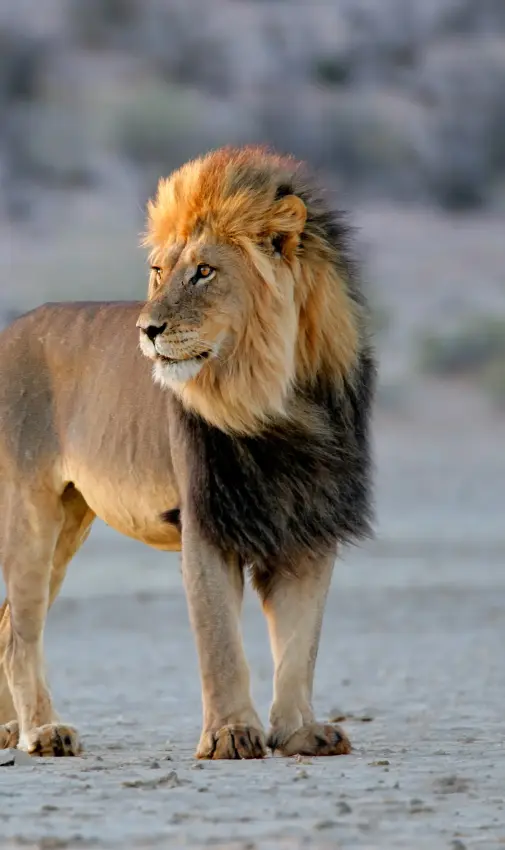
Male lion standing on sandy ground in natural habitat 03

Central Kalahari

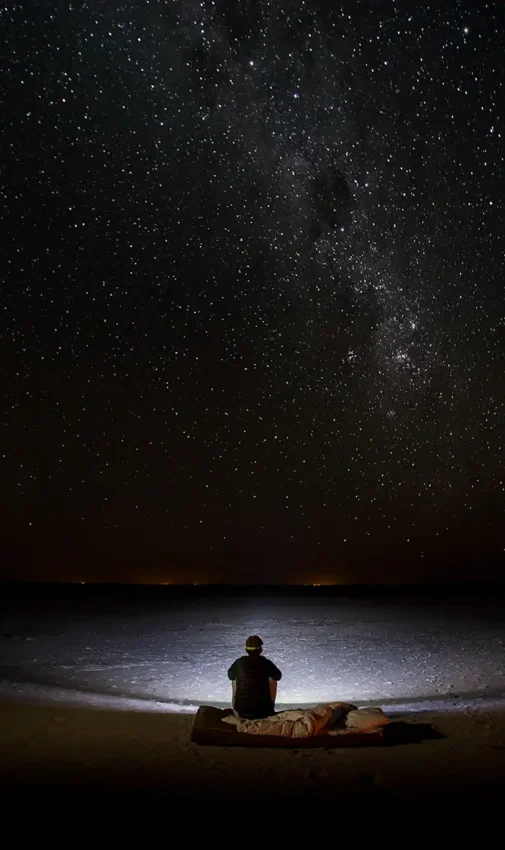
Person sitting alone under starry night sky, Makgadikgadi Pans, Botswana 04

Makgadikgadi Pans

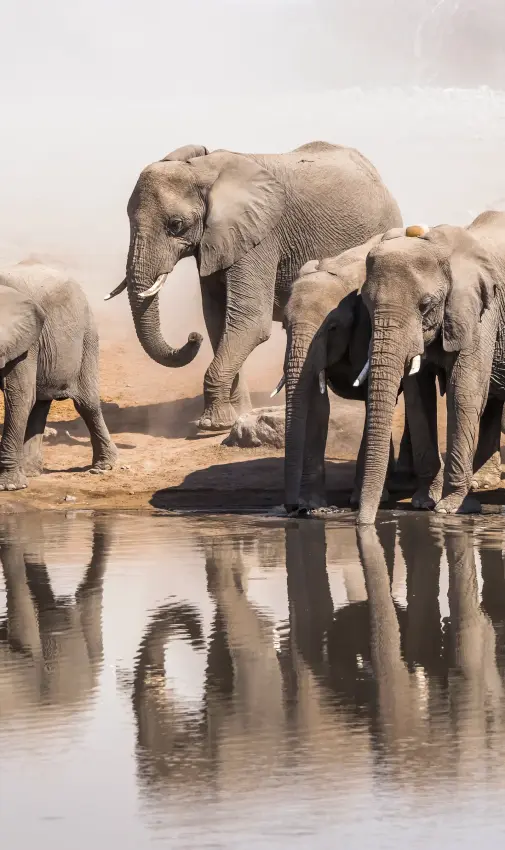
Herd of elephants drinking at waterhole with reflections 05

Chobe

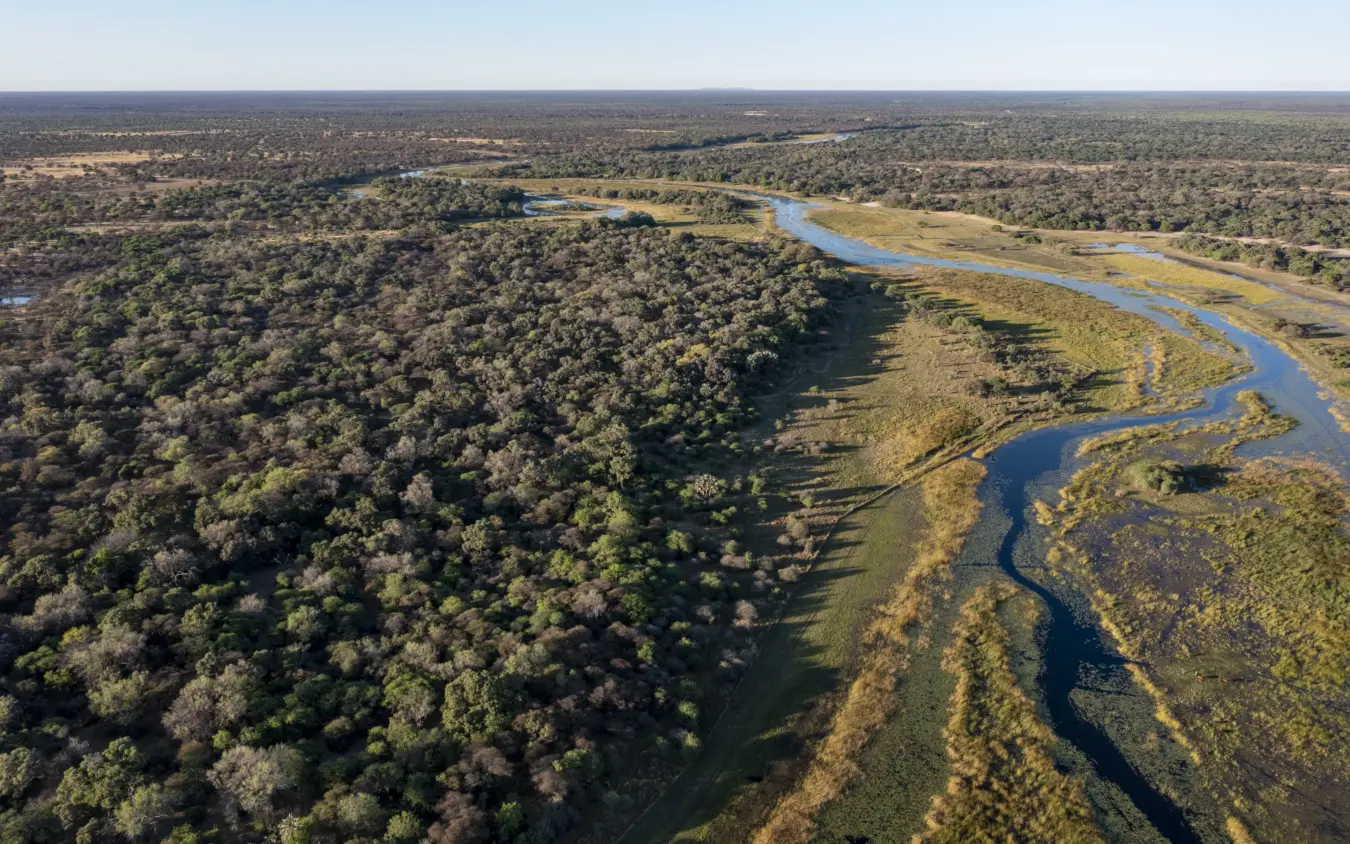
Aerial view of winding river through dense woodland and wetland savanna, Thamo Telele, Maun, Botswana 06

Maun

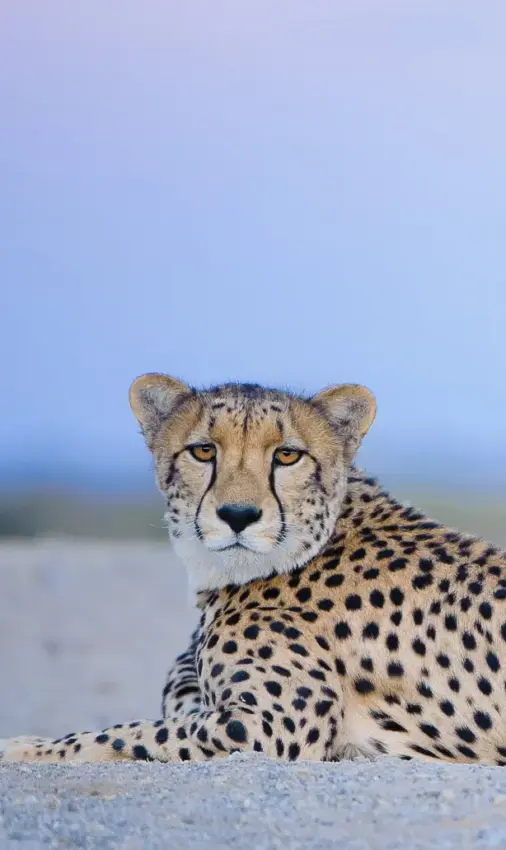
Cheetah lying on gravel ground with blue dusk sky behind, Tuli Block, Botswana 07

Tuli Block

Planning a journey together

our approach

remote, exclusive
& personal

Every journey starts with a conversation. We take the time to understand your vision before we start planning.

Whether by phone or in person, we work with you directly to shape something that is considered, personal, and expertly delivered.

get in touch
destinations ideas & inspiration our process about us contact us