 01
01
A flood that arrives in dry winter
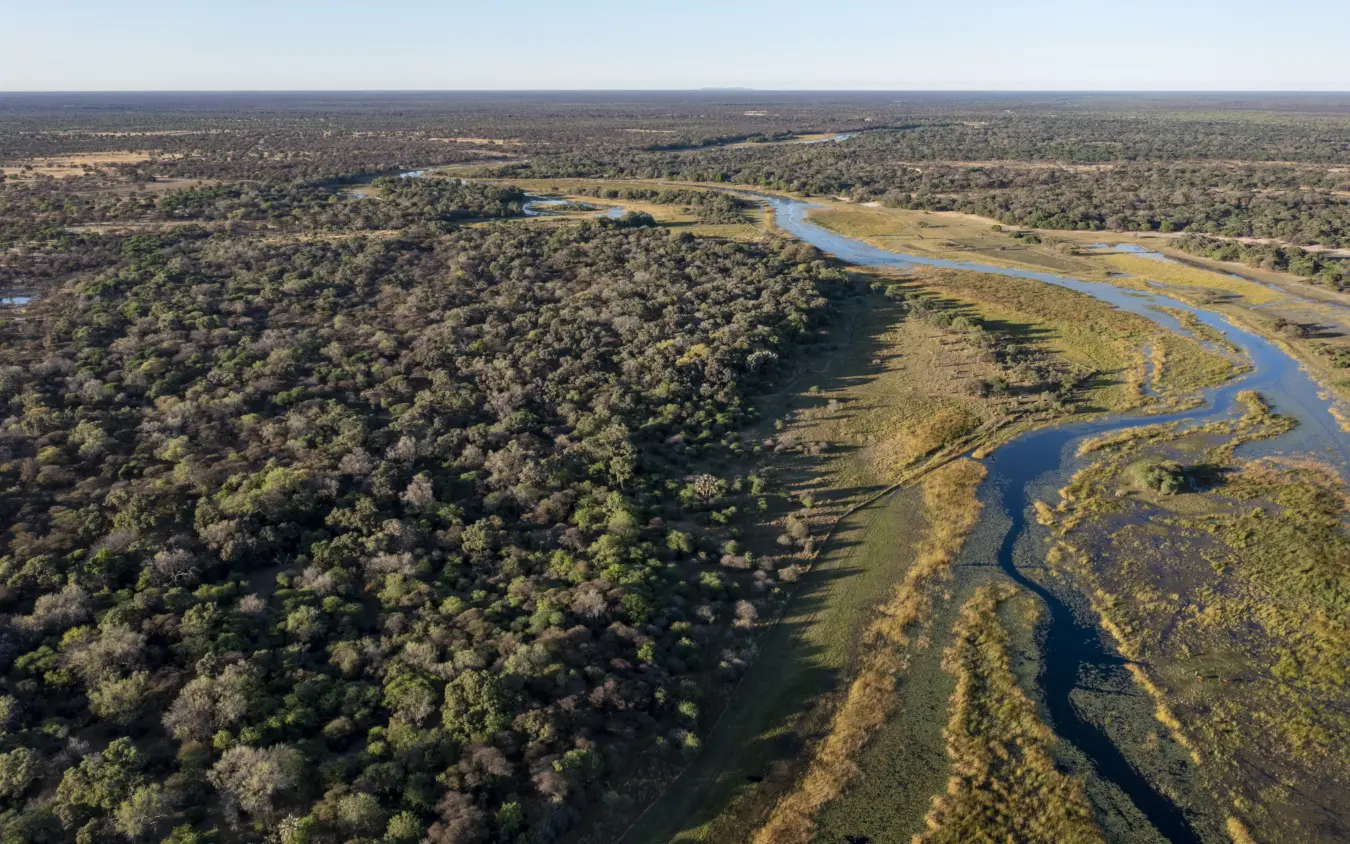
The Okavango Delta is a vast alluvial fan in northwestern Botswana where the Okavango River fans out across the Kalahari Basin and never reaches the sea. Its water spreads instead into a shifting maze of channels, papyrus-lined lagoons and seasonal floodplains. The palm islands at its heart began life as termite mounds, before vegetation took hold and enlarged them.
The palm islands at its heart began life as termite mounds
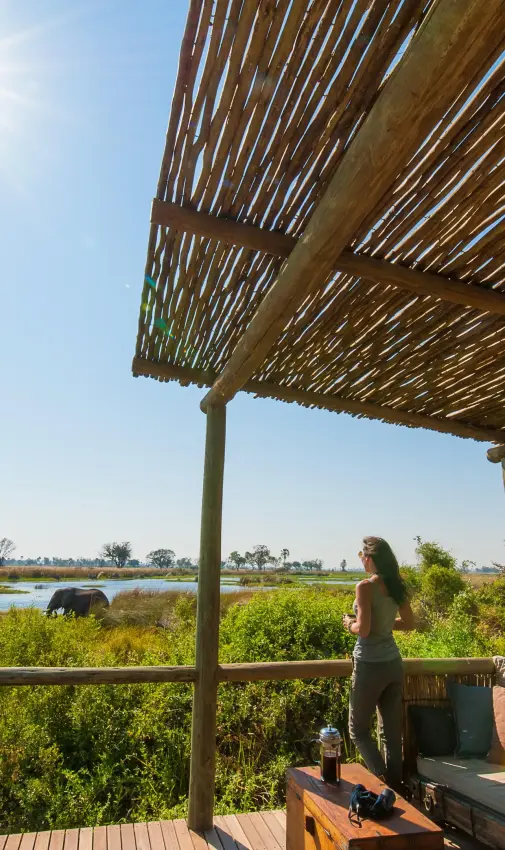
What sets the rhythm here is timing that runs against the calendar. The flood does not come with local rain. It originates in the Angolan highlands, far away, arriving between March/April and May, and peaking in July or August, deep in Botswana’s dry winter. Surface water elsewhere vanishes, and game moves toward the newly inundated channels and islands in remarkable concentrations.
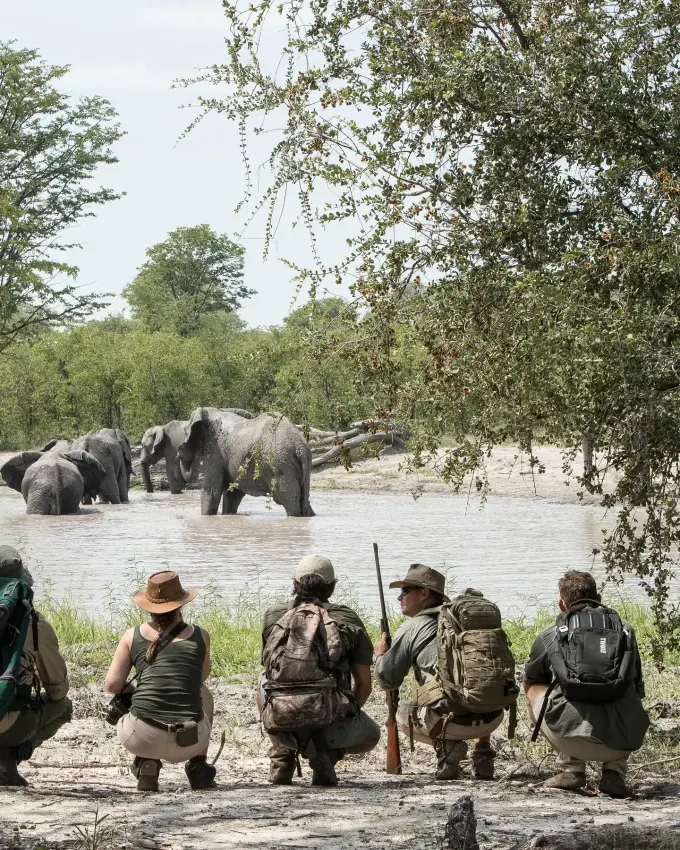
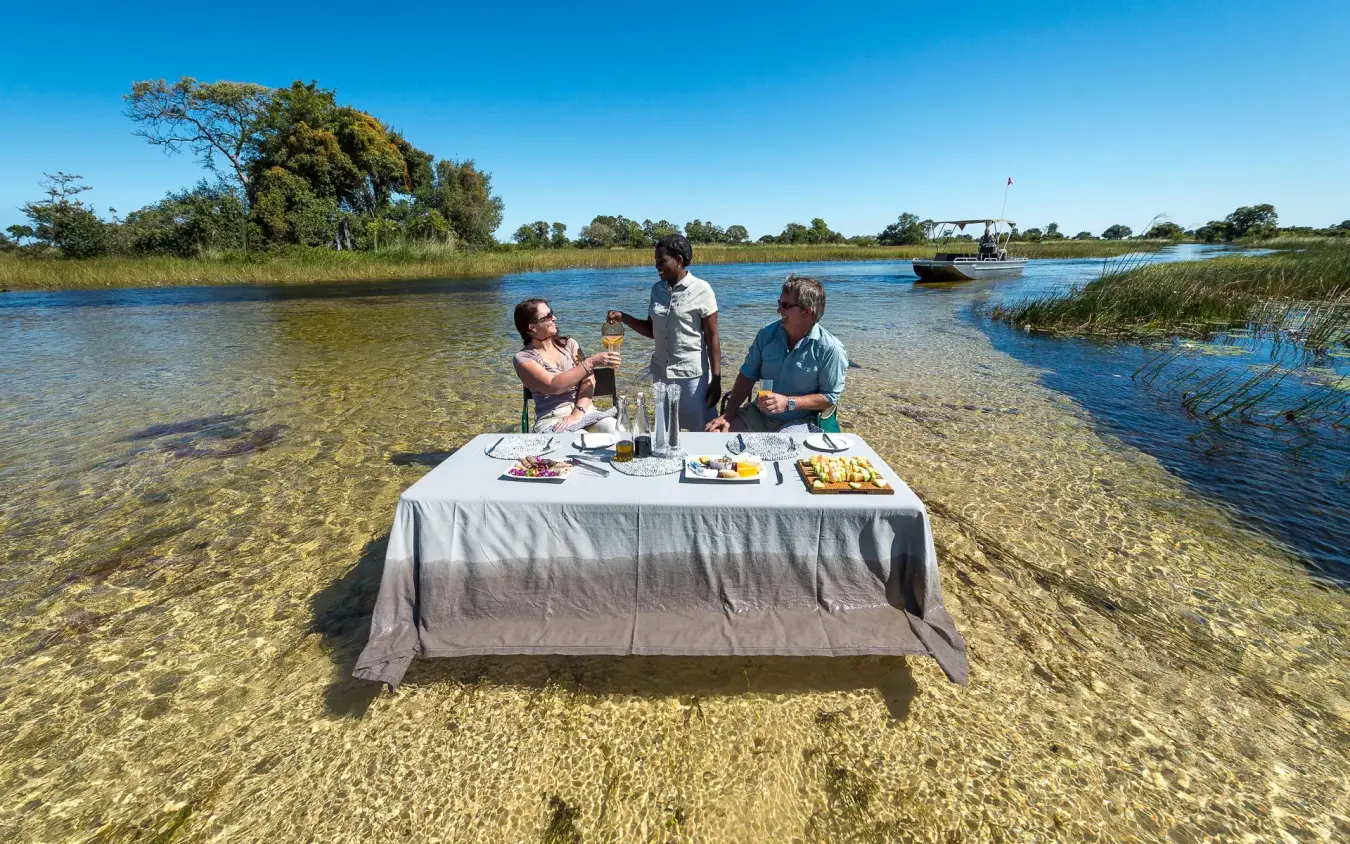
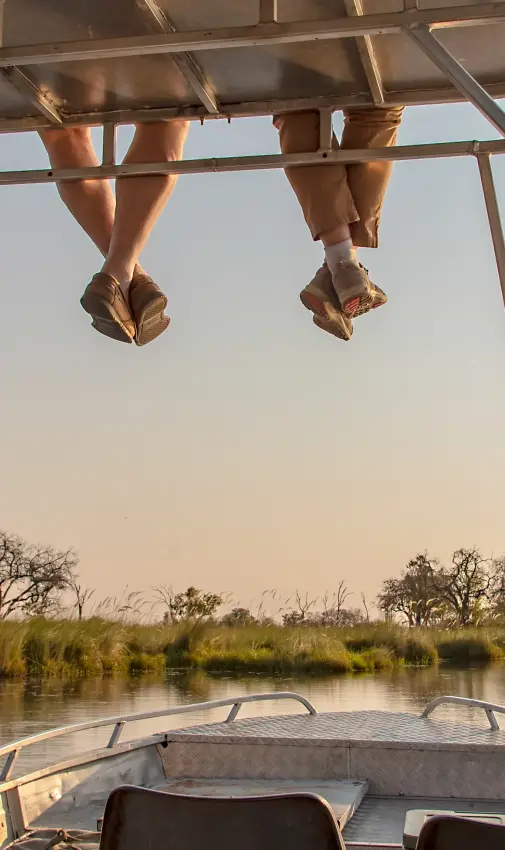
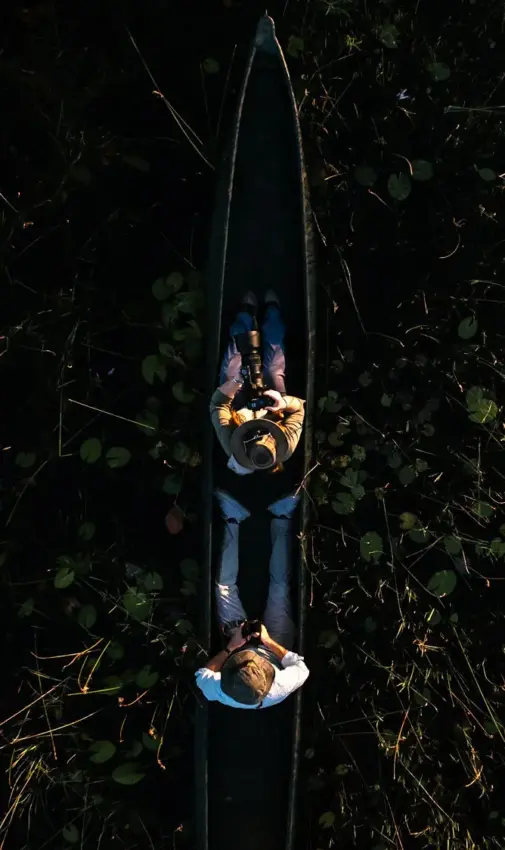
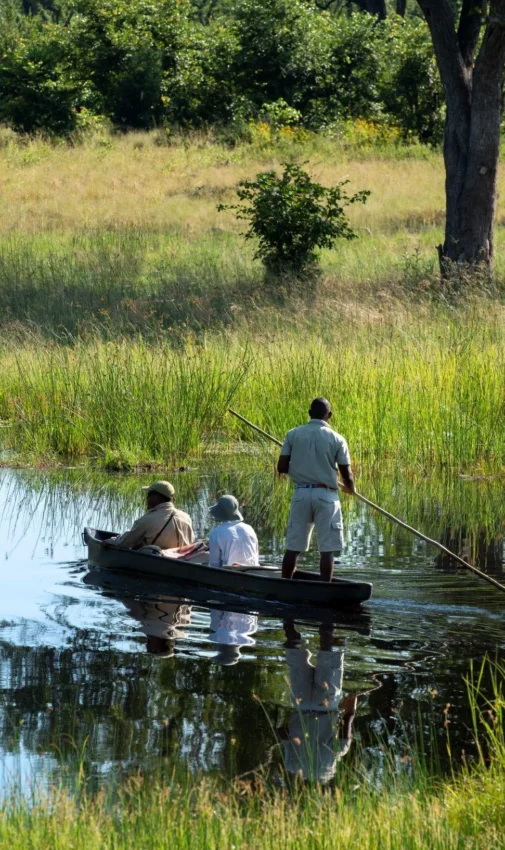
This is a water wilderness explored from several angles. The mokoro, a traditional dugout canoe poled by an expert guide, offers a quiet, water-level view of the smaller creatures and the reedbeds. Motorboats reach the deeper channels and lagoons, while game drives cover the drier islands and floodplain margins. On foot, a walking safari reads the tracks, the plants and the smaller life of the delta up close.
This is a water wilderness explored from several angles
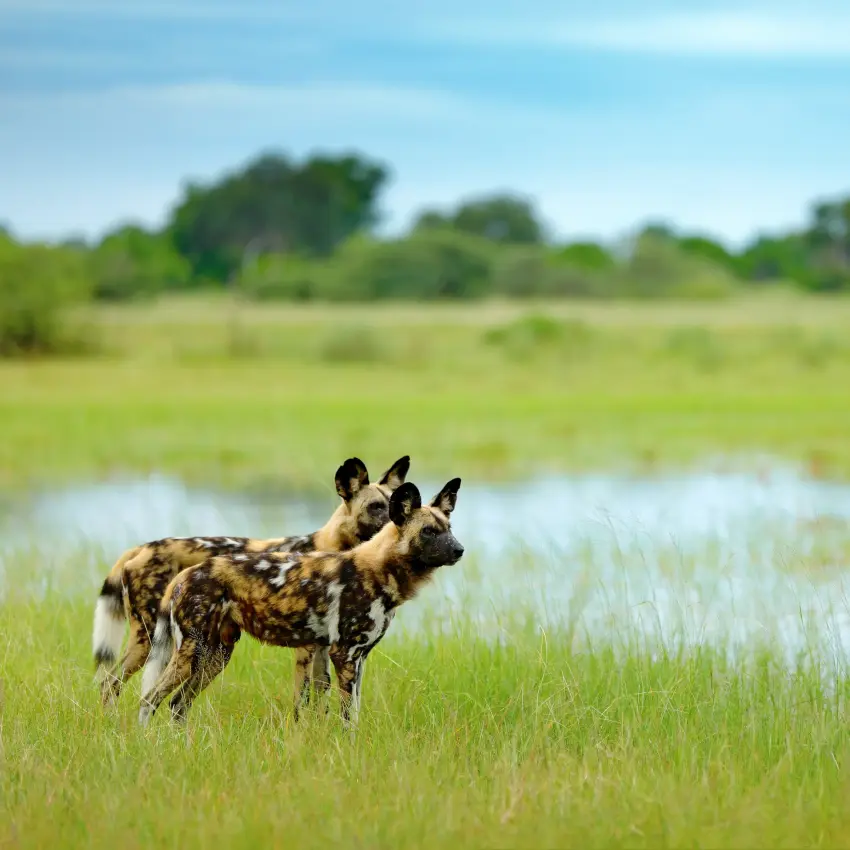
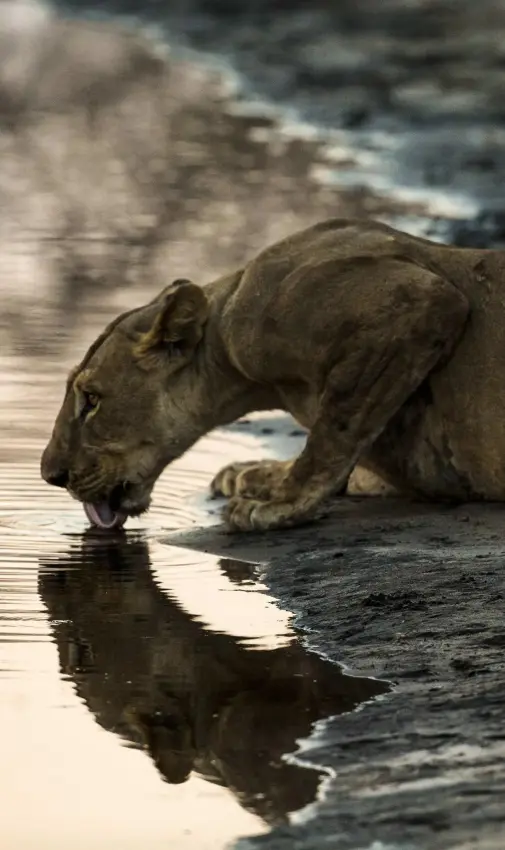
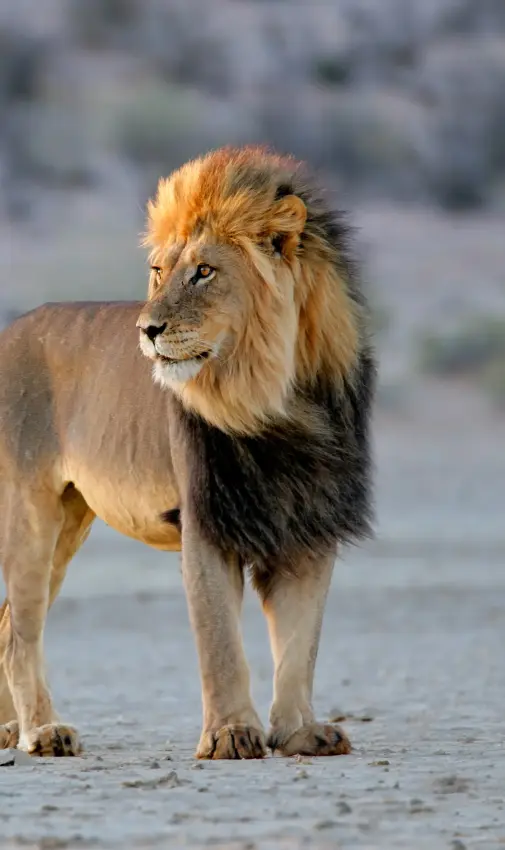
The wildlife reflects the meeting of wetland and savannah. Lion, leopard and cheetah hunt across the floodplains, while elephant and buffalo gather along the channels through the dry months. The delta holds one of the richest densities of the endangered painted dog in Africa. Red lechwe wade the shallows, the secretive sitatunga keeps to dense reeds, and more than 480 bird species make this some of the finest birding on the continent.
The greater Okavango divides into three parts. The Panhandle is where the river first enters Botswana as a deep, papyrus-flanked channel some 80 kilometres long. The Delta proper is where it spreads into its classic fan of channels, lagoons and thousands of islands. At the fringes lie the drylands, where mopane woodland and grass savannah take over. Chief’s Island, the largest landmass within the system, formed along a tectonic fault line and lies within Moremi Game Reserve, a focal point for many delta itineraries. The whole expanse is remarkably flat.
Tourism operates across two distinct zones, and the gap between them is wide. Moremi Game Reserve, gazetted as a public reserve, permits daytime game drives on established roads, but not off-road driving or night drives. The surrounding private concessions allow far more. Here there is off-road tracking, night drives in search of nocturnal hunters, walking safaris with armed guides, and a wider water-based programme where the channels run deep enough. Helicopter flights lift the whole system into view at peak flood, and they double as practical transfers between camps in the deeper-water areas.
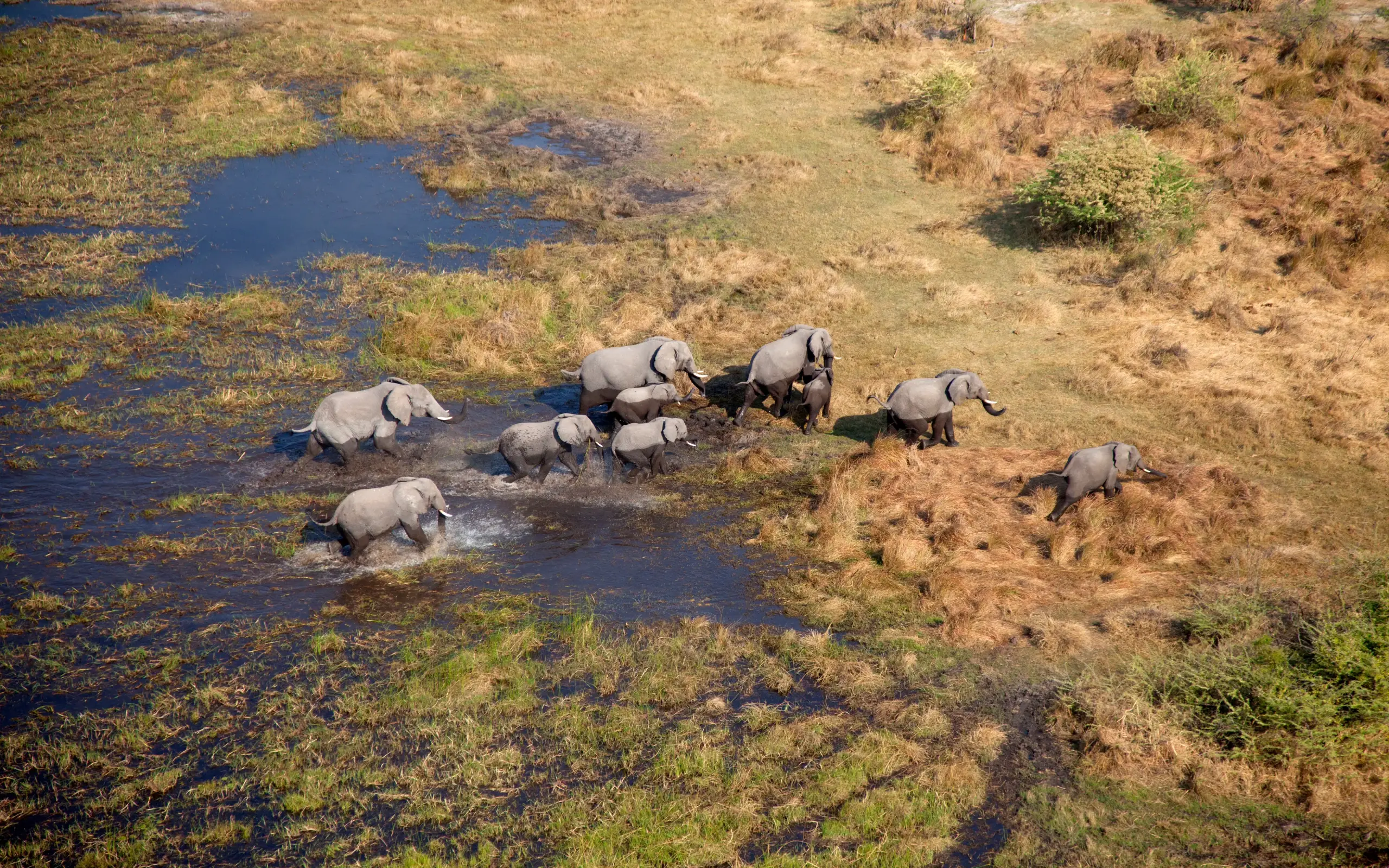
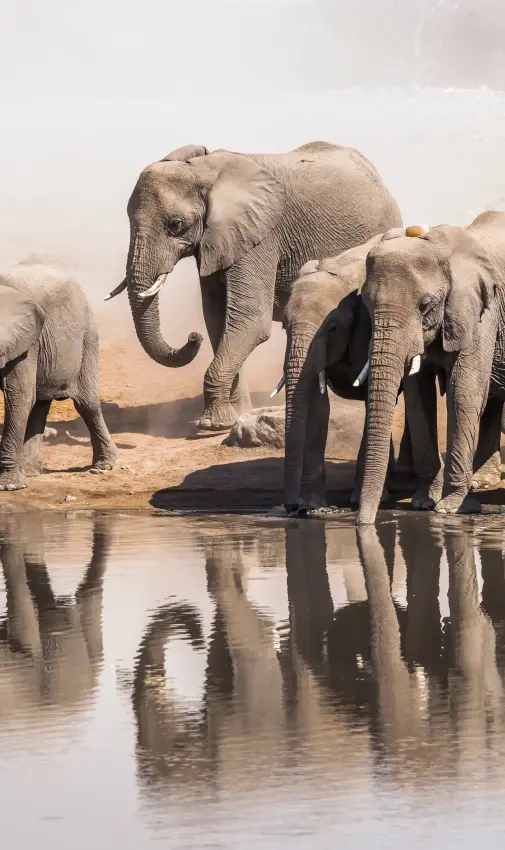
The flood concentrates wildlife in remarkable numbers around the channels and islands.
People have lived along these floodplains for centuries. The Hambukushu, Wayeyi, Bugakwe and Xanekwe peoples, alongside San communities in the surrounding Kalahari, built their lives around fishing, floodplain cultivation, reed cutting and small-stock herding, all shaped by the seasonal flood. The mokoro, now central to how visitors move through the water, began as a tool of daily life. Community-based partnerships around the delta channel tourism revenue back into local livelihoods, a model that has become integral to how the whole area is managed.
The Okavango Delta earned UNESCO World Heritage status in 2014, recognition of an intact interior wetland that remains one of the most functional large wetlands on earth. The flood concentrates wildlife in remarkable numbers around the channels and islands, and that abundance is carefully guarded. Upstream water use in Angola and Namibia and shifting rainfall patterns are watched closely by conservationists, but Botswana’s low-volume, high-value approach to tourism keeps the ecological footprint light and the wildlife density high.
The best time to visit The Okavango Delta
Jan
Feb
Mar
Apr
May
Jun
Jul
Aug
Sep
Oct
Nov
Dec
Recommended
Transitional
Challenging conditions
For concentrated big game and predators, come between June and October, when the surrounding Kalahari dries and animals converge on the Delta's permanent water. July to September is the standout, when the Angolan flood is high and mokoro and boating are at their best, since the Delta is fullest in the dry winter. October is the most dramatic but tops 40 degrees. The green season suits birding.
accommodation in the okavango delta
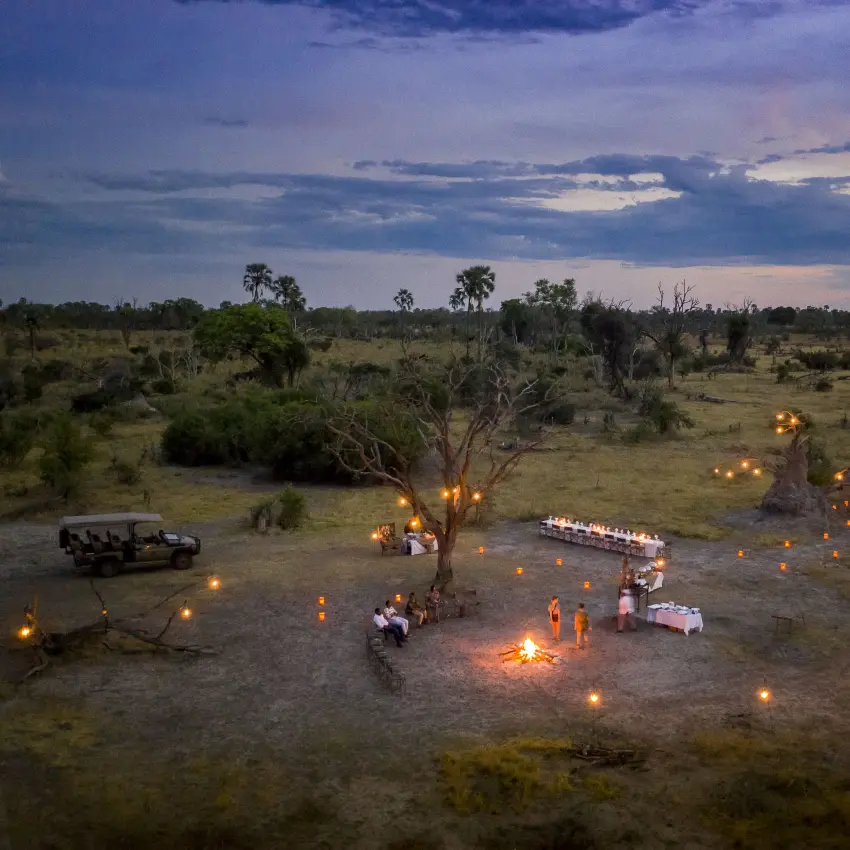
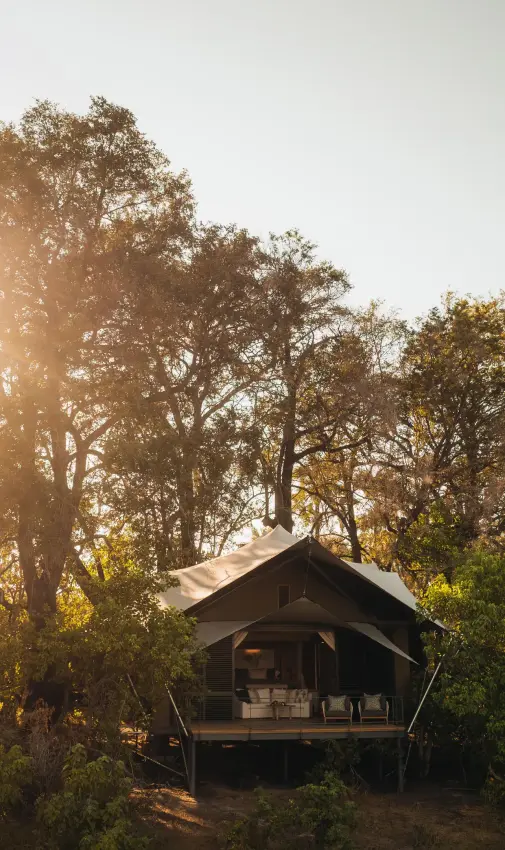
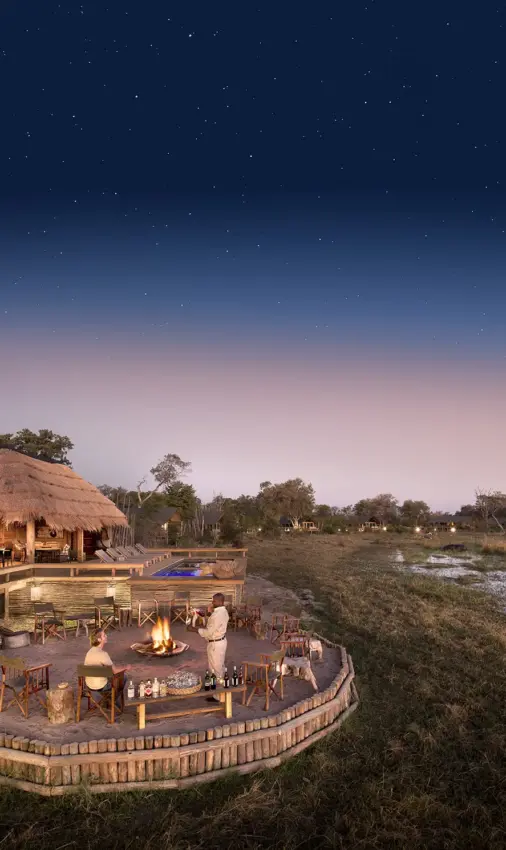
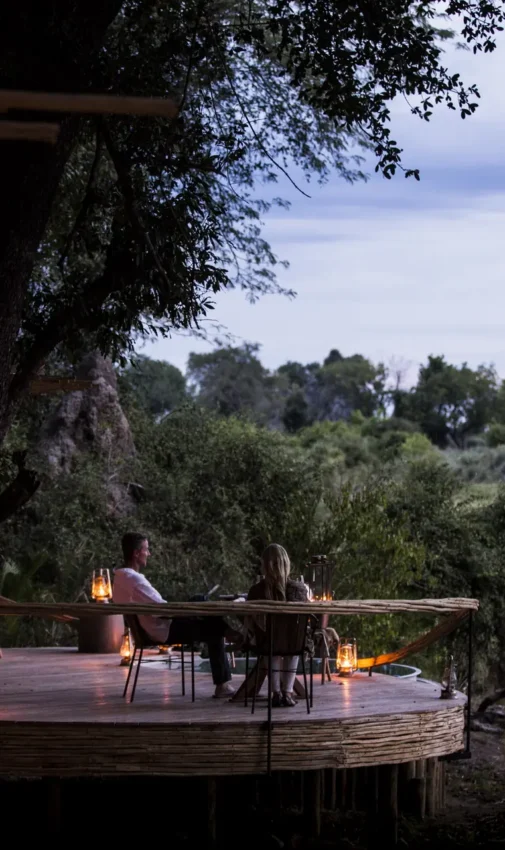
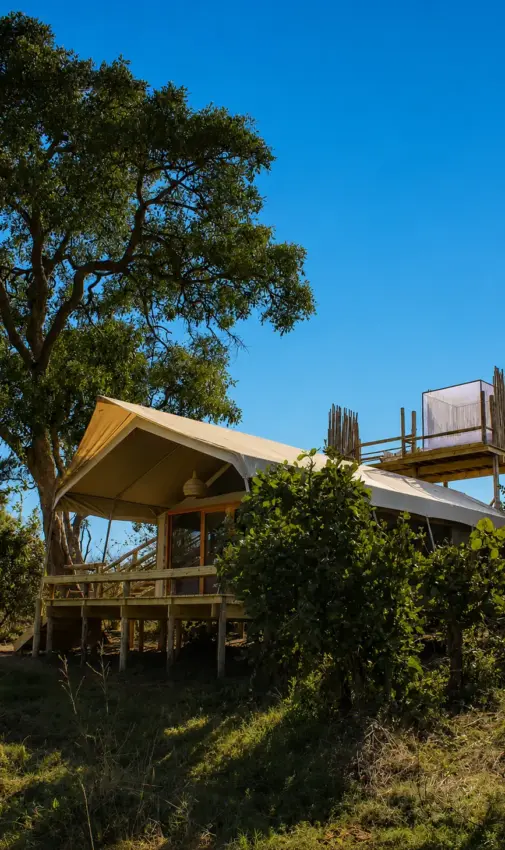
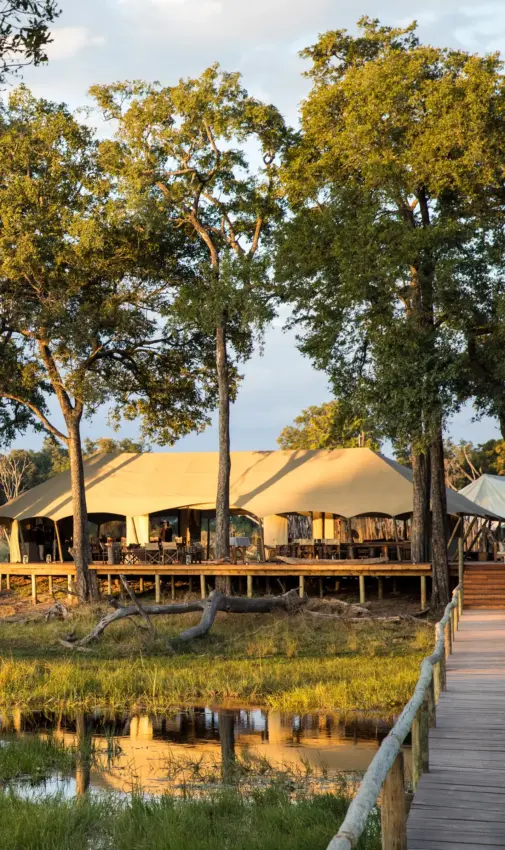
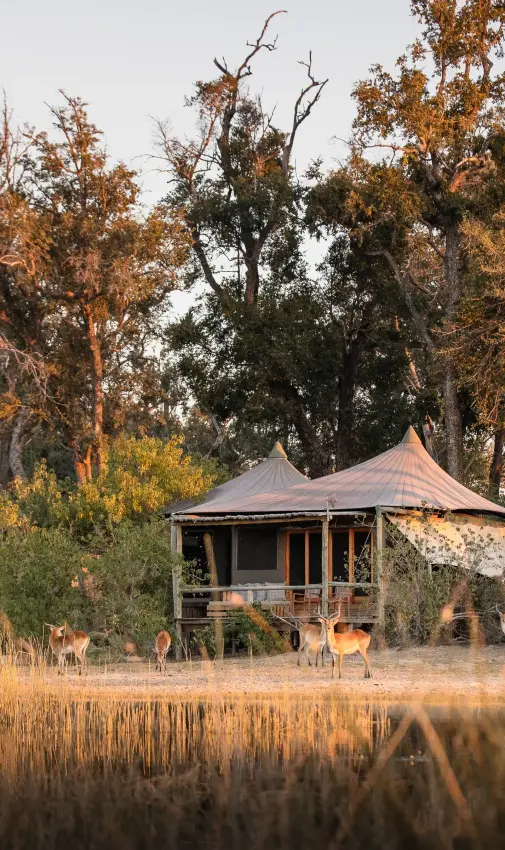
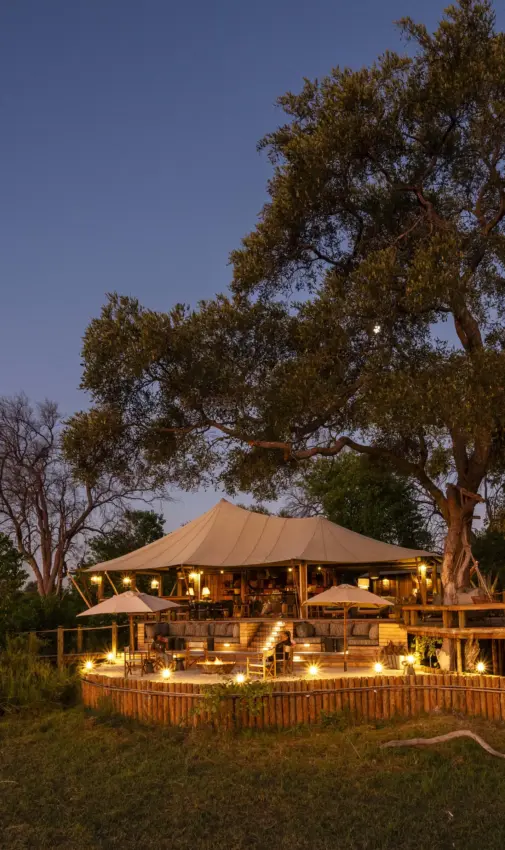
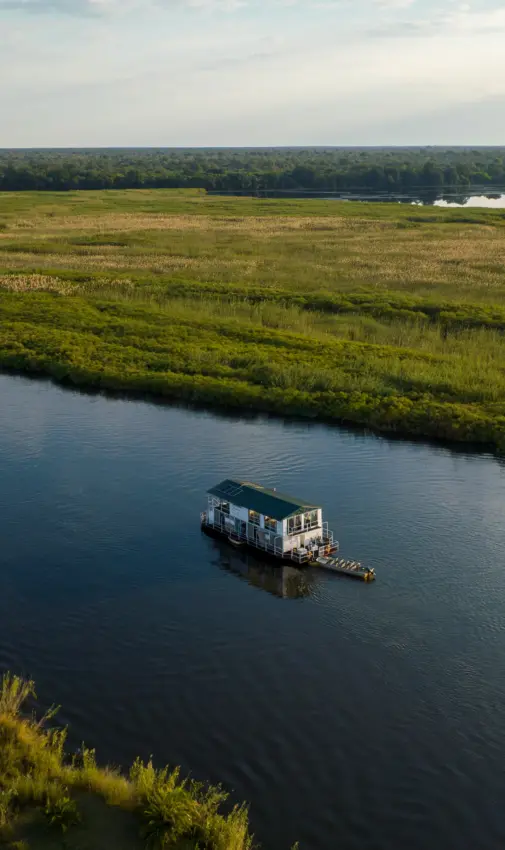
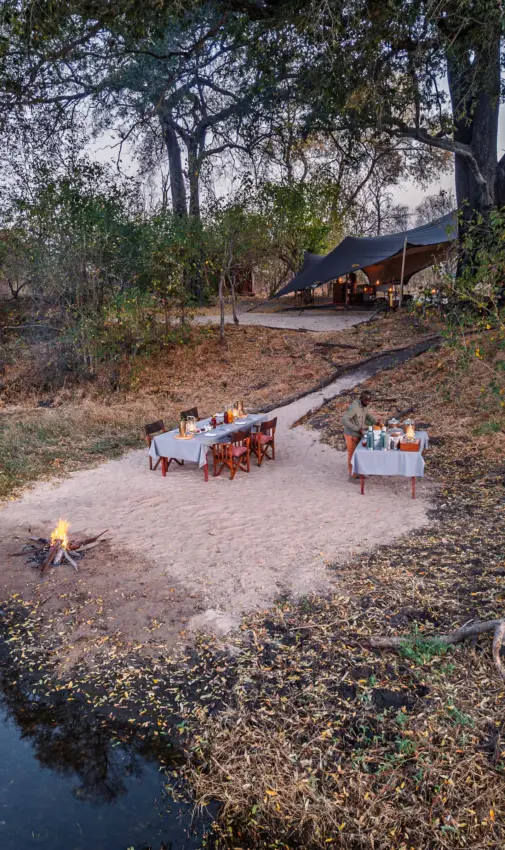
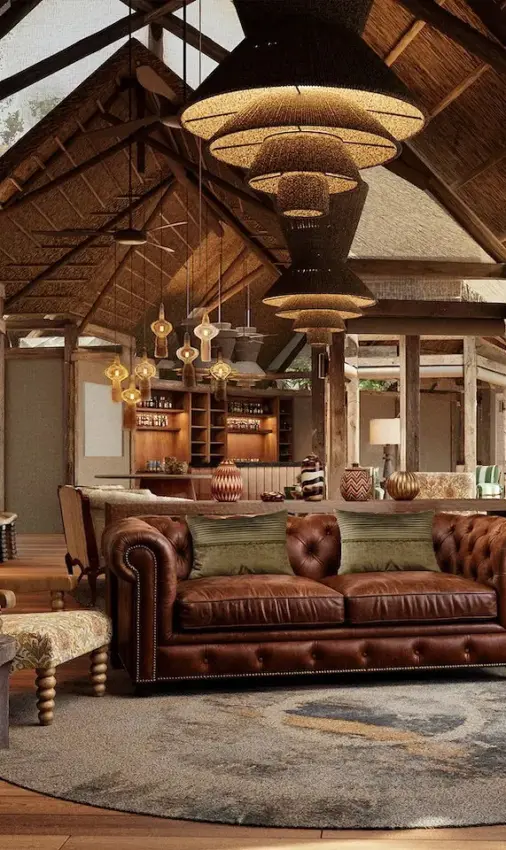
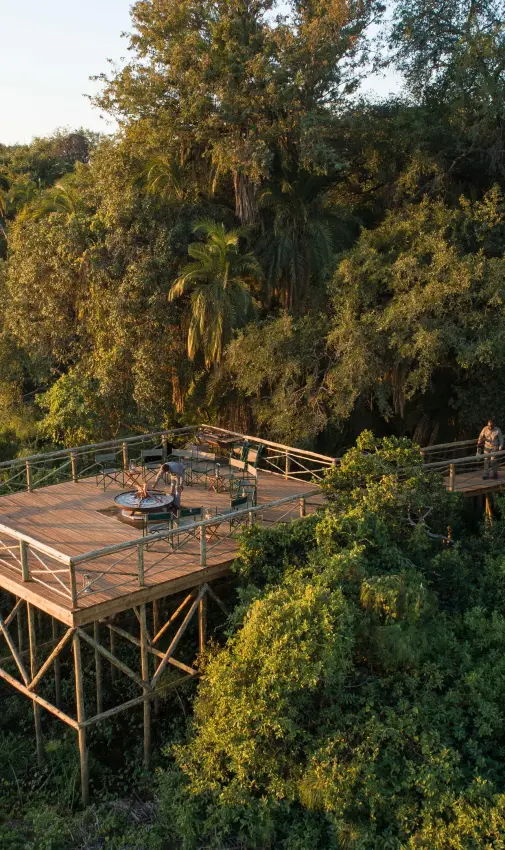
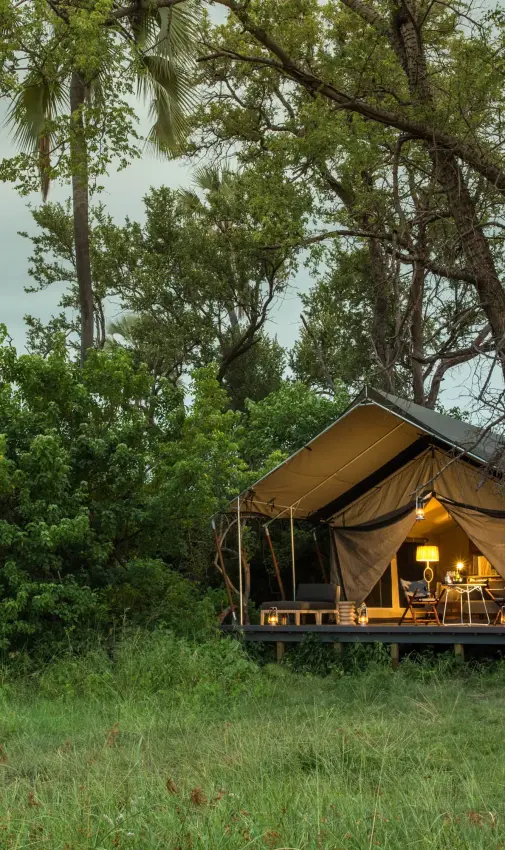
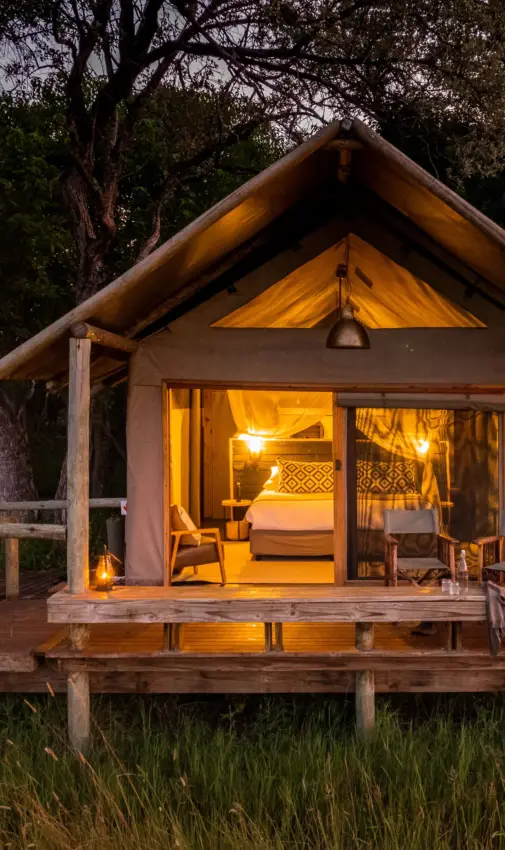
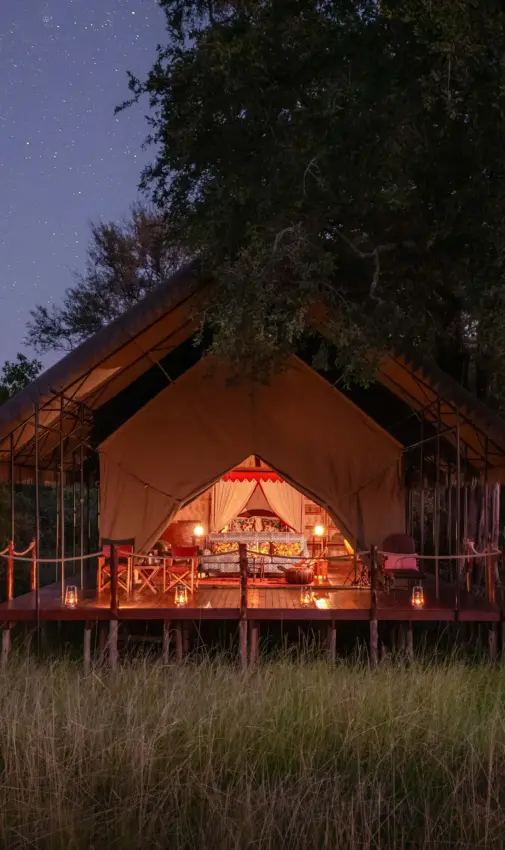
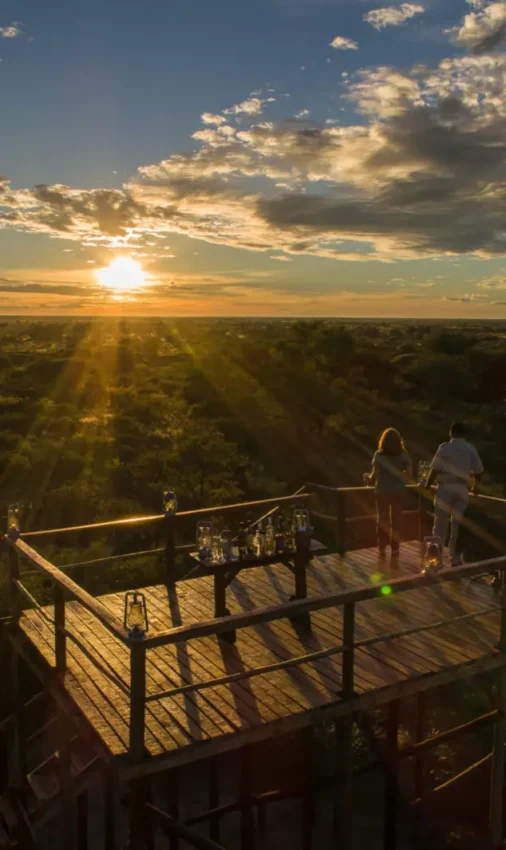
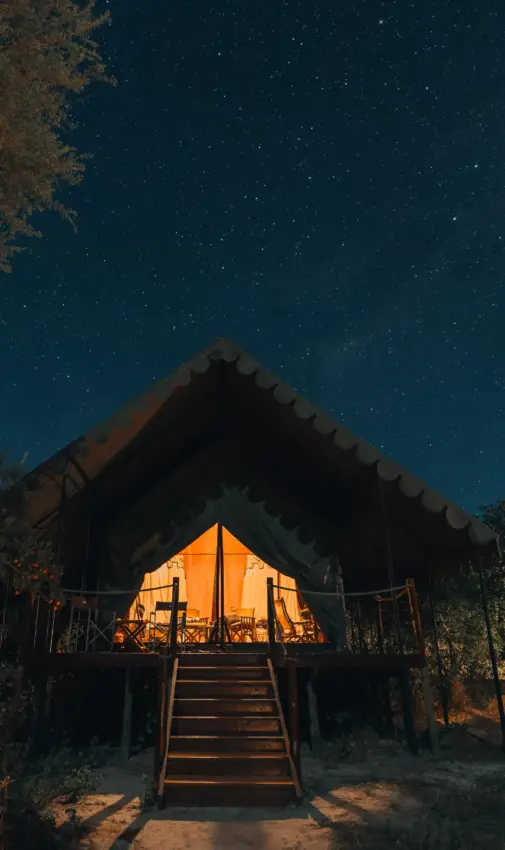
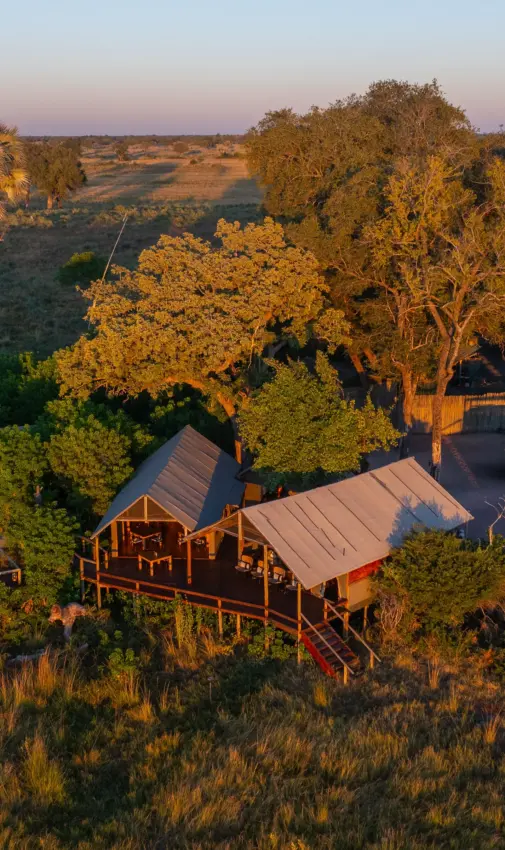
The Okavango Delta offers a broad range of accommodation, most reached only by light aircraft. Small luxury tented camps predominate, some built as water camps where access and activities run primarily by boat and mokoro, others as land camps focused on game drives, and many combining both. More permanent thatched and timber lodges offer pools and expansive decks while keeping an intimate scale. Private exclusive-use houses suit families and groups wanting their own guide and vehicle. Mobile tented camps move between seasonal prime areas, and houseboats operate in the Panhandle.
01

 02
02
 03
03
 04
04
 05
05
 06
06
 07
07
 08
08
 09
09
 10
10
 11
11
 12
12
 13
13
 14
14
 15
15
 16
16
 17
17
 18
18
 19
19
 20
20
 21
21
 22
22
 23
23
 24
24
 25
25
 26
26
 27
27
 28
28
 29
29
 30
30
 31
31
 32
32
 33
33
 34
34
 35
35

activities
Mokoro, boat, drive and foot
Mokoro and motorboat excursions explore the channels and lagoons, their availability set by seasonal water levels. Game drives run in Moremi on established roads; private concessions add off-road driving, night drives and walking safaris with armed guides. Birding is exceptional year-round, peaking in the green season. Helicopter flights and photographic hides feature at select camps.

conservation
Predators, painted dogs and headwaters
The Botswana Predator Conservation Trust runs research including a study of painted dog dispersal. CLAWS Conservancy works to reduce human-lion conflict in the eastern Panhandle through communal herding and a lion-alert system. The Nature Conservancy's Okavango project, launched in 2018, protects the delta's headwaters in Angola alongside local partners.

getting around
Light aircraft from Maun
Maun is the principal gateway, with scheduled flights from Johannesburg, Cape Town and Windhoek, and onward light-aircraft services to the network of bush airstrips serving concessions and camps. Kasane, near Chobe, provides a northern entry point. Helicopter transfers reach deeper-water camps. Charter aircraft link the delta with Linyanti, Selinda and the Kalahari.
other areas in botswana
The Okavango pairs naturally with the Linyanti and Kwando river systems to the northeast, known for large elephant herds and strong predator populations, and with the adjacent Selinda Reserve along its seasonal spillway. The Central Kalahari Game Reserve and the Makgadikgadi Pans offer a stark desert contrast, with black-maned lions, seasonal zebra movements and habituated meerkats. Chobe National Park, reached via Kasane, adds boat-based viewing along an elephant-rich river. Short light-aircraft sectors connect them all into one itinerary.
 01
01
 02
02
 03
03
 04
04
 05
05
 06
06
frequently asked questions
By light aircraft from Maun, and the flight is part of the experience rather than a chore.
Most camps are about half an hour in the air, over channels, islands and whatever is standing in the floodwater below. A short game drive takes you from the airstrip to camp, and that transfer is usually inside the rate while the flight itself is not.
A helicopter is the other way in, and on some routes it is the only sensible one: a fifteen minute hop can link two camps that would otherwise mean a return to Maun.
We book the flights with everything else, so the day joins up rather than leaving you sitting at an airstrip.
A private charter is the alternative to the scheduled seats, usually a Cessna Caravan, which is worth pricing for a party travelling together or a tight connection.
Both, if the camps are chosen properly, and this is the single thing that decides whether a Delta trip works.
A water camp in the permanent channels gives you mokoro, boats and the birdlife, and is at its best when the flood is high. A land camp on a bigger island gives you game drives, more predators, and walking where the concession allows it.
The flood moves, so a camp that poles a mokoro in August may be driving in December.
We pair one of each where the nights allow, and we ask the camps what the water is actually doing for your dates rather than working from a brochure.
It arrives in the middle of the year, and it comes from somewhere else entirely.
The rain falls on the Angolan highlands, then takes months to work down. The water reaches the Delta from about May, is at its fullest from June through August, and recedes through September and October.
So the paradox of the place is that the Delta is deepest in the dry season, which is also when the surrounding Kalahari dries out and the game concentrates on the permanent water.
July to September is the standout for mokoro and boating. If being deep in the channels is the reason you are going, those are the months to book.
Yes. Both TravelHealthPro, the UK's official travel health service, and the CDC place northern Botswana among the areas where antimalarial tablets are usually recommended, and the risk is at its highest in the warm, wet months from about October to May.
It eases in the dry winter, which is when most people travel, but low risk is not the same as no risk.
We do not make medical recommendations. Which tablets suit you, and what is right for a child, is a conversation with your own doctor or a travel clinic.
On the practical side, cover arms and legs from late afternoon and keep repellent to hand.
Some of it does, and the age limits are stricter than people expect.
Water is the reason. Boats often start at six, while mokoro trips and anything on foot commonly start at twelve or thirteen, and some camps will not take a child under eleven onto the water at all without agreeing it first. Hippo and crocodile are the reason, and no camp bends it.
Camps on private concessions have more room to shape a day around a younger child, and a private vehicle turns a good family safari into an easy one.
Tell us their ages and we will steer you to the camps that can genuinely do it, rather than the ones that merely say yes.
Six across two camps is the shape we book most often.
Three nights in one camp is the minimum that lets a guide work the ground and lets you have one day where nothing is scheduled. Two camps let you take one on water and one on land, which is how you see the Delta rather than a corner of it.
A helicopter between them saves a return to Maun, and on some pairings it costs less time than the flights would.
Fewer nights can still work if the Delta is one leg of a longer trip, and we will say so plainly rather than sell you a night you do not need.
rated five stars by our clients

our approach
remote, exclusive
& personal
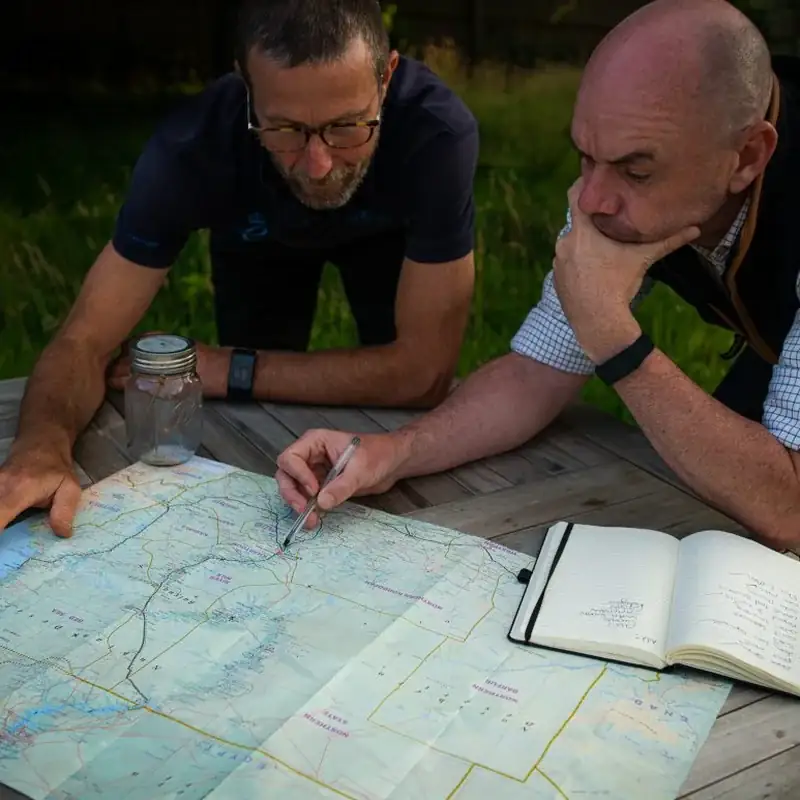
Every journey starts with a conversation. We take the time to understand your vision before we start planning.
Whether by phone or in person, we work with you directly to shape something that is considered, personal, and expertly delivered.
Every journey starts with a conversation. We favour a direct, personal approach: understanding your vision before anything else.
Whether by phone or in person, we work with you directly to shape a journey that is both thoughtfully considered and expertly delivered.
Get in touch to start planning yours.