
 01
Red rock and elephants at the Limpopo
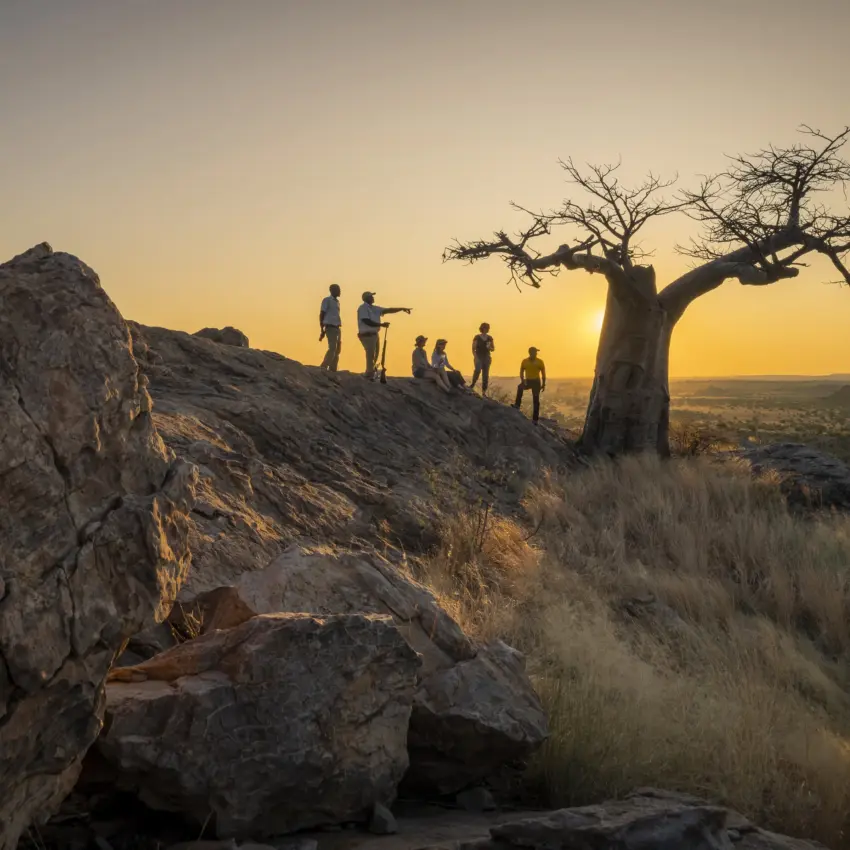
The Tuli Block is a strip of private land on Botswana’s eastern edge, ending where the Limpopo and Shashe rivers meet at the border with South Africa and Zimbabwe. At its eastern end lies the Northern Tuli Game Reserve, 72,000 hectares run jointly by landowners. Here baobabs wedge into red sandstone koppies above sandy riverbeds, a country nothing like the flat floodplains of the north.
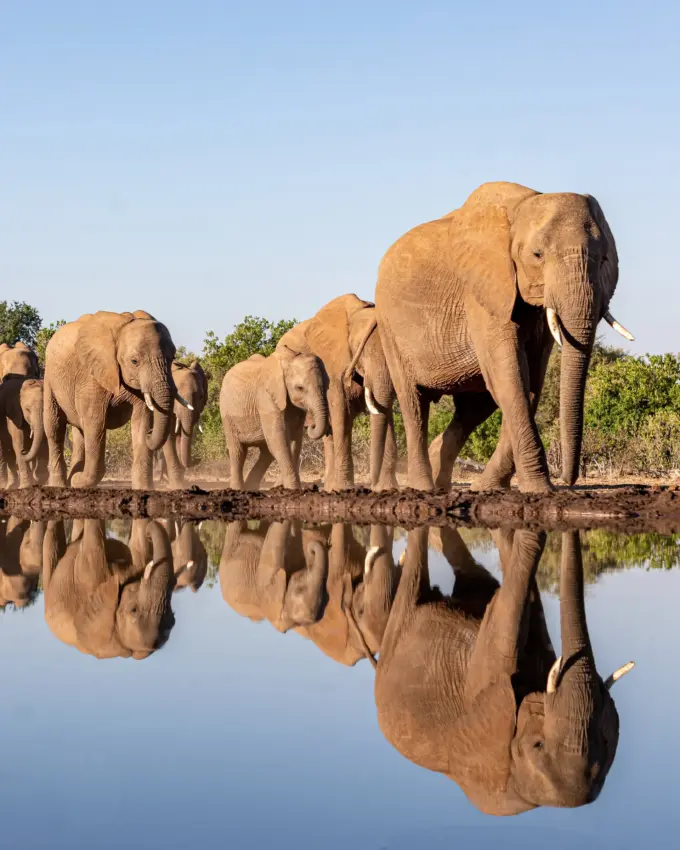
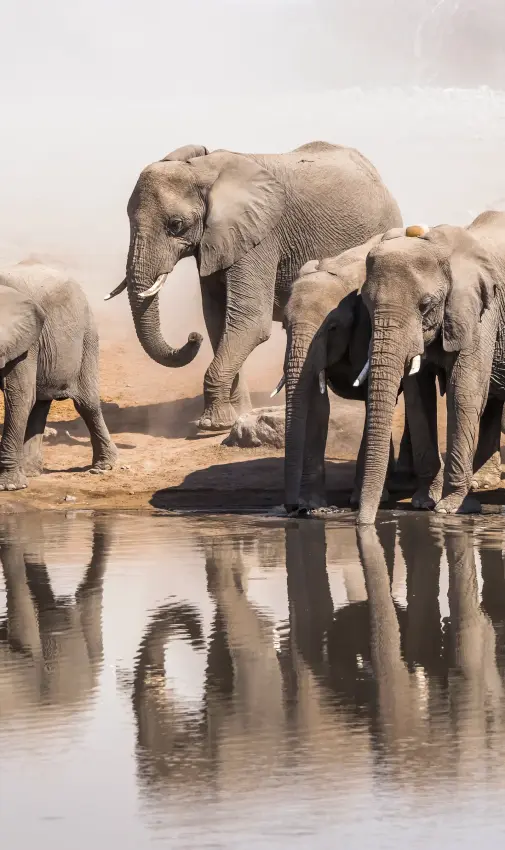
In the dry months elephants dig for water beneath the river sand.
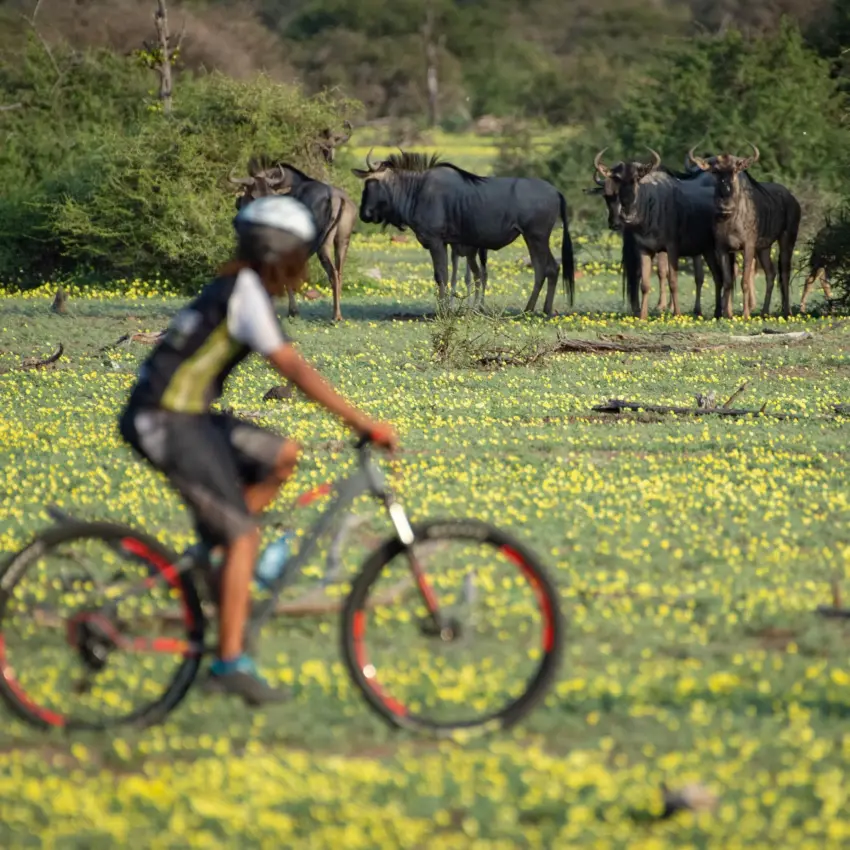
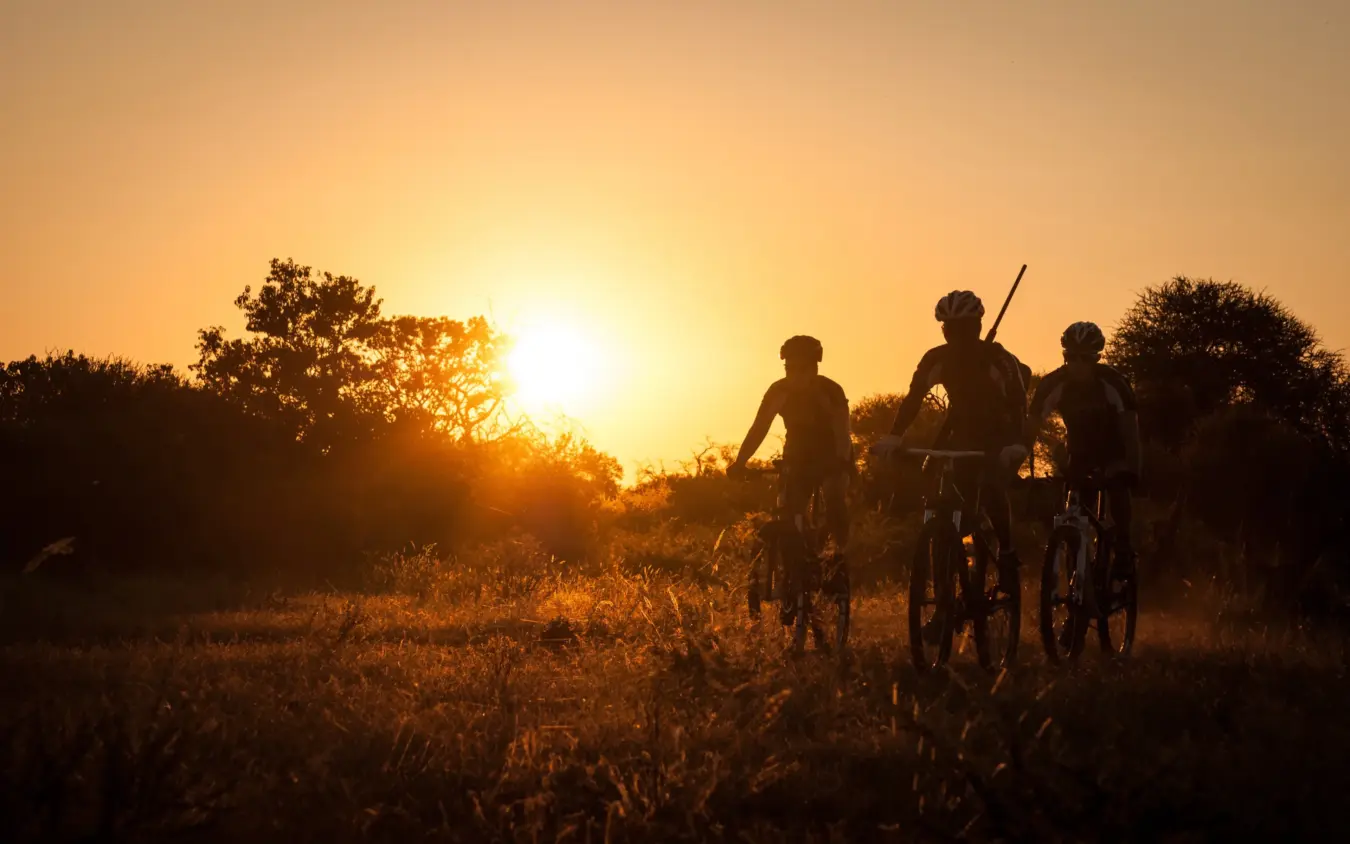
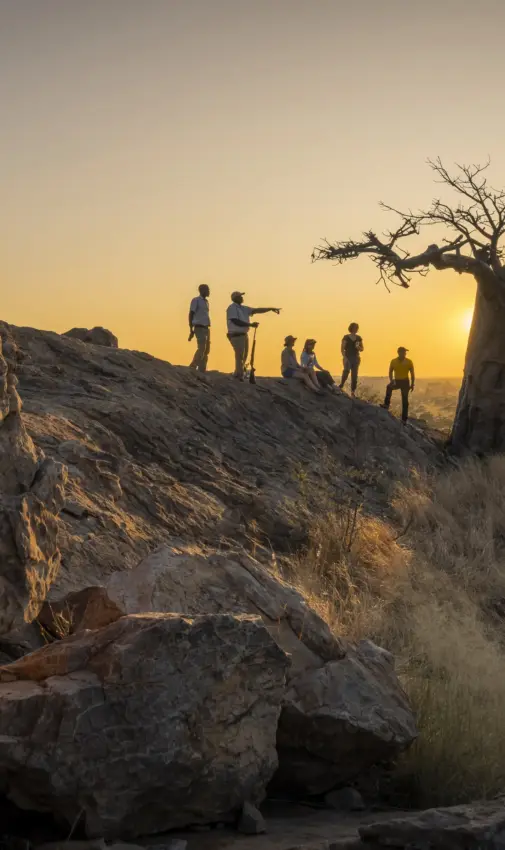
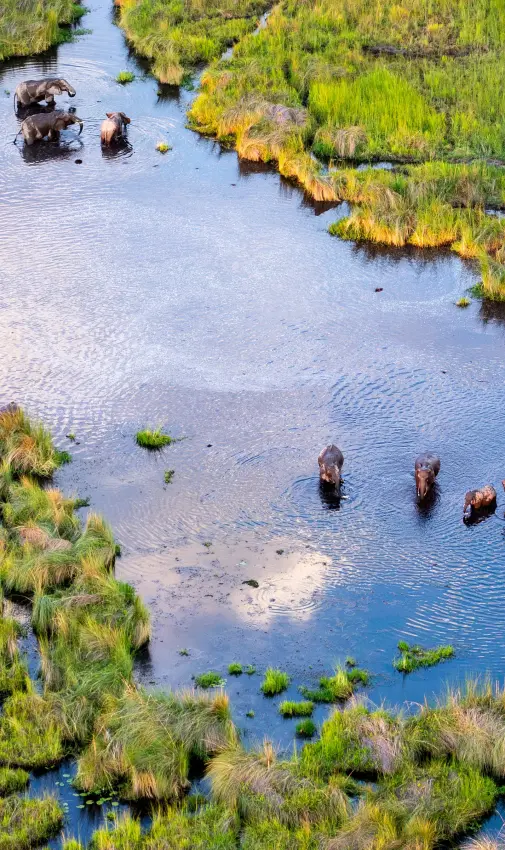
Mashatu Game Reserve is said to hold the largest elephant population on private land in southern Africa. In the dry months elephants dig for water beneath the river sand. Leopard and lion hunt the same ground, and so do cheetahs. Because the land is privately held, all of it can be explored on foot and by bicycle or on horseback, as well as from a vehicle.
Mashatu is a local name for the nyala berry tree, and giant ones shade the riverbanks beside yellow-barked fever trees. Away from the water, mopane woodland and grassland give way to the sandstone ridges and outcrops of the Hardveld. The strangest stretch is on the Motloutse River. Solomon’s Wall, a 30-metre basalt dyke, cuts across the riverbed. Guides lead visits to it.
Solomon’s Wall, a 30-metre basalt dyke, cuts across the riverbed.
San hunter-gatherers painted on these rocks long before the colonial era. In about 1895 Chief Khama III ceded the strip to the British South Africa Company, as a buffer against the Boers and a route for Cecil Rhodes’s Cape-to-Cairo railway. In 1899 the Anglo-Boer War reached the Limpopo crossings. Farmers followed, and after the Second World War their land became game farms.
Botswana’s national parks keep visitors in their vehicles and on marked roads, and back in camp by dark, but Northern Tuli is private land and its landowners write their own rules. Night drives pick out aardwolf, porcupine and bat-eared fox. By day, guided walks follow the elephant paths along the riverbeds, and so do fat-tyre bicycles and horses. Below ground at the Matebole hide, photographers sit level with drinking elephants. The hide takes up to eight at a time, and Greg du Toit photographed “Essence of Elephants” from it.
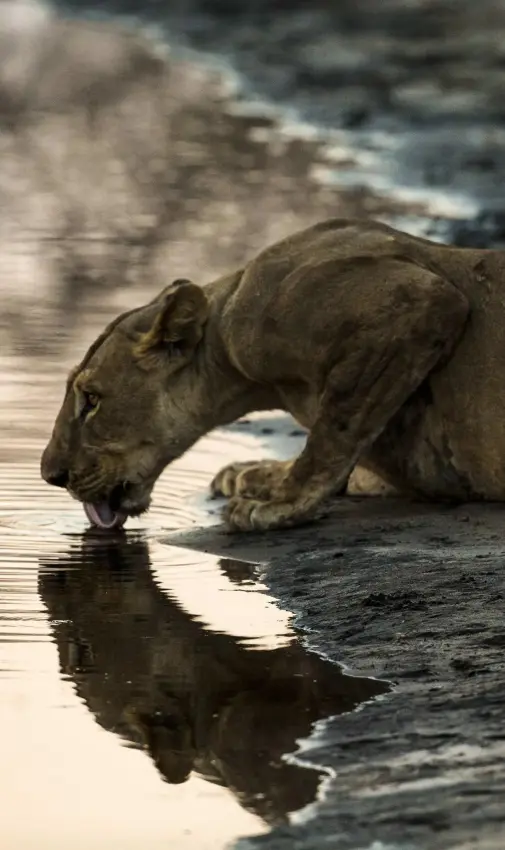
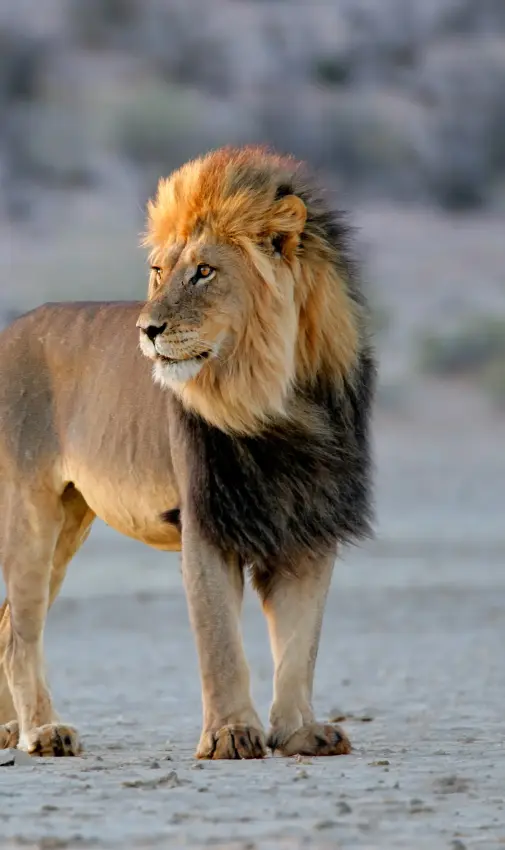
Elephants are not the only giants here, and eland, kori bustard and baobab share the Land of Giants nickname. Eland move in large herds, and among the lions are dark-maned males. The leopards are habituated to vehicles and often relaxed enough to ignore them, while brown and spotted hyenas both hunt here. More than 350 bird species have been recorded, from martial eagle and lanner falcon to Pel’s fishing owl. By September and October the rivers have shrunk to pools, and much of the reserve’s life gathers there and at permanent waterholes such as Pete’s Pond.
Below ground at the Matebole hide, photographers sit level with drinking elephants.
At the confluence, elephants cross the dry riverbeds into Zimbabwe’s Tuli Circle and South Africa’s Mapungubwe National Park as if the borders were not there. Northern Tuli forms part of the Greater Mapungubwe Transfrontier Conservation Area, close to 6,000 square kilometres spread across three countries. Outside the reserve the herds reach livestock and farmland, and with them comes conflict with nearby villages. Mashatu recruits its guides and staff from those same villages, so the people who live alongside the elephants are often the ones leading guests to them.
Most visits to the Tuli Block begin or end in South Africa. A flight from Johannesburg puts the reserve within easy reach, and a few nights here fit naturally at either end of a South African safari. When summer rain floods the Limpopo, guests cross at Pont Drift by cable car. Further north in Botswana, the Okavango Delta is papyrus channels and mokoro trips, and Chobe a broad permanent river explored by boat. Northern Tuli adds something else: red sandstone and dry sand rivers, and the remains of a colonial frontier.
The best time to visit Tuli Block
Jan
Feb
Mar
Apr
May
Jun
Jul
Aug
Sep
Oct
Nov
Dec
Recommended
Transitional
Challenging conditions
Come May to October for the dry winter, the main season for elephants and predators, with warm cloudless days and open sightlines. By September and October the rivers have shrunk to pools and game gathers at the water. November to April is hot and green, bringing migrant birds and newborns, but also afternoon storms, and the Limpopo can flood.
accommodation in tuli block
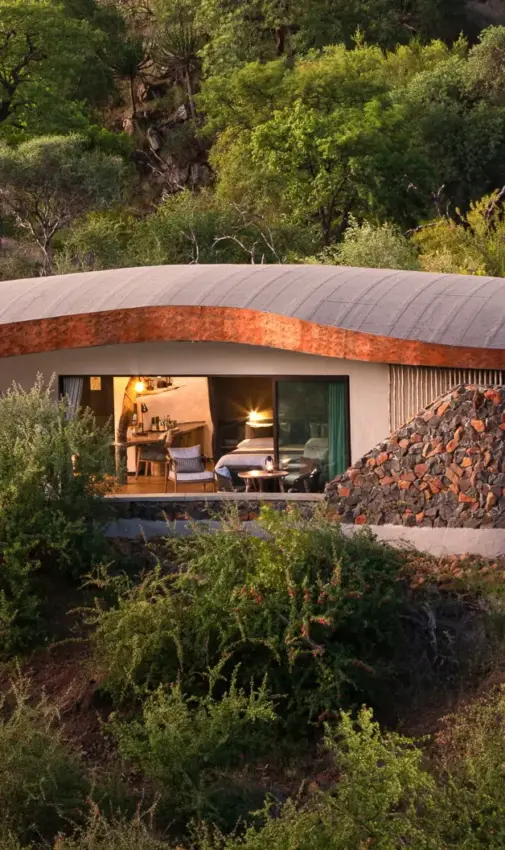
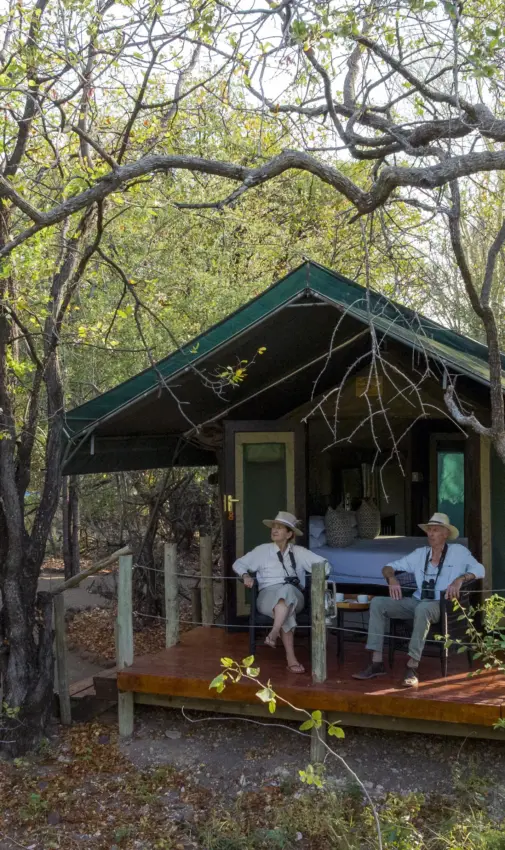
Stays run from private villas with plunge pools to brick-and-thatch lodges facing waterholes, or tented suites under the trees on the Limpopo bank. Families and small groups can take an exclusive-use safari home with a guide, vehicle and chef of their own, and children have a programme alongside. After dark, an underground hide becomes an overnight sleep-out beside a waterhole.


activities
Walking, riding, cycling and underground hides
Because the land is private, guided walks, fat-tyre cycling and horseback safaris run alongside morning, afternoon and night drives. Underground hides put photographers at ground level beside a waterhole. Guides also lead visits to San rock art and Solomon's Wall, and to the ruins of the colonial frontier, among them Bryce's Store.

conservation
Landowner trust and village education
Northern Tuli's landowners set up the Tuli Conservation Trust in 1993 to protect wildlife and support coexistence with neighbouring villages. A daily conservation levy pays for habitat protection, anti-poaching and local jobs. Bana Ba Bobirwa teaches village children, and the Land of the Giants cycling event raises anti-poaching funds.

getting around
Fly direct to Limpopo Valley
Light aircraft fly into Limpopo Valley Airfield, a tarred strip inside the reserve where guests clear Botswana customs on arrival. Flights run from Lanseria in Johannesburg, and private charters link the strip with other southern African airports. By road, Pont Drift border post on the Limpopo opens 08:00 to 16:00.
other areas in botswana
The Okavango Delta adds water, with mokoro trips through papyrus channels and seasonal floodplains. Chobe National Park centres on a permanent river, best watched from a boat, and Moremi Game Reserve, Linyanti and Savute lie between the two. The Makgadikgadi Pans bring white salt flats, and the Central Kalahari open desert. Any of them fits on either side of a stay in Northern Tuli.
 01
 02
 03
 04
 05
 06
 07
rated five stars by our clients

our approach
remote, exclusive
& personal
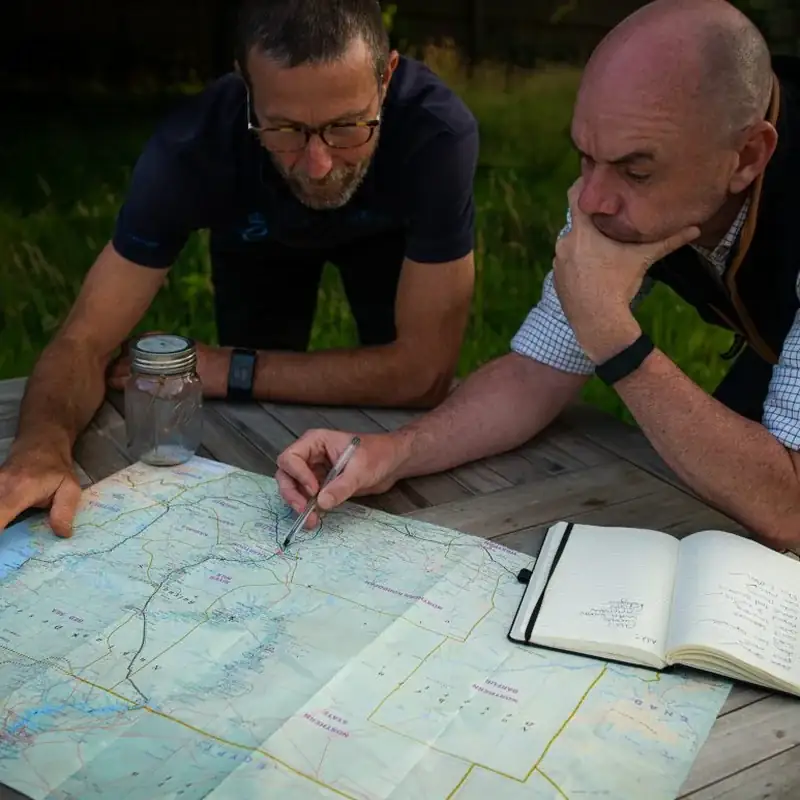
Every journey starts with a conversation. We take the time to understand your vision before we start planning.
Whether by phone or in person, we work with you directly to shape something that is considered, personal, and expertly delivered.
Every journey starts with a conversation. We favour a direct, personal approach: understanding your vision before anything else.
Whether by phone or in person, we work with you directly to shape a journey that is both thoughtfully considered and expertly delivered.
Get in touch to start planning yours.