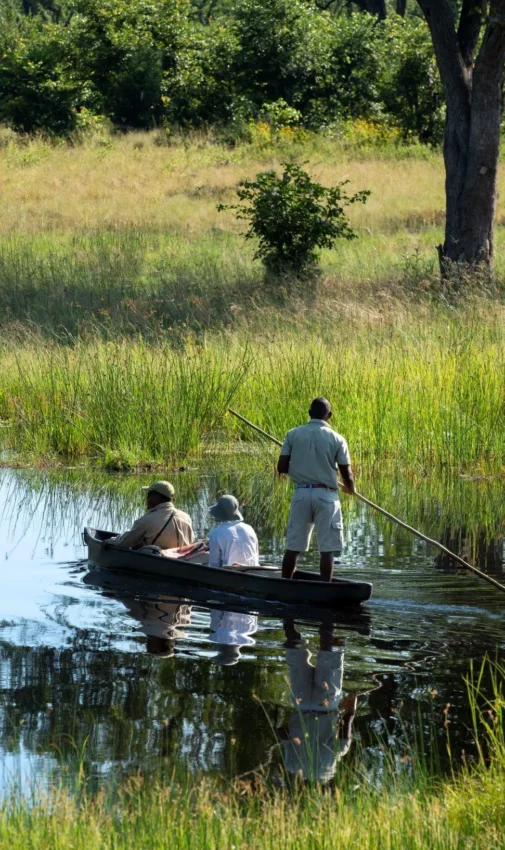
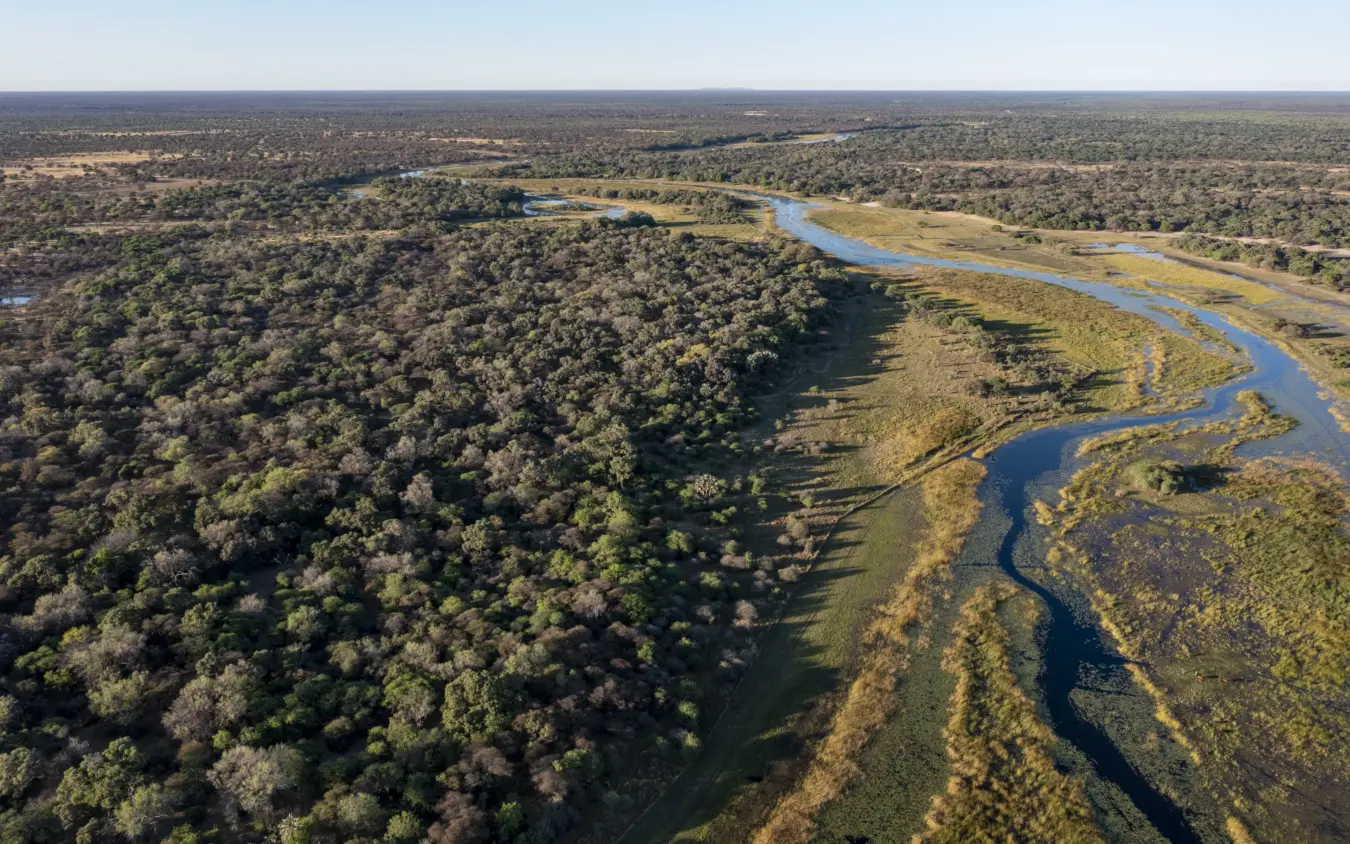
Most of the staff at Mashatu Lodge are from Botswana, the guides among them, and many come from the villages around the reserve. A single drive with them can pass from mopane woodland onto open plains, climb the sandstone ridges among the baobabs and drop down into the riverine forest on the banks. Kori bustards pace the open ground while martial eagles hunt from above. Down in the river trees, Pel’s fishing owls roost. After dinner the spotlight comes out, and night drives pick up aardvarks, aardwolves, honey badgers and springhares.
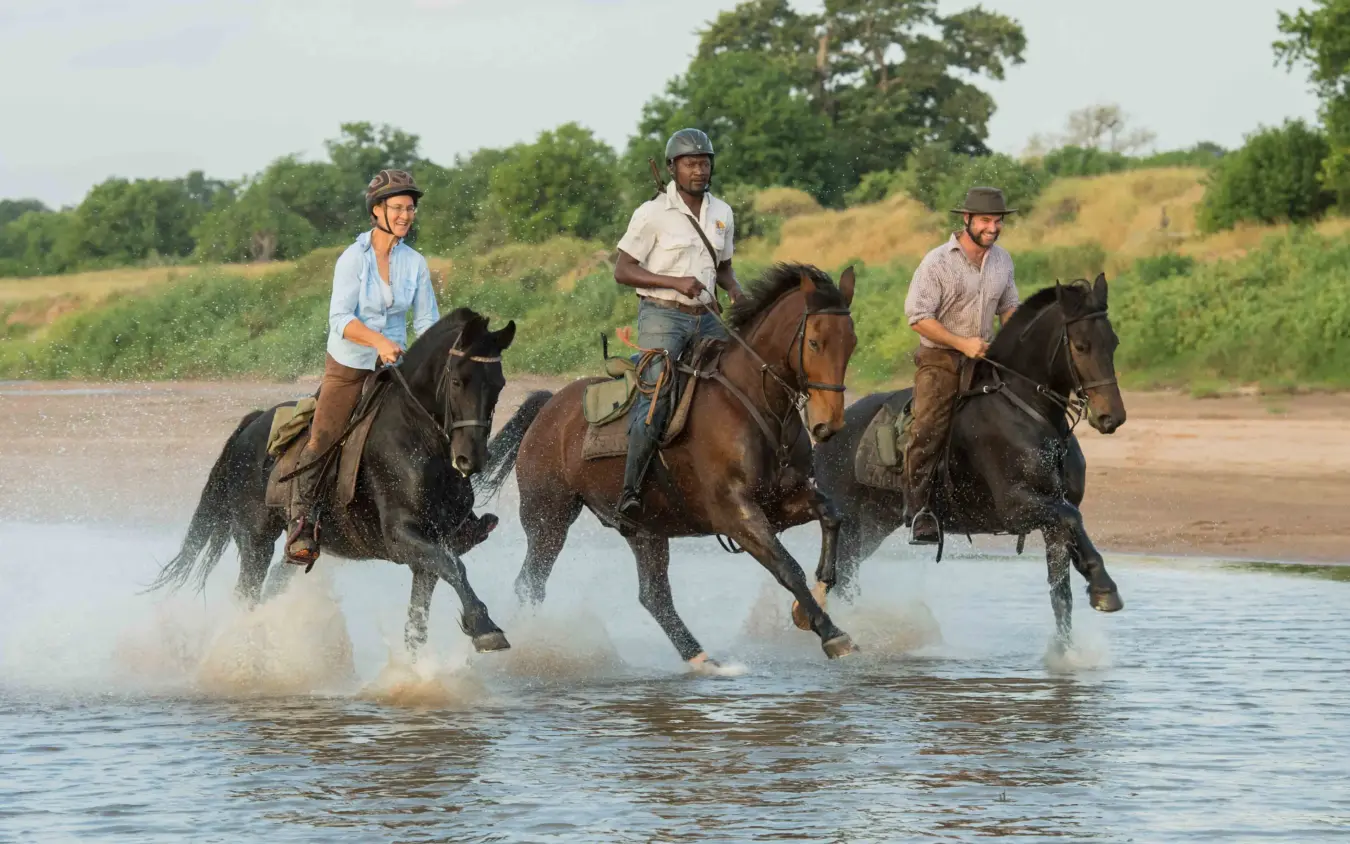
Between drives, children make for the Discovery Room, where archaeological finds, skulls and reconstructed skeletons share space with relics of the Boer War, whose battle sites lie on the reserve itself. The guides take that story outside. They stop at the crumbling ruins of Bryce’s Store. A longer outing ends at the river confluence, where the borders of Botswana, South Africa and Zimbabwe touch. All ages are welcome at the lodge, and at twelve children can join the cycling and horseback safaris.
Kori bustards pace the open ground while martial eagles hunt from above.
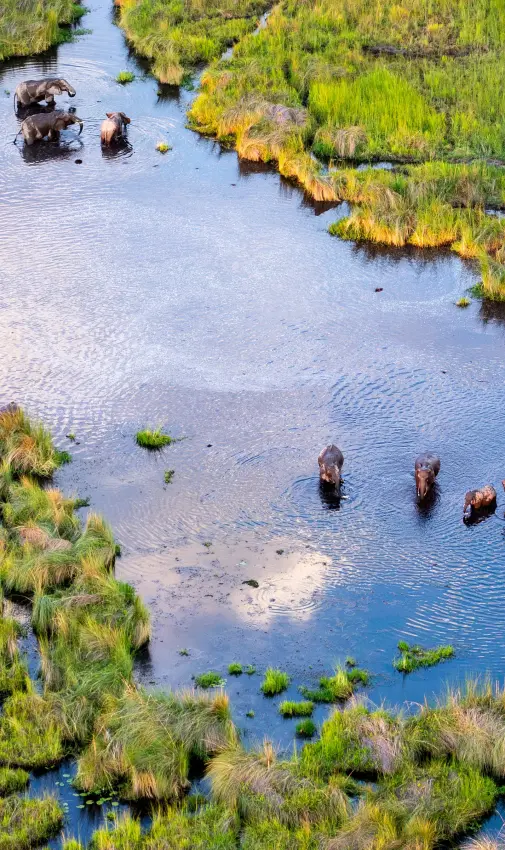
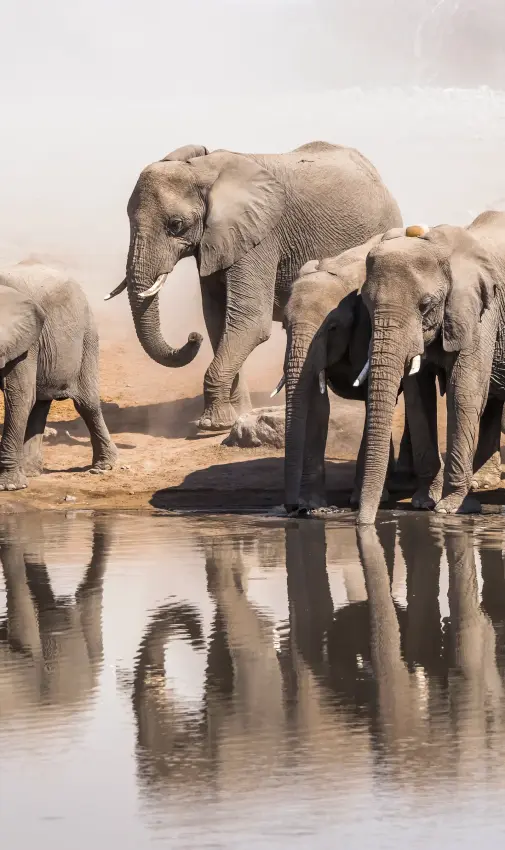
Afternoons begin with high tea above the waterhole, the elephants drinking and bathing within sight of the tables, and in summer a woodland kingfisher calling from the trees overhead. Later come sundowners on the hilltops, where in the dry season the sun drops red through the dust. Dinner is three courses by candlelight or a buffet around the fire in the boma. The kitchen cooks traditional African food without fuss, with breads and pies baked in camp, meat dishes and fresh fruit and vegetables.
Flights from Johannesburg land at the Limpopo Valley Airfield, the reserve’s own international airstrip. By road, guests cross the Limpopo at Pont Drift, by vehicle or, when the river is in flood, by cable car. The lodge is open all year. Between June and mid-November the dry season draws animals to the last of the water. December to March is the time of afternoon storms that break the heat, of newborn animals and of birding at its peak, with more than 350 species recorded.